Ancient Artifacts and Texts

Collection of ancient artifacts including ostracons, oracle bones, and sealing fragments. Varying textures and colors depict historical significance.
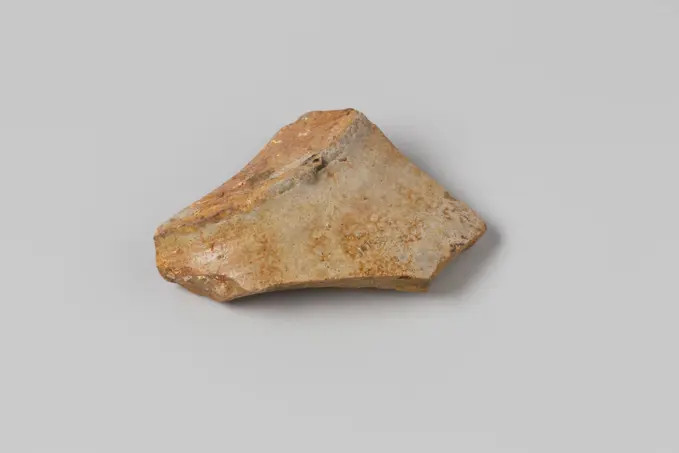
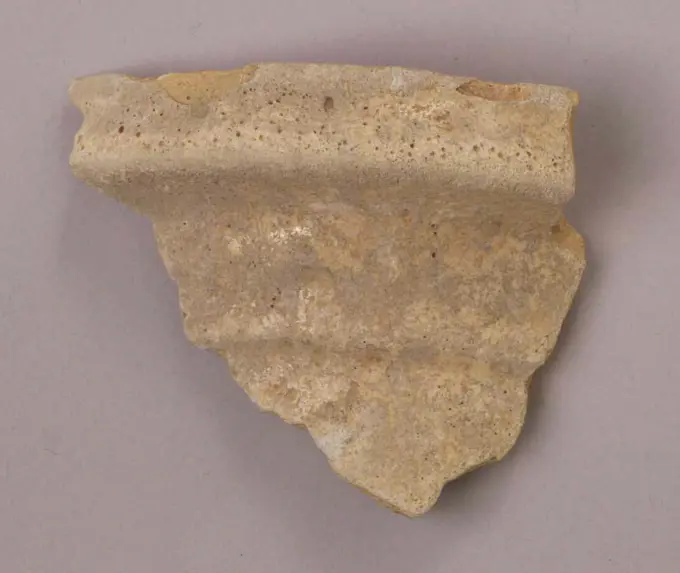
Scherf of a jug of the wreck of the East Indians Hollandia, Anonymous, 1700 - in or Before 1743  Stoneware, Rhenish, Frechen-ware, jug; fragm of base. Cologne stoneware   Second
Scherf of a jug of the wreck of the East Indians Hollandia, Anonymous, 1700 - in or Before 1743 Stoneware, Rhenish, Frechen-ware, jug; fragm of base. Cologne stoneware Second
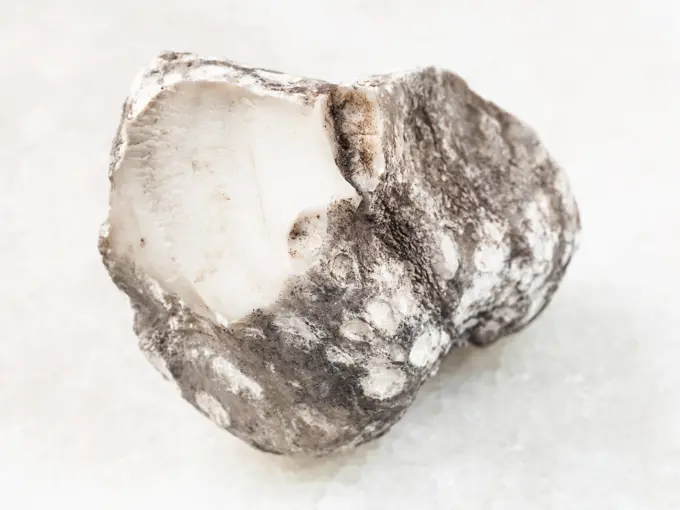
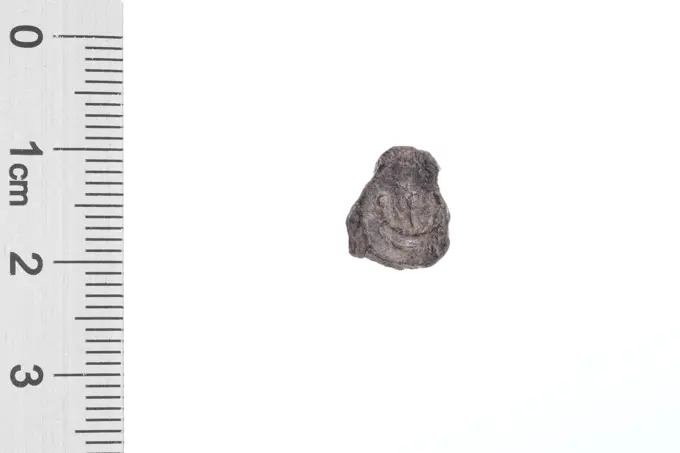
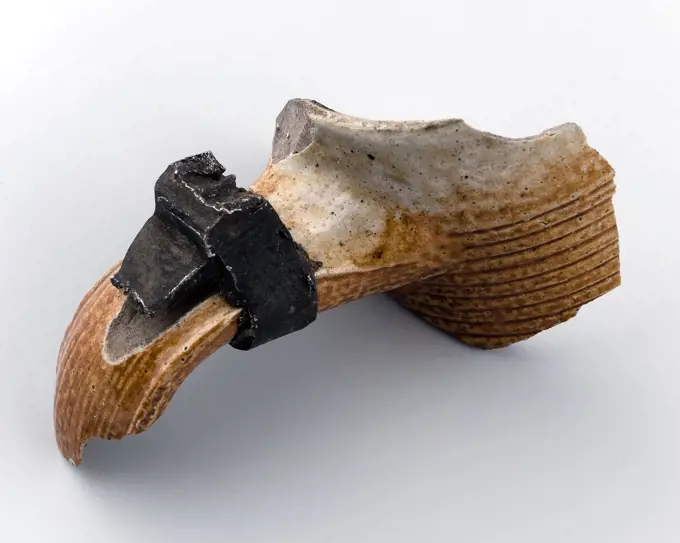
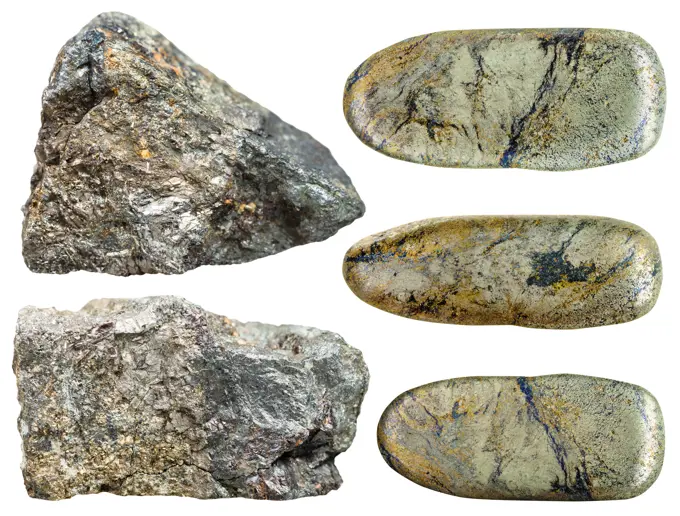
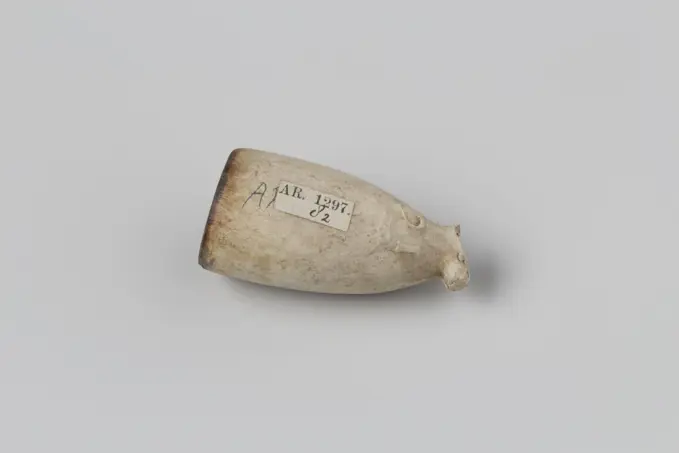
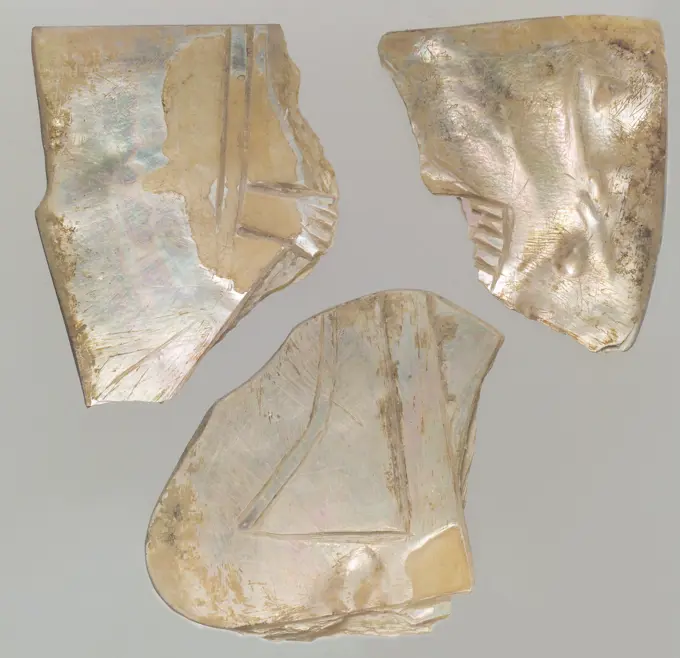
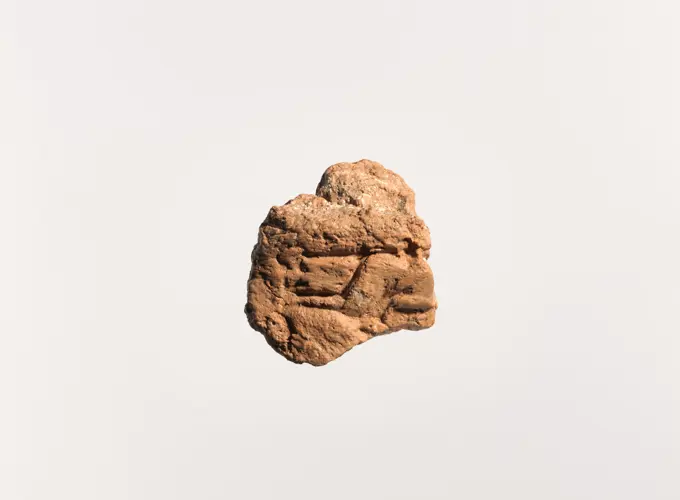
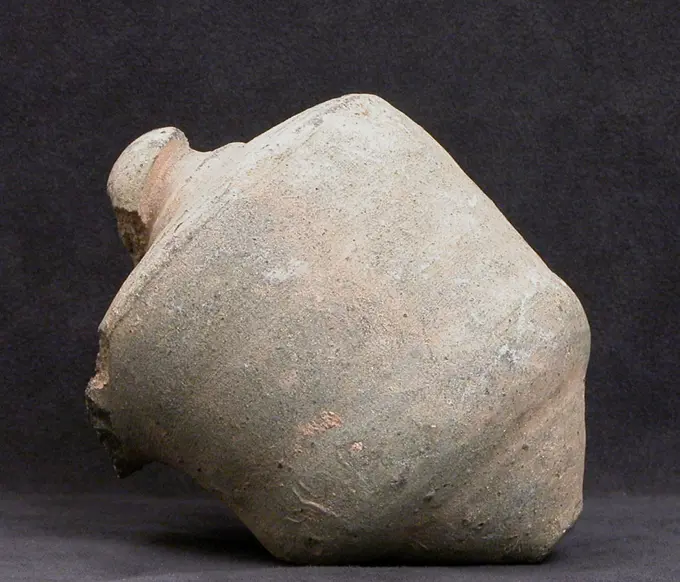
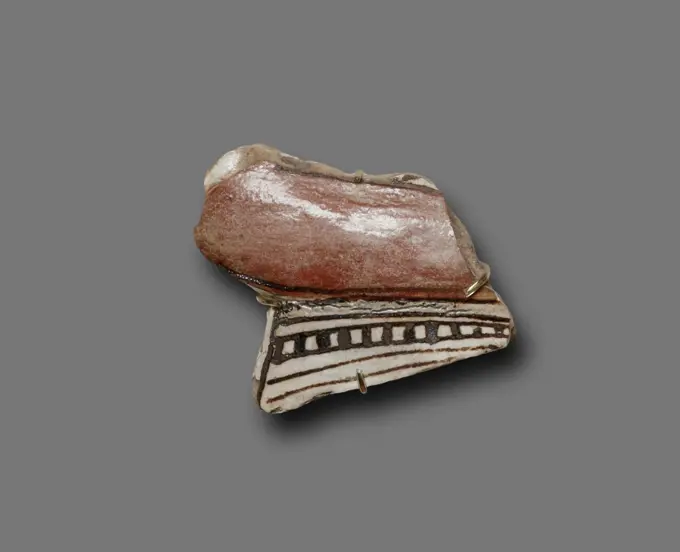
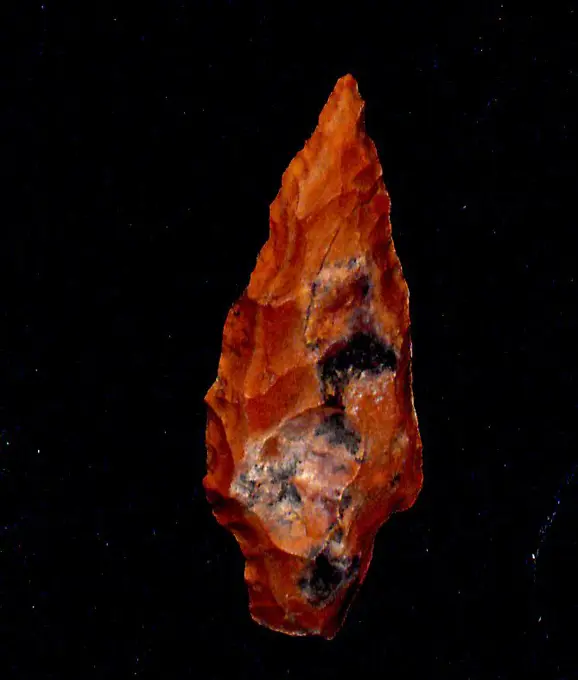
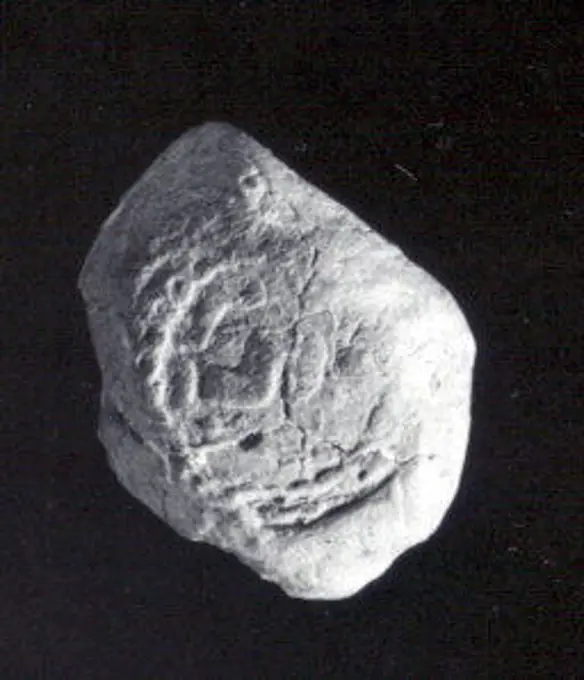
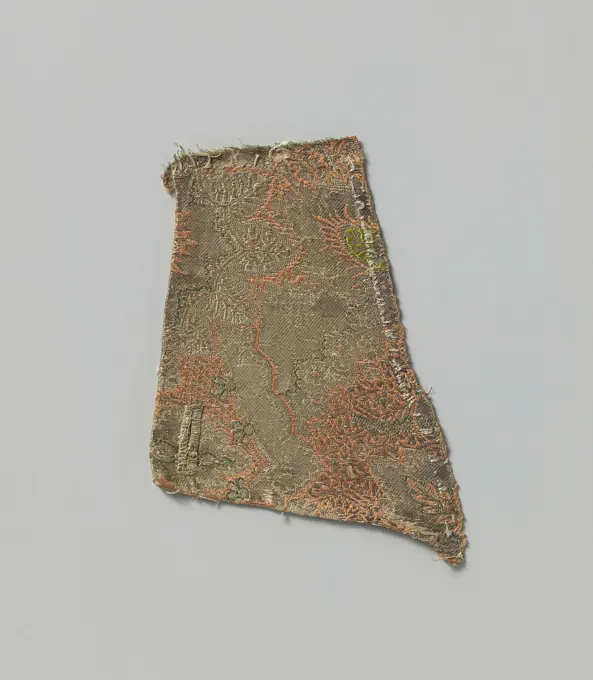
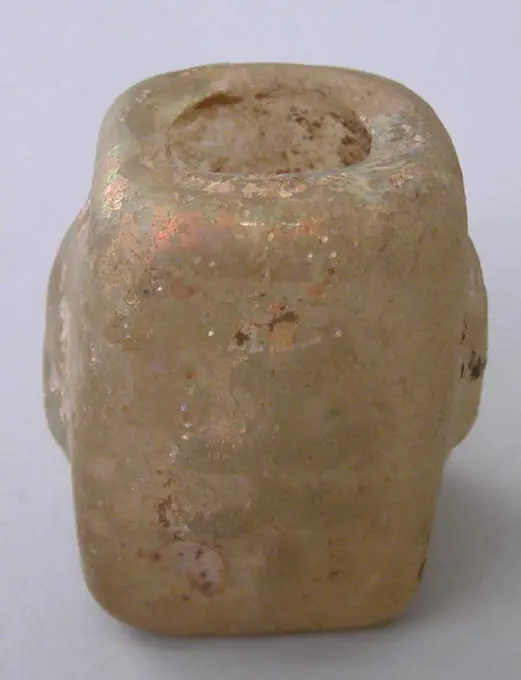
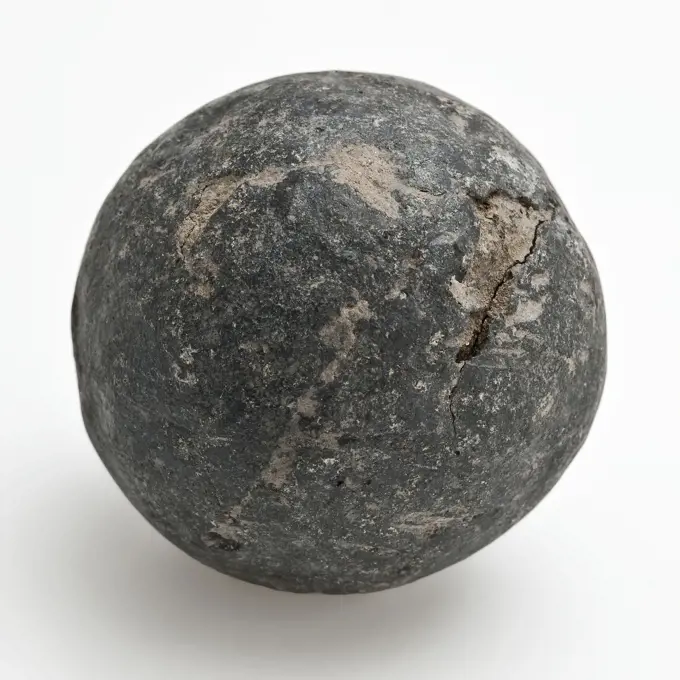
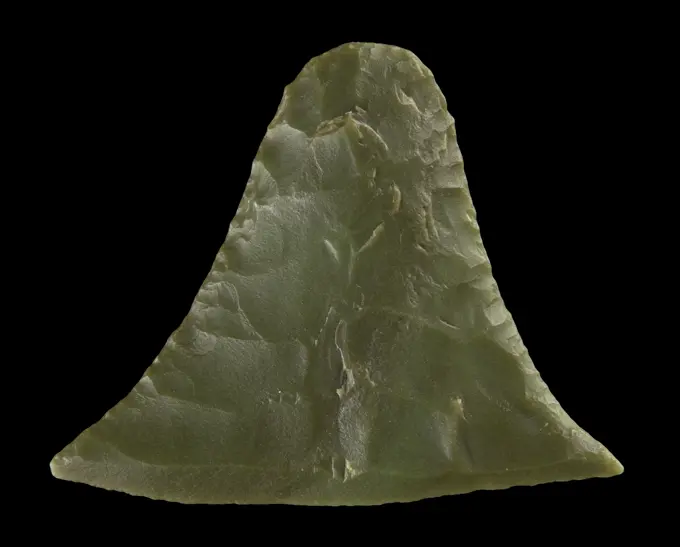
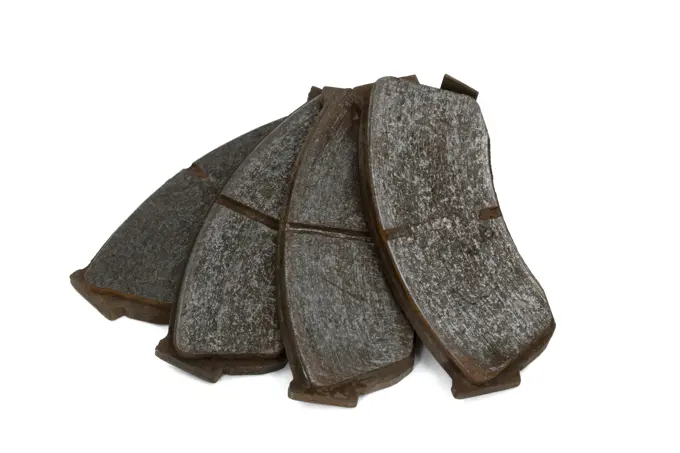
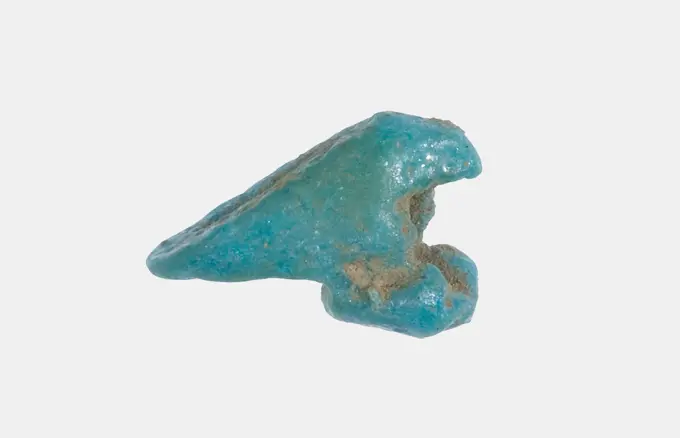
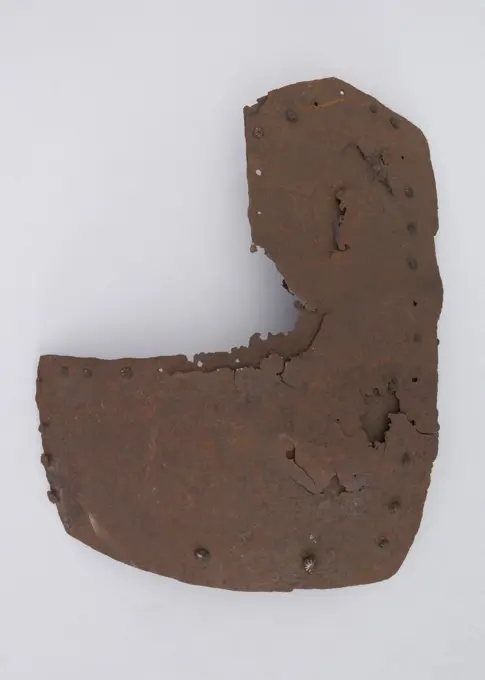
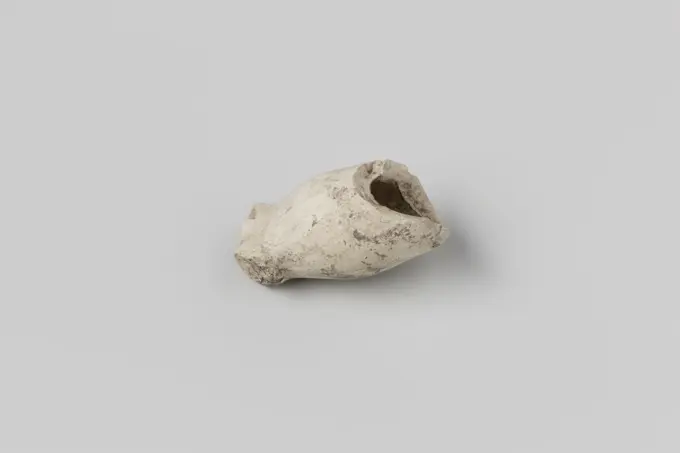
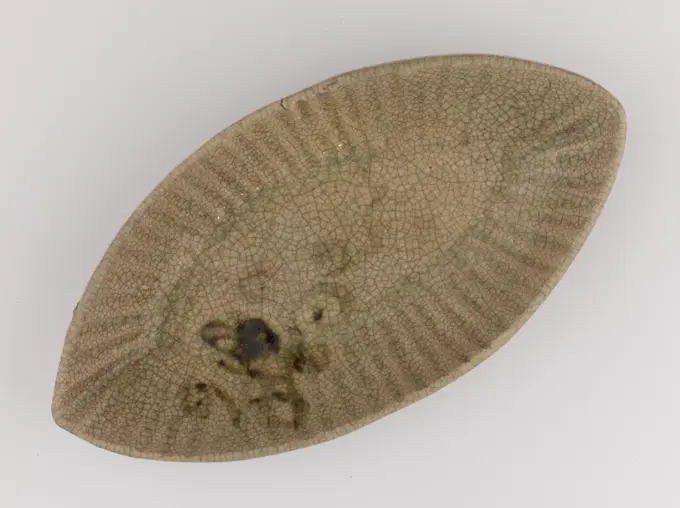
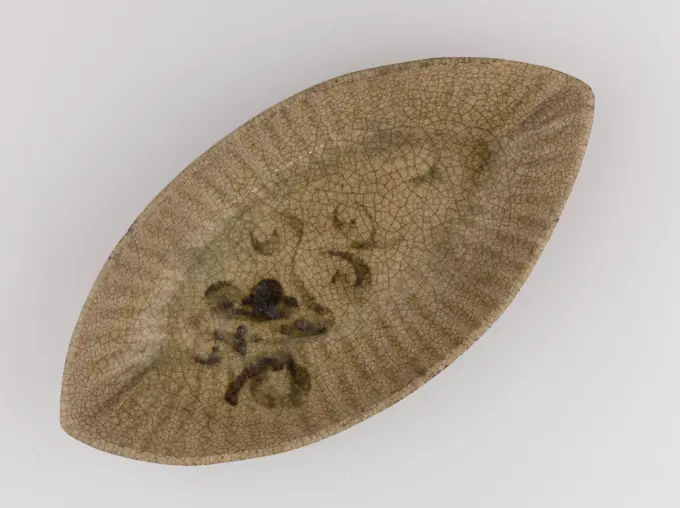
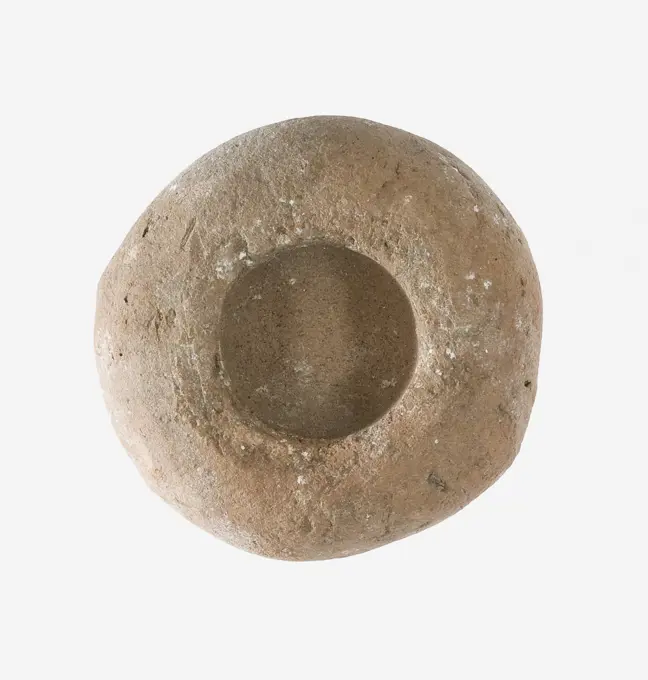
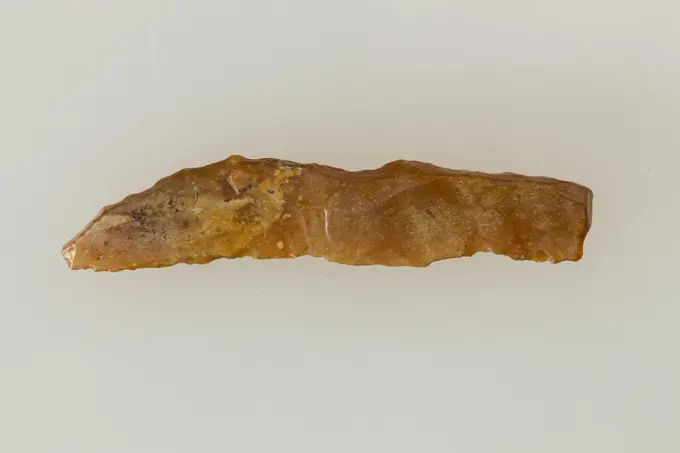
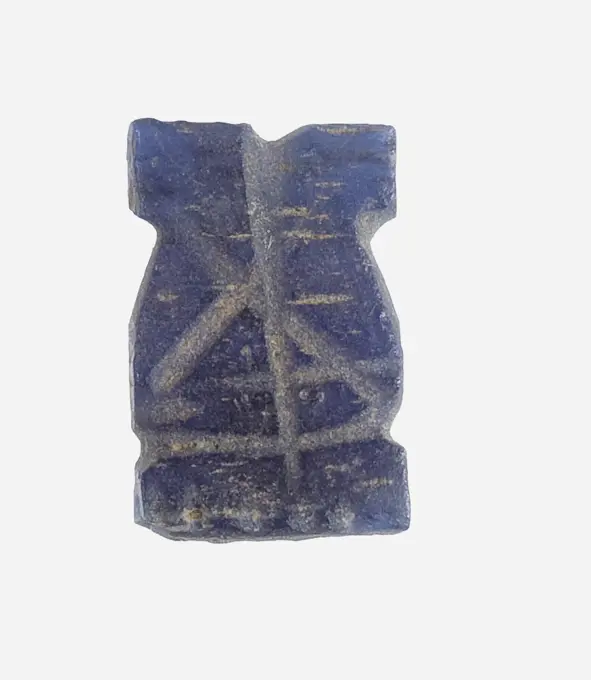
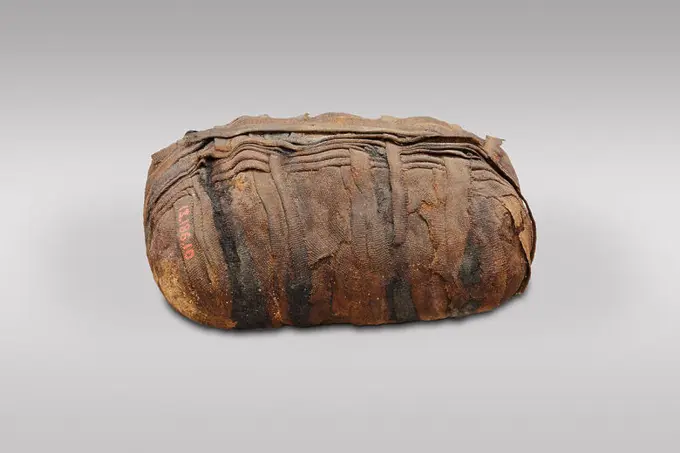
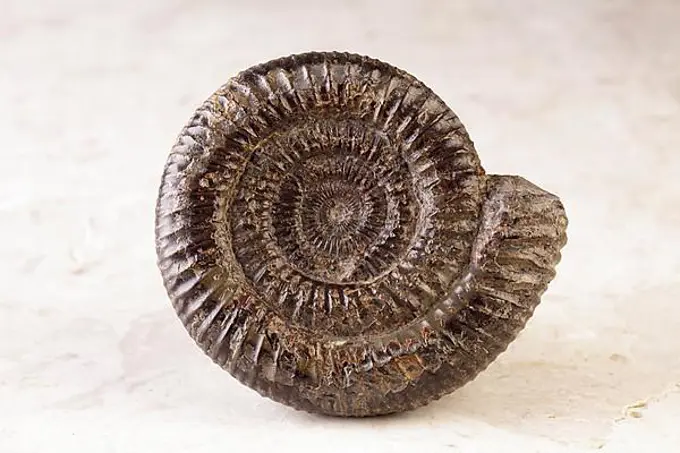
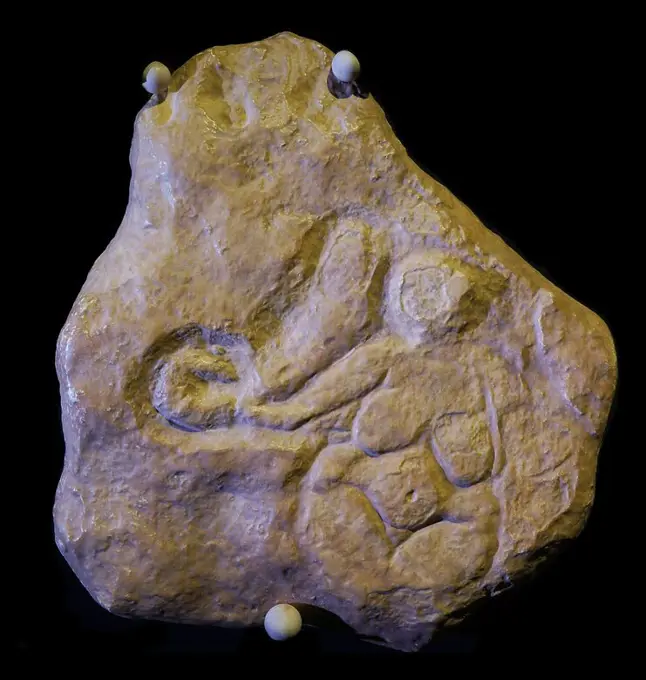
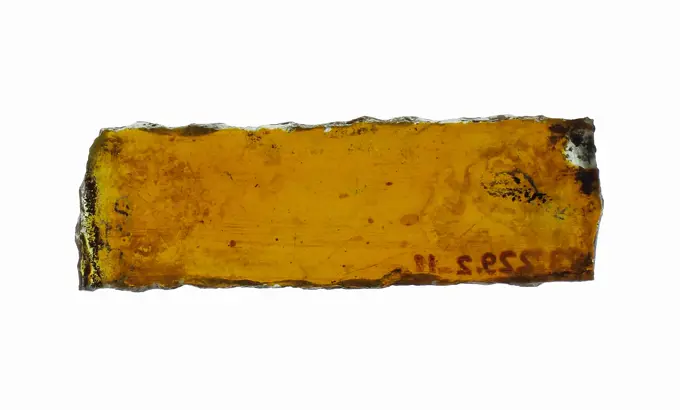
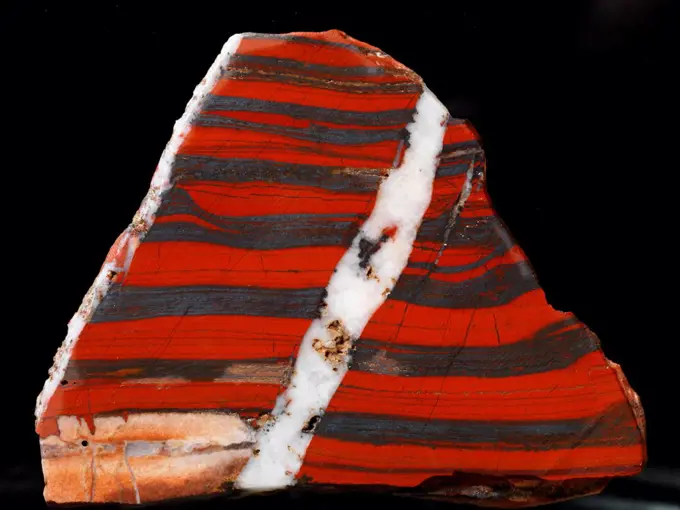
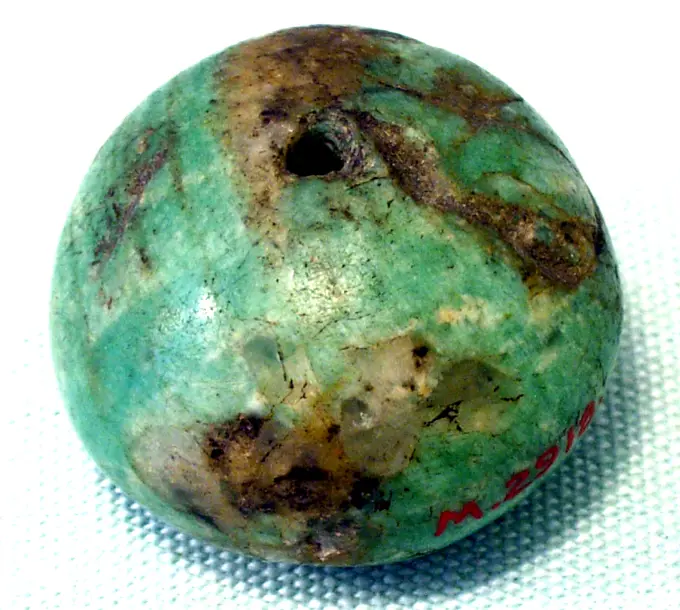
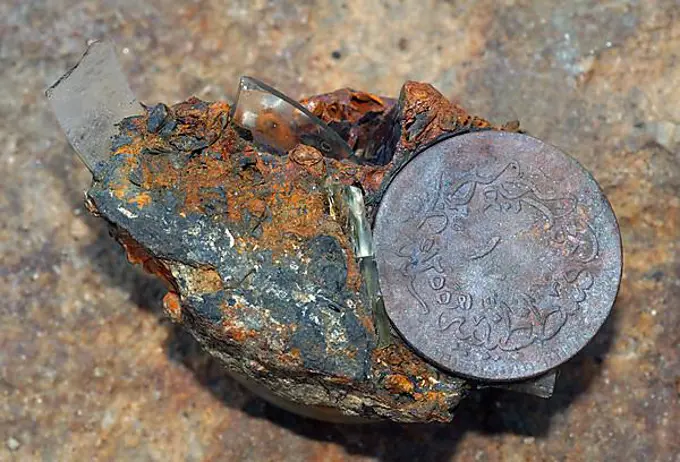
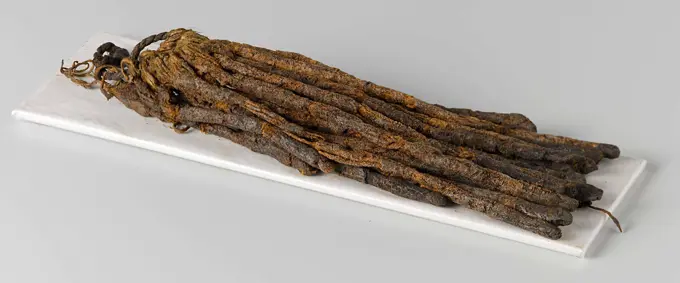
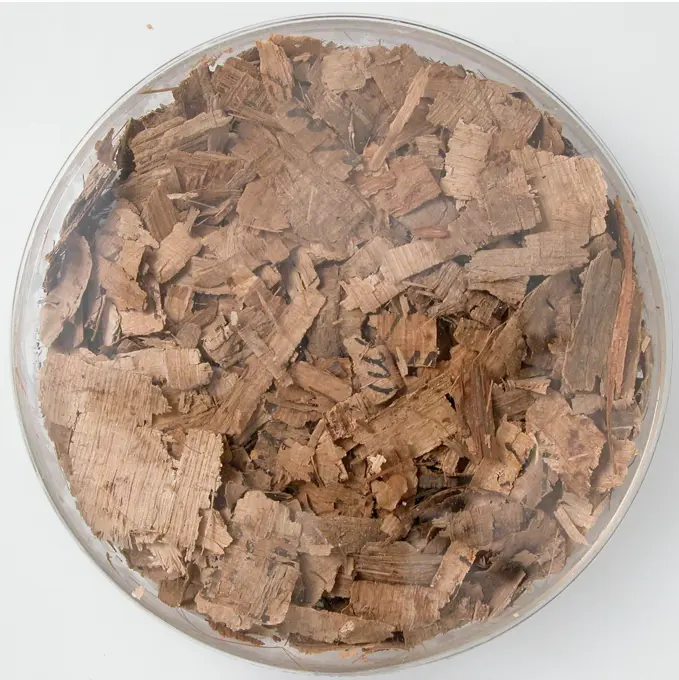
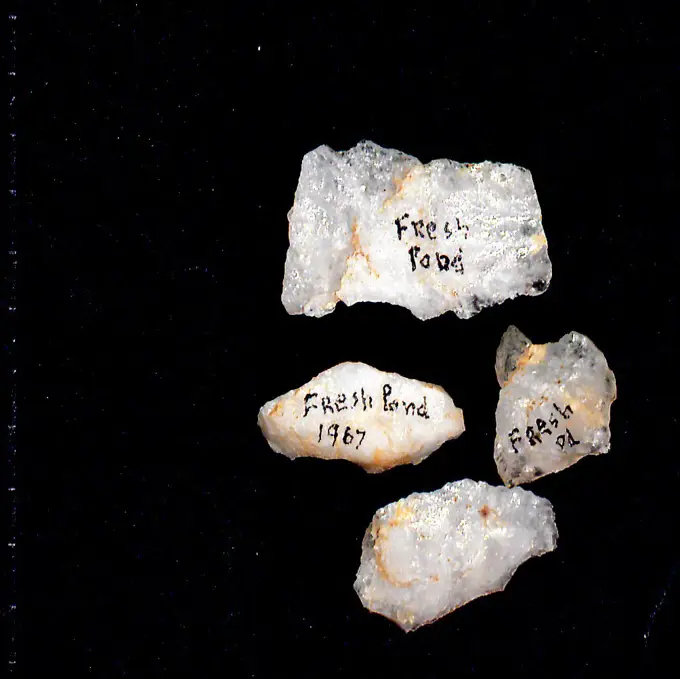
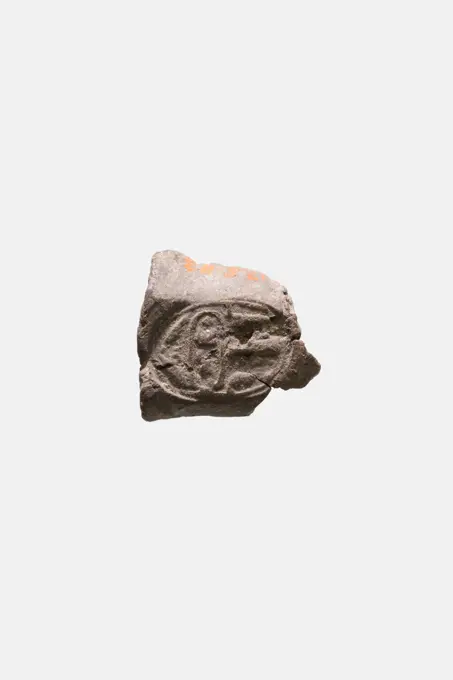
Maize Kernel Celtraw cacholong stone on white macro shooting of natural mineral rock specimen - raw cacholong stone on white marble background from Kazakhstan Copyright: xZoonar.com/ValeryxVoennyyx 11950098Block Fragment. Culture: French. Date: ca. 1130-40. Museum: Metropolitan Museum of Art, New York, USA.Drohiczyn seal. unknown, managerFragment ear of stoneware jug, holder can be found on the foundations ceramic stoneware tin metal, twisted baked ear-neck fragment with seat of frame of tin lid Gray shard archeology Rotterdam City center Stadsdriehoek Schielandshuis Korte Hoogstraat serve serving Soil discovery: Gallery garden Schielandshuis.Bell 500 B.C.-A.D. 300 Thailand. Bell. Thailand. 500 B.C.-A.D. 300. Bronze. Bronze and Iron Age period. MetalworkStone Animal Mace Head 1st-5th century Guanacaste-Nicoya. Stone Animal Mace Head 312255set of Arsenopyrite polished and rock stones set of Arsenopyrite polished and rock mineral stones isolated on white background Copyright: xZoonar.com/ValeryxVoennyyx 8904556Attic Black-Figure Cup Fragment. UnknownChar coal, close_upFragment Pijpenkop, Unknown, 1750 - 1780 Fragment Pijpenkop. Of the excavations on the Hofstede Arentsburg 1827-1831 under the supervision of Professor Reuvens. Schoonhoven (Possible) pipe clay Fragment Pijpenkop. Of the excavations on the Hofstede Arentsburg 1827-1831 under the supervision of Professor Reuvens. Schoonhoven (Possible) pipe clayGrahal-Manzara. Carnavalet 2013-2016 collection sites. Numismatics.Inlay ca. 2600-2500 B.C. Sumerian. Inlay. Sumerian. ca. 2600-2500 B.C.. Shell. Early Dynastic IIIa. Mesopotamia, NippurSealings with cylinder seal impressions ca. 2900-2600 B.C. Sumerian. Sealings with cylinder seal impressions. Sumerian. ca. 2900-2600 B.C.. Clay. Early Dynastic I-II. Mesopotamia, NippurCollection of the Dutch Heidematschappij. by frost. undatedNeolithic tool. Mali. 14.7cm.Glass Fragment 13th century French. Glass Fragment 466493In concretion from the wreck of the East Indians Hollandia, Anonymous, 1700 - in Or Before 1743  Pin, tools and instruments, sewing and sailmaking, pin; pointed wire with ball-shaped top, concreted. Netherlands copper (metal)   SecondFragment 14th century. Fragment. 14th century. Stonepaste; white slip; black underglaze; transparent, colorless glaze. Attributed to Syria. CeramicsSpheroconical Vessel 9th-10th century. Spheroconical Vessel 449921Tile Inlay from the Palace of Ramesses II, Captives of Non-Semitic Northern Peoples ca. 1279-1213 B.C. New Kingdom, Ramesside This tile once decorated the palace of Ramesses II in Piramesse, which he made into one of the greatest royal cities of ancient Egypt. Thanks to the royal favor and its strategic location, Piramesse soon became an important international trade center and a cosmopolitan metropolis, boasting a harbor, a military base, and temples dedicated to various gods like Amun-Re-Harakhty-Atum, Seth, Astarte, etc. Poems were written in the city's praise, and its name, which translates as "The House of Ramesses, Beloved of Amun, Great of Victories" when fully written, came to us through the Old Testament as Raamses.’ The tiles bear the names of Seti I, Ramesses II and later Ramesside kings, who renovated the palace and changed its decoration through the reigns. New tiles were made, and the old tiles may be have been dismantled and buried together. Based on the tiles, we can sIndian arrowhead from Georgia and North & South Carolina , Archaeological assemblages, Charles F. Walcott Archaleogical CollectionFragment 14th-15th century. Fragment 446403Neolithic dagger, La Garma, Ribamontan al Monte, Museum of prehistory and archeology (MUPAC), Santander, Cantabria, Spain.Fragment of an Archaic Kline Monument. UnknownGlass Fragment. Culture: French. Dimensions: Overall: 3 15/16 x 1 9/16 in. (10 x 4 cm). Date: 17th century. Museum: Metropolitan Museum of Art, New York, USA.Round Plaque 3rd century B.C.-A.D. 2nd century Vicús. Round Plaque 315531A fragment of red -andened skyfos; Unknown Etruscan workshop; 4th century A.C. (301-00-00-400-00-00);Bednarek-03, Dar, Etruria, Antical Art Collection, DarFragment 3rd-8th century. Fragment 448815Stone Celt before 16th century Taíno. Stone Celt. Taíno. before 16th century. Stone. Dominican Republic, Caribbean. Stone-ImplementsFive penny, emergency coin from Amsterdam, beaten during the siege from the silver of the Nieuwe Kerk, Anonymous, 1578 - 1631 coin. siege coin Unilateral, diamond -shaped emergency coin with beveled corners. Front: two stamps above each other, one right of it; From bottom to top: city coat of arms: crowned coat of arms, left still part of number 5, to the right of 7 visible, to the right of Kroon: number 0 visible; year above letter V; Stamp on the right: Mint Masters sign: solder vasje. Reverse: Blanco Amsterdam silver (metal) striking (metalworking)  AmsterdamIndian arrowhead from Georgia and North & South Carolina , Archaeological assemblages, Charles F. Walcott Archaleogical CollectionHearing stone with a bird's representation on a branch (), C. 1550 - c. 1575 Hearing stone with a bird's representation on a branch (). Very worn. Southern Netherlands earthenware Hearing stone with a bird's representation on a branch (). Very worn. Southern Netherlands earthenwareFemale Head. UnknownChunks of concretion with fragments of glass and iron from the wreck of the East Indians Hollandia, 1700 - in or before 1743 concretionary stone Parts of artefacts; eroded fragments: materials; lumps, containing fragm of glass, of knife handle ferrule, hollow impression of nail, fragm of pipe bowl. Netherlands concretionary stone. glass. iron (metal)   SecondAlmond-shaped sealing with one circular seal impression ca. 18th century B.C. Old Assyrian Trading Colony. Almond-shaped sealing with one circular seal impression 323549Drohiczyn seal. unknown, managerFragment multi-colored brocatel. Five fragments of a silk tissue. Brown silk reputation with impacts of silver thread and from white, green, pink and red-brown silk. The drawing consists of large diamond-shaped medallions in which leaf and fruit motifs. Note: Selling; put together a small fragment; Skiper, satin, 1 cm wide. Different types and colors silk.Bottle 9th-11th century. Bottle 448363Coin 8th-9th century. Coin. 8th-9th century. Copper. Excavated in Iran, Nishapur. CoinsFragment 8th-9th century. Fragment 448880tumbled Greywacke sandstone on dark background macro shooting of natural mineral rock specimen - tumbled Greywacke sandstone on dark granite background Copyright: xZoonar.com/ValeryxVoennyyx 11383834Large lead bullet, bullet ammunition soil discovery lead metal, cast Loden bullet ball shaped lead projectile archeology war military rifle firearm standardization militariaStone scraper. Neolithic period. North Africa. 4cm.antique flask antique military flask isolated on white Copyright: xZoonar.com/YuryxZapx 14108077Old brake pads disk brake isolated Old brake pads disk brake, isolated on a white background Copyright: xZoonar.com/OleksandrxKostiuchenkox 3457304Relief fragment from tomb of Meketre ca. 1981-1975 B.C. Middle Kingdom. Relief fragment from tomb of Meketre 668996Falcon Amulet ca. 1802-1450 B.C. Late Middle Kingdom-Early New Kingdom. Falcon Amulet. ca. 1802-1450 B.C.. Faience. Late Middle Kingdom-Early New Kingdom. From Egypt, Memphite Region, Lisht North, Cemetery south of pyramid, House A1, so-called "faience factory", MMA excavations, 1920-22. Dynasty 13-18, earlyPotato Majestic 1952Shard 15th century Korea. Shard. Korea. 15th century. Pottery. Joseon dynasty (1392-1910). CeramicsBronze cauldron from Alalakh, Middle Bronze Age, From Level VII (1720-1650 BC). Alalakh (Hittite: Alala) was an ancient city-state, a late Bronze Age capital in the Amuq River valley of Turkey's Hatay Province. It was occupied from before 2000 BC, when the first palace was built, and likely destroyed in the 12th century BC and never reoccupied.Brigandine Plate 1400-1450 Italian This is part of a large find of medieval armor discovered in 1840 in the ruins of the fortress of Chalcis, on the Greek island of Euboea (then a Venetian colony called Negroponte). The fortress had been captured and destroyed by the Turks in 1470. Now divided largely between the Ethnological Museum, Athens, and The Metropolitan Museum of Art, the Chalcis hoard contains many rare and unusual elements of fourteenth- and fifteenth-century armor. Of particular importance are the variety of headpieces and the many fragments of brigandines (armor for the torso constructed of small plates riveted to layers of fabric), some of which retain portions of their original velvet covering. The Chalcis armor provides a unique picture of the armament used in the Aegean, one of the easternmost military outposts of the Venetian empire.. Brigandine Plate 27683Fragment of vessel withinscription, ca. 323 B.C.-A.D.256, Terracotta, 14.4 × 15.3 × 1.2 cm (5 11/16 × 6 × 1/2in.), Yale-French Excavations atDura-Europos, Excavated in Dura-Europos, Syria, Syrian,Dura-Europos, Greco-Roman orParthian, Containers -CeramicsFragment. Culture: European or Middle Eastern. Dimensions: L. 2 1/8 in. (5.4 cm). Date: ca. 1150-ca. 1250. Museum: Metropolitan Museum of Art, New York, USA.Obsidian Blade before 16th century Mexican. Obsidian Blade 317322Fragment Pijpenkop, Arij Tobiasz. De Seeuw, 1650 - 1670 Fragment Pijpenkop. Of the excavations on the Hofstede Arentsburg 1827-1831 under the supervision of Professor Reuvens. Gouda pipe clay Fragment Pijpenkop. Of the excavations on the Hofstede Arentsburg 1827-1831 under the supervision of Professor Reuvens. Gouda pipe clayKarte von Paraiba auf rostigem Metall - Map of Paraiba on rusty metal Karte von Paraiba auf rostigem Metall - Map of Paraiba on rusty metal Copyright: xZoonar.com/lantapixx 14912945Ravier. Sandstone, Céladon covered, iron brown under the cover. Paris, Cernuschi museum. Art of the table, Japanese art, Japanese ceramic, gres, ravier, dishRavier. Sandstone, Céladon covered, iron brown under the cover. Paris, Cernuschi museum. Art of the table, Japanese art, Japanese ceramic, gres, ravier, dishSealing ca. 1981-1640 B.C. Middle Kingdom. Sealing 560515Sherd ca. 3rd-7th century A.D. Sasanian. Sherd 322813Siren in amber (view 1), ancient Rome, 6th century BC .. Museum of Fine Arts in the city of Paris, Petit Palais. 79210-5 Amber, archeology, sculpt object, ancient Rome, sirene, life century before J.CScrapers , Woordworking tools, Wood-carving, Charles F. Walcott Archaleogical CollectionPea urchins (Echinocyamus pusillus) on white backgroundMold for a Hemispherical Boss ca. 1390-1353 B.C. New Kingdom. Mold for a Hemispherical Boss. ca. 1390-1353 B.C.. Pottery. New Kingdom. From Egypt, Upper Egypt, Thebes, Malqata, Khor west of camp or E. side of S. Village, MMA excavations, probably 1911-12. Dynasty 18Tool. Date: ca. 3850-2960 B.C.. Museum: Metropolitan Museum of Art, New York, USA.Indian arrowhead from Georgia and North & South Carolina , Archaeological assemblages, Charles F. Walcott Archaleogical CollectionAmulet: Hathor Head ca. 1390-1353 B.C. New Kingdom. Amulet: Hathor Head. ca. 1390-1353 B.C.. Glass. New Kingdom. From Egypt, Upper Egypt, Thebes, Malqata, Palace of Amenhotep III, MMA excavations, 1910-11. Dynasty 18Sacred animal mummy bundle containing shrews. Dimensions: L. 15.5 × W. 11.5 × H. 7 cm (6 1/8 × 4 1/2 × 2 3/4 in.). Date: ca. 400 B.C.-100 A.D..Animal cults The Egyptians considered certain individual animals to be living manifestations of a god, such as, since earliest times, the Apis bull . Those individuals were duly mummifed when they died and buried for eternal life, then replaced by another single living manifestation. During the first millennium BC, many multiples of animals associated with certain gods were specially raised in temple precincts as simultaneous avatars of that god and then mummified in large contingents and deposited in catacombs for eternal life. The ancient perception of these multiples, the evolution of the practice in this direction, and variations within the practice are not easily accessible to us. But the hundreds of thousands of often elaborately prepared animal mummies found in catacombs and other locales testify to its ancient resonance. Animal mummieAmmonitePIEZAS DE LA EXPOSICION "ARTE SIN ARTISTAS": REPLICA DE LA VENUS DE BERLIN. ORIGINAL DEL GRAN ABRIGO DE LAUSSEL. MARQUAY, DORDOÑA (FRANCIA). GRAVETIENSE.Glass Fragment 14th-15th century French. Glass Fragment. French. 14th-15th century. Pot metal glass. Glass-StainedCONCHA MARINA LLAMADA HALIOTIS CORRUGATA.Banded red jasper and dark hematite with white quartz vein following reverse fault, Australia.Spatulae ca. 1000-800 B.C. Edomite. Spatulae. Edomite. ca. 1000-800 B.C.. Bone. Iron Age II. Levant, TawilanHand on a sphere. .Planets-manager. Cornalet Collection Sites 2013-2016. Numismatic.Bead 9th-19th century. Bead. 9th-19th century. Beryl. Country of Origin Egypt possibly. JewelryTurkish coin, found at a wreck of a sailing vessel, 19th century, island of Zmeiny, Black Sea, Ukraine, Eastern Europe, EuropeFlint knife. Neolithic period. North Africa. 16.3cm.Glass Fragments 4th-early 5th century Coptic. Glass Fragments 477126Cup rim sherd ca. late 3rd millennium B.C.. Cup rim sherd 326134Stones, close-up, Sweden.Sleeping Muse. Constantin Brancusi; French, born Romania, 1876-1957. Date: 1910. Dimensions: 6 5/16 × 10 14/16 × 7 9/16 in. (16.1 × 27.7 × 19.3 cm). Bronze. Origin: France. Museum: The Chicago Art Institute, Chicago, USA.Findlinge mit geometrischer Dekoration Findlinge mit geometrischer Dekoration Copyright: xZoonar.com/BartomeuxBalaguerxRotgerx 22556752Gefaltete graue Gaze-Küchenserviette auf weißem Hintergrund, Nahaufnahme Folded gray gauze kitchen napkin on white background, close up Copyright: xZoonar.com/DANKOxNx 22300532Pijpenkop, Coenraad Willemsz Murk, 1750 - 1780 Pipe. Boiler brand letters k m with crowned weapon of Utrecht. Of the excavations on the Hofstede Arentsburg 1827-1831 under the supervision of Professor Reuvens. Schoonhoven pipe clay Pipe. Boiler brand letters k m with crowned weapon of Utrecht. Of the excavations on the Hofstede Arentsburg 1827-1831 under the supervision of Professor Reuvens. Schoonhoven pipe clayBundel pitgaren.Bundle pit yarn, nine couple (eighteen pips), still connected. Pitten consisted of gained yarn impregnated. To pull out candles, they were folded up to a loop, on a stick and immersed it or immersed in fat.CoalBowl. UnknownLarge Bowl of Mud Mortar ca. 1479-1458 B.C. New Kingdom. Large Bowl of Mud Mortar. ca. 1479-1458 B.C.. Pottery, mud. New Kingdom. From Egypt, Upper Egypt, Thebes, Deir el-Bahri, Temple of Hatshepsut, Foundation Deposit 9 (I), MMA excavations, 1926-27. Dynasty 18Papyri Fragments 7th century Coptic. Papyri Fragments. Coptic. 7th century. Papyrus and ink. Made in Thebes, Byzantine Egypt. PapyrusBlack lead artefacts, found at a wreck of a sailing vessel, 19th century, island of Zmeiny, Black Sea, Ukraine, Eastern Europe, EuropeOld Amphora, traditional shape mediterranean pottery container, found in the sea. Isolated on white.Quartz for arrows , Archaeological assemblages, Charles F. Walcott Archaleogical CollectionTwo fragments of a terracotta plaque late 5th century B.C. Greek Dancing woman.. Two fragments of a terracotta plaque 254765 Greek, Two fragments of a terracotta plaque, late 5th century B.C., Terracotta, H. of a 3 3/4 in. (9.5 cm); H. of b 3 1/4 in. (8.2 cm). The Metropolitan Museum of Art, New York. Gift of the Archaeological Institute of America, 1953 (53.5.40a, b)Sealing with the Throne Name of Thutmose III ca. 1479-1425 B.C. New Kingdom. Sealing with the Throne Name of Thutmose III. ca. 1479-1425 B.C.. Mud. New Kingdom. From Egypt; Probably from Northern Upper Egypt, Deir el-Ballas. Dynasty 18Excerpt or part of the wreck of the East Indians Hollandia, Anonymous, Before 1743 fragment. part Varied parts or fragments, bar(-shaped) fragments; fragm, heavily eroded, broken, sim. 80H1763. Netherlands iron (metal)   SecondFragments of Romanesque decorative stuccoes, after restoration, verso, basilica of Santa Maria Maggiore, Lomello, Lombardy. Italy, 11th century.Caribbean, Cuba, Pinar del Rio, Vinales, crushed can