Ancient Artifacts and Texts

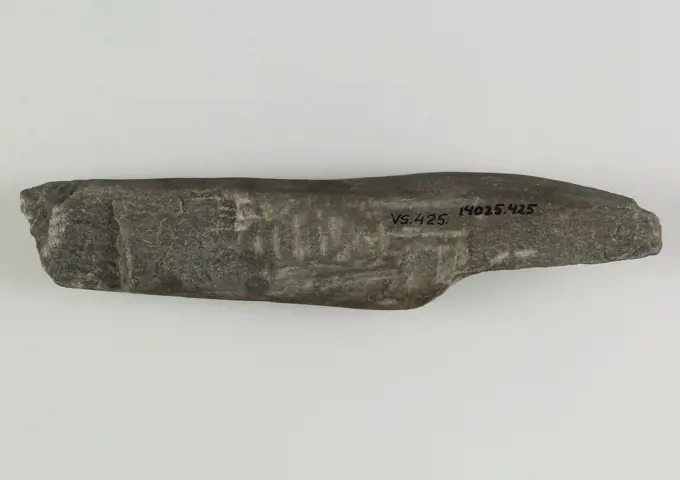
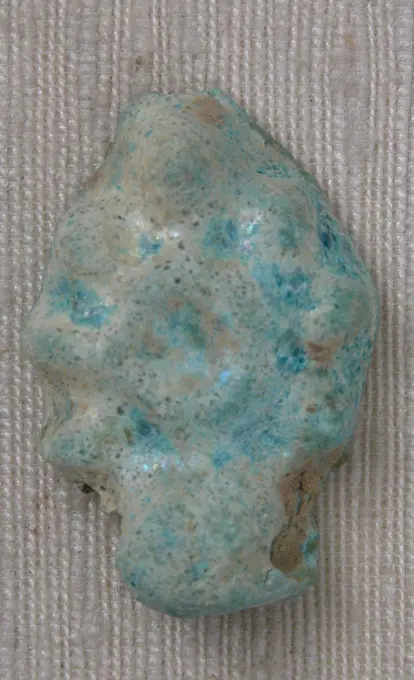
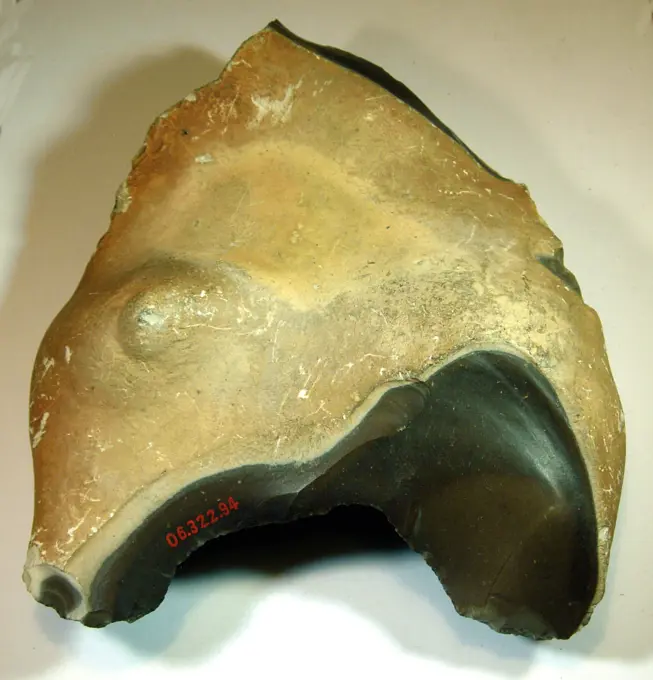
Collection of ancient artifacts including ostracons, oracle bones, and sealing fragments. Varying textures and colors depict historical significance.
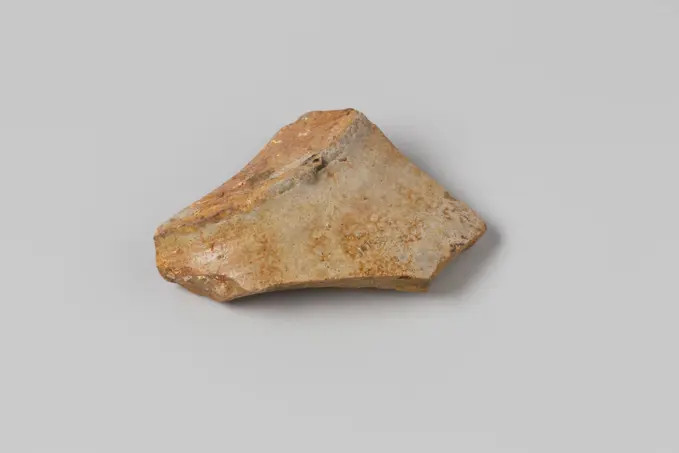
Scherf of a jug of the wreck of the East Indians Hollandia, Anonymous, 1700 - in or Before 1743  Stoneware, Rhenish, Frechen-ware, jug; fragm of base. Cologne stoneware   Second
Scherf of a jug of the wreck of the East Indians Hollandia, Anonymous, 1700 - in or Before 1743 Stoneware, Rhenish, Frechen-ware, jug; fragm of base. Cologne stoneware Second
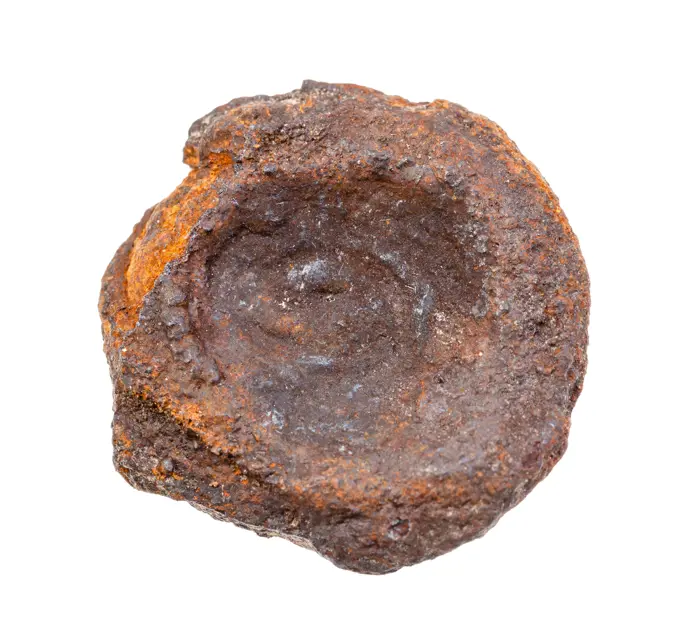
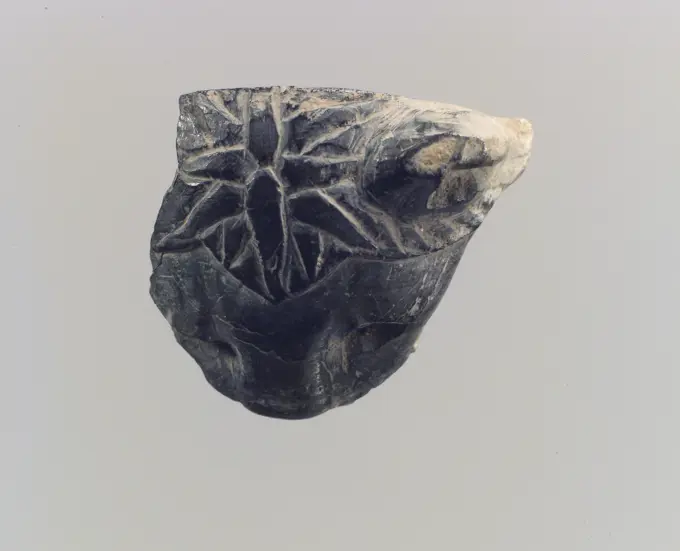
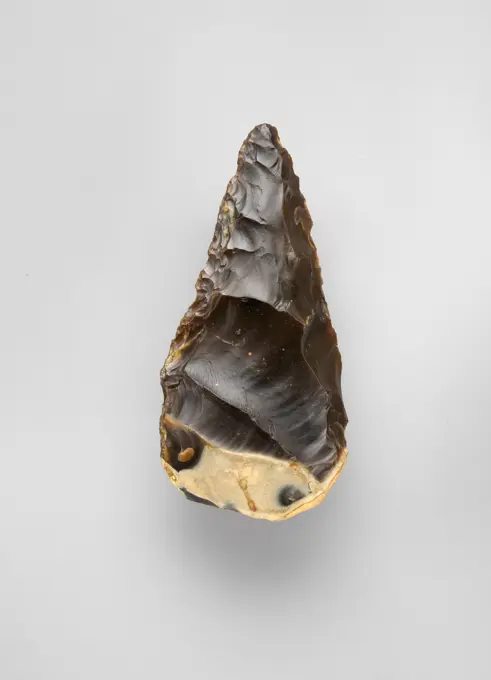
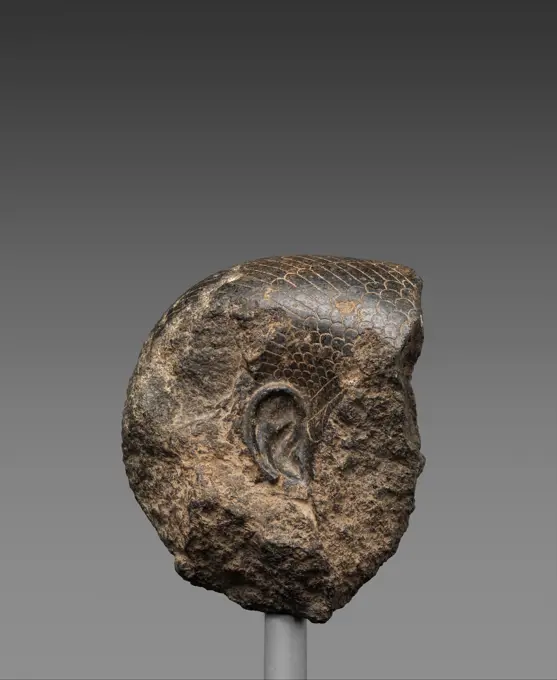
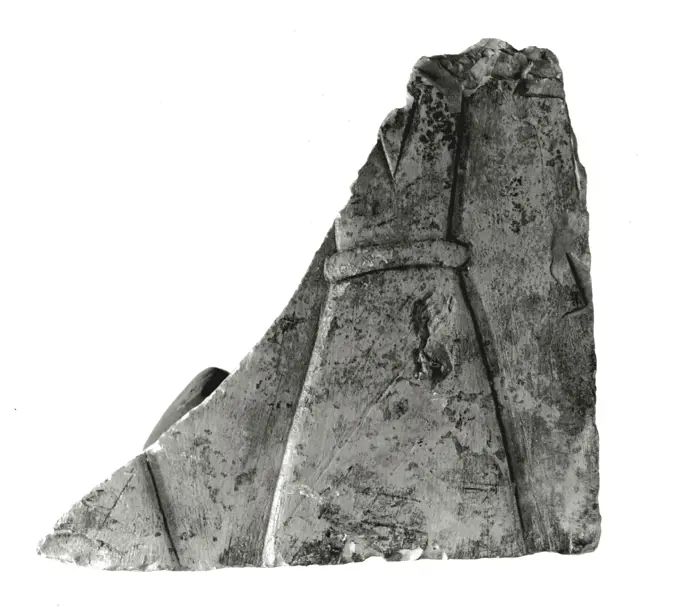
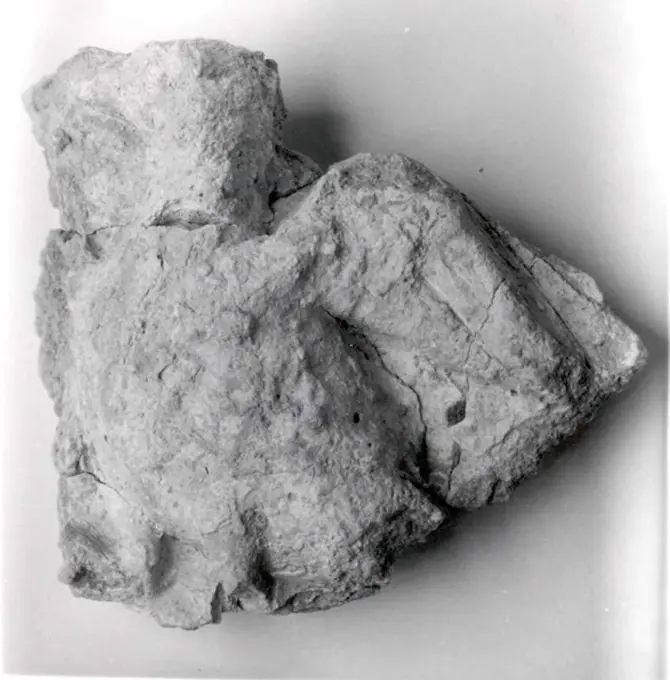
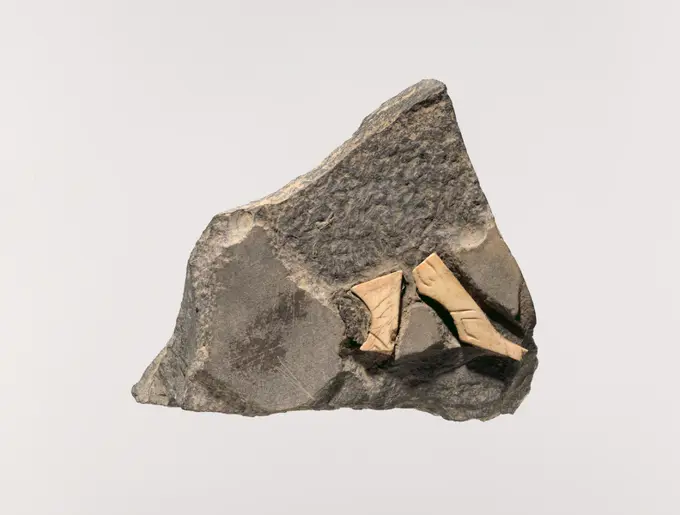
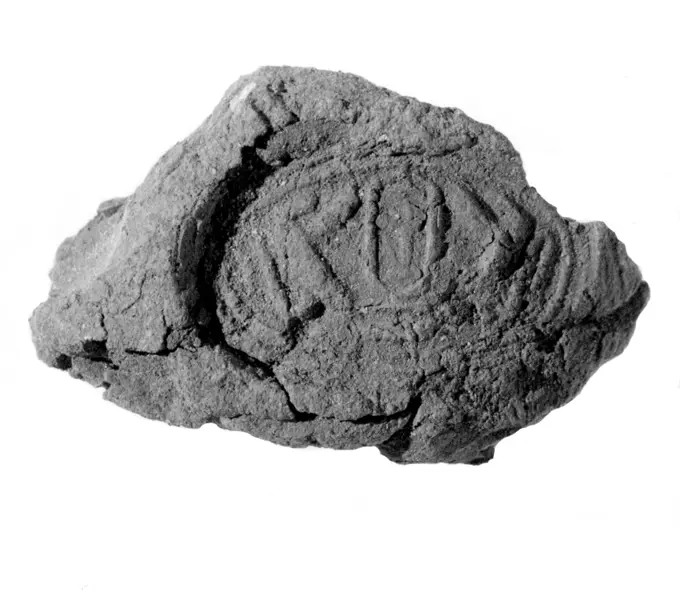
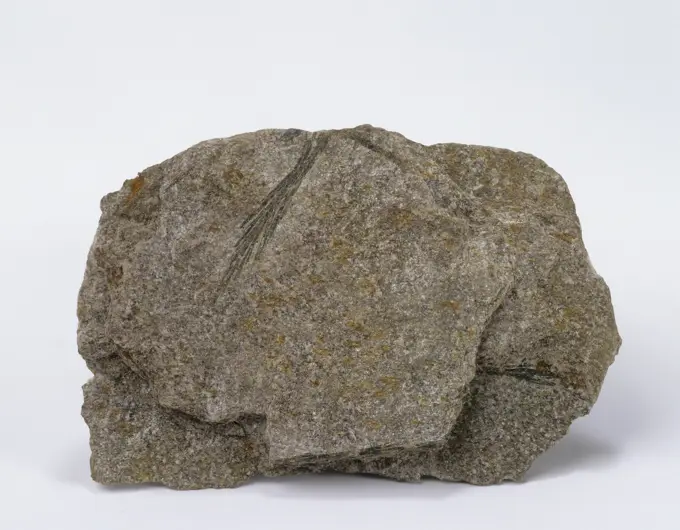
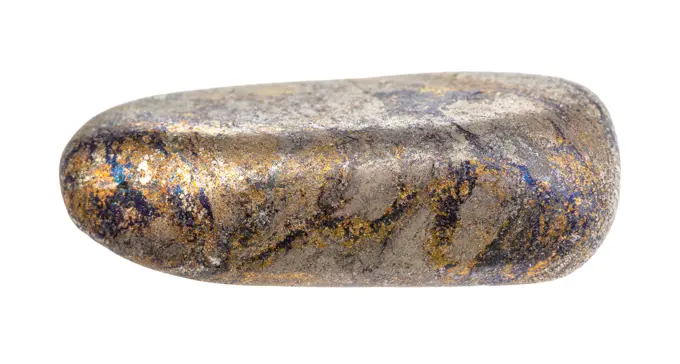
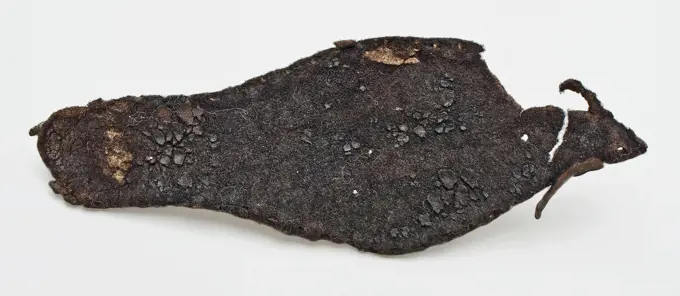
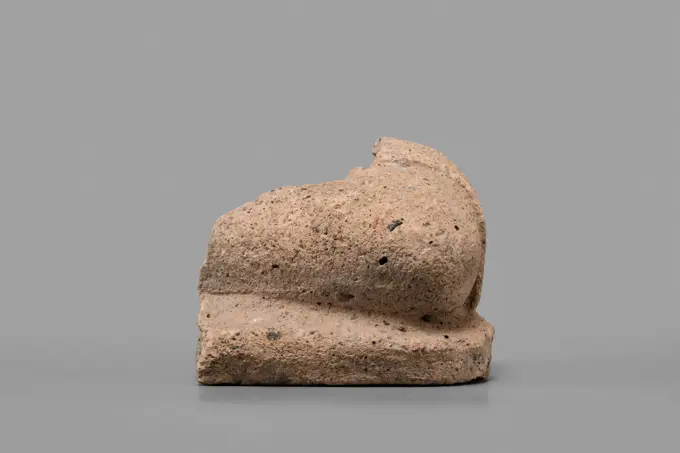
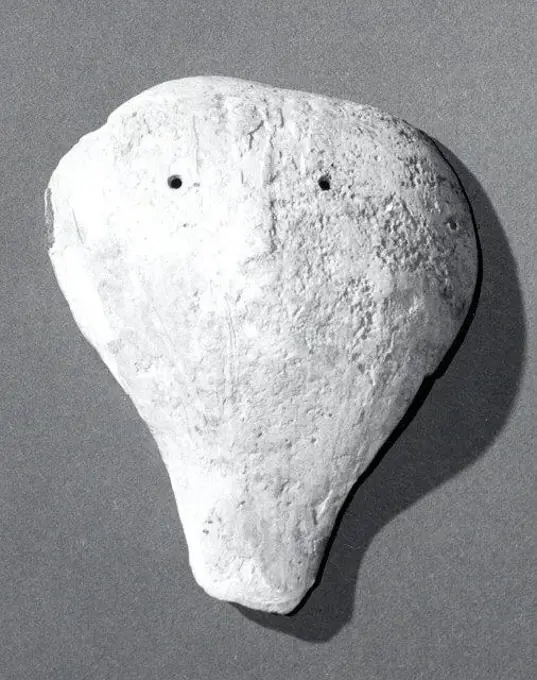
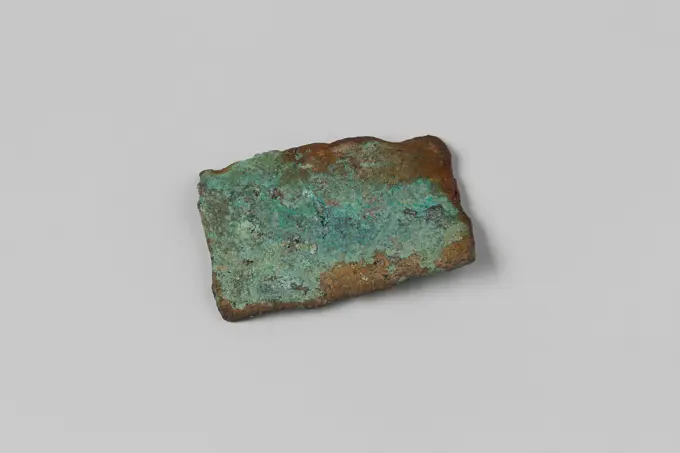
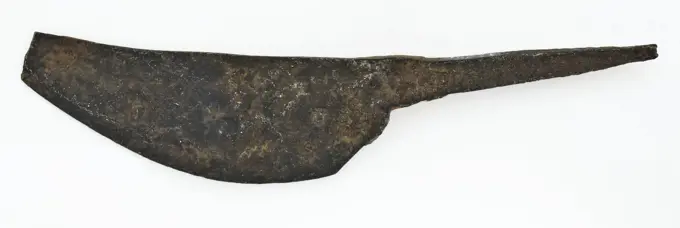
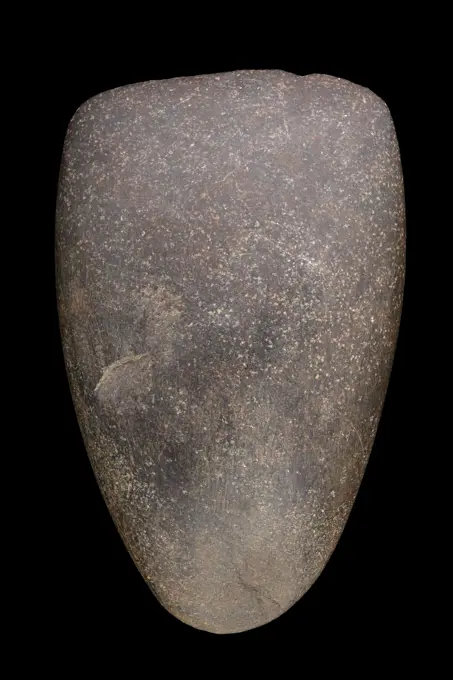
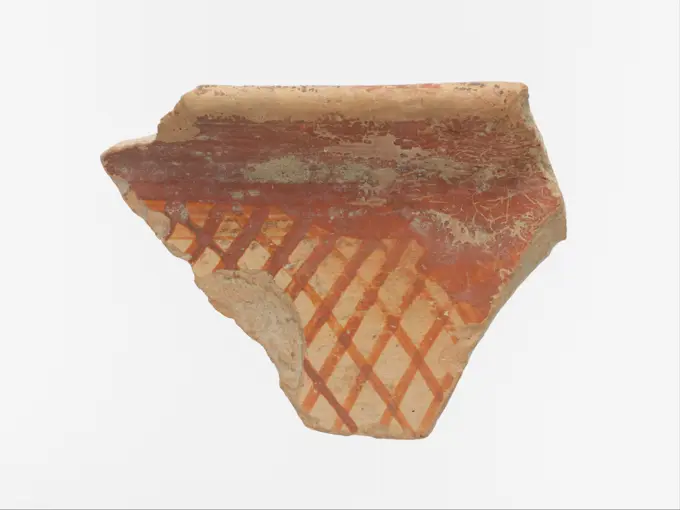
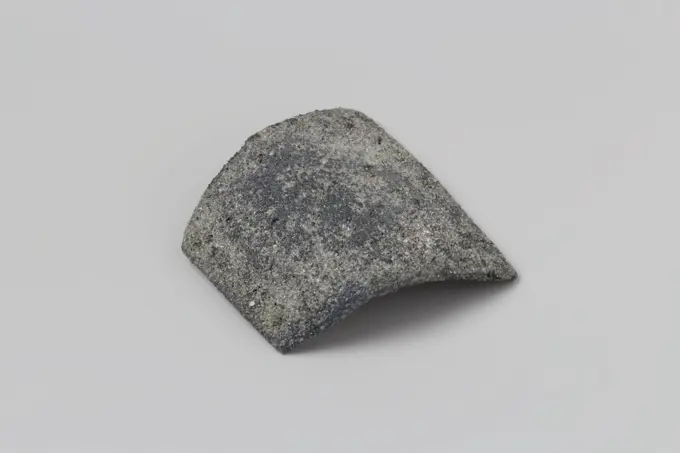
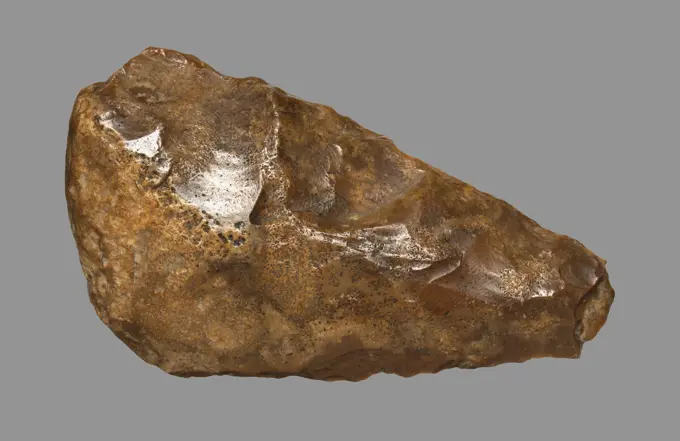
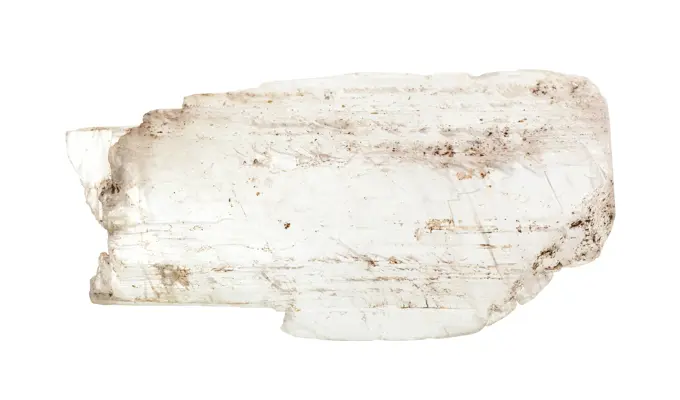
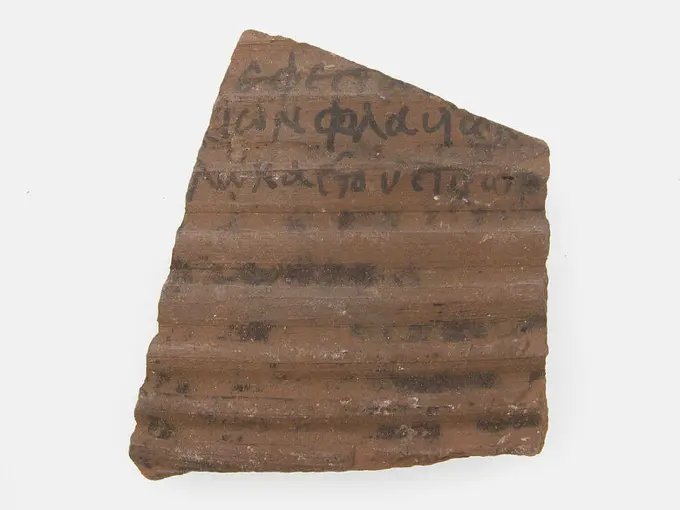
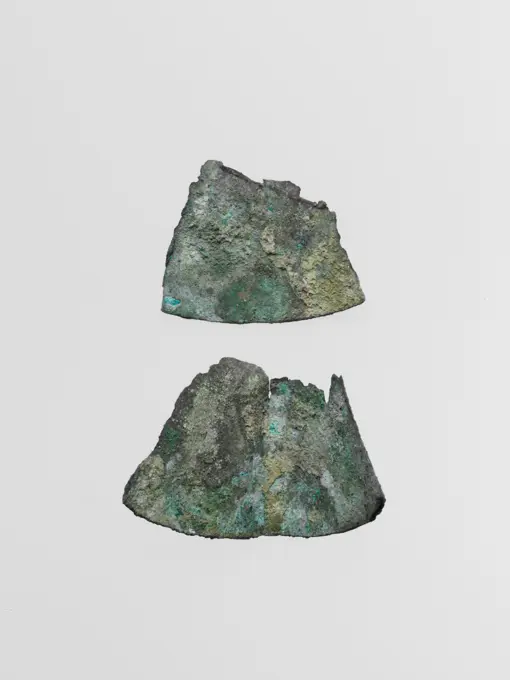
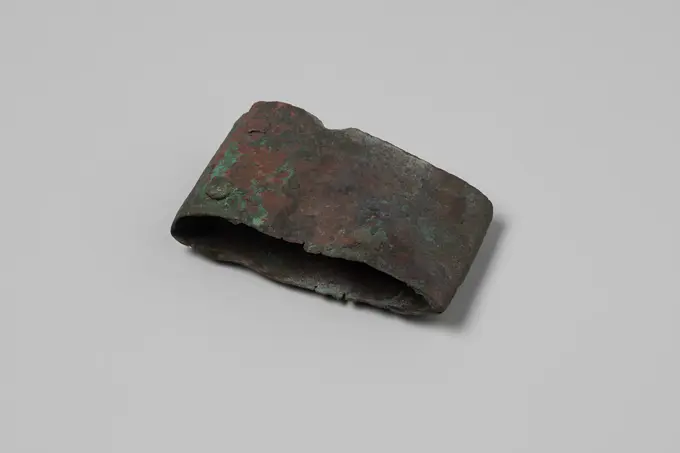
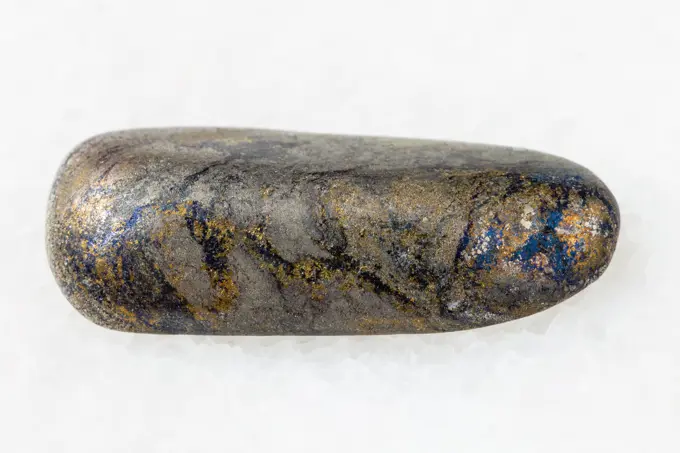
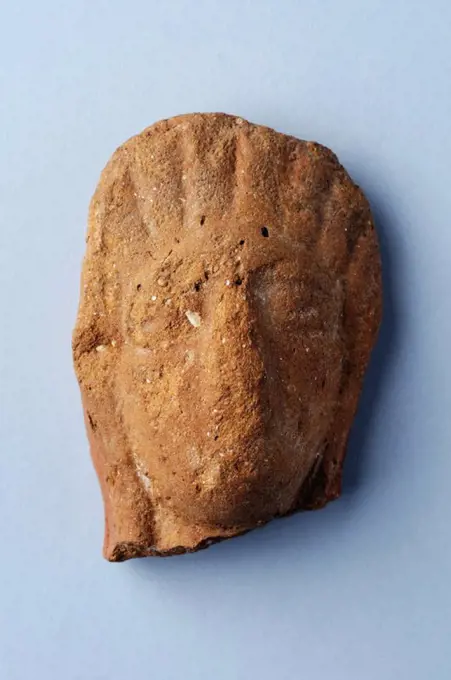
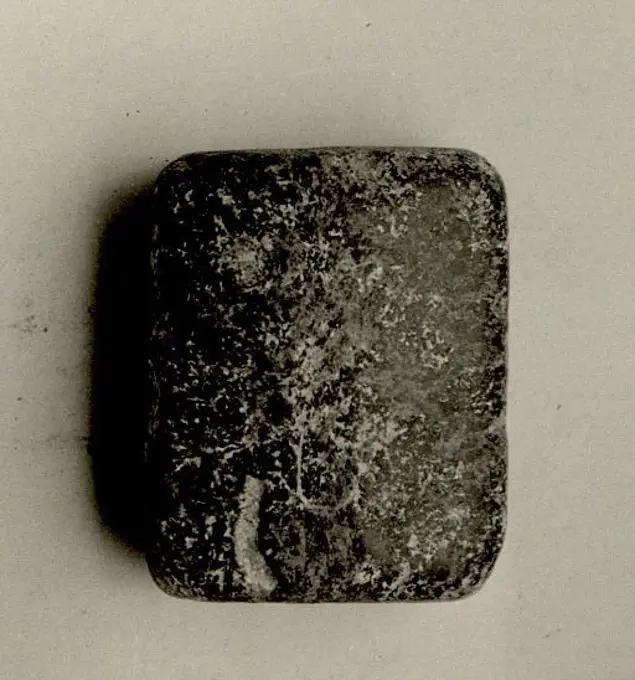
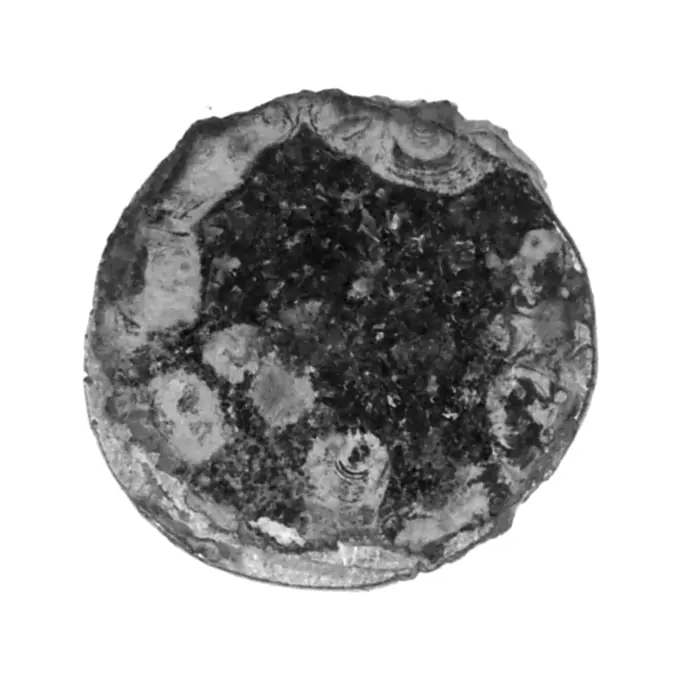
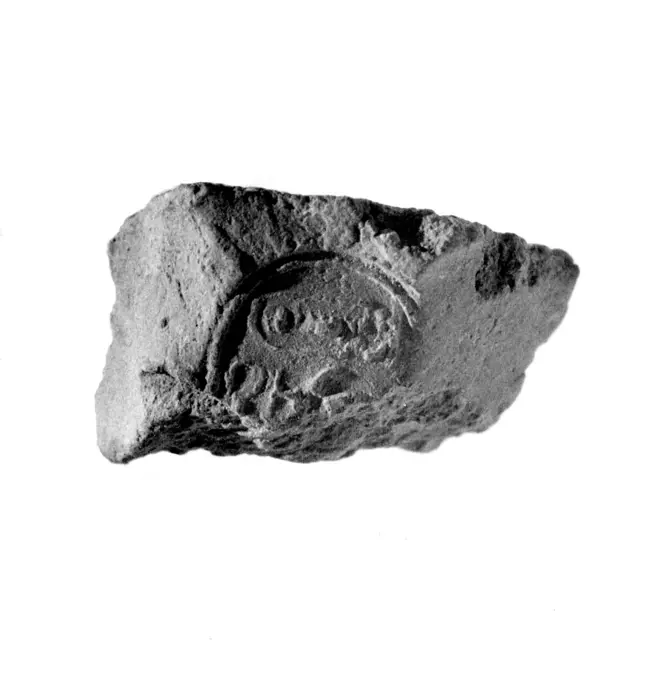
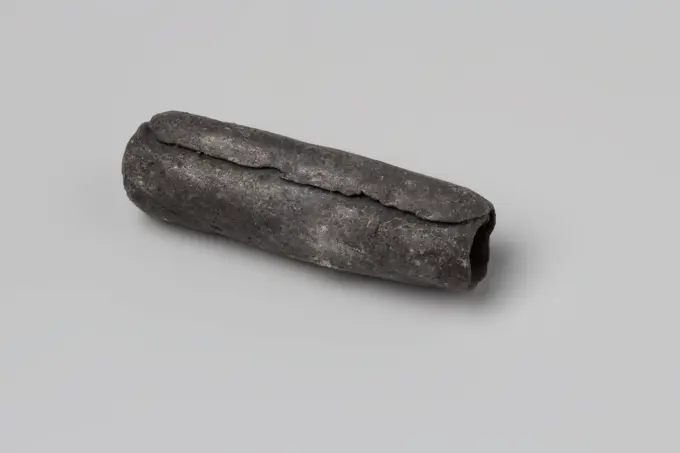
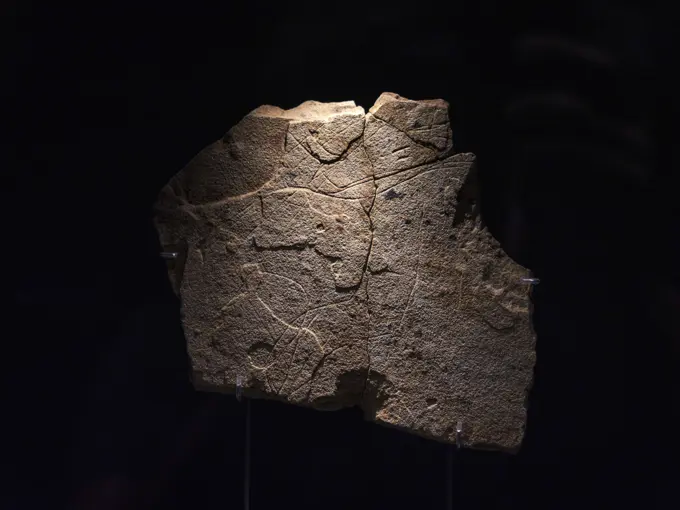
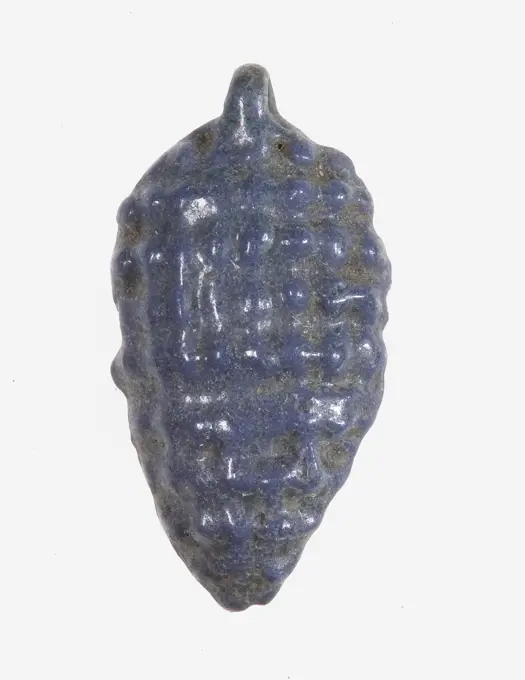
Lid;  New PAThe collection of ancient Egypt, French excavations in Deir El-Medina (Egypt)Lake ore Limonite rock isolated on white closeup of sample of natural mineral from geological collection - Lake ore Limonite rock isolated on white background Copyright: xZoonar.com/ValeryxVoennyyx 14986882Lion head fragment ca. 9th-7th century B.C. Assyrian This carved lions head was probably blackened through exposure to fire when the palace complexes at Nimrud were sacked during the final defeat of Assyria at the end of the seventh century B.C. Only the top of the head is preserved. The mane is depicted in the form of a stylized eight-pointed star. The eyes were drilled to receive inlays in a contrasting material, now missing. Lions, which were associated with royalty and with the warlike goddess Ishtar, seem to have been frequently depicted in ivory and used as the support for elaborate chairs or thrones. Many large pieces of carved ivory representing the legs or heads of lions have been found in royal storerooms at the Assyrian capital of Nimrud, including several examples in the collection of the Metropolitan Museum (60.145.8, 62.269.1, 62.269.7).Built by the Assyrian king Ashurnasirpal II, the palaces and storerooms of Nimrud housed thousands of pieces of carved ivory. Most of thVase fragment Minoan. Vase fragment 247679Biface 700,000-200,000 B.C. Acheulean Suitable for a variety of tasks, including digging, chopping, and butchering, Paleolithic hand axes are the earliest and longest-used kind of tool made by diverse species of hominids, with documented usage over a period of 1.7 million years. These nine examples, which were all discovered within a small geographic area in Aisne, France, are remarkable for their variety and the high quality of their workmanship. They are a potent manifestation of an early and continuous human interest in perfection of form, and aesthetics in general, as demonstrated by their makers' efforts to endow them with symmetrical faces and edges, well beyond practical requirements. The largest bifaces in this group are so substantial that they would have been of little to no use as tools. Although their specific functions remain a matter of speculation, it is clear that they must have been prized for their appearance rather than utility.. Biface. Acheulean. 700,000-200,000 B.Fragment of Statesbti;  Unspile (0-00-00-0-00-00);Fragments of copper from the wreck of the East Indians Hollandia, 1700 - in Or Before 1743  Parts of artefacts; eroded fragments: materials; copper. Netherlands copper (metal)   SecondFragment from the Head of a Queen's Statue ca. 1981-1802 B.C. Middle Kingdom The vulture headdress identified the woman who was depicted on this fragment as an Egyptian queen. Above the ear and around the forehead is a band from which rows of small feathers emerge, followed by the birds long wing feathers, which cover the top of the head. At the back of the head, one of the vultures legs is preserved, its claw clutching a shen-(dominion) hieroglyph. The lady wears the vulture headdress over a wig arranged in horizontal waves, a hairstyle that was common only in the early Old Kingdom. Its appearance here underlines the venerable nature of the queens costume.. Fragment from the Head of a Queen's Statue 550158Raised relief fragment 664-610 B.C. Late Period, Saite see 23.3.468. Raised relief fragment. 664-610 B.C.. Limestone. Late Period, Saite. From Egypt, Upper Egypt, Thebes, Deir el-Bahri, Tomb of Nespekashuty (TT 312, MMA 509), 1st chamber E. wall; 6th register, S. side, MMA excavations, 1922-23. Dynasty 26Turtle, 19th century, 2 1/4 x 6 15/16 x 9 11/16 in. (5.72 x 17.62 x 24.61 cm), Coral, Society Islands, 19th century, Tahitian society was divided into clans, and each had its own deity, often a prominent ancestor or venerated animal. The totemic spirits connected the clan to the natural world and were symbolically represented in many forms of art. This carved turtle depicts a clan deity and embodies the essence of all turtles, their inherent power and mythical qualities, rather than a specific animal. Finished pieces may seem to have a rough appearance, but the process of making the art and how it was used determined its value in Tahitian culture. Its significance came from the oral histories attached to it, tales of the ancestors, the gods and, for this type of piece, the related clan.unpolished shale rock isolated on white closeup of sample of natural mineral from geological collection - unpolished shale rock isolated on white background Copyright: xZoonar.com/ValeryxVoennyyx 14986129Brass bell of musical instrument or harness, marked, bell sounding device ground find copper brass metal, soldered Large copper bell of musical instrument or horse harness Cylindrical body decorated with circumferential grooves along the seam Marked next to the slot of the sound hole Mark: C (possible here the key sign indicated) archeology Rotterdam rail tunnel communication sound music rigging horse Soil discovery: rail tunnel Rotterdam.Fragment of wooden lid with round hole, lid closure part holder soil find oak wood, w 11.0 cut sawn planed cut Fragment of oak lid Thin plank with rough machining traces with round hole in it. Burned along the entire circumference. In one place indication for disc of 14 cm diameter archeology Capelle aan den IJssel House in Capelle castle packing transporting storage close Soil discovery: castle Capelle Capelle aan den IJssel.Fragment of a wall decoration with a flying bird ca. 6th century A.D. Sasanian The Sasanian houses at Maaridh in the Ctesiphon area were decorated with stucco reliefs of dancers, animals and foliage. This fragment depicts a bird in flight with the wing extending back from the body. The bird would have been part of a larger scene covering a wall or archway.The city of Ctesiphon was located on the east bank of the Tigris River, 20 miles (32 km) south of modern Baghdad in Iraq. It flourished for more than 800 years as the capital of the Parthians and the Sasanians, the last two dynasties to rule the ancient Near East before the Islamic conquest in the seventh century. Systematic excavations in the Ctesiphon area were undertaken by an expedition in 1928-29 sponsored by the German Oriental Society (Deutsche Orient-Gesellschaft). The Metropolitan Museum of Art and the Staatliche Museen, Berlin, undertook a joint expedition for one season in 1931-32. Several excavations were conducted, incluPlaque with animal legs ca. 2600-2500 B.C. Sumerian This fragmentary plaque was carved from a slab of slate, into which were inlaid pieces of carved shell cemented with bitumen, a tar-like substance. The two shell inlays that remain are the rear legs of an animal, with incised details emphasizing the joints. Above the legs is a cavity into which a larger piece of shell inlay was set, probably representing the animals body. The cavity is roughened to enable the adhesive to bond to its surface. When complete, the plaque would have probably also incorporated other pieces of shell and stone in contrasting colors, a characteristic technique of the late Early Dynastic period exemplified by the well-known Standard of Ur, now in the British Museum. Nippur, the great holy city of southern Mesopotamia, was the home of the chief deity Enlil and housed temples to Enlil and many other gods. Excavations in the temple of the goddess Inanna have revealed that the sanctuary was first built in the EarlConcretion from the wreck of the East Indiesman Hollandia. Parts or artifacts; eroded fragments: Materials; Lump, containing pins.Lid. Culture: Coptic. Dimensions: Overall: 1 5/8 x 2 3/8 in. (4.1 x 6 cm). Date: 4th-7th century. Museum: Metropolitan Museum of Art, New York, USA.Document Sealing with the Throne Name of Amenhotep III ca. 1390-1353 B.C. New Kingdom. Document Sealing with the Throne Name of Amenhotep III. ca. 1390-1353 B.C.. Mud. New Kingdom. From Egypt, Upper Egypt, Thebes, Malqata, King's Palace, West magazine, MMA excavations, 1910-12. Dynasty 18raw Paragonite stone on dark background macro shooting of natural mineral rock specimen - raw Paragonite stone on dark granite background from Borisovskie Hills Sopki mine, Ural Mountains, Russia Copyright: xZoonar.com/ValeryxVoennyyx 11391991Anonymous little spearhead (common name). Bronze. Cernuschi Museum, Asia Museum of Asia in the city of Paris.ActinoliteExcerpt of the edge of a plate with yellow -ross shard, on soft pink surfaces a geometric ornament in white (Bianco Sopra Bianco), Anonymous, 1200 - 1899  Italy earthenware  Italy earthenwarepolished Arsenopyrite rock isolated on white closeup of sample of natural mineral from geological collection - polished Arsenopyrite rock isolated on white background Copyright: xZoonar.com/ValeryxVoennyyx 14989875Drohiczyn seal. unknown, managerChalice or Kantharos Handle Fragment. UnknownSole of pointy leather children's shoe with stitching along edges, sole shoe footwear children's clothing part of the baseline leather, archeology childSealing ca. 7th century A.D. Sasanian. Sealing 323362Wotum w formie łokcia. unknown, authorUnattributed Trebizond Coin. UnknownMask 13th-14th century Mississippian. Mask 312907Bird with Lion's Head China. Bird with Lion's Head 61815Vase fragment ca. 4000-3000 B.C. Neolithic, Thessaly. Vase fragment 253218 Neolithic, Thessaly, Vase fragment, ca. 40003000 B.C., Terracotta, length 1 3/4in. (4.5cm). The Metropolitan Museum of Art, New York. Anonymous Gift, 1930 (30.119.13)Fragmentary Stamnoid Krater. UnknownFragment of buyer from the wreck of the East India Hollandia.parts or artifacts; eroded fragments: Materials; Copper.Paleolithic flint handaxe, 18th century BC.Play medal from the wreck of the East Indies Hollandia, Anonymous, 1700 - in Or Before 1743  Rectangular, square, flat, engraved diagonal cross on one side, game token. Zit vast aan NG-1979-330-H. Netherlands lead (metal)   SecondBent blade with sting, of knife, knife cutting tool ground find iron metal, archeology Rotterdam City triangle Cool Coolsingel cut Soil discovery Coolsingel Rotterdam.tumbled phyllite mineral isolated on white close up of sample of natural stone from geological collection - tumbled phyllite mineral isolated on white background from Karelia Copyright: xZoonar.com/ValeryxVoennyyx 21467315Indian arrowhead from Georgia and North & South Carolina , Archaeological assemblages, Charles F. Walcott Archaleogical CollectionRaised relief fragment 664-610 B.C. Late Period, Saite see 23.3.468. Raised relief fragment. 664-610 B.C.. Limestone. Late Period, Saite. From Egypt, Upper Egypt, Thebes, Deir el-Bahri, Tomb of Nespekashuty (TT 312, MMA 509), Lunette, North door, MMA excavations, 1922-23. Dynasty 26Attic Black-Figure Cup Fragment. UnknownGlass Fragment 12th-15th century () Unknown. Glass Fragment. Unknown. 12th-15th century (). Pot metal glass. Glass-StainedSteatite pendant ca. 3rd-early 2nd millennium B.C. Minoan Pendant in the shape of a leaf.. Steatite pendant 252317 Minoan, Steatite pendant, ca. 3rdearly 2nd millennium B.C., Steatite, L. 3/4 in. (2 cm). The Metropolitan Museum of Art, New York. Bequest of Richard B. Seager, 1926 (26.31.389)Drohiczyn seal. unknown, managerPoint in the shape of a laurel leaf in cut stone. Neolithic period. North Africa. 5,5 cm.Anomœpus curvatus. John L. Lovell (American, died about 1904)Fragment of an ivory tag ca. 3013-2999 B.C. Early Dynastic Period Found near an ivory furniture leg, a second label, and two stone vessels, this tag most likely would have been used to label one of the commodities placed in the king's tomb.. Fragment of an ivory tag 560679Stone polished axe. North Africa, Neolithic. 5,5cm.Terracotta rim fragment with cross-hatching beneath band ca. 1400 B.C. Mycenaean From MycenaeRim fragment with dark cross-hatching on light ground.. Terracotta rim fragment with cross-hatching beneath band 252447 Mycenaean, Terracotta rim fragment with cross-hatching beneath band, ca. 1400 B.C., Terracotta, 2 1/16  2 3/4  3/8 in. (5.3  7.1  1 cm). The Metropolitan Museum of Art, New York. Bequest of Richard B. Seager, 1926 (26.31.528)Parade Shield in Form of Turtle Shell 1501-1550 Italy. Leather( ), canvas, and paint .Drohiczyn seal. unknown, managerKolfplaat From the Wreck of the East Indians' t Vliegend Hart, Anonymous, 1700 - 1735  Triangular bent piece of metal with rounded corners with oxidized gray bumpy surface. Butt-Plate.  copper (metal)Fragment earthenware animal head, eyes decorated with yellow glaze, sculpture visual material roof tile roofing building material earth discovery ceramics earthenware glaze lead glaze clay, w 9.5 hand turned decorated glazed fried lemonade Fragment earthenware animal head eyes decorated with yellow glaze in sludge technique. Orange shard and sparingly glazed archeology Rotterdam railway tunnel indigenous earthenware food preparation decorate building Soil discovery: railway tunnel or construction site Rotterdam.Hand Axe, Lower-Mid Paleolithic. Egypt, EL-Haraga, Paleolithic Period. Dark-brown-colored flint; overall: 8 x 5 cm (3 1/8 x 1 15/16 in.).unpolished transparent Gypsum rock isolated closeup of sample of natural mineral from geological collection - unpolished transparent Gypsum rock isolated on white background Copyright: xZoonar.com/ValeryxVoennyyx 14986334Ostrakon. Culture: Coptic. Dimensions: 2 11/16 x 2 13/16 in. (6.9 x 7.1 cm). Date: 7th century. Museum: Metropolitan Museum of Art, New York, USA.Undecorated Base Fragment. UnknownBlue crown from head of Akhenaten ca. 1353-1336 B.C. New Kingdom, Amarna Period. Blue crown from head of Akhenaten 549631Bell 200-1500 Peruvian. Bell. Peruvian. 200-1500. Copper. Pre-Columbian. Peru. Idiophone-Struck-bell-clapperAmulet of an Unidentified Animal. Egypt, Ptolemaic Period - Roman() Period (332 BCE - 337 CE). Jewelry and Adornments; amulets. Copper (sculpted in the round)Fitting ring from the wreck of the East India Hollandia. Fittings, Bands and Bracing, Circular: Riveted; Squashed, strip with straight ends, overlap seam with 2 rivets.Game piece ca. 1981-1640 B.C. Middle Kingdom. Game piece. ca. 1981-1640 B.C.. Blue faience. Middle Kingdom. From Egypt, Memphite Region, Lisht North, Cemetery, MMA excavations, 1920-22. Dynasty 12-13Ivory Fragment. UnknownGray sharpening stone, elongated slate, sharpening stone tool kit soil find slate stone, minced chopped Grindstone presumably for inciting scythe or sickle handle is recognizable irregular in cross-section. Elongated. Slate. Traces of sand on the surface archeology Valckensteyn Poortugaal Albrandswaard stone grinding harvesting laws inciting sharpness Soil discovery: moat at bridge castle Valckensteyn in Poortugaal now Albrandswaard 1962Sealing ca. 1981-1640 B.C. Middle Kingdom. Sealing. ca. 1981-1640 B.C.. Mud. Middle Kingdom. From Egypt, Memphite Region, Lisht North, Cemetery, MMA excavations, 1920-22. Dynasty 12-13Beads 8th-13th century This object was excavated at Nishapur.Nishapur was a vital city in the early and middle Islamic periods, located along one of the main trajectories that connected Iran and West Asia Islamic lands with Central Asia and China. These itineraries are often referred to by the term Silk routes’ but were in fact crucial to the movement of constellations of materials and objects, as well as people and ideas. The diverse population of Nishapur and its surroundings, from the better-researched elite groups of merchants, land-owning aristocracy, and literates, to the less-known artisans, farmers, miners, and servants, were instrumental in adapting global cultural trends to create their own distinctive visual languages. This is seen in the material remains of everyday life in medieval Nishapur - from pots and pans to lighting devices, inkwells, textiles and trimmings, jewelry, games and toys, talismanic devices, weapons, coins, and architectural fragments.Nishapur lost its pFragment of textile from the wreck of the East Indians Hollandia, 1700 - in or before 1743 fragment Varied parts or fragments; unidentified and miscellaneous parts or fragments; fragm, rolled up. Netherlands textile materials   SecondDrohiczyn seal. unknown, managerBlade ca. mid-5th millennium B.C.. Blade 327836Ajuar de sepulcro de fosa, procedente de Bòbila Madurell en Sant Quirze del Vallès. Museu d'Història de Catalunya.Vase fragment Minoan. Vase fragment 247670Belly fragment of stoneware jug decorated with bramble buds, jug crockery holder fragment soil found ceramic stoneware glaze salt glaze, w 8.3 hand turned stamped molded glazed baked Fragment of stoneware jug. Abdominal fragment with small round appliqués burr buds brown salt glaze archeology Rotterdam IJsselmonde indigenous pottery import donate serve drinks Soil discovery: IJsselmonde Castle 2, Rotterdam, the Netherlands.Tool () ca. 300,000-90,000 B.C. Lower Paleolithic Period. Tool (). ca. 300,000-90,000 B.C.. Flint. Lower Paleolithic Period. From Egypt, Upper Egypt, Thebes, Libyan DesertTeam three beads; Unknown Night -Tamanian workshop; approx. 2600 2350 BC ; Early period D Azira III (-2600-00-00--2350-00-00);Vase fragment ca. 1981-1640 B.C. Middle Kingdom. Vase fragment 556916birch bark birch bark isolated on white background Copyright: xZoonar.com/RuslanxNassyrovx 7117865Shipwreck finds from the wreck of the East Indiesman Hollandia. Parts or artifacts; eroded fragments: Materials; Lead.Fragment of prune, soil found ceramic earthenware glaze lead glaze, baked Triangular flat object with points on the three corners raised one corner missing glaze remains archeology Rotterdam Delfshaven plateel majolica Soil discovery waste with biscuit tiles and plateel at 18th century houses next to VOC building Delfshaven.polished Arsenopyrite stone on white macro shooting of natural mineral rock specimen - polished Arsenopyrite stone on white marble background from Transbaikalia Zabaykalye, Russia Copyright: xZoonar.com/ValeryxVoennyyx 11951128Head female of terracotta figurine with roman hairstyle. Height 5, 4 cm Width 3, 8 cm (1 st - 3 rd CE ) - Roman period, from " House of Griffins "- Archaeological site of Complutum in Alcalá de Henares ( Madrid ). SPAIN.Drohiczyn seal. unknown, managerCoin Weight 10th-14th century. Coin Weight 443178Attic Vase Fragment. UnknownWeight, inscribed with "10" ca. 1981-1640 B.C. Middle Kingdom. Weight, inscribed with "10". ca. 1981-1640 B.C.. Diorite. Middle Kingdom. From Egypt, Memphite Region, Lisht North, Cemetery, MMA excavations, 1920-22. Dynasty 12-13Fragment 12th-13th century. Fragment 451570Watercolor circle texture with gold. Vector watercolor circle element for design isoleted on white background. Watercolor circle texture with gold. Vector watercolor circle element for design.Aomon, Arrow point, early Yayoi periodFOSSILES.Unattributed Trebizond Coin. UnknownSoil fragment wine bottle from the wreck of the East Indians Hollandia, Anonymous, 1700 - in or before 1743  Onion-shaped bottle or bottle with vertical side, base, tcs-kick-up. Continental production. Netherlands concretionary stone   SecondRelief fragment from a procession of attendants - - see 31.3.1-1 ca. 2051-2030 B.C. Middle Kingdom. Relief fragment from a procession of attendants - - see 31.3.1-1. ca. 2051-2030 B.C.. Limestone, paint. Middle Kingdom. From Egypt, Upper Egypt, Thebes, Deir el-Bahri, Tomb of Neferu (TT 319, MMA 31), MMA excavations, 1930-31. Dynasty 11Head of Akhenaten, nemes portion ca. 1353-1336 B.C. New Kingdom, Amarna Period. Head of Akhenaten, nemes portion 549948Document Sealings With the Throne Name of Thutmose IV ca. 1390-1353 B.C. New Kingdom. Document Sealings With the Throne Name of Thutmose IV. ca. 1390-1353 B.C.. Sun-dried mud. New Kingdom. From Egypt, Upper Egypt, Thebes, Malqata, Southern rubbish mounds, MMA excavations, 1910-12. Dynasty 18Lead Role from the wreck of the East Indies' t Vliegend Hart ,, 1700 - 1735 lead Tube rolled lead picture. Black-gray in color. Roll of Lead. Middelburg lead (metal)cervico-dorsal lines representing a name, paleolithic furniture art, Pielagos, Museum of prehistory and archeology (MUPAC), Santander, Cantabria, SpainQuartz. minerals. North America; USA; New York; Ulster County; EllenvilleFragment 14th century. Fragment. 14th century. Stonepaste; painted under transparent glaze. Made in Egypt. CeramicsPendant: Bunch of Grapes ca. 1390-1353 B.C. New Kingdom. Pendant: Bunch of Grapes. ca. 1390-1353 B.C.. Faience. New Kingdom. From Egypt, Upper Egypt, Thebes, Malqata, Palace of Amenhotep III, MMA excavations, 1910-11. Dynasty 18Stamp 5th-6th century Atlantic Watershed. Stamp. Atlantic Watershed. 5th-6th century. Ceramic. Costa Rica. Ceramics-ImplementsCelt