Ancient Artifacts and Textures

A diverse assortment of artifacts, including jade pendants and gold weights, alongside textured modern materials, reflecting historical craftsmanship and aesthetics.
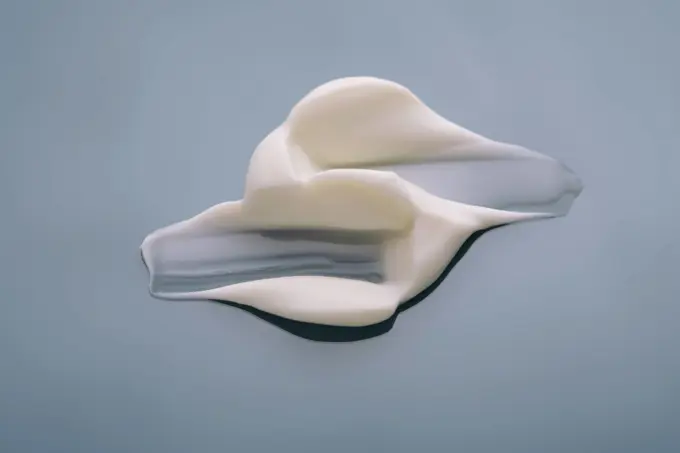
Muster mit weißer Cremetextur auf blauem Hintergrund. Swatch with white cream texture on a blue background. High quality photo. Copyright: xZoonar.com/MAREVGENNAx 22646190
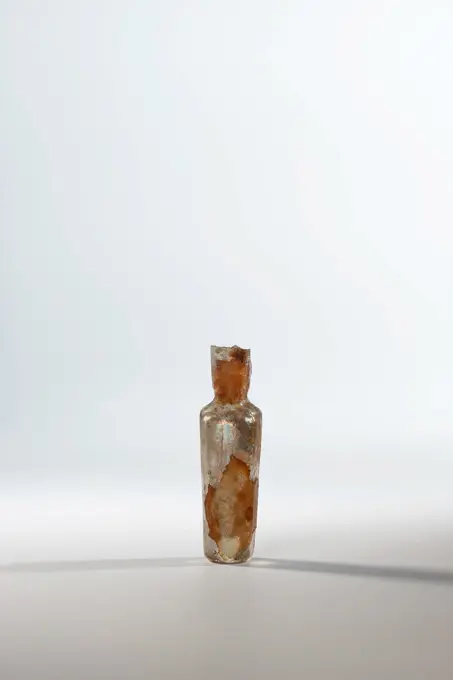
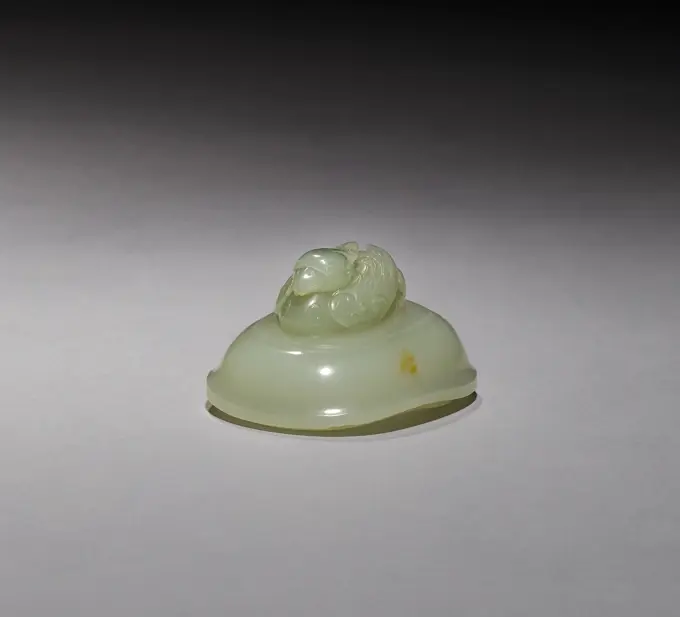
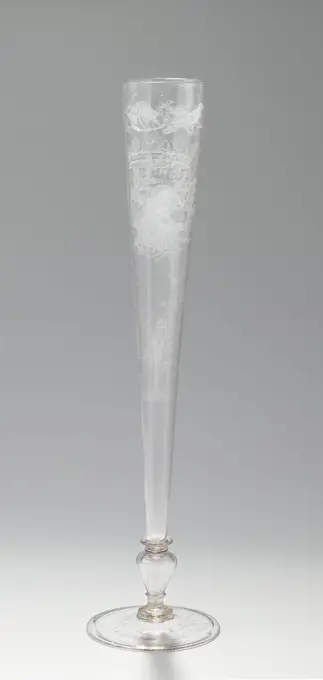
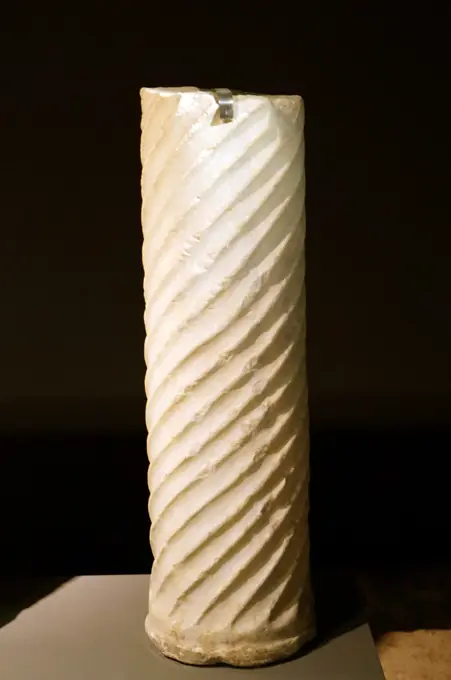
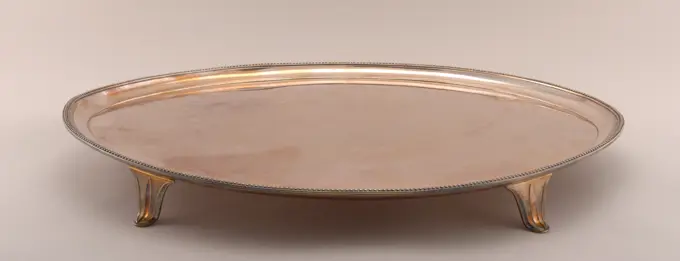
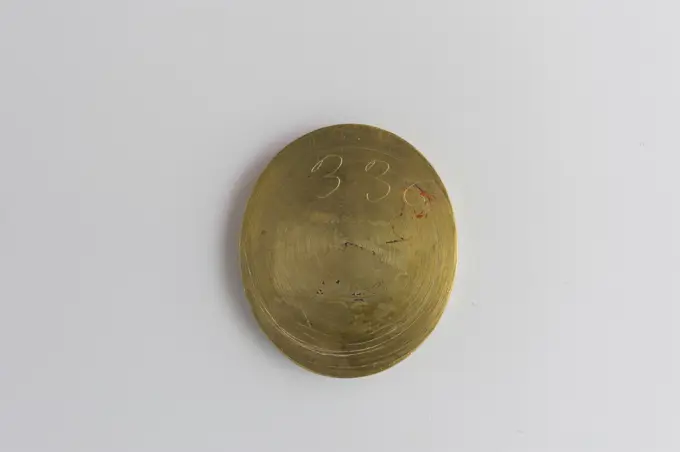
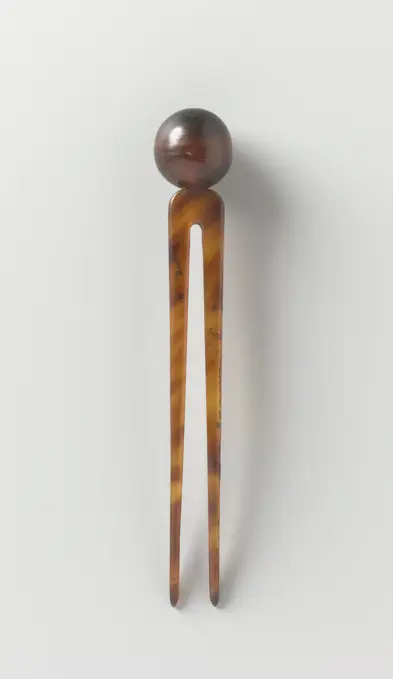
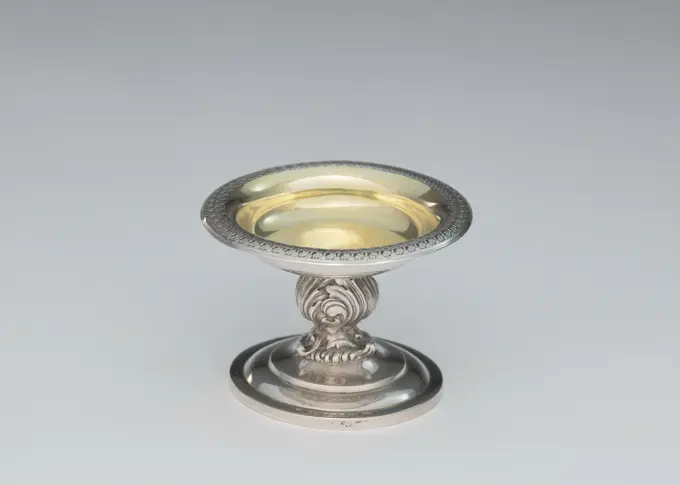
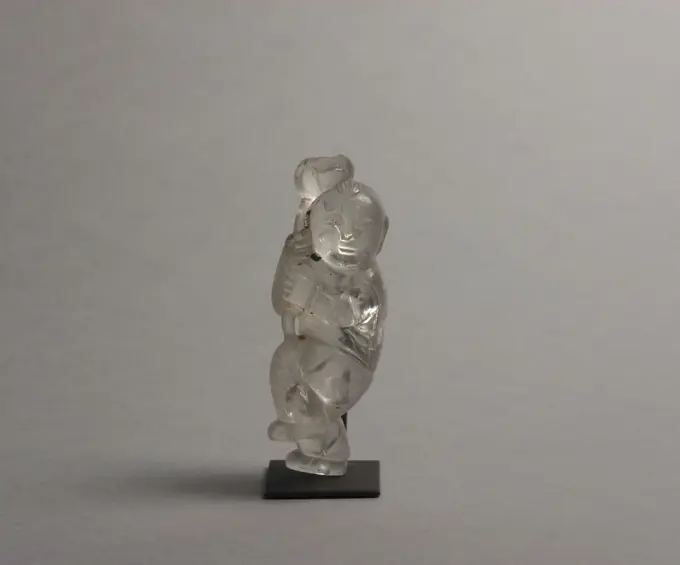
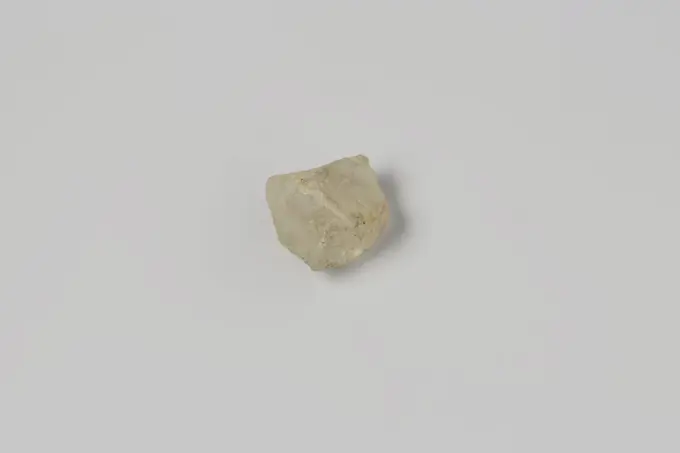
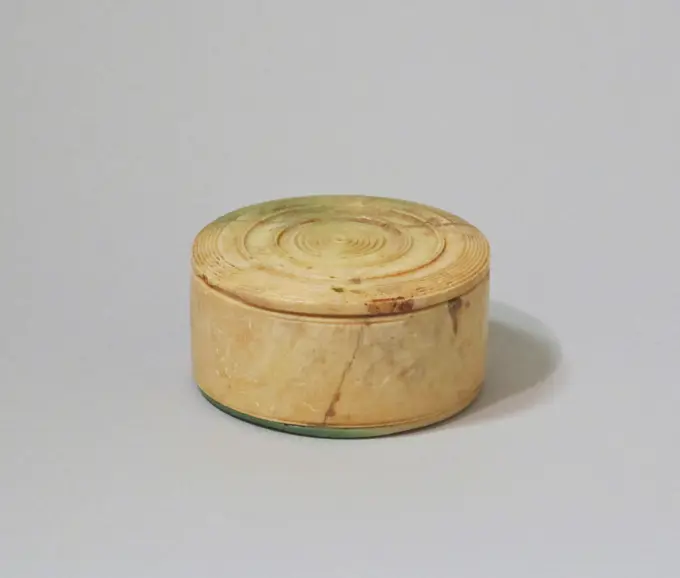
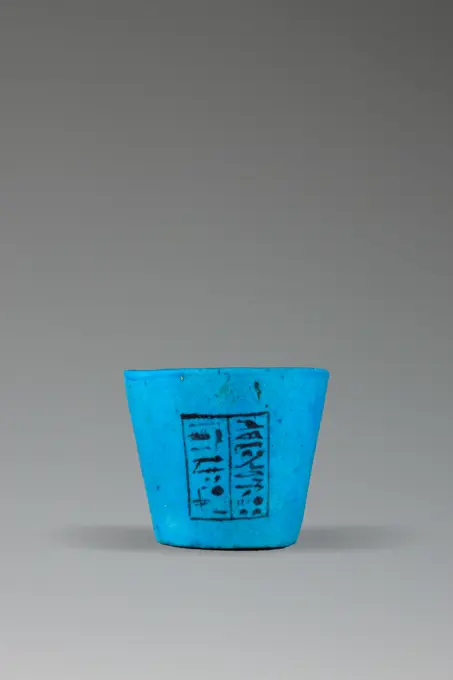
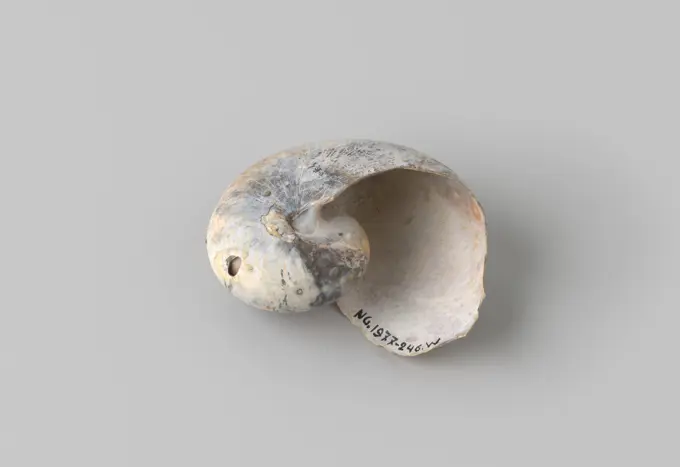
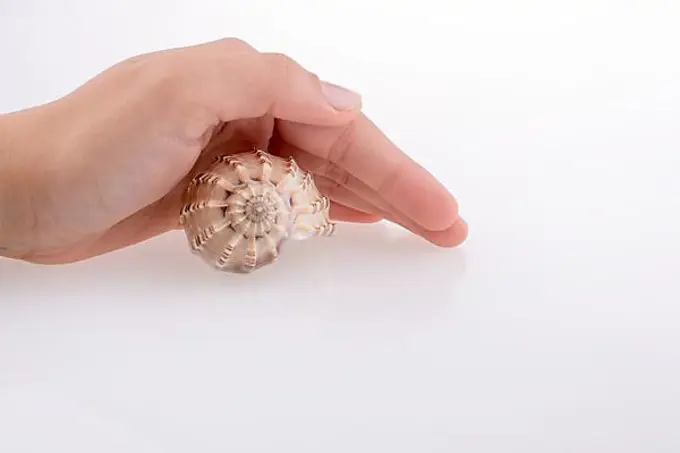
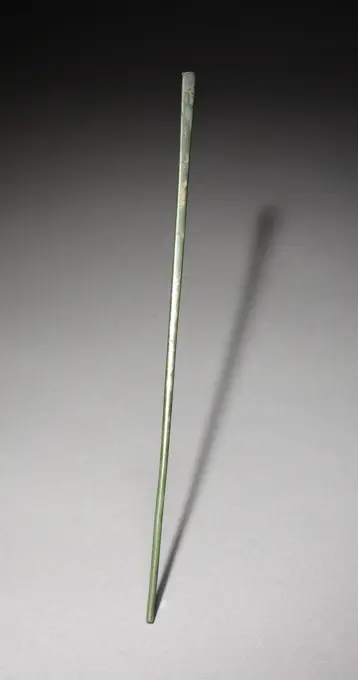
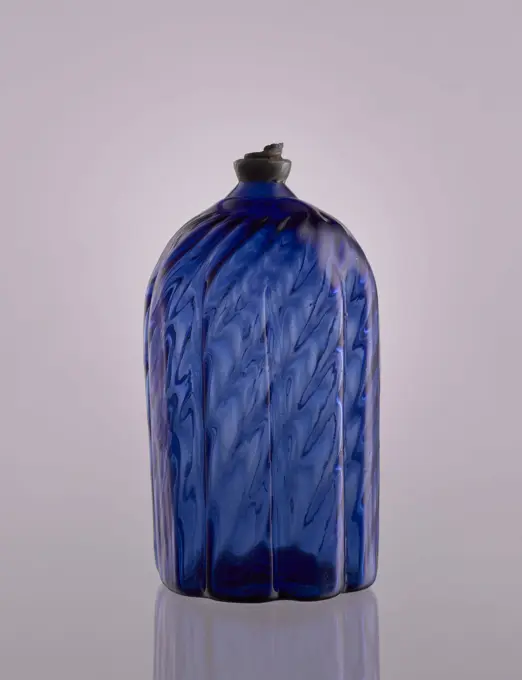
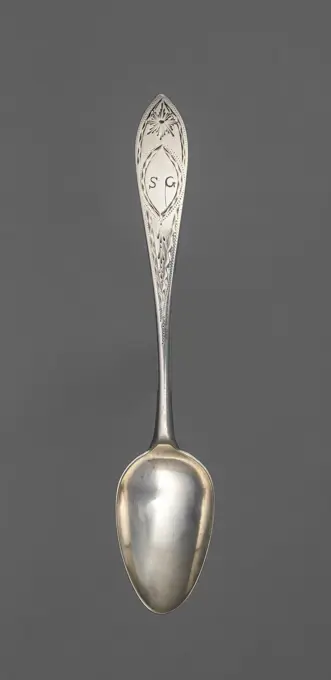
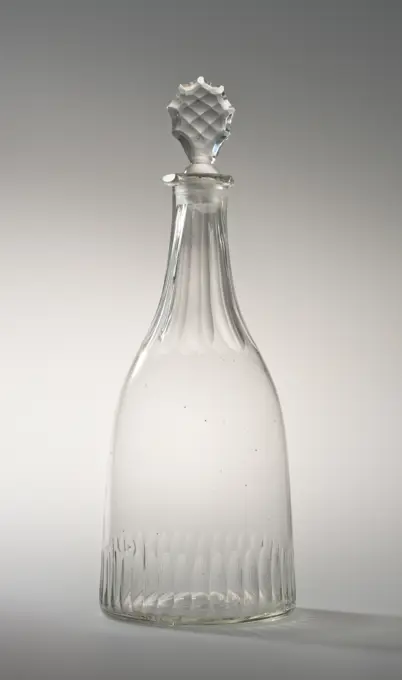
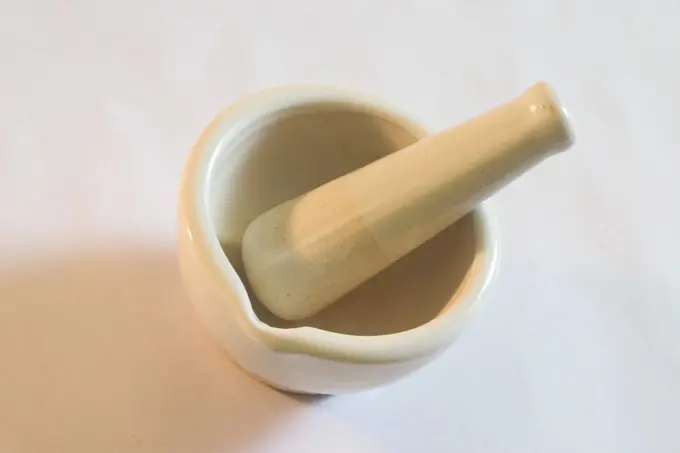
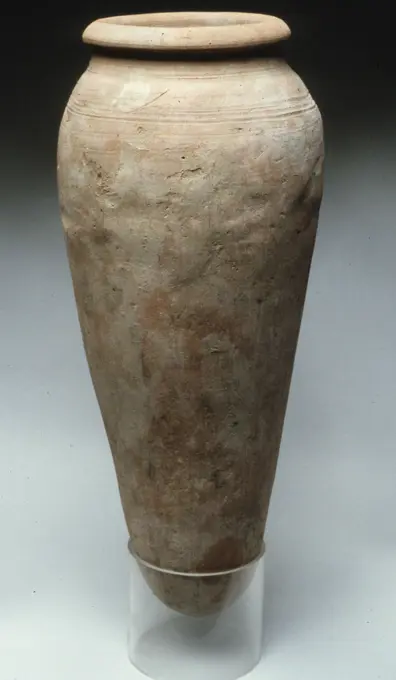
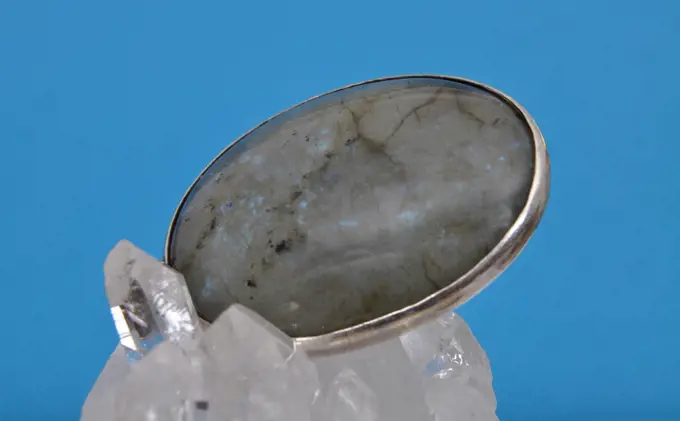
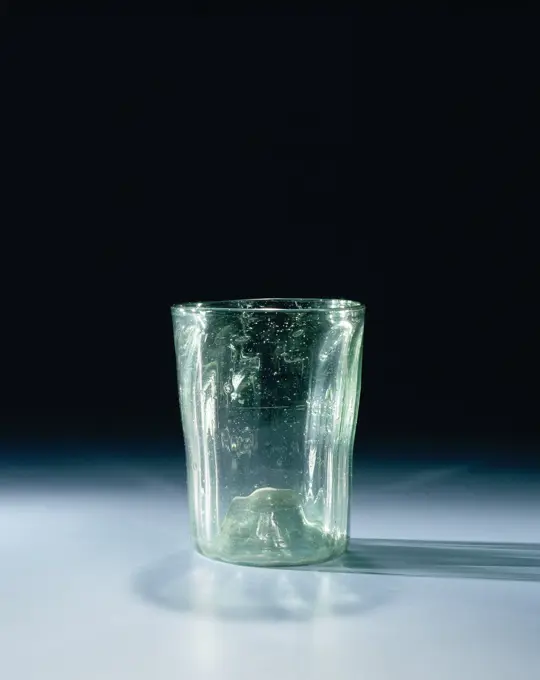
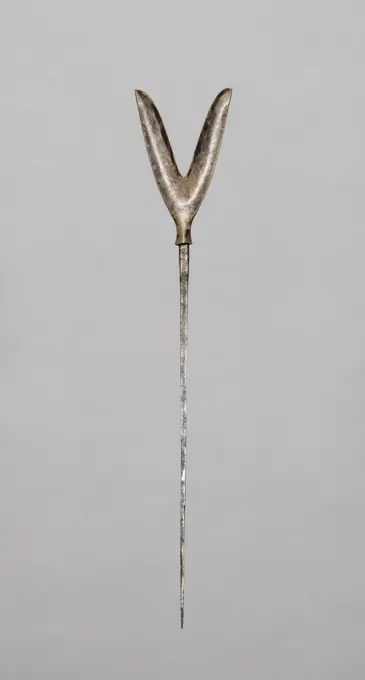
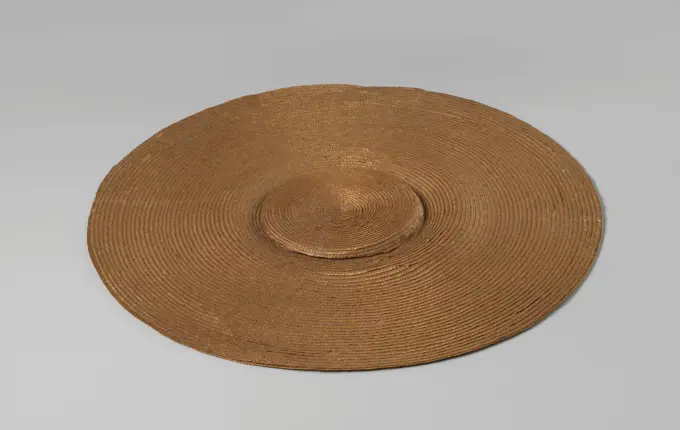
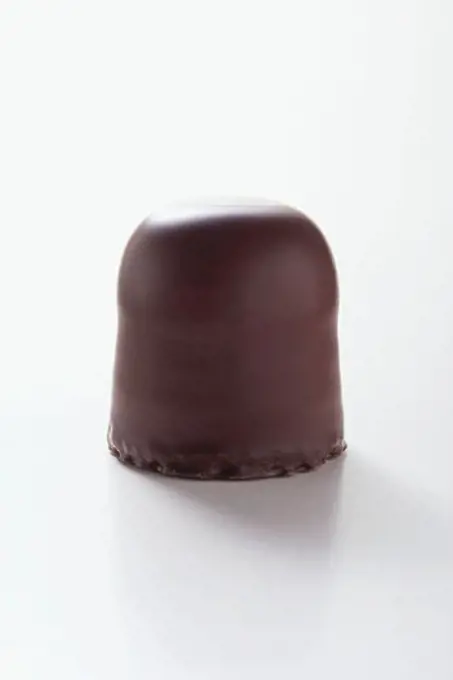
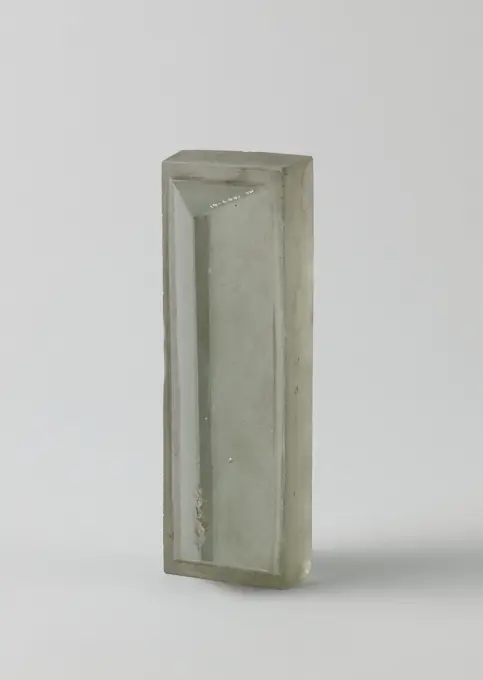
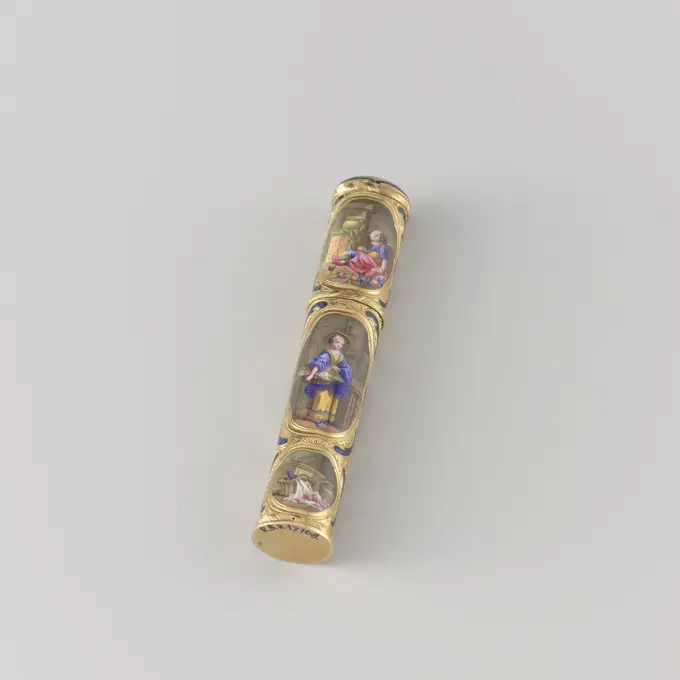
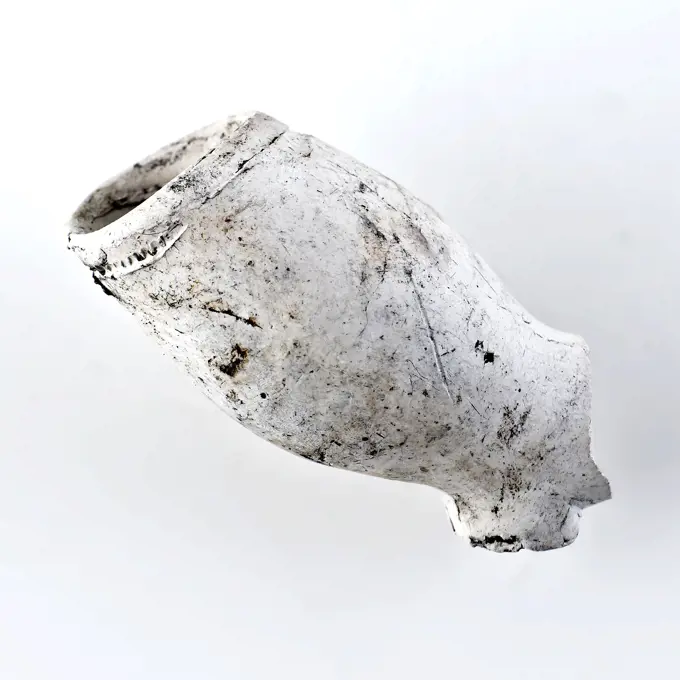
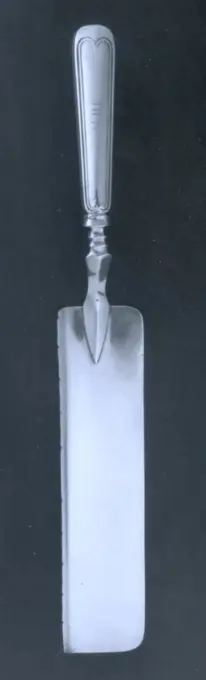
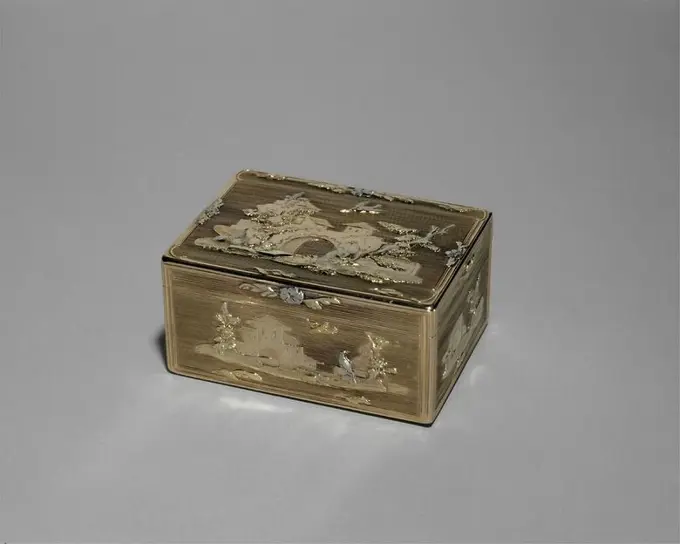
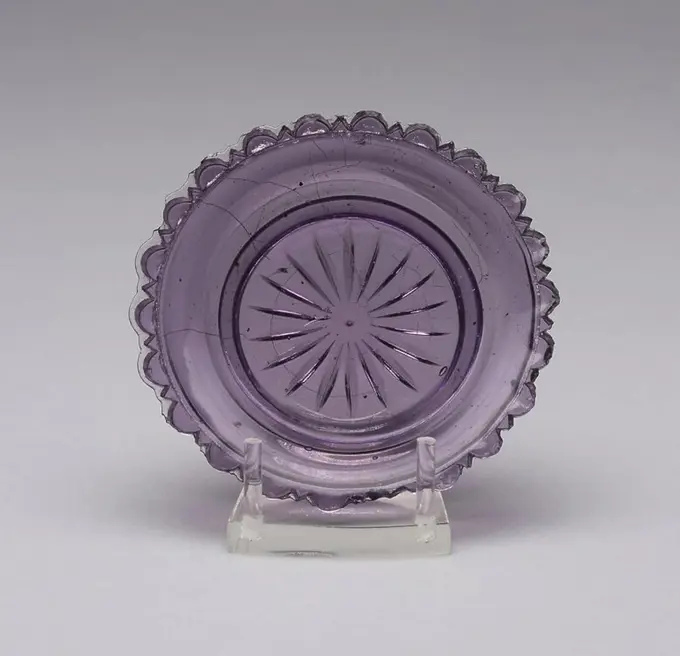
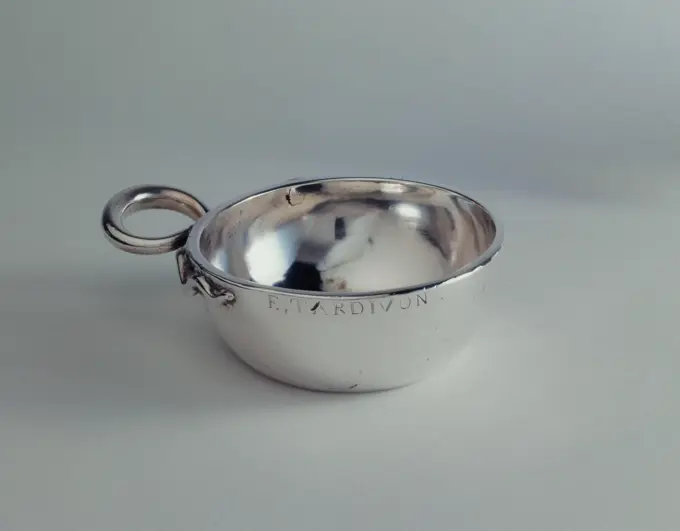
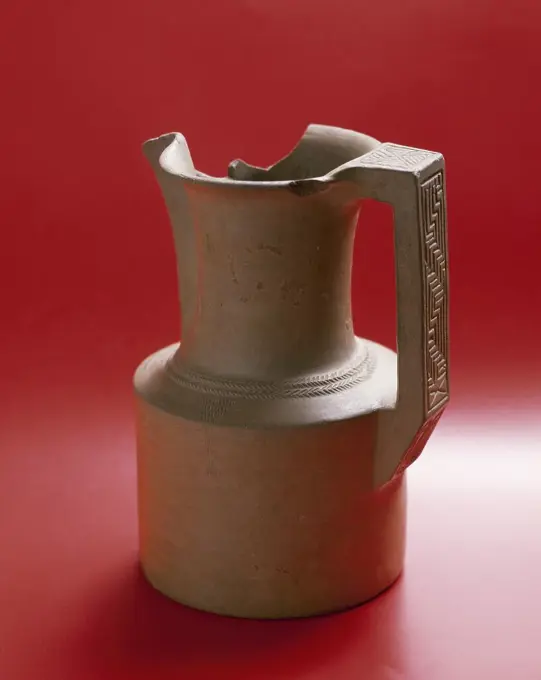
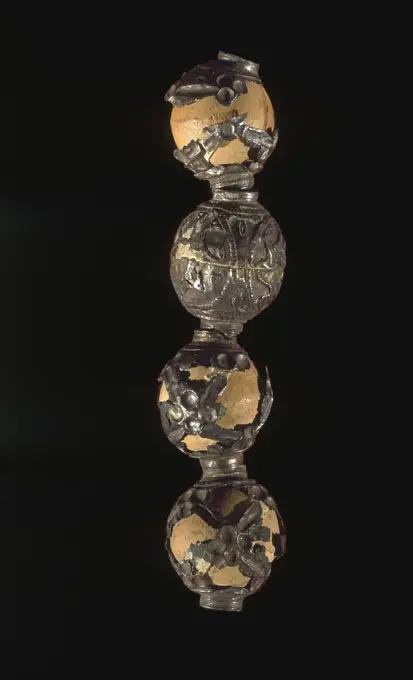
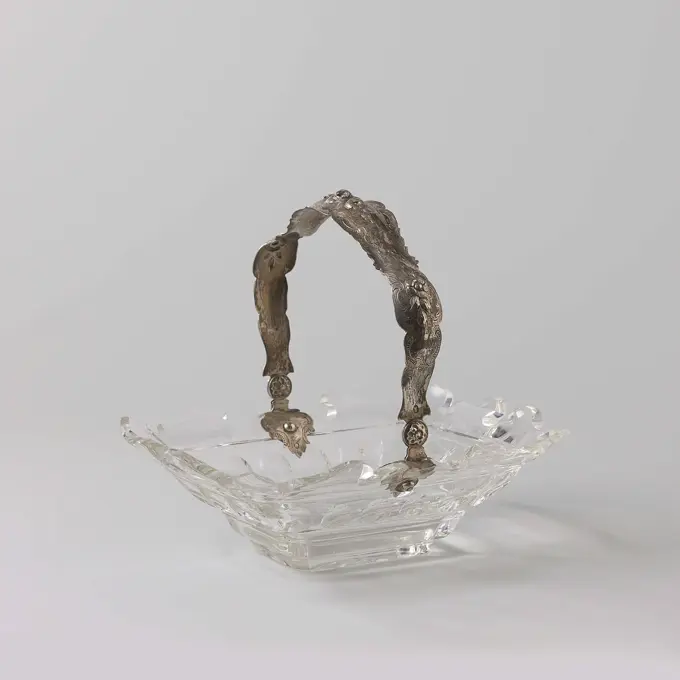
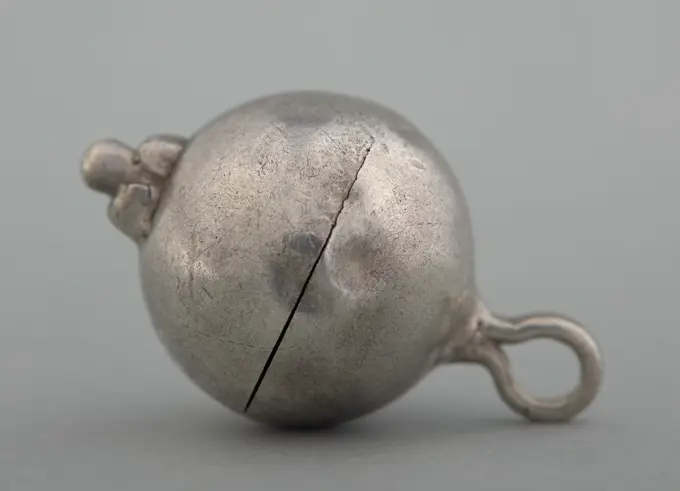
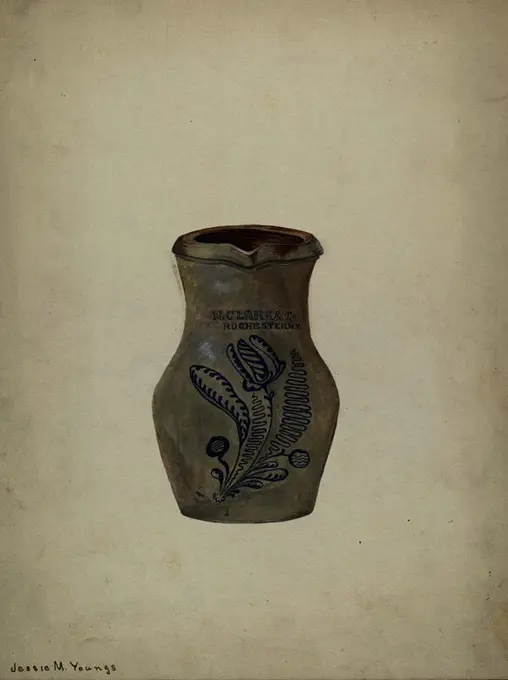
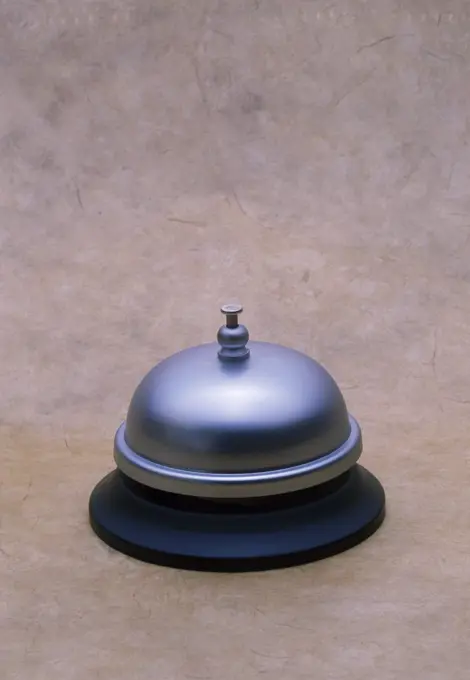
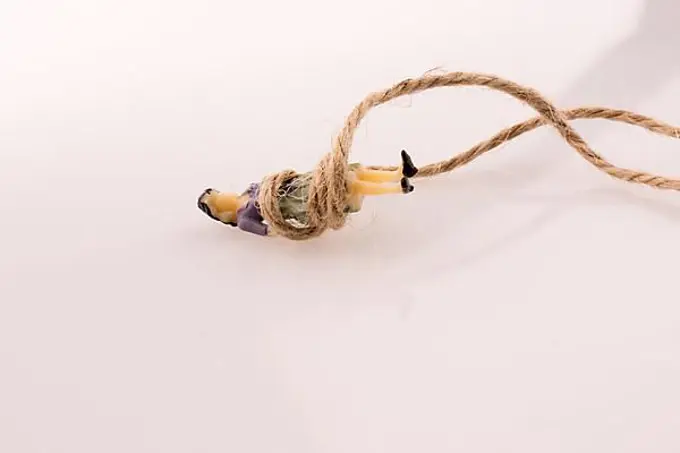
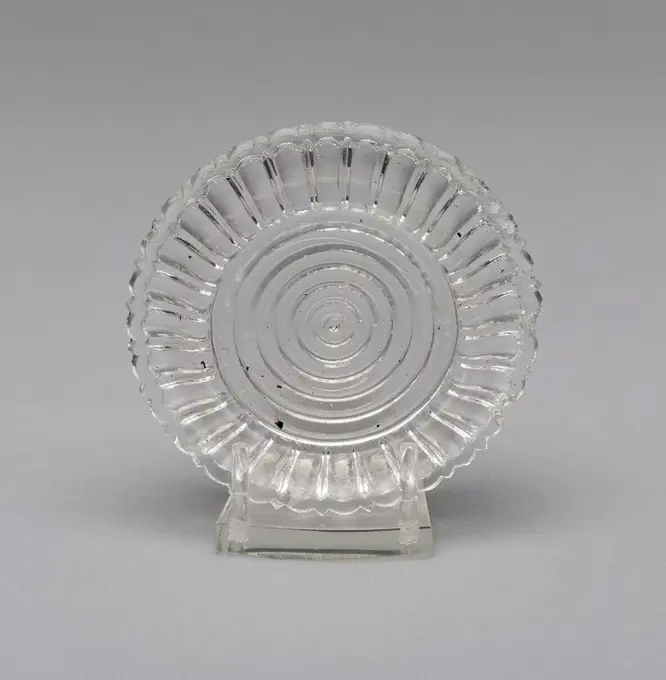
Curved Pendant Made 1600 BCE-1046 BCE China. Jade .Belt Hook, 206 BCE - 220 CE, 4 3/4 x 7/8 x 3/8 in. (12.07 x 2.22 x 0.95 cm), White jade, China, 3rd century BCE - 3rd century CEToilet box. Fernell, Edward (fl. 1779-1796), goldsmithGoldweight Bird, 19th-20th century, 1 1/4 x 1 1/16 x 2 in. (3.18 x 2.7 x 5.08 cm), Brass, Ghana, 19th-20th centuryMuster mit weißer Cremetextur auf blauem Hintergrund. Swatch with white cream texture on a blue background. High quality photo. Copyright: xZoonar.com/MAREVGENNAx 22646190Button from the wreck of the East Indians Hollandia, Anonymous, 1700 - in or before 1743 button Knoop. (1) flat top, plain, bevelled rim (1.7d, 0.5t) slightly conical base, hollow, loop-shank Netherlands copper (metal)   SecondSmall bottle. unknown, craftsmanVase;  18th century (1736-00-00-1795-00-00);Vase with green -yellow lust glaze, St. Lukas, c. 1915 Vase of earthenware, slim downwards, rejuvenating body with a small mouth opening, covered with green -yellow lust glaze. Marked with: factory stamp st. Lukas / Utrecht / Made in Holland in gray -black and 13. and C. in blue; Ingrift brand. Utrecht earthenware vitrification Vase of earthenware, slim downwards, rejuvenating body with a small mouth opening, covered with green -yellow lust glaze. Marked with: factory stamp st. Lukas / Utrecht / Made in Holland in gray -black and 13. and C. in blue; Ingrift brand. Utrecht earthenware vitrificationPitcher (Gong) with Dragon and Bird-Headed Handle, 1700s. China, Qing dynasty (1644-1911). Pale greenish-white jade with brown markings; overall: 25.4 cm (10 in.).Kom, found at V.O.C. -Schip Witte Leeuw, possibly from Zeelelie, Anonymous, 1775 - 1800 bowl Come found at V.O.C. ship De 'Witte Leeuw', 45 present. This object is 18th century and cannot therefore be from the freight of the Witte Leeuw. It is unclear whether the object will come from the site or whether it was mixed later, possibly with material from the Zeelelie. Jingdezhen porcelain   Sint-HelenaFlute glass with a portrait of William II, anonymous, after Crispijn van den Queborn, c. 1650 - c. 1675 Flat base with turned around. Low, hollow, baluster -shaped trunk with two discs. High, funnel -shaped chalice. On the chalice, the bust of Stadholder Prince Willem II is engraved, surrounded by two orange branches. There are crowned weapon on the downside. Along the top edge ranks, insects and birds. Under the show twice a truncated tree, from which a young lot sprouts. Two flower skirts on the foot. glassblower: Low CountriesNorthern Netherlands glass glassblowing Flat base with turned around. Low, hollow, baluster -shaped trunk with two discs. High, funnel -shaped chalice. On the chalice, the bust of Stadholder Prince Willem II is engraved, surrounded by two orange branches. There are crowned weapon on the downside. Along the top edge ranks, insects and birds. Under the show twice a truncated tree, from which a young lot sprouts. Two flower skirts on the foot. glassblower: Low CouCart; Non -like Lona Huta; 1. W. 18th century (1700-00-00-1725-00-00);Hydrogel-Augenklappe mit Goldenergie. Befeuchtung der Haut. Draufsicht mit Kopierbereich. Gold energy hydrogel eye patch. Modern cosmetic concept. Anti aging and lifting. Facial skin care. Moisturizing the skin. Top view with copy space. Copyright: xZoonar.com/ElenaxGrishinax 22686514part of a Roman marble pillar or shaft, from Paros, Greece. 6th - 7th Century ADGlass ring stone. Culture: Greek. Dimensions: Diameter: 13/16 in. (2.1 cm). Date: 3rd-1st century B.C..Head of bearded Herakles. Museum: Metropolitan Museum of Art, New York, USA.Salver (England); copper, silver, tin; 4.7 x 34.5 x 45.8 cm (1 7/8 x 13 9/16 x 18 1/16 in.); Bequest of Walter Phelps Warren; 1986-61-18Polished red ware jar with lugs Predynastic Period ca. 4500-4000 B.C.Planets-manager. Cornalet Collection Sites 2013-2016. Numismatic.Hair comb of imitation turtle with two teeth and on top of a sphere, anonymous, c. 1885 - c. 1900 Hair comb of imitation turtle with two teeth and on top of a sphere. Netherlands (possibly) celluloid (cellulosic). cellulose acetate filing / polishing Hair comb of imitation turtle with two teeth and on top of a sphere. Netherlands (possibly) celluloid (cellulosic). cellulose acetate filing / polishingDecoration - earring;  XIX-XX century (1801-00-00-1920-00-00);Round salt shaker. Roesler, Samuel Henryk (1814-1843), goldsmithBoy with lotus 11th-12th century China. Boy with lotus. China. 11th-12th century. Rock crystal. Liao dynasty (907-1125). HardstoneFragment glass from the wreck of the East Indians Hollandia, 1700 - in or before 1743  Parts of artefacts; eroded fragments: materials; glass. Netherlands glass   SecondBone pyxis (box with lid) 1st half of 1st century A.D. Roman Most Roman pyxides made from pieces of animal bone are, like these examples, relatively plain and display a simple charm and elegance. They probably formed part of a lady's cosmetic or trinket set. The taller pyxis (2000.5a, b) may have been found in Rome, together with the rock crystal and silver spoon (2000.1) also displayed in this case.. Bone pyxis (box with lid). Roman. 1st half of 1st century A.D.. Bone. Early Imperial, Julio-ClaudianKubek z imieniem Nesi-Chonsu. unknown, authorNautilus pompilius shell from the wreck of the Dutch East India ship Witte Leeuw, before 1613  Schelp from V.O.C. ship the 'Witte Leeuw', shell of a squid.  .   Sint-HelenaBottle; ochre glassConcave-cilindrical jar with ball lid, c. 1600 - c. 1885 Concave-cilindrical jar with bulb lid decorated with circular motifs and pearl edges and soldered. The jar is filled with an unknown substance. Note: see inv. No. BK-NM-7083-B. Possibly a earnip. Dutch East Indies, The (possibly)Malaysia (possibly) silver (metal) striking (metalworking) / forging / soldering Concave-cilindrical jar with bulb lid decorated with circular motifs and pearl edges and soldered. The jar is filled with an unknown substance. Note: see inv. No. BK-NM-7083-B. Possibly a earnip. Dutch East Indies, The (possibly)Malaysia (possibly) silver (metal) striking (metalworking) / forging / solderingHand holding Beautiful sea shell on a white backgroundChopstick, 918-1392. Korea, Goryeo period (918-1392). Bronze; overall: 23.6 cm (9 5/16 in.).Vase, earthenware, glaze, Tall cylindrical vessel curving in at base to slightly undercut foot and curving in at top to indentation marking off thick, roundest, out-curving lip of wide mouth. Tiger-eye glaze browns with iridescent gold streakings. Bird and wave painted under glaze., Cincinnati, Ohio, USA, ca. 1900, ceramics, Decorative Arts, VaseBottle. Niemcy Południowe, creator, Tyrol, creatorTeaspoon, c. 1790. Rufus Farnam (American, 1771-). Silver; overall: 2.7 cm (1 1/16 in.).Little gold colored seashell on white backgroundWhite vaseCover of wooden bowl ,, 1700 - 1799 lid  Gamron wood (plant material). lacquer (coating). oil paint (paint). lacquering  GamronMaker Unknown, Decanter and Stopper, c. 1800-1825, colorless glass.Sausom, oval, on four claw legs, Anton Hinrich Pape, 1789 The oval bowl rests on four legs in the shape of a bird's claw on a ball, each of which is attached to a convex belly with an oval, surrounded by a profile. Above the abdomen, the vaulted, widening upper part rises, which first rises higher on the sides and then bend down. A profile edge runs along the top of the bowl, which ends on the sides in loop -shaped thickenings on either side of a lip. Amsterdam silver (metal) casting The oval bowl rests on four legs in the shape of a bird's claw on a ball, each of which is attached to a convex belly with an oval, surrounded by a profile. Above the abdomen, the vaulted, widening upper part rises, which first rises higher on the sides and then bend down. A profile edge runs along the top of the bowl, which ends on the sides in loop -shaped thickenings on either side of a lip. Amsterdam silver (metal) castingA juicy drop of gel on a beige background. A perfect illustration for women’s cosmetics.. A juicy drop of gel on a beige background.Fragment Pijpenkop from the wreck of the East Indians Hollandia, 1700 - in Or Before 1743  Pipe, bowl, whole market illegible; Fragment, no HSM. Netherlands pipe clay   SecondPlanets-manager. Cornalet Collection Sites 2013-2016. Numismatic.Manual grinder used for making Ayurvedic and Herbal medicine, India Copyright: xNirmalaxMishra/DinodiaxPhotoxLarge late ware storage jar ca. 3300-3100 B.C. Predynastic, Naqada III. Large late ware storage jar. ca. 3300-3100 B.C.. Pottery. Predynastic, Naqada III. From Egypt, Southern Upper Egypt, Hierakonpolis (Nekhen), Fort Cemetery (Hk 27), Tomb 19, MMA excavations, 1934-35Labradorite on rock crystalCup with translucents rice-grain roundels, anonymous, c. 1700 - c. 1724 Bell -shaped head of porcelain, covered with a translucent white glaze. The walls are opened (ajour work) in five rosettes of rice work. White porcelain, monochromes. Jingdezhen porcelain. glaze vitrification Bell -shaped head of porcelain, covered with a translucent white glaze. The walls are opened (ajour work) in five rosettes of rice work. White porcelain, monochromes. Jingdezhen porcelain. glaze vitrificationLid of wooden bowl. .Cup of clear green glass with many air bubbles and with vertical ribs, anonymous, c. 1450 - c. 1550 Cup of clear green glass with many air bubbles, cylindrical body, half in the shape with vertical ribs. Germany glass glassblowing Cup of clear green glass with many air bubbles, cylindrical body, half in the shape with vertical ribs. Germany glass glassblowingPlate - St. Johns Stone Chinaware Company (founded 1873) St. Johns Stone Chinaware Company (founded 1873)Character (common name). Sandstone, molding, cookie, celadon. Cernuschi Museum, Asia Museum of Asia in the city of Paris.Arrow Point, 1700s. Japan, Edo period (1615-1868). Steel; overall: 23 cm (9 1/16 in.); head: 6.8 cm (2 11/16 in.).Magnesite on blueBreast implant.Roundel, disk. Roundel, disk. Bone Sun hat, Walcherse gestation (), Van straw, lined with sits, anonymous, c. 1735 - c. 1765 Sun hat, Walcherse gestation (), From straw, lined with sits. The hat has an almost flat ball and a flat wide edge. The Sits has an indigo blue surface, with large backdrop of red sities and flowers. The blue -green leaves are yellowish. Netherlands chintz. cotton (textile) chintz / braiding Sun hat, Walcherse gestation (), From straw, lined with sits. The hat has an almost flat ball and a flat wide edge. The Sits has an indigo blue surface, with large backdrop of red sities and flowers. The blue -green leaves are yellowish. Netherlands chintz. cotton (textile) chintz / braidingA chocolate-coated marshmallow treatBottle probably 18th-19th century. Bottle 444726Prismatic Deck Light, anonymous, 1870 - 1885 deck light Prismatic cover glass, of the same type as today. Netherlands (possibly) glassBowlVase with dragon and phoenix 18th-19th century China. Vase with dragon and phoenix. China. 18th-19th century. Jade (nephrite). Qing dynasty (1644-1911). JadePetrol of gold with six enamel scenes, with flower and green salesmen, children and two still lifes, Mathieu Coiny (III), c. 1759 - c. 1760 Endui of gold with six enamel scenes, on which flower and vegetable salesmen, children and two still lifes. In leather pouch; Green painted ray skin (). Paris gold (metal). Endui of gold with six enamel scenes, on which flower and vegetable salesmen, children and two still lifes. In leather pouch; Green painted ray skin (). Paris gold (metal).mockup lying mugClay pipe, unnoticed, with smooth handle, clay pipe smoking equipment smoke floor pottery ceramics pottery, pressed finished baked Clay pipe unnoticed with smooth handle. Radiator ring under lip top edge along the entire circumference boiler. Misbaksel; the flue pipe runs straight through the front wall of the pipe in the boiler there are residues of pipe earth. Heels poorly finished archeology Rotterdam City Center Cool Schiedamse Vest Mainland City Triangle Way indigenous earthenware smoking tobacco craft Soil discovery: Vasteland-Baan Schiedamse Vest Rotterdam Complex of discovery with material from pottery and pipe making and house waste from the 17th century.Cakeknife. Maker, possibly by: George S. Gelston, active ca. 1830-1849Maker, possibly by: Henry Gelston, active ca. 1837Maker, possibly by: Gelston and Company, active ca. 1839 - 1841. A shell-shaped bowl resting on three curved legs with a leaf-shaped turn. Under the mouth of the bowl a weapon is engraved, consisting of an oval shield, in which a flying bird, surrounded by volutes and crowned with a helmet sign, aboveing a female bra. Signature and dated. Note: Hears inv.no. BK-15750-a.Glass mosaic bowl fragment. Culture: Roman. Dimensions: Other: 1 7/16 x 1 15/16 in. (3.7 x 5 cm); estimated diam. of rim: 7 1/16 in. (18 cm). Date: late 1st century B.C.-early 1st century A.D..Rim fragment.Translucent purple and opaque white.Outsplayed rim with downturned, rounded lip; broad, concave neck, flaring outward at bottom. Spiral mosaic pattern formed from lengths of a single cane in a purple ground with wavy white threads.Polished interior; pitting of surface bubbles on interior; dulling, some pitting, and faint iridescent weathering on exterior, rim, and jagged edges. Horizontal tooling marks on exterior around neck. Museum: Metropolitan Museum of Art, New York, USA.Conical Gaming Piece from Neferkhawet's Tomb ca. 1504-1447 B.C. New Kingdom A family tomb, established by a man named Neferkhawet, was excavated by the Egyptian Expedition of the Metropolitan Museum of Art in 1935. One of the last people buried in the tomb was a woman whose name was not recorded on any of the objects in the tomb. Inside her wooden coffin was a set of ten gaming pieces, five conical like this one and five spool-shaped. These would have been used to play the games senet and 20-squares. No trace of an accompanying game box was recorded by the excavators. The coffin itself was badly damaged by rot and insects, so remains of a wooden game box may have been indistinguishable from the coffin.The five conical game pieces are quite uniform in shape, size, and color. Four of the spool-shaped pieces are also quite similar, but the fifth is different enough that it may have been a replacement piece.. Conical Gaming Piece from Neferkhawet's Tomb. ca. 1504-1447 B.C.. Faience. New KiWhite blisters with drugs on dark backgroundAlabastron (Container for Scented Oil) 700 BCE-100 CE Egypt. Before soap was invented, scented oils were used for bathing or perfume and stored in vials like this one. This early Egyptian example was carved from alabaster, a translucent stone that is plentiful in Egypt. Through trade the Greeks obtained and then copied the shape in colored glass or clay, calling the shape an ìalabastron,î after the stone used for the vessels. Because they were considered very personal belongings, alabastrons were often buried with their owners and have been found frequently in tombs.. Alabaster . Ancient EgyptianCompoter and six cupsSnuffbox. Culture: French, Paris. Dimensions: 1 5/16 x 2 3/4 x 2 in. (3.3 x 7 x 5.1cm). Maker: Charles Le Bastier (French, apprenticed 1738, master 1754, active 1783). Date: 1760-61.In eighteenth-century Europe, Paris led the production of high-quality luxury goods. Parisian goldsmiths made a wide range of small, personal articles such as snuffboxes; étuis to hold sealing wax, tweezers, or utensils for sewing; souvenirs, which contained thin ivory tablets for note taking; and shuttles for knotting lace. Gold snuffboxes and boxes decorated with portrait miniatures were prized and frequently given as royal gifts, often to ambassadors or members of the court in lieu of cash payments for their services. Coveted and admired, these boxes were produced from a variety of materials. The best were skillfully made of gold and embellished with diamonds, enameled decoration, lacquer, and other luxurious materials. By the middle of the century, the taking of snuff had become an entrenched social riCup plate. American; Sandwich, Massachusetts. Date: 1830-1840. Dimensions: Diam. 7.6 cm (3 in.). Pressed glass. Origin: Sandwich. Museum: The Chicago Art Institute, Chicago, USA.Beautiful volumetric drop of cosmetic product on a dark purple background. High quality photo.Jean Mocquot. "Taste-vin". Money. 1781. Museum of Fine Arts of the City of Paris, Petit Palais. 74385-3 Silver, silverware, bottleneck, TastevinVisigothic art. Ceramic vase . 7th century. Piece from the necropolis of Villaverde and Pasaconsol, province of Cuenca. Museum of Cuenca. Castille-La Mancha. Spain.Glass Factory: Massanetz KarlLeerer Metalllöffel auf einem monochromen braunen Hintergrund Empty metal spoon on a monochrome brown background. Cutlery on the dining table LicenseRF Copyright: xZoonar.com/TetianaxChernykovax 23262011Weißer Keramik-Osterhase trägt eine leere Eierschale wie einen Hut auf dem Kopf, lustige saisonale Grußkarte, heller Hintergrund, Kopierraum, ausgewählter Fokus Weißer Keramik-Osterhase trägt eine leere Eierschale wie einen Hut auf dem Kopf, lustige saisonale Grußkarte, heller Hintergrund, Kopierraum, ausgewählter Fokus Copyright: xZoonar.com/MarenxWinterx 23090074Breast Implant on black and white backgroundTassel, Medium: linen, wood Technique: braided and knotted Label: Braided and knotted linen, wood, Pear-shaped linen tassel, braided and knotted. Short double loops attached to pear-shaped center from which hang five units made of small circular center with extensive knotting surrounding center part., Italy, late 16th-early 17th century, trimmings, TasselALHAJAS DE ORO DE EPOCA CALIFAL - TESORILLO DE GARRUCHA. Location: INSTITUTO VALENCIA DE DON JUAN-COLECCION. MADRID. SPAIN.Tassel 17th century Italian. Tassel. Italian. 17th century. Linen. Textiles-TrimmingsJar 18th century China. Jar 46029Basket with handle. Rectangular, flat bottom with cut star. Vaulted, rectangular body; A border cut circles on top and top. Scalloped, cut edge. Mounted silver handle, driven and engraved with flower drinks and seed beads in Neo Louis XV style. Signature: Lion II, Minerva Copy, Annual Letter Y (1858) and Master Sign F.A. Hoeker, Amsterdam (1854-63).Lotus Bud Waterdropper, 18th century, Studio of Ch'en Ming-yuan, Chinese, 1662 - 1735, 2 3/8 x 3 3/8 x 2 5/8 in. (6.03 x 8.57 x 6.67 cm), I-hsing stoneware with colored slips, China, 18th century, This finely detailed water container is shaped like a lotus bud and seed pod and was crafted from red, brown, and yellow clays. It was created by Chen Mingyuan (his square seal is imprinted on the bottom), a versatile potter famous for his scholar's desk objects fashioned to look like bamboo, nuts, vegetables, and prunus. Chen worked at the Yixing kilns in Jiangsu province, which developed a following among the literati class during the Ming dynasty (1368-1644) for their small, unassuming 'organic taste' products that took inspiration from nature. The waterdropper, an essential implement for the literatus, was used to hold the water that was sprinkled onto the grinding stone when making ink.Excerpt of copper from the wreck of the East Indians Hollandia, 1700 - in or before 1743  Parts of artefacts; eroded fragments: materials; copper. Netherlands copper (metal)   SecondHand grenade from the wreck of the East India Princesse Maria. Cast iron hand grenade, round hollow sphere that was filled with powder and a round opening in which a tube was kitten with flammable material. The grenade was bound in rope to keep the tube in place. Handgrenade.Glass finger ring ca. 2nd-3rd century A.D. Roman Translucent honey yellow.Circular hoop and cross section made from a straight rod and bent into ring so that ends meet at bezel, which has been tooled flat.Top of bezel shaped into a semicircular projecting blob, imitating a gem.Intact; dulling, slight pitting and weathering.Amber yellow ring with bead in bezel.. Glass finger ring 249582Miniature crab in his shell held in human handBumpWater Pitcher. Dated: c. 1940. Dimensions: overall: 35.3 x 26.7 cm (13 7/8 x 10 1/2 in.) Original IAD Object: 11 1/2" Wide 8 1/2" Neck 4" High(handle). Medium: watercolor, pencil, and gouache, on paperboard. Museum: National Gallery of Art, Washington DC. Author: Jessie M. Youngs.Close-up of a service bellSpoon.   Maker: Samuel Bell, American, 1798-1882Woman figure lying down tied with a linen thread on a white backgroundA drop of transparent serum with bubbles on a purple background.. A drop of serum with bubbles on a beige background.SugarBowl.   Maker: William Garret Forbes, American, 1751-1840Cup plate. American. Date: 1840-1850. Dimensions: Diam. 7.6 cm (3 in.). Glass. Origin: United States. Museum: The Chicago Art Institute, Chicago, USA.Arrowhead ca. 10,000 B.C.-5000 B.C. European, Italian peninsula. Arrowhead. European, Italian peninsula. ca. 10,000 B.C.-5000 B.C.. Stone. Archery Equipment-ArrowheadsFigurine of a laughing and cheerful golden Buddha Spectacles.  Maker: Henry Sargeant, 1796-1864