Ancient Artifacts and Tools

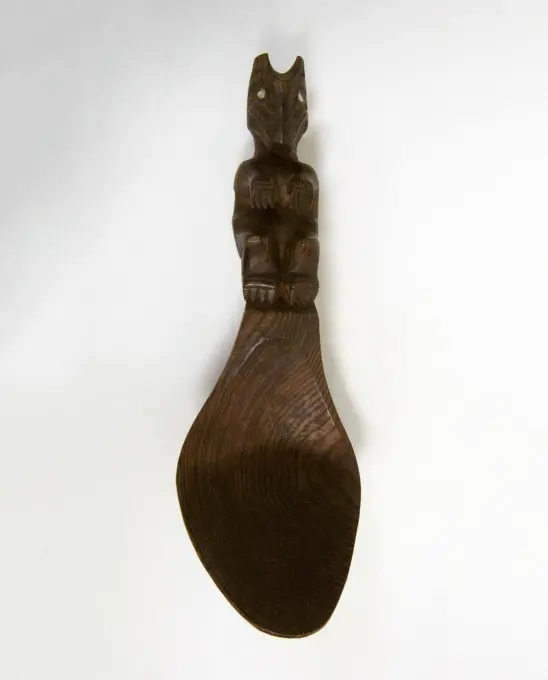
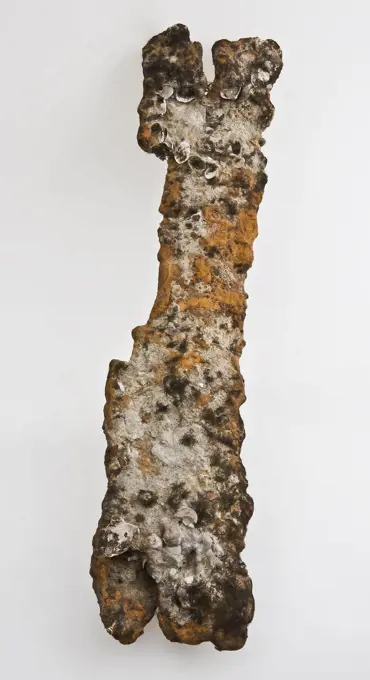
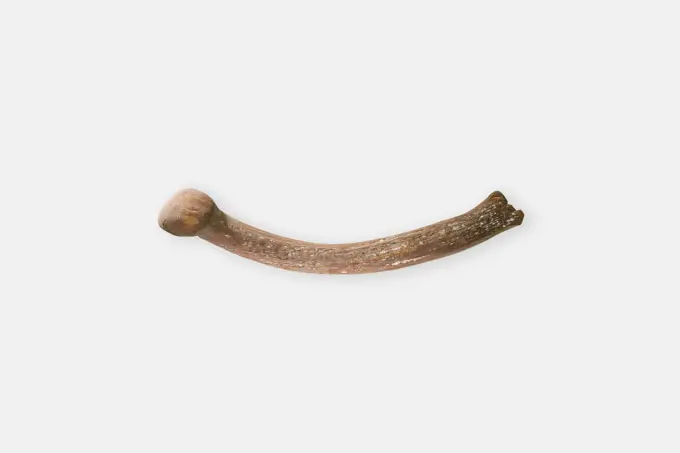
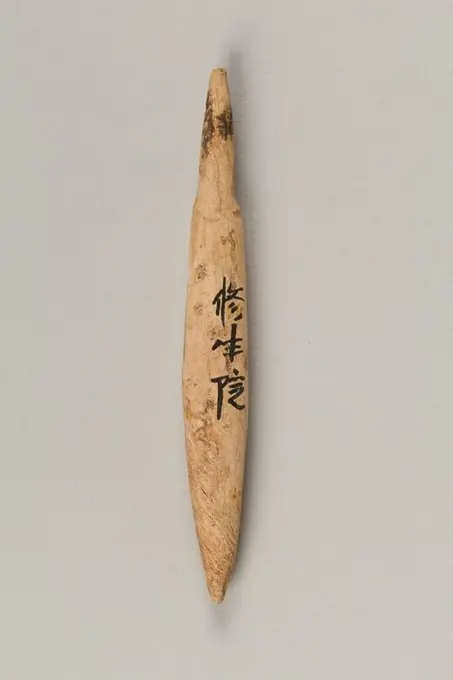
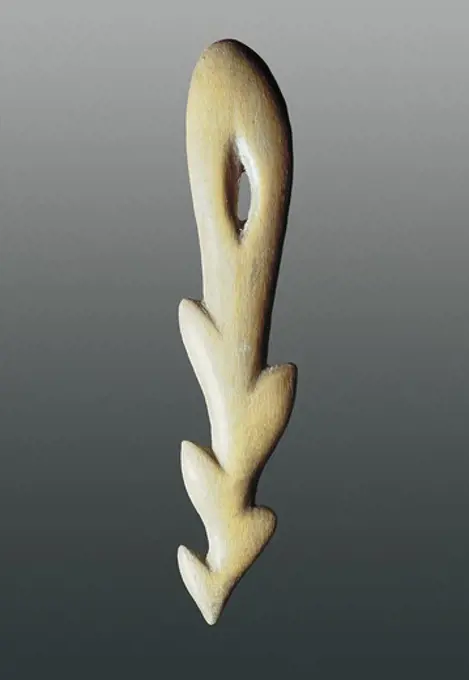
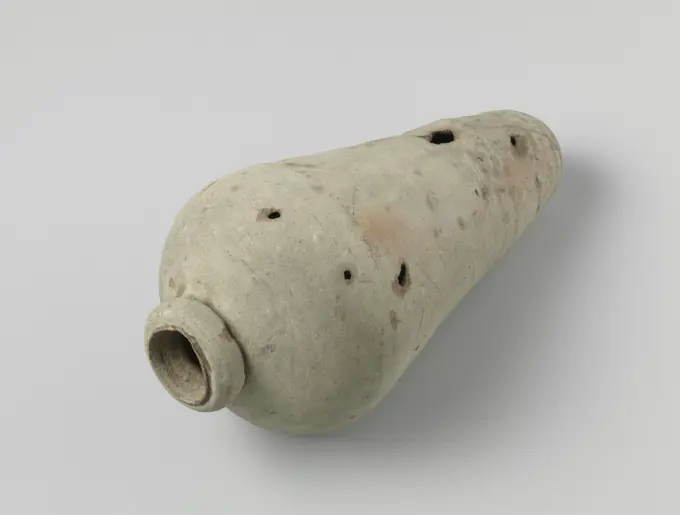
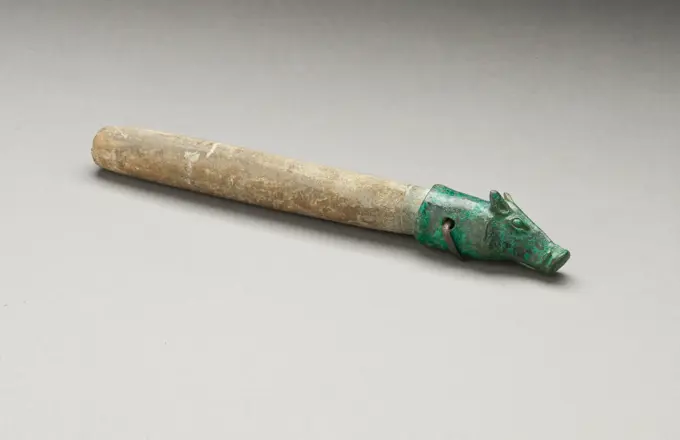
Historical items including a bow, fish pendant, ladle handle, and nails, showcasing ancient craftsmanship and diverse materials from different cultures.
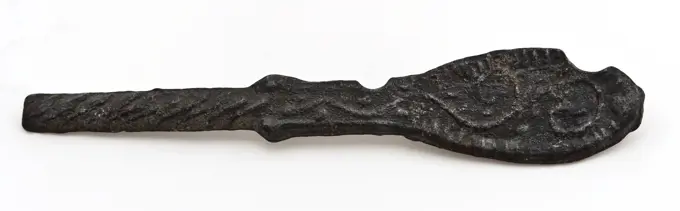
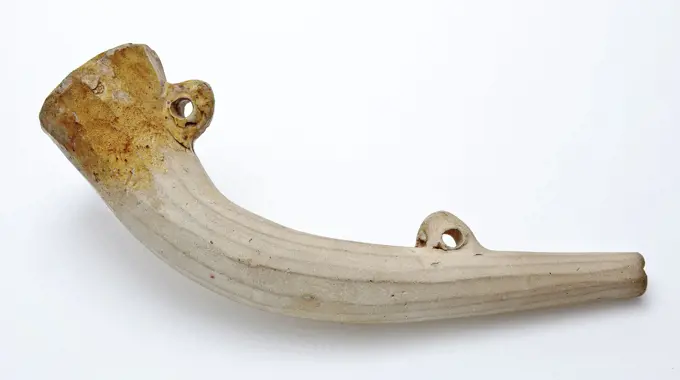
Stalk of small tin spoon, embossed with rope motif and curled tendrils, teaspoon table spoon equipment ground find tin metal, cast Steel of small tin spoon Spatula-shaped end. On the narrow piece of cow decor. Curly tendrils on the flat end. Die-cast decoration in relief archeology Rotterdam Kralingen-Crooswijk Kralingche Bos Kralingse Plas Soil discovery: in 1972 at the Kralingse Plas from dumped dredge collected metal detector finds and sight finds.
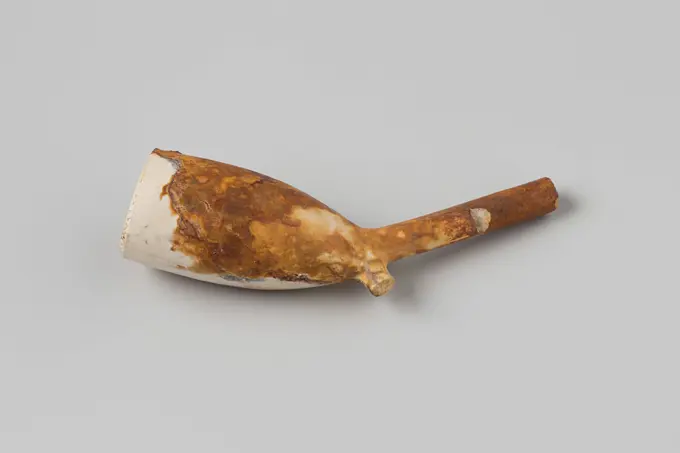
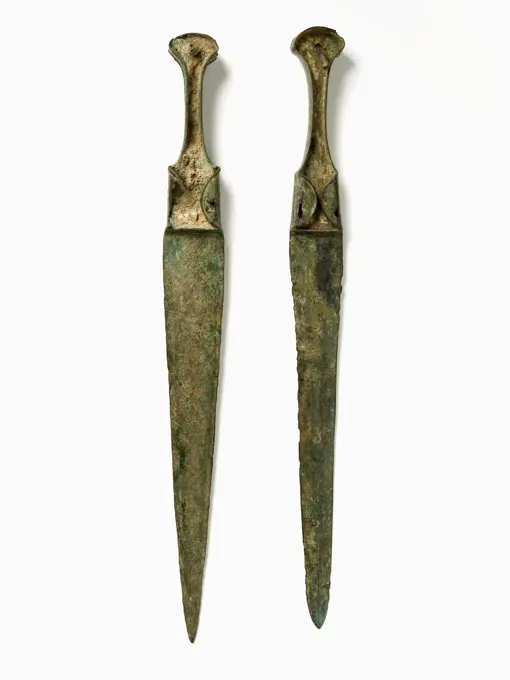
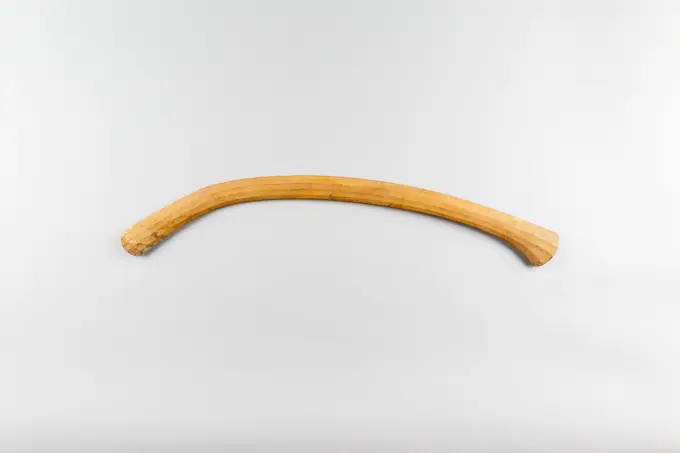
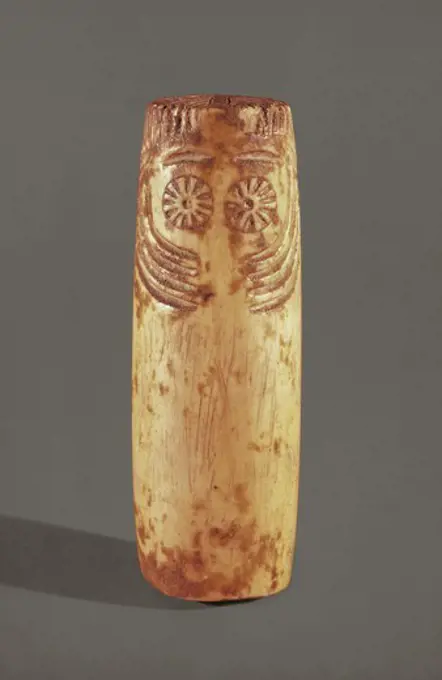
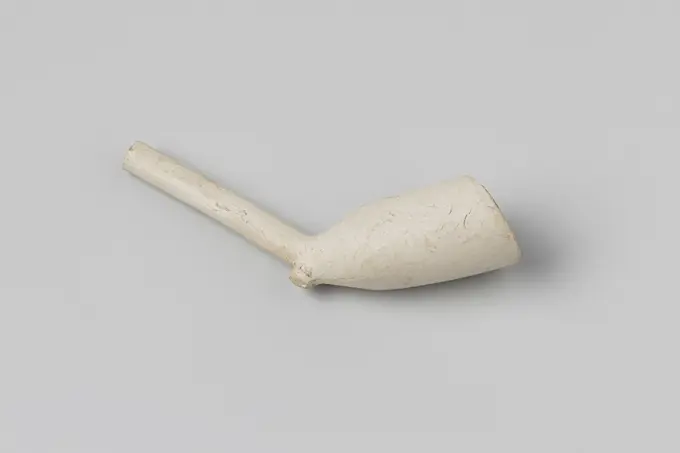
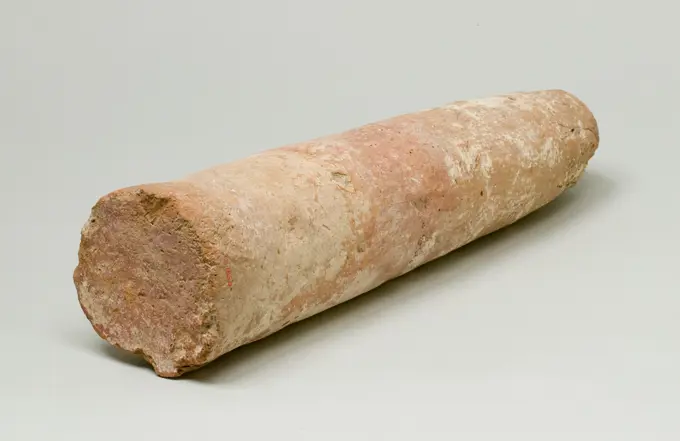
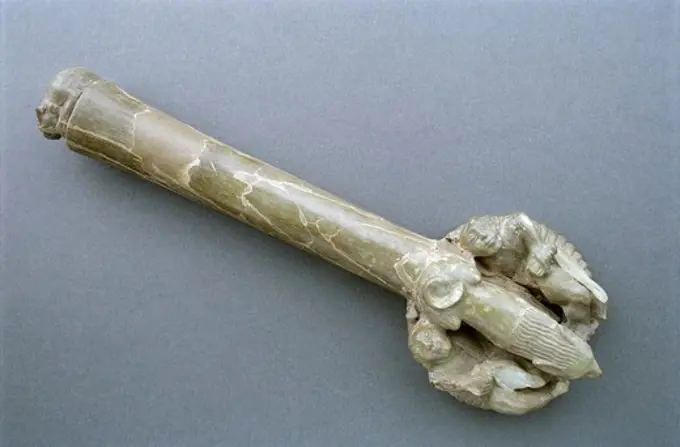
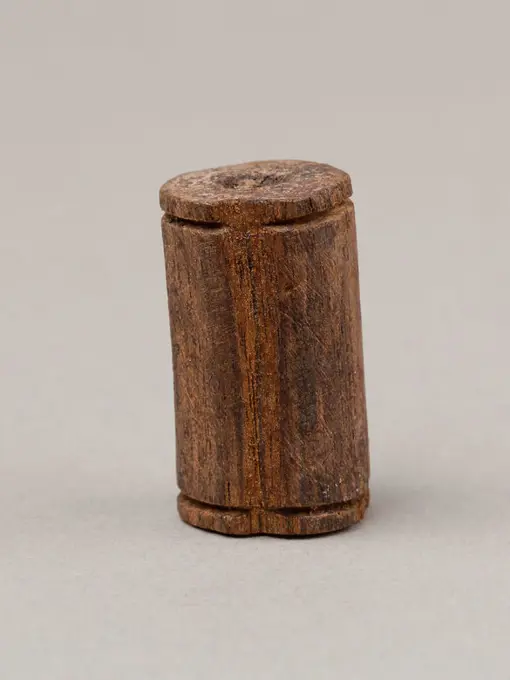
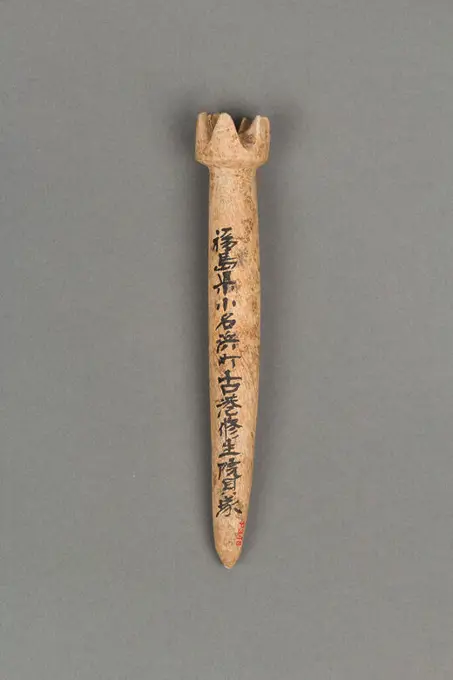
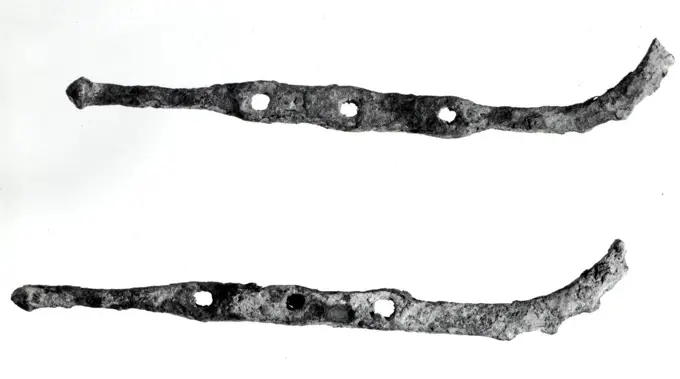
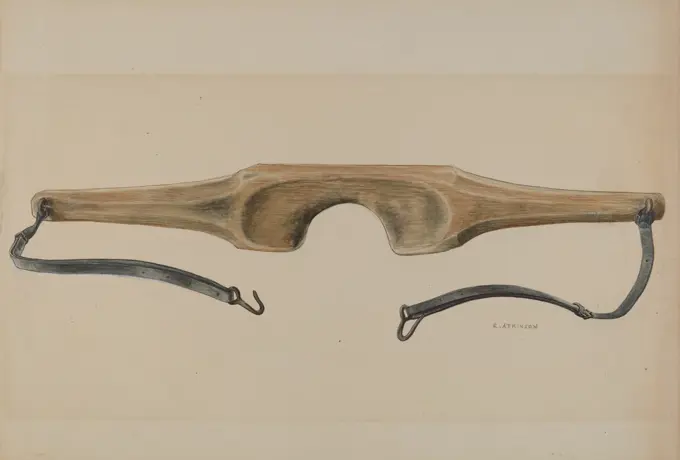
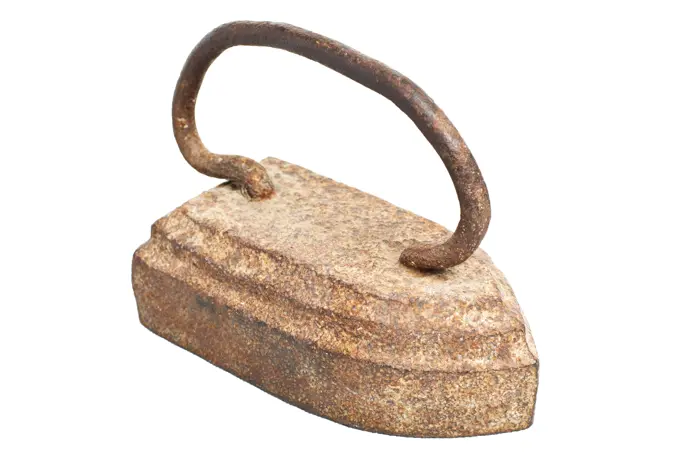
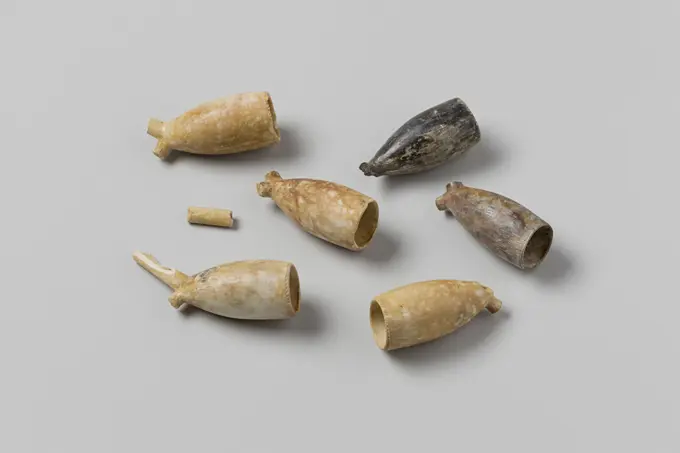
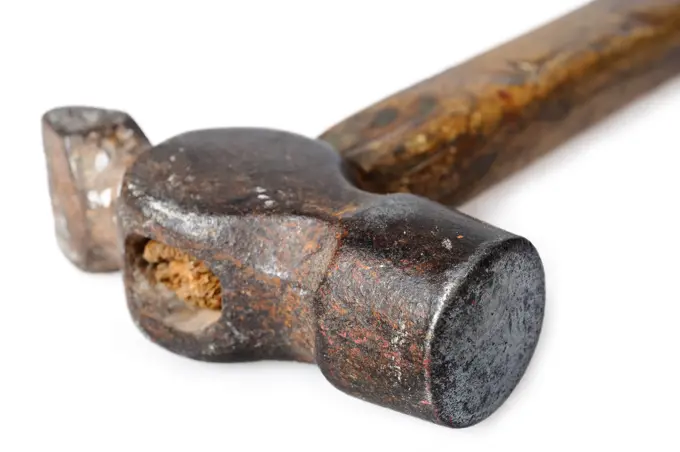
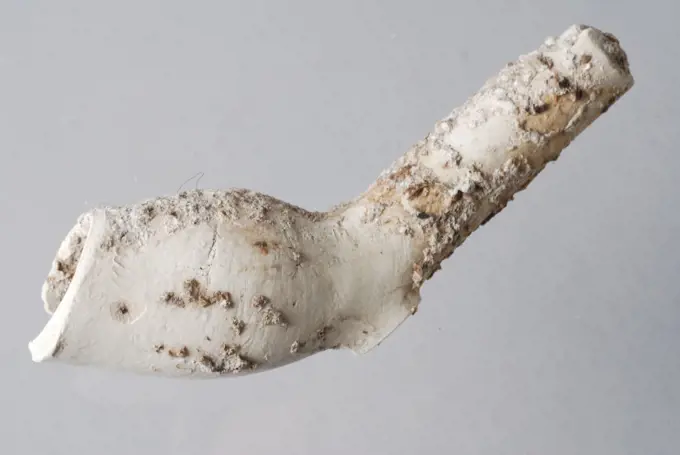
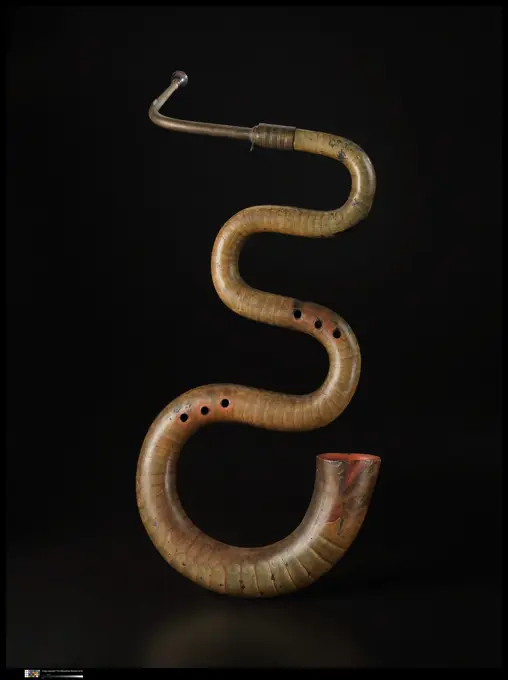
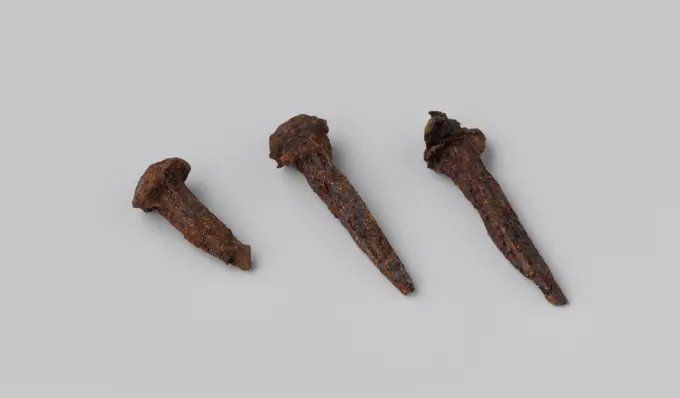
Spijkers from the wreck of the East Indians Hollandia, Anonymous, 1700 - in Or Before 1743  Nails; corroded, id. 80H3452. Netherlands iron (metal)Old Amphora, traditional shape mediterranean pottery container, found in the sea. Isolated on white.PectoralPijpenkop with piece of stem from the wreck of the East India Hollandia.Pipe, Bowl, Healmar: Crowned 57; 2HSM1.Small and large rolling pin near isolated on white backgroundMached tobacco pipe of pipe earth, damaged, anonymous, 1500 - 1799   pipe clay   pipe clayRed Corn Snake 'Kaki Okeetee' on white backgroundDaggers. Bronze, Luristan. 1150-900 BC, Paris Muse. ARM, Arme, BRONZE, DAGGER, LURISTAN, poignard, shot, sword, weaponGlass Fragment 13th century European. Glass Fragment. European. 13th century. Pot metal glass. Glass-StainedDagger-Blade (ge) 1300 BCE-1000 BCE China. The earliest archaeological finds of silk in China comprise very small fragments of fabric that are datable to the 4th and 3rd millennia B.C. Silks with woven patterns are rarely preserved but can be documented about one thousand years later, primarily through ghost-like imprints on jade implements as well as bronze vessels and weapons. Before burial, these prestigious ceremonial objects were evidently wrapped in fragile but fugitive silk fabrics.Preserved near the edge of this jade blade is a three-dimensional pseudomorph (ìfalse formî) of a squared, tightly woven pattern, whose organic material has completely disintegrated and been replaced by minerals that duplicate the original textile structure. Under high magnification, this pattern displays a slight ìZî twist in the original filament thread, as characteristic of reeled silk that is simply woven (ìplain weave.î).Such indirect but clearly preserved evidence of Shang dynasty silk is extraoSpearhead late 2nd-early 1st millennium B.C. Iran. Spearhead 325548Fish-Shaped Vinaigrette 1817-1818 Birmingham. Silver and silver gilt .Throw Stick ca. 1479-1458 B.C. New Kingdom. Throw Stick. ca. 1479-1458 B.C.. Wood. New Kingdom. From Egypt, Upper Egypt, Thebes, Sheikh Abd el-Qurna, Tomb of Senenmut (TT 71), below, deposit of hunting weapons, MMA excavations, 1935-36. Dynasty 18Column Idol. ca. 5000 BC. Neolithic art. Sculpture on ivory. SPAIN. MADRID (AUTONOMOUS COMMUNITY). Madrid. National Museum of Archaeology. Proc: SPAIN. EXTREMADURA.Fragment of a tobacco pipe.. fragment of a tobacco pipe. Completely smooth.stacked waffle cones pink backgroundFunerary cone ca. 2030-1640 B.C. Middle Kingdom. Funerary cone. ca. 2030-1640 B.C.. Pottery. Middle Kingdom. From Egypt, Upper Egypt, Thebes, Dra Abu el-Naga, Tomb CC 62, "Big Tomb", facade corridor, Carnarvon/Carter excavations, 1913. Dynasty 11Old scratched wooden plate isolated on whiteLadle, late 19th century, 21 x 6 7/8 in. (53.3 x 17.5 cm), Wood, United States, 19th centuryCribbage peg -Lance 17th century German. Lance 27055Iron object from Roman times, artifact foundations of iron lime metal, w 13.7 forged Elongated iron object with split ends archeology wielse Maas Soil found in wielse Maas circa 1979.BUMERANG CON DECORACION GRABADA Y FINALES DE ORO- NUEVO IMPERIO-TUTAMKANTAN - FOTO AÑOS 70. Location: EGYPTIAN MUSEUM. KAIRO. EGYPT.Messenheft with flowers in email, anonymous, 1600 - 1700 Kneft of copper decorated with flower and rank motifs of colored email. Netherlands copper (metal). Kneft of copper decorated with flower and rank motifs of colored email. Netherlands copper (metal).Ornament ca. late 3rd millennium B.C.. Ornament. ca. late 3rd millennium B.C.. Faience. Early Bronze Age. Mesopotamia, Tell TayaRazor Handle for 35.3.28a ca. 1504-1447 B.C. New Kingdom. Razor Handle for 35.3.28a. ca. 1504-1447 B.C.. Wood. New Kingdom. From Egypt, Upper Egypt, Thebes, Asasif, Tomb of Neferkhawet (MMA 729), east chamber, Burial of Amenemhat (V), inside coffin, by head, MMA excavations, 1934-35. Dynasty 18, earlyArrowheads, needles, hooks and harpoons. Culture: Japan. Dimensions: W. 3/8 in. (1 cm); L. 3 in. (7.6 cm). Museum: Metropolitan Museum of Art, New York, USA.Bone harpoon. Upper Paleolithic. Magdalenian. Sculpture on ivory.Slender legs pointed with four barbs, pointed harpoon soil found leg, sawn cut cut Late stone age archeology Maglemose culture Rotterdam Maasvlakte prehistoric stone age late stone age fish catch fish nutrition hunt Ground discovery Maasvlakte Maglemose culture.Etruscan silver-lamina with gilded silver relief's, from Aureli Tomb, Bologna, Italy, 7th Century B.C.Pot, anonymous, c. 1600 - c. 1800 Elongated, striker to the bottom of the tissue pot of pottery. The pot belongs to two pots with invnr. BK-KOG-485 and BK-KOG-486. All three pots are soil finds. Spain (possibly)Italy (possibly)France (possibly) earthenware Elongated, striker to the bottom of the tissue pot of pottery. The pot belongs to two pots with invnr. BK-KOG-485 and BK-KOG-486. All three pots are soil finds. Spain (possibly)Italy (possibly)France (possibly) earthenwareWeapons of leadership from the Democratic Republic of Congo. Dated 19th CenturyWhetstone Socket. Iran, Luristan, 1350-1000 B.C.. Tools and Equipment; sockets. Bronze, castClose up brown clove stem on brown backgroundPacket of cigars from the French time. Pack of six thin cigars from the French time. Hold together by two light blue with red printed cross tires, which are stuck around the cigars.Powder Horn. Culture: American. Dimensions: L. 11 1/2 in. (29.2 cm); Diam. 3 1/8 in. (7.9 cm); Wt. 8.9 oz. (252.3 g). Date: 18th century. Museum: Metropolitan Museum of Art, New York, USA.Greece, Sarmacja, Olmia, V The beginning of the 4th century BC, Dolphin money, AE MintKnife Handle (Kozuka). Culture: Japanese. Dimensions: L. 3 13/16 in. (9.7 cm); W. 9/16 in. (1.4 cm); thickness 1/4 in. (0.6 cm); Wt. 1.1 oz. (31.2 g). Date: ca. 1615-1868. Museum: Metropolitan Museum of Art, New York, USA.KombuFragments or parts from the wreck of the East Indians Hollandia, Anonymous, Before 1743 fragment. part Varied parts or fragments, bar(-shaped) fragments; fragm, heavily eroded, broken: sim. 80H1763; tapering. Netherlands iron (metal)   SecondMitts 1800-1824 American. Mitts 156427Stoneware pilgrim's horn, sparsely glazed, curved and conical, pilgrim horn horn soil find ceramics pottery glaze lead glaze, opening 1.9 hand-formed cut glazed fried Horn with glaze on the mouthpiece Probably lead glaze On the horn an arch ear for attaching belt. Yellow shard Curved and conical shape archeology indigenous pottery import communication sound blowing music pilgrimage souvenirpolished Hypersthene stone on white macro shooting of natural mineral rock specimen - polished Hypersthene stone on white marble background from Canada Copyright: xZoonar.com/ValeryxVoennyyx 11949798Fragment oPy delay from the wreck of the East Indieschief Hollandia. Pipe, voice; fragment.Ear of multicolored Indian corn against black background.Etruscan civilization, Ivory flabellum handle with relief depicting two male figures and a seated dog from Marsiliana Albenga, Banditella necropolis, Circolo degli Avori,Tuscany region, Italy, 4th century b.c.Uninscribed cylinder seal. Dimensions: H: 2.8 cm (1 1/8 in.); diam: 1.5 cm (9/16 in.). Dynasty: Dynasty 1. Reign: reign of Aha. Date: ca. 3100 B.C.. Museum: Metropolitan Museum of Art, New York, USA.Sotck exchange. Around 1850. GAL1994.220.XMetal hat pin with square cube glass with sloping sides, caught between two flower-shaped seats.Model or Diagonal framing. Model that demonstrates the cross bandage according to Robert Seppings. It consists of two weighter beams, between which diagonal crowds, supports and keys are applied.Arrowheads, needles, hooks and harpoons. Culture: Japan. Dimensions: W. 7/8 in. (2.2 cm); L. 5 in. (12.7 cm). Museum: Metropolitan Museum of Art, New York, USA.Model Tool from a Foundation Deposit. Dimensions: l. 5 cm (1 15/16 in.). Dynasty: Dynasty 18. Reign: Joint reign of Hatshepsut and Thutmose III. Date: ca. 1479-1458 B.C.. Museum: Metropolitan Museum of Art, New York, USA.Whole leg of pork, Pork, Spanish Serrano hamHorse bit cheekpieces ca. 8th-7th century B.C. Iran. Horse bit cheekpieces 327029Ralph Atkinson, Economy Shoulder Yoke, c 1937 Economy Shoulder YokeSnuff Bottle (stopper), 1644-1911. China, Qing dynasty (1644-1911). Glass; overall: 8.6 cm (3 3/8 in.).Large brown ostrich feather isolated on whiteWooden object from v.O.C.-ship the 'white lion'. Wooden object. Possible button of curtain rod. Consisting of a tapered part and a sphere with a button on it, connected by a ring, carved everything from one piece. On the bottom a hole and in the sphere a hole.Bone tools for hunting and fishingBeautiful toy in the form of mushroom, isolated on white background Beautiful toy in the form of mushroom, isolated on white background Copyright: xZoonar.com/OleksandrxKostiuchenkox 8911518Adze ca. 1550-1295 B.C. New Kingdom. Adze. ca. 1550-1295 B.C.. Wood, bronze or copper alloy, leather. New Kingdom. From Egypt, Upper Egypt, Thebes, Deir el-Bahri, Temple of Hatshepsut, forecourt, Foundation Deposit 4 (D), MMA excavations, 1923-24Fragments of pipe heads and pipes from the wreck of the East Indians' t Vliegend Hart, WS, 1720 - 1735  Three heads of earthen Goudse pipes: two heel brand crowned WS (1 of which broken) and a broken with heel brand '41'. Three pieces of stem, one of which is decorated. Fragments of Bowls and Stems. Gouda pipe clayFragments Pipe states from the wreck of the East India Hollandia.Pipe, voice; fragment.Sjerp Worn by Weijmar Schultz, 2nd lieutenant, 1800 - 1830  Sash Van Fattst Oranje Cord side, in the technique of "Egyptian braid" some damage. Worn by the 2nd lieutenant Weymar Schultz (mobile militia). On the two ends of the sash hanging from ditto galon brushes with long fringes on the bottoms of the brushes, the stitched knots of the ends of the sash can be seen. Netherlands silk. wool braidingLabret in rock crystal. Mali, Neolithic. 3,7 cm.Five Projectile Shafts before 1272 Western European or Near Eastern. Five Projectile Shafts 26474. Emergested elephant position on standard upwards opened with figures and buildings. Front: above the middle of Annie Hermine Cremer-Hogan brisket, wife of J.Th. Cremer, used to the left. She has short hair and a branch on the head. Dress with square neck and short and long necklace. Intelior list to portrait. Inside inscription below without decorations. Fully edited further with human figures and children between trees with rosettes in between. Many with text sign or banner in hand. Bottom edge: Rocky bottom on which the scene takes place. Belonged on wooden standard.Powder Horn. Culture: Colonial American. Dimensions: L. 13 1/2 in. (34.3 cm); Diam. 3 in. (7.6 cm); Wt. 12.8 oz. (362.9 g). Date: 1757. Museum: Metropolitan Museum of Art, New York, USA.Club -corkscrew and cork  isolated on white backgroundtwo side of furrier’s knife isolated on white backgroundvintage boxwood and brass ruler over white, clipping path24 k gold facial serum in a pipette on a yellow background. High quality photo.Dried leaves of the medicinal plant verbena (Verbena officinalis)Arm Guard. Culture: Indian, possibly South Indian. Date: 18th century. Museum: Metropolitan Museum of Art, New York, USA.Comb decorated with a wildebeest. Dimensions: h. 16.2 x w. 6.4 x th. 0.7 cm (6 3/8 x 2 1/2 x 1/4 in.). Date: ca. 3900-3500 B.C.. Museum: Metropolitan Museum of Art, New York, USA.Magic wand ca. 1981-1550 B.C. Middle Kingdom-Early New Kingdom. Magic wand 556563Dried garlicTRILLA PARA DESGRANAR LOS CEREALES Y HACER LA PAJA. Location: MUSEO DEL PUEBLO ESPAÑOL. MADRID. SPANIEN.Serrated flint knife. Neolithic period. North Africa. 16,2 cm.Close-up of awetoOld vintage Russian Soviet rusty iron isolated on a white background. Old vintage Russian Soviet rusty iron isolated on a white background. ,model released, Symbolfoto ,property released Copyright: xZoonar.com/SergeyxxKozoderovx 2138618 ,model released, Symbolfoto ,property releasedTurritella mussel on driftwood with a black background Turritella mussel on driftwood with black backgroundHistoric garden tools, shovel, hand shovel, hand fork, string, string reel, yarn reel, exemplar, objectModel of a rudder, Petrus van der Loo, 1855Closeup of three long bones from dead animal isolated on white backgroundBlowers and fragment Pijpensteel from the wreck of the East Indians Hollandia, Anonymous, 1700 - in Or Before 1743  Pipe, bowl, heelmark: tobacco's brazier; no hsm, 2hsm1,2 2hsm1, 2hsm2. Netherlands pipe clay   SecondPipe heads and fragment blowjob from the wreck of the East India Hollandia.Pipe, Bowl, Healmar: Tobacco's Brazier; No HSM, 2HSM1.2 2HSM1, 2HSM2.Shadow Puppet (Wayang Kulit) of a Prop (Ricikan), from the set KyaiDrajatVintage hammer isolated on white Closeup view of vintage hammer isolated on white background Copyright: xZoonar.com/DROBZHEVxEVGENYx 3343411Hendrick Jansz., Clay pipe, unnoticed, from the waste from Rotterdam pipe making, clay pipe smoking equipment smoke floor earthenware ceramics pottery, pressed finished baked Clay pipe unnoticed from the waste of Rotterdam pipe making. Misbaksel; caked sintered material on the whole pipe archeology Rotterdam Hillegersberg-Schiebroek Hillegersberg Noord Hillegersberg Zuid Right Rottekade indigenous earthenware craft workshop smoking tobacco Hendrick Jansz archaeological find in the soil: Judge Rottekade Rotterdam at number 71 in 1976.Close up of a Turritella shell with a spiral pattern close-up of a Turritella shell with a spiral patternFragments Piste heads and stalks from the wreck of the East India Flying heart. Fragments of Goudse Blowjes: 9 Fragments Piping head with piece of stem, 5 fragments pipe head, 48 pipes handle, 11 of which are decorated. Some heads with heel brand 67.The skull of a big Kob on a wooden plate - a hunter’s trophyPiece 18th century French. Piece 214063Bracelet fragment. Sandstone. Mali, Neolithic. 4 inches.Whole and peeled bamboo shoot on white backgroundSerpent ca. 1820 C. Baudouin French The serpent is a European bass brasswind instrument that was a predecessor of the tuba. Its snake-like form helps to position the finger holes within reach of the players hands. The serpentine qualities of this example, made by one of the most celebrated makers, are heightened by its zoomorphic paint scheme, a rare decorative embellishment for an instrument that was typically finished in black. The wear marks around its finger holes are the result of extensive use. They show how this serpent was held and also prove that its musical properties were as strong as its visual appeal. The serpent has a long association with church music. In France it was used to bolster and accompany plainsong from the late sixteenth century onwards. Its warm, resonant sound complemented male voices, and it found favor in English church bands during the eighteenth and nineteenth centuries. Played alongside the cello and the bassoon, it provided vital accompaniment in churFragments of uniform pipe stemsOCARINA INSTRUMENTO MUSICAL.