Ancient Artifacts and Tools

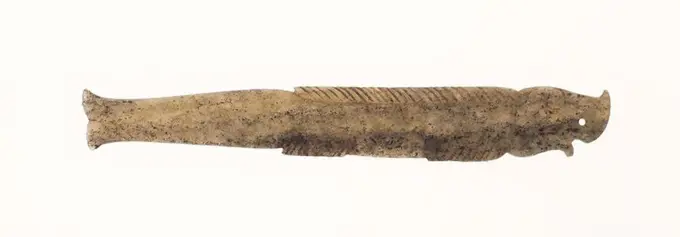
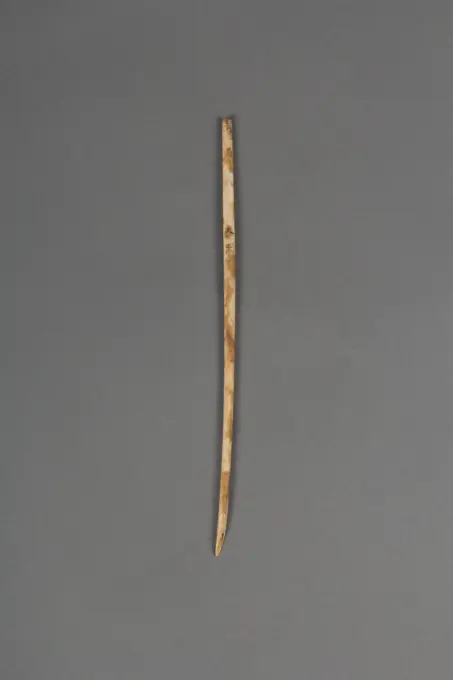
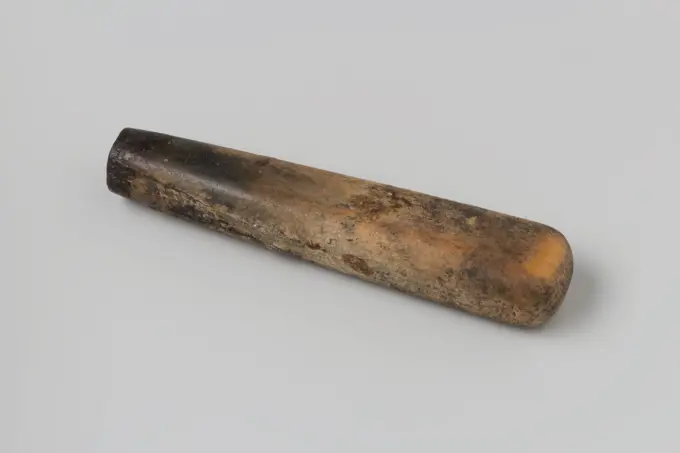
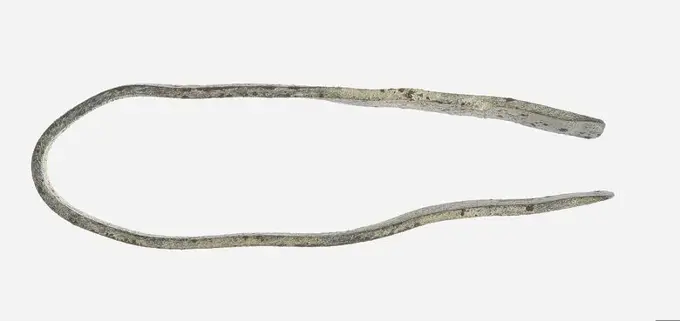
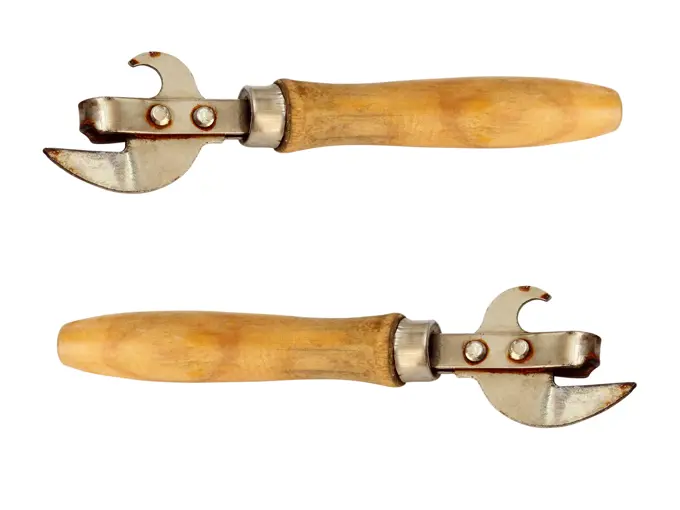
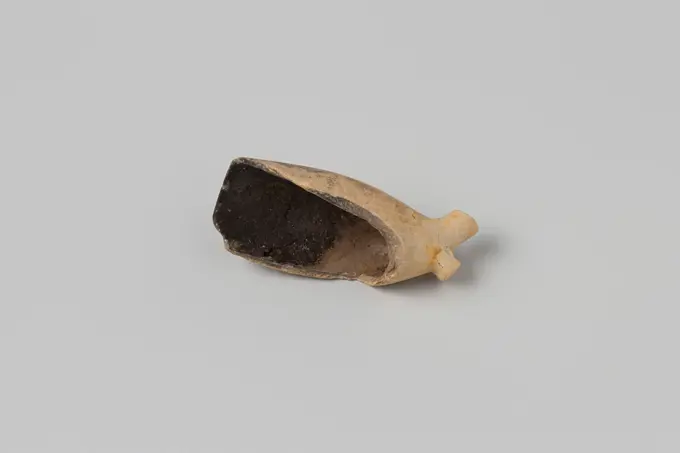
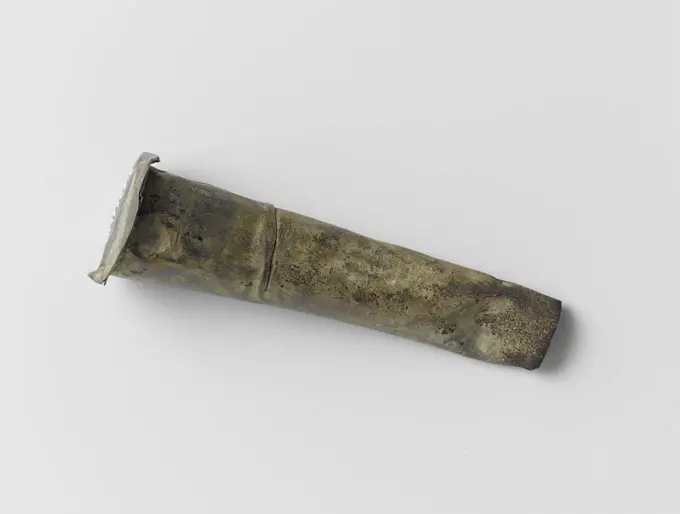
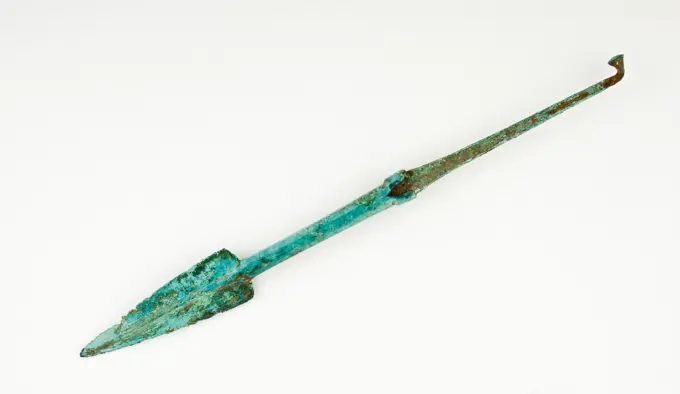
Historical items including a bow, fish pendant, ladle handle, and nails, showcasing ancient craftsmanship and diverse materials from different cultures.
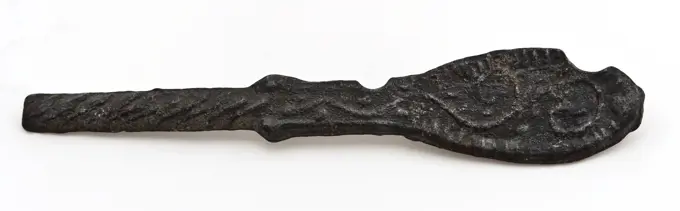
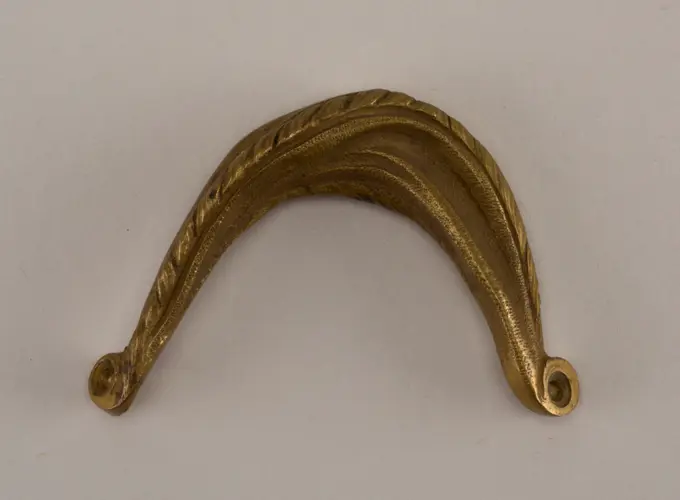
Stalk of small tin spoon, embossed with rope motif and curled tendrils, teaspoon table spoon equipment ground find tin metal, cast Steel of small tin spoon Spatula-shaped end. On the narrow piece of cow decor. Curly tendrils on the flat end. Die-cast decoration in relief archeology Rotterdam Kralingen-Crooswijk Kralingche Bos Kralingse Plas Soil discovery: in 1972 at the Kralingse Plas from dumped dredge collected metal detector finds and sight finds.
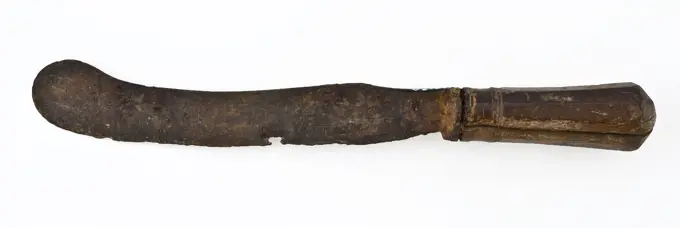
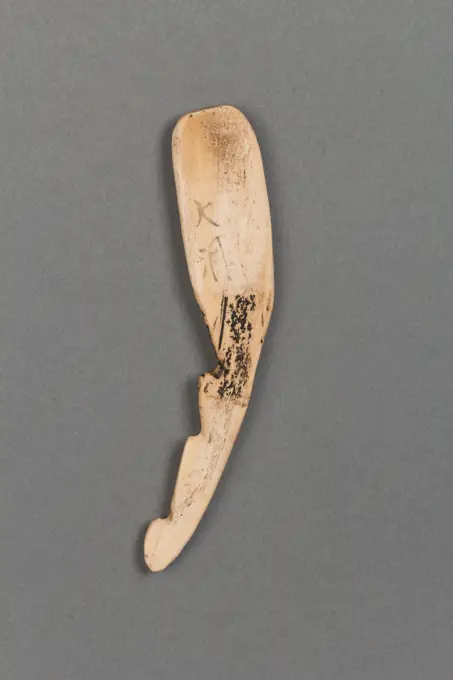
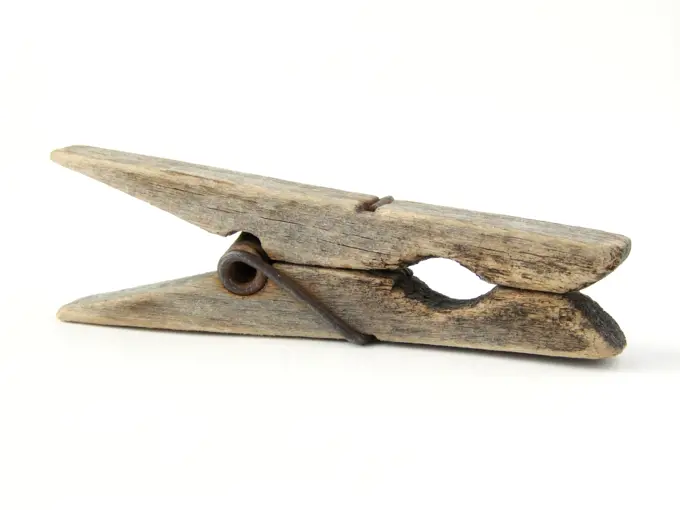
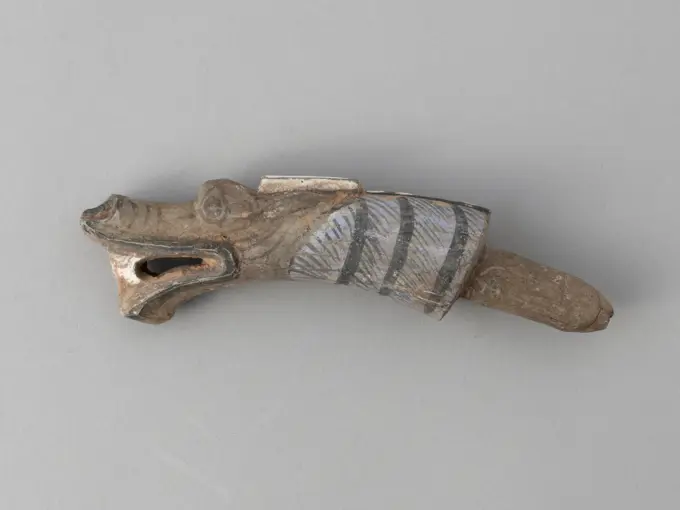
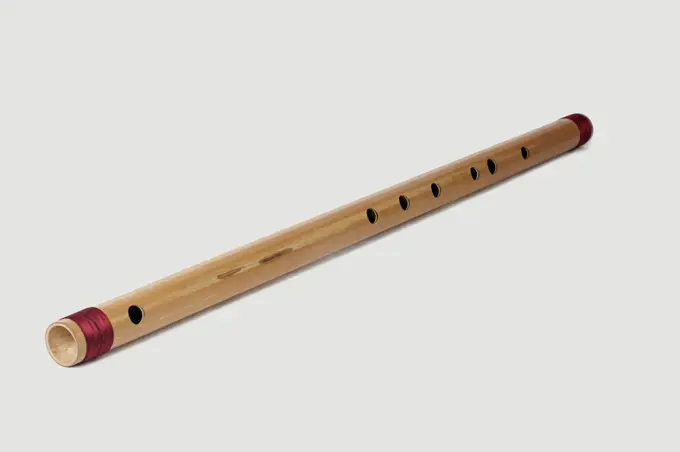
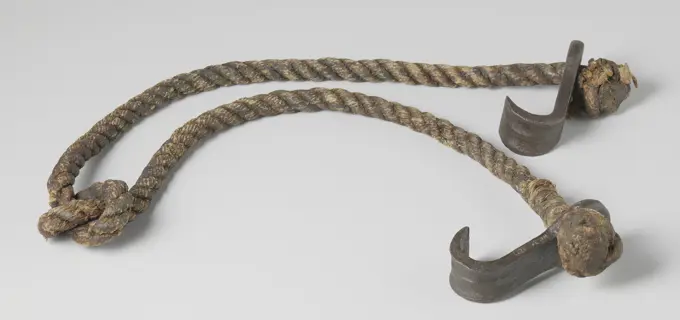
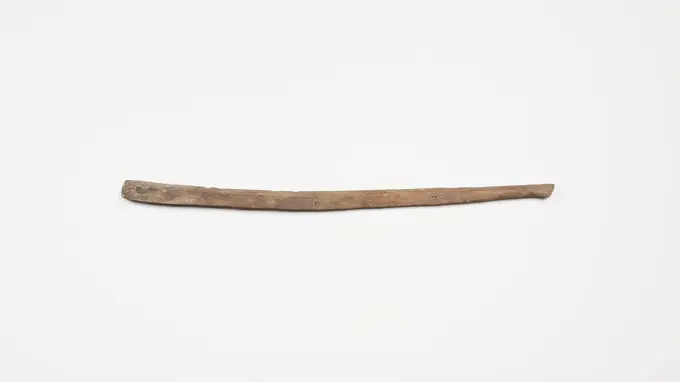
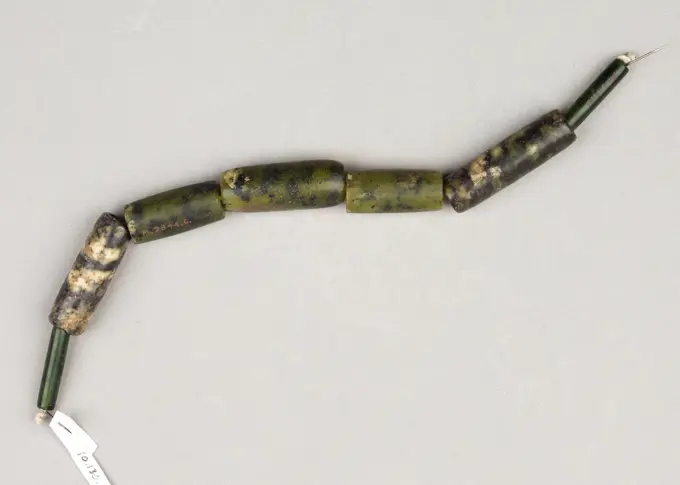
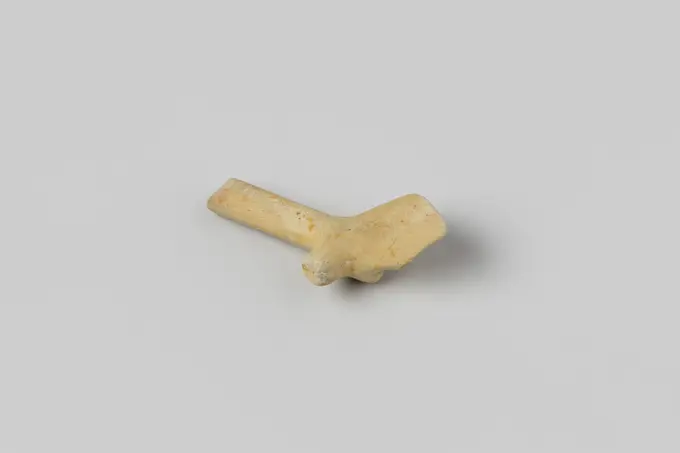
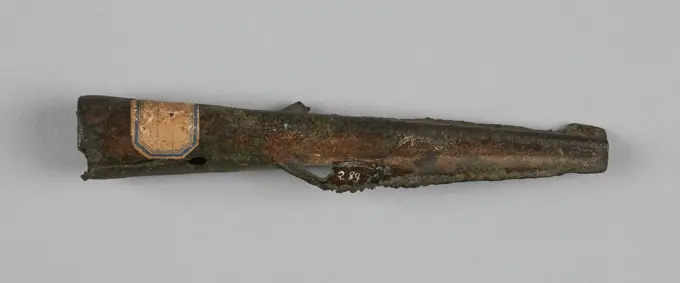
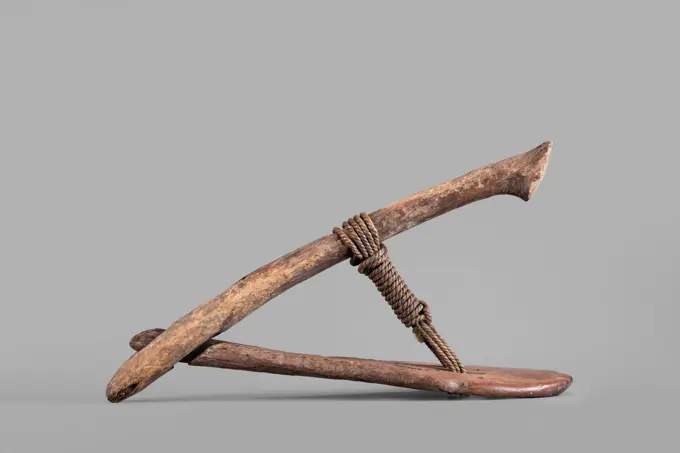
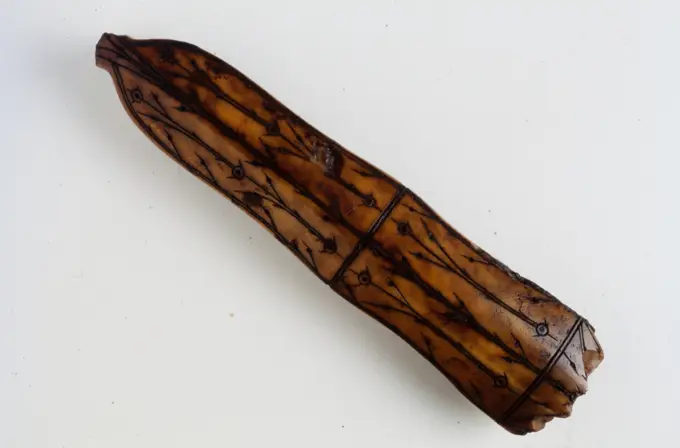
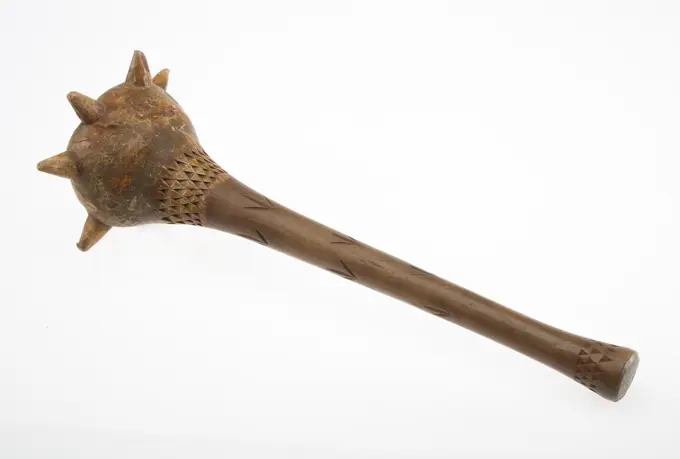
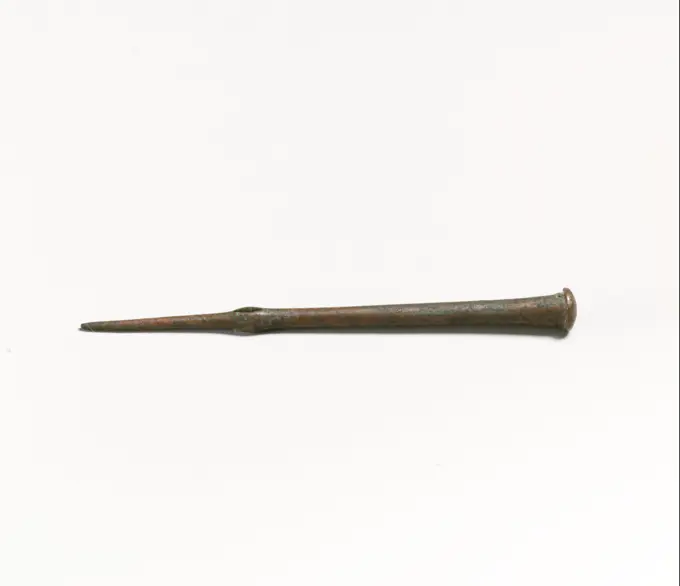
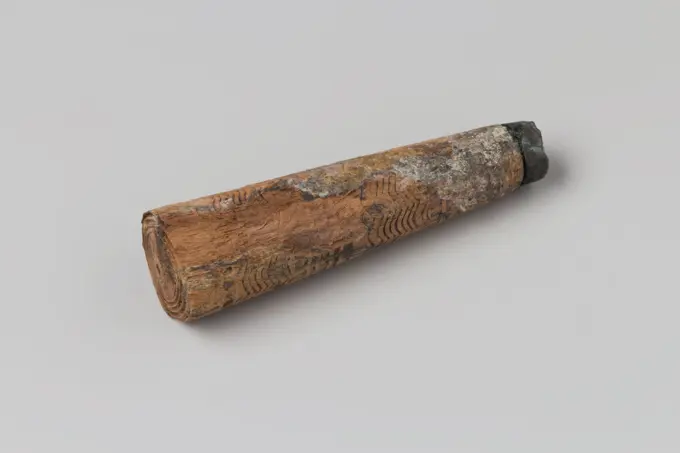
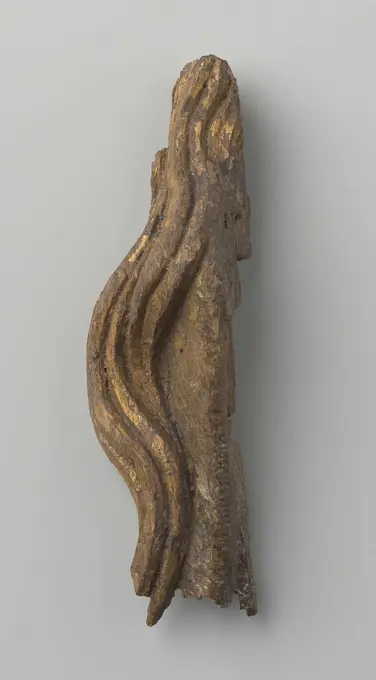
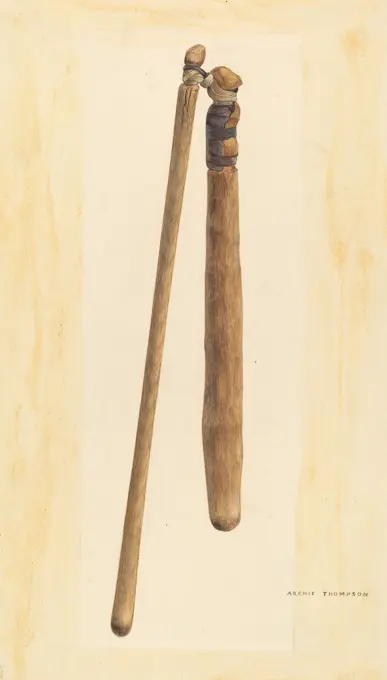
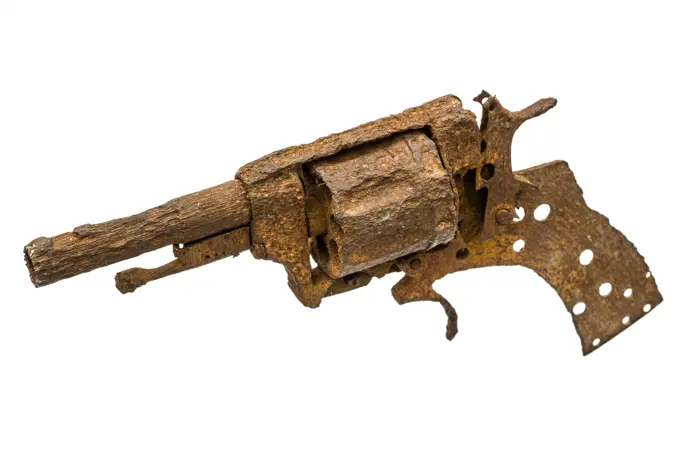
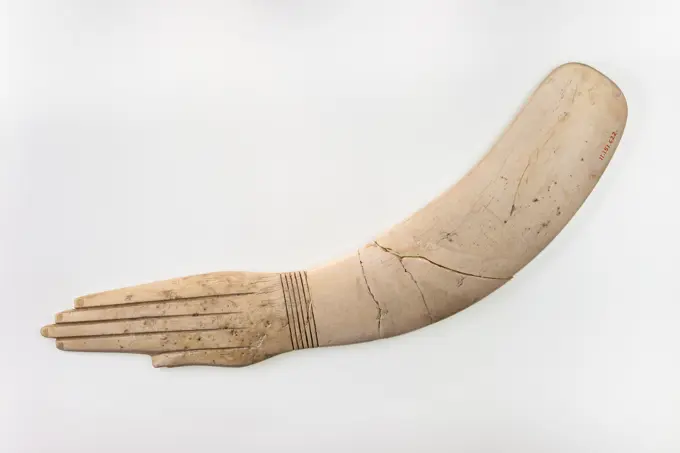
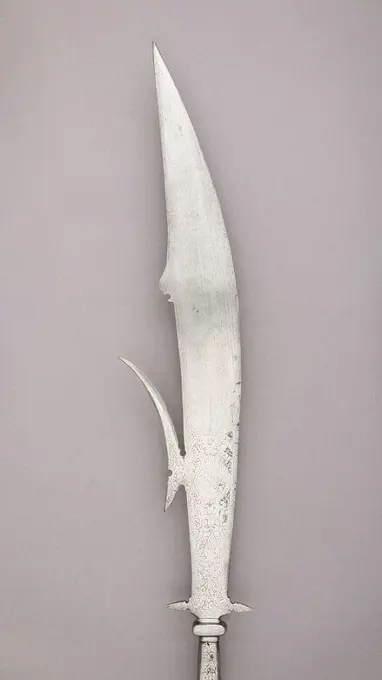
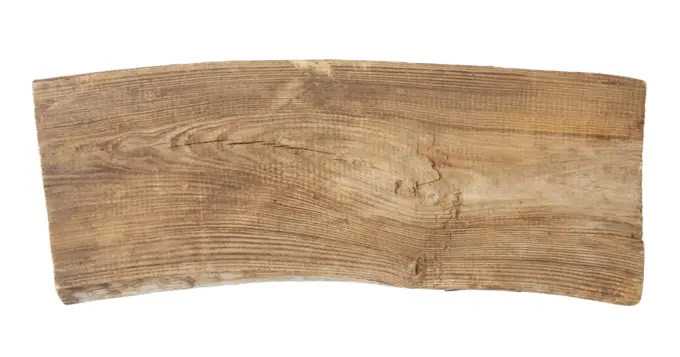
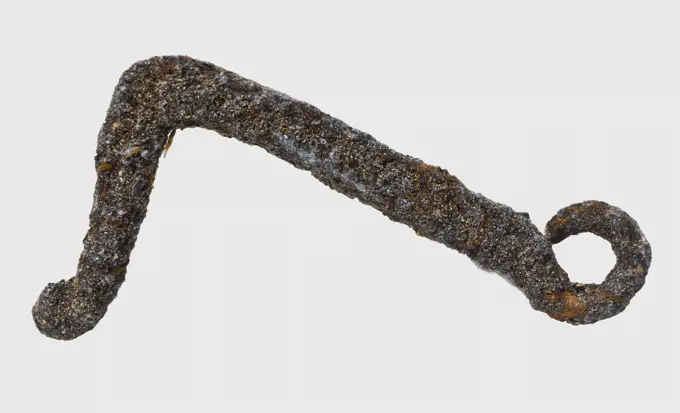
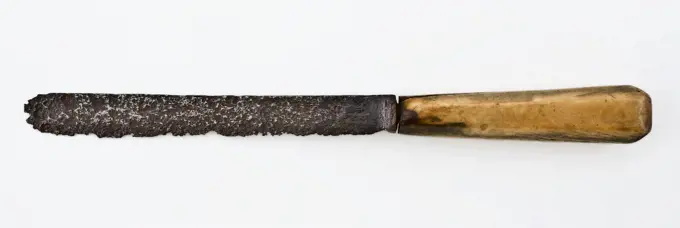
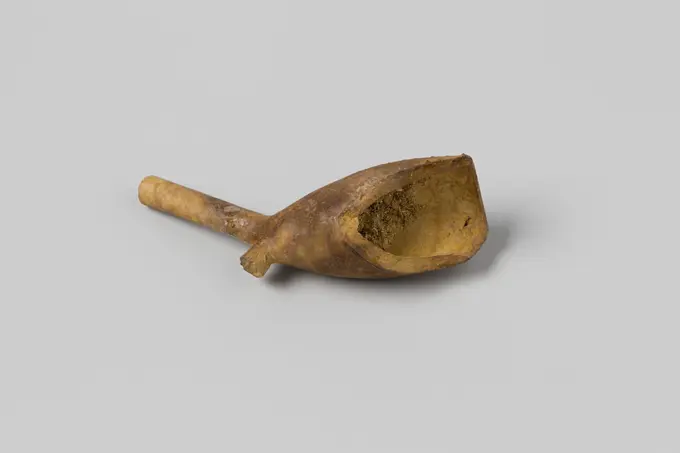
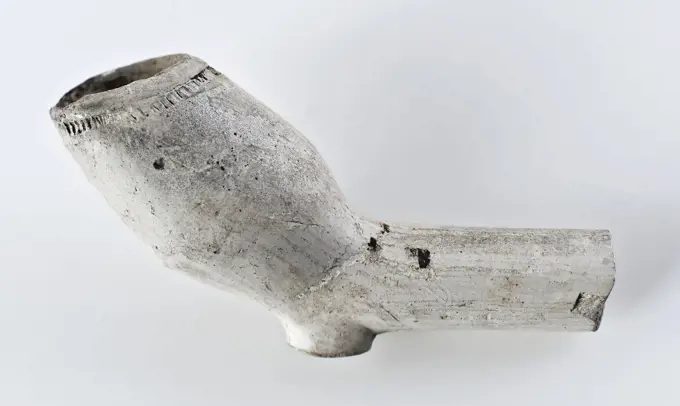
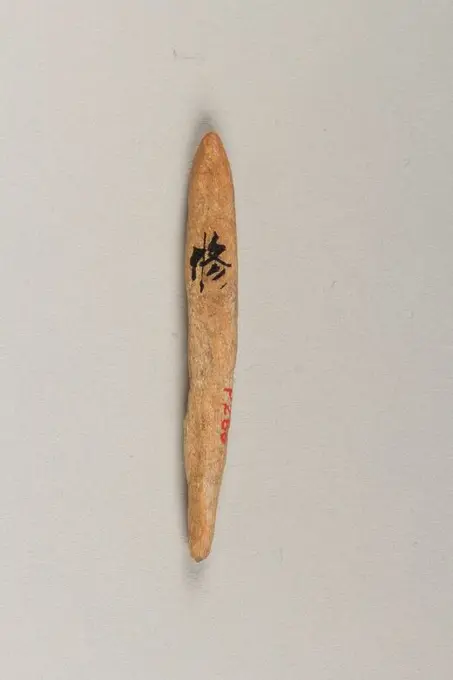
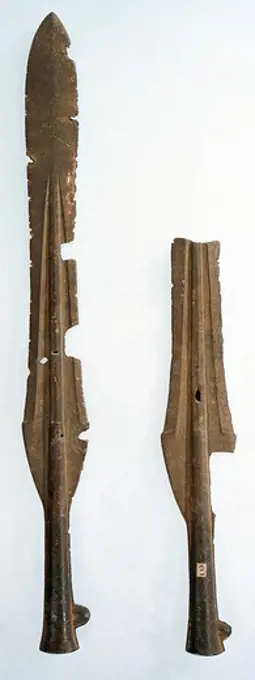
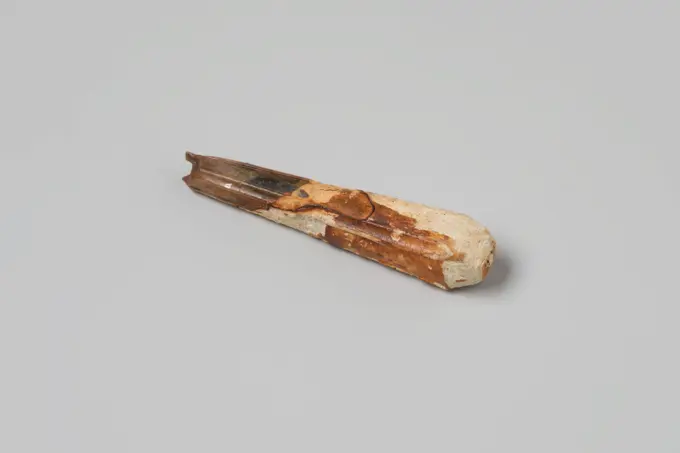
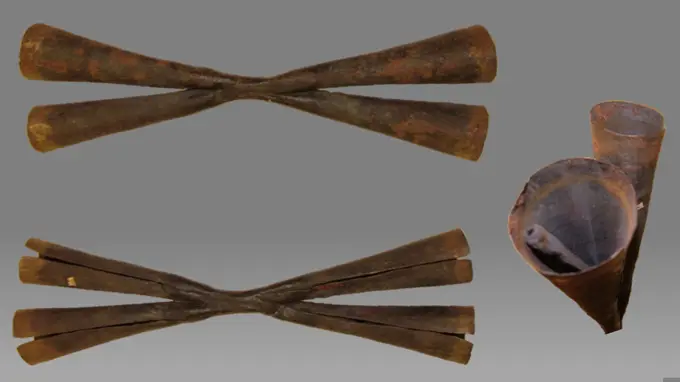
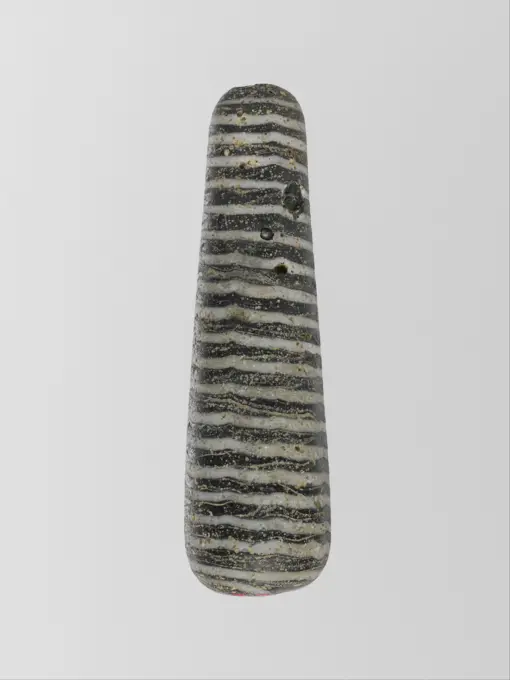
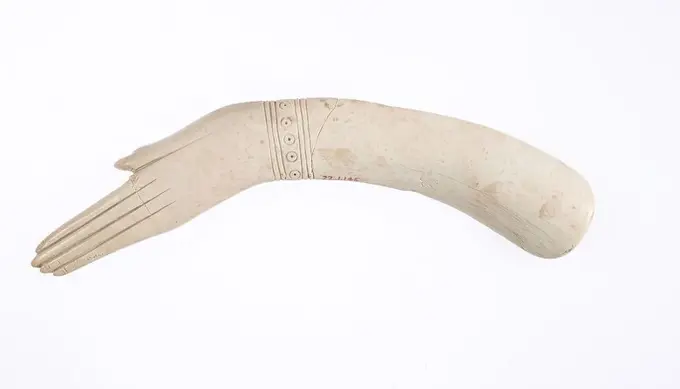
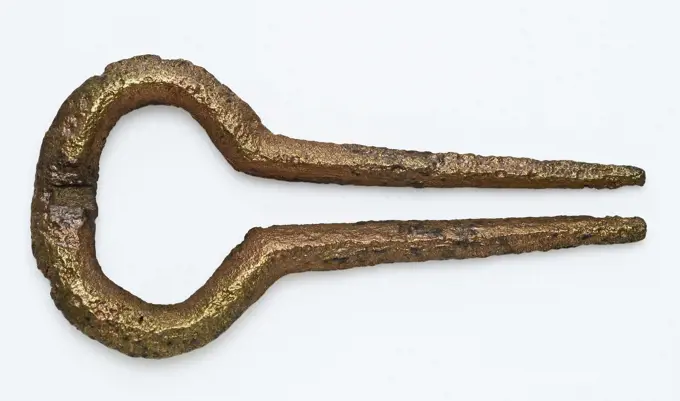
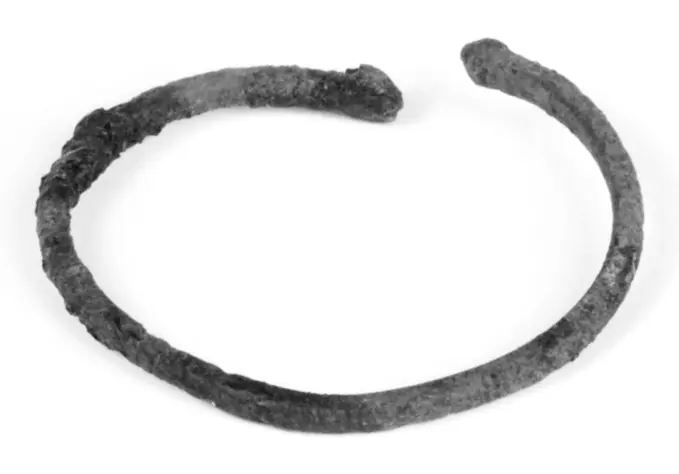
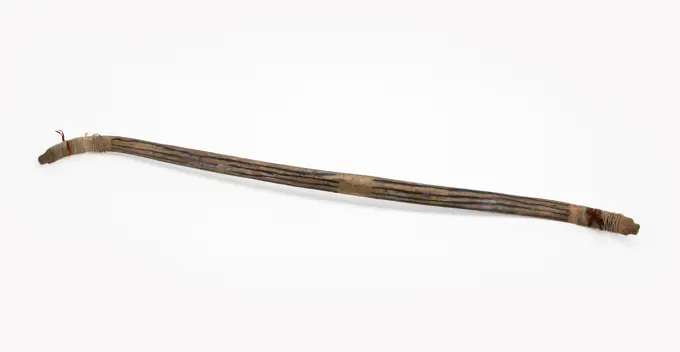
Bow -Fish Pendant. China. Date: 1300 BC-900 BC. Dimensions: 4 11/16 × 5/8 × 1/16 in. Jade. Origin: China. Museum: The Chicago Art Institute, Chicago, USA.Ladle Handle 4th-7th century Coptic. Ladle Handle 478924Nail. Nail 244258Pointed part of the wreck of the East Indies Hollandia, Anonymous, 1700 - in Or Before 1743 fragment Varied parts or fragments, points or pointed end fragments; fragm, sim. 80H535, rectangular in section. Netherlands copper (metal)   SecondPointed part of the wreck of the East Indies Hollandia, Anonymous, 1700 - in Or Before 1743 fragment Varied parts or fragments, points or pointed end fragments; fragm, id. 80H535. Netherlands copper (metal)   SecondCrochet hook. Crochet hook.Burin -Stalk of small tin spoon, embossed with rope motif and curled tendrils, teaspoon table spoon equipment ground find tin metal, cast Steel of small tin spoon Spatula-shaped end. On the narrow piece of cow decor. Curly tendrils on the flat end. Die-cast decoration in relief archeology Rotterdam Kralingen-Crooswijk Kralingche Bos Kralingse Plas Soil discovery: in 1972 at the Kralingse Plas from dumped dredge collected metal detector finds and sight finds.Musketmaat, fragment consisting of brass huls with loose underside, anonymous, c. 1590 - c. 1596  Muskmaat, fragment consisting of brass huls with a separate underside.  brass (alloy) striking (metalworking)  Nova Zembla. Saving HuysModel or a mast. Model of an elliptical mast. In section, this mast is drip-shaped with the sharp side behind. Above the homer, the mast is bent forward and runs out in a point. The mast foot is rectangular.Donkey rig New Kingdom, Ramesside ca. 1295-1070 B.C. View more. Donkey rig. ca. 1295-1070 B.C.. Wood. New Kingdom, Ramesside. From Egypt, Memphite Region, Lisht North, Cemetery, MMA excavations. Dynasty 19-20Knife -Needle Japan The Jmon period is the earliest period in Japanese history, lasting from roughly 14,000 to 300 BCE. Using materials such as bone, antlers, and stone, the Jmon people created a variety of utilitarian objects, such as this needle. The small eye at the top would likely have served a function similar to a modern sewing needle, allowing the Jmon people to practice basic sewing and create textiles.. Needle. Japan. Bone. Final Jmon period (ca. 1000-300 B.C.). BoneMessenheft from V.O.C. ship De 'Witte Leeuw', Before 1613  Messenheft from V.O.C. ship the 'Witte Leeuw'. Lifted apart in two parts.  bone (material)   Sint-HelenaKnife with curved blade and rounded end, with versatile wooden handle, knife cutlery soil find iron wood metal, archeologyTwo vanilla podsStick of a pennant, anonymous, c. 1590 - c. 1596  Stick from a pennant.  wood (plant material)   Nova Zembla. Saving HuysHarpoon head Japan The Jmon period is the earliest period in Japanese history, lasting from roughly 14,000 to 300 BCE. The Jmon people were primarily hunter-gatherers, hunting land animals and gathering vegetables and nuts on the land as well as hunting and fishing at sea. Harpoon heads such as this one testify to the importance of seafood in the diets of some Jmon communities, especially those close to the sea. Fish bones found at Jmon archaeological sites indicate that the Jmon hunted fish not only close to the shore but also farther out in the open sea, where larger fish could be caught. There is even evidence that the Jmon ate pufferfish, a poisonous fish considered a delicacy in modern Japan.. Harpoon head. Japan. Bone. Final Jmon period (ca. 1000-300 B.C.). BoneFragment of 17th century clay tobacco pipe, ceramic pipe against white backgroundPegFlat-nose pliers  on a white backgroundMale character ". Porcelain. Period of the ten kingdoms. Paris, Cernuschi museum. 157046-13 Asian art, Chinese art, shield, period ten kingdoms, male character, porcelainSpijker from the wreck of the East Indians Hollandia, Anonymous, 1700 - in Or Before 1743  Nails; fragm, corroded, square, tapering shaft with a flattened end, oval everted head, eroded. Netherlands iron (metal)Arrowhead ca. 480-330 B.C. Greek, Cypriot. Arrowhead 244223A flute Vanilla podsFragment Sampler from the wreck of the East Indieschief Hollandia. Divider; Fragment, Leg, ID. NG 1980-27H1171.Ships essentials, anonymous, 1590 - 1596 rope. hook Ship section, a shinkelros composed of two shining hooks and a rope. One end of the TROS is bound by a knot and the other end is tied by a button eg type 16 or 12 (the Tack Knot), a torment is turned around this end.  Rope: Rope. Hook: Iron (Metal) forging  Nova Zembla. Saving HuysClub. Dimensions: L. 82 × W. 4.5 cm (32 5/16 × 1 3/4 in.). Dynasty: Dynasty 11-18. Date: ca. 2124-1504 B.C.. Museum: Metropolitan Museum of Art, New York, USA.String of Beads ca. 3850-2960 B.C. Predynastic Period. String of Beads 561764Fragment blowjob from the wreck of the East Indieschief Hollandia. Pipe, bowl, healermark illegible; fragment.Hammer on whiteLancer point (title awarded). Bronze. Carnavalet museum, history of Paris.Motyka. unknown, authorKnife Handle, 7th-11th century, 7 x 1 3/4 in. (17.78 x 4.45 cm), Ivory, United States, 7th-11th centuryClub -Pin, eyelet type Cypriot. Pin, eyelet type 244404Black crowbar isolated with clipping path, white backgroundTweezer-Razor Implement ca. 1550-1295 B.C. New Kingdom. Tweezer-Razor Implement. ca. 1550-1295 B.C.. Bronze or copper alloy. New Kingdom. From Egypt, Upper Egypt, Thebes. Dynasty 18Messenheft from the wreck of the East Indians Hollandia, Anonymous, 1700 - in Or Before 1743  Knife, handle, cylindrical: tapering; id. NG 1979-403H, ferrule, id. NG 1980-27H426. Netherlands wood (plant material). copper (metal)   SecondIron Ruiterspoor, Anonymous, 1400 - 1500  An iron rider track, consisting of a part that closes around the heel on both sides. Each side with two holes placed one above the other to attach a belt. A long shaft on which a six -pointed radje (1 point demolished).  iron (metal)Clay pipe, slender funnel shape with heel mark and decorated handle, clay pipe smoking equipment smoke floor earthenware ceramic pottery h 3,4, pressed in shape finished baked Pipe with slender funnel head and heel. Heel brand Heel mark: crowned VK archeology Rotterdam rail tunnel indigenous earthenware tobacco smoking Soil discovery: rail tunnel Rotterdam.Fragment (Lok her); (possibly) belonging to the retable of Soest ..Archie Thompson, Bishop Hill  Flail, c 1939 Bishop Hill: FlailBronze Needle (1 st - 3 rd CE ) - Roman period, from " House of Griffins "- Archaeological site of Complutum in Alcalá de Henares ( Madrid ). SPAIN.Fragment of stoneware horn or pilgrim's horn, brown, horn musical instrument soundstuff soil find ceramic stoneware glaze salt glaze, hand-turned glazed baked Hollow thinner cylinder Curved. Inside turnings outside brown glaze with two gray spots. Part of horn or pilgrim horn archeology Rotterdam rail tunnel pilgrim communication sound music Soil discovery: rail tunnel RotterdamTweezers. Dimensions: l. 4.7 cm (1 7/8 in). Dynasty: Dynasty 18. Reign: reign of Amenhotep III. Date: ca. 1390-1353 B.C.. Museum: Metropolitan Museum of Art, New York, USA.Sledge hammer and iron rodSpear 19th century Indian, Assam. Spear 30652Scabbard for Knife or Axe (Kharga), 1800s. Nepal. Iron with wooden handle and leather scabbard; overall: 57.2 cm (22 1/2 in.); blade: 42.8 cm (16 7/8 in.).Old rusty pistol, Isolated on white background Old rusty pistol, Isolated on white background Copyright: xZoonar.com/OleksandrxKostiuchenkox 8903369Two-piece bronze mold for spoon, cast molding tool tools base metal bronze, cast Two-piece bronze mold for pouring small spoon with only praise as transition to an oval bowl Rotterdam tin foundry tin pewter Meeuws Druy craft Molds come from the originally 18th century Rotterdam tinnegieter J Druy. The large molds that were not signed or dated were the property of the tinker guild and were rented to the small tin caster.Clapper ca. 1850-1750 B.C. Middle Kingdom Clappers are among the earliest percussion instruments in ancient Egypt. This clapper is shaped like a forearm and hand; a bracelet adorns the wrist. Clappers were used in all activities featuring music or singing, such as banquets, funerary processions, and rituals.. Clapper 557432Fauchard. Culture: Italian. Dimensions: L. 8 ft. 7 in. (262.9 cm); L. of head 33 1/4 in. (84.5 cm); W. 6 1/2 in. (16.5 cm); Wt. 5 lbs. 8 oz. (2494.8 g). Date: late 16th century. Museum: Metropolitan Museum of Art, New York, USA.Old can opener with wooden handle Old can opener with wooden handle isolated on white background Copyright: xZoonar.com/aarrowsx 4412796Fragment blowjob from the wreck of the East India Hollandia.Pipe, Bowl, Healmar; Fragm, 1HSM1, Inside Burned (Used).Mount; L x W x D: 9.6 cm (3 3/4 in.)Pulley 3rd-5th century Coptic. Pulley 475048Miniature canoe -Musket size, fragment consisting of brass sleeve with soil. Musketmaat, fragment consisting of a brass sleeve with soil.Passement of linen and yellow side in zigzag pattern, anonymous, c. 1700 - c. 1899 Passement of linen and yellow side in a pattern of parallel lines in a zigzag pattern. Object in accordance with BK-NM-12186-22. Europe silk. linen (material) Passement of linen and yellow side in a pattern of parallel lines in a zigzag pattern. Object in accordance with BK-NM-12186-22. Europe silk. linen (material)Spearhead. Northern Iran, circa 1350-1000 B.C.. Arms and Armor; spears. Bronze, castCurved wooden board isolated on white backgroundBirch tree branchFibula Cypriot. Fibula 244435Metal hook with twisted straight point and sickle-shaped tip, hook hook soil find iron metal, forged Metal hook with twisted straight point and sickle shaped point with five holes to attach hook to stick archeology ship sailor Rotterdam Soil discovery Rotterdam.Iron hook, hook soil find iron metal, archeology Rotterdam City Triangle New Haven Soil discovery Rotterdam Nieuwe Haven 1st cesspool (round).Knife with straight blade with rounded end and legs with octagonal handle, knife cutlery soil find iron bone metal, archeologyFragment piping head with piece of stem from the wreck of the East Indiesman Hollandia. Pipe, Bowl, Healmar: Crowned 57; 2HSM3.Lifts, only half, from a knife. A half or side of a lifting of a knife.Hendrick Jansz., White clay pipe, marked, with smooth handle, clay pipe smoking equipment smoke floor earthenware ceramics pottery, pressed finished baked white clay pipe marked with smooth handle. Heel mark. heel mark: HI inside beaded archeology indigenous pottery smoking tobacco Hendrick Jansz.Fragment van een tabakspijp..A fragment of a small white tobacco pipe, which H.Arrowheads, needles, hooks and harpoons. Culture: Japan. Dimensions: W. 1/8 in. (.3 cm); L. 1 3/8 in. (3.5 cm). Museum: Metropolitan Museum of Art, New York, USA.Mount; bronze (gilt)Fibula or pin. Fibula or pin 250610 Fibula or pin, Bronze, Other: 3 1/4 in. (8.3 cm). The Metropolitan Museum of Art, New York. Rogers Fund, 1917 (17.230.77)Demolition with an intermediate creature. Brand: Kroon AG 2 WH 2OONL., Anonymous, 1725 - 1755 Demolition of white linen with interchol from Kloskant with geometric pattern, Brand Kroon AG 2 WH 2OONL Netherlands (possibly) linen (material). bobbin lace Demolition of white linen with interchol from Kloskant with geometric pattern, Brand Kroon AG 2 WH 2OONL Netherlands (possibly) linen (material). bobbin laceThe running of the Dutch West India Company in West Africa was in the hands of the director-general in Fort Elmina. The commanders baton lay before him on the table when he assembled his Kleine Raad (Small Council). The gold mounts on the ivory baton bear the monogram, GWC, of the Chartered West India Company.Loden role from the wreck of the East Indiesman 't flying heart. To tubularly loden pictures. Black-gray in color. Roll or lead.Spoon with bull, c. -600 - c. -100 Spoon with curved handle with the end in the form of a stylized bull. Ban Chiang bronze (metal) Spoon with curved handle with the end in the form of a stylized bull. Ban Chiang bronze (metal)Sickle Blade, 1980-1801 BC. Egypt, Middle Kingdom, Dynasty 12. Flint; overall: 5 cm (1 15/16 in.).Toolbox -Messenheft from the wreck of the East Indians Hollandia, Anonymous, 1700 - in Or Before 1743  Knife, handle, cylindrical: tapering; id. NG 1979-403H, ferrules id. NG 1980-27H426. Netherlands wood (plant material)   SecondEmbalming tool Third Intermediate Period-Late Period ca. 945-525 B.C. View more. Embalming tool. ca. 945-525 B.C.. Wood. Third Intermediate Period-Late Period. From Egypt, Upper Egypt, Thebes, Deir el-Bahri, Tombs 51-54, Embalmers' cache I, MMA excavations, 1923-24. Dynasty 22-26War 1939-1945. Together of Colonel Louis-Guy Warabiot (501st RCC). Student of belt m 1916, Holster of semi-automatic pistol colt 45. Leather, metal. 1943. General Leclerc Museum of Hauteclocque and the Liberation of Paris, Jean Moulin Museum. Fire Weapon, War 1939-1945, War 39-45, Holster, Pistol, Second World WarCeremonial Axe Massim people mid- to late 19th century This object is a ceremonial axe from the Massim region of southeast Papua New Guinea, one of the most important types of valuables that still circulate in the area. The axe has a greenstone blade and a carved wooden haft. The axe blade is inserted into the wooden handle, carved in the shape of a slightly tilted forward 7’. The blade is made of polished ignimbrite stone sourced in one of the few volcanic islands of the Massim region. It is fitted into the previously slit axe’s head and wrapped with fibers fastened around the incision to secure the blade in position. The axe shaft is made of red hardwood; it is flat in shape and follows an acute angle, with the stone head close to the body of the handle. The haft is carved in bas-relief with a serpentine motif known as mwata, a mythical snake. The mwata descends from the pointed tip where the blade and the shaft meet towards the center of the handle where it ends in a coiled loop paBronze spearheads, Japan. Japanese Civilisation, Yayoi period, 4th century BC-3rd century AD.Spoon, 19th century, 10 1/4 x 3 1/8 in. (26.04 x 7.94 cm), Bighorn sheep horn and mother-of-pearl, United States, 19th centuryMessenhft; From the wreck of the East Indians Hollandia, 1700 - in Or Before 1743  Knife handle, bone. id 80H1758,eroded.  bone (material)Hunting hornMessen Lifts from the wreck of the East Indians Hollandia, Anonymous, 1700 - in Or Before 1743  Knife, handle, cylindrical: tapering; id. NG 1979-403H, ferrules, id. NG 1980-27H426. Netherlands wood (plant material). copper (metal)   SecondCeramic figurine of a cat, isolated on white background Ceramic figurine of a cat, isolated on white background Copyright: xZoonar.com/OleksandrxKostiuchenkox 9777890Old rusty horseshoe, isolated on a white background, selective focusRattle Congolese late 19th centuryGlass pendant bead in the shape of a plumbline ca. 7th-5th century B.C. Greek or Etruscan Uncertain color, appearing opaque black; trail in opaque white.Elongated conical body, expanding downwards; rounded bottom edge; pierced through from top to bottom with a large, regular hole.A single marvered trail wound 20 times round body in a spiral.Intact, but slight chip in narrow (top) end; dulling, severe pitting of surface bubbles, and faint brownish weathering.The date and provenance of this large bead are uncertain, but it may be Etruscan, dating to the 7th century B.C. and used as decoration on a fibula.. Glass pendant bead in the shape of a plumbline 246518Clapper. Dimensions: L. 20.1 × W. 6 × Th. 1 cm (7 15/16 × 2 3/8 × 3/8 in.). Dynasty: Dynasty 12,mid-Dynasty 13. Date: ca. 1900-1640 B.C.. Museum: Metropolitan Museum of Art, New York, USA.Bowl -Mouth harp, eye with two pointy teeth, Mouth-harp musical instrument sound medium soil find bronze metal, cast Mouth harp Eye with two pointy tapered teeth. Sounding viwatory seam missing archeology Rotterdam Kralingen-Crooswijk Struisenburg Oostmaaslaan playing music Soil discovery: Oostmaaslaan at the site of the Schieland pumping station.Red Corn Snake 'Miami Blood Red' on white backgroundBracelet. Unknown