Ancient Artifacts Collection

A display of historical objects including pottery, flint sickles, bowls, and vase fragments from different ancient cultures, showcasing earthy tones and textures.
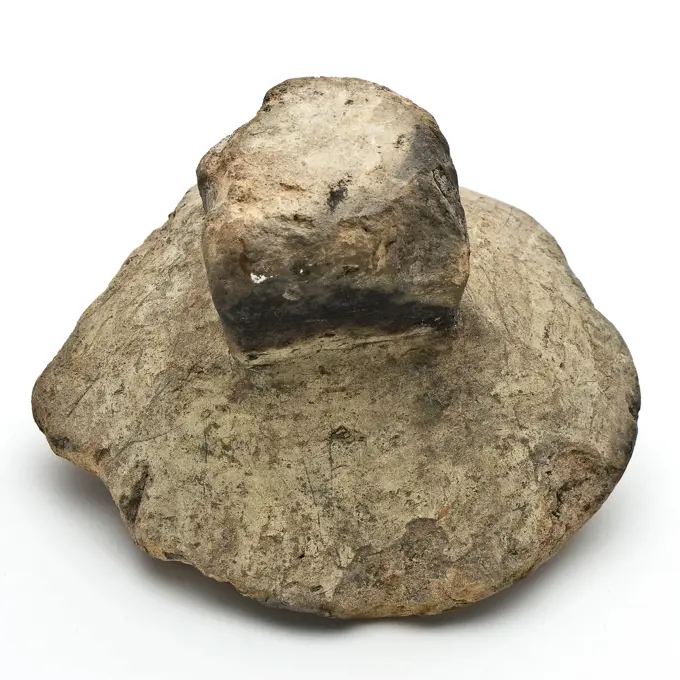
Pottery damper or dover with rectangular handle, undecorated, damper fireplaces earthenware ceramic pottery, hand shaped baked earthenware damper. Solid red earthenware unglazed Rectangular handle with smooth sides slightly narrower base archeology Capelle aan den IJssel House in Capelle castle indigenous pottery extinguish fireplace heating Soil discovery: canal south side House in Capelle ± 1395-1500 Capelle aan den IJssel 1963.
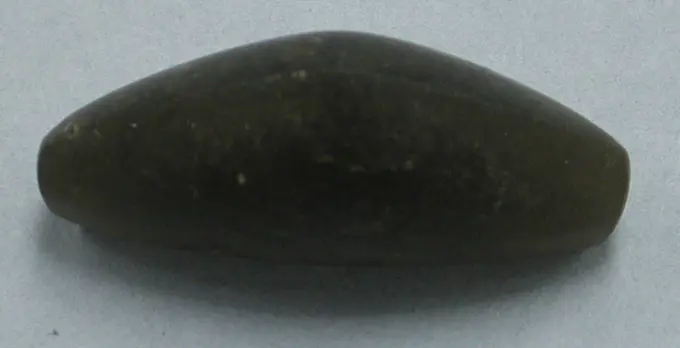
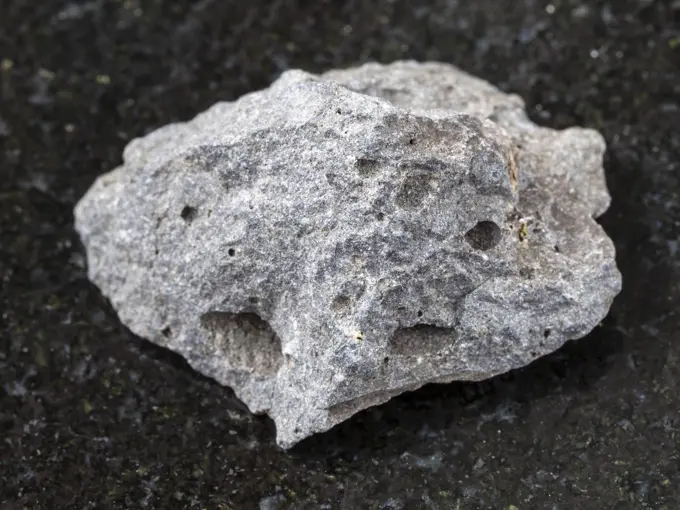
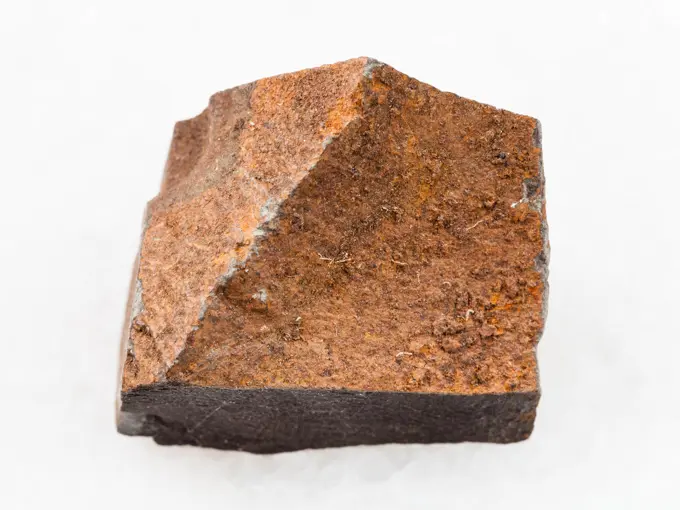
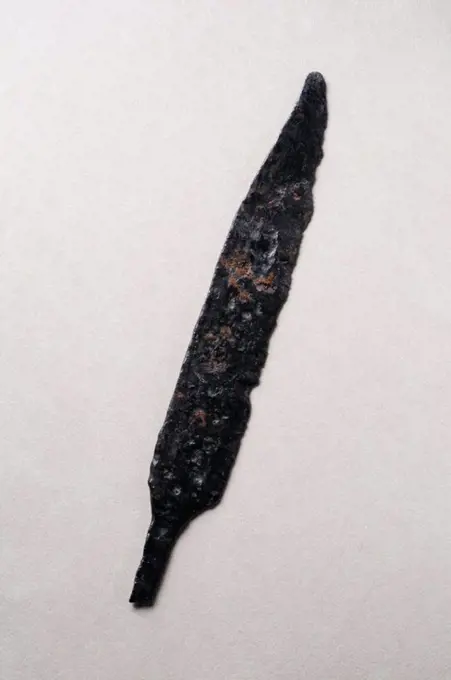
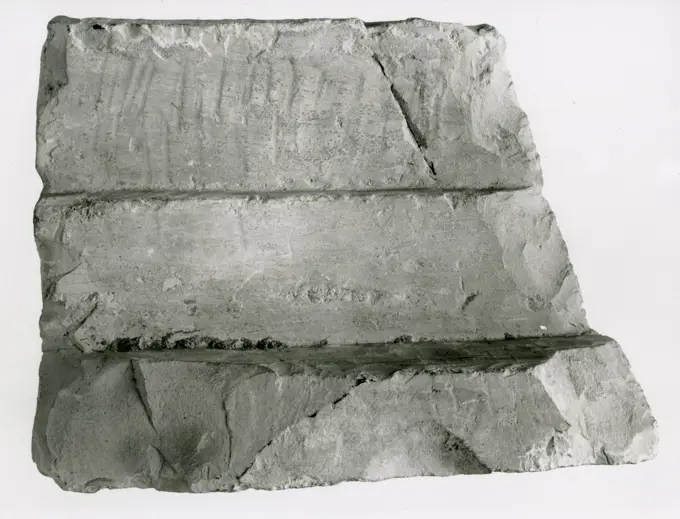
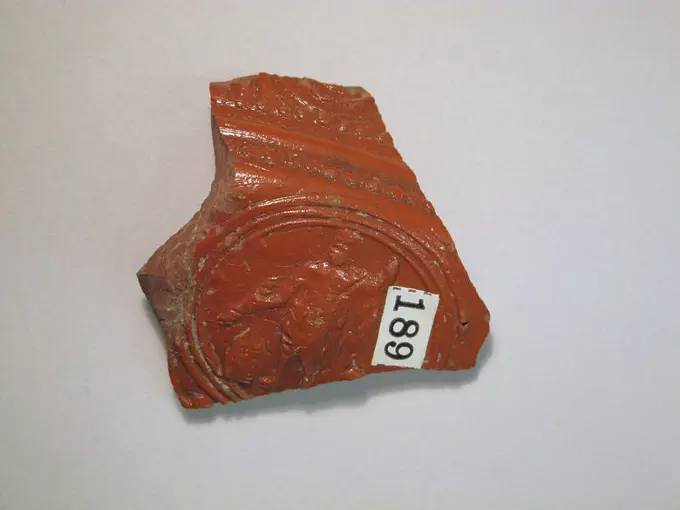
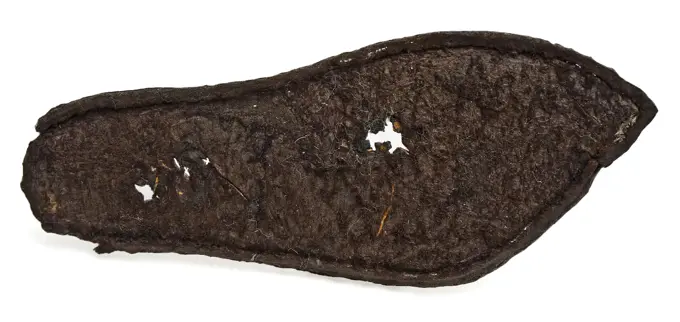
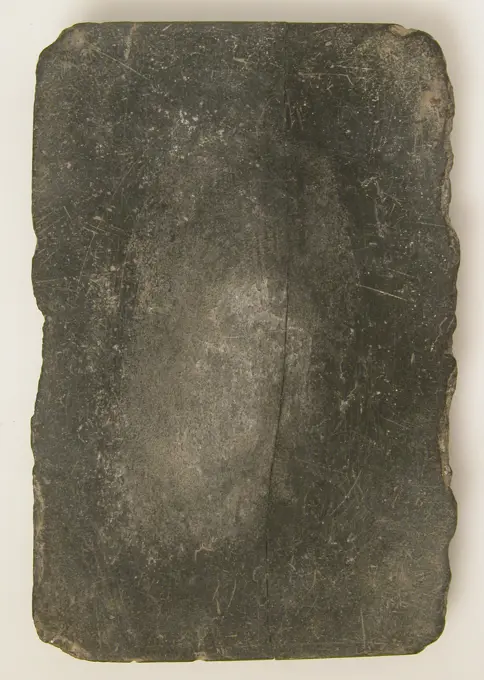
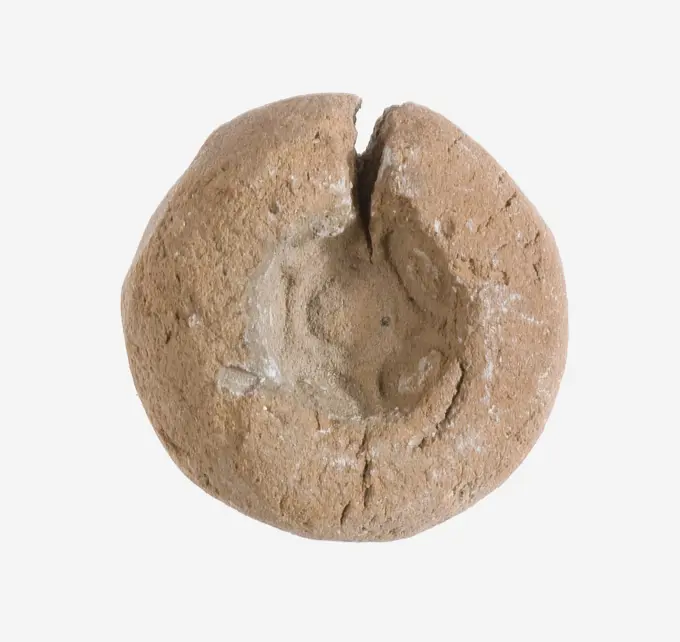
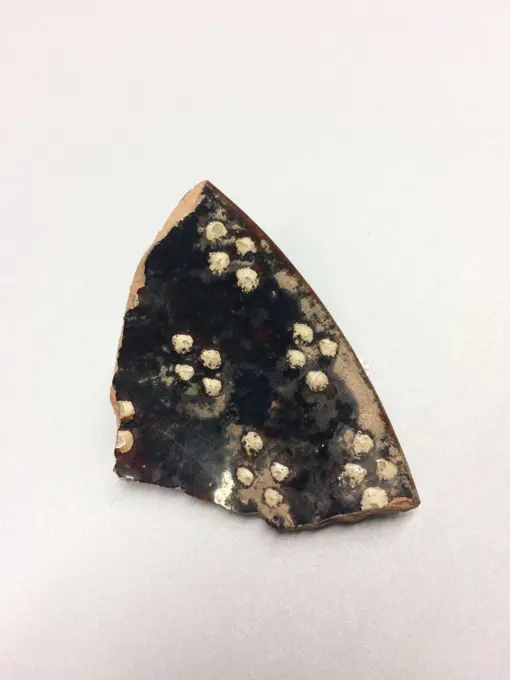
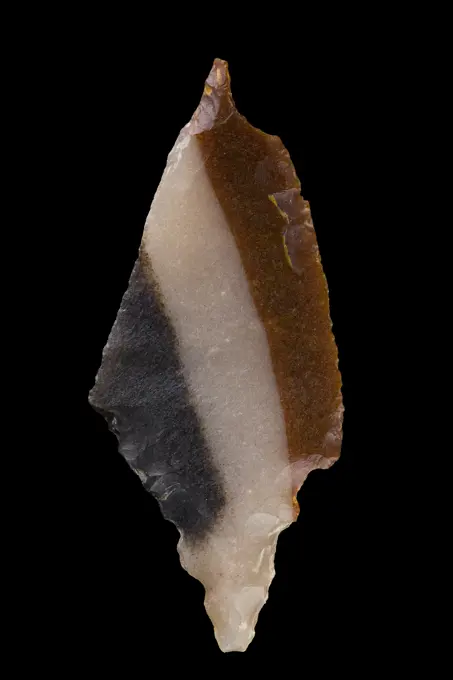
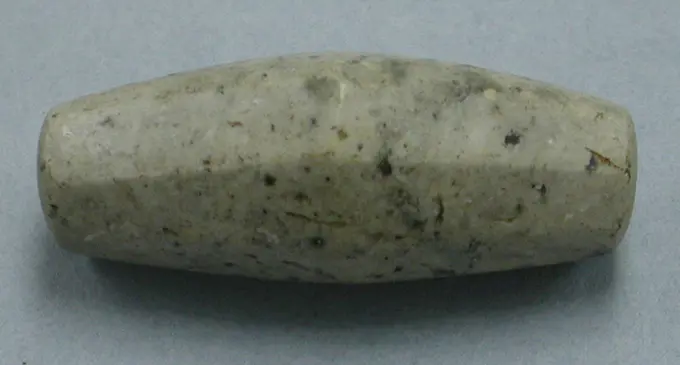
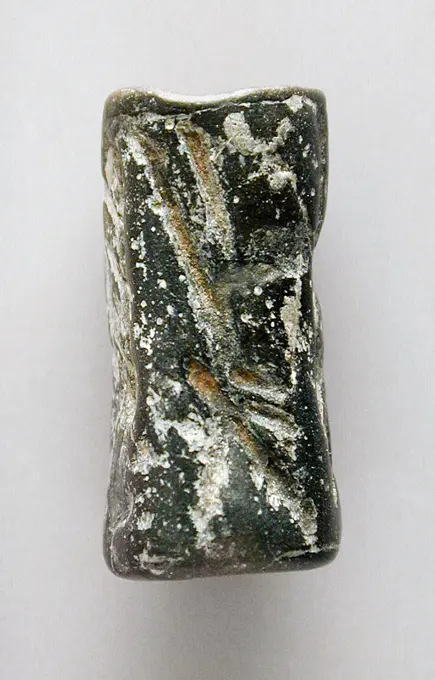
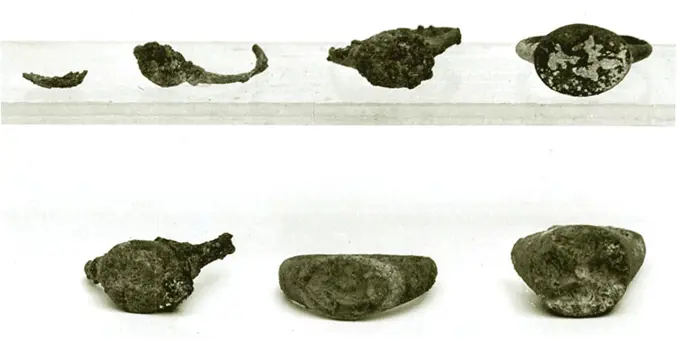
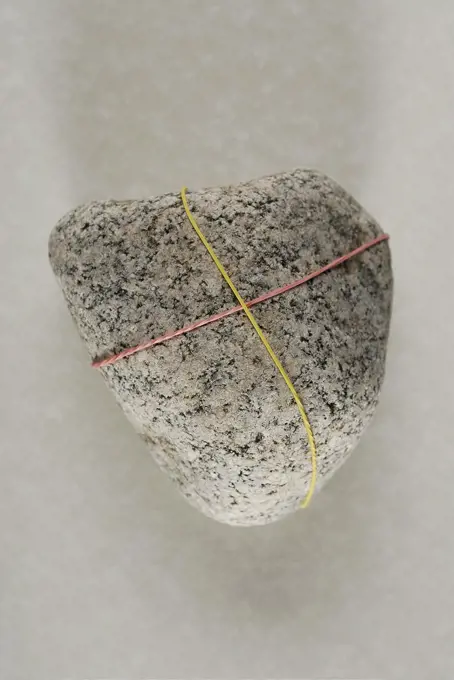
Vase fragment Roman Fragment of a green glazed vase.. Vase fragment. Roman. Terracotta. VasesBlack -lace sleeve, anonymous, c. 1850 - c. 1920  Europe .  Europe .Paint grinding palette;  around 2055-1650 BC ; Medium Pa (-2055-00-00--1650-00-00);Deposit of the University of Warsaw from 1937-1939, Polish-French excavations in Edfu (Egypt)Polishing Stone (pulidor) before 16th century Mexican. Polishing Stone (pulidor) 317044Glass monochrome dish fragment. Culture: Roman. Dimensions: Other: 1 5/16 x 1 11/16 in. (3.4 x 4.3 cm)Est. diameter of foot ring 6 5/16 in. (16 cm). Date: 1st half of 1st century A.D..Fragment of large dish.Opaque red.Flat interior; on exterior, solid foot ring flanked to either side by a single concentric relief line.Polished interior; pitting of surface bubbles on interior; encrustation and thick green weathering on exterior and broken edges. Museum: Metropolitan Museum of Art, New York, USA.Drohiczyn seal. unknown, managerAppliqué for a funeral couch. Unknowncrystalline brown Tourmaline Dravite mineral stone macro shooting of collection natural rock - crystalline brown Tourmaline Dravite mineral stone isolated on white background Copyright: xZoonar.com/ValeryxVoennyyx 8637550Flake Tool ca. 90,000-35,000 B.C. Middle Paleolithic. Flake Tool 552158Shards of basement bottles from the wreck of the East Indians' t Vliegend Hart ,, 1700 - 1735  Two fragments of square basement bottles. One is a corner of the bottom with the belly, green brown in color. The other is a shard of the abdomen and green yellow in color. Case Bottle. Middelburg .Glass Fragment. Culture: Dutch. Dimensions: Overall: 2 15/16 x 1 3/16 in. (7.5 x 3 cm). Date: 17th century. Museum: Metropolitan Museum of Art, New York, USA.Legs or horns pointed with four barbs, pointed harpoon soil found horn bone, sawn cut cut Late stone age archeology Maglemose culture Rotterdam Maasvlakte prehistoric stone age late stone age fish fishing catch feeding hunt Ground discovery Maasvlakte Maglemose culture.piece of gray basalt stone on dark background macro shooting of natural mineral rock specimen - piece of gray basalt stone on dark granite background Copyright: xZoonar.com/ValeryxVoennyyx 11383842Sharp of ross -baking earthenware, with blue glaze at the top, painted with straight and corrugated stripes in yellow, blue and white, anonymous, 1600 - 1650  Northern Netherlands earthenware. glaze majolica  Northern Netherlands earthenware. glaze majolicahyalobasalt tachylite stone on white macro shooting of natural mineral rock specimen - hyalobasalt tachylite stone on white marble background Copyright: xZoonar.com/ValeryxVoennyyx 11949921Drohiczyn seal. unknown, managerExcerpt copper from the wreck of the East Indies Hollandia, 1700 - in or before 1743 fragment Parts of artefacts; eroded fragments: materials; copper. Netherlands copper (metal)   SecondFragment of a Figurine of AphroditeIron knife . Length 17, 8 cms Width 2 ,4 cm Thickness 0,3 cms. ( 5 th - 8 th Ce ) - Visigoth period, from " El Espartal " - Archaeological site of Complutum in Alcalá de Henares ( Madrid ). SPAIN.Detailed and colorful image of dumortierite mineralRelief fragment from the tomb of Meketre Middle Kingdom ca. 1981-1975 B.C.Attic Red-Figure Pelike Fragment (part of 86.AE.199.1). Geras Painter (Greek (Attic), active 480 - 470 B.C.)Large Vessel. UnknownFoliate and lacy point in cut stone. Neolithic period. North Africa. 4,5 cm.Raised relief fragment 664-610 B.C. Late Period, Saite see 23.3.468. Raised relief fragment. 664-610 B.C.. Limestone. Late Period, Saite. From Egypt, Upper Egypt, Thebes, Deir el-Bahri, Tomb of Nespekashuty (TT 312, MMA 509), 1st chamber N. door, MMA excavations, 1922-23. Dynasty 26Furniture element ca. 18th century B.C. Old Assyrian Trading Colony. Furniture element 329697Excerpt of copper from the wreck of the East Indians Hollandia, 1700 - in or before 1743  Parts of artefacts; eroded fragments: materials; copper. Netherlands copper (metal)   SecondLimb fragment ca. 1353-1336 B.C. New Kingdom, Amarna Period. Limb fragment 561675Vase fragment. Culture: Roman, Gaul. Dimensions: 2 1/8 × 2 1/4 × 5/16 in. (5.4 × 5.8 × 0.7 cm).Standing male figure inside medallion. Museum: Metropolitan Museum of Art, New York, USA.closeup of sample of natural mineral from geological collection - rough Tinguaite rock isolated on white background. rough Tinguaite rock isolated on whiteSquare Plaque 3rd century B.C.-A.D. 2nd century Vicús. Square Plaque 314880Mosaic glass fragment. The small glass fragment shows a marbled pattern of different bright and dark green tones. In Roman times, it used colored, ornamented glass for vessels, mosaics, wall decorations and furniture ornaments. For the production, different colored glasses were shaped to tubes and rods. These were compressed and heated, causing a long bar. The glass sliced now had a wide variety of amorphous or floral patterns.. Unilateral, diamond-shaped emergency coin, with very irregular edges. Front: crowned eagle inside writer and round pearl edge. Downside: blankDrohiczy seal;  XI-XIII century (1090-00-00-1110-00-00);guild seals, customs seals, touches, seals of customs chambers, official seals, seals with a crossPlaqueMiniature Vessel 1st-8th century Mezcala. Miniature Vessel 317389Weight from the wreck of the East Indies Hollandia, Anonymous, 1700 - in Or Before 1743 weight Disc-shaped weight, id. NG 1980-27H2928. Netherlands lead (metal)   SecondFour earthenware shards, found at V.O.C. SCHIP Witte Leeuw, possibly from Zeelelie, Anonymous, 1750 - 1799  Three shards of white-baking earthenware with glaze and a shard of yellow-baking earthenware with tiger glaze, found at v.o.c. ship the 'Witte Leeuw'. This object is 18th century and cannot therefore be from the freight of the Witte Leeuw. It is unclear whether the object will come from the site or whether it was mixed later, possibly with material from the Zeelelie.  earthenware. glazeFragment ca. 1150-ca. 1250 European or Middle Eastern. Fragment 695255Bird Plaque Ornament. Culture: Vicús. Dimensions: H. 2 x W. 2 in. (5 x 5 cm). Date: 3rd century B.C.-A.D. 2nd century. Museum: Metropolitan Museum of Art, New York, USA.Leather sole in children's shoes, round heel, pointed nose, around sewing details, shoe footwear children's clothing clothes soil find leather, archeology child underground pit Rotterdam City Triangle Groenendaal Soil discovery: underground pit Groenendaal 11 September 1975 15th century cesspool.Fragment 9th-10th century. Fragment 451538Vase fragment 1st century B.C.-1st century A.D. Roman Dancer.. Vase fragment 250430Chunks of concretion with different enclosed objects from the wreck of the East Indied fleet 't flying heart. The chunks concrete enclosing glass, wood, (part of) a musket and have printed textiles and other objects.Fragment Pijpenkop from the wreck of the East Indians Hollandia, 1700 - in Or Before 1743  Pipe, bowl. Netherlands pipe clay   SecondStone Fragment ca. 1130-40 French. Stone Fragment. French. ca. 1130-40. Stone. Made in Roussillon, France. Sculpture-ArchitecturalFragment. Culture: European or Middle Eastern. Dimensions: L. 1 in. (2.5 cm). Date: ca. 1150-ca. 1250. Museum: Metropolitan Museum of Art, New York, USA.7th century iron knife, Tamil Nadu, South India, India, AsiaPrinting Block (France); wood, metalAxe. China. Date: 3000 BC-2500 BC. Dimensions: 16.5 × 11.1 × 0.5 cm (6 1/2 × 4 3/8 × 3/16 in.). Jade. Origin: China. Museum: The Chicago Art Institute, Chicago, USA.Fragment of red earthenware, partly glazed, fragment crockery holder kitchen utensils earthenware ceramics earthenware glaze lead glaze, hand-shaped hand turned glazed fried Fragments of red pottery Frying pans jugs pots of grass and soil of small jug Spicy or only partly glazed with lead glaze archeology Rotterdam Stadscentrum Stadsdriehoek Hoogstraat indigenous pottery water washing cooking nutrition food preparation handicraft pottery Soil discovery Hoogstraat Rotterdam 15 June 1983.Pins in concrete from the wreck of the East India Hollandia. Pin, Tools And Instruments, Sewing and Sailmaking, Pin; Pointed wire with ball-shaped top, concreted.Tabliczka klinowa z pokwitowaniem. nieznany urzędnik babiloński, authorTerracotta vessel fragment with rosettes ca. 1450-1400 B.C. Minoan From Knossos, CreteMillefiori pattern, the rosettes reserved in the color of the clay.. Terracotta vessel fragment with rosettes 248554Grahal-Manzara. Carnavalet 2013-2016 collection sites. Numismatics.Lead Role from the wreck of the East Indies' t Vliegend Hart ,, 1700 - 1735 lead Tube rolled lead picture. Black-gray to silver gray in color. Roll of Lead. Middelburg lead (metal)Shards of plates and an excerpt Pijpensteel in concretion from the wreck of the East Indians Hollandia, Anonymous, 1700 - in Or Before 1743 plate (dishes) Porcelain, plate, type 2; fragm of base, sim. NG 1980-27H507. Netherlands porcelain. pipe clay. concretionary stone   SecondPalette 4th-7th century Coptic. Palette 475437Point in the shape of a laurel leaf in cut stone. Neolithic period. North Africa. 4 cm.Mosaic one hundred;  2. PO. 4. thous. BC (-3500-00-00--3001-00-00);Culture Uruk (approFragment with Aten cartouche ca. 1353-1336 B.C. New Kingdom, Amarna Period. Fragment with Aten cartouche 550035Fragment 9th century. Fragment 451543Mold for a Rosette Bead ca. 1390-1353 B.C. New Kingdom. Mold for a Rosette Bead. ca. 1390-1353 B.C.. Pottery. New Kingdom. From Egypt, Upper Egypt, Thebes, Malqata, Khor west of camp or E. side of S. Village, MMA excavations, probably 1911-12. Dynasty 18Empty wooden cutting board on gray textured concrete background Empty wooden cutting board on gray textured concrete background. Cutlery, preparation for dinner Copyright: xZoonar.com/TetianaxChernykovax 21909373Vase fragment Roman Fragment of yellow enamelled vase with raised pattern around base.. Vase fragment. Roman. Terracotta. VasesEgyptian clay and lavender blossoms on a hand towelMold of a Lotus Petal. Dimensions: L. 4 cm (1 9/16 in); w. 2.7 cm (1 1/6 in). Dynasty: Dynasty 18. Reign: reign of Amenhotep III. Date: ca. 1390-1353 B.C.. Museum: Metropolitan Museum of Art, New York, USA.Bead probably 8th-12th century. Bead. probably 8th-12th century. Stone (). Excavated in Iran, Nishapur. StoneBird. Culture: Coptic. Dimensions: Overall: 1 7/16 x 1 1/2 x 1 in. (3.6 x 3.8 x 2.6 cm). Date: 4th-7th century. Museum: Metropolitan Museum of Art, New York, USA.Ceramic Fragment 9th-10th century This object was excavated at Nishapur.Nishapur was a vital city in the early and middle Islamic periods, located along one of the main trajectories that connected Iran and West Asia Islamic lands with Central Asia and China. These itineraries are often referred to by the term Silk routes’ but were in fact crucial to the movement of constellations of materials and objects, as well as people and ideas. The diverse population of Nishapur and its surroundings, from the better-researched elite groups of merchants, land-owning aristocracy, and literates, to the less-known artisans, farmers, miners, and servants, were instrumental in adapting global cultural trends to create their own distinctive visual languages. This is seen in the material remains of everyday life in medieval Nishapur - from pots and pans to lighting devices, inkwells, textiles and trimmings, jewelry, games and toys, talismanic devices, weapons, coins, and architectural fragments.NishapurFloral Plaque Fragment. Unknown 1st century B.C.Arrowhead with peduncle in cut stone. Neolithic period. North Africa. 4,2 cm.Copper against Black backgroundDrohiczyn seal. unknown, managerDrohiczyn seal. unknown, managerStamp Seal, Tabloid. Iran or Mesopotamia, about 3000 B.C.. Tools and Equipment; seals. Pink marbleStone Chisel before 16th century Mexican. Stone Chisel 317269Bliżej Kultury unknownGlass mosaic inlay fragment late 1st century B.C.-early 1st century A.D. Roman Translucent deep purple and opaque yellow.Flat, triangular panel, with three straight edges at sides and bottom.Marbled mosaic pattern in a purple ground with many yellow threads and swirls.Broken at top; polished upper side; pitting of surface bubbles on upper side; dulling and pitting on underside, two side edges, and broken top edge; bottom edge unweathered.. Glass mosaic inlay fragment 257147Detailed and colorful image of turquoise mineralBlack truffle in studio in black backgroundDrohiczyn seal. unknown, managerDrohiczyn seal. unknown, managerRaised relief fragment 664-610 B.C. Late Period, Saite see 23.3.468. Raised relief fragment. 664-610 B.C.. Limestone. Late Period, Saite. From Egypt, Upper Egypt, Thebes, Deir el-Bahri, Tomb of Nespekashuty (TT 312, MMA 509), 1st chamber E. wall; 3rd register, MMA excavations, 1922-23. Dynasty 26granit stone with quartz crystals and fluoriteStone Pulidor before 16th century Mexican. Stone Pulidor 317071Tesson (common name), 1400. Sandstone with brown under cover. Cernuschi Museum, Asia Museum of Asia in the city of Paris.Cylinder Seal. Mesopotamia, Early Dynastic Style of Mesopotamia, about 2750-2350 B.C.. Tools and Equipment; seals. Smooth drab marble ()Perales de Tajuña (Madrid), 02/17/2016. Risco de las Cuevas archaeological site. Photo: Isabel Permuy ARCHDC.Carnavalet museum, tokens collectionNeolithic Amulet. Culture: Neolithic. Dimensions: Overall: 2 1/8 x 1 1/4 x 9/16 in. (5.4 x 3.2 x 1.4 cm). Date: 2500 B.C-A.D. 700. Museum: Metropolitan Museum of Art, New York, USA.set macro dry branches birch isolated on white backgroundRing with a bezel 270 B.C.-A.D. 320 Meroitic Period. Ring with a bezel. 270 B.C.-A.D. 320. Copper alloy. Meroitic Period. From Nubia (Sudan), Lower Nubia, Faras, Cemetery 1, Grave 899, University of Oxford Excavations in Nubia 1910-1912Large iron cannon ball, casting seam, cannonball ammunition cast iron metal, cast Large iron cannonball. Circumferential casting seam militaria war shooting navy shippingClose-up of a stone tied with rubber bandswooden board isolate on white with clipping path - wood sign tagPrinting Block (India); wood; Height: 15 cm (6 inches). Width: 17 cm (6 3/4 inches)Disk 7th-5th century B.C. Italic Amber disk.. Disk. Italic. 7th-5th century B.C.. Amber. Archaic-Classical. Miscellaneous-AmberJabot with double layer bobbin wrinkled around a narrow strip of mechanical tulle, anonymous, c. 1900 Jabot of natural -colored bobbin: Mechelen side. A double layer side is wrinkled on a narrow middle strip of mechanical tulle. The seam is finished with ruffles. Side: The repeating pattern consists along the outer edge of a more or less oval field from which a whimsically shaped branch originates with curling branch in the top and a long bending side branch. Above the edge pattern a spread pattern of loose flowers and branches. The straight outer edge is finished with picots. The motifs are made in linen and they are accentuated by a thick shiny contour thread. The motifs are connected by a Mechelen soil. At the top of the Jabot, one metal snap button is attached. Turnwood Linen (Material). snap button: Metal bobbin lace / Mechlin (lace) Jabot of natural -colored bobbin: Mechelen side. A double layer side is wrinkled on a narrow middle strip of mechanical tulle. The seam is finished wWeight: 2 debens ca. 1981-1640 B.C. Middle Kingdom. Weight: 2 debens. ca. 1981-1640 B.C.. Travertine (Egyptian alabaster). Middle Kingdom. From Egypt, Memphite Region, Lisht North, Cemetery, MMA excavations, 1920-22. Dynasty 12-13