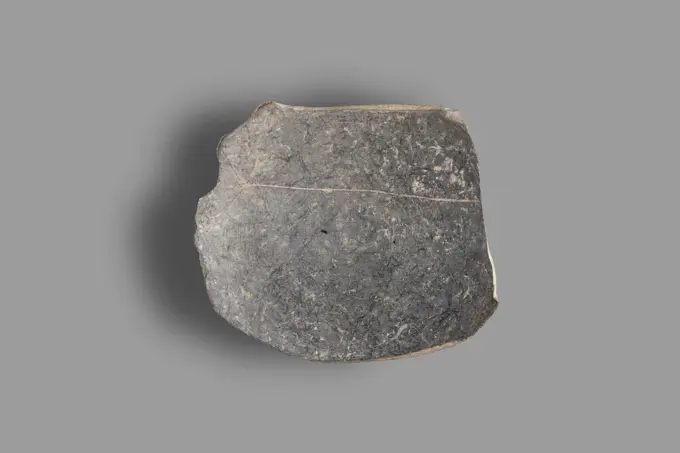
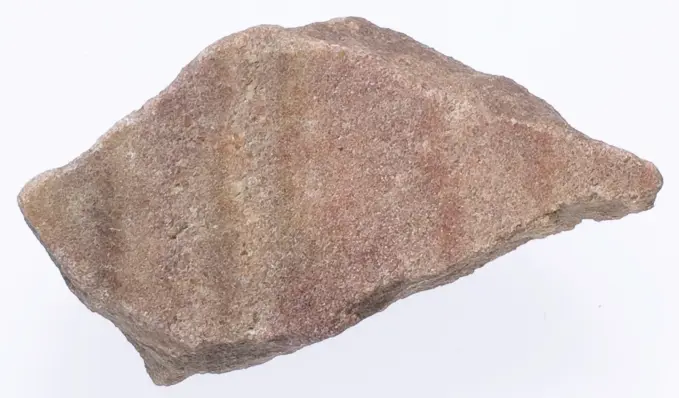
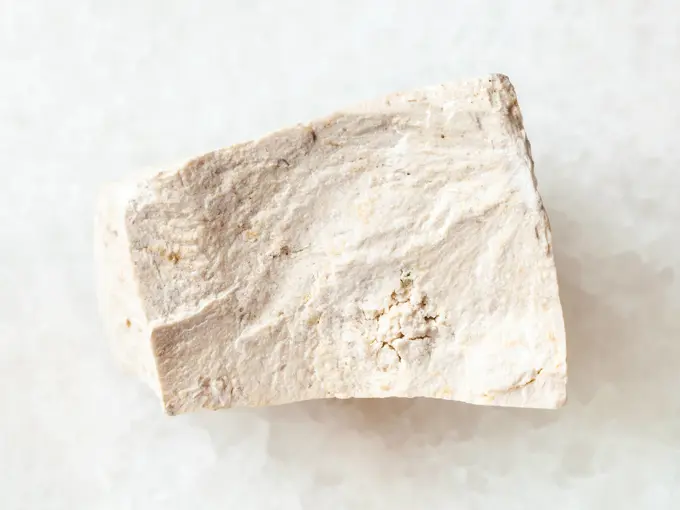
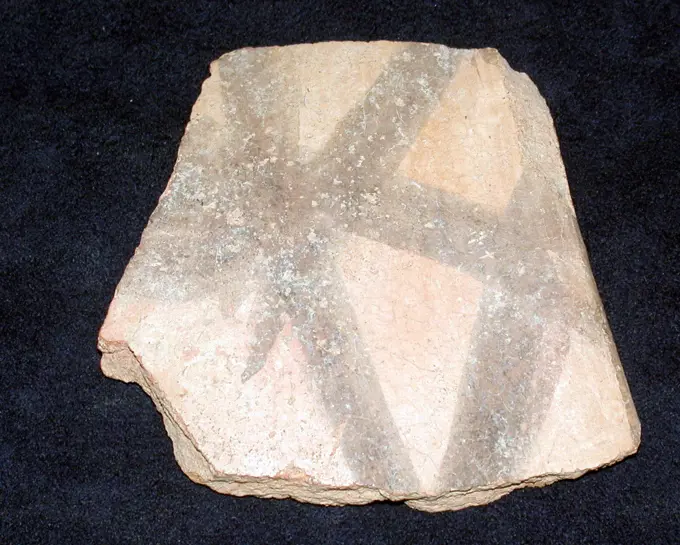
Ancient Artifacts Collection

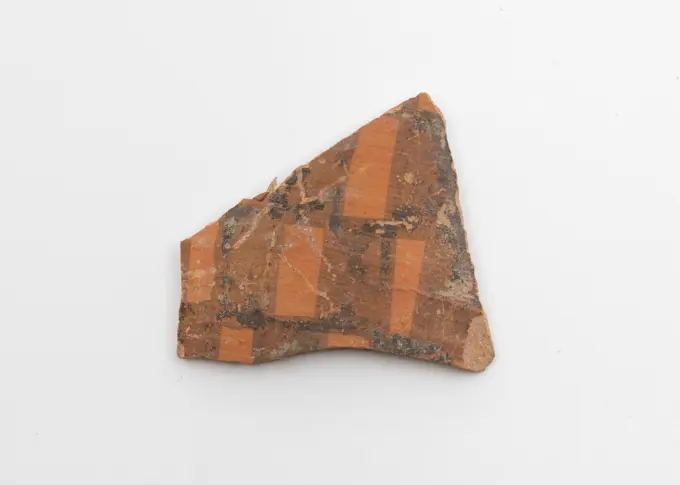
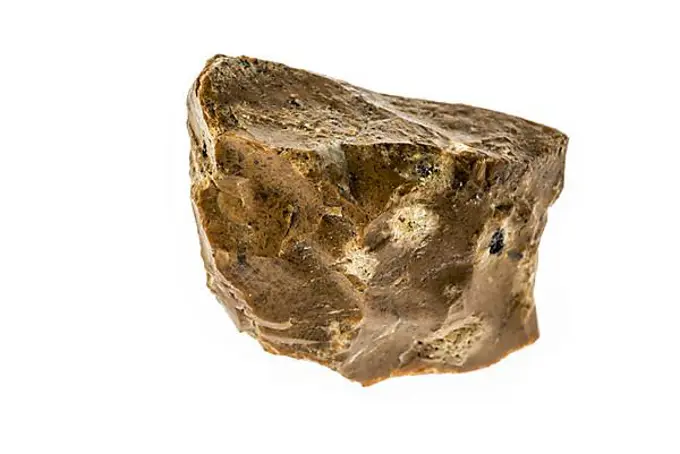
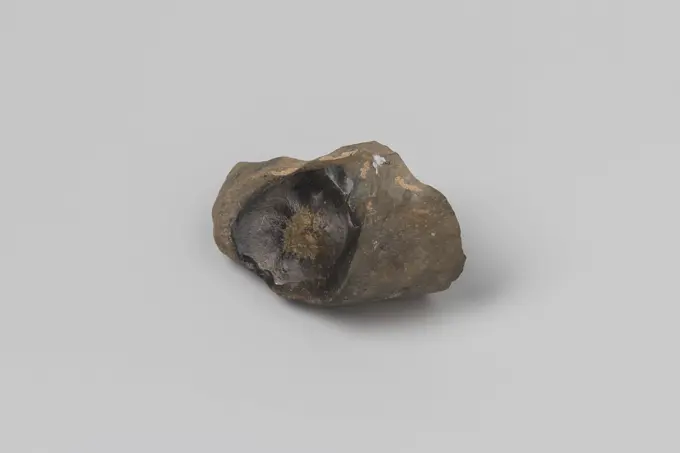
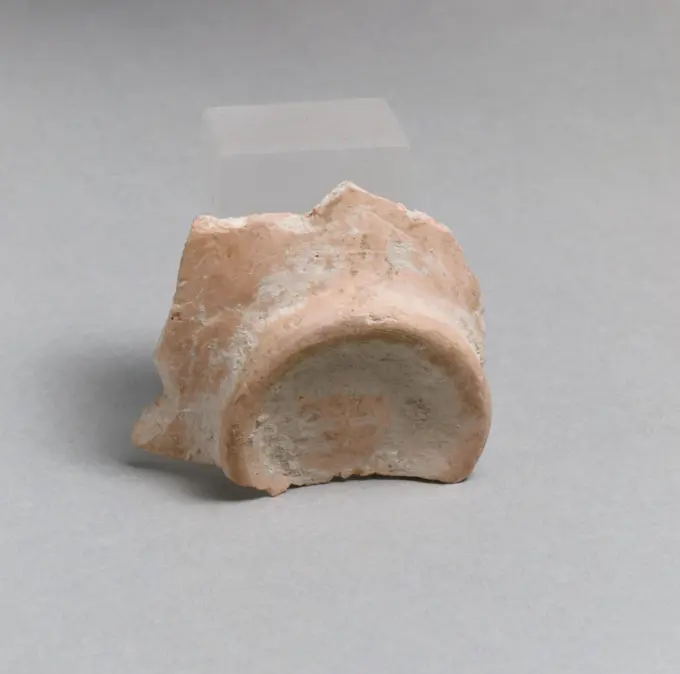
A display of historical objects including pottery, flint sickles, bowls, and vase fragments from different ancient cultures, showcasing earthy tones and textures.
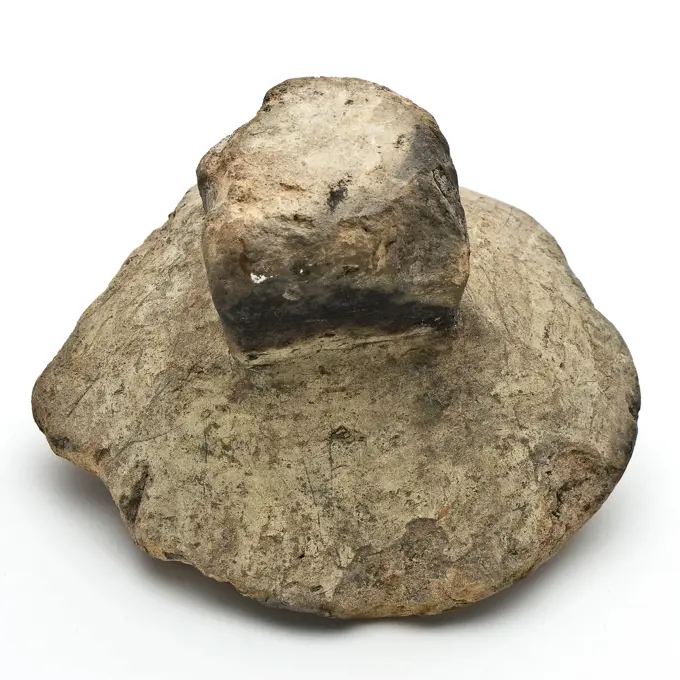
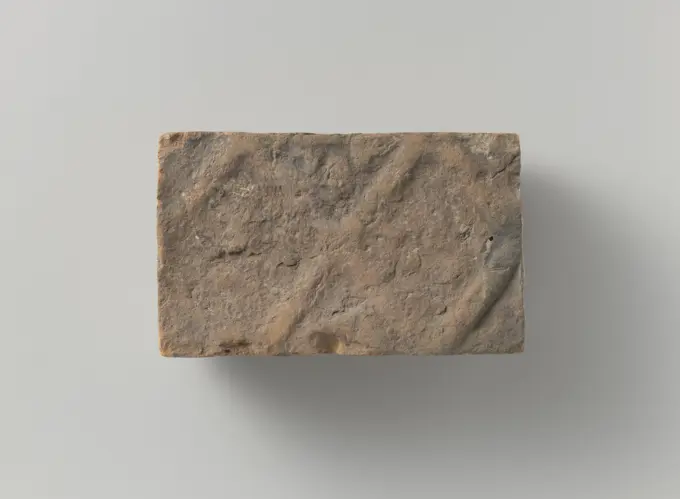
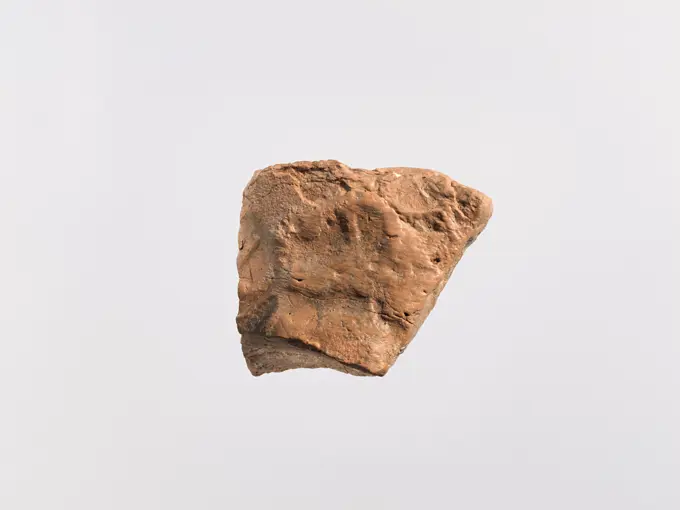
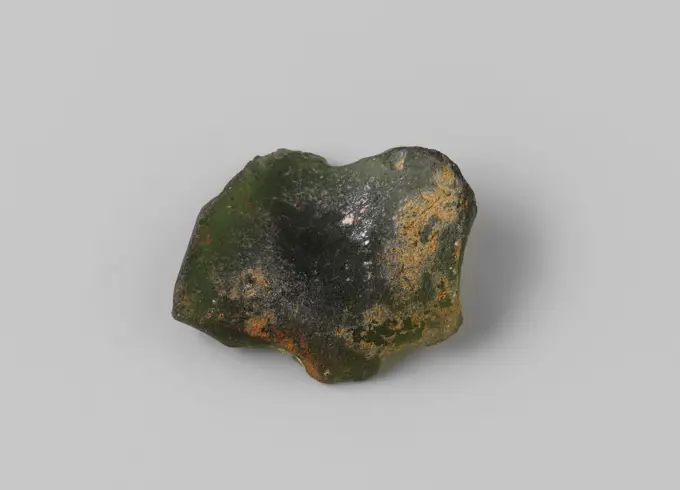
Pottery damper or dover with rectangular handle, undecorated, damper fireplaces earthenware ceramic pottery, hand shaped baked earthenware damper. Solid red earthenware unglazed Rectangular handle with smooth sides slightly narrower base archeology Capelle aan den IJssel House in Capelle castle indigenous pottery extinguish fireplace heating Soil discovery: canal south side House in Capelle ± 1395-1500 Capelle aan den IJssel 1963.
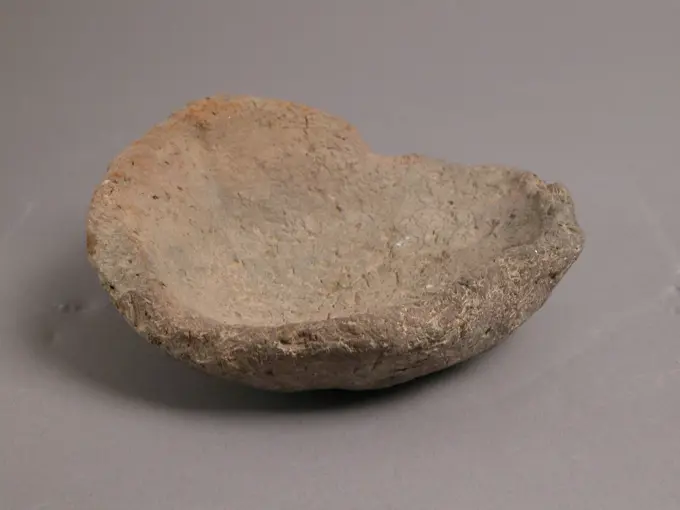
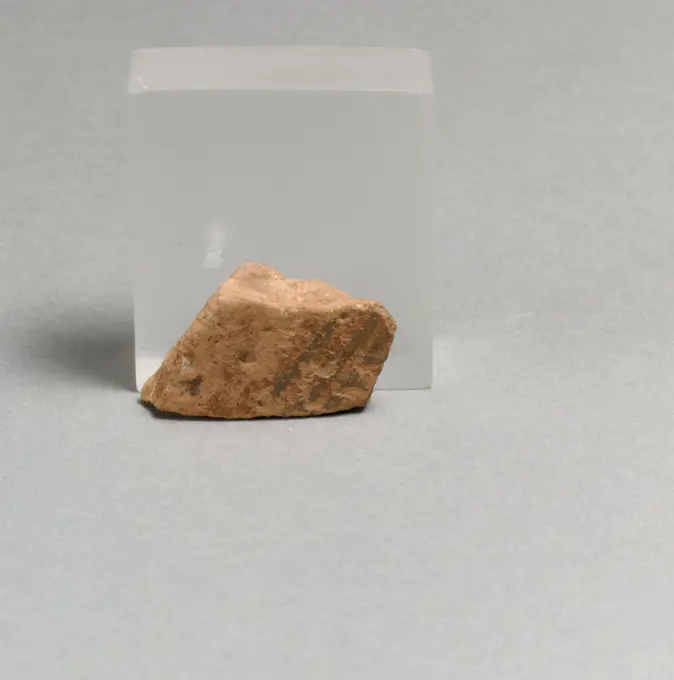
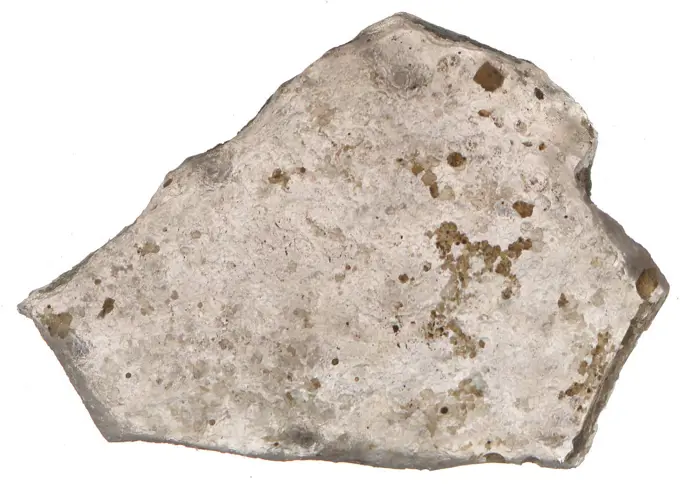
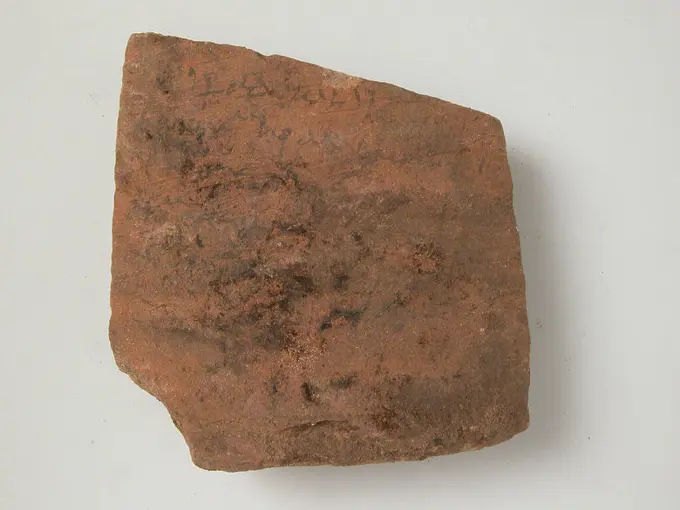
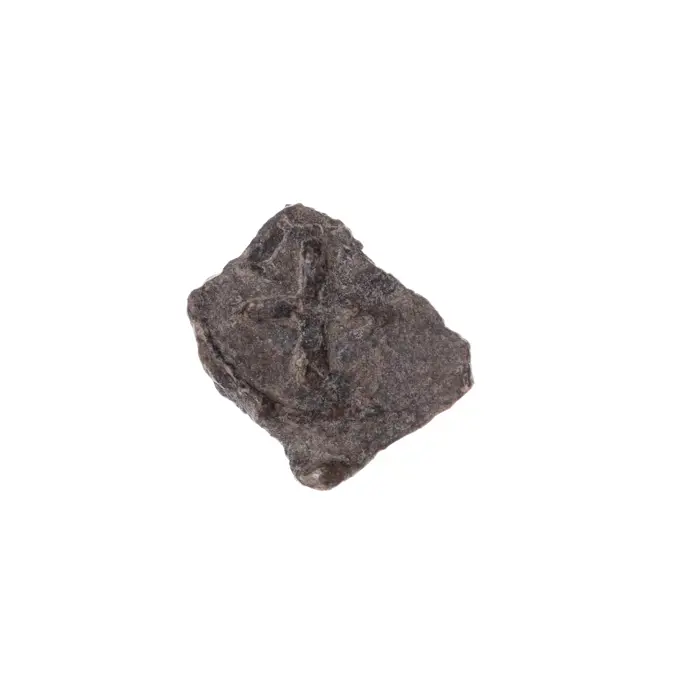
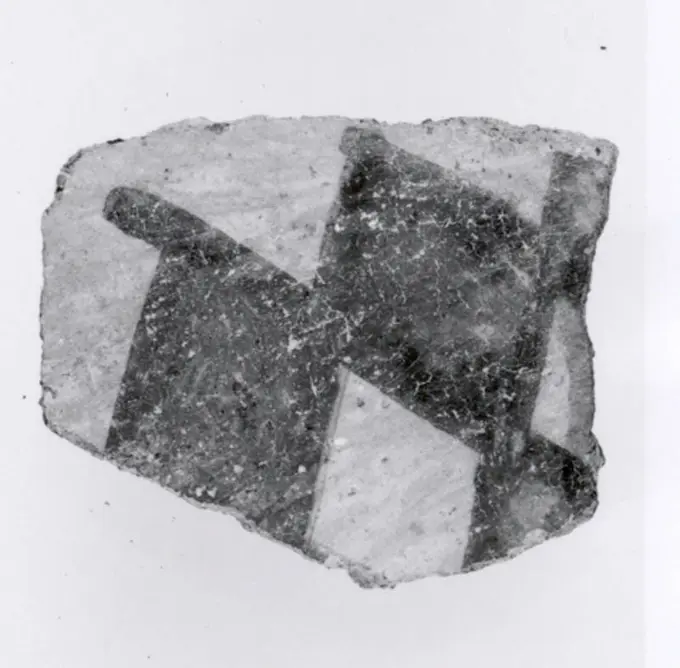
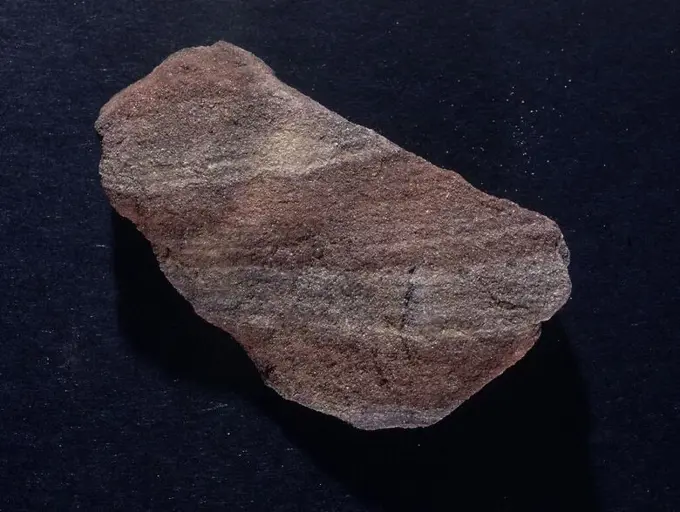
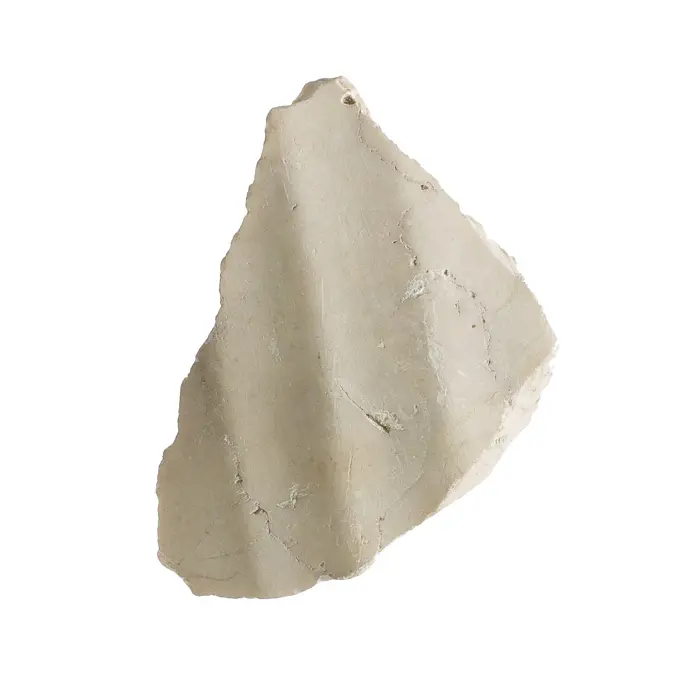
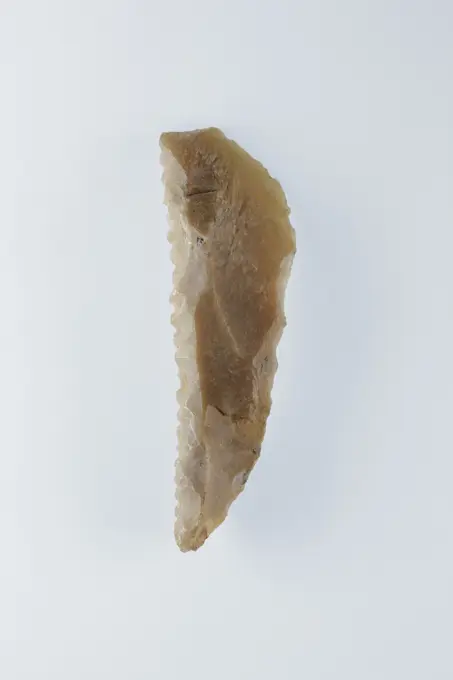
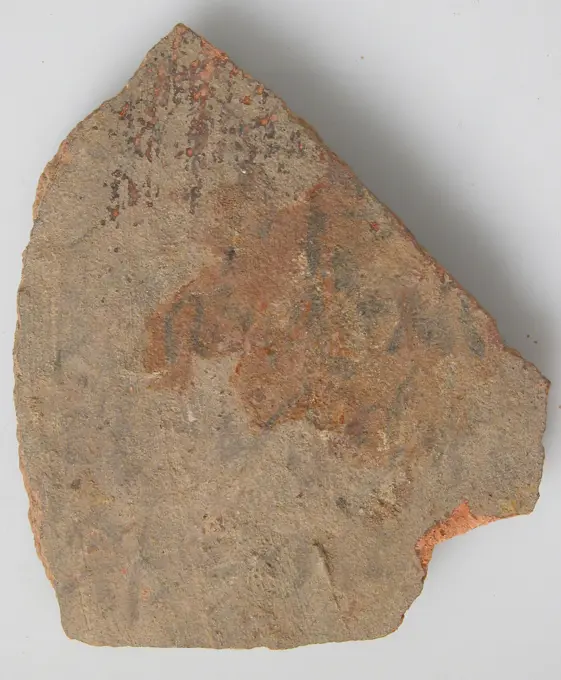
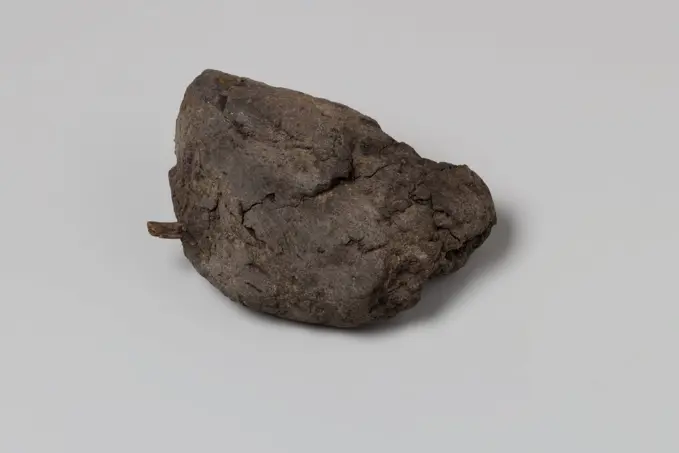
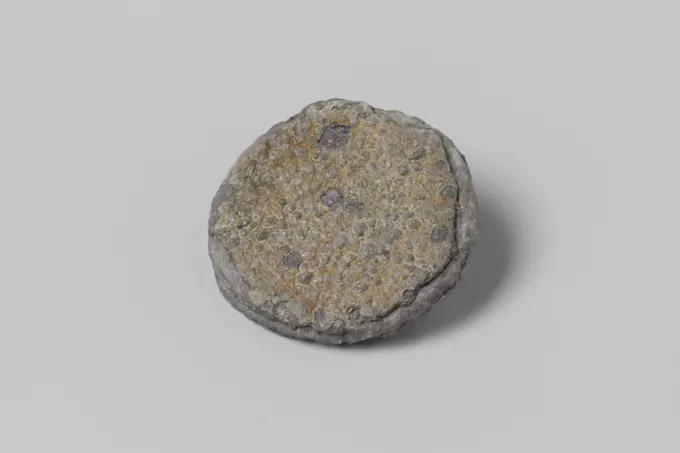
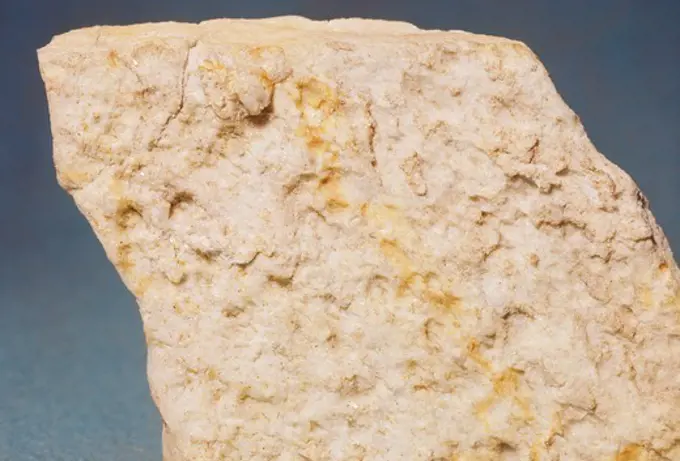
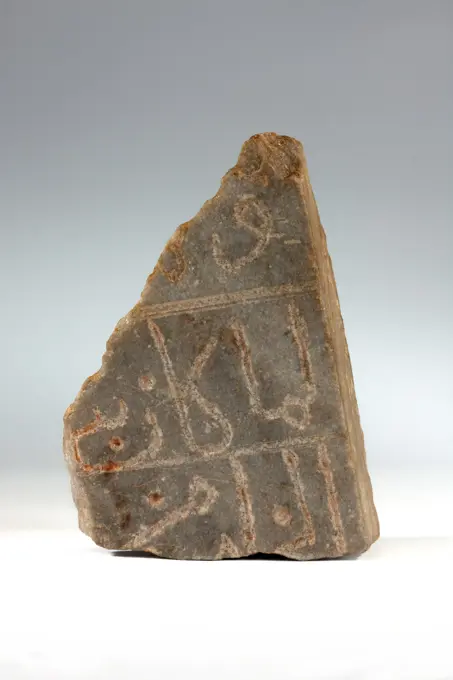
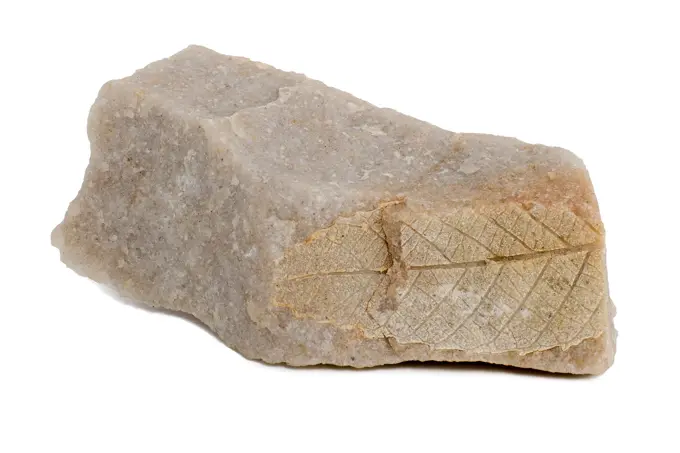
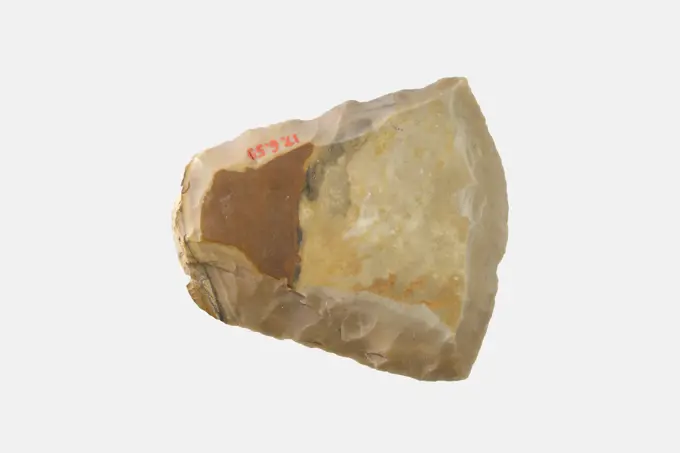
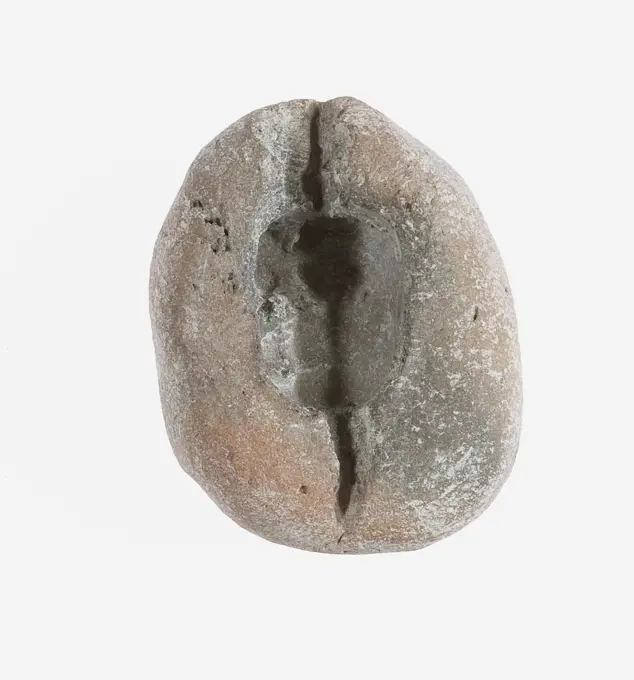
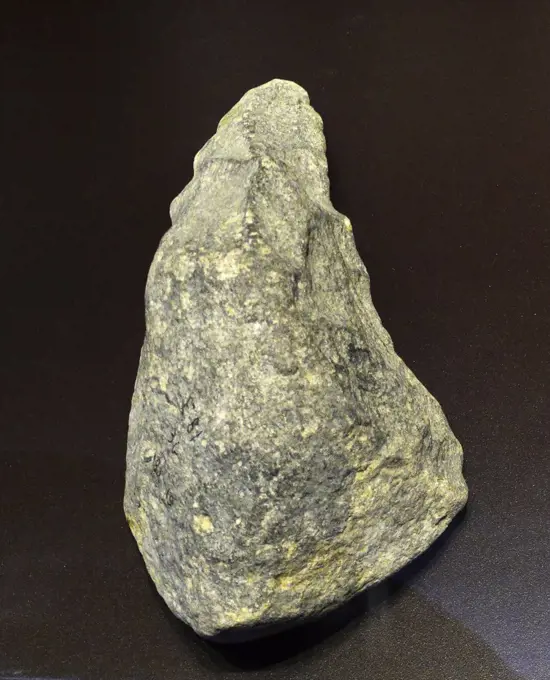
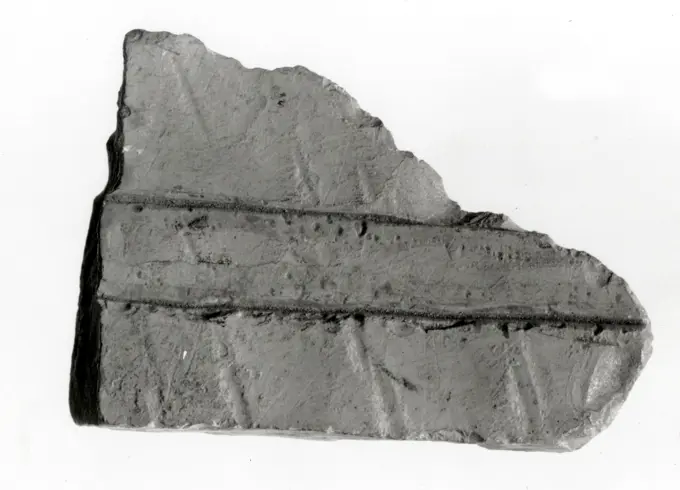
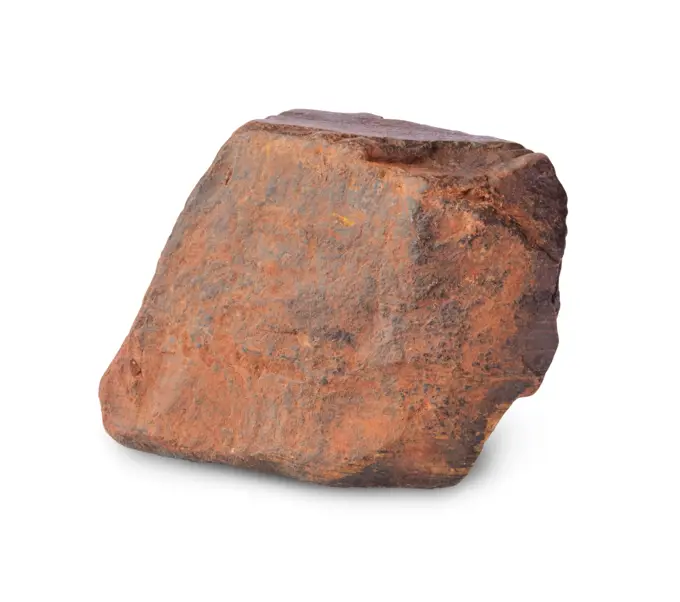
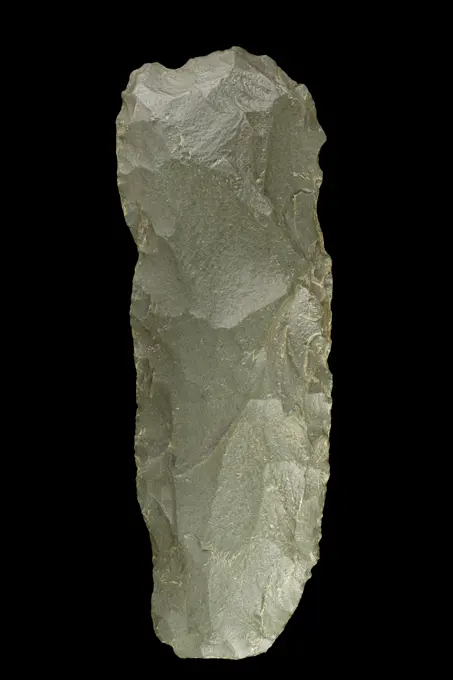
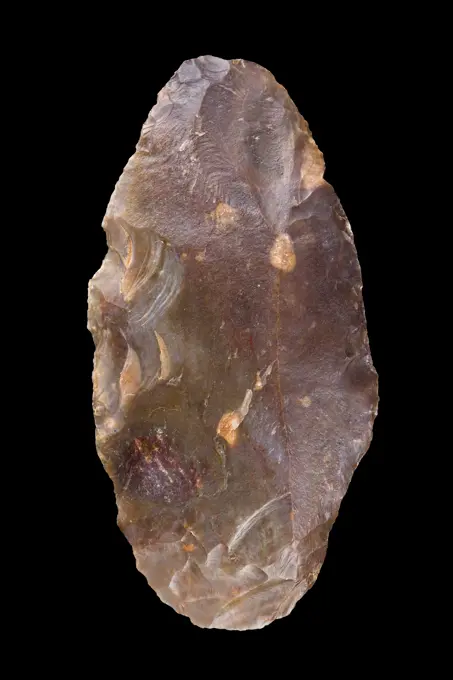
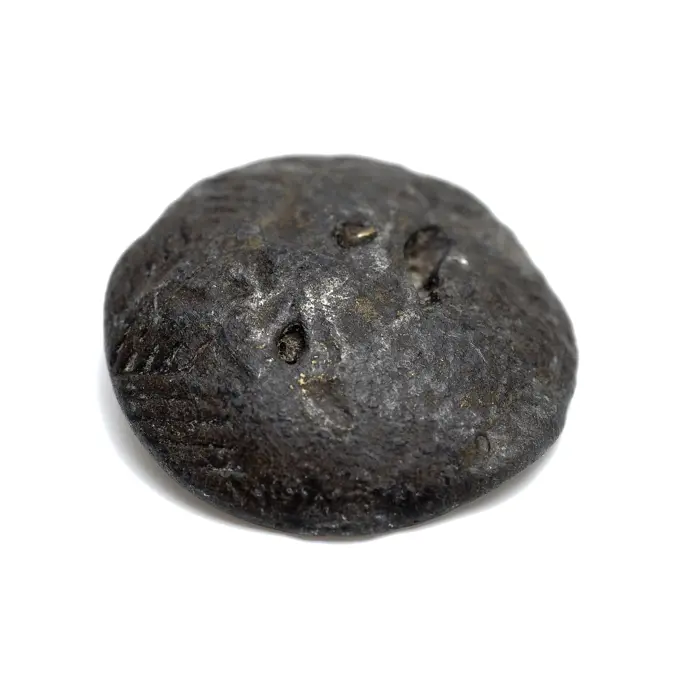
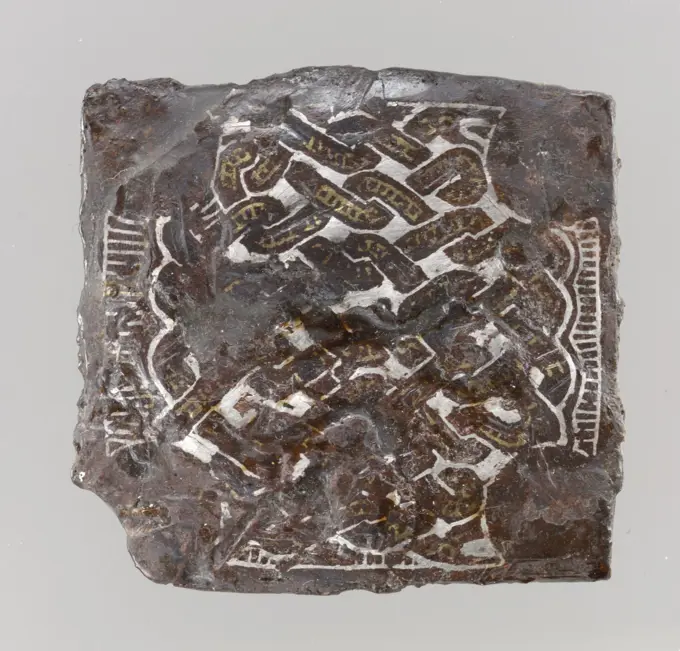
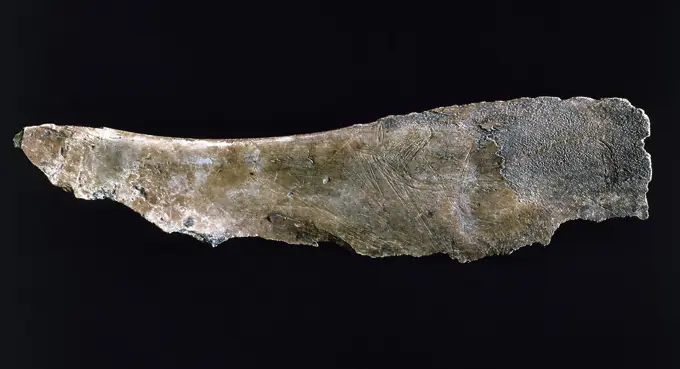
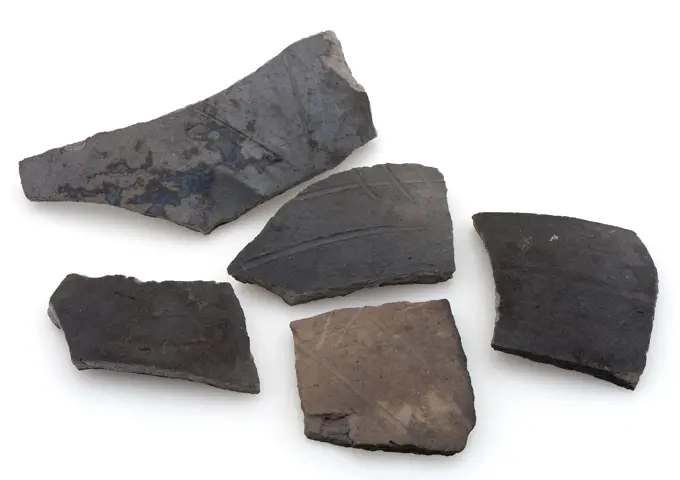
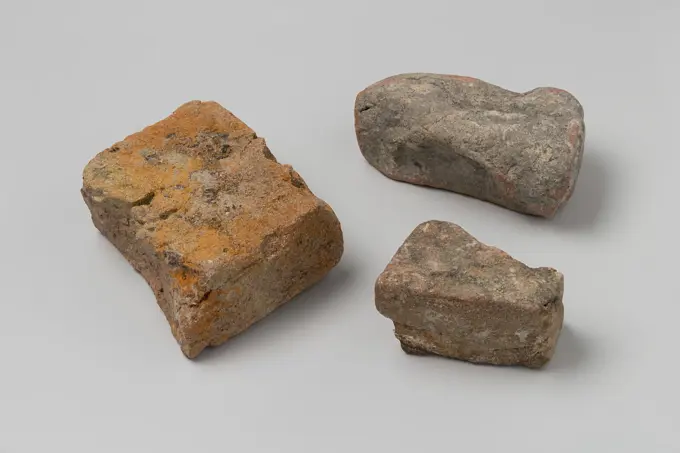
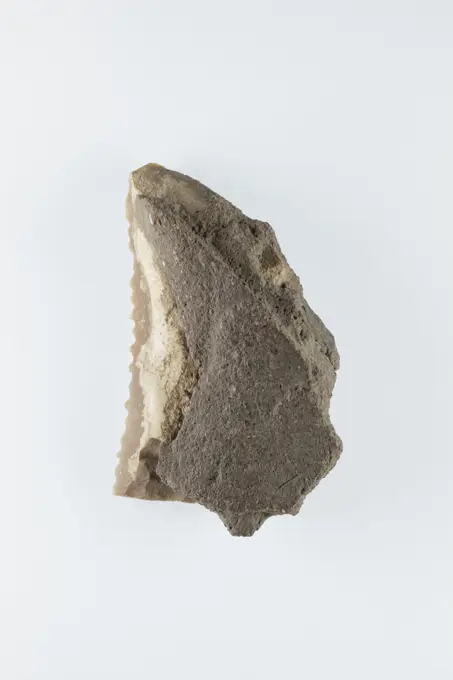
Pottery damper or dover with rectangular handle, undecorated, damper fireplaces earthenware ceramic pottery, hand shaped baked earthenware damper. Solid red earthenware unglazed Rectangular handle with smooth sides slightly narrower base archeology Capelle aan den IJssel House in Capelle castle indigenous pottery extinguish fireplace heating Soil discovery: canal south side House in Capelle ± 1395-1500 Capelle aan den IJssel 1963.Sickle Insert ca. 1186-1070 B.C. New Kingdom, Ramesside This small piece of flint was a key element to a successful agricultural season in ancient Egypt. Grain was a staple of the economy, as bread and beer made from grain were consumed daily. They also formed the foundation of eternal sustenance, as funerary offerings. Ancient Egyptians used sickles made from flint and wood to reap grain. Pieces of flint such as this one were shaped to fit into a wooden haft along with a number of other such inserts, and secured with an adhesive. The flint pieces provided a sharp edge to cut the grain stalks. With use, the flint would wear down and develop a shiny gloss. The flint inserts could be re-sharpened or replaced as needed.Sickle inserts could be made in a variety of ways. The earliest were fully bifacially retouched, then later they were made on blades (long narrow pieces of flint). Starting in the 2nd millennium BC, some sickle inserts were made on large flakes, such as this one. Flint, ratBowl 4th-7th century Coptic. Bowl 478498Fragment; (possibly) belonging to the Retable of Soest. .Vase fragment Neolithic. Vase fragment 251334 Neolithic, Vase fragment, Terracotta, 11/16  1  1/4 in. (1.7  2.5  0.7 cm). The Metropolitan Museum of Art, New York. Gift of Gisela M. A. Richter, 1923 (23.121.34)Fragment 13th century Crusader. Fragment 475313Ostrakon. Culture: Coptic. Dimensions: Overall: 3 x 2 3/4 x 9/16 in. (7.6 x 7 x 1.5 cm). Date: 4th-7th century. Museum: Metropolitan Museum of Art, New York, USA.Grahal-Manzara. Carnavalet 2013-2016 collection sites. Numismatics.Fragments slate from the wreck of the East India Hollandia. Parts or artifacts; eroded fragments: Materials; Slate.Flint from the wreck of the East India Flying Heart. Flint, from outside of Wittig, where the stone is split glossy black. Flint.Boulder, stone, cropped, white background, studio shotDrohiczy seal;  XI-XIII century (1090-00-00-1110-00-00);guild seals, customs seals, touches, seals of customs chambers, official seals, seals with a crossFragment of red earthenware, partly glazed, fragment crockery holder kitchen utensils earthenware ceramics earthenware glaze lead glaze, hand-shaped hand-turned glazed fried Fragments of red pottery Frying pans jugs pots of grass and soil of small jug Spicy or only partly glazed with lead glaze archeology Rotterdam Stadscentrum Stadsdriehoek Hoogstraat indigenous pottery water washing cooking nutrition food preparation handicraft pottery Soil discovery Hoogstraat Rotterdam 15 June 1983.bench from rock  on white backgroundSherd ca. 1500-1000 BC Iran This sherd is made of a red clay, with brown painted decoration. It is typical of Yaz I ceramics from Turkmenistan, dating to ca. 1500-1000 B.C. It was excavated in 1937 at a prehistoric site in the vicinity of Nishapur in northeastern Iran. While Nishapur itself was founded by the Sasanian king Shapur I (reigned ca. A.D. 241-272), this sherd shows that human habitation there goes back to the prehistoric period. Furthermore, the prehistoric pottery from Nishapur has close affinities with ceramic materials from Central Asia rather than with contemporary sites in Iran, meaning that in this period its inhabitants were likely culturally linked to their neighbors to the east. At the same time, Nishapurs location on what later became known as the Great Khorasan Road suggests that it was part of the trade network that facilitated the import of precious stones such as lapis lazuli, carnelian and turquoise from Central Asia to Mesopotamia.. Sherd 323655PIEDRA ROSADA PROCEDENTE DE PETRA. Location: EXTERIOR. PETRA.Body with garment, pleating ca. 1353-1336 B.C. New Kingdom, Amarna Period. Body with garment, pleating 549799Gold Foil on Wrist. Dimensions: l. 4.3 cm (1 11/16 in). Dynasty: Dynasty 12, early-to Senwosret II. Date: ca. 1981-1885 B.C.. Museum: Metropolitan Museum of Art, New York, USA.Sharf of a jug of the wreck of the East Indians' t Vliegend Hart ,, 1700 - 1735  One slightly bent shard that is blue -beige in color with speckles. Netherlands stonewareGlass Fragment 4th-early 5th century Coptic. Glass Fragment 479127Copper fragments from the wreck of the East Indians Hollandia, Anonymous, 1700 - in Or Before 1743 fragment Varied parts or fragments, sheet metal fragments: worked, with folded rims; fragm, squashed, eroded; oblong, straight ends, fold-over rims. Netherlands copper (metal)   SecondSickle Insert ca. 1186-1070 B.C. New Kingdom, Ramesside This small piece of flint was a key element to a successful agricultural season in ancient Egypt. Grain was a staple of the economy, as bread and beer made from grain were consumed daily. They also formed the foundation of eternal sustenance, as funerary offerings. Ancient Egyptians used sickles made from flint and wood to reap grain. Pieces of flint such as this one were shaped to fit into a wooden haft along with a number of other such inserts, and secured with an adhesive. The flint pieces provided a sharp edge to cut the grain stalks. With use, the flint would wear down and develop a shiny gloss. The flint inserts could be re-sharpened or replaced as needed. Flint, rather than copper alloy, was the primary material used to make sickles in Egypt until the first millennium B.C. when iron became more widely available. The reason for using flint was probably multifaceted and included considerations such as its abundance, its ease Fragment of earthenware dish, low model on stand, biscuit earthenware, plate dish crockery holder soil find ceramic earthenware biscuit, w 9,2 hand-turned fried Fragment earthenware dish biscuit without glaze Low dish. Yellow-orange shard scraped pottery Standring. Misbaksel; once baked dish broken or deformed during or after baking and subsequently rejected for further processing and discarded archeology City Triangle Rotterdam Town Hall indigenous pottery craft steward Bakery Soil discovery: probably found around the Town Hall in Rotterdam 1916 - 1917.Pin from the wreck of the East Indiesman Hollandia. Tools and Instruments, Sewing and Sailmaking, PIN; Fragm or Shaft, ID. NG 1980-27H3265.Inlay ( ) in form of a Cartouche 1199 BCE-1185 BCE Egypt. Ceramic . Ancient Egyptianpiece of raw red marble stone on dark macro shooting of natural mineral rock specimen - piece of raw red marble stone on dark granite background Copyright: xZoonar.com/ValeryxVoennyyx 11391915Hearing stone with representation of two climbing lions, placed in two windows, Anonymous, 1634 Hearing stone with representation of two climbing lions, placed in two windows and accompanied by the year 1634. The half windows on the top and bottom are filled with diamond-shaped flowers. Southern Netherlands (possibly) earthenware Hearing stone with representation of two climbing lions, placed in two windows and accompanied by the year 1634. The half windows on the top and bottom are filled with diamond-shaped flowers. Southern Netherlands (possibly) earthenwareCeramic Fragments 9th century. Ceramic Fragments 853293Stone Axe. Thailand, Nan Province, Hoabinian, 300 B.C.-A.D. 150. Arms and Armor; axes. StoneSealing with cylinder seal impression ca. 2700-2600 B.C. Sumerian. Sealing with cylinder seal impression. Sumerian. ca. 2700-2600 B.C.. Clay. Early Dynastic II. Mesopotamia, NippurSling-Bullet. UnknownOstracon 595-30 B.C. Late Period-Ptolemaic Period. Ostracon. 595-30 B.C.. Pottery, ink. Late Period-Ptolemaic Period. From Egypt, Western Desert; Kharga Oasis, Hibis, MMA excavations, 1908-10Chunk of peat or turned up at the wreck of the East Indians' t Vliegend Hart, Anonymous, 1700 - 1735  Peat, a large, gray chunk of peat where a wooden stick goes right. There are nice cracks in the surface. It is organic material, namely clay seabed.  organic material. wood (plant material)Arrowhead Japan. Arrowhead 62391Vase fragment Minoan. Vase fragment 247676Button from the wreck of the East Indians Hollandia, Anonymous, 1700 - in or before 1743 button Knoop. (1) flat, plan (2.4d, 0.3t), shank corroded Netherlands tin (metal)   SecondFragment miseczki bucchero nero. unknown, authorfaint pleats ca. 1353-1336 B.C. New Kingdom, Amarna Period. faint pleats. ca. 1353-1336 B.C.. Red quartzite. New Kingdom, Amarna Period. From Egypt, Middle Egypt, Amarna (Akhetaten), Great Temple of the Aten, pit outside southern wall, Petrie/Carter excavations, 1891-92. Dynasty 18Crown with discs ca. 1353-1336 B.C. New Kingdom, Amarna Period. Crown with discs 553775Excerpt of a musket from the wreck of the East Indians' t Vliegend Hart, 1700 - 1735 in 1735  The semicircular piece (needle) wood was probably part of a musket (stick band).  wood (plant material). metalSkyphos fragment East Greek/Sardis, Lydian. Skyphos fragment 252783 East Greek/Sardis, Lydian, Skyphos fragment, Terracotta, Overall: 1 3/4 x 1 1/4in. (4.4 x 3.2cm). The Metropolitan Museum of Art, New York. Gift of The American Society for the Excavation of Sardis, 1926 (26.199.216)rough chemical limestone stone on white macro shooting of natural mineral rock specimen - rough chemical limestone stone on white marble background Copyright: xZoonar.com/ValeryxVoennyyx 11951637Flint from the wreck of the East India Flying Heart. Flint, from outside of Wittig, where the stone is split glossy black. Two pieces. Flint.Soil clip of a storage bottle from the wreck of the East Indians Hollandia, Anonymous, 1700 - in or before 1743  Bottle, storage bottle; fragm of base, sim. NG 1980-27H1918. Netherlands .   SecondTwo figures dancing 5th century B.C. Etruscan. Two figures dancing. Etruscan. 5th century B.C.. Amber. Classical. Miscellaneous-AmberSherd ca. 3100-2700 B.C. Iran This sherd is made of a pink-buff clay, with brown and red painted decoration. It is typical of Namazga III ceramics from Turkmenistan, dating to ca. 3100-2700 B.C. It was excavated in 1937 at a prehistoric site in the vicinity of Nishapur in northeastern Iran. While Nishapur itself was founded by the Sasanian king Shapur I (reigned ca. A.D. 241-272), this sherd shows that human habitation there goes back to the prehistoric period. Furthermore, the prehistoric pottery from Nishapur has close affinities with ceramic materials from Central Asia rather than with contemporary sites in Iran, meaning that in this period its inhabitants were likely culturally linked to their neighbors to the east. At the same time, Nishapurs location on what later became known as the Great Khorasan Road suggests that it was part of the trade network that facilitated the import of precious stones such as lapis lazuli, carnelian and turquoise from Central Asia to Mesopotamia.. SheSickle Blade, 1980-1801 BC. Egypt, Middle Kingdom, Dynasty 12. Flint; overall: 5 cm (1 15/16 in.).Body with garment, pleats ca. 1353-1336 B.C. New Kingdom, Amarna Period. Body with garment, pleats 549797Loden role from the wreck of the East Indiesman 't flying heart. To tube rolled lead plate. Black-gray to silver gray in color. Rroll or Lead.Sherd ca. 3100-2700 B.C. Iran This sherd is made of a red clay, with brown and black painted decoration. It is typical of Namazga III ceramics from Turkmenistan, dating to ca. 3100-2700 B.C. It was excavated in 1937 at a prehistoric site in the vicinity of Nishapur in northeastern Iran. While Nishapur itself was founded by the Sasanian king Shapur I (reigned ca. A.D. 241-272), this sherd shows that human habitation there goes back to the prehistoric period. Furthermore, the prehistoric pottery from Nishapur has close affinities with ceramic materials from Central Asia rather than with contemporary sites in Iran, meaning that in this period its inhabitants were likely culturally linked to their neighbors to the east. At the same time, Nishapurs location on what later became known as the Great Khorasan Road suggests that it was part of the trade network that facilitated the import of precious stones such as lapis lazuli, carnelian and turquoise from Central Asia to Mesopotamia.. Sherd. Relief fragment from the tomb of Meketre ca. 1981-1975 B.C. Middle Kingdom. Relief fragment from the tomb of Meketre 668901Jasper specimen, opaque, impure variety of silica on white backgroundStone. Culture: Coptic. Dimensions: Overall: 3 3/8 x 1 5/8 x 3/8 in. (8.6 x 4.1 x 0.9 cm). Date: 4th-7th century. Museum: Metropolitan Museum of Art, New York, USA.Flint from the wreck of the East India Flying Heart. Flint, from outside of Wittig, where the stone is split glossy black. Flint.Vase fragment. Vase fragment. Terracotta. Helladic. VasesRed car near on a rock on a white backgroundScherf of a wine bottle from the wreck of the East Indians Hollandia, Anonymous, 1700 - in Or Before 1743  Typologically not identifiable, base, fragm. Netherlands .   SecondDolostone or Dolomite rock, carbonate.Fragment of the right side of the marble one;  IX-XII century (890-00-00-910-00-00);Inscriptions, Islam (culture), Islamic art, Polish excavations in Stara DongoBottle 1 CE-100 CE Mediterranean Region. Initially affordable only among the wealthy, glass was used in ancient Rome as containers for oils, perfume, and tablewares. The variety of glass-making techniques reveals the changing tastes and fashions over the centuries. During the 1st century CE, cast glass was a novel form that was a luxury for the Roman household, but by the end of the century, the innovation of blown glass allowed for less labor-intensive and less expensive production, which meant people of lesser means could afford it. Blown glass became so popular it nearly supplanted ceramic and even bronze wares in the home.. Glass, blown technique . Ancient MediterraneanExcerpts batter from the wreck of the East Indians Hollandia, Anonymous, 1700 - in Or Before 1743  Fittings, bands and bracing, flat; id. NG 1980-27H3053, squashed. Netherlands copper (metal)   SecondShard from one can be from the wreck of the East Indiesman Hollandia. Stoneware, rhenish, frechen-ware, jug; Fragm or body.Imprint of an ancient plant. Quercus kamischinensis. Isolated on white Imprint of an ancient plant. Quercus kamischinensis. Isolated on white Copyright: xZoonar.com/PavelxSytilinxxxxxVolgograd,xRussia.x 22009711Adze ca. 3100-2650 B.C. Early Dynastic Period . Adze. ca. 3100-2650 B.C.. Flint. Early Dynastic Period . From Egypt; Probably from Northern Upper Egypt, Deir el-Ballas. Dynasty 0-2macro shooting of natural mineral rock specimen - rough olivinite stone isolated on white background from Kovdor region, Kola Peninsula, RussiaFragment of metal from the wreck of the East Indians Hollandia, Anonymous, 1700 - in Or Before 1743 fragment Varied parts or fragments, sheet metal fragments: worked; fragm, squashed; curved, 3 rims broken, 1 straight slightly raised rim. Netherlands tin (metal)   SecondFragments of Porcelaneous Ware 9th century. Fragments of Porcelaneous Ware 853299Hippopotamus Mold ca. 1390-1353 B.C. New Kingdom. Hippopotamus Mold. ca. 1390-1353 B.C.. Pottery. New Kingdom. From Egypt, Upper Egypt, Thebes, Malqata, Palace of Amenhotep III, MMA excavations, 1910-11. Dynasty 18Stone tools including chopping tools, hand-axes, picks and spheroids, from the Acheulean industry. Acheulean refers to an archaeological industry of stone tool manufacture characterized by distinctive oval and pear-shaped 'hand-axes' associated with early humans.Small pisolitic bauxite axe 5th-4th millennium B.C. Cretan Celt.. Small pisolitic bauxite axe 252426 Cretan, Small pisolitic bauxite axe, 5th4th millennium B.C., Stone, 2 1/4 in. x 1 3/4 in. (5.7 x 4.4. cm). The Metropolitan Museum of Art, New York. Bequest of Richard B. Seager, 1926 (26.31.506)Decorative batter from the wreck of the East Indies Hollandia, Anonymous, 1700 - in or Before 1743  Fitting, decorative fitting or fragment; fragm of rim, id. NG 1980-27H139 eroded, squashed. Netherlands lead (metal)   SecondRaised relief fragment 664-610 B.C. Late Period, Saite see 23.3.468. Raised relief fragment. 664-610 B.C.. Limestone. Late Period, Saite. From Egypt, Upper Egypt, Thebes, Deir el-Bahri, Tomb of Nespekashuty (TT 312, MMA 509), Undetermined, MMA excavations, 1922-23. Dynasty 26Loden role from the wreck of the East Indiesman 't flying heart. To tube rolled lead plate. Black-gray in color. Roll or lead.piece of iron ore isolated on white backgroundClose up orange and brown South African Tiger Eye stone on gray backgroundGrattoir en jaspe vert. Mali. 11,5 cm.Boulder, stone, cropped, white background, studio shotBiface. Neolithic period. North Africa. 9.5cm.Fragments sheet metal from the wreck of the East India Hollandia. Parts or artifacts; eroded fragments: Materials; Copper.Tin button with star-shaped decoration, knot clothing accessory clothing soil find tin metal h 0.5, cast Pewter knot: round quarter-knot knot archeology Rotterdam railroad tunnel fastening close dress Soil discovery: trajectory rail tunnel Rotterdam.Shards of pots from the wreck of the East India Hollandia.Stoneware, Rhenish, Westerwald, Pot; or body, sim. NG 1980-27H2624R.Weight from the wreck of the East Indies Hollandia, Anonymous, 1700 - in Or Before 1743 weight Disc-shaped weight, sim. NG 1980-27H2928, eroded Netherlands lead (metal)   SecondSquare Backplate of Belt Buckle 7th century Frankish. Square Backplate of Belt Buckle 465511 Frankish, Square Backplate of Belt Buckle, 7th century, Iron, silver and brass inlay, Overall: 2 3/8 x 2 1/4 x 3/8 in. (6 x 5.7 x 0.9 cm). The Metropolitan Museum of Art, New York. Gift of J. Pierpont Morgan, 1917 (17.193.194)Votive cone with cuneiform inscription of Sin-Kashid ca. mid-19th century B.C. Babylonian. Votive cone with cuneiform inscription of Sin-Kashid 324592Column 4th-7th century Coptic. Column 478737Fragment of buyer from the wreck of the East India Hollandia.parts or artifacts; eroded fragments: Materials; Copper.Pijpenkop from the wreck of the East Indians Hollandia, Anonymous, 1700 - in Or Before 1743  Pipe, bowl, heelmark: crowned 82; fragm, no hsm. Netherlands pipe clay   SecondTerracotta fragment of a column-krater (bowl for mixing wine and water) 5th century Greek, Attic Black glaze from the body of a column krater. Terracotta fragment of a column-krater (bowl for mixing wine and water). Greek, Attic. 5th century. Terracotta; red-figure. Archaic/Classical. VasesTile from marsh scene. Dimensions: H. 6.2 × W. 3.3 cm (2 7/16 × 1 5/16 in.). Dynasty: Dynasty 18. Reign: reign of Akhenaten. Date: ca. 1353-1336 B.C.. Museum: Metropolitan Museum of Art, New York, USA.Spain. Upper Palaeolithic. Magdalenian (16000-15000). Scapula depicting a figure of a female deer. Made with a flint burin. From El Castillo Cave, Cantabria. National Archaeological Museum. Madrid.Fragments of cooking pots, dark earthenware, decorated with incised lines, cooking pot crockery holder kitchen utensils fragment earthenware found ceramics pottery, hand-turned sgraffito fried Shards reduced fried or smothered earthenware Fragments of large cooking pots with internal remains of burned food. On the outside wall decorated with simple rectilinear figures Gray shard archeology Rotterdam City center Stadsdriehoek Mariniersweg indigenous pottery cooking nutrition food preparation Soil discovery Mariniersweg 1983.Button from the wreck of the East Indied Flying Heart. One or two buttons of wood.Parts of bricks from the wreck of the East India "t flying heart. Three parts of bricks, brown red. Brick.Roundel: Animal. UnknownShards of basement bottles from the wreck of the East Indians' t Vliegend Hart, 1700 - 1735  Two soils of basement bottles, originally made of green glass. One is gray -yellow discolored. On the outside is a round fabrica-restant. Case Bottle.  .Molding, semi-finished of two cast brass buttons, knot clothing accessory semi-finished clothing soil find brass metal, cast Two knots together half-finished. Quarter boll and not yet pierced rod archeology Rotterdam rail tunnel confirm dressing craft button maker button manufacturing gilde archaeological find in the soil: trajectory rail tunnel Rotterdam.Terracotta vessel fragment with grass motif. Culture: Minoan. Dimensions: Overall: 1 3/4 x 1 7/16in. (4.5 x 3.7cm). Date: ca. 1600-1450 B.C..From Knossos, CreteFragment with grass design; dark-on-light ware. Museum: Metropolitan Museum of Art, New York, USA.Point in the shape of a laurel leaf in cut stone. Neolithic period. North Africa. 5,6 cm.Vase fragment ca. 4000-3000 B.C. Neolithic, Thessaly. Vase fragment 253233 Neolithic, Thessaly, Vase fragment, ca. 40003000 B.C., Terracotta, length 1 3/16in. (3cm). The Metropolitan Museum of Art, New York. Anonymous Gift, 1930 (30.119.28)Vase fragment East Greek/Sardis, Lydian. Vase fragment 252741 East Greek/Sardis, Lydian, Vase fragment, Terracotta, Overall: 3 3/4 x 3 7/8in. (9.5 x 9.9cm). The Metropolitan Museum of Art, New York. Gift of The American Society for the Excavation of Sardis, 1926 (26.199.174)