Ancient Artifacts from Peru and Mexico

Artifacts including ceramic vessels and figurines from ancient cultures, highlighting unique craftsmanship and historical significance.
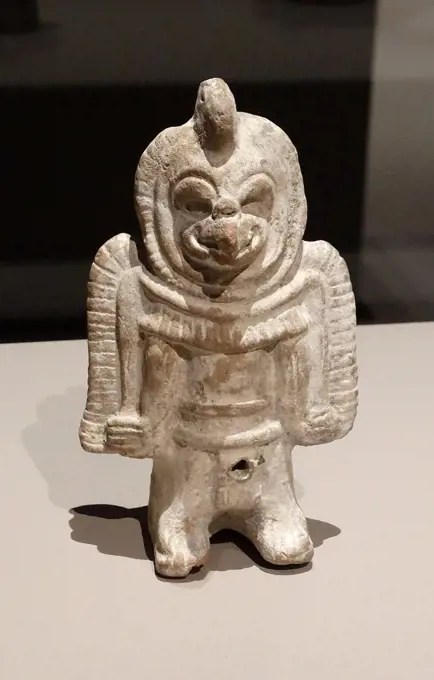
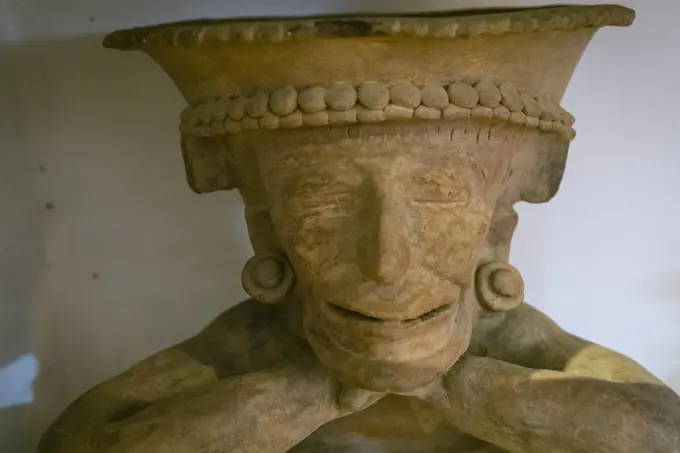
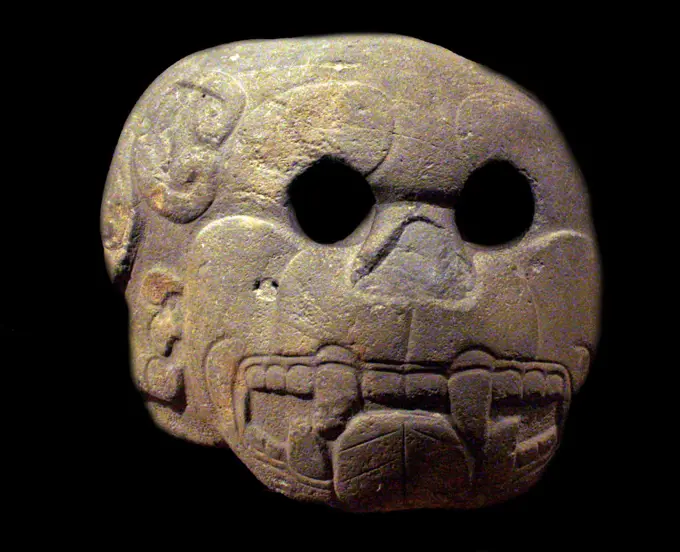
Zoomorphic or anthropomorphic Mayan figurine with human and owl features. From Jaina, Campeche, Mexico 600-900 AD
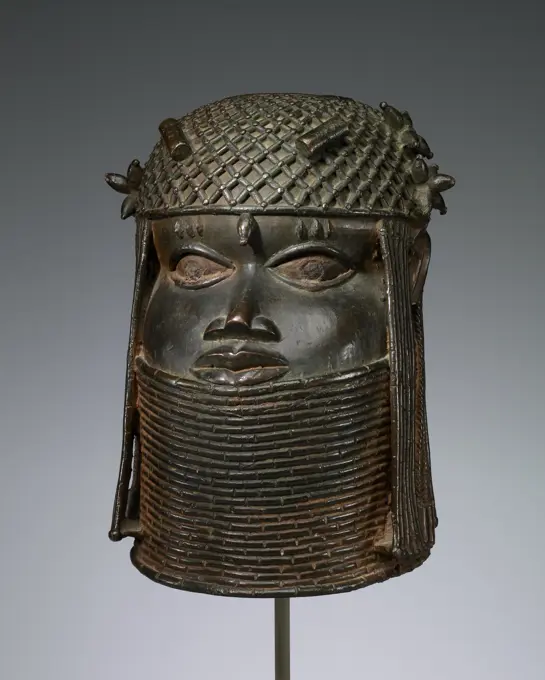
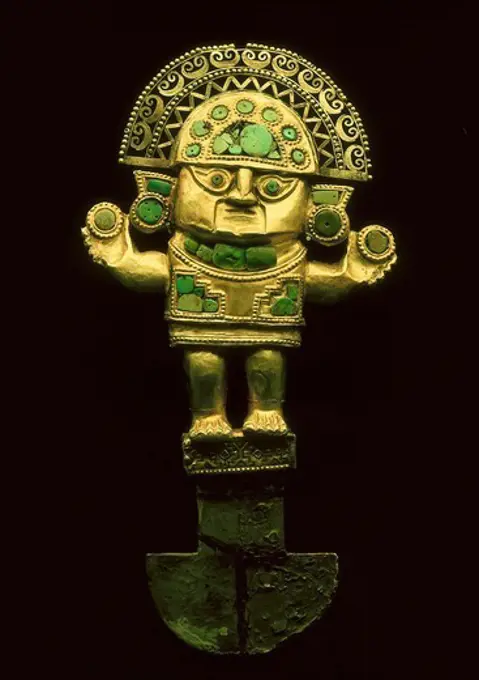
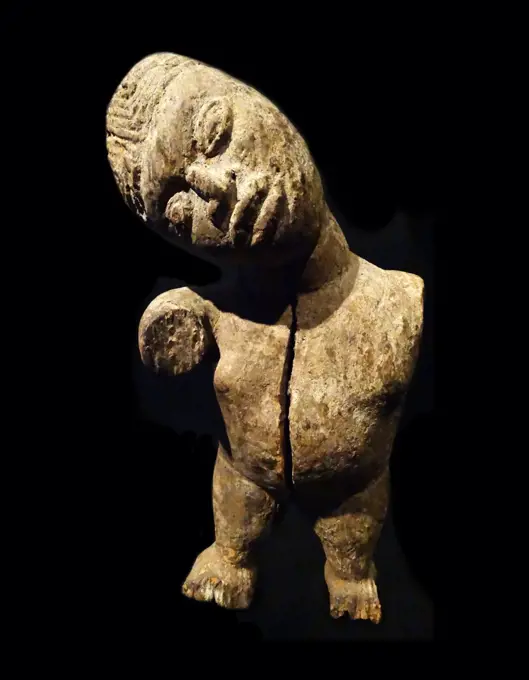
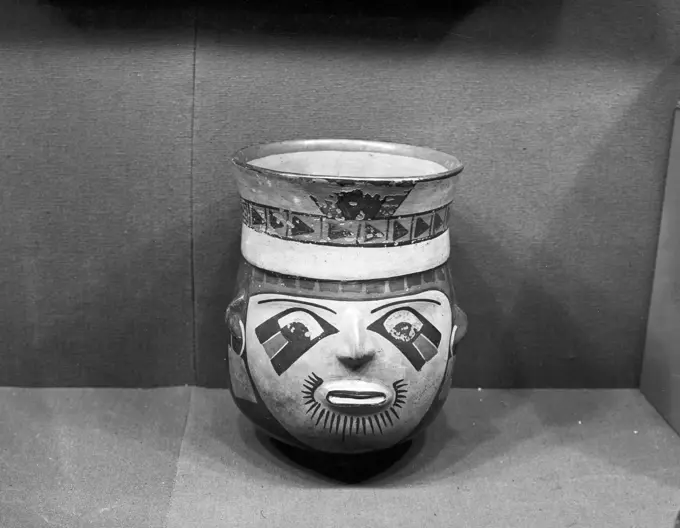
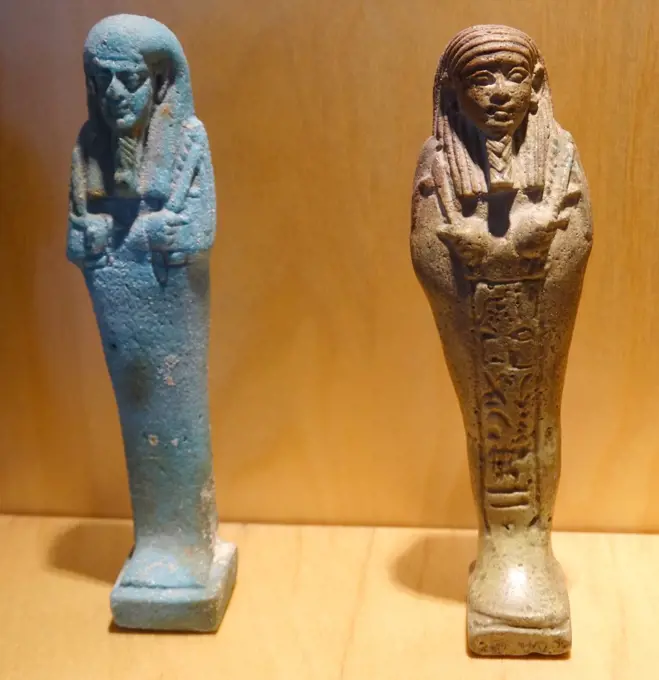
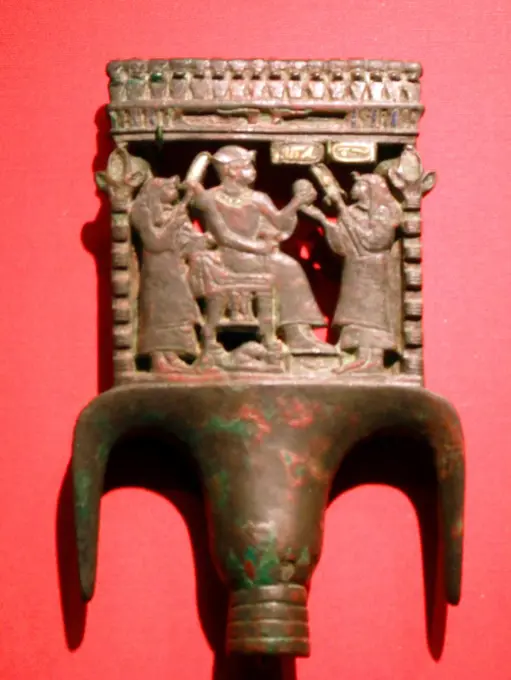
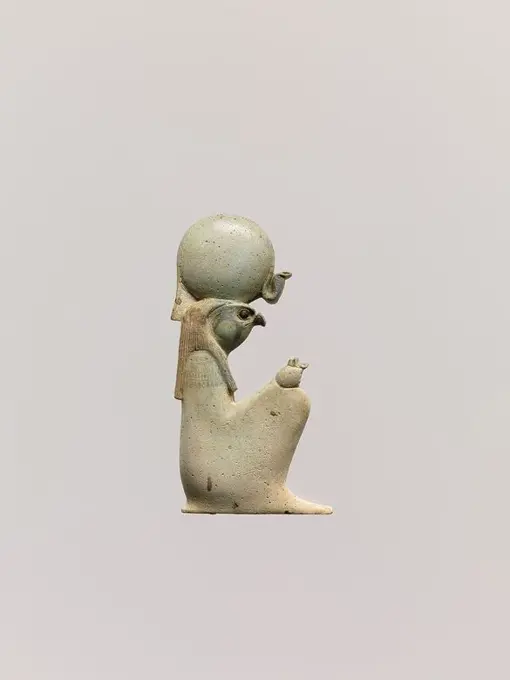
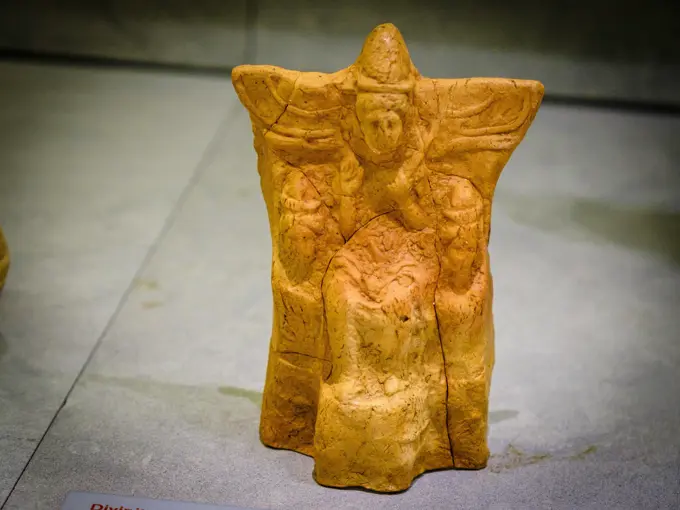
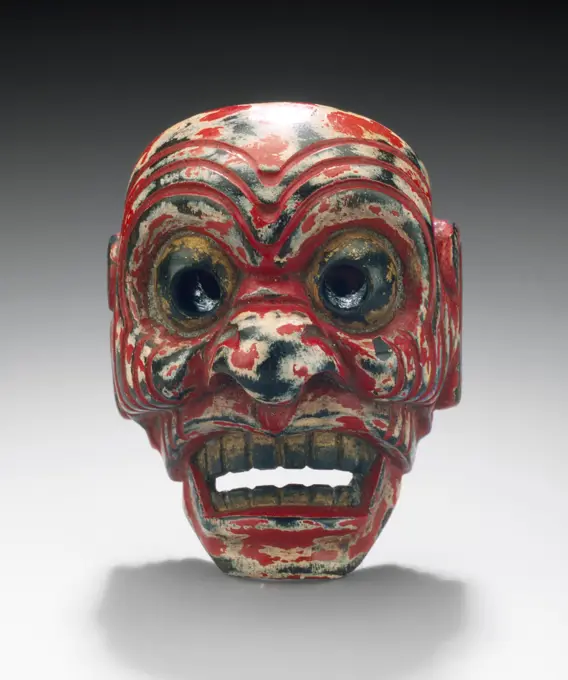
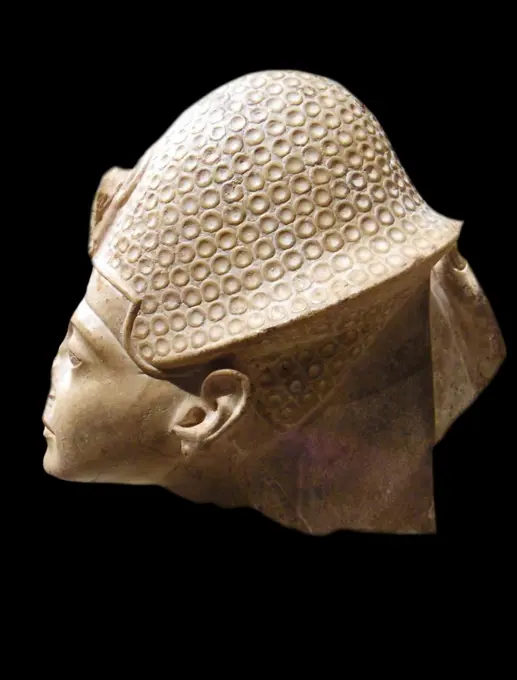
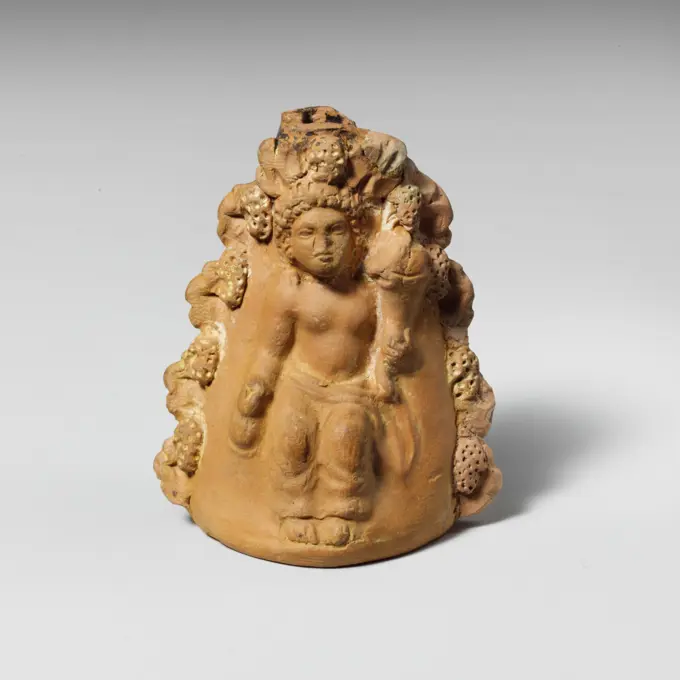
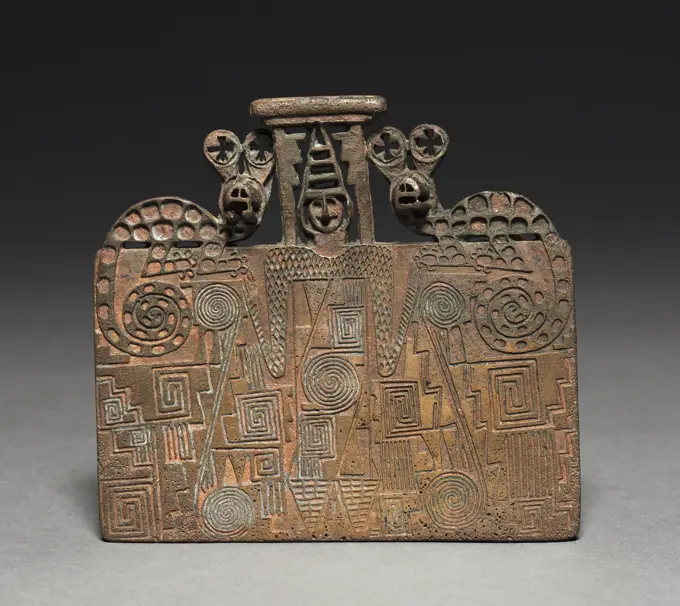
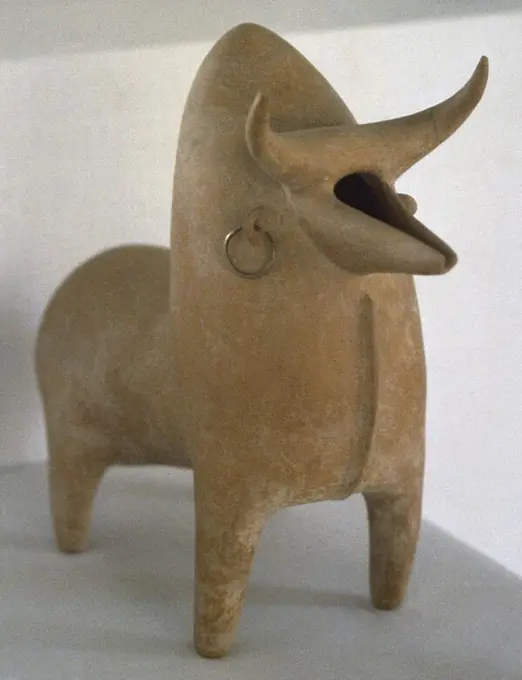
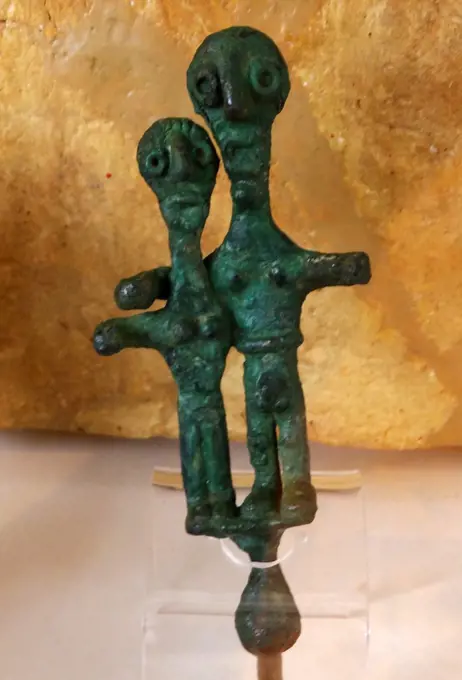
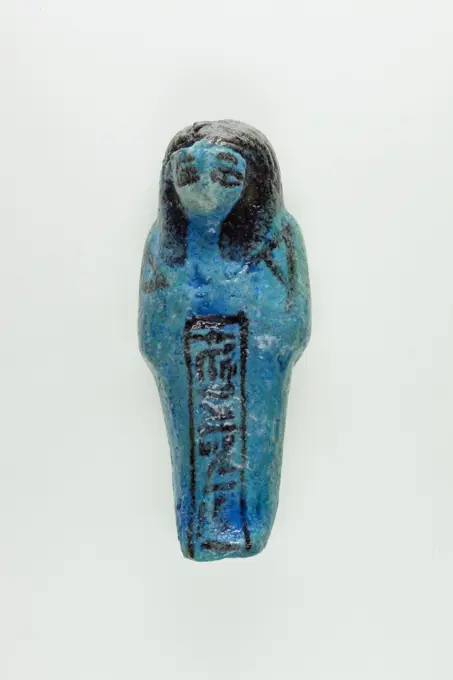
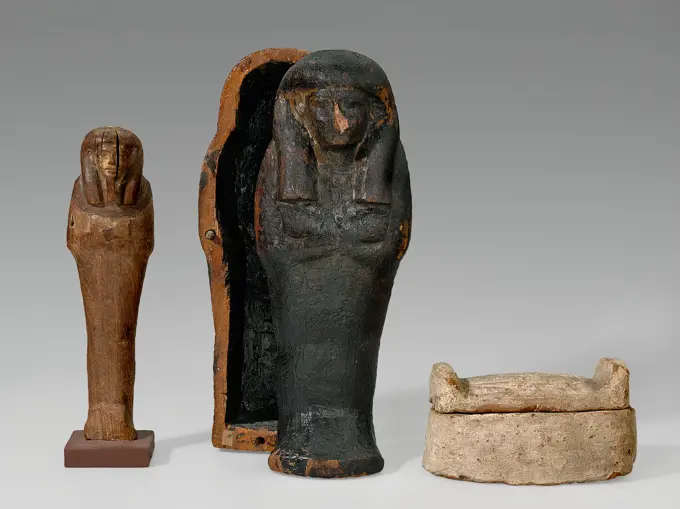
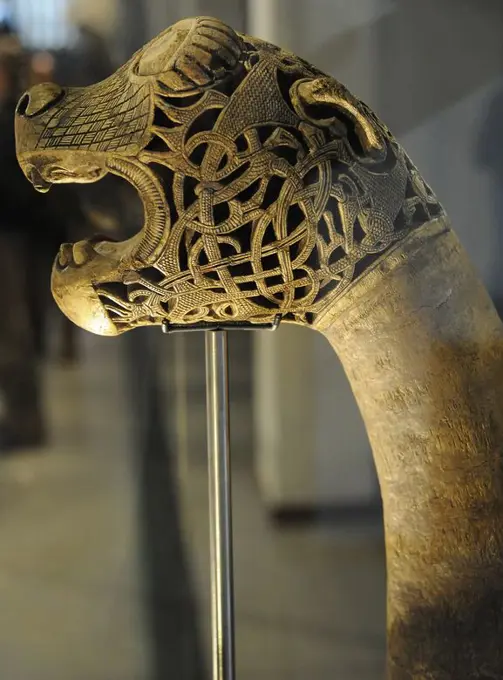
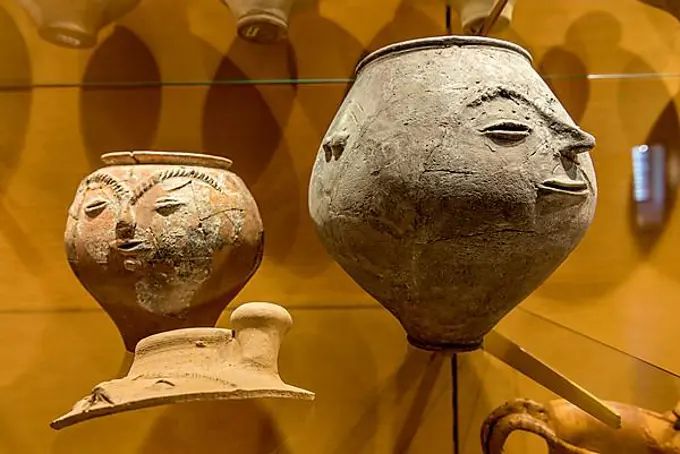
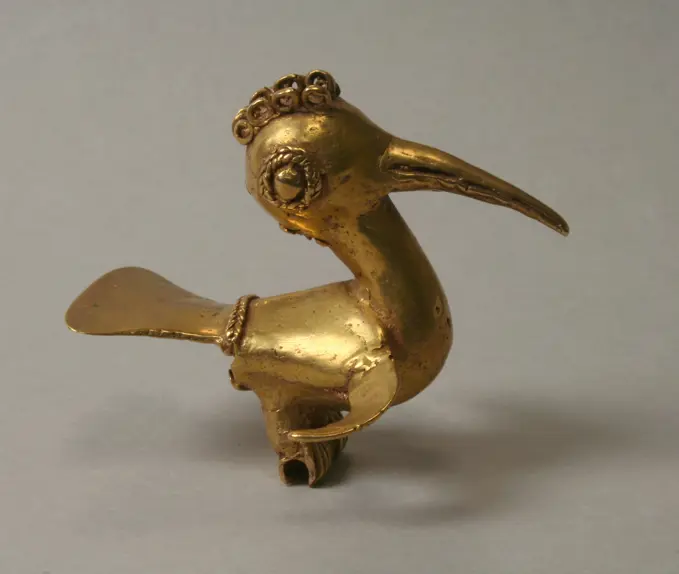
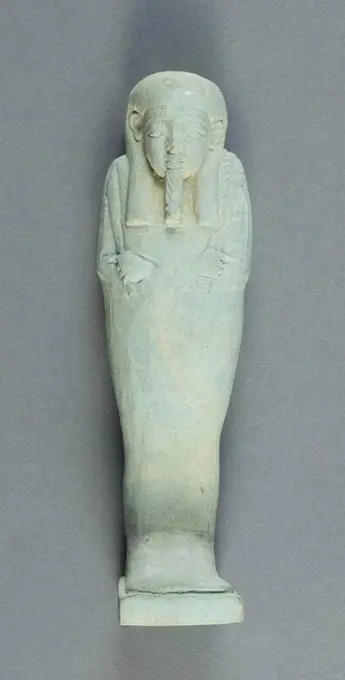
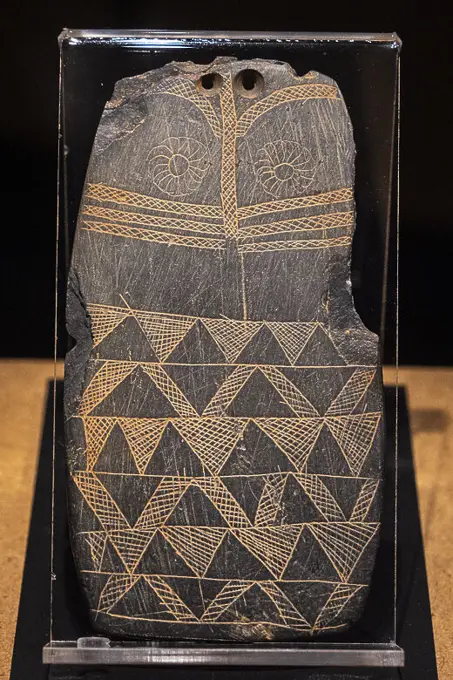
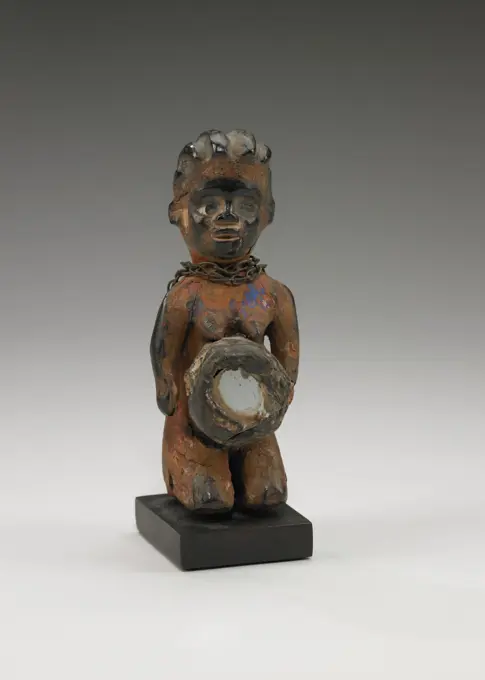
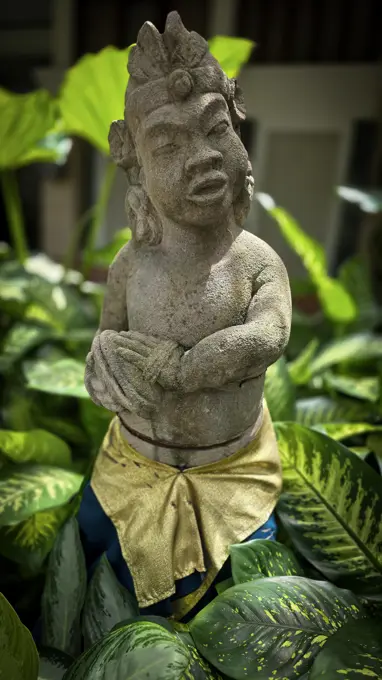
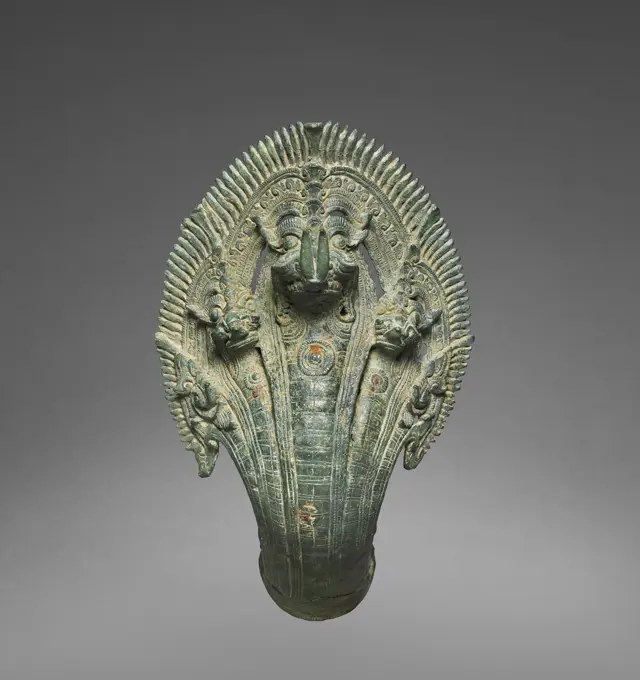
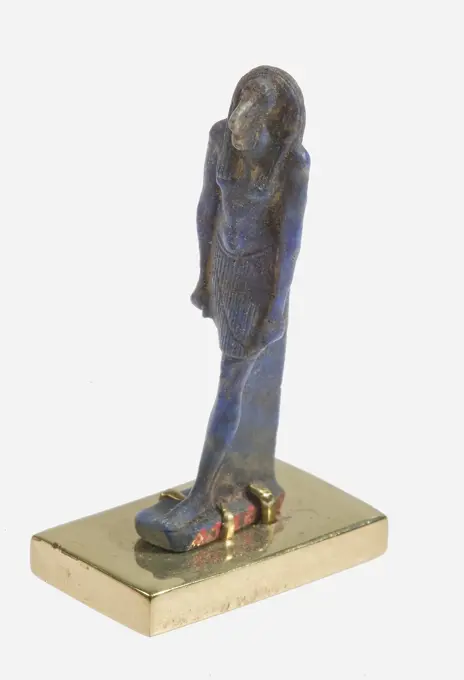
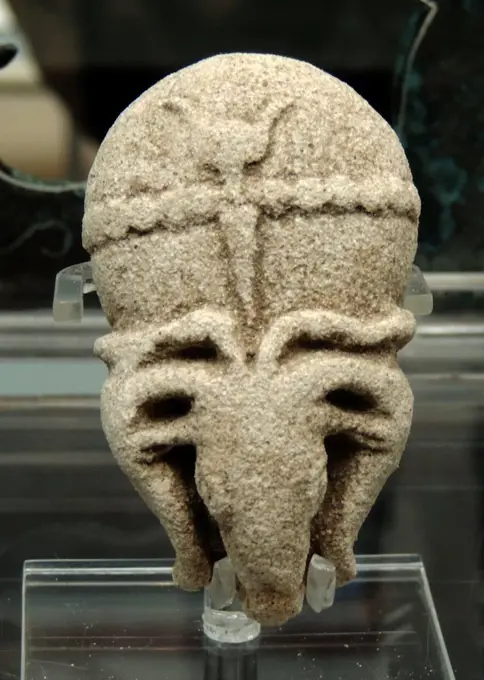
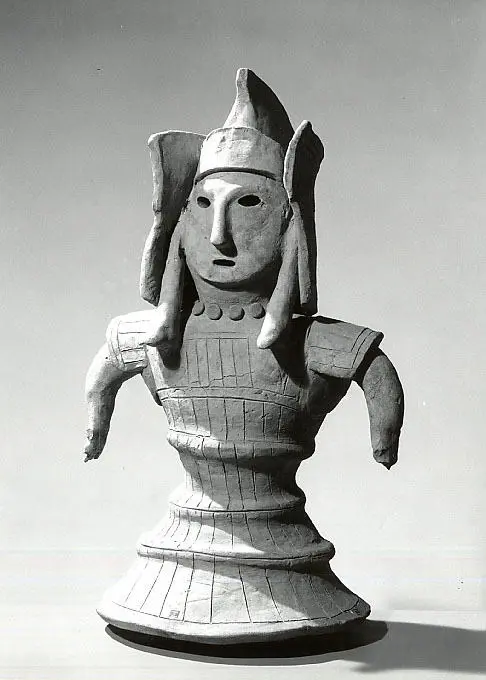
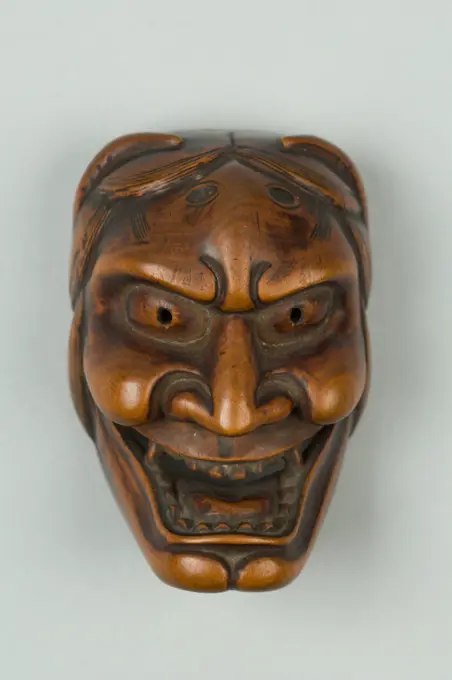
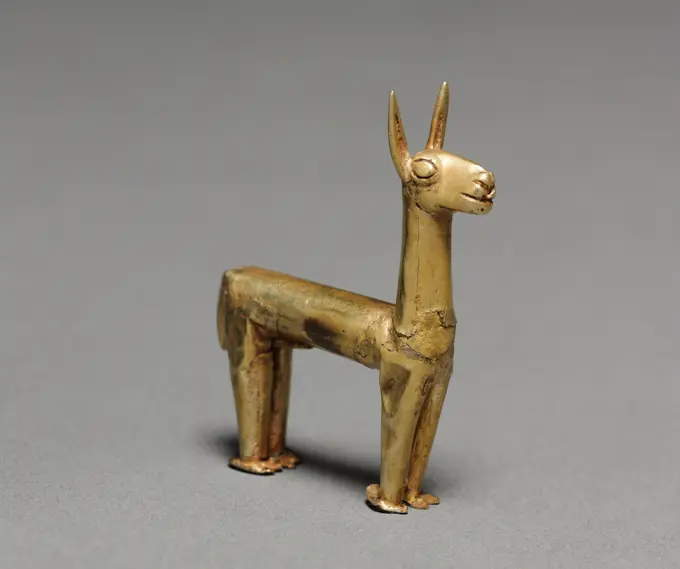
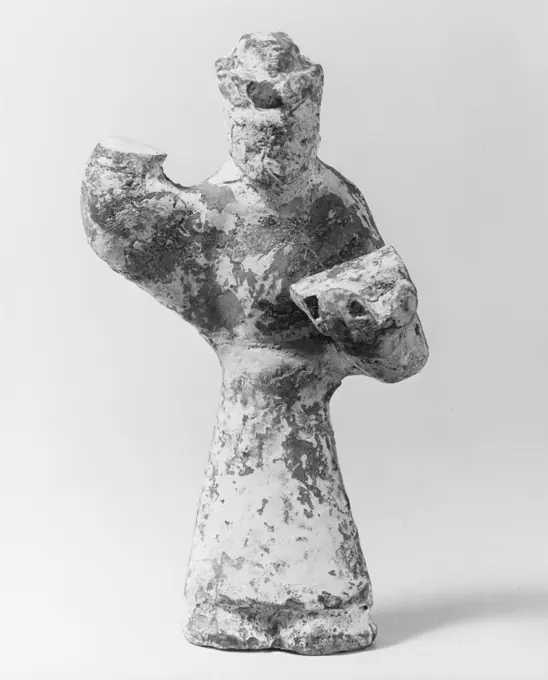
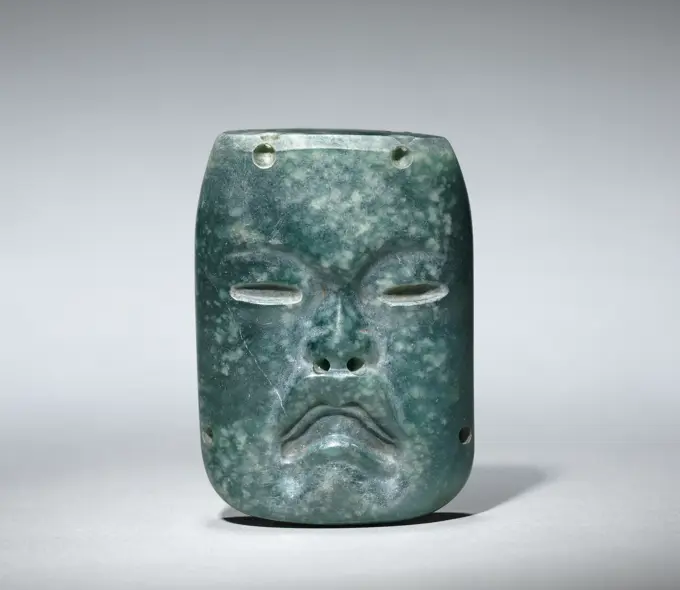
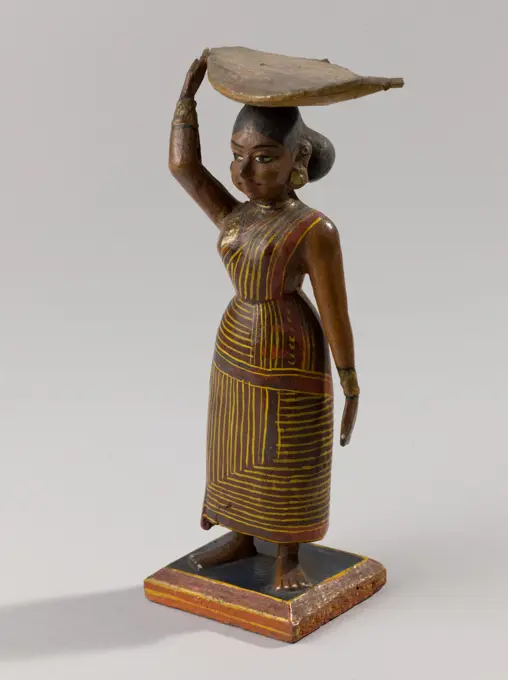
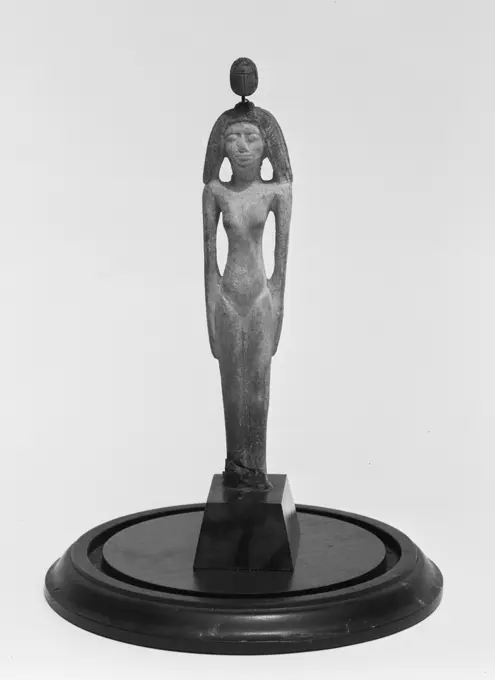
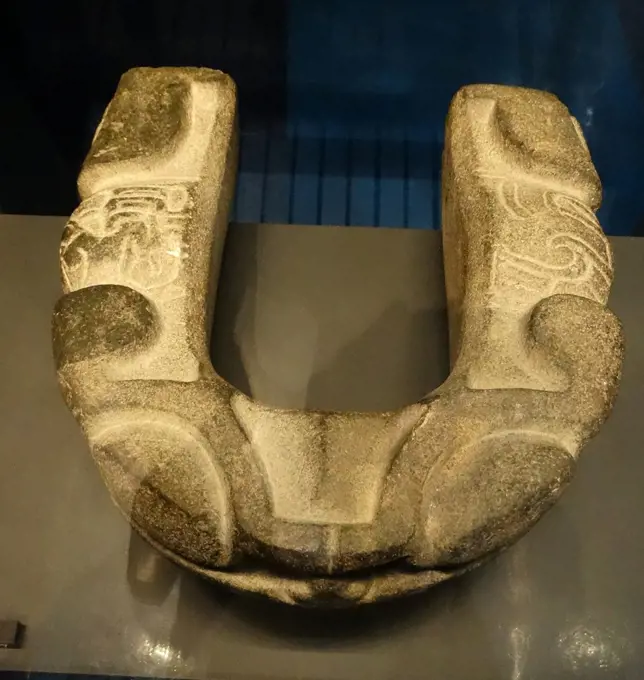
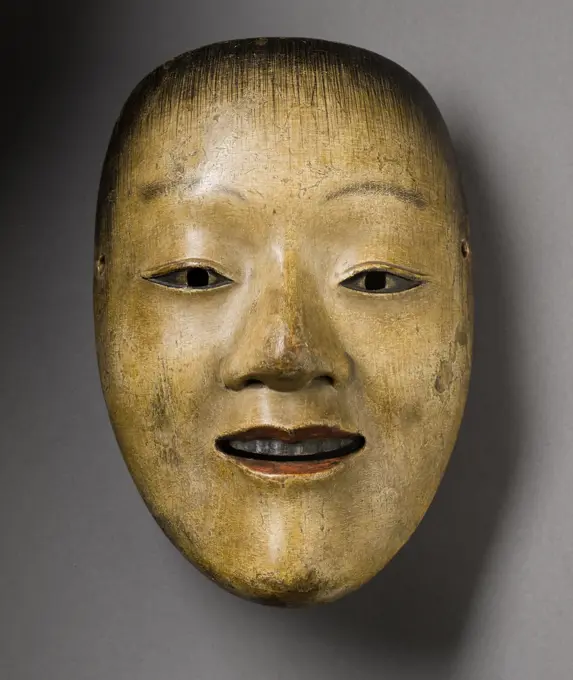
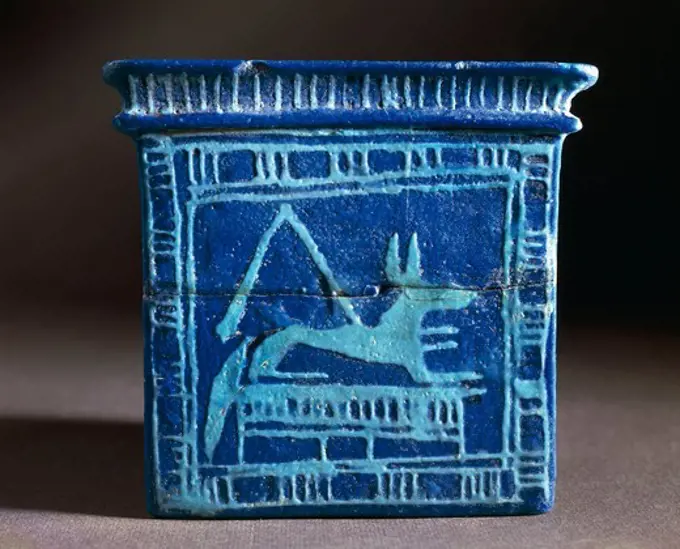
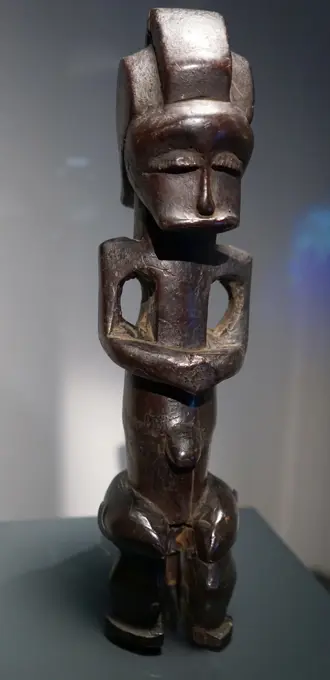
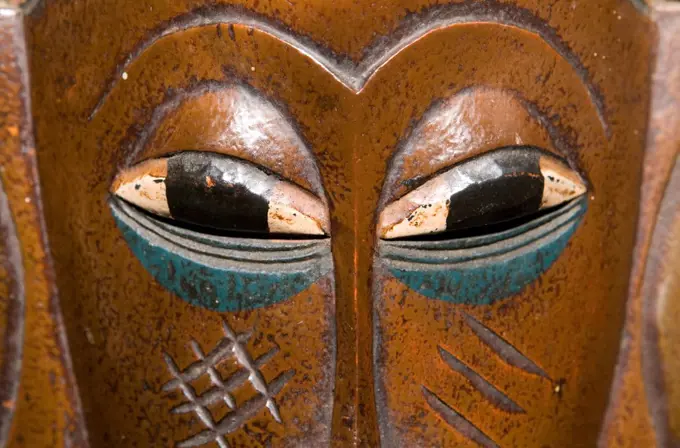
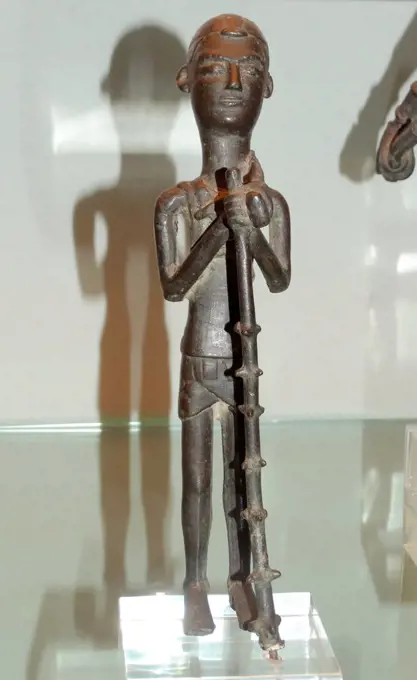
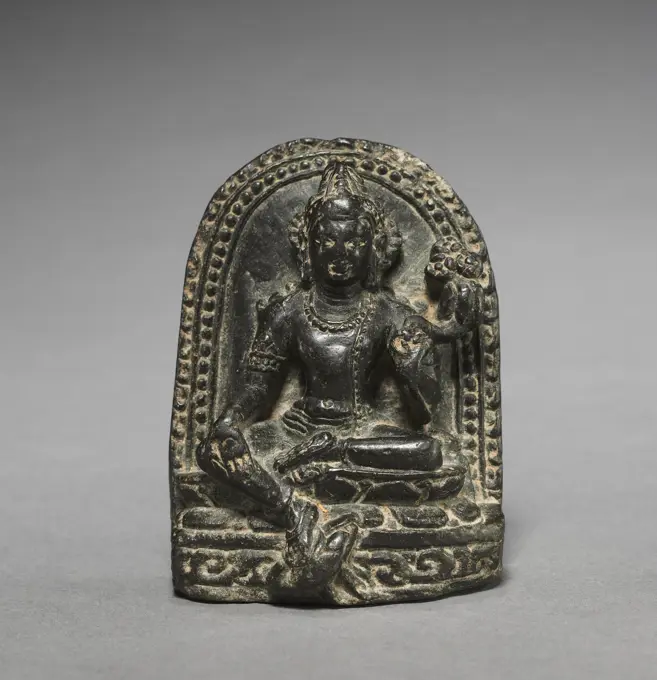
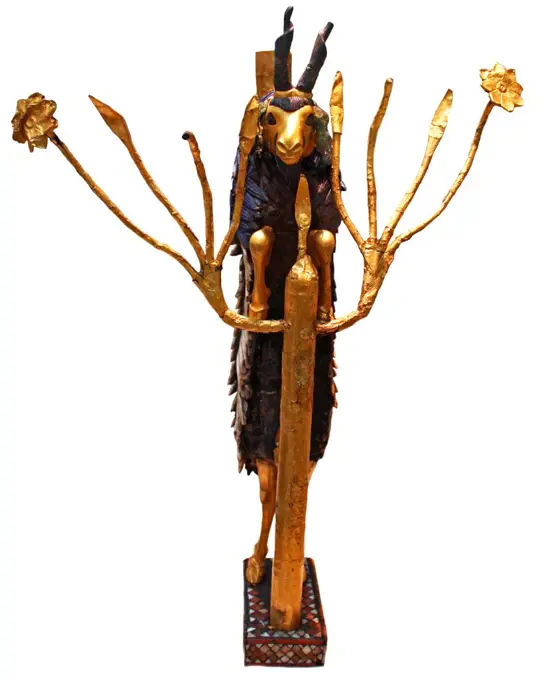
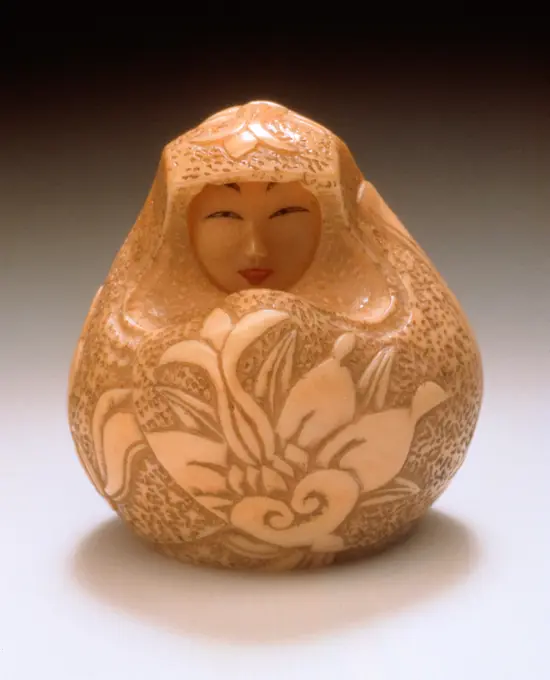
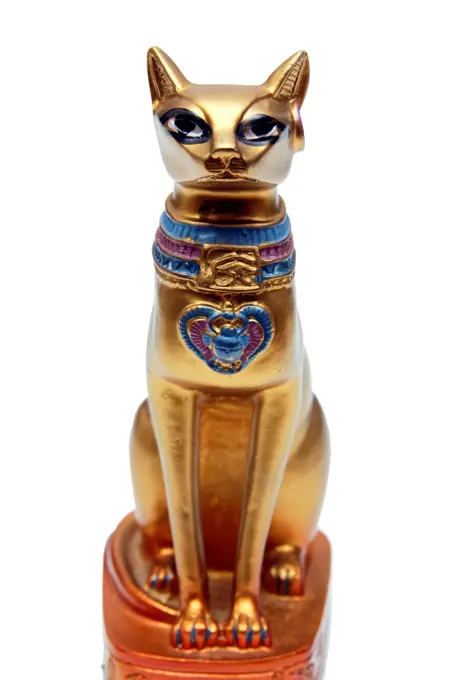
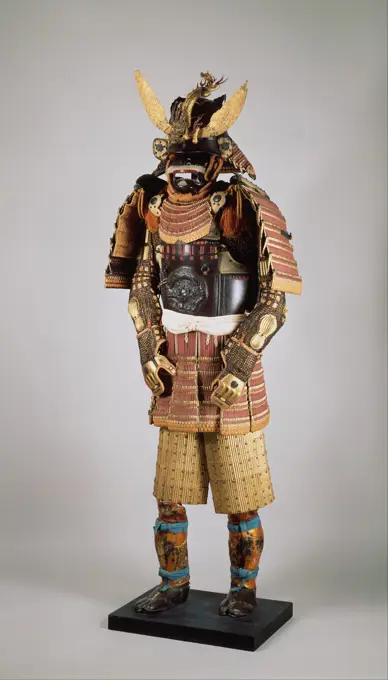
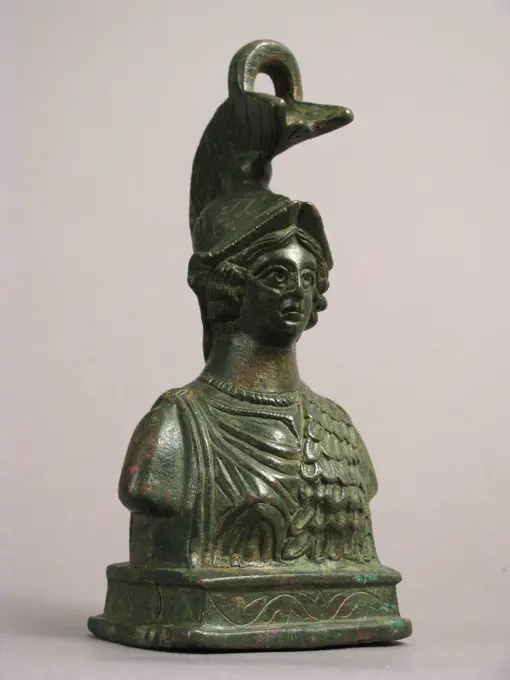
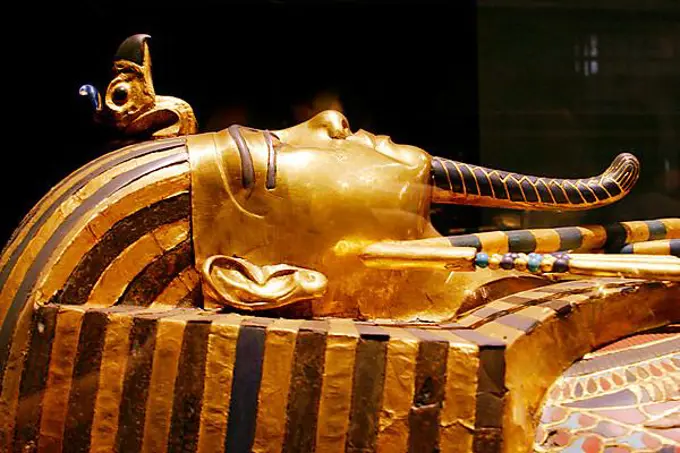
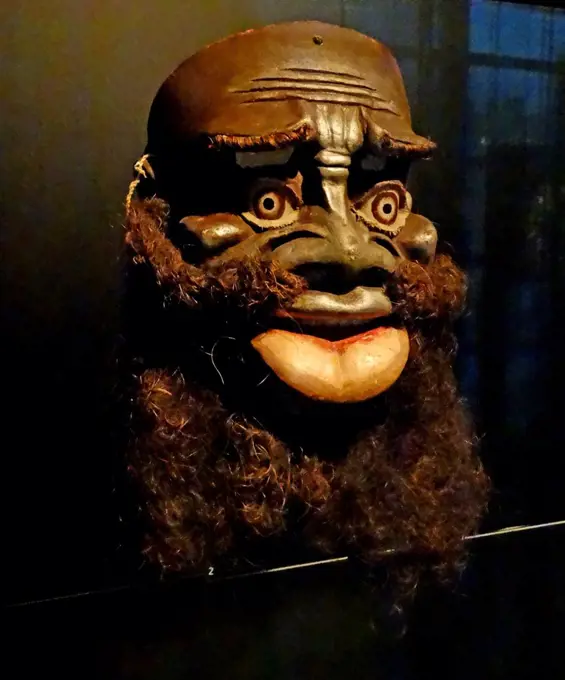
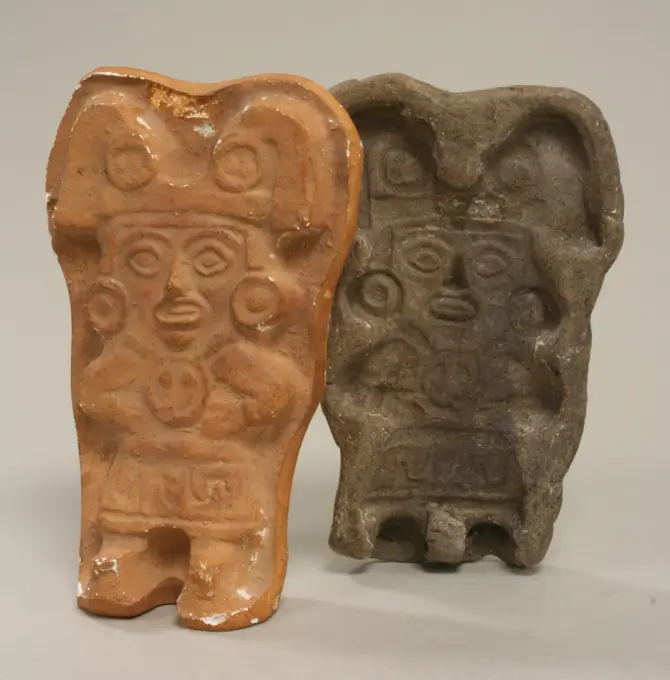
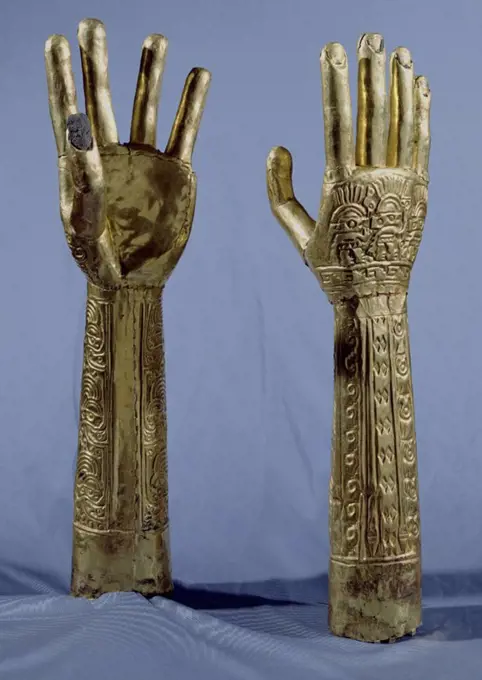
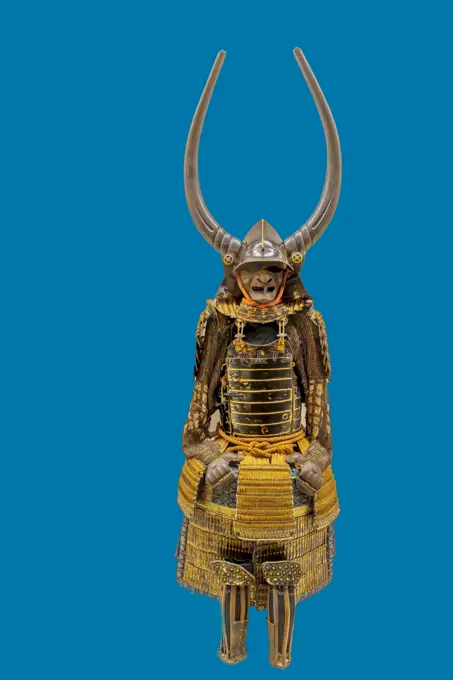
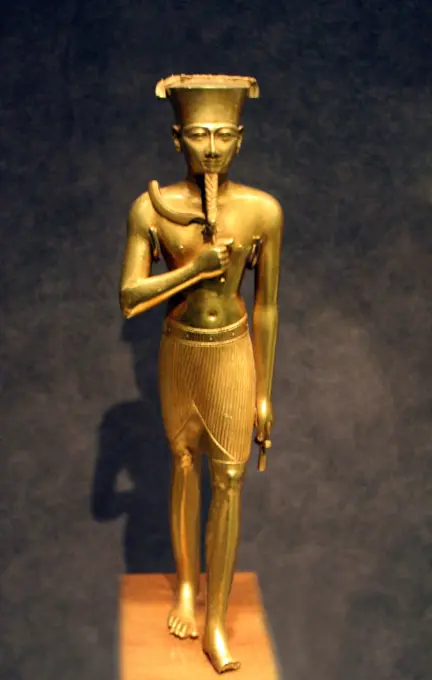
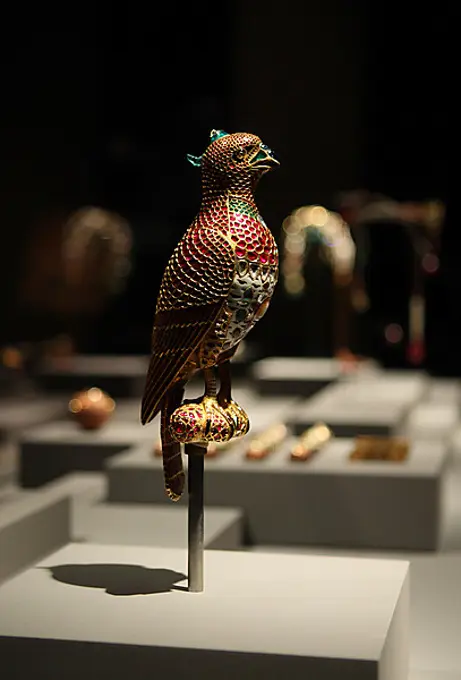
Terracotta statuette of Harpokrates. Culture: Roman, Egyptian. Dimensions: H.: 6 1/16 in. (15.4 cm). Date: ca. 2nd century A.D..With moon headdress and curl; small decorated shrine on knee; right hand at mouth. Museum: Metropolitan Museum of Art, New York, USA.Memorial head, 1550-1650, 11 1/2 x 8 11/16 x 8 5/16 in. (29.21 x 22.07 x 21.11 cm), Bronze, Nigeria, 16th-17th century, Were they true to life, the high collar and netted hat of this royal memorial head would be a brilliant, beautiful red. They were made of coral beads imported from the Mediterranean Sea. And since the Benin king owned all the coral in his kingdom, its use in his outfit signified his far-reaching control of international trade. Each new Oba had a bronze head made to decorate the shrine honoring his deceased predecessor. The hole in the top of the head once held a carved elephant tusklike the one in the case to your leftchronicling the exploits of the ancestor.GroomChimu Tumi. 1100-1440. Gold and turquoise ceremonial knife. Chimu art. Jewelry. PERU. Lima. Peruvian Gold Museum.Wood and copper reliquary guardian figurine. Dated 19th CenturyCummings' Columbian Art Tresures Exhibit. Photographs of Marshall Plan Programs, Exhibits, and PersonnelSnuff Bottle, 17th-19th century, 3 3/8 x 2in. (8.6 x 5.1cm), Amber, China, 17th-19th centuryYou can on the mule;  19th century (1800-00-00-1900-00-00);Egyptian Ushabti or ushabtis. The ushabti also called shabti or shawabti, was an Ancient Egyptian funerary figurineLimestone statuette of a boy holding a bird and a branch of leaves 5th-4th century B.C. Cypriot Figure holding bird and a spray of leaves.. Limestone statuette of a boy holding a bird and a branch of leaves 242248Figure of an Owl. Culture: Moche. Dimensions: Height 1-5/8 in.. Date: 3rd-6th century. Museum: Metropolitan Museum of Art, New York, USA.Palm of a Ceremonial Fan 1st Century A.D. Fan depicts a royal baldachin atop an umbel.Inlay depicting the squatting god Re. Dimensions: H. 8.2 cm (3 1/4 in.); W. 4.2 cm (1 5/8 in.); D. 1.4 cm (9/16 in.). Date: 4th century B.C..This small crouching falcon-headed figure is the god Re. He wears a sun-disk as a crown. Originally he held a scepter in the fist on his knee. The king Nectanebo II incorporated into his royal names epithets relating him to the god Re. Museum: Metropolitan Museum of Art, New York, USA.enthroned deity enthroned deity, 400-300 BC, Archaeological Museum of Ibiza and Formentera, Ibiza, Spain Copyright: xZoonar.com/Tolox 23005887Gagaku Mask. Kōzan (Japan, active mid-19th century). Japan, early 19th century. Costumes; Accessories. Wood with pigment and lacquerHead of King Tutankhamun 1336 B.C.Terracotta oinochoe (jug) with a seated boy 4th century B.C. Greek, Attic The child sits under a grape arbor holding an oinochoe in his left hand, a cake and cornucopia in his right.The clearly Dionysiac iconography connects the vase with the festival of the Anthesteria, the new wine, in which children participated.. Terracotta oinochoe (jug) with a seated boy. Greek, Attic. 4th century B.C.. Terracotta. Late Classical. VasesEXCAVACIONES DE LA HOYA-IDOLO. Location: POBLADO DE LA HOYA. Laguardia. ALAVA. SPAIN.Plaque, 600-900. Argentina, La Aguada, 7th-10th Century. Carved and polished marble; overall: 12.8 x 14 cm (5 1/16 x 5 1/2 in.).R-FIGURA DE ARCILLA-NEOLITICO GRIEGO. Location: MUSEO. Volos. GREECE.The Marlik Culture (Indo-European population). Iron Age. Neo-Elamite dynasties. Humped bull or cow with its original earring decoration intact (oil lamp). From Marlik, late 2nd millennium BC. The National Museum of Iran. Tehran, Islamic Republic of Iran.Cast-gold pendant from Costa Rica. Dated 2nd CenturyHead of a Buddha image, anonymous, 1600 - 1699 Fragment (head) of Buddha with curly hair. Thailand bronze (metal) Fragment (head) of Buddha with curly hair. Thailand bronze (metal)Bronze figurine of a god and goddess. From Northern Syria, Old Babylonian. Dated 1850 BCWorker Shabti of Nany ca. 1050 B.C. Third Intermediate Period See 30.3.26.1a, b. Worker Shabti of Nany 625725Clay funerary pots richly decorated with relief patterns. Dated 16th CenturyBooster, miniature anthropoid sarcophagus, miniature box sarcophagus;  around 1550 1295 BC ; New PA 1186 BC ; New PA 1069 BC ; New PADeposit of the University of Warsaw from 1937-1939, Book of the Dead, gift (provenance), painted decorations, grave figurines, hieroglyphs, sarcophagus models, French excavations in Deir El-Medina (Egypt), Polish-French excavations in Edfu (Egypt)Ivory Salt Cellar used for holding and dispensing salt. From the Republic of Benin, Nigeria, Africa. Dated 16th CenturyAnimal-head post carved in wood. Found in the Tomb of the Boat of Oseberg, Norway. 9th century. Viking Ship Museum. Oslo. Norway.Clay urns, clay pots, storage vessels with face, face urns, Roman fort Saalburg, reconstructed cohort fort, museum, archaeological park, Upper Germanic Raetian Limes, border Roman Empire, Bad Homburg vor der Hoehe, Taunus, Hesse, Germany, EuropeBird Finial 5th-10th century Zenu or Sinu. Bird Finial 309941Face Mask Ornament 6th-7th century Moche (Loma Negra). Face Mask Ornament. Moche (Loma Negra). 6th-7th century. Gilded copper, shell. Peru. Metal-OrnamentsShabti of Padipepet. Egyptian; Saqqara. Date: 664 BC-525 BC. Dimensions: 14.3 × 4 × 3.5 cm (5 5/8 × 1 9/16 × 1 3/8 in.). Faience. Origin: Egypt. Museum: The Chicago Art Institute, Chicago, USA. Author: Ancient Egyptian.Funerary Urn, AD 350-500. Mexico, Oaxaca, Zapotec Culture. Terracotta; overall: 38.3 x 38.5 x 25.3 cm (15 1/16 x 15 3/16 x 9 15/16 in.).Head of a Statuette of Ptah ca. 1295-1070 B.C. New Kingdom, Ramesside. Head of a Statuette of Ptah. ca. 1295-1070 B.C.. Meta-siltstone. New Kingdom, Ramesside. From Egypt. Dynasty 19-20InscribedContainereyed plate idol, slate, 2500-2000 BC, Los Gabrieles 2, Valverde del Camino, Huelva Museum, Huelva, Andalusia, Spain.Female Power Figure, 19th century, 6 x 2 3/16 x 2 3/4 in. (15.24 x 5.56 x 6.99 cm) (including attached base), Wood, glass, metal, pigment, other materials, Democratic Republic of the Congo, 19th centuryGarden Gnome traditional stone statue situated in a tranquil tropical garden, surrounded by vibrant foliage and artistic decor, harmonizing with the natural beauty of its environment Garden Gnome traditional stone statue situated in a tranquil tropical garden, surrounded by vibrant foliage and artistic decor, harmonizing with the natural beauty of its environment Copyright: xZoonar.com/AntokxSenax 22871454Naga Finial, 1100s. Cambodia, Angkor Wat Period, 12th century. Bronze; overall: 29.2 x 15.2 x 15.2 cm (11 1/2 x 6 x 6 in.).Thoth amulet 664-332 B.C. Late Period. Thoth amulet. 664-332 B.C.. Lapis lazuli. Late Period. From Egypt. Dynasty 26-30Sandstone Ram Head Ornament 700 B.C. Kawa. Temple TBronze ware in display at Shanghai Museum, ChinaHaniwa Figure of a Warrior 6th century Japan Listen to experts illuminate this artwork's story Listen Play or pause #8810. Haniwa figure of a warrior Supported by Bloomberg Philanthropies We're sorry, the transcript for this audio track is not available at this time. We are working to make it available as soon as possible.. Haniwa Figure of a Warrior 45545Very Fine Izi Elephant Mask, England, London, Christie's Images, Primitive ArtJade figure. Western Zhou period, 10th century BC.Netsuke of Noh Mask: Hannya 18th century Japan. Netsuke of Noh Mask: Hannya. Japan. 18th century. Wood. Edo period (1615-1868). NetsukeInfant Male FigurineGold amulet showing the head of the Egyptian god Osiris 715-332 BCCenser Censer, early classic, museum of the central square, Chichicastenango, municipality of the department of El Quiché, Guatemala, Central America Copyright: xZoonar.com/BartomeuxBalaguerxRotgerx 22071253Llama Figurine, 1400-1532. Peru, Bolivia, Chile or Ecuador, Inka style (1400-1532). Hammered gold; overall: 5.2 cm (2 1/16 in.).Izapan Altar. Mexican alter with feline head circa 1st Century BC-1st Century Ad.Bust or J.C.J. Van Speyk (1802-1831). Two bubbles from J.C.J. From Speyk and one base. Two identical bronze busts of a Dutch naval officer, the head light turned to the left. He is wearing a uniform and a military willem order. The busts of the bubble belongs to which the blast of the portrait ship is depicted. The base is finished at the bottom with a garland. Combined description. Bust with label mc = ng-mc-1319-1.Traditional aztec ceramic face mask decorative isolated. Traditional aztec ceramic face mask decorativependant in the shape of a skull, marble, Ibero-Roman era, Riotinto mines, Huelva Museum, Huelva, Andalusia, Spain.Statuettes of the Four Sons of Horus, Late Period, Ptolemaic Period, Metropolitan Museum of Art, Manhattan, New York City, USA, North AmericaFigure of a Standing Musician China. Figure of a Standing Musician 62955Small Mask Ornament, c. 900-300 BC. Mexico, Olmec, 1200-300 BC. Jadeite; overall: 7 x 5 cm (2 3/4 x 1 15/16 in.).Comb Tlingit, Native American ca. 1850-80 View more. Comb. Tlingit, Native American. ca. 1850-80. Wood. Made in Alaska, United StatesStanding Figure 6th-7th century Nasca or Wari. Standing Figure 316820Anonymous. "Java doll". Painted wood. Paris, Museum of Romantic Life. DOLLA close-up of Tutankhamen's second innermost coffin, also referred to as the intermediate coffin.   It is made of gilded, laminated wood with inlays of polychrome glass pastes.  The treasures of Tutankhamen have been marvelled at since their discovery by Howard Carter on November 4, 1922.Wood mask of Gu or Ogun Smith, god of war by Yaoure people, Ivory Coast. Museum: Musée National des Arts d'Afrique et d'Océanie, Paris, France.Scarab of Thutmosis. UnknownMayan stone yoke, symbolising the yoke used in ball games by the Mayans along the Gulf of Mexico 600-900 ADKo-Tze late 19th century Chinese. Ko-Tze 502245Textile Fragment 9th century. Textile Fragment 448128Noh Mask: Jidō (Young Male Sprite). Japan, 17th century. Jewelry and Adornments; masks. Wood and polychromeTurquoise enamelled clay pectoral pendant in the shape of a naos, decorated with god Anubis as a jackalWooden guardian figure, eyema Byeri; Fang tribe; Ntumu group; Equatorial Guinea, West Africa.Shadow Puppet Head, 20th century, 5 in. (12.7 cm), China, 20th centuryfemale figurine, terracotta, graeco roman period, Musei Vaticani, State of the Vatican City, Roma, Lazio, Italia.Bronze miniature mask , Masks, Peabody Museum of Archaeology and Ethnology, Tichnor Brothers Collection, postcards of the United StatesNew Mexico, Santa Fe. American Indian Art Hopi pottery katsinas Morning Star Gallery Canyon Road Santa Fe, New Mexico.Helmet in the form of a court hat. Helmet in the form of a court hat that turns up to one side in the wind, on the back equipped with two diagonally vintage, elongated decorations.Egyptian pectoral, polychrome cardboard, necropolis of ancient Thebes, Ptolemaic period , Spain.Decorative African maskBronze votive figure of a warrior or chief resting. Nuraghic, Sardinia. Dated 10000 BCStele with Padmapani, 900s. India, Nalanda, Pala Period, 10th Century. Black chlorite; overall: 8 cm (3 1/8 in.).Kolam mask. Elaborate masks such as this were used by dancers to help act out a central theme during the ritualistic Kolam (masquerade) dances. Made from painted kaduru or ruk-attana wood, Sri Lanka, 1771-1900.Ram in a Thicket. This statue is traditionally known as the Ram in a Ticket, is more accurately described as a goat, It stands with its forelegs on the branches of a flowering plant, as goats do when looking for food. This was one of a pair, found at Ur in grave. About 2500 BC (Early Dynastic III)Female Daruma Doll. Japan, 18th century, 20th-century additions. Costumes; Accessories. Ivory with sumi, red pigmentMug Shaped as the Head of a God; Likinnios (Greek, active 100 - 1 B.C.); Asia Minor; 1st century B.C; Terracotta; 19 × 12.2 cm (7 1,2 × 4 13,16 in.)Egypt. Egyptian Small Statue. Close-Up On A Statue In Plaster Representing The Goddess Bastet.Armor (Gusoku) 16th and 18th centuries Helmet bowl signed Saotome Ietada Japanese This example comes from the armory of Date Yoshimura (1703-1746), daimyo (lord) of Sendai. The helmet bowl, signed Saotome Iyetada?, dates from the sixteenth century; the remainder of the armor was constructed in the eighteenth century. The breastplate is inscribed inside with the armorer's name, My?chin Munesuke (1688-1735). The embossed ornament on the solid iron plates is characteristic of the My?chin school.. Armor (Gusoku). Japanese. 16th and 18th centuries. Iron, lacquer, silk, gilt copper. Armor for ManSteelyard Weight with the Bust of Athena 350-500 Byzantine A number of weights like this one survive from the late antique period. Weights were calibrated to specific standardized measurements. They were hung from hooks on one end of a balance to counter whatever goods were weighed on the other side. Bronze weights in the forms of courtly and mythological women are fairly common. The survival of classical subjects, such as Athena here, shows the pervasive taste for antiquity well into the early Byzantine period.. Steelyard Weight with the Bust of Athena. Byzantine. 350-500. Copper alloy, filled with lead. Metalwork-Copper alloycanadian statue depicting an eagle isolated over a white backgroundmoldes y estampillas de alfarero, 425-100 a.C, Museo arqueológico de Ibiza y Formentera, Patrimonio de la Humanidad «Ibiza, biodiversidad y cultura», Ibiza, balearic islands, Spain.Tutankhamun's sarcophagus, Egypt, AfricaHead Of The Child King Tutankhamen, From the tomb treasures of Tutankhamen, discovered in 1922. Tutankhamen was an Egyptian pharaoh of the 18th dynasty (ruled c. 1332-1323 BC). Now on display in the Cairo Museum.Okina (Hakushiki-jō). Kimura Ryūmin (Japan, active mid- to late 19th century). Japan, mid- to late 19th century. Costumes; Accessories. WoodPlaster Moreno mask from Bolivia, Peru. Dated 20th CenturyJar of a man's head. A ceremonial sling lies across the forehead. From the rituals of life and death from the Nasca culture. The culture is known for its prolific ceramic production and a colour palette that includes the richest colours of the pre-Hispanic Andes.Canopic Box Third Intermediate Period-Late Period ca. 1070-343 B.C. View more. Canopic Box. ca. 1070-343 B.C.. Wood, paint. Third Intermediate Period-Late Period. From EgyptMold for Female Figure 10th-13th century Toltec (). Mold for Female Figure 307738MANOS CEREMONIALES DE ORO - CHIMU PREHISPANICO - 1200-1470. Location: MUSEO DEL ORO COL MUJICA. Lima. PERU.Ceramic vessel, erotic art Moche culture 100 AC-800 AC Perú.Antique Samurai armor. Osaka Castle Museum.Statuette of Amun. Third Intermediate Period (ca 1070-664 B.C.) Gold.Falcon, sculpture, Museum of Islamic Art, MIA, Doha, Qatar, Middle East, Asia