Ancient Artifacts from Peru and Mexico

Artifacts including ceramic vessels and figurines from ancient cultures, highlighting unique craftsmanship and historical significance.
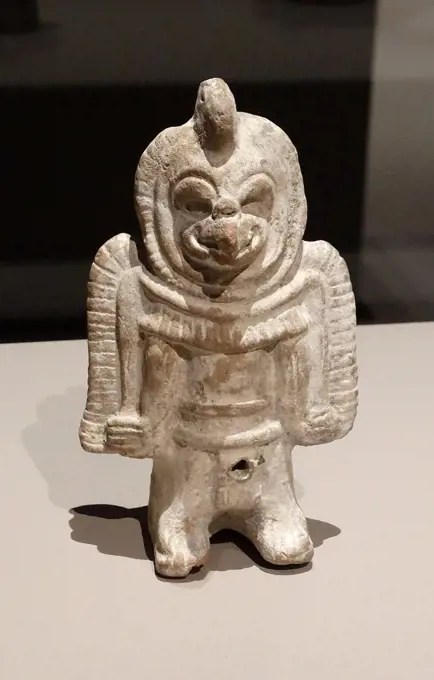
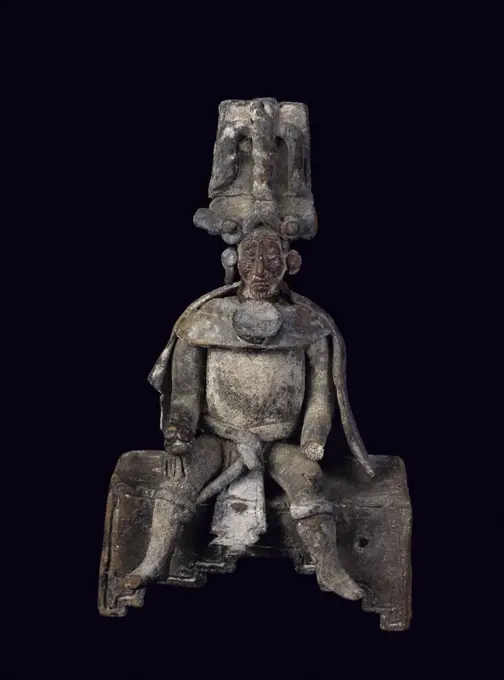
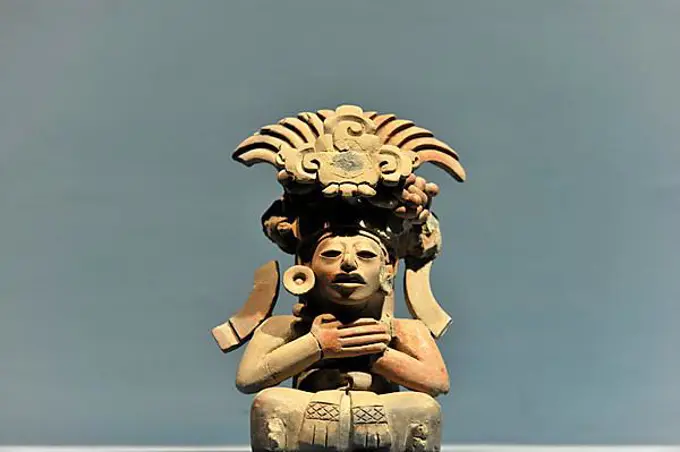
Zoomorphic or anthropomorphic Mayan figurine with human and owl features. From Jaina, Campeche, Mexico 600-900 AD
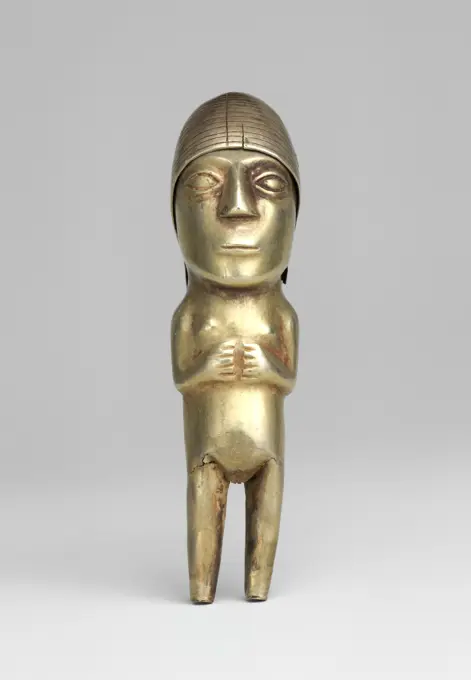
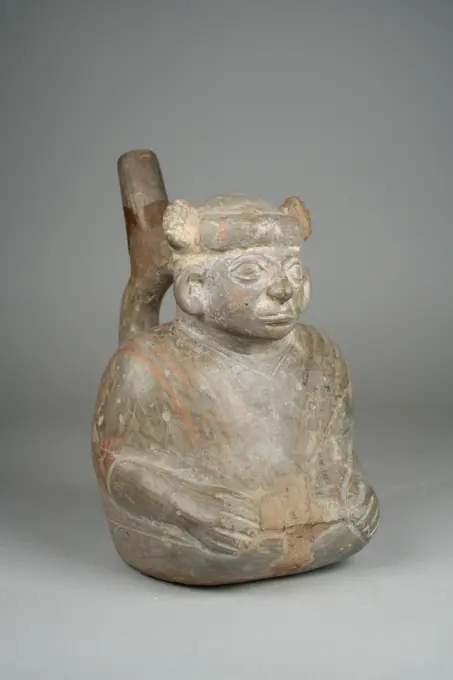
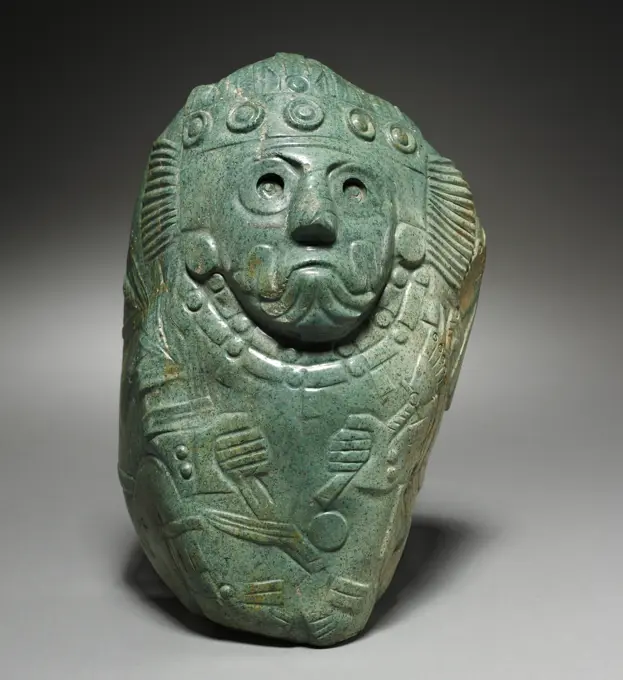
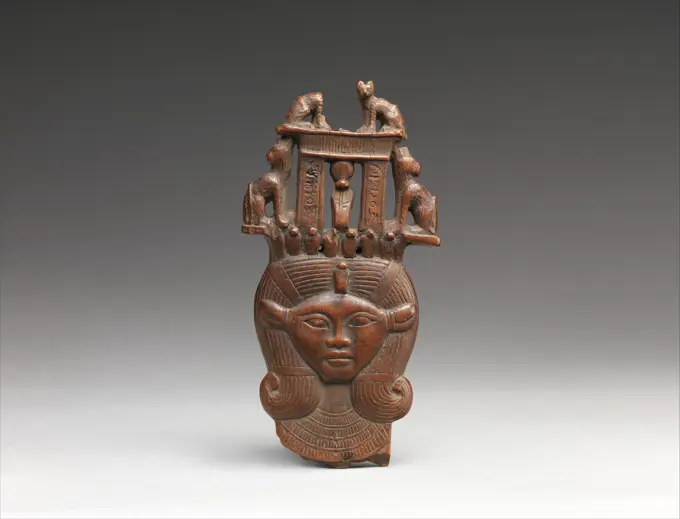
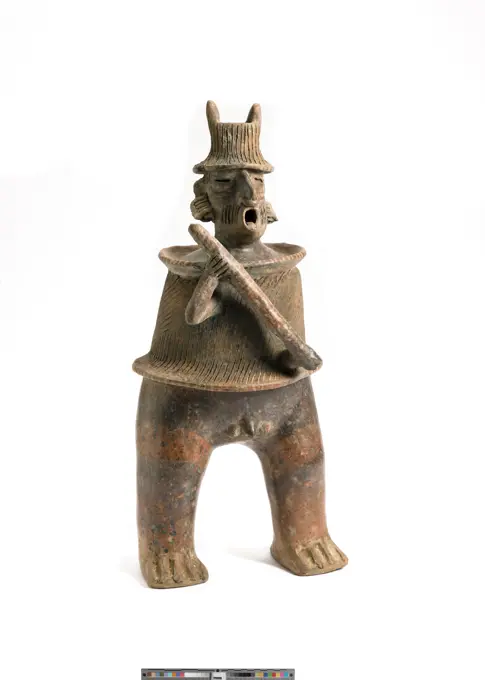
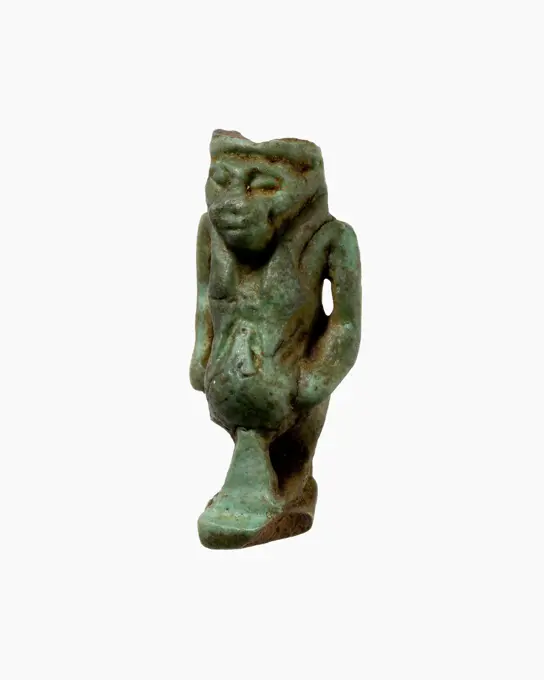
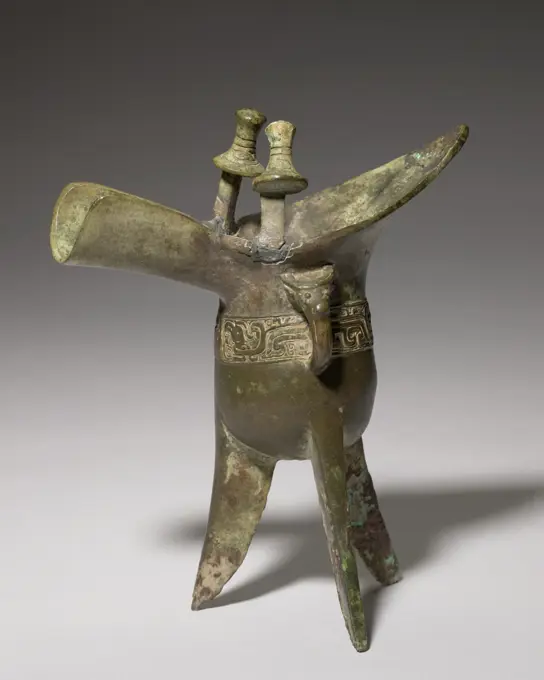
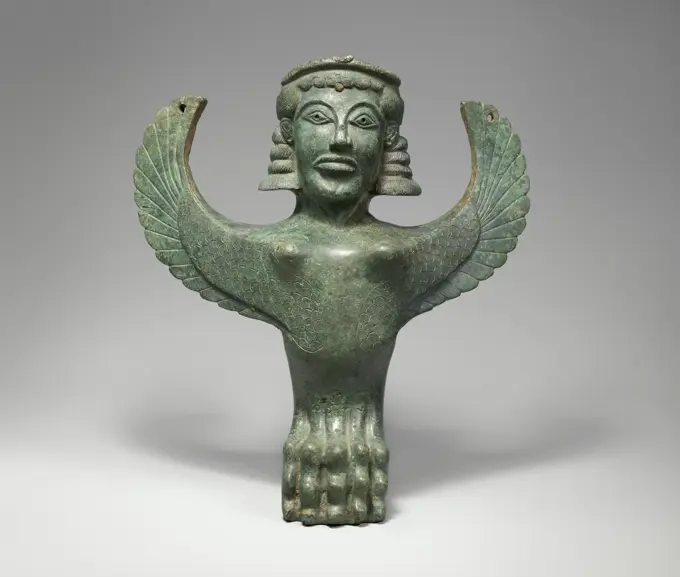
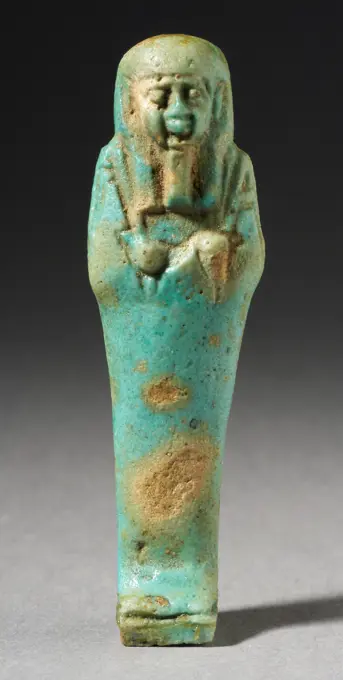
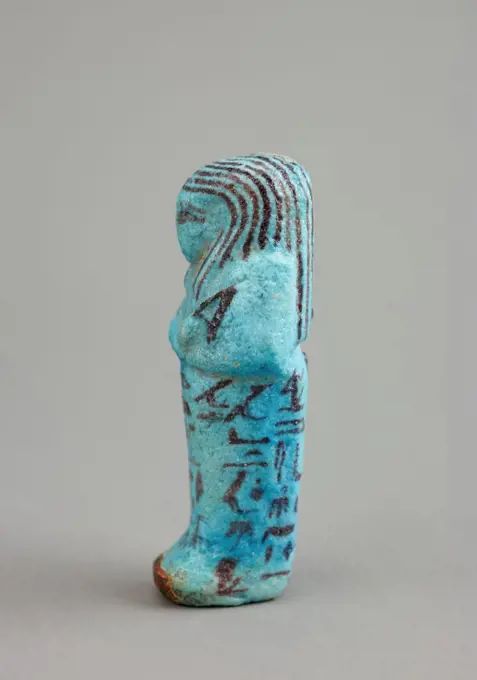
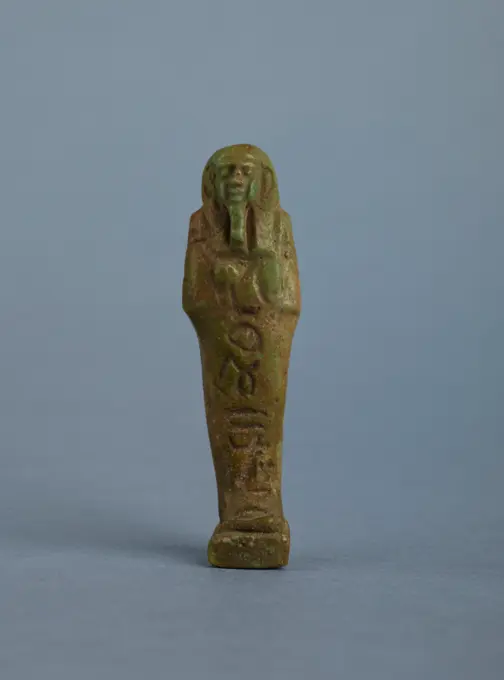
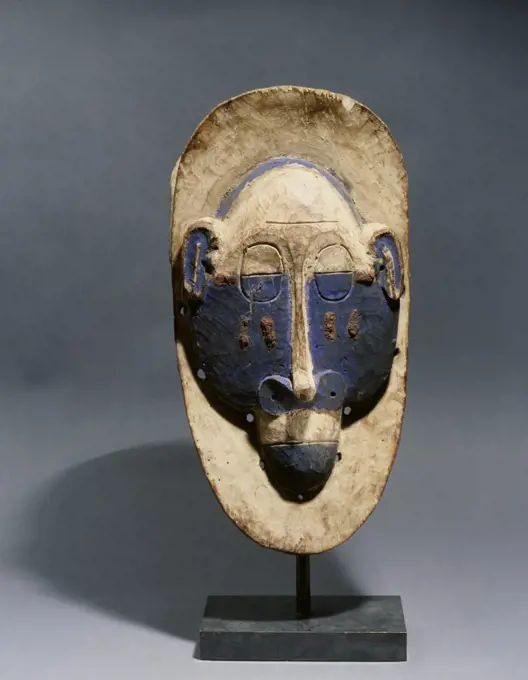
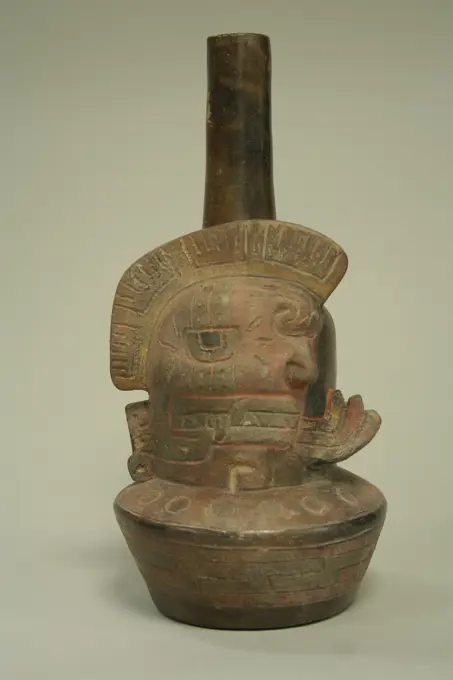
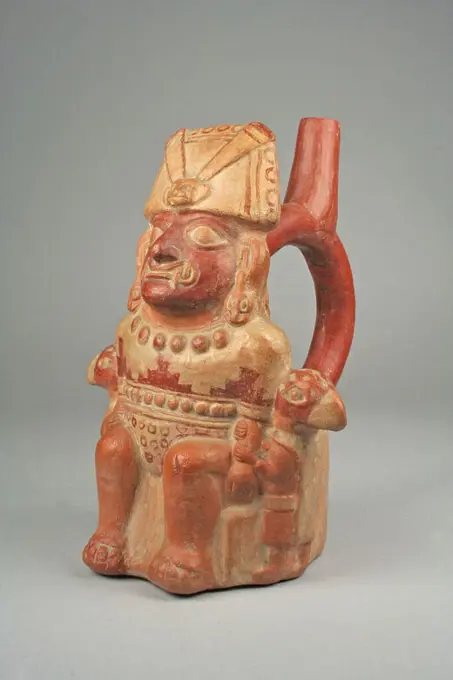
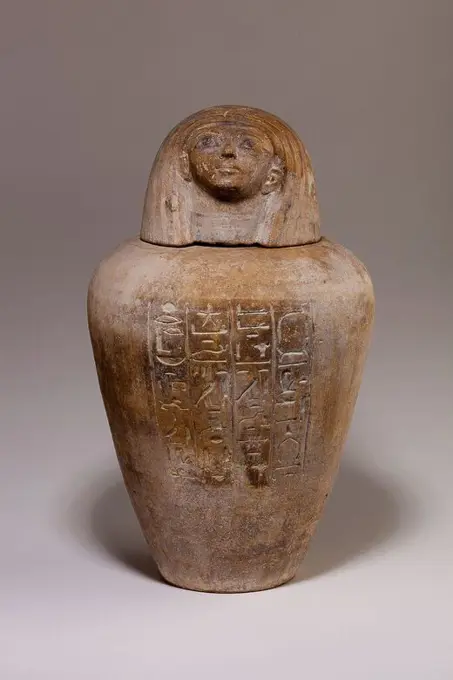
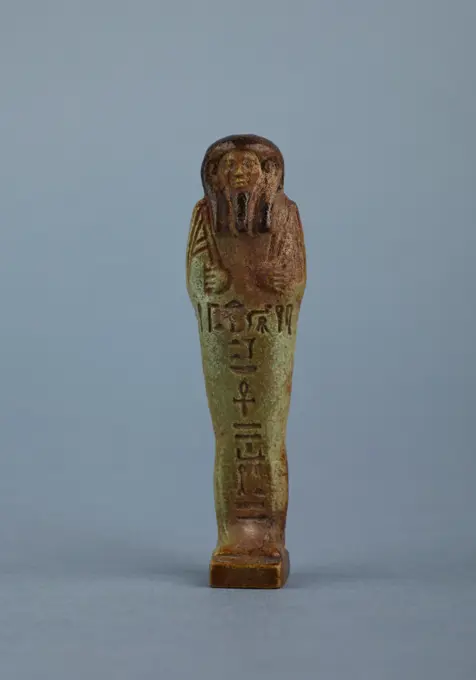
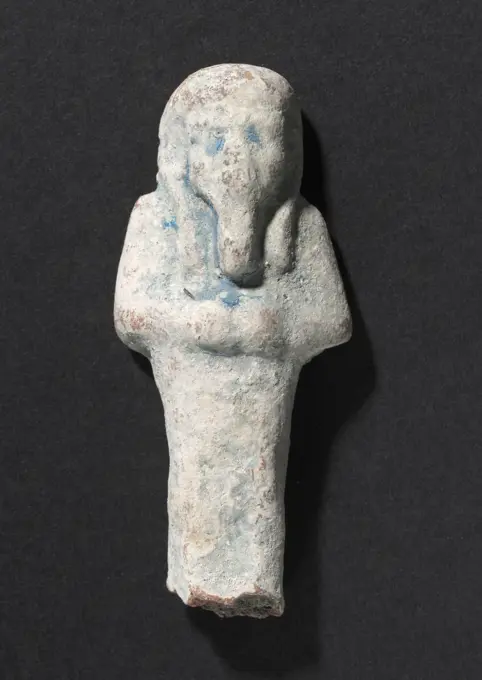
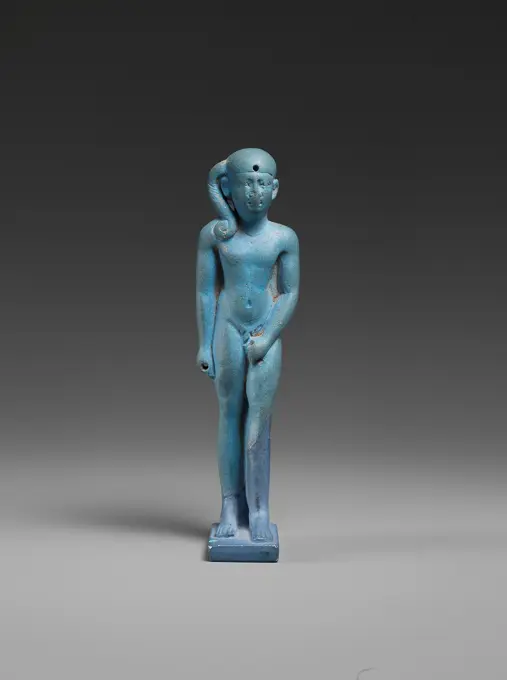
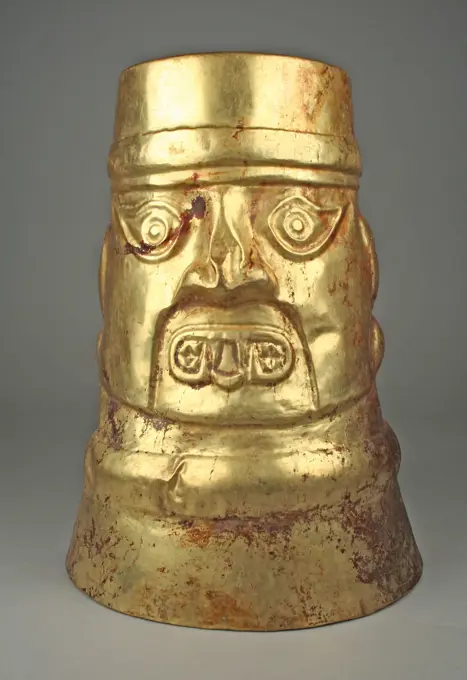
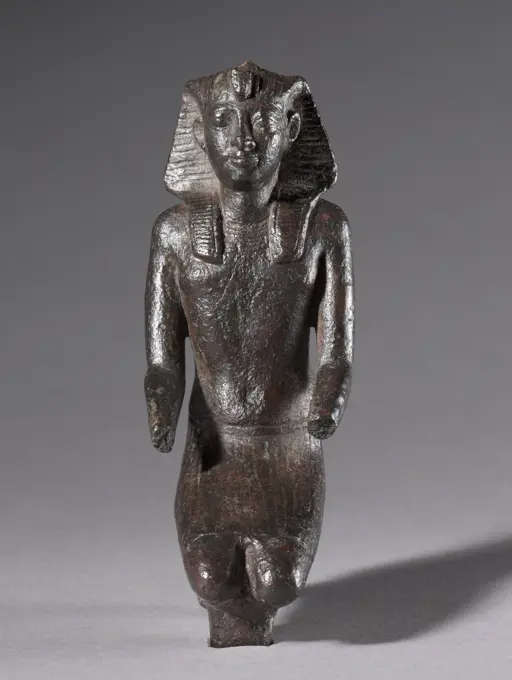
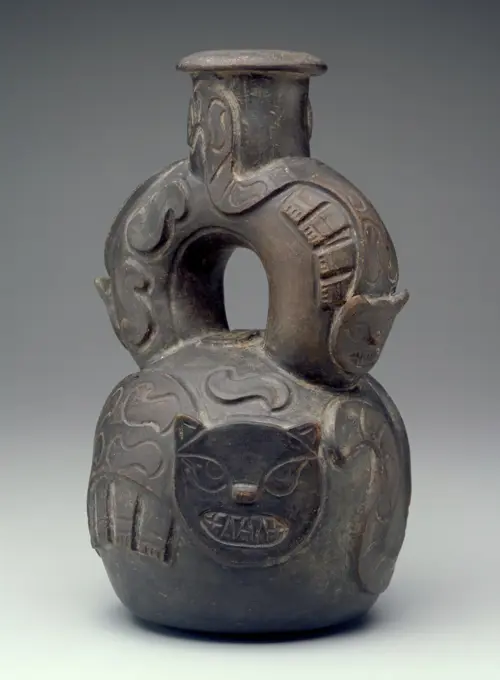
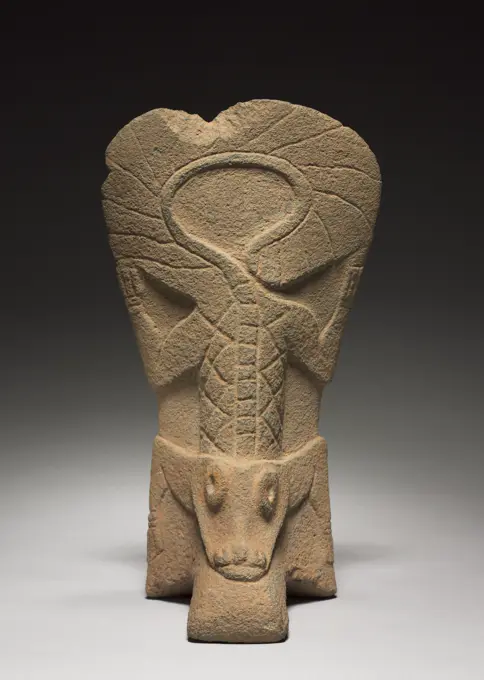
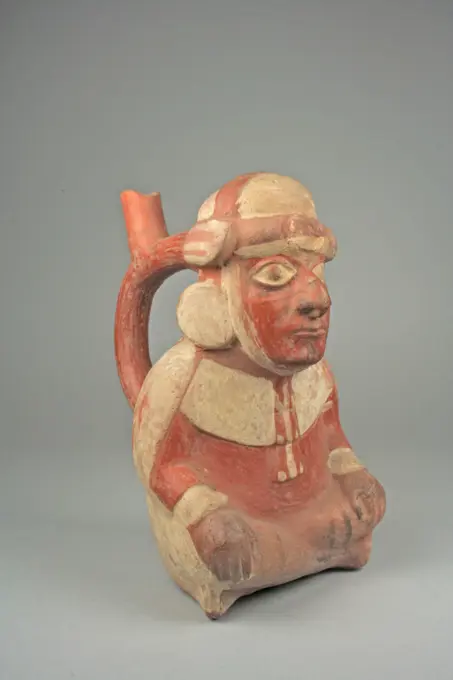
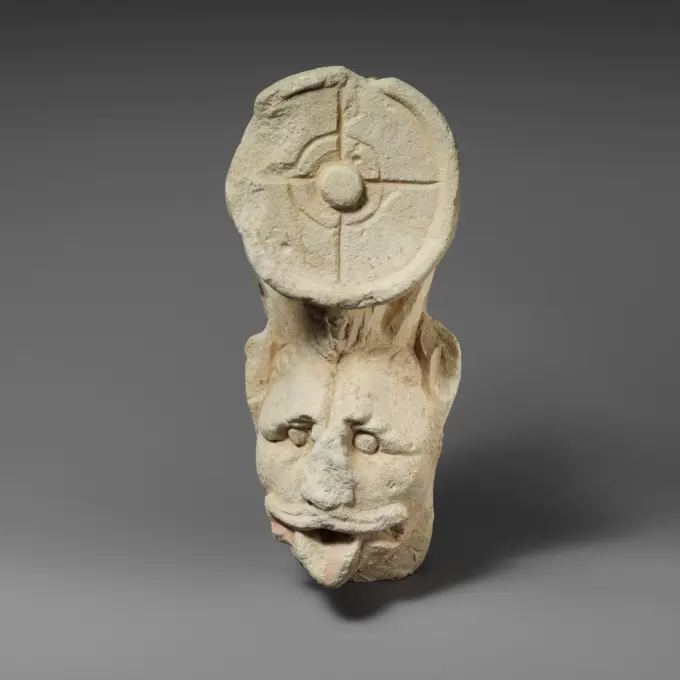
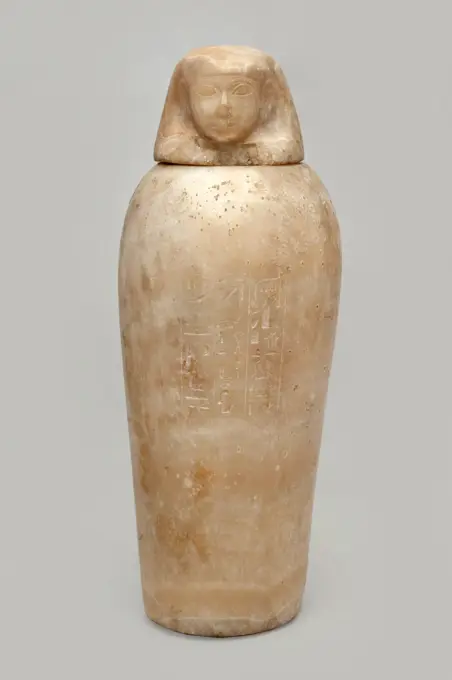
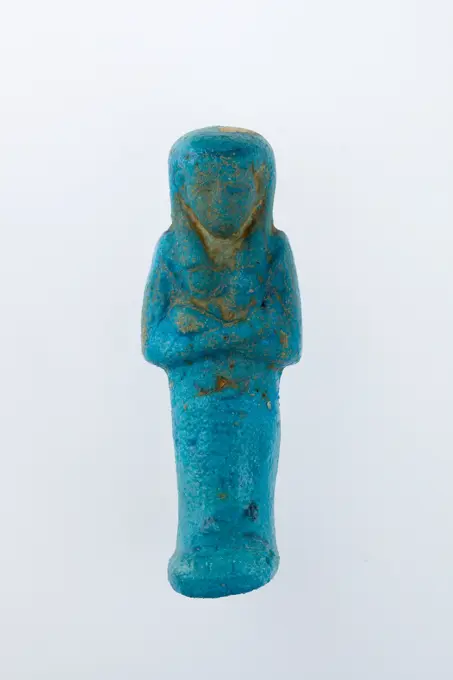
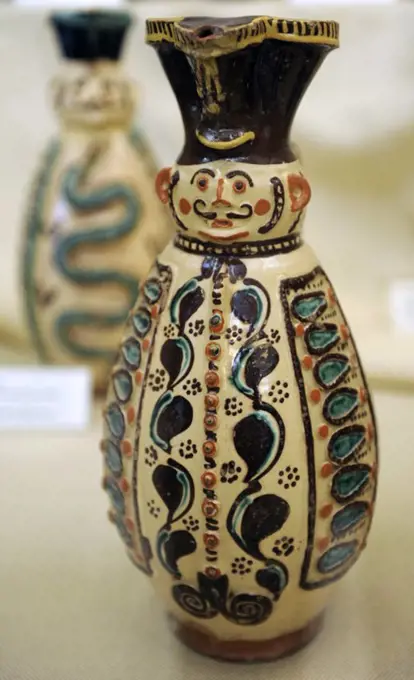
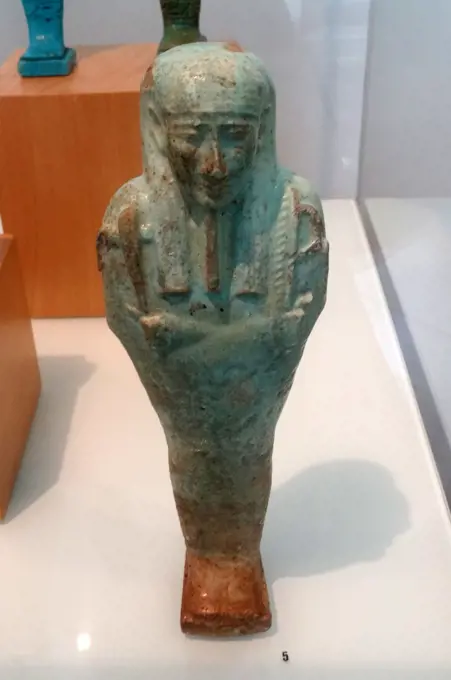
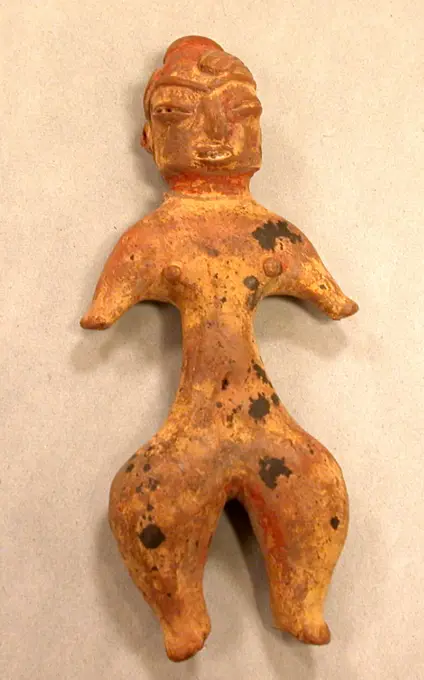
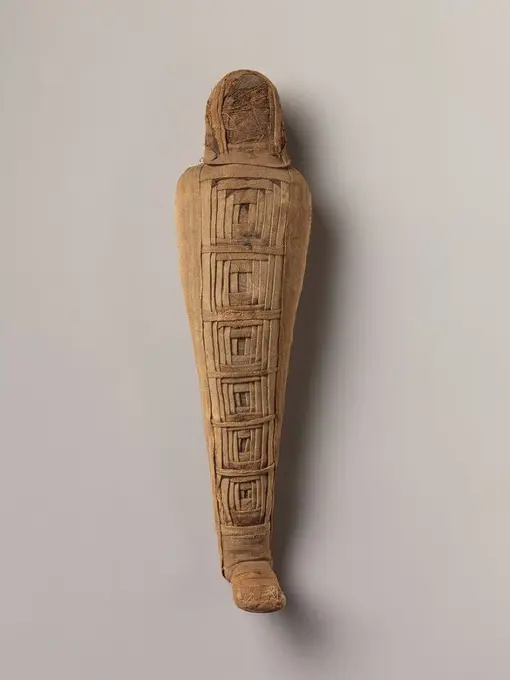
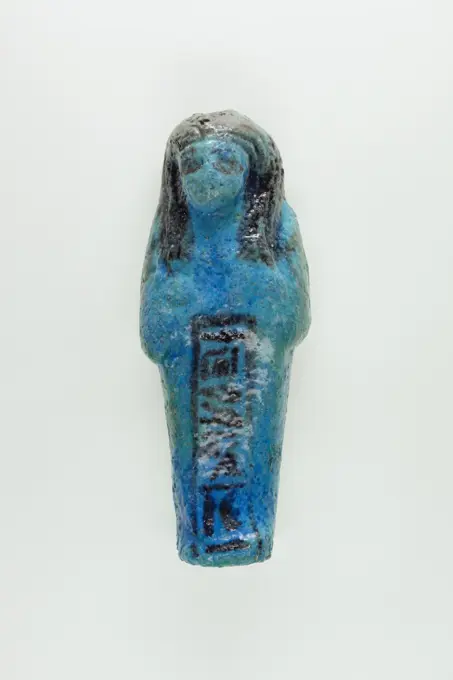
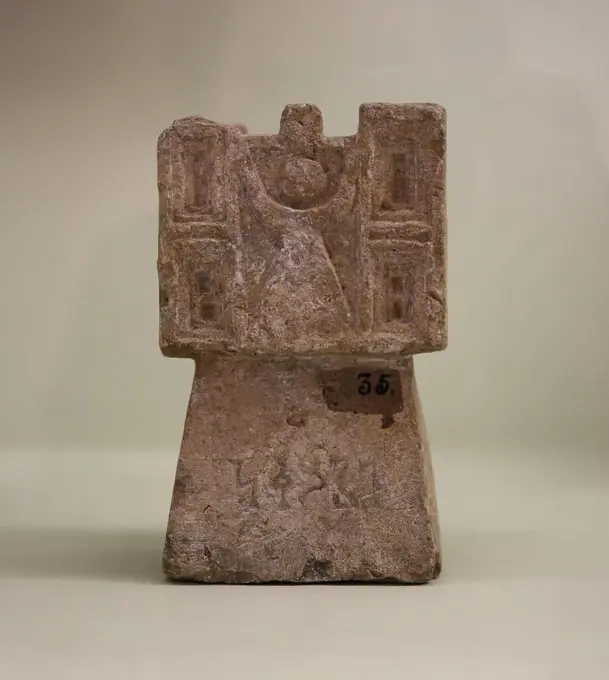
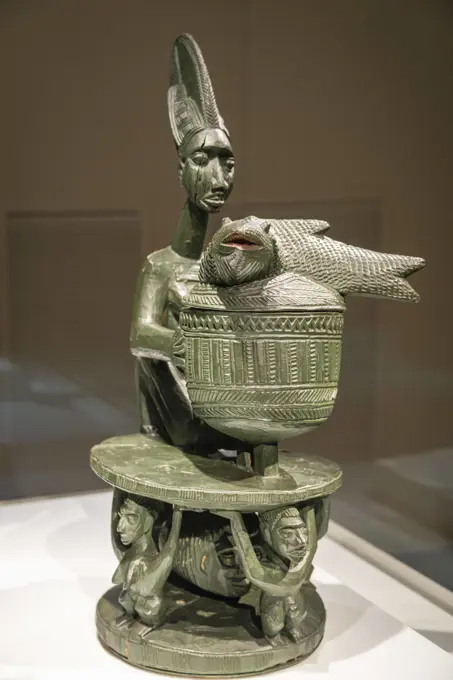
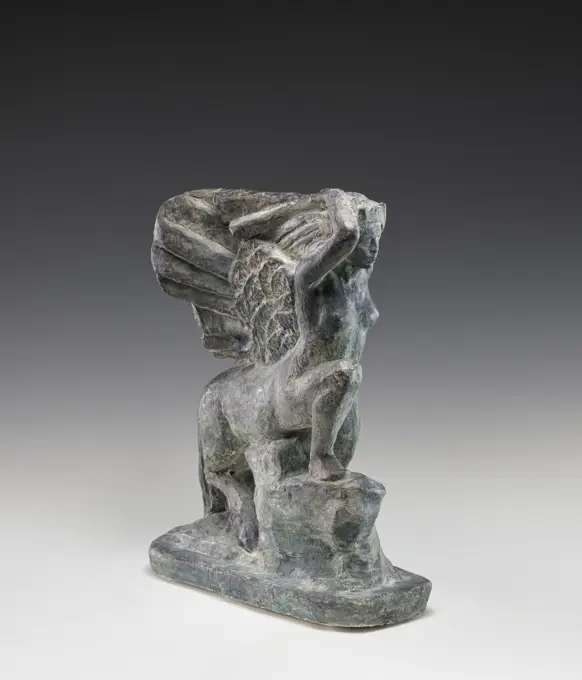
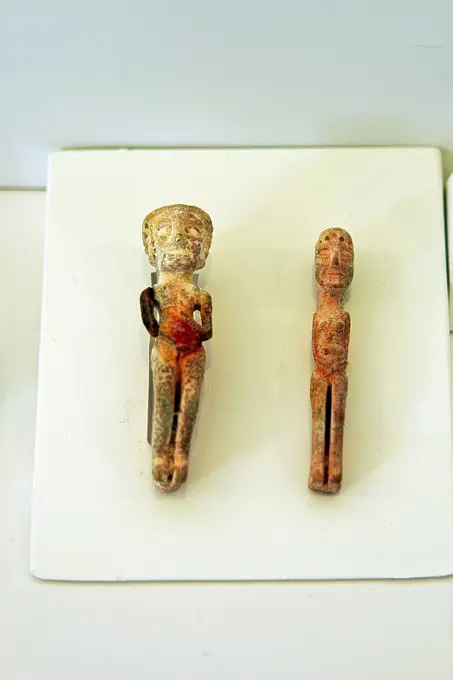
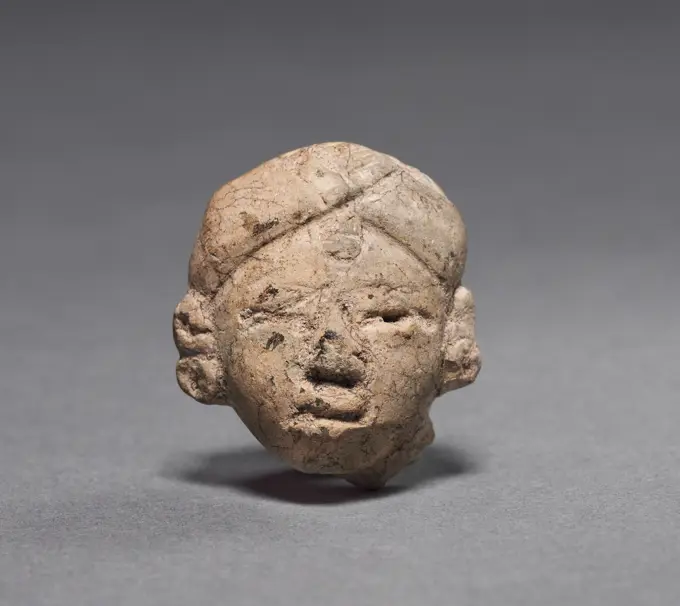
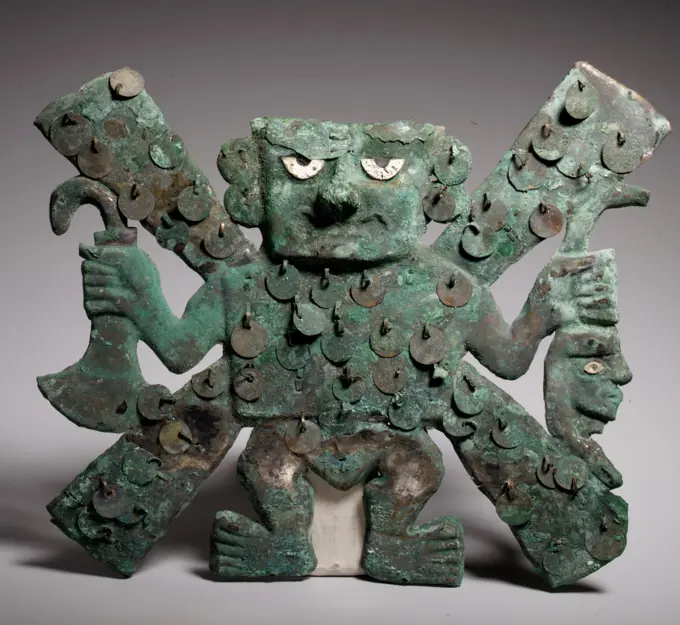
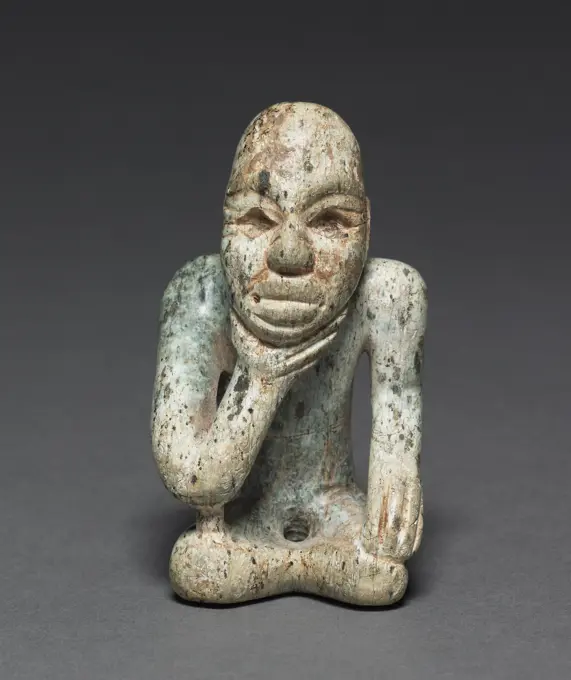
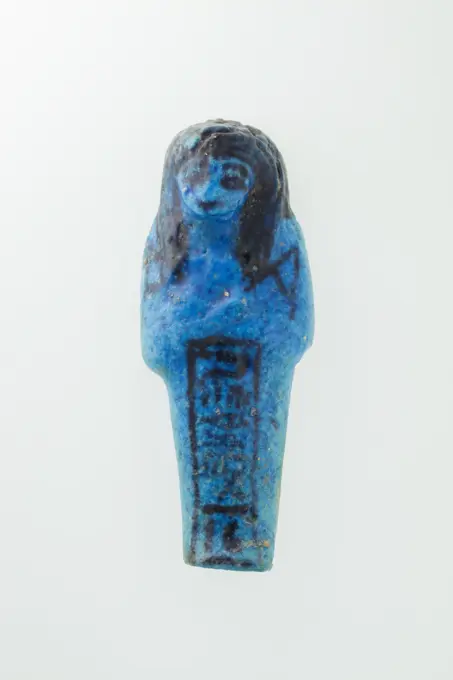
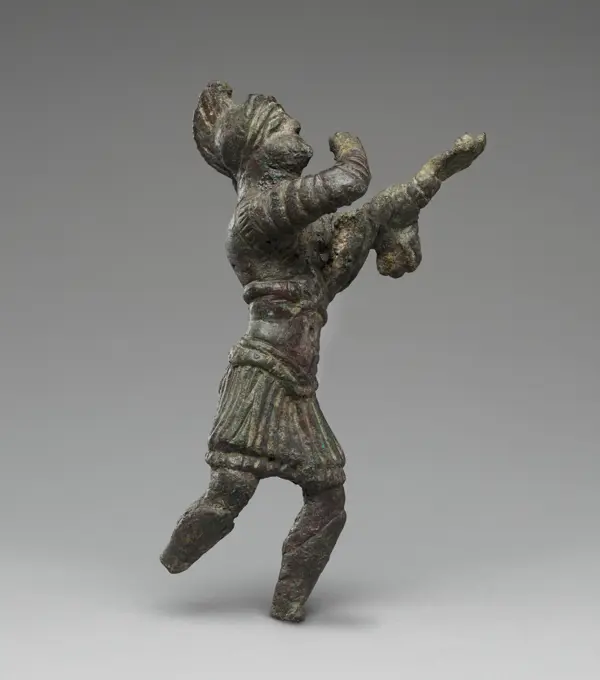
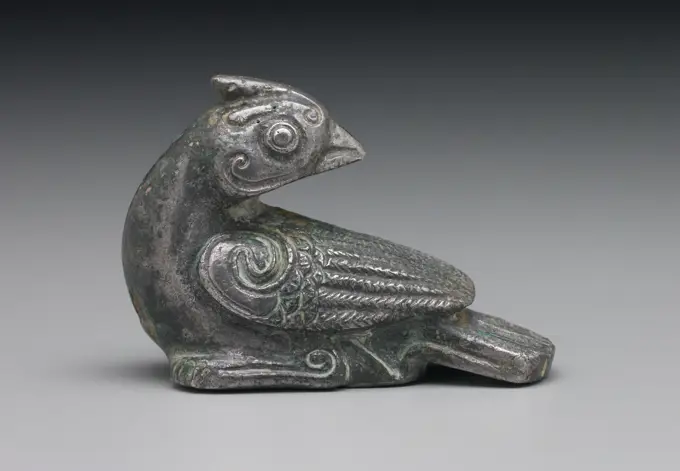
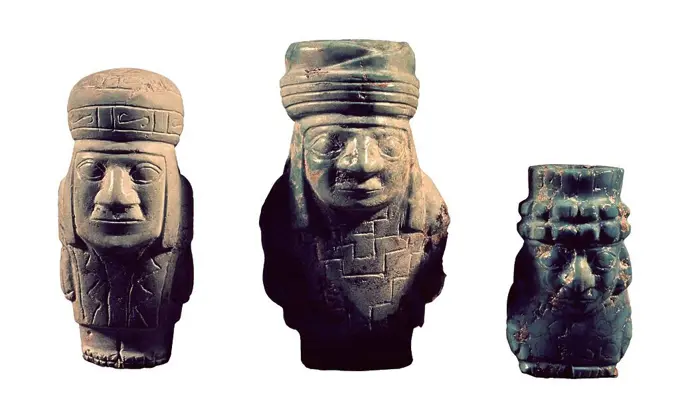
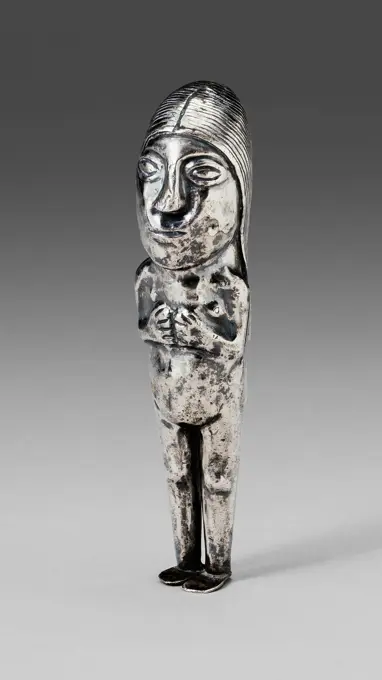
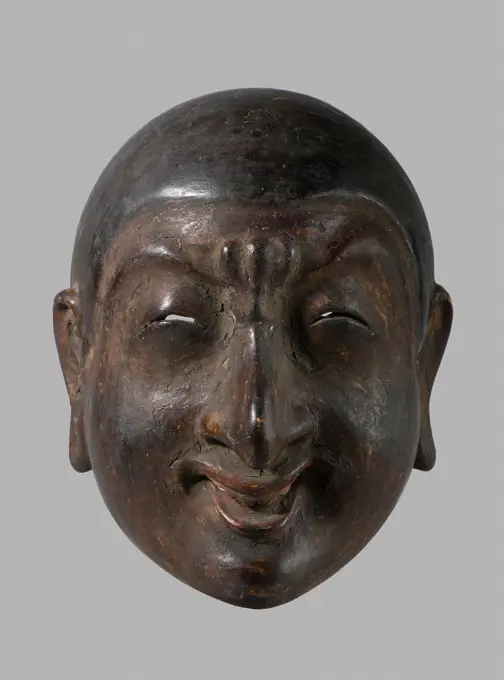
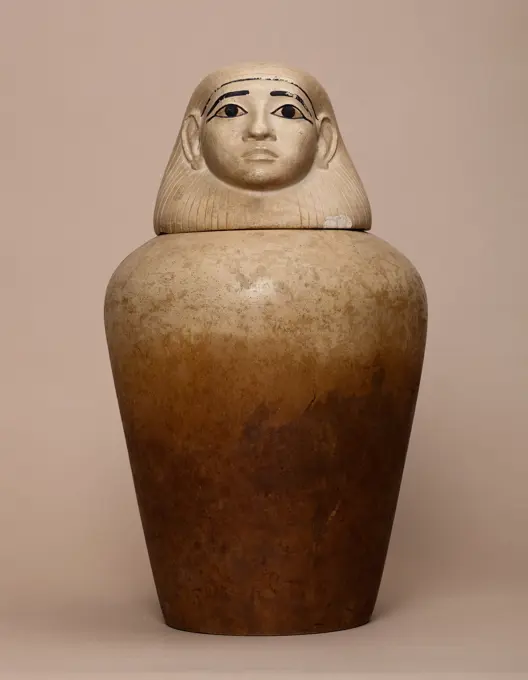
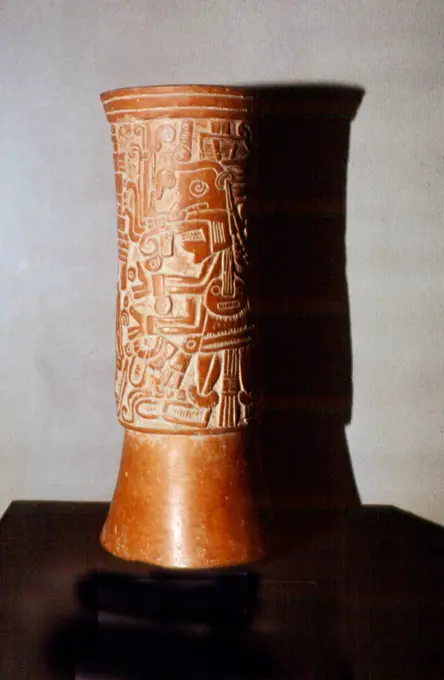
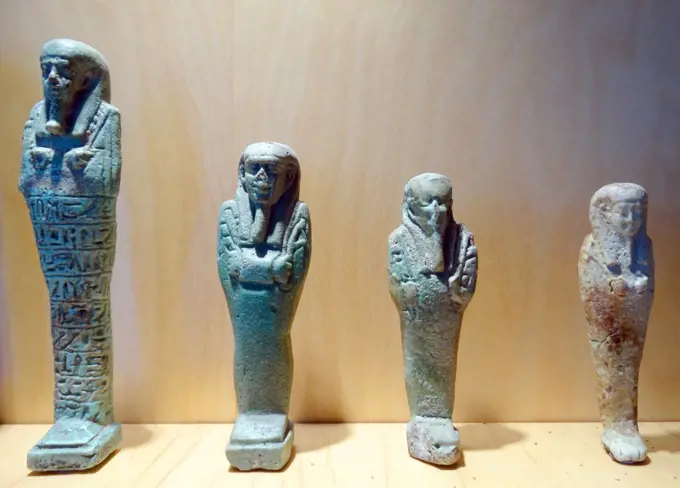
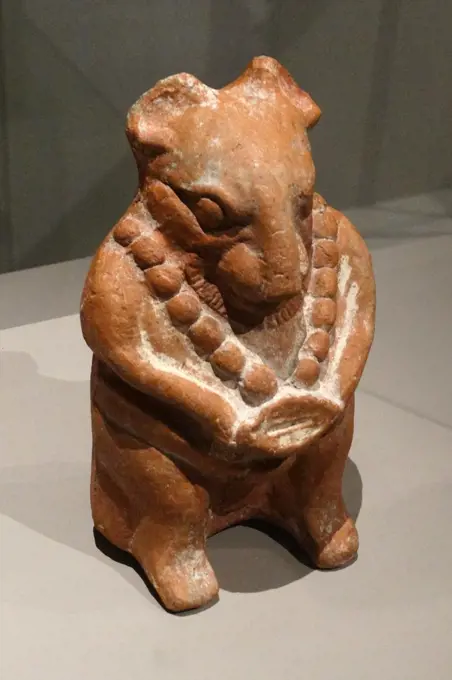
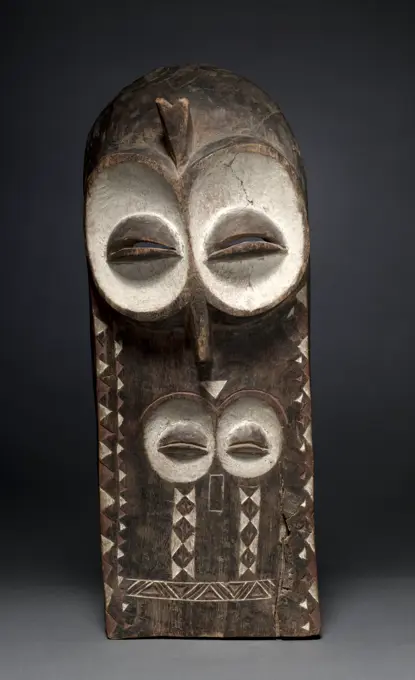
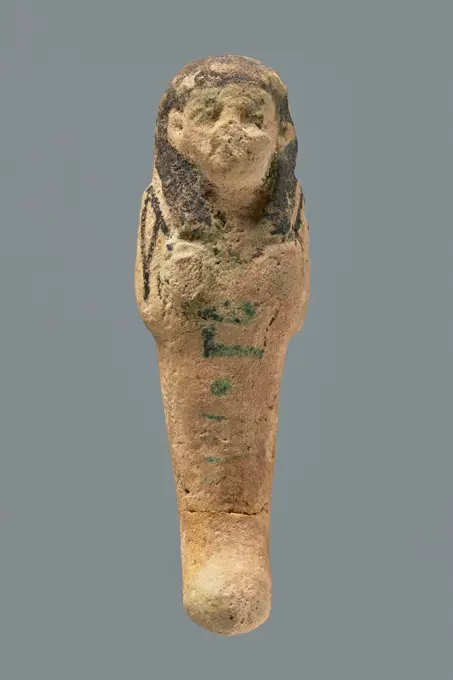
Ceramic vessel Virú culture 100 BC-200 AC Perú.Female Figurine 1400-1533 Inca This female figurine is hollow and composed of worked sheet metal of a gold-rich silver alloy. The subject is a woman in a pose comparable to a range of other Inca metal figurines that depict women. The head is notably large relative to the rest of the body, and the eyes are almond-shaped. The figure stands upright with hands and arms pulled close to the chest, and with hair pulled back into two tresses fastened with a tassel, similar to the tassel or ribbon worn by women in the Peruvian altiplano today (Valencia 1981, 57). Within the corpus of Inca anthropomorphic metal figurines, there are essentially three height groups (5-7 cm, 13-15 cm, 22-24 cm), and this object is in the smallest height group. The place where this figurine was deposited is unknown. However, it was likely deposited as part of an Inca offering to a huaca (a Quechua and Aymara language term for a sacred entity). These huacas range from a rock to a river to a mountain. The figure itselStirrup Spout Bottle with Seated Figure 2nd-1st century B.C. Moche. Stirrup Spout Bottle with Seated Figure 309326Tlaloc, c. 1200-1519. Central Mexico, Aztec, 13th-16th century. Stone; overall: 29 x 19.5 x 13.5 cm (11 7/16 x 7 11/16 x 5 5/16 in.).Head of Hathor from a clapper the inscription calling the musician who used it "beloved by the goddess Mut , Lady of Isheru (Karnak) ca. 1295-664 BC New Kingdom, Ramesside-Third Intermediate Period On this element is the emblem of Hathor, the goddess head wearing a modius of uraei topped by an naos with a uraeus. Inscribed on each jamb of the naos is the phrase "Beloved of Mut, mistress of Isheru," referring to the owner of the object, probably a priestess in Muts temple. Sitting at the sides and on top of the naos are four cats. Doubles of cats are closely associated with Mut, probably representing Re and his daughter who do battle with the serpent Apopy in the afterworld; more generally cats may represented the pacified lioness.This piece appears to be upper part of a clapper - a long flat blade would have originally extended below the ornamental top and played against a second clapper to beat time for dance. Clappers were accompaniment at vintage or harvest, and for secular and relStanding Male Figure with Club. Mexico, Nayarit, Nayarit, 200 BCE-500 CE. Ceramics. Slip-painted ceramicZoomorphic or anthropomorphic Mayan figurine with human and owl features. From Jaina, Campeche, Mexico 600-900 ADFaience aryballos (oil flask) in the form of a hedgehog 6th century B.C. East Greek Hedgehogs are among the most common forms of faience oil flasks. The center of production of these vases has traditionally been identified as Naucratis, a Greek trading colony on the Nile Delta, in Egypt.. Faience aryballos (oil flask) in the form of a hedgehog. East Greek. 6th century B.C.. Faience. Archaic. Miscellaneous-FaienceFigure vase in the form of Taweret with a human head ca. 1184-1070 B.C. New Kingdom, late Although certainly derived from an Egyptian form, the style and faience of this figure vase are not characteristic of Egyptian production. It may have been produced in another area of the Mediterranean.. Figure vase in the form of Taweret with a human head 547783Vessel, Dignitary 1st century B.C.-A.D. 7th century Moche. Vessel, Dignitary 313306Bodhisattva. Head of a bodhisattva; highly prepared hairdresser; A dimple at the place of the urna.Ceramic vessel Virú culture 100 BC-200 AC Perú.TUMI DE MADERA ESTILO MOCHE PREHISPANICO. Location: MUSEO DEL ORO COL MUJICA. Lima. PERU.Taweret Amulet 664-30 B.C. Late Period-Ptolemaic Period. Taweret Amulet 552722Jue libation vessel, 8th century BCE, 7 5/16 × 6 1/4 × 3 13/16 in., 1.3 lb. (18.57 × 15.88 × 9.68 cm, 0.6 kg), Bronze, China, 8th century BCEBronze foot in the form of a sphinx ca. 600 B.C. Greek Between the eighth and sixth centuries B.C., elaborate bronze vessels were among the preeminent creations of Greek artists. This foot was probably one of three supporting an extremely large, shallow basin. Mythological creatures such as the sphinx here and the griffin (1972.118.54) nearby should be understood as guardian figures not simply decoration.. Bronze foot in the form of a sphinx. Greek. ca. 600 B.C.. Bronze. Archaic. BronzesPot with Ram's Head. Afghanistan, 2nd-4th century. Furnishings; Cookware. Terracotta with paintFigure of Luohan China. Figure of Luohan 61577Mayan Clay Figurines c.700-1000 A.D. Campeche, Mexico Pre-Columbian Collection of The Museum of Contemporary Art, Jacksonville, FloridaRazor ca. 1390-1295 B.C. New Kingdom. Razor. ca. 1390-1295 B.C.. Bronze or copper alloy. New Kingdom. From Egypt. Dynasty 18, lateShabti. Egypt, Middle Kingdom - Ptolemaic Period (2061 - 31 BCE). Sculpture. Faience, green glazeTaweret Amulet. Dimensions: H. 3.9 cm (1 9/16 in.). Dynasty: Dynasty 26-30. Date: 664-30 B.C.. Museum: Metropolitan Museum of Art, New York, USA.Blue Faience Shabti Late Period, Blue, Ceramics, inscription, Hieroglyphics, Antiquities, Ancient Egypt, Antiquities, North AfricaStanding MaleFigure.  Maker: UnknownUshabtiDemon Mask. Japan, 18th century. Costumes; Accessories. Wood with sumiLula Mask  African Art Christie's Images, London Mayan whistle figurine, made from terracotta. From Quiche, Neba, Guatemala. 600-800 ADBridge and Spout Bottle 3rd century B.C. Paracas. Bridge and Spout Bottle 308483Tripod Vessel with Lid, 250-600. Mexico or Central America, Maya style (250-900). Earthenware with pigment; overall: 10 x 11.1 cm (3 15/16 x 4 3/8 in.).Head, 1-750. Mexico, Teotihuacan. Pottery; overall: 10 x 8.5 cm (3 15/16 x 3 3/8 in.).Bottle: Head 12th-9th century B.C. Cupisnique. Bottle: Head 309138Bottle, Enthroned Figure. Culture: Moche. Dimensions: Overall: 8 1/8 x 6 1/8 in. (20.64 x 15.54 cm)Other: 6 1/8 in. (15.54 cm). Date: 1st-4th century. Museum: Metropolitan Museum of Art, New York, USA.Miniature Mask, 250-750, Earthenware, Mexico, 3rd-8th centuryCanopic Jar of Ruiu. Dimensions: H. 33.5 cm (13 3/16 in.). Lid: H. 11.5 cm (4 1/2 in.); Diam. 12.2 cm (4 13/16 in.); Diam. of rim 8.8 cm (3 7/16 in.). Jar: H. 24.5 cm (9 5/8 in.). Dynasty: Dynasty 18, early. Reign: reign of Thutmose I-early sole Thutmose III. Date: ca. 1504-1447 B.C..The burial of Ruiu was found in the tomb of her father, Neferkhawet, which was excavated by the Museum's Egyptian Expedition in 1935. Ruiu's coffin and canopic box had been placed in the east chamber of the tomb along with the burials of seven other family members. The canopic box had been badly damaged by dampness and insects, but enough was left to allow the archaeologists to reconstruct the box and its decoration and texts on paper.The box was divided into four compartments by two interlocking partitions, and the jars had been placed in these compartments. Each side of the box was decorated with the image of one of the four funerary goddesses: Isis, Nephthys, Selkit, and Neit. In the texts on the box,UshabtiShawabty of Ditamenpaankh, 715-656 BC. Egypt, Late Period, Dynasty 25. Terracotta; overall: 6.2 x 2.6 x 1.3 cm (2 7/16 x 1 x 1/2 in.). High demand for shawabtys in the Late Period, a time when as many as 400 or more shawabtys were placed in the tomb with the deceased, gave rise to a specialized container for storing them: the shawabty box. This example is inscribed for the lady of the house, Ditamenpaankh, and was probably one of a pair originally made for her. The single-masted boat on the box's lid is perhaps an allusion to the pilgrimage of the deceased to the holy city of Abydos, the cult city of Osiris, king of the dead. The shawabtys inside are crude, mass-produced examples cast in an open mold. Made of terracotta, their blue paint imitates more costly shawabtys made of faience. As for the shawabty spell, it has been removed from its traditional location on the shawabty's front and relocated onto the sides of box, where it needed only to be written once, thus expediting productiAmulet: Harpokrates Late Period 664-332 B.C.Turkey, Kanesh (Assyrian colony) Statuette representing the Goddess of fertility, ivoryInverse-Face Beaker 9th-11th century Lambayeque (Sicán). Inverse-Face Beaker 309976Close Helmet ca. 1550 Italian, Milan or Brescia The fantastic appearance of this helmet, with its visor shaped like a griffin's head and the comb of the bowl raised into the form of a serpent's body, indicates that it was part of an elaborate pageant armor.. Close Helmet. Italian, Milan or Brescia. ca. 1550. Steel, gold, silver. Milan or Brescia. HelmetsStatuette of Kneeling King, 304-30 BC. Egypt, Greco-Roman Period, Ptolemaic Dynasty. Bronze, solid cast; overall: 4.2 x 5.5 cm (1 5/8 x 2 3/16 in.); with tang: 12.7 cm (5 in.); without tang: 11 cm (4 5/16 in.).Vessel, 1400-1000 BCE, 10-1/8 x 5-7/8 x 5-5/8 in. (25.7 x 14.9 x 14.3 cm), Ceramic, Peru, 14th-10th century BCE, The beautiful ceramics of the Chavin culture are boldly conceived with strong sculptural elements. Their burnished dark grey and brown surfaces are subtle, allowing the sophisticated artistry of the surface decoration to predominate. Chavin vessels vary widely in shape and ornamentation, illustrating the value placed on individual expression. This jar is covered with jaguars, powerful predators that appear frequently in the iconography of South American cultures. They were commonly associated with high status individuals such as warriors and priests, who would have used a finely made vessel such as this one for sharing of ceremonial beverages.Ballgame Palma, 900-1100. Mexico, Gulf Coast, Classic Veracruz style (600-1100). Stone, pigment; overall: 43.5 x 24 x 15 cm (17 1/8 x 9 7/16 x 5 7/8 in.).Male Figurine, 400-100 BC. Mesoamerica, Guanajuato or Michoacán, Chupícuaro. Ceramic, pigment; overall: 8.8 x 4.8 x 1.7 cm (3 7/16 x 1 7/8 x 11/16 in.).Avian Axe-God PendantBottle, Seated Figure 5th-7th century Moche. Bottle, Seated Figure 309498Handle of a Throwing Stick, c. 700-900. Peru, South Coast, Tiwanaku style, 400-1000. Bone; overall: 7.7 x 3 cm (3 1/16 x 1 3/16 in.).Fragment of a limestone throne () with the head of a horned lion ca. 1st-3rd century A.D. Cypriot Throne supported by a horned lion-griffin.. Fragment of a limestone throne () with the head of a horned lion 242189Canopian urn with human him in;  around 1550-1295 BC ; New Pał 18 dynasty (-1550-00-00--1295-00-00);Amenhotep Huy (CA 1390-1352 A.C.), Potoccy, Jabłonna, Scene.gal.EG., Canopian urnsAmulet of Pataikos 800 BCE-300 BCE Egypt. Ceramic . Ancient EgyptianAnthropomorphic sculpture, central square museum, Chichicastenango, municipality of the department of El Quiché, Guatemala, Central America.Worker Shabti of Henettawy (C), Daughter of Isetemkheb ca. 990-970 B.C. Third Intermediate Period See 25.3.19.. Worker Shabti of Henettawy (C), Daughter of Isetemkheb 591117Fragment of a head, 2 1/4 x 3 1/2 x 3 3/4 in. (5.7 x 8.9 x 9.5 cm), Earthenware, MexicoJewellery from Tomb No. 7 of Monte Alban, Museum, Church of the former Dominican Monastery of Santo Domingo in Oaxaca de Juárez, Oaxaca, Mexico, Central AmericaFigure Pendant 5th-10th century Tolima. Figure Pendant 316689Head - figurine fragment. unknown, craftsmanPre-Columbian gold artifact in the Museo del Oro. Famous Gold Museum, Bogota, Colombia. Pre-Columbian gold artifacts in the Museo del Oro. Golden indigenous ornament from South American natives civilization. Famous Gold Museum, Bogota, Colombia. Copyright: xZoonar.com/www.artushfoto.eux 21638052Miniature Mask 1300-1400 Mexico. Small masks such as this were worn as part of ceremonial attire. Figures representing deities and ancestors were often attached to the costumes of the dancers and performers who enacted mythical and historic dramas during theatrical ritual presentations.. Wood, gold foil, and shell with pigment and resin . MixtecMiska jug, 1855. Mezocsat, Borsod county. Ethnographic Museum. Budapest. Hungary.Egyptian Ushabti or ushabtis. The ushabti also called shabti or shawabti, was an Ancient Egyptian funerary figurineIncensario (Incense Burner) Support, 600-900. Mesoamerica, Maya, Palenque region, Classic Period (250-900) or modern. Earthenware with pigments; overall: 92.1 x 48.3 x 24.8 cm (36 1/4 x 19 x 9 3/4 in.).Stirrup Spout Bottle with Deer. Culture: Moche. Dimensions: H. 11 x W. 6 in. (27.9 x 15.2 cm). Date: 4th-7th century. Museum: Metropolitan Museum of Art, New York, USA.Female Figure 12th-9th century B.C. Tlatilco. Female Figure 317179Seated Female Figure. Mexico, Basin of Mexico, Teotihuacan, Teotihuacan, 150-450 CE. Ceramics. Slip-painted ceramicCeramic bridge and spout vessel in the form of a human figure. Dated 1st CenturySacred animal mummy in the form of a falcon. Dimensions: H. 37.5 cm (14 3/4 in.); W. 9 cm (3 9/16 in.); D. 6.7 cm (2 5/8 in.). Date: ca. 400 B.C.-100 A.D..Animal cultsThe Egyptians considered certain individual animals to be living manifestations of a god, such as, since earliest times, the Apis bull . Those individuals were duly mummifed when they died and buried for eternal life, then replaced by another single living manifestation. During the first millennium BC, many multiples of animals associated with certain gods were specially raised in temple precincts as simultaneous avatars of that god and then mummified in large contingents and deposited in catacombs for eternal life. The ancient perception of these multiples, the evolution of the practice in this direction, and variations within the practice are not easily accessible to us. But the hundreds of thousands of often elaborately prepared animal mummies found in catacombs and other locales testify to its ancient resonance.AniWorker Shabti of Nany ca. 1050 B.C. Third Intermediate Period See 30.3.26.1a, b. Worker Shabti of Nany 625709Bird, 1900s. Central Africa, Democratic Republic of the Congo, 20th century. Elephant ivory; overall: 17.7 cm (6 15/16 in.).Incense burner, 1st century AD. From Yemen. Pre-islamic period. Istanbul Archaeological Museum. Ancient Orient Museum. Turkey.Emblem of the God Shiva (Linga) with Serpent Base 1101-1300 Eastern Java. Sandstone and andesite .Frau mit einem älteren Behälter für Ifa-Wahrsageinstrumente woman with an agere container to hold Ifa divination instruments, Yoruba, Nigeria 1920, carved and painted wood, MEB, Barcelona, Catalonia, Spain LicenseRF Copyright: xZoonar.com/Tolox 23171236Figurine of a Theater Mask (). Egypt, Roman Period (30 BCE - 395 CE). Jewelry and Adornments; masks. BronzeCenturzyca; Broniewska, Janina (1886-1947); 1914 (1914-00-00-1914-00-00);Amuletos de terracota representando la diosa madre.Museo de Menorca. Maó.Baleares.España.Figurine Head, c. 600-200 BC. Mexico or Central America, Maya(), Middle Preclassic period. Pottery; overall: 3.1 x 2.6 x 1.9 cm (1 1/4 x 1 x 3/4 in.).Male head wearing a helmet ca. 600-480 B.C. Cypriot The mold-made head is covered almost to the eyebrows with a helmet. The top of the helmet is bent back and three tassels hang from it. His face is thin and his eyes slope down unrealistically.. Male head wearing a helmet 241002Anonymous. "Java doll". Painted wood. Paris, Museum of Romantic Life. DOLLDecapitator Plaque 6th-7th century Moche (Loma Negra). Decapitator Plaque. Moche (Loma Negra). 6th-7th century. Silvered copper, shell. Peru. Metal-OrnamentsSeated Figure, 1200-300 BC. Mexico, Olmec, 1200-300 BC. Jade; overall: 9.3 x 4.8 x 4 cm (3 11/16 x 1 7/8 x 1 9/16 in.).Horseman 4th-3rd century B.C. Cypriot The figurine is handmade and solid, with a mold-made face. The nude, bearded figure is preserved to the hips, where there is a clean horizontal break from the rest of the figurine, which must have been a horse-and-rider group.. Horseman 241211Worker Shabti of Nauny ca. 1050 B.C. Third Intermediate Period See 30.3.30.1a, b. Worker Shabti of Nauny. ca. 1050 B.C.. Faience. Third Intermediate Period. From Egypt, Upper Egypt, Thebes, Deir el-Bahri, Tomb of Meritamun (TT 358, MMA 65), first corridor, burial of Nauny, MMA excavations, 1928-29. Dynasty 21Avian Axe-God PendantStatuette of a Bugler. UnknownPendant. Mexico, Oaxaca, Mixtec (), 1100-1520. Metal. GoldJade mask of an anthropomorphic god, Mayan AD 50-300. Pre-Columbian MesoamericanAmulet: Crown of Lower Egypt 664-332 B.C. Late Period Crown amulets, whether representing the Upper Egyptian or Lower Egyptian crown (compare 24.4.4), supplied the wearer with royal power. They bestowed royal status on the deceased, who was identified with the god Osiris, the king of the afterworld. Crowns themselves also bore great magical power.. Amulet: Crown of Lower Egypt. 664-332 B.C.. Faience. Late Period. From EgyptSilver AlloybirdFIGURAS INCAS DE TURQUESA - PROCEDEN DE PIKILLACTA (CUZCO) - CULTURA HUARI - 600-1000 DC. Location: MUSEO DE AMERICA-COLECCION. MADRID. SPAIN.Tunisia, Carthage, Glass paste maskFemale Figurine 1450-1532 Peru. Silver . IncaSuikjo; miniature mask for gigaku (ceremonial Buddhist);  19th century (1801-00-00-1900-00-00);Sharon Public Library. Financial Facilities. Massachusetts, no, rabies, Bolesław - collection, Japanese (culture), masks, Japanese art, theater, purchase (provenance)Canopic jar of Nephthys ca. 1981-1802 B.C. Middle Kingdom This Middle Kingdom canopic jar belongs to a set of four (11.150.17b-e), which were used to contain the viscera removed from the body during mummification. These four jars belong very probably to the burial of a mayors daughter called Nephthys (for her mummy, see 11.150.15c, and for her two coffins, see 11.150.15a, b). In earlier periods, canopic jars had simple disc-shaped or hemispherical lids. In the late First Intermediate Period to early Middle Kingdom, however, lids in the form of human heads were introduced.. Canopic jar of Nephthys. ca. 1981-1802 B.C.. Indurated limestone, paint, linen. Middle Kingdom. From Egypt, Middle Egypt, Meir, Khashaba excavations, 1910-11. Dynasty 12Necklace. Mexico, Oaxaca, Mixtec (), 1100-1520. Metal. GoldMayan pottery ceremonial vasel, Mexico.Egyptian Ushabti or ushabtis. The ushabti also called shabti or shawabti, was an Ancient Egyptian funerary figurineAnthropozoomorphe Mayan figurine Provenance unknown. (600-900 AD.) Ceramic. anthropomorphized rodent adorned with a necklace. As a symbolic representation, the rodent has been associated with shamanic transformations of men into animals.Mask (emangungu), possibly early 1900s. Africa, Central Africa, Democratic Republic of Congo, Bembe-style maker. Wood, kaolin, colorant, and iron; overall: 46 cm (18 1/8 in.).Boat;  around 1069 735 BC ; 3rd transition period, 21-22 dynasty (-1069-00-00--735-00-00);Mask. Culture: Indonesia (Java). Dimensions: H. 6 in. (15.2 cm); W. 4 5/8 in. (11.7 cm). Date: 8th-early 9th century. Museum: Metropolitan Museum of Art, New York, USA.