Ancient Bronze Artifacts

Historical bronze pieces, including fibulas and ritual cups, featuring intricate details that reflect ancient craftsmanship and cultural significance.
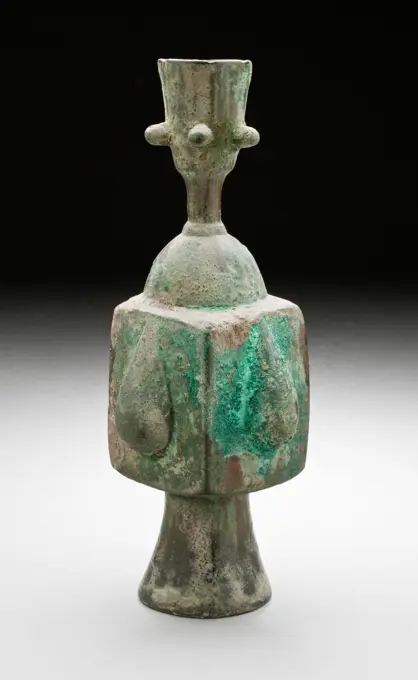
Bottle. Afghanistan, 9th-10th century. Metal. Bronze
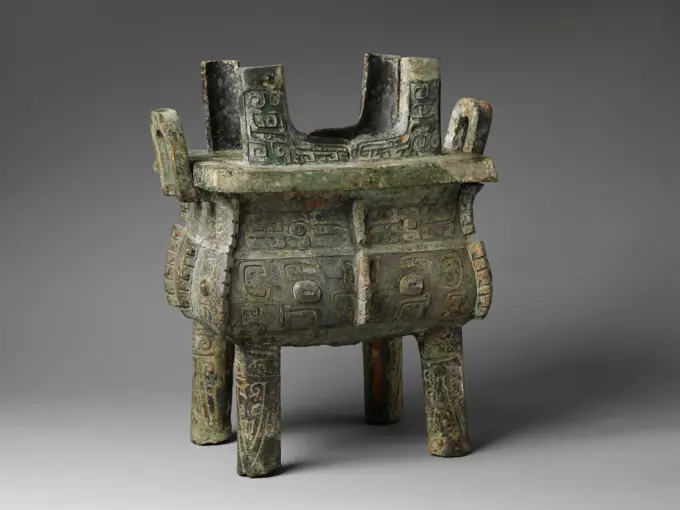
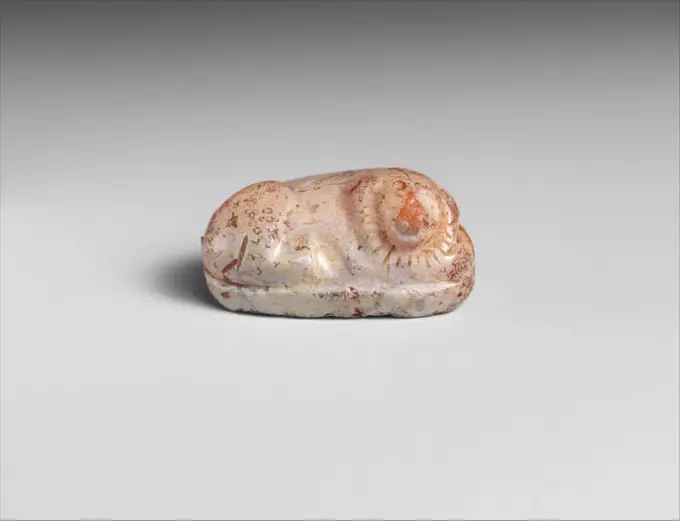
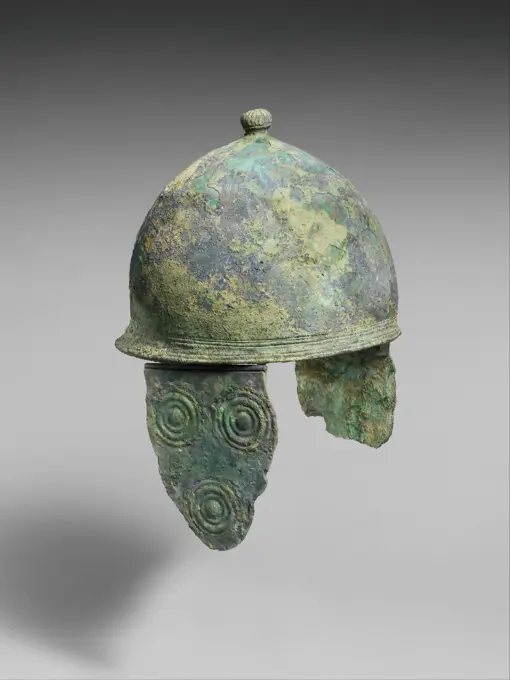
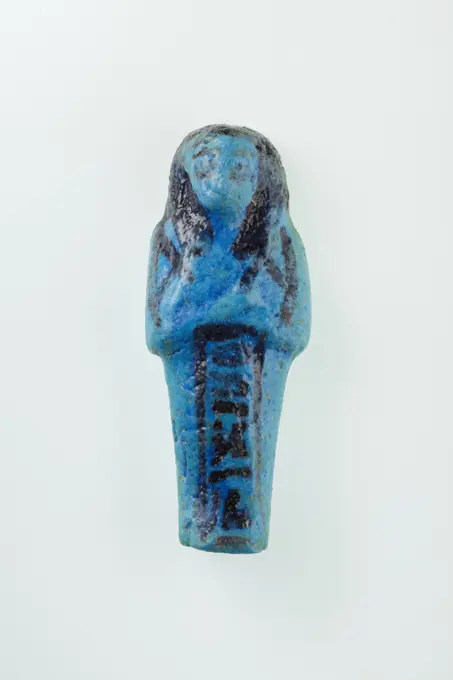
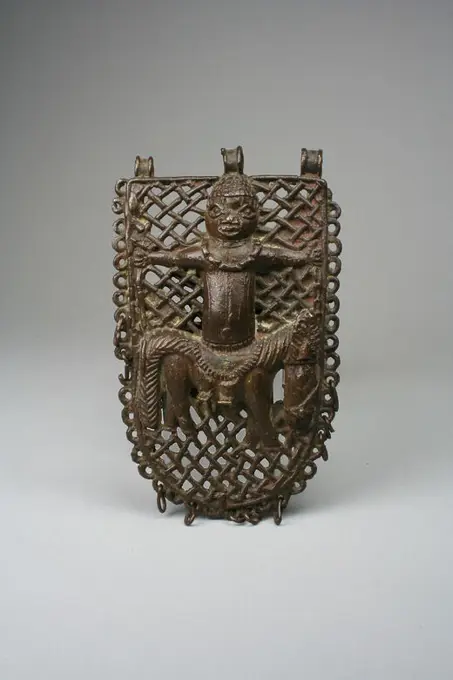
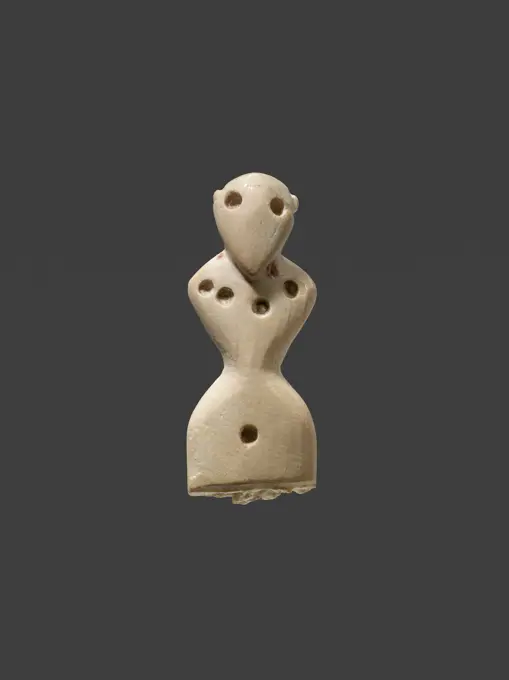
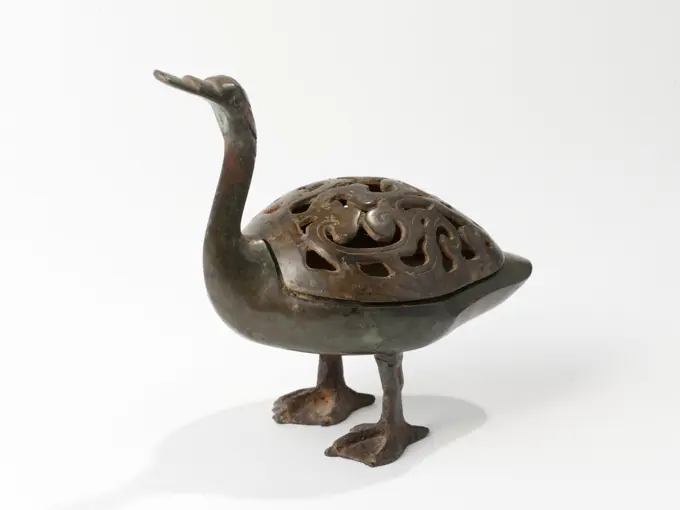
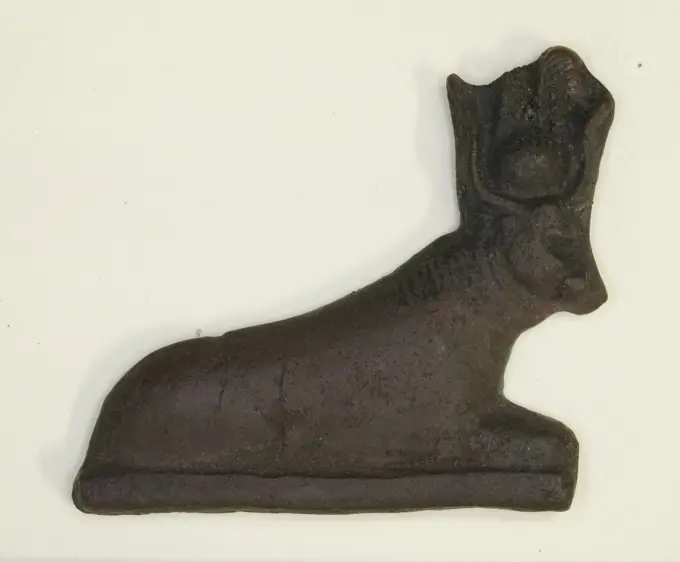
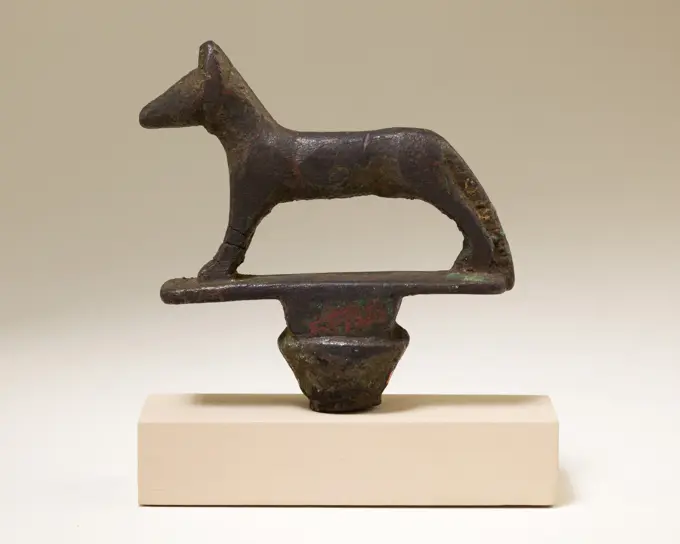
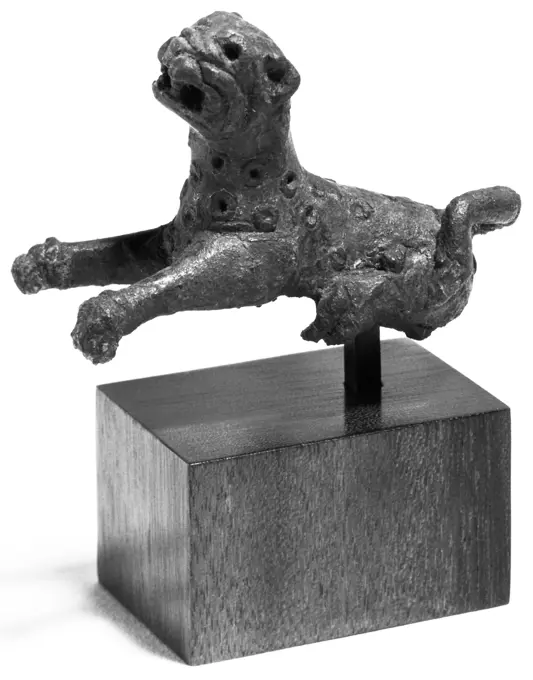
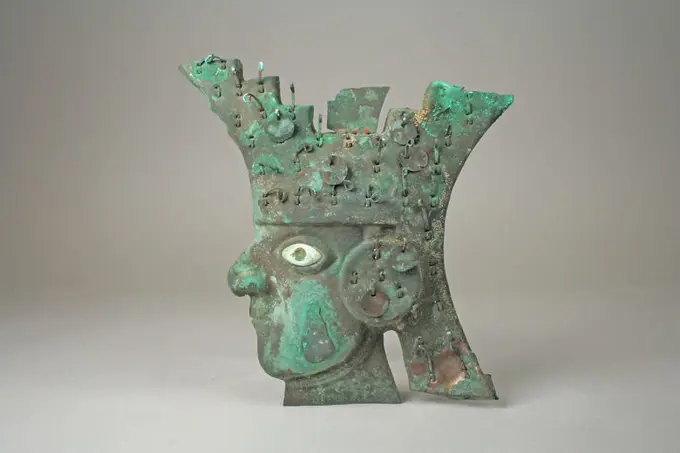
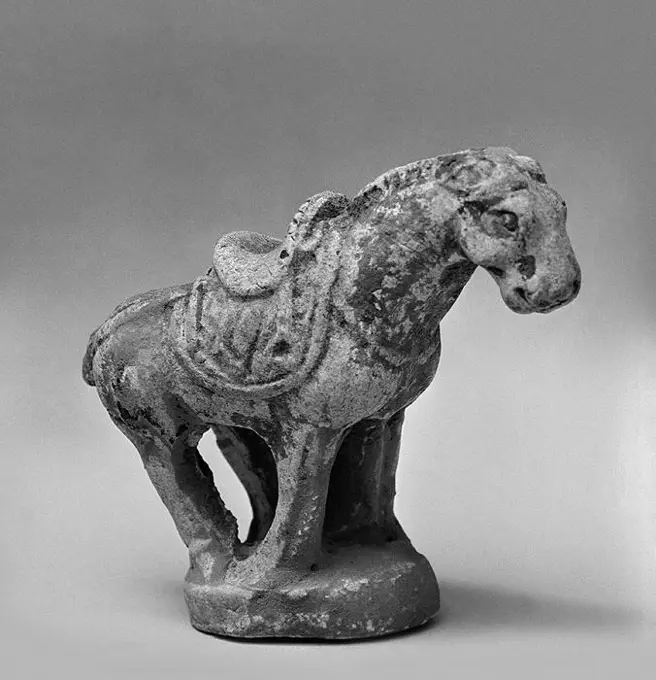
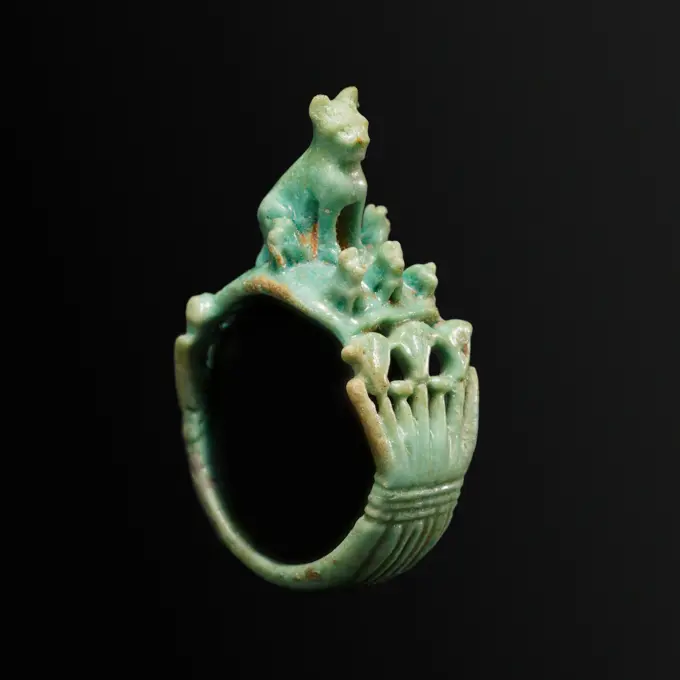
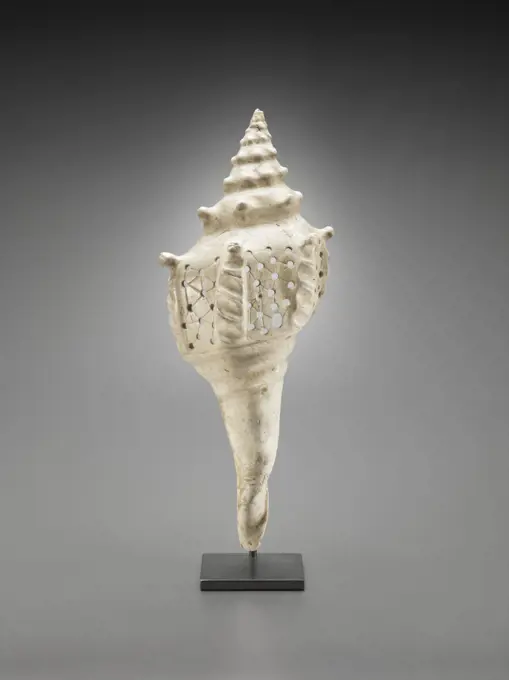
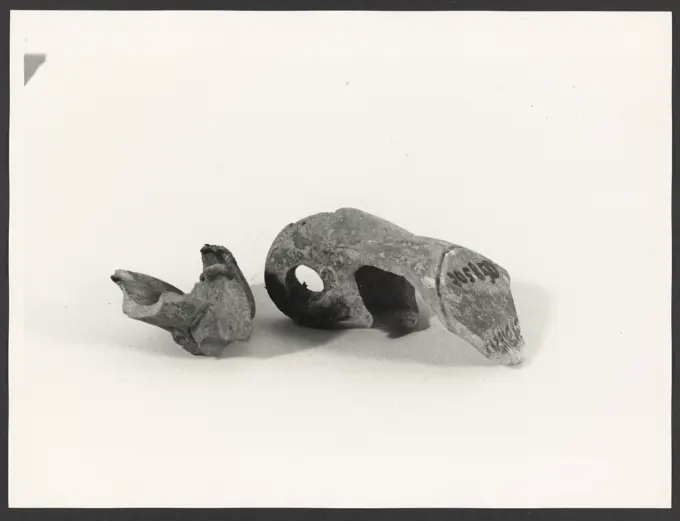
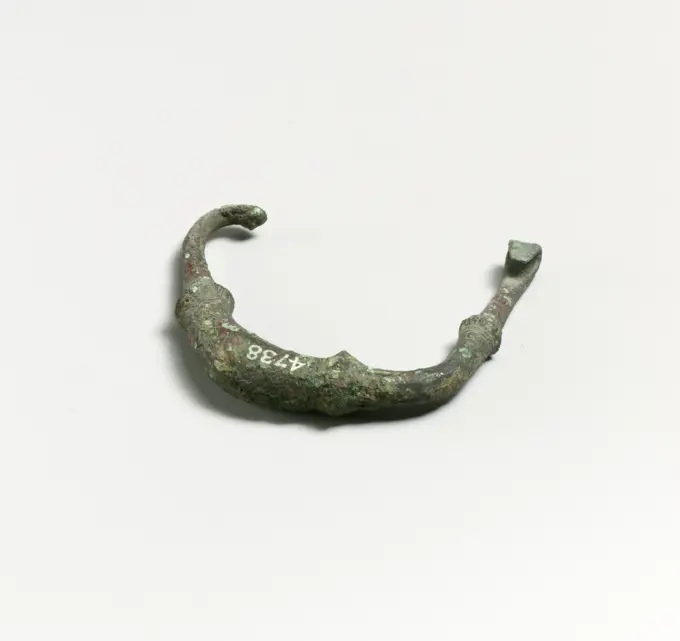
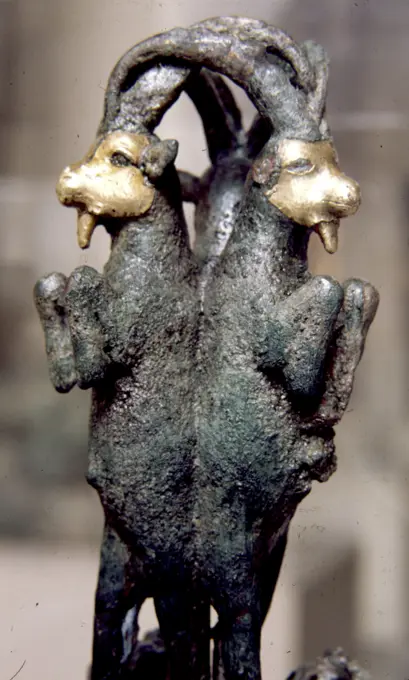
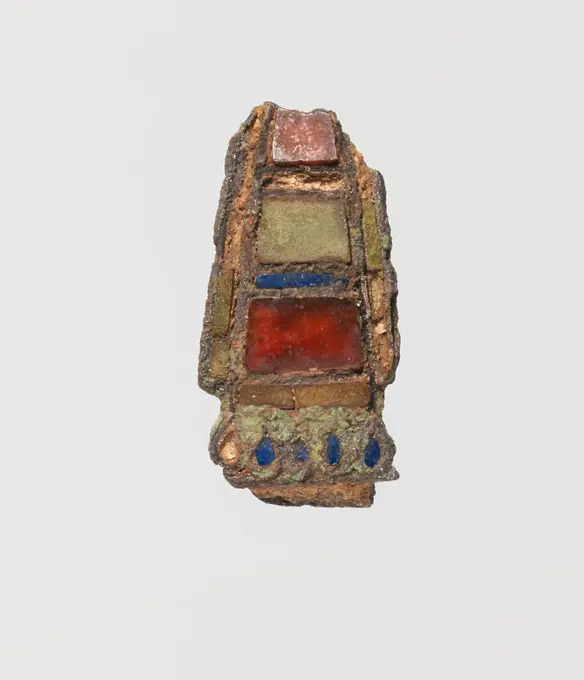
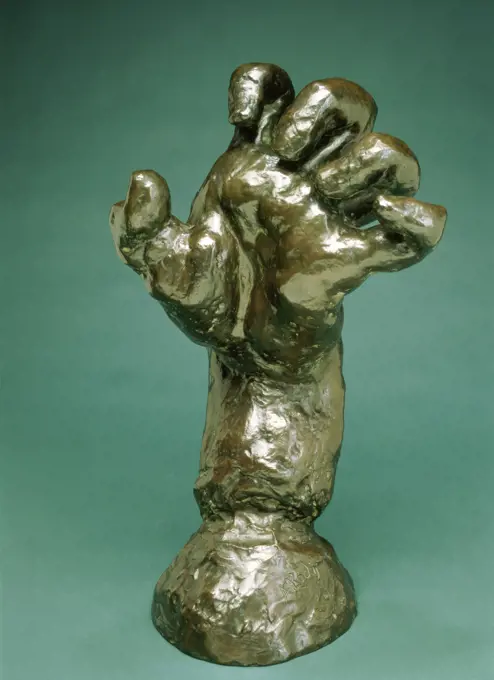
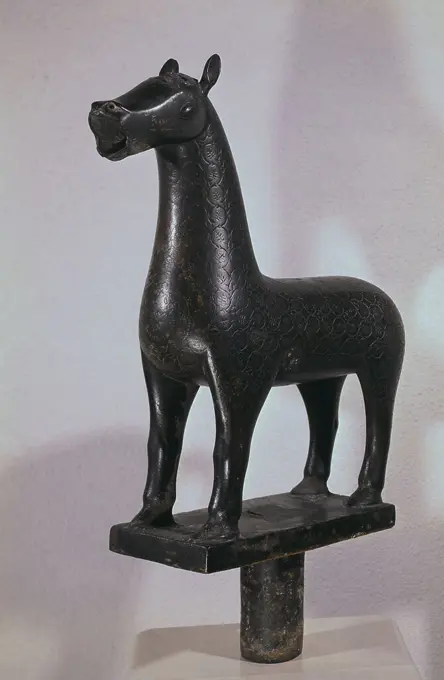
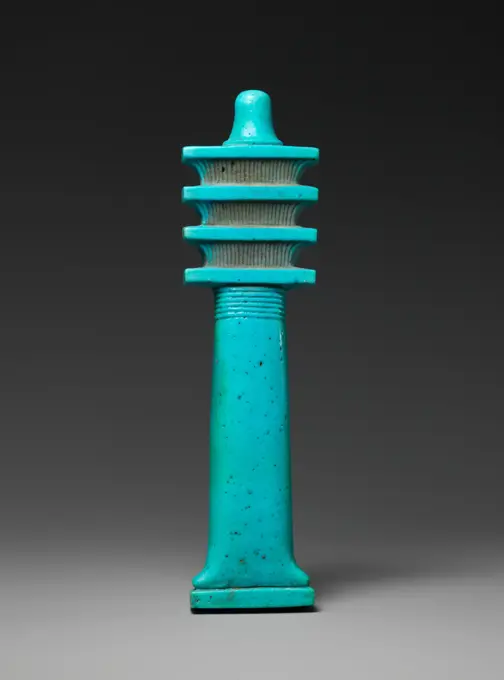
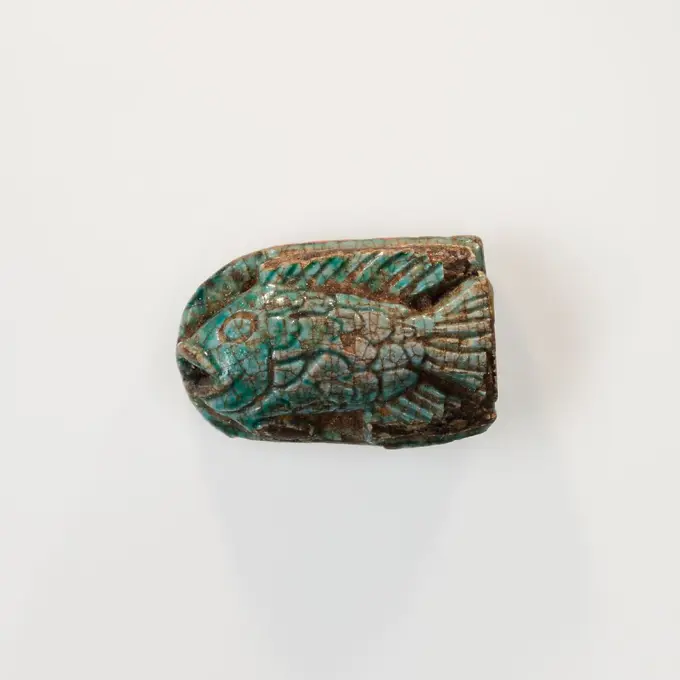
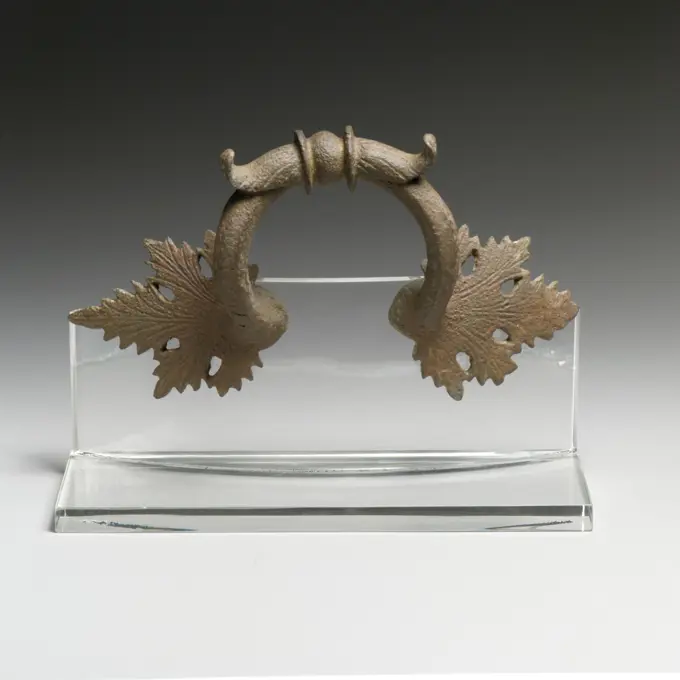
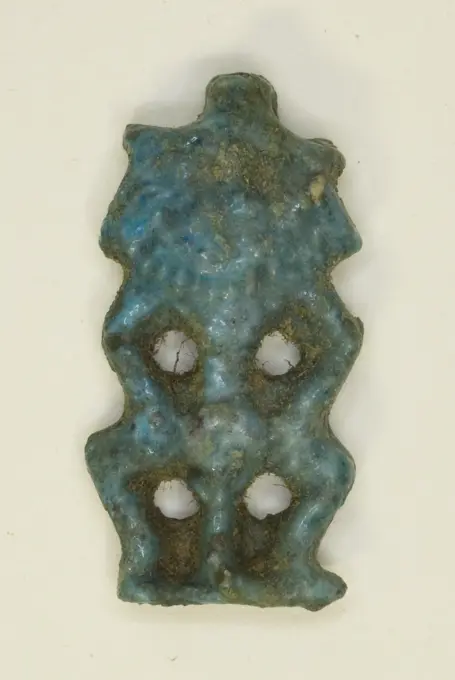
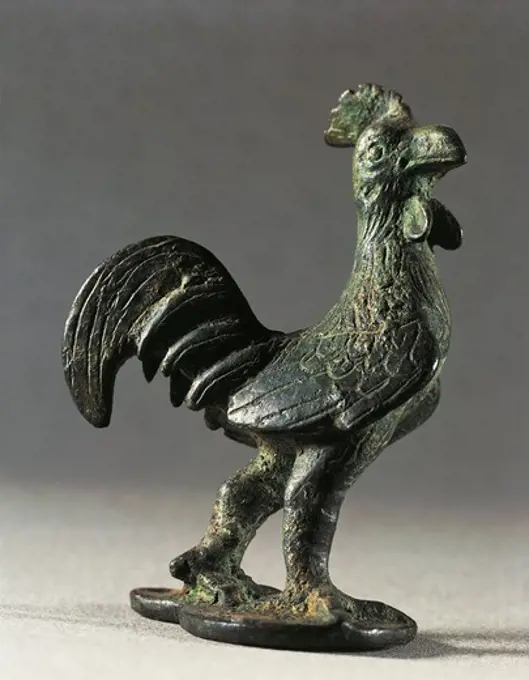
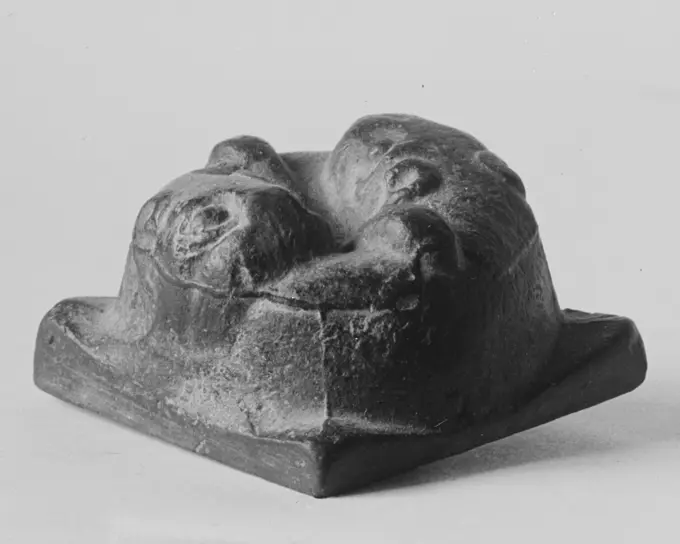
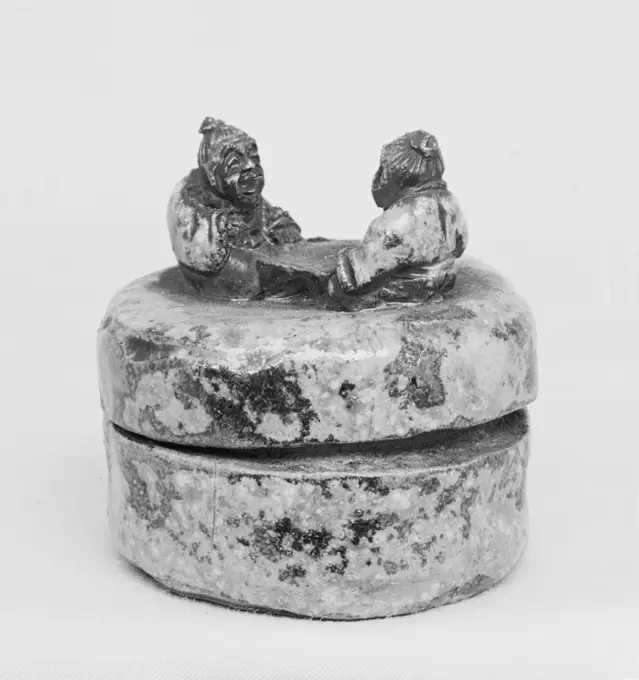
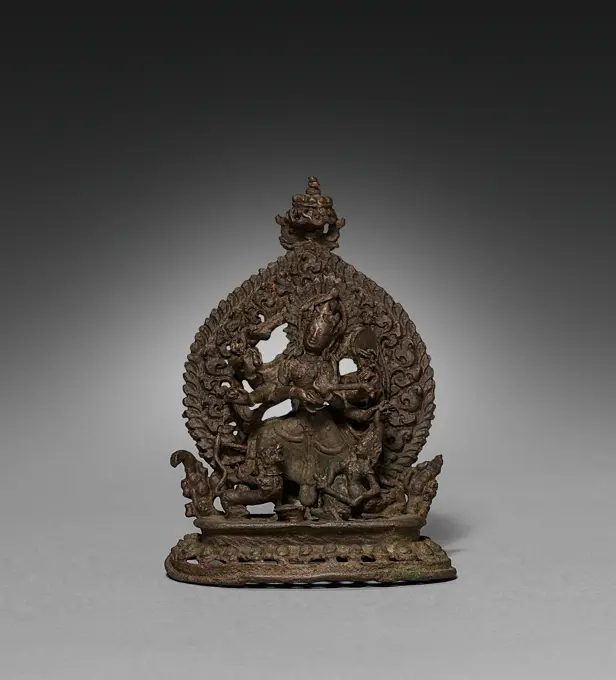
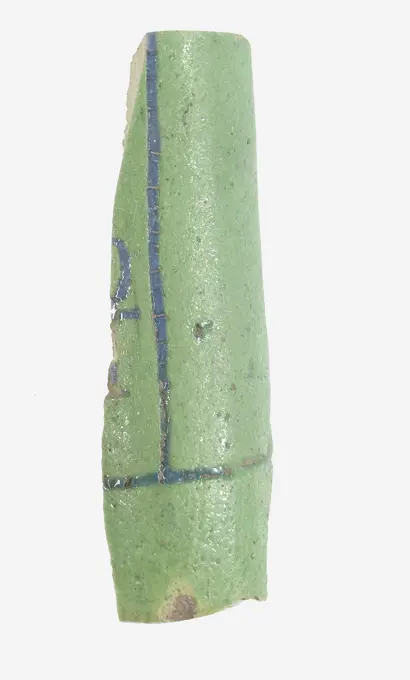
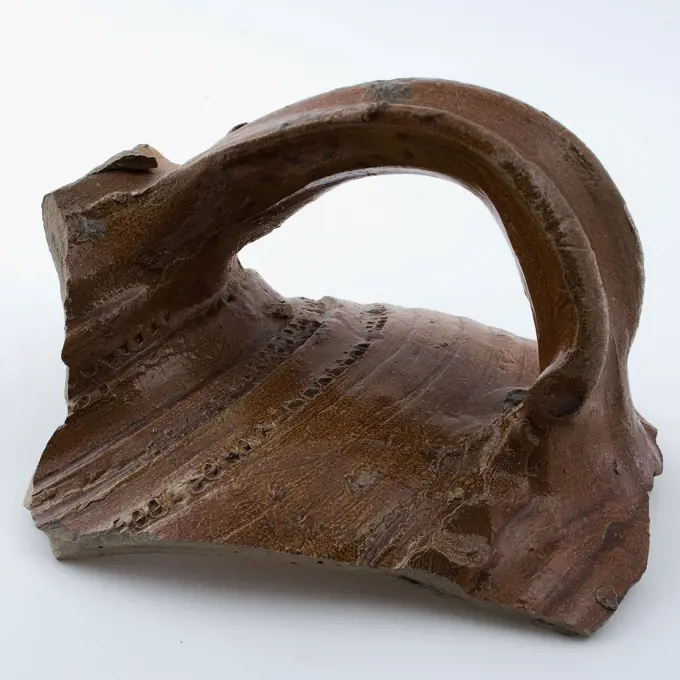
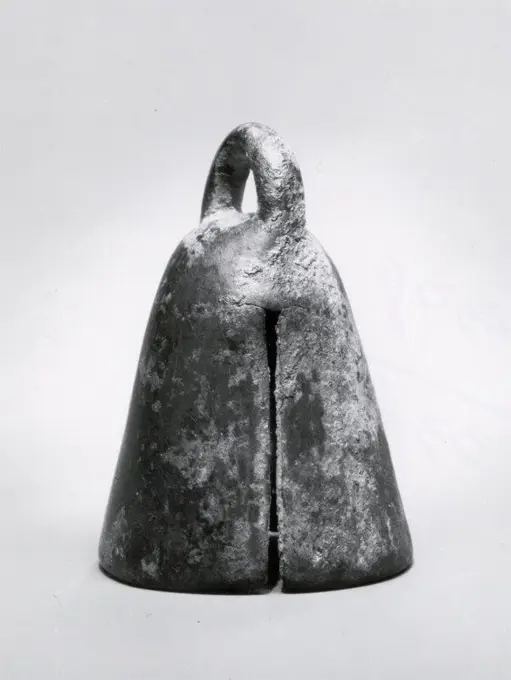
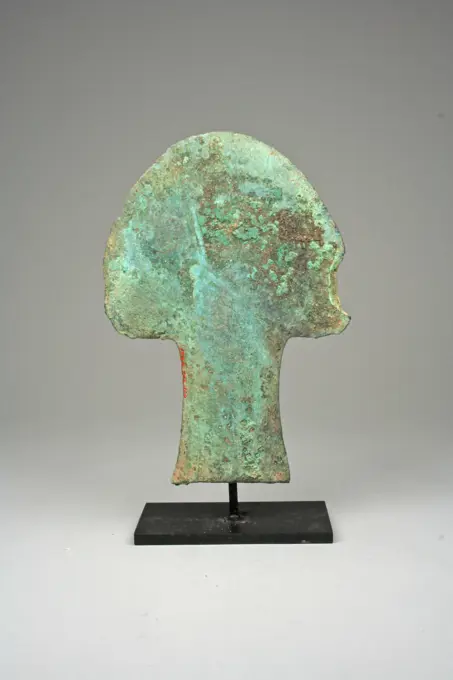
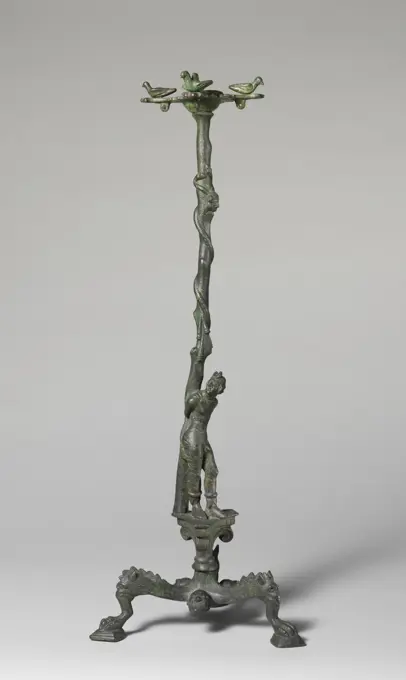
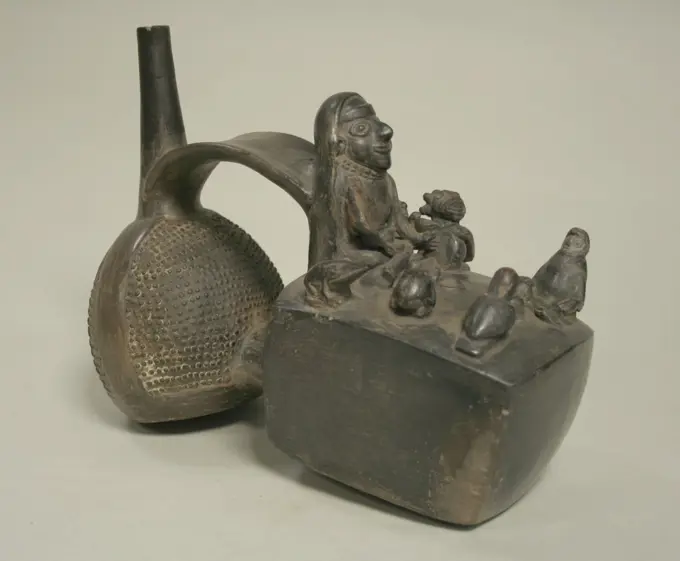
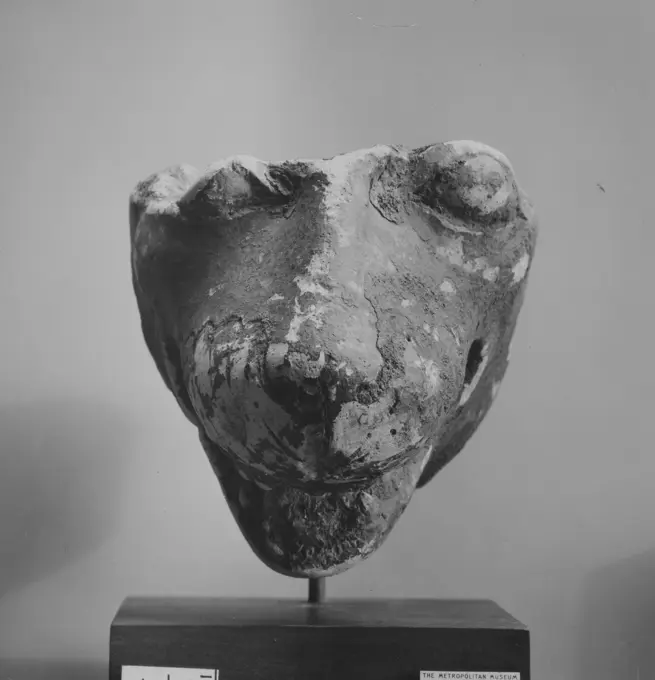
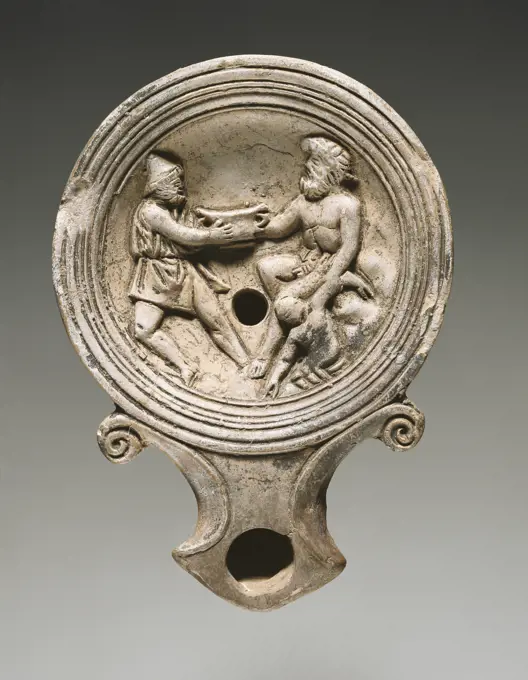
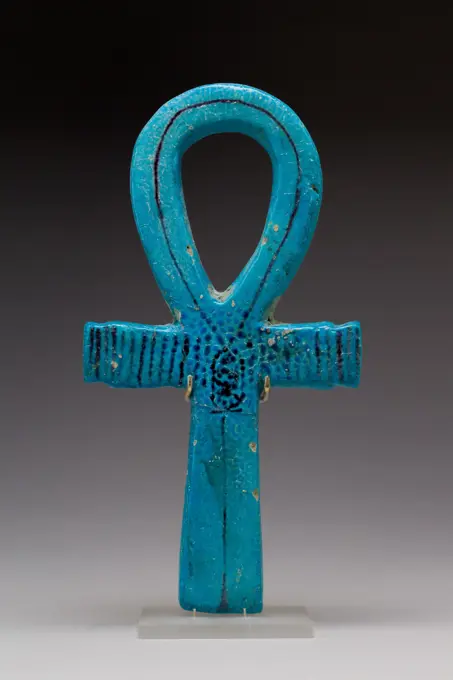
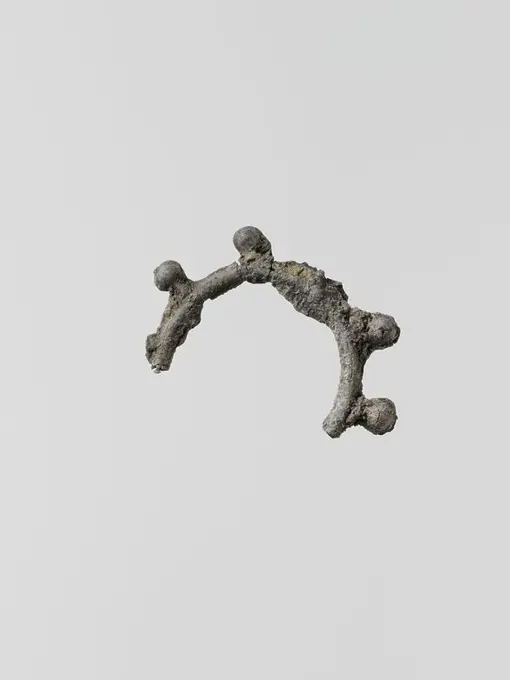
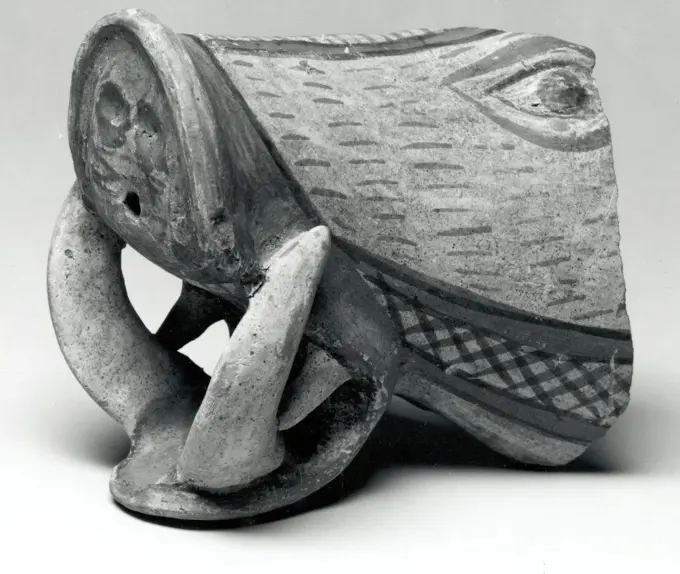
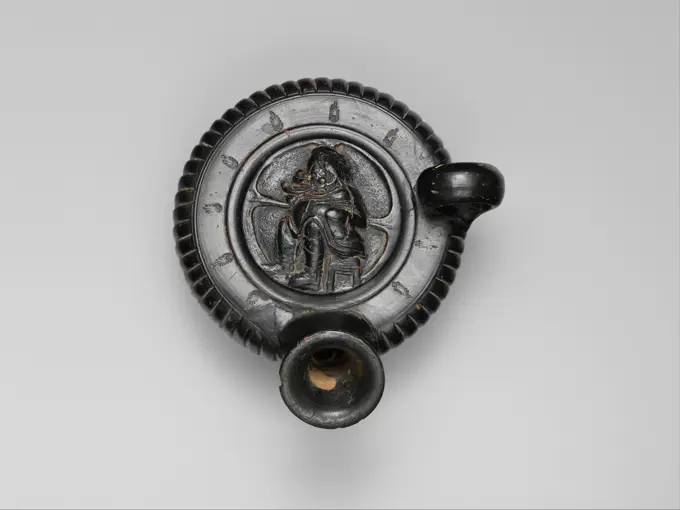
Terracotta guttus (flask with handle and vertical spout) late 4th century B.C. Greek, South Italian, Campanian In the tondo, seated comic actor wearing the mask of a slave. Terracotta guttus (flask with handle and vertical spout) 248705Rectangular Cauldron (Fangding) with Lid (Zu) 11th century B.C. China The lid of this vessel, when inverted, functions as a serving table. The same character (clan sign) is cast on the inner wall of the vessel and on the upper surface of the table.. Rectangular Cauldron (Fangding) with Lid (Zu). China. 11th century B.C.. Bronze inlaid with black pigment. Shang dynasty (ca. 1600-1046 B.C.). MetalworkPendant, 9th-12th century, 3 5/8 in. (9.21 cm) (H.), Gold, Panama, Pre-ColumbianCarnelian scaraboid with back in form of lion late 5th century B.C. Greek flying Eros. Carnelian scaraboid with back in form of lion 253771 Greek, Carnelian scaraboid with back in form of lion, late 5th century B.C., Carnelian, H.: 11/16 in. (1.7 cm). The Metropolitan Museum of Art, New York. Bequest of W. Gedney Beatty, 1941 (41.160.551)Bronze helmet with cheek-guards mid-4th century B.C. Etruscan "Jockey-cap" type with a hemispherical cap topped with a knob often decorated with a rosette. Cheek-guards are hinged and have a scalloped edge.. Bronze helmet with cheek-guards 248011Worker Shabti of Nany ca. 1050 B.C. Third Intermediate Period See 30.3.27.1a, b. Worker Shabti of Nany. ca. 1050 B.C.. Faience. Third Intermediate Period. From Egypt, Upper Egypt, Thebes, Deir el-Bahri, Tomb of Meritamun (TT 358, MMA 65), first corridor, burial of Nany, MMA excavations, 1928-29. Dynasty 21Amulet - eye  around 1069-332 BC ; 3rd passing period-the period of the next (-1069-00-00--332-00-00);eyesWaist Pendant: Equestrain. Culture: Edo peoples. Dimensions: Height 5-5/8 in.. Date: 16th-19th century. Museum: Metropolitan Museum of Art, New York, USA.Bronze helmet with cheek-guards. Culture: Etruscan. Dimensions: H.: 7 1/4 in. (18.4 cm). Date: mid-4th century B.C.."Jockey-cap" type with a hemispherical cap topped with a knob often decorated with a rosette. Cheek-guards are hinged and have a scalloped edge. Museum: Metropolitan Museum of Art, New York, USA.Bottle. Late Roman or Byzantine; possibly Eastern Mediterranean. Date: 301 AD-400 AD. Dimensions: 21.2 × 5.7 × 5.7 cm (8 3/8 × 2 1/4 × 2 1/4 in.). Glass, blown technique. Origin: Syria. Museum: The Chicago Art Institute, Chicago, USA. Author: ANCIENT ROMAN.Handle with Achelous MasksFemale figurine wearing necklace ca. 3500-3300 B.C. Predynastic, Naqada II. Female figurine wearing necklace. ca. 3500-3300 B.C.. Bone. Predynastic, Naqada II. From EgyptOil Lamp. Spain, 8th-10th century. Metal. Bronze, castPlaque (Feline). Inner Mongolia or Southern Siberia, 2nd century B.C.. Sculpture; plaques. BronzeSmall Cross Tube. Culture: China. Dimensions: Square 2 3/16 in. (5.5 cm). Museum: Metropolitan Museum of Art, New York, USA.Burnt-Parfum Duck ". Bronze. Han dynasty (206 BC-9 AD 23 -220). Paris, Cernuschi museum. 100438-13 Asian art, scoring burning, han dynasty, duck formAmulet of a Reclining Cow 1070 BCE-656 BCE Egypt. Glass . Ancient EgyptianJackal standard 664-30 B.C. Late Period-Ptolemaic Period The canine deity Wepwawet stands on the upper portion of a papyriform standard; he is attentive and alert with his ears pricked forward. Wepwawet was known as the "Opener of the Ways" and on temple reliefs and stelae, such standards were frequently carried in processions and festivals. The god was chiefly associated with Osiris and his cult practices in this period. Osiris was overwhelmingly popular in the Late and Ptolemaic Periods as a dedication and the frequent representation of Wepwawet standards in copper alloy may be linked to that popularity. It seems unlikely that this figure was an actual standard, as it would have been too small to be easily visible. Instead it may have been a standalone offering or been used in another as yet unknown setting.. Jackal standard 570709Carved hand sculpture from Thailand against orange wall.Bronze fulcrum attachment with a bust of Eros 1st century A.D. Roman Furniture attachment from a couch, Eros.. Bronze fulcrum attachment with a bust of Eros 254841 Roman, Bronze fulcrum attachment with a bust of Eros, 1st century A.D., Bronze, Overall: 2 11/16 x 2 3/16 in. (6.8 x 5.5 cm). The Metropolitan Museum of Art, New York. Gift of Edgar Bromberger, in memory of his mother, Augusta Bromberger, and of his wife, Clara Seasongood Bromberger, 1956 (56.9)Statuette of a Leopard with Inlaid Spots. UnknownSeated Monkey, Patinated brass, glass, In the form of a seated monkey, with arms folded at his front and right thumb touching his mouth, features and fur highlighted by brass and reddish-brown patinated finish, glass eyes. Head, which serves as lid, hinged on back. Link attached on his upper right arm. Striker in recessed groove on bottom, beneath his feet. Box may sit upright on table., late 19th century, containers, Decorative Arts, Matchsafe, MatchsafeCERAMICA IRANI-MODELO DE CASA EN BARRO SIENA. Location: MUSEO ARQUEOLOGICO NACIONAL-COLECCION. MADRID. SPAIN.Profile Face. Culture: Moche (Loma Negra). Dimensions: H. 7 1/4 x W. 7 1/16 x D. 1 1/4 in. (18.5 x 17.9 x 3.2 cm). Date: 390-450. Museum: Metropolitan Museum of Art, New York, USA.Sepik Cult House Carving, with two large heads with bulging conical eyes, England, London, Christie's Images, Primitive ArtBottle, Fighting Figures. Culture: Chimú. Dimensions: Overall: 9 3/8 x 6 1/2 in. (23.81 x 16.51 cm)Other: 6 1/2 in. (16.51 cm). Date: 12th-15th century. Museum: Metropolitan Museum of Art, New York, USA.Kohl Flask 9th-10th century This charming object was designed to hold kohl, a black cosmetic powder applied around the eyes. In the past, kohl was widely used by men and children as well as women. It was thought not only to accentuate the beauty of the eyes, but also to guard against the glaring sun, ward off evil, and discourage eye disease. The narrow drill hole at the top of this flask would have accommodated a slender stick to collect the cosmetic.. Kohl Flask 452825Counter Plate of a Belt Buckle 7th century Frankish. Counter Plate of a Belt Buckle 465066 Frankish, Counter Plate of a Belt Buckle, 7th century, Iron, silver inlay, copper alloy bosses, Overall: 3 9/16 x 2 1/4 x 1/2 in. (9 x 5.7 x 1.2 cm). The Metropolitan Museum of Art, New York. Gift of J. Pierpont Morgan, 1917 (17.191.349)Horse 7th-9th century China. Horse 48474Ring with Cat and Kittens ca. 1295-664 B.C. Ramesside/Third Intermediate Period This ring depicts a cat and its kittens perched above a bound bundle of flowering papyrus designed to represent a marsh. In all likelihood, these elements symbolize the myth of the "Faraway Goddess," a story in which a feline plays a prominent role as a deity that must be coaxed back to the Nile Valley after she flees into the Nubian desert. Her desertion disrupts the ancient Egyptian world of "maat" and she must be brought back by a variety of personages so that Egypt returns to stability and order and prosperity. Elaborately carved faience rings typically date to this period when craftsmen had total mastery of the medium faience; this one is a superb example. Such rings were most likely created to celebrate various festivals held in honor of the deities depicted on the rings.. Ring with Cat and Kittens. ca. 1295-664 B.C.. Faience. Ramesside/Third Intermediate Period. From EgyptMaker: Unknown, Conch shell with inciseddesigns, A.D.250-900, Conch shell, 27.305 × 10.795 cm (10 3/4 × 4 1/4in.), Made in Guatemalaor made in Mexico, Mexico or Guatemala,Maya, Early Classic to Late ClassicPeriod, SculptureTable screen (username). Sandstone, molding, celadon, molded decor. Cernuschi Museum, Asia Museum of Asia in the city of Paris.Terminal, possibly from a Crozier, found in a Viking settlement, 8th century. Artist: UnknownIncense Burner Lid with Stag ca. 1st century B.C. Western Pakistan. Incense Burner Lid with Stag 59576Lazio Roma Rome SS. Giovanni e Paolo, Museum36. Hutzel, Max 1960-1990 Medieval: Ceramic fragments, sculptural fragments, fresco fragments, inscribed tomb markers. Houses one of the best collections of Malagan medieval ceramics for casting wall monuments, copies of which are housed in campanile. Specific Location: Museum Antiquities: Ceramic fragments, sculptural fragments, architectural fragments Object Notes: Basilica has separate record and is filed separately. German-born photographer and scholar Max Hutzel (1911-1988) photographed in Italy from the early 1960s until his death. The result of this project, referred to by Hutzel as Foto Arte Minore, is thorough documentation of art historical development in Italy up to the 18th century, including objects of the Etruscans and the Romans, as well as early Medieval, Romanesque, Gothic, Renaissance and Baroque monuments. Images are organized by geographic region in Italy, then by province, city, site complex and monument.Fibula, fragment Greek, Cypriot. Fibula, fragment 244427Harness Ring. Inner Mongolia, 4th-3rd century B.C.. Tools and Equipment; horse trappings. Bronze, castGirdle pendant China. Girdle pendant. China. Jade. Han dynasty (206 B.C.-A.D. 220). JadeHead of pin ca. 9th-8th century B.C.. Head of pin 327330Animal head Post Viking Ship Museum Oslo NorwayOpenwork faience ring ca. 1090-900 B.C. Egyptian Ring with openwork faience.. Openwork faience ring 243808Fox Head. Culture: Moche (Loma Negra). Dimensions: H. 2 5/16 x W. 3 5/8 in. (6 x 9.2 cm). Date: 390-450. Museum: Metropolitan Museum of Art, New York, USA.Plaque in the Shape of a Chariot 8th-7th century B.C. Northeast China. Plaque in the Shape of a Chariot 65257Triple Ibexes. Bronze and gold support Offrandes. Larsa. 18th cent. B.C. Babylon.Loop.Torque, 10 x 9 1/16 x 5/8 in. (25.4 x 23.02 x 1.59 cm), Silver, ChinaCollar with drop beads that is an element in a pectoral. Dimensions: H. 2.4 cm (15/16 in.); W. 1.2 cm (1/2 in.); Th. 0.3 cm (3/16 in.). Date: ca. 1887-1750 BC.This inlaid element represents a broad collar that is a component of a Hathor-emblem. Museum: Metropolitan Museum of Art, New York, USA.Large Tense Hand  (Grande Main Crispe) After 1886  Auguste Rodin (1840-1917/French) Bronze Brown Patina DECORATED ANIMAL BRONZE WITH VEGETABLE ARABESQUE - 10th CENTURY. Location: MUSEO ARQUEOLOGICO-COLECCION. CORDOBA. SPAIN.Djed Pillar Amulet 664-332 B.C. Late Period The djed-pillar is a stylized representation of an early fetish that probably consisted of plant material. From the beginning of ancient Egyptian history, it was used as a symbol signifying permanence. Later it was associated with the god Osiris and identified as his backbone. The djed-pillar here was probably used as a funerary amulet to ensure permanence and to closely connect the deceased to Osiris, who was revived after death.. Djed Pillar Amulet. 664-332 B.C.. Faience. Late Period. From EgyptDouble bottle fragment ca. 6th-7th century A.D. Sasanian. Double bottle fragment 323241Plaque 1st millennium B.C. Iran. Plaque 327340Figure of Entertainer. Culture: China. Dimensions: H. 3 1/8 in. (7.9 cm).The musical instruments depicted among this group of pottery figures (36.12.1, .2, .10-.13, .16) are typical of those used in popular music of the Han period (206 B.C.-A.D. 220). The instruments all had long histories, having existed for centuries, in the case of the zither, or millennia, in the case of the flute (now missing from the figure of the flutist). Museum: Metropolitan Museum of Art, New York, USA.Eagle Pendant 13th-16th century Diquís. Eagle Pendant 313201Fish Design Amulet Inscribed with the cartouche of Queen Ahmose Nefertari. Dimensions: L. 1.5 cm (9/16 in); W. 1 cm (3/8 in); Th. 0.6 cm (1/4 in). Dynasty: Dynasty 18, early. Reign: reign of Ahmose I-Thutmose II. Date: ca. 1550-1479 B.C..The inscription on the base of the amulet reads "Nefertari" and may refer to Ahmose-Nefertari, the wife of King Ahmose I and the mother of Amenhotep I. She was held in high regard throughout the New Kingdom. Museum: Metropolitan Museum of Art, New York, USA.Bronze handle of a vessel 1st century B.C. Greek It is likely that this handle in the form of central bead flanked by finely worked leaves decorated either a hydria or lebes, two ceremonial vessels used for dispensing water or wine.. Bronze handle of a vessel 255230 Greek, Bronze handle of a vessel, 1st century B.C., Bronze, w. 6 4/5 in. (17.3 cm). The Metropolitan Museum of Art, New York. Gift of Miriam Schaar Schloessinger, 1966 (66.119.1)Cornflower Pendant ca. 1390-1353 B.C. New Kingdom. Cornflower Pendant. ca. 1390-1353 B.C.. Faience. New Kingdom. From Egypt, Upper Egypt, Thebes, Malqata, Palace of Amenhotep III, MMA excavations, 1910-11. Dynasty 18One fragment of a Duck Askos. Attributed to the Clusium Group (Etruscan, active 350 - 300 B.C.)Figurine of a crouching falcon ca. 3100-2650 B.C. Early Dynastic Period. Figurine of a crouching falcon. ca. 3100-2650 B.C.. Faience. Early Dynastic Period. From Egypt, Memphite Region, SaqqaraAmulet of the God Bes 1500 BCE-664 BCE Egypt. Faience . Ancient EgyptianFrance, Lyon, Lugdunum, Statuette representing a rooster, bronzeHoly water stoup in the shape an angel's head, anonymous, c. 1750 - c. 1799 Sea water tray of Steengoed, the pelvis modeled in the form of an angel's head. Decorated in cobalt blue. The back plate with a printed and imposed decoration of the inscription 'MRA' and a flower rosette in a niche surrounded by a cross and leaf vines. Westerwald. Westerwald stoneware. glaze. cobalt (mineral) vitrification Sea water tray of Steengoed, the pelvis modeled in the form of an angel's head. Decorated in cobalt blue. The back plate with a printed and imposed decoration of the inscription 'MRA' and a flower rosette in a niche surrounded by a cross and leaf vines. Westerwald. Westerwald stoneware. glaze. cobalt (mineral) vitrificationBrass design fitting on antique wooden frog, Jodhpur, Rajasthan, India Copyright: xSafatxAli/DinodiaxPhotoxPair of Andirons in the Form of a Female and a Male Herm. Unknown maker, Italian (probably active in France)Sleeve weight China. Sleeve weight. China. Clay. Han dynasty (206 B.C.-A.D. 220). CeramicsNotched Disk (Xuanji) ca. 2400-2000 B.C. China. Notched Disk (Xuanji) 49378Incense Box 19th century Dr. Bunkio Masaki Japanese. Incense Box. Dr. Bunkio Masaki (Japanese). Japan. 19th century. Clay roughly modeled with two small figures; light glaze (Seto ware). Edo (1615-1868) or Meiji period (1868-1912). CeramicsLower Mesopotamia, Iraq, Fragment of a steatite vase from the Temple of the Goddess Inanna in Nippur, circa 2500 B.C.Ivory Mirror Handle from Enkomi, Cyprus, Bronze Age, c1200BC-c1100 BC Artist: Unknown.Heavenly Spirit: Karyōbinga. Japan, 18th century. Costumes; Accessories. Ivory with staining, sumiAncient art: Seated female terracotta figurine, from Tell Halaf, in northeastern Syria, 7500 - 8500 BC. A fertility symbol, with hands clasped to breasts.Durga Slaying the Demon Buffalo, 1500s. Nepal, 16th century. Bronze; overall: 9.6 cm (3 3/4 in.).Covered evergreen arbre at Kenwood House in Hampstead, London dates from the 18th century.Fragment of Kohl Tube ca. 1390-1353 B.C. New Kingdom. Fragment of Kohl Tube. ca. 1390-1353 B.C.. Faience. New Kingdom. From Egypt, Upper Egypt, Thebes, Malqata, Palace of Amenhotep III, MMA excavations, 1910-11. Dynasty 18Oil and vinegar set with three bottle holders. Oil and vinegar set of tin on four legs. Consisting of three ajour processed bottled holders, two below and one in the middle above. There is an open space between the two lower bottles of bottle holders. In the open space there is a small arc consture, why the upper bottled holder is screwed.Neck fragment of large stoneware water jug decorated with wheel stamping, water jug holder soil find ceramic stoneware clay engobe glaze salt glaze, w 11.0 hand turned stamped glazed baked Neck fragment of stoneware jug. Standing ear with deep trench over the middle untidily attached. Deep rotating braces over the shoulder brown engobe salt glaze gray shard Decorated with number of circulating rows of triangles by means of radial stamp technique Free short neck archeology Rotterdam City triangle underground pit Blaak Groenendaal indigenous pottery import water washing food preparation Soil discovery metro works from Groenendaal to Blaak Rotterdam Finds from the dirty clay smacked .Cap. unknown, authorItaly, Lazio, Viterbo, Vase in the shape of a cock with Etruscan inscriptions, Bucchero ware (black pottery)Plaque in the Shape of a Tiger Northeast China 6th century BCETerracotta figure of a donkey, Archaeological Museum in the former Order Hospital of the Knights of St John, 15th century, Old Town, Rhodes Town, Greece, EuropeBell ca. 700 B.C.. Bell 326583Bird Palma. Mexico, Veracruz, 600-900 CE. Stone. Basalt stoneAxe Blade ca. 500 B.C.-A.D. 300 Dongson. Axe Blade 316118Bronze thymiaterion (incense burner) with Marsyas late 4th century B.C. Etruscan This magnificent incense burner is embellished with a figure of Marsyas, the ill-fated satyr who was punished for his hubris by Apollo. We see him bound to the shaft of the incense burner where he will be flayed alive. His leg is inscribed with the Etruscan word SUTHINA, a funerary custom indicating that this object was dedicated as a tomb offering.. Bronze thymiaterion (incense burner) with Marsyas 255400Ornamental mask A.D. 3rd century Roman Period. Ornamental mask. A.D. 3rd century. Copper alloy. Roman Period. From EgyptDouble Chambered Bottle 12th-15th century Chimú. Double Chambered Bottle 308552Copper -Armlet, One of a Pair 19th century. Armlet, One of a Pair 454087Bead in the Shape of an Animal, 600-900, 1/2 x 15/16 x 5/16 in. (1.3 x 2.4 x 0.8 cm), Stone, Myanmar (Burma), 7th-10th centuryCapital ca. 1130-40 Catalan. Capital 470810Head of a lion 5th-4th century B.C. Greek, South Italian/Sicilian. Head of a lion 251228Lamp, Anatolia; 1st - 4th century; Terracotta; 3.3 x 8.1 x 11.2 cm (1 5,16 x 3 3,16 x 4 7,16 in.)An Eskimo Tupilak, an angry monster used to attack one's enemies, carved from reindeer antler. From Qaqortoq, Greenland.The water on the water. AVIBEL VAN BRONS.Thumb Piano, late 1800s. Africa, Central Africa, Democratic Republic of Congo or Angola, Chokwe peoples. Wood, iron, and wire; overall: 19.1 x 10.2 x 6.4 cm (7 1/2 x 4 x 2 1/2 in.).Contemporary shiny mask golden strokesCeremonial Implement in the Shape of an Ankh ca. 1400-1390 B.C. New Kingdom The ankh was used as a hieroglyph to write the words "live," "alive," or "life." It also became a popular symbol for life in general. In its center, the ankh-sign here features a cartouche (a protective oval-shaped ring) with the name of King Thutmose IV, in whose tomb it was found.. Ceremonial Implement in the Shape of an Ankh. ca. 1400-1390 B.C.. Faience. New Kingdom. From Egypt, Upper Egypt, Thebes, Valley of the Kings, Tomb of Thutmose IV (KV 43), Davis/Carter excavations 1903. Dynasty 18Celtic Flagon Celtic Art Wreaths, 6. Culture: Greek, Laconian. Dimensions: Diameter: 7/8 in. (2.2 cm). Museum: Metropolitan Museum of Art, New York, USA.Vessel fragment in the form of a boar's head ca. 7th-6th century B.C. Phrygian. Vessel fragment in the form of a boar's head. Phrygian. ca. 7th-6th century B.C.. Ceramic, paint. Iron Age. Phrygia