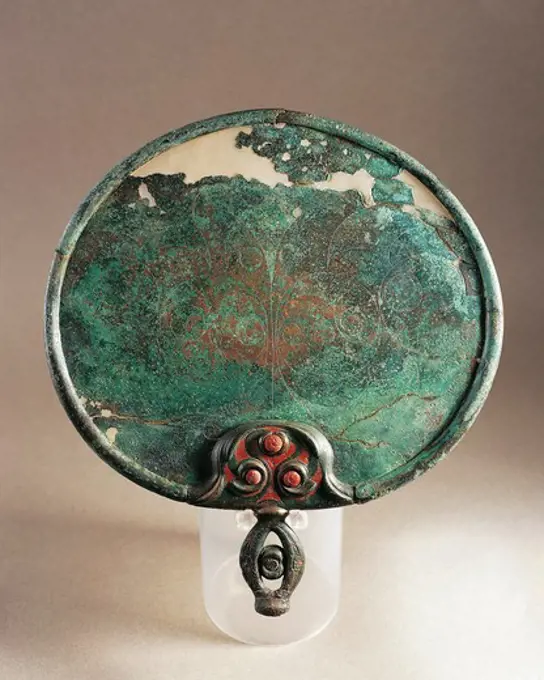
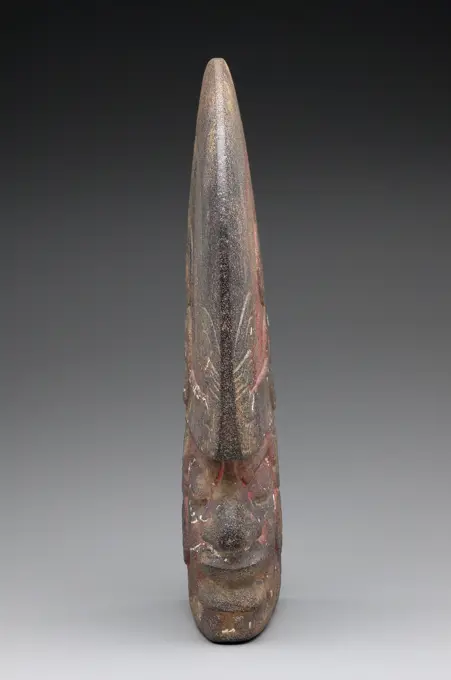
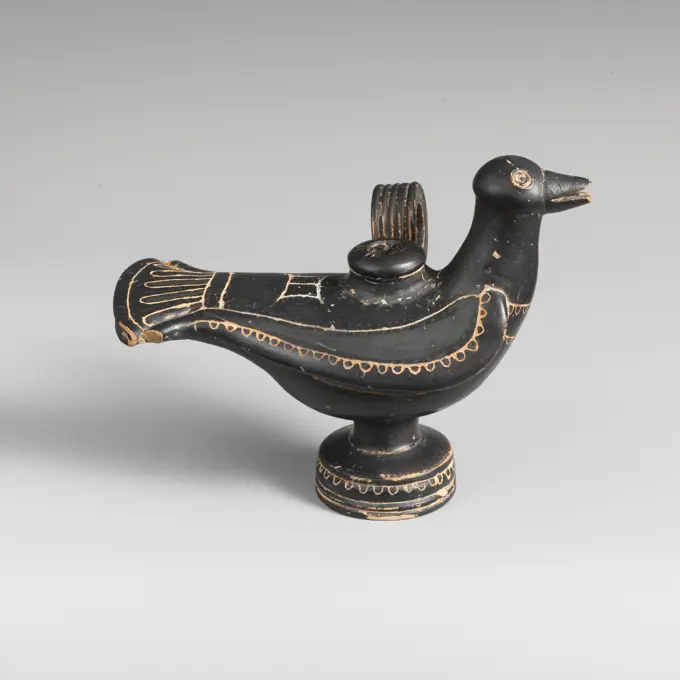
Ancient Bronze Artifacts

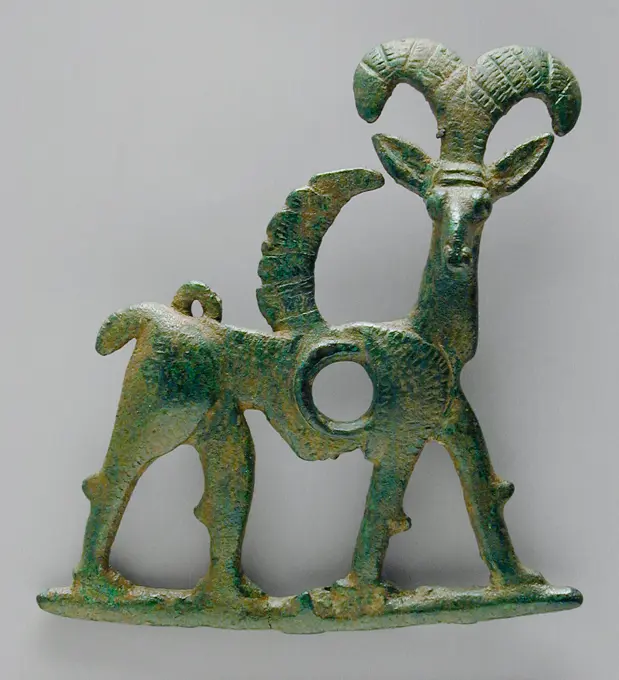
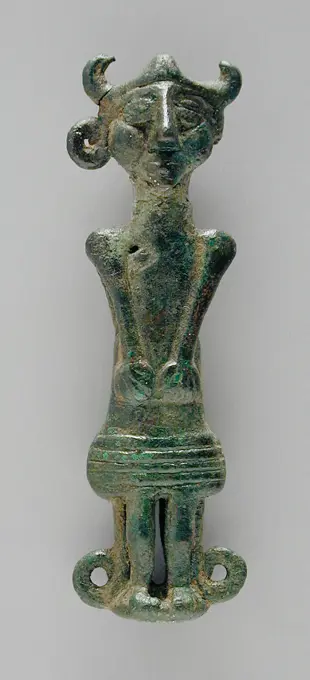
Historical bronze pieces, including fibulas and ritual cups, featuring intricate details that reflect ancient craftsmanship and cultural significance.
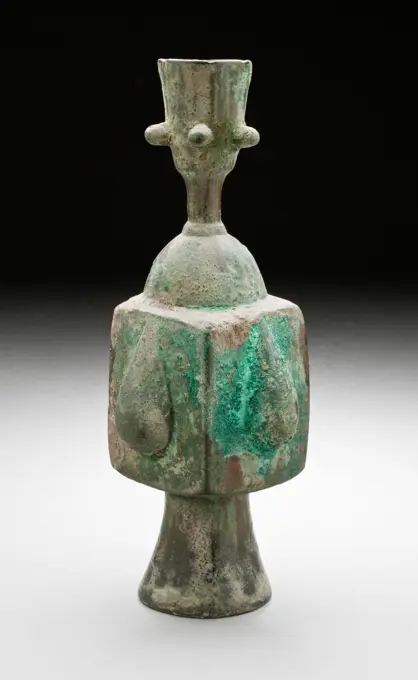
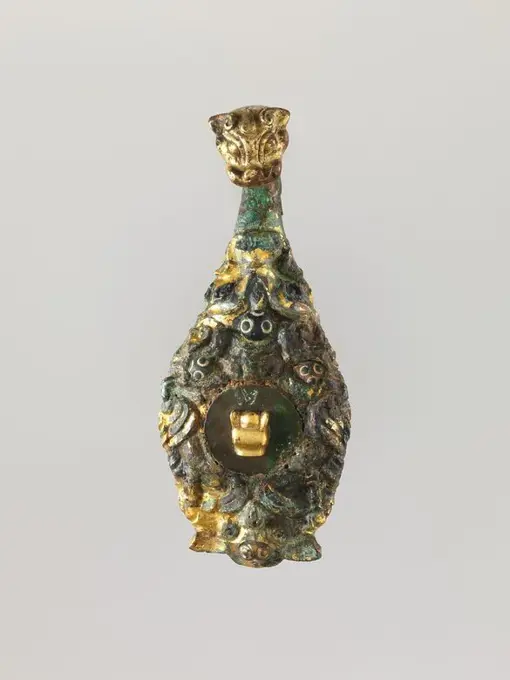
Bottle. Afghanistan, 9th-10th century. Metal. Bronze
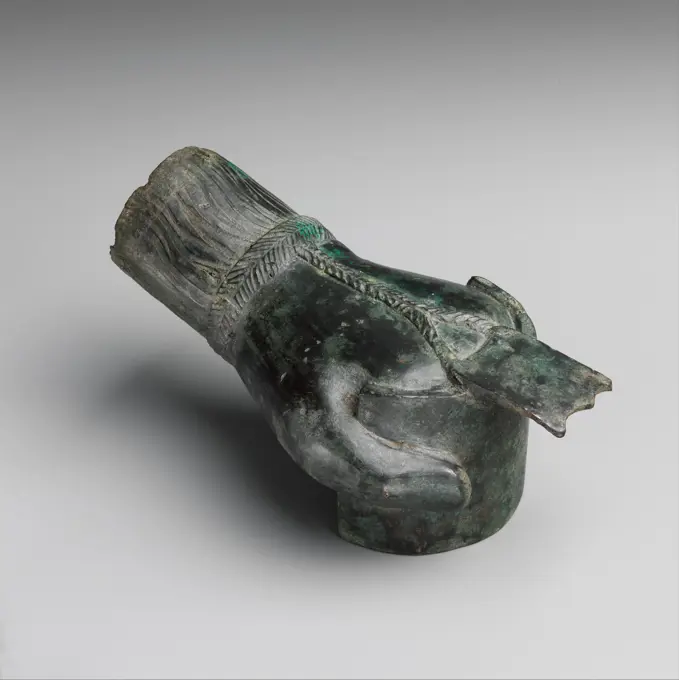
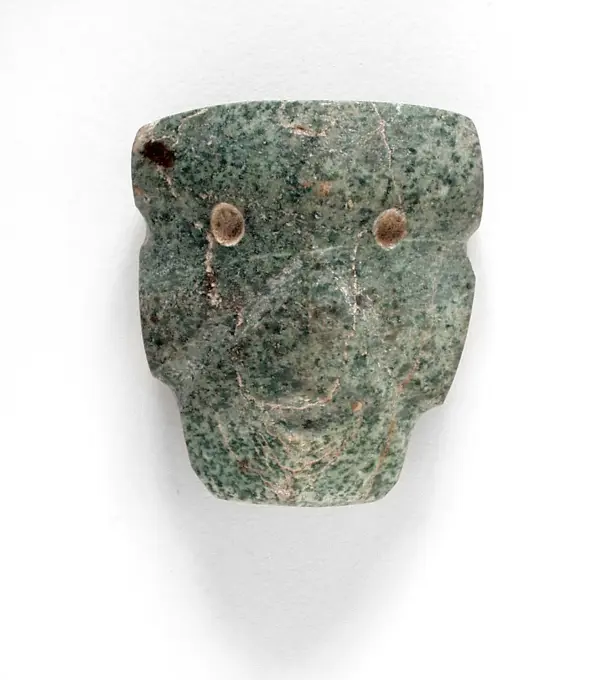
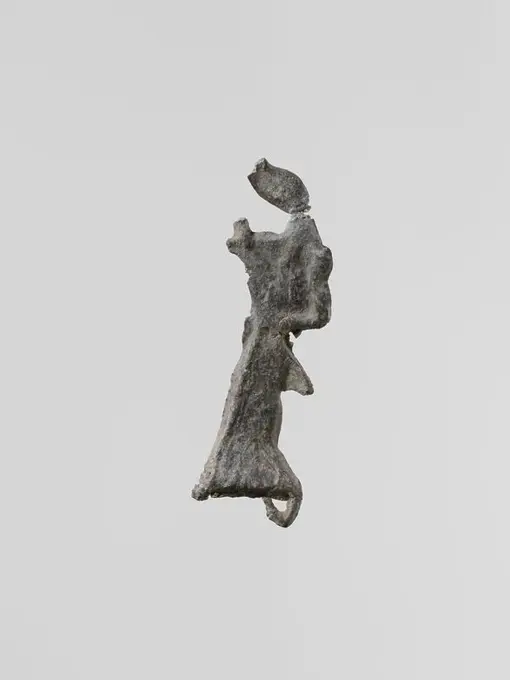
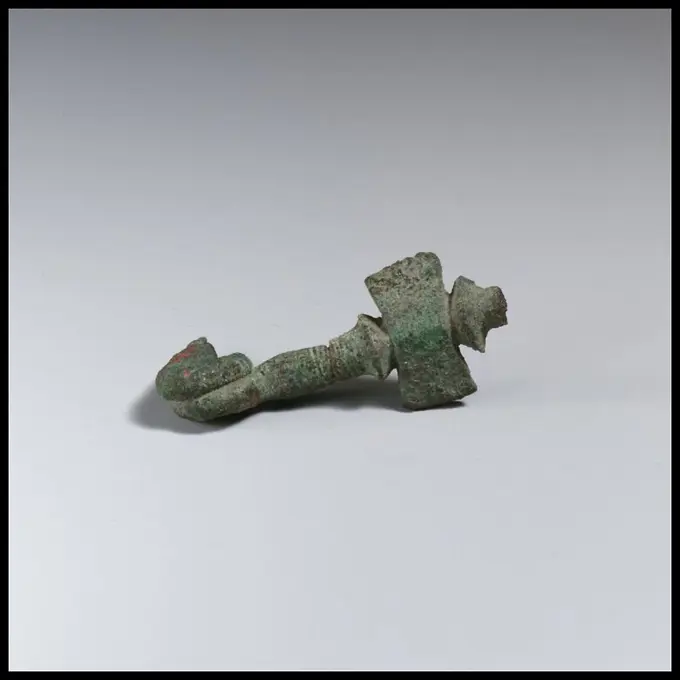
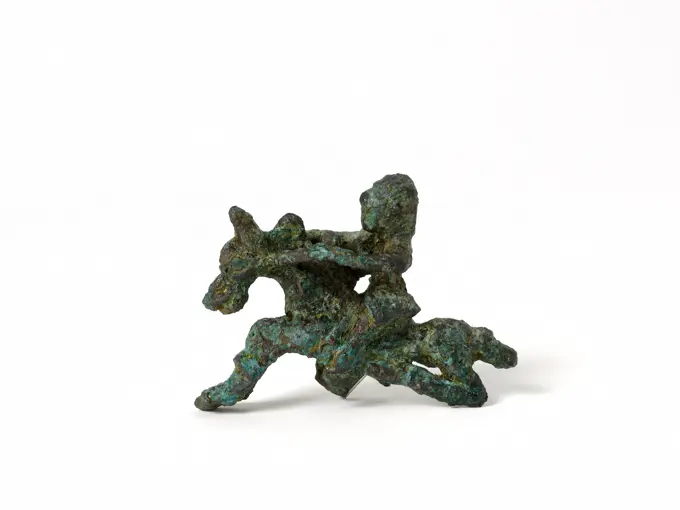
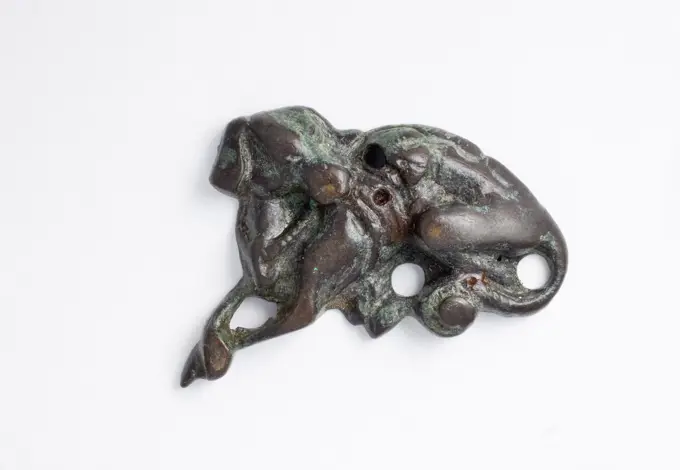
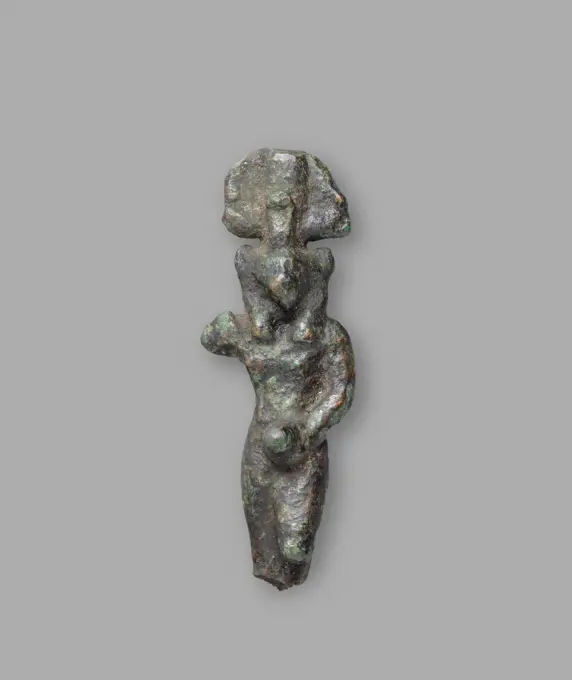
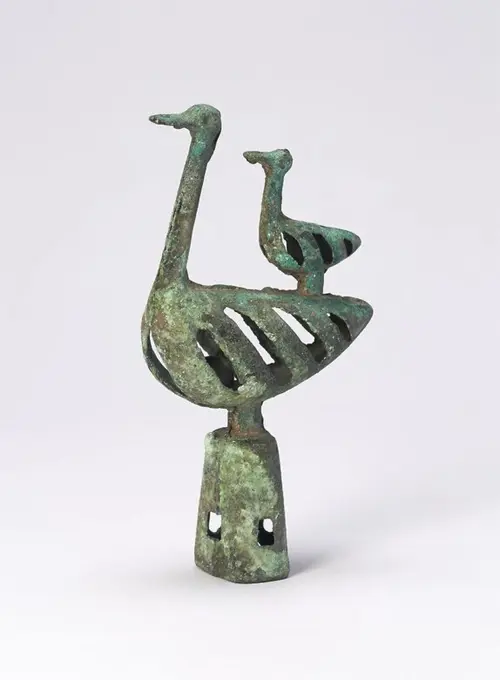
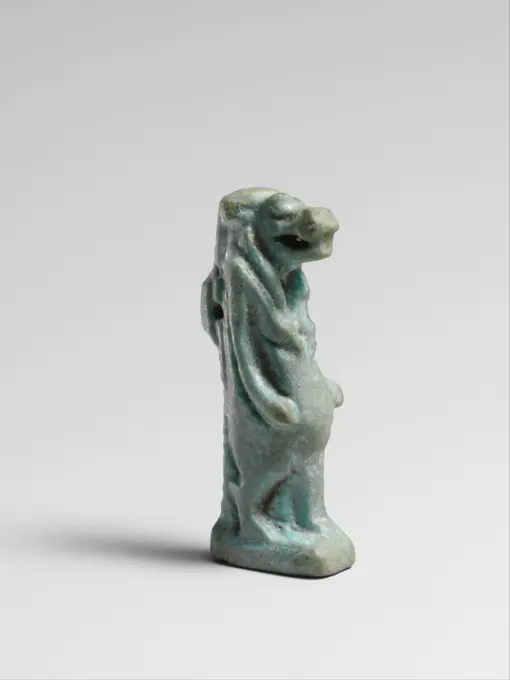
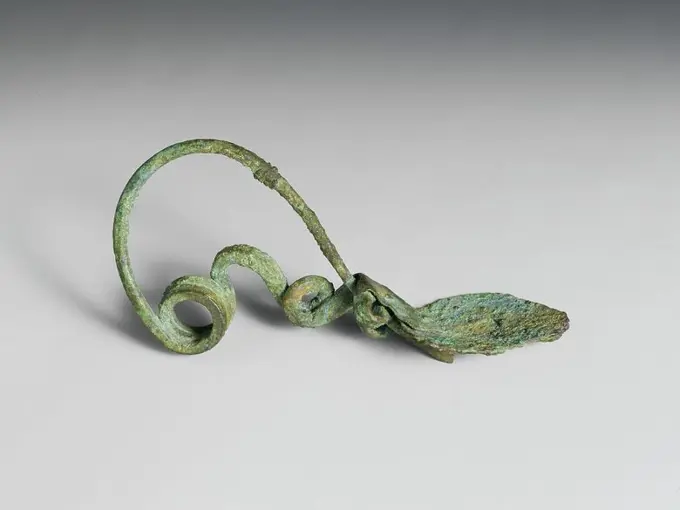
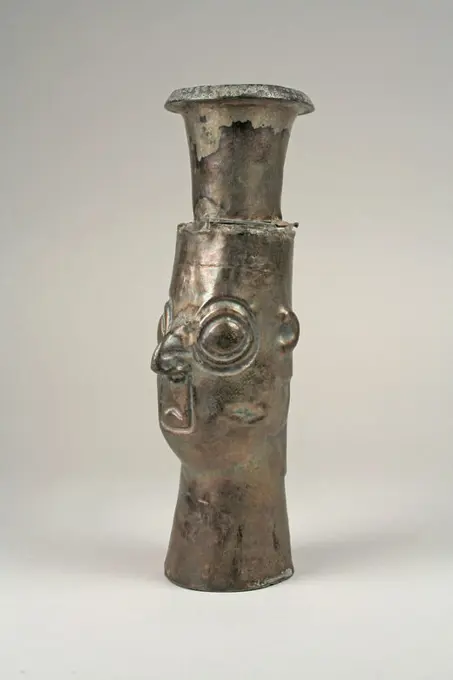
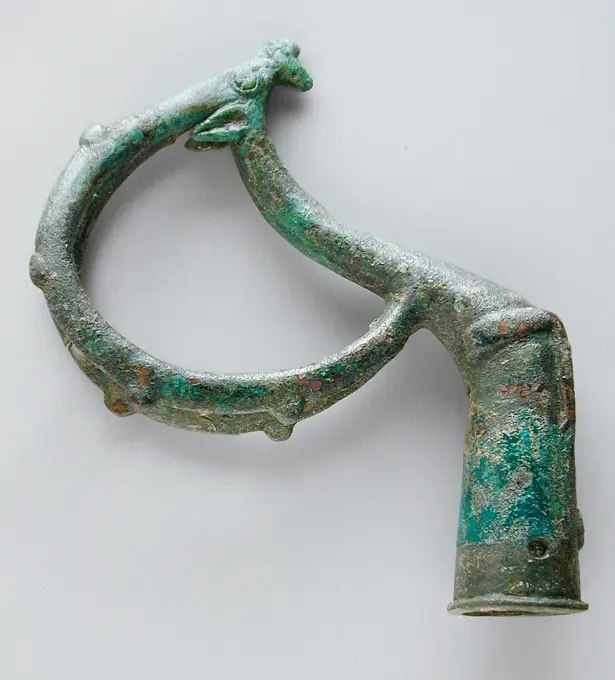
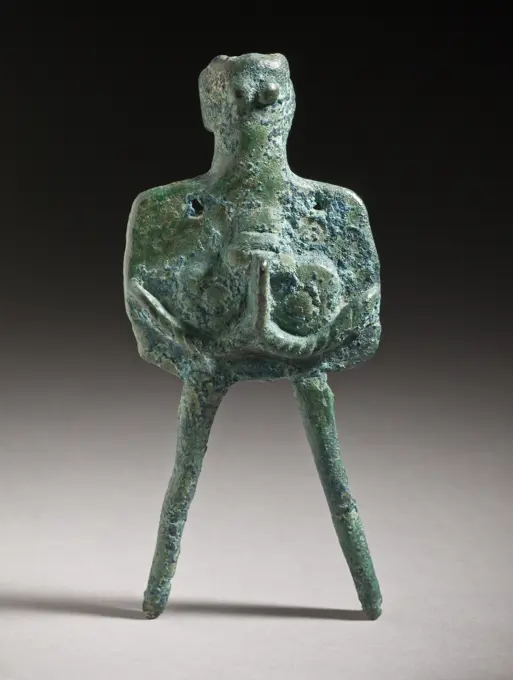
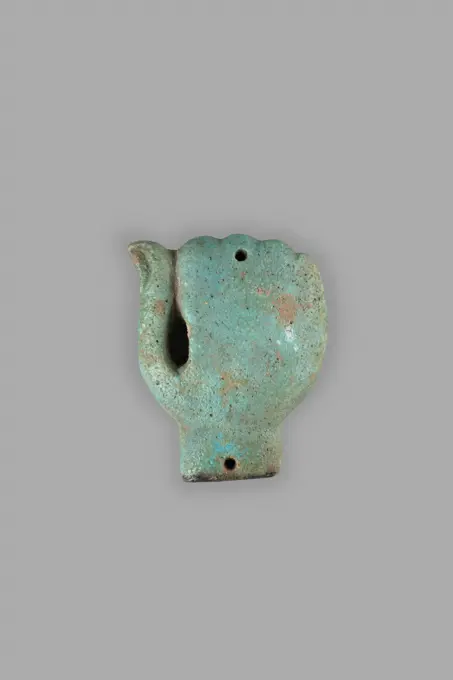
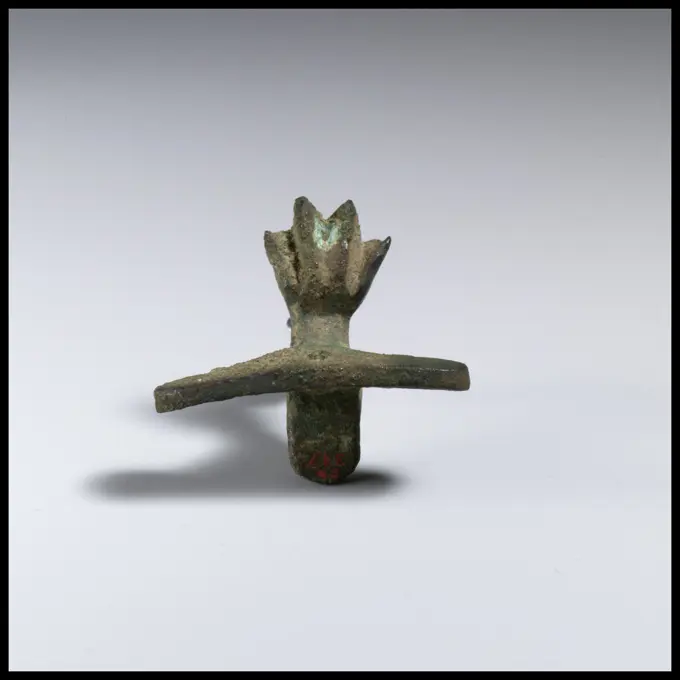
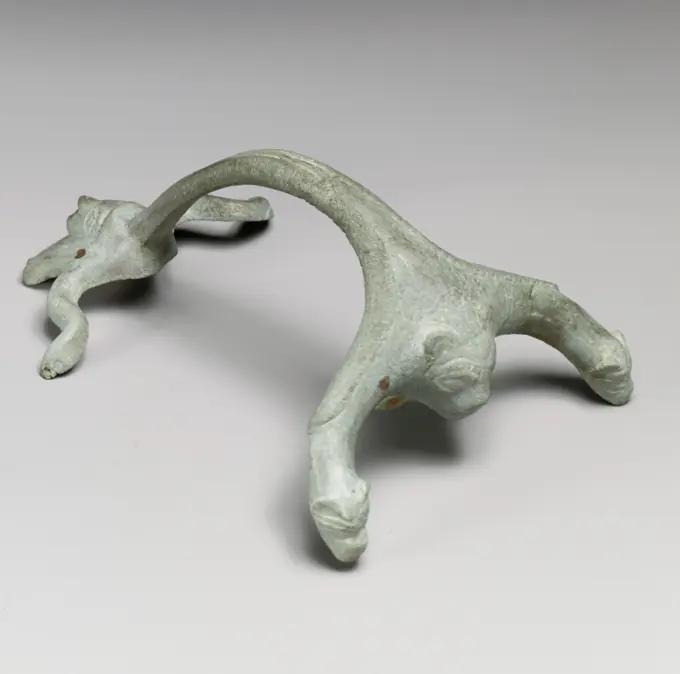
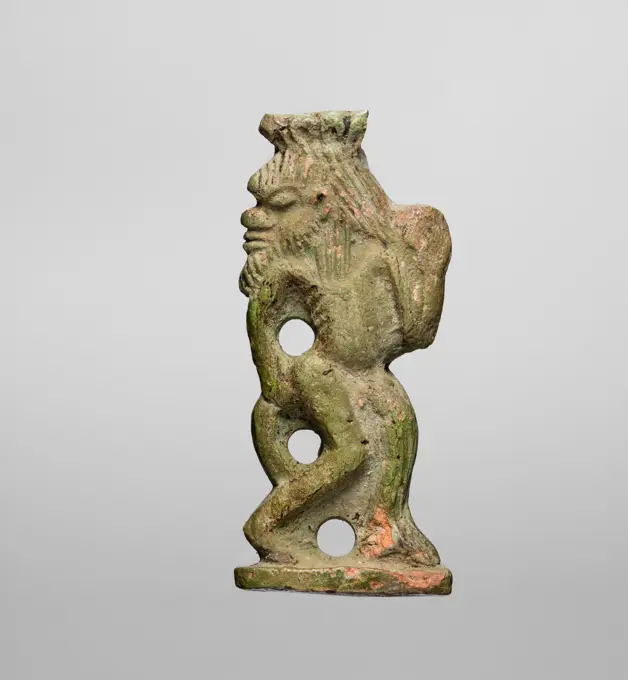
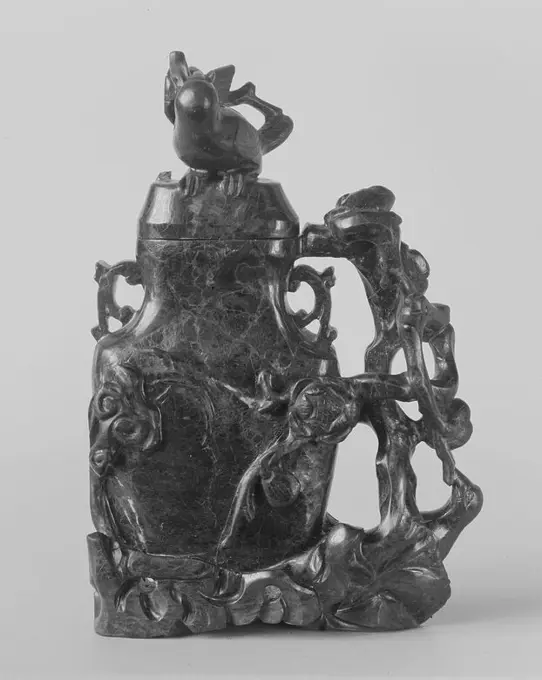
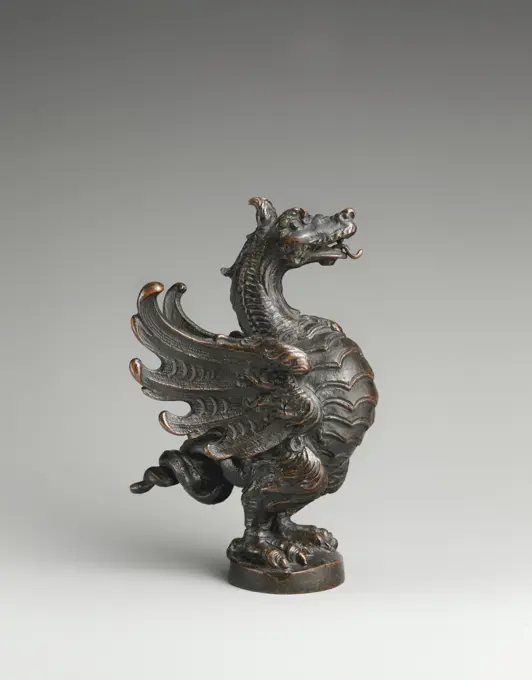
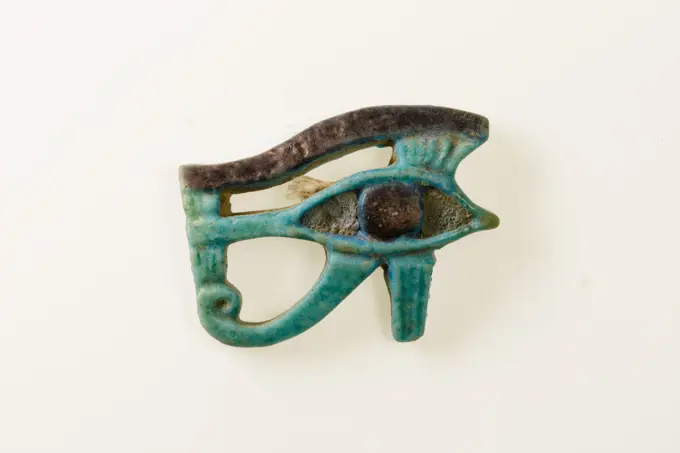
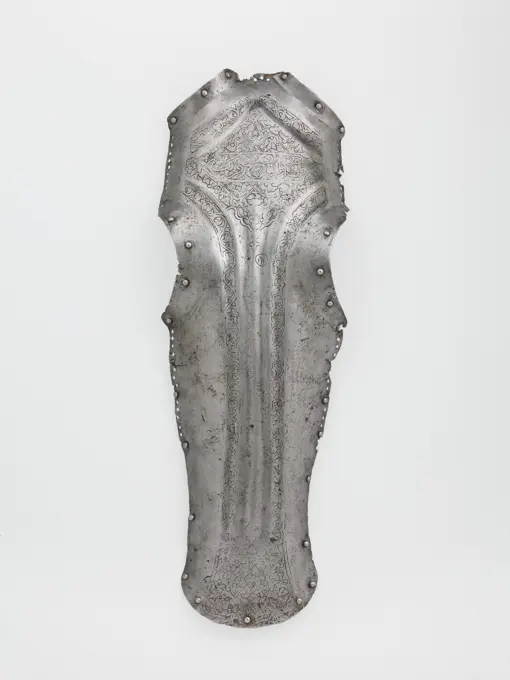
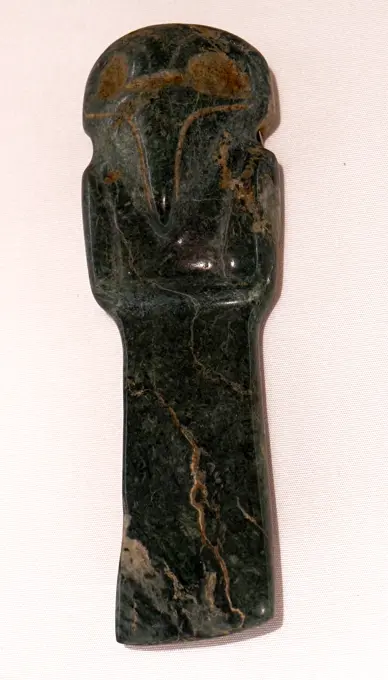
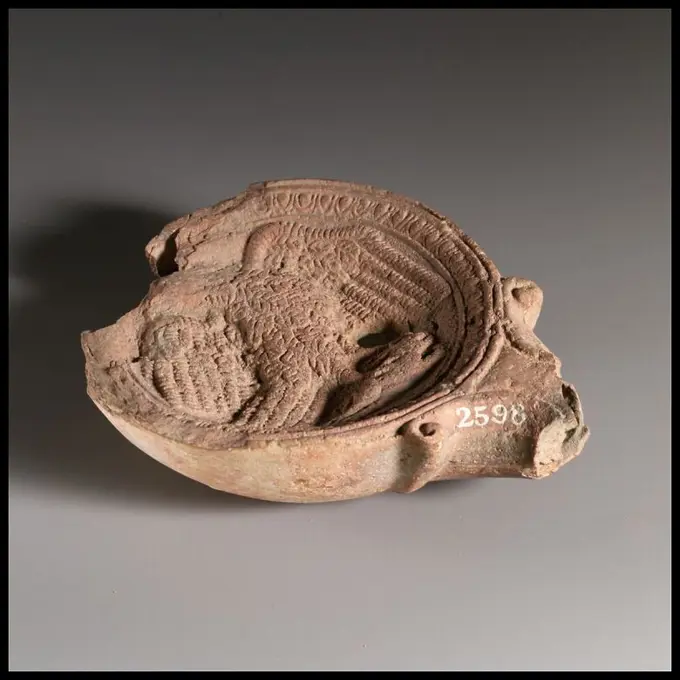
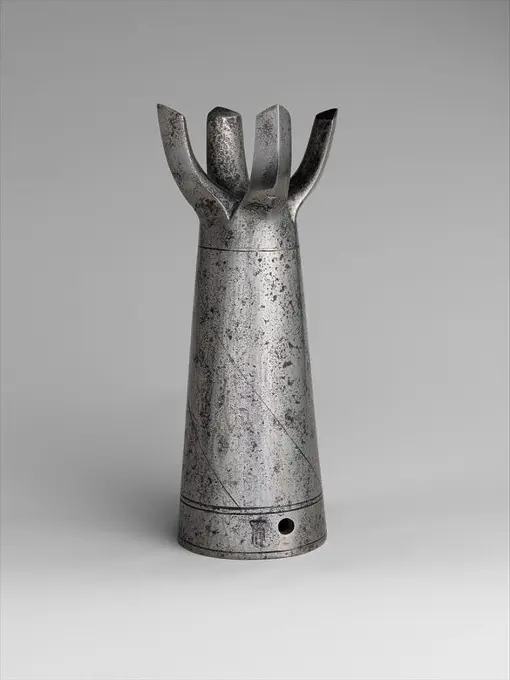
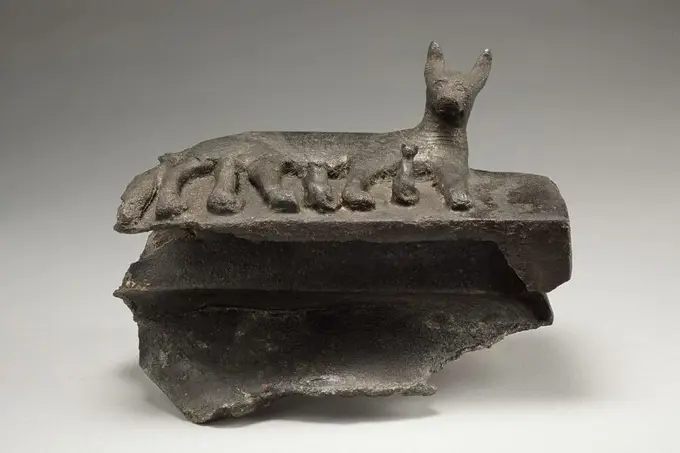
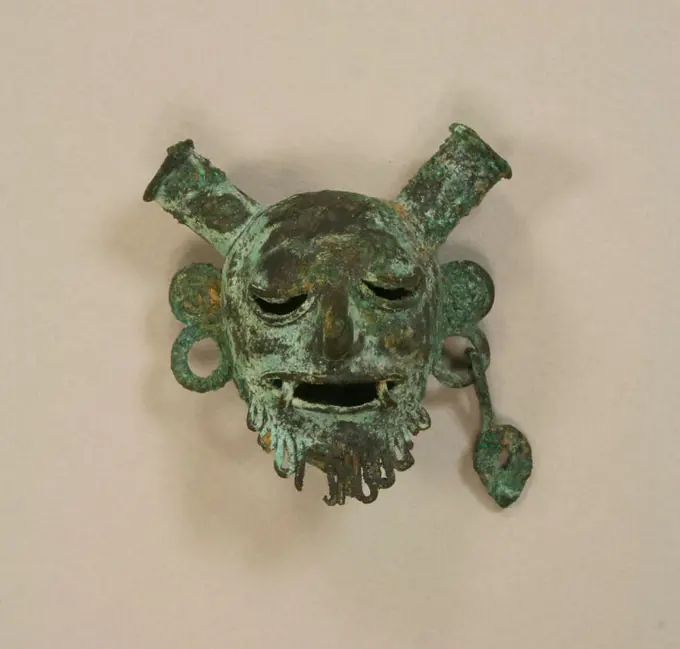
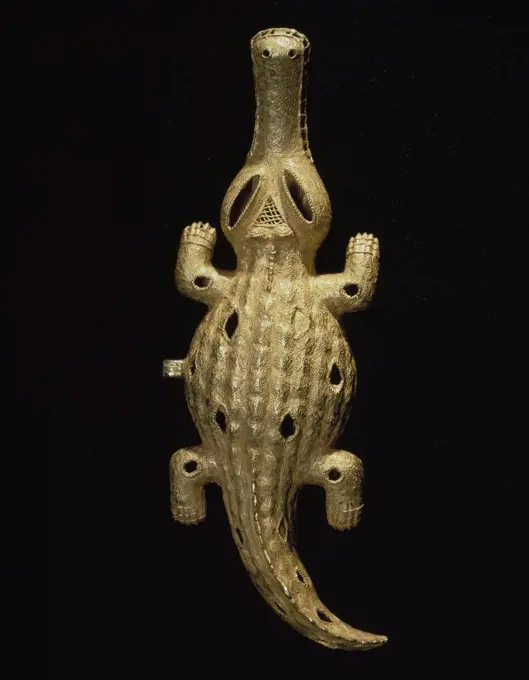
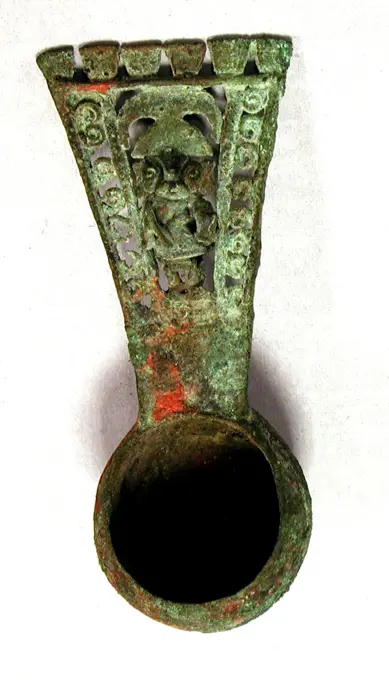
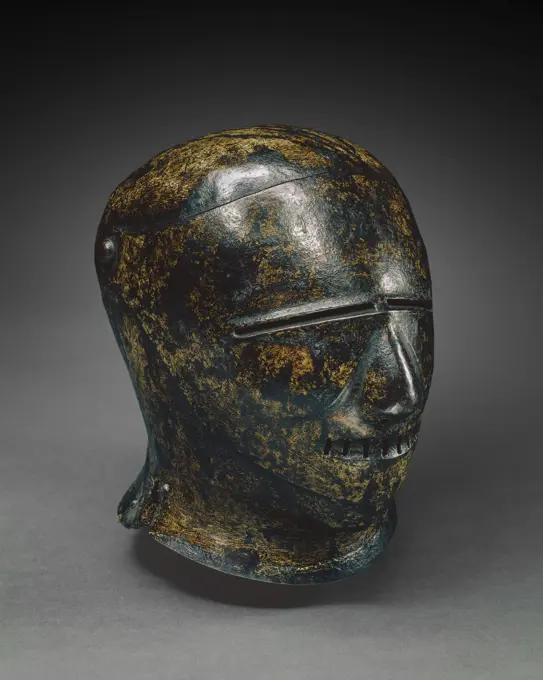
Bow Fibula. Greek; Thessaly. Date: 800 BC-700 BC. Dimensions: 5.1 x 7.7 x 2.2 cm (2 x 3 x 7/8 in.). Bronze. Origin: Greece. Museum: The Chicago Art Institute, Chicago, USA. Author: ANCIENT GREEK.Bronze hand of a boxer 1st-2nd century A.D. Roman The hand is clad in a caestus (boxing glove), comprising a semicylindrical strip and a projecting spike, tied with cords running from the wrist. Although Roman boxers are represented on statues, mosaics, terracotta plaques and lamps, and bronze figurines, few objects show the actual boxing glove with such clarity of detail as the present piece. The hand is probably not a fragment of a larger composition; it was, perhaps, a votive, dedicated by a boxer on his retirement.. Bronze hand of a boxer 257574Ritual pencil cup. Cup on tripod, with a cut-out edge and a large spout. Two ears and two stand-up buttons on the edge.Anthropomorphic CoconutScraperMaskStatuette of a woman votary. Culture: Greek, Laconian. Dimensions: Height: 1 5/16 in. (3.3 cm). Date: ca. 625-425 B.C.. Museum: Metropolitan Museum of Art, New York, USA.Head of a gazelle ca. 3rd-7th century A.D. Sasanian. Head of a gazelle 322977Bottle. Afghanistan, 9th-10th century. Metal. BronzeFibula, fragment. Dimensions: 2in. (5.1cm). Museum: Metropolitan Museum of Art, New York, USA.Figure Finial. Culture: Chimú. Dimensions: H. 3 3/8 in. (8.5 cm). Date: 12th-15th century. Museum: Metropolitan Museum of Art, New York, USA.Oblong shaped button. Bronze, China, undoubtedly Dynasty of Han (206 BC-220 AD). Paris, Cernuschi museum. 79397-23 Staple, attachment, bronze, Asian civilization, Chinese civilization, han dynasty, fixation, metalHalding. Orders. Jairmane milleénénaire av. J.-C. Par musée musée malée. 35411-1 Cavalier, horse, hetao, Mongolia Meridional, Ordos, Prehistory, PrehistoricPinPlaque or Appliqué. Roman, A.D. 1st-2nd century. Sculpture. Bronze, castMahesa figurine;  Roman period (0-00-00-0-00-00);Mahes (Mitol.), UreuszePole Top with Double Bird-Shaped Bell (one of pair). Northern China or Inner Mongolia. Date: 599 BC-400 BC. Dimensions: 18.8 × 10.5 cm (7.4 × 4.1 in.). Bronze. Origin: China. Museum: The Chicago Art Institute, Chicago, USA.Faience amulet of Taweret 664-30 B.C. Egyptian Amulet, Thueris.. Faience amulet of Taweret 243753Bronze serpentine-disc type fibula (safety pin). Culture: Villanovan. Dimensions: Other: 4 7/16 in. (11.3 cm). Date: 9th century B.C..There are two spirals, one of one turn, the other of two. The disk is formed by a flat piece of metal rolled once spirally. Museum: Metropolitan Museum of Art, New York, USA.Figurine - Eros on a DolphinFace Beaker. Culture: Chimú. Dimensions: Overall: 9 1/8 in. (23.18 cm). Date: 12th-15th century. Museum: Metropolitan Museum of Art, New York, USA.Key Handle 1st-7th century Roman. Key Handle 462900Whetstone Socket. Iran, Luristan, about 1350-1000 B.C.. Tools and Equipment; sockets. Bronze, castHorned Head. Western Iran, Iron Age II-III, about 1000-650 B.C.. Sculpture. Bronze, castSmall statuette of a horse. UnknownAmulet - prawa pięść. unknown, authorSeated Male FigureOpenwork rattle bell ca. 9th-8th century B.C. Iran. Openwork rattle bell 326586Cista, foot. Cista, foot 256692Fibula, boat-shaped type 8th-6th century B.C. Italic The bow is hollow and open on the underside. Its outer surface is decorated with incised patterns.. Fibula, boat-shaped type 246370Ferrule 2nd-1st century B.C. China. Ferrule. China. 2nd-1st century B.C.. Bronze inlaid with gold. Han dynasty (206 B.C.-A.D. 220). MetalworkProtoma w formie głowy byka, ozdoba naczynia. nieznany warsztat urartyjski, workshopBelt Hook China 3rd centuryBronze helmet attachment in the shape of a triton 6th century B.C. Etruscan From a rounded object; bearded, fish tail.. Bronze helmet attachment in the shape of a triton 246690Bronze oinochoe (jug) handle with lion's head and female protome ca. 500 B.C. Etruscan Handle of an oinochoe with lion's head and a female protome.. Bronze oinochoe (jug) handle with lion's head and female protome. Etruscan. ca. 500 B.C.. Bronze. Archaic. BronzesFigurine. UnknownFaience amulet of Pataikos. UnknownAmulet - bóg Bes tańczący. unknown, authorShaffron (Horse's Head Defense). Culture: French. Dimensions: H. 22 in. (55.9 cm); Wt. 2 lb. 14 oz. (1304.1). Date: ca. 1600.This shaffron matches one of the best-preserved French armors dating from the reign of Henry IV (1589-1610). It demonstrates the French preference for completely gilt armors. A saddle, now in the Musée de l'Armée, Paris, also matches the armor. Museum: Metropolitan Museum of Art, New York, USA.Buckle. Culture: China. Dimensions: W. 2 1/8 in. (5.4 cm); L. 4 1/4 in. (13.3 cm). Museum: Metropolitan Museum of Art, New York, USA.Covered vase. Culture: China. Dimensions: H. 5 in. (12.7 cm); W. 3 1/4 in. (8.3 cm). Museum: Metropolitan Museum of Art, New York, USA.Cheekpiece from a Horse Bit. Iran, Luristan, circa 1000-650 B.C.. Tools and Equipment; horse trappings. Bronze, castEye idol. Dimensions: 2 1/2 x 2 x 3/8 in. (6.4 x 5.1 x 0.8 cm). Date: ca. 3700-3500 B.C..This type of figurine known as an eye idol, made of stone and having incised eyes, has been excavated at Tell Brak, where thousands were found in a building now called the Eye Temple. They were probably dedicated there as offerings. Many are incised with multiple sets of eyes, others with jewelry, and still others with representations of "children"--smaller eyes and body carved on the body of the larger idol. Wide eyes demonstrate attentiveness to the gods in much of Mesopotamian art. Museum: Metropolitan Museum of Art, New York, USA.Decorated Tube. Iran, Luristan, Luristan bronzes, circa 1000-650 B.C.. Sculpture. Bronze, castTUMI DE COBRE ESTILO VICUS PREHISPANICO. Location: MUSEO DEL ORO COL MUJICA. Lima. PERU.Stirrup Spout Bottle with Manioc Form. Culture: Moche. Dimensions: Overall: 12 1/2 x 7 3/8 in. (31.75 x 18.75 cm)Other: 7 3/8 in. (18.75 cm). Date: 5th-7th century. Museum: Metropolitan Museum of Art, New York, USA.The core of the glassBelt Buckle 7th century Frankish. Belt Buckle 465047 Frankish, Belt Buckle, 7th century, Iron, silver inlay, copper alloy inlay, Overall: 4 5/8 x 2 3/8 x 1/2 in. (11.7 x 6 x 1.3 cm). The Metropolitan Museum of Art, New York. Gift of J. Pierpont Morgan, 1917 (17.191.332a-c)Standard FinialSitula 600 BC-100 AD Late Period - Roman Period See 58.76.5 for a discussion of situlae of this type.. Situla 551033Dragon early 17th century Attributed to Giacomo Laurenziani The monster, lifted from the coat of arms of Pope Paul V Borghese, was probably a finial for a piece of furniture.. Dragon 195357Eye Amulet Late Period ca. 712-332 B.C. View more. Eye Amulet. ca. 712-332 B.C.. Blue Faience. Late Period. From Egypt, Upper Egypt, Thebes, Khokha, Tomb MMA 830, MMA excavations. Dynasty 25-30Axe, 1766-1045 BC. China, Shang dynasty (c.1600-c.1046 BC). Bronze; overall: 23.8 cm (9 3/8 in.).Figurine. UnknownAnimal head ca. 9th century B.C. Iran. Animal head 325050Fibula, serpentine type 7th century B.C. Italic The bow has two loops and two pairs of bosses.. Fibula, serpentine type. Italic. 7th century B.C.. Bronze. Bronzes. Muilen van black leather. Model: Low heel, round nose, pretty narrowly rubbed sole. High tray with perforations and reversions, in stripe design.Belt clasp ca. A.D. 1st-2nd century In the late second millennium B.C., the tradition of lively animal-ornamented bronzes begins in the Caucasus region. Stylized animals with small waists, arched necks and backs are seen on numerous bronze tools including axes and pins, and are found in Georgia, Armenia, Azerbaijan, and the Northern Caucasus by the beginning of the Late Bronze and Early Iron ages.Cast-bronze belt clasps similar to this one have been excavated in the Republic of Georgia and are a distinctive product of that region in the first few centuries A.D. This square example features a highly stylized stag, with exaggerated haunches marked by incised concentric circles. The animal is attacked both from below and in the face by birds. The S-shaped spirals complete the central openwork design, with a stylized horned animal head above the back of the stag. A herringbone-patterned border frames the scene with raised rounded knobs at the corners.The function of this object as a belt cTemple with Bird 1st-8th century Mezcala. Temple with Bird 317478Head Pendant 12th-16th century Mixtec. Head Pendant 309988Falcon Amulet 664-332 B.C. Late Period. Falcon Amulet. 664-332 B.C.. Faience. Late Period. From Egypt. Dynasty 26-29Fragment of Statesbti;  332-30 BC ; Ptolemean period (-332-00-00--30-00-00);Plaque with addorsed birds or mythical animals. Syria, Umayyad, Late 7th-8th century. Metal. MetalworkPottery Whistle before 1889 Mexican. Pottery Whistle 502900Amulet of the God Anubis 664 BCE-332 BCE Egypt. Faience . Ancient EgyptianFinial (Antelope). Western Inner Mongolia, 5th-4th century B.C.. Architecture; Architectural Elements. BronzeShaffron (Horse's Head Defense) late 15th-early 16th century probably Iranian Like armored warriors, horses were usually protected by defenses of steel plate, leather, or reinforced textile. Fluted and engraved shaffrons like this were used throughout the Middle East, notably in Iran, Ottoman Turkey, and the Mamluk Empire in Egypt and Syria. This example is inscribed on the forehead Help from Allah and a speedy victory,” a talismanic Qur'anic phrase (61:13) frequently found on armor.. Shaffron (Horse's Head Defense). probably Iranian. late 15th-early 16th century. Steel. Equestrian Equipment-ShaffronsPickaxe with crouching lion ca. 2500-2000 B.C.. Pickaxe with crouching lion 324583Bronze statuette of a lion ca. 550-500 B.C. Etruscan These three solid-cast lions are said to have been found together. Certainly they are closely related both in style and technique of manufacture. They likely ornamented a larger object, perhaps a brazier, which was almost certainly made of iron, since fragments of iron plate and several iron rivets remain attached to the bronze lions.. Bronze statuette of a lion. Etruscan. ca. 550-500 B.C.. Bronze. Archaic. BronzesVotive bird-form axe pendant, from Costa Rica. Dated 1st CenturyKoker.A forged iron round needle cooker with screw-on lid, decorated by ciselle work with tendrils and dragons.Profile Face 6th-7th century Moche (Loma Negra). Profile Face 313435Fragment of 'kuttrolf', 'glückerflasche' or squeeze bottle, bottle holder soil find glass, free blown and shaped Fragment of two external tubes of body of pint (bottle) in clear light green glass archeology packaging pourBridle Piece, one of a pair, 600-220 BCE, 4 1/4 x 3/8in. (10.8 x 1cm), Bronze, China, 4th-3rd century BCEAnimal Ornament 6th-7th century Moche (Loma Negra). Animal Ornament. Moche (Loma Negra). 6th-7th century. Copper. Peru. Metal-OrnamentsRyūjin: Ruler of Seas and Tides. Japan, 18th century. Costumes; Accessories. WoodBathing scraper (strigil) in the shape of ram. unknown, craftsmanPlate. Three horny human heads flanked by two winged horse -shaped animals. Bronze. LURISTAN. The 1st-Dri millennia av. Paris, Cernuschi museum. 35410-1 Bronze, wing horse, horny human head, animal, plateScherf of a Martavaan from V.O.C. ship De 'Witte Leeuw', Anonymous, Before 1613  Scherf of a Martavaan from V.O.C. ship the 'Witte Leeuw'. Chinezizid-China stoneware. porcelain   Sint-HelenaTerracotta vessel in the shape of a bent leg ca. 550-500 B.C. Etruscan The vase combines a large mask-like head with a bent human leg terminating at the base in small quadruped legs. This bizarre hybrid may be unique in Etruscan bucchero. Though their function is debated, such objects were likely small drinking cups. The ultimate source of inspiration could have been East Greek, specifically Rhodian, models.. Terracotta vessel in the shape of a bent leg 246200Twisted Amphoriskos. UnknownRoman Oil Lamp Found in Sri Lanka 1 CE-200 CE Sri Lanka. Bronze . Ancient RomanTerracotta oil lamp. Culture: Roman. Dimensions: Overall: 1 1/4 x 3 1/2 in. (3.2 x 8.9 cm). Date: 1st century B.C.-1st century A.D.. Museum: Metropolitan Museum of Art, New York, USA.Finial Surmounted by a Gazelle 5th-4th century B.C. Northwest China and southwestern Inner Mongolia. Finial Surmounted by a Gazelle. Northwest China and southwestern Inner Mongolia. 5th-4th century B.C.. Bronze. MetalworkFour Lance Heads for the Tournament. Culture: German. Dimensions: 14.25.439; H. 8 1/2 in. (21.6 cm); Diam. 2 5/8 in. (6.7 cm); D. of socket 5 7/8 in. (14.9 cm); Wt. 1 lb. 10.6 oz. (754.1 g); 42.50.38; L. 9 5/16 in. (23.7 cm); Diam. 2 3/4 in. (6.99 cm); Wt. 3 lb. 3 oz. (1446 g); 42.50.39; H. 12 in. (30.5 cm); W. 2 5/8 in. (6.7 cm); Wt. 2 lb. 9.8 oz. (1185 ); 42.50.40; H. 7 3/4 in. (19.7 cm); Diam. 2 5/8 in. (6.7 oz.); W. 3 3/8 in. (8.6 cm); Wt. 3 lb. (1360.8 g). Date: late 15th-early 16th century.The pointed lance heads were intended for the Scharfrennen or similar jousts fought with sharp lances. The four-pronged lance head was used in the Gestech, a joust with blunted lances. Museum: Metropolitan Museum of Art, New York, USA.Whistling Jar 1000-1476 Chimu Although numerous pottery instruments survive from pre-Conquest South and Central America, little is known of how they were used before Spanish invaders ravaged the native cultures. Whistles, trumpets and rattles in animal or human form probably had ceremonial functions or served as playthings. The "whistling jar" is a 1- or 2-chambered vessel in which a whistle, often concealed by a bird's head, is sounded by blowing into the spout, or by pouring liquid from one chamber to the other to create a bird-like twittering sound. Smaller whistles in animal shapes, perhaps worn suspended from the neck, sometimes have fingerholes that allow variation of pitch. Listen to experts illuminate this artwork's story Listen Play or pause #9350. Whistling Jar Play or pause #940. Kids: Whistling Jar Supported by Bloomberg Philanthropies We're sorry, the transcript for this audio track is not available at this time. We are working to make it available as soon as possible.. WhAmphor funéraire , Urns, Antiquities. Nicholas Catsimpoolas CollectionOrnament from a Janissary's Cap. Turkey, 17th century. Metal. Silver, gilt, decorated with flattened wire and granulationMandora ca. 1420 Italian This is the most elegant example of three extant small European stringed instruments dated to the early fifteenth century. Originally the instrument would have been strung with five gut strings, but whether it was played with a bow or plucked with a plectrum or fingers, remains unclear. The carved imagery relates to courtly romance and probably alludes to the rewards of fidelity in love. Cupid, armed with bow and arrow, hovers over the couple, a young man represented as falconer (the falcon denotes loyalty and trust) and a maiden with unbound hair who clasps his arm. A dog, likewise suggesting loyalty, sits at their feet. The rich iconography of the instrument unites art and music in the service of romance.Description:Cut from slab sawn block of boxwood; interior entirely gouged out from front to a maximum depth of about 15 mm; dark brown surface richly incised; flat rosewood fingerboard 1 mm thick (not original) covers neck cavity; connected body cavity partlyBird Pendant. Culture: Early Quimbaya. Dimensions: H. 1 3/4 × W. 3/4 × L. 2 1/4 in. (4.4 × 1.9 × 5.7 cm). Date: 300 B.C.-A.D.700.Technical note: Optical microscopy and XRF conducted in 2017. This pendant in the shape of a bird was primarily produced through lost wax casting. Made of an alloy of gold, it depicts a stylized bird with identifying features of a head, neck, body, and tail. The lower areas of the bird, its abdomen and limbs, are not shown. Depicting the bird in this way suggests that it is "posada en agua" ("at rest in water"), as Pérez de Barradas (1966, 106) inferred for a similar avian pendant. All of the design features of this pendant were originally made in the wax except for the two crescent-shaped danglers, which were made separately from hammered sheet and added after casting. The underside of the bird reveals that the object was open-back-cast (see image 2). A ceramic-charcoal core that gave the object its basic shape was enclosed in wax, but one side (the undBronze mirrorAnthropomorphicHacha. Artist: UnknownJelec (Tsuba); Kaneie; 18th century (1701-00-00-1800-00-00);Terracotta jug in the form of a bird ca. 330-300 B.C. Greek, South Italian, Campanian, Teano Ribbed ring handle over left wing of bird.. Terracotta jug in the form of a bird 248200Cat with kittens on damaged box for animal mummy. Dimensions: H. 11 cm (4 5/16 in.); W. 9.4 cm (3 11/16 in.); L. 13.8 cm (5 7/16 in.). Date: 664-30 B.C..Bastet was a powerful goddess of Lower Egypt, one who was protective and could bring about great prosperity. In zoomorphic form, she was represented as a cat and cats were considered sacred to her. Here Bastet reclines, watching over her kittens. Several of the kittens are prone, in the act of nursing, but one sits upright, looking at its mother, giving this scene an endearing and engaging quality. The kittens attest to Bastet's fecundity, while the act of nursing emphasizes her motherly and protective characteristics, which extend to and benefit not only her direct offspring but also the people of Egypt.Bastet and her kittens lay on the fragmented remains of a box, which would have held a small mummy inside. Such mummy boxes were deposited in catacombs together with other offerings, such as linen-wrapped cat mummies, as at the extenCarriage FittingHead Pendant. Culture: Mixtec. Dimensions: Height 1-5/8 in. (4.1 cm). Date: 12th-16th century. Museum: Metropolitan Museum of Art, New York, USA.Crocodile African Art Spoon 12th-15th century Chimú. Spoon 315488Amulet - ApisClosed Sallet with Grotesque Face (Schembart visor), c. 1500. Germany, Nuremberg, early 16th Century. Painted steel; overall: 27.3 x 25.7 x 22.2 cm (10 3/4 x 10 1/8 x 8 3/4 in.). A small number of similar painted helmets survive today. All appear to date to the early 1500s. The visors of these helmets are usually in the form of fiercely grimacing human or animal faces, known as Schembart visors after the masked revelers in the Schembartlaufen, the medieval Shrovetide parades. The city of Nuremberg was particularly famous for its Shrovetide parades that were often held in conjunction with a tournament in which the younger members of the city's patrician families, presumably sporting such helmets, participated.