Ancient Bronzes and Decorative Items

Artifacts like buckles, armbands, and axeheads made of bronze, highlighting the craftsmanship of ancient cultures and their utility.

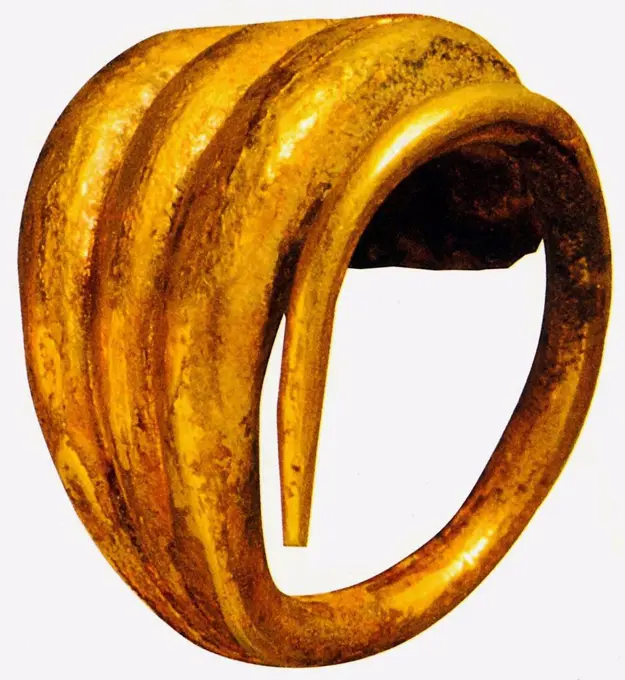
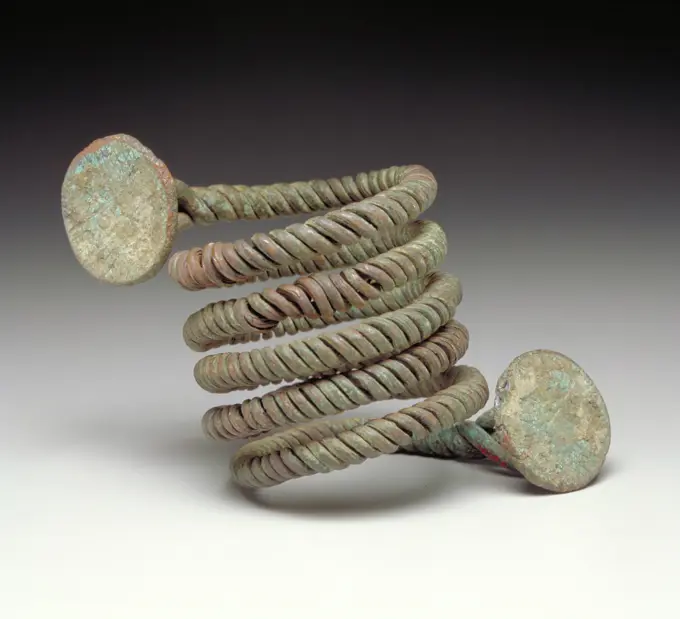
Armband, anonymous, -600 - -100 Tube bracelet, shape of a cuff that is narrower downwards. Ban Chiang bronze (metal) Tube bracelet, shape of a cuff that is narrower downwards. Ban Chiang bronze (metal)
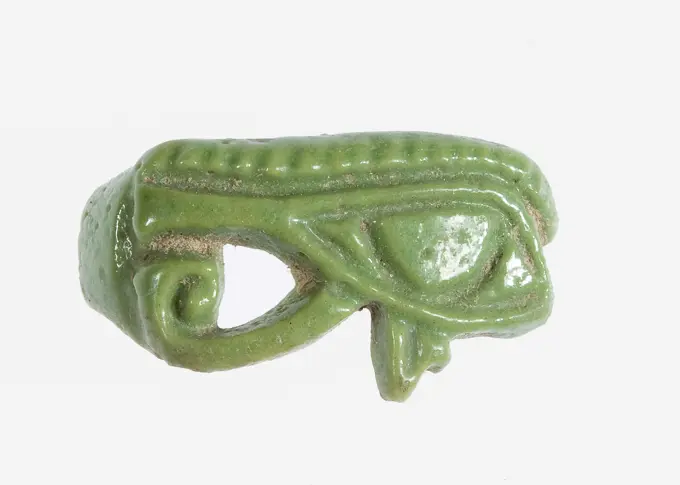
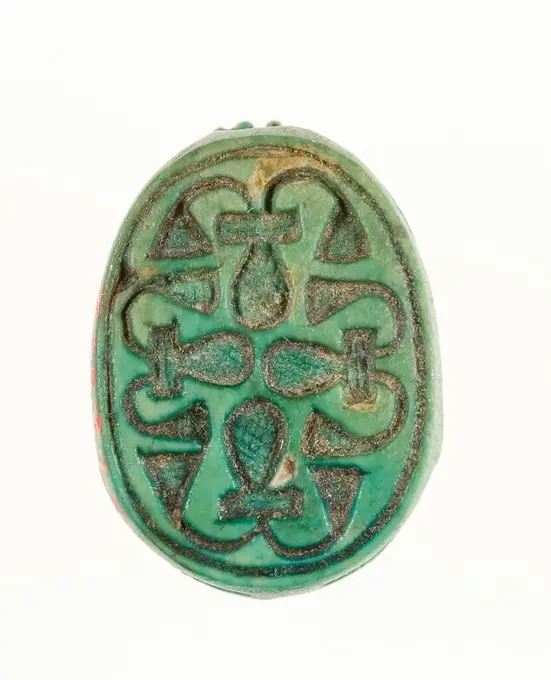
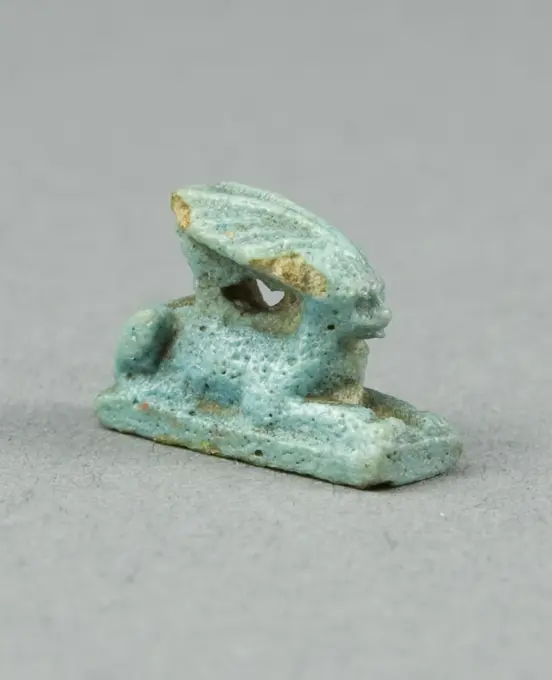
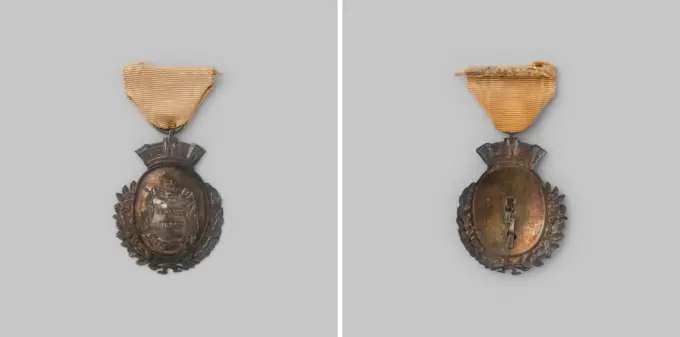
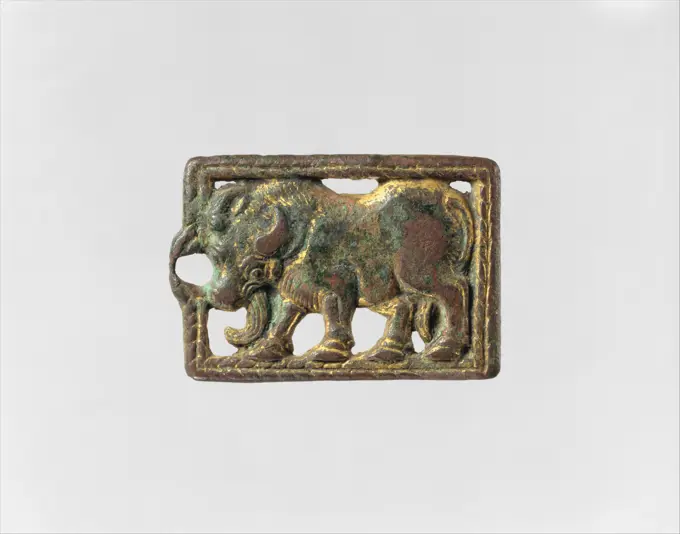
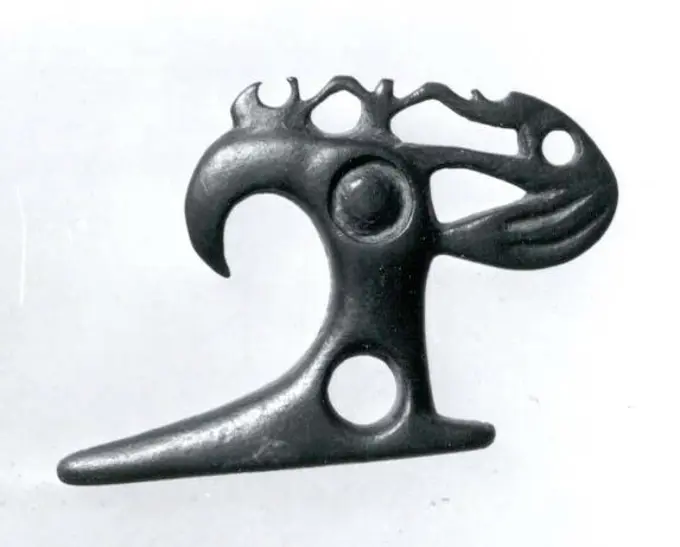
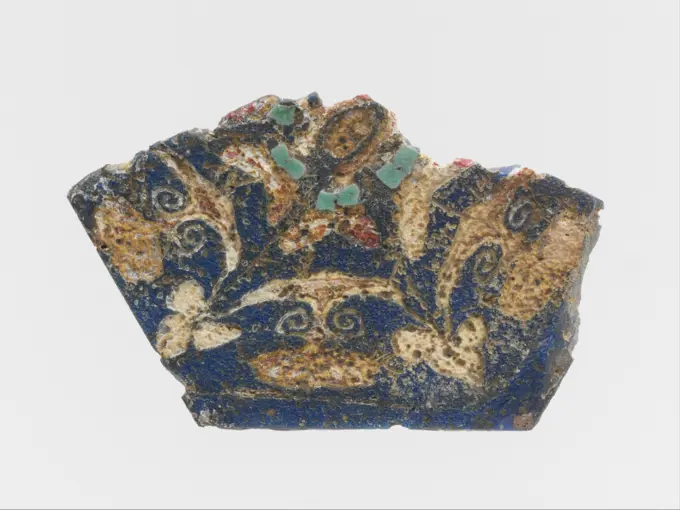
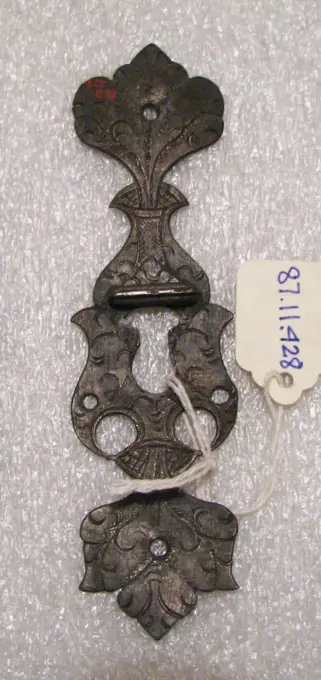
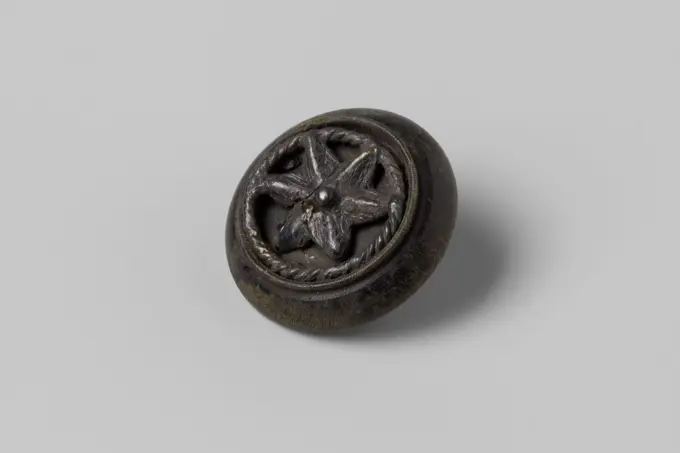
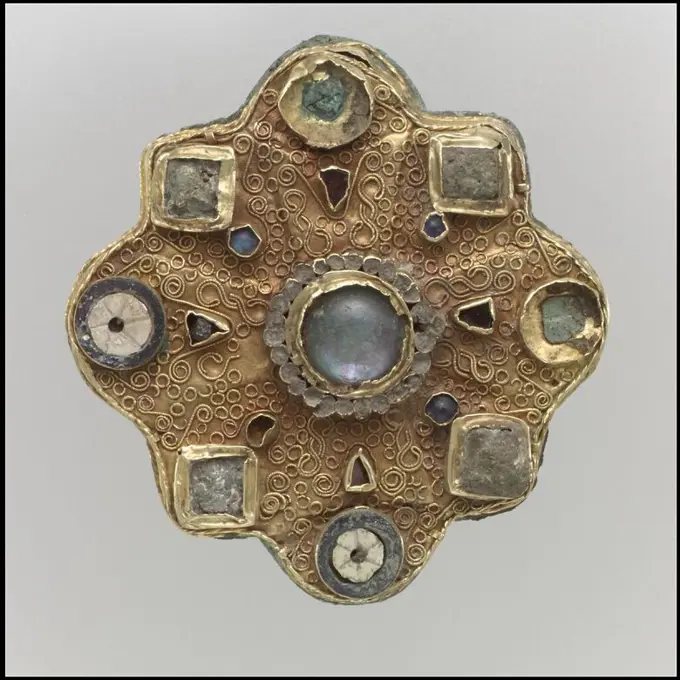
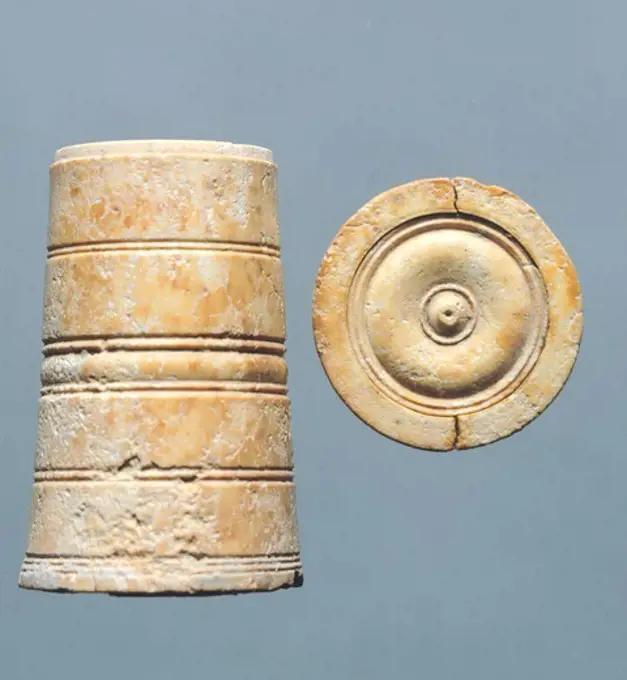
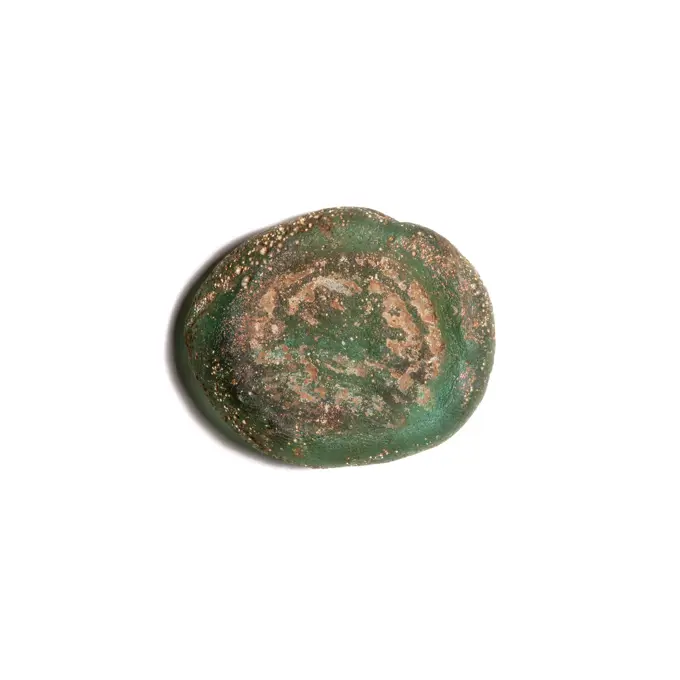
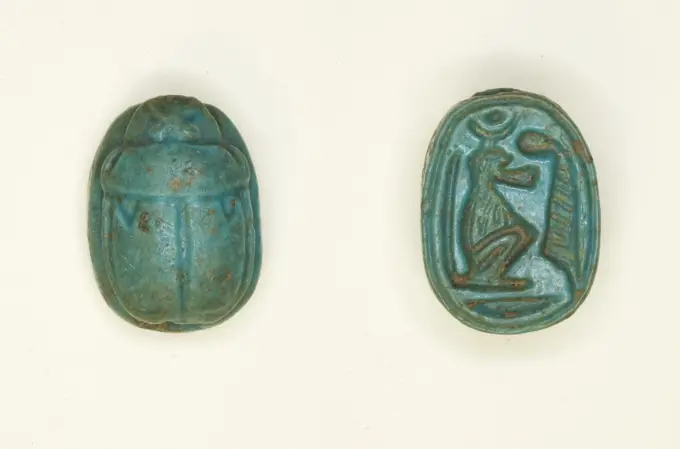
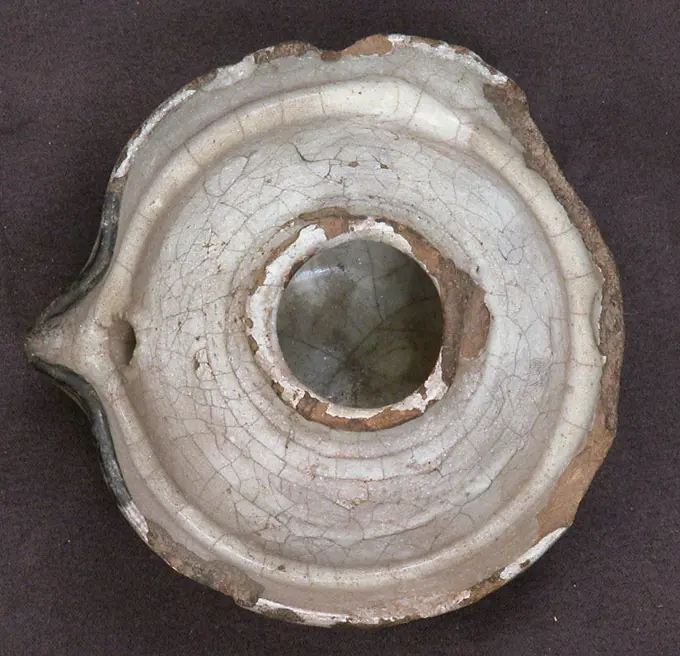
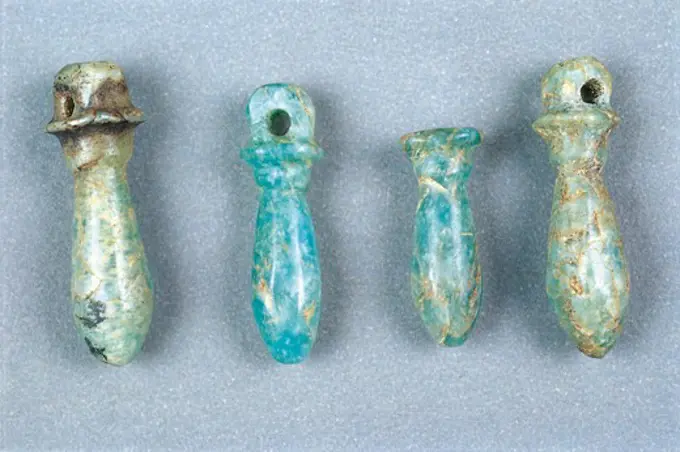
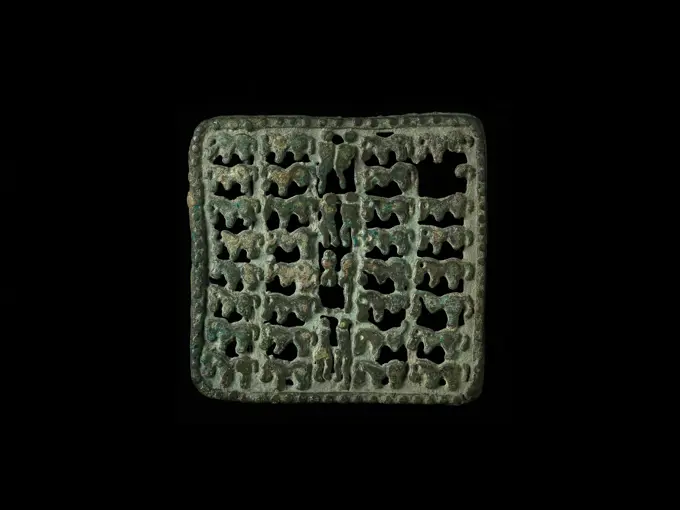
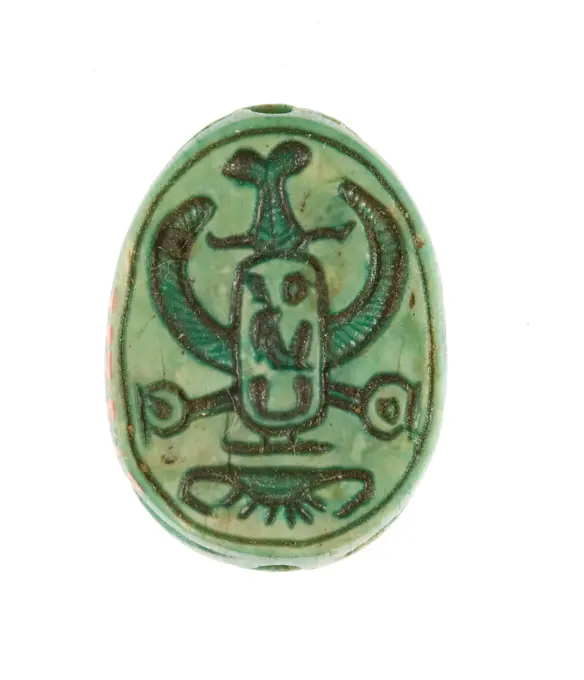
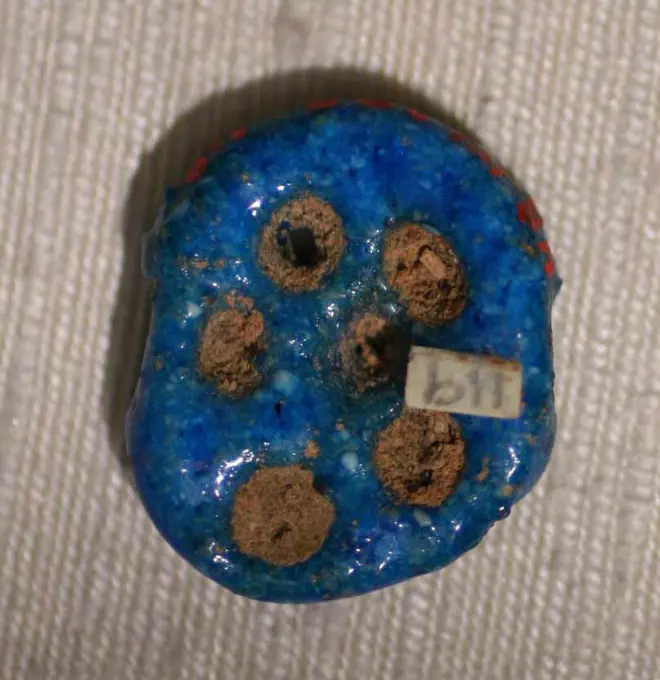
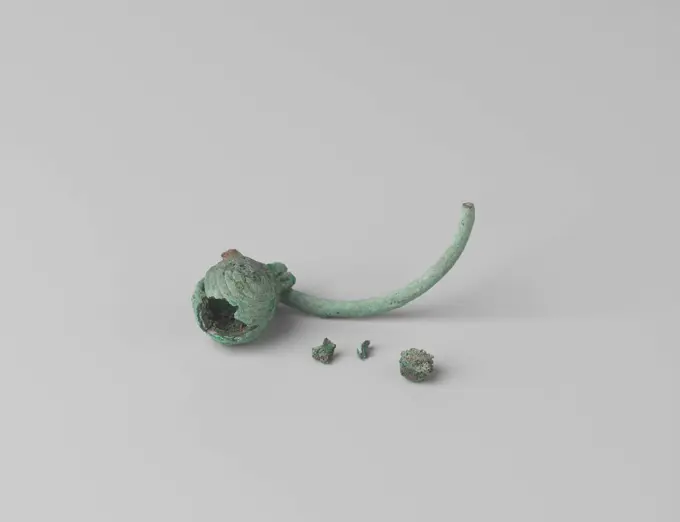
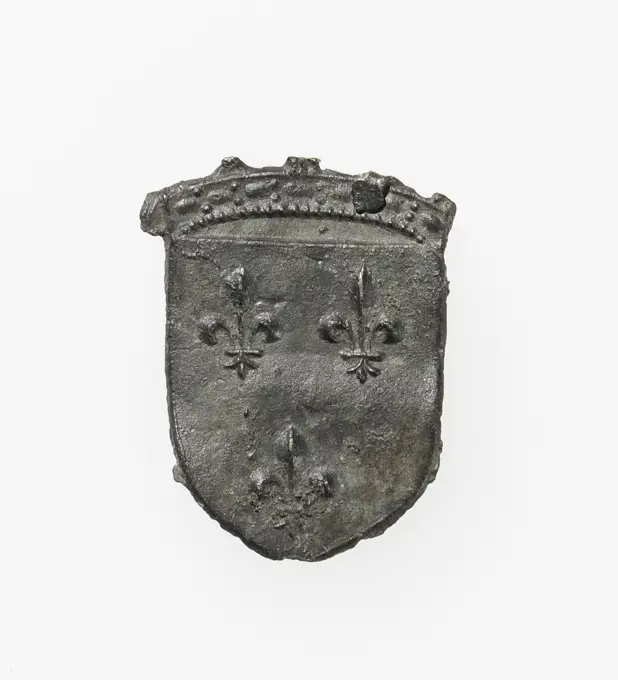
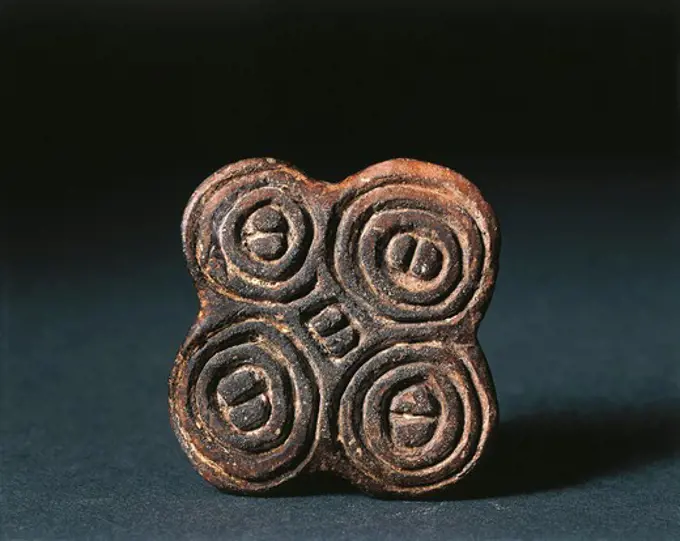
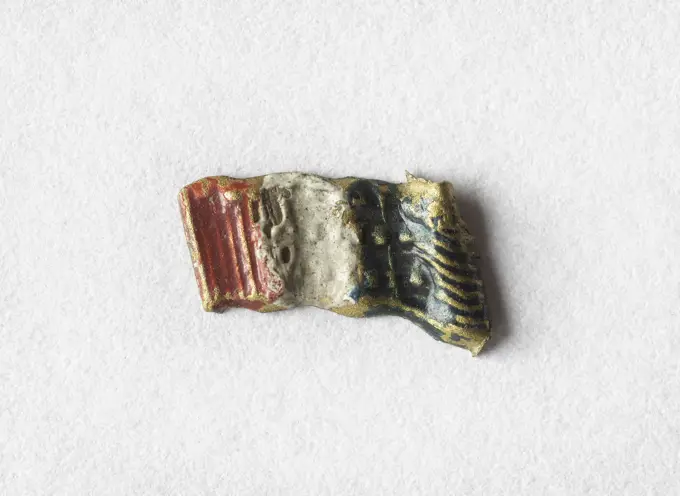
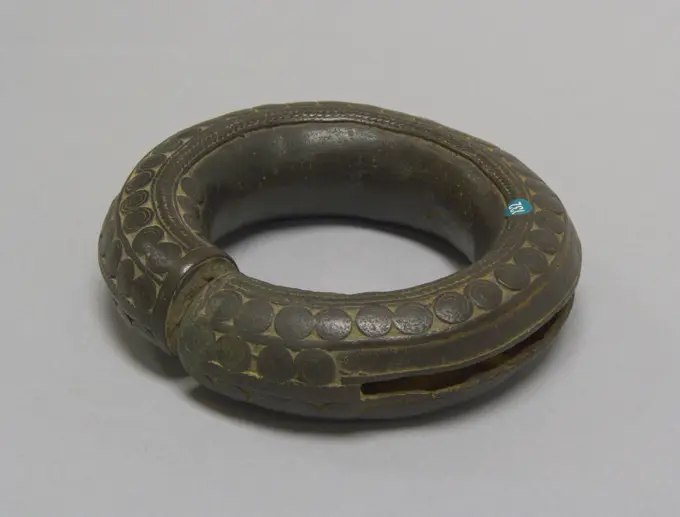
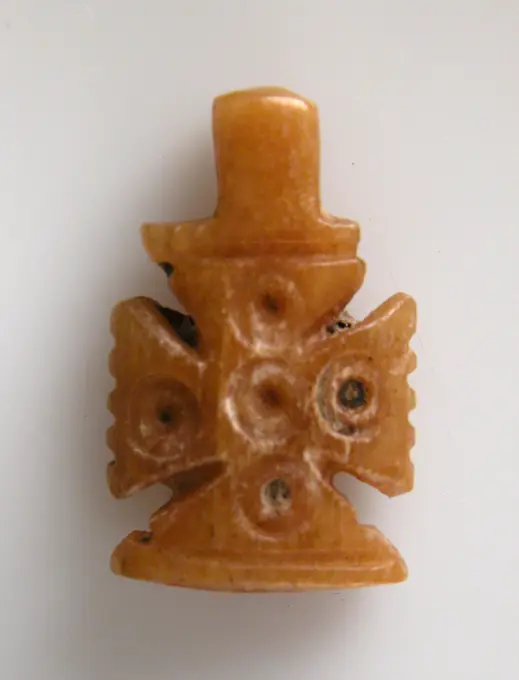
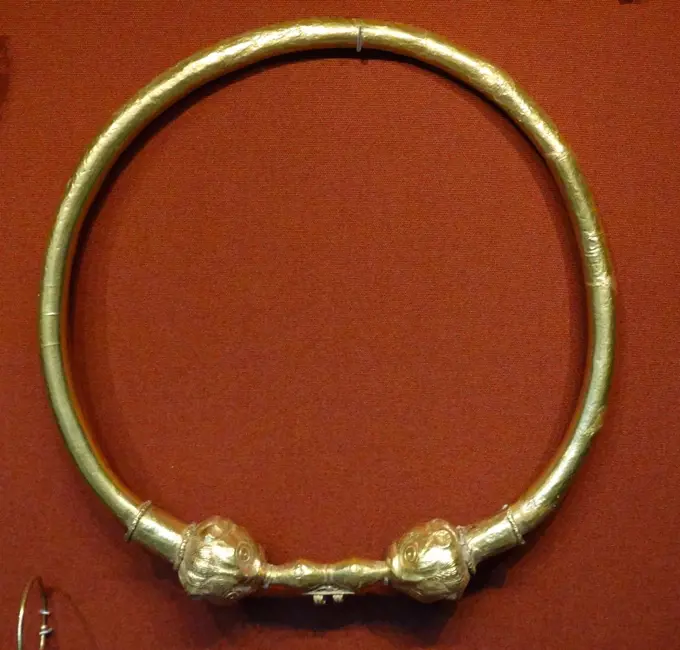
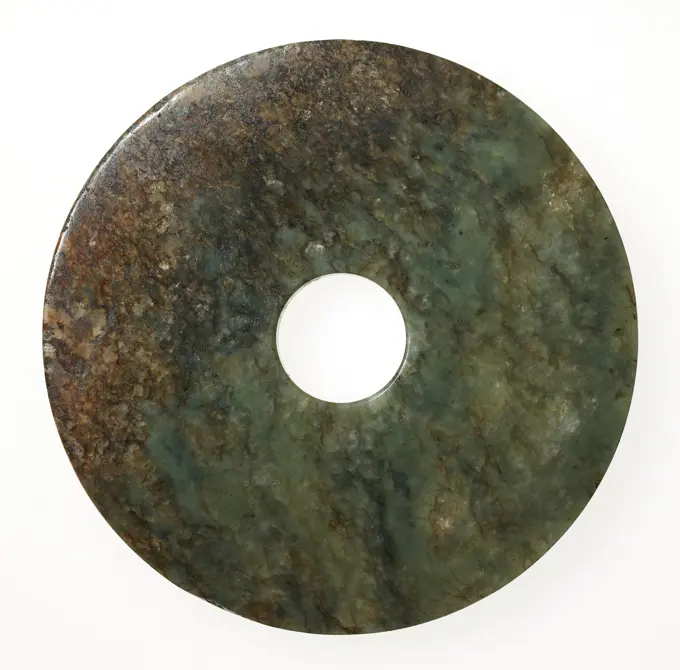
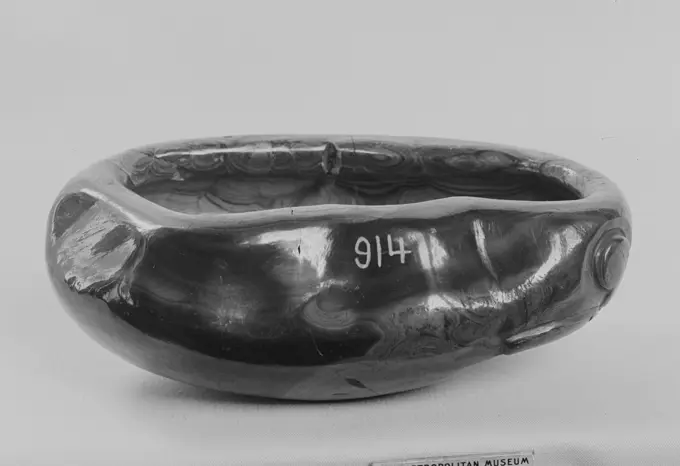
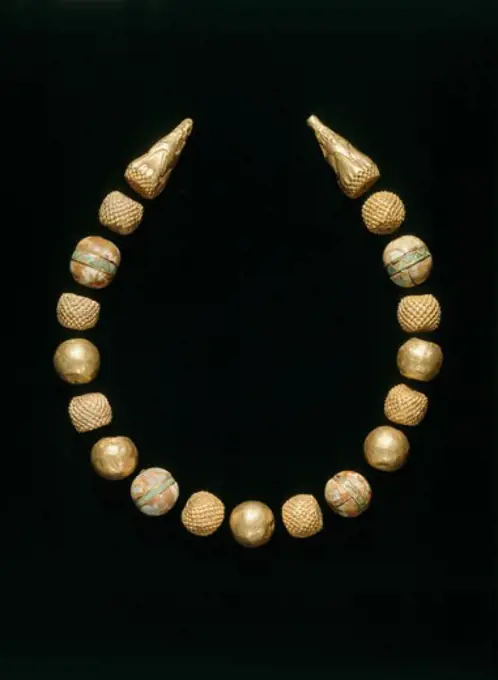
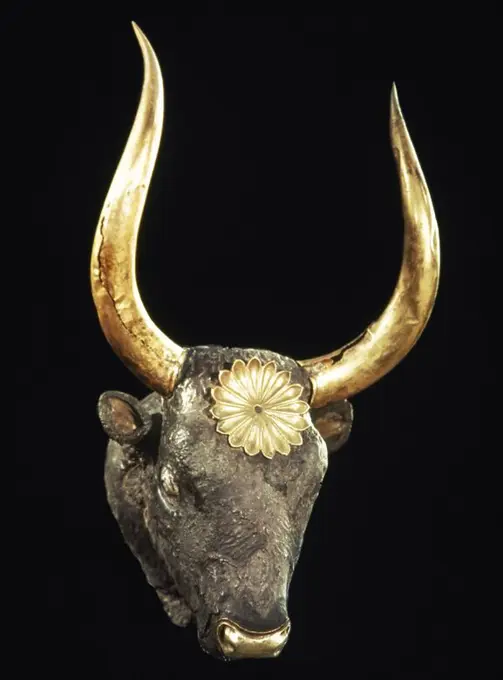
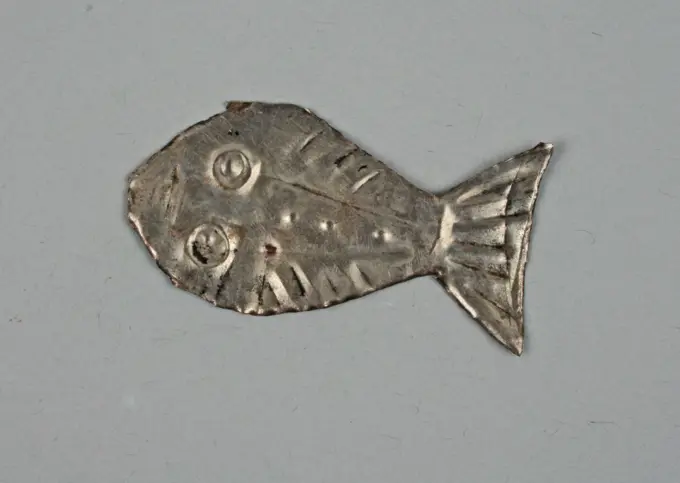
Pin 13th-15th century Chimú. Pin 315607Lamp, Anatolia; 1st - 4th century; Terracotta; 3.3 x 9.5 x 12 cm (1 5,16 x 3 3,4 x 4 3,4 in.)Fragment of a Wedjat Eye Ring ca. 1390-1353 B.C. New Kingdom The wedjat eye represents the healed eye of the god Horus. It depicts a combination of a human and a falcon eye, since Horus was often associated with a falcon. Its ancient Egyptian name, wedjat, means "the one that is sound (again)." In Egyptian mythology Horus eye was injured or stolen by the god Seth and then restored by Thoth. The wedjat eye embodies healing power and symbolizes rebirth. An amulet or ring in this shape was thought to protect its wearer and to transfer the power of regeneration onto him or her.. Fragment of a Wedjat Eye Ring. ca. 1390-1353 B.C.. Faience. New Kingdom. From Egypt, Upper Egypt, Thebes, Malqata, Palace of Amenhotep III, MMA excavations, 1910-11. Dynasty 18Scarab Inscribed with a Geometric Pattern. Dimensions: L. 1.8 cm (11/16 in); w. 1.3 cm (1/2 in); h. 0.8 cm (5/16 in). Dynasty: Dynasty 18, early. Reign: Joint reign of Hatshepsut and Thutmose III. Date: ca. 1479-1458 B.C.. Museum: Metropolitan Museum of Art, New York, USA.Stone Bead before 16th century Mexican. Stone Bead 317348Amulet of a Hare 700 BCE-1 BCE Egypt. Faience . Ancient EgyptianFragment Werra plate, mirrored decor well-behaved couple, man and woman, armmd, year 1619, light yellow and green glaze, border-decoration bows and leaves, plate crockery holder earth discovery ceramic earthenware glaze , Red earthenware with drawing in pale yellow and green glaze glazed date: 1619 archeologySpoon whose stem is crowned by a few, anonymous, c. 1400 - c. 1600 The cast spoon has a beaten largely round to the onset oval, a stem with a triangular starting, transferring to a pillar on which a pair. West-Europa brass (alloy) casting / striking (metalworking) The cast spoon has a beaten largely round to the onset oval, a stem with a triangular starting, transferring to a pillar on which a pair. West-Europa brass (alloy) casting / striking (metalworking)Sign of honor for honorable, long -term and actual service at the militia for non -commissioned officers, Anonymous, 1851  Silver carrying pin with eye, ring and ribbon.  penning: silver (metal). lint: textile materialsBelt Buckle 3rd-2nd century B.C. North China. Belt Buckle 52166Tassel holder ca. 5th-4th century B.C.. Tassel holder 324253Earring or spiral Cypriot. Earring or spiral 242698Shards of wine bottles from the wreck of the East Indians' t Vliegend Hart, Anonymous, 1700 - 1735  Shards of onion -shaped wine bottles of green glass that has been in red (port) wine. Two bottoms, one part belly with a piece of neck, a neck with cork and loose shards. Netherlands cork (bark)Glass mosaic inlay 1st century B.C.-1st century A.D. Egyptian, Roman Translucent cobalt blue ground; decoration in opaque white, yellow, red, and grayish green.Polygonal, flat, and very thin plaque.Symmetrical ivy leaf and palmette motif arranged around a large central six-petaled rosette, with a slightly compressed palmette with spiral volutes below on sides of the hexagon and ivy leaves in solid white at corners.Broken across middle with almost half of motif missing; upper and underside and edge ground and polished; pitted surface bubbles.This inlay is cut from the same mosaic block as 17.194.392, with decoration in mirror image.. Glass mosaic inlay 249616Loop. Shell pattern in the corners, circle in a square in the middle of each side.Escutcheon 1580-1620 German. Escutcheon. German. 1580-1620. Iron. Metalwork-IronButton from the wreck of the East Indians Hollandia, Anonymous, 1700 - in or before 1743 button Knoop. Button; flat, bevelled rim, setting of (s) openwork star motif with corded rim, flat base, pinhead-shank. Netherlands bone (material)   SecondGaming piece in the shape of a bird's head 304-30 B.C. Ptolemaic Period. Gaming piece in the shape of a bird's head. 304-30 B.C.. Limestone, pigment. Ptolemaic Period. From EgyptTorque 3rd-11th century Bura peoples. Torque 317908Disk Brooch. Culture: Frankish. Dimensions: Overall: 2 5/16 x 3/4 x 2 5/16 in. (5.8 x 1.9 x 5.8 cm). Date: second half 7th century.The dress of Frankish women generally consisted of a tunic, cinched by a belt from which hung an array of pendants. A wrap or cloak went over the tunic. Shoes and hosiery, fastened with buckles, covered the legs. Earrings, necklaces, and hairpins completed the ensemble.Aspects of this dress changed from the 300s to the 600s, and brooches in particular convey changes in taste. From the 300s to the 500s, pairs of small brooches, in an array of inventive shapes, held the wrap in place. By the 600s, a single large disc brooch, usually elaborately decorated, served the same function. No other piece of jewelry is more characteristic of Frankish dress than the brooch, and no other better demonstrates the virtuosity of Frankish metalworkers. Museum: Metropolitan Museum of Art, New York, USA.Bag. England. Date: 1501-1600. Dimensions: 13 × 17 × 15 cm (5 1/8 × 6 11/16 × 5 7/8 in.). Tooled leather with front cut out by cutpurse. Origin: England. Museum: The Chicago Art Institute, Chicago, USA.Mordant early 16th century French. Mordant. French. early 16th century. Bronze. Miscellaneous-Buckles & OrnamentScarab. Dimensions: L. 1.7 × W. 1.2 × H. 0.7 cm (11/16 × 1/2 × 1/4 in.). Dynasty: Dynasty 13 or later. Date: ca. 1802-1640 B.C..This scarab is incised with two hieroglyphs (spelling "nefer ra" or "ra nefer") surrounded by a Late Middle Kingdom version of a scroll design. Museum: Metropolitan Museum of Art, New York, USA.Suppling ring from the wreck of the East Indians Hollandia, Anonymous, 1700 - in Or Before 1743  Varied parts or fragments, washers; squashed; circular, square central hole. Netherlands copper (metal)   SecondBone pyx decorated with engraved lines, Crimea. Scythian Civilization, 1st Century BC.Samuel Faigin, Anchor Link, c 1938 Anchor LinkRing. Spain, 1000-1250. Jewelry and Adornments. SilverDeployment;  VIII-XII century (701-00-00-1200-00-00);Arabic (culture), Islam (culture), message (provenance), Islamic artLoop (Username), -276. Copper alloy. Carnavalet museum, history of Paris. Decor of animal heads.Seal Stamp A.H. 1212/ A.D. 1797-98 (). Seal Stamp 452245Belt Buckle (One Ram). Iran, circa 150 B.C.- A.D. 225. Costumes; Accessories. BronzeSpinning stones, anonymous, c. 1600 - c. 1699 Spinsten (31) of stoneware, lung on a rope. A tire of Ingegrode Lines on the widest part of the stones. Some are covered with a brown Engobe. Raeren. Rae stoneware. glaze. engobe vitrification Spinsten (31) of stoneware, lung on a rope. A tire of Ingegrode Lines on the widest part of the stones. Some are covered with a brown Engobe. Raeren. Rae stoneware. glaze. engobe vitrificationScarab Baboon with Maat Feather 1550 BCE-1295 BCE Egypt. Faience . Ancient EgyptianFaience amulet plaque with a group of deities. Culture: Egyptian, Ptolemaic. Dimensions: Other: 1 1/4 in. (3.1 cm). Date: ca. 304-30 B.C..Amulet plaque, group of deities. Museum: Metropolitan Museum of Art, New York, USA.Lamp 7th-8th century. Lamp 450383Egypt, Bahariya Oasis, Sheik Souby, Governor's Tomb, Tomb of Nassa, AmuletsPierced disk, perhaps from an earring or fibula (safety pin) 7th century B.C. Etruscan or Italic Whorl.. Pierced disk, perhaps from an earring or fibula (safety pin). Etruscan or Italic. 7th century B.C.. Amber. Late Geometric. Miscellaneous-AmberFragment of a Molding. Dimensions: H. 10 5/8 in. (27 cm)W. 8 1/16 in. (20.4 cm)D: 2 1/16 in. (5.2 cm). Date: 10th century. Museum: Metropolitan Museum of Art, New York, USA.Scarabs Inscribed for the God's Wife Neferure ca. 1479-1458 B.C. New Kingdom. Scarabs Inscribed for the God's Wife Neferure. ca. 1479-1458 B.C.. Steatite (glazed). New Kingdom. From Egypt, Upper Egypt, Thebes, Deir el-Bahri, Temple of Hatshepsut, Foundation Deposit 7 (G), MMA excavations, 1926-27. Dynasty 18, earlyPlate. Harness element. Bronze. North-West China or South Center of Inner Mongolia, 5th century BC Paris, Cernuschi museum. 35406-3 Bronze, element, harness, hetao, riding Mongolia, ordos, prehistory, prehistoric, animalTwo pewter tricks, toys, tricks toy relaxant miniature soil find tin metal total, cast Two miniature treats bent Cirkel with three inward pointing triangles three legs on the outside and handle. Toy archeology Rotterdam rail tunnel indigenous tin child child play game play set house interior Soil discovery: trajectory rail tunnel Rotterdam.Fibula ca. 7th century B.C. Iran. Fibula 325785Plaque. Inner Mongolia, 5th-1st century B.C.. Sculpture; plaques. Bronze, castGold of Troy, Priams Treasure by anonymous artist, gold, 2400-2300 BC, Russia, Moscow, State A. Pushkin Museum of Fine ArtsOval palette ". Bois. Paris, Museum of Romantic Life. Oval, palette, painting, woodPendant. UnknownBelt Buckle with Stag 1st-2nd century Southern Ossetia, Georgia and northern Caucasus, Russia. Belt Buckle with Stag. Southern Ossetia, Georgia and northern Caucasus, Russia. 1st-2nd century. Bronze or brass. MetalworkOld paint objects cutting knifeDesign Amulet in the Form of a Fly ca. 1550-1525 B.C. New Kingdom. Design Amulet in the Form of a Fly 545199Lamp 1st century B.C.-1st century A.D.. Lamp. 1st century B.C.-1st century A.D.. Earthenware. CeramicsScarab ca. 1635-1458 B.C. Second Intermediate Period-Early New Kingdom. Scarab. ca. 1635-1458 B.C.. Steatite (glazed). Second Intermediate Period-Early New Kingdom. From Egypt, Upper Egypt, Thebes, Asasif, Courtyard CC 41, Tomb R 3, Burial B 1, On body, MMA excavations, 1915-16. Dynasty 17-Early Dynasty 18Capitals and Columns, 1200s. France, 13th century. Stone; overall: 127 x 60.3 x 28.6 cm (50 x 23 3/4 x 11 1/4 in.).Statuette of a woman votary. Culture: Greek, Laconian. Dimensions: Height: 1 3/8 in. (3.5 cm). Date: ca. 625-425 B.C.. Museum: Metropolitan Museum of Art, New York, USA.Cornflower Pendant ca. 1390-1353 B.C. New Kingdom. Cornflower Pendant. ca. 1390-1353 B.C.. Faience. New Kingdom. From Egypt, Upper Egypt, Thebes, Malqata, Palace of Amenhotep III, MMA excavations, 1910-11. Dynasty 18Bell with Water Buffalo Head. Thailand, Ban Chiang culture, 300 B.C.-A.D. 150. Tools and Equipment; musical instruments. Copper alloyFerret 6th-7th century Frankish. Ferret 465801 Frankish, Ferret, 6th7th century, Copper alloy, Overall: 2 5/16 x 9/16 x 1/4 in. (5.8 x 1.5 x 0.6 cm). The Metropolitan Museum of Art, New York. Gift of J. Pierpont Morgan, 1917 (17.193.75b)Scarab Inscribed for Maatkare (Hatshepsut) ca. 1479-1458 B.C. New Kingdom During the 1926-1927 excavation season, the Museum's Egyptian Expedition uncovered three foundation deposits along the eastern enclosure wall of Hatshepsut's funerary temple at Deir el-Bahri in Western Thebes. Among the contents were 299 scarabs and stamp-seals. Sixty-five of these are now in the Egyptian Museum, Cairo, and the rest were acquired by the Museum in the division of finds.Among the inscriptions on the bases of these scarabs and seals are examples of every title Hatshepsut held, from the time she was "king's daughter" during the reign of her father, Thutmose I; through the time she was queen of her half-brother, Thutmose II; and during her regency and co-reign with her nephew/step-son, Thutmose III.The inscription on the base of this scarab records Hatshepsut's throne name, Maatkare, enclosed in a cartouche embellished with the wings and legs of a bird, and topped with the feathers and horns of the diFinial from Metal Vessel 9th-10th century Several decorative metal finials such as this piece were found during the Metropolitan Museums excavations at Nishapur in eastern Iran. The elongated stem at the bottom suggests it may have formed the top of a pin used to arrange clothing or hair, several examples of which were found at the site. Bird-shaped finials were particularly popular at Nishapur and in addition to pin tops, such finials were found attached to the handles of lamps and incense burners, as well as to lids for various vessels.. Finial from Metal Vessel 449142Beads 8th-13th century This object was excavated at Nishapur.Nishapur was a vital city in the early and middle Islamic periods, located along one of the main trajectories that connected Iran and West Asia Islamic lands with Central Asia and China. These itineraries are often referred to by the term Silk routes’ but were in fact crucial to the movement of constellations of materials and objects, as well as people and ideas. The diverse population of Nishapur and its surroundings, from the better-researched elite groups of merchants, land-owning aristocracy, and literates, to the less-known artisans, farmers, miners, and servants, were instrumental in adapting global cultural trends to create their own distinctive visual languages. This is seen in the material remains of everyday life in medieval Nishapur - from pots and pans to lighting devices, inkwells, textiles and trimmings, jewelry, games and toys, talismanic devices, weapons, coins, and architectural fragments.Nishapur lost its pFragment of a bracelet. Fragment of a simple ring bracelet with a bell.Native American statue, stone, USA, New York, Heye Center, National Museum of the American IndianPilgrim's Badge 14th-16th century French. Pilgrim's Badge. French. 14th-16th century. Lead. Metalwork-LeadLoop A row of 25 stones.Torque (neck ring). Northeastern Europe, La Tene period, circa 500-100 B.C.. Jewelry and Adornments; torques. Bronze, castPipes head. Blowjob head with a crown, a fish and waves, and the letters I d l depicted. Of the excavations at the Hofstede Arentsburg 1827-1831 under the supervision of professor Reuvens.atalaje de carro, siglo IV, villa Romana de Carranque, Museo de los Concilios y la Cultura Visigoda, Church of San Román, Toledo, Castilla-La Mancha, Spain.Plate. Bronze, China, IV-IIe s. av. Paris, Cernuschi museum. Asian art, Chinese art, bronze, Asian civilization, Chinese civilization, plaqueBuckle made of copper or bronze, cast with decorative outside shape, buckle fastener component soil find brass bronze metal, archeology Rotterdam Kralingen-Crooswijk Kralingsche Bos Kralingse Plas Soil discovery: collected in 1972 at the Kralingse Plas from sprayed dredge: metal detector finds and sight finds.Currency, 20th century, 7 1/2 x 6 1/2 x 3 3/4 in. (19.05 x 16.51 x 9.53 cm), Copper, Nigeria, 20th centuryItaly, Savona province, Quatre-foiled clay pintadera or stamp from Arene Candide CaveFragment 15th century European. Fragment. European. 15th century. Pot-metal glass and vitreous paint. Glass-StainedGlass Fragment 8th century Syrian. Glass Fragment. Syrian. 8th century. Pot metal glass, vitreous paint. Glass-StainedRing -shaped fragment from the wreck of the East Indians Hollandia, Anonymous, 1700 - in Or Before 1743 fragment Varied parts or fragments, rings or ring-shaped fragments; id. 80H946. Netherlands copper (metal)   SecondTricolor flag, s. d. (Dummy title) Medal representing a tricolor flag.6th century shield umbo depicting battle scenes, from Nocera Umbra, Italy. Longobard civilization.Fragment 14th-15th century. Fragment 445533Black marble cylinder seal. Culture: Greek, Ionian. Dimensions: Length: 7/8 in. (2.3 cm). Date: 5th century B.C..Nude warrior hunting a lion and a stag. Museum: Metropolitan Museum of Art, New York, USA.Bird Pendant, 1027-775 BCE, 1 1/8 x 3 5/8 x 1/8 in. (2.86 x 9.21 x 0.32 cm), Translucent deep green jade with brown clouds, China, 11th-8th century BCEHollow Anklet with Pellet and "S"-Shaped Spirals 300 B.C.-A.D. 400 Thailand. Hollow Anklet with Pellet and "S"-Shaped Spirals. Thailand. 300 B.C.-A.D. 400. Bronze. Late period. JewelryRing in Form ofDragonScarab for Maatkare (Hatshepsut), United with Amun. Dynasty: Dynasty 18, early. Reign: Joint reign of Hatshepsut and Thutmose III. Date: ca. 1479-1458 B.C.. Museum: Metropolitan Museum of Art, New York, USA.Stamp Seal. Iran, no date. Tools and Equipment; seals. Bronze, castPendant Cross 5th-7th century This small cross would haven been strung on a necklace or string and worn around the neck. It is decorated with a pattern of incised circles. Similar patterns of concentric circles are found throughout early Byzantine art. These circles may have represented the reflective qualities of mirrors, which in the ancient and early Byzantine world were believed to deflect evil.Crosses were everywhere in the early Byzantine world. They marked religious, secular, and domestic buildings, public works, clothes and jewelry, and objects in the home. The cross was a sign of Christ's triumph over death and the hope of eternal life and was frequently ascribed apotropaic, or protective, powers by the faithful.. Pendant Cross 446232Scarab of the King's Mother Queen Nebuhetepti. Dimensions: L. 2.4 × W. 1.7 × H. 1 cm (15/16 × 11/16 × 3/8 in.). Dynasty: Dynasty 13. Reign: reign of Sobekhotep . Date: ca. 1802-1640 B.C.. Museum: Metropolitan Museum of Art, New York, USA.Gold open-work jewellery Late Roman to Early Byzantine 4th Century AD, Turkish provinces of Roman EmpireBronze base of a can or cooking pot. Bronze base or a can or cooking pot. At the top cave.Area metal pipe on a white backgroundVisigothic broque from the 7th century, Mortera cave, Pielagos, Museum of prehistory and archeology (MUPAC), Santander, Cantabria, SpainSignet Matrix. - Seal, 1770. Possibly made in Birmingham. Presented by Francis Buckley, 1934.. A 'signet' or 'seal matrix' is a small stamp used for impressing the mark of its owner in wax onto documents. This is one of a collection of twenty-seven acquired by the museum in 1934. The majority of examples are finely made of moulded translucent glass, in this case purple. Amusingly, the design is of a signet. The inscription, 'PUSH', refers to the action of impressing the signet into the surface of the wax! .Pi, 10th-13th century, 3/8 x 6 3/8 in. (1 x 16.19 cm), Grey and brown nephrite, China, 10th-13th centuryGirdle ring China. Girdle ring 42874Earplug, one of 15, 15th century, 11/16 x 1 11/16 in. (1.75 x 4.29 cm), Jade, Mexico, 15th centuryGlass Fragment. Culture: South Netherlandish (). Dimensions: Overall: 4 x 4 1/4 in. (10 x 11 cm). Date: late 15th-early 16th century. Museum: Metropolitan Museum of Art, New York, USA.Fish Ornament. Culture: Peru; central coast (). Dimensions: L. 1 1/2 in. (3.8 cm). Date: 11th-12th century. Museum: Metropolitan Museum of Art, New York, USA.Brush Washer 18th century China. Brush Washer. China. 18th century. Malachite. Qing dynasty (1644-1911). HardstoneBactrian Gold: Necklace Artist Unknown Kabul Museum, Afghanistan Fragment of tin box or batter with embossed decoration, lid closure fittings fragment soil find tin metal, Rectangular (chipped) plate metal with bent side with bevelled short sides and small remnant of second bent side. In one corner an eye for archeology Rotterdam rail tunnel packing Soil discovery Rotterdam tunnel trajectory.Broad collar ca. 1981-1640 B.C. Middle Kingdom. Broad collar. ca. 1981-1640 B.C.. Faience, Paste. Middle Kingdom. From Egypt, Memphite Region, Lisht North, Tomb 954, Burial 954J, MMA excavations, 1921-22. Dynasty 12-13Royal Tombs of Mycenae. 16th century BC. Silver rhyton in the shape of a bovine head, gold horns and rosette. Tomb IV. Grave Circle A. National Archaeological Museum. Athens, Greece.Textile Ornament 14th-15th century Chimú. Textile Ornament 308760