Ancient Bronzes and Decorative Items

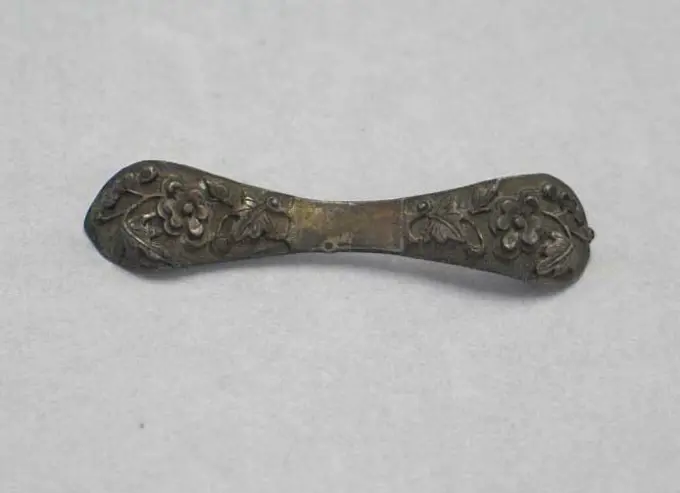
Artifacts like buckles, armbands, and axeheads made of bronze, highlighting the craftsmanship of ancient cultures and their utility.

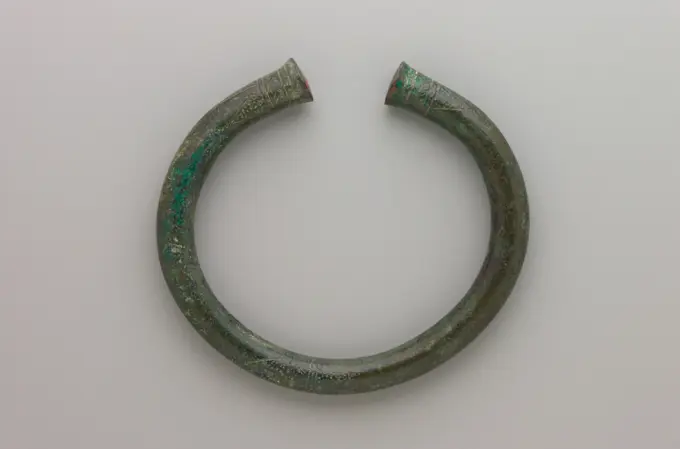
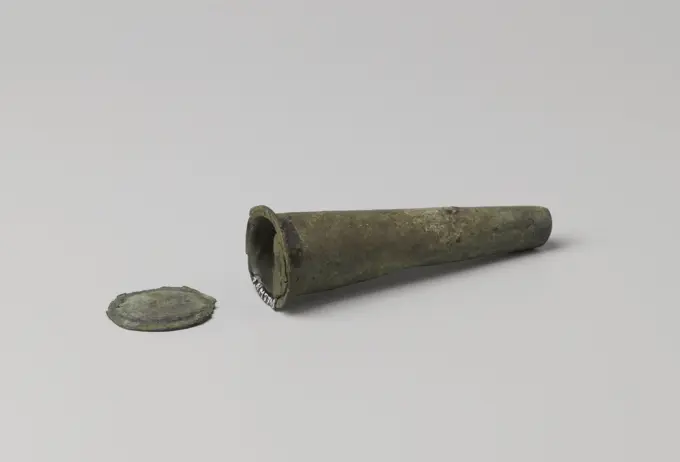
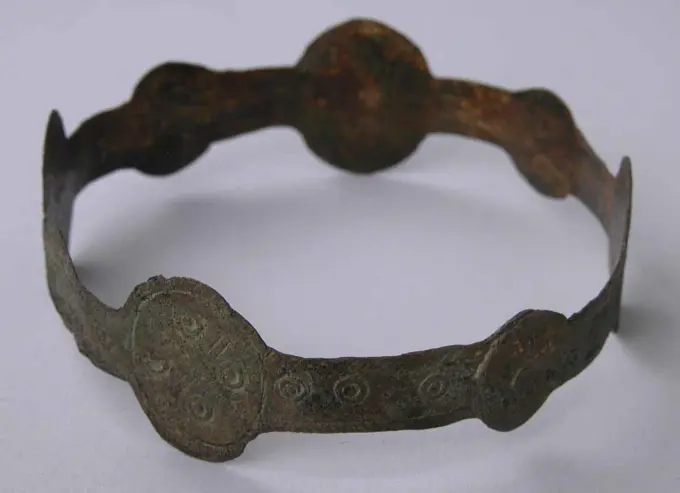
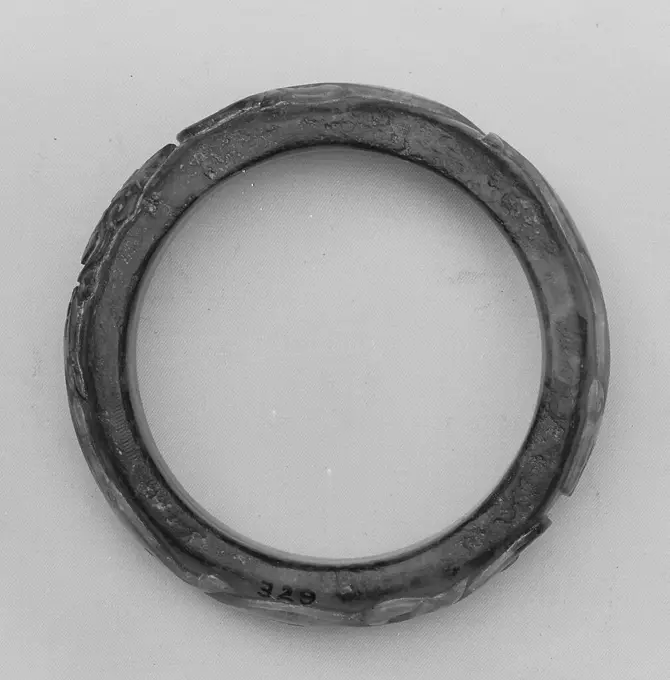
Armband, anonymous, -600 - -100 Tube bracelet, shape of a cuff that is narrower downwards. Ban Chiang bronze (metal) Tube bracelet, shape of a cuff that is narrower downwards. Ban Chiang bronze (metal)
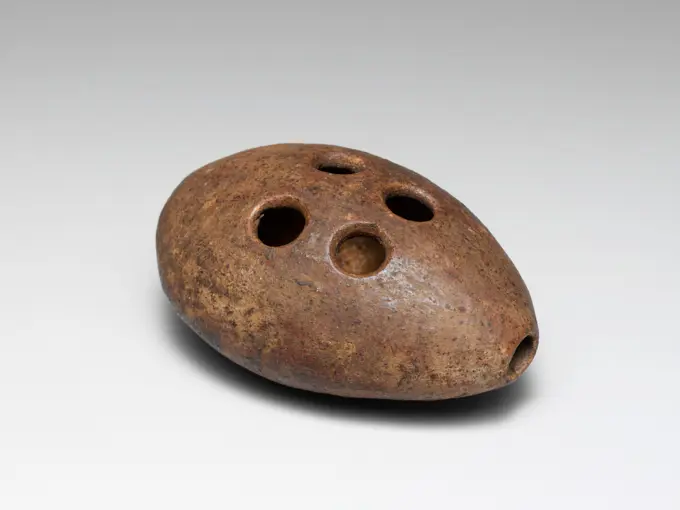
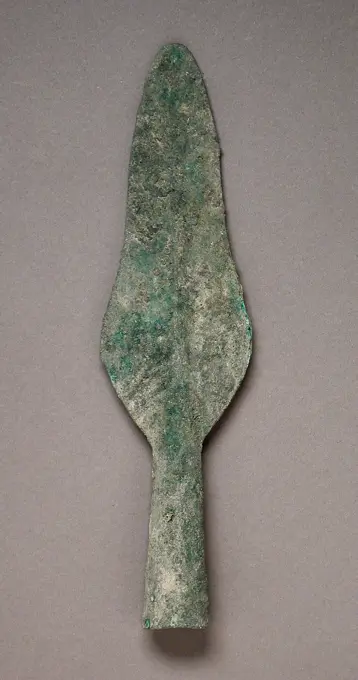
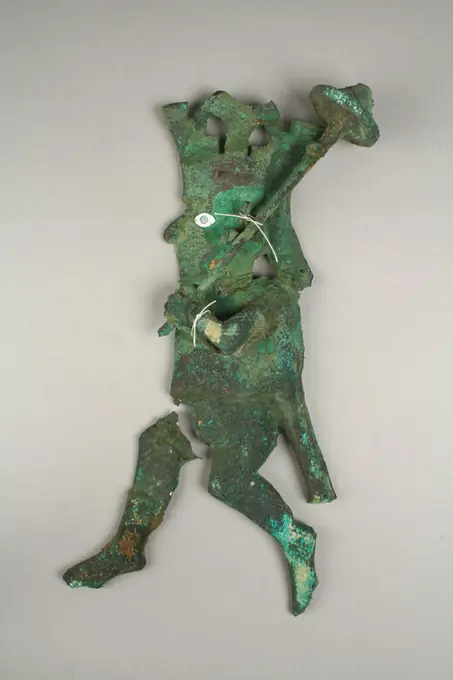
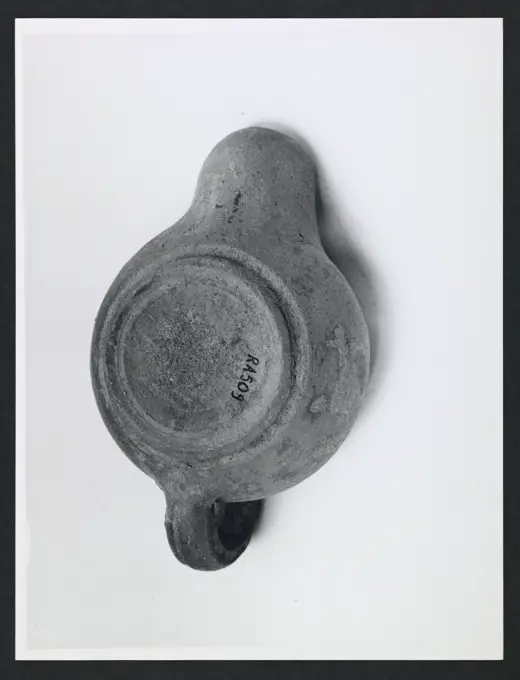
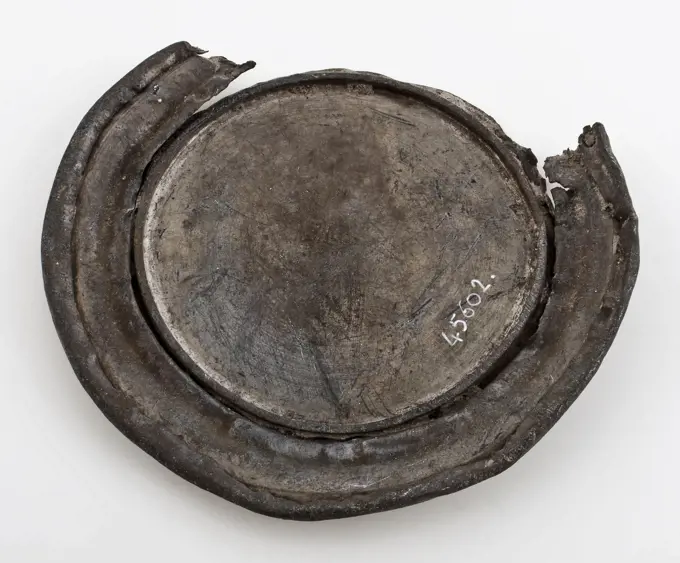
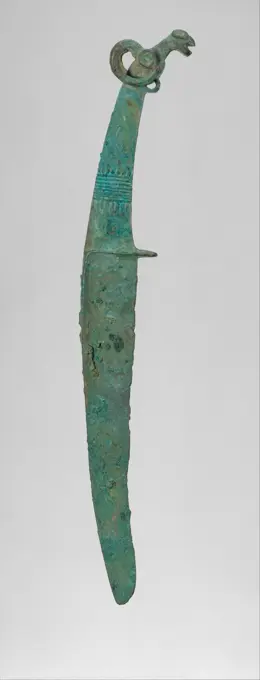
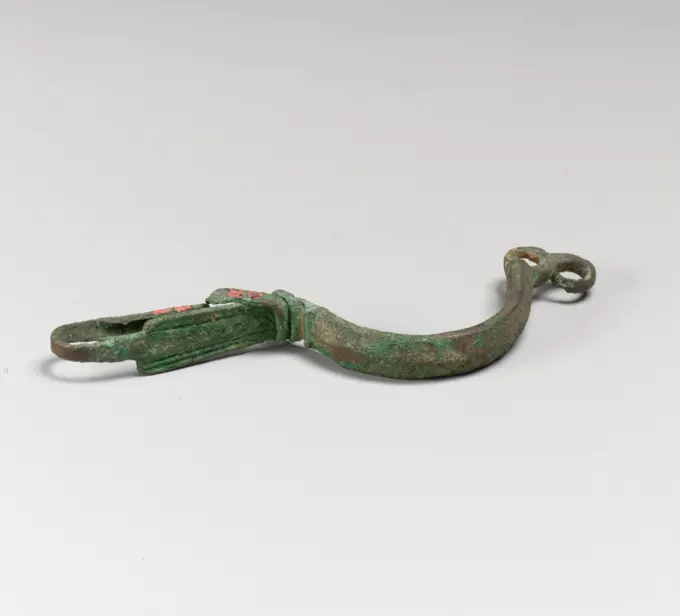
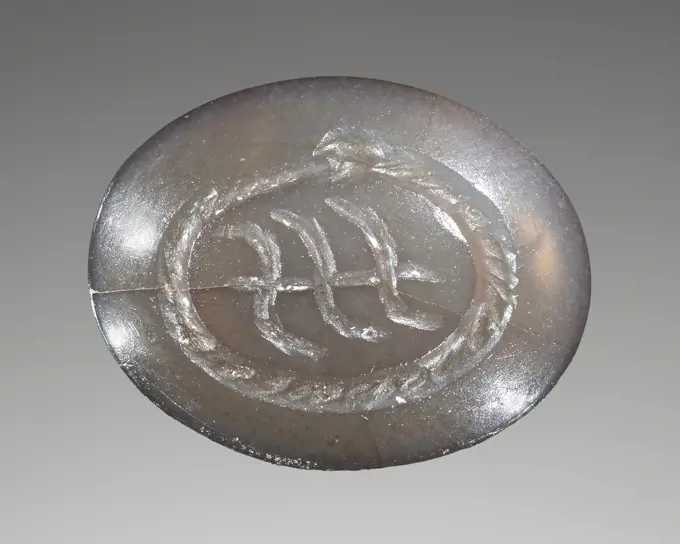
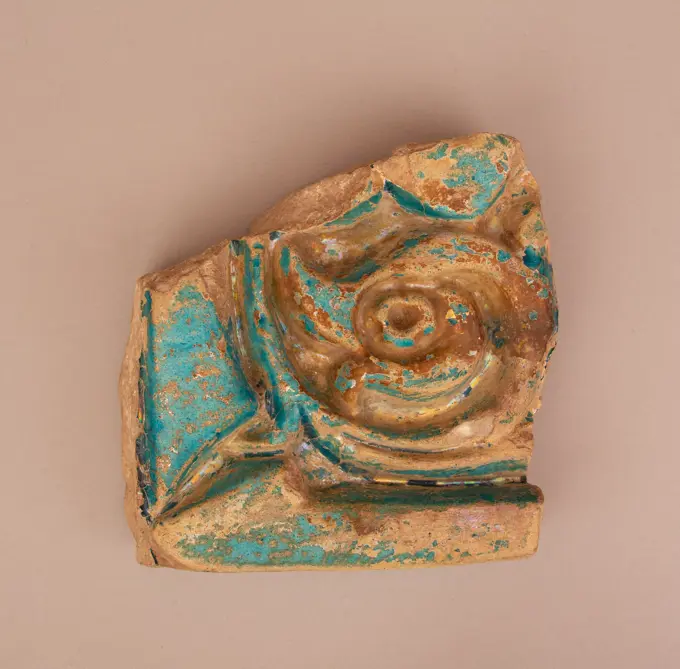
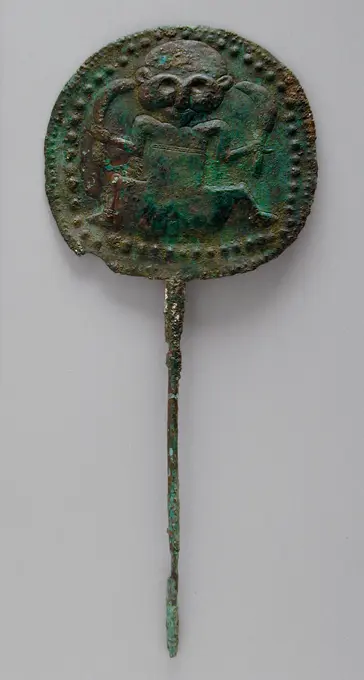
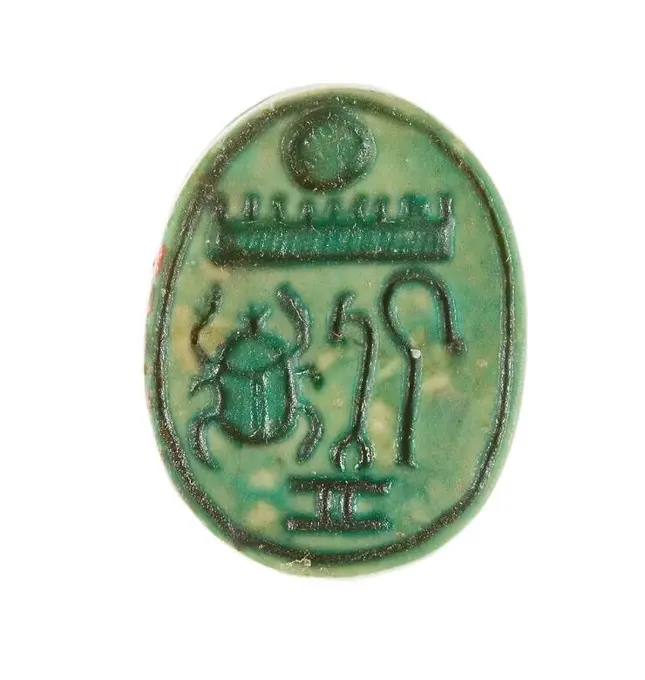
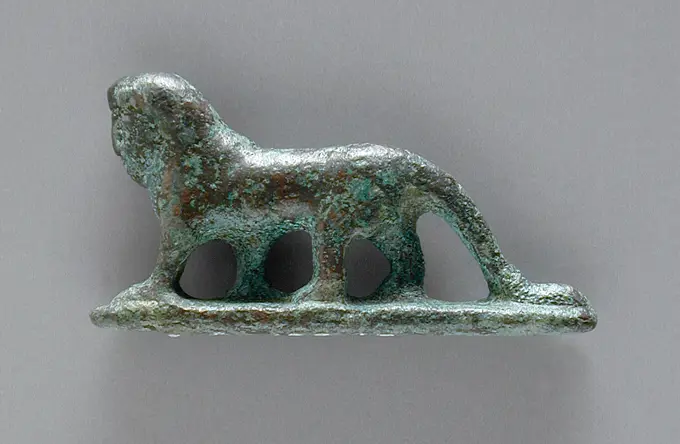
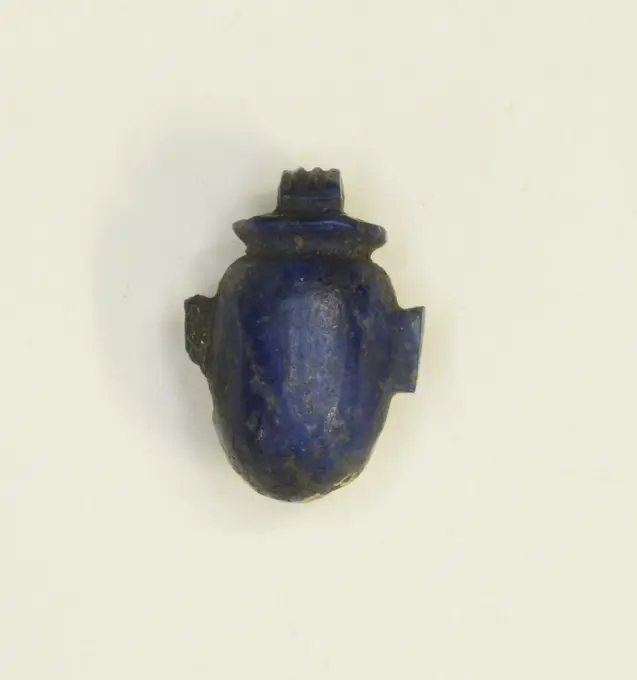
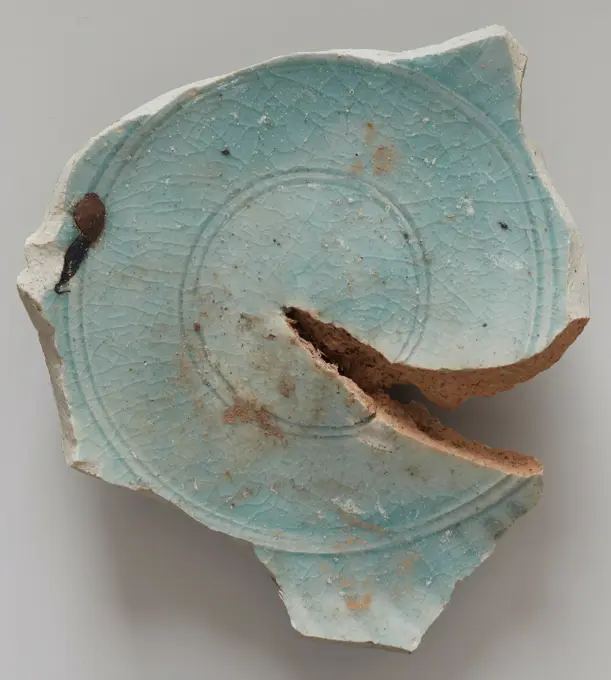
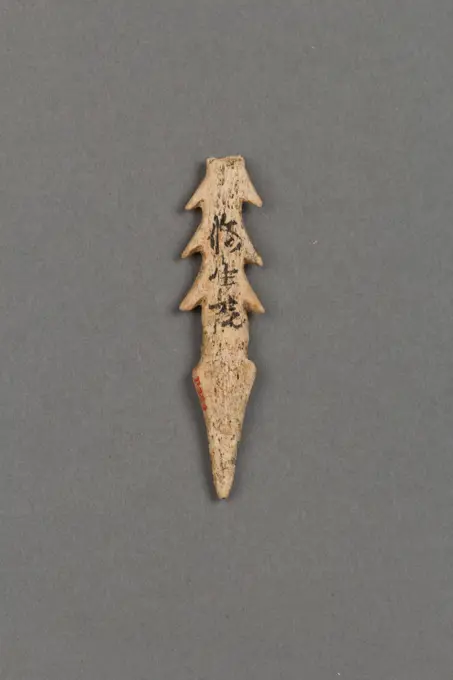
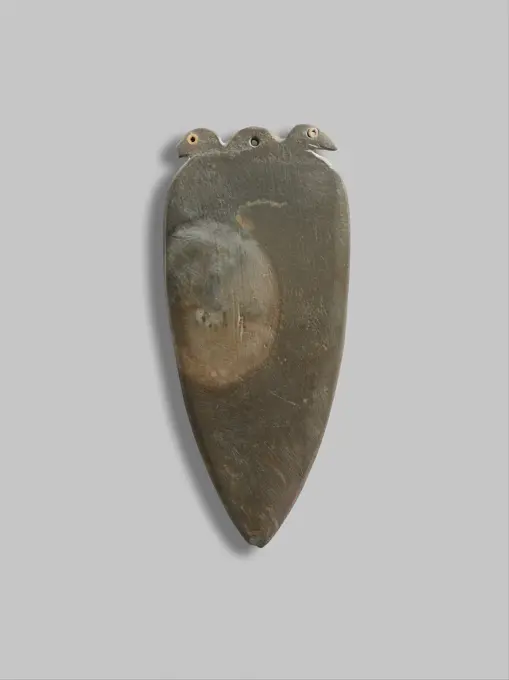
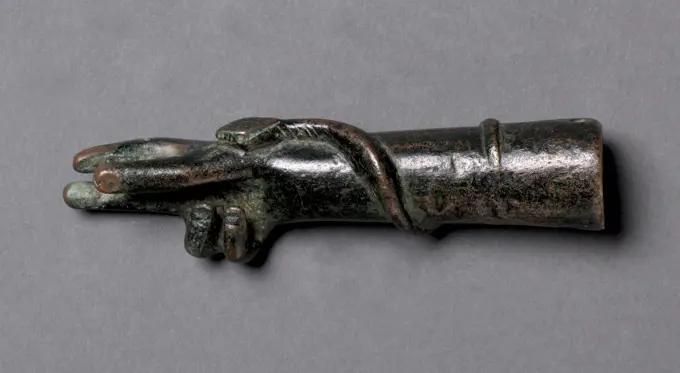
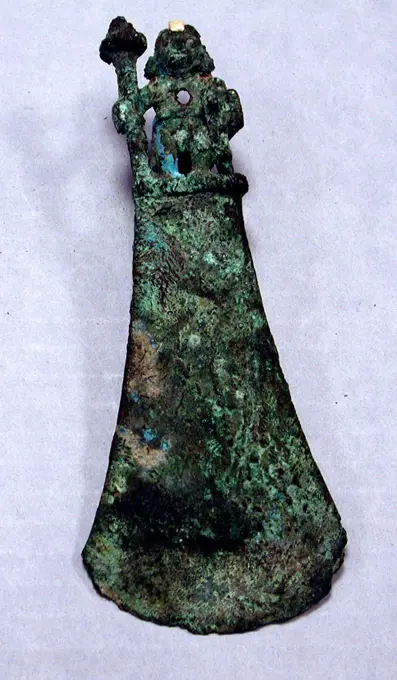
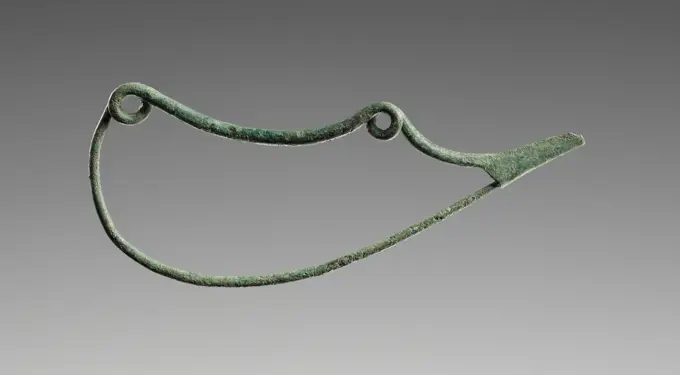
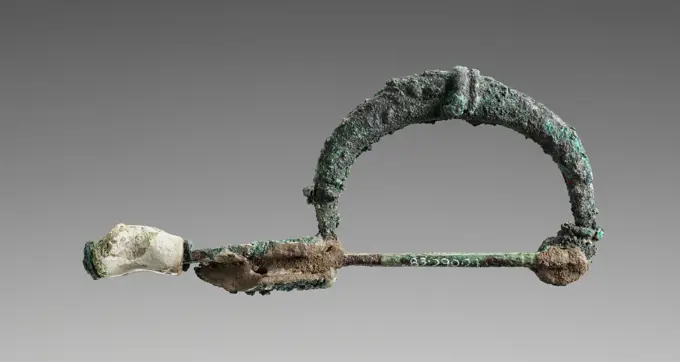
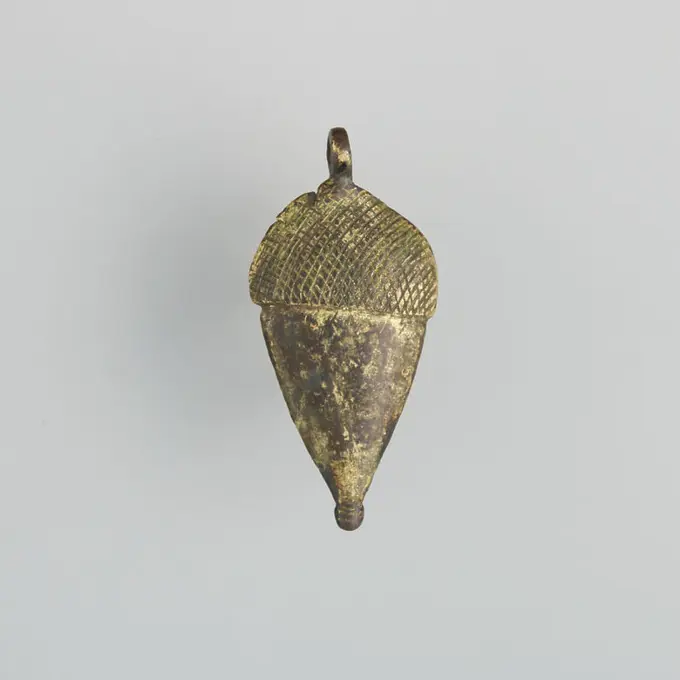
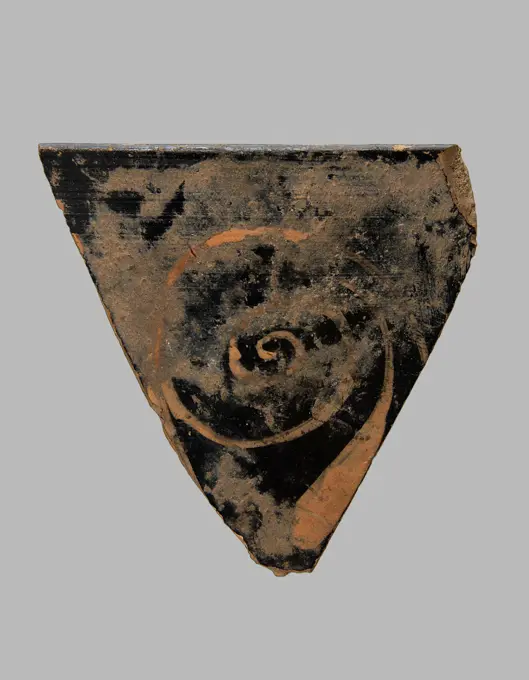
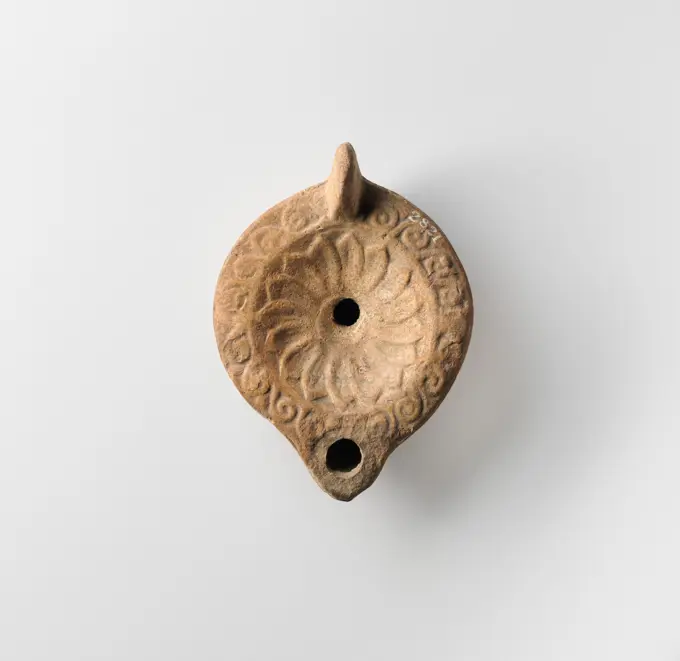
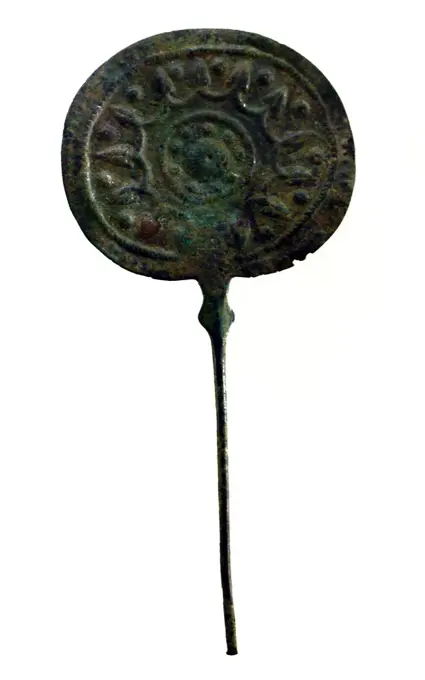
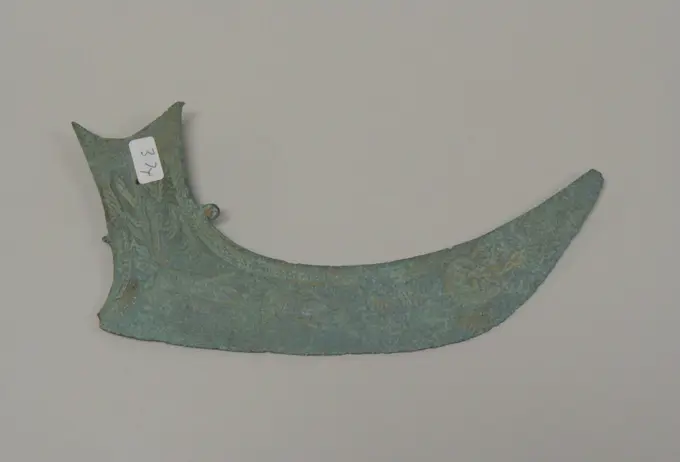
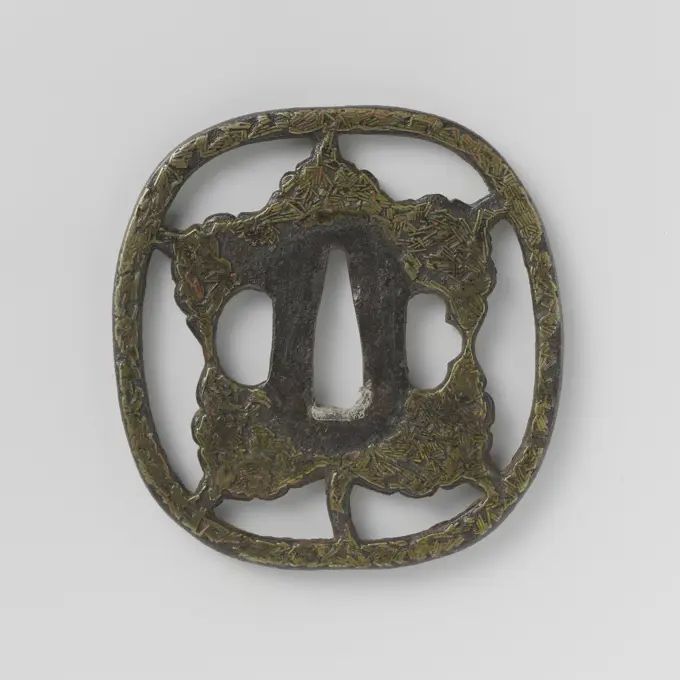
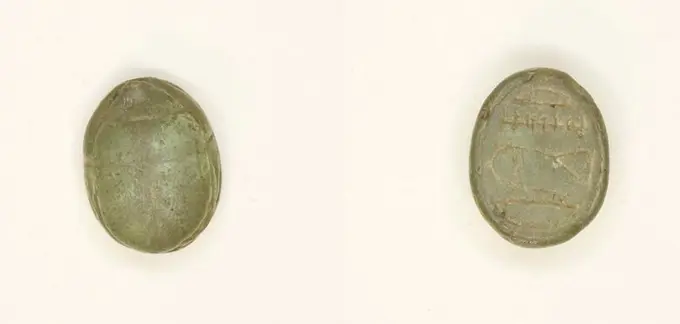
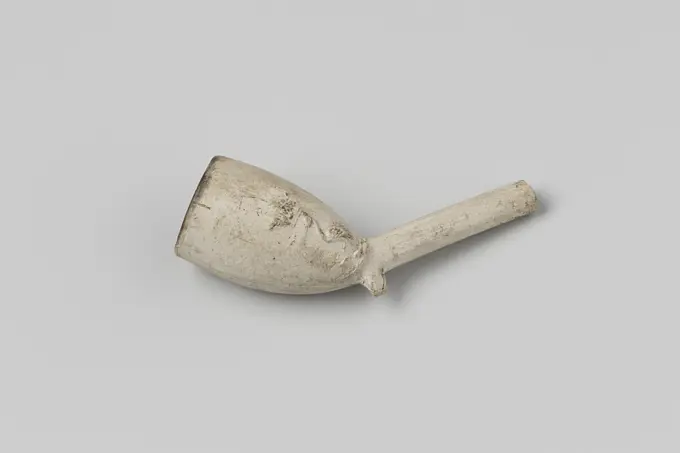
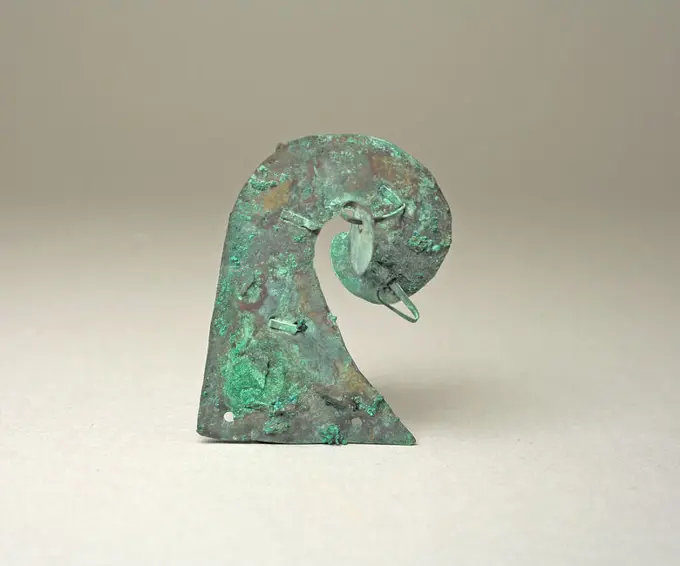
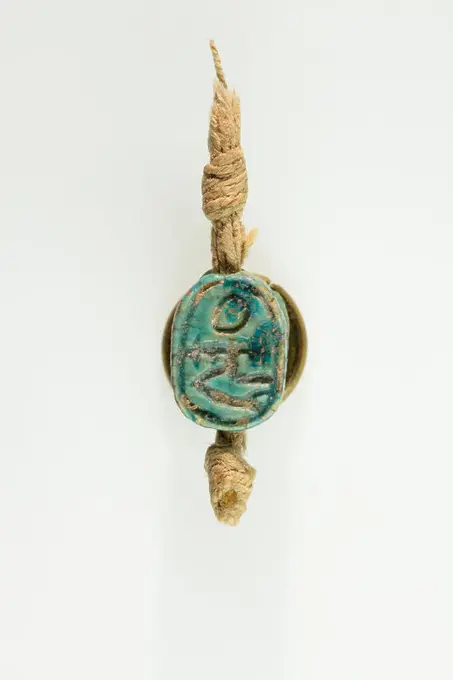
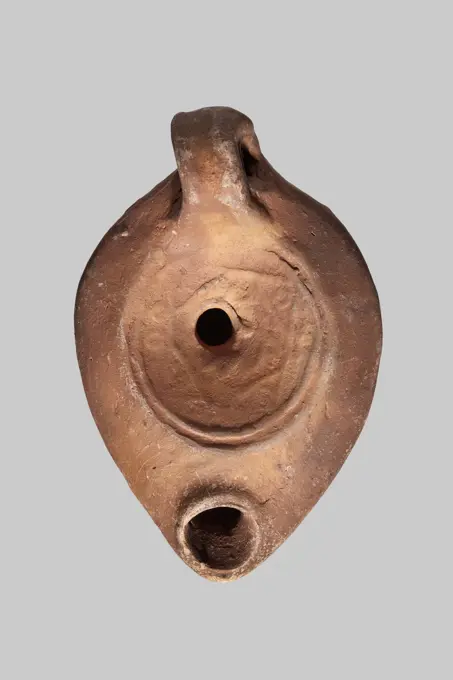
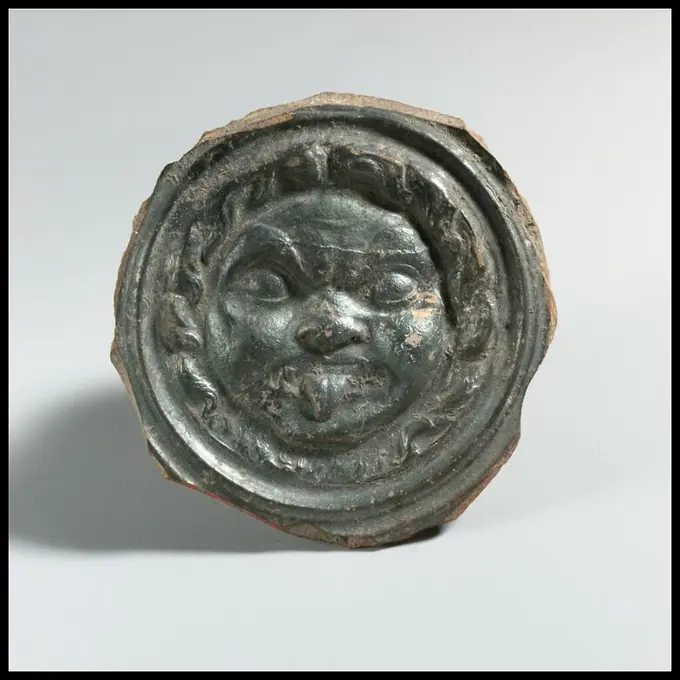
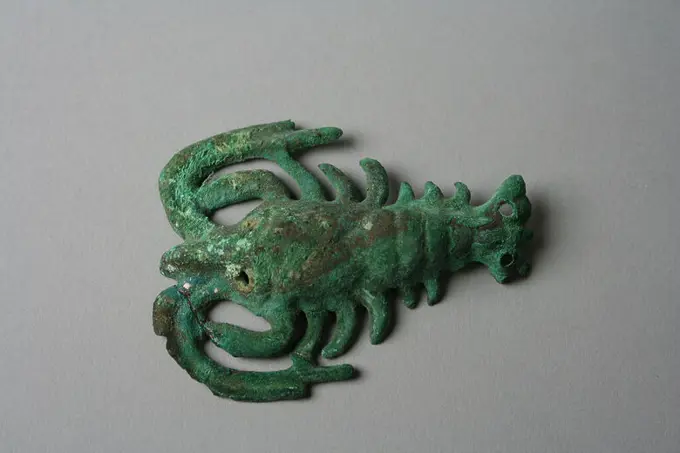
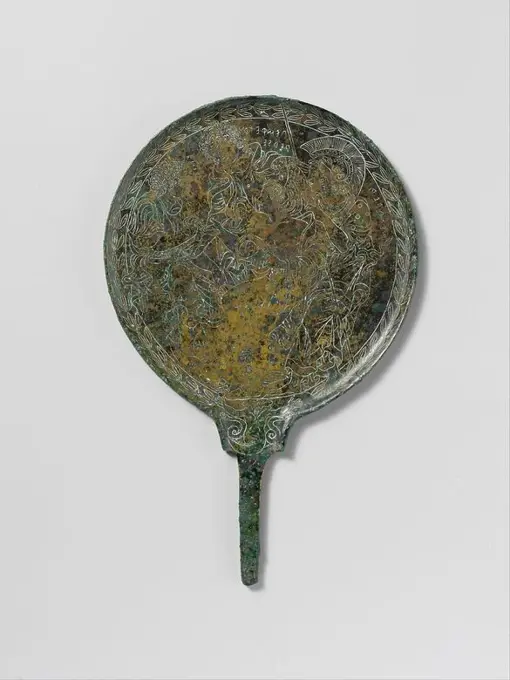
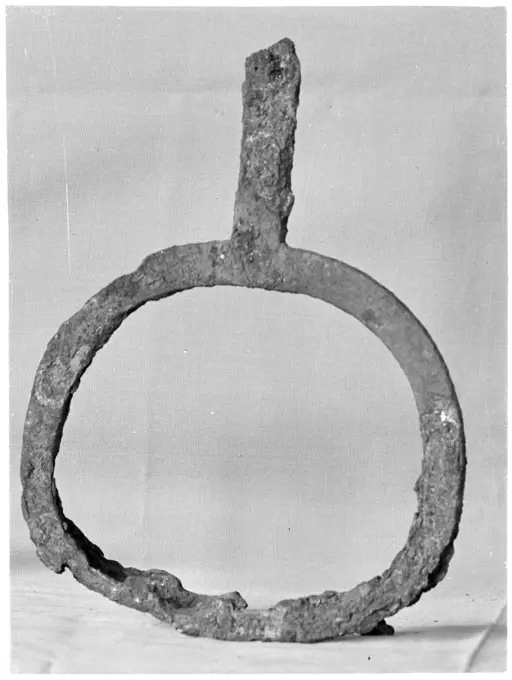
Freagmented decorative batter from the wreck of the East Indians Hollandia, Anonymous, 1700 - in Or Before 1743  Fitting, decorative fitting or fragment; fragm, id. NG 1980-27H1133, squashed, eroded, left wing twisted. Netherlands lead (metal)   SecondJar. Northern Afghanistan, circa 2700-2500 B.C.. Furnishings; Serviceware. Chlorite or steatiteXun 206 B.C.-220 A.D. Chinese Simple globular clay whistles, or ocarinas, were among the earliest wind instruments that required an understanding of how pitch is determined by the relationship between the dimensions of the wind chamber and the placement of the finger holes. Ancient versions have finger holes on one side of the ovoid body; later versions, still used in Sino-derived Korean ritual music, have holes located at the cardinal points around the onion-shaped instrument.. Xun. Chinese. 206 B.C.-220 A.D.. Pottery. China. Aerophone-Blow Hole-vessel flutePendant 20th century China. Pendant. China. 20th century. Jade. JadeSpearhead. Northeastern Thailand, Ban Chiang culture, 300 B.C.-A.D. 150. Arms and Armor; spears. Copper alloyBronze spout in the form of a Corinthian column ca. 1st-2nd century A.D. Roman The function of this object is uncertain. If it is not a spout, it could also have served as a furniture attachment or a support for a rounded bowl.. Bronze spout in the form of a Corinthian column 246915Profile Warrior. Culture: Moche (Loma Negra). Dimensions: H. 9 7/16 x W. 4 3/4 x D. 1 1/2 in. (24 x 12.1 x 3.8 cm). Date: 390-450. Museum: Metropolitan Museum of Art, New York, USA.Scaraboid ca. 1635-1458 B.C. Second Intermediate Period-Early New Kingdom. Scaraboid. ca. 1635-1458 B.C.. Glazed Steatite. Second Intermediate Period-Early New Kingdom. From Egypt, Upper Egypt, Thebes, Asasif, Courtyard CC 41, Tomb R 2, Burial B 3, On body, MMA excavations, 1915-16. Dynasty 17-18Emilia-Romagna Ferrara Ferrara Museo Civico di Schifanoia35. Hutzel, Max 1960-1990 General Notes: INCOMPLETE RECORD--NEGATIVES PROCESSED, PRINTS FILED German-born photographer and scholar Max Hutzel (1911-1988) photographed in Italy from the early 1960s until his death. The result of this project, referred to by Hutzel as Foto Arte Minore, is thorough documentation of art historical development in Italy up to the 18th century, including objects of the Etruscans and the Romans, as well as early Medieval, Romanesque, Gothic, Renaissance and Baroque monuments. Images are organized by geographic region in Italy, then by province, city, site complex and monument.Johannes van Rees, Tin lid with Rotterdam master brand, lid closure part ground find metal tin, cast Tin cover Folded edge Marked in the middle at the bottom Rotterdam master mark with the letters: IVR archeology Rotterdam City center Stadsdriehoek Oudehaven indigenous tin drinking pouring wine serving crockery Soil discovery: Oude Haven Rotterdam.Pin from the wreck of the East Indiesman Hollandia. Tools and Instruments, Sewing and Sailmaking, PIN; Fragm, Handle, ID. NG 1980-27H3265.Knife with Ram's Head 12th-11th century B.C. China. Knife with Ram's Head. China. 12th-11th century B.C.. Bronze inlaid with turquoise. Shang dynasty (ca. 1600-1046 B.C.). MetalworkEarring 7th century () Frankish. Earring 465742 Frankish, Earring, 7th century (), Copper alloy, Overall: 1 5/16 x 1/4 x 1/8 in. (3.3 x 0.6 x 0.3 cm). The Metropolitan Museum of Art, New York. Gift of J. Pierpont Morgan, 1917 (17.193.4)Bronze belt plate with three hooks, decorated with silver damascening, 5th-3rd century BC, Cerro Maquiz, Mengibar, Iberian culture, Iberian Museum of Jaén, Andalusia, Spain.. Fragment of a saucer of quartz frying goods, for the most part decorated with an ornament in brownish luster. Fairly hard white earth with creamy glaze.Fibula late 2nd-early 3rd century A.D. Roman Similar fibulae have been found at sites along the Rhine River in Germany.. Fibula 246334Shoe Buckle. Culture: Frankish. Dimensions: Overall: 1 3/16 x 2 9/16 x 1/2 in. (3 x 6.5 x 1.2 cm). Date: late 600's.Belts were important features of early medieval dress. Not only did they serve the practical function of holding weapons and tools, but their fittings, which could vary in terms of material, decoration, and size, were also highly visible indicators of rank and status. Iron buckles, many imposing in size, were worn by both men and women. Their intricate decoration was achieved by squeezing narrow twisted strips of silver into patterns engraved on the surface of the prefabricated iron pieces. A complete belt would have consisted of a buckle, a counter plate that was placed opposite the buckle, and sometimes a rectangular plate placed in the middle of the belt at the back for decoration. Museum: Metropolitan Museum of Art, New York, USA.Bronze Tengelring in the form of a Ramskop, c. 1400 - c. 1950 Bronze Tengelring in the form of a Ramskop.  bronze (metal) Bronze Tengelring in the form of a Ramskop.  bronze (metal)Engraved Gem, Roman Empire; 2nd - 4th century; 1.2 x 0.9 cm (1,2 x 3,8 in.)Ornamental batter for a belt, the top decorated with two phoenixes in relief. Ornamental batter for a belt. The top decorated with two phoenixes in relief. Elongated hexagonal lobby side. Cave with a shocked base plate. Inside textile residues.Mold Fragment 12th century This object was excavated at Nishapur.Nishapur was a vital city in the early and middle Islamic periods, located along one of the main trajectories that connected Iran and West Asia Islamic lands with Central Asia and China. These itineraries are often referred to by the term Silk routes’ but were in fact crucial to the movement of constellations of materials and objects, as well as people and ideas. The diverse population of Nishapur and its surroundings, from the better-researched elite groups of merchants, land-owning aristocracy, and literates, to the less-known artisans, farmers, miners, and servants, were instrumental in adapting global cultural trends to create their own distinctive visual languages. This is seen in the material remains of everyday life in medieval Nishapur - from pots and pans to lighting devices, inkwells, textiles and trimmings, jewelry, games and toys, talismanic devices, weapons, coins, and architectural fragments.Nishapur lost iLoop.Oil Lamp 4th-7th century Coptic. Oil Lamp 478706Anonymous, lot of Sapèques (common name). Cernuschi Museum, Asia Museum of Asia in the city of Paris.Disc - headed Pin. Iran, Luristan, Luristan bronzes, circa 1000-650 B.C.. Jewelry and Adornments; pins. Bronze, hammeredLamp 5th-6th century. Lamp 448008Button 8th-10th century The dot-in-circle motif recalls designs presumed to be of magical significance, most likely an abstract eye to ward off the evil-eye, which serves an apotropaic function. Easily reproduced with a tool and visible in many cultures and times, this symbol may have lost its meaning, and become simply a decorative pattern, or may have one that we have not yet discovered.. Button 449301Plaque (Goat). Russia, Siberia, late 1st millennium B.C.. Sculpture; plaques. BronzeScarab Inscribed with the Throne Name of Thutmose III. Dimensions: L. 1.6 cm (5/8 in); w. 1.2 cm (1/2 in); h. 0.7 cm (1/4 in). Dynasty: Dynasty 18, early. Reign: Joint reign of Hatshepsut and Thutmose III. Date: ca. 1479-1458 B.C.. Museum: Metropolitan Museum of Art, New York, USA.Human-Headed Lion Figurine. Egypt, Roman Period (30 BCE - 395 CE). Sculpture. BronzeCeremonial ge dagger-ax, 1300-1046 BCE, 9 1/4 × 3 × 5/16 in., 0.4 lb. (23.5 × 7.62 × 0.8 cm, 0.2 kg), Bronze with inlaid turquoise, and jade, China, 13th-12th century BCEAmulet of a Heart 1070 BCE-656 BCE Egypt. Lapis Lazuli . Ancient EgyptianTile with a relief decoration, anonymous, c. 1100 - c. 1199 Tile of quartz fritry covered with a turquoise tin-lood-alkalaplaze, and fragment of text in relief. Iran earthenware. glaze vitrification Tile of quartz fritry covered with a turquoise tin-lood-alkalaplaze, and fragment of text in relief. Iran earthenware. glaze vitrificationCrescent Ornament 6th-7th century Moche (Loma Negra). Crescent Ornament. Moche (Loma Negra). 6th-7th century. Gilded copper. Peru. Metal-OrnamentsCowroid Seal Amulet of Prince TuriVessel fragment, kiln waster, 1st century BCE - 1st century CE, 2 x 6 1/2 x 7 7/16 in. (5.08 x 16.51 x 18.89 cm), Sawankalok ware Glazed ceramic, celadon, Yuan river kilns, Thailand, 1st century BCE - 1st century CEHarpoon head Japan The Jmon period is the earliest period in Japanese history, lasting from roughly 14,000 to 300 BCE. The Jmon people were primarily hunter-gatherers, hunting land animals and gathering vegetables and nuts on the land as well as hunting and fishing at sea. Harpoon heads such as this one testify to the importance of seafood in the diets of some Jmon communities, especially those close to the sea. Fish bones found at Jmon archaeological sites indicate that the Jmon hunted fish not only close to the shore but also farther out in the open sea, where larger fish could be caught. There is even evidence that the Jmon ate pufferfish, a poisonous fish considered a delicacy in modern Japan.. Harpoon head. Japan. Bone. Final Jmon period (ca. 1000-300 B.C.). BonePalette with double bird heads with inlaid eyes ca. 3500-3300 B.C. Predynastic, Naqada II. Palette with double bird heads with inlaid eyes 547362Bird Plaque Ornament. Culture: Vicús. Dimensions: H. 2 x W. 2 in. (5 x 5 cm). Date: 3rd century B.C.-A.D. 2nd century. Museum: Metropolitan Museum of Art, New York, USA.Disk Brooch 7th century () Frankish or Carolingian. Disk Brooch 465566 Frankish or Carolingian, Disk Brooch, 7th century (), Copper alloy, glass paste cabochon, Overall: 1 1/16 x 1/2 in. (2.7 x 1.2 cm). The Metropolitan Museum of Art, New York. Gift of J. Pierpont Morgan, 1917 (17.193.242)Hollow Bangle with Pellets and Chevron Designs 300 B.C.-A.D. 400 Thailand. Hollow Bangle with Pellets and Chevron Designs. Thailand. 300 B.C.-A.D. 400. Bronze. Late period. JewelryBelt Ornament. Northern China or Inner Mongolia, 5th-3rd century B.C.. Jewelry and Adornments; worn ornaments. Bronze, castVotive Arm and Hand of Zeus Sabazios, 1-200. Italy, Roman, 1st-2nd Century. Bronze; overall: 9.4 cm (3 11/16 in.).Ringbracteate denarius. Zakon krzyżacki (1190-), issuerScarab Inscribed with the Throne Name of Thutmose I ca. 1504-1492 B.C. New Kingdom. Scarab Inscribed with the Throne Name of Thutmose I. ca. 1504-1492 B.C.. Steatite, glazed. New Kingdom. From Egypt. Dynasty 18Bracelet. Bracelet 256666Amulet - WadjetCeremonial Knife (Tumi) 2nd-7th century Moche. Ceremonial Knife (Tumi) 315379AnkletBracelet or anklet with inciseddesignJackal Headed Figurine Protecting Osiris. Egypt, probably Ptolemaic Period (323 - 30 BCE). Sculpture. BronzeAlabastron. UnknownEmilia-Romagna Ferrara Ferrara Museo Civico di Schifanoia98. Hutzel, Max 1960-1990 General Notes: INCOMPLETE RECORD--NEGATIVES PROCESSED, PRINTS FILED German-born photographer and scholar Max Hutzel (1911-1988) photographed in Italy from the early 1960s until his death. The result of this project, referred to by Hutzel as Foto Arte Minore, is thorough documentation of art historical development in Italy up to the 18th century, including objects of the Etruscans and the Romans, as well as early Medieval, Romanesque, Gothic, Renaissance and Baroque monuments. Images are organized by geographic region in Italy, then by province, city, site complex and monument.Coil or Serpentine Fibula, 900-700 BC. Italy, Etruscan, 10th-8th century BC. Bronze; overall: 10.8 cm (4 1/4 in.).Medical tool (fragment of Strigilis);Madeyski, Antoni (1862-1939)-collection, Madeyski, Antoni (1863-1939)Suppling ring from the wreck of the East Indians Hollandia, Anonymous, 1700 - in Or Before 1743  Varied parts or fragments, washers; corroded, id. 80H163. Netherlands copper (metal)   SecondItalic Serpentine Fibula. UnknownMusketmaat, fragment consisting of brass huls, anonymous, c. 1590 - c. 1596  Muskmaat, fragment consisting of brass huls  brass (alloy) striking (metalworking)  Nova Zembla. Saving HuysRound Plaque. Culture: Vicús. Dimensions: Diameter 3-1/8 in. (7.9 cm). Date: 3rd century B.C.-A.D. 2nd century. Museum: Metropolitan Museum of Art, New York, USA.Applique with two samples .. Two sample heads connected by two tires.Arch Fibula. UnknownBadge (probably from Horse Harness). Culture: Spanish. Dimensions: L. 2 11/16 in. (6.8 cm); W. 1 5/16 in. (3.3 cm); Wt. 0.5 oz. (14.2 g). Date: ca. 1400. Museum: Metropolitan Museum of Art, New York, USA.A fragment of Skyfos with decorations Painting on the firnis; Unknown Etruscan workshop; 4th century A.C. (301-00-00-400-00-00);Bednarek-03, Dar, Etruria, Antical Art Collection, DarScarab Inscribed for the King of Upper and Lower Egypt Maatkare (Hatshepsut) ca. 1479-1458 B.C. New Kingdom. Scarab Inscribed for the King of Upper and Lower Egypt Maatkare (Hatshepsut). ca. 1479-1458 B.C.. Steatite (glazed). New Kingdom. From Egypt, Upper Egypt, Thebes, Deir el-Bahri, Temple of Hatshepsut, Foundation Deposit 7 (G), MMA excavations, 1926-27. Dynasty 18, earlyBracelet 3rd-12th century This popular bracelet type often included symbols and an invocation for the protection of the wearer.. Bracelet. 3rd-12th century. Bronze. Attributed to Egypt, Erment or Medinet Habu. JewelryTerracotta oil lamp 3rd century A.D. Roman Late Loeschcke Type 8. Mold-made, with unpierced handle. Discus: rosette of sixteen overlapping, pointed petals; a single filling hole at center. Horizontal shoulder: pattern of scrolls with central dots. Undefined, uneven, pushed-in base.Complete, but crack around back of body.. Terracotta oil lamp. Roman. 3rd century A.D.. Terracotta; mold-made. Late Imperial. Terracottasmirror made in bronze 10.th to 8 th century BC; GreekBoat-Shaped Hafted Ax 500 B.C.-A.D. 300 Vietnam (North). Boat-Shaped Hafted Ax. Vietnam (North). 500 B.C.-A.D. 300. Bronze. Bronze and Iron Age period, Dongson culture. MetalworkArmlet. Culture: China. Dimensions: H. 4 15/16 in. (12.5 cm); W. 5/16 in. (0.8 cm). Museum: Metropolitan Museum of Art, New York, USA.Hair Ornament ca. 300 B.C.-A.D. 200 Thailand (Ban Chiang). Hair Ornament 37721Hand guard, anonymous, 1600 - 1699 Completed rectangular tsuba in the form of a mon, made up of a five-pointed sheet with Gomoku-Zogan in brass and red buyer. Japan iron (metal). brass (alloy). copper (metal) Completed rectangular tsuba in the form of a mon, made up of a five-pointed sheet with Gomoku-Zogan in brass and red buyer. Japan iron (metal). brass (alloy). copper (metal)Scarab: Hieroglyphs (). Egyptian. Date: 1985 BC-1550 BC. Dimensions: 1.3 × 1 × 0.6 cm (1/2 × 3/8 × 1/4 in.). Stone. Origin: Egypt. Museum: The Chicago Art Institute, Chicago, USA. Author: Ancient Egyptian.Bronze strainer with openwork handle. Culture: Etruscan. Dimensions: length 11 1/2in. (29.2cm). Date: 5th century B.C..This is one of the most elaborate and best-preserved Etruscan strainer handles. The artist has skillfully presented a complex subject on a very small scale in the openwork square just below the handle's attachment point. Two nude boxers appear to have just finished a bout in which one man has been knocked to his knees. Their trainer or referee holds his arms up to indicate the end of the round. On the underside of the attachment point is a delicately modeled doe lying on a wave-crest border. The handle's base depicts a bearded male figure with fish-like legs that terminate in bearded snake heads. The strange legs form a perfect circular opening that allowed the patera to be hung when not in use. The sea monster, almost like a merman, may have been intended to ward off evil. Museum: Metropolitan Museum of Art, New York, USA.Belt Buckle. Culture: Frankish. Dimensions: Overall: 2 13/16 x 1 7/16 x 11/16 in. (7.2 x 3.6 x 1.7 cm). Date: 7th century. Museum: Metropolitan Museum of Art, New York, USA.Scarab ca. 1479-1458 B.C. New Kingdom. Scarab. ca. 1479-1458 B.C.. Faience. New Kingdom. From Egypt, Upper Egypt, Thebes, Deir el-Bahri, Hatshepsut Hole, Hathor Shrine, MMA excavations, 1922-23. Dynasty 18Spindle Whorl, one of seven, 3/4 x 1 7/8 in. (1.91 x 4.76 cm), Clay, MexicoBuckle, 500s. Ostrogothic(), Migration period, 6th century. Bronze; overall: 6.1 x 5 cm (2 3/8 x 1 15/16 in.).Lazio Roma Subiaco Monastery of S. Scolastica Archaeological Museum01. Hutzel, Max 1960-1990 Antiquities: Views of antiquities in museum, including sarcophagi, plates, vases, coins. General Notes: Hutzel guide says we have negatives, but we cannot find them. German-born photographer and scholar Max Hutzel (1911-1988) photographed in Italy from the early 1960s until his death. The result of this project, referred to by Hutzel as Foto Arte Minore, is thorough documentation of art historical development in Italy up to the 18th century, including objects of the Etruscans and the Romans, as well as early Medieval, Romanesque, Gothic, Renaissance and Baroque monuments. Images are organized by geographic region in Italy, then by province, city, site complex and monument.Hand Guard, Toshinaga, 1700-1800 Tsuba in the form of three aubergines; Signed "Kofu Ju Toshinaga". Japan iron (metal) Tsuba in the form of three aubergines; Signed "Kofu Ju Toshinaga". Japan iron (metal)Loop.Fragment tobacco pipe. Fragment tobacco pipe with a crown and a bird (stork) Depicted. Of the excavations at the Hofstede Arentsburg 1827-1831 under the supervision of professor Reuvens.Bird Plaque Ornament 3rd century B.C.-A.D. 2nd century Vicús. Bird Plaque Ornament. Vicús. 3rd century B.C.-A.D. 2nd century. Copper, gilt. Peru. Metal-OrnamentsPlaque for a Collar or Necklace 8th century. Plaque for a Collar or Necklace 446245Ornament Fragment (). Culture: Moche (Loma Negra). Dimensions: H. 1 5/8 x W. 2 1/4 in. (4.1 x 5.7 cm). Date: 390-450. Museum: Metropolitan Museum of Art, New York, USA.Amulet of the God Pataikos wearing Atef Crown 1069 BCE-332 BCE Egypt. Faience . Ancient EgyptianLadle. Ladle. Silver. Gold and SilverSeal in the shape of a hedgehog on original string. Dimensions: L. 0.9 × W. 0.6 × H. 0.5 cm (3/8 × 1/4 × 3/16 in.). Dynasty: Dynasty 12. Reign: reign of Amenemhat III. Date: ca. 1859-1813 B.C.. Museum: Metropolitan Museum of Art, New York, USA.Pair of HarnessDecorationsExcerpt copper strip from the wreck of the East Indians Hollandia, 1700 - in Or Before 1743 fragment Varied parts or fragments, strips and strip-shaped fragments; fragm. Netherlands copper (metal)   SecondBracelet 500 B.C.-A.D. 300 Thailand. Bracelet 53872BeltUszebti. unknown, authorHair Ornament China. Hair Ornament. China. Silver. Ming dynasty (1368-1644). JewelryDeposit of the University of Warsaw from 1937-1939, lamp, lighting, Polish-French excavations in Edfu (Egypt)Terracotta tondo from a phiale (libation bowl). Culture: Greek, South Italian, Campanian, Calenian. Dimensions: diameter 2 7/8in. (7.3cm). Date: 3rd century B.C..The tondo contains a gorgoneion (face of a gorgon). Museum: Metropolitan Museum of Art, New York, USA.Crayfish. Culture: Moche (Loma Negra). Dimensions: Length 2-7/16 in. (6.2 cm). Date: 390-450. Museum: Metropolitan Museum of Art, New York, USA.Bronze mirror. Culture: Praenestine. Dimensions: length 9 11/16 in. (24.6 cm.); diameter 6 3/16 in. (15.7 cm.). Date: ca. 400-350 B.C..Perseus with the Graiai, the sisters of the GorgonsInscribed (retrograde): Pherse (Perseus), Menarea (Minerva), Enie (Enyo), Pemphetru (Pephredo). Museum: Metropolitan Museum of Art, New York, USA.Stirrup (Wa Abumi) ca. 5th century possibly Japanese Excavated from the burial mound at Wada, in Nara Prefecture, this stirrup is an example of the earliest type used in Japan, probably imported from China or Korea.. Stirrup (Wa Abumi). possibly Japanese. ca. 5th century. Iron. Wada, Nara Prefecture. Equestrian Equipment-StirrupsBracelet ca. 9th century B.C. Iran. Bracelet. Iran. ca. 9th century B.C.. Bronze. Iron Age II. Iran, Hasanlu