Ancient Ceramic Artifacts

Fragments of historical ceramics and coins from various periods, showcasing intricate designs and inscriptions from different cultures.

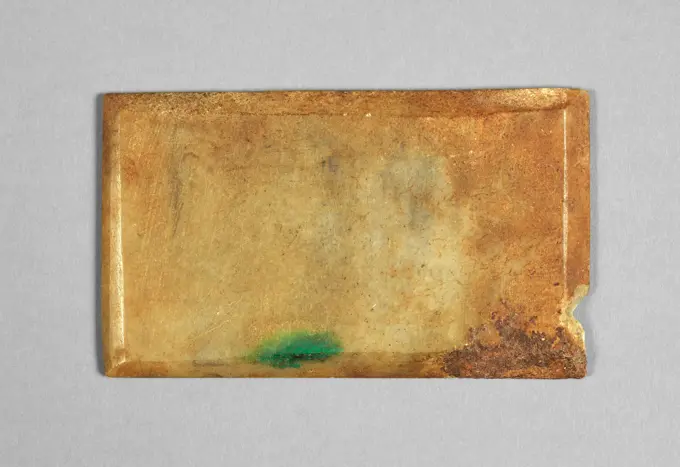
Shards of a sign from V.O.C. ship De 'Witte Leeuw', Anonymous, Before 1613 plate (dishes) Shards of a sign from V.O.C. ship De 'Witte Leeuw', 40 present. Shatou porcelain   Sint-Helena
Shards of a sign from V.O.C. ship De 'Witte Leeuw', Anonymous, Before 1613 plate (dishes) Shards of a sign from V.O.C. ship De 'Witte Leeuw', 40 present. Shatou porcelain Sint-Helena
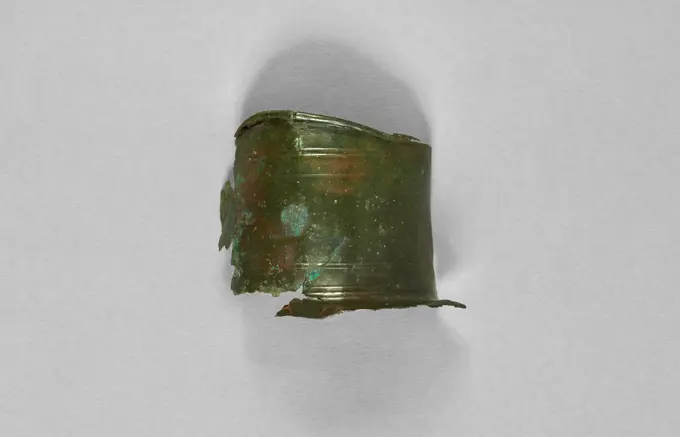
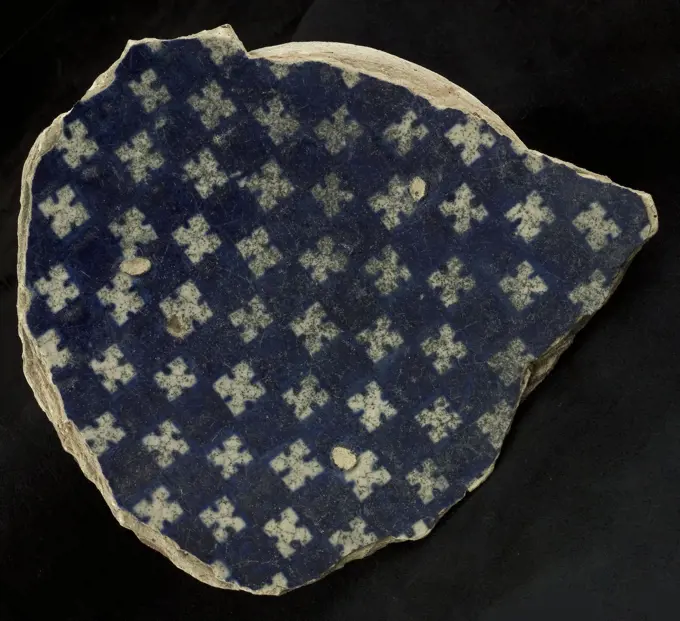
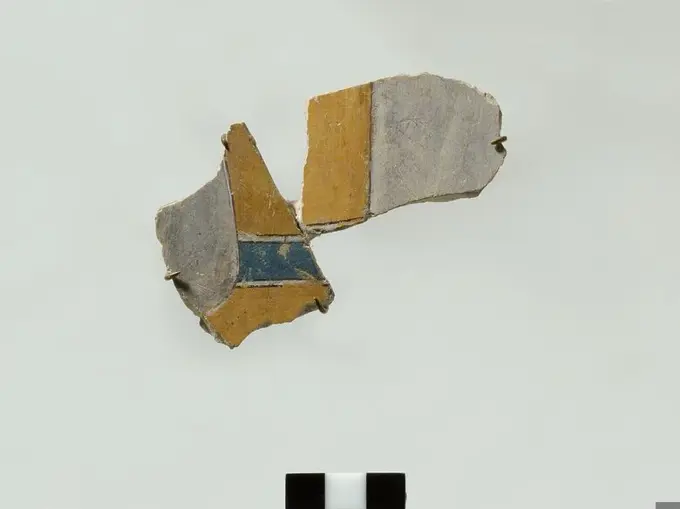
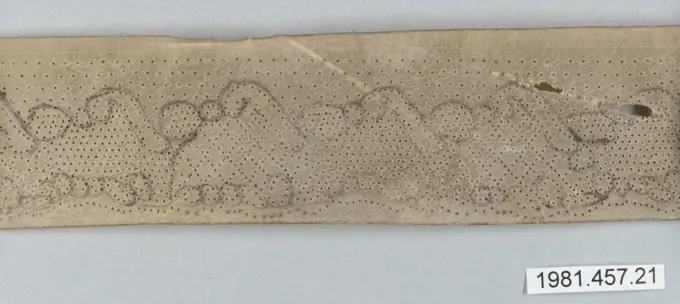
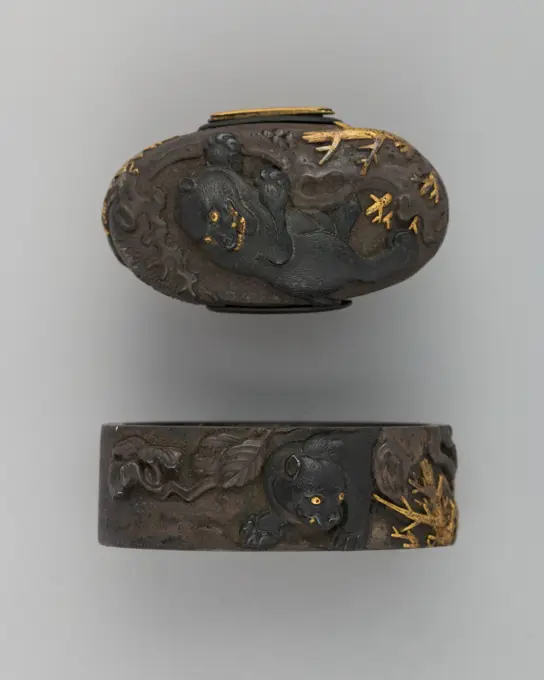
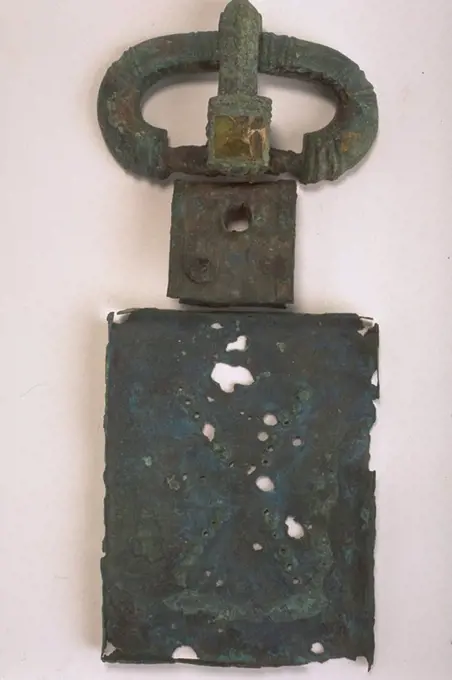
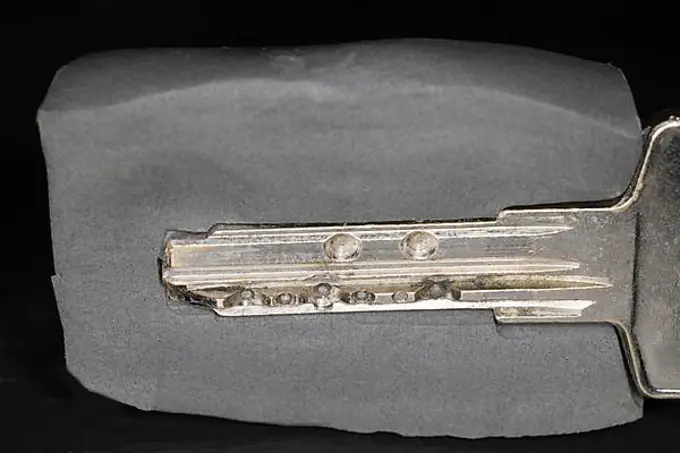
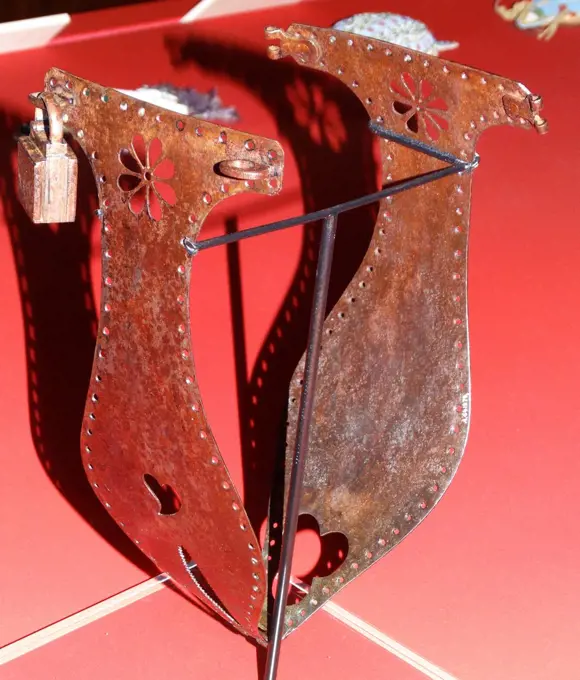
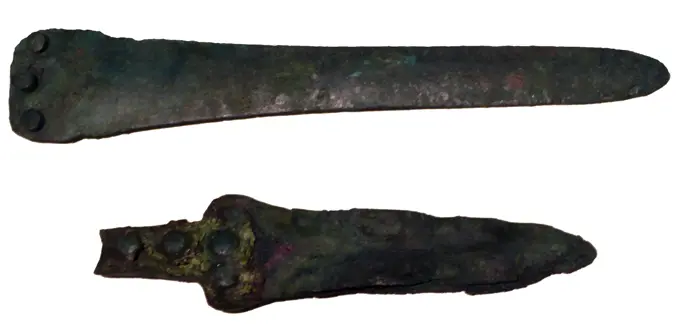
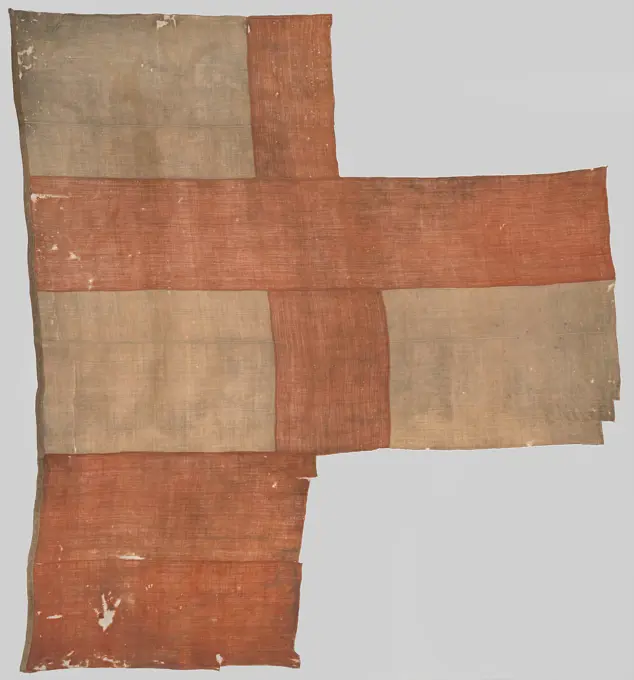
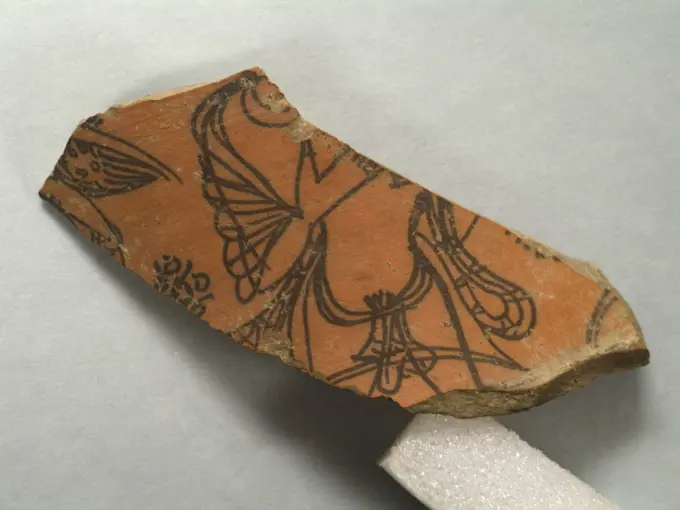
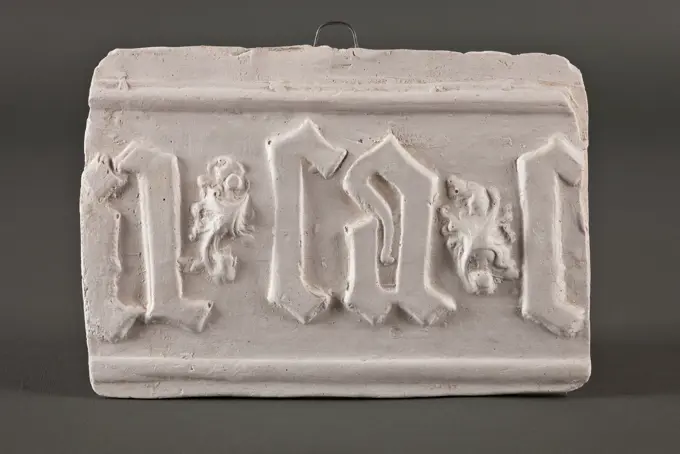
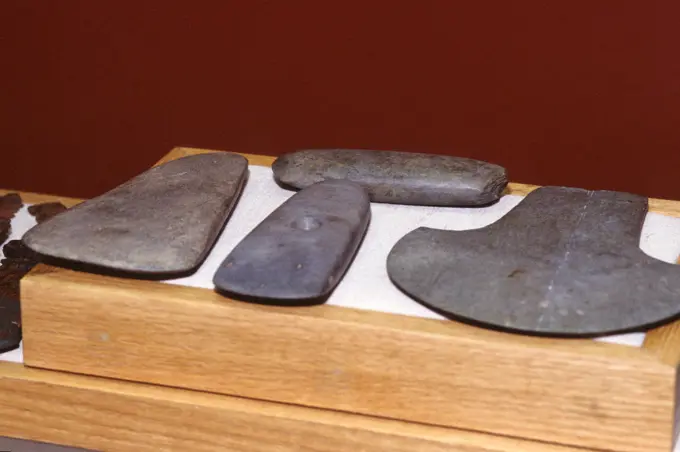
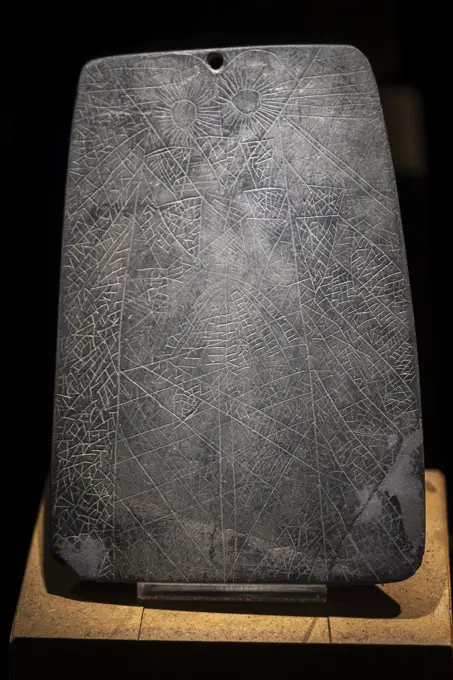
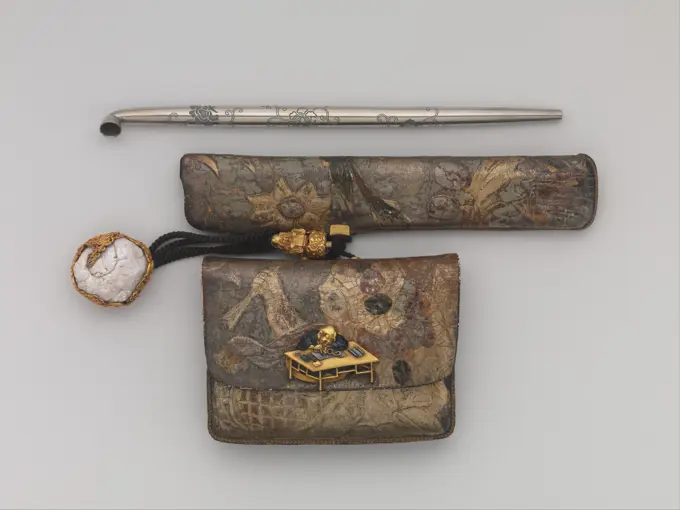
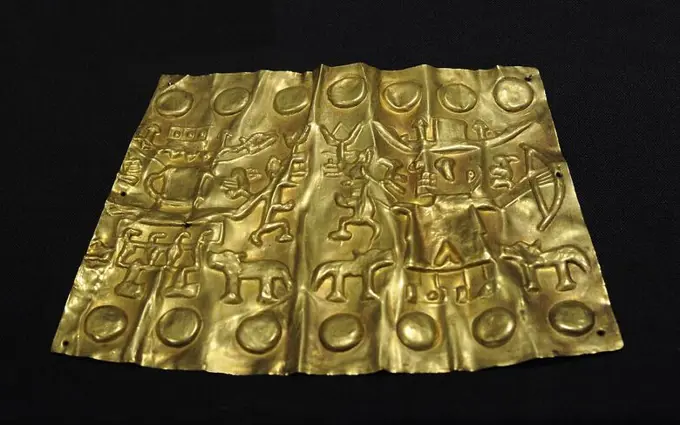
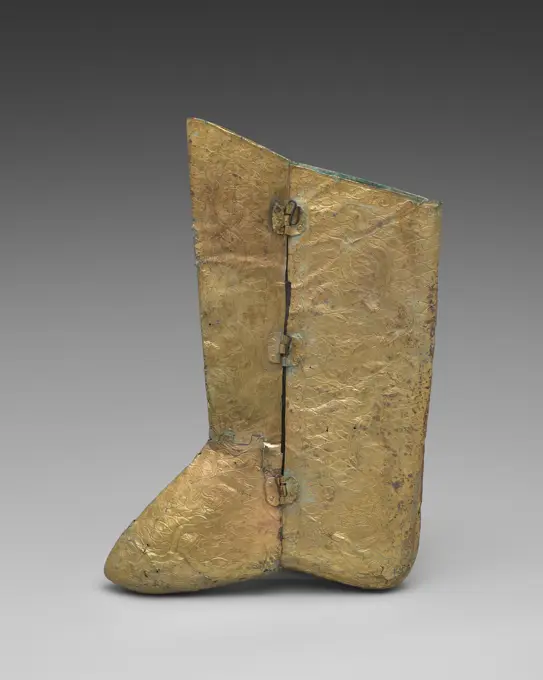
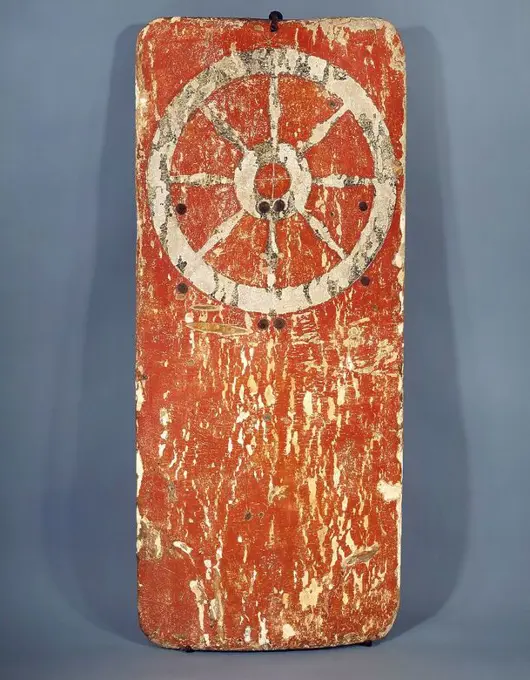
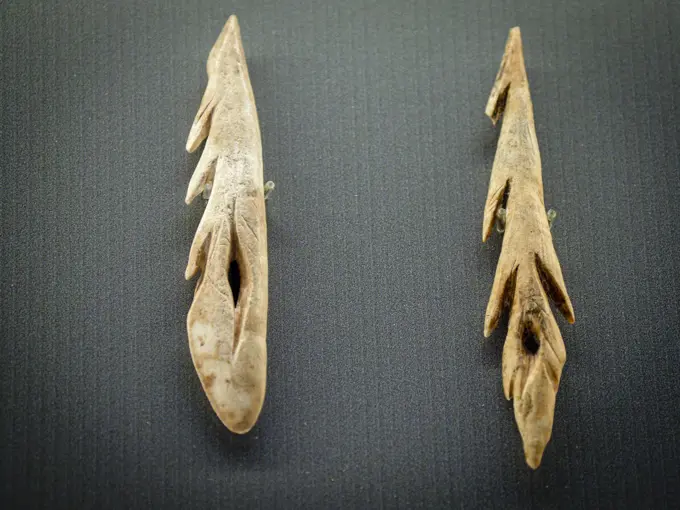
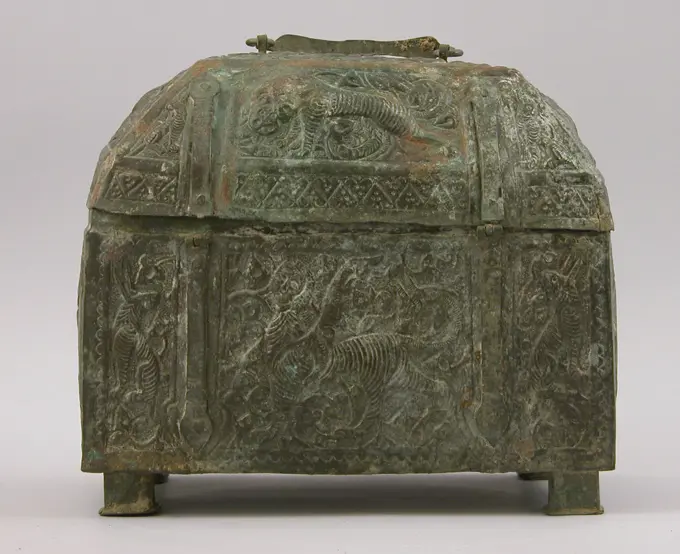
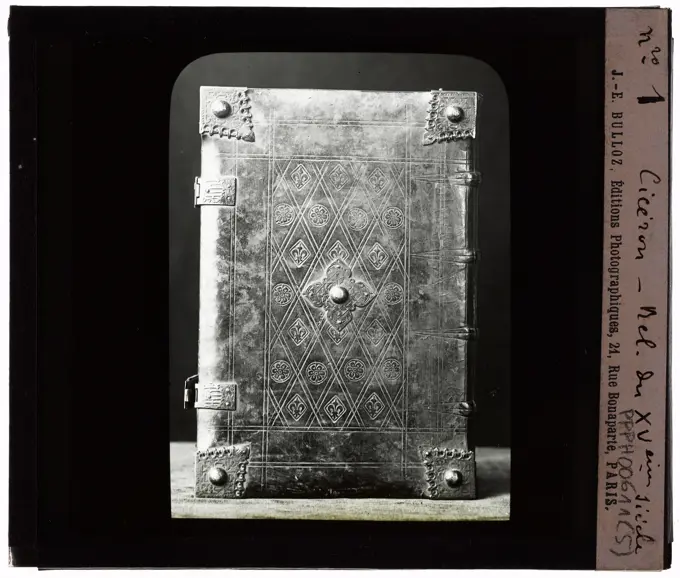
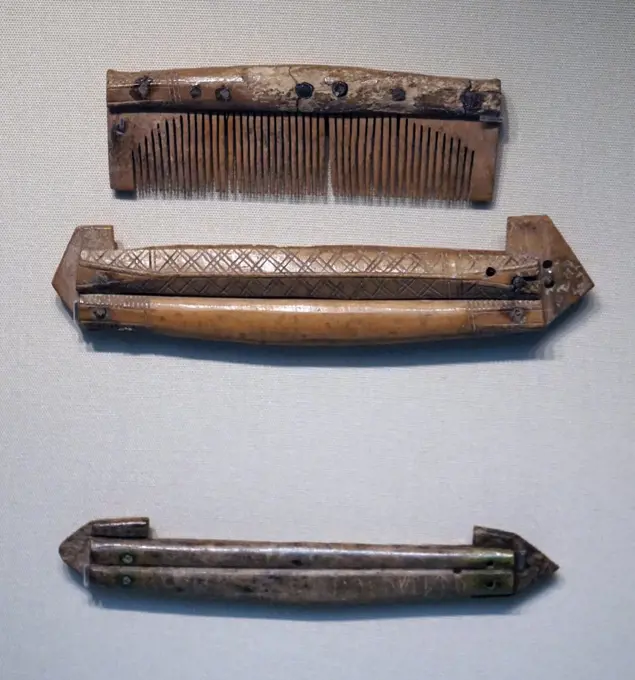
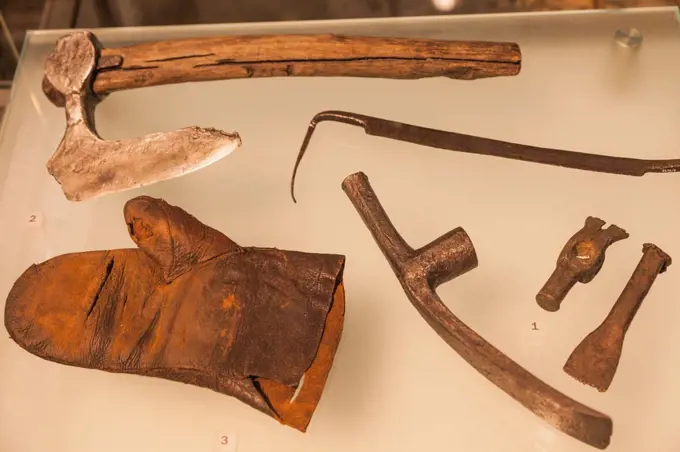
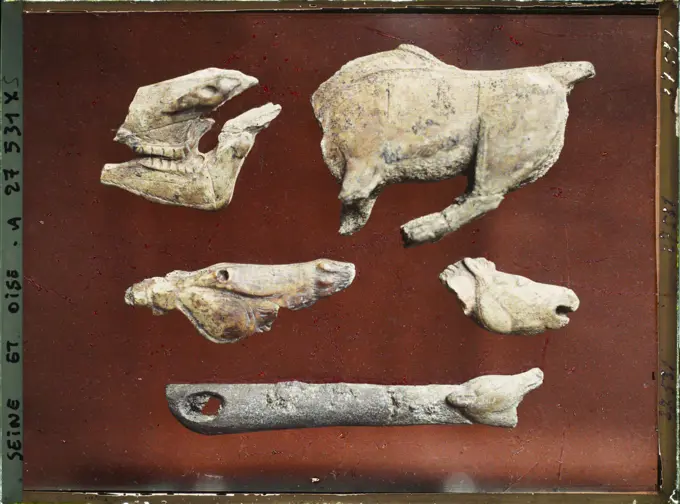
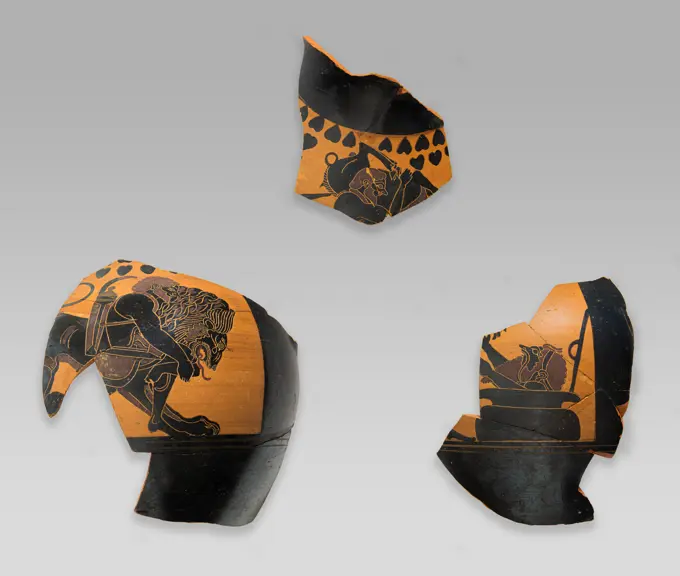
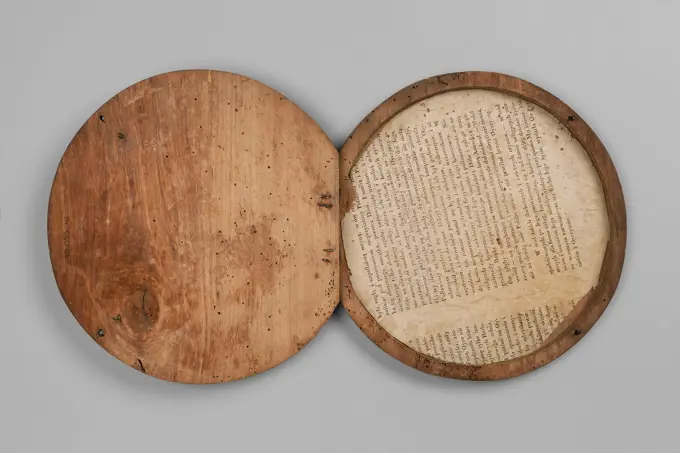
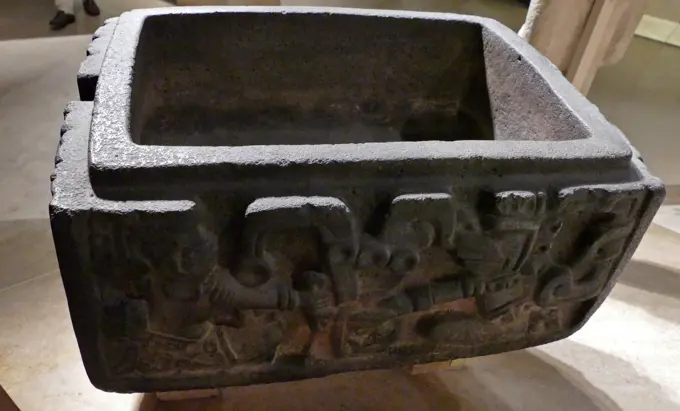
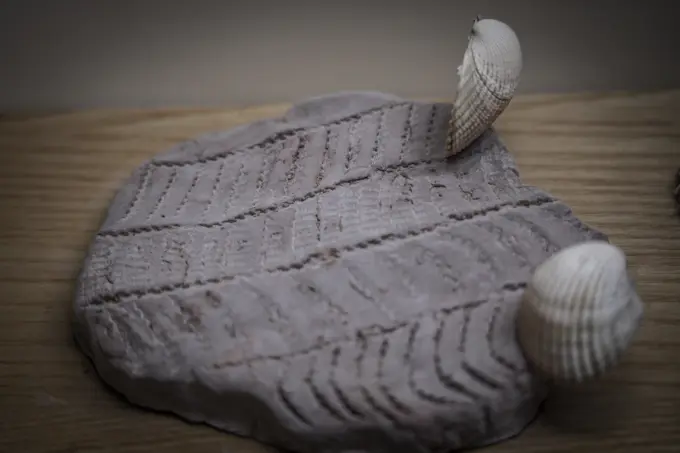
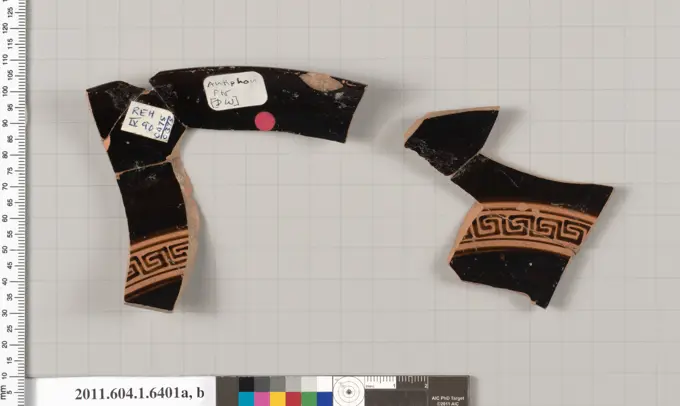
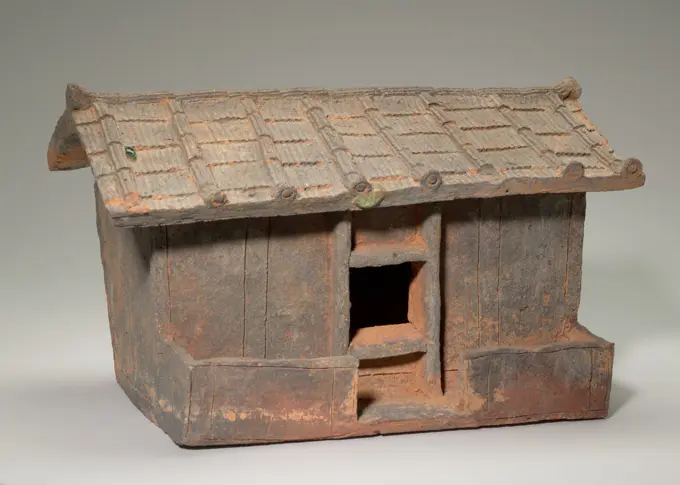
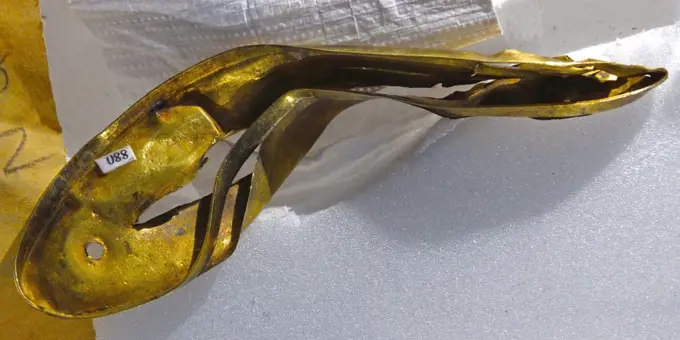
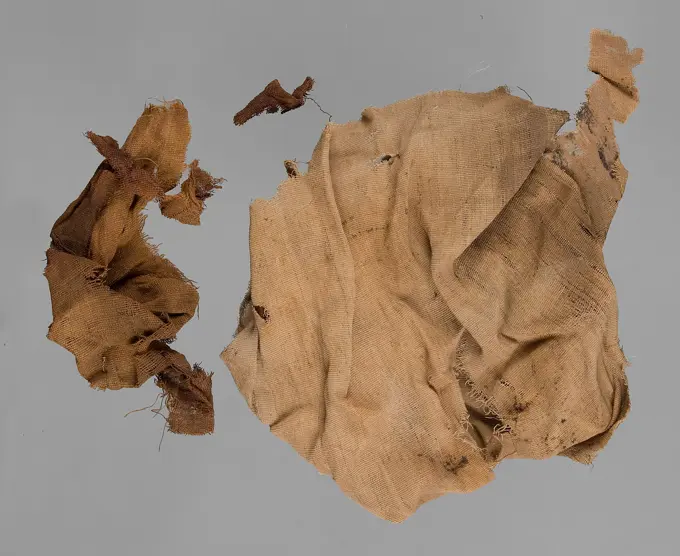
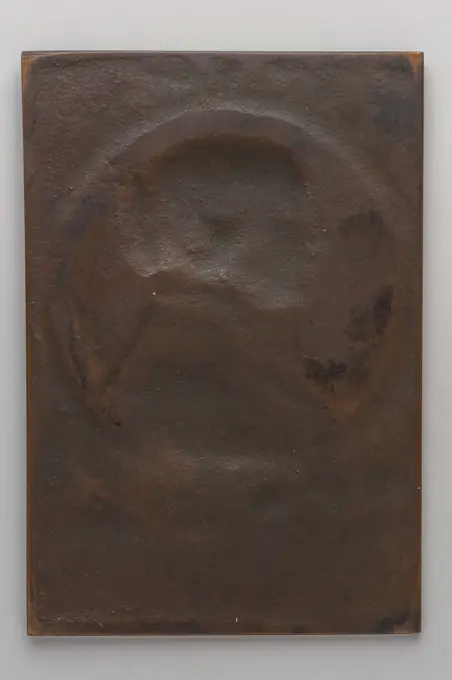
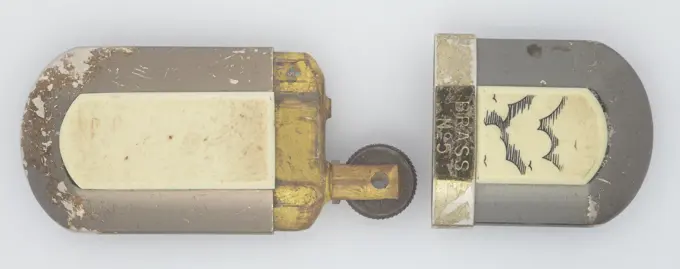
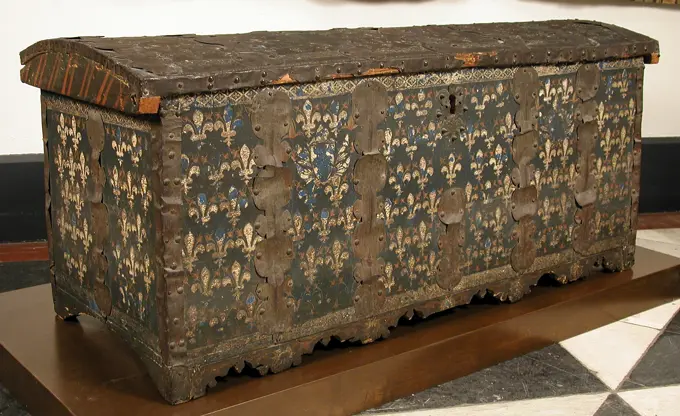
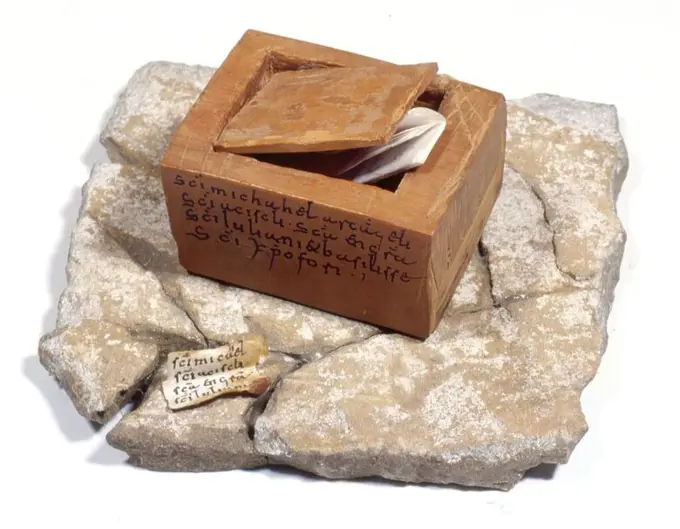
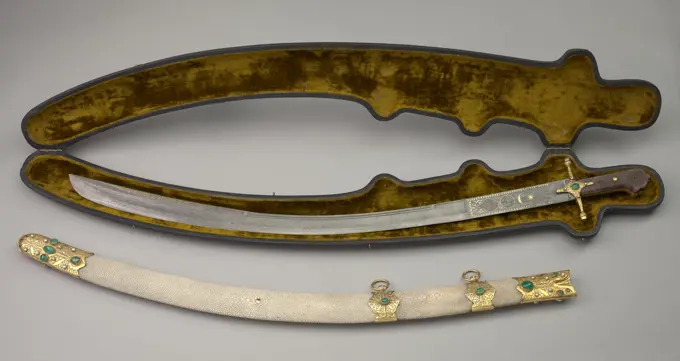
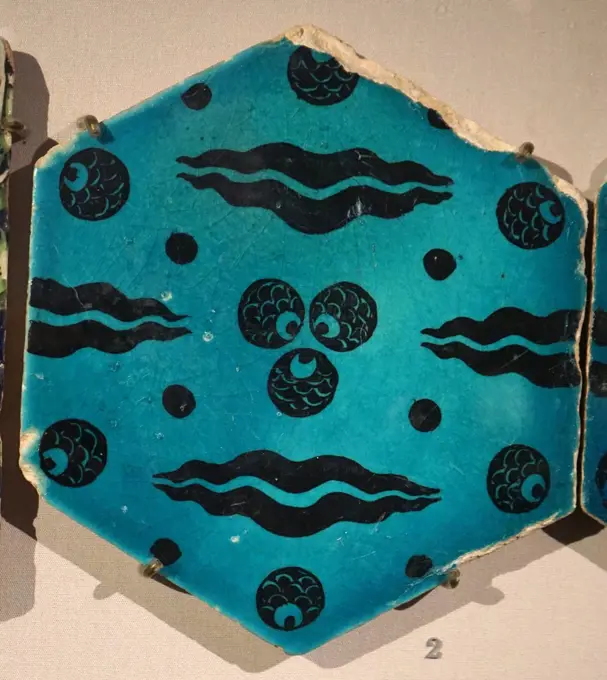
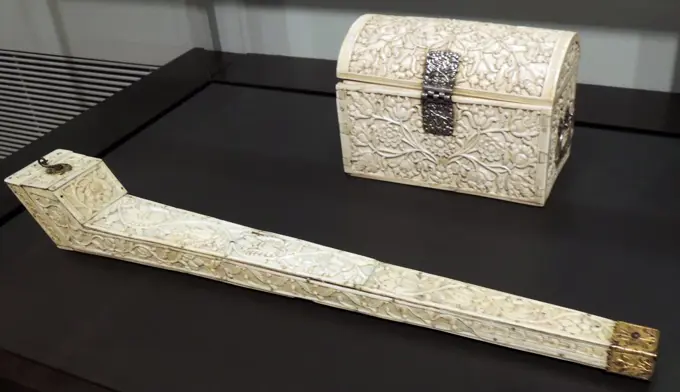
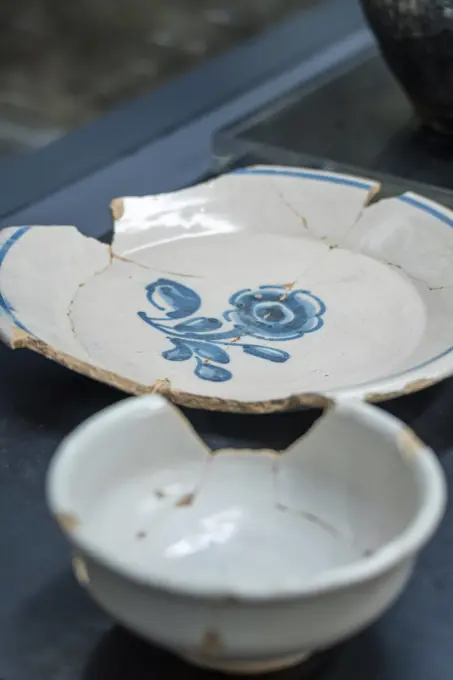
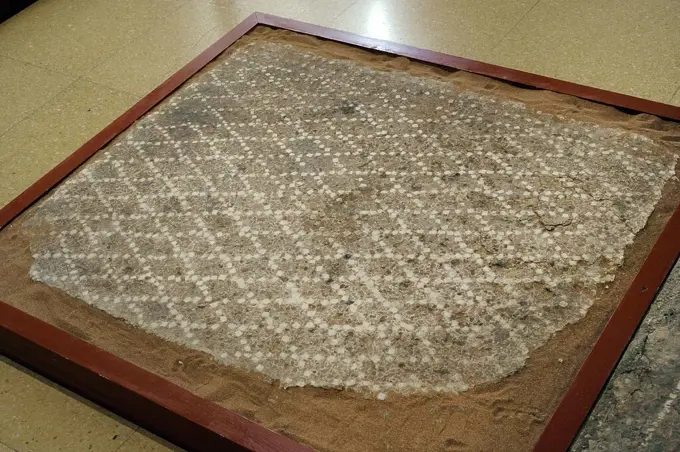
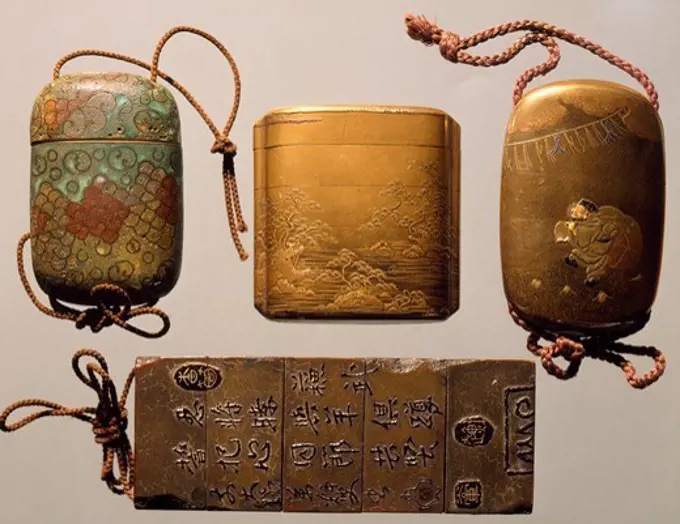
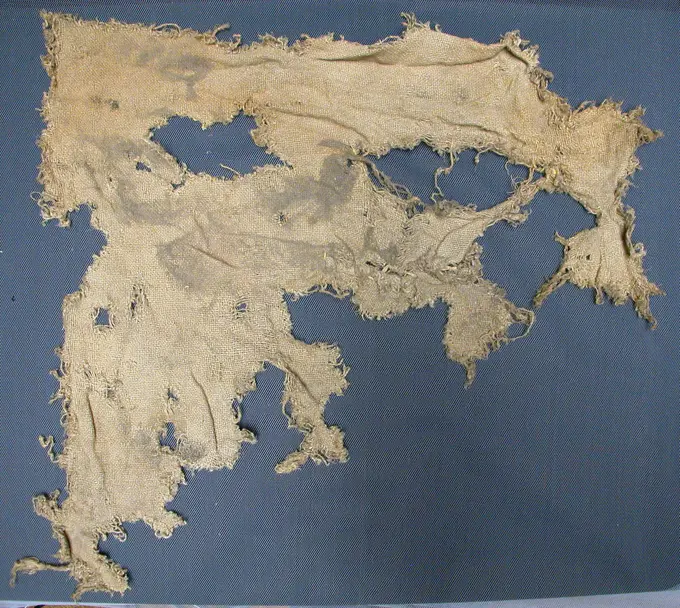
Vase fragment East Greek/Sardis, Lydian Wavy lines.. Vase fragment. East Greek/Sardis, Lydian. Terracotta. VasesPlant with lots of leaves and three flowers, c. 1600 - c. 1699    wood (plant material)Cuneiform tablet: letter ca. 7th-4th century B.C. Babylonian or Achaemenid. Cuneiform tablet: letter 321699Beaver tail scraper. Ceramic with inclusion of hard stones. Tumaco-La Tolita culture. Regional Development Period (500 BC-500 AD). Colombia-Ecuador. Museum of the Americas. Madrid, Spain. Fragment of cylindrical suction cup pass (common name), -276. Hammered copper alloy. Carnavalet museum, history of Paris.Fragment majolica plate, blue on white, chessplate decor, plate crockery holder soil find ceramic earthenware glaze, baked underside covered with lead glaze. Polychrome. Italian Dutch decor. Possibly entirely monochrome Layered earthenware with red veins archeology food decorate serving Rotterdam Italy archaeological find in the soil Rotterdam 1917Vase Fragment 1st century B.C.-1st century A.D. Roman Battle scene. Signed by Rasinius as owner of the pottery.. Vase Fragment 250302Relief fragment from the tomb of Meketre. Dimensions: H. 6.5 cm ( 2 9/16 in.); W. 8.7 cm ( 3 7/16 in.); D. 1.3 cm ( 1/2 in.). Dynasty: Dynasty 12. Reign: reign of Amenemhat I, early. Date: ca. 1981-1975 B.C.. Museum: Metropolitan Museum of Art, New York, USA.Old Bolts Old rusty metal with rusty bolts. Copyright: xZoonar.com/J.xSandvikx 3481060Pattern ca. 1840 British. Pattern. British. ca. 1840. Parchment. Textiles-Methods and Materialsartifacts in the Herschel Island museum off the Mackenzie River delta Yukon Territory CanadaSword-Hilt Collar and Pommel (Fuchigashira) ca. 1615-1868 Japanese A fuchigashira is a pair of matching sword fittings comprising the fuchi (collar at the base of the grip of the sword hilt) and kashira (pommel cap at the end of a sword hilt).. Sword-Hilt Collar and Pommel (Fuchigashira). Japanese. ca. 1615-1868. Copper-silver alloy (shibuichi), copper-gold alloy (shakud), gold. Sword Furniture-Fuchi-KashiraFresco Fragment. UnknownBowl 9th-10th century. Bowl 449700Lucerne bronze wing, 1st century AD, Roman settlement of Forua, Arkeologi Museoa, Aquaological museum, Bilbao, Bizkaia, Basque Country, Spain.BROCHE DE CINTURON. VISIGODO.(DEPOSITO: MUSEO ARQUEOLOGICO NACIONAL).Eccentric Flint. Belize, Guatemala, Honduras, or Mexico, Maya, 600-900 CE. Stone. ChertAnonymous, miniature house (username), 0050. Terracotta. Cernuschi Museum, Asia Museum of Asia in the city of Paris.Miniature Litter Section 11th-late 15th century Chimú or Chancay. Miniature Litter Section 309207DIADEMA DEL TESORO DE BEDOYA. Location: ARCHAEOLOGICAL MUSEUM. Pontevedra. SPANIEN.Painted Tile with Mans Head Inside CircleSample of Ellis Patent Steel. Monster of Ellis patent steel with inscription.Copy key, by impression in a plasticine, studio photography with black backgroundChastity belt made from iron and velvet;European 19th centuryArmor Fragments (Scales and Cords) 11th Century Japanese. Armor Fragments (Scales and Cords). Japanese. 11th Century. Iron, lacquer, silk. Armor PartsShard: Torso of Offerer Pakistan ca. 4th-5th centuryBronze daggers from Akrotiri, a Minoan Bronze Age settlement on the volcanic Greek island of Santorini (Thera). The Greeks arrived in Crete during the Mycenaean Period, later than Akrotiri. The settlement was destroyed in the Theran eruption sometime in the 16th century BC and buried in volcanic ashFragment of a Ship Flag. Upper neck of a ship flag, red with a white rectangle in the upper neck with a red cross (St. George's Cross). This is a red ship flag of the period 1620-1707.Shard: Torso of Offerer ca. 4th-5th century Pakistan. Shard: Torso of Offerer 51101Sketchbook: earlystudies.  Artist: John La Farge, American, 1835-1910, M.A. (HON.) 1896Fragment of mans waistcoat made of white silk unknownFar palette (common name), -276. Copper alloy, yellow marble. Carnavalet museum, history of Paris.Fragment of Decorative Band, before 1968. Egypt or Syria. overall: 22.5 x 6.3 cm (8 7/8 x 2 1/2 in.).Fragment 18th century Italian. Fragment 230402Beaker 9th-10th century. Beaker 449769Bell Half zygmunt (Inscription: Ki Ca C)  Zygmuntów Tower, Wawel Cathedral, KrakowEmpty wooden rectangular cutting board on a plain background, flatley with copy space Empty wooden rectangular cutting board on a plain background, flatley with copy space. Kitchen utensils in home kitchen Copyright: xZoonar.com/TetianaxChernykovax 21762539Fragment 14th-15th century. Fragment 445512Etowah Indian Mounds State Historic Site museum display of stone tools such as axe heads and blades that would have been used during 1000-1500 A.D., Cartersville Georgiaidol plate idol plate, schist, 3600-2500 BC, Anta do Rabaçal, Evora, Portugal, Huelva Museum, Huelva, Andalusia, Spain Copyright: xZoonar.com/TOLOxBALAGUERx 21720701Tobacco Pouch and Pipe with Netsuke of Freshwater Pearl in Gold Mount 18th century Japan The freshwater pearl of the netsuke is embedded in a fine gold mount depicting waves. The waves are executed in great detail with dramatic curves and round water drops. Its valuable materials make this tobacco pouch and netsuke the ultimate luxury accessory.. Tobacco Pouch and Pipe with Netsuke of Freshwater Pearl in Gold Mount. Japan. 18th century. Pouch: Dutch embossed leather with silver foil, and colorClasp: gold, shakud and shibuichiOjime: goldNetsuke: freshwater pearl and goldPipe: metalPipe case: Dutch embossed leather with silver foils, and color. Edo period (1615-1868). Tobacco PouchesFragment 15th century Italian. Fragment 230512Brazalete desplegado, decorado con escena de caza. Oro repujado. Cultura Huari, Horizonte Medio (600-1000 d. C). Perú. Museo de América. Madrid. España.Bronze and silver-gilt boots, modeled after textile and leather boots, were found in Liao tombs. A pair of silver-gilt boots (dated 1018 or earlier) with phoenix motifs and cloud scrolls, were excavated from the tomb of Princess Chen and Xiao Shaoju in Inner Mongolia at Qinglongshan town in Naiman Banner; the couples faces were covered with gold masks. This gilt-bronze boot shows rising dragons chasing pearls and may have been made for a male tomb occupant. Gilt-bronze Boot, One of a Pair, 907-1125. Northern China, Liao dynasty (907-1125). Gilt-bronze; 43.2 x 29.2 cm (17 x 11 1/2 in.).Standing Shield. Culture: German, Erfurt. Dimensions: H. 67 1/2 in. (171.45 cm); W. 28 3/4 in. (73.03 cm); Wt. 49 lb. (22.23 kg). Date: possibly early 14th century.Shields of this exceptionally large size and weight (forty-nine pounds) were propped on the ground to form a wall to protect archers and infantrymen. This shield is decorated with the coat of arms of the city of Erfurt, a silver wheel on a red ground, and may have been made before 1324, when the coat of arms of the city was changed. Museum: Metropolitan Museum of Art, New York, USA.Glass Fragment 14th-15th century European. Glass Fragment. European. 14th-15th century. Colorless glass. Glass-StainedBi Scabbard Chape, 206 BCE - 220 CE, 1 1/2 x 5 5/16 x 5/8 in. (3.81 x 13.49 x 1.59 cm), Tan jade, now a yellowish opaque color, China, 3rd century BCE - 3rd century CEHarpunen mit flachem Querschnitt Flat-lined harpoons, Arenaza cave, Galdames, Arkeologi Museoa, Museo Aqueologico, Bilbao, Bizkaia, Pais Vasco, Spain Copyright: xZoonar.com/Tolox 22846635Tile Wall Facing (Netherlands); tin-glazed earthenware, underglazeCasket late 12th-early 13th century. Casket. late 12th-early 13th century. Brass; hammered in repoussé and chased. Made in Iran, Khurasan. MetalPlaque, thin gold leaf Cypriot. Plaque, thin gold leaf 242630Binders. Cicero Binders. Cicero. Black and white projection plate. 1900-1930. Photograph of Jacques-Ernest Bulloz (1858-1942).Detail picture of rails in rail.Bone and Antler carved combs and trial-piece belonging to Vikings. Dated 10th Century ADEngland, London, The City, Museum of London, Exhibit of Medieval Carpenter's ToolsPIEZAS DE BRONCE PARA SOPORTAR LOS LIBROS.Tangelgarda stone. Larbro, Gotland, Sweden. Lower detail: Ship. 7th century. Swedish History Museum. Stockholm, Sweden.Old book cover isolated on whiteSaint-Germain-en-Laye, France , 1921 - Seine -et -Oise - Auguste Léon - (June) (French - Saint-Germain-en-Laye , France). Horse, statue, museum, represented animal , fantastic animal, picking , hunting, archaeological vestige, sculpture, prehistory, weapon, Animal, economic activity, housing , architecture, art, France, St Germain-en-Laye, Mas d 'Azil (Ariège) horse skull 47026. Bison, upper part of horse-headed head of horse, 47343. Everything is in pal. of reindeer. Fragment of propellant 47096.Flag. Orange flag with red sign, probably the ali double sword. The pants have been folded back to form a sleeve for the stick.Fragments of a terracotta amphora (jar) ca. 540-530 B.C. Greek, Chalcidian Obverse, Herakles and the Erymanthean BoarReverse, Herakles and the Nemean LionThese fragments show the artistic and technical precision that could be attained by black-figure artists outside of Attica.. Fragments of a terracotta amphora (jar). Greek, Chalcidian. ca. 540-530 B.C.. Terracotta; black-figure. Archaic. VasesBack plate from Kuras. Back plate of kuras, iron, blank, the arm and neck cuts as well as the bottom edge of the lumbar strip high-stable pinched pinch. Two iron buckles on both of the neck cutting. Two iron buckles on the underside of both arms. The lumbar strip has been clamped to the back plate, the left side has been labeled. The inside of the back plate is painted black.Case; 19th century (1801-00-00-1900-00-00);Tadeusz (1892-1974) - collection, Wierzejski, gift (provenance)Oil LampOblong sandstone chest with relief figures carved. Huaxtec, Classic Veracruz, Mexico, 4th-12th century ADFragment of a Tunic 6th century. Fragment of a Tunic 443610Piece of white tile with in blue letters K and De and colored horizontally, tile picture footage fragment ceramics pottery glaze, K De.Replica of the reprint of cardium on ceramic paste in the early neolithic reproduction of the reprint of cardium on ceramic paste in the early neolithic copyright: xzoonar.com/bartomeuxbalaguerxrotgerx 22556720China, Shanghai, Shanghai Museum. Ancient jade collection. Jade belt plaque (buckle) with lion design, c. Tang 618-907 AD.Terracotta rim fragment of a kylix (drinking cup) 490-480 B.C. Attributed to the Antiphon Painter Interior, one letter of an inscription, H; Exterior, in field, jumping weights; filleted youth with extended arms; legs of youth on the ground; a second fragment has the right knee and calf of a male to right and the right foot of a male to left. Terracotta rim fragment of a kylix (drinking cup) 709952Grain Storage Building, from a model farmstead, c. 1st-2nd century, 7-5/16 x 12-5/16 x 8-3/16 in. (18.6 x 31.3 x 20.8 cm), High-fired earthenware, Vietnam, Han-Viet period, 1st - 2nd century CE, The Chinese occupation of the fertile river valleys of northern Vietnam (111 BCE-938 CE) influenced Vietnamese potters to varying degrees. Most pronounced was in the Han-Viet period (111 BCE-c. 200 CE), when the Chinese burial custom of interring ceramic models, often vignettes of everyday rural life, into aristocratic tombs became widespread. Frequent themes include the model farmstead; here, it consists of a walled courtyard, a ladder to the second-story living quarters, animal pens, and humble grain storage buildings. Although intended to accompany the deceased into the afterlife, excavated models clearly and charmingly depict the architecture of the period and place.Artefact from the Staffordshire Hoard of Anglo-Saxon gold and silver metalwork. Discovered in a field near the village of Hammerwich, near Lichfield, in Staffordshire, England, on 5 July 2009, it consists of over 3,500 items from the Anglo-Saxon kingdom of Mercia.Copper. minerals. North America; USA; Connecticut; New Haven County; foot of Quinnipiac Ridge, Ives Station, nearKnit TextileFragmentRelief of female attendant with sunshade - see 26.3.353-3 ca. 2051-2030 B.C. Middle Kingdom. Relief of female attendant with sunshade - see 26.3.353-3. ca. 2051-2030 B.C.. Limestone, paint. Middle Kingdom. From Egypt, Upper Egypt, Thebes, Deir el-Bahri, Tomb of Neferu (TT 319, MMA 31), MMA excavations, 1923-25. Dynasty 11A fragment of the whole;The collection of ancient EgyptGrahal-Manzara. Carnavalet 2013-2016 collection sites. Numismatics.Lighter Factory productMusical Instruments, Eskimo Art, USA, Washington DC, Smithsonian Institution (National Museum of Natural History)Cassone with Fleur-de-Lis Pattern late 14th-early 15th century Italian. Cassone with Fleur-de-Lis Pattern 465939 Italian, Cassone with Fleur-de-Lis Pattern, late 14thearly 15th century, Wood, raised gesso, iron mounts, Overall: 24 5/8 x 56 x 22 5/8 in. (62.5 x 142.2 x 57.5 cm). The Metropolitan Museum of Art, New York. Rogers Fund, 1918 (18.70.40)LIPSANOTECA (DEPOSITO: MUSEO DIOCESANO) . JACA, HUESCA, ARAGON, ESPAÑA.Przeszo Przyszoci unknownWhite Medal Plaquette from France of Angel andInfant. Artist: Raoul Lamourdedieu, 1877-1953Damascus tiles from Syria. Dated 16th CenturyCase for a pipe. Ceylon (now Sri Lanka), c 1700-1725, ivory. Long-stemmed Gouda pipes were very popular with the Dutch, including those living in the topics. Since the clay pipes were fragile, protective cases for them were not an undue luxury. This ivory case from Ceylon is ornamented with flowing branches, a decoration that found great favour among Europeans. On the short end of the lid is a pipe-smoking Dutchman.Photo album in blue plush for six prints (empty), c. 1860 - c. 1900  Photo album with front and back splash of blue plush. It has four cardboard sheets with gold on a cut, which are connected to each other with a linen band. The album has six passe-partouts for photos of approximately six by four centimeters. Two passe-partouts have a rear of gaufreed paper with a floral pattern. The leporelloalbum can be breathing through, but also folded upright.  plush. linen (material). cardboard. paper  bookTile Wall Facing (Netherlands); tin-glazed earthenware, underglazeOld ceramic monastery harness Old ceramic monastery harnessRoman era. Opus signinum paviment. 1st century BC-1st century AD. Area of the port quarry. Tarragona. National Archeological Museum. Tarragona. Spain.Sculpted and carved Whale tooth Whaler's Museum AzoresFoundation Deposit Mat ca. 1479-1458 B.C. New Kingdom. Foundation Deposit Mat. ca. 1479-1458 B.C.. Reed. New Kingdom. From Egypt, Upper Egypt, Thebes, Deir el-Bahri, Temple of Hatshepsut, Forecourt, Foundation Deposit 1 or 4 (C or F), MMA excavations, 1923-24. Dynasty 18Necklace 1200-700 B.C. Greek This collection of largely ethnographic jewelry includes examples from cultures in South America, North America, Europe, Asia, and Africa and dates from the Pre-Columbian period to the twentieth century. Owned by renowned art collector and fashion enthusiast Muriel Kallis Newman, the collection represents her knowledge and appreciation of a wide range of jewelry design and making traditions. Numerous items in her collection are composite artifacts made from various cultures and time periods reappropriated as modern jewelry creations by or for Muriel. It is important to note that Newman wore many of the pieces in the collection, interpreting them to suit and express her own singular, often avant-garde style.. Necklace 141743Jade Necklace with Avian and Human Head Pendant, 13 1/4 in. (33.7 cm) (Strand), Jade, MexicoInro in lacquered wood, Goldsmith's art, coral, Japan. Japanese Civilisation, 18th-19th century.Engageantes 18th century probably British. Engageantes 120003Pa. German Springerle Board. Dated: 1935/1942. Dimensions: overall: 24.5 x 35 cm (9 5/8 x 13 3/4 in.). Medium: watercolor and graphite on paper. Museum: National Gallery of Art, Washington DC. Author: Fritz Boehmer.Map of Turkey cut outlined on marble stone. Left owl, size 35.5. The hood is decorated with a row diagonally placed, short insert over the rubbish and the coat edge is trimmed with a sensed leather sculpture. There is no reinforcement.Bowl late 8th-first half 9th centurySeven textile fragments for the Salado Culture cache of Ritual Figures 1145-1155 Southwest. . Salado