Ancient Ceramic Artifacts

Fragments of historical ceramics and coins from various periods, showcasing intricate designs and inscriptions from different cultures.

Shards of a sign from V.O.C. ship De 'Witte Leeuw', Anonymous, Before 1613 plate (dishes) Shards of a sign from V.O.C. ship De 'Witte Leeuw', 40 present. Shatou porcelain   Sint-Helena
Shards of a sign from V.O.C. ship De 'Witte Leeuw', Anonymous, Before 1613 plate (dishes) Shards of a sign from V.O.C. ship De 'Witte Leeuw', 40 present. Shatou porcelain Sint-Helena
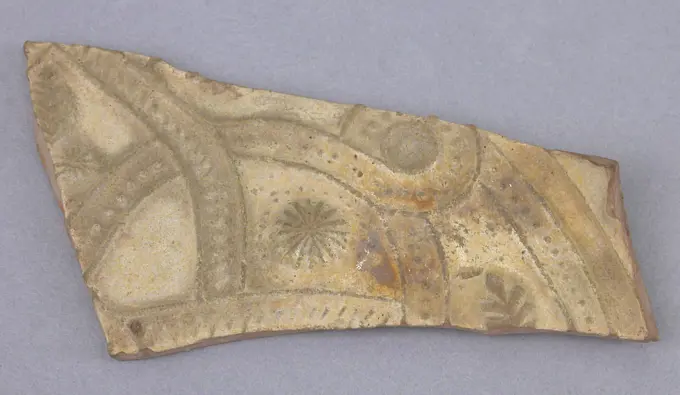
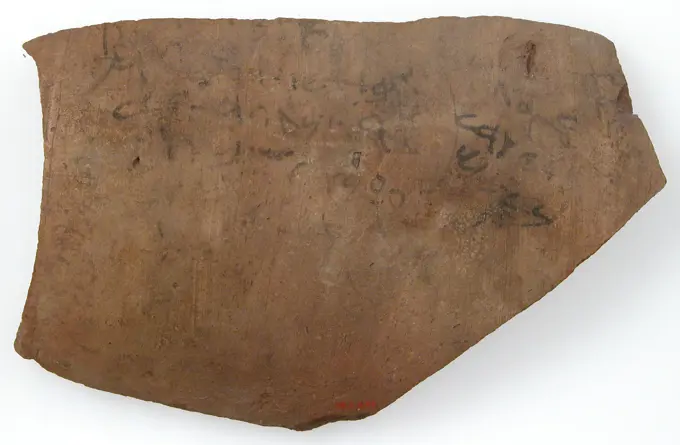
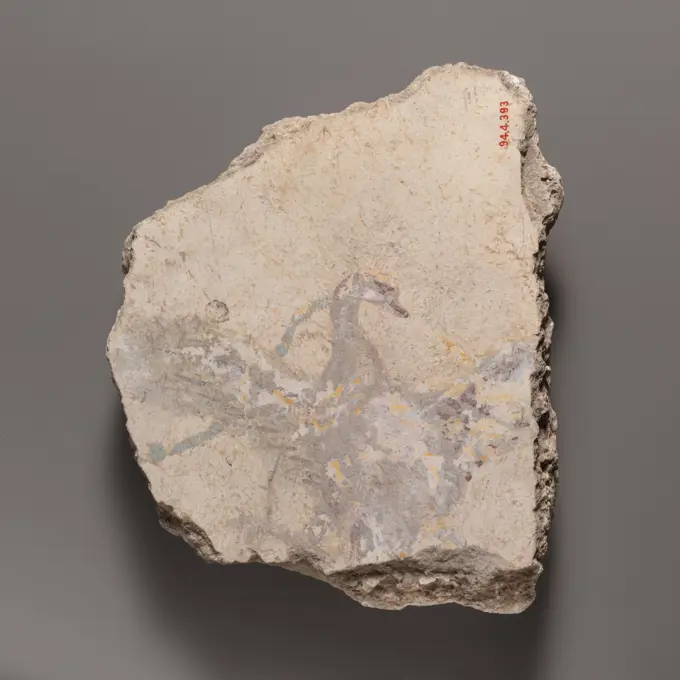
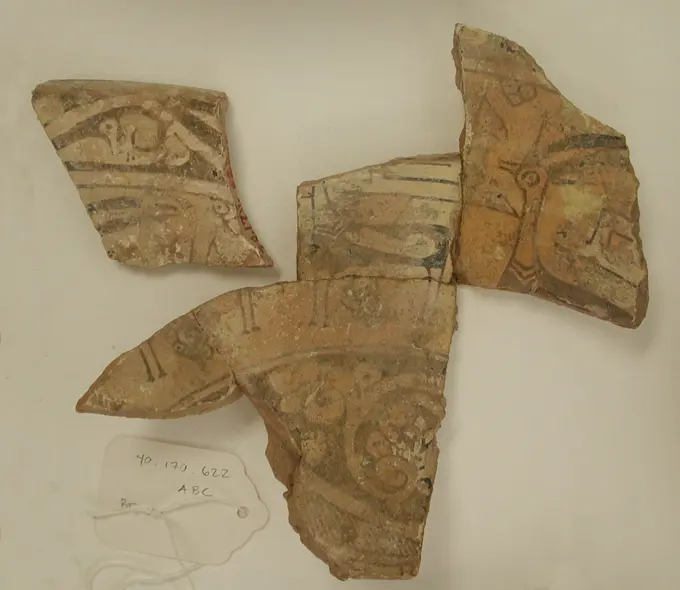
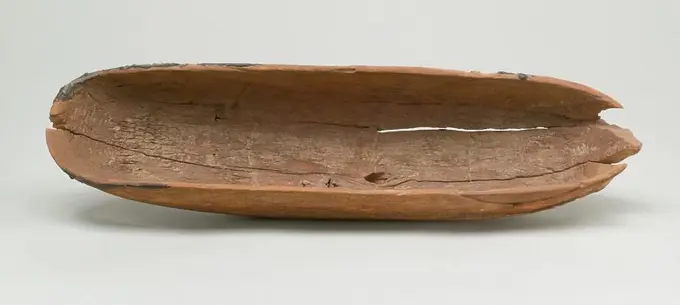
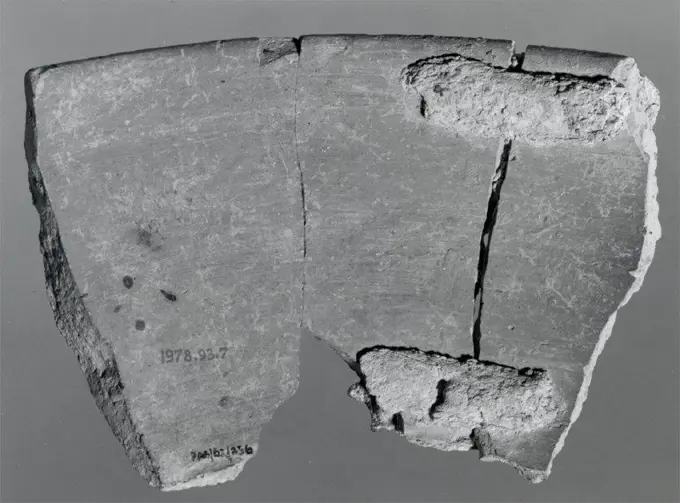
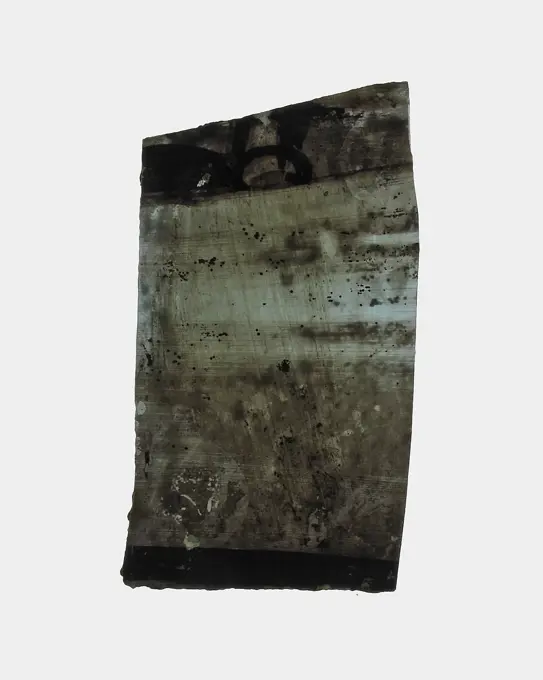
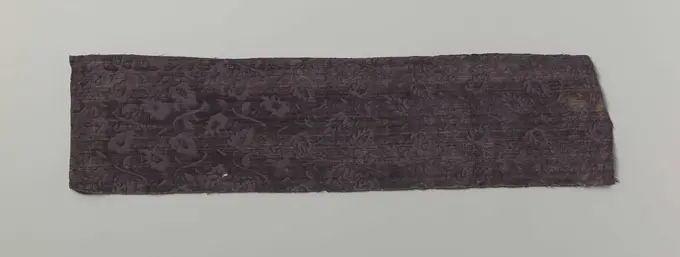
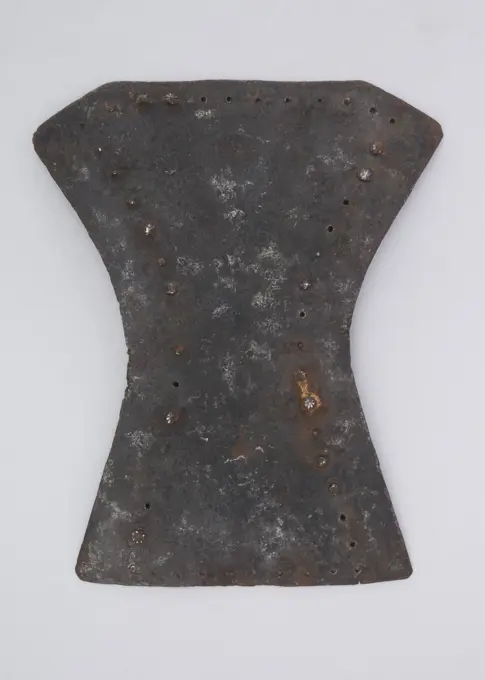
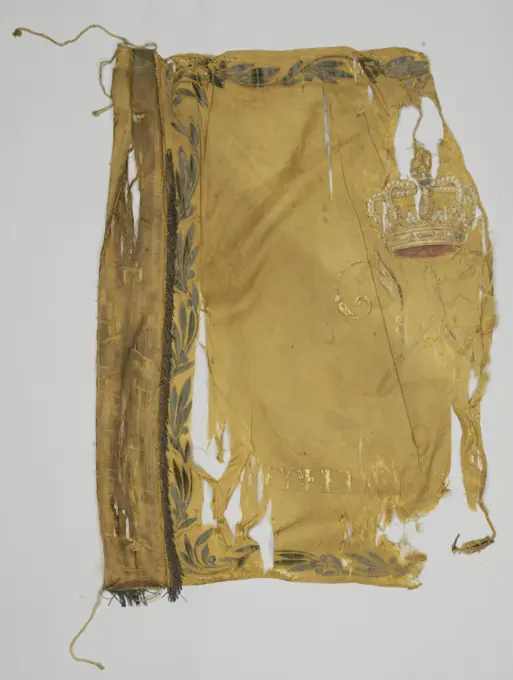
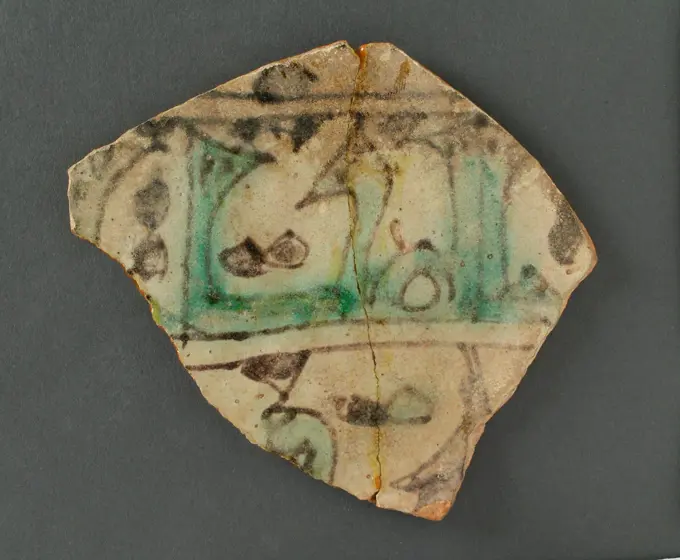
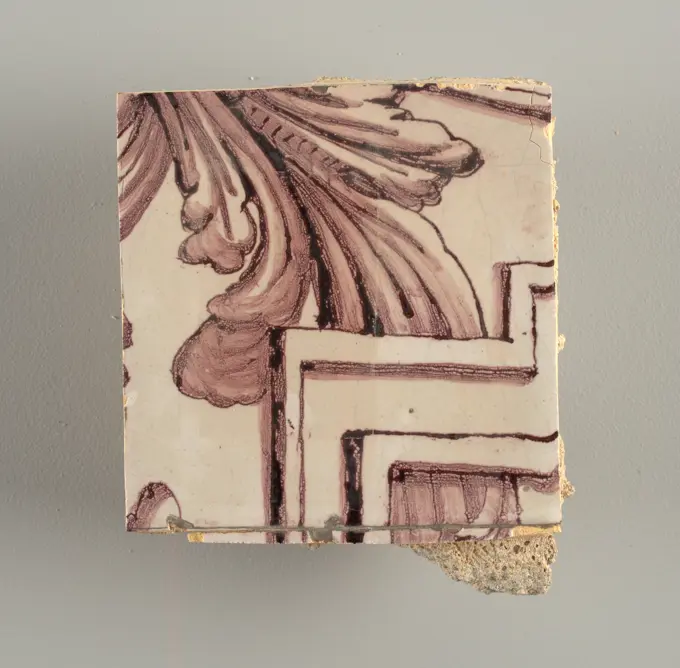
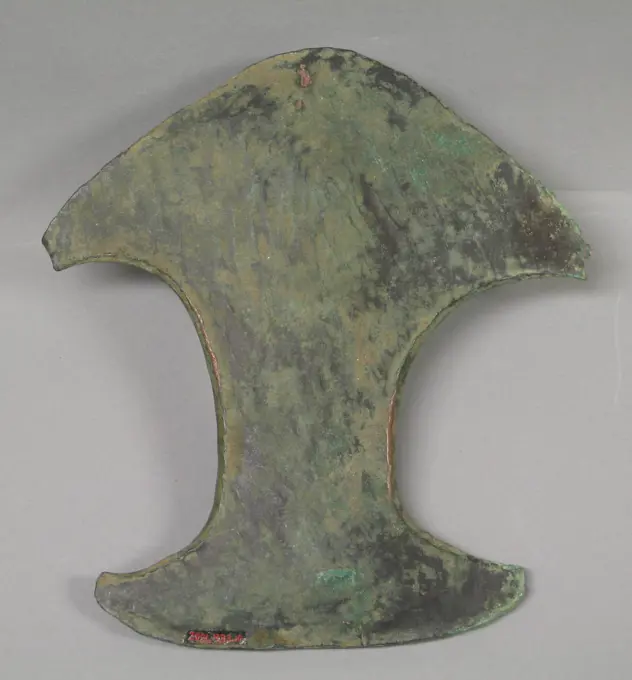
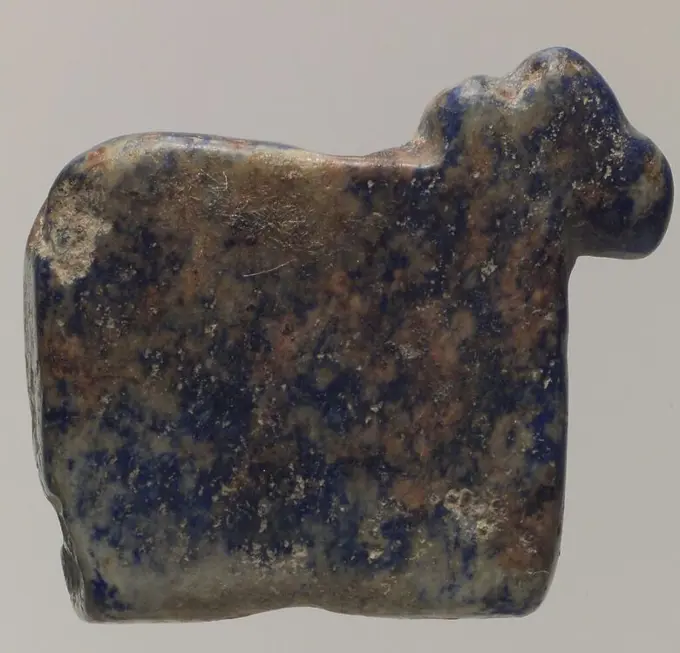
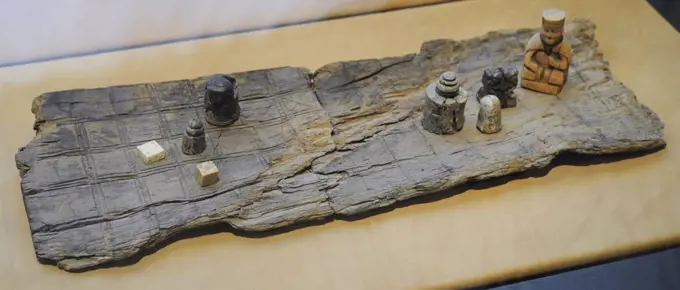
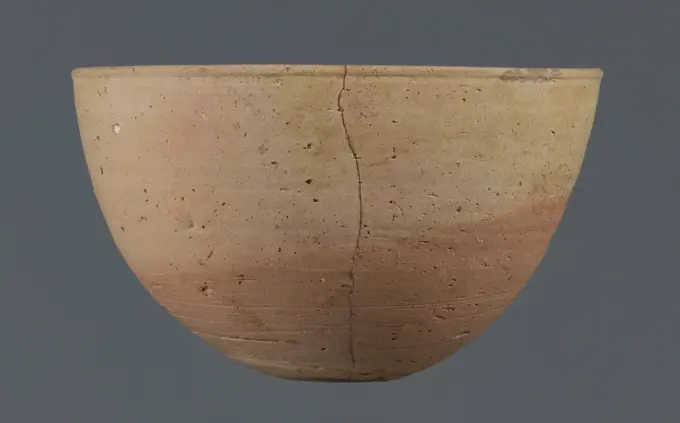
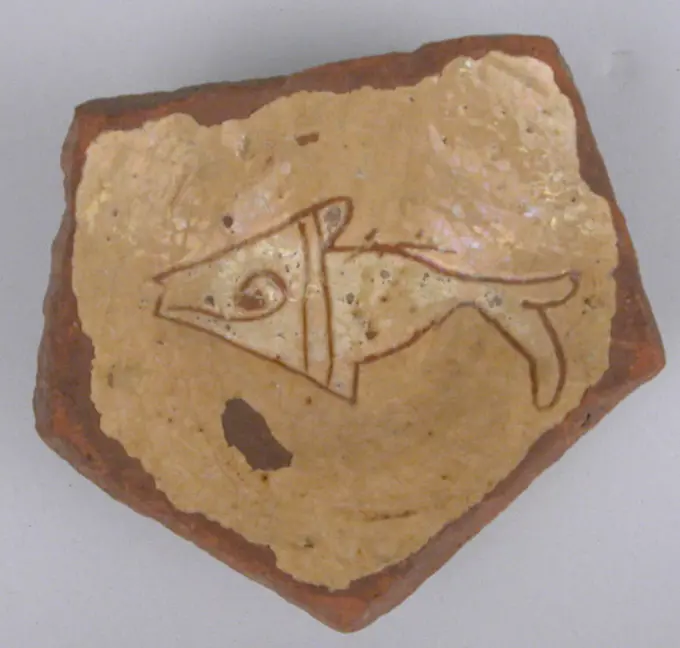
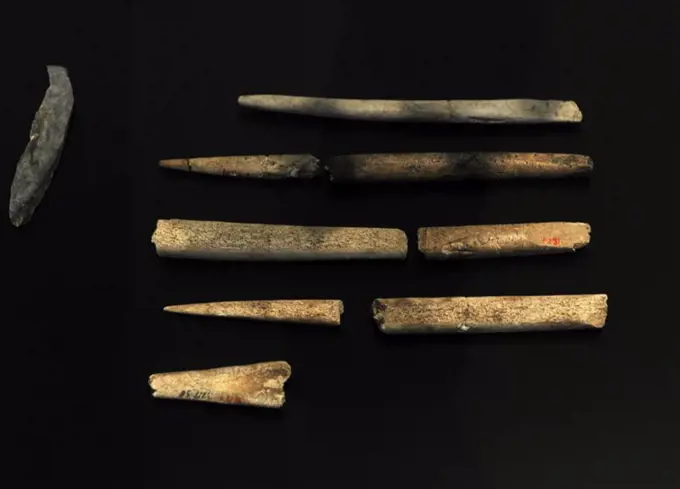
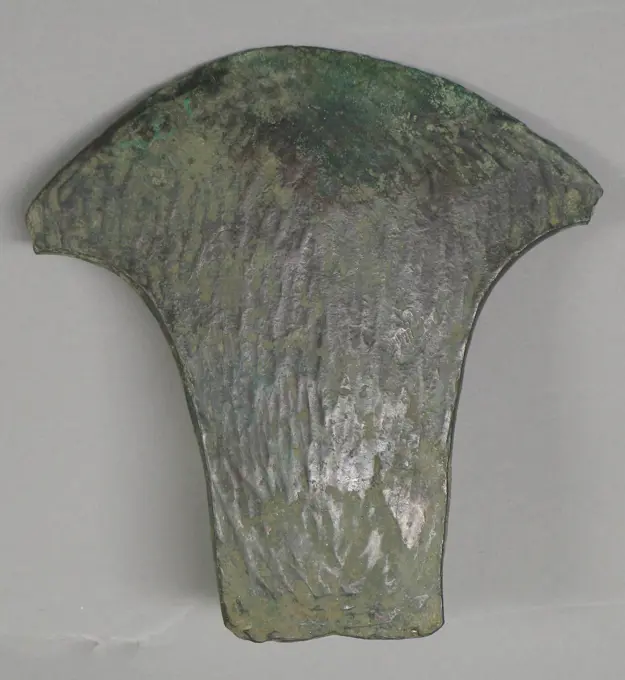
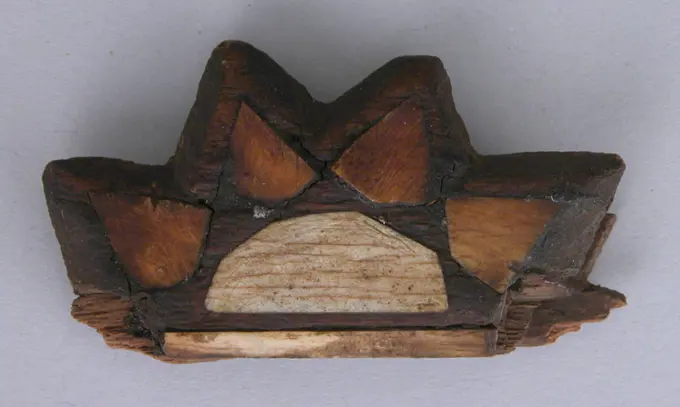
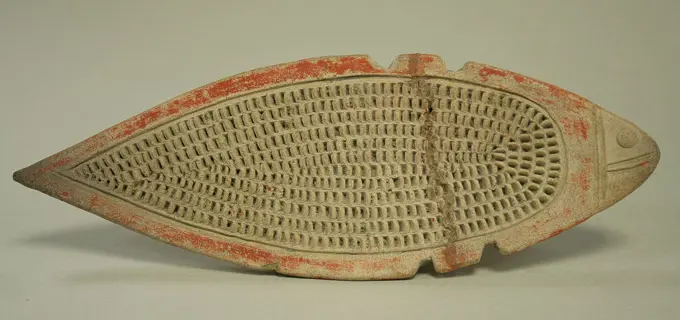
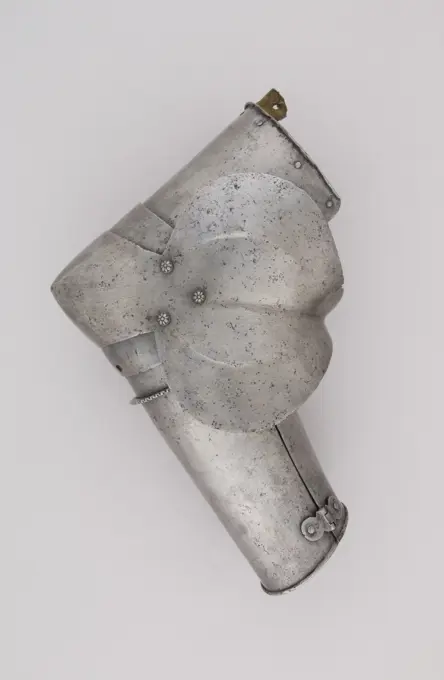
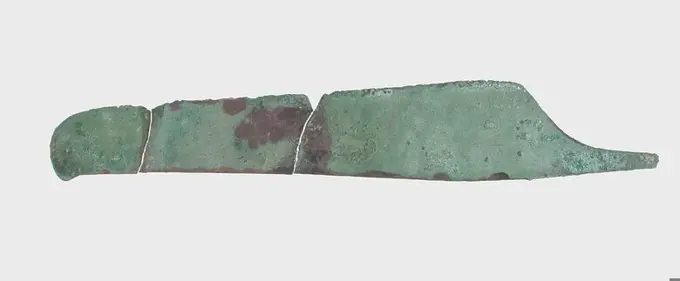
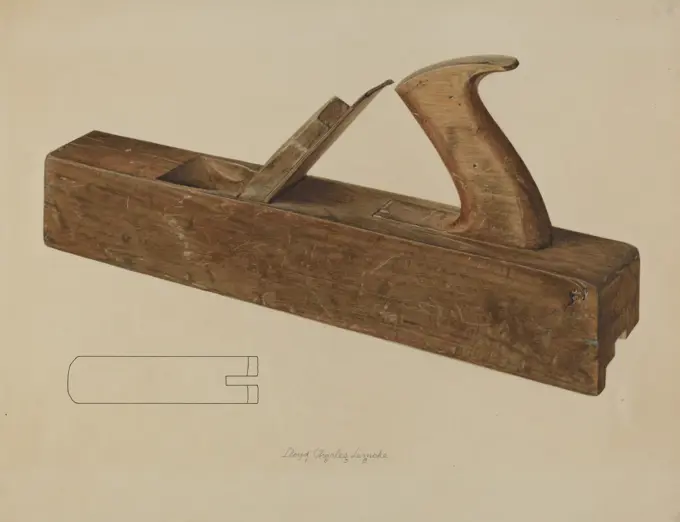
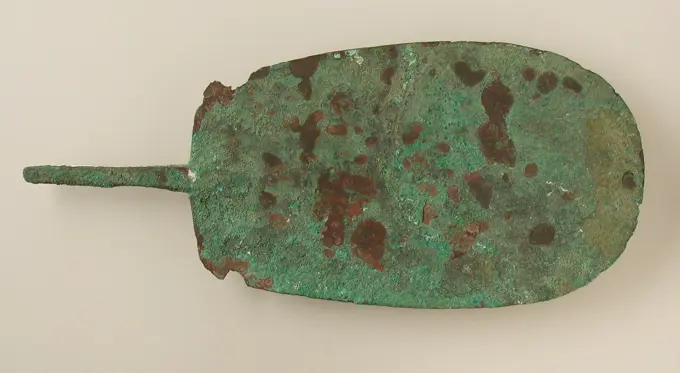
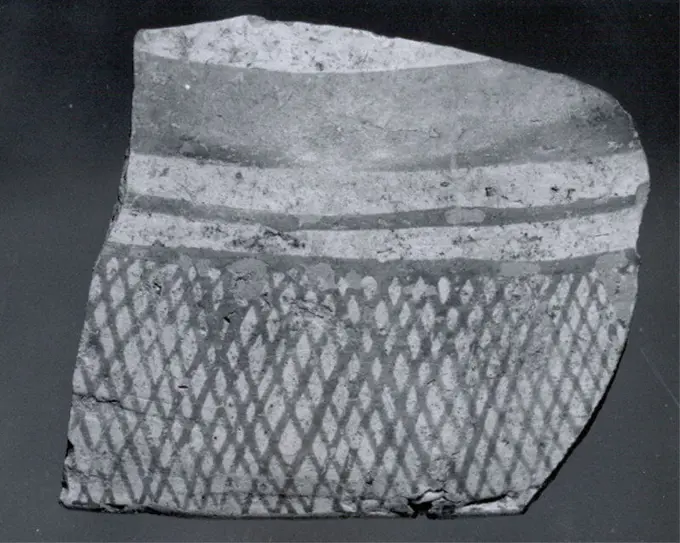
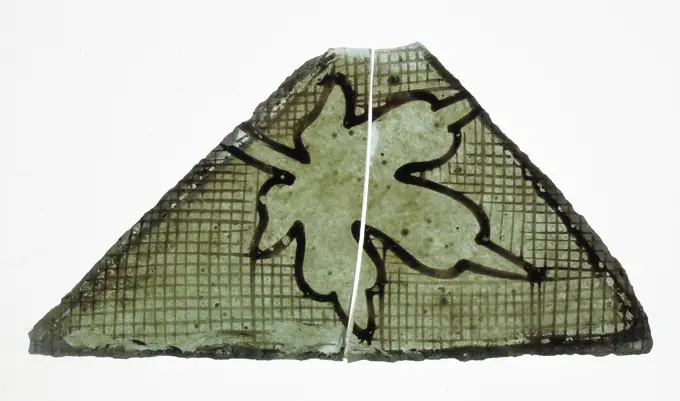
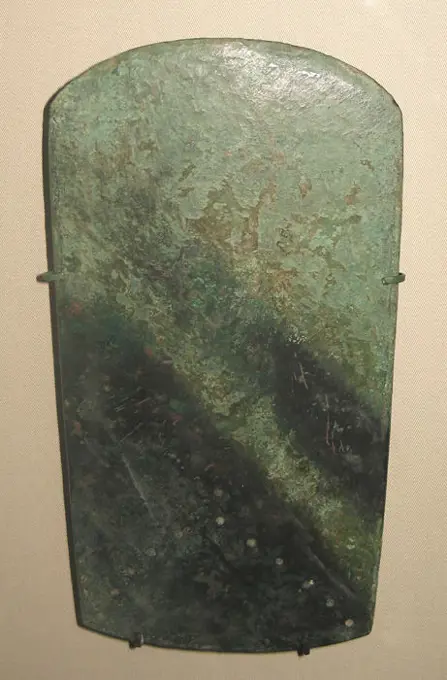
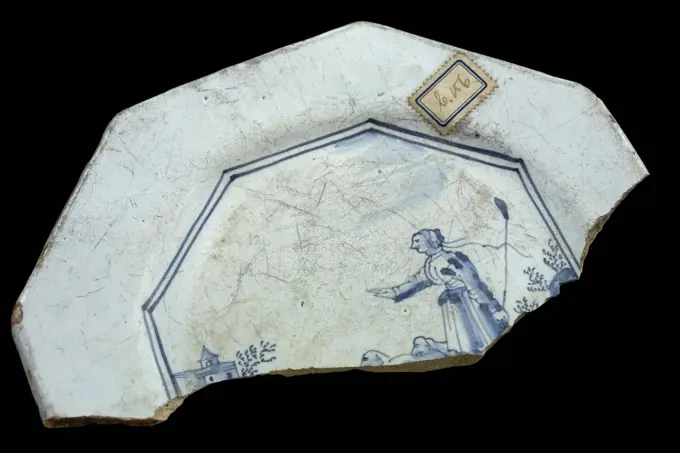
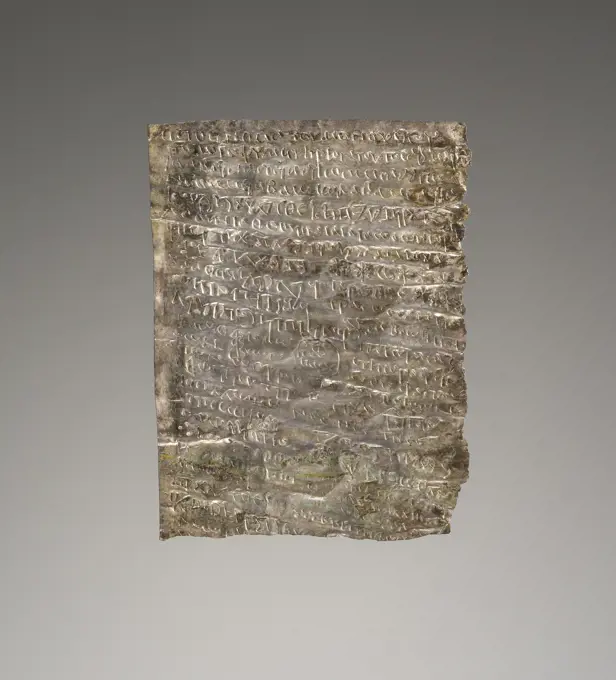
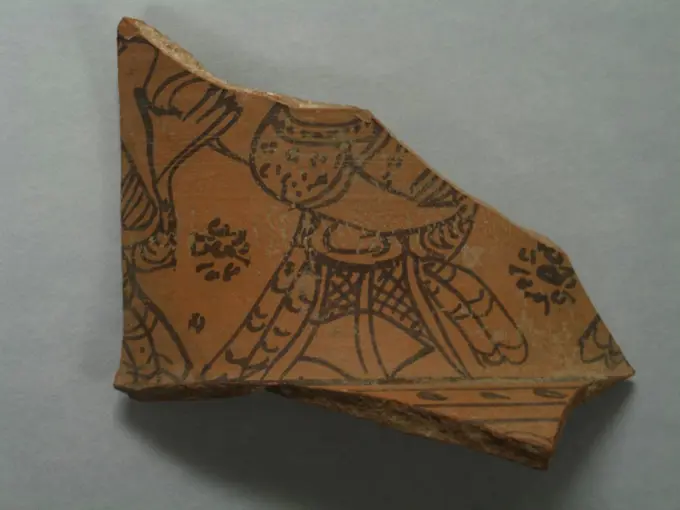
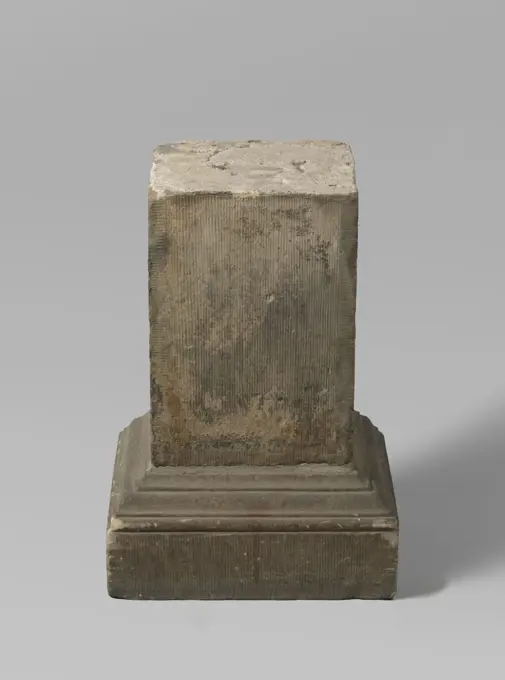
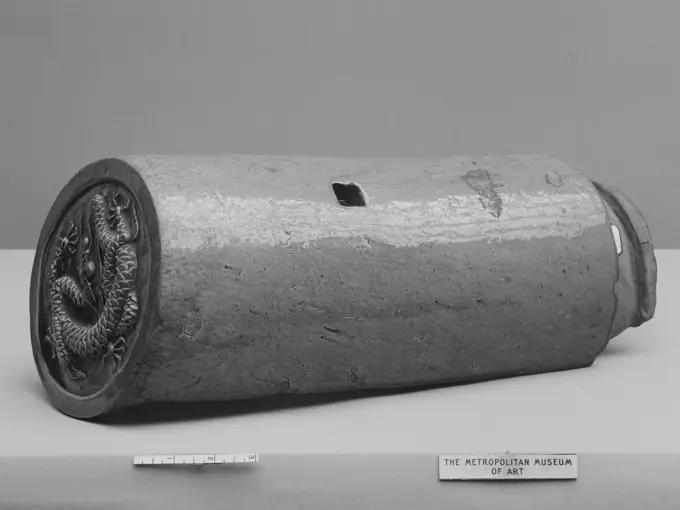
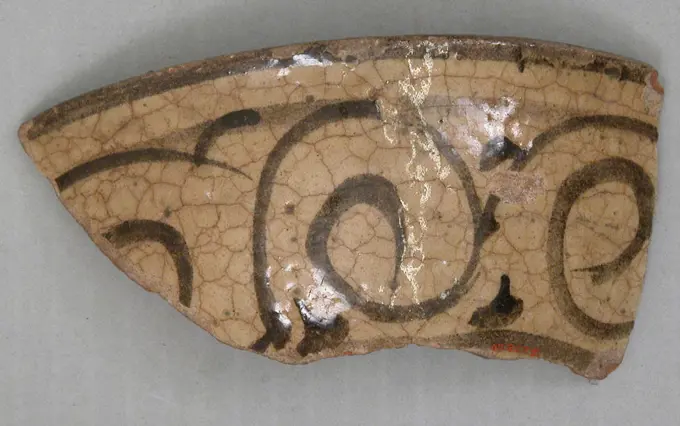
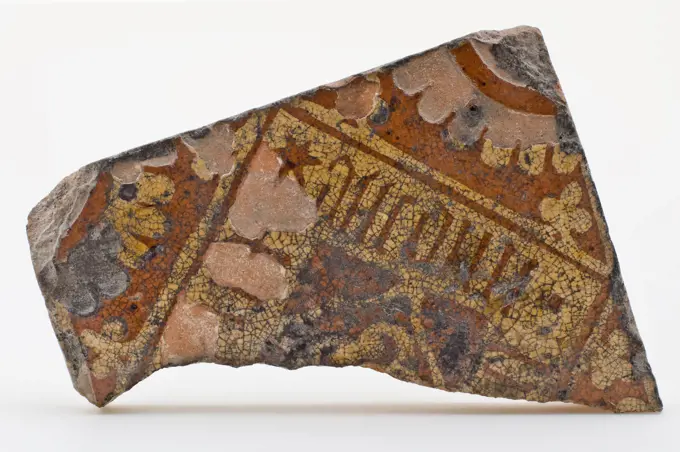
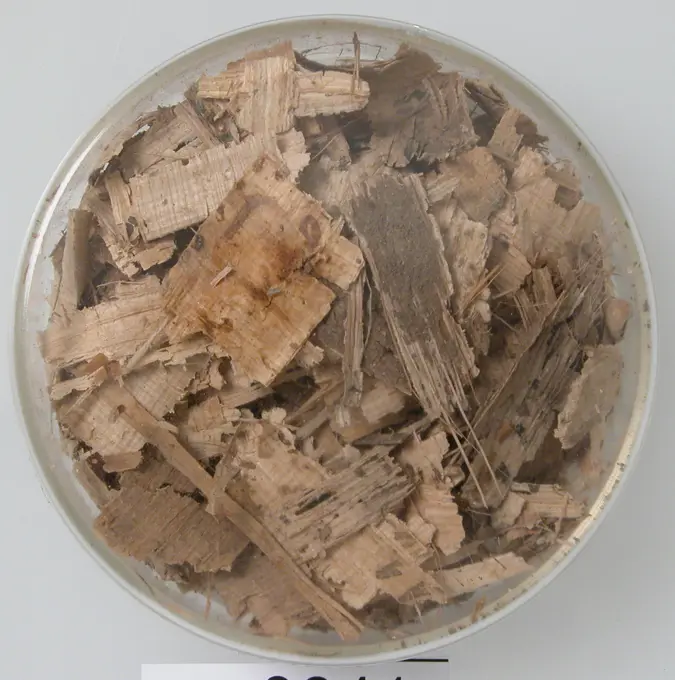
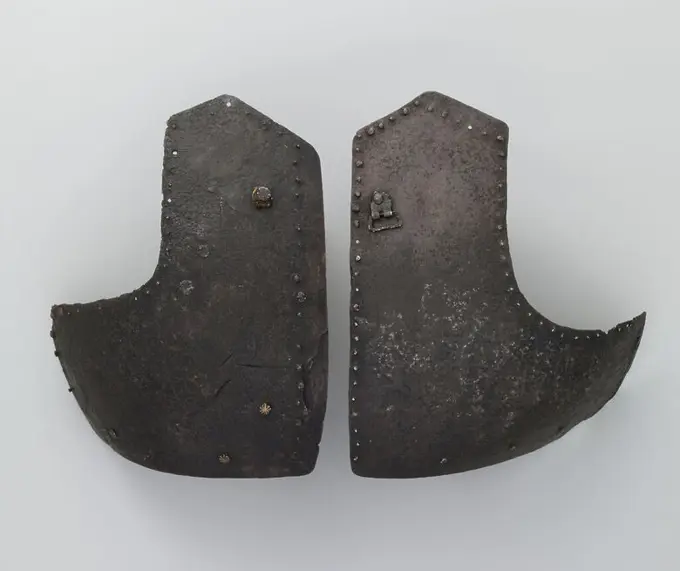
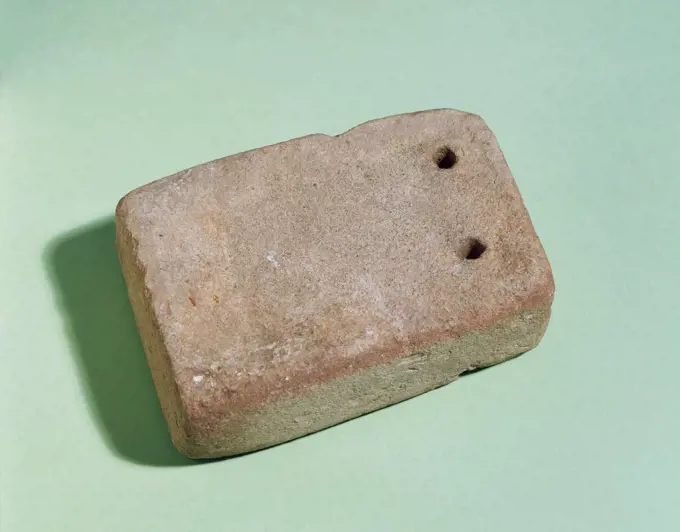
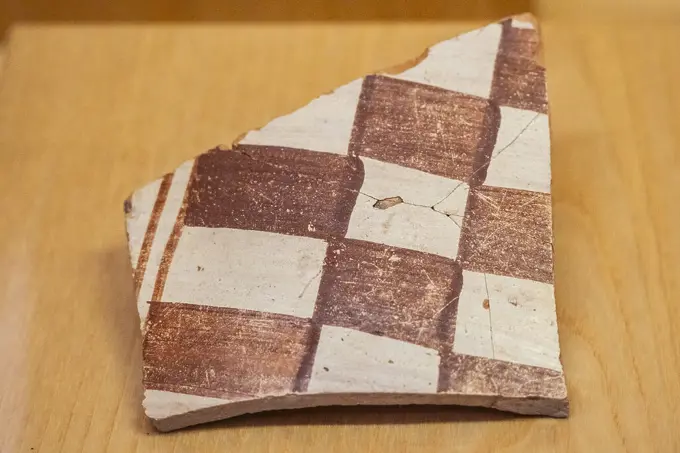
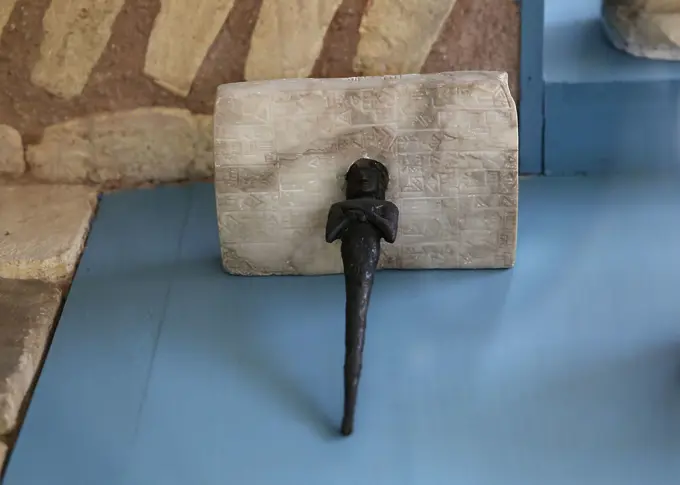
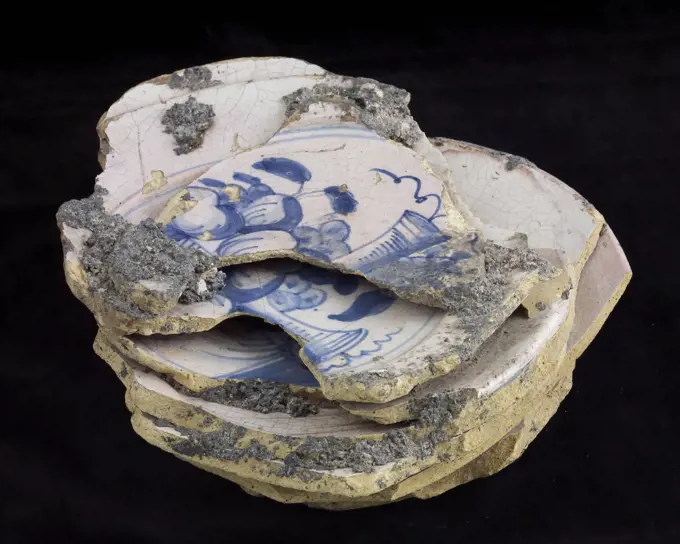
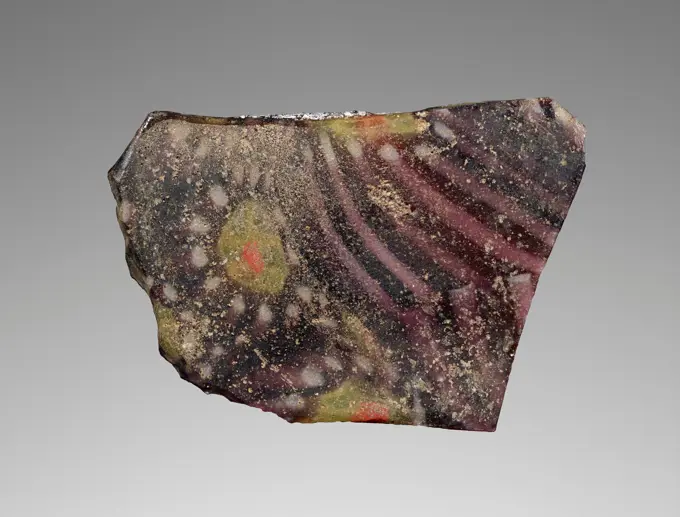
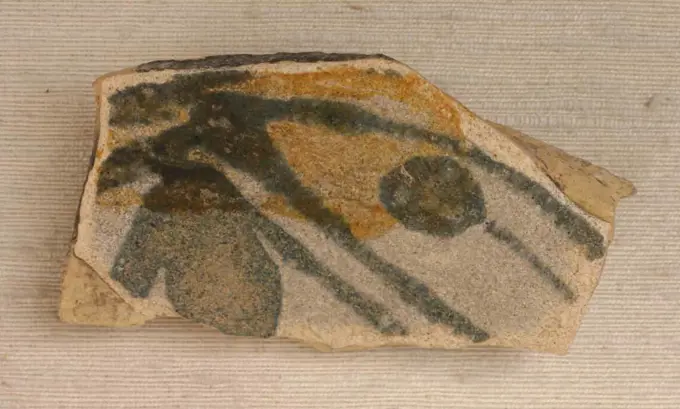
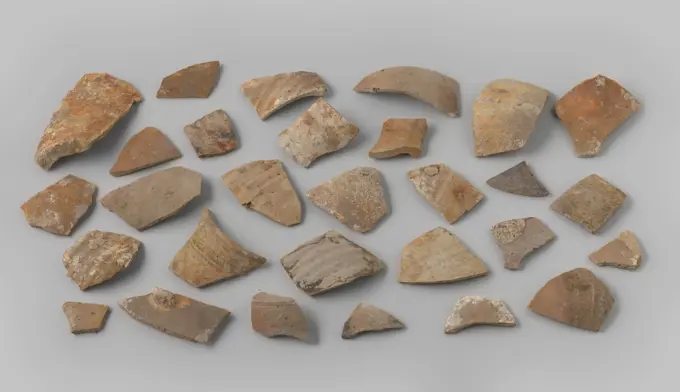
Fragment of a Bowl 14th-15th century. Fragment of a Bowl 446400Abbāsydzi, al MAHDī (158 169 ah = Ad 775 785) Hārūn en RAšīd (170 193 ah = Ad 786 809), dirham (fragm.), Madīnat Zara [nǧ , [775 809 Al Mahd (775 785), H R N AR RAš D (786 809)Fragment with Interlace Design 9th century This ceramic fragment was excavated in Ctesiphon, the Sasanian metropolis and administrative capital conquered by Arab Muslim armies in 637. The city was known in Arabic as al-Madain, or "the cities", for its extended area. Arab historians indulge in describing al-Madain/Ctesiphons grand monuments, which obsessed Muslim rulers and may have acquired a symbolic meaning related to its imperial past. This was the case of the Taq-i Kisra, an impressively-sized ivan (a vaulted hall with one side open) partially dismantled to reuse its bricks in caliphal buildings in the new capital Baghdad. Finds like this fragment, which was excavated at a site called West Mound, where the bath of Palace Taq-i Kisra was believed to be located, attest instead to the continued occupation of Ctesiphons urban area in the early Islamic period. The fragment belongs to a group of dishes and other vessels made in Iraq in the ninth century. They all feature a molded decShards of a sign from V.O.C. ship De 'Witte Leeuw', Anonymous, Before 1613 plate (dishes) Shards of a sign from V.O.C. ship De 'Witte Leeuw', 40 present. Shatou porcelain   Sint-HelenaOstrakon 580-640 Coptic. Ostrakon. Coptic. 580-640. Pottery fragment with ink inscription. Made in Thebes, Byzantine Egypt. CeramicsOracle bone fragment China. Oracle bone fragment. China. Inscribed bone. Shang dynasty (ca. 1600-1046 B.C.). BoneFragment of a Bowl 15th century. Fragment of a Bowl 446310Wall painting fragment with a swan ca. A.D. 14-68 Roman Swan.. Wall painting fragment with a swan. Roman. ca. A.D. 14-68. Fresco. Early Imperial, Julio-Claudian. Miscellaneous-PaintingsLinnamast napkin with a edge pattern, c. 1750 - c. 1775 Linnamast napkin with a side pattern and an enclosed bouquet. The napkin includes a napkin with invnr. BK-1977-301-B. Flanders (Possible) linen (material) damask Linnamast napkin with a side pattern and an enclosed bouquet. The napkin includes a napkin with invnr. BK-1977-301-B. Flanders (Possible) linen (material) damaskBag with various shards of earthenware and stoneware from V.O.C. ship De 'Witte Leeuw', Anonymous, Before 1613  Bag with various shards of earthenware and stoneware from V.O.C. ship the 'Witte Leeuw'.  earthenware. stoneware   Sint-HelenaFragment probably 11th century. Fragment 451600Bronze axe head ca. 2500-1900 B.C. Cypriot Cutting edge slightly expanded.. Bronze axe head 244278Fragment of a Bowl 9th-10th century. Fragment of a Bowl 450283Dress, Fragment or Textile Fragment, Undetermined Chimú (). Dress, Fragment or Textile Fragment, Undetermined, 600-1400. Cotton, pigment, 20 7/8 x 5 1/2 in. (53.0 x 14.0 cm).   Arts of the Americas 600-1400Fragment (Italy); silk, metallicFragment (Spain); silkSection of lute instrument. Dimensions: l. 34.5 cm (13 9/16 in); w. 8.2 cm (3 1/4 in). Date: ca. 1550-1295 B.C.. Museum: Metropolitan Museum of Art, New York, USA.Drawing 664-610 B.C. Late Period, Saite see 23.3.468. Drawing. 664-610 B.C.. Limestone. Late Period, Saite. From Egypt, Upper Egypt, Thebes, Deir el-Bahri, Tomb of Nespekashuty (TT 312, MMA 509), 1st chamber W. wall; N. section, MMA excavations, 1922-23. Dynasty 26Glass Fragment 17th century French. Glass Fragment. French. 17th century. Colorless glass. Glass-StainedBowl sherd 4th-3rd century B.C. Seleucid These two fragments of a ceramic bowl are connected by two iron braces which have been riveted to the clay. The bowl must have broken in antiquity and been repaired. Indeed, the braces ensured that these two fragments stayed together even after the rest of the bowl had been destroyed! The bowl was excavated at Pasargadae in southwestern Iran, about 90 km northeast of Shiraz. Pasargadae was the first capital of the Achaemenid Persian Empire, founded by Cyrus the Great c. 546 B.C. The bowl was found at the Tall-i Takht, a massive artificial platform presumably built as the site of a royal palace but converted into a fortified compound after Darius established a new capital at Persepolis around 520. However, the coin hoards and other finds from the Takht, including this lamp, show that it continued to be occupied down into the second century B.C., long after the fall of the Achaemenid Empire. The bowl was found in a room in the northern corner of tWoman's Headdress; silk, metalFragment of a Bowl 13th century. Fragment of a Bowl. 13th century. Stonepaste; luster-painted and glazed. Attributed to Iran, Rayy. CeramicsGlass Fragment 16th century French. Glass Fragment. French. 16th century. Colorless glass. Glass-StainedFlint Knife. Dimensions: L: 21.3 cm (8 3/8 in.); diam. 6.4 cm (2 1/2 in.). Dynasty: Dynasty 2. Reign: reign of Khasekhemui. Date: ca. 2949 B.C.. Museum: Metropolitan Museum of Art, New York, USA.Relief preserving part of a scene with the king and queen - see 26.3.353-4 ca. 2051-2030 B.C. Middle Kingdom. Relief preserving part of a scene with the king and queen - see 26.3.353-4. ca. 2051-2030 B.C.. Limestone, paint. Middle Kingdom. From Egypt, Upper Egypt, Thebes, Deir el-Bahri, Tomb of Neferu (TT 319, MMA 31), MMA excavations, 1923-25. Dynasty 11Fragment couple silk velvet with a pattern of gerijde flower branches.Fragment Silk Veal with Pattern of Fried Flower branches in Purple. Italy, 16th CenturyAsymmetric Pediform Hafted Ax with Striated Decoration 500 B.C.-A.D. 300 Vietnam (North). Asymmetric Pediform Hafted Ax with Striated Decoration. Vietnam (North). 500 B.C.-A.D. 300. Bronze. Bronze and Iron Age period. MetalworkBrigandine Plate 1400-1450 Italian This is part of a large find of medieval armor discovered in 1840 in the ruins of the fortress of Chalcis, on the Greek island of Euboea (then a Venetian colony called Negroponte). The fortress had been captured and destroyed by the Turks in 1470. Now divided largely between the Ethnological Museum, Athens, and The Metropolitan Museum of Art, the Chalcis hoard contains many rare and unusual elements of fourteenth- and fifteenth-century armor. Of particular importance are the variety of headpieces and the many fragments of brigandines (armor for the torso constructed of small plates riveted to layers of fabric), some of which retain portions of their original velvet covering. The Chalcis armor provides a unique picture of the armament used in the Aegean, one of the easternmost military outposts of the Venetian empire.. Brigandine Plate 34349Vase fragment 1st century B.C.-1st century A.D. Roman Part of an altar.. Vase fragment 250314Fragment of banner of the ninth Infantry department, Jan Willem Pieneman, c. 1820  Fragment of yellow cream-colored banner covered with gold frills. At the front a crowned graceful W including in golden classic capital: 9th Division I nfanterie; Along the silk green branches with orange berries. On the parade side the crowned weapon of the Kingdom, with banderol on which the weapon spell: your Maintiendrai, held by two crowned lions; This whole is surrounded by two bent laurel branches, which are held together at the bottom by a rose bow; Along the silk green branches with orange berries. Originally on a standard of black lacquered wood, on which a gilded bronze wreath of eagle branches, and at the top a horizontal lion with arrow bundle and sword on a ditto block, on which the text: King and Fatherland, surrounded by a snake, on the long sides, And on the short sides a crowned W. Netherlands silk. wood (plant material). bronze (metal)Fragment. Spain, 1250-1500. Ceramics. Earthenware, glazedWall Facing (Holland); tin-glazed earthenware, underglazeEccentric Anthropomorph 1500-1000 B.C. India These anthropomorphic figures, harpoons, ax blades (celts), and antennae swords were cast and hammered from unalloyed copper. They may be dated to 1500 to 1000 B.C. Given that pure copper is a relatively soft metal and most of the objects show little or no signs of wear, it seems likely that their function was largely dedicatory. Hoards of such objects have been found across north India, the greatest concentration being in Uttar Pradesh. The findspots suggest they were ritually deposited in rivers or marshes, though several related antennae swords were recorded in late Indus Valley civilization (ca. 1500 B.C.) burials at Sanauli.. Eccentric Anthropomorph 50639Cow amulet. Culture: Sumerian. Dimensions: 0.18 x 0.89 x 0.79 in. (0.46 x 2.26 x 2.01 cm). Date: ca. 2900-2350 B.C.. Museum: Metropolitan Museum of Art, New York, USA.Dragon Pendant 1100 BCE-900 BCE China. Jade .Metrage cream-white ribbon of silk mesh with woven zigzag pattern, c. 1900 Metrage cream-white ribbon of silk mesh with woven zigzag pattern. NijmegenFrance (possibly) whole: Silk Metrage cream-white ribbon of silk mesh with woven zigzag pattern. NijmegenFrance (possibly) whole: SilkPart of gaming board for "hneftalfl", a game of siege already popular in the Viking Age. Chessmen of baked clay, 15th century. Dice made of walrus tusk, wooden chessman (King). Historical Museum. Oslo. Norway.Etykietka mumiowa. unknown, authorCzarka; Unknown Night -Tamanian workshop; approx. 2600 2350 BC ; Early period D Azira III (-2600-00-00--2350-00-00);Fragment 14th-15th century. Fragment 445552Tools of flint and animal bones. Performed by Homo sapiens (Cro-Magnon). Upper Paleolithic. National Museum of Denmark. Copenhagen. Denmark.Fragment of inscribed vessel ca. 1550-1295 B.C. New Kingdom. Fragment of inscribed vessel. ca. 1550-1295 B.C.. Pottery. New Kingdom. From Egypt, Upper Egypt, Thebes, Asasif, Temple of Hatshepsut, Carnarvon/Carter excavations. Dynasty 18House post from a men's cult house from Papa New Guinea. Made by the Iatmul people by the Sepik River. Dated 20th CenturyAx 1500-500 B.C. India. Ax 50648Glass Fragment 15th century French. Glass Fragment. French. 15th century. Colorless glass. Glass-StainedApron 1799-1821 European. Apron 122057Towel Made 1801-1900 Turkey. Embroidered .Panel 14th-15th century. Panel. 14th-15th century. Wood; inlaid with ivory. Attributed to Egypt, Cairo. WoodHeaven of a canopy, anonymous, c. 1400 - c. 1950 Oak heaven from a canopy-made in late gothic style. Possible church furniture. Northern Netherlands (possibly)Netherlands (possibly) wood (plant material). oak (wood) Oak heaven from a canopy-made in late gothic style. Possible church furniture. Northern Netherlands (possibly)Netherlands (possibly) wood (plant material). oak (wood)Fragment of a ritual object, anonymous, -1600 --1027 Fragment, shangyin, leg, inlaid with turquoise, four altolding taotie masks. Broken. China bone (material). turquoise (mineral) Fragment, shangyin, leg, inlaid with turquoise, four altolding taotie masks. Broken. China bone (material). turquoise (mineral)Fish Scraper. Culture: Tolita-Tumaco. Dimensions: L. 10 1/2 in. (26.7 cm). Date: 1st-5th century. Museum: Metropolitan Museum of Art, New York, USA.Dish, 20th century, 2 3/4 x 18 3/4 x 9 1/8 in. (6.99 x 47.63 x 23.18 cm), Wood, Papua, 20th centuryTablecloth ,, 1722 White linen dams of tablecloth with a face on Venice and the input "locvs es. Marci Venetiis 1722", brand worn out. Southern Netherlands linen (material) damask White linen dams of tablecloth with a face on Venice and the input "locvs es. Marci Venetiis 1722", brand worn out. Southern Netherlands linen (material) damaskFragments heels from shoe soles from the wreck of the East Indiesman Hollandia. Shoe; Fragm or very with pins, SIM. NG 1980-27H2232 Dried, Deforge: Fragm or Sole.Fragment of a Tunic 4th century. Fragment of a Tunic 443417Forearm Defense (Vambrace) ca. 1450-70 Italian This is part of a large find of medieval armor discovered in 1840 in the ruins of the fortress of Chalcis, on the Greek island of Euboea (then a Venetian colony called Negroponte). The fortress had been captured and destroyed by the Turks in 1470. Now divided largely between the Ethnological Museum, Athens, and The Metropolitan Museum of Art, the Chalcis hoard contains many rare and unusual elements of fourteenth- and fifteenth-century armor. Of particular importance are the variety of headpieces and the many fragments of brigandines (armor for the torso constructed of small plates riveted to layers of fabric), some of which retain portions of their original velvet covering. The Chalcis armor provides a unique picture of the armament used in the Aegean, one of the easternmost military outposts of the Venetian empire.. Forearm Defense (Vambrace). Italian. ca. 1450-70. Steel, leather. Armor PartsShaffron (Horse's Head Defense). Culture: Central Asian. Dimensions: 22 1/16 x 26 3/4 in. (56 x 68 cm). Date: ca. 5th-7th century.This shaffron is extraordinarily rare both for being one of only a few known examples of Central Asian textile shaffrons (see also 2016.171) and for the fact that it is a largely intact and complete textile object from a region and period when textile fragments are the norm. The weaving technique and the motifs suggest that the silk was made in Central Asia, inspired by Chinese fabric that was known via commerce on the Silk Road.A ceremonial shaffron (horse's head covering) made of silk. The shaffron has two circular eye openings. At the center of the top edge there is a poll piece in the form of a tab that would lay between the ears on the horse's poll. Along the bottom edge there are two notches to accommodate the nostrils. There are separately padded crescent-shaped pieces above the eyes and above the nostril areas. The main textile is dark purple-brownDoor Catch 580-640 Coptic. Door Catch 474920Knife. Dimensions: L. 28.3 cm (11 1/8 in), w. 4.7 cm (1 7/8 in). Dynasty: Dynasty 18. Reign: reign of Amenhotep III. Date: ca. 1390-1353 B.C.. Museum: Metropolitan Museum of Art, New York, USA.Fragment 7th-9th century. Fragment. 7th-9th century. Earthenware; glazed. Found/excavated Iraq, Ctesiphon. CeramicsLloyd Charles Lemcke, Rabbet Plane, 1938 Rabbet PlaneOval Knife. Egypt, Predynastic - 1st Dynasty (3200 - 2850 BCE) or later. Arms and Armor; knives. BronzeSherd ca. 4500 B.C. Halaf. Sherd 325526Glass Fragment 14th century French or British. Glass Fragment. French or British. 14th century. Colorless glass. Glass-StainedAx with Punch Marks 1500-1000 B.C. India These anthropomorphic figures, harpoons, ax blades (celts), and antennae swords were cast and hammered from unalloyed copper. They may be dated to 1500 to 1000 B.C. Given that pure copper is a relatively soft metal and most of the objects show little or no signs of wear, it seems likely that their function was largely dedicatory. Hoards of such objects have been found across north India, the greatest concentration being in Uttar Pradesh. The findspots suggest they were ritually deposited in rivers or marshes, though several related antennae swords were recorded in late Indus Valley civilization (ca. 1500 B.C.) burials at Sanauli.. Ax with Punch Marks 50627Fragment octagonal faience plate, blue on white, shepherdess on hill, plate dish crockery holder soil find ceramic earthenware glaze, total, Cookery archeologyPRIMITIVA ARQUETA DE SAN MILLAN - CONJUNTO - SIGLO XI -FORRO HISPANO-MUSULMAN. Location: MONASTERIO DE YUSO. Rioja. SPAIN.Lamella; Roman Empire; 2nd century; Silver; 5.2 x 4 cm (2 1,16 x 1 9,16 in.)Silk Fragment with Aligned Parrots, Part of a Tunic, 5th century. Syria, 5th century. Compound twill weave, silk; overall: 16.2 x 13 cm (6 3/8 x 5 1/8 in.).Shard from the Neck of a Vessel ca. 4th-5th century Pakistan. Shard from the Neck of a Vessel 50753Fragment from the wreck of the East Indies Hollandia, Anonymous, 1700 - in or Before 1743 fragment Varied parts or fragments, sheet metal fragments: worked, moulded or shaped; fragm, heavily eroded; curved outline, right angled stepped rim. Netherlands copper (metal)   SecondAmulet - LionKoehoorn Speed with Keystrofeees.Slichele Koehoorn with Getting Trophies, an artillerist at a gun, mars and venus.Rectangular sandstone base, belonging to image, imaginative the fortune, in or before 1882 Rectangular base of sandstone, belonging to 'image, the fortune depicting'. The top is attached to the BK-18402-A-1 sculpture. The top of the pedestal is considerably damaged and discolored because the top has been removed from the base. At the edge of the top, many flakes of the sandstone are missing. The sides of the pedestal are flat. The plinth is attached to the shaft with cement and is overhanging because a profiled edge widens the pedestal. The back of the plinth is roughly finished. The pedestal is a pendant of BK-18042-B-2. unknown sokkel: sandstone. sokkel: cement (construction material) Rectangular base of sandstone, belonging to 'image, the fortune depicting'. The top is attached to the BK-18402-A-1 sculpture. The top of the pedestal is considerably damaged and discolored because the top has been removed from the base. At the edge of the top, many flakes of the sandstone are missing. Roof tile with dragon 16th-17th century China. Roof tile with dragon. China. 16th-17th century. Stoneware with yellow glaze. Ming dynasty (1368-1644). CeramicsFragment 14th-15th century. Fragment 445146Jar fragment with sealing at neck intact ca. 1802-1450 B.C. Late Middle Kingdom-Early New Kingdom. Jar fragment with sealing at neck intact. ca. 1802-1450 B.C.. Pottery (marl C), linen. Late Middle Kingdom-Early New Kingdom. From Egypt, Memphite Region, Lisht North, Cemetery south of pyramid, House A1, so-called "faience factory", MMA excavations, 1920-22. Dynasty 13-18, earlyFrontlet of gold leaf. Frontlet of gold leaf 242982'ahu (tapa / barkcloth) textilesFragment of tile with sludge technique, text and image, tile floor tile tile sculpture soil find ceramic earthenware glaze lead glaze, made in shape stamped glazed baked loin cord Fragment of floor tile. Red shard lead glaze glaze tears over the bottom. Decorated in sludge technique Decoration consists of segments of rosette as corner fill square with wide yellow band in which recessed letters in the middle small image Along the edges of the frame two clovers per side Gothic script archeology indigenous pottery gothicPapyri Fragments 7th century Coptic. Papyri Fragments. Coptic. 7th century. Papyrus and ink. Made in Thebes, Byzantine Egypt. PapyrusRight and Left Breastplates from a Brigandine. Culture: Italian. Dimensions: right breastplate: H., 11 1/2 in. (29.21 cm); W., 10 in. ( 25.4 cm); left breastplate: H., 12 in. (30.48 cm); W., 9 1/2 in. (24.13 cm). Date: ca. 1400-1425.The right breastplate was originally pierced with two holes for the attachment of a lance rest. Both halves were once covered with textile. Museum: Metropolitan Museum of Art, New York, USA.Letter F Alphabet IIWeight for a loom. Roman age. From Alcolea del Rio, Andalusia. Episcopal Museum. Vic. Catalonia. Spain.Ceramic with polychrome painted decoration, Olriols, San Esteban de Litera, Iberian period three hundred and fifty to fifty BC, Huesca museum, Aragon community, Spain.Eight cups. Landscape oval, lead plaque, surrounded by a border with protruding leaves and two masks, seen from aside. In the middle a cherub, around five children's heads are grouped, flanked by two old-mances with beards.South Mesopotamia. Early Dynasties Period Girsu (Telloh). Iraq. Statuette. placed on the foundation walls. Istanbul Archaeological Museum. Istanbul. Turkey.Fragment of a BrickJabot with a strip. Machine side with floral spread pattern. Jabot of ivory silk trimmed with a natural-colored strip of machining: machining meshes. In the middle of the jabot a row of seven glass buttons with a silk bow on top. Lace strip with a stroke pattern of rosette flowers on a fine machining. Along the outer edge a double row with a concatenation of brackets and rosette flowers. The strip is finished on top (inside) and bottom (outside) straight, with very fine picots on the outside.umbo de escudo, Carratiermes, Montejo de Tiermes, siglo V a.C, museo Numantino de Soria, Soria, Comunidad Autónoma de Castilla, Spain, Europe.Masonry renovation in the basement area inside, applied waterproofing slurry, symbol image, basement renovation,Bracelet. Northeastern Thailand, Ban Chiang culture, 300 B.C.-A.D. 150. Jewelry and Adornments; bracelets. CalcitePlant with carrots and lancet -shaped leaves, c. 1600 - c. 1699    wood (plant material)Masi (Tapa) textiles, ceremonial objectsFlag, anonymous, c. 1750 - c. 1830 flag Flag with blue pants along which a vertical white track applied with five rosettes, connected by a blue pendulum. This part is wider than the flight, which consists of a red field with blue horizontal lanes along the top and bottom. Indonesian Archipelago linen (material). cotton (textile)  flag, colours (as symbol of the state, etc.) Dutch East Indies, TheStack of nine faience plates, baked misbakels with fruit as decor, plate crockery holder soil find ceramic earthenware enamel tinglage, hand turned fried glazed decorated baked Pile of miscandes. Faience plates or delft pottery. Yellow shard entirely covered with tin glaze Decorated in blue on white fond decoration consists of two blue circles in the shoulder and in the mirror vase in the middle of fruit. Stand surface Only slanted sides at the bottom shoulder at the top between mirror and flag. Baked earthenware. Misbaksels: the plates are broken and melted together. Discoloration of enamel and sintered glaze here and there. Remains caked ash-like material archeology Rotterdam indigenous pottery food serving table serving pottery Bottomvondst Rotterdam 1940.Fragment of a Mosaic Glass Vessel. Unknown 1st century B.C.-1st century A.D. Dark purple with red, yellow and white in a rosette pattern. Some white in a stripe pattern.Fragment 9th-10th century. Fragment 451537Shards of Martavanen from V.O.C. ship De 'Witte Leeuw', Before 1613  Shards of Martavanen from V.O.C. ship De 'Witte Leeuw'. southeast Asia stoneware. porcelain   Sint-HelenaFragment of a Bowl 13th-14th century. Fragment of a Bowl. 13th-14th century. Stonepaste; underglaze painted. Attributed to Syria. Ceramics