My Boards
View Pictures
  • My Boards
← Artworks

Ancient Ceramic Figures

Depictions of ancient ceramic figures from various cultures, showcasing unique craftsmanship, styles, and forms of human representation.
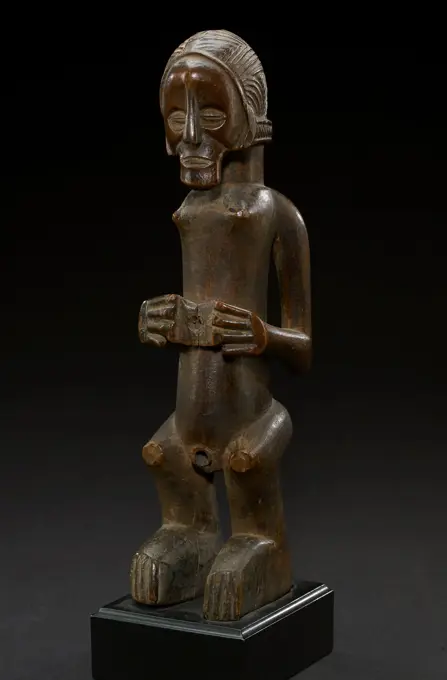
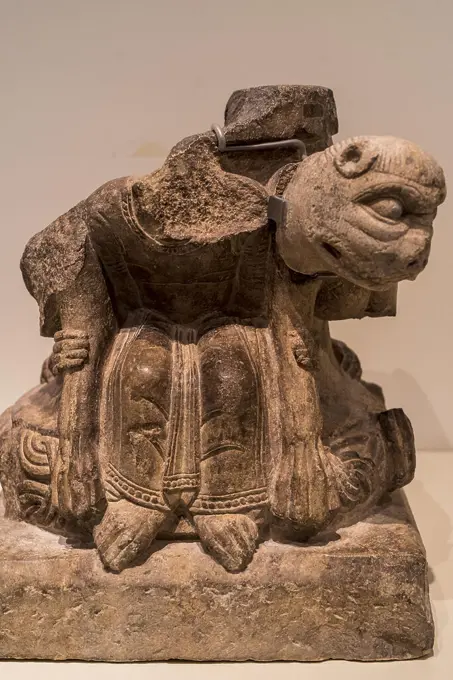
Standing female figure, late 19th century, 11 1/2 × 3 1/16 × 3 9/16 in. (29.21 × 7.78 × 9.05 cm) (with base), Wood, Angola, 19th century
241 assets in this story
4409-8226
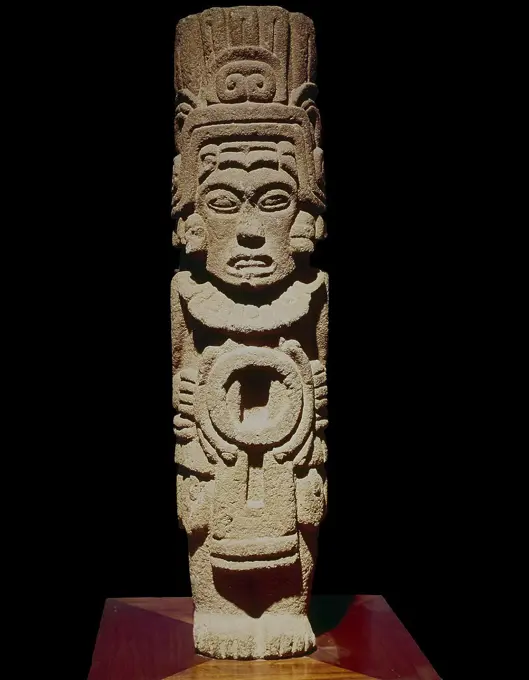
ESCULTURA ANTROPOMORFA TOLTECA. Location: MUSEO NACIONAL DE ANTROPOLOGIA. MEXICO CITY. CIUDAD DE MEXICO.
4409-17232621
Romanesque art in the National Art Museum of Catalonia,Barcrelona,bases of the Ripoll baldachin (XII century AC).Santa Maria in Ripoll monastery.
6145-30177698
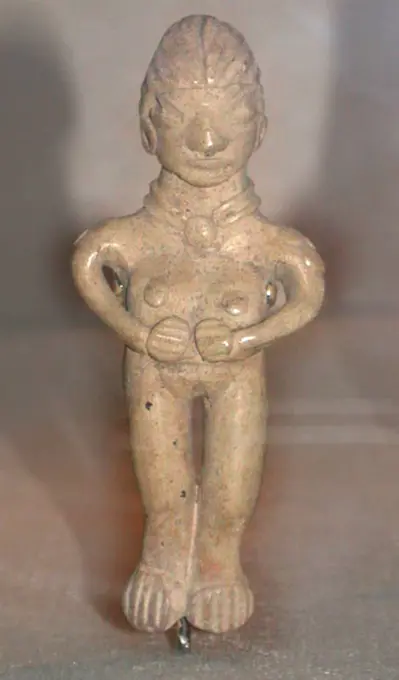
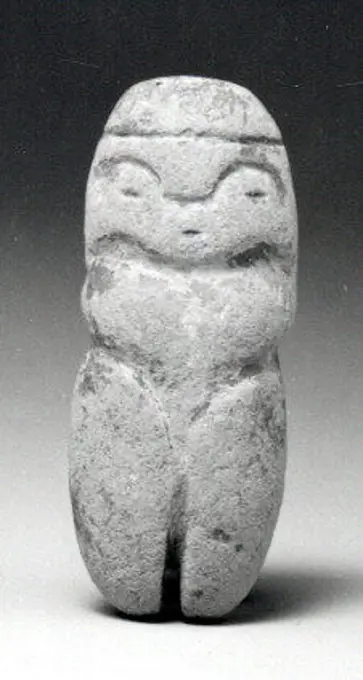
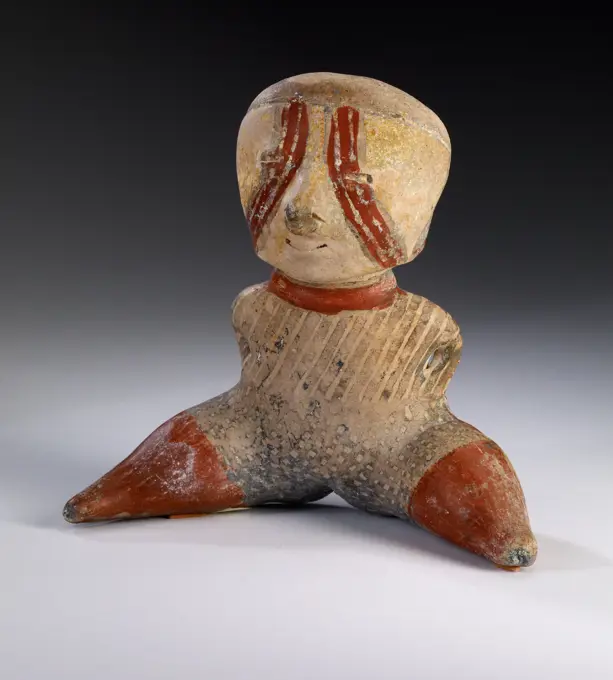
Female Figure 500 BCE-300 BCE Chupícuaro. Ceramic and pigment . Chupícuaro
4409-17547587
Lowest Lame of Long Tasset. Southern German, Innsbruck(). Date: 1500-1600. Dimensions: . Steel. Origin: Germany. Museum: The Chicago Art Institute, Chicago, USA.
6145-46863044
FemaleFigure
6145-29728583
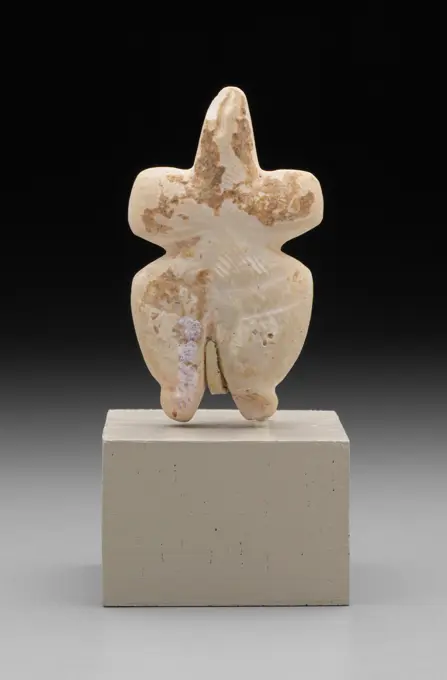
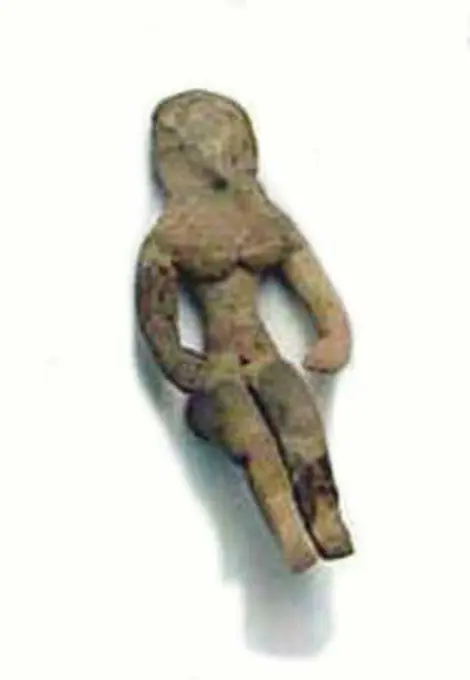
Figure of Fertility Goddess ca. 2700-2000 B.C. Baluchistan. Figure of Fertility Goddess. Baluchistan. ca. 2700-2000 B.C.. Terracotta. Ceramics
6145-29750072
Standing Ceramic Female Figure late 3rd millennium B.C. Valdivia. Standing Ceramic Female Figure 317702
1890-159349
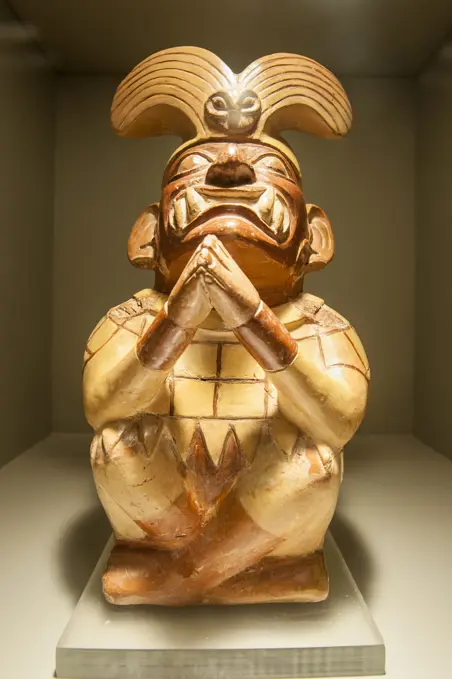
Pre-Columbian artifacts and art in the Larco Museum, Lima, Peru, South America
6176-67040717
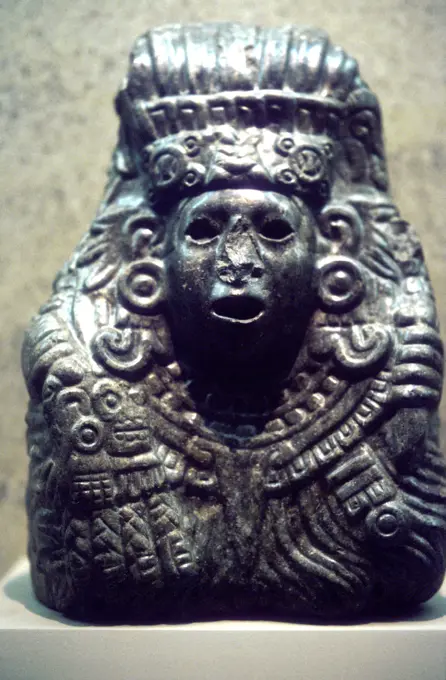
Jade statue of Quetzalcoatl, Aztec 1350-1521. Artist: Unknown
1848-63254652
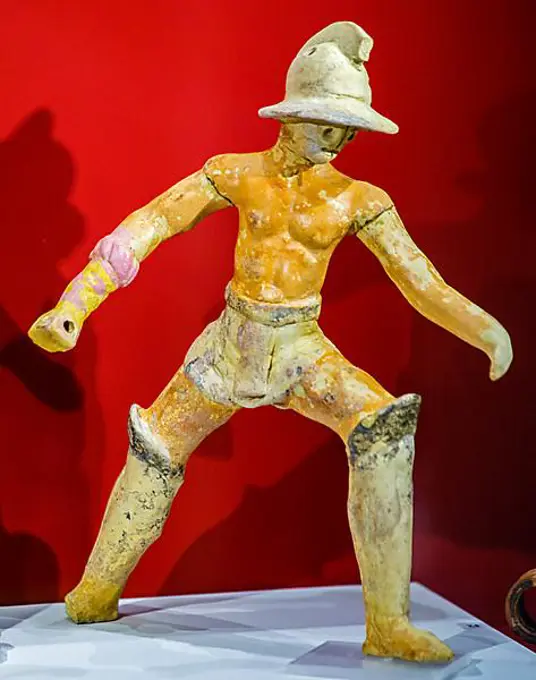
Terracotta gladiator, 1st century BC National Archaeological Museum, Taranto, Apulia, Taranto, Apulia, Italy, Europe
1788-16993
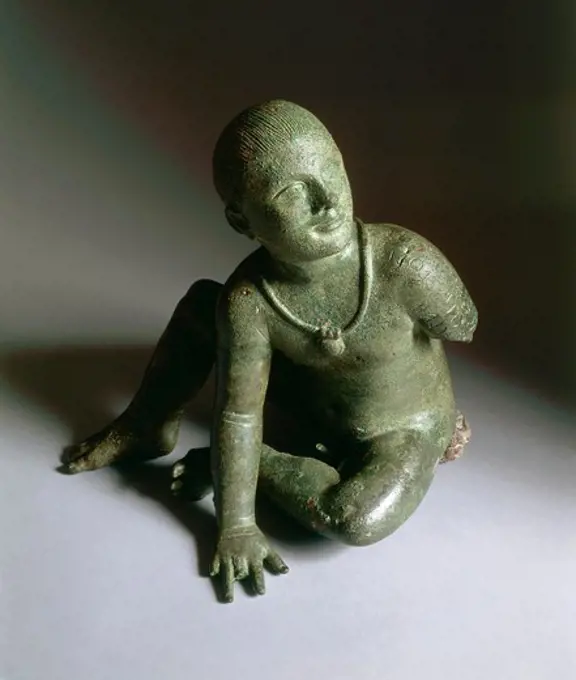
Etruscan bronze statue of seated child, from Tarquinia, Latium region, Italy, 3rd-2nd Century B.C.
4409-17435388
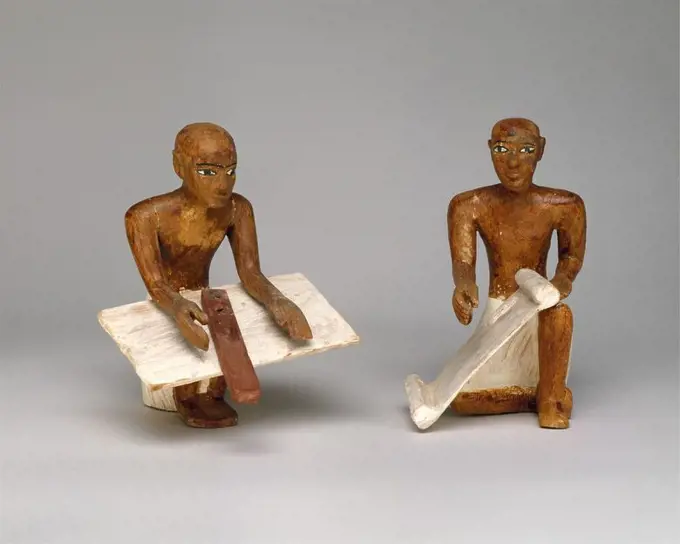
Scribes from Meketre's Model Granary. Dimensions: H. of right-hand figure: 15.5 cm (6 1/8 in.). Dynasty: Dynasty 12. Reign: early reign of Amenemhat I. Date: ca. 1981-1975 B.C.. Museum: Metropolitan Museum of Art, New York, USA.
6145-29074024
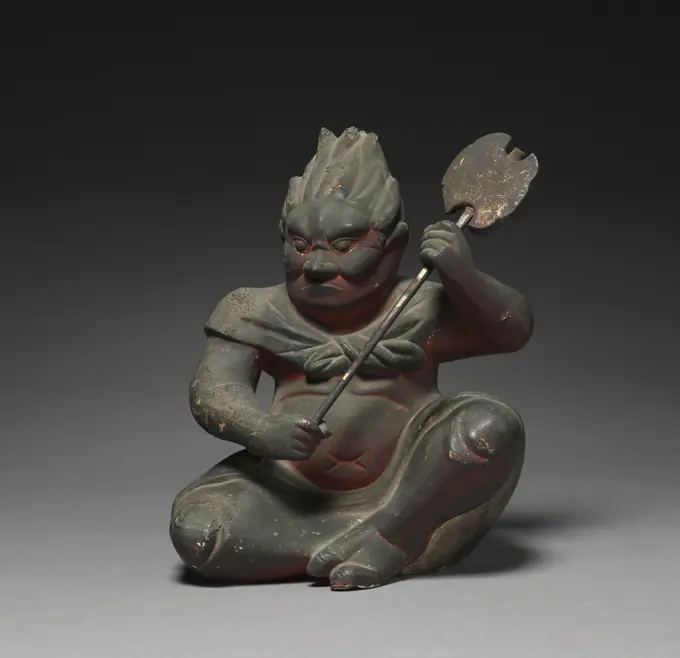
Seated Zenki, 1400s. Japan, Muromachi period (1392-1573). Wood with pigment; overall: 30.5 cm (12 in.).
4409-17409564
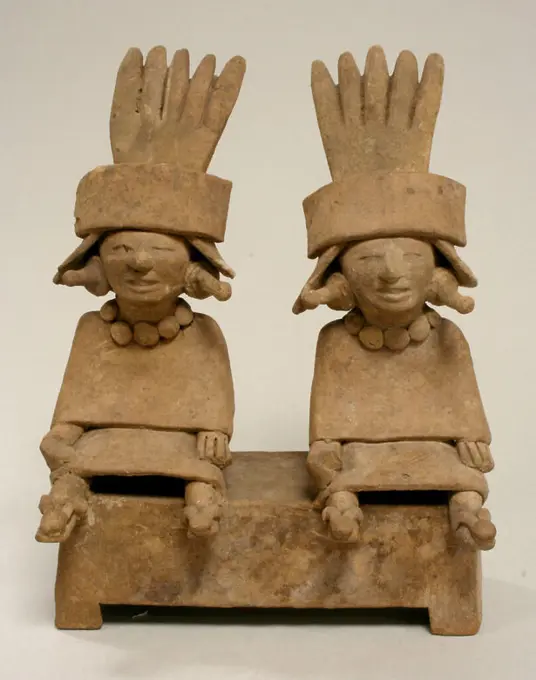
Two Ceramic Figures Seated on a Bench. Culture: Remojadas. Dimensions: H. 8 13/16 x W. 6 7/8 x D. 4 in. (22.5 x 17.5 x 10.2 cm). Date: 6th-9th century. Museum: Metropolitan Museum of Art, New York, USA.
4409-59313
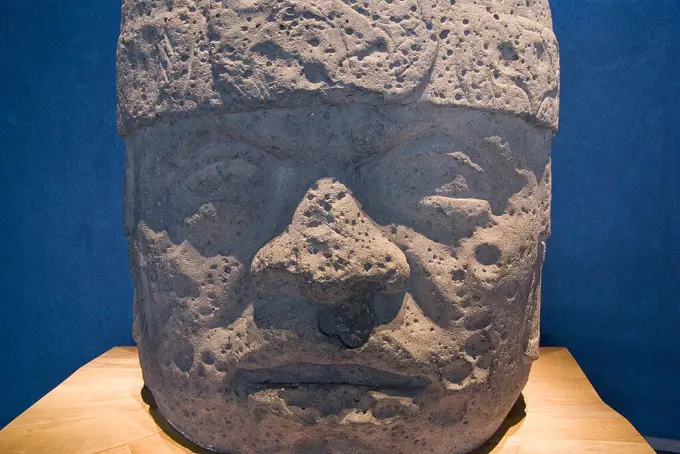
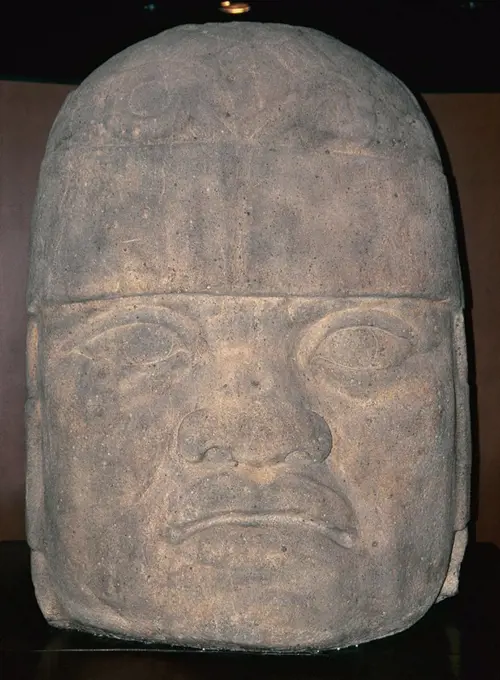
Mexico.Mexico city.National Museum of Antropology.Olmec culture. Monumental stone head.
1746-21110754
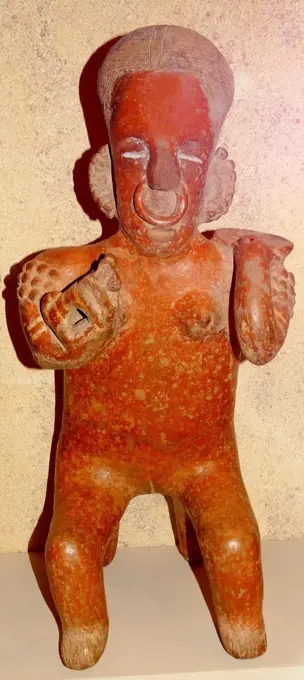
Pottery figure of a woman holding a dog, Nayarit culture, Mexico 300 BC-AD 300.
6145-29761160
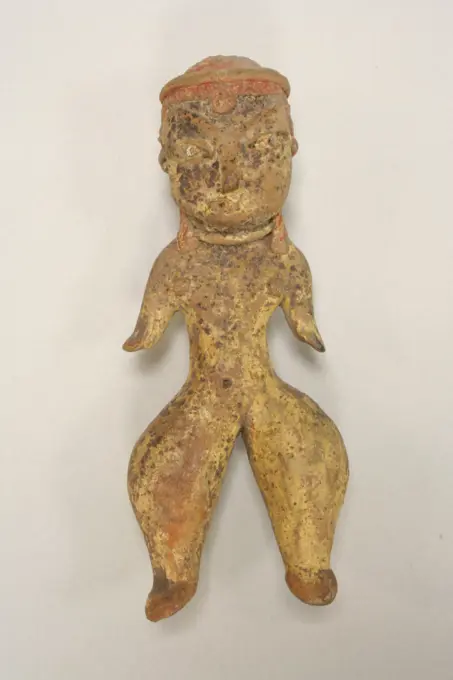
Female Figure 12th-10th century B.C. Tlatilco This solid, hand-modeled ceramic figurine is tan in color and painted with a red pigment. No buttocks are indicated, but the upper thighs swell noticeably on the back of the figure. The hairdo and headband continue to the back of the head, but no anatomical differentiation is offered. Sculpted some three millennia ago in the Valley of Mexico, this figurine belongs to a group of ceramic effigies known collectively as the Tlatilco "pretty ladies." Depicting females with large heads, small waists, and prominent hips, these handheld sculptures present a fairly standardized body type and are typically fired to red, buff, or brown tones. As the popular embodiments of an ideal feminine form, the Tlatilco "pretty ladies" are part of a centuries-long tradition in which eccentricities and religious imagery predominate. Featuring hunchbacks, dwarfs, contorted acrobats, two-headed women, and conjoined twins, the corpus of Tlatilco figurines encompasses
4409-39260
ARTE PRECOLOMBINO. OLMECA. OLMECAS. Cultura desarrollada por los antiguos pueblos mexicanos de Tabasco y parte meridional de Veracruz (h.200-h.100 a.C.). CABEZA COLOSAL Nº 6, realizada en basalto. Procede de San Lorenzo. Veracruz. Actualmente se encuentra en el Museo Nacional de Antropología. Sala del Golfo de México. México D.F.
4409-17353374
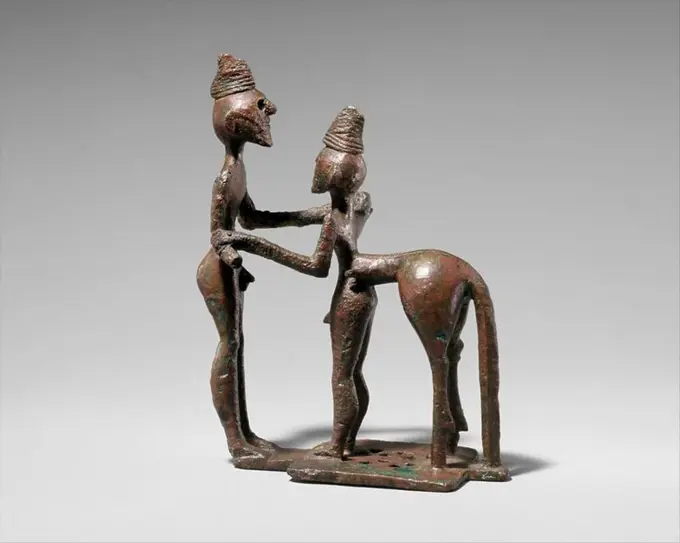
Bronze man and centaur. Culture: Greek. Dimensions: H. 4 3/8 in. (11.10 cm). Date: mid-8th century B.C..Half man, half horse, the centaurs were thought to inhabit remote wooded areas. In much of Greek art, they appear in combat with humans and, by implication, are the antithesis of civilized men. The classic rendering of this subject can be seen in the metopes of the Parthenon in Athens. It is, however, already fully presented in this bronze statuette. The outcome of the conflict is indicated by the end of the spear preserved in the centaur's left flank and by the greater height of the man. Museum: Metropolitan Museum of Art, New York, USA.
4409-17544034
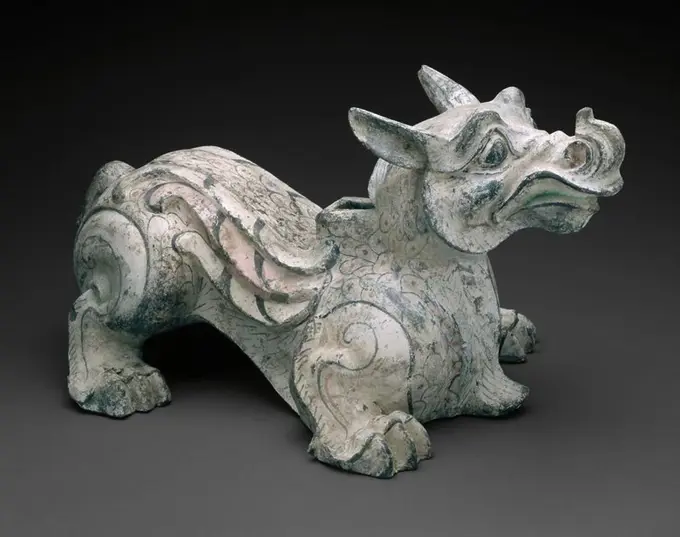
Winged Beast (Tomb Figure). China. Date: 200 BC-101 BC. Dimensions: 22.2 × 43.8 cm (14 7/8 × 27 1/2 in.). Gray earthenware, slip-coated with polychrome pigments. Origin: China. Museum: The Chicago Art Institute, Chicago, USA.
6145-58997340
Lion. "Three -colored" glaze porcelain. Paris, Cernuschi museum. 78842-26 Asian art, ancient ceramic, covered, email, glacure, Chinese pottery, terracotta emaillee, animal, nature
1848-49150337
Archaeological Museum, Lipari Town, Lipari, Lipari Islands, Aeolian Islands, Sicily, Italy, Europe
6145-59042605
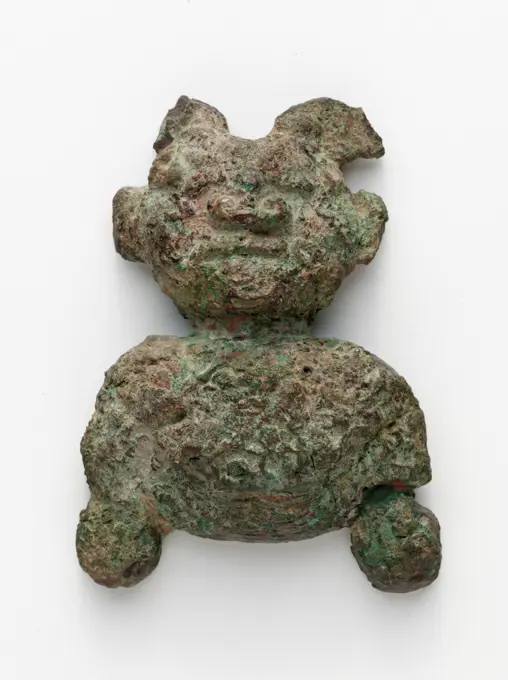
Human Protom ". Bronze. Shang dynasty (1765 - 1122 BC), China. Paris, Muse Cernuschi. Protom tte humaine Asian art, Chinese art, art of extreme-East, bronze, Shang dynasty, prehistoric time, Shang time, prehistory, protomed, human head
7012-69850092
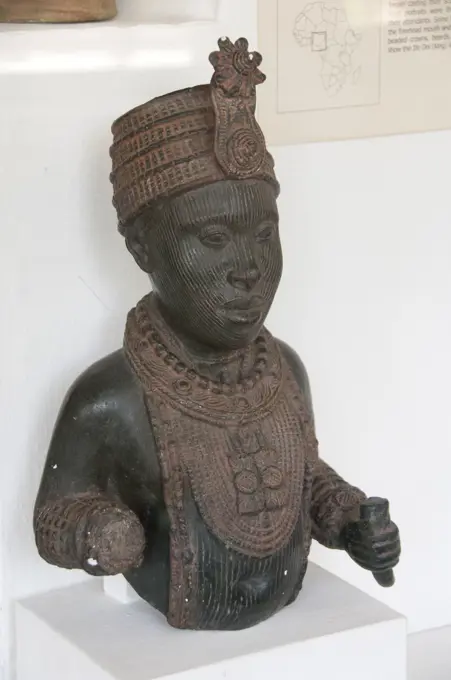
Africa, Ghana, Accra. National Museum, regarded as one of the finest museums in sub-Saharan Africa. Plaster reproduction of metal face.
7155-70377470
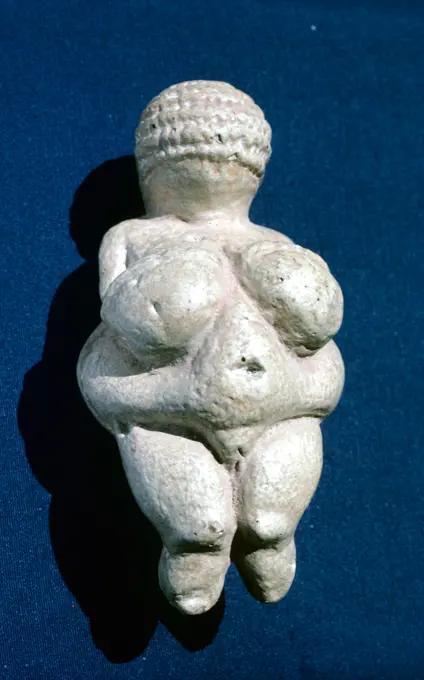
Willlendorf Venus. 25,000 BC. Austria.
1746-28978861
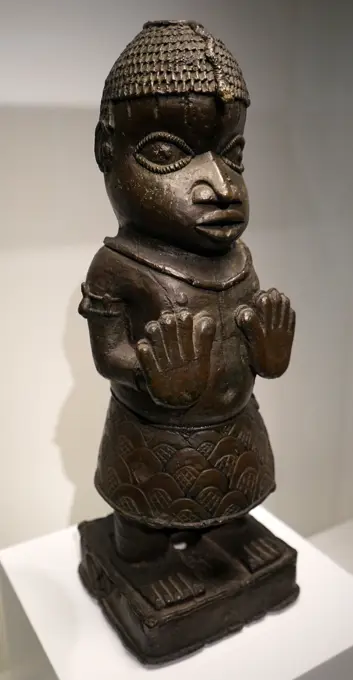
Benin figure in Bronze; Nigeria; West Africa 1500-1700 AD
6145-52957118
Figure of Fertility Goddess Baluchistan ca. 2700-3000 BCE View more. Figure of Fertility Goddess. Baluchistan. ca. 2700-3000 BCE. Terracotta. Ceramics
4443-28726831
Seated Figure, 100 BCE - 250 CE, 7 9/16 x 7 15/16 x 4 5/16 in. (19.21 x 20.16 x 10.95 cm), Ceramic, pigment, Mexico, 1st century BCE - 3rd century CE
4409-17281300
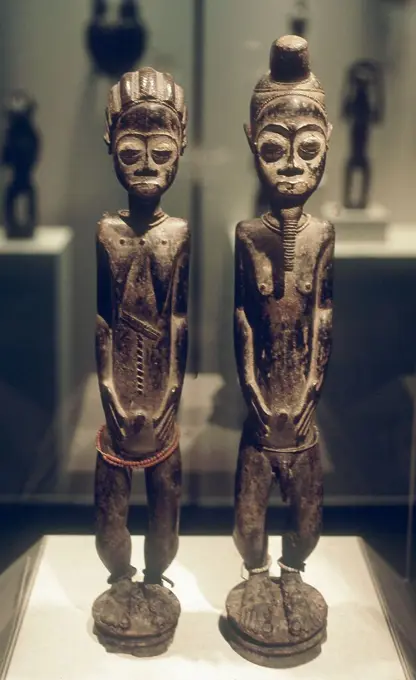
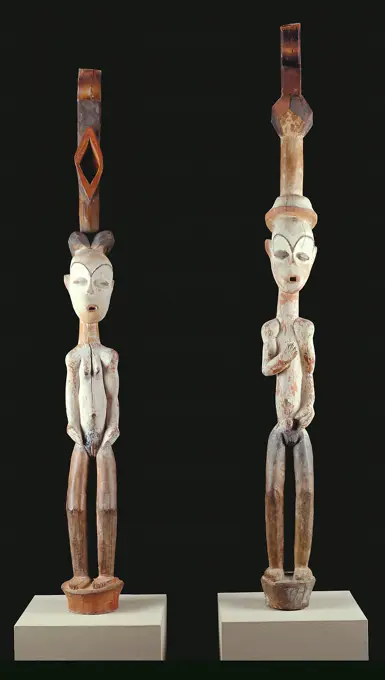
PAREJA DE ANTEPASADOS-COSTA DE MARFIL-TRIBU BAULE-MADERA-. Location: METROPOLITAN MUSEUM OF ART. NEW YORK CITY.
4409-17432643
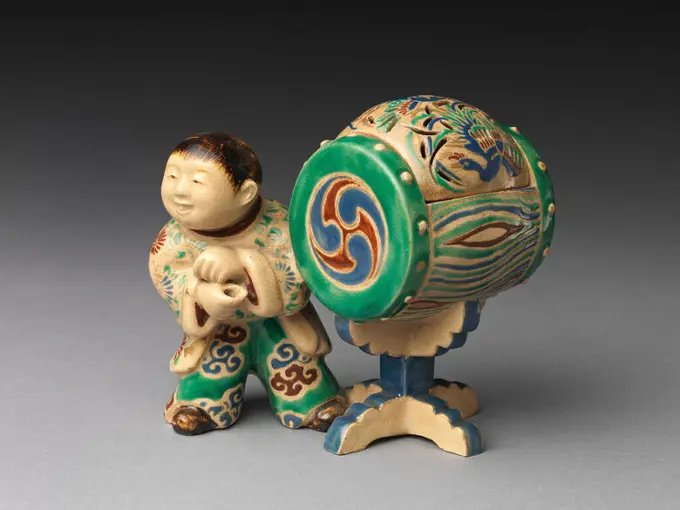
Karako (Chinese Child) with drum. Culture: Japan. Dimensions: H. 4 in. (10.2 cm); W. 5 in. (12.7 cm). Date: 17th-18th century. Museum: Metropolitan Museum of Art, New York, USA.
4409-17423379
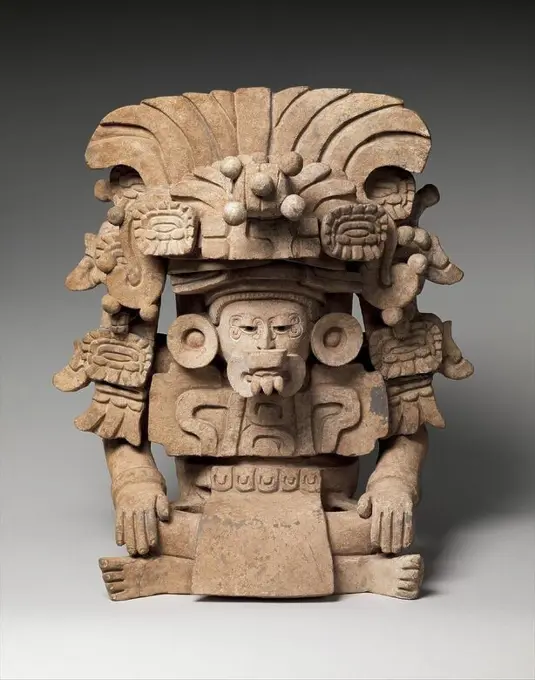
Funerary Urn with Deity. Culture: Monte Alban. Dimensions: H. 18 3/4 in. (47.6 cm). Date: ca. 6th century.Ceramic urns were often deposited as funerary offerings at the site of Monte Alban in the southern Mexican state of Oaxaca. The vessels are typically cylindrical and decorated on one side with an applied anthropomorphic figure modeled in clay. The figures often display elaborate headdresses, masks, and distinctive clothing, symbols, or hieroglyphs. Many of the urns have masks with serpent fangs on the lower face and maize vegetation in the headdress that link them to a group of Oaxacan deities. The incised swirling lines around this figure's eyes might represent tattoos or scarification, both common in ancient Mesoamerica.-----Additional ReadingEasby, Elizabeth Kennedy, and John F. Scott1970 Before Cortes: Sculpture of Middle America. New York, The Metropolitan Museum of Art. Cat. 157. Museum: Metropolitan Museum of Art, New York, USA.
4443-28741906
Female figure, early 20th century, 51 1/2 x 5 1/4 in. (130.8 x 13.3 cm), Wood, Gabon, 19th century
4409-24206
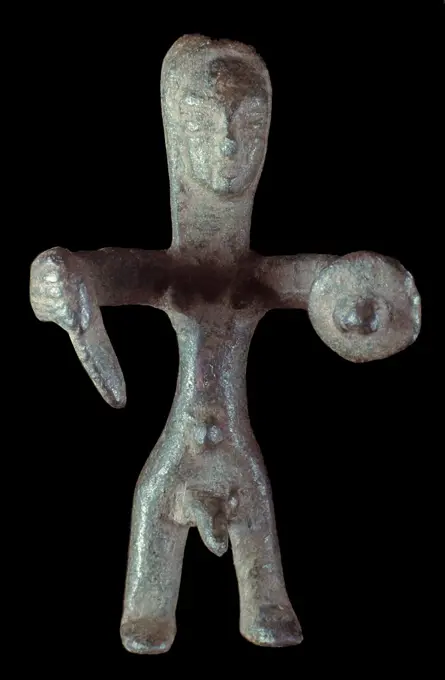
GUERRERO DESNUDO - COLLADO DE LOS JARDINES - SANTA ELENA (JAEN) - ARTE IBERICO. Location: MUSEO ARQUEOLOGICO NACIONAL-COLECCION. MADRID. SPAIN.
6145-29728169
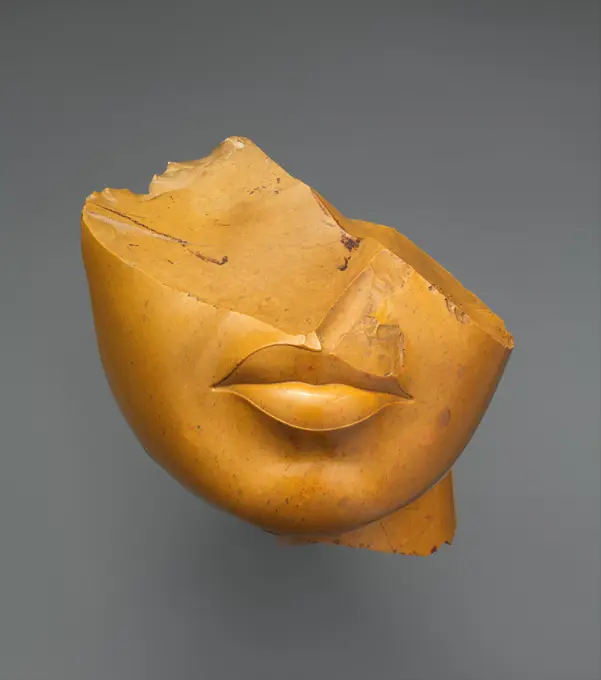
Fragment of a Queen's Face ca. 1353-1336 B.C. New Kingdom, Amarna Period This striking fragment is from a statue composed of different materials. The back of the piece shows remains of the mortise that fitted onto a tenon extending from the statue's body which may have been made of Egyptian alabaster to represent a white garment. Two headdresses might have fit this head: the khat-headdress, or the Nubian wig (as seen on the canopic jar lid, 30.8.54, in the same gallery).The royal woman represented here cannot be identified with certainty. It is difficult to imagine that the already aged Queen Tiyethe mother of Akhenaten and highly respected as a wise woman at Amarnawas shown as a beauty of such sensuous character. Queens Nefertiti and Kiya, however, are both possible subjects.Link to the Artist ProjectBarry X Ball on an Egyptian fragment of a queen’s face Listen to experts illuminate this artwork's story Listen Play or pause #809. Kids: Fragment of a Queen's Face, Part 1 Play or paus
4409-28828189
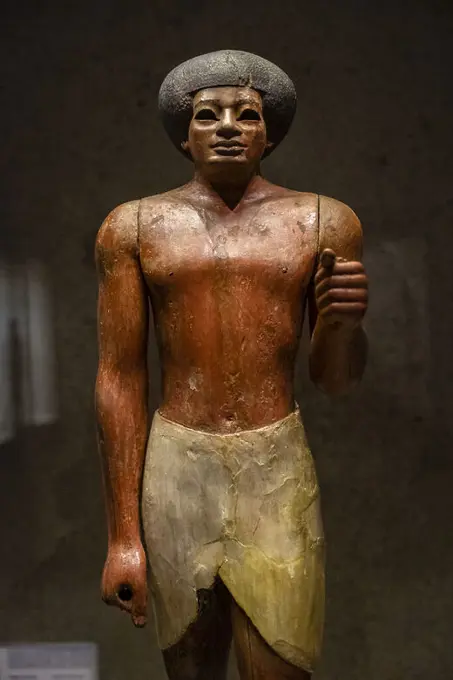
estatua funeraria, Imperio Medio de Egipto, XI dinastia, 2000 a. C., madera de ebano policromada, Fundación Calouste Gulbenkian, («Fundaçío Calouste Gulbenkian»), Lisboa, Portugal.
4430-3685
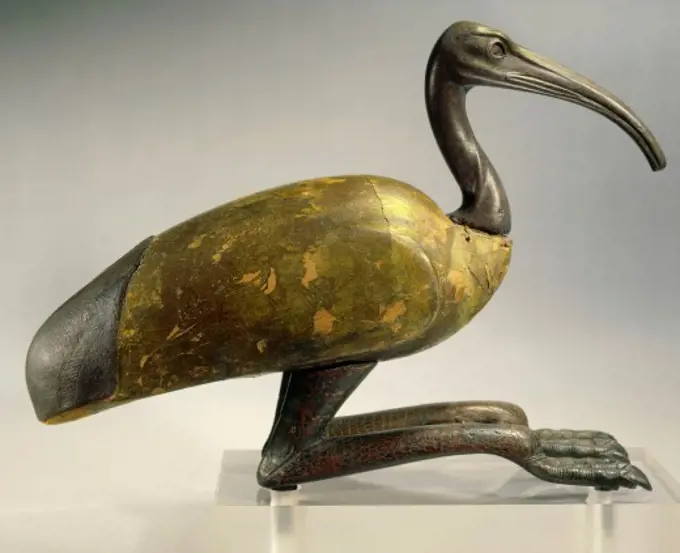
fine arts, ancient world, Egypt, sculpture, ibis, wood and stucco, 4th century BC, State Collection of Egyptian Art, Munich,
7012-69884564
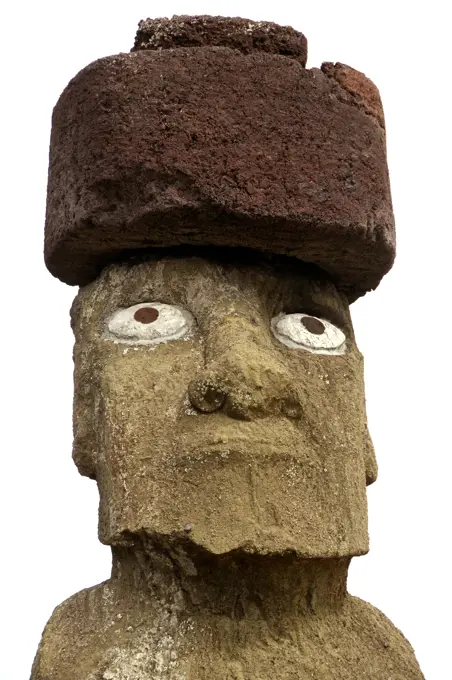
Chile, Easter Island (aka Rapa Nui). Hanga Roa, stone Moai head, close-up.
1788-38924
Italic civilizations, Piceni, 6th century b.C. The Warrior of Capestrano, limestone sculpture from the necropolis of ancient Aufinum. Height 2.09 m. Detail.
1746-28980877
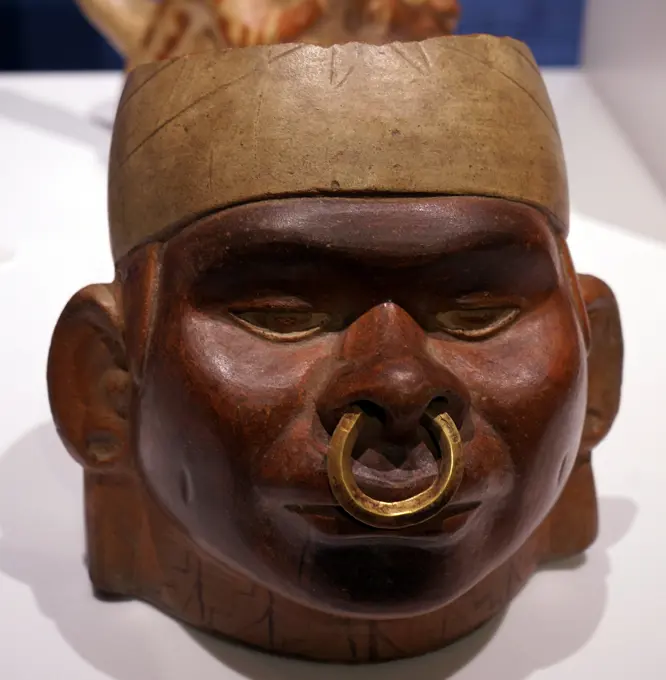
Ceramic Huaco portrait representing an elite figure from Peru. Dated 6th Century
4430-3797
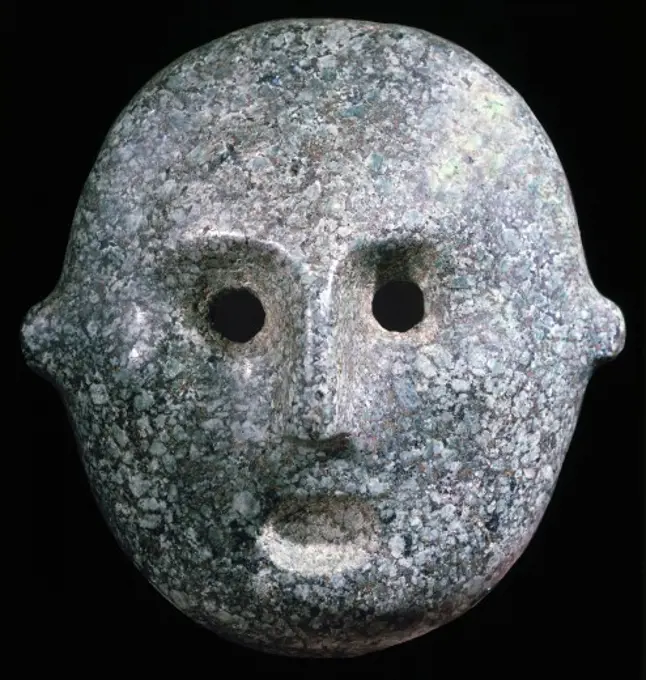
fine arts, Mesoamerica, Colima, sculpture, mask, green stone, Mexico, 2nd century BC, private collection,
866-20500
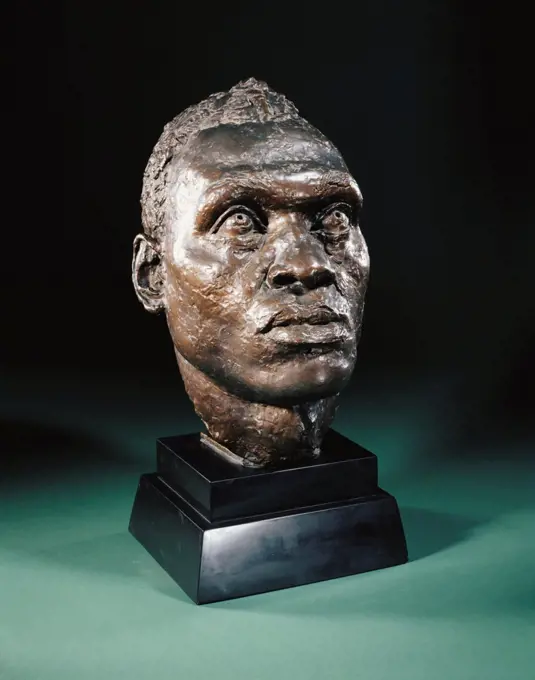
Paul Robeson. Jacob Epstein (1880-1959). Bronze with a brown patina. Conceived in 1928. 34.5cm high.
PREVIOUS
of 3
NEXT
2401 S. Ervay, Suite 206
Dallas, Texas 75215
United States
Get Started
Free ResearchMy BoardsMy Cart
For Creators
How To License Your ContentContributor PortalFrame of Mind
Resources
API accessPricing
Contact
+1 866 236 0087help@viewpictures.co.uk Contact form
©2026 View Pictures. All Rights Reserved. -A
This site is protected by reCAPTCHA and Google Privacy Policy and Terms of Service apply.