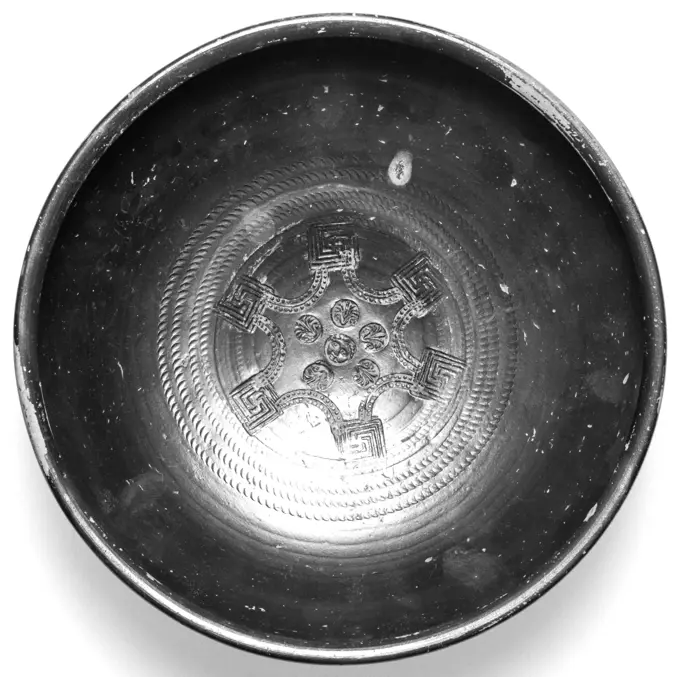
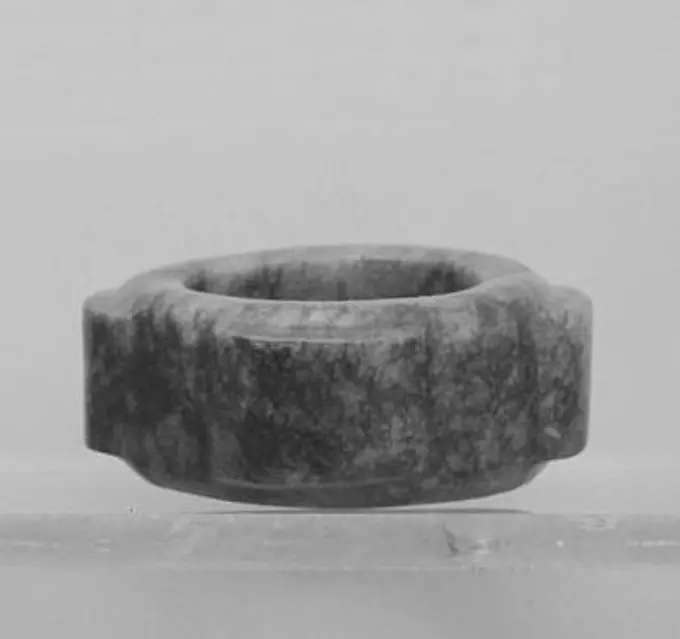
Ancient Ceramic Fragments

A collection of ancient ceramic fragments showcasing various styles, including Greek amphorae and Chinese porcelain, displaying intricate patterns and historical significance.
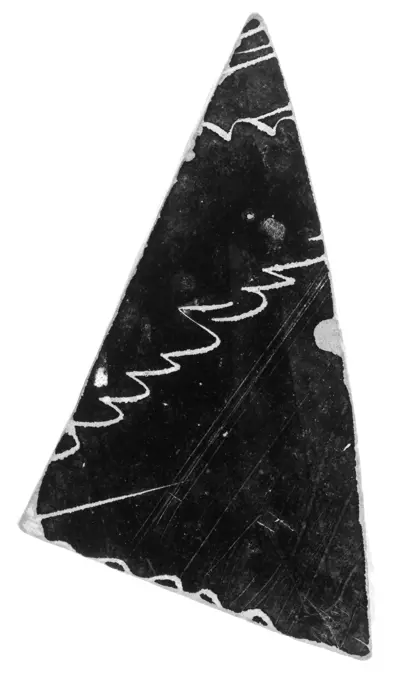
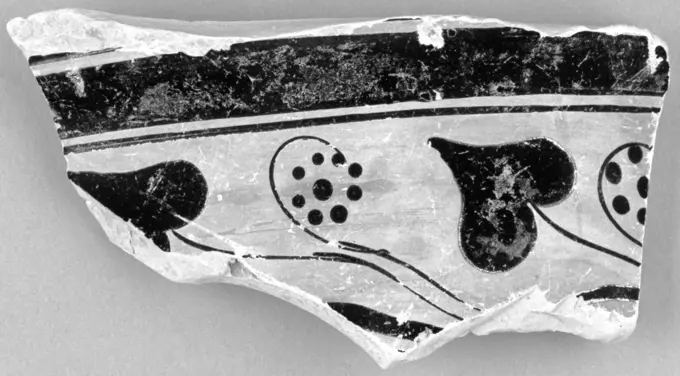
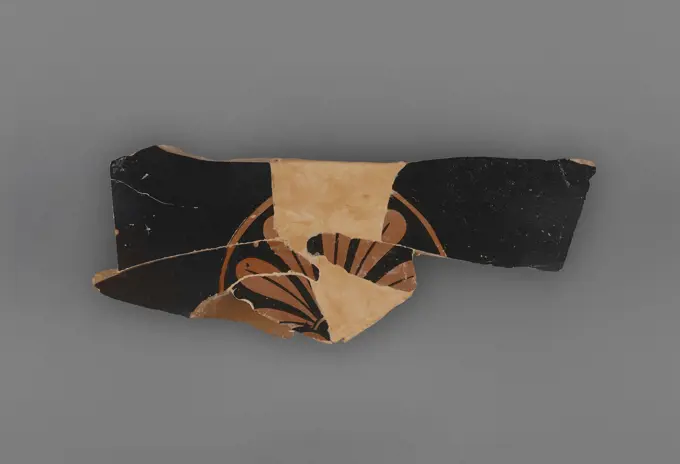
Attic Panathenaic Amphora Fragment; Athens, Greece, Europe; mid-4th century B.C; Terracotta; 6.2 cm (2 7,16 in.)
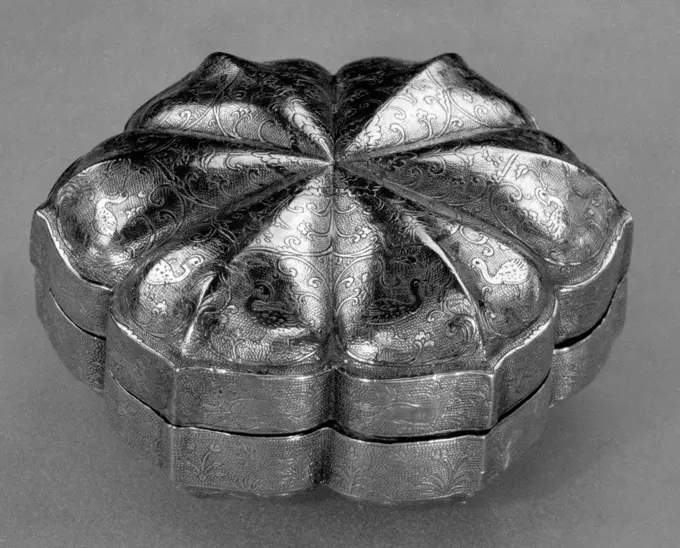
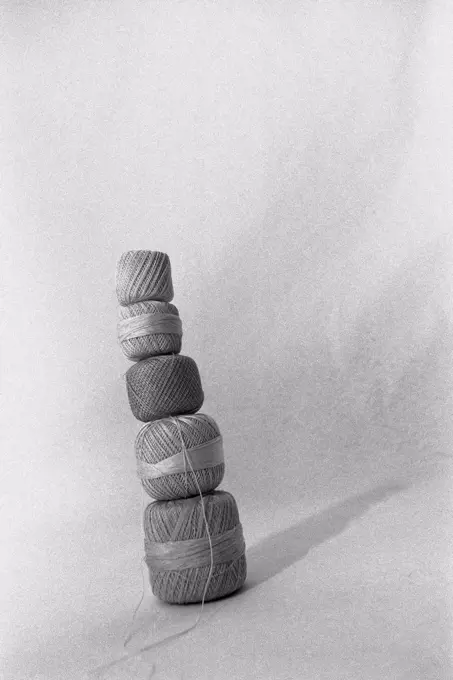
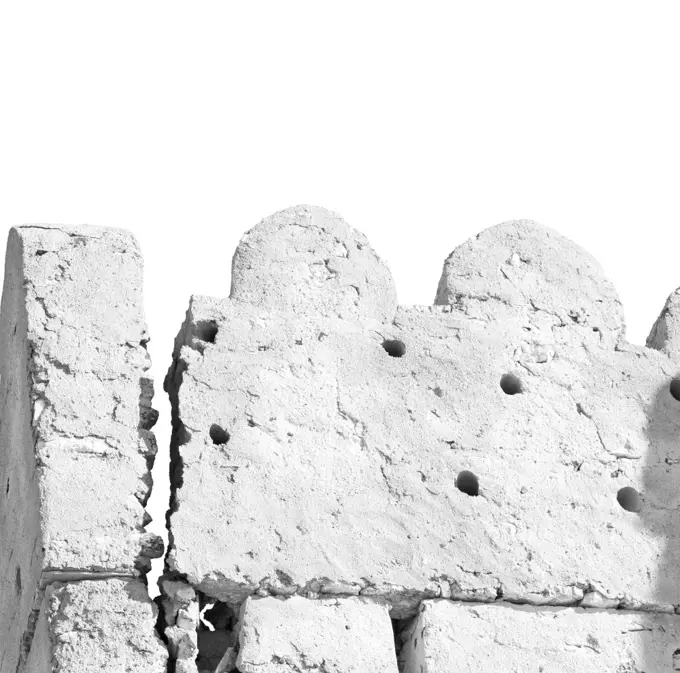
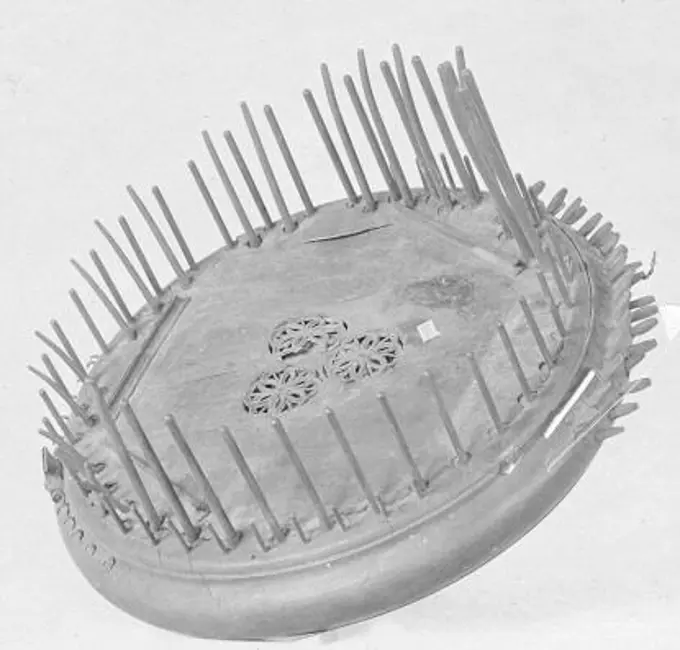
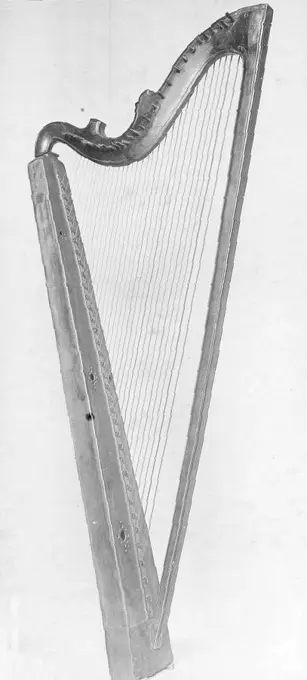
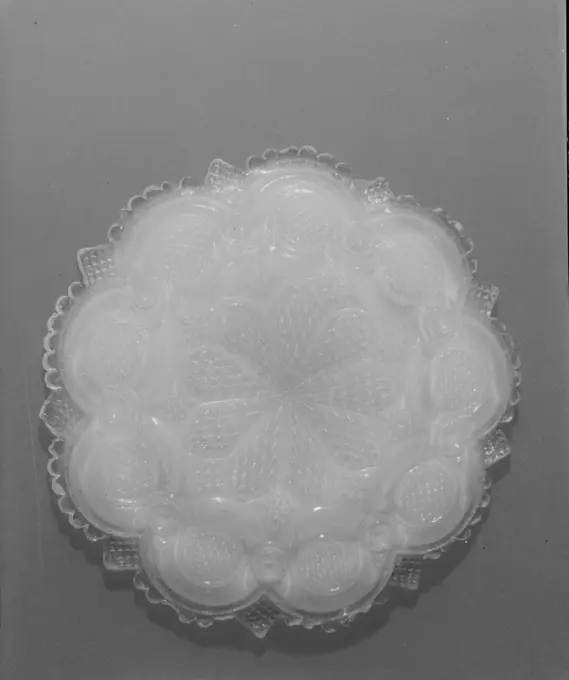
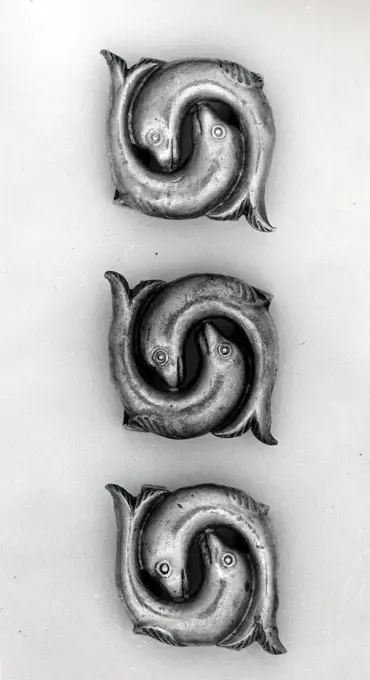
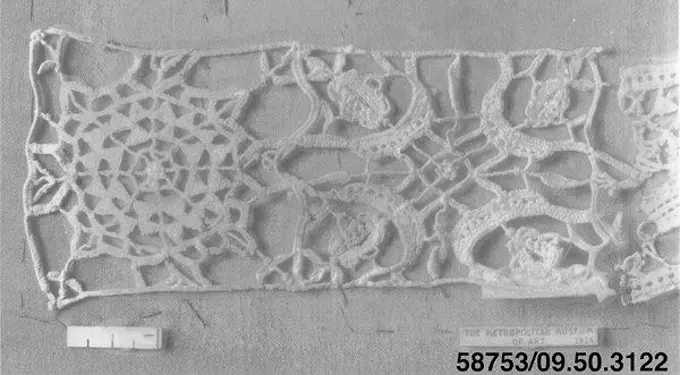
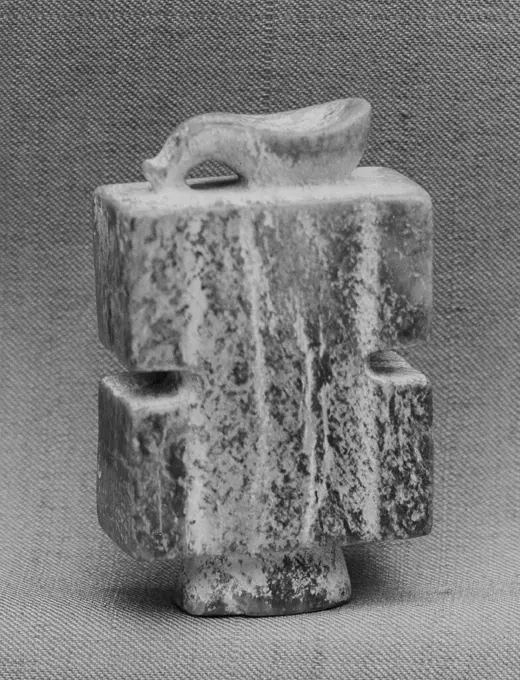
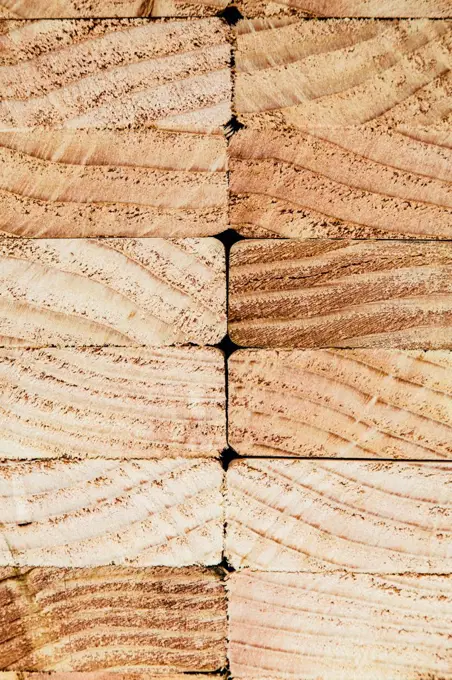
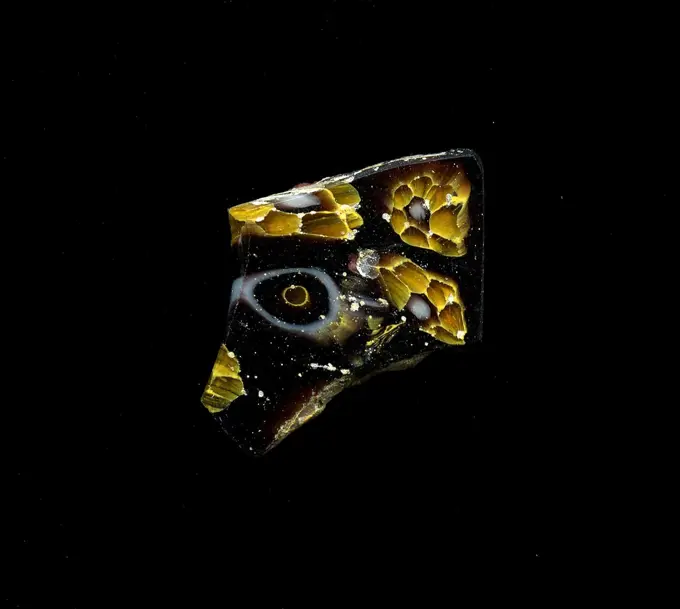
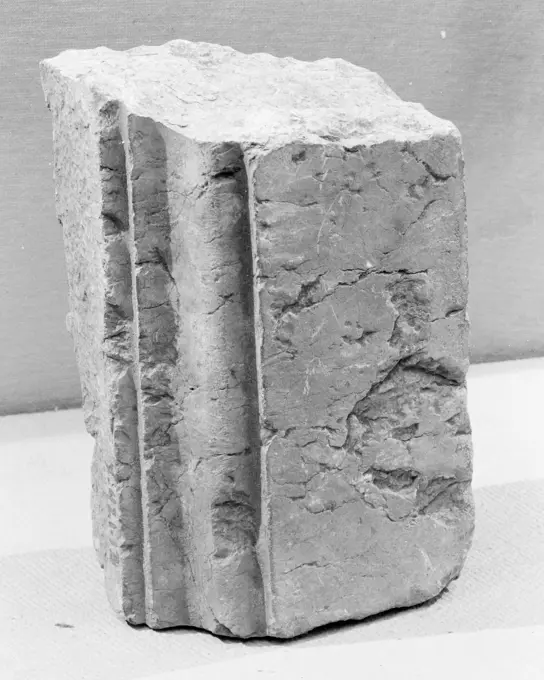
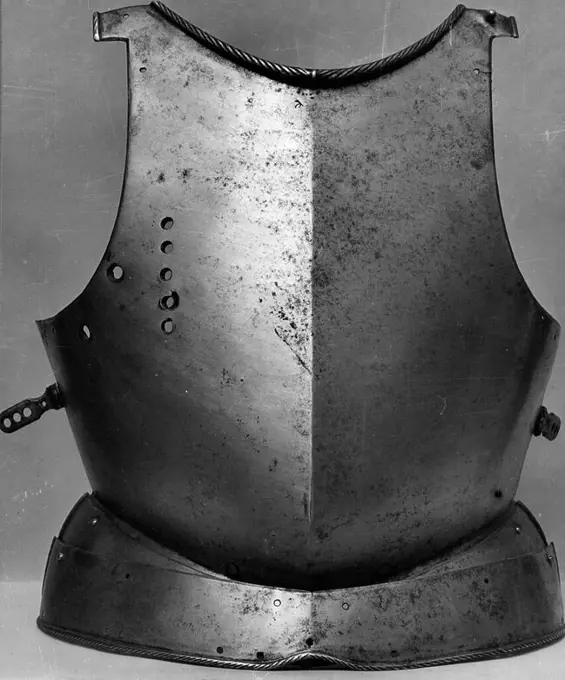
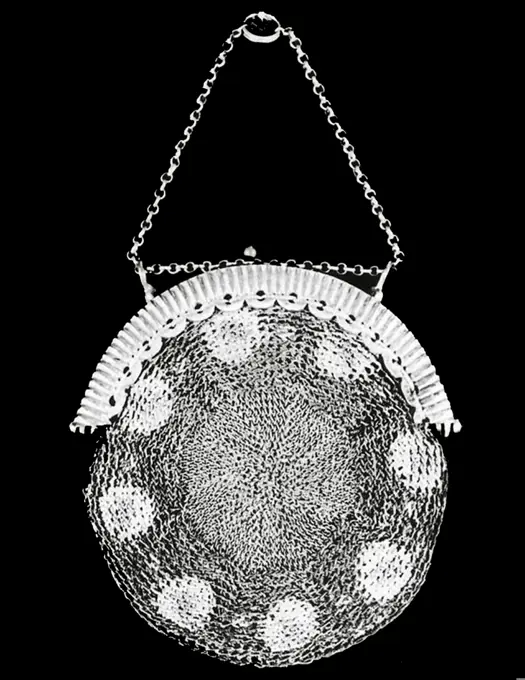
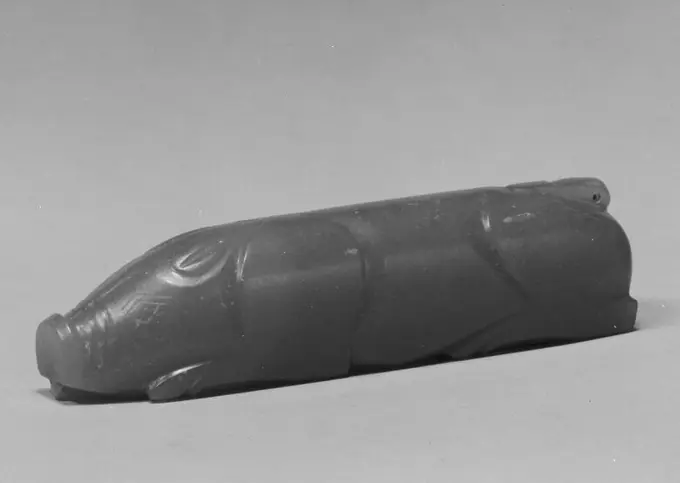
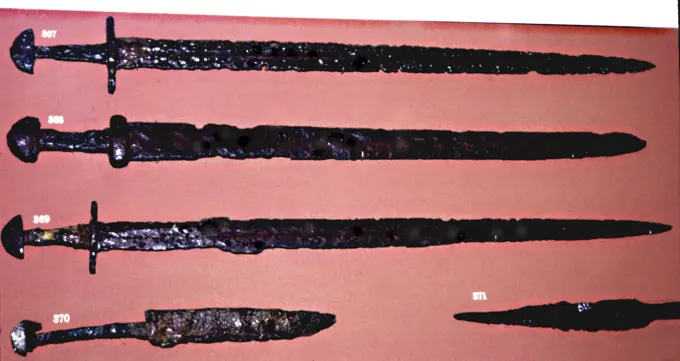
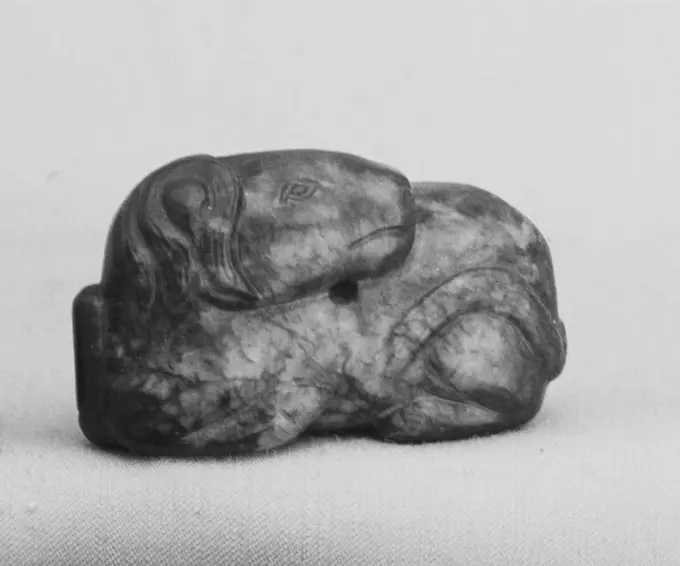
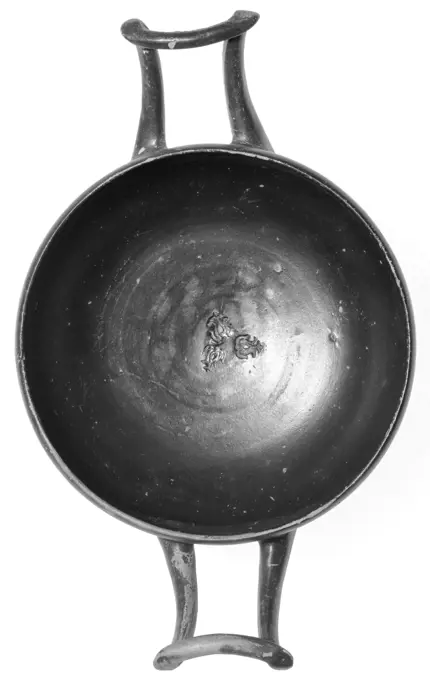
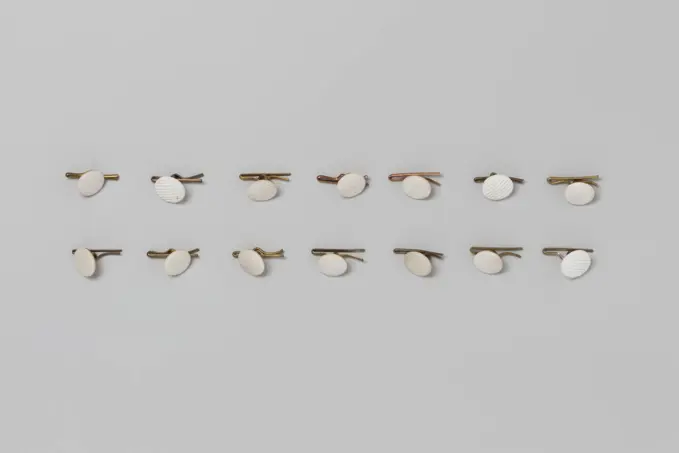
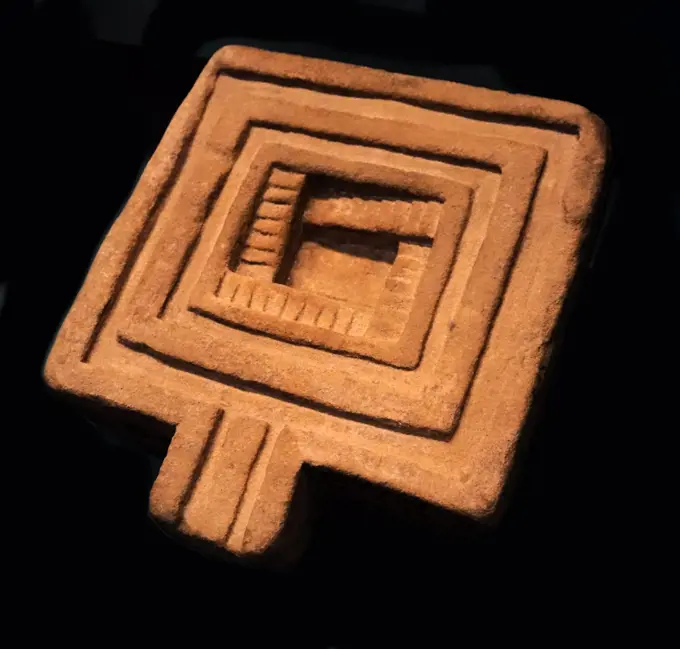
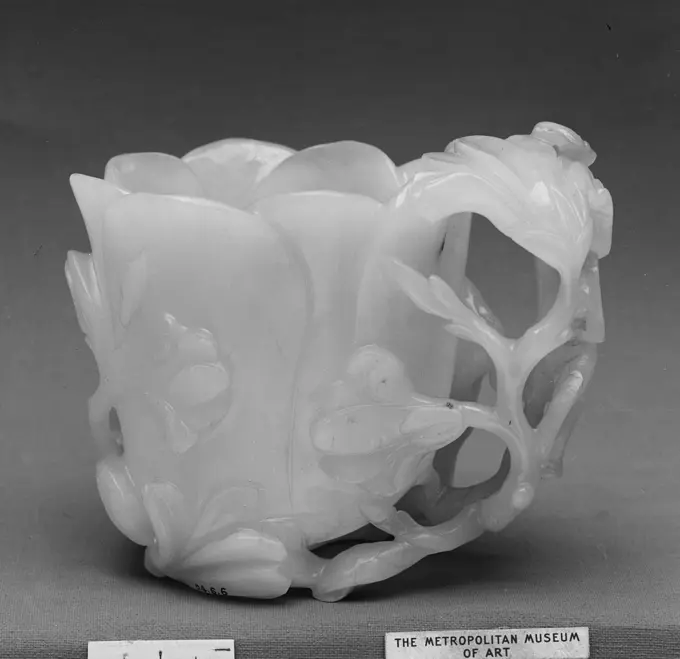
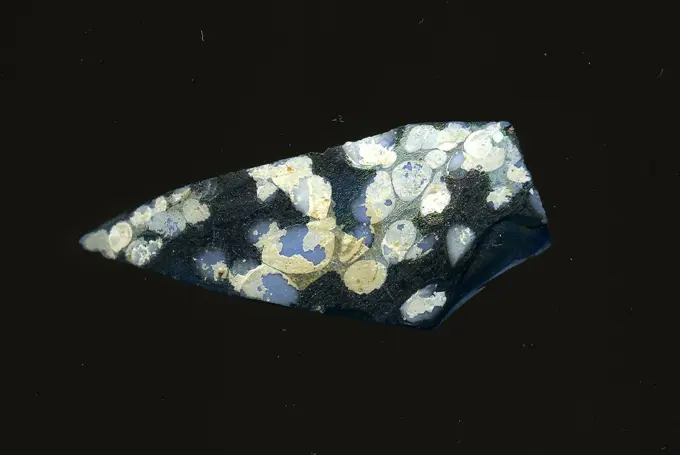
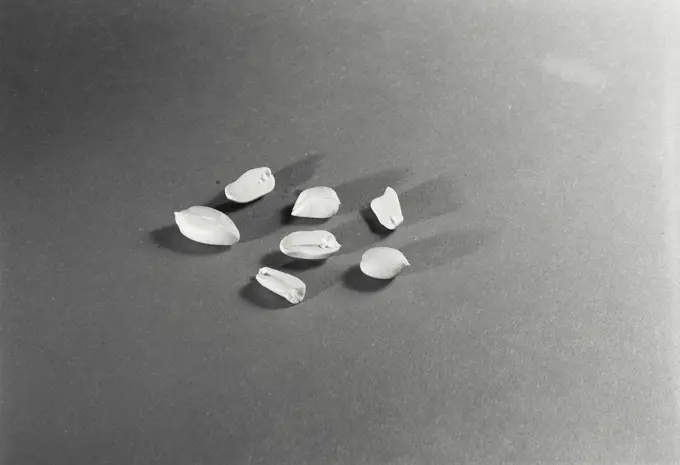
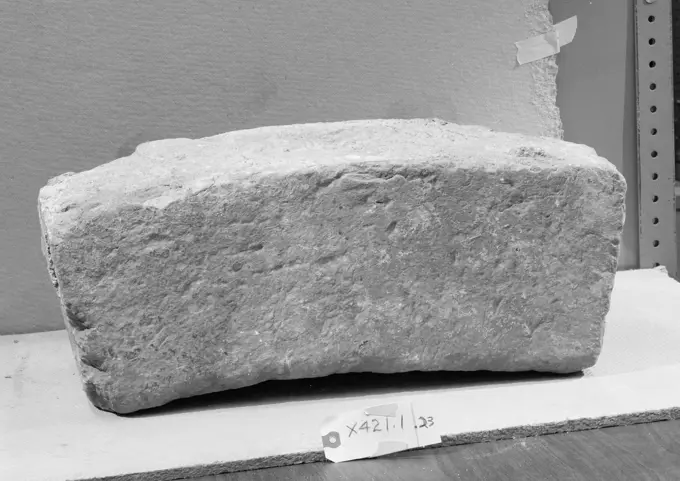
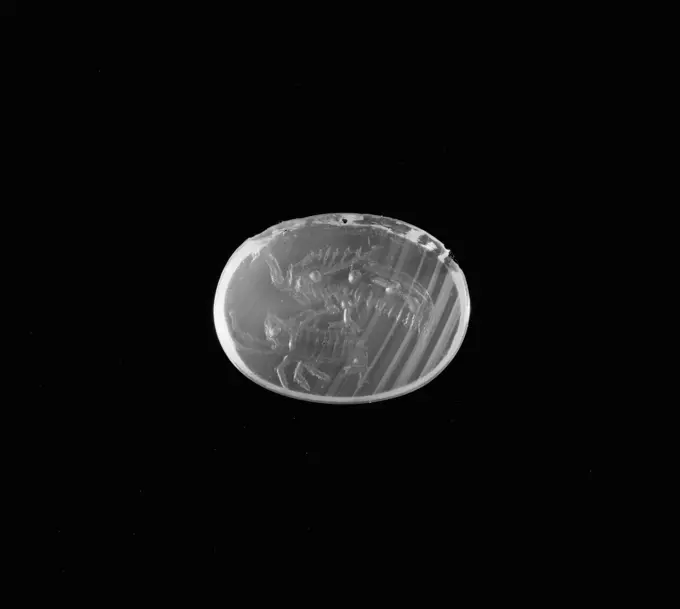
Textile Fragment 11th century. Textile Fragment. 11th century. Linen; plain weave, embroidered in silk. Attributed to Egypt. Textiles-EmbroideredPapyrus Fragment Inscribed in Greek Papyrus Fragment Inscribed in Greek, 6th century C.E. (possibly). Papyrus, ink, Glass: 5 x 7 1/16 in. (12.7 x 18 cm).   Egyptian, Classical, Ancient Near Eastern Art 6th century C.E. (possibly)Mode (depicted name).Fashion (depicted name)Lace handkerchief Paraguayan 19th centuryVarious mines, igniters and stumbled wire, Mijnenschool Oranje Nassau Kazerne.Fragment 18th century Austrian, Moravia. Fragment 217726Laces, 17th century. Bobbin lace shawl with floral and vegetable motifs, approximately 1650.Amulet of fly ca. 1981-1295 B.C. Middle Kingdom-Early New Kingdom. Amulet of fly. ca. 1981-1295 B.C.. Brown faience. Middle Kingdom-Early New Kingdom. From Egypt, Memphite Region, Lisht North, Cemetery, MMA excavations, 1920-22. Dynasty 12-18Engraved Gem. UnknownApulian Krater Fragment (part of 77.AE.16.79). UnknownWriter's handrest China. Writer's handrest. China. Nephrite. Ming dynasty (1368-1644). JadeSix-lobed box 8th century China. Six-lobed box. China. 8th century. Silver. Tang dynasty (618-907). MetalworkPair of saltcellars third quarter 18th century Dutch, Delft. Pair of saltcellars 187793 Dutch, Delft, Pair of saltcellars, third quarter 18th century, Tin-glazed earthenware, Height (each): 2 1/4 in. (5.7 cm). The Metropolitan Museum of Art, New York. Gift of Henry G. Marquand, 1894 (94.4.230, .231)V 6717. Sweden, Blekinge, Blekinge, Karlskrona, Karlskrona, External War Gogs (depicted, City)Tiraz 10th century. Tiraz. 10th century. Linen, silk; plain weave, embroidered. Attributed to Egypt. Textiles-EmbroideredDrohiczyn seal. unknown, managerAttic Vase Fragment. UnknownRelief fragment, tomb of Meketre ca. 1981-1975 B.C. Middle Kingdom. Relief fragment, tomb of Meketre 742756Tower of ThreadLazio Viterbo Viterbo Museo Civico92. Hutzel, Max 1960-1990 Views of paintings (Middle Ages through 18th c.), frescoes, a tabernacle, coffin, sculpture reliefs, portal fragments, busts, sculpture, tapestry found in the Pinacoteca, Second floor gallery and Second floor cloister sequences. Antiquities: Many views of Etruscan and Roman fragments, sculpture, sarcophagi, pottery, masks, jewelry and other objects found in the Storeroom sequence (inventory numbers on back of prints), and the Cloister, Second floor Cloister, Valle Giulia, Sala Romana and Sala Etrusca sequences. General Notes: There are eight separate numerical sequences for this location. The cloister as an architectural structure, rather than museum site, is documented in the record and file for S. Maria della Verita, Cloister, all views of which are stored in Medieval core collection. Five views from the Museo Civico Second floor cloister sequence are stored in Medieval. German-born photographer and scholar Max Hutzel (1911-Piece. Culture: Italian, probably or French (). Dimensions: L. 12 1/2 x W. 22 inches (31.8 x 55.9 cm). Date: 16th-17th century. Museum: Metropolitan Museum of Art, New York, USA.Anefo photo collection. Lucas Bols Schiedam. November 30, 1945Canosan Oinochoe Fragment. UnknownCanosan Oinochoe Fragment. UnknownVase 18th century China. Vase. China. 18th century. Jade. JadeDocument Sealing ca. 1390-1353 B.C. New Kingdom. Document Sealing. ca. 1390-1353 B.C.. Mud. New Kingdom. From Egypt, Upper Egypt, Thebes, Malqata, no exact location recorded, MMA excavations, 1910-12. Dynasty 18Fragment (Border). Italy, Venice. Date: 1675-1700. Dimensions: 16.7 x 44.2 cm (6 1/2 x 17 3/8 in.)Heading height: .7 cm (1/4 in.)Lower edging height: 1.9 cm (3/4 in.)Edging height at ends: .7 cm (1/4 in.). Linen, raised needle lace. Origin: Venice. Museum: The Chicago Art Institute, Chicago, USA.Marble pedestals or podium, abstract geometric empty museum stages, stone exhibit displays for award ceremony or product presentation. Gallery platform, blank product stands, Realistic 3d vector set. Marble pedestals or podium, abstract empty stagesRealistic transparent plastic stickers, adhesive overlay patch. Clear plastic tape label, adhesive cellophane 3d realistic vector sticker or glossy PVC film round, cross and star shape patches set. Realistic transparent plastic sticker or patchA Rattle from 3rd century BCE Korea, Made of bronze.fort battlesment sky and    star brick in oman   muscat the old defensive  Attic Red-Figure Cup Fragment. Attributed to the Euaion Painter (Greek (Attic), active about 460 - 440 B.C.)Showcase with various objects including a parasol; Exhibition lace and smaller.Foundation peg ca. 2600-2350 B.C. Sumerian. Foundation peg 325484Water Coupe China. Water Coupe. China. Porcelain with incised decoration under peachbloom glaze. Qing dynasty (1644-1911), Kangxi mark and period (1662-1722). CeramicsModel of Zonguldak Harbor. Photographs of Marshall Plan Programs, Exhibits, and PersonnelKarte von Manitoba auf verwittertem Holz - Map of Manitoba on weathered wood Karte von Manitoba auf verwittertem Holz - Map of Manitoba on weathered wood Copyright: xZoonar.com/lantapixx 15341120Nail Violin after ca. 1780 European The German violinist Johann Wilde invented the nail violin around 1740. The instrument consists of a wooden soundbox (circular or semicircular) and metal nails. Sound is produced by drawing a violin bow across the nails, creating bell-like tones. While it has limited capabilities, the instrument was popular in the eighteenth century and other makers built similar instruments in various forms. Technical description: Flat circular wooden soundbox, the top surface of which is a thin spruce soundboard pierced by three carved rosettes; around the edge of the soundboard are driven two overlapping rows of steel pins, one row of 44 pins (the larger ones staggered chromatically) giving a chromatic compass of three octaves starting on a C, and a 4th diatonic octave above, the other row of 23 pins make a diatonic scale starting on an F; accidental pins are bent slightly outward near their tops, naturals are straight; four short wire-topped bridges on the soundbSweden, Blekinge, Blekinge, Karlskrona, Karlskrona, external marina (depicted, town).Sweden, Blekinge, Blekinge, Karlskrona, Karlskrona, External War Gogs (depicted, City)Harp ca. 1760 German or French. Harp. German or French. ca. 1760. wood, various materials. France; Germany. Chordophone-HarpPlate 1835-40 American. Plate. American. 1835-40. Lacy pressed opalescent glass. Probably made in New England, United StatesGold ring with a garnet 300-250 B.C. Greek Gold ring with a garnet.. Gold ring with a garnet 255115Three Ornaments from a Bridle mid-17th century In paintings of Mughal courtly life, horses and elephants appear as richly adorned as their royal riders. These silver pairs of fish were fabricated from stamped and punched silver and arranged in rows on horses bridles in seventeenth century India. The motif of the fish appeared on Mughal decorative objects as part of their royal insignia.. Three Ornaments from a Bridle 453281Button. UnknownCicada late 19th to early 20th century China. Cicada 43015Campanian Black Bowl. UnknownPendant ca. 9th century B.C. Iran. Pendant 325790Attic Red-Figure Hydria Fragment (comprised of 4 joined fragments); Berlin Painter (Greek (Attic), active about 500 - about 460 B.C.); Athens, Greece; about 480 B.C; Terracotta; 13.4 cm (5 1,4 in.)Tube China. Tube. China. Jade. Han dynasty (206 B.C.-A.D. 220). JadeWood texturesSweden, Blekinge, Blekinge, Karlskrona, Karlskrona, external marina (depicted, town).Sweden, Blekinge, Blekinge, Karlskrona, Karlskrona, External War Gogs (depicted, City)burnt paper burnt paper over white background ,model released, Symbolfoto Copyright: xZoonar.com/RuslanxNassyrovx 1979944 ,model released, Symbolfoto ,property releasedKarte von Südafrika auf verwittertem Holz - Map of South Africa on weathered wood Karte von Südafrika auf verwittertem Holz - Map of South Africa on weathered wood Copyright: xZoonar.com/lantapixx 10010795Broken window pane at saltpetre museum of Humberstone, ChileSpindle whorl 4th millennium B.C.. Spindle whorl 327846Flowers in ice from Western Australia exhibited in Nock & Kirby's Windows. September 23, 1936.Floating ice from a top-down viewFragment 16th-17th century Italian. Fragment. Italian. 16th-17th century. Needle lace, reticello, punto in aria. Textiles-LacesBead. Culture: China. Dimensions: H. 1 5/16 in. (3.3 cm); W. 13/16 in. (2.1 cm); D. 3/8 in. (1 cm). Museum: Metropolitan Museum of Art, New York, USA.Pair of kneebuckles.   Maker: John Ward Gilman, American, 1741-1823Cylinder seal ca. 19th-16th century B.C. Babylonian. Cylinder seal 323912Stack of sawn prepared timber, spruce wood planks or studs, for use. Treated wood in traditional 2 by 4 measured cut shapes. Cut ends. Washington State, USA. 10/23/2012Fragment of a vessel. A low curvature of the glass fragment allows the assignment to a vessel, possibly a shell. For violet background, forms of flowers are shown in millefiori technology. One consists of concentric rings in the color sequence transparent, yellow, purple and white. The other consists of a white core with violet contour to seamlessly lay seamlessly transparent points with yellow contour as petals. For the production, different colored glasses were molded into tubes and rods. These were compressed and heated, causing a long bar. The glass sliced now had different amorphous or floral patterns. Thereafter, several of these platelets were folded together, heated again and pressed into the vascular shape. Burry for the elaborate manufacturing process and its fragility was one of the luxury articles of antiquity.El.SectStereo images.Sweden, Blekinge, Blekinge, Karlskrona, Karlskrona, External War Gogs (depicted, City)Parapet Block Fragment ca. 1130-40 French. Parapet Block Fragment. French. ca. 1130-40. Stone. Made in Roussillon, France. Sculpture-ArchitecturalAttic Red-Figure Lidded Skyphoid Fragment. Attributed to Onesimos, painter (Greek (Attic), active 500 - 480 B.C.) Euphronios, potter (Greek (Attic), active 520 - 480 B.C.) about 490-480 B.C. Exterior: black, with part of a staff and edge of drapery. Interior: red.Breastplate. Culture: German. Dimensions: H. 18 in. (45.7 cm); W. 15 1/2 in. (39.4 cm); D. 10 3/8 in. (26.4 cm); Wt. 7 lb. 6.5 oz. (3359.4 g). Date: 16th century. Museum: Metropolitan Museum of Art, New York, USA.Conoid seal 7th century B.C. Stamp seal (conoid) with cultic scene. Conoid seal. Stamp seal (conoid) with cultic scene. 7th century B.C.. Rock Crystal (Macrocrystalline Quartz). Neo-Assyrian. MesopotamiaAttic Red-Figure Lidded Skyphoid Fragment.Dog 17th century China. Dog. China. 17th century. Jade, teakwood stand. JadeStamp seal ca. 3rd-7th century A.D. Sasanian. Stamp seal 322263Purse Made 1801-1900 France. Knitted in silk and metal thread consisting of strip wound on silk core .Photo collection prints Anefo Rousel. Series Print Anefo RVD Own Without Caption. Collection of photo collection prints Anefo Rousel, photo number 157-0642. 1956Crouching Pig. Culture: China. Dimensions: H. 1 1/8 in. (2.9 cm); L. 4 1/2 in. (11.4 cm). Date: 1st-2nd century.Small images of pigs--a symbol of wealth in ancient China--sculpted of jade or soapstone, were often placed in the hands of the deceased to express the wish for wealth in the afterlife. Museum: Metropolitan Museum of Art, New York, USA.Wooden Spindle 10th-16th century () Peruvian. Wooden Spindle. Peruvian. 10th-16th century (). Wood, camelid hair. Peru. Textiles-ImplementsKaramuza 19th century Greek. Karamuza 501467Headdress Made 1601-1800 Netherlands. Silver gilt .Recumbent Lion from a Bracelet ca. 1648-1540 B.C. Second Intermediate Period. Recumbent Lion from a Bracelet 546072Flower vase China. Flower vase. China. Nephrite, white with light greenish tint. Qing dynasty (1644-1911), Kangxi period (1662-1722). JadeThree pattern iron-welded swords, dagger and spearhead. Great Moravia. 9-10th cent.Shoe Made 1501-1600 England. Silk, plain weave over leather, slashed; insole of wool, plain weave; stitched with waxed linen .Mosaic glass fragment. The small glass fragment shows on dark violet background U-shaped white lines, with all edged surfaces open to the same side. In Roman times, it used colored, ornamented glass for vessels, mosaics, wall decorations, and furniture ornaments. For the production, different colored glasses were tubing and Rods shaped. These were compressed and heated, causing a long bar. The glass sliced now had a wide variety of amorphous or floral patterns.Girdle pendant China. Girdle pendant 42909Dholak 19th century Indian. Dholak 500739Campanian Black Kylix (Stemless); Campania, South Italy, Europe; 323 - 31 B.C; Terracotta; 6.7 x 17.5 x 10.7 cm (2 5,8 x 6 7,8 x 4 3,16 in.)Dusted halogen lamp is a dirty, dusty halogen lamp, which is stemed by spider weavers.Vest button of plastic with relief rib, fixed eye and loose against clamp, anonymous, c. 1900 - c. 1940 Vest button of plastic with relief rib, fixed eye and loose against clamp. Netherlands (possibly) copper (metal) Vest button of plastic with relief rib, fixed eye and loose against clamp. Netherlands (possibly) copper (metal)Vest button of plastic with relief rib, fixed eye and loose against clamp, anonymous, c. 1900 - c. 1940 Vest button of plastic with relief rib, fixed eye and loose against clamp. Netherlands (possibly) copper (metal) Vest button of plastic with relief rib, fixed eye and loose against clamp. Netherlands (possibly) copper (metal)Sandstone offering table from the burial of a Buchis bull. From the Ptolemaic period. Dated 305 BCCup with Handle China. Cup with Handle. China. Jade. Qing dynasty (1644-1911), Qianlong period (1736-95). JadeHead with Melon Coiffure. UnknownFragment of a vessel. The small fragment made of transparent blue glass is irregularly crossed by light blue dots. On these points, white corrosion or sintering has formed for production, different colored glasses were molded into tubes and rods. These were compressed and heated, causing a long bar. The glass sliced now had different amorphous or floral patterns. Thereafter, several of these platelets were folded together, heated again and pressed into the vascular shape. Burry for the elaborate manufacturing process and its fragility was one of the luxury articles of antiquity.Vintage Photograph. A group of shelled peanuts.Cup with Gourd Design. Culture: Japan. Dimensions: H. 2 5/8 in. (6.7 cm); Diam. 2 3/8 in. (6 cm). Date: 1780. Museum: Metropolitan Museum of Art, New York, USA.Voussoir Section ca. 1130-40 French. Voussoir Section. French. ca. 1130-40. Stone. Made in Roussillon, France. Sculpture-ArchitecturalOrnament 19th century Japan. Ornament 54294Engraved Gem. UnknownMeasuring rod fragment. Dimensions: l. 4.6 cm (1 13/16 in). Dynasty: Dynasty 19-20. Date: ca. 1295-1070 B.C.. Museum: Metropolitan Museum of Art, New York, USA.Unidentified male portrait, possibly Frederick of Prussia ca. 1800 German. Unidentified male portrait, possibly Frederick of Prussia. German. ca. 1800. Onyx and gold. Lapidary Work-GemsStamp seal ca. late 3rd-early 2nd millennium B.C. Bactria-Margiana Archaeological Complex. Stamp seal. Bactria-Margiana Archaeological Complex. ca. late 3rd-early 2nd millennium B.C.. Copper alloy. Bronze Age. Bactria-Margiana