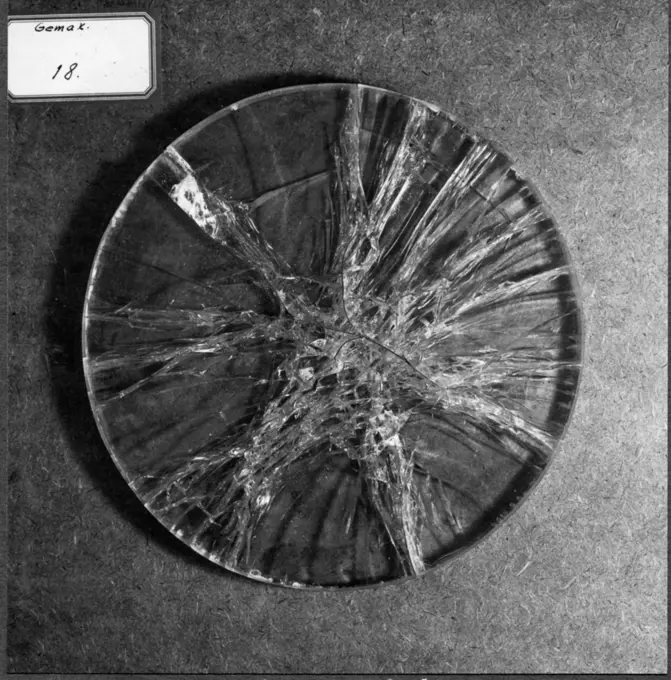
Ancient Ceramic Fragments

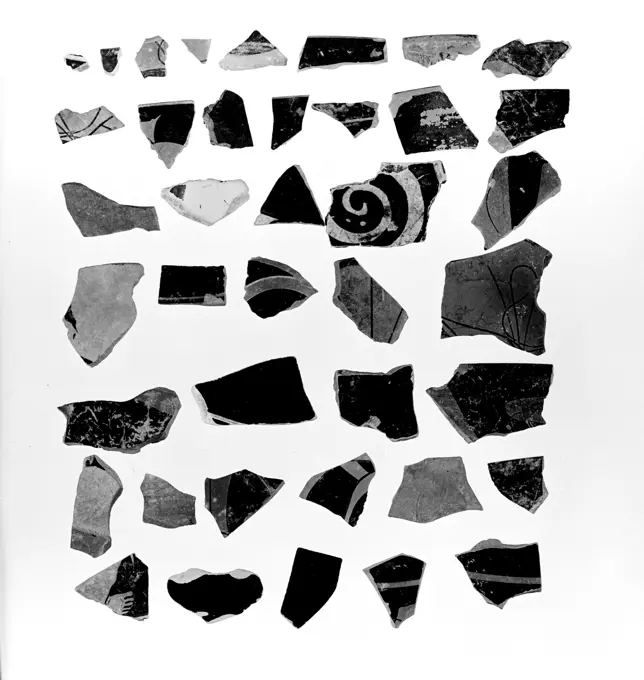
A collection of ancient ceramic fragments showcasing various styles, including Greek amphorae and Chinese porcelain, displaying intricate patterns and historical significance.
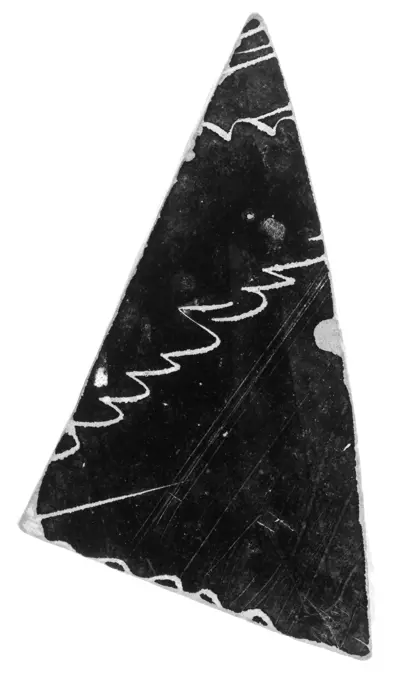
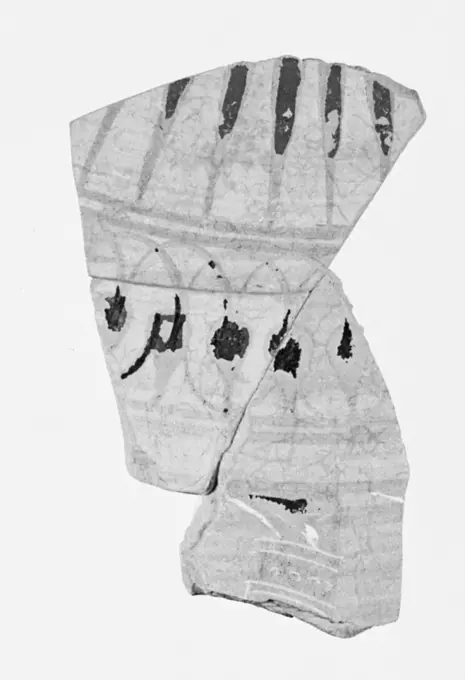
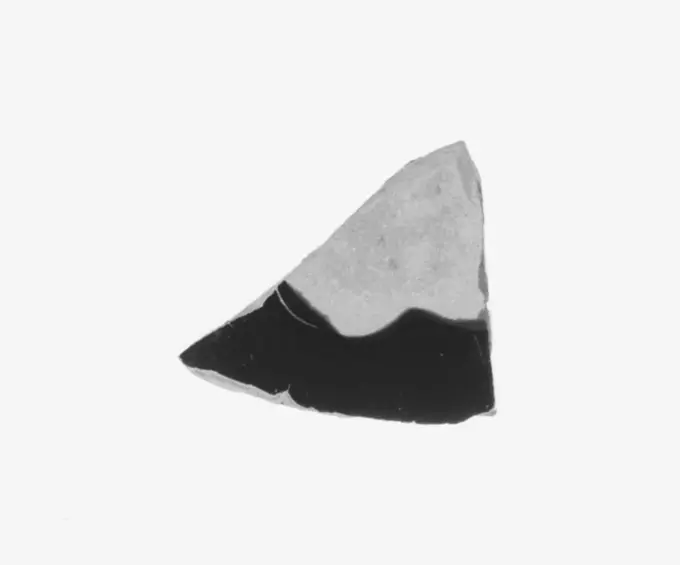
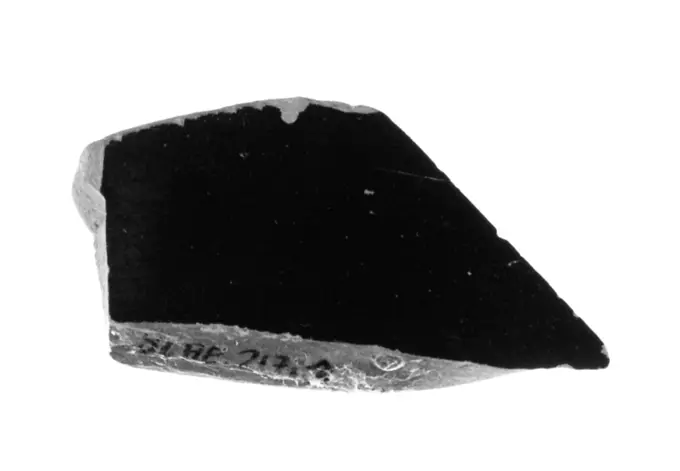
Attic Panathenaic Amphora Fragment; Athens, Greece, Europe; mid-4th century B.C; Terracotta; 6.2 cm (2 7,16 in.)
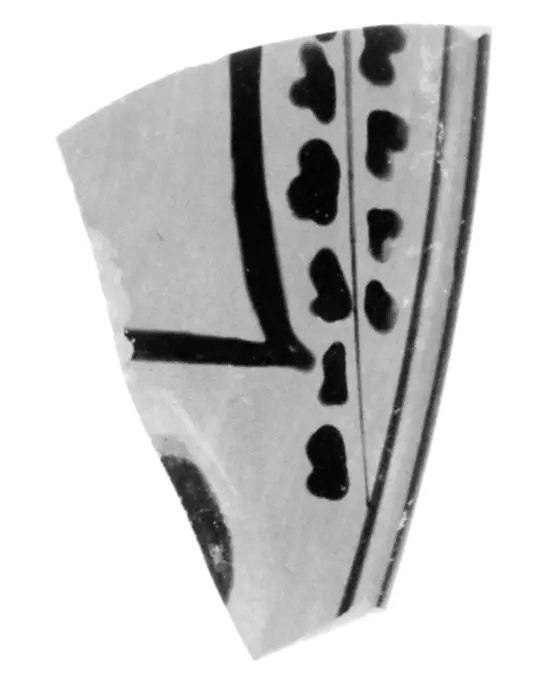
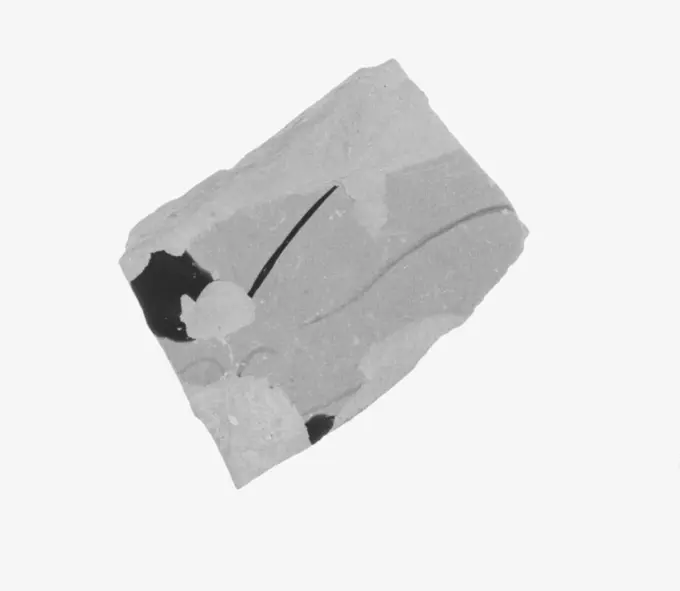
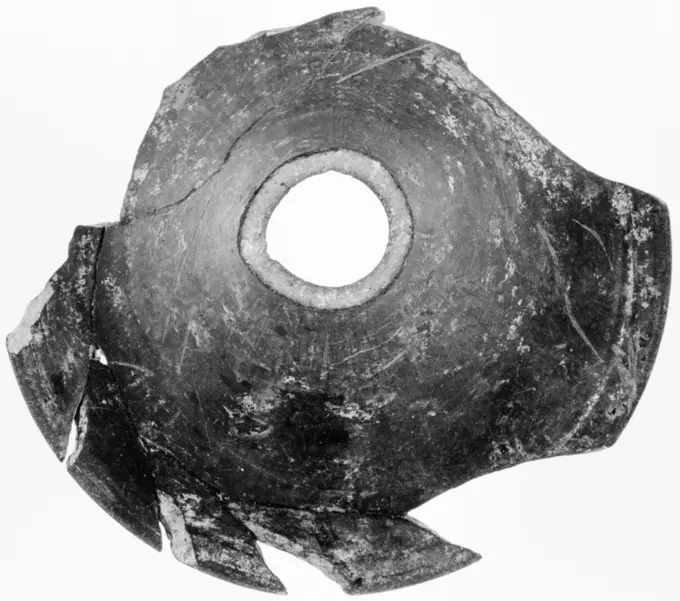
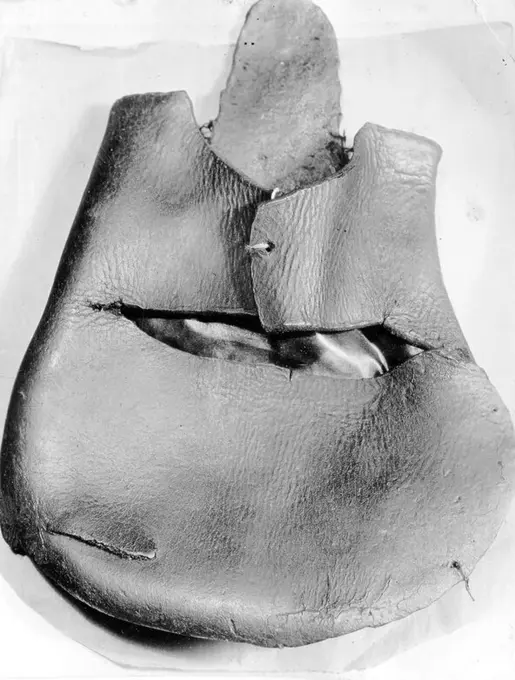
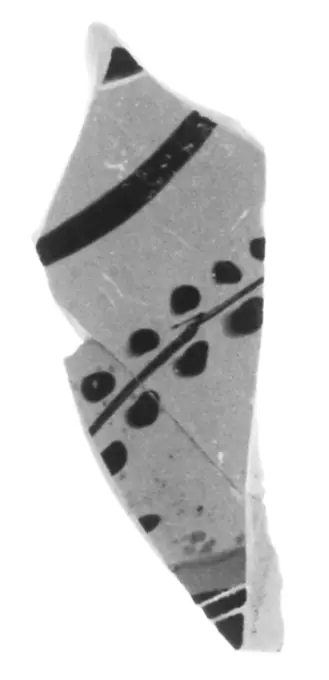
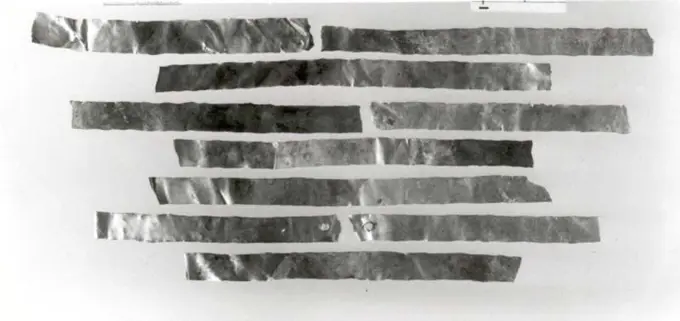
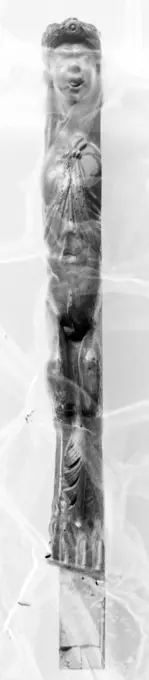
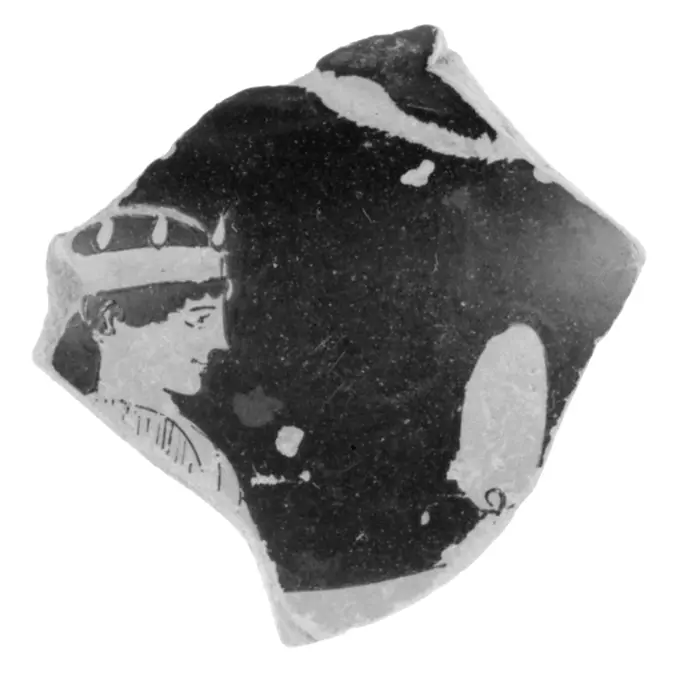
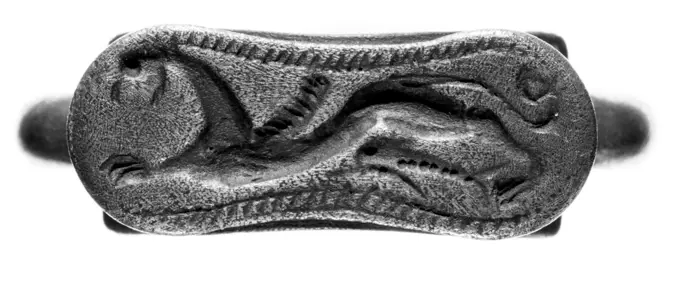
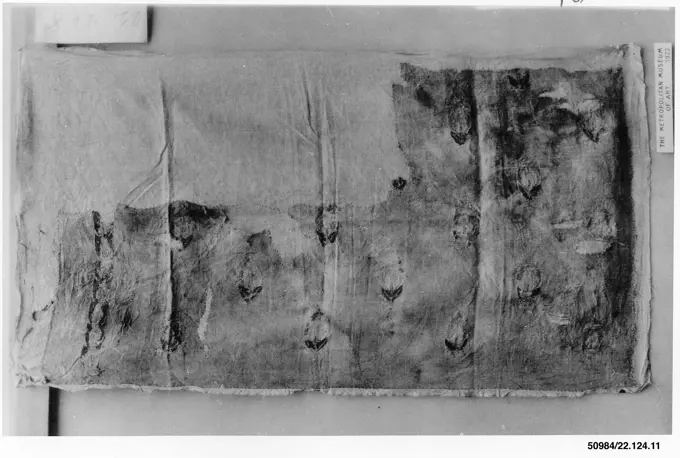
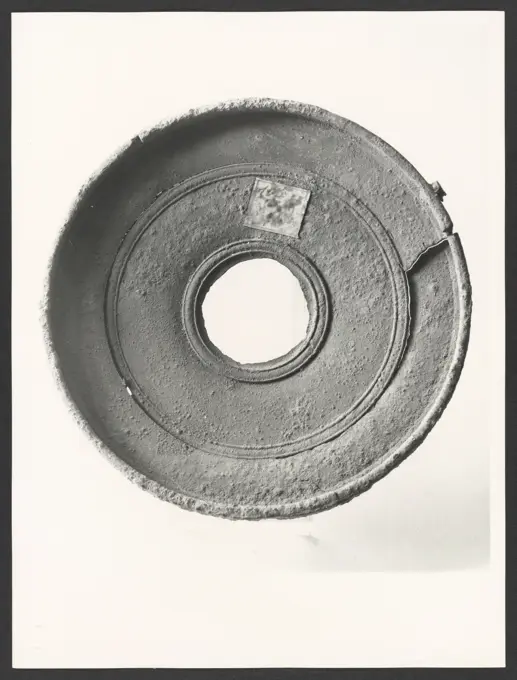
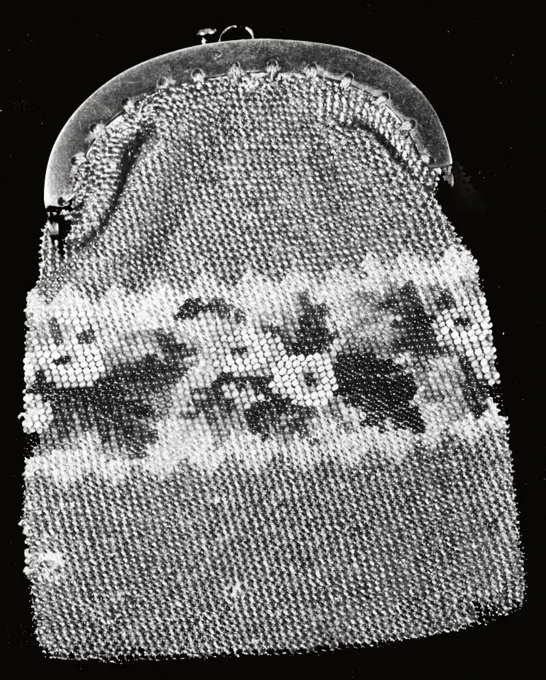
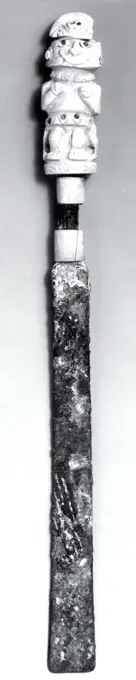
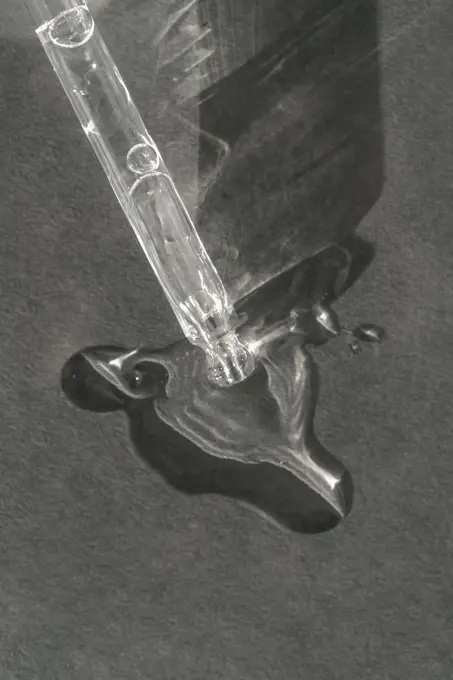
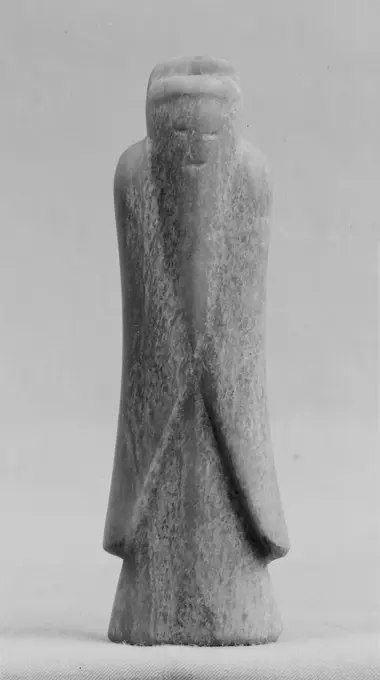
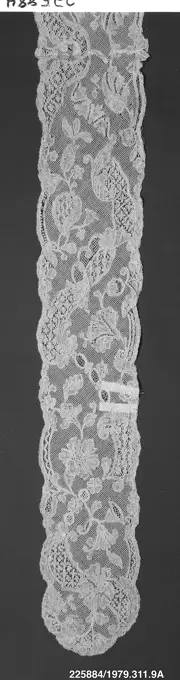
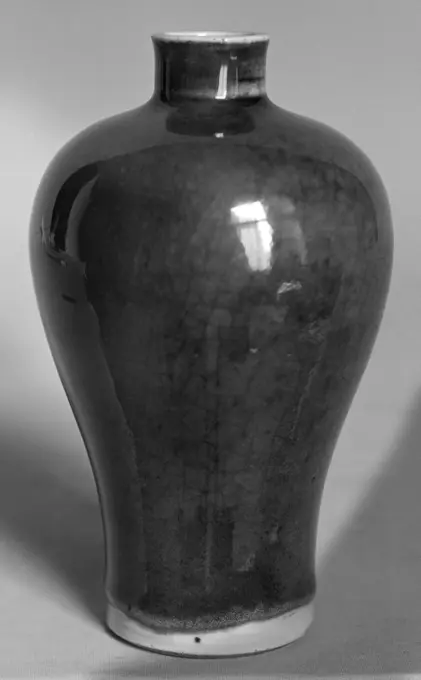
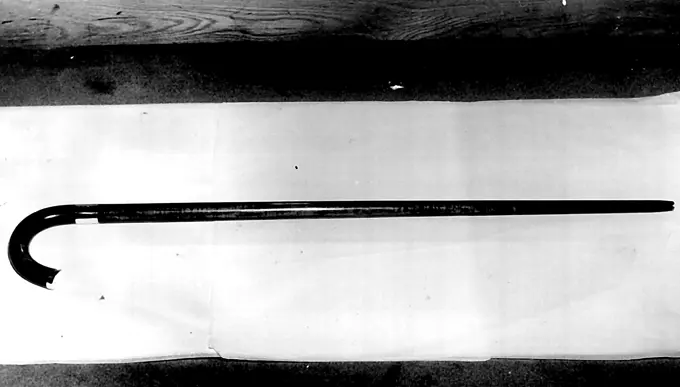
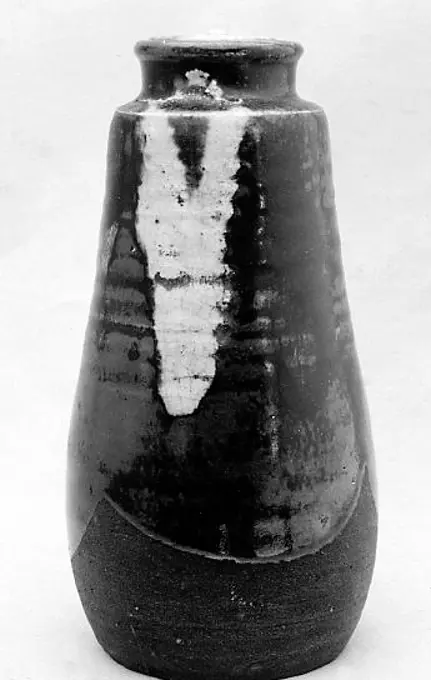
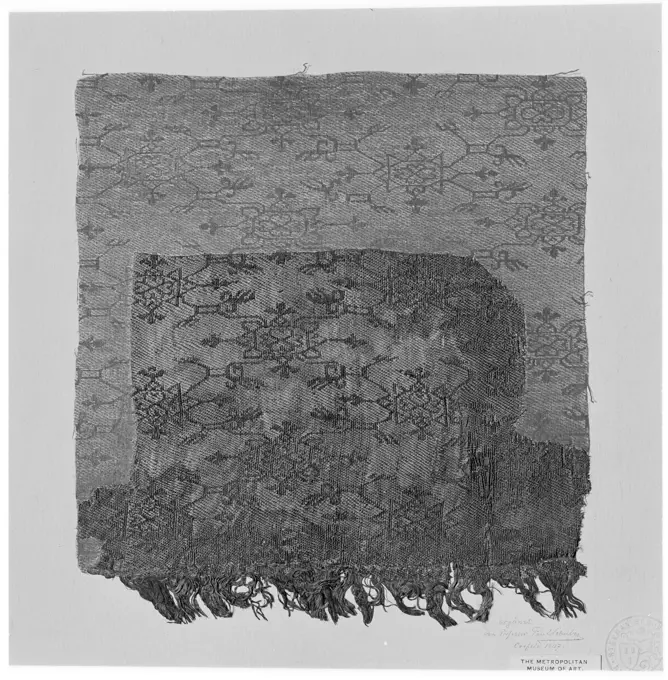
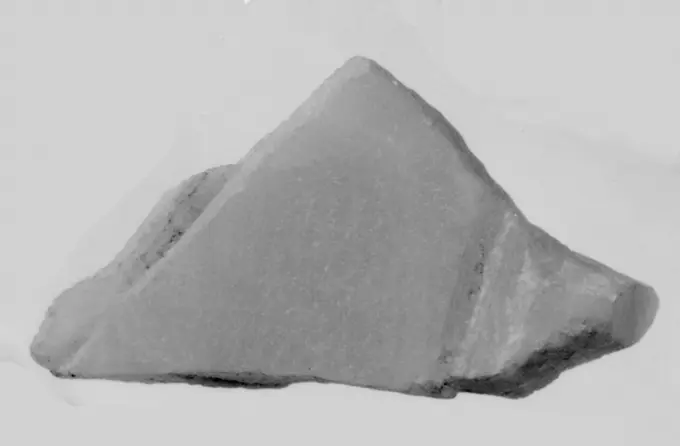
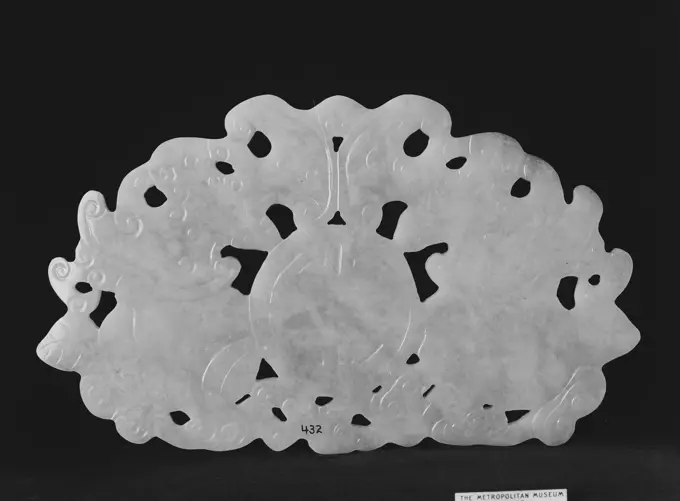
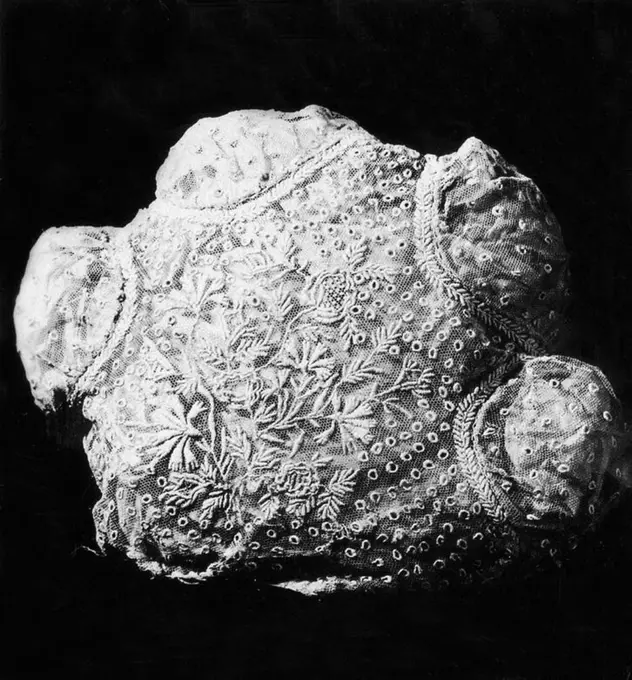
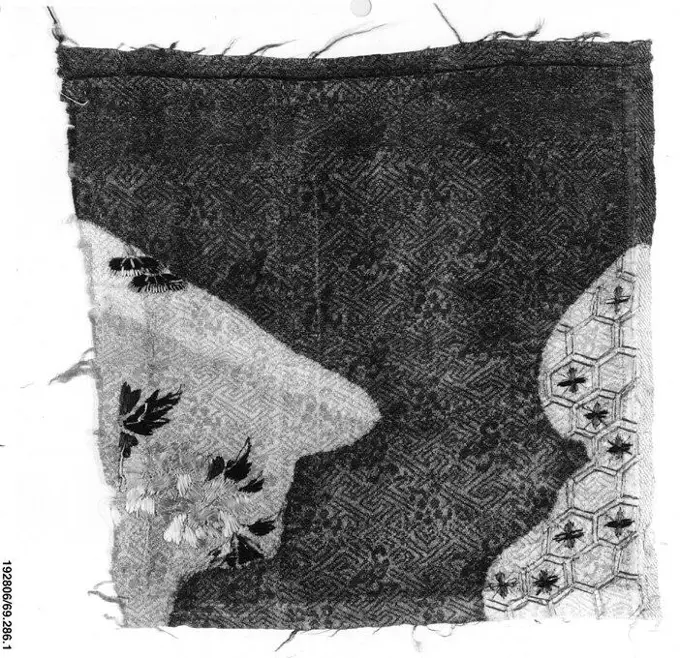
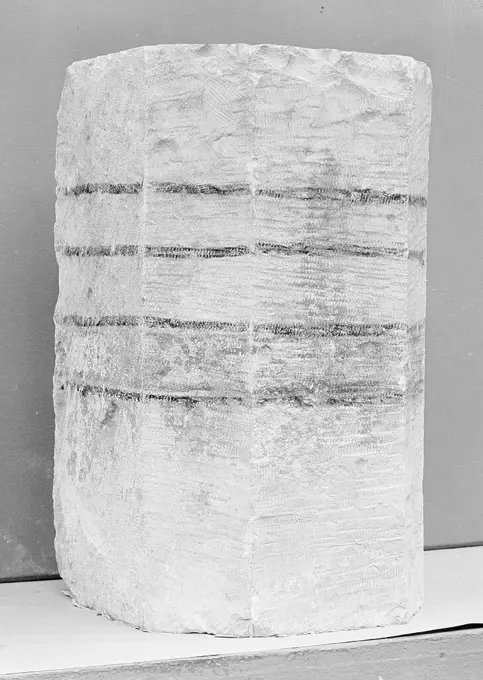
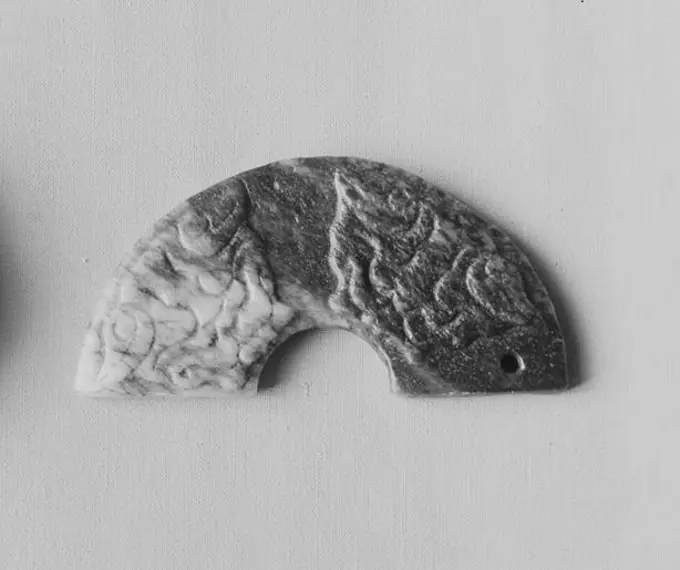
Attic Panathenaic Amphora Fragment; Athens, Greece, Europe; mid-4th century B.C; Terracotta; 6.2 cm (2 7,16 in.)Shard (Study Collection) China. Shard (Study Collection). China. Blue-and-white porcelain. Ming (1368-1644)-Qing (1644-1911) dynasties. CeramicsAttic Black-Figure Amphora Fragment (comprised of 4 Joined Fragments). UnknownAttic Red-Figure Kylix Fragment. UnknownFragmentary Attic Red-Figure Pyxis. UnknownAttic Black-Figure Eye Cup Fragment. UnknownAttic Red-Figure Kalpis Fragment. UnknownTrumpet-Shaped Chalice Base. UnknownAttic Black-Figure Cup Fragment. UnknownShoe. England; Found in Hill Street, Finsbury Park. Date: 1553-1558. Dimensions: 2.5 × 24.2 × 17.8 cm (1 × 9 1/2 × 7 in.). Leather. Origin: England. Museum: The Chicago Art Institute, Chicago, USA.Attic Red-Figure Column Krater Fragment. UnknownAttic Panathenaic Amphora Fragment (comprised of 3 Joined Fragments). Attributed to the Euphiletos Painter (active about 530 - 510 B.C.)Sole of a Shoe. England; Found in Silver Street, Cambridge. Date: 1470-1490. Dimensions: 26 × 8.2 × .5 cm (10 1/4 × 3 3/16 × 1/16 in.). Origin: England. Museum: The Chicago Art Institute, Chicago, USA.Attic Cup Fragment. UnknownAttic Black-Figure Eye Cup Fragment. UnknownAttic Red-Figure Krater  Fragment. Unknown 5th century B.C. Rim fragment, with torus above offset zone (all black). Below, wreathed head of a youth facing right. Interior, black, with a reserved line near the rim, and another lower down.Lip Cup Fragment. UnknownAttic Red-Figure Oinochoe Fragment. UnknownAttic Red-Figure Cup Fragment. UnknownBronze greave (shin guard) 5th century B.C. Greek Greaves were a standard part of a Greek warrior's armor. The tiny holes around the edges secured a lining of leather or fabric.. Bronze greave (shin guard). Greek. 5th century B.C.. Bronze. Classical. BronzesBlade ca. 4600-3600 B.C. Ghassulian. Blade 326542Hair ribbon ca. 2600-2500 B.C. Sumerian. Hair ribbon 322898Attic Red-Figure Stamnoid Fragment. Attributed to the Brygos Painter (Greek (Attic), active about 490 - 470 B.C.)Bracelet China. Bracelet 42846Caryatid 16th century French. Caryatid. French. 16th century. Carved walnut. WoodworkAttic Red-Figure Vase Fragment. UnknownAttic Red-Figure Kylix Fragment. Attributed to Onesimos (Greek (Attic), active 500 - 480 B.C.)Silver Ring with Engraved Bezel. UnknownAttic Black-Figure Nicosthenic Amphora Fragment. UnknownAttic Black-Figure Band Cup Fragment. UnknownTextile Fragment 4th-6th century. Textile Fragment 447595Lazio Viterbo Viterbo Museo Civico35. Hutzel, Max 1960-1990 Views of paintings (Middle Ages through 18th c.), frescoes, a tabernacle, coffin, sculpture reliefs, portal fragments, busts, sculpture, tapestry found in the Pinacoteca, Second floor gallery and Second floor cloister sequences. Antiquities: Many views of Etruscan and Roman fragments, sculpture, sarcophagi, pottery, masks, jewelry and other objects found in the Storeroom sequence (inventory numbers on back of prints), and the Cloister, Second floor Cloister, Valle Giulia, Sala Romana and Sala Etrusca sequences. General Notes: There are eight separate numerical sequences for this location. The cloister as an architectural structure, rather than museum site, is documented in the record and file for S. Maria della Verita, Cloister, all views of which are stored in Medieval core collection. Five views from the Museo Civico Second floor cloister sequence are stored in Medieval. German-born photographer and scholar Max Hutzel (1911-Attic Red-Figure Kylix Fragment. UnknownAbstract black watercolor on white background.Bag Made 1801-1900 France. Glass beads, transparent and opaque, round, worked in silk in buttonhole stitch with no foundation textile; lined; metal mount .Attic Cup Fragment. UnknownOrnamented Spatula 2nd-7th century Moche. Ornamented Spatula 314223Attic Red-Figure Column Krater Fragment. Unknown 5th century B.C. From upper part of body (lower section of band of tongues running across shoulder just visible). Surface worn and difficult to decipher. Interior, black with broad reserved band.Relief fragment, tomb of Meketre ca. 1981-1975 B.C. Middle Kingdom. Relief fragment, tomb of Meketre. ca. 1981-1975 B.C.. Limestone, paint. Middle Kingdom. From Egypt, Upper Egypt, Thebes, Southern Asasif, Tomb of Meketre (TT 280, MMA 1101), MMA excavations, 1920. Dynasty 12Tunic Fragment (). Inca or provincial Inca; Peru, Possibly south coast. Date: 1476-1532. Dimensions: 57.2 × 25.4 cm (22 1/2 × 10 in.). Origin: Peru. Museum: The Chicago Art Institute, Chicago, USA.Snuff Bottle 18th-19th century China. Snuff Bottle. China. 18th-19th century. Agate. Qing dynasty (1644-1911). Snuff BottlesBowl rim sherd ca. late 3rd millennium B.C.. Bowl rim sherd 326140Ring fragment n.d.a.. Ring fragment 326241The texture of the serum or oil pouring out of the pipette on a beige background.Burnishing tool, goldsmith's 1st-4th century Roman Period. Burnishing tool, goldsmith's. 1st-4th century. Bronze or copper alloy, bone. Roman Period. From Egypt; Probably from Upper Egypt, Thebes. Dynasty 26Mortuary figure China. Mortuary figure. China. Jade. Han dynasty (206 B.C.-A.D. 220). JadeTwo joined lappets mid-18th century Mechlin The Metropolitan Museum's great lace collection was started when the Museum became the first among American museums to organize a permanent collection of lace with the acceptance of the McCallum Collection in 1879 and the bequests of Mrs. John Jacob Astor, Mrs. Robert L. Stuart, Mrs. Augustus Cleveland, and Mrs. A. W. Winters shortly thereafter. In 1893 a loan collection of antique laces shown at the World's Columbian Exposition in Chicago was assembled by a committee of New York women headed by Catharine Augusta Newbold. About 1900 Miss Newbold arranged and labeled an exhibition of laces and linenworks lent to the Metropolitan Museum by Mrs. James Boorman Johnstone and the Misses Johnstone. "Her scholarly knowledge of lace technique enabled the Museum for the first time to offer a comprehensive display of lace illustrating its historical development," wrote Miss Frances Morris, then curator of the textile department. Miss Newbold's name occuAnefo photo collection. New crematorium at Alsomeerweg, Amsterdam. Place for urns. 19 May 1971. Amsterdam, Noord-HollandFragment of a Bottle 9th-10th century. Fragment of a Bottle 450918Meiping vase 18th century China. Meiping vase. China. 18th century. Porcelain with copper red glaze (Jingdezhen ware). Qing dynasty (1644-1911). CeramicsWalking-stick, made of figured Australian backwood, mounted with gold from Bendigo, which the Acting Prime Minister, Mr. Forde, is sending to England in the Lancaster bomber, "Artes as a gift to Mr. Churchill from the people of Australia. January 02, 1945. (Photo by Department of Air).Ornament. Culture: French. Dimensions: Overall: 26 × 6 1/2 in. (66 × 16.5 cm). Date: 18th century. Museum: Metropolitan Museum of Art, New York, USA.packaging for eggs from the recycling cardboardTea Jar 18th century Japan. Tea Jar. Japan. 18th century. Clay with mottled glaze and a white streak of overglaze (Seto ware). Edo period (1615-1868). CeramicsOinochoe. UnknownAttic Black-Figure Eye Cup Fragment. UnknownBottle China. Bottle. China. Porcelain painted in underglaze blue and copper red glazes. Qing dynasty (1644-1911), Kangxi period (1662-1722). CeramicsAttic Black-Figure Neck Amphora Fragment. UnknownVase with cover and base 18th century China. Vase with cover and base. China. 18th century. Blue tourmaline. HardstoneGrunge Stamp Textures Set with Rough Shapes, Splatter, and Brush Strokes for Vintage Labels, Stickers, and FramesButton. UnknownAttic Red-Figure Cup Fragment. UnknownEngraved Gem. UnknownTextile Fragment 9th-10th century. Textile Fragment. 9th-10th century. Silk. Attributed to Egypt, Akhmim (former Panopolis). Textiles-WovenNose ornament 13th-16th century Colombia. Nose ornament. Colombia. 13th-16th century. Copper, gold. Colombia. Metal-OrnamentsSugar spoon 1743-44 Jean Chabrol. Sugar spoon 200237Fragment of the Outer Surface Decoration of Siptah's Canopic Chest ca. 1194-1188 B.C. New Kingdom, Ramesside. Fragment of the Outer Surface Decoration of Siptah's Canopic Chest. ca. 1194-1188 B.C.. Travertine (Egyptian alabaster). New Kingdom, Ramesside. From Egypt, Upper Egypt, Thebes, Valley of the Kings, Tomb of Siptah (KV 47), Davis/Burton excavations, 1912-13. Dynasty 19Tile China. Tile 51976Fragment. Dimensions: 13 11/16 in. high 4 5/16 in. wide (34.8 cm high 11 cm wide). Date: 5th century. Museum: Metropolitan Museum of Art, New York, USA.Engraved Gem Inset Into a Ring. UnknownChisel China. Chisel 42769Karte von Kanada auf verwittertem Holz - Map of Canada on weathered wood Karte von Kanada auf verwittertem Holz - Map of Canada on weathered wood Copyright: xZoonar.com/lantapixx 10446051Map of Canada on weathered woodHanging gong China. Hanging gong. China. Jadeite, a general lavender tone shaded with aquamarine and snow. Qing dynasty (1644-1911), Kangxi period (1662-1722). JadeCap. Europe or United States. Date: 1820-1840. Dimensions: 26 × 27.2 cm (10 1/4 × 10 3/4 in.). Cotton, machine-made net; embroidered in chained border, cross, darning, eyelet, padded satin, and trammed overcast stitches. Origin: Europe. Museum: The Chicago Art Institute, Chicago, USA.GM Service. >>Attic Black-Figure Neck Amphora Fragment (comprised of 2 Joined Fragments). UnknownClose up black schorl stone on gray backgroundShawl ca. 1870 Belgian. Shawl. Belgian. ca. 1870. silk, cottonblur in south africa close up of the castle sign like    texture backgroundWeight China. Weight 43003Attic Black-Figure Neck Amphora Fragment (comprised of 8 Joined Fragments). UnknownCeremonial blade first half of the 2nd Millennium B.C. China. Ceremonial blade. China. first half of the 2nd Millennium B.C.. Jade (nephrite). Neolithic to Shang dynasty (ca. 1600-1046 B.C.). JadeAttic Red-Figure Kylix Fragment. UnknownPaperweight. Culture: China. Dimensions: H. 3 1/4 in. (8.3 cm); L. 4 5/8 in. (11.7 cm); D. 2 3/4 in. (7 cm). Museum: Metropolitan Museum of Art, New York, USA.Engaged Shaft ca. 1130-40 French. Engaged Shaft. French. ca. 1130-40. Stone. Made in Roussillon, France. Sculpture-ArchitecturalIvory Fragment. UnknownPiece early 17th century Japan. Piece 70493Snuff Bottle 18th century China. Snuff Bottle. China. 18th century. Porcelain. Qing dynasty (1644-1911). Snuff BottlesTransparent Polyethylene Plastic WarpExterior Logs Entering to Inside of Log Cabin. Central Plains Region (Kansas City, MO). Photographic Print. Department of the Interior. Bureau of Indian Affairs. Red Lake Agency. 1964-. PhotographsPart of a Rib from Groined Vaulting. Culture: French or German. Dimensions: Overall: 23 1/4 x 13 1/4 x 13 3/4 in. (59.1 x 33.7 x 34.9 cm). Date: 13th century. Museum: Metropolitan Museum of Art, New York, USA.Pipette with spilled cosmetic oil or serum on a gray background. Photos for your cosmetics business.Pendant. UnknownHuang: Emblem of the North China. Huang: Emblem of the North 43190Sling Shot 15th-16th century Inca. Sling Shot. Inca. 15th-16th century. Camelid hair. Peru. Textiles-WovenAttic Black-Figure Amphora Fragment. UnknownAttic Red-Figure Hydria Fragment. Berlin Painter (Greek (Attic), active about 500 - about 460 B.C.)Textile Appliqué. UnknownSweden, Blekinge, Blekinge, Karlskrona, Karlskrona, external marina (depicted, town).Sweden, Blekinge, Blekinge, Karlskrona, Karlskrona, External War Gogs (depicted, City)