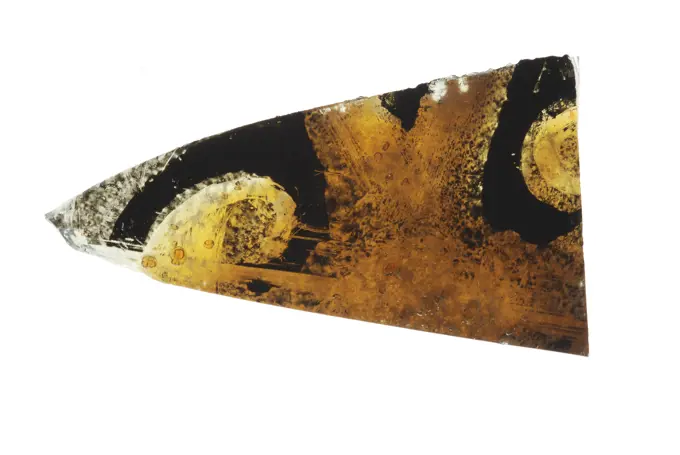
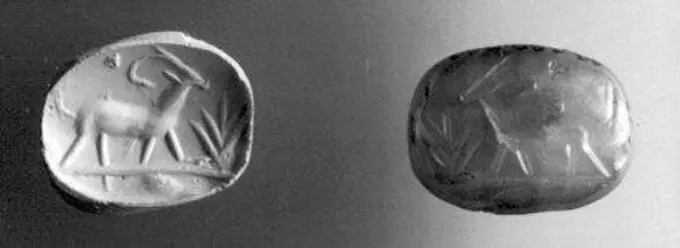
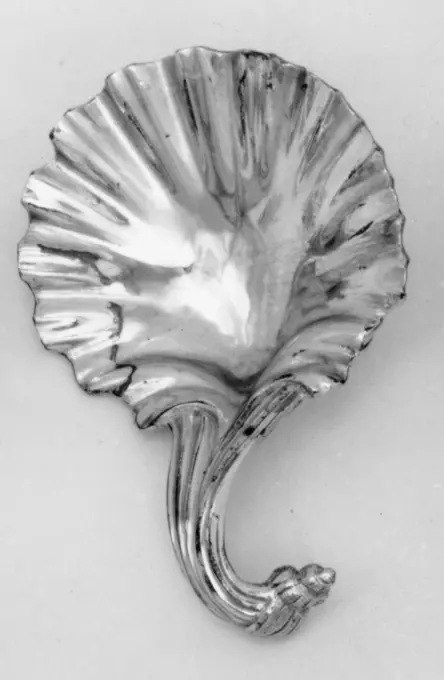
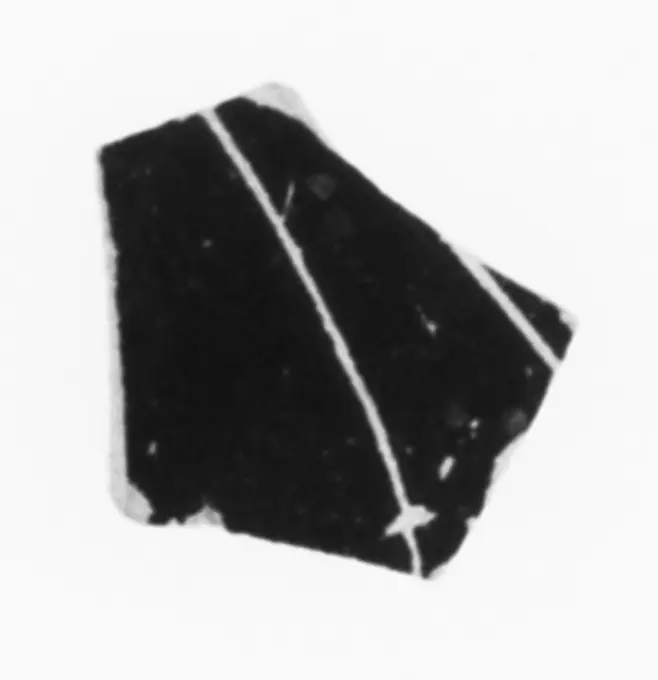
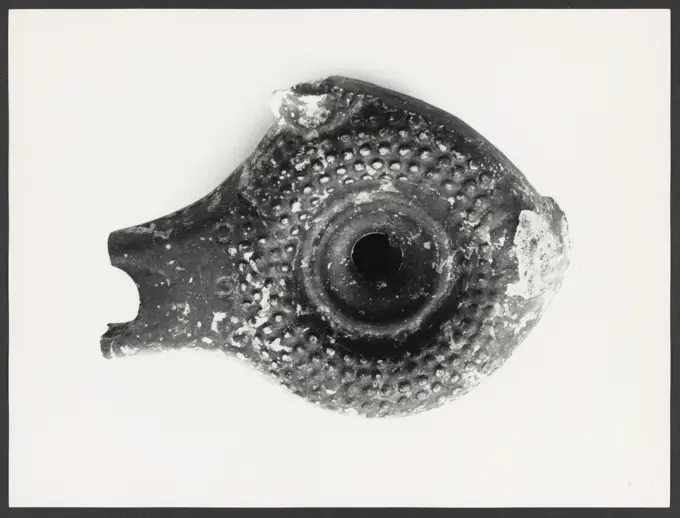
Ancient Ceramic Fragments

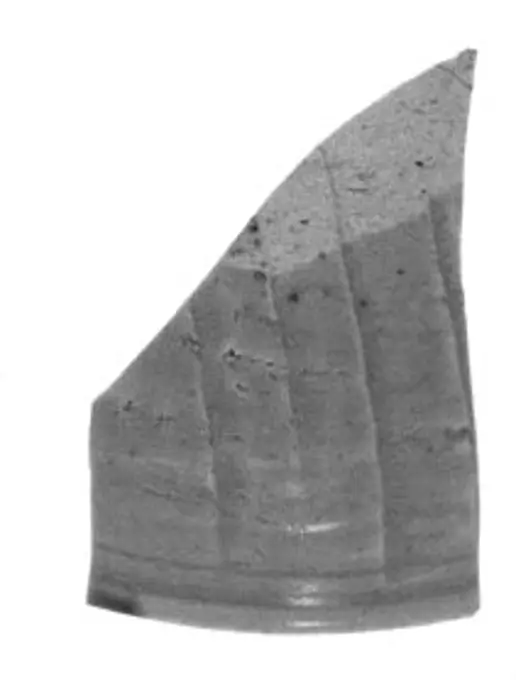
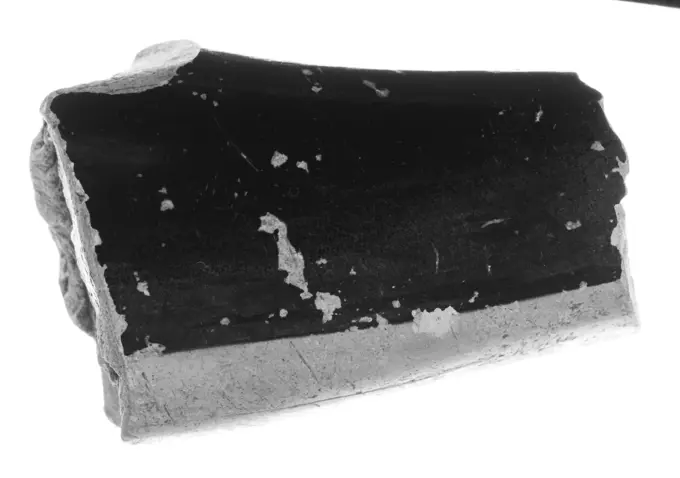
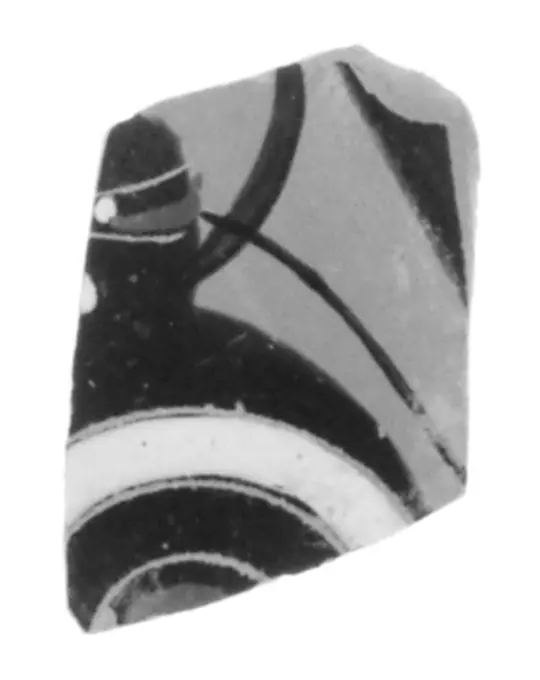
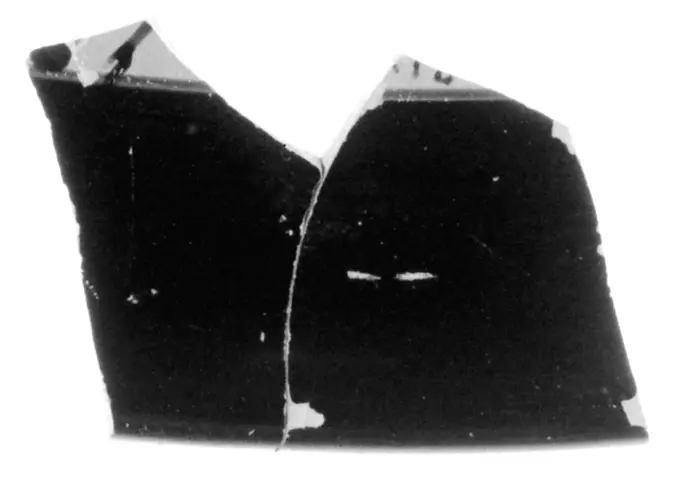
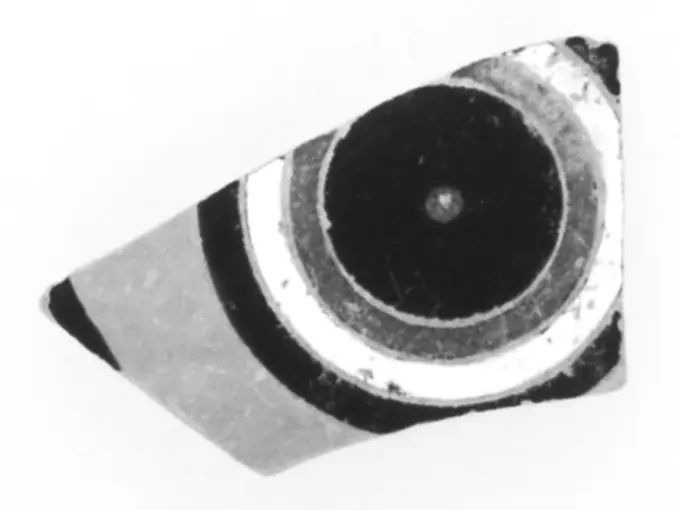
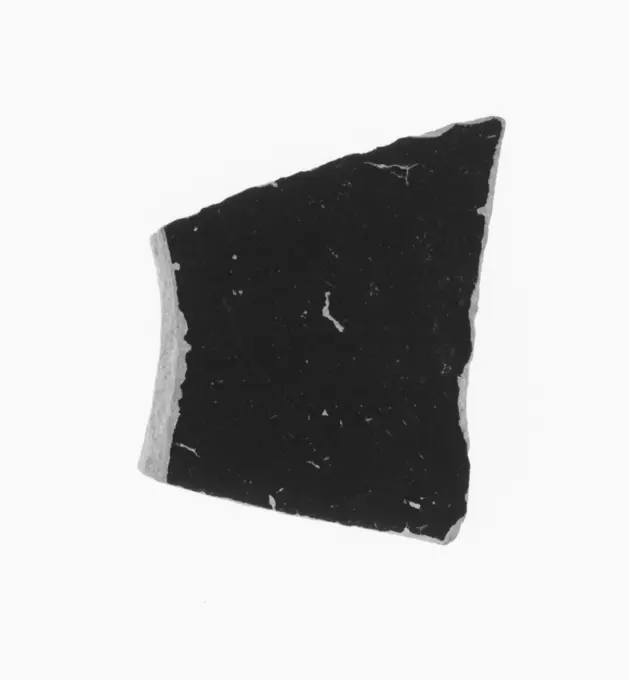
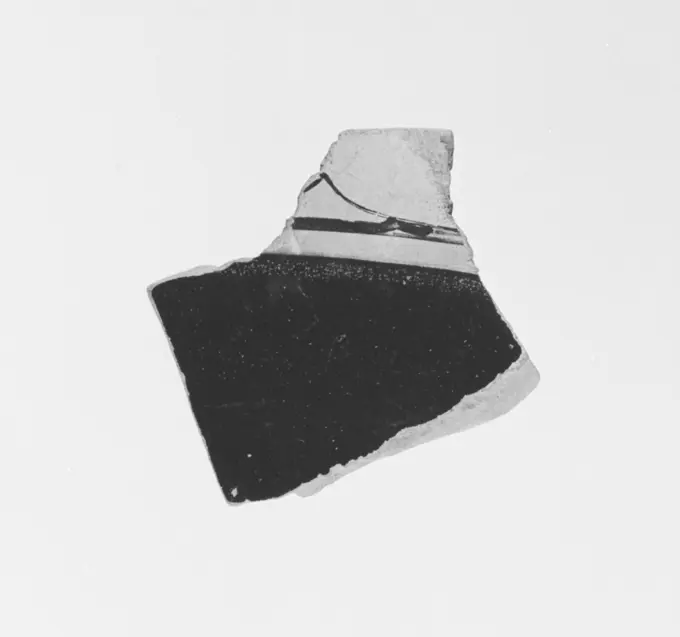
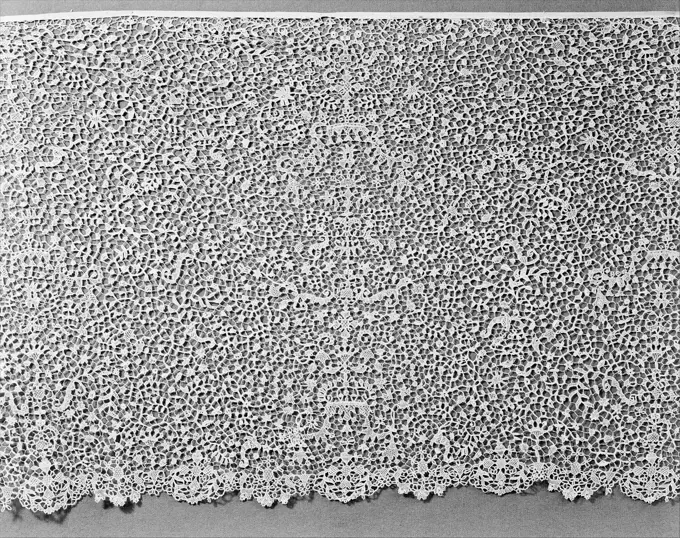
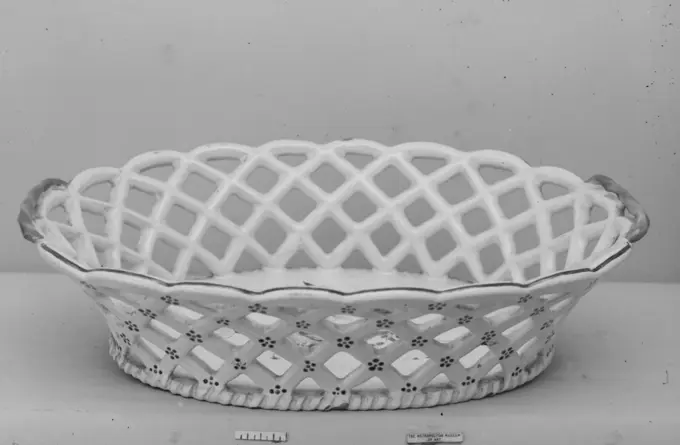
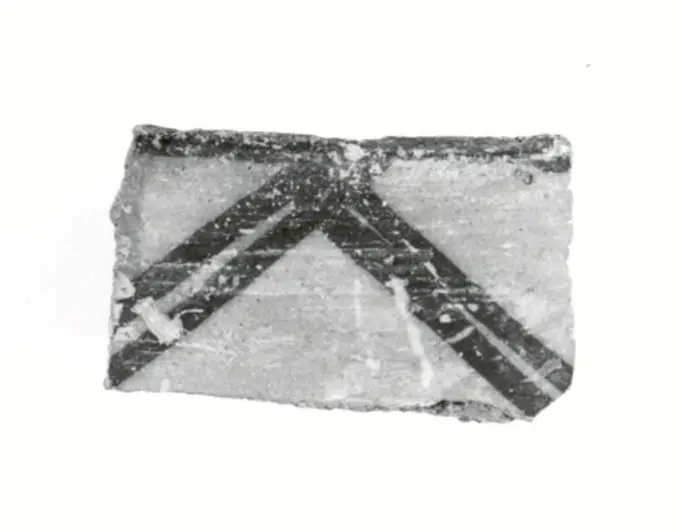
Various fragments of ancient ceramics including black-figure amphorae and eye cups, showcasing intricate designs and historical significance.

Attic Black-Figure Cup Fragment. Unknown
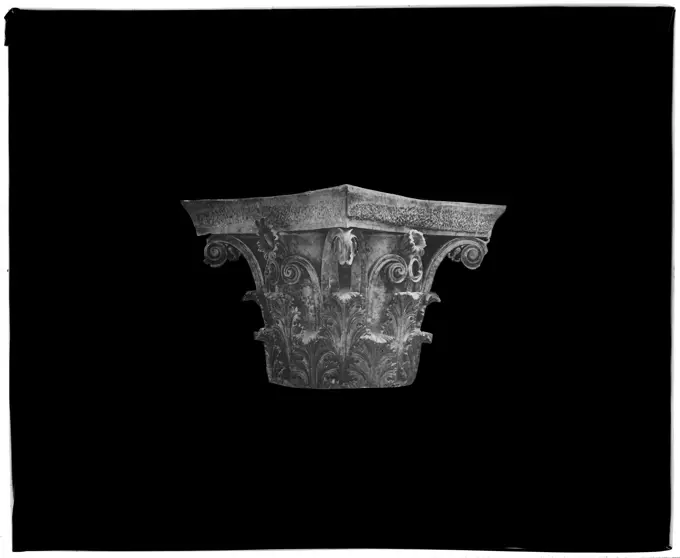
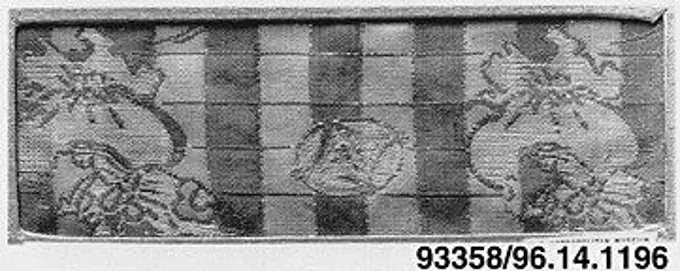
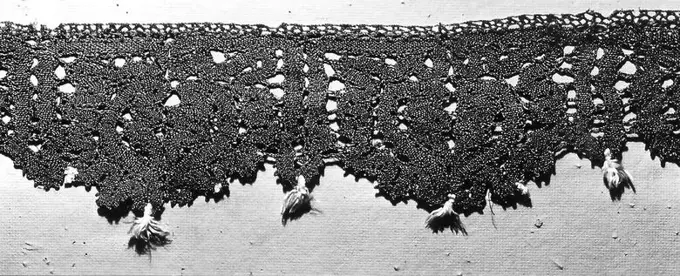
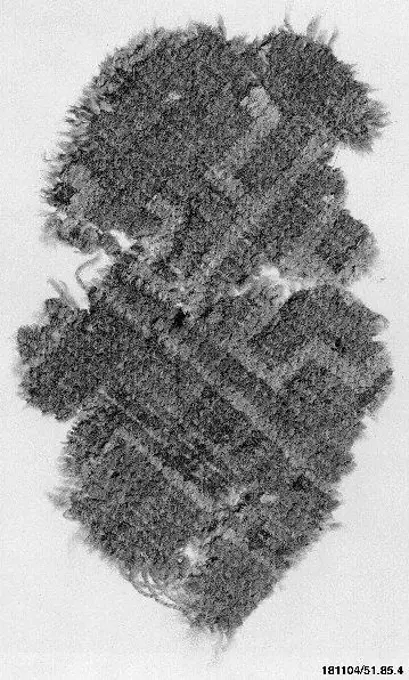
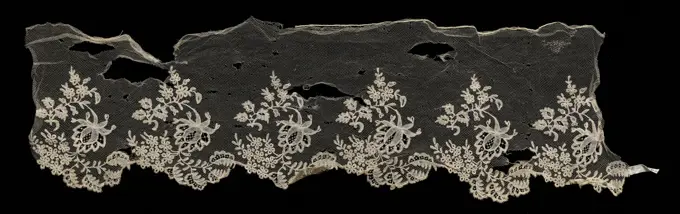
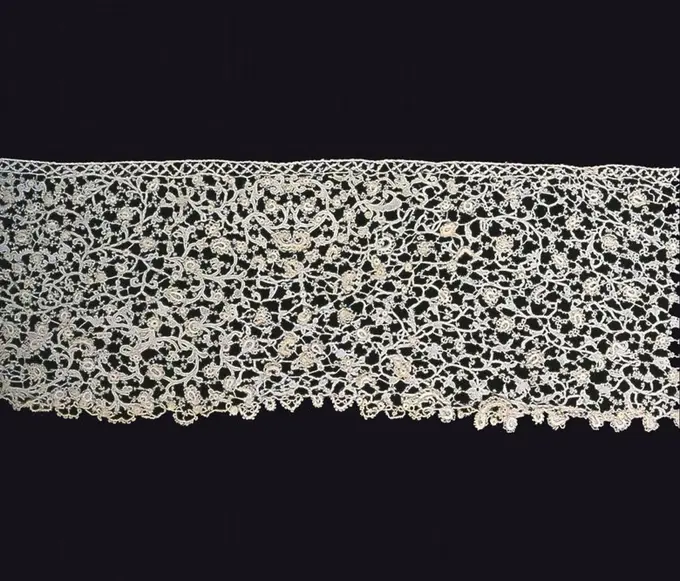
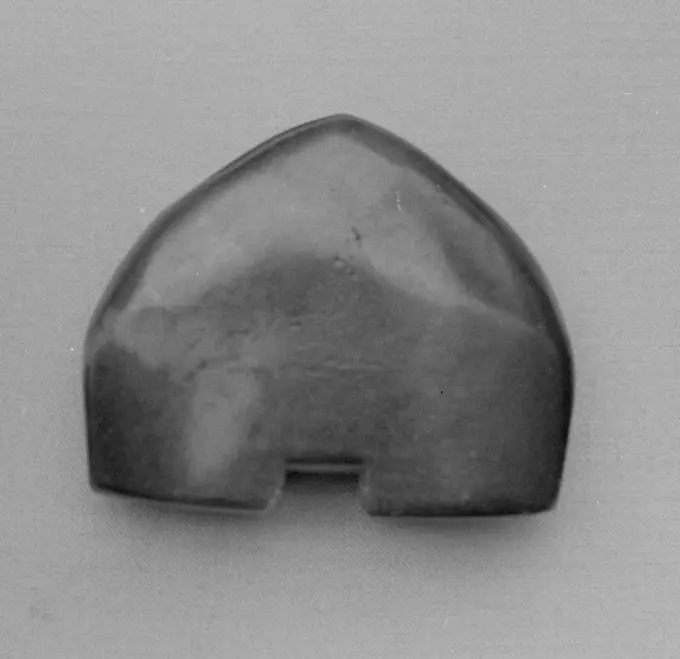
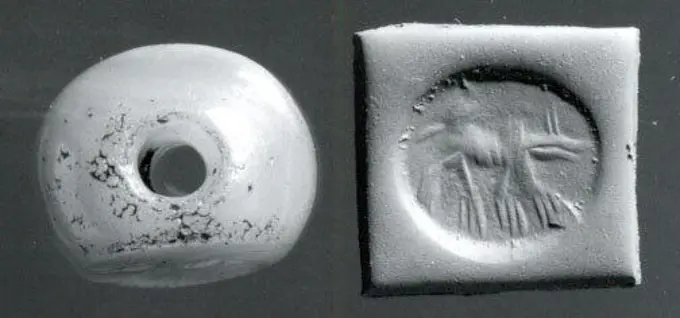
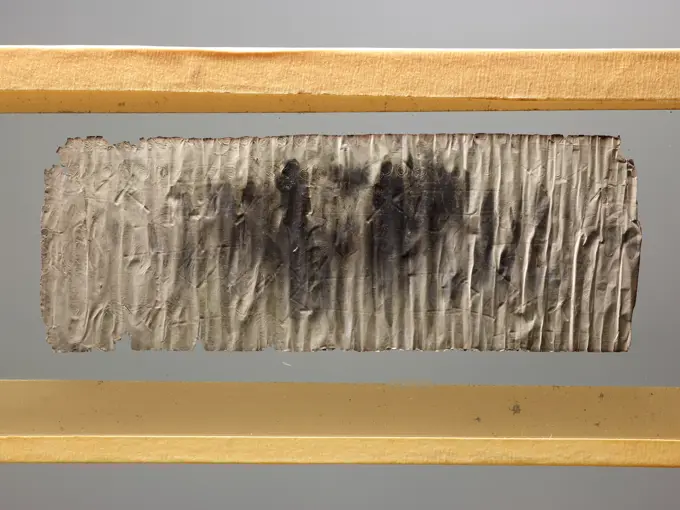
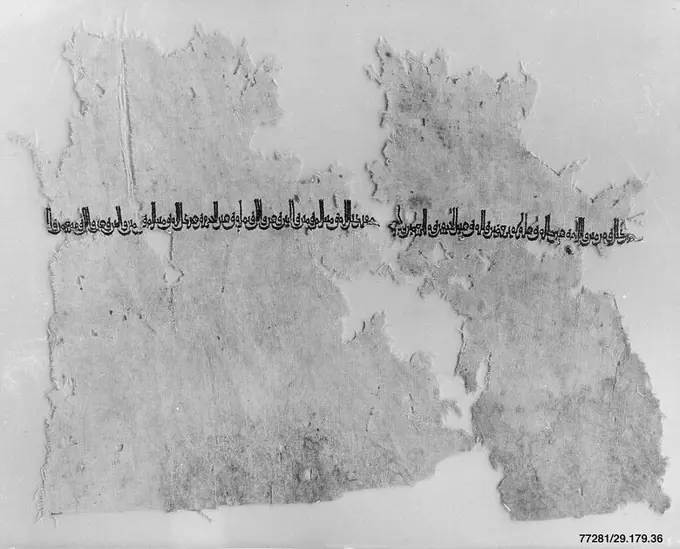
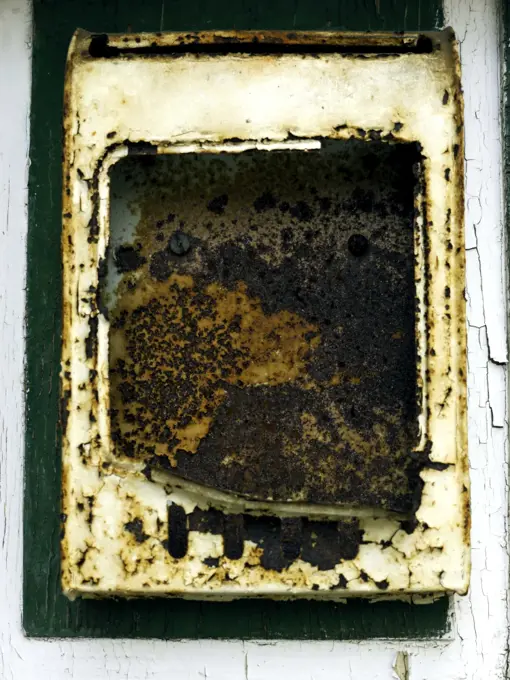
Attic Black-Figure Neck Amphora Fragment. UnknownFragment of a Bowl (Study Collection) ca. 10th century () China. Fragment of a Bowl (Study Collection). China. ca. 10th century (). Ceramic with celadon glaze. CeramicsAttic Black-Figure Eye Cup Fragment. UnknownAttic Black-Figure Neck Amphora Fragment. UnknownAttic Black-Figure Eye Cup Rim Fragment. UnknownAttic Panathenaic Amphora Fragment. UnknownAttic Red-Figure Kylix Fragment.Attic Black-Figure Panel Amphora Fragments. UnknownAttic Black-Figure Cup Fragment. UnknownFigurine Fragment. UnknownBlade ca. 4600-3600 B.C. Ghassulian. Blade 326540Fragment of a Tunic 3rd-4th century. Fragment of a Tunic 443798Attic Black-Figure Mastoid Cup Fragment. UnknownPanel (possibly Belgium); linenCorinthian capital , Capitals Columns, Corinthian order. Nicholas Catsimpoolas CollectionCeremonial Blade. Culture: China. Dimensions: W. 2 1/8 in. (5.4 cm); L. 8 3/4 in. (22.2 cm). Museum: Metropolitan Museum of Art, New York, USA.Vignette I American. Vignette I, 1840s-1850s. Watercolor and graphite, 5 15/16 x 3 1/8 in. (15.1 x 7.9 cm).   American Art 1840s-1850sPiece 18th-19th century Japan. Piece 66915Attic Black-Figure Band Cup Fragment. Painter N (Greek (Attic), active 540 - 520 B.C.)Bead China. Bead 43103Attic Red-Figure Plastic Kantharos Fragment. UnknownTwo Borders. Possibly Hungary. Date: 1701-1750. Dimensions: a: 14 x 90.1 cm (5 1/2 x 35 1/2 in.)b: 12.2 x 76.8 cm (4 3/4 x 30 1/4 in.). Silk, bobbin part lace with knotted tassels. Origin: Hungary. Museum: The Chicago Art Institute, Chicago, USA.Resonator, vintage engraving. Old engraved illustration of Resonator isolated on a white background.Attic Red-Figure Kylix Fragment. UnknownStrip late 18th century Italian, Burano. Strip 212384Bobbin Lace Insertion, 17th-18th century. Italy, Umbria, 17th-18th century. Lace, bobbin; average: 3.9 x 15.3 cm (1 9/16 x 6 in.).Dish 1720-50 Joseph Leddel Sr.. Dish. American. 1720-50. Pewter. Made in New York, New York, United StatesAttic Black-Figure Neck Amphora Fragment. UnknownDish Joseph Leddel Sr. American 1720-50 View more. Dish. American. 1720-50. Pewter. Made in New York, New York, United StatesBand Fragment 10th-11th century. Band Fragment 448049Fragment of Woman's Trousering 18th century. Fragment of Woman's Trousering. 18th century. Silk and metal thread. Attributed to Iran. Textiles-EmbroideredAttic Vase Fragment. UnknownTimbila 19th century Chopi people. Timbila 501089Top view grey paint wallpaperIt is a small metal piece with a threaded end. Usually fitted with nuts and use for tightening, vintage engraved line art illustration. Bicycle Accessories 1900.Engraved Scaraboid. UnknownIt is a part or attachment by which the handle is held in the hand. It is usually made up of rubber or cloth. It is modified and designed in such a way to provide a more firm hold, vintage engraved line art illustration. Bicycle Accessories 1900.Veil (England); linenSmall fragment of green window glass with stained-glass decoration, curls with dark lines, window glass building material soil find glass, w 1.7 die-cast cut painted painted Fragment of glass of green tinted window glass. Stained glass Image shows part of curves depicted with dark lines Archeology Landpoortstraat Geervliet Bernisse indigenous glasswork adorn living building glazed court of Putten archaeological find in the soil Geervliet pit Landpoortstraat 1 September 1983.Piece 18th-19th century China. Piece 70330Attic Black-Figure Eye Cup Fragment. UnknownAttic Black-Figure Neck Amphora Fragment (comprised of 2 Joined Fragments). UnknownStamp seal (scaraboid with pointed top) with animal 7th - 6th century B.C. Assyro-Babylonian. Stamp seal (scaraboid with pointed top) with animal. Assyro-Babylonian. 7th - 6th century B.C.. Flawed neutral Chalcedony (Quartz). Neo-Assyrian / Neo-Babylonian. MesopotamiaJohn and Henry Lias, Caddy Spoon, 1842/43, silver.Attic Black-Figure Neck Amphora Fragment. UnknownHat. Nordic Museum's object, invoice no. 106694. NordicCarpet Fragment 9th century. Carpet Fragment. 9th century. Wool. Attributed to Egypt. Textiles-Rugscigarette ashes macro isolated on white backgroundTwo Joined Fragments from a Band Cup. UnknownImage of the broken ridge of a crankshaft from the Diesel-Electric locomotive No. 2273 (series 2200/2300) of the N.S. In the main workshop in Tilburg.Bobbin (Point Plat Applique) and Machine Lace Flounce, 19th century. Belgium, Brussels, 19th century. Lace, bobbin; average: 16.6 x 43.2 cm (6 9/16 x 17 in.).Lacquer Samples 19th century Japanese. Lacquer Samples 22867Flounce. Italy, Venice. Date: 1675-1700. Dimensions: 14.4 x 252.8 cm (5 5/8 x 99 1/2 in.)Heading height: .8 cm (3/8 in.)Center height: 12.4 cm (4 7/8 in.)Lower edge height: 1.0 cm (3/8 in.). Linen, raised needle lace. Origin: Italy. Museum: The Chicago Art Institute, Chicago, USA.Sword pommel China. Sword pommel. China. Jade. Han dynasty (206 B.C.-A.D. 220). JadeOrnamental Plaque. Culture: China. Dimensions: H. 5 5/16 in. (13.5 cm); W. 2 5/8 in. (6.7 cm); D. 11/16 in. (1.8 cm). Museum: Metropolitan Museum of Art, New York, USA.Attic Red-Figure Cup Fragment. UnknownTrebizond Coin; about 13th century; Silver, Byzantine Coinage of the empire of TrebizondsPiece 19th century Japan. Piece 72230Lappets 18th century French. Lappets 222440Priest's Robe 19th century Japan. Priest's Robe. Japan. 19th century. Silk. Textiles-CostumesTextile Fragment 4th century. Textile Fragment 443325Fan ca. 1750 French. Fan 209496Fifty anniversary of the La Vertu lodge in Leiden 1807 recalling the gunpowder disaster, print in cardboard, anonymous, c. 1807 history medal Print in cardboard of the oval medal, with eight lines of text under a Leiden city coat of arms, with a change. Leiden cardboardTextile Fragment Swiss. Textile Fragment 463277Fragment 8th century Japan. Fragment 69612Strip 18th century Flemish. Strip 218221pebbles ornament simple flower made from imbedded pebbles on stone way in oriental garden Copyright: xZoonar.com/YuryxZapx 13517036Window ca. 1800 American. Window. American. ca. 1800. Leaded glass and pine. Made in Albany, New York, United StatesOrnament from the top of a frame 18th century French. Ornament from the top of a frame. French. 18th century. Wood, gilt. Woodwork-FurnitureCar tires concept. Vector rendering of 3dCelt 7th-6th millennium B.C.. Celt. 7th-6th millennium B.C.. Stone, green. Neolithic. SyriaHand Pavise 1450-1500 Nuremberg. Wood, canvas, leather, paint, and gesso .illustration of English tales, folk tales, and ballads. OrnamentSaucer with floral pattern 19th century China. Saucer with floral pattern. China. 19th century. Porcelain painted in overglaze polychrome enamels (Bencharong ware for Thai market). Qing dynasty (1644-1911). CeramicsFragment of painted ware ca. 1st century A.D. Nabataean. Fragment of painted ware 324248Rectangular Vase with Pheonix Perched on a Rock China. Rectangular Vase with Pheonix Perched on a Rock. China. Nephrite, white with light greenish tint. Ming dynasty (1368-1644). JadeScholars in a landscape 18th century China. Scholars in a landscape. China. 18th century. Jade (nephrite). Qing dynasty (1644-1911). JadeIt is a part or attachment by which the handle is held in the hand. It is usually made up of rubber or cloth, vintage engraved line art illustration. Bicycle Accessories 1900.Tunic Fragment 7th-9th century Wari. Tunic Fragment 307989Attic Black-Figure Cup Fragment. Probably belongs to the Class of Top-band Stemless Cups (Greek (Athenian), active 510 - 490 B.C.)Piece 18th century possibly French. Piece 225164Stamp seal ca. 3rd-7th century A.D. Sasanian. Stamp seal 324977Flageolet in C 17th century German Flageolets are structured like recorders but built in small if not very small sizes and narrow bores. 17th-century pieces with a very narrow cylindrical bore, four front and two thumb holes, were often used help teaching birds to sing--canaries, nightingales, larches, etc.--but also to catch them. Opera composers called for them in garden and grove scenes.. Flageolet in C. German. 17th century. ivory. Nürnberg, Germany. Aerophone-Whistle Flute-flageoletBlack and white Dollar coins 1 cent wheat penny Dollar coins 1 cent wheat penny cent currency of the United States isolated over white background in black and white Copyright: xZoonar.com/ClaudioxDiviziax 8755132Lamella with Two Case Fragments. UnknownFragment. Dimensions: H. 8 in. (20.3 cm)W. 10 3/4 in. (27.3 cm). Date: 10th century. Museum: Metropolitan Museum of Art, New York, USA.mailbox rusty and defective. Letter box made of metal - rusty and brokenFlounce early 18th century Flemish. Flounce. Flemish. early 18th century. Needle lace, linen. Textiles-LacesClose up of fabric stringsFruit dish 18th century Joseph Hannong Faience, or tin-glazed and enameled earthenware, first emerged in France during the sixteenth century, reaching widespread usage among elite patrons during the seventeenth and early eighteenth centuries, prior to the establishment of soft-paste porcelain factories. Although characterized as more provincial in style than porcelain, French faience was used at the court of Louis XIV as part of elaborate meals and displays, with large-scale vessels incorporated into the Baroque garden designs of Versailles. Earlier examples of French faience attest to the strong influence of maiolica artists from Italy. Later works demonstrate the ways in which cities such as Nevers, Rouen, Lyon, Moustiers, and Marseille developed innovative vessel shapes and decorative motifs prized among collectors throughout Europe. While faience can be created from a wide mixture of clays, it is foremost distinguished by the milky opaque white color achieved by the addition of tinFragment, Medium: linen Technique: needle lace, Fragment of Argentan-style lace showing floral designs with large ornamental leaves and blossoms on a ground of 'brides bouclées.', France, 18th century, lace, FragmentSherd ca. 4000-3500 B.C. Iran This sherd is made of a red-brown clay, with black painted decoration. It is typical of Namazga I ceramics from Turkmenistan, dating to ca. 4000-3500 B.C. It was excavated in 1937 at a prehistoric site in the vicinity of Nishapur in northeastern Iran. While Nishapur itself was founded by the Sasanian king Shapur I (reigned ca. A.D. 241-272), this sherd shows that human habitation there goes back to the prehistoric period. Furthermore, the prehistoric pottery from Nishapur has close affinities with ceramic materials from Central Asia rather than with contemporary sites in Iran, meaning that in this period its inhabitants were likely culturally linked to their neighbors to the east. At the same time, Nishapurs location on what later became known as the Great Khorasan Road suggests that it was part of the trade network that facilitated the import of precious stones such as lapis lazuli, carnelian and turquoise from Central Asia to Mesopotamia.. Sherd 323658Wooden boards, bearingsStamp seal ca. 3rd-7th century A.D. Sasanian. Stamp seal. Sasanian. ca. 3rd-7th century A.D.. Chalcedony, brown. Sasanian. Iran or MesopotamiaLazio Latina Sezze Antiquarium Comunale20. Hutzel, Max 1960-1990 German-born photographer and scholar Max Hutzel (1911-1988) photographed in Italy from the early 1960s until his death. The result of this project, referred to by Hutzel as Foto Arte Minore, is thorough documentation of art historical development in Italy up to the 18th century, including objects of the Etruscans and the Romans, as well as early Medieval, Romanesque, Gothic, Renaissance and Baroque monuments. Images are organized by geographic region in Italy, then by province, city, site complex and monument.Attic Red-Figure Mule's Head Rhyton Fragment (comprised of 6 joined fragments). Attributed to the Brygos Painter (Greek (Attic), active about 490 - 470 B.C.)Floating Bowl (detail), 2006 by Farhad Moshiri (Iranian), b. 1963 oil on canvas, 59 x 74¾ in. (150 x 190 cm.)An early Native American Indian 'sacred bundle'sacred or 'medicine bundle'  belonging to the Osage Indians -Contains such items as  human scalps, eagle feathers, buffalo bladders and pipes.Tassel, Medium: linen Technique: knotted, Long narrow tassel with many tiny cross arms, formed by knots, and widening gradually toward the bottom., Italy, late 16th-early 17th century, trimmings, TasselChalkboard hand drawn banners vector image