Ancient Ceramics and Artifacts

Artifacts from ancient cultures, showcasing decorated pottery and ceramic pieces, revealing historical craftsmanship and decorative styles.

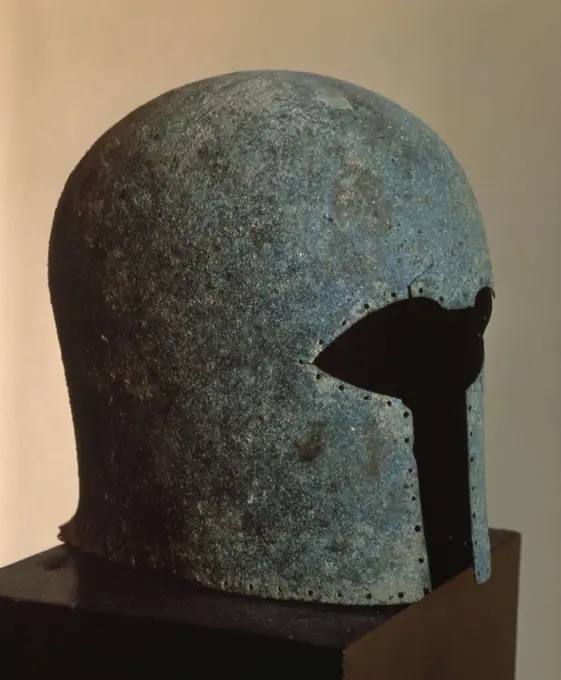
Bronze helmet used during the Peloponnesian War, fought by Athens and it's empire against the Peloponnesian League. Dated 404 BC
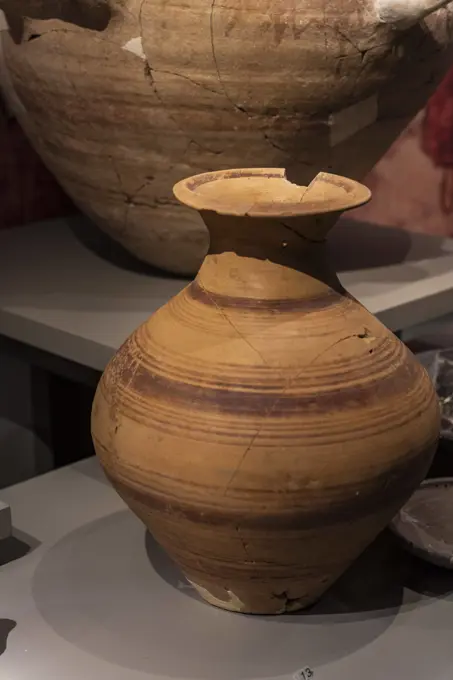
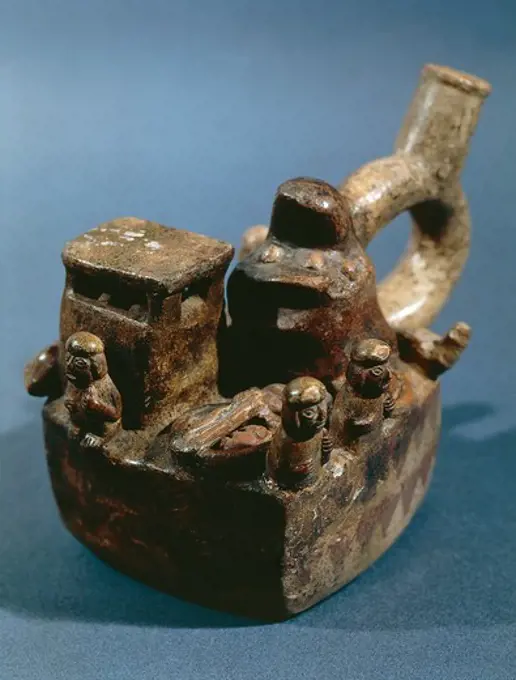
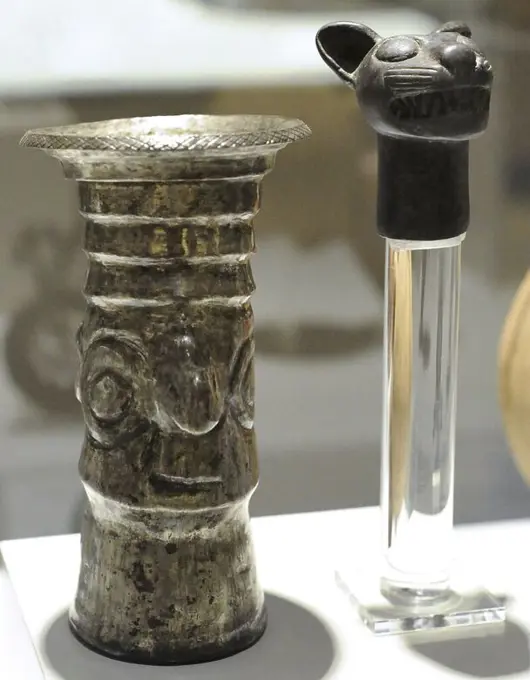
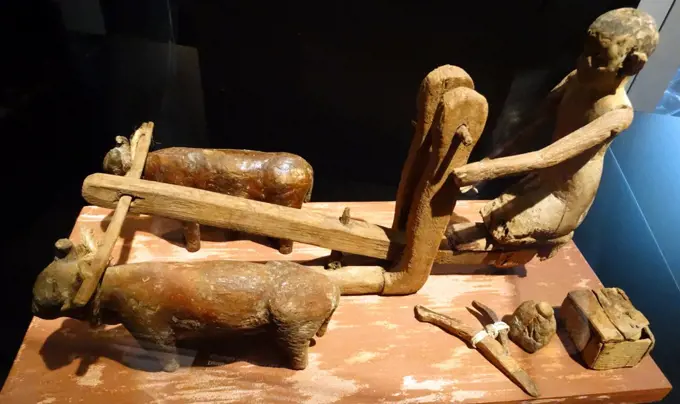
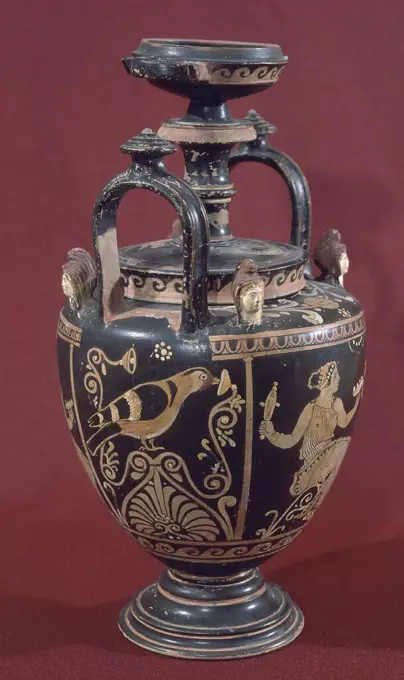
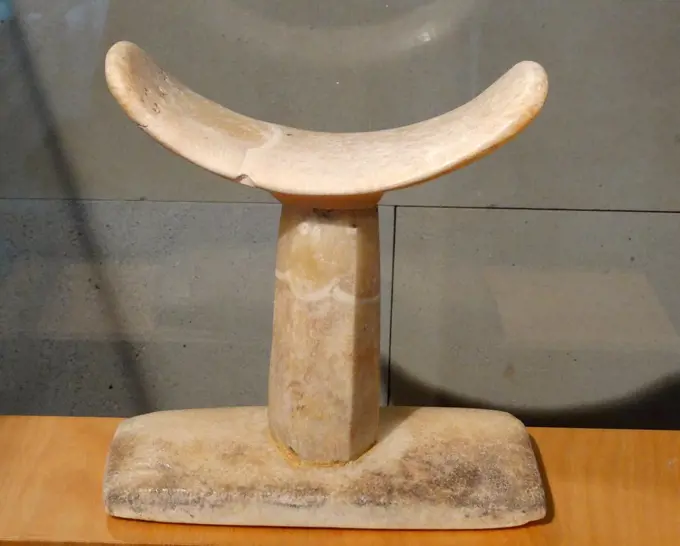
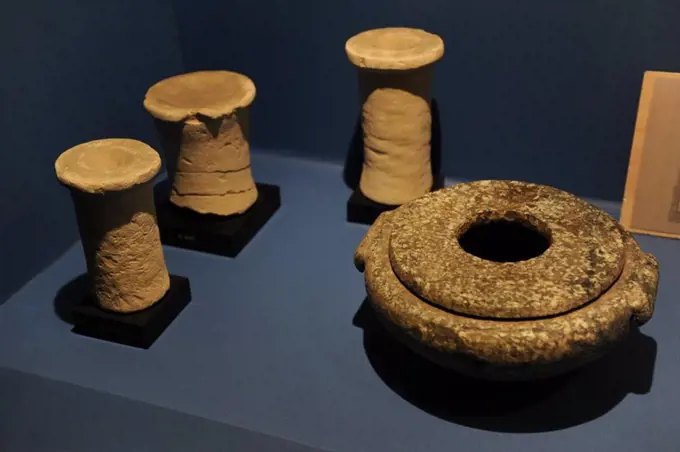
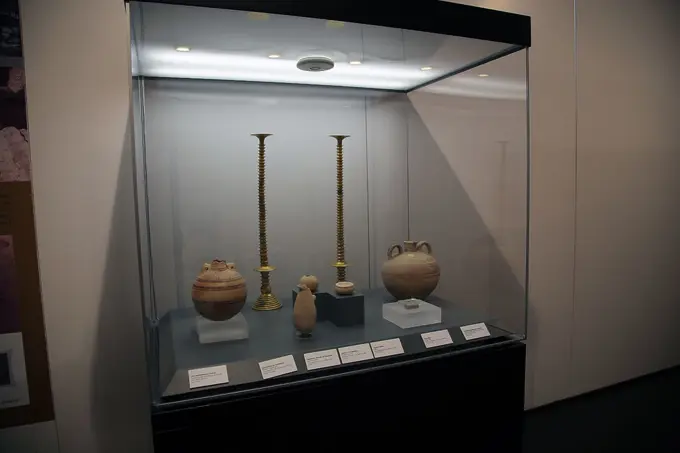
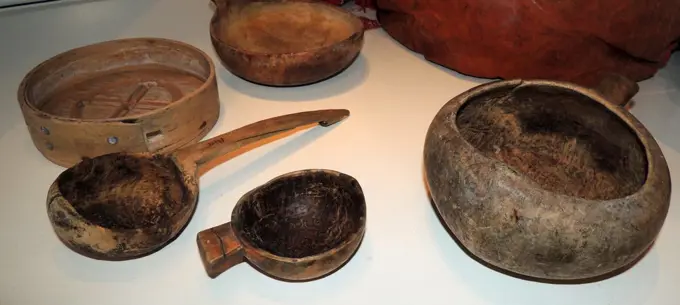
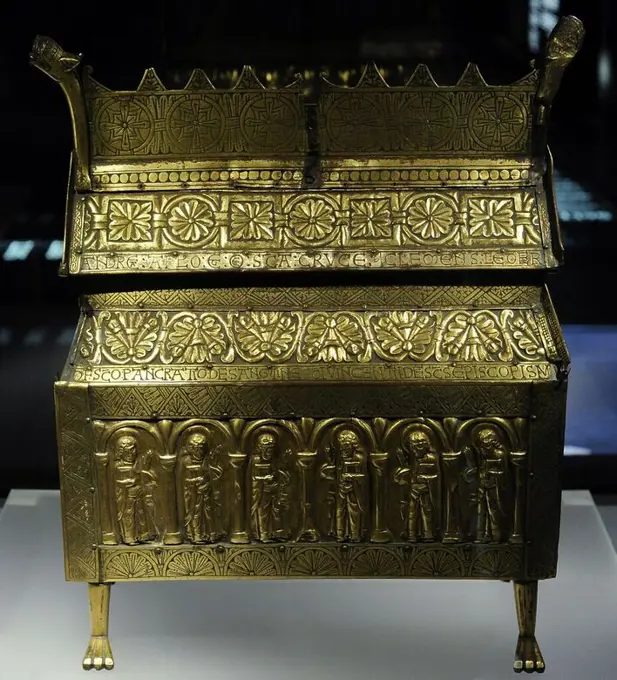
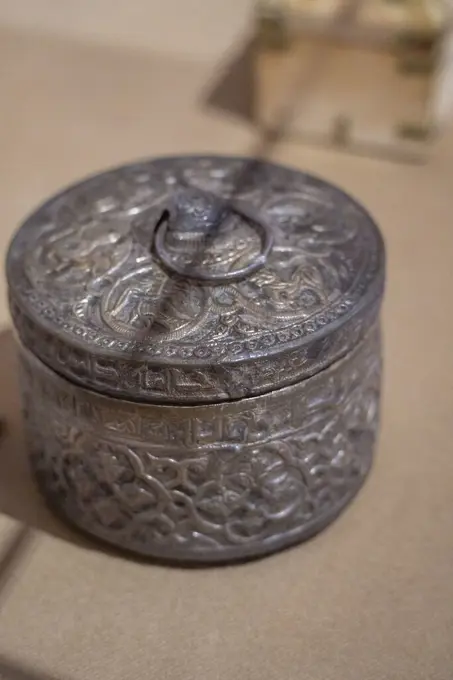
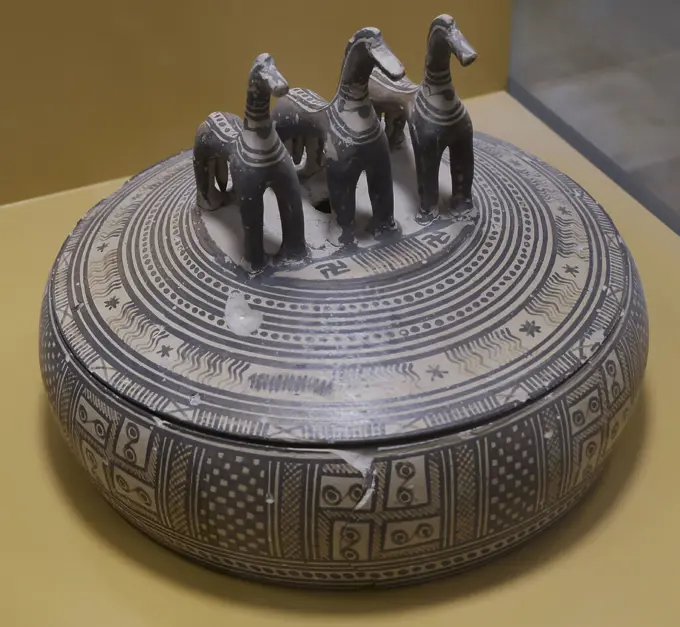
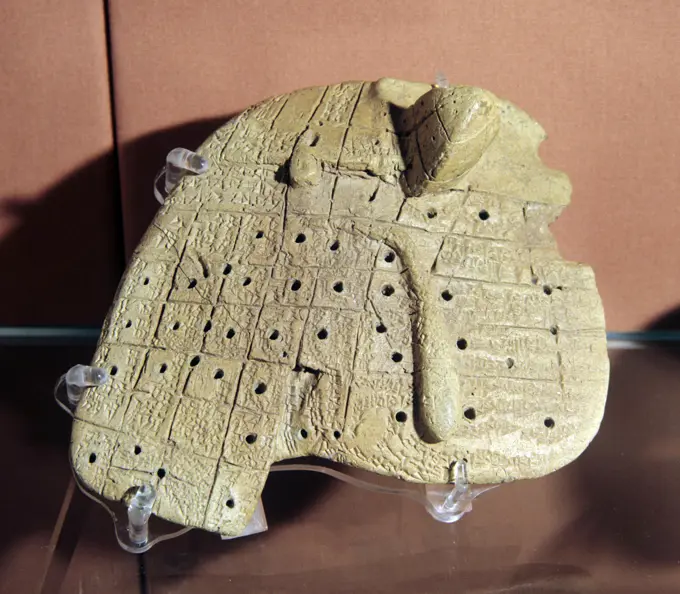
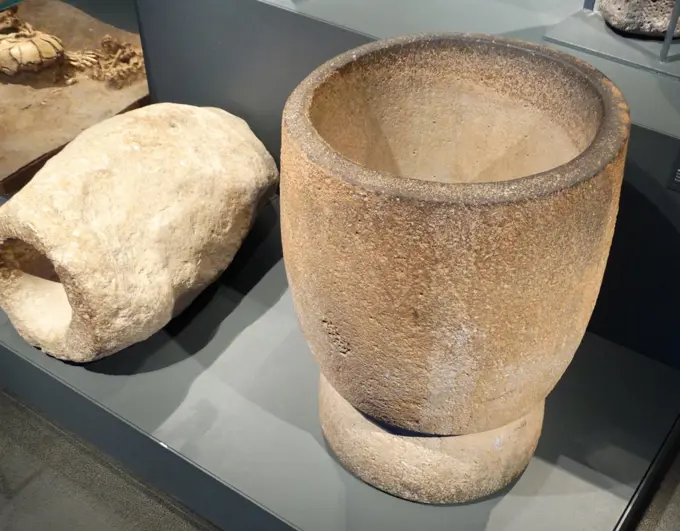
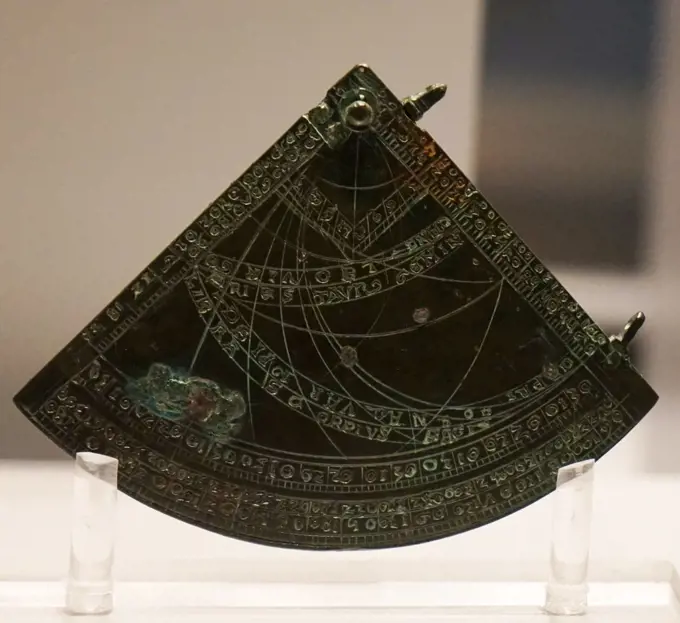
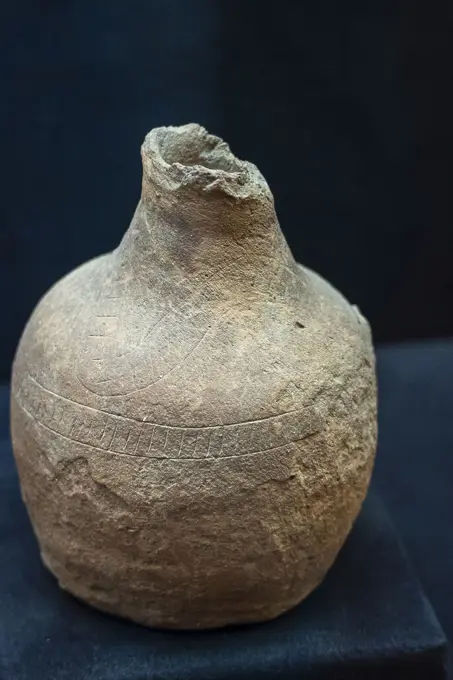
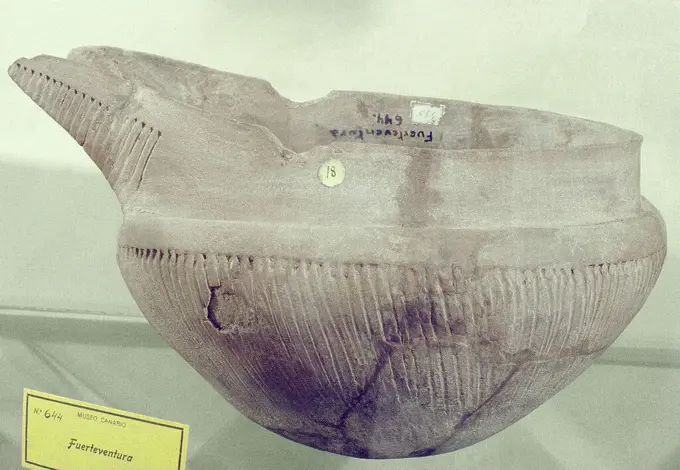
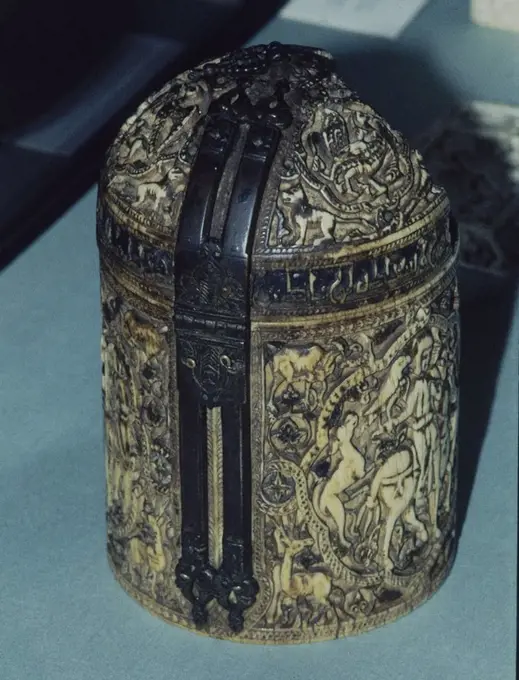
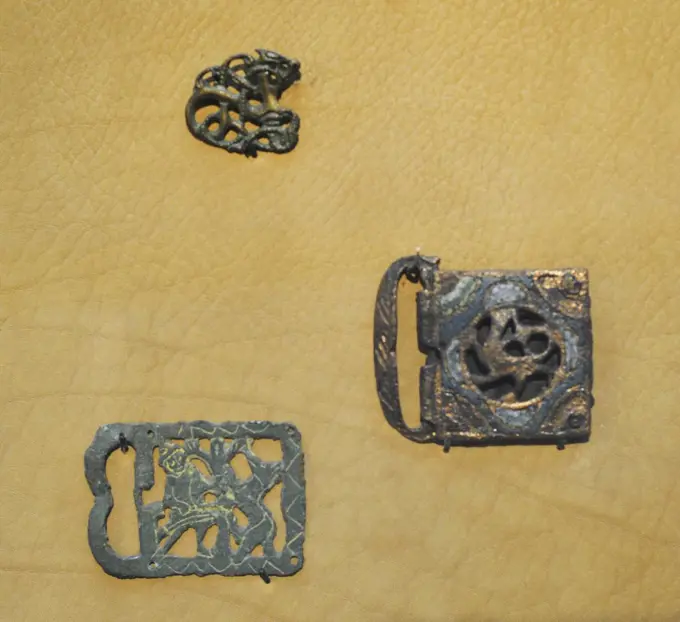
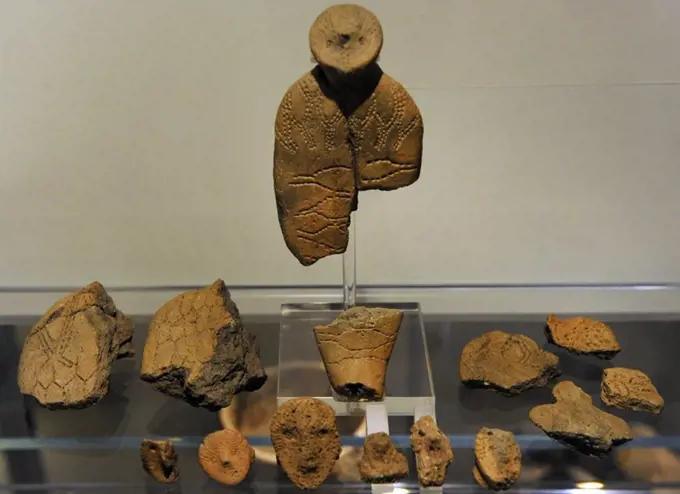
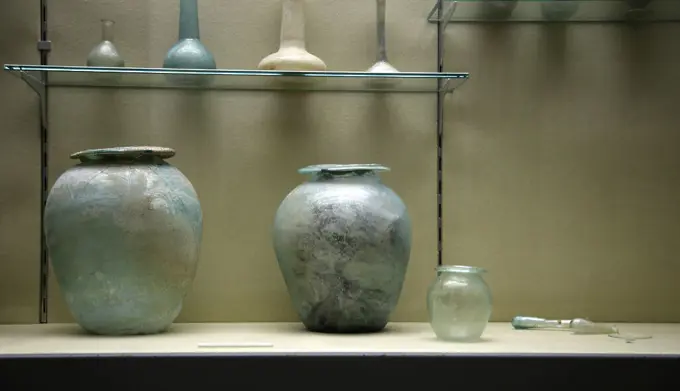
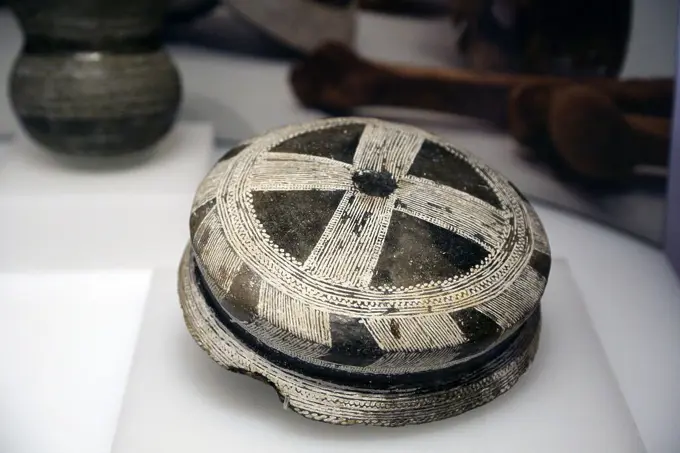
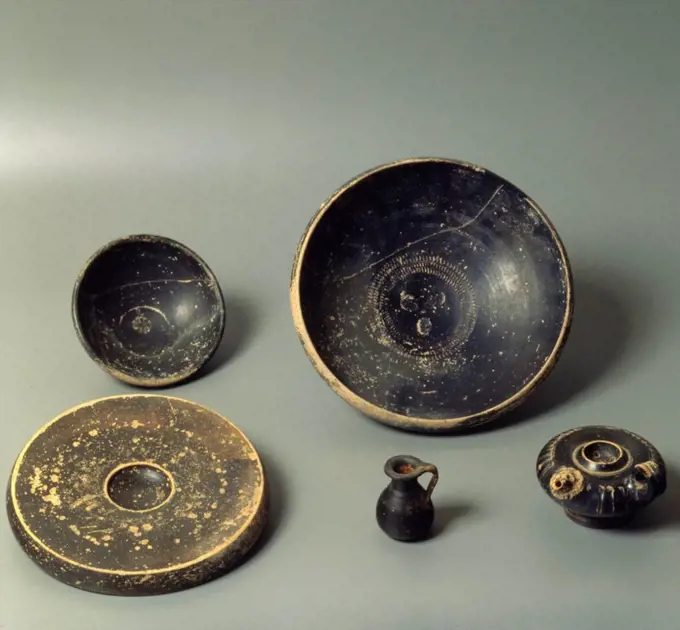
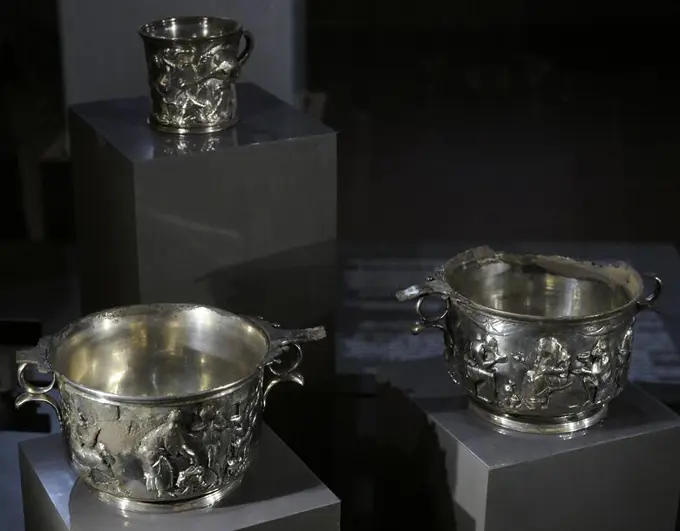
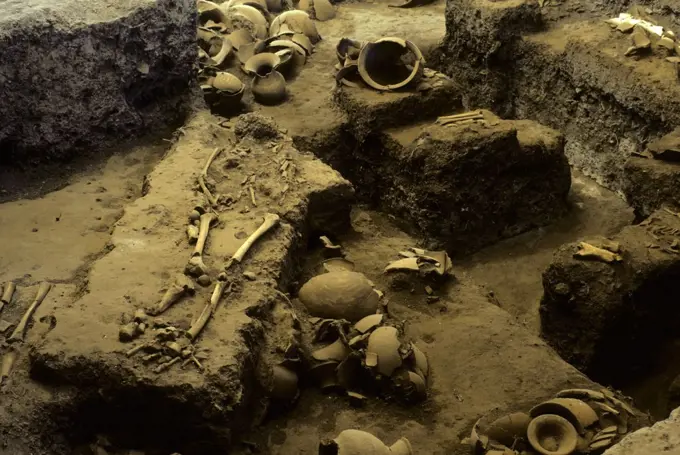
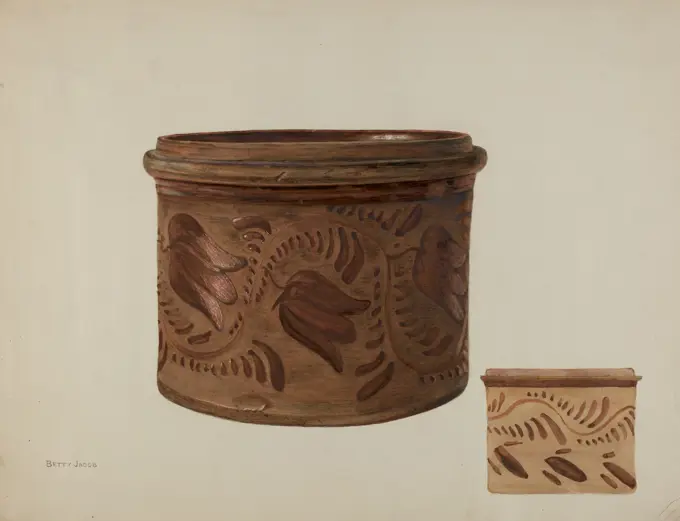
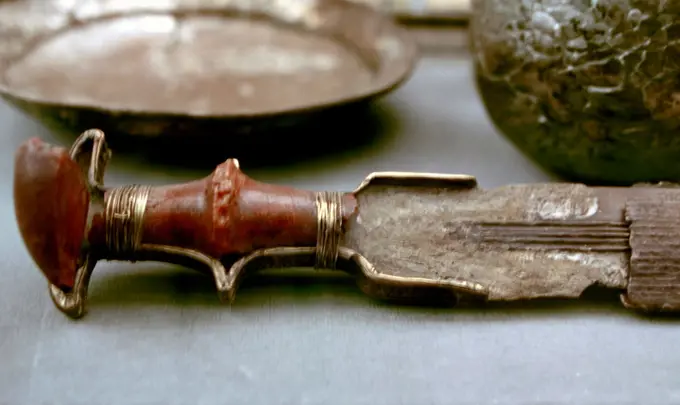
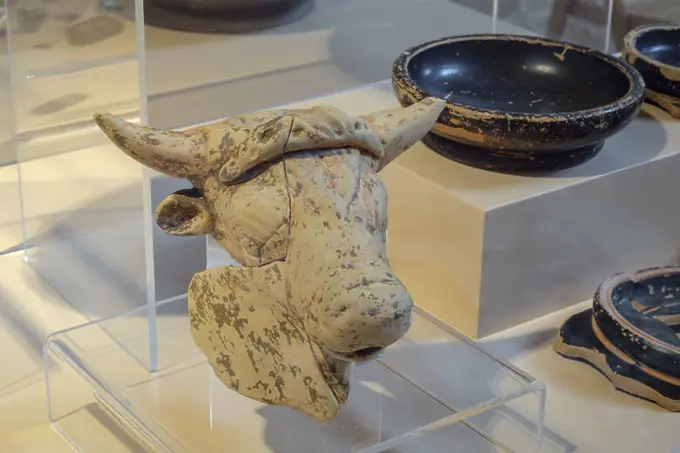
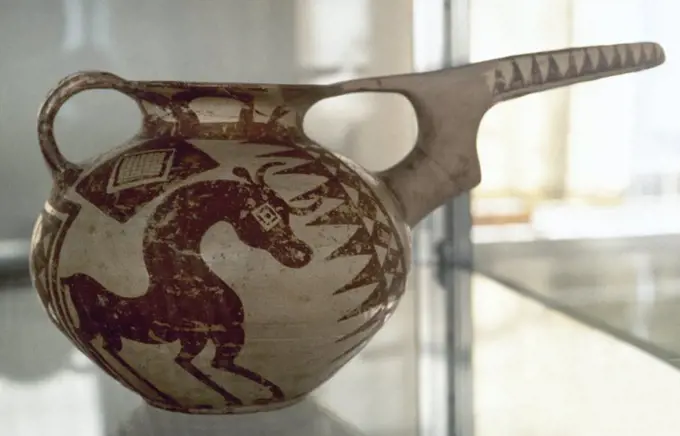
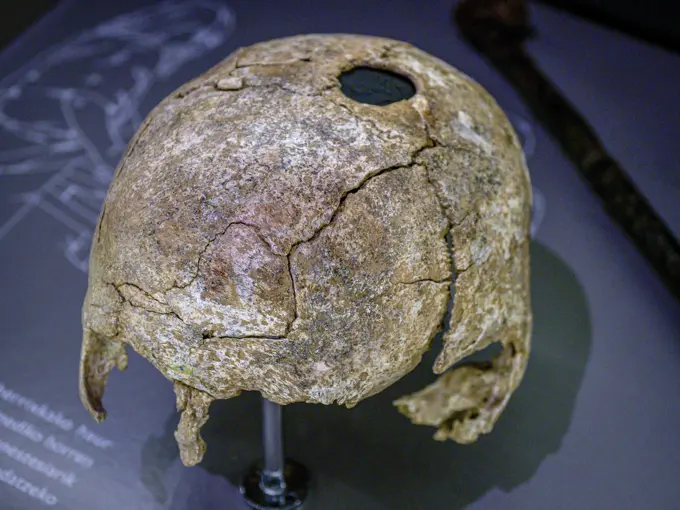
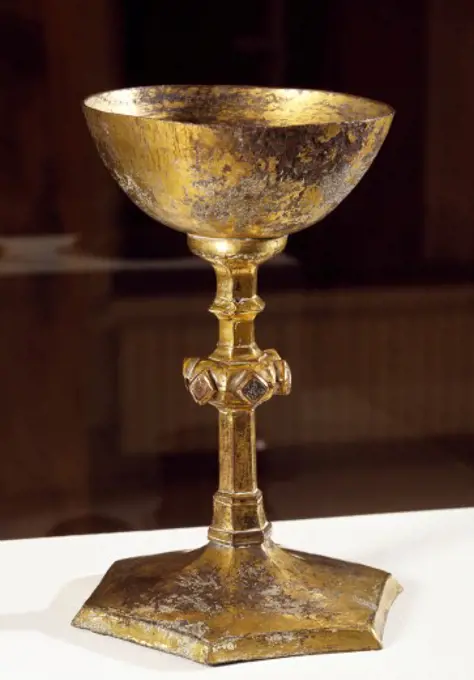
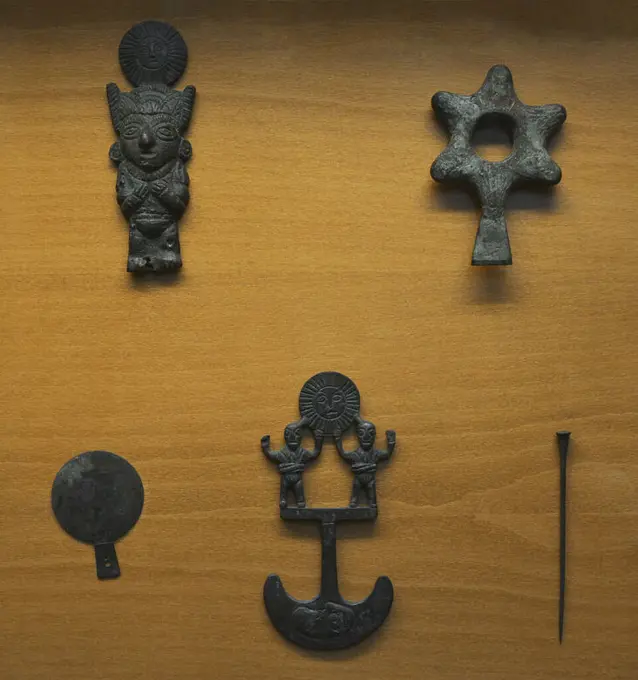
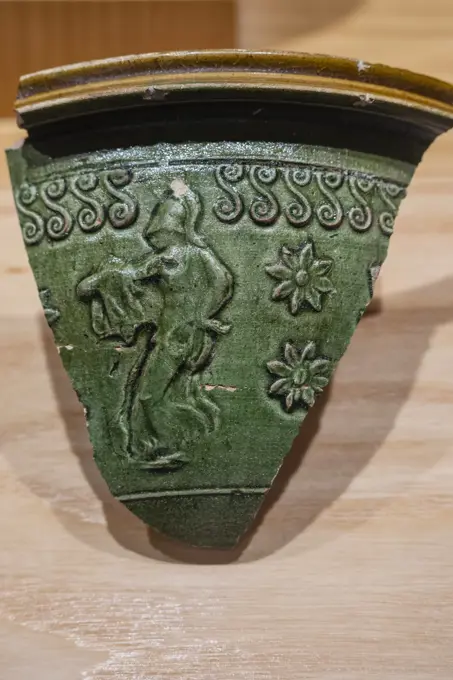
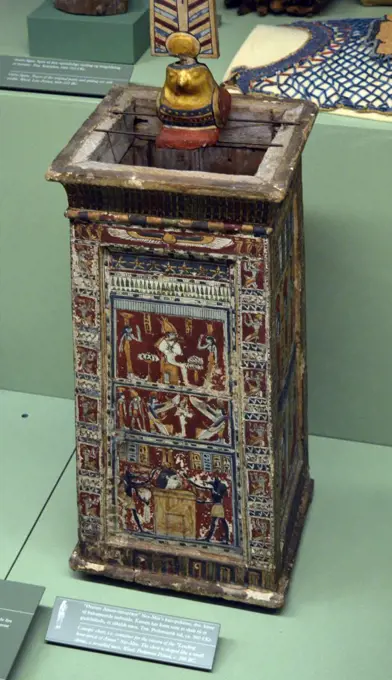
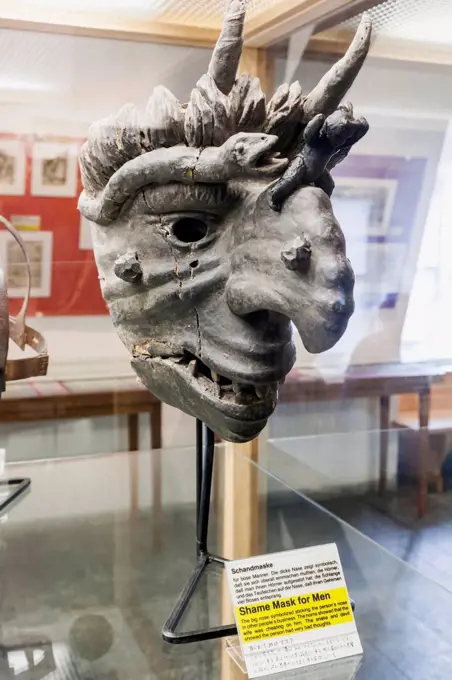
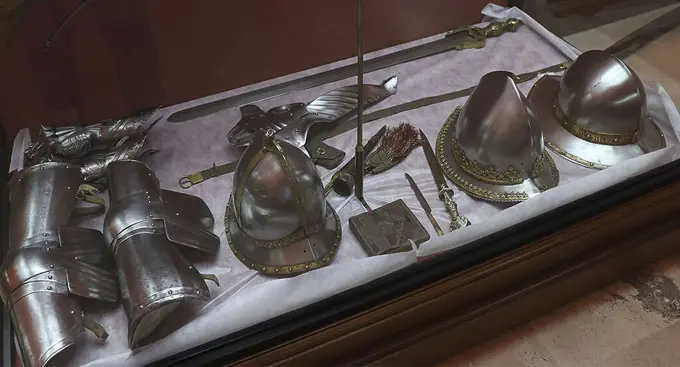
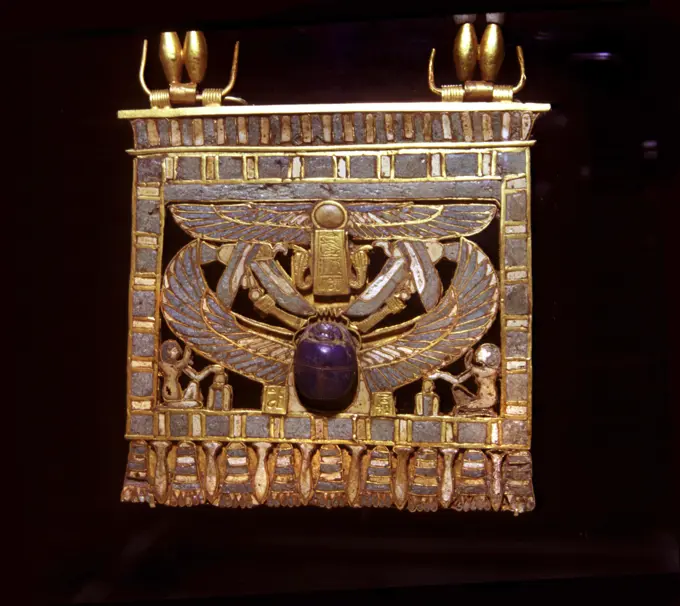
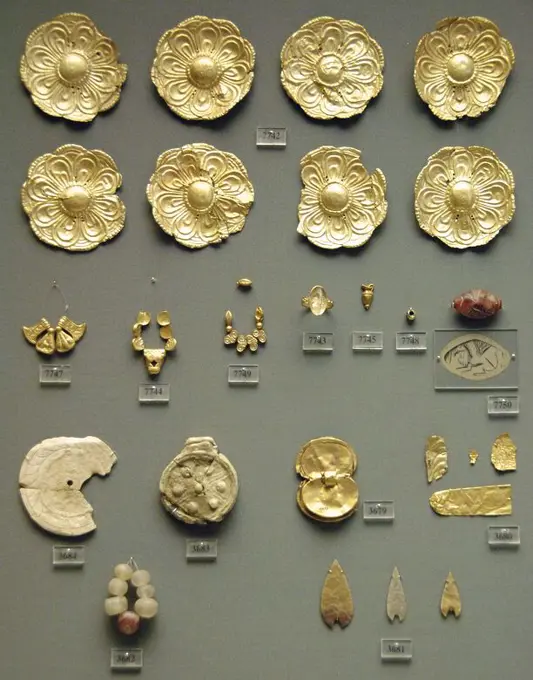
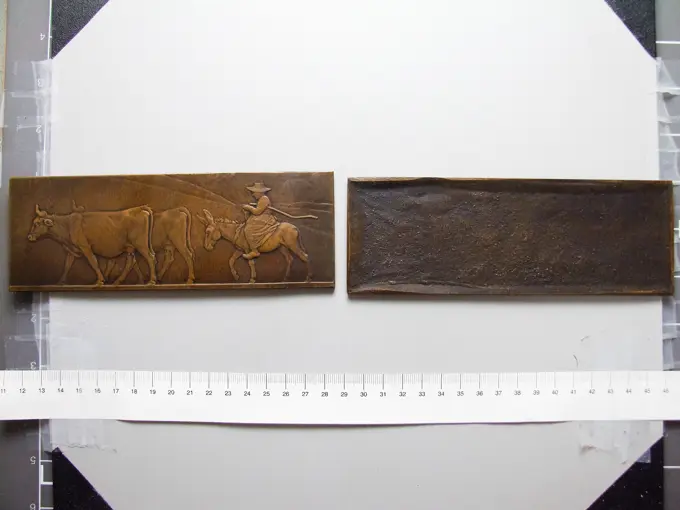
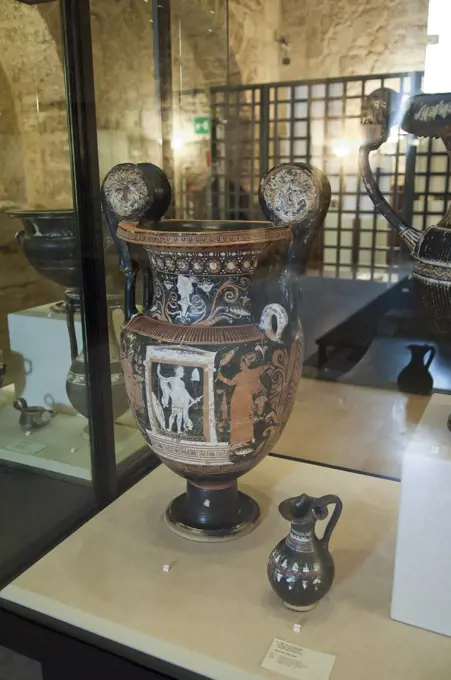
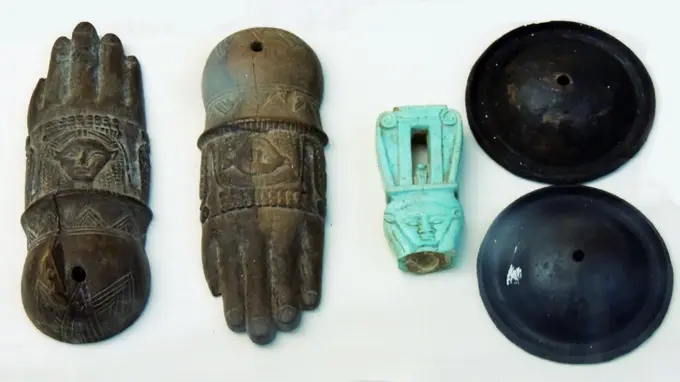
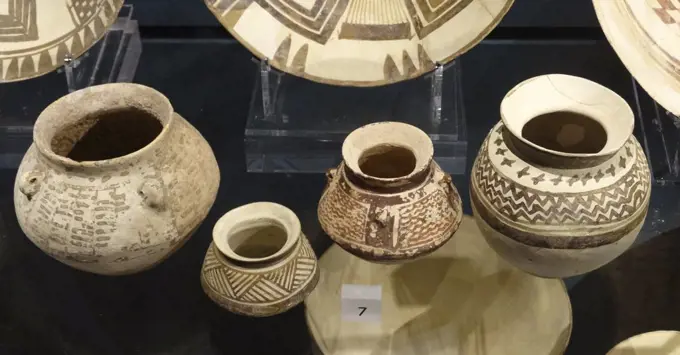
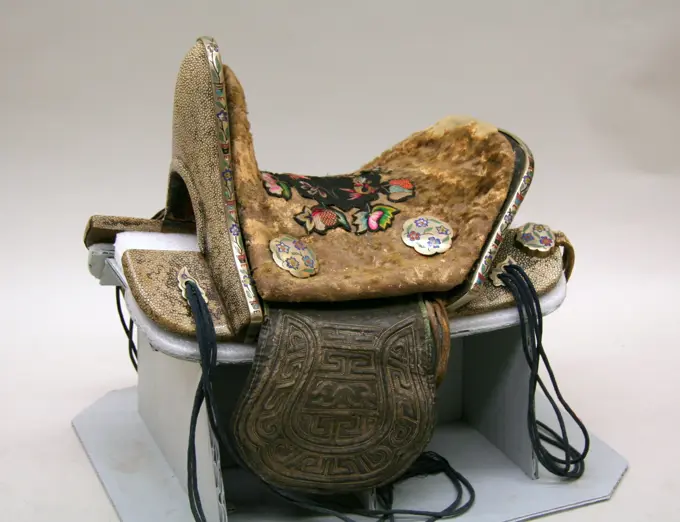
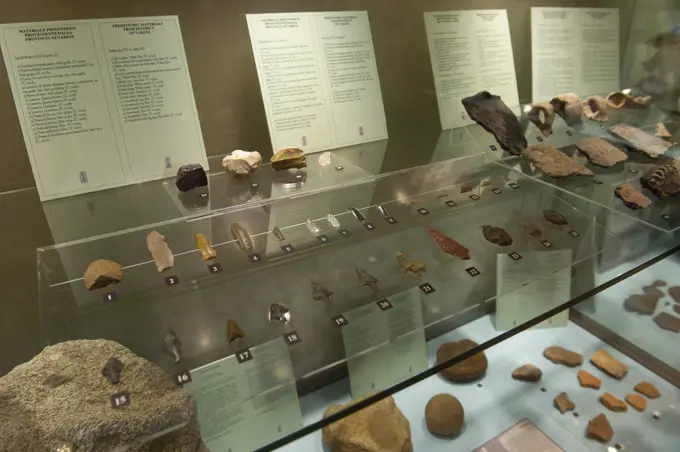
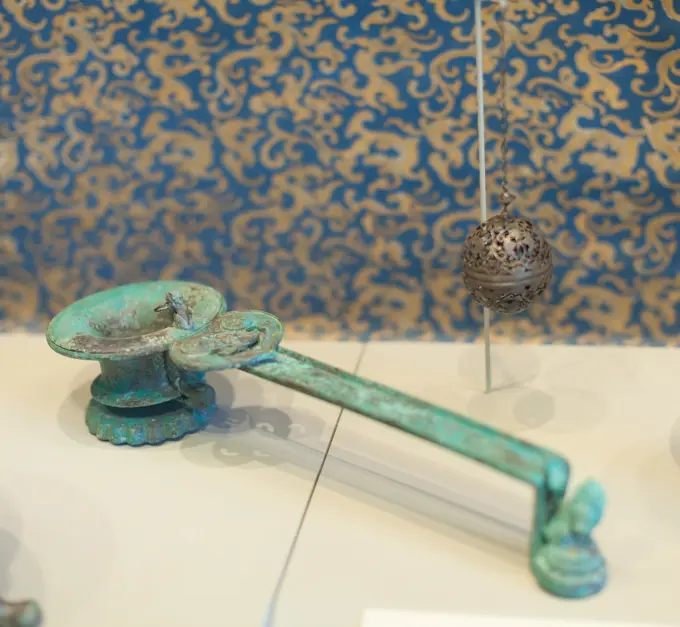
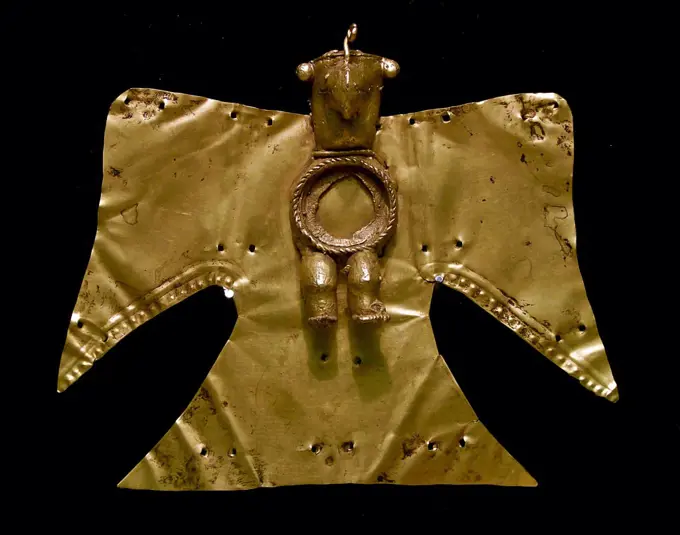
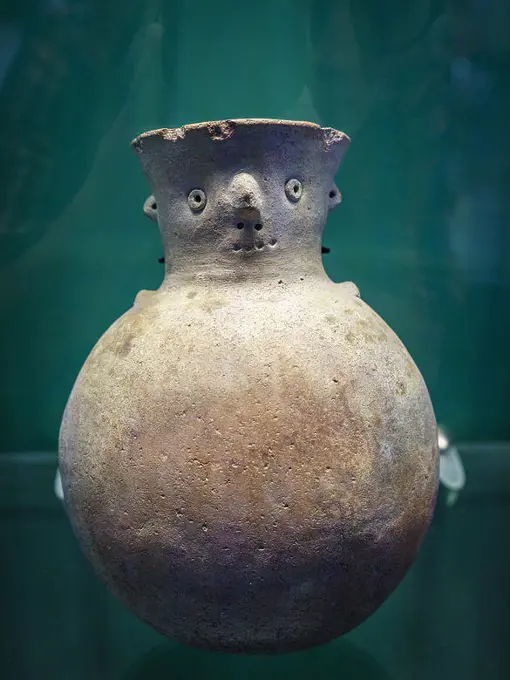
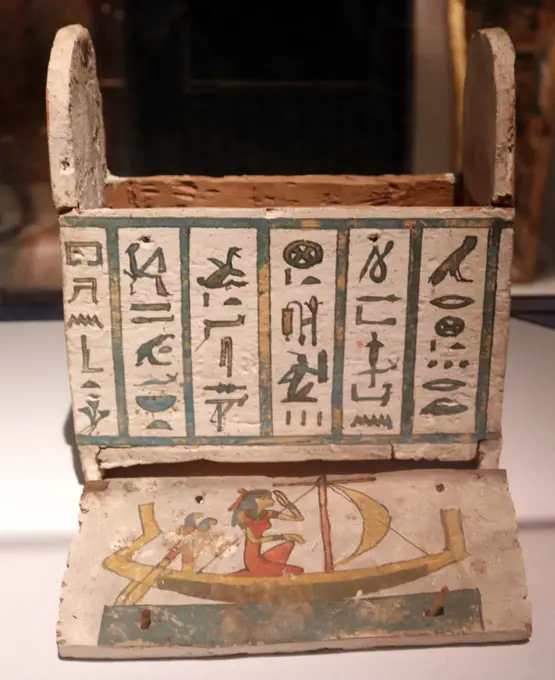
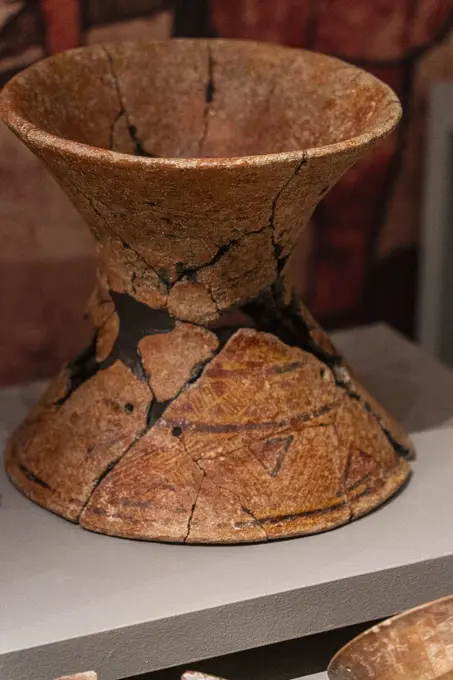
reel-type support with painted decoration, pre-Iberian double tomb, 7th century BC, Cerro de los Vientos, Puente del Obispo, Iberian Museum of Jaén, Andalusia, Spain.Minoan Katsambas Tomb Jug, c1400 BC. Artist: Unknown.Ivory pyx decorated with a band of scenes depicting battle between men and animals, the lid is decorated with a lotus flower. Artefact from Banditella necropolis, Circolo degli Avori, Marsiliana d'Albegna (Tuscany). Etruscan civilization, end 4th Century BC.urn urn, pre-Iberian double tomb, 7th century BC, Cerro de los Vientos, Puente del Obispo, Iberian Museum of Jaén, Andalusia, Spain Copyright: xZoonar.com/Tolox 21720662Pre-Inca civilization, Peru, circa 100 b.c. Vicus culture, vase depicting wheat harvest on an island.Terracotta sculptures in the form of vehicles, maybe offerings at funerals or gifts to the deity Last Quarter 3rd Millennium BC.Bronze helmet used during the Peloponnesian War, fought by Athens and it's empire against the Peloponnesian League. Dated 404 BCVaso cefalomorfo. Plata. Cultura Chimú, Período Intermedio Tardío (1100-1400 d. C.). Perú. Puño de bastón figurando una cabeza de felino. Bronce. Cultura Chimú-Inca, Horizonte Tardío (1400-1533 d. C.). Perú. Museo de América. Madrid. España.JARRA O LEBES NUPCIAL DEL SIGLO IV AC (REGALO DE BODA). Location: MUSEO ARQUEOLOGICO NACIONAL-COLECCION. MADRID. SPAIN.13th Dynasty Egyptian tomb model of a farming scene. 1991 -1783 BCFigure from reliquaries ensemble. Don Attilio Pecile et Jacques Savorgnan de Brazza. Made from wood, copper and brass. From Gabon.Food was scarce on prison hulks. These eating utensils were used by personnel on a Norwegian ship just before the Napoleonic Wars. Early 19th century. Historical Museum. Oslo. Norway.JARRA O LEBES NUPCIAL- REGALO DE BODA - S IV AC. Location: MUSEO ARQUEOLOGICO NACIONAL-COLECCION. MADRID. SPAIN.Ancient Egyptian Headrest made from alabaster (Middle Kingdom, 2040-1640 BC)Handle in shape of hand. 6th-8th centuries. Sandstone. From Faras Cathedral (Sudan). Faras Gallery. National Museum, Warsaw, Poland. Vases of limestone and jar of granite. Tomb 50 of Meidum, Egypt. Reign of Snofru. Old Kingdom. 4th Dynasty. 2613-2589 BC. Ny Carlsberg Glyptotek Museum. Copenhagen. Denmark.Bell with relief frieze and hook with dragon heads unknownPottery of Coria del Rio and candelabrum of Lebrija (replica). 6th-7th BCE. Tartessus. Archaeological Museum of Seville. Spain.The Eastern Sami lives in north eastern Finland and on the Kola Peninsula. Traditionally they subsist on fishing and tending small reindeer herds. Until the 1930's they lived in small communities with strictly controlled common resources.Reliquary of king Knut Eriksson or Canute I of Sweden (Before 1150-1195). , reigned 1173-1195. 12th century. Gilded copper. From church of Eriksberg. Swedish History Museum. Stockholm. Sweden.arabic box, 11th century, collegiate church of santa maria de lladó, alt amporda, Girona art museum, Girona, Catalonia, Spain.Bone recipients from early medieval graves. Devrske, Otavice, Knin-Spas. Croatia. Museum of Croatian Archaeological Monuments, Split, Croatia.Pyxis and lid with handle in the form of three terracotta horses, 725-700 BC. Offering from a woman's grave in the family burial ground, to the southeast of the Tholos of Athens. Late Geometric Period. Museum of the Ancient Agora. Athens, Greece.Historic, Babylon. Inscribed model of a sheeps liver used for divination and omens, Sippar, Old Babylon, 1900-1600 BCCuneiformBabylonARO DE PIEDRA DEL JUEGO DE LA PELOTA. Location: MUSEO NACIONAL DE ANTROPOLOGIA. MEXICO CITY. CIUDAD DE MEXICO.Basalt Mortar located in the Eynan and Hayonim cave, from the Natufian culture, from Israel. Dated 10,000 B.Ccenser, thirteenth century, metal, hermitage of Sant Maurici parish of Pujarnol, Porqueres, Girona art museum, Girona, Catalonia, Spain.Copper-alloy astrolabe quadrant. Dated 14th CenturyCASCO GRIEGO ENCONTRADO CERCA DEL PUERTO DE STA MARIA- S VII A.C. -ARTE GRIEGO- FENICIO. Location: ARCHAEOLOGICAL MUSEUM. JEREZ DE LA FRONTERA. Cadiz. SPANIEN.Stone Motar used to crush cocoa beans by hand with a pestle. Dated 21st Centurybottle with printed decoration. Visigoth - early medieval, Valladolid Museum , Castile and Leon, Spain.CUENCO DE FUERTEVENTURA. Location: ARCHAEOLOGICAL MUSEUM. LAS PALMAS. GRAN CANARIA. SPAIN.BOTE DE MARFIL HISPANOMUSULMAN - PERIODO CALIFAL - SIGLO X - 11,5x18,5. Location: VICTORIA AND ALBERT MUSEUM. LONDON. ENGLAND.Bowl. Takht-i Kuwad, Tajikistan. 500-300 BC. Silver. Oxus Treasure. British Museum. London. GBR.Scandinavia. Brooch, c. 1100. Bronze with urnes-style animal decoration. Belt Buckles, 13th century. The enamelled buckle from Tensberg was probably made in Limoges. France. Historical Museum. Oslo. Norway.Jettebole Idols (Island of Aland). National Museum of Finland. Helsinki. Finland.Sheet-bronze cauldron from the early Iron Age. Dated 9th Century BCViking sleigh. Part of a grave goods of a Viking ship. Detail. Wood. Viking Ship Museum. Oslo. Norway.Fragment of a frieze with a liturgical inscription alluding to the Creed. It shows a versicle of the chapter 18 of the Gospel of John: QUI CREDIT IN EUM NON IUDICABITUR. Decorated between borders of linked double circles. Limestone. 7th century. From Toledo's Vega Baja archaeological site, Spain. Museum of Visigoth Councils and Culture. Toledo, Castile-La Mancha, Spain.Roman mirror. Archaeological Museum of Seville. Andalusia. Spain.Chalcolithic. The first Bell-Beaker. Ciempuzuelos, Madrid. Spain. National Archaeological Museum, Madrid. Spain.Black Iberian pottery glaze. Turó dels dos pins (Cabrera).Cup with landscape scene with herdsman, a traveler drinking, wayfarers and a woman sitting eating and drinking while a youth is cooking on a grate. Cup with landscape scene with a boatman, shepherd grasping a ram and a sacrifice before a rural temple. Mid 1st century AD. Embossed silver. National Archaeological Museum. Naples. Italy.Chang Heng's seismoscope which recorded earthquakes. 132 AD.Pauldron and Rerebrace late 16th century French. Pauldron and Rerebrace. French. late 16th century. Steel, gold. Armor PartsColumn Base late 15th-early 16th century French. Column Base. French. late 15th-early 16th century. Limestone. Sculpture-ArchitecturalRUEDA DE CARRO VIKINGA - SIGLO IX. Location: MUSEO DE BARCOS VIKINGOS. OSLO.Ne Thailand, Near Udon Thani, Ban Chiang, Archaeological Site, 3600-250 B.C., Pottery/SkeletonsEarly medieval brooch of Santa María de Hito, X century, Valderredible. Museum of prehistory and archeology (MUPAC), Santander, Cantabria, Spain.Crown. From Ethiopia, made from silver.Betty Jacob, Pa German Butter Crock, c 1940 Pa. German Butter CrockAnonymous / "Paleo-Christian Set", Centuries V-VI.Etruscan gold handled sword 4-5th century BC. The Etruscan Museum of Villa Giulia, Rome.Nishapur Dish IRAN 9th cent. AD.cabeza de toro, talaiotico, años 650 - 123 a.C. , Museu Municipal de Ciutadella,. Bastió de sa Font, Ciutadella, Menorca,balearic islands, Spain.Spouted vessel. 900-800 BC. From Necropolis B, Tepe Sialk (Isfahan, Iran). Museum of Archaelogical Iran. Tehran. Iran.Viking furniture. Detail of one of the pillars of a bed. Wood. Found in the Tomb of the Oseberg Ship. 9th century. Viking Ship Museum. Oslo. Norway.Ring ca. 8th-7th century B.C. Iran. Ring 324215Trepanierter Schädel trepanated skull, 10th century, Mendraka necropolis, Elorrio, Arkeologi Museoa, museo aqueologico, Bilbao, Bizkaia, Pais Vasco, Spain Copyright: xZoonar.com/BartomeuxBalaguerxRotgerx 22845582Goblet by Jean de Marigny, 1313, gilt copper and enamel. Collegiate of Ecouis. France, 14th century.Metallic objects belonging to the funerary remains of the mummy of a young boy from the Chancay Culture. 16th century. Central Coast of Peru. Carmo Archaeological Museum. Lisbon, Portugal.Ánforas ibéricas. Museu d'Història de Sant Feliu de Guíxols.Fragment of a glazed ceramic cup fragment of a glazed ceramic cup of copyright: xzoonar.com/bartomeuxbalaguerxrotgerx 22556785CORONA DE CALAVERAS DE RELIG TANTRISTA TIBETANA-ORO,PIEDRAS. Location: MUSEO NUEVA DELHI. NUEVA DELHI. India.Canopic chest i.e. container for the viscera of the 'Leading hour-priest of Amun' Nes-Min. The chest is shaped like a small shrine, a so-called naos. Wood. Ptolemaic period, c 300 BC.Germany, Bavaria, Romantic Road, Rothenburg-ob-der-Tauber, Kriminal Museum, Exhibit of Medival Shame MaskMadrid, 07/16/2024. Report from the Royal Collections museum. Royal armory of the Royal Palace. Photo: Ernesto Agudo. Archdc.portable altar of King Jaume I, 1229, Palma Cathedral Museum, Majorca, Balearic Islands, Spain.Treasure of Tutankhamen, funerary zoomorphic bed, sides representing Mehetweret, the cow goddess from New KingdomTutankhamun's Treasure- Scarab Pectoral supported by Isis, and Nephthys. Tomb of Oudebaounded, 1040 BC. EGYPT.Mycenaean art. Set of gold pieces among which eight rosettes with petals. Koukaki, Athens. 14th Century BCE National Archaeological Museum. Athens.Medal of CowHerding.  Artist: Henri Dropsy, French, 1885-1969Helmet representing a wolf's head. Animal admired and feared for its strength and violence. Wood, shell and horsehair. Made by Tlingit indigenous people, from the North American Pacific Northwest Coast. 18th century. Museum of the Americas. Madrid, Spain.Horse and carriage. Eastern Han Dinasty (25-220 AD). China. Earthenware. Denver Art Museum. Denver, Colorado, United States.Chinese Bell - Bell without clapper, designed to hang from a frame and be rung by a pivoted beam;cast in bronze (the suspension-loops cast separately) with relief inscriptions: Chinese from Ciqi in Zhejiang Province, dated in accordance with 1738.Italy Apulia, Mesagne, Civic Museum, Ugo Granafei Castle Norman-Swabian.Terracotta fragment of a kylix (drinking cup) 490-480 B.C. Greek, Attic Interior, part of head, neck, and upper torso of a youth, reclining on a kline, with lower body draped in a himation, and his bent left arm resting against a cushion, with his hand holding a kylix; Obverse, head, neck, and upper back of an aulos player, resting against cushions and the calves of the reclining draped youth behind him, who is playing kottabos; Reverse, youth to right, holding a trefoil oinochoe in his right hand; legs of a reclining male with a himation draped around his lower body. Terracotta fragment of a kylix (drinking cup). Greek, Attic. 490-480 B.C.. Terracotta; red-figure. Late Archaic. VasesFragment, 1127-1279, H.2-3/8 x W.1-7/8 in., glazed pottery, China, 12th-13th centuryCollection of Flint Tools and Knives 3250 B.C. EgyptLisbon, Portugal. Antique Asian cymbals. (Editorial Use Only)Water tank inlaid with pebbles, kasbah near Agadir, Morocco, North Africa, AfricaGreek Ionic column drum, from the interior order of the Propylaea, Parthenon, Athens. 5th century BCCalcite Vessel of Nile Gods Holding the symbol of a Unified Egypt. Calcite Vessel. From the tomb of King Tutankhamen. 1323 BC. 18th dynasty, New KingdomLeft: Egyptian wooden castanets carved with the head of Hathor. New Kingdom 1500-1000 BC. Right: Bronze cymbals and fragment of a model sistrum. Late period 1000-300 BC.painted wooden figures of a boats crew, British museum, London, England, Great Britain.Four hand painted clay jars from a cemetery at Susa; Iran (Persia) 4200-3800 B.C.Saddle 15th century Korean. Saddle 32221Textile Fragment 4th century. Textile Fragment 443943Caja pintada, gótica. Museo episcopal de Vic. Siglo XV.Saddle and Bridle probably 19th century Mongol or Korean. Saddle and Bridle 31907Italy. Lombardy. Arsago Seprio, Lombard necropolis. Civic Museum.Reconstructed Sutton Hoo Helmet, which was part of the Staffordshire Hoard is the largest hoard of Anglo-Saxon gold and silver metalwork. Dated 5th CenturyDecorated earthen lanterns, Roman period, , I AD, Porto Cristo underwater bottom, Manacor History Museum, Manacor, Mallorca, Balearic Islands, SpainBuddhist Long-handled Censer, 8th century, 4 1/4 x 16 x 4 9/16 in. (10.8 x 40.64 x 11.59 cm), Bronze, China, 8th century, Hand censers of this unique form were used in Buddhist rituals during the Tang dynasty. The cup-shaped censer is fitted with a removable liner cast with a small Buddhist lion on the rim holding a loose ring in its mouth. The top of the handle is decorated with a flat, openwork petal-shaped ornament applied with two large bosses, and the handle terminus is surmounted by another protective Buddhist lion seated on a lotus-petal decorated base. While this type of ritual censer is often seen in the hands of Buddhist priests and bodhisattvas in Tang dynasty sculpture and painting, surviving bronze examples are rare. This is one of the finest known in terms of its casting and a similar work was discovered in 1984 in the tomb of the monk Shen Hui (d. 765), the seventh patriarch of Chan Buddhism, at Longmen near Luoyang in Henan province.VITRINA CON OBJETOS ENCONTRADOS EN CASAS POMPEYANAS. Location: NATIONAL MUSEUM OF ARCHAEOLOGY. NEAPEL. ITALIA.Lewis Chesspieces. Ivory Chessmen. 8th cent. AD. Anglo Saxon ENGLAND.Pre-Columbian art: Gold pectoral ornament in the form of a King Vulture, identified by the wattle on top of its beak. From Veraguas, Panama, 1000-1500 AD.Roman lamp, from the Roman city of Iluro. Museum: MUSEO DE MATARÓ.anthropomorphic globular vase, Virú culture, third century, Sa Bassa Blanca Museum (msbb). Yannick Vu and Ben Jakober , Alcudia, Majorca, Spain.Chest of painted wood used for holding Ushabti. 21st Dynasty Egyptian. 1069 BC to 945 BC.