My Boards
View Pictures
  • My Boards
← Artworks

Ancient Ceramics and Reliefs

Various ancient artifacts including molded plaques and relief fragments, highlighting cultural themes from Babylonian to Greek and Maya civilizations.
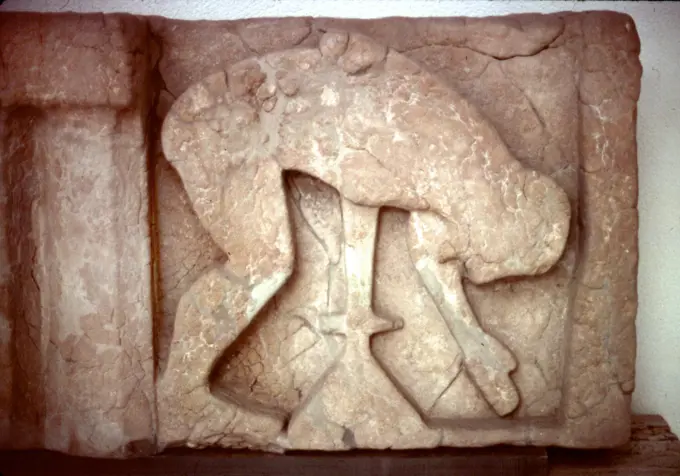
Paestum, Suicide of Ajax. Greek period temple relief.
293 assets in this story
4443-21905583
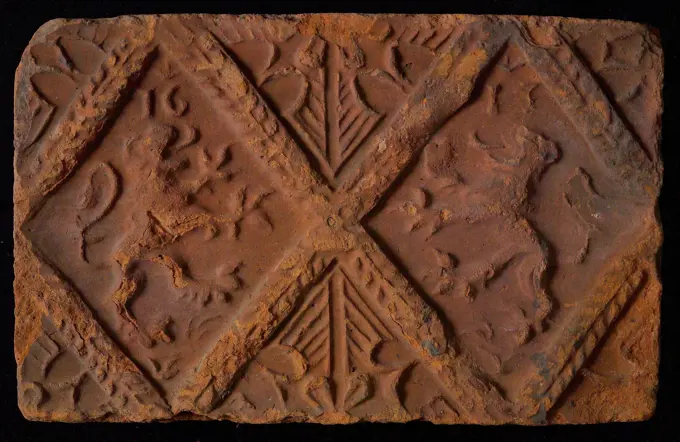
Hearthstone, from Antwerp Belgium, without frame, with lions with year, hearthstone fireplace component ceramics brick glaze, baked Hearth stone of the Antwerp type without frame showing two climbing lions placed in two panes with laurel leaf motif and accompanied by the year 1617 above the lions placed the half and quarter panes at the top and bottom are filled with star motif. date 1617 heating the building history
4409-17336697
Fragment of frieze. Marble. 1st century A.D. Decorated with garlands, ribbons and umilicata patera. Forum of Tarragona. National Archaeological Museum. Tarragona. Catalonia, Spain.
4409-137604
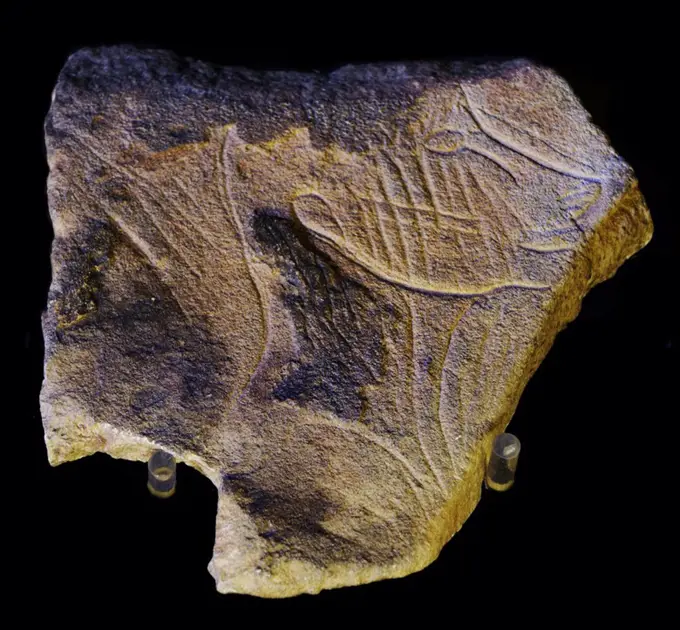
PIEZAS DE LA EXPOSICION "ARTE SIN ARTISTAS": PLAQUETA CON ROSTRO HUMANO, DE LA CUEVA DE LA MARCHE, LUSSAC-LES-CHTEAUX, VIENNE (FRANCIA). GRABADO EN PIEDRA CALIZA GRIS. MAGDALENIENSE.
4409-65764170
Funerary stela of Porcius Felix, 70 years od, Cara city. Roman period. 2nd century. Navarra Museum. Pamplona. Spain.
1525-27700714
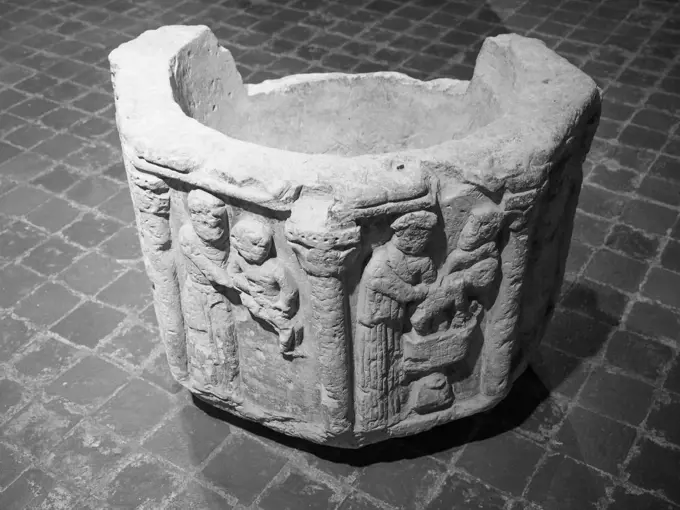
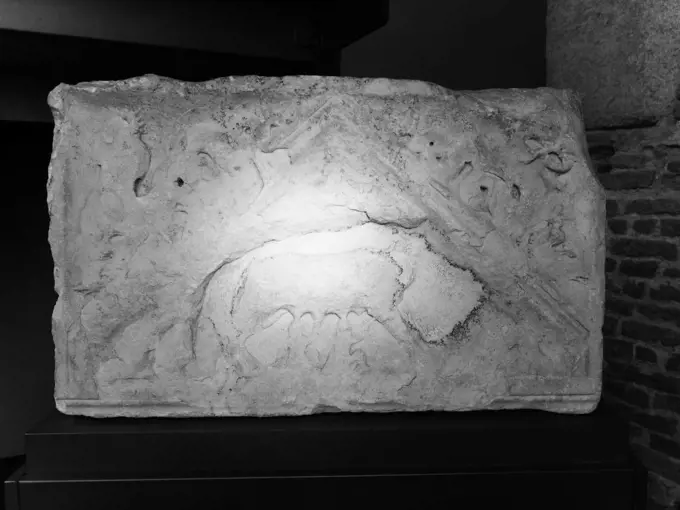
TURIN, ITALY - CIRCA FEBRUARY 2019: Ancient font at Museo Civico d’Arte Antica (Civic Museum of Ancient Art) at Palazzo Madama Royal palace in Piazza Castello in black and white. Museum of Ancient Art at Palazzo Madama in Turin in black and white
6145-29818771
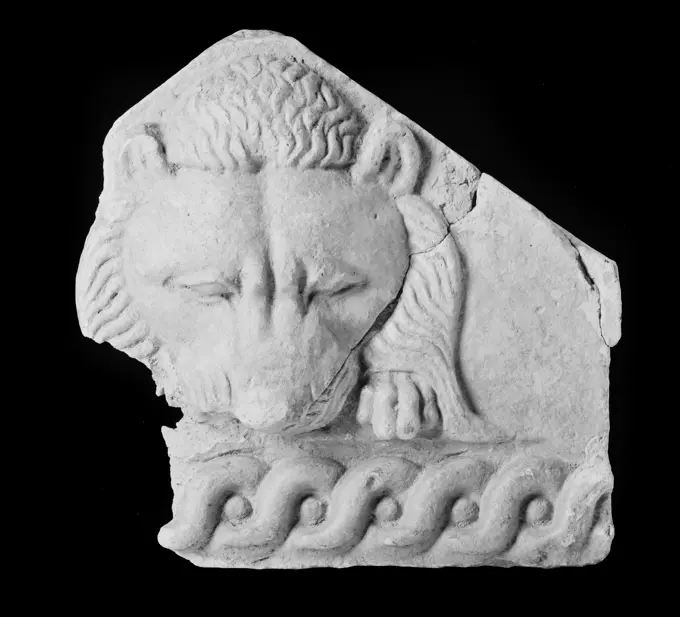
Terracotta antefix with lion's head late 6th century B.C. East Greek A lion's head mask flanked by the animal's front paws with a guilloche border running along the lower border. Traces of polychromy.. Terracotta antefix with lion's head 256130
6145-29062867
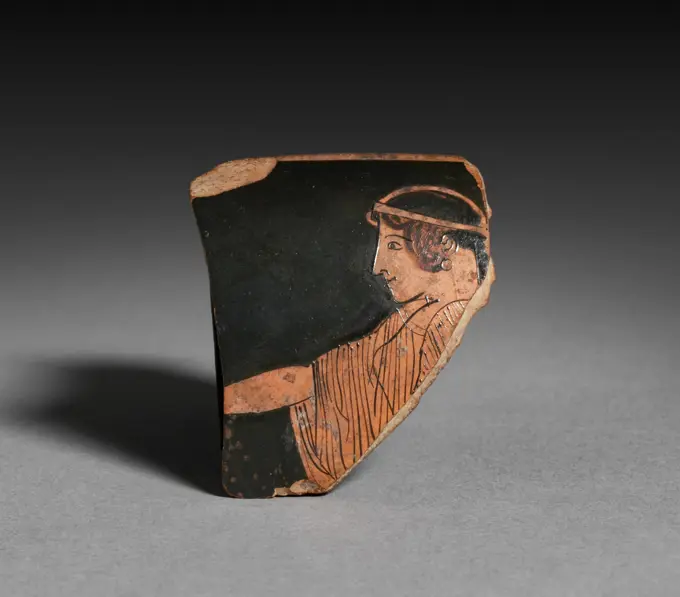
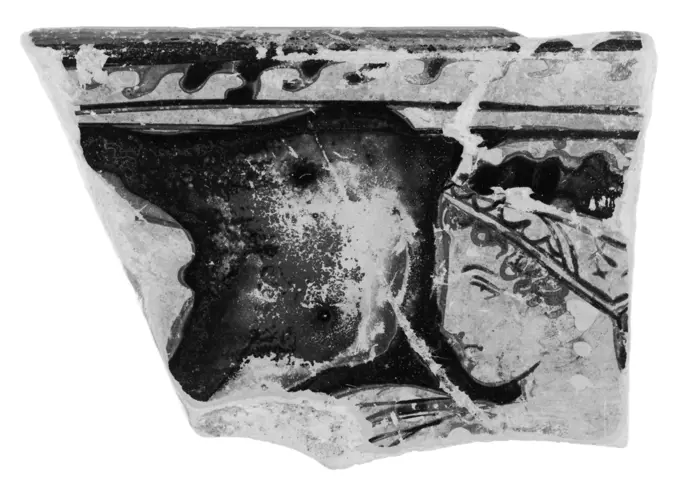
Fragment from Red-Figure Cup: Woman, c. 470-460 BC. Near the Telephos Painter (Greek, Attic, active 480-460 BC). Ceramic; overall: 0.4 cm (3/16 in.). A bit of preserved lip shows that this fragment comes from a kylix, or drinking cup. A finely dressed woman, with earring and headband, reaches out with her right hand, now lost but once holding a wreath in added red paint. Relief lines standing above the surface outline the face, neck, arm, and other details.
6145-29161259
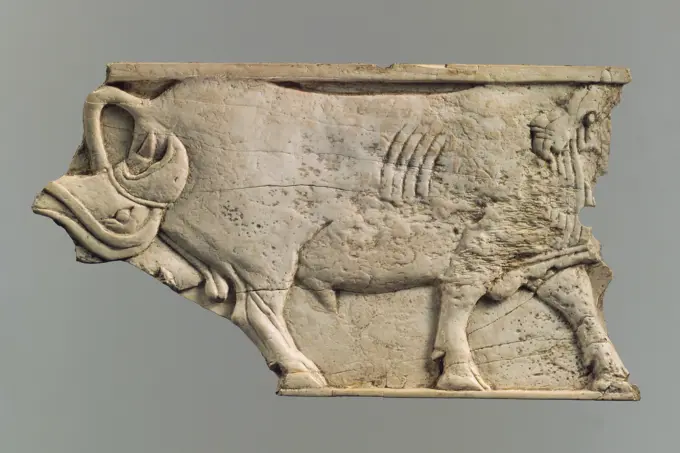
Plaque fragment ca. 9th-8th century B.C. Assyrian This strip of ivory depicts a combat scene between animals, in which a griffin and a lion attack a bull. The bulls body entirely fills the space between the top and bottom border, but his head is not preserved. At the top right corner of the plaque, a lions paw can be seen mauling the bulls neck. A griffin, an eagle-headed fantastic creature with the body of a lion, attacks the bulls hindquarters, and its lower beak is shown piercing the bulls flesh. Carved ivory pieces such as this were widely used in the production of elite furniture during the early first millennium B.C., and were often inlaid into a wooden frame using joinery techniques and glue. This fragment was clearly part of a larger carved strip, perhaps part of a chair or bed. The scene of energetic combat between real and fantastic animals is a common motif on ivories attributed to North Syrian workshops.Built by the Assyrian king Ashurnasirpal II, the palaces and store
6145-45806758
Fragment of a pass. A man dressed as hunter comes to visit a queen. Her attitude expresses sadness. It may be an illustration of a scene from the Saddantajataka, a Buddhist story. In it, teeth of a killed elephant offered the Queen of Benares who was a wife of the elephant in her previous life. However, because this is a small fragment, an interpretation remains difficult.
6145-59134947
Campania Napoli Naples S. Lorenzo Maggiore84. Hutzel, Max 1960-1990 Medieval: Sculpture, architecture, architectural sculpture (including Roman spolia) 13-14th century Chapter house; sarcophagi, gravestones; wall painting. Fragment of mosaic; sculptural fragments in the Sala Capitolare. Post-medieval: Architecture, architectural sculpture, ceiling painting fresco cycle; prints depicting Venice c. 1845 (4), sculpture; life-size creche figures dressed in original Neapolitan costume Church restored in 1882, 1926, 1944; excavations under the transept undertaken between 1958-1962, and in the cloister in 1976, have revealed remains of a Roman macellum (market), street, and the paleochristian basilica of the 6th c. AD. Antiquities: Pottery: black-glazed, archaic banded, domestic wares, bucchero; architectural terracottas, statuettes, lamps, sculpture fragments Object Notes: 3 color negatives with no prints at the end. General Notes: Most objects/paintings/frescoes unidentified. Three batches
4409-48042815
Roman stele from the Maranon cemetery, Museum of Navarra, Pamplona, Navarra,Spain.
1746-19687016
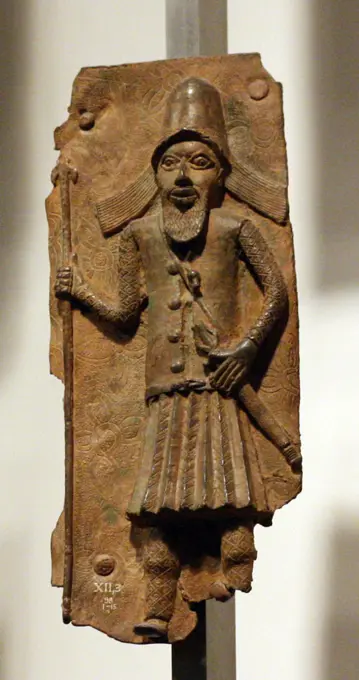
Brass plaque from Benin, Nigeria, West Africa. the British Museum London. Edo peoples, 16th century AD From Benin, Nigeria. There are over nine hundred plaques of this type in various museums in England, Europe and America. Many of the plaques now in The British Museum were collected during the British Punitive Expedition in 1897. They are thought to have been made in matching pairs and fixed to pillars in the Oba's palace in Benin City.
4409-47149
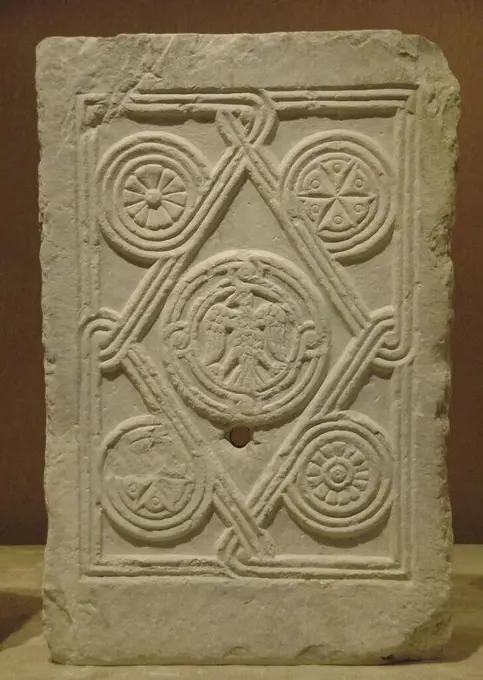
BYZANTINE ART. GREECE. Marble slab with a relief decorated about floral and geometric motifs intertwined. The central part represents an eagle circumscribed in a circle. Dated from the end of the tenth century and early eleventh century. Byzantine Museum. Athens.
6145-29790808
Tinned-Copper Plaque with a Personification 350-400 Byzantine Charming curly-haired youths, possibly personifying the months and the seasons, decorate these plaques that were once attached to a larger object, perhaps a casket.. Tinned-Copper Plaque with a Personification 466168
1746-21118957
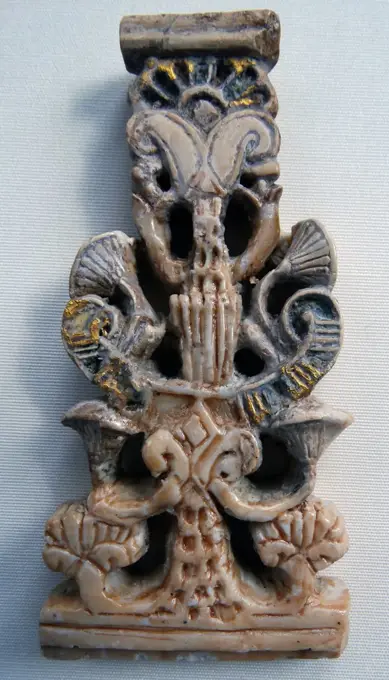
Ivory carving from Nimrud
6189-55130635
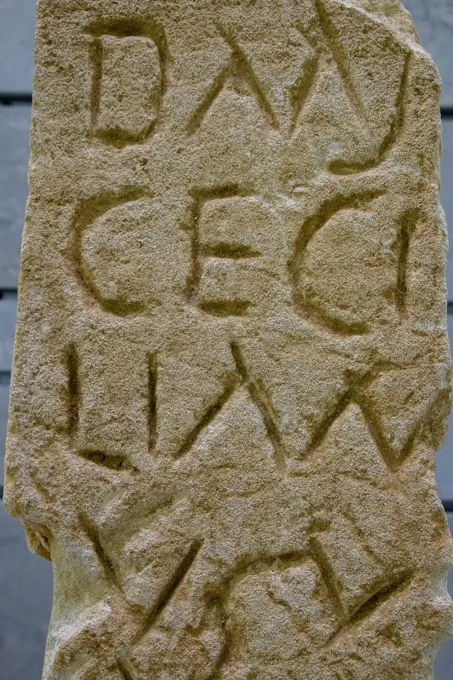
Sandstone headstone, 150-200 AD., Ibiza and Formentera Archeological Museum, Patrimonio de la Humanidad «Ibiza, biodiversidad y cultura», Ibiza, Balea...
6145-29083105
Tombstone, 900s. Iran, Nishapur, 10th century. Limestone; overall: 40 x 19.1 cm (15 3/4 x 7 1/2 in.).
1788-111118803
Funerary stele of Menelaos, sculpture with encaustic painting of a funerary banquet, from Demetrias, near Volos, Greece. Hellenistic civilization, 3rd century BC.
6145-50509310
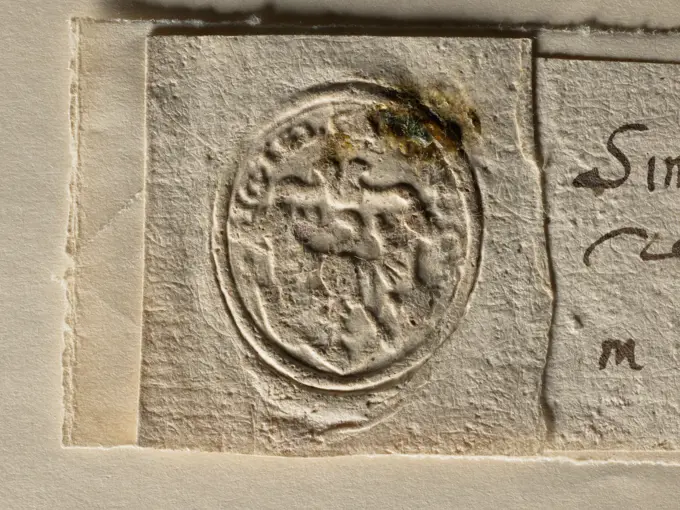
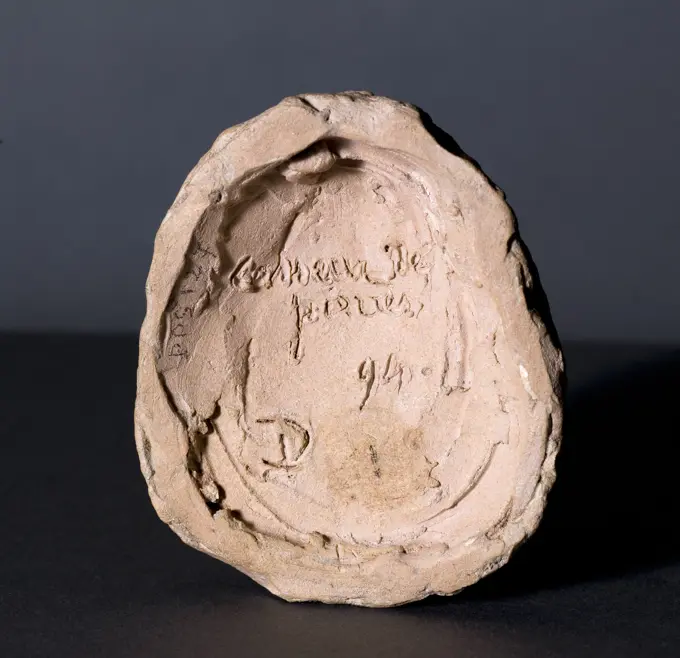
seal of the customs house in Krakow. komora celna, signatory
6145-29155103
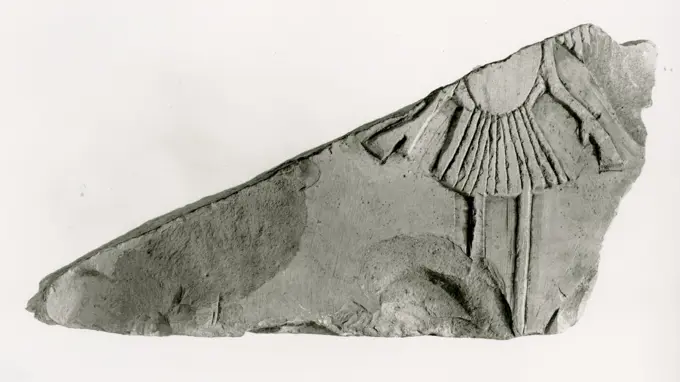
Raised relief fragment 664-610 B.C. Late Period, Saite see 23.3.468. Raised relief fragment. 664-610 B.C.. Limestone, varnish. Late Period, Saite. From Egypt, Upper Egypt, Thebes, Deir el-Bahri, Tomb of Nespekashuty (TT 312, MMA 509), 1st chamber W. wall; top register, MMA excavations, 1922-23. Dynasty 26
1904-3368
Golan Archaeological Museum in Katzrin
6145-59044122
Aimé-Jules Dalou (1838-1902). "Coquelicot flowers". Terracotta, 1897. Museum of Fine Arts of the City of Paris, Petit Palais. Bas-relief, poppy, flower, petal, terracotta
6145-29078192
Zola, 1898. Alexandre-Louis-Marie Charpentier (French, 1856-1909). Bronze; overall: 17.5 x 13.5 x 8 cm (6 7/8 x 5 5/16 x 3 1/8 in.).
4443-21927224
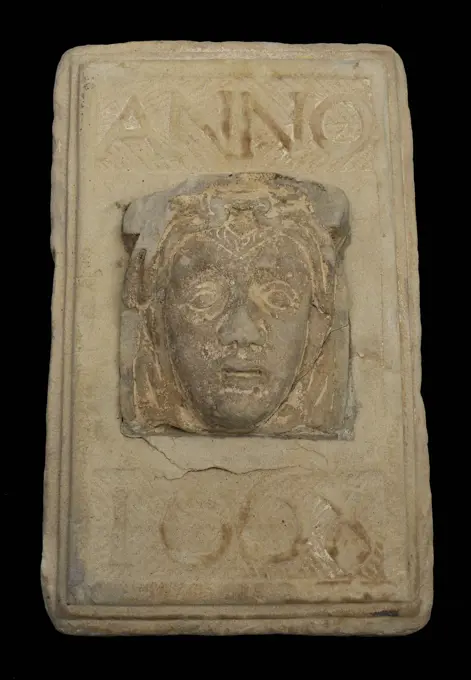
Facing brick with woman's head and text in 1668, facing stone sculpture sculpture building component sandstone stone, sculpted Rectangular facing brick with an excellent head in the middle that seems to have been used separately. Also text in high relief Top: ANNO; bottom: 1668 Rotterdam City Triangle Kipstraat Originating from house on Kipstraat Rotterdam.
4443-21927364
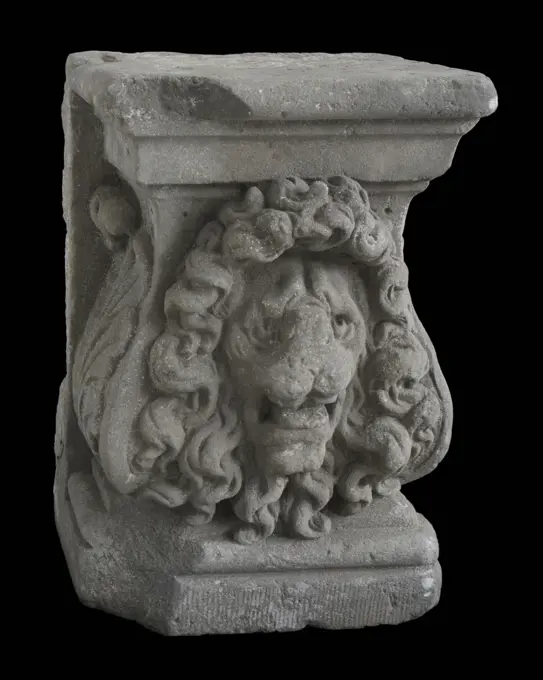
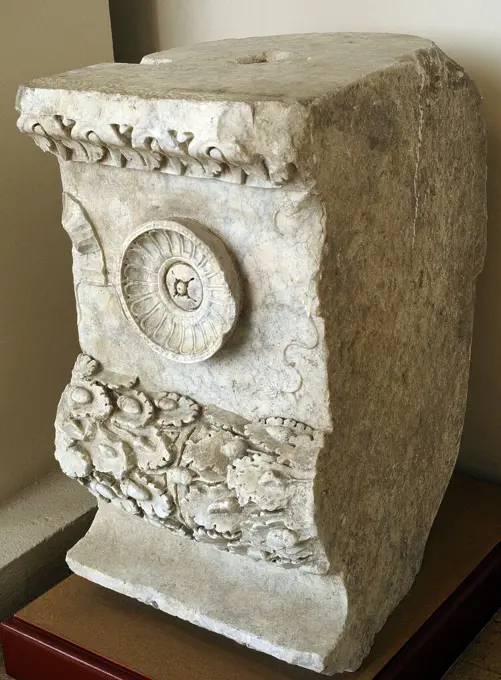
Basement with lion head, basement ornament building component sandstone stone, sculpted Basement with top and bottom rectangular frames in the middle inverted balustrade. On the side leaf motifs on the front lion's head.
4443-21927319
Fragment of facing brick with tons and bunches of grapes, façade stone fragment sculpture sculpture material part stone, sculpted Rectangular bas-relief of bunches of grapes in the middle one ton. Hard stone distillery wine barrel
4409-66124500
Sandstone stela, I B.C., Larraganena, Gorliz, Arkeologi Museoa, museo aqueologico, Bilbao, Bizkaia, Pais Vasco, Spain.
4409-17417705
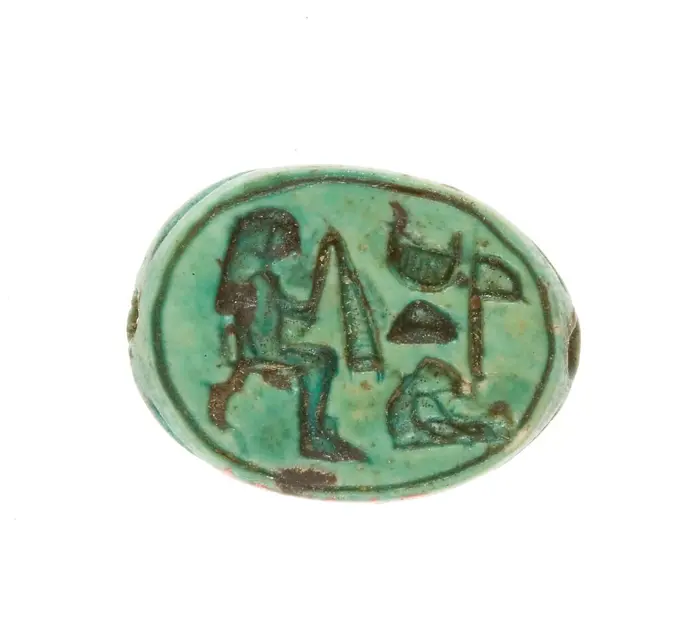
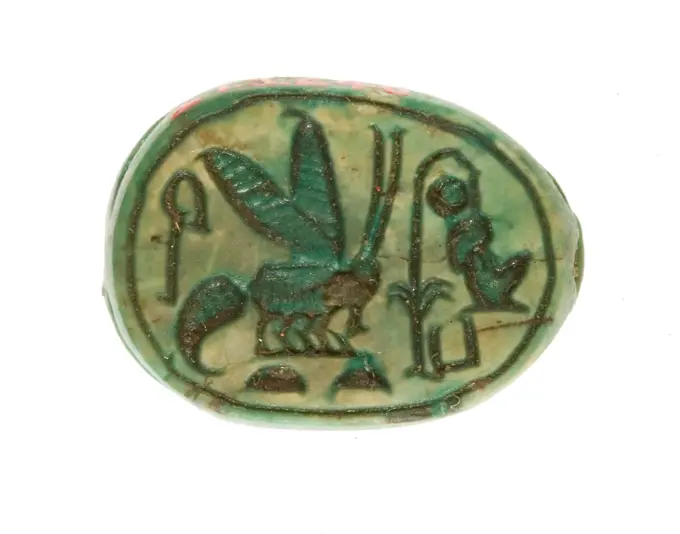
Scarab Inscribed for the God's Wife Hatshepsut. Dimensions: L. 1.7 cm (11/16 in.); W. 1.2 cm (1/2 in.); H. 0.7 cm (1/4 in.). Dynasty: Dynasty 18, early. Reign: Joint reign of Hatshepsut and Thutmose III. Date: ca. 1479-1458 B.C..This scarab was found in a foundation deposit associated with Hatshepsut's funerary temple at Deir el-Bahri. The base is inscribed with her personal name, Hatshepsut ("foremost of noblewomen") linked with the title God's Wife. Hatshepsut inherited the title while she served as principal queen of her half-brother, Thutmose II. Later in her life, after taking on the titles of King, Hatshepsut passed the title to her daughter, Neferure (see scarab 27.3.326). Museum: Metropolitan Museum of Art, New York, USA.
1746-19664311
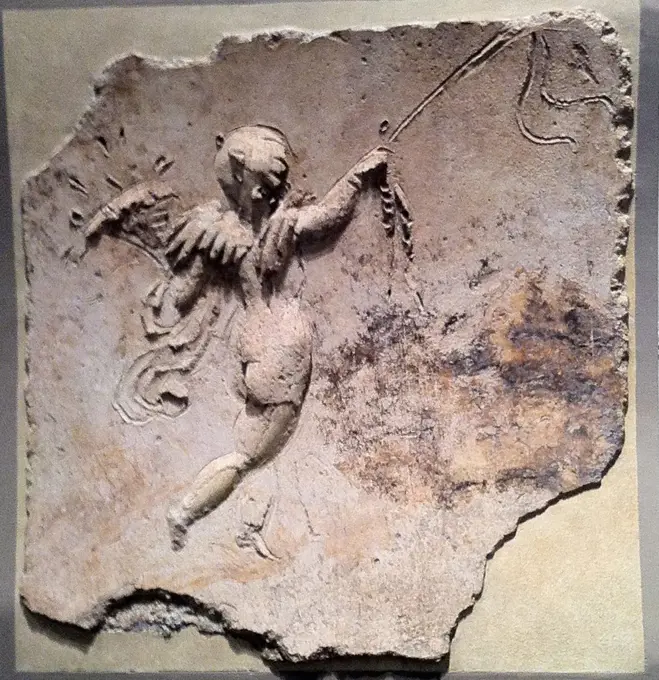
Stucco relief (Roman) depicting Eros. 1st Century AD
6145-44298271
South Italian Red-Figure Skyphos Fragment. Lecce Painter (Greek (Apulian))
6145-59141150
Emilia-Romagna Ferrara Pomposa Abbazia di Pomposa, Museo22. Hutzel, Max 1960-1990 Medieval: Fragments: capitals (Byzantine, 6th century), also capitals carved with human faces; marble friezes (10th century, later inscriptions); cornices, (with spolia) 11-12th centuries; ciborium; frescos. Post-medieval: Terracotta statuary, "neo-classical" (Hutzel); frescos: Bolognese, 14th century Antiquities: Amphora; grave monuments German-born photographer and scholar Max Hutzel (1911-1988) photographed in Italy from the early 1960s until his death. The result of this project, referred to by Hutzel as Foto Arte Minore, is thorough documentation of art historical development in Italy up to the 18th century, including objects of the Etruscans and the Romans, as well as early Medieval, Romanesque, Gothic, Renaissance and Baroque monuments. Images are organized by geographic region in Italy, then by province, city, site complex and monument.
4409-20137601
relief fragment, painted limestone, 11th dynasty, Mentuhotep II temple, Deir el-Bahari, Thebes, Egypt, collection of the British Museum.
6145-59166258
Lazio Roma Rome S. Paolo16. Hutzel, Max 1960-1990 Medieval: Architecture, architectural sculpture fragments, tomb sculpture fragments, sculptural fragments, inscribed tomb markers, sculpture, fresco painting, mosaics Specific Location: Basilica Antiquities: Architectural sculpture fragments, tomb sculpture fragments, sculpture fragments General Notes: the "tomb markers" need to be sorted and catalogued German-born photographer and scholar Max Hutzel (1911-1988) photographed in Italy from the early 1960s until his death. The result of this project, referred to by Hutzel as Foto Arte Minore, is thorough documentation of art historical development in Italy up to the 18th century, including objects of the Etruscans and the Romans, as well as early Medieval, Romanesque, Gothic, Renaissance and Baroque monuments. Images are organized by geographic region in Italy, then by province, city, site complex and monument.
1899-17320267
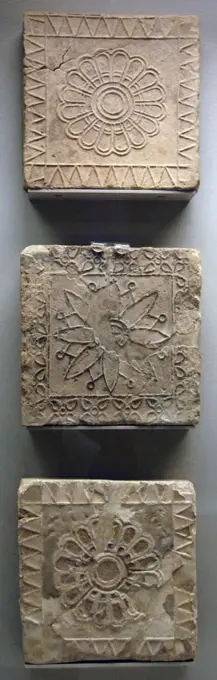
Mesopotamian Art Babylon. Terracotta tiles decorated in floral motifs. Dated between 600-500 BC. They come from the Temple of Nabu in Borsippa. British Museum. London. England. United Kingdom.
6188-63969225
Carving on pillar in jhansi museum, Sironkhurd, Lalitpur, Jhansi, Uttar Pradesh, India Copyright: xShivjixJoshi/DinodiaxPhotox
6145-29915809
Vignette, putti on tanks
6145-29777333
Pool Lighted Studio late 19th-early 20th century Workshop of Jian Guzhai Chinese This ink tablet is from a sixty-four-tablet set (30.76.216-.279) commissioned by the Jiaqing emperor from the Studio for Appreciating the Antique (Jiangu Zhai) manufactory of the Wang Jinsheng family in Huizhou, Anhui Province. Each ink tablet commemorates a hall or pavilion in one of the imperial gardens. Each sites name is written in gilt characters on one side; a view of the site is presented on the other. Such inks were purely decorative and not intended for use.. Pool Lighted Studio 41827
2102-453
Vase (Detail)  Warka, Mesopotamia Near Eastern Art Iraq National Museum, Baghdad, Iraq
6145-44300644
Attic Black-Figure Amphora Fragment. Unknown
4409-17337536
Sepulcharal stele of Porcius Felix. Roman era. 1st century. From cara (Santacara). Museum of Navarre. Pamplona. Spain.
6145-30176982
Amuletic Inlay of the God Bes Dancing Made 1336 BCE-1293 BCE Egypt. Faience . Ancient Egyptian
1788-17874
Terracotta omphalos, from second palace of Murlo, Tuscany region, Italy
4409-62750476
altar gate, early medieval, Sant Feliu de Diana, neighborhood of Sant Jordi Desvalls, Girona art museum, Girona, Catalonia, Spain.
6145-29148842
Pillar with Capital 9th century South Italian Each of the four faces of this pillar shows a different scrolled vine-and-leaf pattern. The exact use of the pillar is unclear. Along with an identical one now in Berlin, it may have been part of a pulpit or a canopy over an altar or a choir screen.. Pillar with Capital 465935
6145-59050034
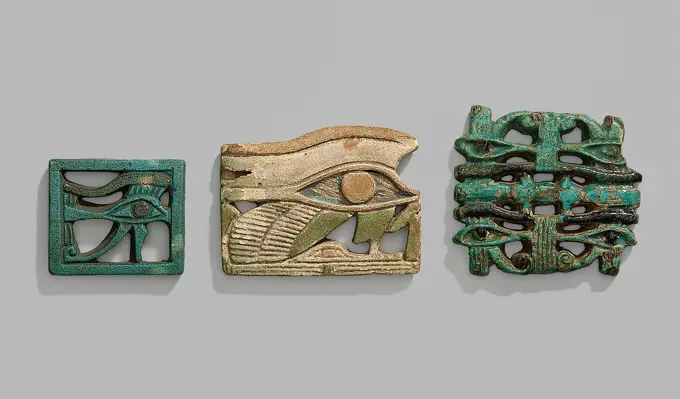
Amulet - eye thigh, amulet - eye thigh, with legs and wing soko, amulet - quadruple eye thigh;  around 945-656 BC ; 3rd transition period, 22-25 dynasty (0-00-00-0-00-00), approx. 747-656 BC ; 3rd passage period, 25 dynasty (-752-00-00--656-00-00);Scenes.gal.eg., eyes
4409-20137605
Foundation deposit of Pharaoh Rameses II, sandstone, 19th dynasty reigning Rameses II, Memphis, Egypt, collection of the British Museum.
6145-59049080
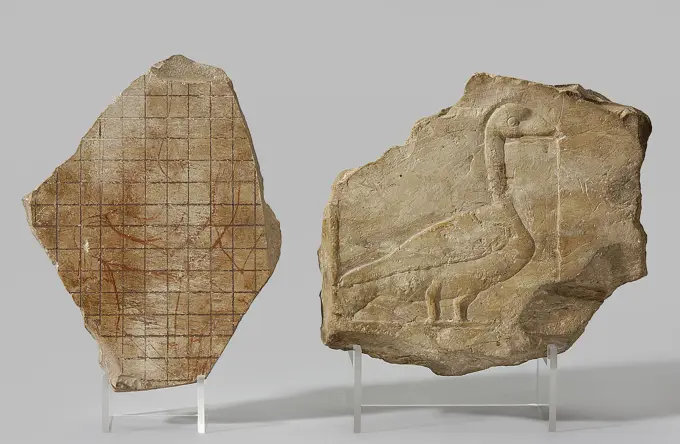
Sketch of the Biaron with the king in the proportion net, the Biaryski model with the most;  332-30 BC ; Ptolemean period (-332-00-00--30-00-00);Deposit of the University of Warsaw from 1937-1939, scenes.gal.g., king (iconogr.), Models of reliefs, sketches, Polish-French excavations in Edfu (Egypt)
6145-29730729
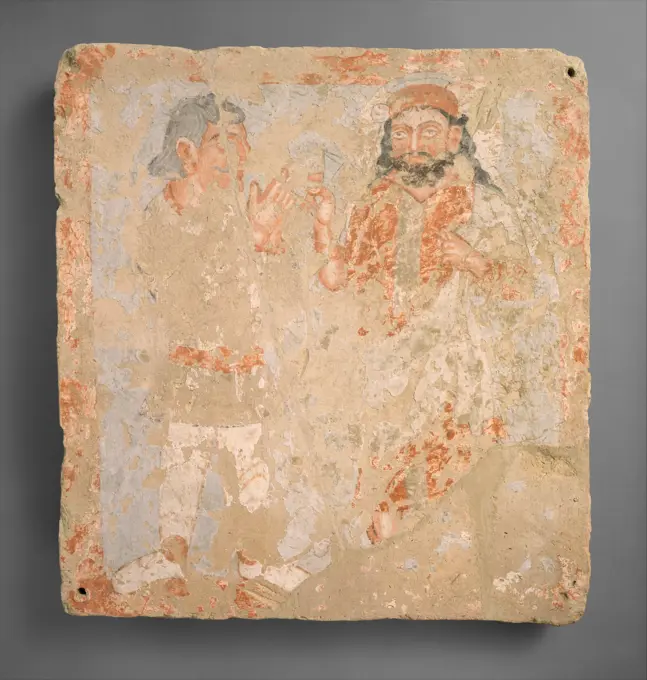
Panel with the god Zeus/Serapis/Ohrmazd and worshiper ca. 3rd century A.D. Kushan This rare Central Asian votive panel depicts a deity (with nimbus) being approached by a male worshiper, probably nonroyal but portrayed as of equal stature to the god. Compositionally, they follow scenes of homage and investiture from the post-Hellenistic West and from Iran in which a king and a god appear side by side. A majestic figure with a full beard and long wavy hair, who has been identified as the supreme deity Zeus/Serapis/Ohrmazd, receives a suppliant in the characteristic Iranian short tunic and leggings, hands clasped in adoration. Here, the rich intercultural style that developed in the Kushan realm is clearly displayed: Indian divine iconography; the Iranian type of two-figured composition; and Greco-Roman naturalism in the drapery and pose, as well as in the use of light and shadow to suggest modeling. The panel has holes at the corners and was probably set up, together with three others a
6145-59528283
Tile (damaged) with white glaze, on which a drawing in blue of a person with flag, c. 1500 - c. 1899 fragment. tile   earthenware. glaze
1848-53670874
Column capital, Crypt San Casto, Cathedral of Trivento, Trivento, Molise, Italy, Europe
6145-58872811
De Zot, Peter Flötner, c. 1525 - c. 1550 Rectangular, lead, plaque with beveled edges. An old man, the head with vines, sits next to a barrel with grapes. He keeps both hands behind fingers. A slip, with a fool's bell bound, blows up behind his head. A city in the landscape; Bergen in the background. Nuremberg lead (metal) Rectangular, lead, plaque with beveled edges. An old man, the head with vines, sits next to a barrel with grapes. He keeps both hands behind fingers. A slip, with a fool's bell bound, blows up behind his head. A city in the landscape; Bergen in the background. Nuremberg lead (metal)
4409-17395218
Stele of Khetyuah. False door and anepigraphic offering table. 2100-1940 BC. Limestone. Necropolis of the First Intermediate Period-early Middle Kingdom. Herakleopolis Magna (Ihnasya el-Medina), Upper Egypt. National Archaeological Museum. Madrid. Spain.
4409-17370942
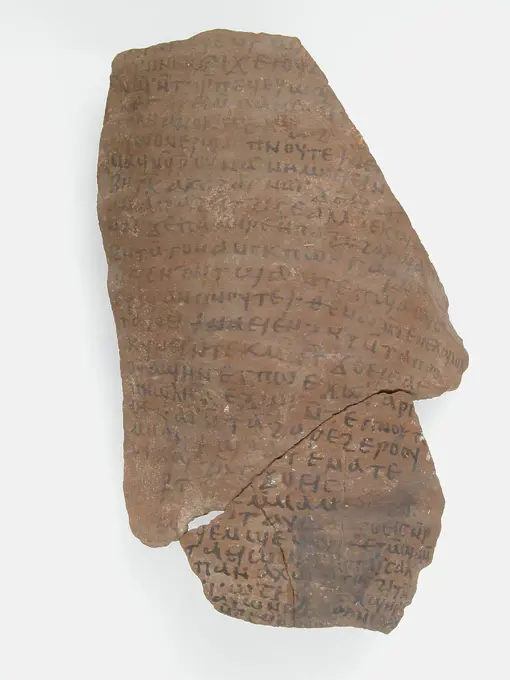
Ostrakon. Culture: Coptic. Dimensions: 5 1/8 x 7 11/16 in. (13 x 19.5 cm). Date: 7th century. Museum: Metropolitan Museum of Art, New York, USA.
4443-19535003
Tile wall facing, Tin-glazed earthenware, underglaze, Horizontal rectangle. Thirty tiles wide and twenty-three tiles high with opening for fireplace eleven tiles wide and ten high. Foliage arabesques disposed about three vertical axes from which are emphazised by urns at center and right, and at left by the figure of a standing woman carrying an infant on her arm and accompanied by two children., Possibly Rotterdam, Holland, Possibly Delft, Netherlands, ca. 1725, tiles, Decorative Arts, Tile wall facing
4409-7651
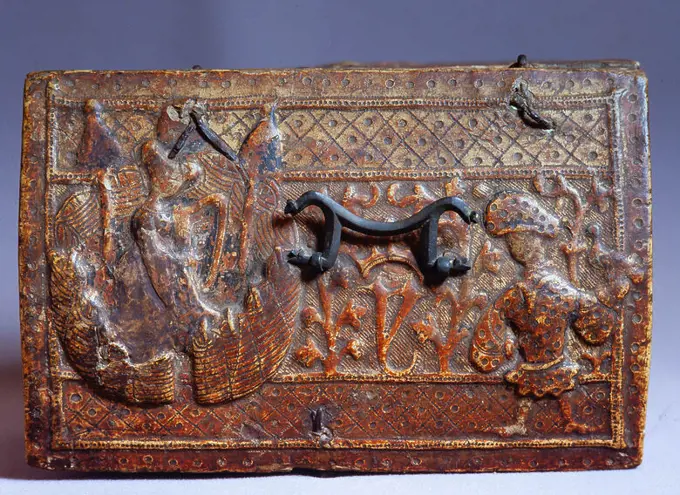
ARQUETA HISPANO ARABE PROCEDENTE DE LEYRE - CONJUNTO AÑO 1005 - PERIODO CALIFAL. Author: FARAY Y SUS DISCIPULOS (S. XI). Location: MUSEO DE NAVARRA. Pamplona. NAVARRA. SPAIN.
4409-17520398
Architectural Panel with Deer. Indonesia; Eastern Java. Date: 1301-1500. Dimensions: 23.5 × 39.4 × 7.3 cm (9 1/4 × 15 1/2 × 2 7/8 in.). Terracotta. Origin: Eastern Java. Museum: The Chicago Art Institute, Chicago, USA.
6145-59044871
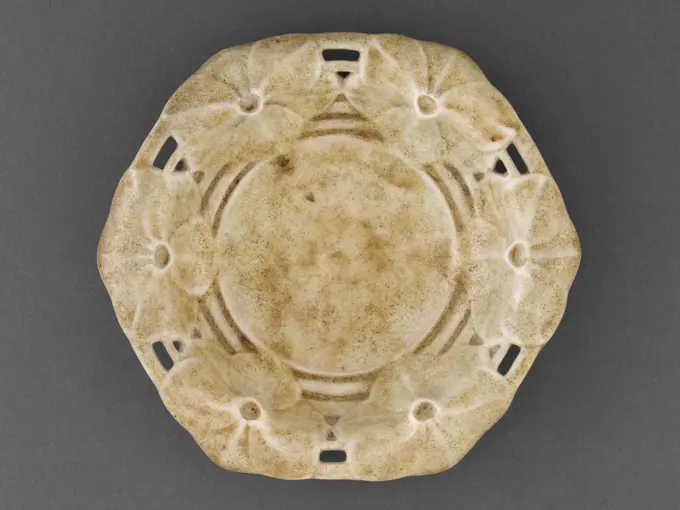
Emile Decoeur (1876-1953). Netuphar plate. Enamelled sandstones. Museum of Fine Arts of the City of Paris, Petit Palais. Nenuphar plate Gres emaille, nenuphar, plate
4409-63012118
Assyrian merchants. 1920-1740 BC. Tablet Clay. Anatolian style. Written in cuneiform. British Museum. London. GRB.
6145-58825272
Mould Showing a Man on an Elephant and a Woman on a Makara (reverse), anonymous, c. 1300 - c. 1400 Form shape with a performance of a woman on a Makara on one side, and a man on an elephant on the other. East Java tuff Form shape with a performance of a woman on a Makara on one side, and a man on an elephant on the other. East Java tuff
4409-64910713
Hispano-Visigothic altarpiece, marble, 7th century, Santa María de Wamba, Visigoth - early medieval, Valladolid Museum , Castile and Leon, Spain.
6176-67036329
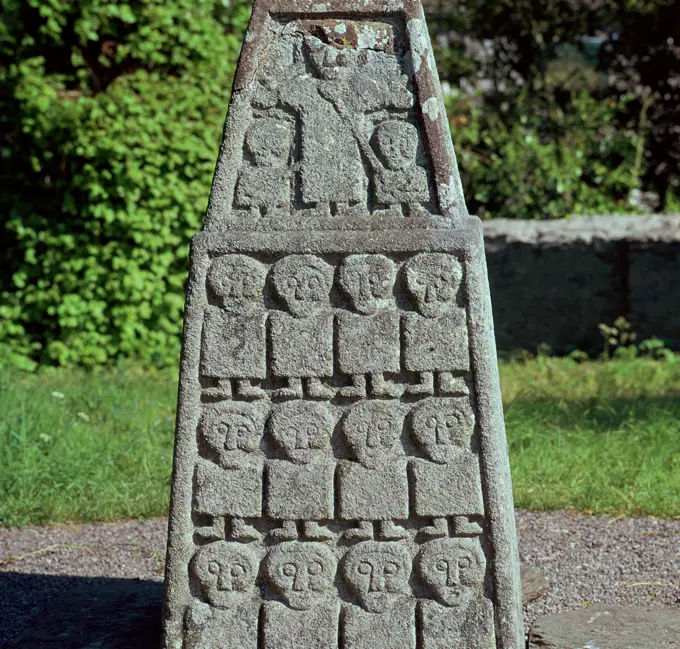
West side of the base of the Moone cross, 7th century. Artist: Unknown
1525-27676919
TURIN, ITALY - CIRCA FEBRUARY 2019: Museo Civico d’Arte Antica (Civic Museum of Ancient Art) at Palazzo Madama Royal palace in Piazza Castello in black and white. Museum of Ancient Art at Palazzo Madama in Turin in black and white
6145-45506994
Bliżej Kultury
6145-29139749
Scarab Inscribed for the King of Upper and Lower Egypt, Maatkare (Hatshepsut) ca. 1479-1458 B.C. New Kingdom. Scarab Inscribed for the King of Upper and Lower Egypt, Maatkare (Hatshepsut). ca. 1479-1458 B.C.. Steatite (glazed). New Kingdom. From Egypt, Upper Egypt, Thebes, Deir el-Bahri, Temple of Hatshepsut, Foundation Deposit 7 (G), MMA excavations, 1926-27. Dynasty 18, early
6145-29223034
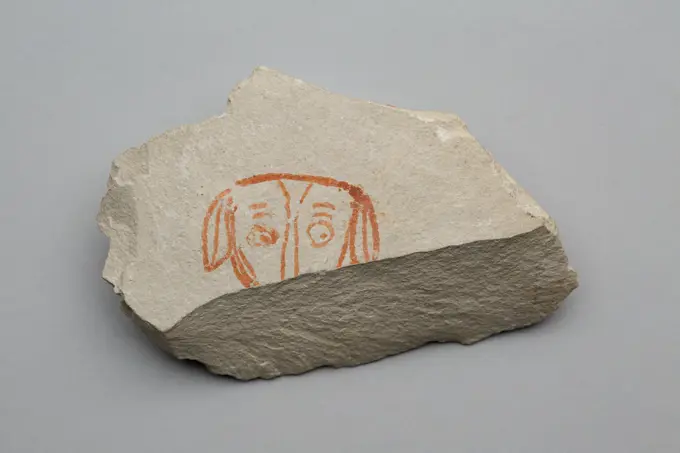
Sketch of a dog ca. 1295-1070 B.C. New Kingdom, Ramesside Ostraca (plural for ostracon) are potsherds used as surfaces for writing or drawing. By extension, the term is applied to chips of limestone which were employed for similar purposes. Figural ostraca vary from sketches of a single feature to polychrome painted compositions. They were used to practice drawing, draft compositions, and copy scenes. However, some ostraca were created for more durable functions, used as cult images in religious practice and deposited at tombs or shrines as sites of access to the divine. Ostraca on which animals appear acting as humans have been variously interpreted as playful jokes, political satire, or illustrations to fables or myths in the oral tradition. This sketch of a dog is possibly of the last type, since dogs in formal contexts are usually depicted in profile so it is unlikely a practice piece.. Sketch of a dog. ca. 1295-1070 B.C.. Limestone, ink. New Kingdom, Ramesside. From Egypt, Upper E
6145-29157691
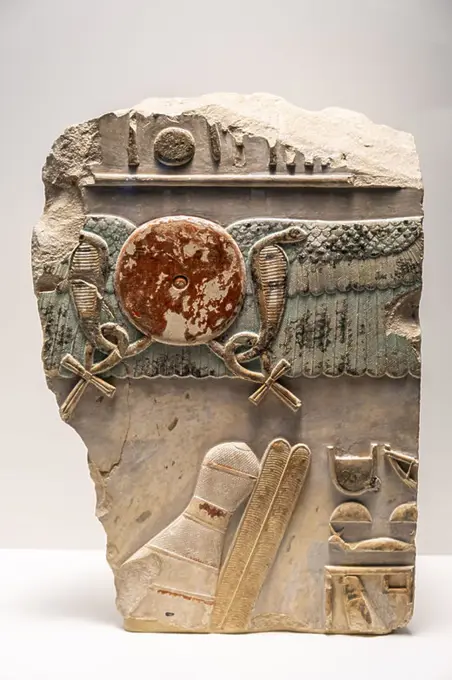
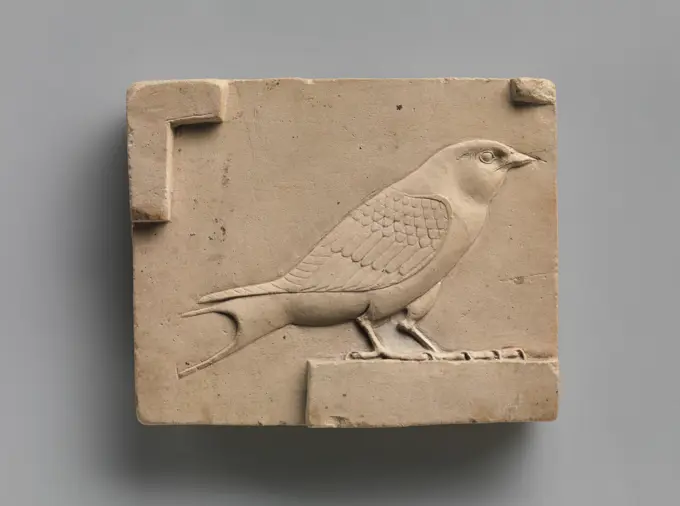
Relief plaque with a swallow 400-30 B.C. Late Period-Ptolemaic Period Small Late Period and Ptolemaic reliefs or sculptures that depict a subject in a partial or unfinished way but are themselves finished objects constitute a special class of object. Guidelines like those for artists are often prominently exhibited as part of the object, although, in fact, many instances can be noted where the object simply could not serve as a suitable model for a traditional formal Egyptian representation. Personifications of kingship, figures that may represent the now emerging demigods Imhotep and Amenhotep Son of Hapu, and popular gods like Harpokrates or Isis, are heavily represented within the corpus. Taken together, the figures represented and the other features indicate the reliefs and sculptures of this class, sometimes called by Egyptologists "sculptors models / votives," were the material of a donation practice, perhaps connected with the prolific temple building of these centuries. Unfort
6145-59138814
Emilia-Romagna Ferrara Ferrara Museo Civico di Schifanoia2. Hutzel, Max 1960-1990 General Notes: INCOMPLETE RECORD--NEGATIVES PROCESSED, PRINTS FILED German-born photographer and scholar Max Hutzel (1911-1988) photographed in Italy from the early 1960s until his death. The result of this project, referred to by Hutzel as Foto Arte Minore, is thorough documentation of art historical development in Italy up to the 18th century, including objects of the Etruscans and the Romans, as well as early Medieval, Romanesque, Gothic, Renaissance and Baroque monuments. Images are organized by geographic region in Italy, then by province, city, site complex and monument.
4443-21927412
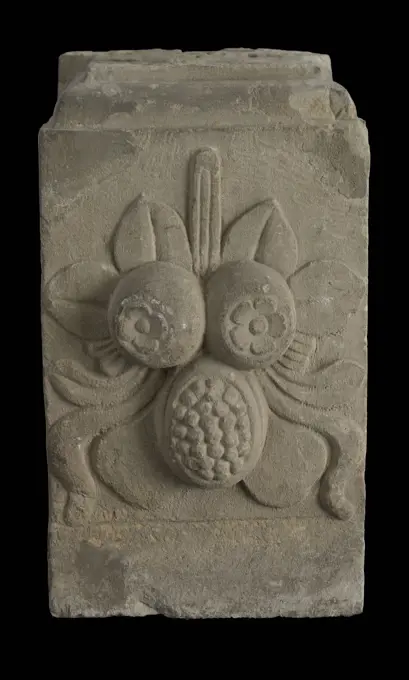
Basement with fruits and leaves, part fireplace, basement pilaster ornament building component sandstone stone, sculpted Rectangular sides smooth in front of fruit (passion fruit) With leaves in high relief In original arrangement under caryatid 10339 or 10340. Pendant of 10363 Rotterdam City Center Cool Eendrachtsweg building Antwerp Vlissingen Avignon pope Spapé Spapen s'Pape Building Eendrachtsweg 17 of 18 Rotterdam.
1848-67235190
Former Steinert House, built in 1929 by Hans Poelzig, fantasy bird by Ewald Mataré (1934)
4409-29041207
Monumento funerario de Cal Posastre, Sant Martí Sarroca, siglo II a.C. Museu del Castell.
6145-29823177
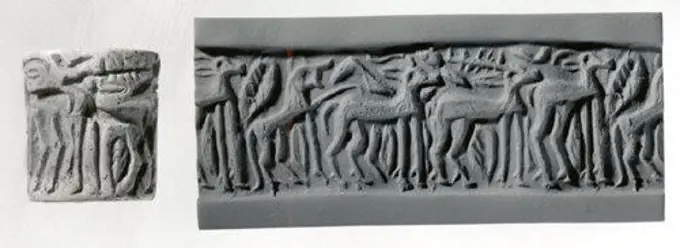
Cylinder seal ca. 2900-2700 B.C.. Cylinder seal 327387
4409-62729658
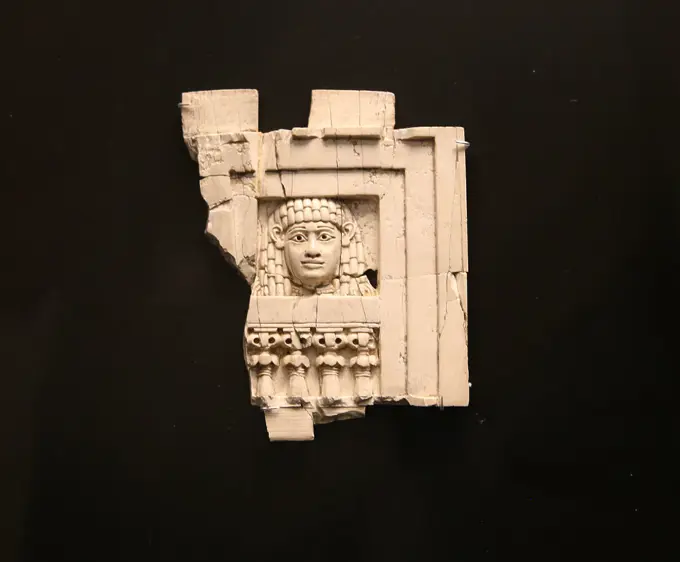
Woman at the window. Phoenician style. Ivory plaque from Nimrud, Iraq. 900-700BC. British Museum. London. GRB.
4409-53363090
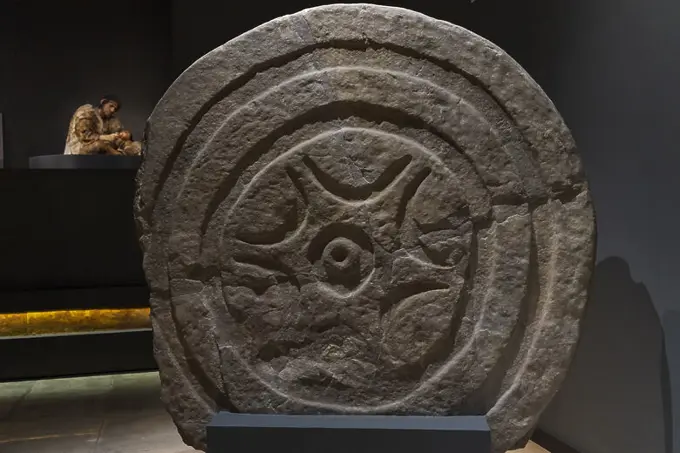
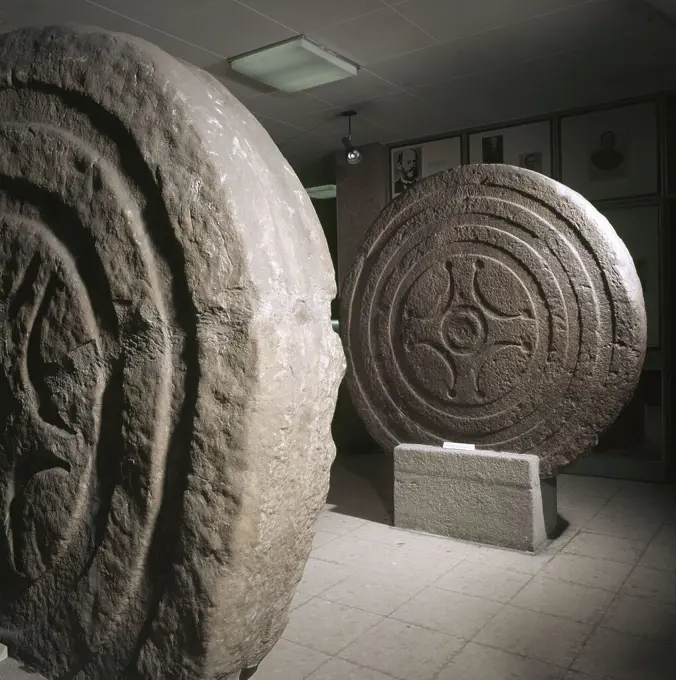
first Lombera stele, giant disc-shaped Cantabrian stele, 1st century BC. C., Corrales de Buelna, Lombera, Museum of prehistory and archeology (MUPAC), Santander, Cantabria, Spain.
4409-28604981
Arqueta, siglo XV. Fundación Juan March.
4409-60300645
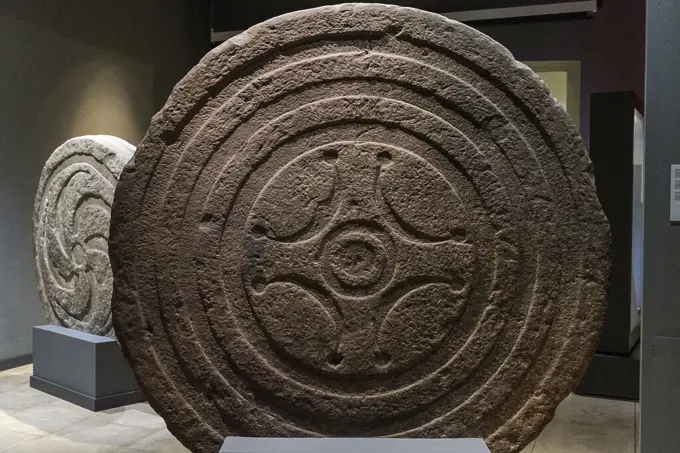
Zurita stele, 1st century BC. C., giant discoid Cantabrian stele, Zurita, municipality of Piélagos, Museum of prehistory and archeology (MUPAC), Santander, Cantabria, Spain.
4443-73200240
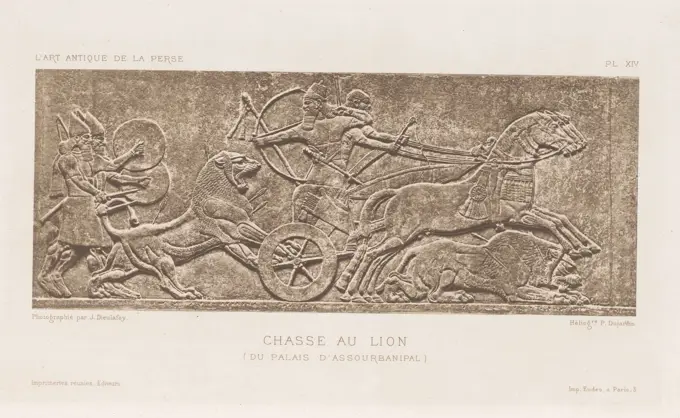
Paris, Imprimerie Eudes, Dujardin, P., Babylon, Dieulafoy, Jane, L'Art Antique de la Perse, Chasse au Lion (du Palais d'Assourbanipal), Relief of a lion hunt at the palace of Assurbanipal in Babylon, recto - printed, This print is part of a cover with twenty prints on seventeen leaves and fifteen text sheets., photomechanical print, photographs, photographically illustrated books, PL. XIV, Imprimeries réunies_Editeurs. Imp. Eudes, à Paris_3., height 106 mm, width 266 mm, French, 1851-06-29 - 1916-05-25, photographer, 1880 - 1885, paper, papier, heliogravure, clichémaker, printer, drukker
1889-12524020
Stela from the Great Mongol State (13th - 14th century) on display at the Kharkhorin Museum, Kharkhorin (Karakorum), Övörkhangai Province, Mongolia
6145-59161310
Lazio Roma Rome S. Agnese fuori le Mura5. Hutzel, Max 1960-1990 Medieval: Architecture, architectural fragments, sculptural fragments, sculpture. Post-medieval: Architectural sculpture, fresco painting Object Notes: Erected in 342 by Costanza, daughter or niece of Constantine on the site of the catacombs holding the remains of S. Agnese. Marble staircase dates from 1590. German-born photographer and scholar Max Hutzel (1911-1988) photographed in Italy from the early 1960s until his death. The result of this project, referred to by Hutzel as Foto Arte Minore, is thorough documentation of art historical development in Italy up to the 18th century, including objects of the Etruscans and the Romans, as well as early Medieval, Romanesque, Gothic, Renaissance and Baroque monuments. Images are organized by geographic region in Italy, then by province, city, site complex and monument.
1848-50796070
The Museum of History and Culture of The People of The North, Yakutsk, Sakha Republic, Russia, Europe
7141-70478344
Haleplibahce Mosaic Museum housing Roman-era mosaics, Sanliurfa, Turkey. (Editorial Use Only)
1788-19506
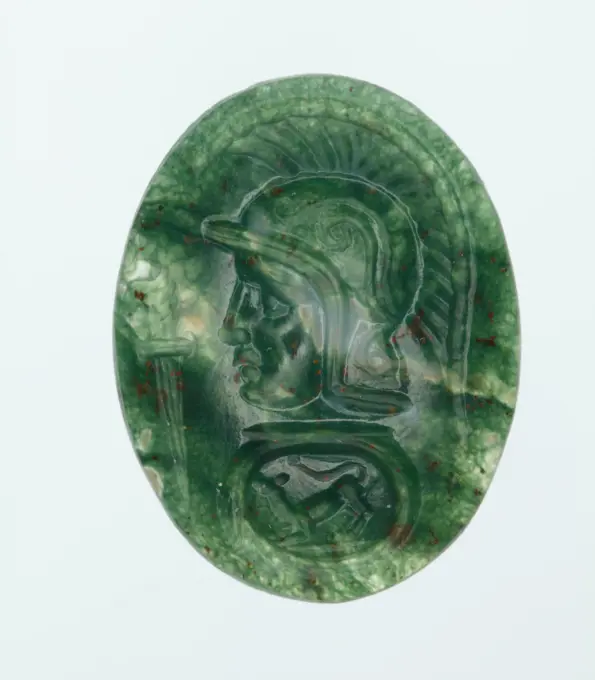
Sardonyx cameo with scene of wild boar hunting
6145-54680674
Tile in the form of a rekhyt bird surmounting a neb sign New Kingdom, Ramesside ca. 1295-1070 B.C. View more. Tile in the form of a rekhyt bird surmounting a neb sign. ca. 1295-1070 B.C.. Faience. New Kingdom, Ramesside. From Egypt; Probably from Eastern Delta, Tell el-Yahudiya. Dynasty 19-20
4409-10089
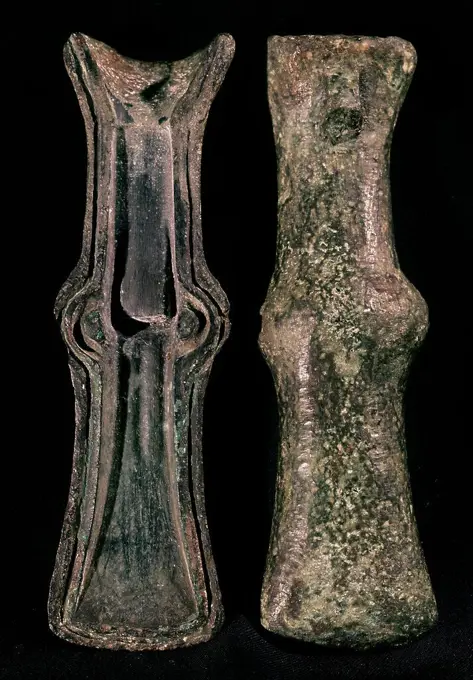
MOLDES DE HACHAS DE BRONCE - EDAD DEL BRONCE- 1800 A 1600 a JC - CULTURA DEL ARGAR. Location: MUSEO PROVINCIAL. LUGO. SPAIN.
6145-50501977
Wall Facing (Holland); tin-glazed earthenware, underglaze
6145-29786656
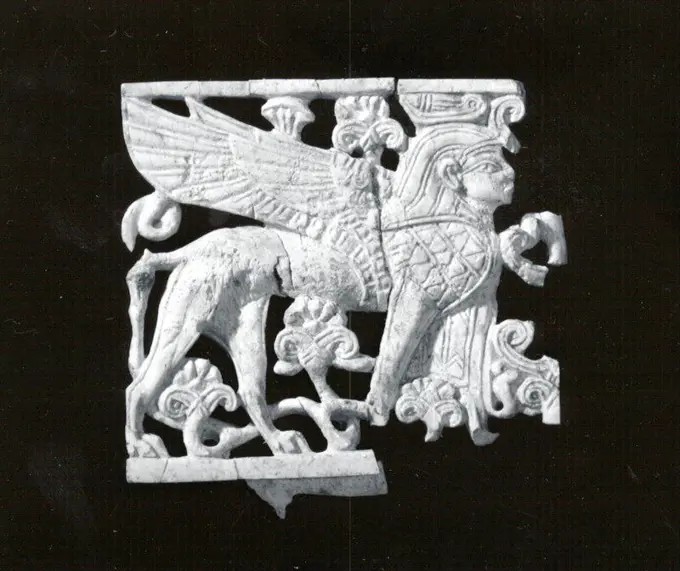
Openwork plaque with a sphinx striding through a floral landscape ca. 9th-8th century B.C. Assyrian A sphinx, a fantastic creature drawn from Egyptian art that combines the head of a human with the body of a winged lion, strides through a landscape of voluted palmette flowers, buds, and tendrils in this rectangular openwork plaque. This piece was found in a storeroom at Fort Shalmaneser, a royal building at Nimrud that was probably used to store tribute and booty collected by the Assyrians while on military campaign. The slender proportions of this composite creatures leonine body and curling tail are frequently found on Phoenician ivories, as are several elements drawn from Egyptian art including the pschent crown (the double crown of Upper and Lower Egypt), the chevron-patterned apron hanging from its chest, the nemes cloth (a royal, pleated headdress), and the uraeus (a mythical, fire-spitting serpent) that projects from its apron. However, the facial features, including the large
4409-63013836
Engraved schist plaque. Chalcolithic, First half of the 3rd. millenium BCE. Unknown origin, Portugal.
6145-59044218
Aimé-Jules Dalou (1838-1902). "The brewer's brewer". Terracotta, 1894. Museum of Fine Arts of the City of Paris, Petit Palais. Pebble breaker, date, base base, registration, terracotta, title
4443-21903236
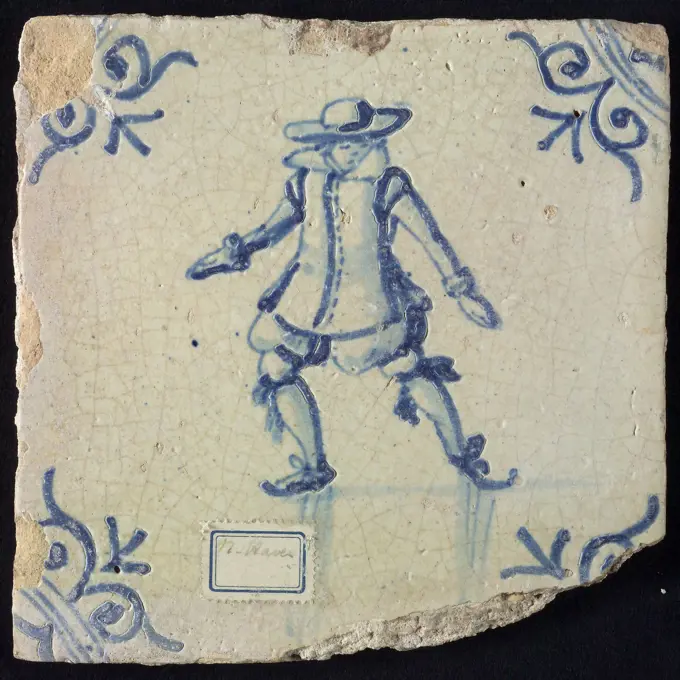
Figure tile, blue with skating man, nobleman, nicely dressed with big hat, corner pattern ox-head, wall tile tile footage earth discovery ceramics earthenware glaze, baked 2x glazed painted archeology Rotterdam City triangle Newport skating winter Soil discovery Nieuwe Haven Rotterdam.
4409-28991432
RELIEVE DE ELEFANTE(ANIMAL PROTECTOR)ESTILO GANGA-S XIII. Location: ARCHAEOLOGICAL MUSEUM. SARNATH. India.
6145-59041632
Bastien-Lepage, Jules (n.1848-11-01-D.1884-12-10), portrait of my father, Claude Bastien-Lepage (main title), 1877. Patinated plaster. Petit Palais, Museum of Fine Arts of the City of Paris.
4409-38521
ARTE CELTA. EDAD DEL HIERRO. ESPAÑA. PUEBLOS CANTABROS. ESTELAS GIGANTES utilizadas para el CULTO SOLAR. Museo Regional de Prehistoria y Arqueología. Santander. Cantabria.
4409-65763605
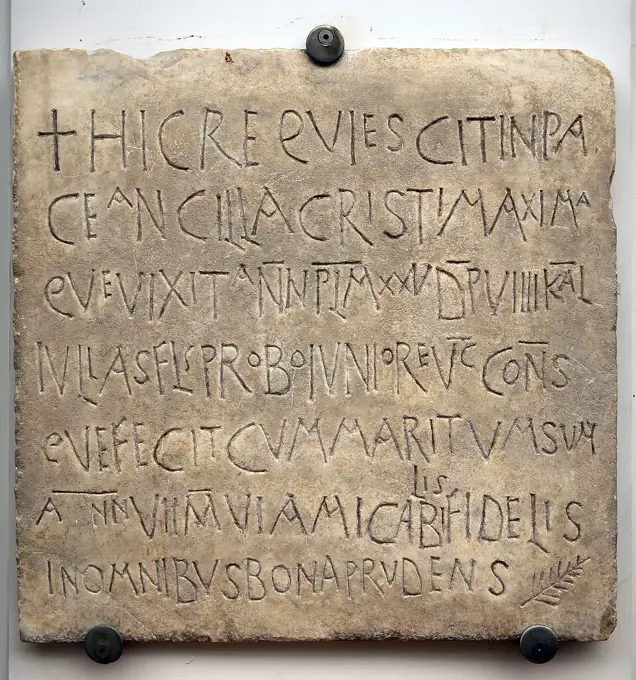
Funerary slab of Maxima, a maidservant of Christ, died at 25 and on the 23 rd June. Latin cross and the palm are depicted. Rome. 525 AD. National Roman Museum. Baths of Diocletian. Rome. Italy.
4409-62747116
Funerary stele. 3rd c. AD. Earliest Christians inscriptions. Abbreviation D.M, at the top refers to the Di manes, the traditional spirits of the dead. The FIsh (Christ) and anchor (hope). Plaster copy. Vatican Museums.
PREVIOUS
of 3
NEXT
2401 S. Ervay, Suite 206
Dallas, Texas 75215
United States
Get Started
Free ResearchMy BoardsMy Cart
For Creators
How To License Your ContentContributor PortalFrame of Mind
Resources
API accessPricing
Contact
+1 866 236 0087help@viewpictures.co.uk Contact form
©2026 View Pictures. All Rights Reserved. -A
This site is protected by reCAPTCHA and Google Privacy Policy and Terms of Service apply.