Ancient Coins and Artifacts

Display of ancient coins and artifacts, showcasing historical significance and designs from various civilizations.

False Coin, Penny, 1013 1025, Mieszko II (1025 1031)
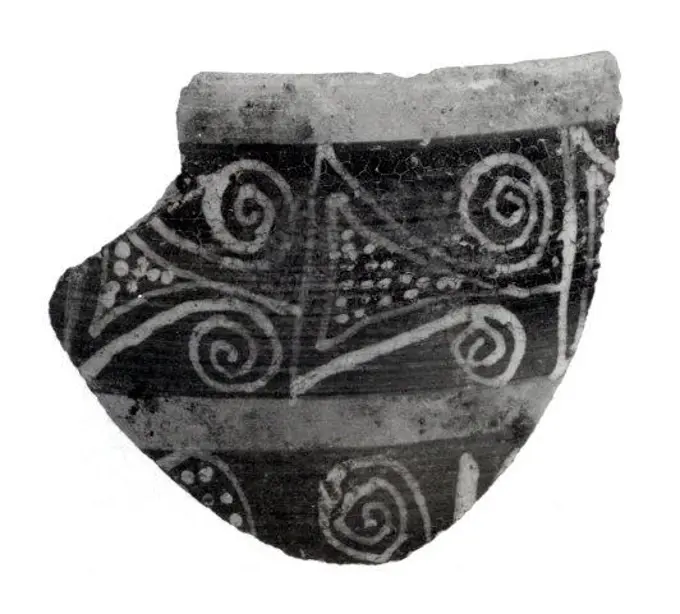
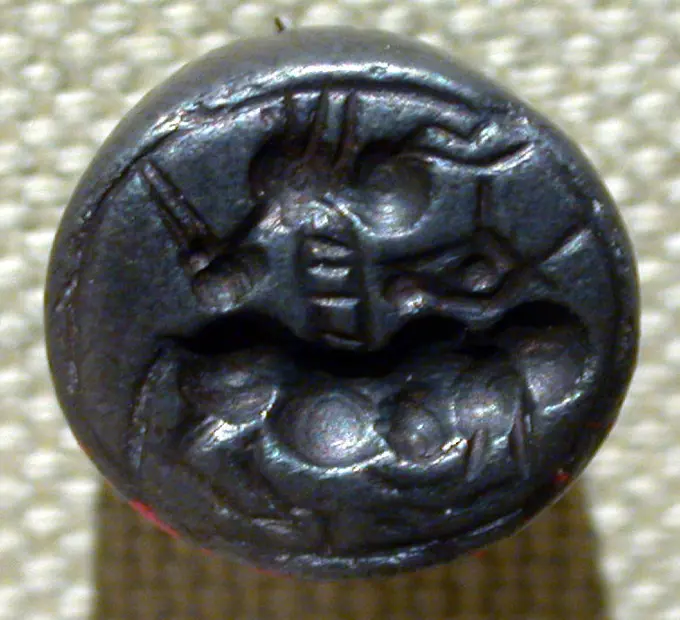
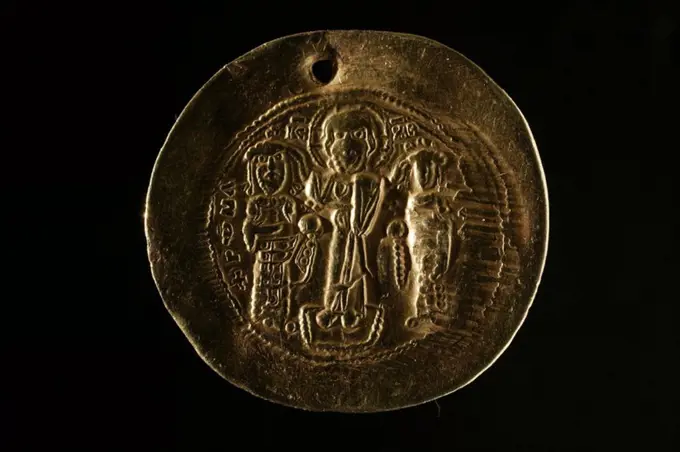
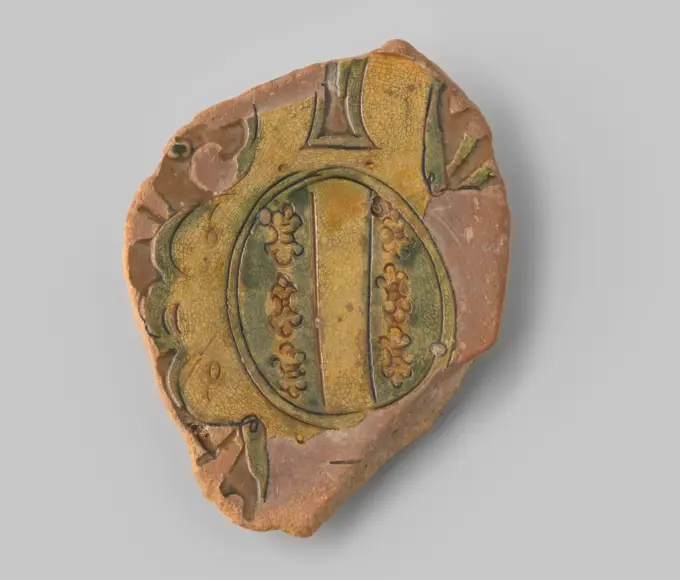
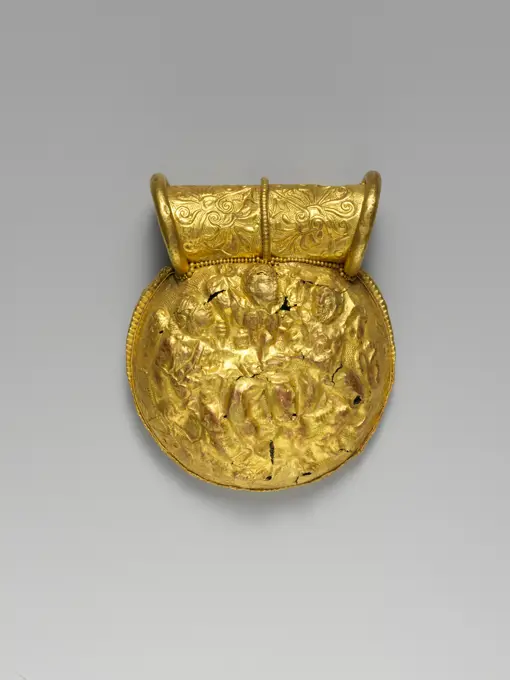
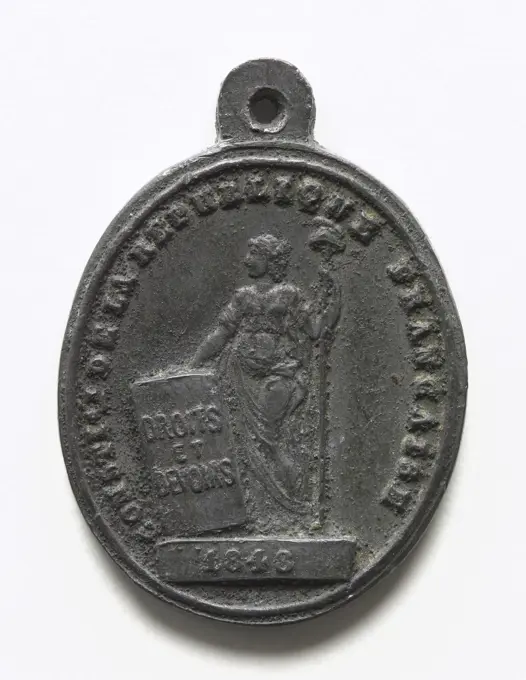
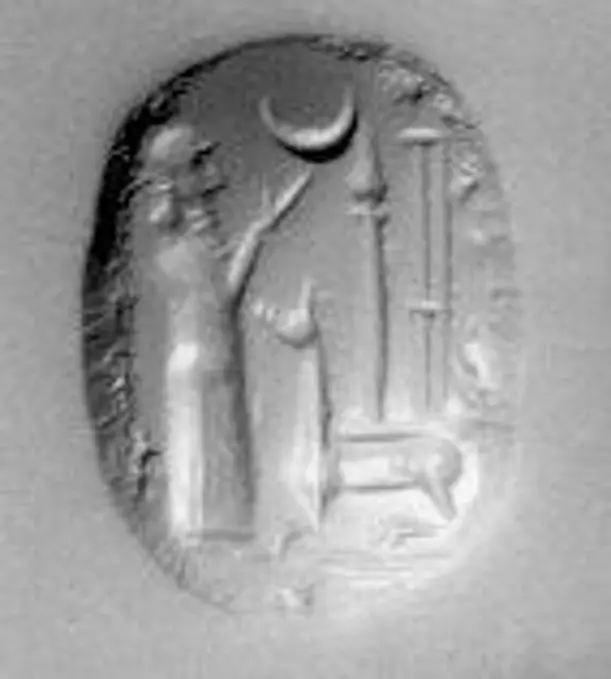
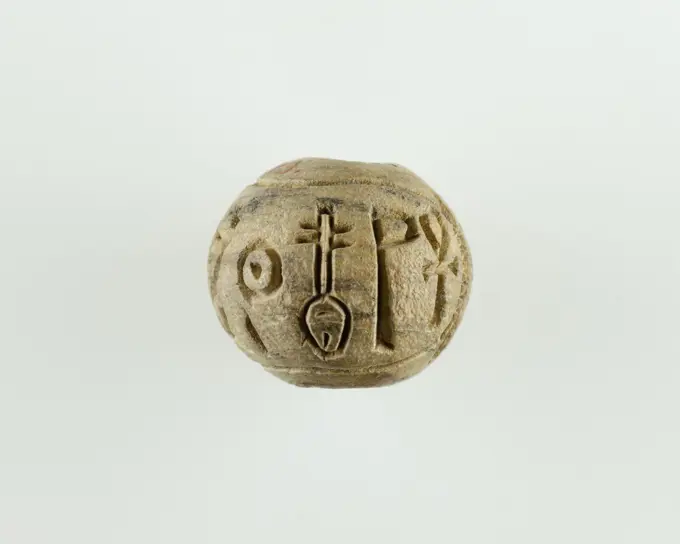
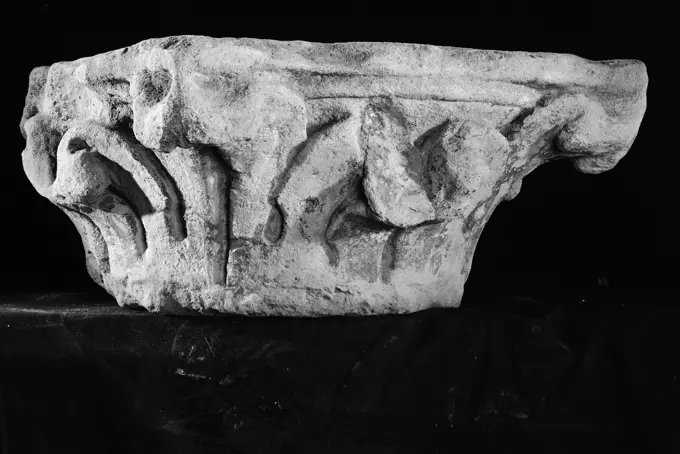
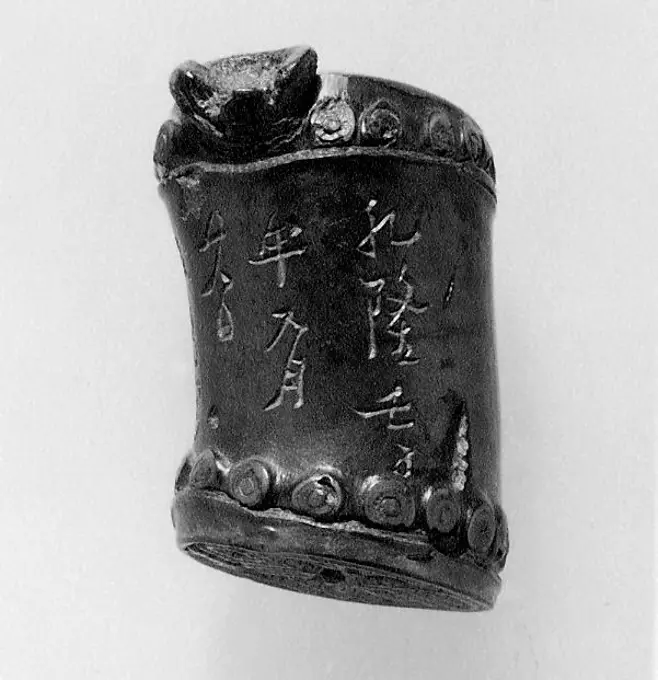
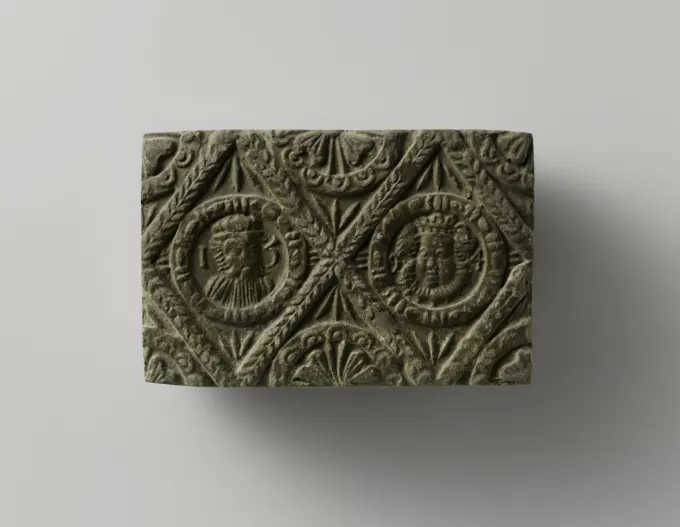
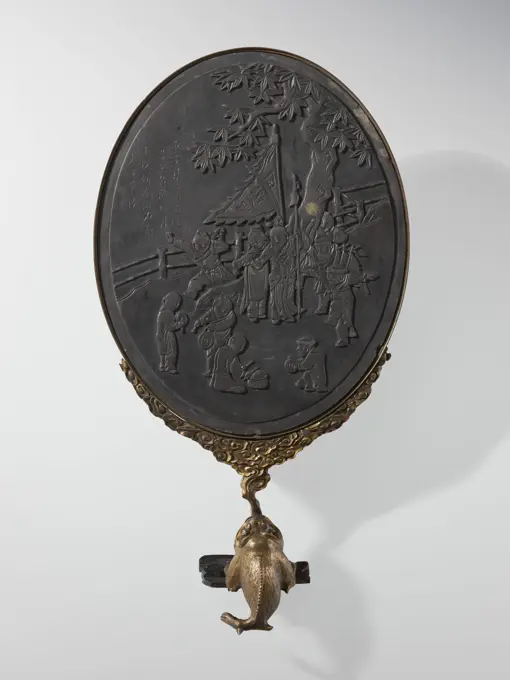
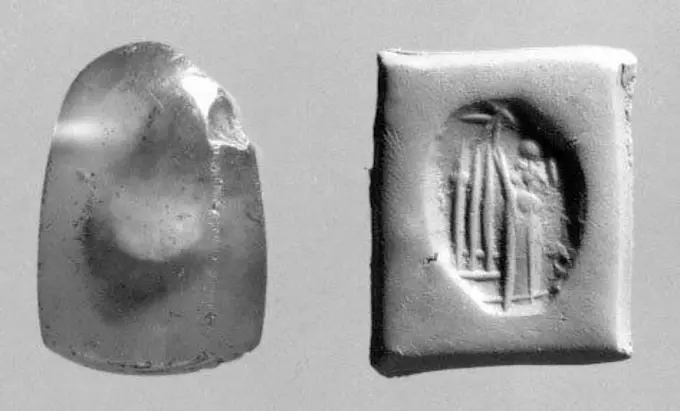
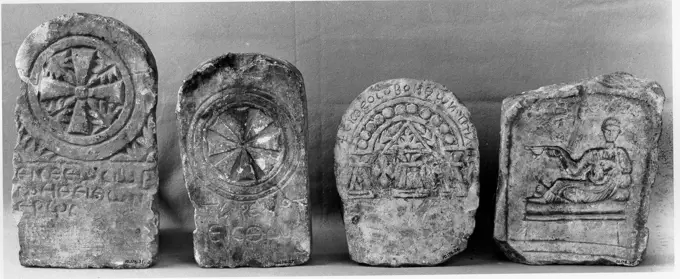
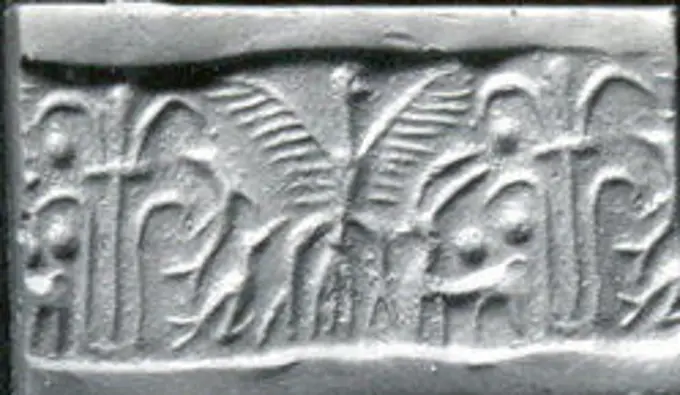
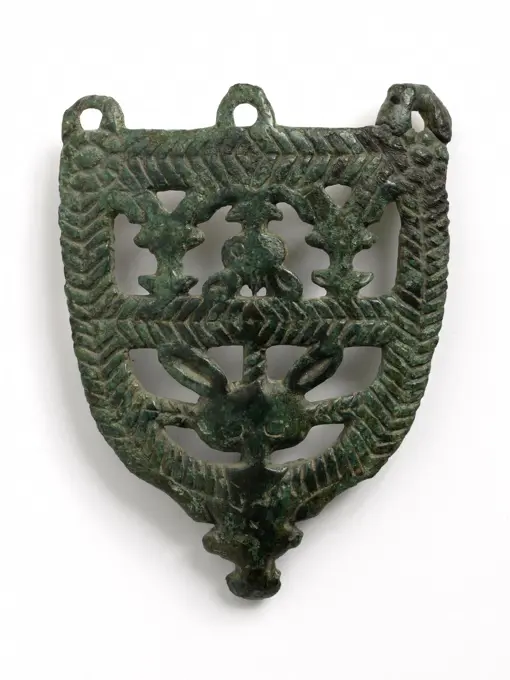
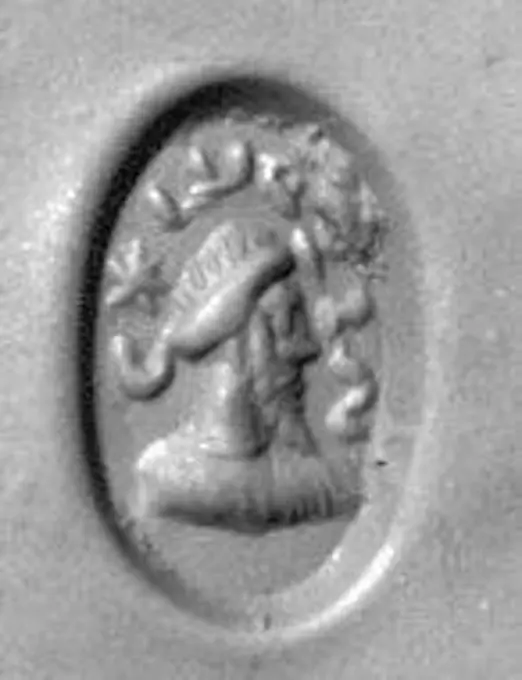
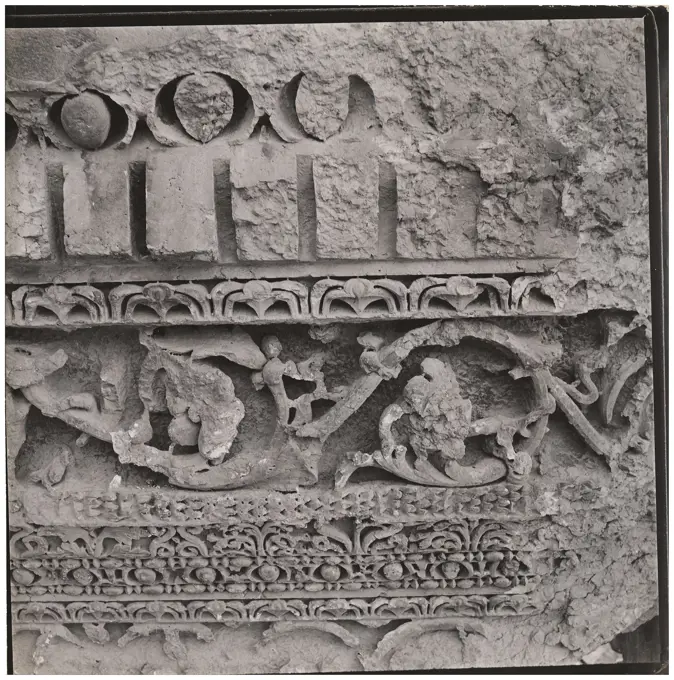
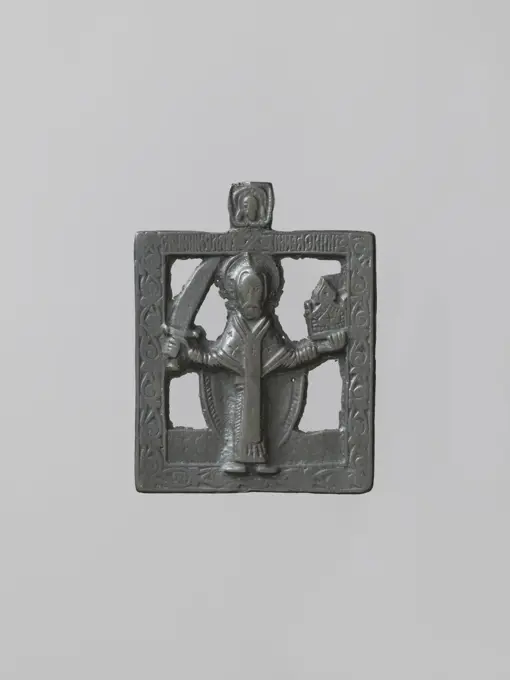
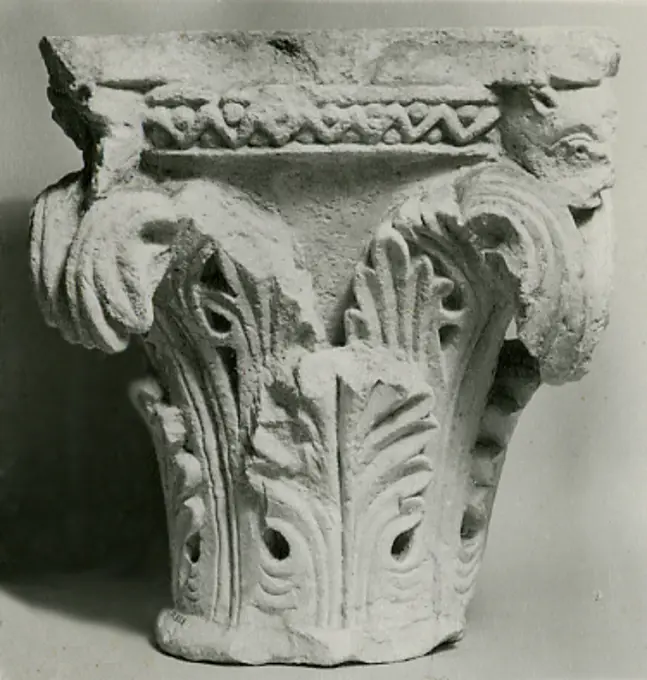
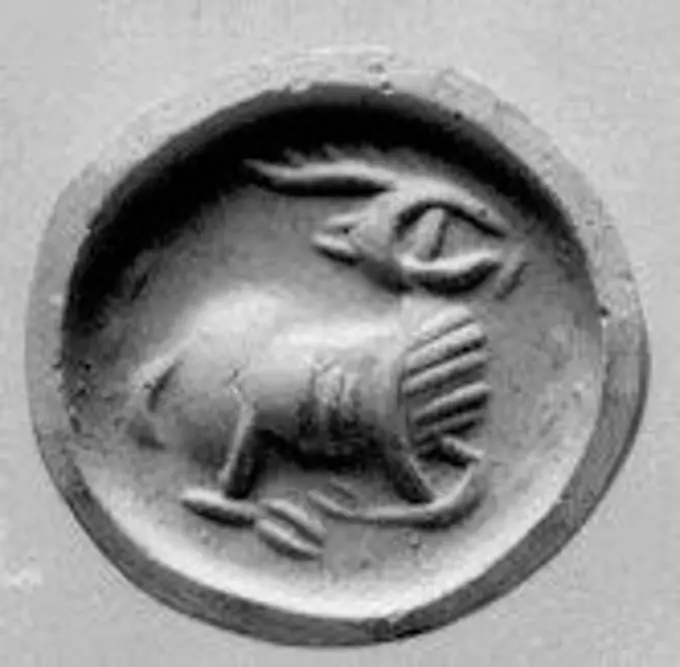
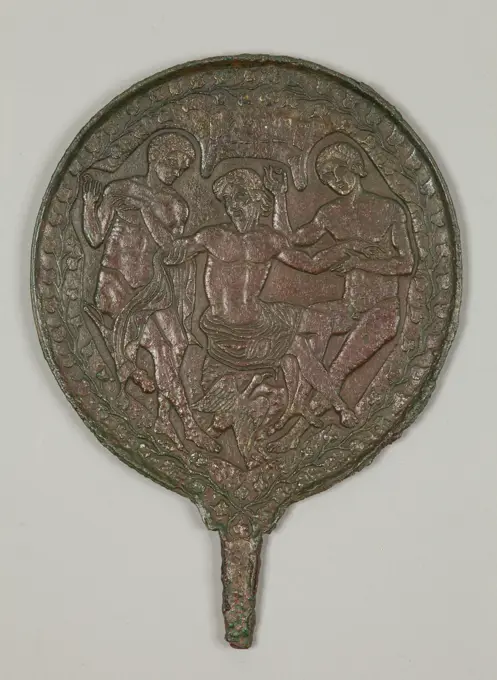
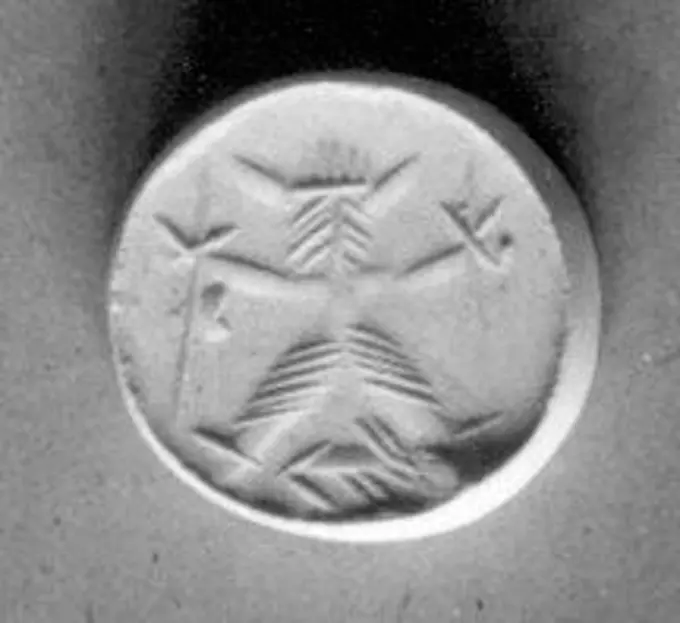
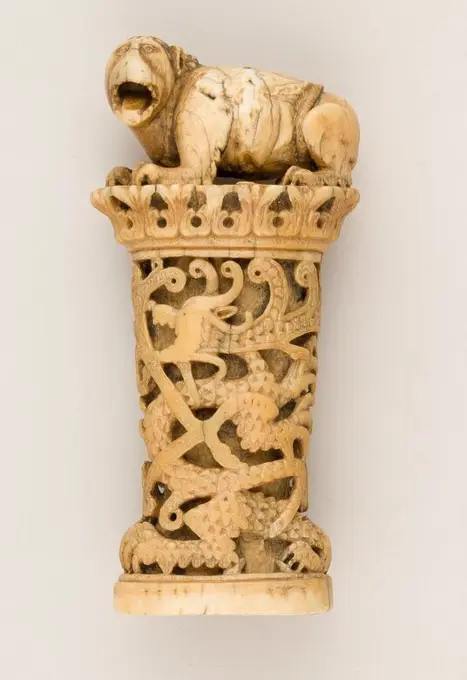
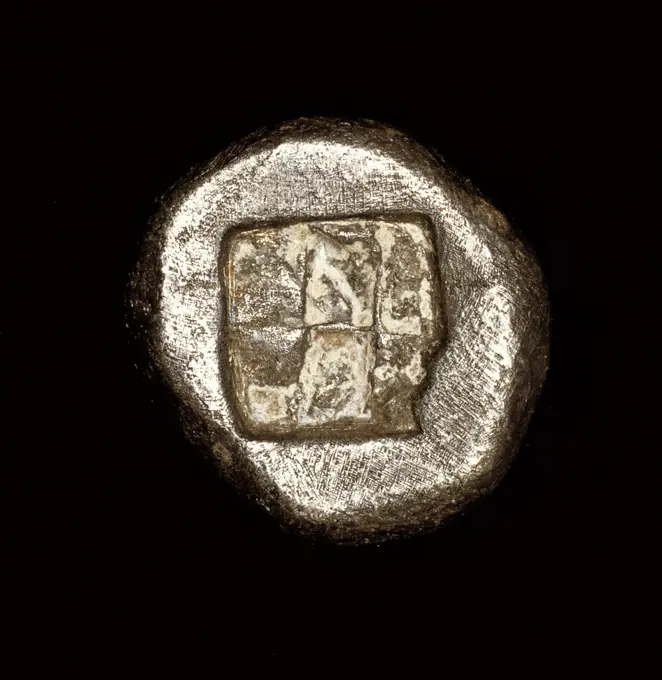
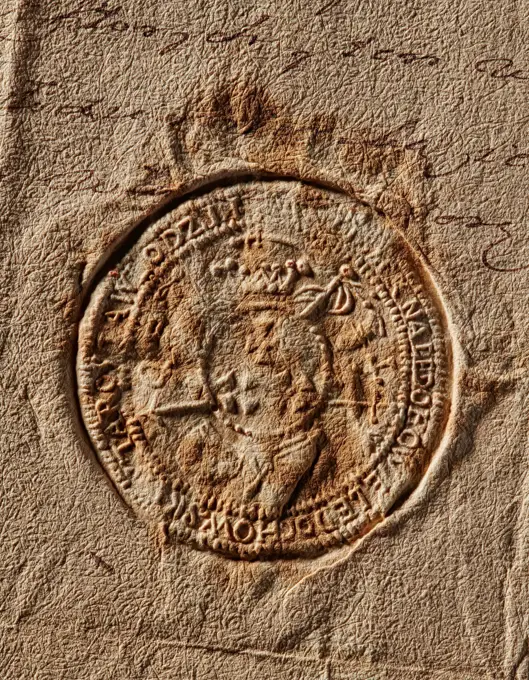
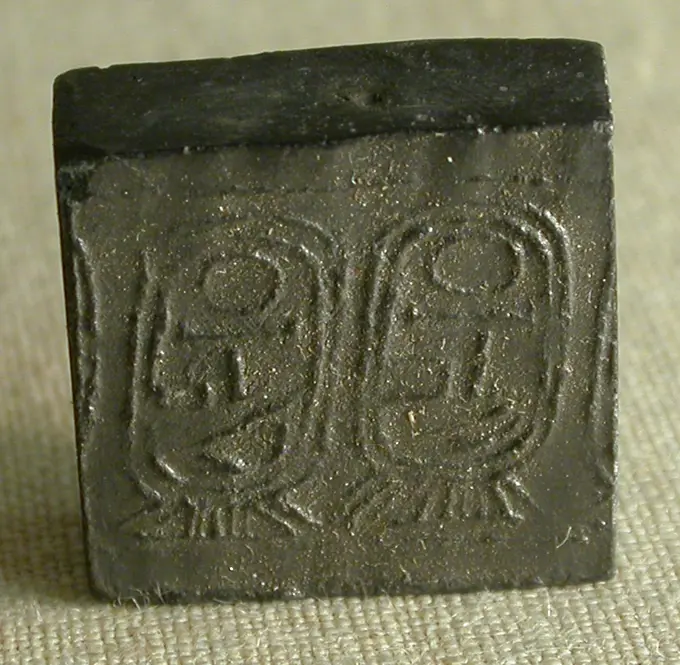
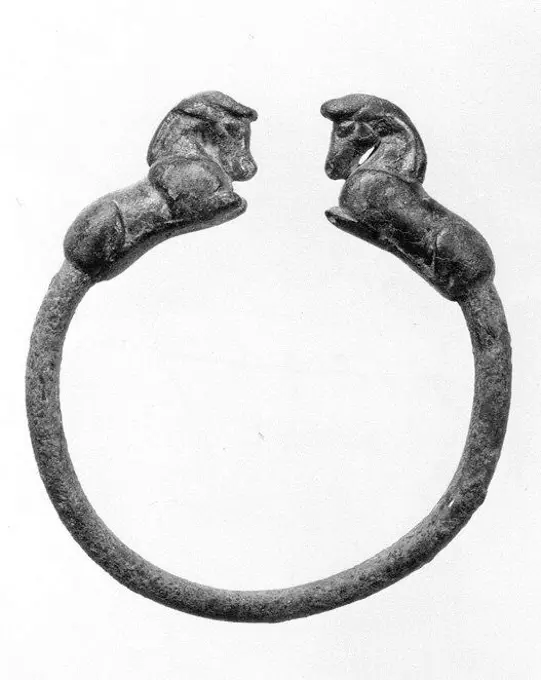
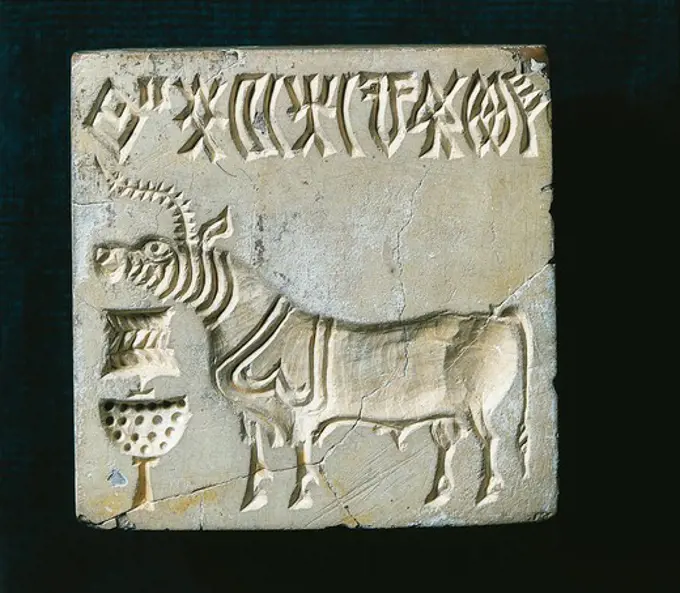
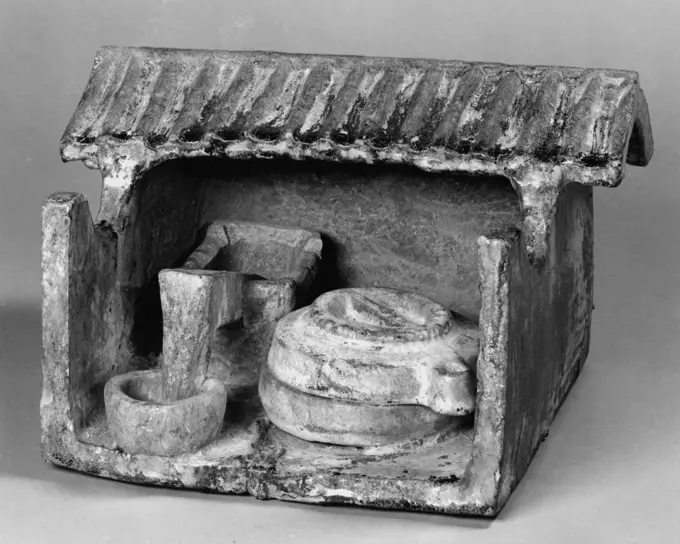
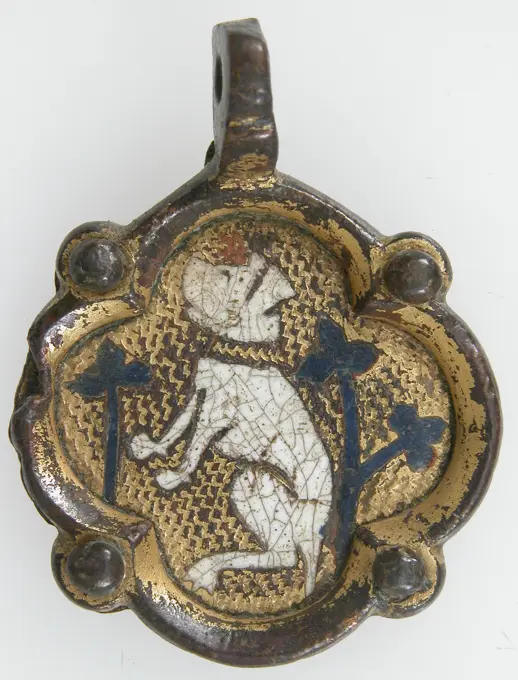
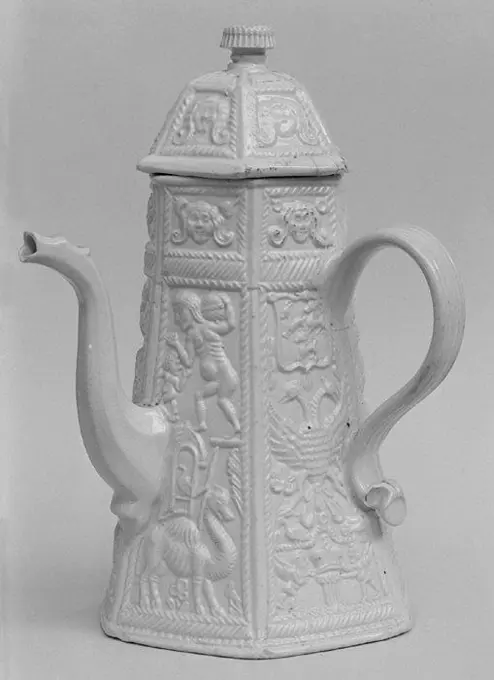
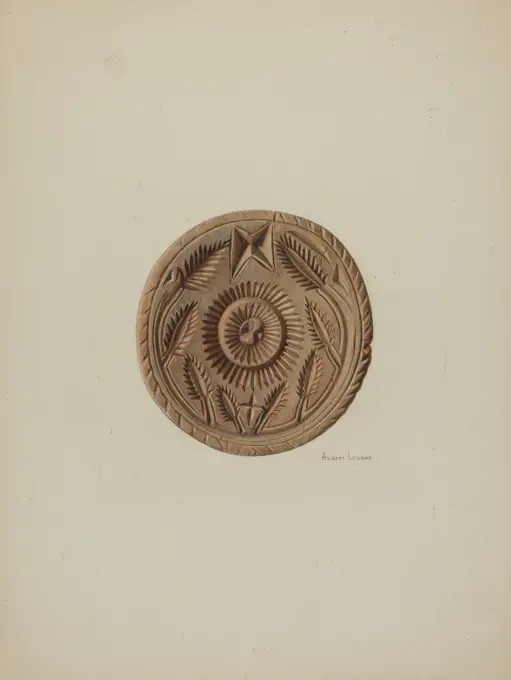
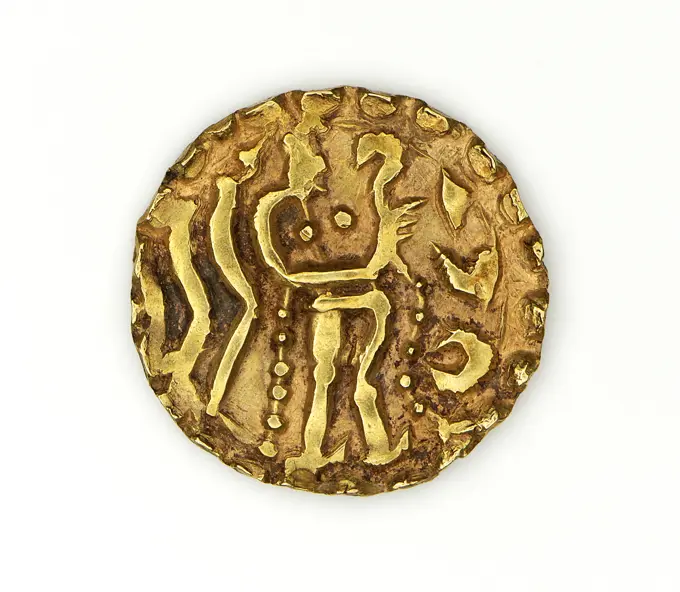
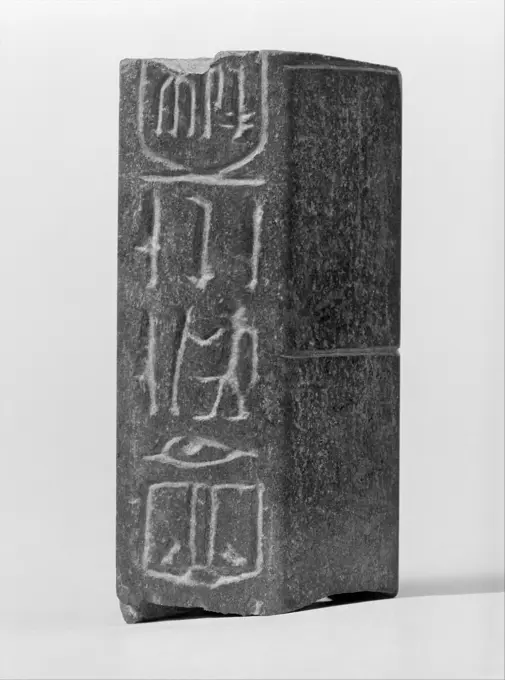
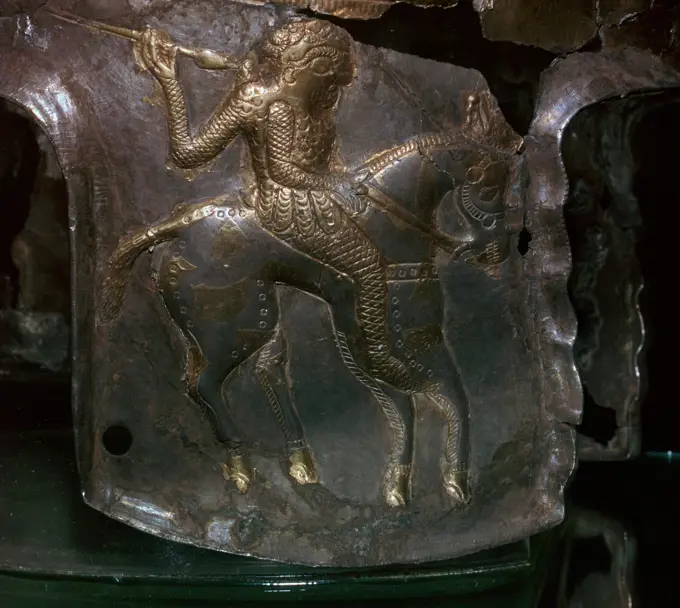
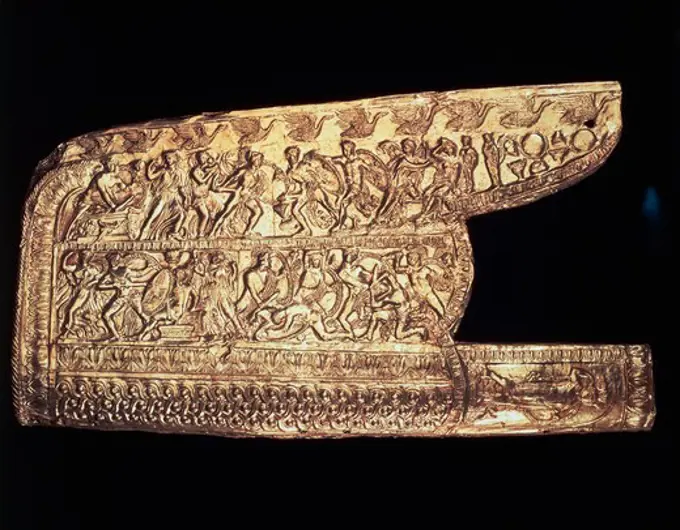
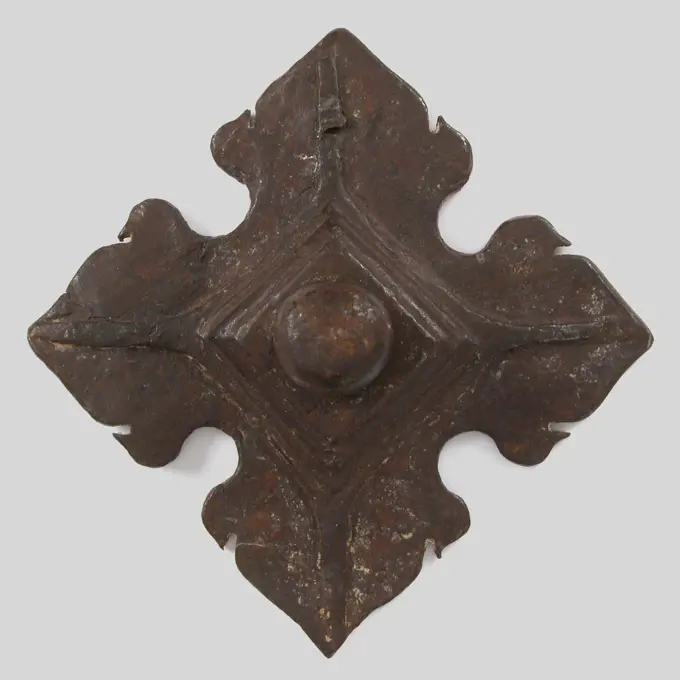
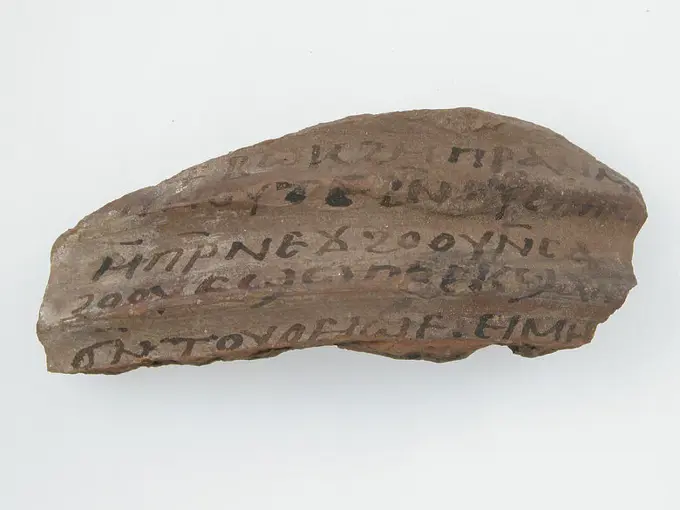
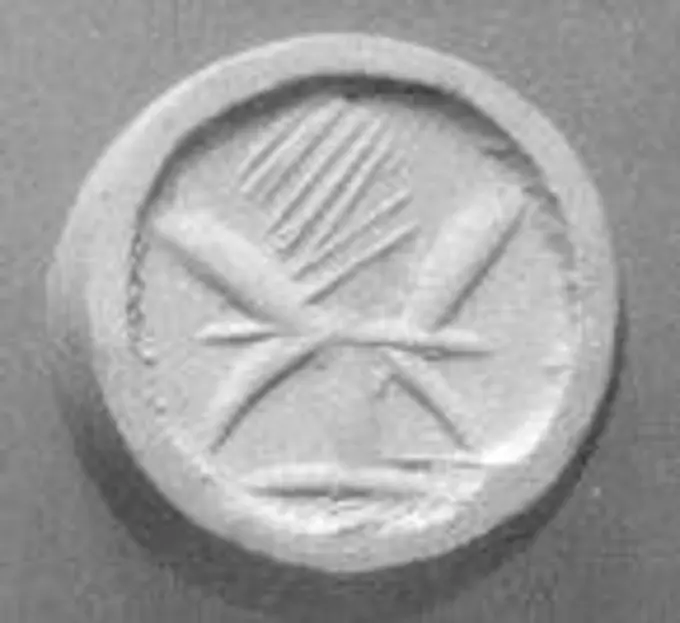
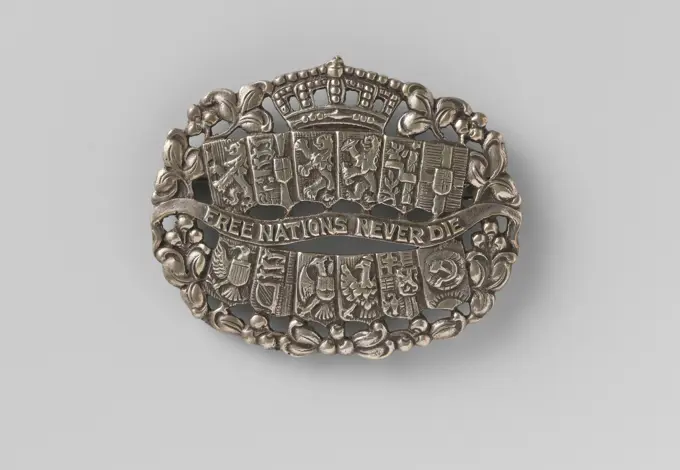
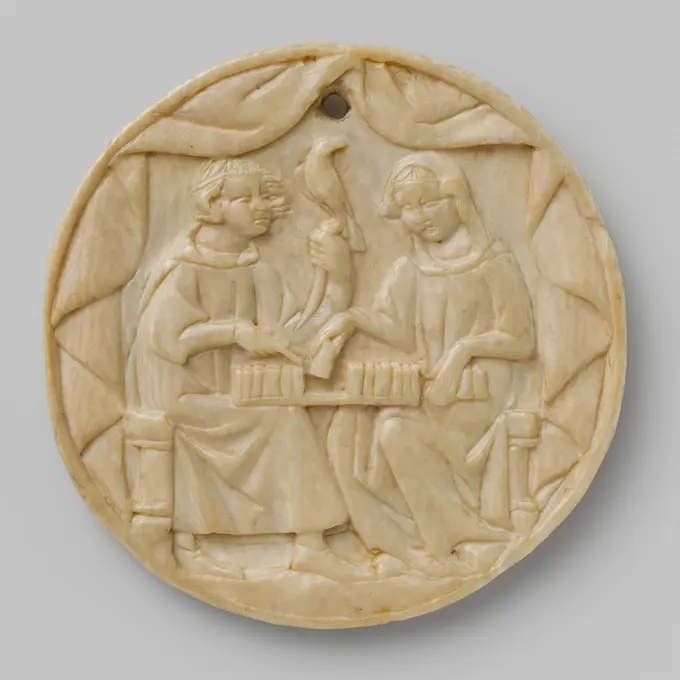
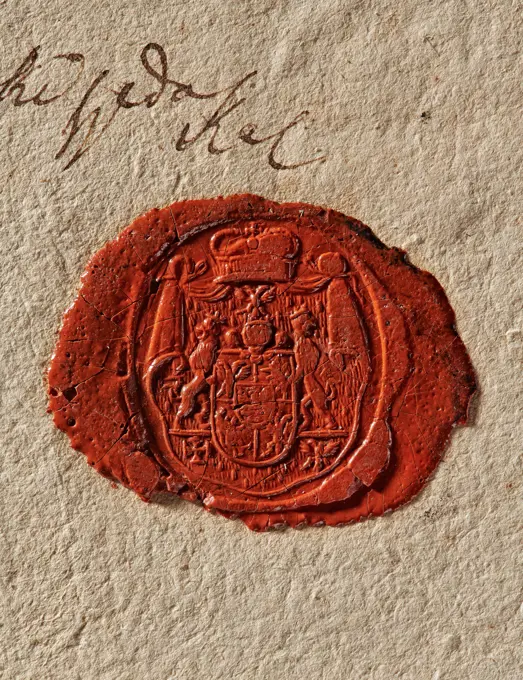
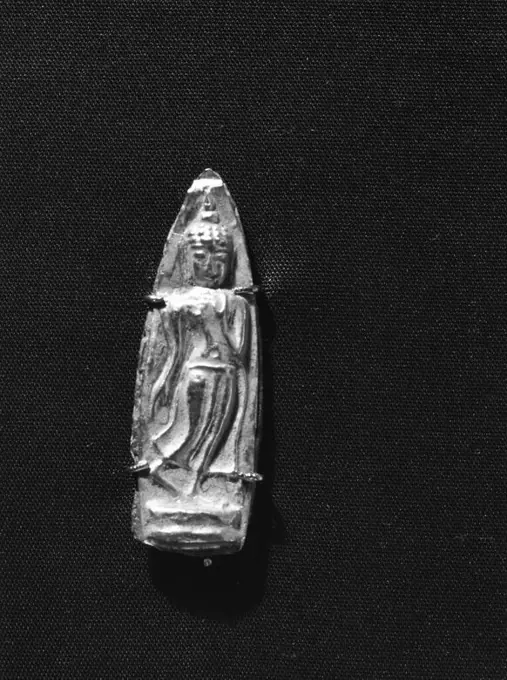
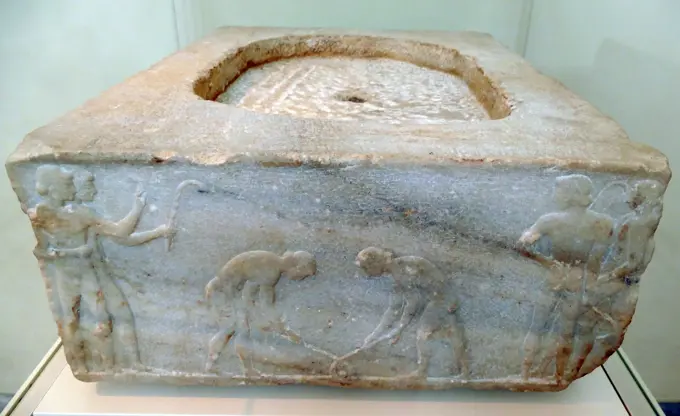
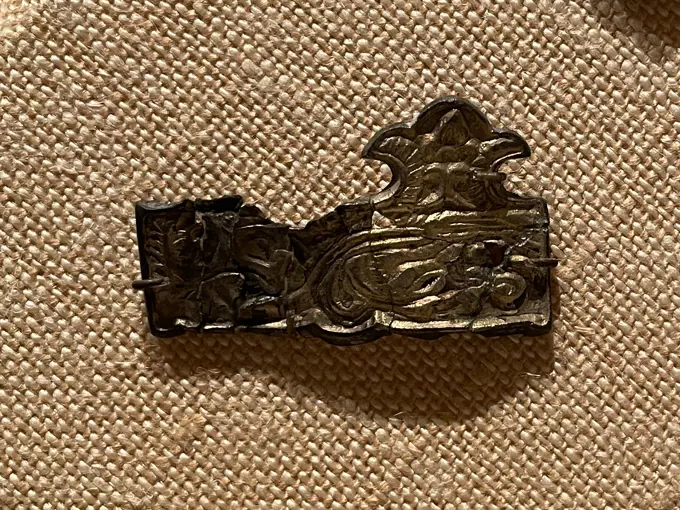
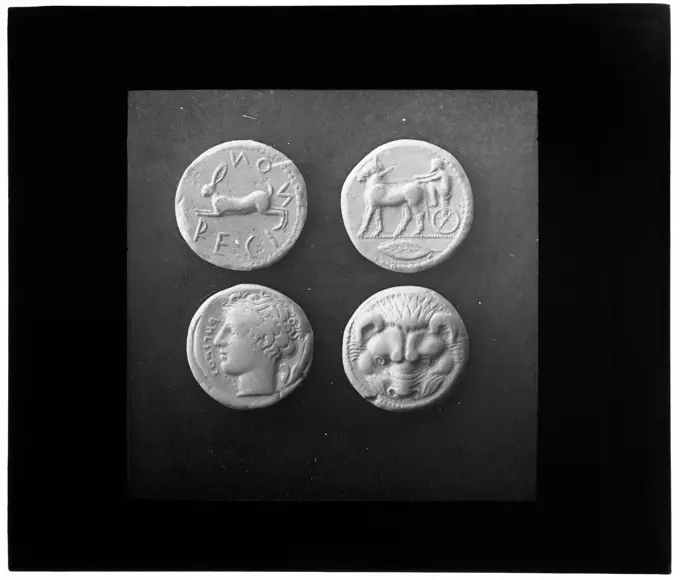
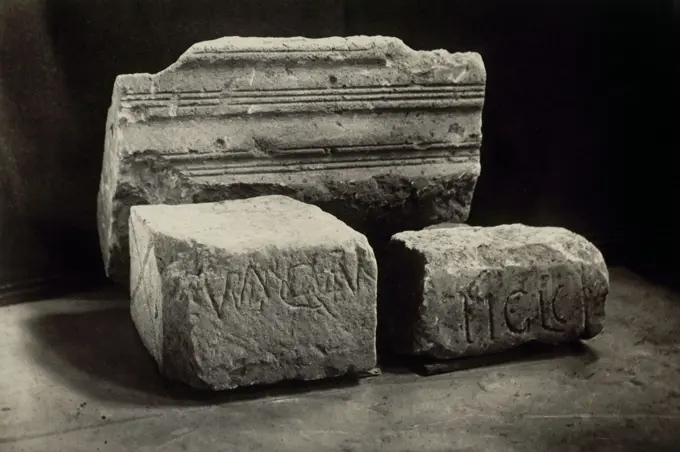
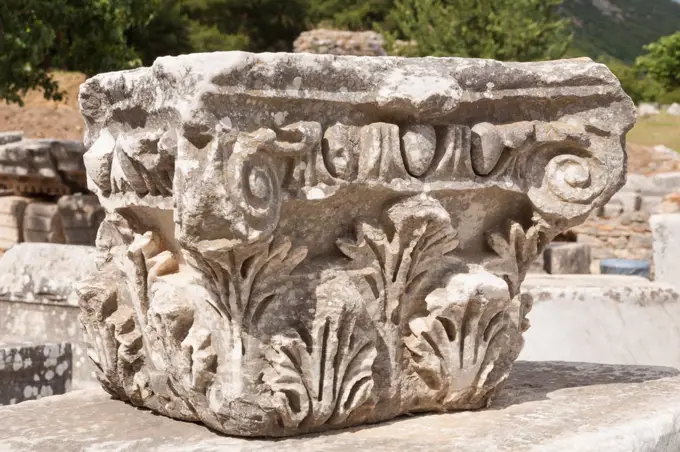
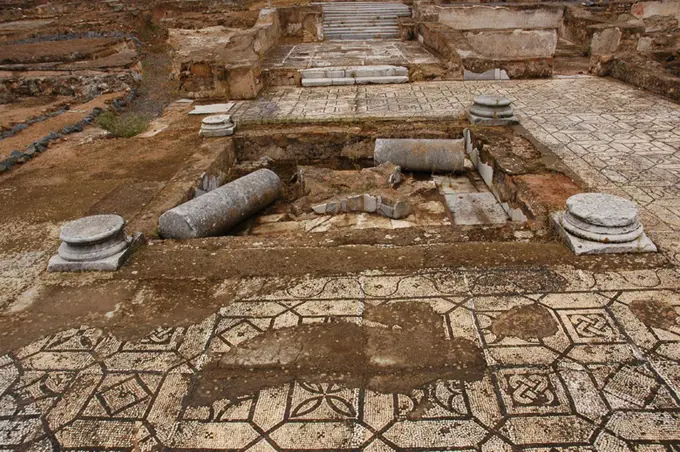
Roman bronze phallic amulet. Artist: UnknownFragment 11th-12th century. Fragment 456208Brooch in Form of a Bird of Prey late 500s Vendel The head and right leg of this elegant bird brooch are in left profile, while its rounded body and flaring tail are presented frontally. The extended right wing curves behind the tail. The edges of the neck, wings, and tail, and the upper part of the leg are outlined with pseudobeading. Nine stamped (punched) crayfish decorate the tail. The position of the head, supported by the raised leg, indicates that the bird is sleeping.. Brooch in Form of a Bird of Prey. Vendel. late 500s. Copper alloy with silver overlay. Metalwork-BrassVessel sherd ca. 15th-14th century B.C. Mitanni. Vessel sherd 327061Seal of Wilton monastery, vintage engraved illustration. Colorful History of England, 1837View of the front of a brass astrolabe. An astrolabe is an elaborate inclinometer, used by astronomers and navigators, to measure the inclined position in the sky of a celestial body, day or night. Dated 19th CenturyStamp seal: bull with head reversed ca. late 2nd millennium B.C. Cypriot. Stamp seal: bull with head reversed 327813Panel 10th-11th century. Panel 453594NUMISMATICA. MONEDA MONEDAS BIZANTINAS DE ORO Y BRONCE. REAL ACADEMIA DE LA HISTORIA.Excerpt (foot) with red shard, in sgraffito technique an egg -shaped weapon, with a vertical yellow track in the middle, on both sides of which three French lilies one above the other, in yellow on green soil, anonymous, 1200 - 1899  Italy earthenware  Italy earthenwareSealing with stamp seal impression: sphinx ca. 18th century B.C. Old Assyrian Trading Colony. Sealing with stamp seal impression: sphinx 323615Augustin Dupré (1748-1833). Coin: Lion love, 1788. Steel. Paris, Carnavalet museum. Medal, numismaticsCarnavalet Museum, Medals CollectionPendant, bulla (lentoid) 3rd century B.C. Etruscan. Pendant, bulla (lentoid) 246010Constitution of the French Republic ", 1848 Anonymous. Constitution of the French Republic. Lead. 1848.Stamp seal (octagonal pyramid) with cultic scene late 8th - 6th century B.C. Assyro-Babylonian. Stamp seal (octagonal pyramid) with cultic scene. Assyro-Babylonian. late 8th - 6th century B.C.. Blue Chalcedony (Quartz). Neo-Assyrian / Neo-Babylonian. MesopotamiaModel for a Klamp of a Book Lock with the priest Simeon with the Christkind, Maria, Josef and the Prophetes Anna, Anonymous, c. 1750 - c. 1775 Model of Tin for a mold from a bleut of a book lock. The show shows the priest Simeon with the Christkind, to the left of Joseph and Mary and to the right the prophetes Anna. The whole is caught in a rococo ornament, formed by three large, inside-in C-Voluten and in between two small, outdoor C-Voluten. The top is straight. Amsterdam tin (metal) cutting Model of Tin for a mold from a bleut of a book lock. The show shows the priest Simeon with the Christkind, to the left of Joseph and Mary and to the right the prophetes Anna. The whole is caught in a rococo ornament, formed by three large, inside-in C-Voluten and in between two small, outdoor C-Voluten. The top is straight. Amsterdam tin (metal) cuttingVotive Plaque 11th-12th century Thailand or India. Votive Plaque. Thailand or India. 11th-12th century. Terracotta. CeramicsBead with the Name of King Iaib Wahibre ca. 1711-1700 B.C. Middle Kingdom-Second Intermediate Period On this bead the king Iaib Wahibre is called "beloved of Sobek, lord of Sumenu." Sumenu was a major sanctuary of the crocodile god Sobek in the Theban area.. Bead with the Name of King Iaib Wahibre. ca. 1711-1700 B.C.. Glazed steatite. Middle Kingdom-Second Intermediate Period. From Egypt, Memphite Region, Lisht North, Cemetery, MMA excavations, 1908-09. Dynasty 13Lamp with the Three Hebrews before Nebuchadnezzar 5th-6th century The scene represents the beginning of the story of the three Hebrews (on the right) who refused the order of King Nebuchadnezzar (seated on the left) to sacrifice to a pagan idol (in the middle) (Daniel 3: 13-18). The image is found on Jewish and Christian lamps.Inexpensive clay lamps, made from molds, provided light for most people. Religious images used as decoration were thought to offer protection for their owners.Column marquee with round basket, unknown provenance, second half of the XII century (Cat 178) Anonymous. Round basket column marquee, unknown provenance, second half of the twelfth century (Cat 178). Pierre.Seal China. Seal 41058Tile, Ceiling 16th century Spanish. Tile, Ceiling. Spanish. 16th century. Earthenware. Ceramics-TilesHearing stone of baked earth with diamond -shaped distribution, with two medallions with a men's head and women's head and face, anonymous, 1594 Hearing stone of baked earth with diamond -shaped distribution. Two medallions and face, in which a men's head with beret and a women's head with crown. With year 1594. Southern Netherlands earthenware Hearing stone of baked earth with diamond -shaped distribution. Two medallions and face, in which a men's head with beret and a women's head with crown. With year 1594. Southern Netherlands earthenwareOval screen in the frame;  XIX-XX century (1801-00-00-1930-00-00);Capital 6th-7th century In the 500s Apa (Father) Jeremias founded a Coptic monastery at Saqqara, the ancient Egyptian necropolis (cemetery) of the city of Memphis, near the oldest pyramids. He and the earliest monks lived in tombs at the site. As the monastery grew, several grand churches with lavish decoration were built, as well as many chapels, public buildings, and complexes of cells (rooms) for each monk. The monastery continued to grow after the Arab conquest with materials from early Byzantine tomb structures being reused for additional monastic structures. Inscriptions record prayers to numerous holy figures. Sculptural elements from Saqqara are often carved with deeply undercut patterns to intensify the play of light and shadow and to mask the solidity of the architecture. This sculptural style was popular throughout the Byzantine world in the 500s.. Capital. 6th-7th century. Limestone; carved in relief. Found Egypt, Saqqara. SculptureCommemorative Badge of Lviv Liberation in 1915 signed by the Care Committee for Polish Soldiers Maleta, J.Gold Weight: Stool 18th-19th century Akan peoples. Gold Weight: Stool 317686Signet Ring 12th-13th century European. Signet Ring. European. 12th-13th century. Iron. Metalwork-IronStamp seal (octagonal pyramid) with cultic scene 7th - 6th century B.C. Assyro-Babylonian. Stamp seal (octagonal pyramid) with cultic scene 324957Openwork Belt Fitting 7th century Frankish. Openwork Belt Fitting 465224Inscribed Stele with a Beaded Niche and Three Pillars 6th-7th century. Inscribed Stele with a Beaded Niche and Three Pillars 453864Rare Ancient coin, Silver Drachma, Athena, 450 BC Cylinder seal ca. 15th-13th century B.C. Cypriot. Cylinder seal. Cypriot. ca. 15th-13th century B.C.. Steatite. Late Cypriot. CyprusPlate. Ordos. Xth-sixth centuries BC. Paris, Cernuschi museum. 35407-11 Bronze, hetao, meridional Mongolia, ordos, prehistory, prehistoric, plaqueStamp seal ca. 5th century A.D. Sasanian. Stamp seal. Sasanian. ca. 5th century A.D.. Carnelian. Sasanian. Iran or MesopotamiaUnknown photographer, Fries in Baalbek (without dat.): Detail. Photo, 20.1 x 19.9 cm (including scan edges) unbek. Fotograf : Fries in Baalbek (ohne Dat.)Icon: W. Miko Aja; Unknown Russian workshop (1700-1970); 2. PO. 18th-19th century (1751-00-00-1900-00-00);Terracotta votive offering. From an Etruscan or Etrusco-Campanian selection once featured in Henry Welcome's museum. 4th-2nd Century BC.Capital 12th-13th century French. Capital. French. 12th-13th century. Limestone. Sculpture-Architectural-StonePlaque. Egypt, Roman Period - Coptic Period (39 BCE - 600 CE). Sculpture. BronzeStamp seal ca. 3rd-7th century A.D. Sasanian. Stamp seal. Sasanian. ca. 3rd-7th century A.D.. Hematite. Sasanian. Iran or MesopotamiaEngraved Gem. UnknownAmulet inscribed in Middle Persian script ca. 4th century A.D. Sasanian. Amulet inscribed in Middle Persian script 327388Magic gemma;  I-III century (101-00-00-300-00-00);Collection of ancient artMirror with Relief DecorationEngraving depicting a medal struck to commemorate the Great Comet of 1596. Dated 16th CenturyStamp seal ca. 3rd-7th century A.D. Sasanian. Stamp seal. Sasanian. ca. 3rd-7th century A.D.. Chalcedony, milky. Sasanian. Iran or MesopotamiaHilt of a Dagger. Culture: possibly Italian, Venice. Dimensions: L. 5 in. (12.7 cm); W. 2 5/16 (5.9 cm); D. 1 9/16 (4 cm); Wt. 5.4 oz (153.1 g). Date: ca. 1300.This very unusual hilt was purchased by Arms and Armor founding curator Bashford Dean from a Parisian dealer about 1895 and is his earliest personal acquisition that can be identified in the Metropolitan Museum's collection today. Dean considered it to be possibly Venetian and made about 1300. He may have interpreted the strongly Asian nature of the dragons entwined around the grip as indicative of a place where eastern and western styles mixed, and therefore concluded that it originated in Venice, an active crossroads between Europe and Asia in the Middle Ages. The actual place of origin and date of this hilt, however, remain open to question. Museum: Metropolitan Museum of Art, New York, USA.Rare Ancient coin, Silver Drachma, Athena, 450 BC Perforated pottery tube, said to be from the Roman baths at Bath. Part of a heating system designed for dispersing steam.seal of Ledóchowski, Starost of Volodymyr-Volynskyi. Ledóchowski, Franciszek Antoni (1728-1783), signatoryCylinder seal with cartouche of Nimaatre (Amenemhat III) ca. 1802-1575 B.C. Middle Kingdom-Second Intermediate Period. Cylinder seal with cartouche of Nimaatre (Amenemhat III). ca. 1802-1575 B.C.. Blue glazed steatite. Middle Kingdom-Second Intermediate Period. From Egypt. Dynasty 13Bracelet with horses at terminals 1st millennium B.C.. Bracelet with horses at terminals 327338Steatite seal, from the Indus ValleyStamp seal (octagonal pyramid) with cultic scene 7th - 6th century B.C. Assyro-Babylonian. Stamp seal (octagonal pyramid) with cultic scene. Assyro-Babylonian. 7th - 6th century B.C.. Neutral Chalcedony (Quartz). Neo-Assyrian / Neo-Babylonian. MesopotamiaAnglo-Roman votive plaques found as part of the Ashwell Hoard, England 3rd to 4th century ADAncient medals. N � 13 Ancient medals. N � 13. Black and white projection plate. Photograph of Jacques Ernest Bulloz (1858-1942), 1900-1930.Mill 1st-early 3rd century China Pottery models of houses and farm structures were commonly included in Eastern Han burials to provide for the afterlife. Listen to experts illuminate this artwork's story Listen Play or pause #7410. Architectural Models Supported by Bloomberg Philanthropies We're sorry, the transcript for this audio track is not available at this time. We are working to make it available as soon as possible.. Mill 44320Harness Pendant 13th-early 15th century possibly Spanish Heraldry, or coat-of-arms, were vitally important in Europe throughout the Middle Ages and the Renaissance. Heraldic emblems were used to identify noble families, cities, regions, and even countries. In addition to being displayed on shields and flags, heraldry was incorporated into architectural decoration on the interior and the exterior of buildings, on furniture, works of art, clothing, and horse equipment. Harness pendants, like this example, would have been attached to a headstall, bridle, or other straps making up the tack of a horse ridden by a nobleman or noblewoman, or a member of their household. Many harness pendants also have decoration that is simply ornamental, or have symbols that are not specifically heraldic in nature.. Harness Pendant. possibly Spanish. 13th-early 15th century. Copper, gold, enamel. Miscellaneous-BadgesCoffeepot ca. 1765 British, Staffordshire These objects were probably made for export to Europe. Their lustrous glaze, unusual for Staffordshire white stoneware, suggests that the potters were consciously competing with imported ivory-white Chinese porcelains made in Tê-Hua, Fukien Provence.. Coffeepot 199540Four Fragments of a Belt. North-Central Caucasus or Transcaucasia, 8th-7th century B.C.. Costumes; Accessories. Bronze, hammeredAlbert Levone, Pa German Butter Mold, c 1938 Pa. German Butter MoldCoin of Rajabhata. Bangladesh, circa 670. Tools and Equipment; coins. Gold. In which four halff circular plates of copper with green, white and blue email Champlevé. The plates suggested: 1: the angel of justice; 2 and 3: an angel with a trumpet, the dead stimulating; 4: The resurrection of the dead.Cast Scaraboid Gem. UnknownChandernagor Rupee of Louis XV, 1739 Anonymous. Chandernagor Rupee of Louis XV, 1739. Silver, 1739.Decorative sword-guards from Japan known as Tsuba, used to prevent the hand slipping towards the blade. Dated 18th CenturyCylinder seal ca. 15th-12th century B.C. Cypriot. Cylinder seal 321395Fragment of a Ceremonial Cubit Rod ca. 1295-1070 B.C. New Kingdom, Ramesside. Fragment of a Ceremonial Cubit Rod 550649Thrakische Begräbnismaske aus Gold Thrakische Begräbnismaske aus Gold Copyright: xZoonar.com/TOLOxBALAGUERx 22682363Detail of a silver and gilded Thraco-Getic helmet, 4th century BC. Artist: UnknownGold quiver, from the Royals Rombs at Vergina, GreeceGlass Fragment 15th century European. Glass Fragment. European. 15th century. Colorless glass. Glass-StainedNail, Head 16th-17th century French or Spanish. Nail, Head 466305Handle; Etruria; 3rd - 2nd century B.C; Bronze; 9.5 × 10.3 cm (3 3,4 × 4 1,16 in.)Mushhushshu models used to protect households from enemies, from Southern Iraq. Dated 9th Century BCbake  Municipal town of Bodzentyna; Bodzentyn; 1789 (1789-00-00-1789-00-00);Dąbrowa (coat of arms), urban seals, seals at documents, official seals, seal with the coat of arms, Żurakowski, Witold ( -1927)- collectionOstrakon. Culture: Coptic. Dimensions: 4 1/16 x 1 13/16 in. (10.3 x 4.6 cm). Date: 600. Museum: Metropolitan Museum of Art, New York, USA.Stamp seal ca. 3rd-7th century A.D. Sasanian. Stamp seal. Sasanian. ca. 3rd-7th century A.D.. Chalcedony, yellow. Sasanian. Iran or MesopotamiaRank Badge or Medallion with Silver Pheasant 19th century China. Rank Badge or Medallion with Silver Pheasant 70264Broche 'Free nations never die', c. 1944 - c. 1945 Oval openwork brooch of silver with on a banderol in the middle the text 'Free Nations Never die'. Up and below the banderol is a row of six coats of allies each. The whole is surrounded by a leaf and contaminated, with a crown at the top. Zandvoort silver (metal) Oval openwork brooch of silver with on a banderol in the middle the text 'Free Nations Never die'. Up and below the banderol is a row of six coats of allies each. The whole is surrounded by a leaf and contaminated, with a crown at the top. Zandvoort silver (metal)Cover of a mirror case with a man and a woman playing chess.wax seal of Prince August Sułkowski. Sułkowski, August Kazimierz (1729-1786), signatoryBliżej Kultury unknownPlaque. Culture: Thailand. Dimensions: H. 1 1/2 in. (3.8 cm); W. 7/16 in. (1.1 cm). Date: 14th-15th century. Museum: Metropolitan Museum of Art, New York, USA.Marble base for a funerary Kouros found in Athens.Belt Fittings 8th-10th century. Belt Fittings. 8th-10th century. Silver; cast, gilded. Excavated in Iran, Nishapur. JewelryAncient medals. N � 5 Ancient medals. N � 5. Black and white projection plate. Photograph of Jacques Ernest Bulloz (1858-1942), 1900-1930.money / finances, coins, Great Britain, Groat, minted in the period of King Edward I of England (1272 - 1307), reverse, wood engraving, 19th century,Gallo-Roman fragments updated during the excavations made in the Louvre yard Gallo-Roman fragments updated during the excavations made in the Louvre yard. Paris (IER ARR.), Around 1865.Pilgrim's Badge 15th-16th century French. Pilgrim's Badge 472097Imperial seal of Charles V. 1525. Simancas archives. Valladolid. Location: ARCHIVO-COLECCION. Simancas. Valladolid. SPAIN.Drachma; Gotarzes II (King of Parta; 40-51); 40-51 (40-00-00-51-00-00);Death on the barricades of Denis Affre (1793-1848), Archbishop of Paris, June 27, 1848 (Title Title) Medal. Death on the barricades of Denis Affre (1793-1848), Archbishop of Paris, June 27, 1848. Copper Blanc, 1848.Glass Fragment probably 15th century European. Glass Fragment. European. probably 15th century. Colorless glass, silver stain, paint. Glass-StainedCarved stone exhibit, Ephesus, TurkeyUnknown photographer, stone fragment with inscription in Baalbek (without dat.): View. Photo, 20.2 x 20.2 cm (including scan edges) unbek. Fotograf : Steinfragment mit Inschrift in Baalbek (ohne Dat.)Bell Urban (inscription: Ciana P, included in plant fries)  Zygmuntów Tower, Wawel Cathedral, KrakowPisoes Roman Villa (1st to 4th century A.D.). Floor mosaic. Near Beja. El Alentejo. Portugal.