Ancient Coins and Artifacts

Display of ancient coins and artifacts, showcasing historical significance and designs from various civilizations.

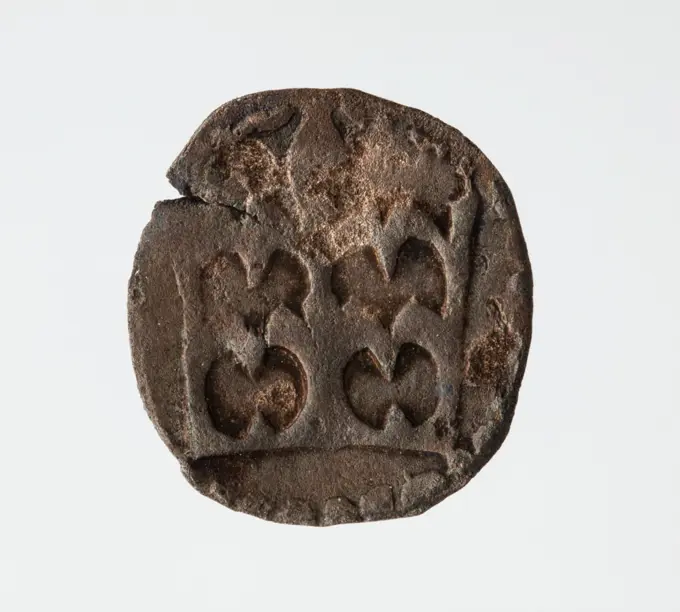
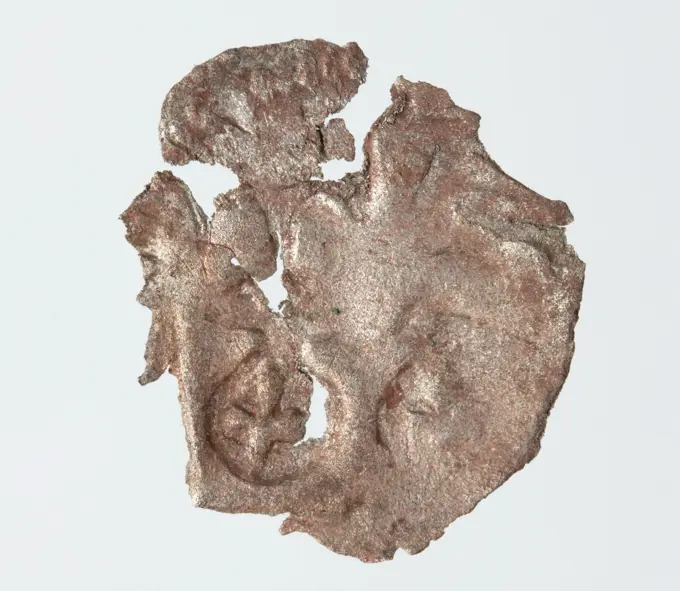
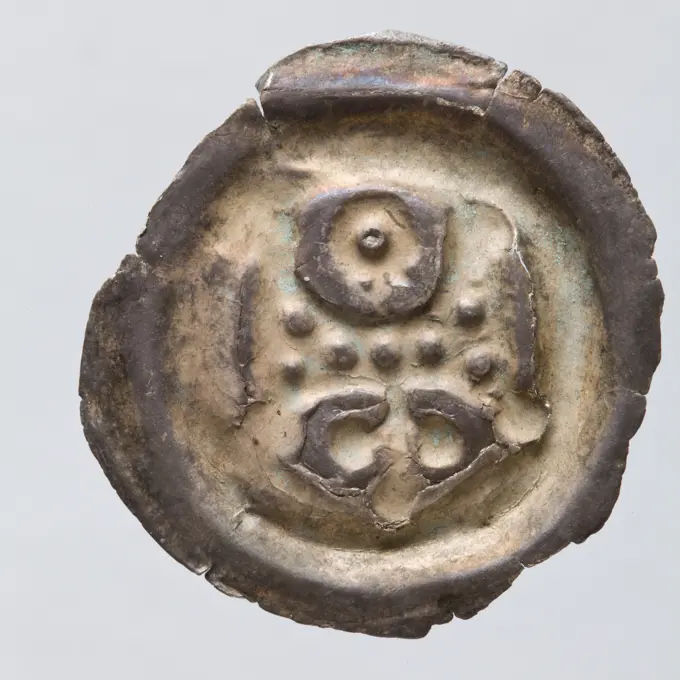
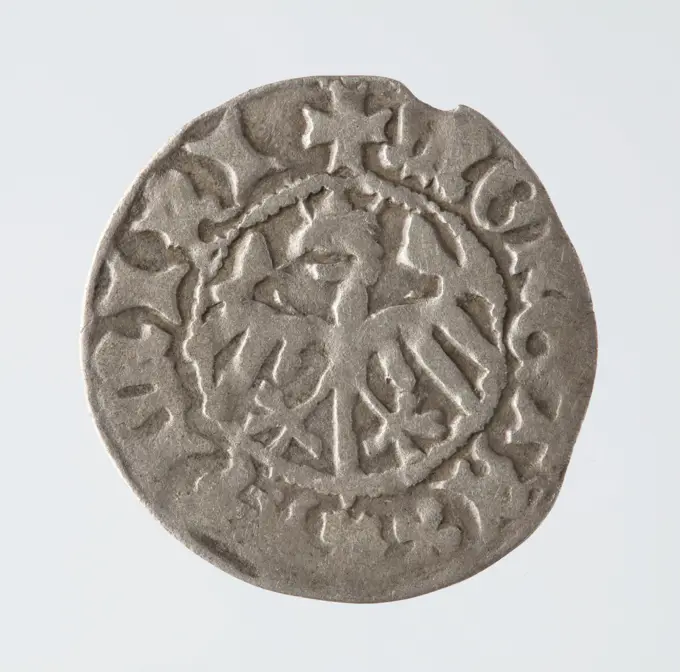
False Coin, Penny, 1013 1025, Mieszko II (1025 1031)
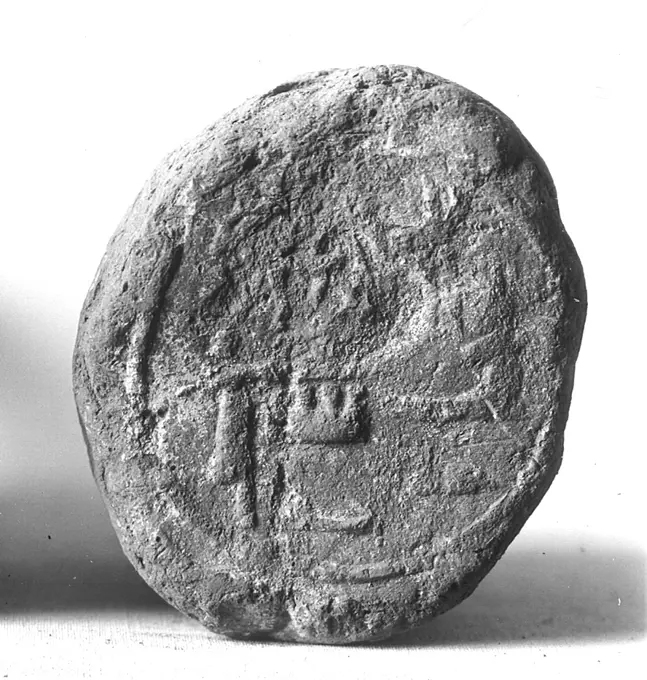
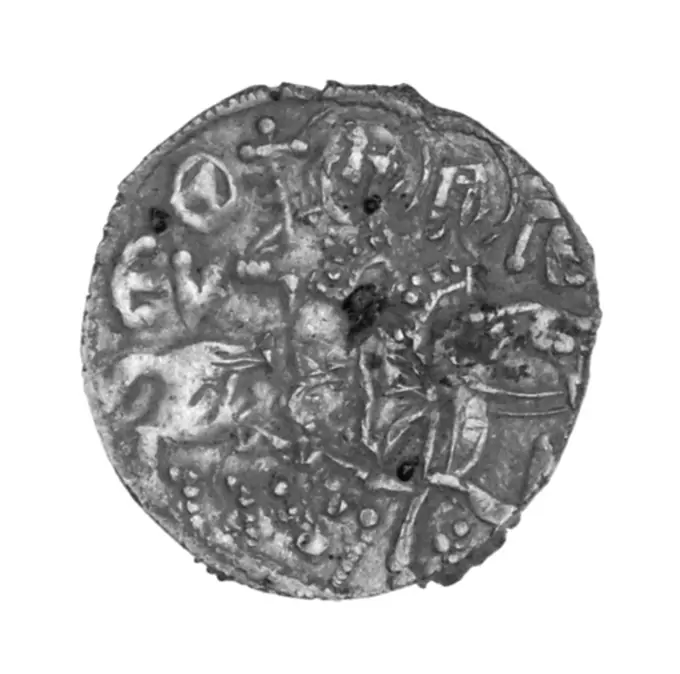
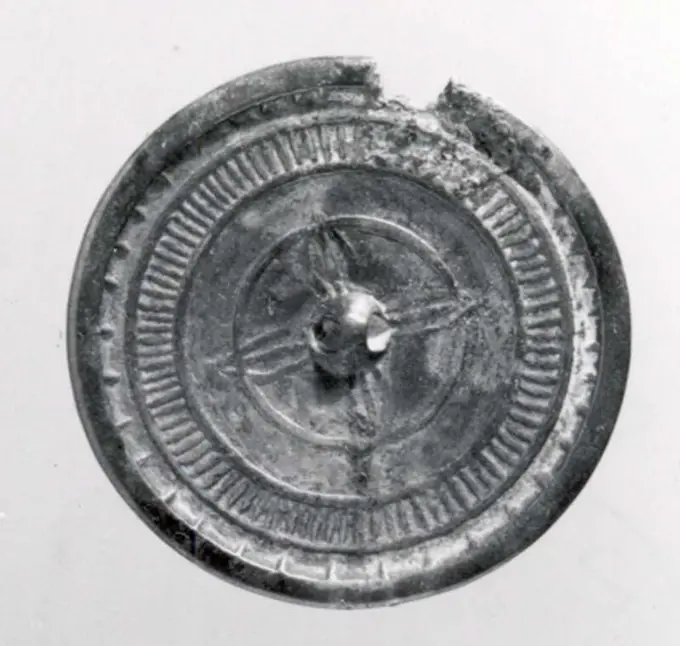
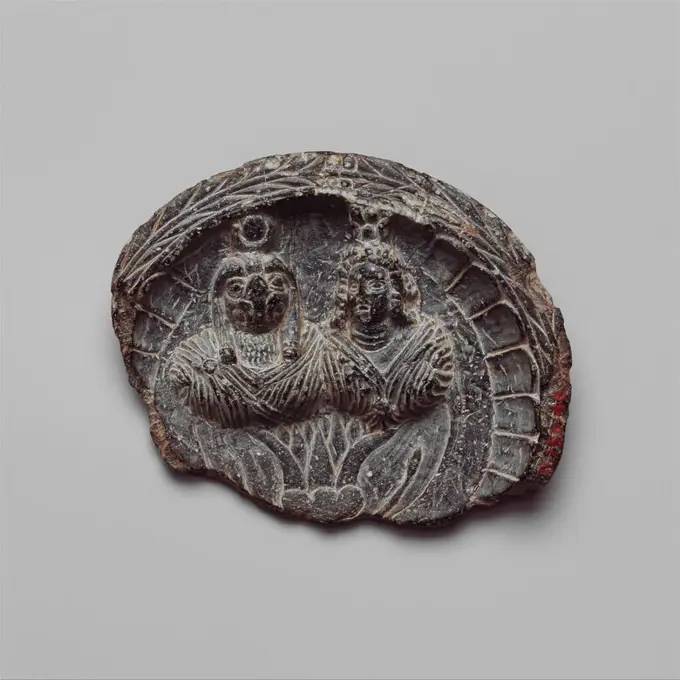
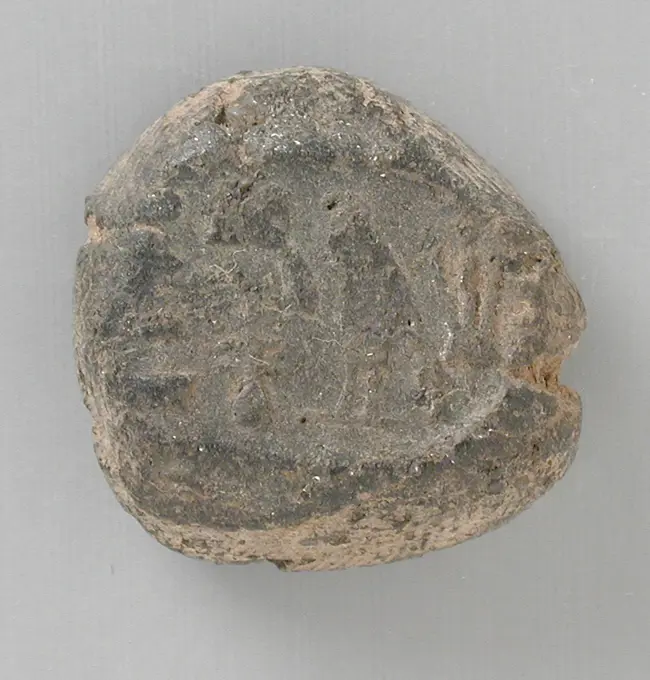
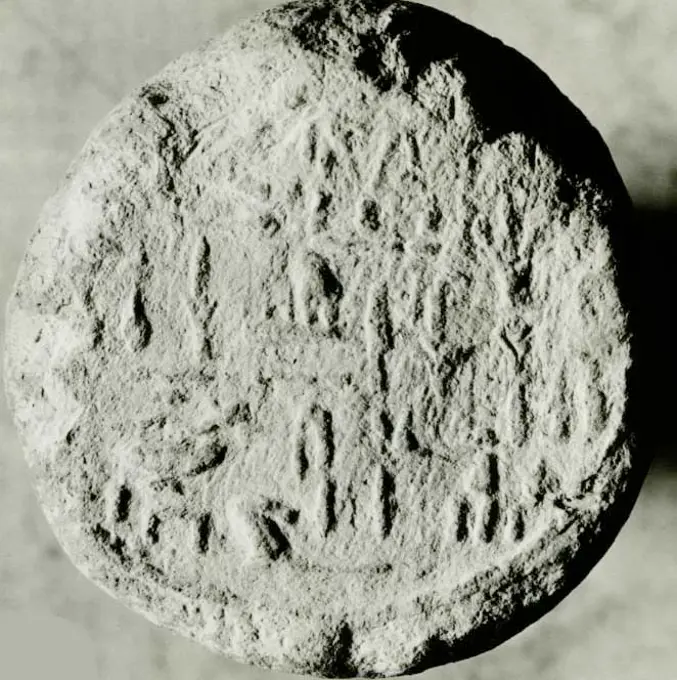
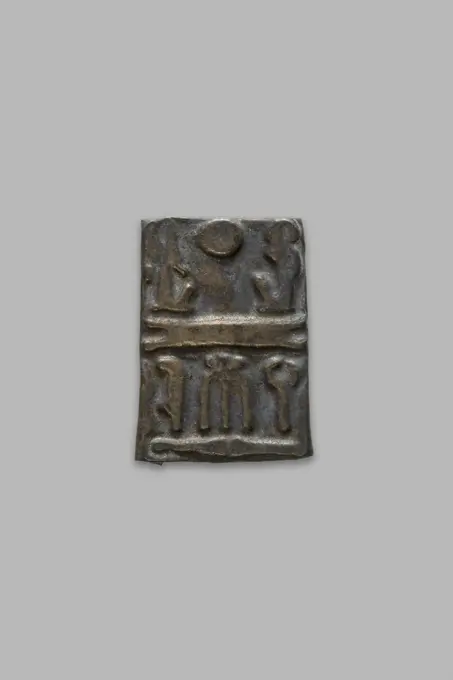
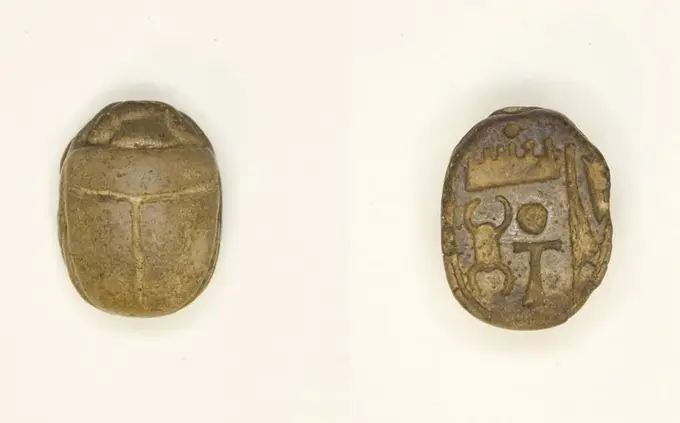
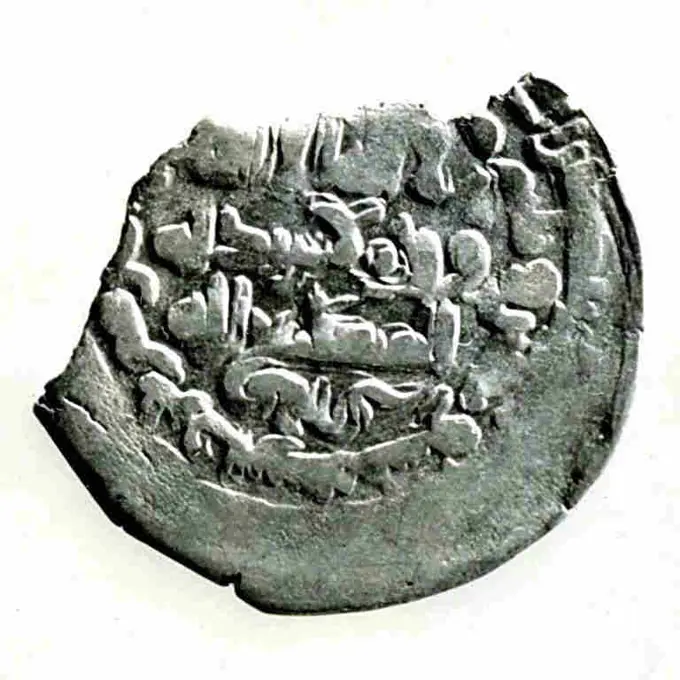
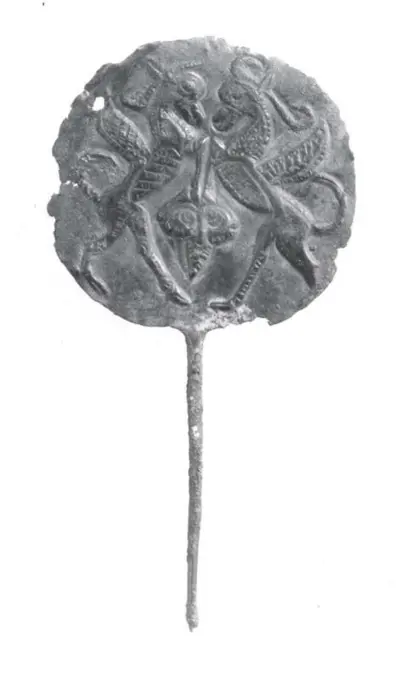
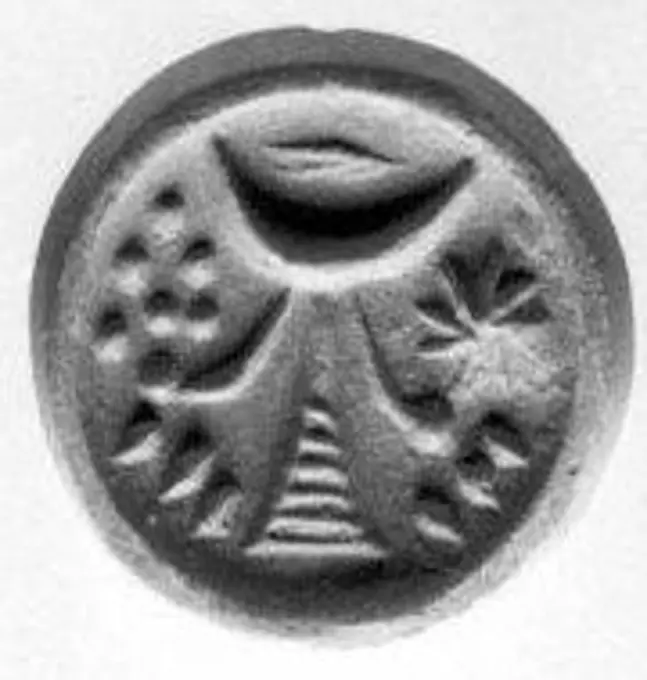
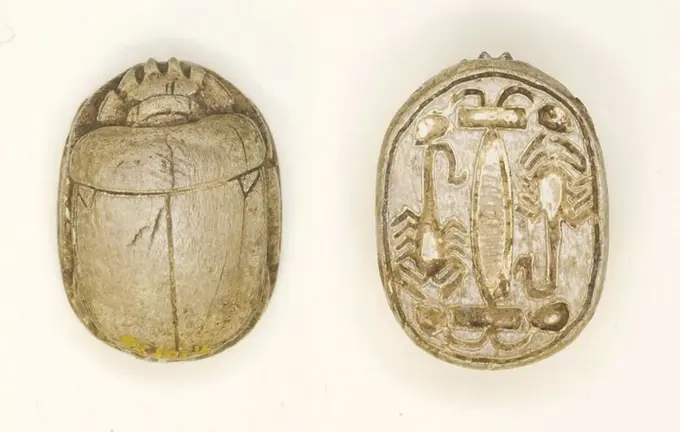
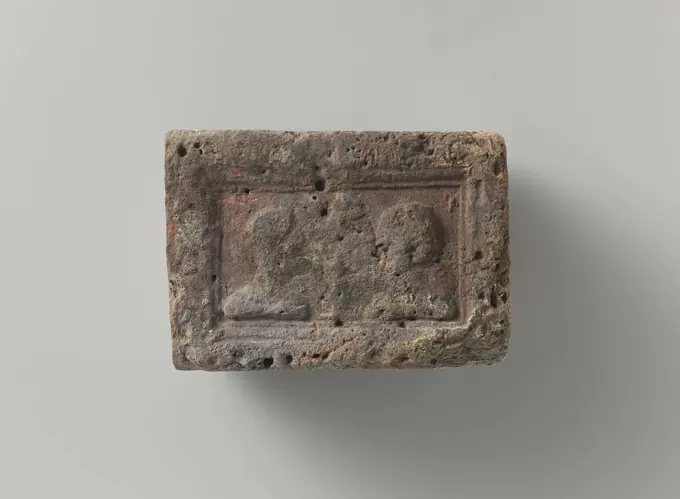
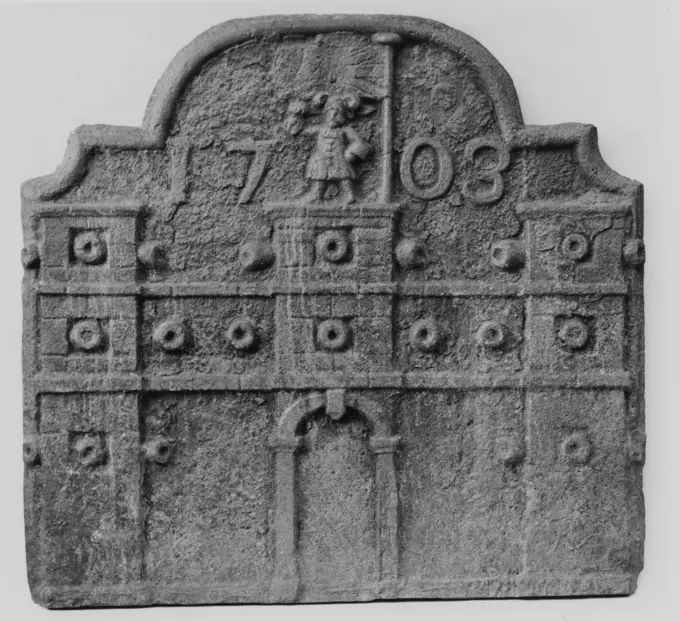
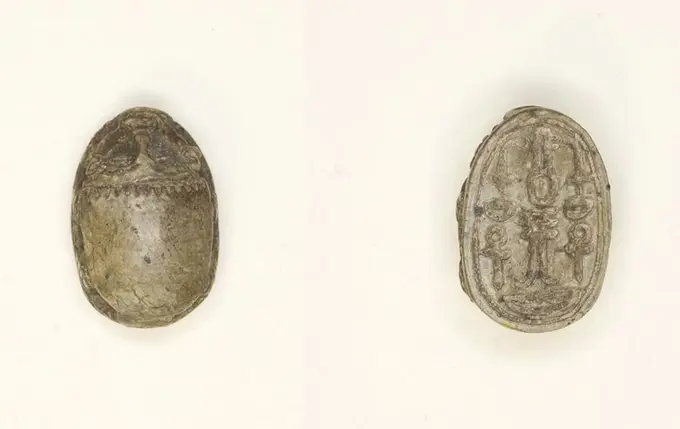
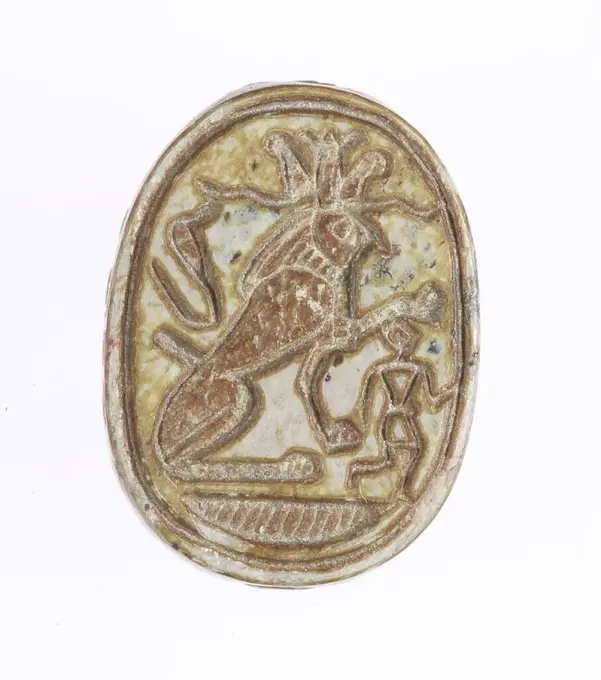
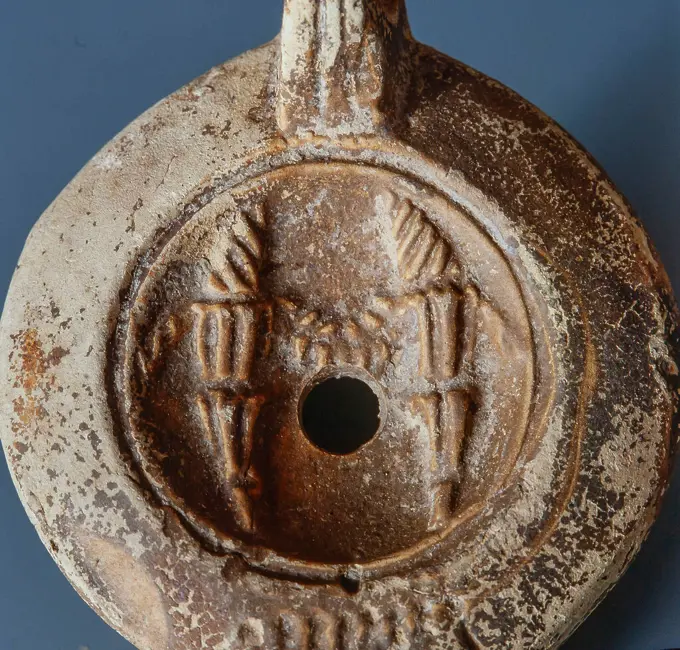
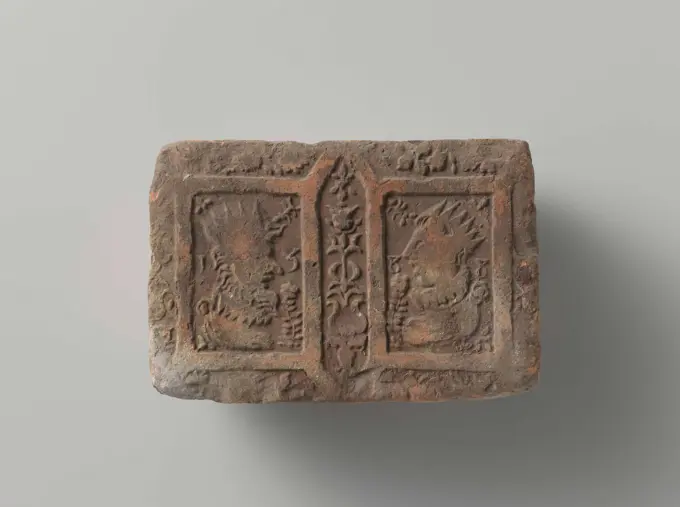
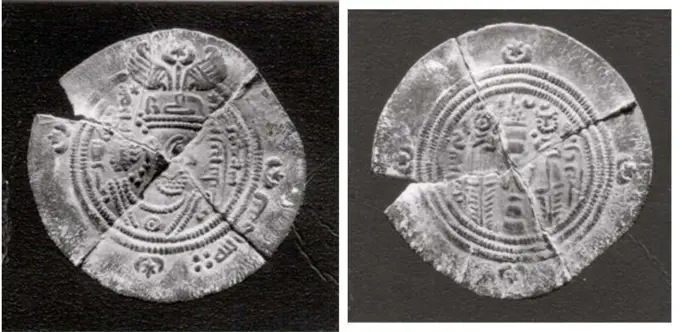
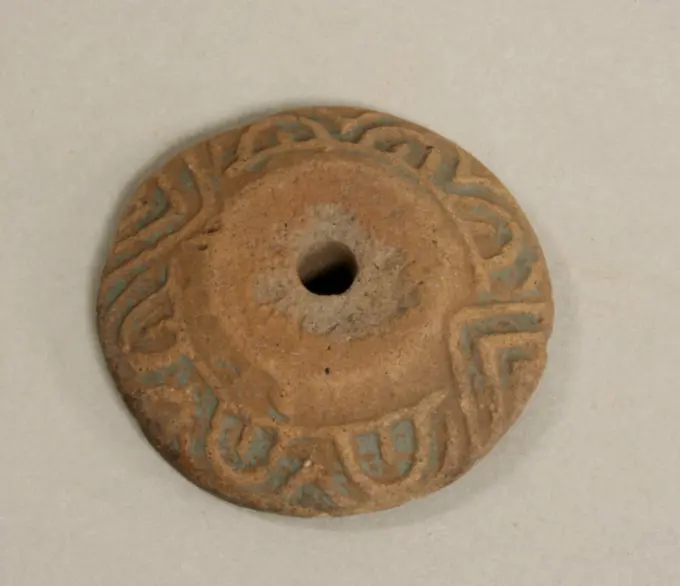
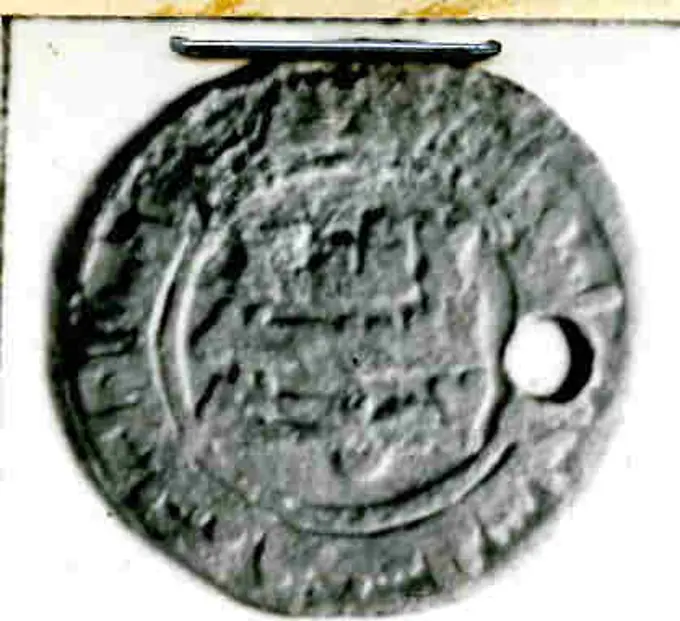
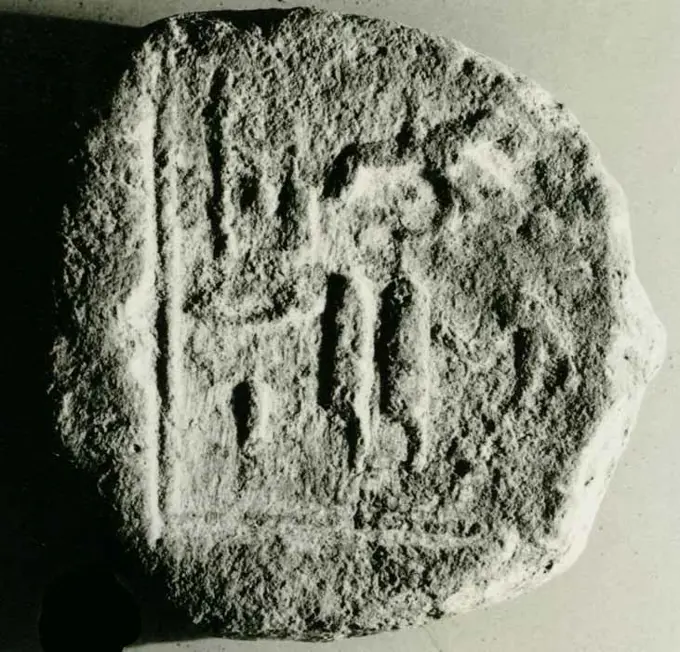
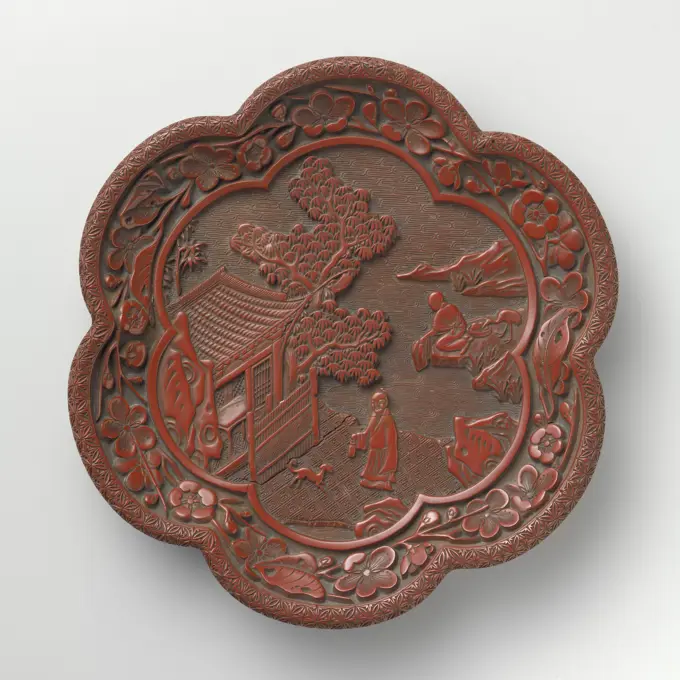
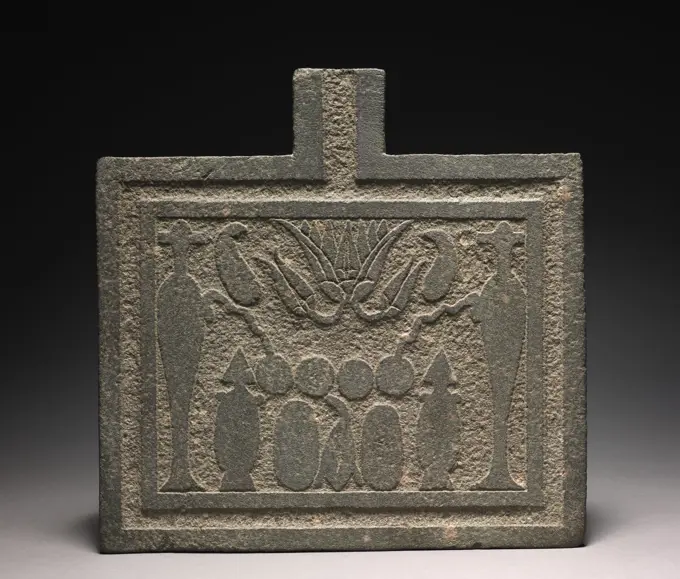
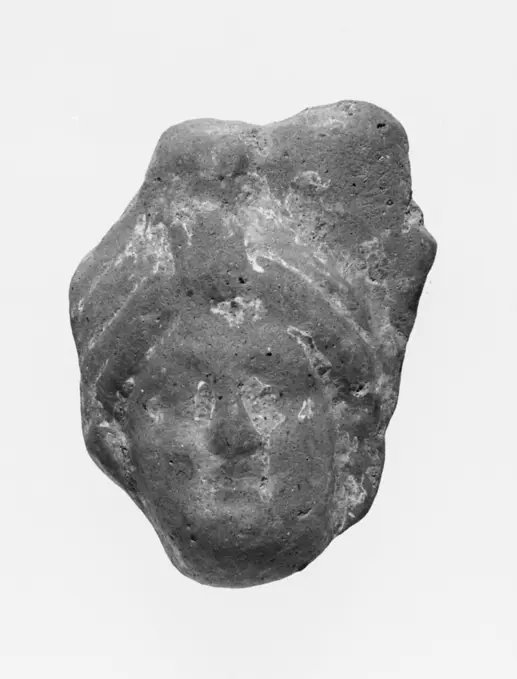
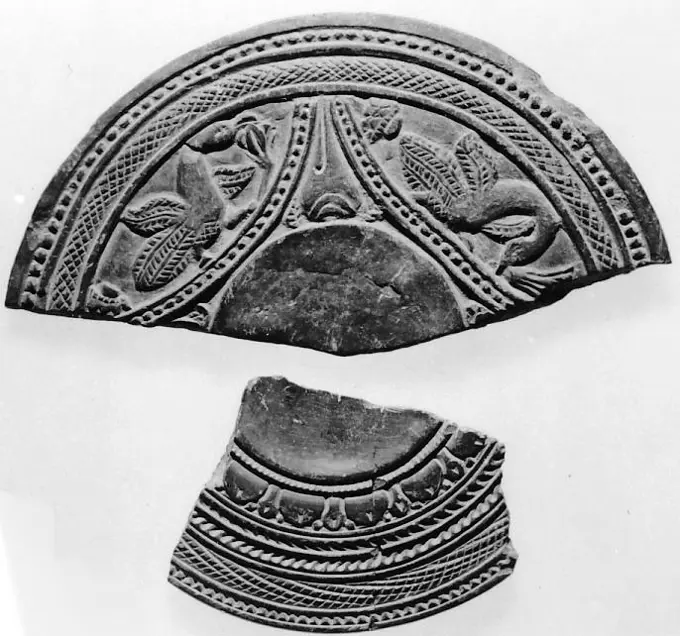
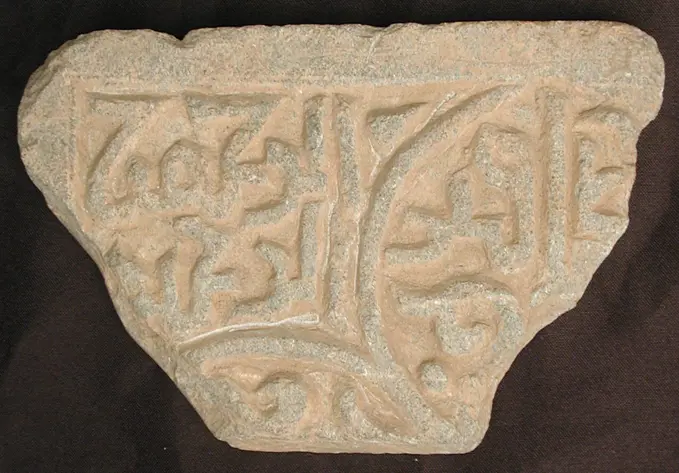
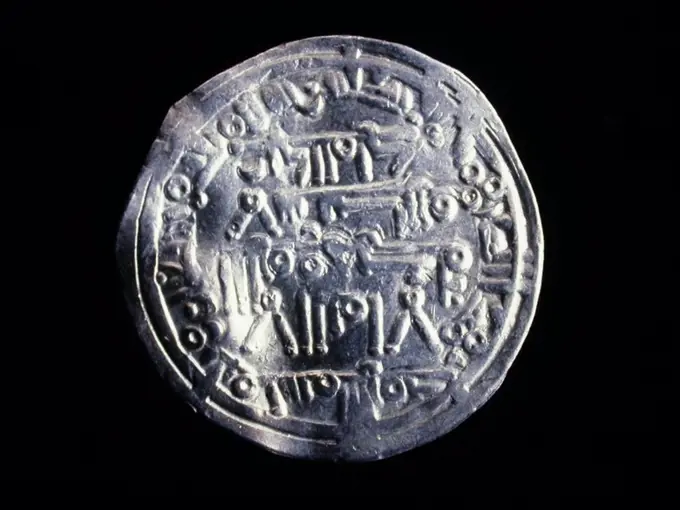
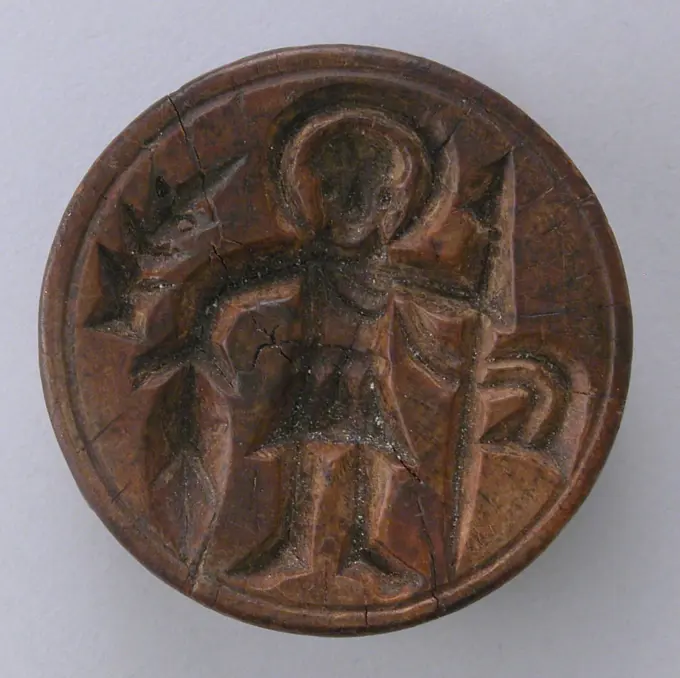
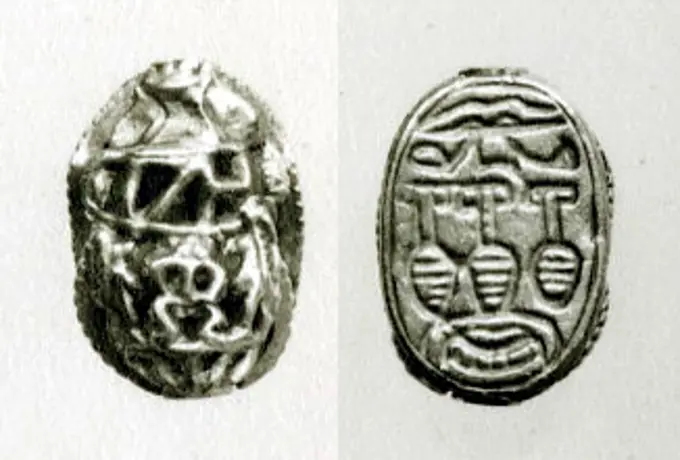
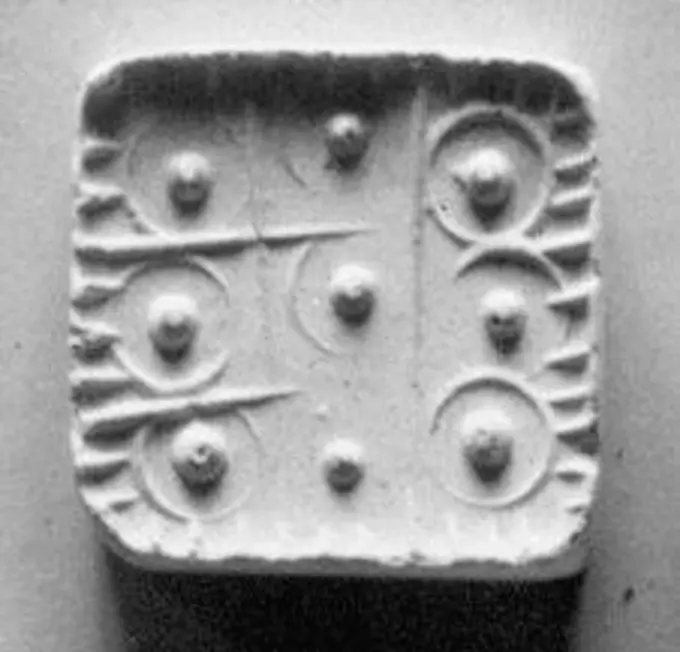
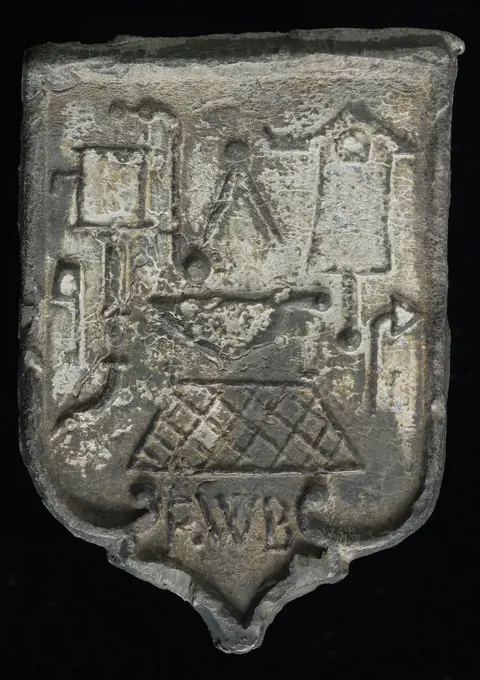
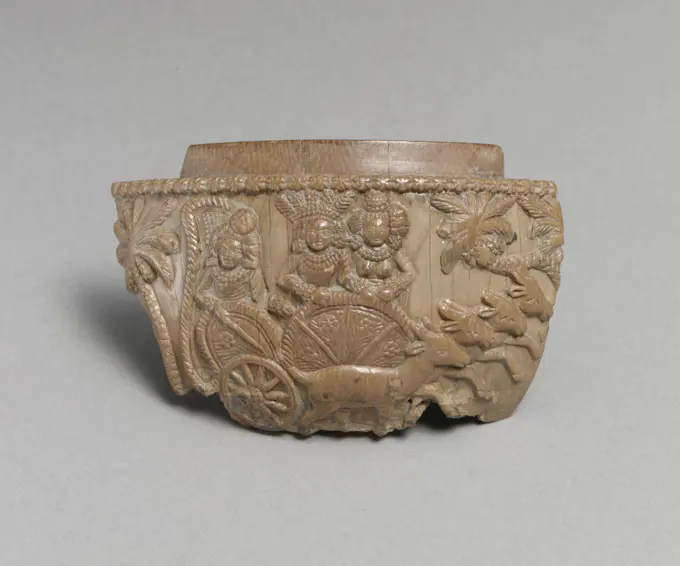
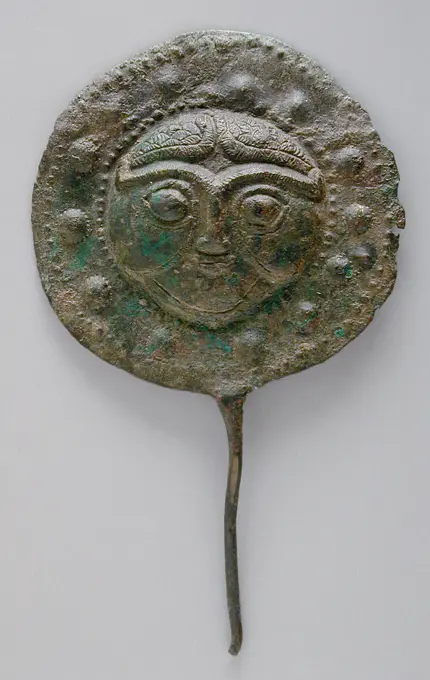
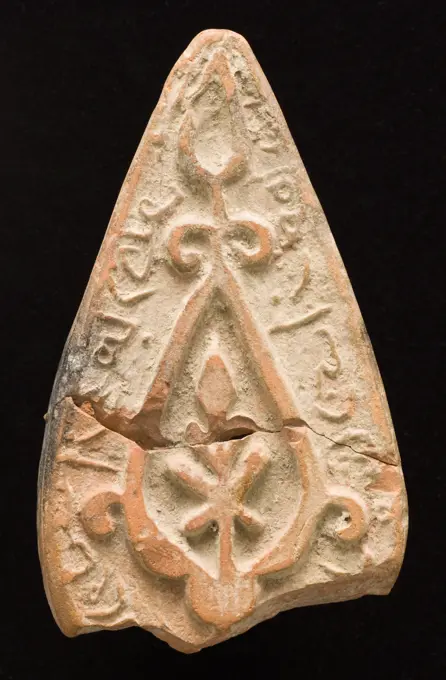
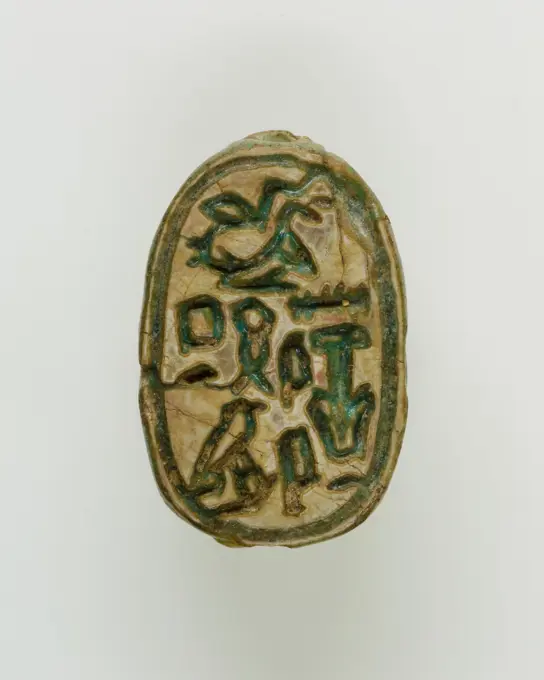
Unattributed Trebizond Coin. UnknownUnattributed Trebizond Coin. UnknownFunerary Cone of the Overseer Userhat ca. 1550-1352 B.C. New Kingdom Used as architectural decoration, funerary cones were arranged along the upper edge of the facades of private tombs at Thebes. This cone is inscribed for a man named Userhat who was an overseer of the cattle of Amun (see also 09.185.5). For a drawing of this impression see http://www.funerarycones.com/, number 255.. Funerary Cone of the Overseer Userhat Funerary Cone of the Overseer Userhat ca. 1550-1352 B.C. New Kingdom Used as architectural decoration, funerary cones were arranged along the upper edge of the facades of private tombs at Thebes. This cone is inscribed for a man named Userhat who was an overseer of the cattle of Amun (see also 09.185.5). For a drawing of this impression see http://www.funerarycones.com/, number 255.. Funerary Cone of the Overseer Userhat. ca. 1550-1352 B.C.. Pottery. New Kingdom. From Egypt, Upper Egypt, Thebes; Probably from Dra Abu el-Naga, Tomb of Userhat (TT 150). Dynasty 18Bliżej Kultury Mint of Kraków, Władysław Warneńczyk (King of Poland, 1434 1444)Engraved Gem. UnknownUnattributed Trebizond Coin. UnknownFalse Coin, Penny, 1013 1025, Mieszko II (1025 1031)Poland, Władysław Jagiełło (1386 1434), Denar, Town of Kraków, After 1396 W ADYS AW JAGIECH (CA 1351 1434), Mint of KrakówCompartmented stamp seal ca. late 3rd-early 2nd millennium B.C. Bactria-Margiana Archaeological Complex. Compartmented stamp seal 326407Bliżej Kultury Władysław Jagiełło (CA 1351 1434), Mint of KrakówMirror ca. 4th-3rd century B.C.. Mirror 325341Shallow dish with high relief figures of Isis and falcon-headed Horus. Dimensions: Diam: 3 9/16 in. (9 cm). Date: A.D. 2nd century perhaps. Museum: Metropolitan Museum of Art, New York, USA.Broken Seal Impression with Remains of a Personal Name. Egypt, Late Period () (714 - 333 BCE). Tools and Equipment; seals. Blackened clayGreater Poland, Přemysl II (1279-1296), bracteate; n.d. (the late13th century) Industry II (1295 1296)Octafoil Mirror with Avian and Floral Motifs, early to mid 10th Century. China, Five dynasties (907-960). Bronze; diameter: 13.8 cm (5 7/16 in.); overall: 0.7 cm (1/4 in.); rim: 0.3 cm (1/8 in.).Funerary Cone of the Royal Scribe Userhat ca. 1550-1295 B.C. New Kingdom This cone has the impression of a stamp seal inscribed for a man named Userhat who was a royal scribe, scribe of accounts of the bread of Upper and Lower Egypt, and overseer of the cattle of Amun and of the king. It also records the name of Userhat's wife, the house mistress Mutnefret. For a drawing of this impression see http://www.funerarycones.com/, number 130.. Funerary Cone of the Royal Scribe Userhat Funerary Cone of the Royal Scribe Userhat ca. 1550-1295 B.C. New Kingdom This cone has the impression of a stamp seal inscribed for a man named Userhat who was a royal scribe, scribe of accounts of the bread of Upper and Lower Egypt, and overseer of the cattle of Amun and of the king. It also records the name of Userhat's wife, the house mistress Mutnefret. For a drawing of this impression see http://www.funerarycones.com/, number 130.. Funerary Cone of the Royal Scribe Userhat. ca. 1550-1295 B.C.. Pottery. New Inscribed Rectangular Plaque ca. 1153-1147 B.C. New Kingdom, Ramesside This rectangular plaque bears the name of Ramesses IV who initiated several building projects and sent large expeditions to mining regions and quarries early on in his reign. His plans and ambitions were cut short by his death in the sixth year of his reign, but he had been able to complete and decorate his tomb in the Valley of the Kings. He also began work on a gigantic processional temple in Thebes, in which a number of intact foundation deposit were found with literally hundreds of plaques and other objects inscribed with his names, like this plaque here.. Inscribed Rectangular Plaque. ca. 1153-1147 B.C.. Electrum. New Kingdom, Ramesside. From Egypt, Upper Egypt, Thebes, Asasif, Temple of Ramesses IV, MMA excavations, 1915-16. Dynasty 20Stamp, Feline Profile. Culture: Aztec (). Dimensions: Overall: 7/16 x 1 13/16 in. (1.19 x 4.68 cm)Other: 7/16 in. (1.19 cm). Date: 14th-early 16th century. Museum: Metropolitan Museum of Art, New York, USA.Scarab: Wish Formula of Amon-Re. Egyptian. Date: 1991 BC-1668 BC. Dimensions: 0.6 × 1.6 × 1.3 cm (1/4 × 5/8 × 1/2 in.). Ceramic. Origin: Egypt. Museum: The Chicago Art Institute, Chicago, USA. Author: Ancient Egyptian.Scarab seal ca. 1700-1560 B.C.. Scarab seal. ca. 1700-1560 B.C.. Steatite, white. Dynasty 15-17, 2nd Intermediate Period, Hyksos. Levant, Lachish (modern Tell ed-Duweir)Loom-weight. UnknownBliżej Kultury Jan olmbrew (1492 1501)Coin dated A.H. 375/ A.D. 985. Coin 457159Bliżej Kultury Mint of Kraków, Władysław Warneńczyk (King of Poland, 1434 1444)Ornament with Maya Glyph 200-400 Atlantic Watershed. Ornament with Maya Glyph 313035Coin dated A.H. 363/ A.D. 973. Coin 457182Disc-headed pin ca. 8th-7th century B.C. Iran. Disc-headed pin 323722Stamp seal (button-shaped) with divine symbols late 8th - 7th century B.C. Assyrian. Stamp seal (button-shaped) with divine symbols. Assyrian. late 8th - 7th century B.C.. Glazed ceramic. Neo-Assyrian. MesopotamiaCoin A.H. 256-79/ A.D. 869-92. Coin. A.H. 256-79/ A.D. 869-92. Copper. Excavated in Iran, Nishapur. CoinsFragment of a Carved and Painted Dado Panel 10th-11th century This fragment of a carved panel was excavated in 1939 in a room at Vineyard Tepe in Nishapur, as was also 40.170.672. The few letters left of the inscription may be read as "al-s(a)mawat wa‘l-ard," as in the Qur’anic verse (24:35) describing God as the Light of the Heavens and the Earth, which recurs in inscriptions on 11th and 12th-century architecture. Traces of pigment in the epigraphic band suggest that the letters would have stood against a blue background, creating a striking effect in its original setting. The mason who carved the stone employed a flat chisel. This technique substantially differs from stone-working in the central Islamic lands and medieval and Islamic Europe, where toothed tools (chisels, hammers, etc.) were also used.. Fragment of a Carved and Painted Dado Panel 456278Funerary Cone of Djehutimose ca. 1550-1295 B.C. New Kingdom. Funerary Cone of Djehutimose. ca. 1550-1295 B.C.. Pottery. New Kingdom. From Egypt, Upper Egypt, Thebes. Dynasty 18Sealing ca. 1981-1640 B.C. Middle Kingdom. Sealing 560511Scarab: Scorpion Motifs. Egyptian. Date: 1550 BC-1186 BC. Dimensions: 0.6 × 1.6 × 1.1 cm (1/4 × 5/8 × 7/16 in.). Steatite. Origin: Egypt. Museum: The Chicago Art Institute, Chicago, USA. Author: Ancient Egyptian.Worship of the shepherds. Round, silver plaque, pendant of BK-NM-5429. Left Maria, kneeling to the right; For her the child with the OS and the donkey, while Joseph jumps over him. On the right side to kneeling and a standing shepherd with dog. Achieved a youthful shepherd, three-quarters of behind. A bows gallery in the background on the left; On the right a tree behind which a mountain landscape is visible.Indie, Sindh, Dynastia Habbabaridów (870 1009),'Abdallāh, 1/6 Dirhama, CA 884 913 ADPlate with Relief Decoration. UnknownFairstone with image, Anonymous, 1611 Hearing stone with the weapons of Liège and Bourbon separated by the Liège Perroen with the year 1611 and the letters LG (Libertas Gentis). Found in 1863 at Roermond station. Southern Netherlands earthenware   Roermond Hearing stone with the weapons of Liège and Bourbon separated by the Liège Perroen with the year 1611 and the letters LG (Libertas Gentis). Found in 1863 at Roermond station. Southern Netherlands earthenware   RoermondFireplace with a representation of a men's and women's head of a vase. Fireplace with a representation of a men's and women's head of a vase.Fireplace with representation of two narresheads. Fair stone with an image of two narrower heads. In the middle.Sealing with one circular seal impression ca. 18th century B.C. Old Assyrian Trading Colony. Sealing with one circular seal impression 323544Stamp Seal. Northern Mesopotamia, circa 4th millennium B.C.. Tools and Equipment; seals. Black serpentineFireback 1703 American Cast iron firebacks served the dual purpose of reflecting the heat of a fire back into a room and protecting vulnerable bricks and plaster on the back wall of a fireplace. Cast with the image of a stone fortress, bristling with cannons and a commanding figure standing atop a rampart, flying a British flag, it also features the date 1703,” possibly the year of its manufacture.. Fireback. American. 1703. Cast iron. Possibly made in Newport, Rhode Island, United StatesSeal probably 10th century. Seal 444819Carnavalet Museum, Medals CollectionHearing stone, on which a portrait with striking hair, anonymous, c. 1400 - c. 1950 Hearing stone, on which a portrait with striking hair in a medallion. In Gothic edge. From fine baked earth. Southern Netherlands earthenware Hearing stone, on which a portrait with striking hair in a medallion. In Gothic edge. From fine baked earth. Southern Netherlands earthenwareScarab: Hieroglyphs (swt, nfr, Dd, anx, nb). Egyptian. Date: 1985 BC-1550 BC. Dimensions: 1.3 × 1 × 0.6 cm (1/2 × 3/8 × 1/4 in.). Steatite. Origin: Egypt. Museum: The Chicago Art Institute, Chicago, USA. Author: Ancient Egyptian.Scarab Inscribed With a Protective Motif. Dimensions: L. 1.5 cm (9/16 in); w. 1.2 cm (1/2 in); th. 0.8 cm (5/16 in). Dynasty: Dynasty 18, early. Reign: reign of Ahmose-Joint reign. Date: ca. 1550-1458 B.C..The scarab's base depicts a falcon-headed sphinx wearing the "atef" crown while subduing an enemy of Egypt. The falcon represents Re-Herakhti - the god Horus when he is merged with the sun. Museum: Metropolitan Museum of Art, New York, USA.Stamp seal ca. 4th century A.D. Sasanian. Stamp seal. Sasanian. ca. 4th century A.D.. Carnelian. Sasanian. Iran or MesopotamiaGold disc from a necklace, decorated with an image of the Three Graces. 2nd CenturyCoin dated A.H. 377/ A.D. 987. Coin 457146Sealing, from letter 22.3.518 from Heqanakht to Rahotep. Dimensions: L. 2 × W. 1.3 cm (13/16 × 1/2 in.). Dynasty: Dynasty 12. Reign: reign of Senwosret I. Date: ca. 1961-1917 B.C..Discovered attached to a letter from Heqanakht to the Overseer of the Delta, Herunefer (see 22.3.518), this lump of mud is an example of a sealing. When a document was ready, it was folded or rolled and wrapped with a string. A small lump of mud was placed over the ends of the string and impressed with the incised underside of a seal, such as a scarab. This served to identify the owner or writer of the document. Museum: Metropolitan Museum of Art, New York, USA.Stamp seal ca. 3rd-7th century A.D. Sasanian. Stamp seal 322757Targe (Shield) Made 1550-1560 Augsburg. Steel, brass, and iron .Lámpara de aceite romana. Can Serra Museu de Mataró.bracteate denarius. Zakon krzyżacki (1190-), issuerFireplace of baked earth with diamond-shaped distribution, with images of a king and queen surrounded with flowers and fruits. Fireplace of baked earth with diamond-shaped distribution. With square-enchanted images of a king and a queen surrounded with flowers and fruits. With the year 1588. Almost entirely equal to BK-NM-9598.Dirhem A.D. 677/58 A.H. Islamic. Dirhem. Islamic. A.D. 677/58 A.H.. Silver. early Islamic. Iran, Qasr-i Abu NasrFunerary Cone of The Fourth Prophet of Amun ca. 712-525 B.C. Late Period. Funerary Cone of The Fourth Prophet of Amun. ca. 712-525 B.C.. Pottery. Late Period. From Egypt, Upper Egypt, Thebes, Asasif, MMA excavations, 1912-13. Dynasty 25-26Spindle Whorl 9th-15th century Mexican. Spindle Whorl. Mexican. 9th-15th century. Ceramic. Mexico, Mesoamerica. Ceramics-ImplementsCoin dated A.H. 387/ A.D. 997. Coin. dated A.H. 387/ A.D. 997. Copper. Excavated in Iran, Nishapur. Mint present-day Uzbekistan, Samarqand. CoinsFunerary Cone of the Scribe Pairy ca. 1400-1390 B.C. New Kingdom This cone has the impression of a stamp seal inscribed for a scribe named Pairy who owned Theban tomb 295. For a drawing of this impression see http://www.funerarycones.com/, number 576.. Funerary Cone of the Scribe Pairy Funerary Cone of the Scribe Pairy ca. 1400-1390 B.C. New Kingdom This cone has the impression of a stamp seal inscribed for a scribe named Pairy who owned Theban tomb 295. For a drawing of this impression see http://www.funerarycones.com/, number 576.. Funerary Cone of the Scribe Pairy. ca. 1400-1390 B.C.. Pottery. New Kingdom. From Egypt, Upper Egypt, Thebes. Dynasty 18Dish, zhang Cheng, C. 1500 -C. 1600 Scale with lobed edge, sliced red lacquer. Decorated with landscape. Bottom is equipped with a crushed poem and signature. China wood (plant material). lacquer (coating) Scale with lobed edge, sliced red lacquer. Decorated with landscape. Bottom is equipped with a crushed poem and signature. China wood (plant material). lacquer (coating)Miniature Square-Headed Brooch 500-550 Anglo-Saxon The affinity of these brooches, found in France, with objects from Kent is evidence of the spread of artistic traditions through export or copying.. Miniature Square-Headed Brooch 465093 Anglo-Saxon, Miniature Square-Headed Brooch, 500550, Silver-gilt; iron pin, Overall: 1 3/4 x 5/8 x 3/8 in. (4.5 x 1.6 x 0.9 cm). The Metropolitan Museum of Art, New York. Gift of J. Pierpont Morgan, 1917 (17.191.46)Fourteen penny; Emergency coin from Leiden, beaten during the siege, made of silver from churches and monasteries, anonymous, 1574 coin. siege coin diamond -shaped emergency coin with hole in it. Front: Lion with sword raised above in the right and city coat of arms in the left-wing claw in Koverschrift. Reverse: inscription Inside Lauwerkrans Dordrecht silver (metal) striking (metalworking)  LeidenPilgrim Flask 4th-7th century Coptic. Pilgrim Flask 478708Offering Table, 305-30 BC. Egypt, Ptolemaic Dynasty. Granodiorite; overall: 34.6 x 35.2 x 7.2 cm (13 5/8 x 13 7/8 x 2 13/16 in.).Female Head. UnknownFragment of a Cosmetic Mixing Palette ca. 4th-5th century Pakistan (ancient region of Gandhara). Fragment of a Cosmetic Mixing Palette. Pakistan (ancient region of Gandhara). ca. 4th-5th century. Stone. SculptureOpenwork Pinhead. Iran, Luristan, circa 1000-650 B.C.. Jewelry and Adornments; pins. Bronze, castCenser Top 5th-6th century Byzantine. Censer Top. Byzantine. 5th-6th century. Copper alloy. Metalwork-Copper alloyGreece, Athens. Area of Kerameikos (Ceramicus). Its name derives from "potter's quarter". Northwest of the Acropolis. Old cemetery. Ruins. Agia Triada Church at back. Coin dated A.H. 375/ A.D. 985. Coin 457128Coin before A.H. 131/ A.D. 749. Coin 457354Mycenaean gold signet ring picturing a fertility rite, 13th century BC. Artist: UnknownReaal from Bolivia van Karel III, 1767 ,, 1767 coin Silver mint from rough mint plate. Front: Inside four pass similarly cross -cross with a castle and a lion alternated in the corners. Reverside: between two columns rising from the sea, on which decorations, in three lines Value designation: I, inscription and year: 759. In between twice Mintplaats designation: P = Potosi. With later -applied porter to wear mint. Potosi silver (metal) striking (metalworking)Fragment of Tombstone 8th-13th century. Fragment of Tombstone 453464NUMISMATICA. MONEDA HISPANO-ARABE. DIRHAM DE PLATA, DE HISAM II. ANVERSO. 393 HEGIRA/1003 D.C. (DEPOSITO: MUSEO ARQUEOLOGICO NACIONAL).Double Stamp 3rd-12th century. Double Stamp 446066Wooden matrix for reflecting patterns with a flower ornament;  19th century (1801-00-00-1900-00-00);Coin dated A.H. 170/ A.D. 786. Coin 457084Scarab ca. 1859-1813 B.C. Middle Kingdom. Scarab. ca. 1859-1813 B.C.. Gold. Middle Kingdom. From Egypt; Possibly from Memphite Region, Dahshur. Dynasty 12Ridge-handled thin rectangular plaque seal 5th-4th millennium B.C.. Ridge-handled thin rectangular plaque seal. 5th-4th millennium B.C.. Chlorite or steatite, black. Late Ubaid-Mid Gawra. Northern Syria or northern MesopotamiaSealing with inscribed stamp seal impressions ca. 6th-7th century Sasanian This sealing was impressed with five seals of varying size. The imagery on the seals depict two birds (impressed twice), a camel walking to the right, an inscription, and a floral motif. The sealing was among over 500 sealings excavated in the Sasanian fortress at the site of Qasr-i Abu Nasr. The cache was preserved because the building had burned, baking the clay and retaining the seal impressions. These small clay objects played a role in Sasanian administrative practices. A piece of clay would be pressed around a cord to close a document or package and then stamped with a seal. In some cases, these removed sealings seem to have been deliberately stored for administrative purposes.Qasr-i Abu Nasr is located near Shiraz in southern Iran at a strategic point at the intersection of defensive mountains, available water sources, and along roads entering the Shiraz plain. It was excavated by archaeologists from The Brooch, 600s. Frankish, Migration period, 7th century. Bronze and silver overlay; diameter: 3.2 cm (1 1/4 in.).Female Head. UnknownStone from the facade of the meat hall, window decoration, keystone building element facing stone sculpture sculpture sandstone stone, sculpted Rectangular down slightly tapered flesh meat hall Rotterdam City Triangle Botersloot St. Bartholomeus Originating from the Vleeshal on the Botersloot.Compartmented stamp seal ca. late 3rd-early 2nd millennium B.C. Bactria-Margiana Archaeological Complex. Compartmented stamp seal 326868NUMISMATICA. MONEDA VISIGODA. WITIZA ISPALI (BAETICA) (689-710) ANVERSO. DONACION DON MANUEL TRABUCO.Cone Stamp. Egypt or Eastern Mediterranean, Ptolemaic Period - Roman Period (305 BCE - 337 CE). Tools and Equipment; stamps. TerracottaHearing stone with a representation of a men's and women's head in two profiled windows, anonymous, c. 1550 - c. 1599 Hearing stone with a representation of a men's and women's head and Profil in laurel wreaths, placed in two profiled windows. The half and quarter windows at the top and bottom are filled with flower decorations in laurel opportunities. Southern Netherlands earthenware Hearing stone with a representation of a men's and women's head and Profil in laurel wreaths, placed in two profiled windows. The half and quarter windows at the top and bottom are filled with flower decorations in laurel opportunities. Southern Netherlands earthenwareFWB, Roof lead, shield-shaped cover plate with initials FWB and various guide tools, bracing lead hallmark metal lead, Roof bonnet shield-shaped cover plate of the nails with in relief the initials of the plumber F.W.. and above it various guiding tools, F.W.. slate From the roof of the Courthouse on the Kloosterlaan in Breda.Pin ca. 8th-7th century B.C. Iran. Pin. Iran. ca. 8th-7th century B.C.. Bronze. Iron Age III. Iran, probably from LuristanChisel China. Chisel 42993The Moon God Chandra() in His Chariot with Wife and Attendant 2nd-1st century B.C. India (West Bengal) The sky deity portrayed here is first mentioned in the Vedic hymns of about 1500 B.C. and was eventually incorporated into the Hindu pantheon.. The Moon God Chandra() in His Chariot with Wife and Attendant 65010Disc - headed Pin. Iran, Luristan, Luristan bronzes, circa 1000-650 B.C.. Jewelry and Adornments; pins. Bronze, hammeredStamp seal (octagonal pyramid) with cultic scene late 8th - 7th century B.C. Assyrian. Stamp seal (octagonal pyramid) with cultic scene. Assyrian. late 8th - 7th century B.C.. Limestone, yellow. Neo-Assyrian. Mesopotamia or SyriaStamp or Mold. Iran, 12th-13th century. Ceramics. Earthenware, moldedScarab of an Official ca. 1760-1670 B.C. Middle Kingdom Administrative changes during Dynasty 12 lead to an increase in bureaucracy and, subsequently, in the production and use of seals. This is reflected in the beginning of the mass production of scarabs, the most popular shape for amulets, in late Dynasty 12 through Dynasty 13 (ca. 1850-1640 B.C.). Thousands of these late Middle Kingdom scarabs bear the names and titles of officials, who would wear them as amulets, but who could also use them to seal documents, containers or doors. However, the scarabs primary function remained that of a protective amulet. Several inscriptions add a funerary epithet to the owners name, indicating that the amulet was manufactured after the owner had passed away. The scarab bears the name and titles of an official, named Ptahanty.. Scarab of an Official 557046Bit Boss with Hercules Fighting the Monster Cacus. Culture: South German, possibly Augsburg. Dimensions: Diam. 2 1/4 in. (5.7 cm); Wt. 1.7 oz. (48 g). Date: second half 16th century.The central part of this bit boss is adorned with a scene depicting Hercules fighting the monster Cacus, represented as a centaur with a half-lion - half-deer body, a shield and a sword at their feet. This scene is directly inspired by a rectangular plaquette designed by Moderno (Galeazzo Mondella), ca. 1507. German bronze founders would regularly use Italian medals or plaquettes as models for their works, including bosses, like this one, which decorated the sides of horse bits. They also produced similar decorative elements for powder flasks, staff weapons or even pistols. This scene seems to have been a common design for bit bosses and plaquettes made in Southern Germany in the second half of the 16th century. Museum: Metropolitan Museum of Art, New York, USA.Roof tile, from the Korean, Unified Silla period, 700-800 AD Stoneware. Stoneware roof tiles were used in royal buildings, elite homes, and on Buddhist temples.