Ancient Coins and Currency

Detailed images of historically significant coins from ancient Rome and Greece, showcasing portraits and inscriptions.

Levinus Bloccenus a Burgh, Jacob Zagar (copy after), in or after 1556 copy. history medal Unilateral lead medal with hole in it. Front: breastpiece man inside change. Reverse: Blanco. Middelburg lead (metal) casting
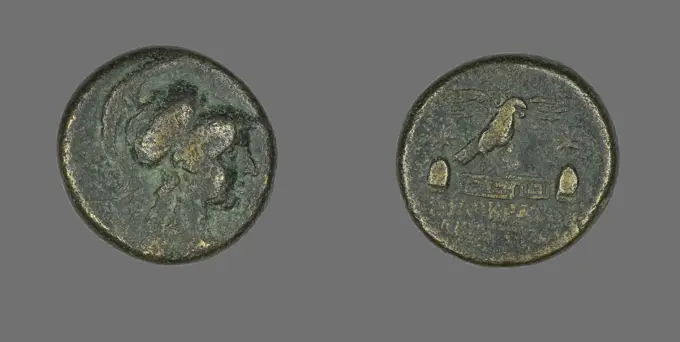
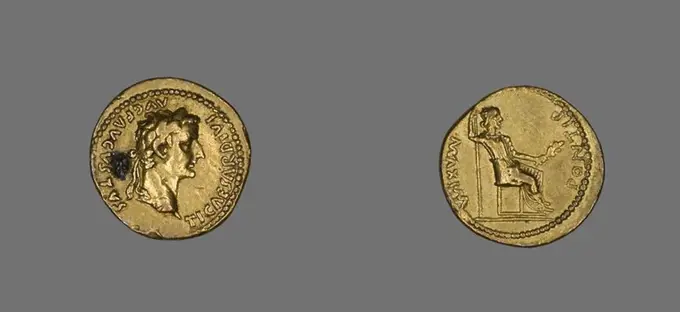
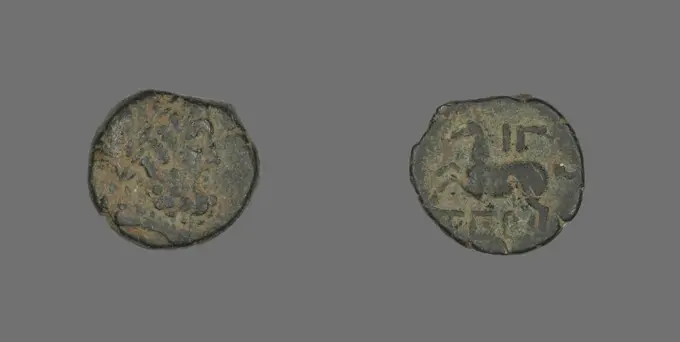
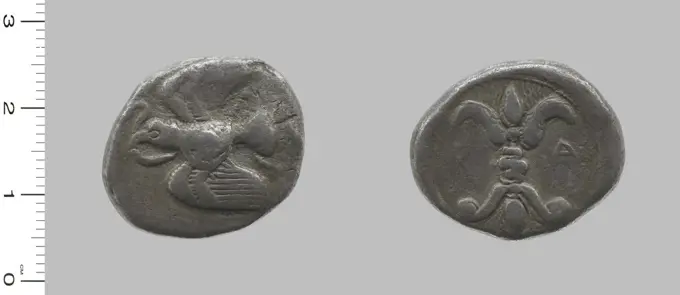
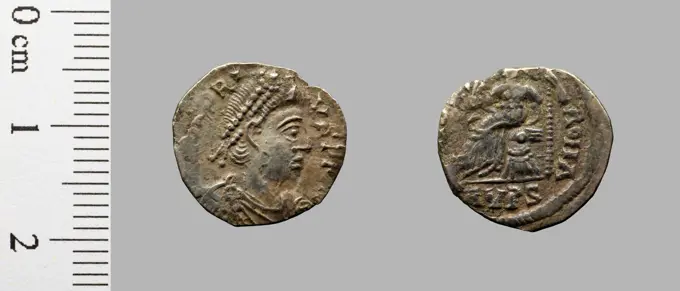
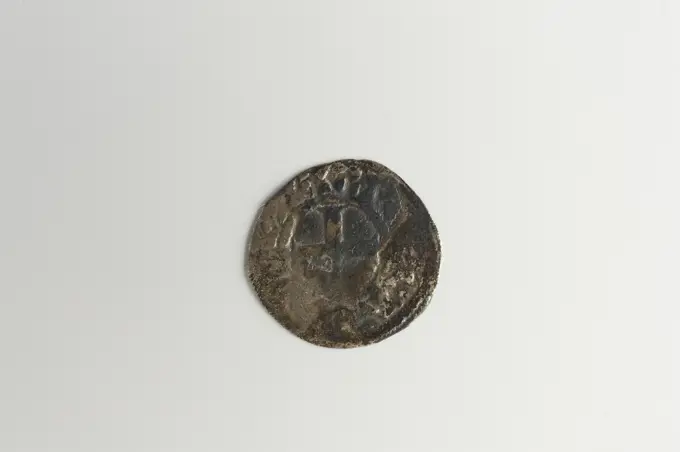
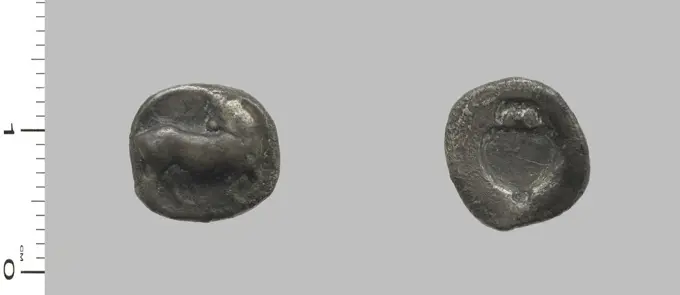
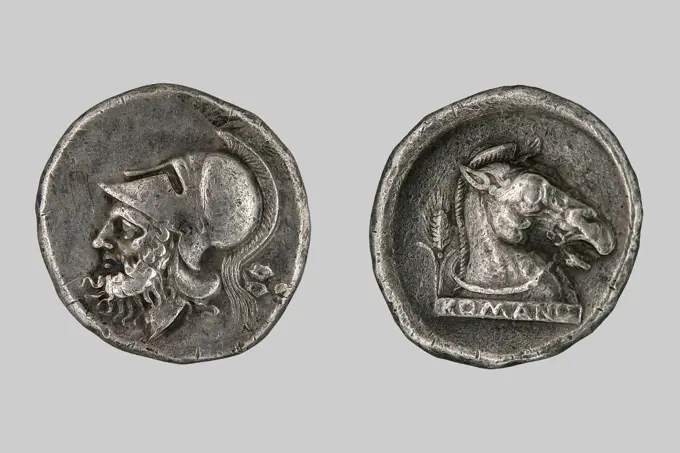
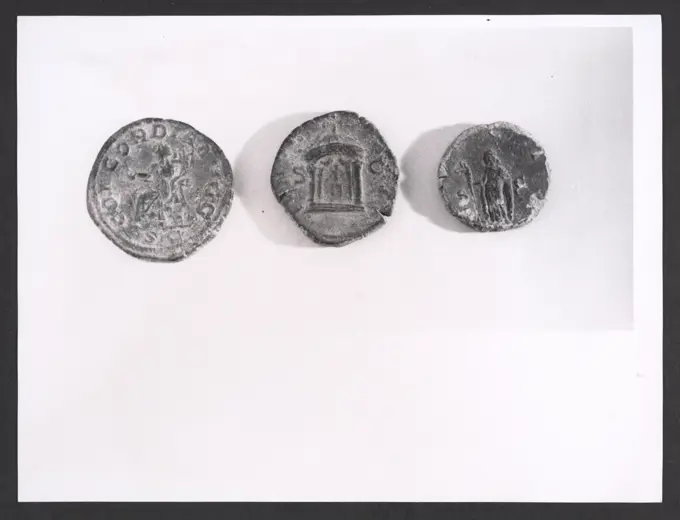
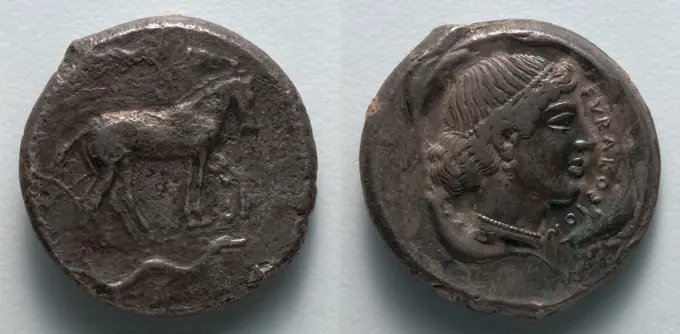
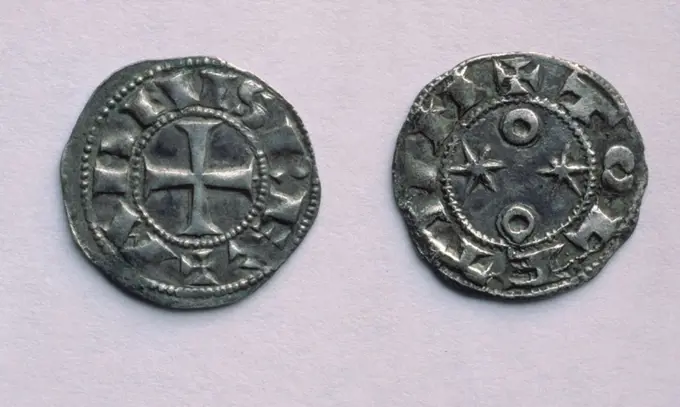
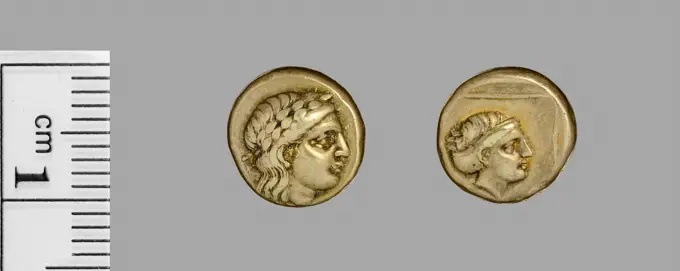
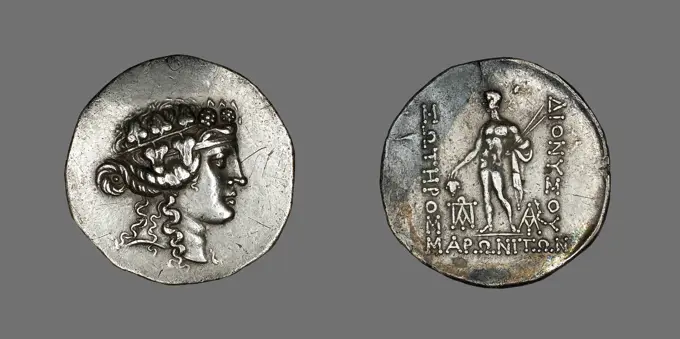
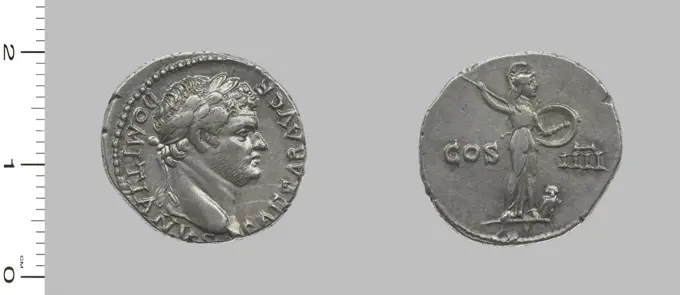
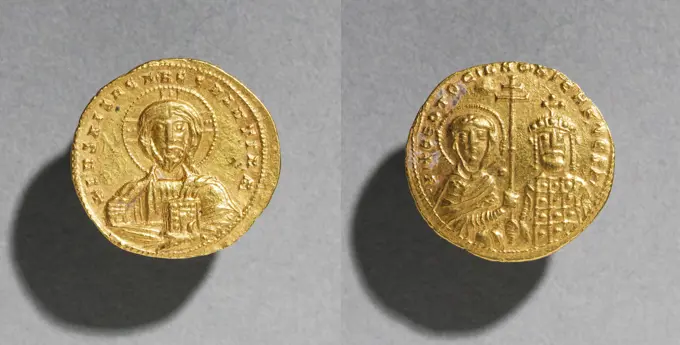
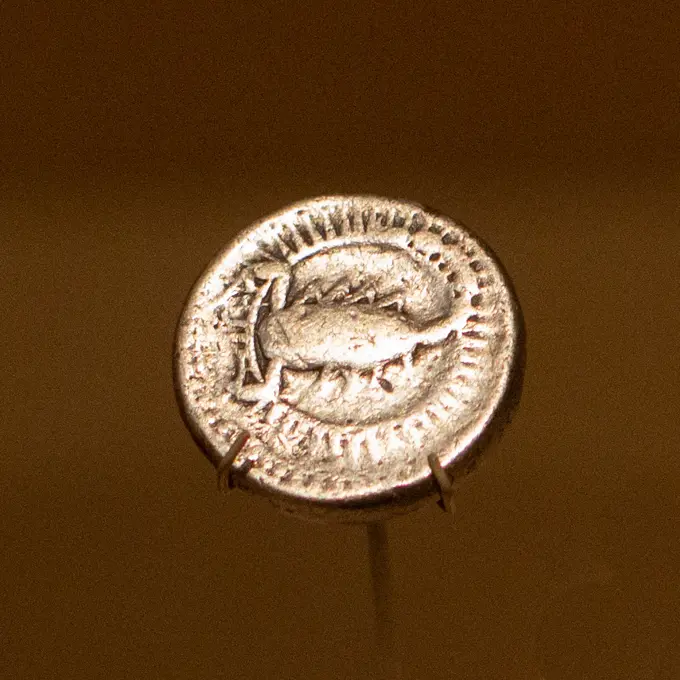
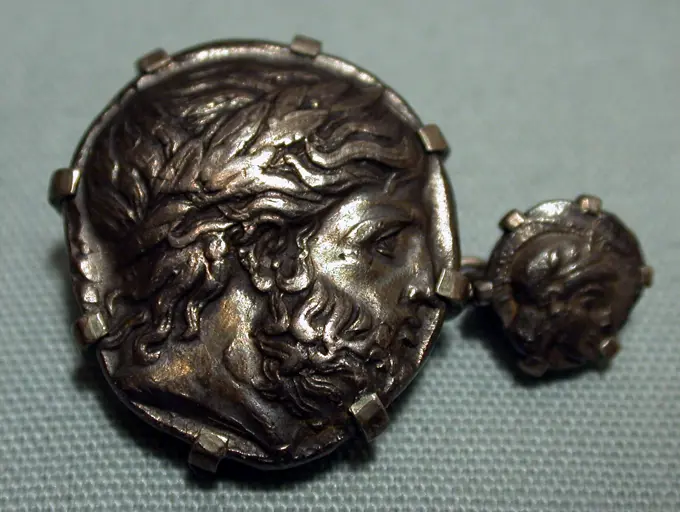
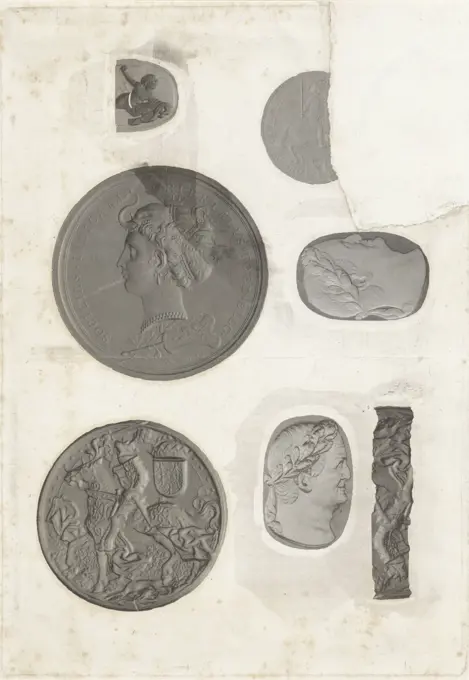
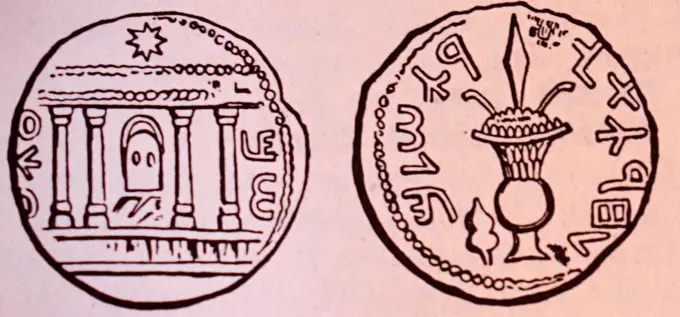
Coin Portraying Empress Faustina the Younger 161 CE-176 CE Roman Empire. The front of this coin portrays the empress Faustina the Younger, facing right.On the back, the goddess Juno is shown standing with a peacock.. Bronze . Ancient Romansestertius. Sabina (żona Hadriana ; 117-137), emperor, Hadrian (Roman emperor; 117-138), emperorCoin Depicting the Goddess Athena 133 BCE-48 BCE Ancient Greece. Bronze . Ancient GreekAureus (Coin) Portraying Emperor Tiberius. Roman. Date: 14 AD-37 AD. Dimensions: Diam. 2 cm; 7.82 g. Gold. Origin: Roman Empire. Museum: The Chicago Art Institute, Chicago, USA. Author: ANCIENT ROMAN.Coin Depicting a Parasol. Roman; Palestine. Date: 42 AD-43 AD. Dimensions: Diam. 1.7 cm; 2.92 g. Silver. Origin: Israel. Museum: The Chicago Art Institute, Chicago, USA. Author: Judean.Coin Depicting the God Zeus 58 BCE Ancient Greece. Bronze . Ancient GreekAE. Orodes II (król Partii ; 57-37 p.n.e.), rulerObol from Sybaris,Lucania, 550-510 B.C., Silver, 0.42 g, 6:00, 10.5mm, Made in Sybaris, Lucania, Greek, 6th century B.C., NumismaticsStater fromPoseidonia.  Mint: PoseidoniaPentokion (Coin) Depicting the God Zeus. Greek. Date: 210 BC-1 BC. Dimensions: DIam. 2.6 cm; 10.17 g. Bronze. Origin: Messina. Museum: The Chicago Art Institute, Chicago, USA. Author: ANCIENT GREEK.Mint: Olympia, Stater fromOlympia, 460s B.C., Silver, 10.585 g, 7:00, 24.5mm, Made in Olympia, Elis, Greek, 5th century B.C., NumismaticsCoin of Gaiseric fromRavenna. Ruler: Gaiseric, King of the Vandals and Alans, ca. 389-477, ruled 428-77 Mint: Ravenna Artist: UnknownCarnavalet Museum, Medals CollectionRuler: Augustus, Emperor of Rome, 63 B.C.-A.D. 14, ruled 27 B.C.-A.D. 14, Mint: Rome, Denarius of Augustus, Emperor of Rome fromRome, 29-27 B.C., Silver, 3.28 g, 8:00, 20mm, Made in Rome, Italy, Roman, 1st century B.C., NumismaticsMint: Sybaris, Triobol fromSybaris, 510-475 B.C., Silver, 0.95 g, 9:00, 9.5mm, Made in Sybaris, Lucania, Greek, 6th-5th century B.C., NumismaticsUtrechtse Beeland Groot van Frederik van Blankenheim, 1393-1423, Frederik van Blankenheim, 1393 - 1423 coin Silver coin. Front: helmeted sloping coat of arms of Blankenheim. Reverse: eagle with coat of arms of Utrecht under his legs. Deventer silver (metal) striking (metalworking)Coin Depicting the Hero Herakles 300 BCE-200 BCE Ancient Greece. Bronze . Ancient GreekUtrechtse Double Stuiver, 1794, Province of Utrecht, 1794 coin Silver coin. Front: between value designation 2 s crowned single-field coat of arms of Utrecht. Rail side: under mint sign between two dots inscription: Provincial name in three lines, including year. Cable edge. Utrecht silver (metal) striking (metalworking)Schuttersenkenning van Enkhuizen, Anonymous, 1688  Silver militia of Enkhuizen. Front: the Virgin of Enkhuizen who holds a coat of arms of the city. Sun rays that break through the clouds, with the fortifications of the city in the offing. Reverse: a large trophy for which a shield stands with the letter E. at the top is in a banderole: anno 1688. Enkhuizen silver (metal)1 Drachm from Sybaris,Lucania, 550-510 B.C., Silver, 2.51 g, 12:00, 11mm, Made in Sybaris, Lucania, Greek, 6th century B.C., Numismatics1 Florin from Board ofRevenue.  Mint: Board of RevenueMint: Ephesus, 1/12 Stater fromEphesus, 525-500 B.C., Electrum, 1.065 g, 7.5mm, Made in Ephesus, Ionia, Greek, 6th century B.C., NumismaticsDenarius (Coin) Depicting Mask of Pan 48 BCE Roman Empire. During the first century BCE, powerful Roman families issued their own coinage, which often bore a personal icon. In this case the moneyer, a member of the Pansa family, used a mask of Pan in reference to the familyís name.. Silver . Ancient RomanSestertius (Coin) Portraying Emperor Gordianus 238 CE-244 CE Roman Empire. Bronze . Ancient RomanRuler: Augustus, Emperor of Rome, 63 B.C.-A.D. 14, ruled 27 B.C.-A.D. 14, Mint, possibly by: Colonia Caesaraugusta, Denarius of Augustus, Emperor ofRome, ca. 19-18 B.C., Silver, 3.74 g, 5:00, 20.5mm, Made in Colonia Caesaraugusta, Roman, 1st century B.C., NumismaticsDidrachma;  280-276 BC (280-00-00-276-00-00);Mars (mitol.), State Art collections (Warsaw - 1922-1939) - collections, oak branches, Mars's head in the Corinth Helm (iconogr.), Horses, ears, message (provenance), animalsLazio Frosinone Casamari Museo Archeologico5. Hutzel, Max 1960-1990 Post-medieval: paintings on canvas, paintings on wood, wooden church furnishings Governing Body: Abbazia di Casamari General Notes: This record is for the pinacoteca which is part of the Museo Archeologico, housed within the Abbey of Casamari. Hutzel assigned it a separate numbering sequence. German-born photographer and scholar Max Hutzel (1911-1988) photographed in Italy from the early 1960s until his death. The result of this project, referred to by Hutzel as Foto Arte Minore, is thorough documentation of art historical development in Italy up to the 18th century, including objects of the Etruscans and the Romans, as well as early Medieval, Romanesque, Gothic, Renaissance and Baroque monuments. Images are organized by geographic region in Italy, then by province, city, site complex and monument.Denarius (Coin) Depicting King Ancus Marcius 56 BCE Italy. Portraits of important people appear on local currency all around the world. The same was true in ancient Rome, which began producing its first coinage in the late 4th century BC. Early coins depicted the heads of gods and goddesses on the front side, often in profile, while the back depicted animals, natural resources, symbols, and references to historical events. It was not until 44 BCE that the portrait of a living personóJulius Caesaróappeared on coins. Thereafter, profile portraits of rulers or other members of the imperial family became the standard subject on coins throughout the Roman Empire.In the mid-50s BCE, it became common to portray ancestors that reinforced an important family lineage. The politician Lucius Marcius Philippus, who commissioned this coin, traced his lineage to the legendary King Ancus Marcius, who was believed to have lived in the late seventh century BCE.The front (obverse) of this coin depicts thSolidus of Theodosius II, Emperor of Rome fromConstantinople. Ruler: Theodosius II, Emperor of Rome, 401-450, ruled 408-50 Mint: Constantinople Artist: UnknownSestertius (Coin) Portraying Emperor Severus Alexander. Roman, minted in Rome. Date: 230 AD. Dimensions: Diam. 3.1 cm; 17.25 g. Bronze. Origin: Roman Empire. Museum: The Chicago Art Institute, Chicago, USA. Author: ANCIENT ROMAN.Maria van Hungary, governors of the Netherlands, Anonymous, 1553 live Copper medal. Front: Winged victory with laurel wreath in the right and palm branch in the left hand within Kantschrift. Reverse: Letter M below crown, above the year within Lauwerkrans  copper (metal) striking (metalworking)Lazio Frosinone Casamari Museo Archeologico7. Hutzel, Max 1960-1990 Post-medieval: paintings on canvas, paintings on wood, wooden church furnishings Governing Body: Abbazia di Casamari General Notes: This record is for the pinacoteca which is part of the Museo Archeologico, housed within the Abbey of Casamari. Hutzel assigned it a separate numbering sequence. German-born photographer and scholar Max Hutzel (1911-1988) photographed in Italy from the early 1960s until his death. The result of this project, referred to by Hutzel as Foto Arte Minore, is thorough documentation of art historical development in Italy up to the 18th century, including objects of the Etruscans and the Romans, as well as early Medieval, Romanesque, Gothic, Renaissance and Baroque monuments. Images are organized by geographic region in Italy, then by province, city, site complex and monument.moneda de Turiaso, Museo de la Romanización, Calahorra, La Rioja , Spain, Europe.Tetradrachm: Quadriga (obverse); Head of Arethousa (reverse), c. 467-440 BC. Greece, 5th century BC. Silver; diameter: 2.5 cm (1 in.). On the obverse of this highly symbolic coin is the head of Arethousa, a local goddess of Syracuse who fled from mainland Greece and arose on the site as a freshwater fountain. Four dolphins swim around her, suggesting Syracuses humble beginnings as a small island colony. On the reverse, a racing four-horse chariot recalls Syracuses past victories in Panhellenic games.Mint: Aegina, Stater fromAegina, 456-431 B.C., Silver, 12.05 g, 20mm, Made in Aegina, Islands off Attica, Greek, 5th century B.C., NumismaticsCoins. Gold Celtic stater of the Cenomani (Mans region). Back side with human-headed horse.Rijngulden ,, c. 1412 coin Golden Rijngulden, beaten by the Archbishop of Trier, Werner van Falkenstein (1388 - 1418). Front: John (the Evangelist) Lay on; Inscription: Werner ArcP'Tre '. Reverse: Three weapons in Driespas; Inscription: Moneta Nova Ovenb. Offenbach am Main gold (metal) striking (metalworking)  Germany. BrielleDenarius of Augustus, Emperor of Rome from Italy (uncertainmints). Ruler: Augustus, Emperor of Rome, 63 B.C.-A.D. 14, ruled 27 B.C.-A.D. 14 Mint: Italy (uncertain mints) Artist: UnknownMONEDA DEL REINADO DE ALFONSO VI - ANVERSO (IZQUIERDA) Y REVERSO (DERECHA) DE UN VELLON DE TOLEDO -. Location: FABRICA NACIONAL DE MONEDA Y TIMBRE-COLECCION. MADRID. SPAIN.Bronze Iberic coins. Cese (Tarragona). Cese (Vellila de Ebro). Laisquen (Barna). Untiquesquen (Ampurias). Barcelona, Numismatic Cabinet. Location: GABINETE NUMISMATICO. Barcelona. SPAIN.Aureus (Coin) Portraying Emperor Nerva 97 CE Rome. Obverse Head of Nerva right, laureateReverse Libertas, standing left, holding pileus and scepterIn A.D. 96 Emperor Domitian (r. A.D. 81ñ96) who fancied himself a god, was assassinated with the assent of his wife. To avert a succession battle, the Army and the Senate stepped in to choose the next ruler. From A.D. 96 to 180, Rome enjoyed a series of five wise leaders who were chosen for their merit and who came to be known as the ìGood Emperors.î Nerva (r. A.D. 96ñ98; no. 1), an honest and respected senator, took the throne with the understanding that he would be succeeded by a popular general from Spain named Trajan (r. A.D. 98ñ117). Although Nerva ruled only two years, he enacted compassionate social programs and is considered the first of the Good Emperors. For the next 85 years each emperor would select from among the best possible candidates, adopting his chosen successor as his son.. Gold . Ancient RomanAncient medals. N � 10 Ancient medals. N � 10. Black and white projection plate. 1900-1930. Photograph of Jacques-Ernest Bulloz (1858-1942).1/6 Stater fromMytilene.  Mint: MytileneTetradrachm (Coin) Depicting the God Dionysos 150 BCE-100 BCE Greece. The front (obverse) of this coin depicts the god Dionysos crowned with ivy leaves, one of the attributes (along with the grapes he holds on the coinís back) which identifies him as the god of wine. He is believed to have come from Thrace, where this coin was minted.Many cities claimed to be the birthplace of Dionysos. One was Maroneia, on the coast of Thrace, which was said to be named after Dionysosís son Maron. Dionysos was the cityís protective deity and appeared on its coinage crowned with ivy leaves. On the back (reverse) of the coin, the god is seen holding a bunch of grapes.. Silver . Ancient GreekRuler: Vespasian, Emperor of Rome, A.D. 9-79, ruled  69-79, Mint: Mint OHonorand: Domitian, Emperor of Rome, A.D. 51-96, ruled 81-96, Denarius of Vespasian, Emperor of Rome from MintO, 76, Silver, 3.51 g, 12:00, 18.6mm, Made in Mint o, Asia, Roman, 1stcentury, NumismaticsNomisma with Nicephorus II Phocas , c. 963-969. Byzantium, 10th century. Gold; diameter: 2.1 cm (13/16 in.). Byzantine Gold Coins The vast number of surviving Byzantine coins attests to the level of trade across the empire. Controlled and supervised by the emperor, the producers of coins took care to represent his authority and reflect his stature. Talented artists were recruited to engrave the dies (molds) used for the striking of coins. Emperors increasingly came to include their heirs and co-emperors on their coinage, as well as other family members or even earlier rulers. Coins were recognized, then as now, as small, portable works of art. With their inscriptions and images, Byzantine coins provide valuable documentation of historical events and a record of the physical appearance of the emperors. The coins shown here include the solidus, the basic gold coin of 24 karats; the tremissis, a gold coin of one-third the weight and value of the solidus; and the nomisma, which in the 10tSolidus (Coin) of Heraclius and Heraclius Constantine Struck 629 CE-632 CE Byzantine Empire. The front (obverse) of this coin portrays the emperor Heraclius and his son Heraclius Constantine wearing crowns.On the back (reverse) a cross is shown atop three steps.. Gold . ByzantineMünzen aus dem alten Persien, Münzwesen, Schekel, Dareike, ca 50 n. Chr. Historisch, digital restaurierte Reproduktion einer Originalvorlage aus dem 1...Coin dated A.H. 1030/ A.D. 1621 This coin bears a Scorpio symbol found on the other objects in the collection, but it was not created for talismanic purposes. This sign instead corresponds to the month in which it was minted. In his memoirs, the Mughal emperor Jahangir recorded his inspired idea for the unusual design of this and other coins depicting the signs of the zodiac.. Coin. dated A.H. 1030/ A.D. 1621. Silver. Made in India. CoinsSilver tetradrachm of Philip II ca. 359-355 BC Greek, Macedon Philip II of Macedon, best known as the father of Alexander the Great, was an accomplished king and military commander in his own right. His coinage was issued to finance soldiers and recruit mercenaries, and as a result spread far beyond Greece. The silver tetradrachms with Zeus on the obverse and a horseman on the reverse were copied by Celtic tribes all along the Danube River.. Silver tetradrachm of Philip II. Greek, Macedon. ca. 359-355 BC. Silver. CoinsCoins and cut stones, Jan Dam Steuerwald, 1839 - 1863 print Different coins and cut stones. Left in the middle of a medal with the head of the queen of the east, with lit her, ending in an elephant's head, with a small crown on her head; Below a (antique) rudder with fish and emblem VOC, around which a laurel branch is thrown around. This medal was published in 1784 in honor of the French vice-admiral de Suffren. Netherlands paper  piece of sculpture, reproduction of a piece of sculpture. coinIllustration depicting the Bar Kochba silver Shekeletradrachm. Bar Kochba Revolt coinage were coins issued by the Jews during the Bar Kochba revolt against the Roman Empire. Dated 2nd Century