Ancient Coins and Medals

Depictions of ancient coins and medals with historical significance, showcasing various designs and inscriptions linked to notable figures and events.

Carnavalet museum, tokens collection
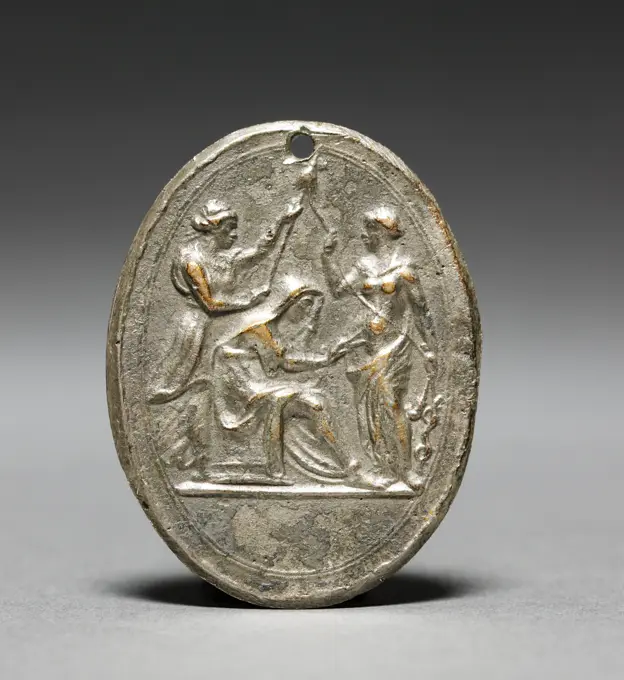
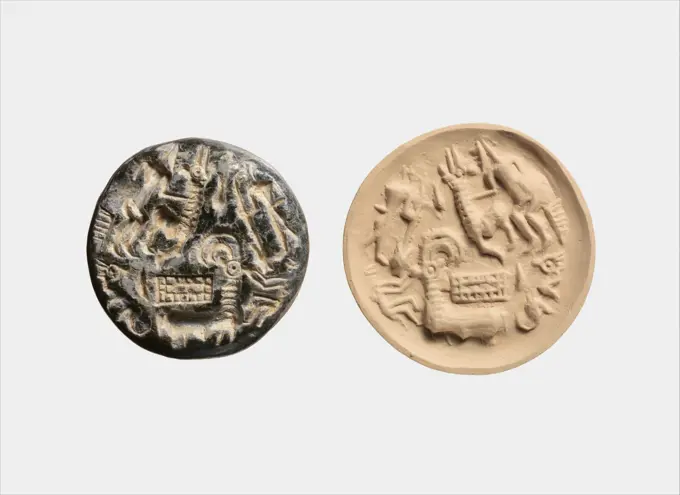
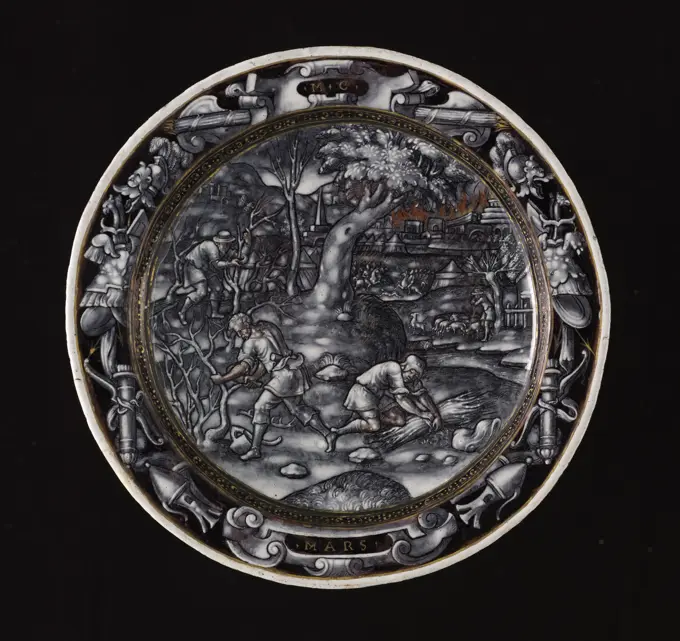
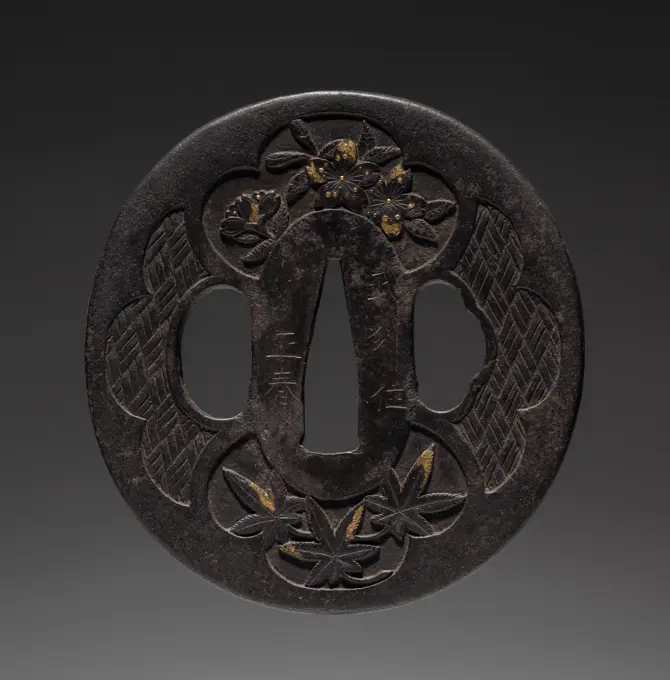
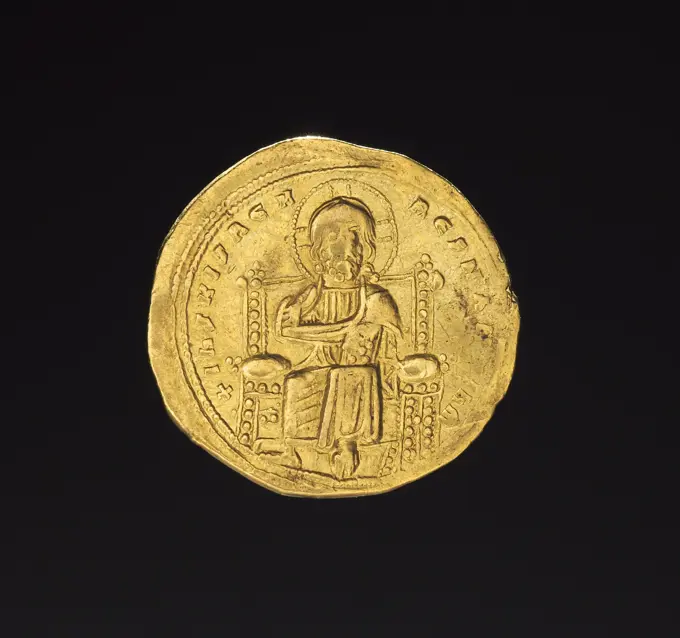
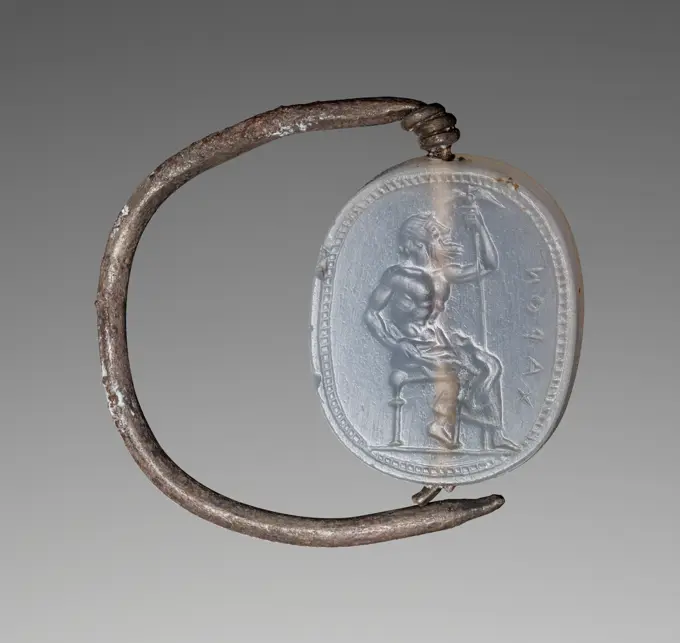
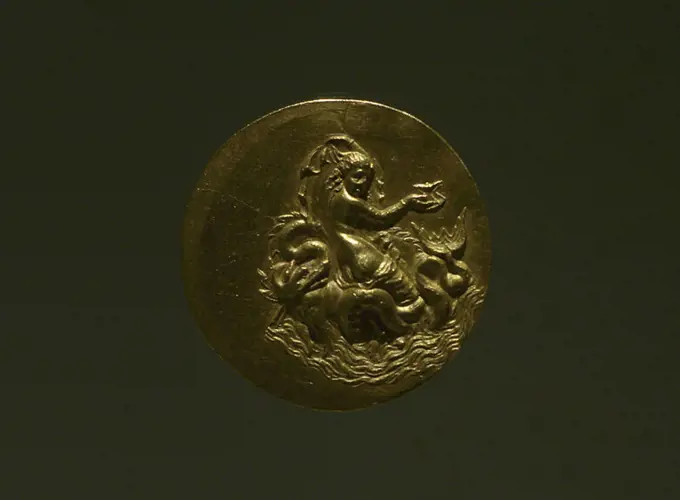
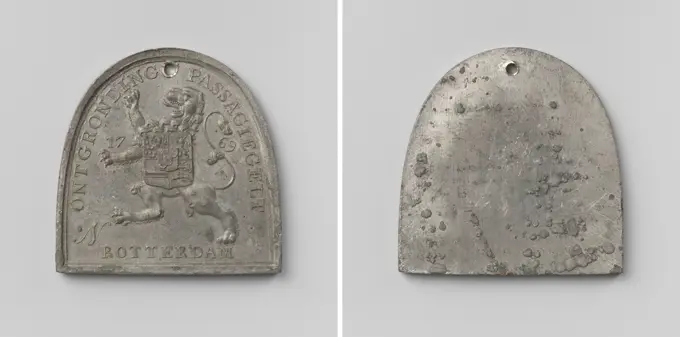
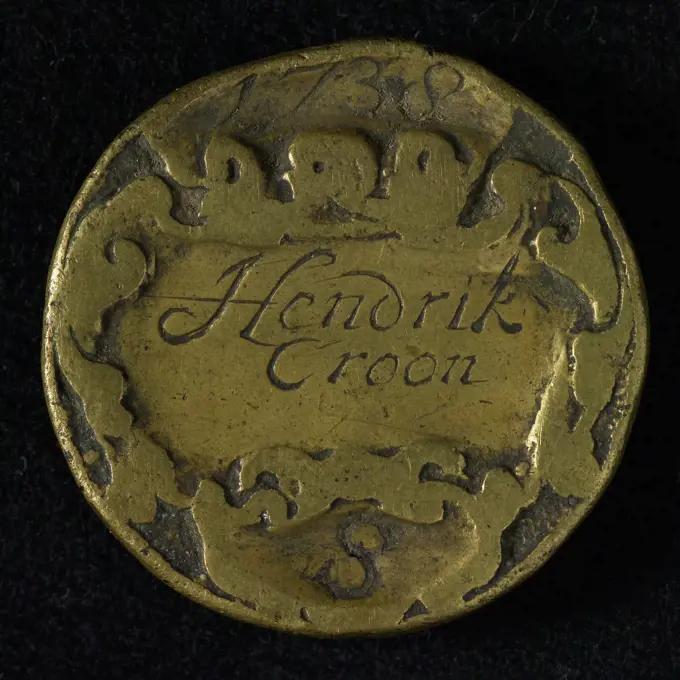
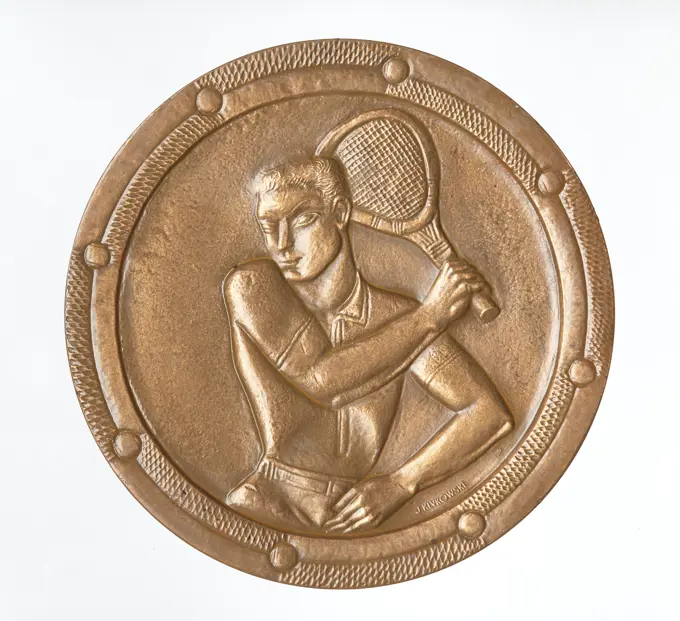
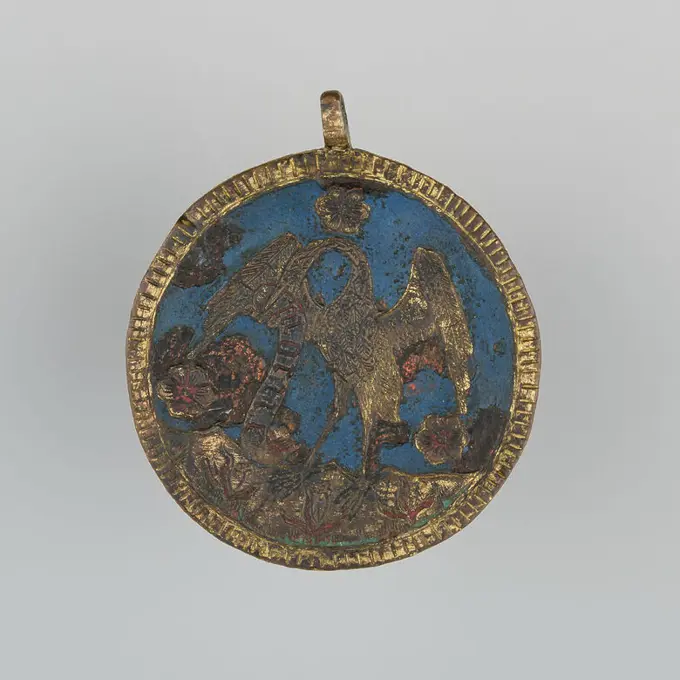
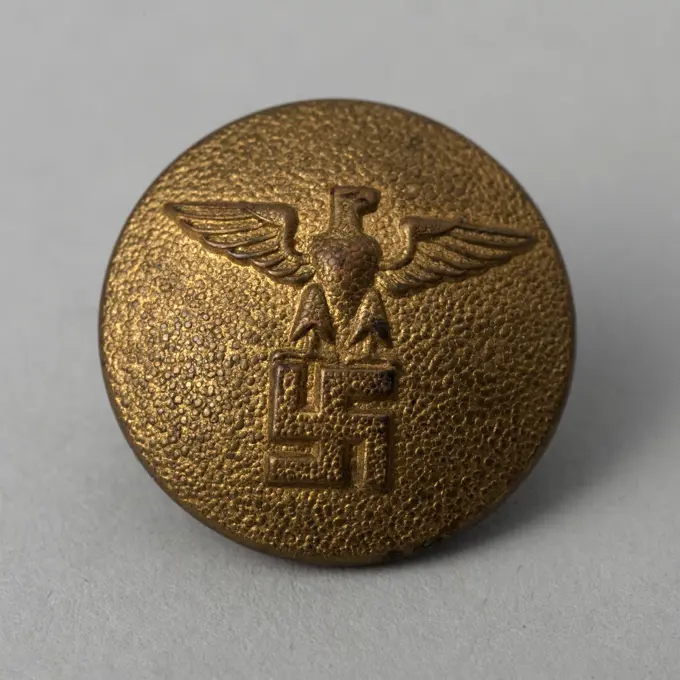
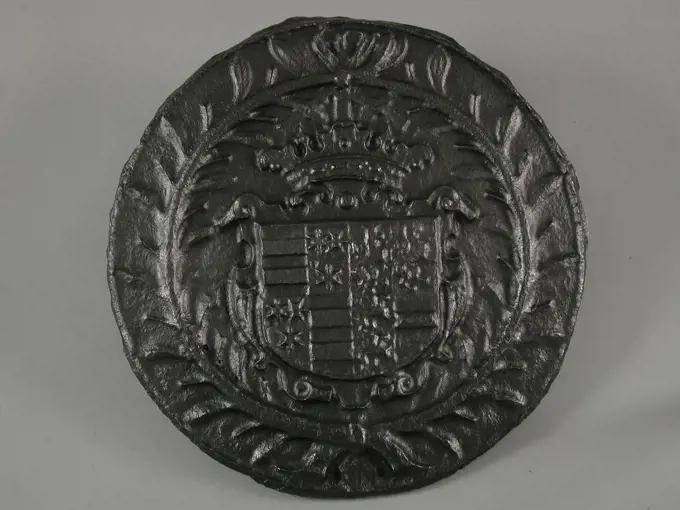
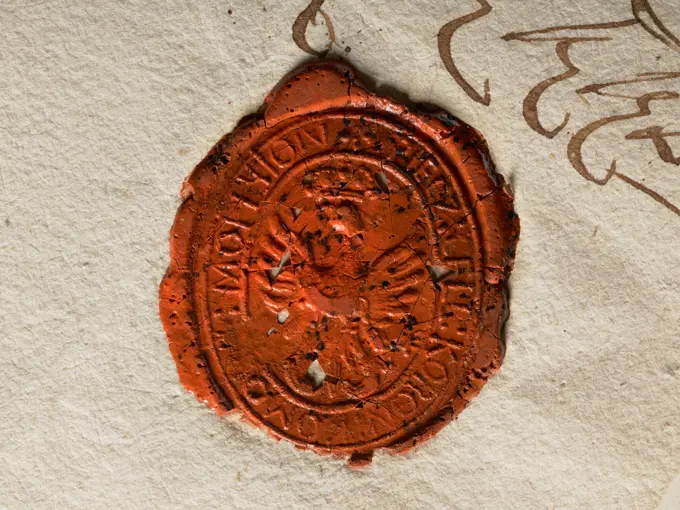
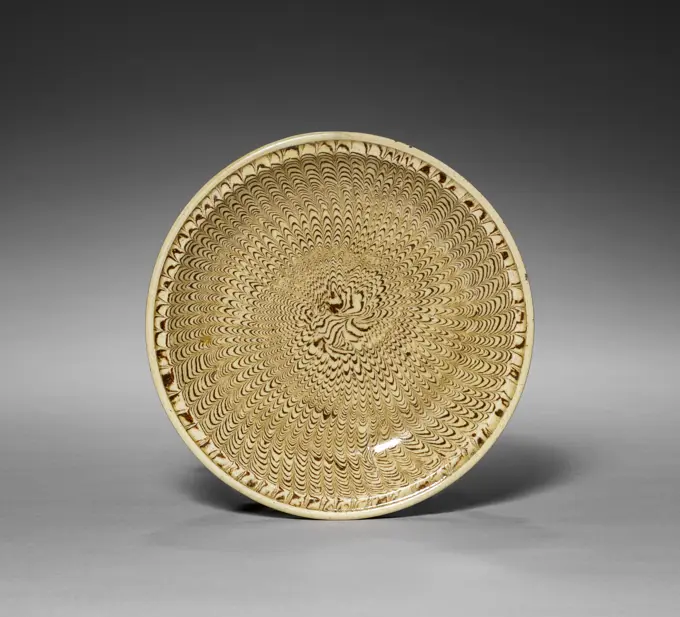
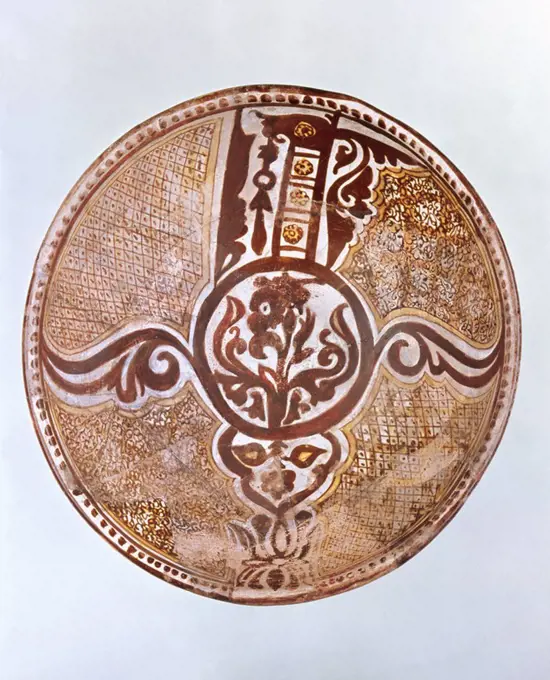
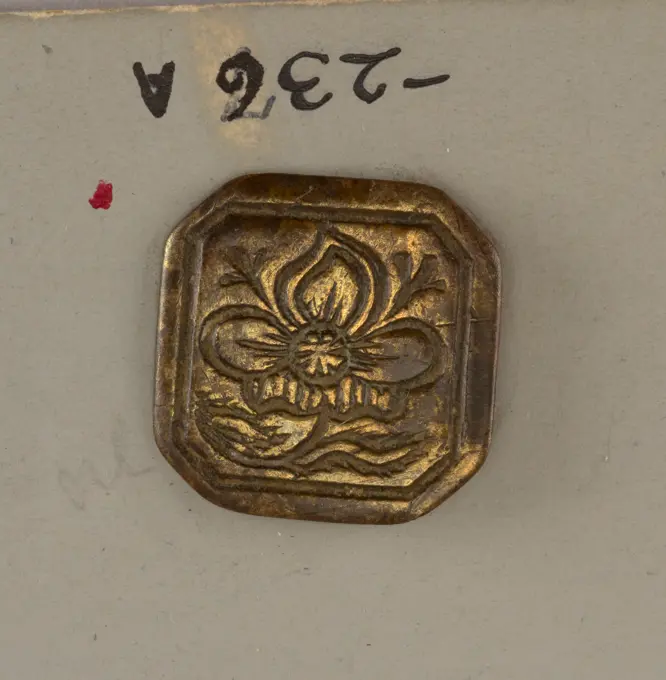
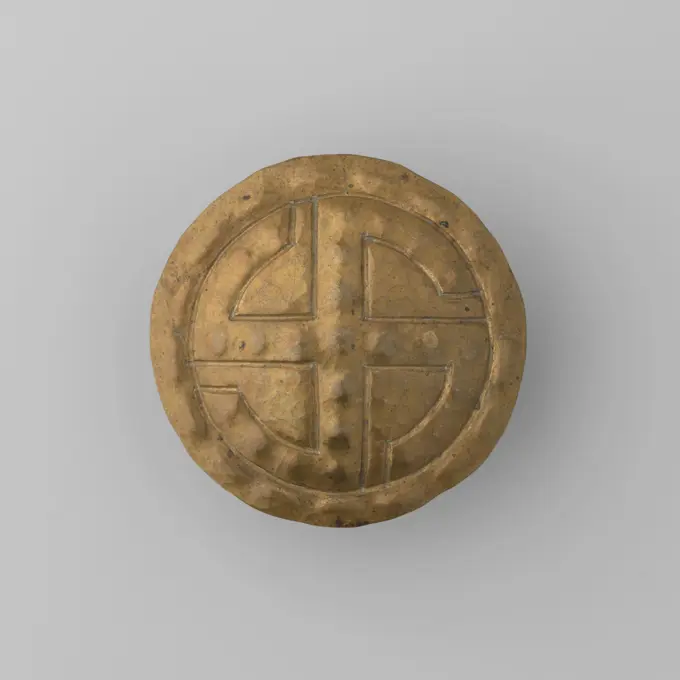
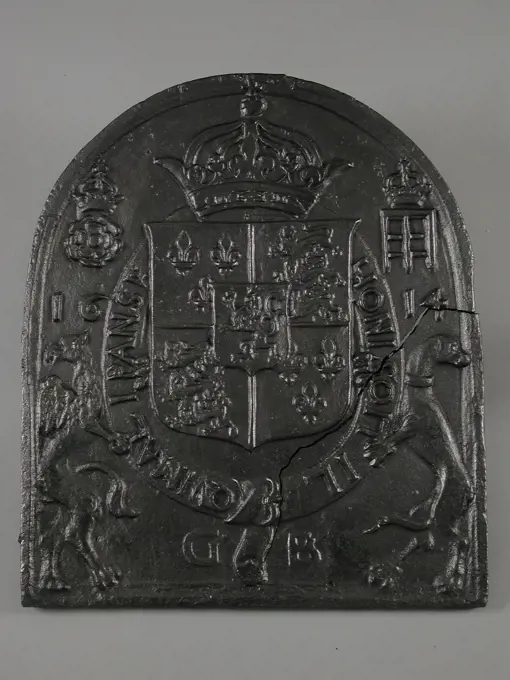
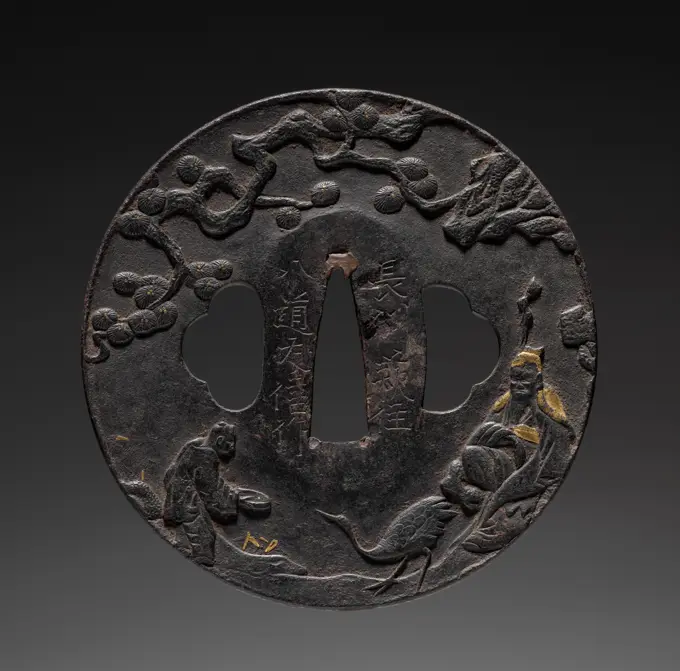
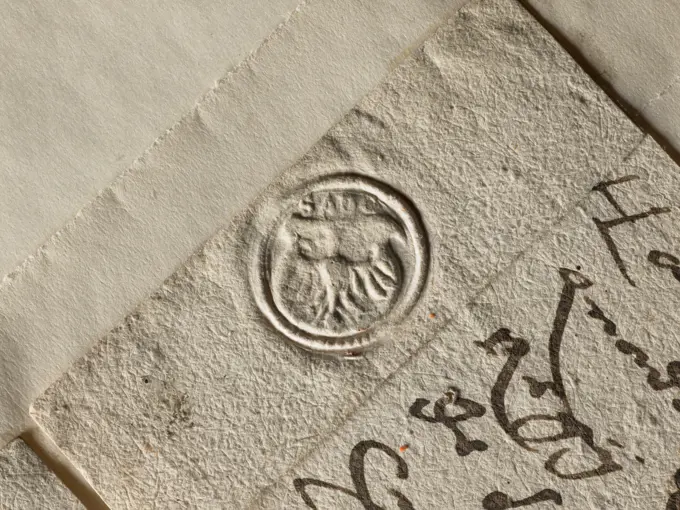
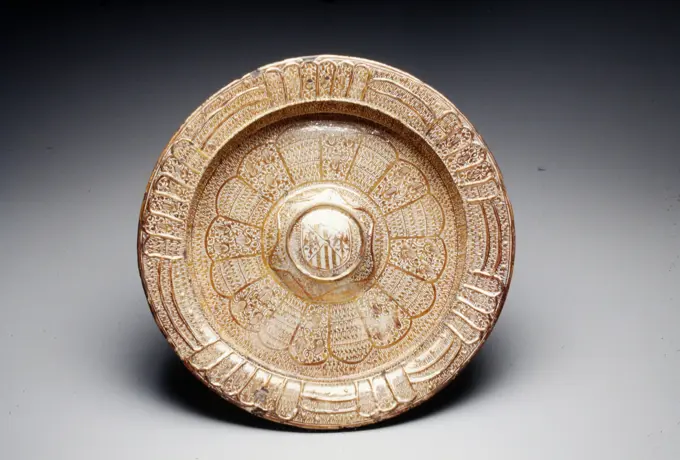
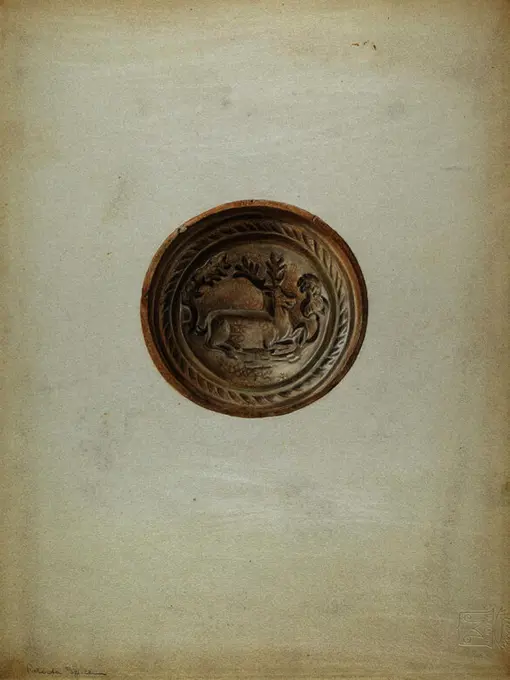
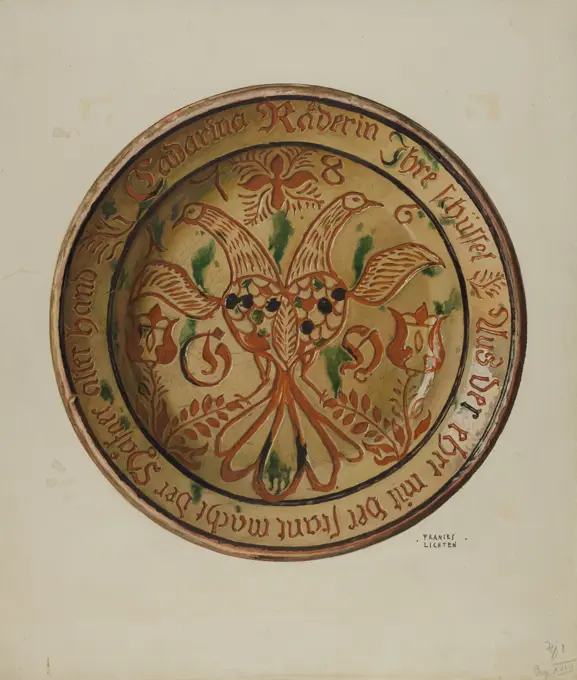
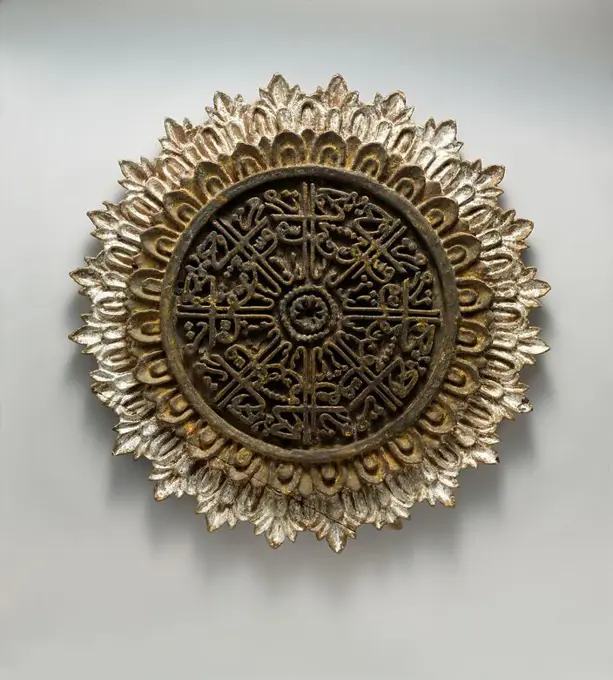
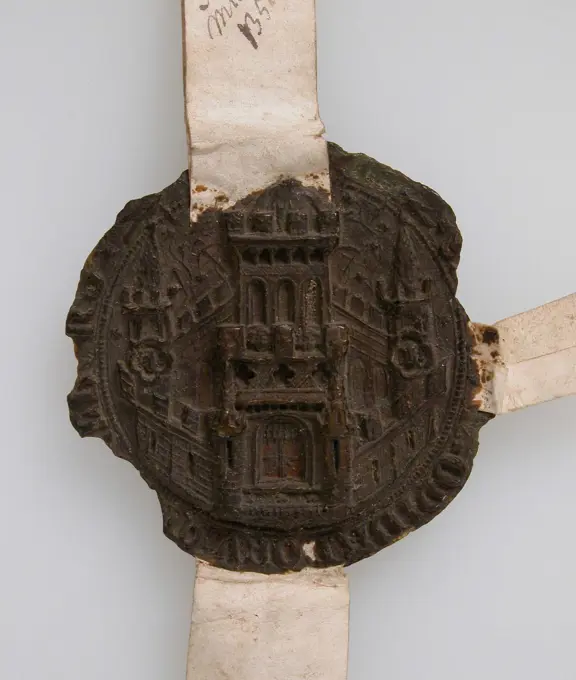
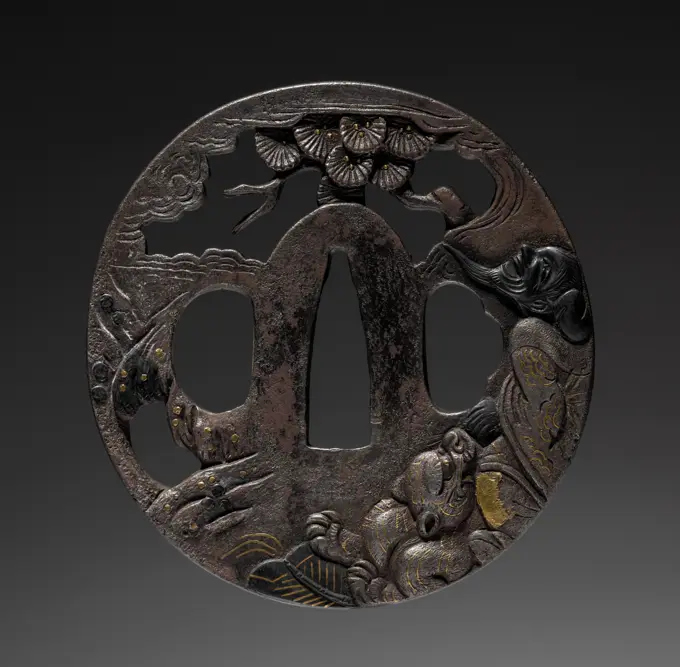
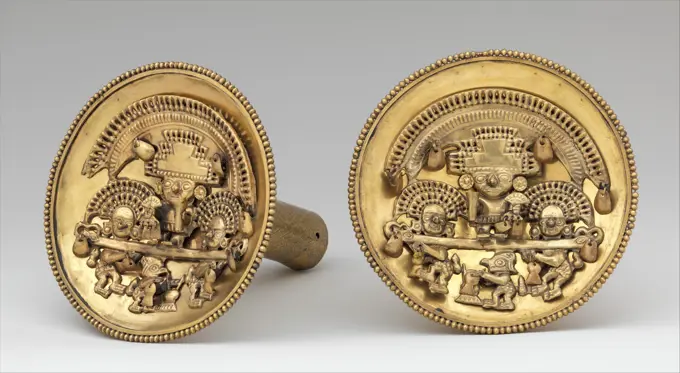
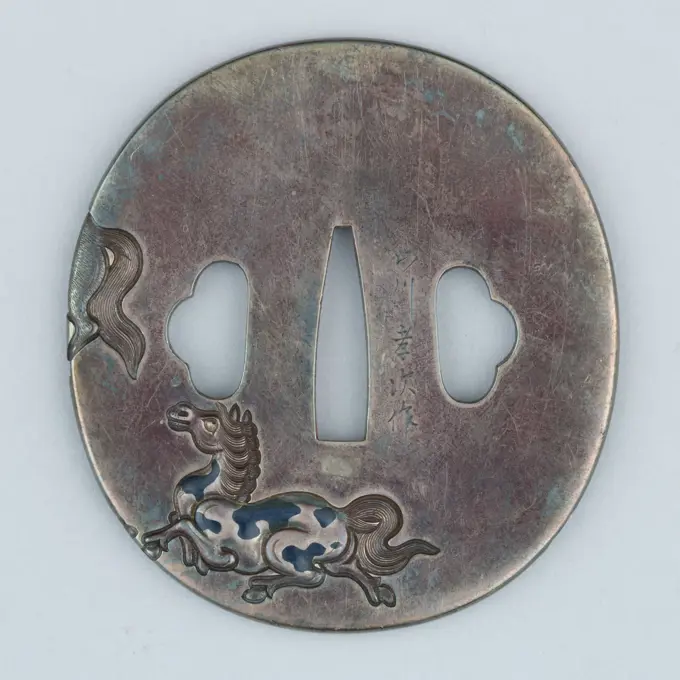
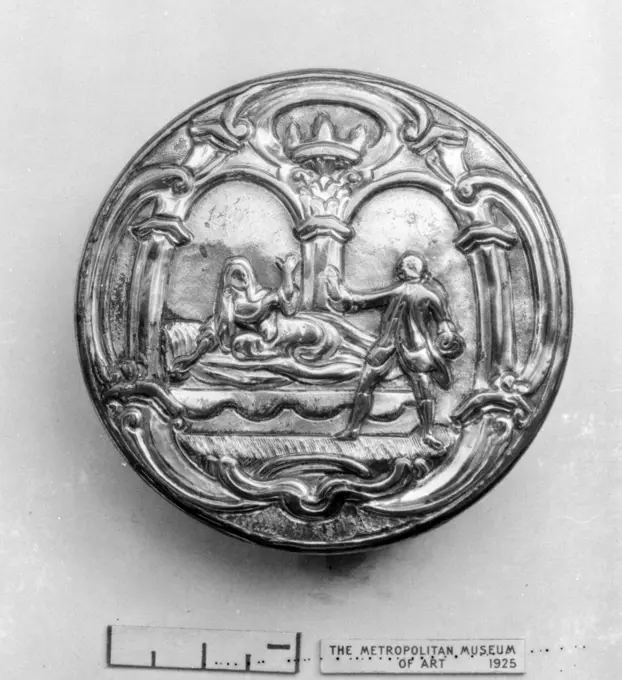
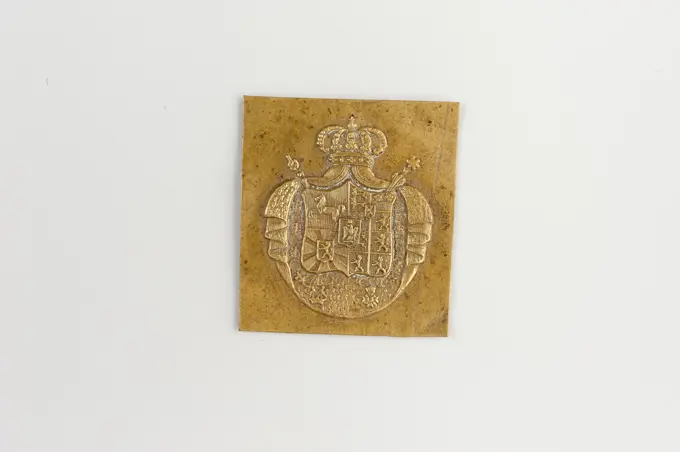
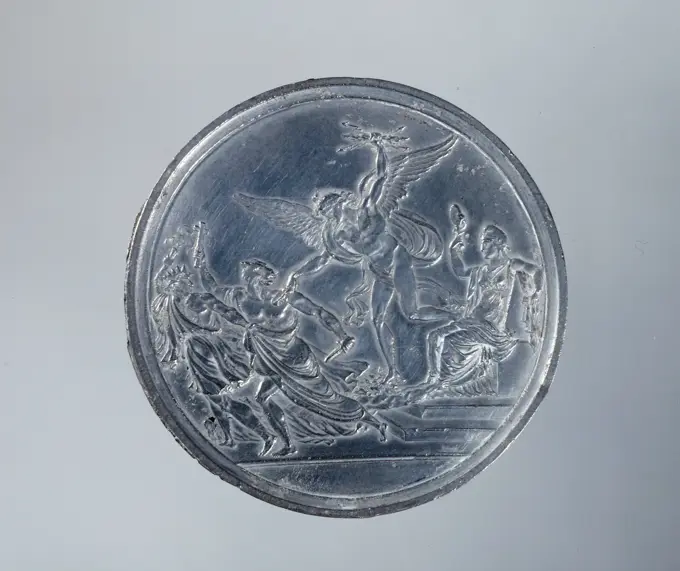
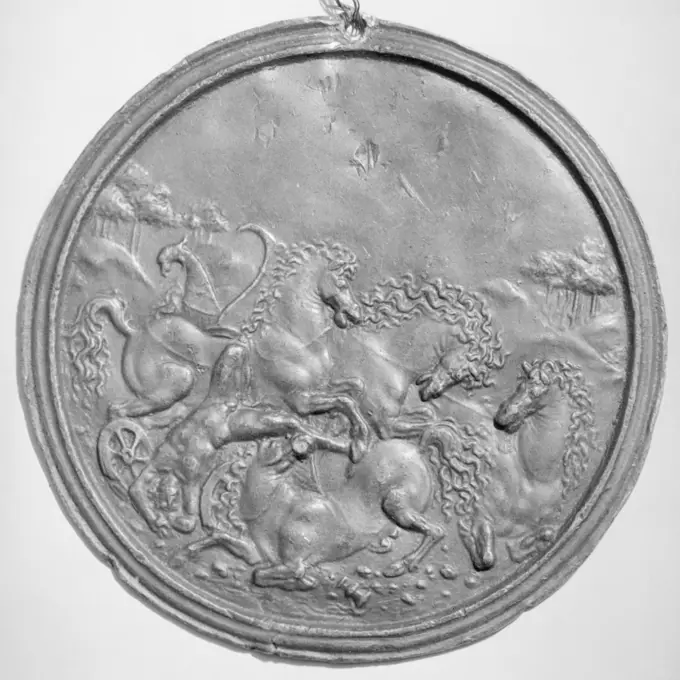
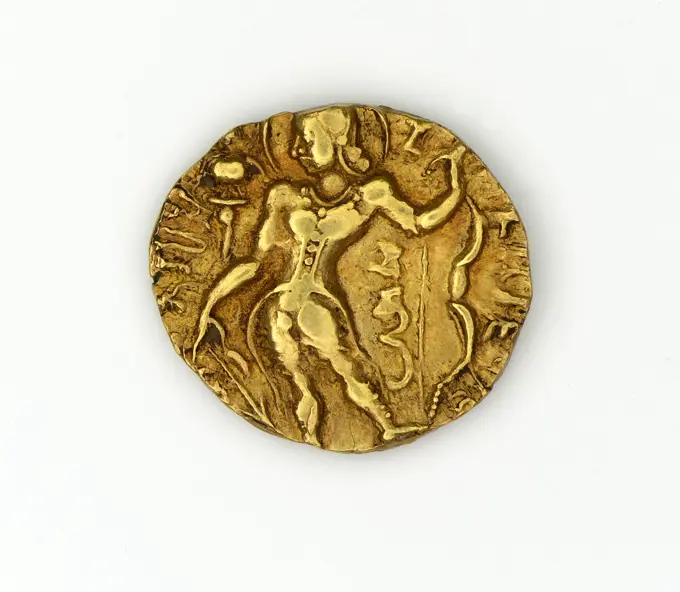
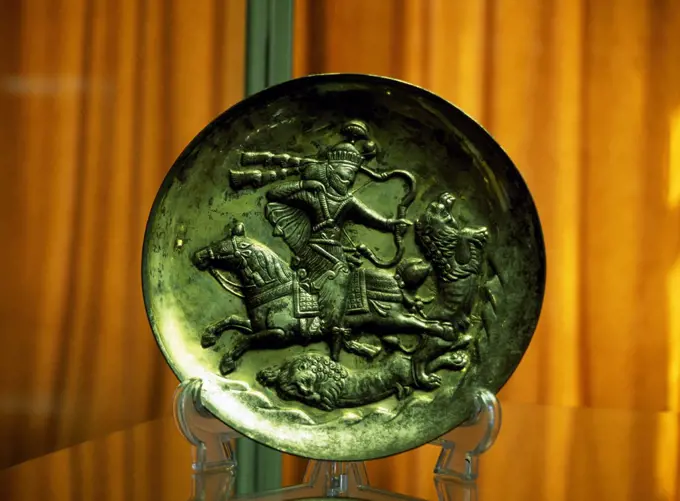
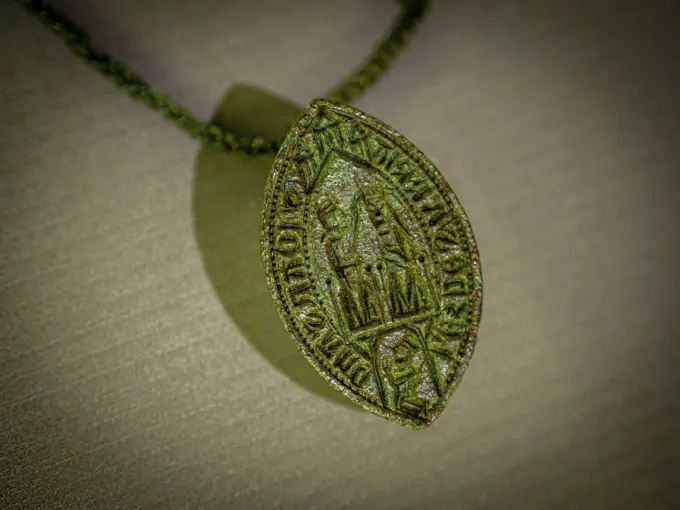
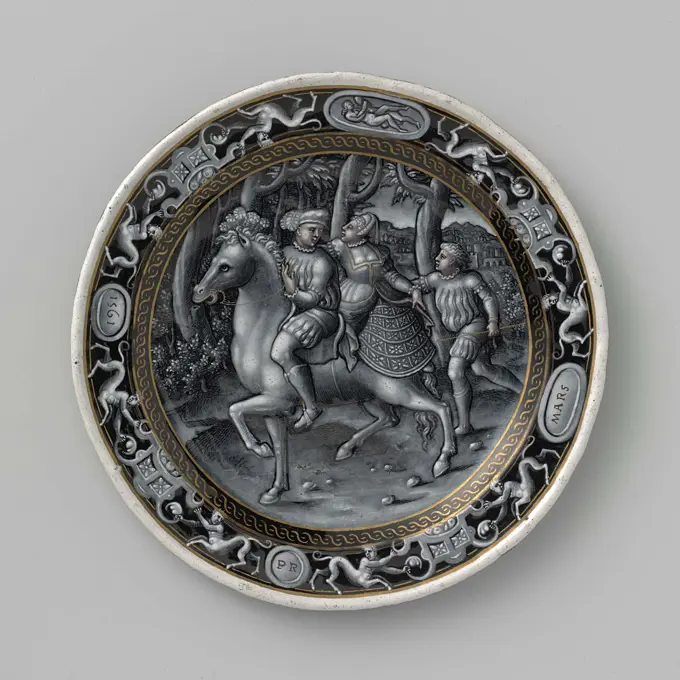
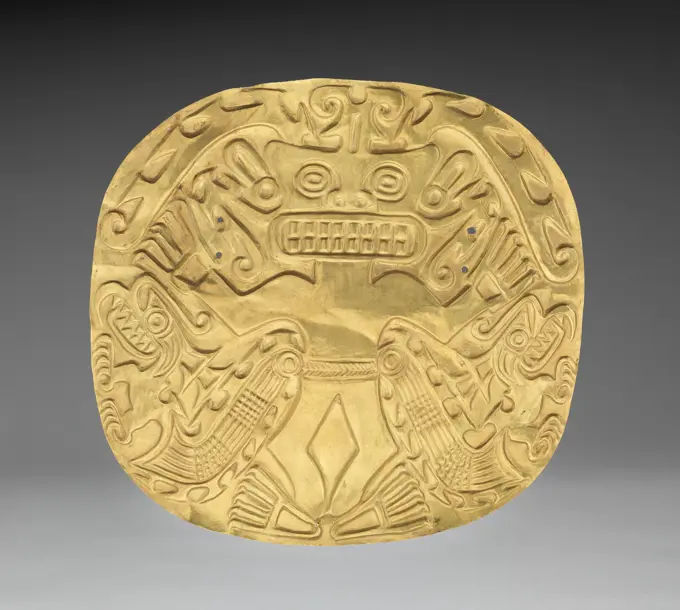
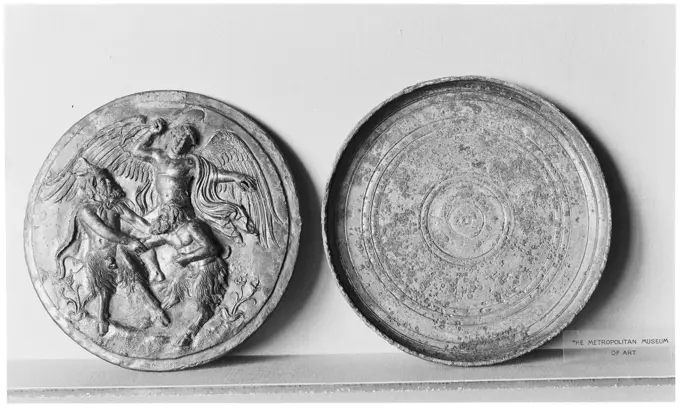
Bronze box mirror mid-4th century B.C. Greek In relief, Eros intervening in quarrel between two Pans.. Bronze box mirror. Greek. mid-4th century B.C.. Bronze. Late Classical. BronzesA questionars pendant sold in the Dąbrowski Basin for the Polish School DayPlanets-manager. Cornalet Collection Sites 2013-2016. Numismatic.The Three Fates, early 1500s or later. Cast after a model by Valerio Belli (Italian, c. 1468-1546). Silver; overall: 4.5 x 3.5 cm (1 3/4 x 1 3/8 in.).False Coin, Władysław Jagiełło (1386 1434), Kwartalnik Mały (Ternar); 1399/1400 unknownStamp seal: hunters and goats, rectangular pen () ca. early 2nd millennium B.C. Dilmun The earliest stone seals of the Gulf region were made of steatite hardened by firing and often glazed after they were carved. The impression of the hemispherical stamp seal depicted here shows a male figure in the upper field who grasps a caprid by the neck. To the left, a male figure holds a staff. Below, a recumbent caprid reclines beneath a gridded rectangle. A snake and perhaps a monkey() are also depicted in the field. The hemispherical form and round sealing face are typical of seals of the Gulf region, as are the incised lines and concentric circles that decorate the back of this seal. Similar seals have been found in Mesopotamia, Iran, and the Indus Valley, areas with which Gulf merchants traded and with whom they shared a common visual vocabulary.. Stamp seal: hunters and goats, rectangular pen () 327300Button (France); foil on wood; 1931-59-41-a/cDish decorated with four thistle flowers, Anonymous, 1450 - 1500 In the flat of the dish, which has the center point in the middle, are punched with the help of stamp shapes: a round high middle part, surrounded by a plant placed in a container consisting of a thistle flower, two leaves and two flower buds, and a stylized leaf shape On a edge area. These motives have been repeated four times. Along the edge of the dish is a parallel ring grooved and drilled a hole. In later time, wear spots with tin or lead were recovered at the back and a hanging ring was soldered. Neurenberg (possibly) brass (alloy) casting In the flat of the dish, which has the center point in the middle, are punched with the help of stamp shapes: a round high middle part, surrounded by a plant placed in a container consisting of a thistle flower, two leaves and two flower buds, and a stylized leaf shape On a edge area. These motives have been repeated four times. Along the edge of the dish is a parallel ring grooveBliżej Kultury unknownSmidsgilde van Amsterdam, Gildepenning by Jacob Pietersz , Anonymous, c. 1600 - c. 1800 medal Brass medal. Front: crowned coat of arms, flanked by two lions above cartouche with inscription. Reverse: cross consisting of crowned hammer, sword and knife; Left: key, right: bucket Amsterdam brass (alloy) casting / engraving  AmsterdamGrahal-Manzara. Carnavalet 2013-2016 collection sites. Numismatics.Commemorative badge of the disarmament of the Austrian garrison in KrakowVenetian 16th Century, Figure Holding Victory and Branch (reverse), c 1500 1525 Figure Holding Victory and Branch reverseCalendar Plate for March (Pruning Vines). Martial Courteys (France, Limoges, circa 1544-1592). France, Limoges, circa 1565-1575. Furnishings; Serviceware. Grisaille enamel, flesh tones, touches of color, and gold on copperSword Guard (Tsuba), mid-1800s. Japan, Edo period (1615-1868). Iron (Ito type); diameter: 7 cm (2 3/4 in.).Freedom Tree, 1793 (Title Title) Tree of Freedom, Etain, 1793.Dish with figures in a landscape late 16th century China. Dish with figures in a landscape. China. late 16th century. Carved red lacquer. Ming dynasty (1368-1644). LacquerEagle with Spread Wings Supporting Devices reverse. Dated: 1468. Medium: bronze. Museum: National Gallery of Art, Washington DC. Author: Clemente da Urbino.Histamenon of Romanus III, 1028-1034. Byzantium, 11th century. Gold; diameter: 2.4 cm (15/16 in.).Live nobility of silver with weapon of birchhout. Live nobility of silver with weapon of birchhout. Bolle front in which the weapon has been beaten. The weapon of Berkhout (1815): in gold seven red kepers, a standing silver crane in a blue Vrijkwartier. Equipped with a copper eye at the back.Roof tile with Gareungbinga Design. Korea, Unified Silla dynasty (668-935), late 7th-8th century. Architecture; Architectural Elements. Molded stonewareBliżej Kultury unknown, Goebel, KasperSealing ca. 7th century A.D. Sasanian. Sealing 323321sesterce; Antoninus Pius (86-161; Roman emperor 138-161), Marek Aureliusz (121-180; Roman emperor 161-180); 140-144 (140-00-00-144-00-00);Button, Brass, gold plated, Circular convex button decorated with fasces on crossed flags with words 'Republique Francaise'., Component -b is on card C, 19th century, costume & accessories, Decorative Arts, ButtonDaalder, emergency coin from Groningen, beaten during the siege, Anonymous, 1672 coin. siege coin diamond -shaped emergency coin of Groningen, with rounded corners. Front: Crowned coat of arms (small stamp) between value indication within the Omschrift. Reverse: Inscription "This Iaer mocked Groningen Two Papen and two Coningen and four Berooijde States Four proud potentates Groningen silver (metal) striking (metalworking) / engraving  GroningenEngraved Scaraboid with Zeus Enthroned. UnknownMedaillon depicting a Nereid riding a sea dragon. Aboukir Medallions. 3rd-4th centuries. Found in Abukir (Egypt). Greek. Gold. Calouste Gulbenkian Museum. Lisbon. Portugal.Saying in Rotterdam, Penning intended as evidence for peat carriers, fillers or tunners to be allowed to enter peat from the newlyered veins, Anonymous, 1769 identification medal One-sided lead medal with round top and rectangular underside, and hole in it. Front: Standing lion with coat of arms on chest between the year within Kerschrift. Reverse: Blanco. Rotterdam lead (metal) casting  RotterdamRowing, Scaffolding and Shirts Guild of Amsterdam, Gild Pepping of Dierk Hartgers, berth new bridge. Brass medal with hole in it. Front: to the left sailing sailboat; On behind: seated man and flag. Downside: inscription above private label and heart with letters d and h between monogram of letters n and bSword Guard (Tsuba), c. 1615-1868. Japan, possibly Edo period (1615-1868). Iron; overall: 6.4 x 6.8 cm (2 1/2 x 2 11/16 in.).Banquet of Toulouse, September 22, 1848 (dummy title) Banquet of Toulouse, September 22, 1848. Copper White, 1848.Schippersgilde in 's-Hertogenbosch, Penning van Deken R. Weymans, Anonymous, 1809 medal Silver medal on an openwork metal bow. Front: crowned coat of arms on window floor, flanked by two half -naked men with club over shoulder; Below that leafguirle. Reverse: Ship above inscription the Bosch silver (metal) engraving  the BoschProject Graly-Manzag 2013-2016 Carnavalet Museum, Medals CollectionRepeating watch ca. 1775-85 Watchmaker: Firm of Wiss Brothers. Repeating watch. Swiss, Geneva. ca. 1775-85. Copper gilt. HorologyGold bowl. Culture: Cypriot. Dimensions: Overall: 1 7/8 in. (4.8 cm)Other: 5 9/16 in. (14.1 cm). Date: ca. 700 B.C..A rosette fills the center. The two concentric zones are presented as papyrus swamps. The inner one is inhabited by ducks, the outer one by three bulls and three fallow deer whose lower extremities are covered by the vegetation. The animals are rendered with considerably greater energy and verisimilitude than the papyrus, suggesting what the artist had and had not actually observed. Museum: Metropolitan Museum of Art, New York, USA.SELLO DE PLOMO DEL REY FERNANDO IV EL EMPLAZADO - 1285-1312. Location: ARCHIVO HISTORICO NACIONAL-COLECCION. MADRID. SPAIN.Ink Cake, 19th Century. China, Qing dynasty (1644-1911). Ink cake; diameter: 5.3 cm (2 1/16 in.).Kasja Van Sultan Ala Ed-Din Mansouer II VAN Atjeh, Sumatra, Ah 1260 (1844) ,, 1844 coin Pewter mint. Front: three -faced inscription in Arabic characters. Reverse: Three -layer inscription in Arabic characters, including year in Islamic era Aceh tin (metal) castingFuneral medal of the St. Lucas guild in Rotterdam, death certificate medal figure brass, St Lucasschild held by winged ox with right-angled head, no Rotterdam guild St. Lucas guildTrial knocking out the so called clip of the first badge of the Supreme National Committee Bukowski, Jan (1873 1943), Tax Department of the Supreme National Committee (1914 1919)Award Medal of Sports Military Clubs, Tennis, Bronze, B.R. (1937) Klukowski, Józef (1894 1944), Mint of WarsawBadge (probably from Horse Harness). Culture: probably Spanish. Dimensions: H. 3 3/8 in. (8.6 cm); W. 3 in. (7.1 cm); Wt. 2 oz. (56.7 g). Date: ca. 1400. Museum: Metropolitan Museum of Art, New York, USA.Dish late 15th-early 16th century Spanish. Dish 471814War 1939-1945. "Politsescher Certer" button. General Leclerc Museum of Hauteclocque and the Liberation of Paris, Jean Moulin Museum. 75311-2 Nazi eagle, button, cross range, leader, Nazi district, war 1939-1945 39-45, IIIeme 3rd 3rd 3rd Reich, Kreisleiter, Kreisleitung, nsdap, object, Nazi party, Second World War, Nazi symbol, Third Reich, military uniform,Medal titled Twenty Years of Bismarck’s Death” (BISMARCK, 20 JAHRE NACH MEINEM TODE). Artist: Karl Goetz, German, 1875-1950seal of the Commission of National Education. Stanisław August Poniatowski, rulerSword Guard (Tsuba) Goose in Reeds, c. 1615-1868. Japan, possibly Edo period (1615-1868). Iron; diameter: 8 cm (3 1/8 in.).Bursa, dark red, decorated with ecclesiastical symbols in segregated gold thread, O.A. Cross-bearing Lamb of God. Bursa, dark red, composed of four parts. Decoration of sewn gold thread: twice a heart, a cross-bearing lamb of God and a flamed globe on chalice, all within floral frame. At the top of a cord, at the bottom of a brush of gold thread. Lined yellow silk.Oudiné, Eugène-André (n.1810-01-01-D.1887-04-12), Duke of Orleans (main title), 1842. Steel. Petit Palais, Museum of Fine Arts of the City of Paris.Dinar of Samudragupta I. India, circa 335-376. Tools and Equipment; coins. GoldRound Fireback with cartouche and arms Erbach and Nassau, fire place cast iron, cast Round fire plate with rim of laurel branches in the middle cartouche with crown In the middle the arms of George Albert count of Erbach and Magdalena countess of Nassau heraldry living environment interior heating nobility elite Culemborg Hailing from Culemborg.Carnavalet museum, medal collection Right registration on forty-four lines, separated in two by a column surmounted by a Phrygian cap; Reverse Town Hall of Lyon from Face with views of the place planted all over young trees.Mirror. Artist: Spiky Garland Group, Etruscan, ca. 3rd century B.C.seal of the customs house in Mogilev. komora celna, signatoryGaspard Schetz, lord of Grobbendonk, Jacques Jonghelinck (copy after), 1569 history medal Silver medal with carrying eye. Front: breastpiece man inside change. Chamber: Hourglass between inscription Binnschrift Boven year Antwerp silver (metal). gilding (material) casting / gildingFlat dish made of marbled clay, 960-1234. North or Central China, Northern Song (960-1127) or Jin dynasty (1115-1234). Stoneware with marbled clay and transparent glaze; diameter: 16.8 cm (6 5/8 in.). This dish features lively contrasting black and beige clay marbling underneath a transparent glaze.ARTE ISLAMICO. PERIODO ABBASI. IRAK. CERAMICA decorada con motivos geométricos. Pieza procedente de SAMARRA, ciudad que fue residencia temporal del Califato Abbasí entre 836-881. Fechada en el s. IX.Hyperpyron (Coin) of Andronicus II Palaeologus and Michael IX. Byzantine (). Date: 1282-1328. Dimensions: Diam. 2.5 cm; 3.67 g. Gold. Origin: Byzantine Empire. Museum: The Chicago Art Institute, Chicago, USA.Button (China); copper; 1931-59-236-aGold GlassRound brooch of Ondedel metal with cross shape in relief, anonymous, c. 1940 - c. 1945 Round convex brooch made of an ingel -hammered gold -colored metal with cross shape in relief with a hook closure. Netherlands metal hammering / soldering Round convex brooch made of an ingel -hammered gold -colored metal with cross shape in relief with a hook closure. Netherlands metal hammering / solderingFireback with coat of arms King of England, year 1614 and HONI-SOIT IL QVI MAL I PANSE GB, hob plate cast iron, cast Rectangular hob with half round top. In the middle the British crowned royal weapon surrounded by ribbon of text and held by dragon and greyhound dog Flanked by crowned rose and valde bar Cast on text ribbon: HONI-SOIT IL QVI MAL I PANSE (He is he who thinks evil). Bottom: GB Left and right of coat of arms date 1614 heraldry living environment interior heating nobility royal family England Henry VIIIGirl's profile;  1795 (1795-00-00-1795-00-00);women, foreign miniatures, portraits, profiles, figuresSword Guard, mid-1700s. Japan, Edo period (1615-1868). Iron; diameter: 7.7 cm (3 1/16 in.).seal of the customs house in Sącz. komora celna, signatoryForty -eight Batz, emergency coin from Breisach, beaten during the siege by the Sweden, Anonymous, 1633 coin. siege coin Unilateral, almost rectangular emergency coin, torn on the right side. Front: in round stamp: coat of arms within the change; Cut: Roman numeral XLVIII. Reverse: Blanco Breisach silver (metal) striking (metalworking)  BreisachDeep basin, after 1450, H.3-1/2 x Dia.18-7/8 in., Glazed ceramic, lustre, Spain, 15th centuryButter Mold. Dated: c. 1939. Dimensions: overall: 29.5 x 22.3 cm (11 5/8 x 8 3/4 in.) Original IAD Object: 3 1/2" high; 3 7/8" in diameter. Medium: watercolor and graphite on paperboard. Museum: National Gallery of Art, Washington DC. Author: Roberta Spicer.Frances Lichten, Pa German Dish, c 1937 Pa. German DishRoundel with Repeated Inscription. Dimensions: Diam. 19 7/8 in. (50.5 cm). Date: late 16th century.This roundel is inscribed with two of the ninety-nine names of God, al-haqq (the truth), and al-qayyum (the everlasting). The remains of red, blue, yellow, and green paint on this example indicate an originally vibrant palette of decoration. Calligraphic roundels are found on the spandrels of the arched portals, niches, and interior walls of sixteenth- and seventeenth-century Deccani buildings, such as at the early seventeenth century Badshahi 'Ashurkhana in Hyderabad. Museum: Metropolitan Museum of Art, New York, USA.CAJA REDONDA (DINASTIA MING 1368/1644) -EMPERADOR YONG-LÖ-217 MM-RELIEVE CON PAISAJE. Location: MUSEO REAL ARTE CHINO. STOCKHOLM.Mount; brassseal of the Tax Office of the Zgierz County. Urząd Podatkowy, signatory5 Ten or Drakenpiaster from Vietnam (Annam) van Minh Mang, 1821-1841, Anonymous, 1821 - 1841 coin Silver coin. Front: Inside decoration between Chinese characters sun with eighteen rays. Above that and below that a dragon. Reverse: Inside decoration between four, chinese -applied, Chinese characters sun with eighteen rays. Cable edge.  silver (metal) striking (metalworking)  VietnamEngraved Scarab with Running Centaur. UnknownSeal Impression, Municipal Seal of Middelburg ca. 1374 Netherlandish. Seal Impression, Municipal Seal of Middelburg 466076 Netherlandish, Seal Impression, Municipal Seal of Middelburg, ca. 1374, Brown wax, Overall (with parchment ribbons): 5 9/16 x 3 11/16 x 1/2 in. (14.1 x 9.4 x 1.2 cm) wax only: 2 11/16 x 1/2 in. (6.8 x 1.2 cm). The Metropolitan Museum of Art, New York. Gift of H.P. Kraus, 1981 (1981.534.2)bake  Great Lithuanian; W ADys AV WAZ (King of Poland; 1632-1648); 1634-1648 (1634-00-00-1648-00-00);Sword Guard (Tsuba) with Chinese Immortal and Tiger Under Pine, 1700s-1868. Japan, Edo period (1615-1868). Iron; diameter: 7 cm (2 3/4 in.).Castel Sant'Angelo reverse. Dated: 1585/1590. Dimensions: overall (diameter): 4.5 cm (1 3/4 in.) gross weight: 54.4 gr (0.12 lb.) axis: 1:00. Medium: bronze. Museum: National Gallery of Art, Washington DC. Author: Domenico Poggini.Pair of Earflares with Multifigure Scenes 12th-15th century Chimú Ear ornaments were an important component of courtly regalia in the ancient Andes from at least the first millennium B.C. to the arrival of the Spaniards in the sixteenth century. Some of the most spectacular examples in the late pre-Hispanic period were made at Chan Chan, capital of the Chimú Empire, in the Moche Valley on Perus North Coast. This pair of earspools features nearly the same composition on each ornament. The principal figure, likely a depiction of political leader known as a cacique or lord in sixteenth-century Spanish texts, wears a large crescent headdress and stands on a litter (a type of conveyance used to carry an individual, or individuals), born aloft by two smaller-scale figures with similar, but smaller headdresses. The lord himself wears large round ear ornaments that have a central boss and decorated borders. His tunic—the primary male garment in the late prehispanic Andes, worn over a loinclotSword Guard (Tsuba) ca. 1615-1868 Japanese A tsuba is a sword guard and part of a sword mounting. It is mounted between the swords blade and grip to protect the users hands.. Sword Guard (Tsuba) 34468Snuffbox ca. 1750-60 British. Snuffbox. British. ca. 1750-60. Sheffield plate. Metalwork-SilverplateButton (possibly Germany); brass; 1940-28-4Beggars Medal, anonymous, 1574  Half Moon worn through the 300 bootsmen of Admiraal de Boisot. Back side silver medal in shape of half moon with carrying eye; face that represents moon; To the edge change: Liver TVCX * than pavs (rather Turkish than Pope). Netherlands silver (metal) casting waning moon represented as face LeidenCarnavalet museum, medal collection Jérôme Bonaparte Coatbox law.TobaccoBoxCoup d'�tat du 18 Frucudor An V (September 4, 1797) - Test Augustin Dupr� (1748-1833). MEDAL: Legislative Body (1797). Church of the 18 Frucudor An V (September 4, 1797); Test. Etain with Tile, 1797.The Fall of Phaeton late 15th-early 16th century Moderno (Galeazzo Mondella) Italian. The Fall of Phaeton 195441Pendant with Lion and Scorpion 10th century This small pendant was excavated in Nishapur, Iran, and is believed to be a talisman, an object that provides protection for the wearer. On one side are lines of pseudo-inscriptions resembling the Arabic phrase that translates to "There is no god but God." Etched designs on the verso are symbols of the lion and the scorpion, perhaps representing the Zodiac signs of Leo and Scorpio, which in medieval Iran were thought to protect their owners.. Pendant with Lion and Scorpion 449930Brass Compass. Iranian, 1800-75. The magnetic compass, a Chinese invention, had arrived in the Middle East by the 13th century. Originally employed in navigation, it was soon adapted for religious use to establish the direction of the Ka'bah in Mecca.Dinar of Chandragupta II. India, circa 376-414. Tools and Equipment; coins. GoldIran, Gilded silver plate showing hunting scene, Sasanian, 3rd century.  Tabriz Museum.Engraved book binding mount ca. 1470 Italian, Venice. Engraved book binding mount 460920dort seal, lost wax cast, 15th century, Plentzia, Arkeologi Museoa, museo aqueologico, Bilbao, Bizkaia, Pais Vasco, Spain Copyright: xZoonar.com/BartomeuxBalaguerxRotgerx 22845520Plate with a depiction of the month of March. In Limoges, plates were usually made in series, among others with the Twelve Months of the year. According to the inscription on the edge of this plate, it depicts March. A couple on horseback, however, is usually interpreted as representing the love that blossoms in May.Pectoral (Chest Plaque), 400-900. Intermediate Region, Panama, Conte style, 5th-10th Century. Gold alloy; overall: 25.1 x 26.7 cm (9 7/8 x 10 1/2 in.).seal of Józef Gabriel Stempkowski, Voivode of Kiyv. Stempkowski, Józef Gabriel (1785-1790), signatoryBox 18th century China. Box 42050Disc-Shaped RitualObject