Ancient Coins and Medals

Depictions of ancient coins and medals with historical significance, showcasing various designs and inscriptions linked to notable figures and events.

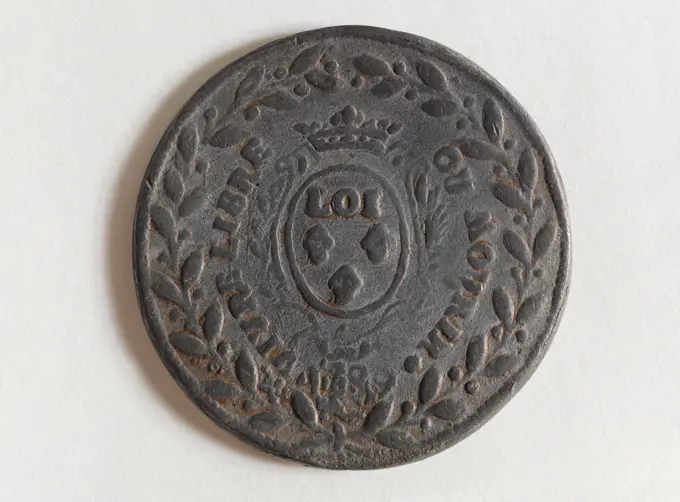
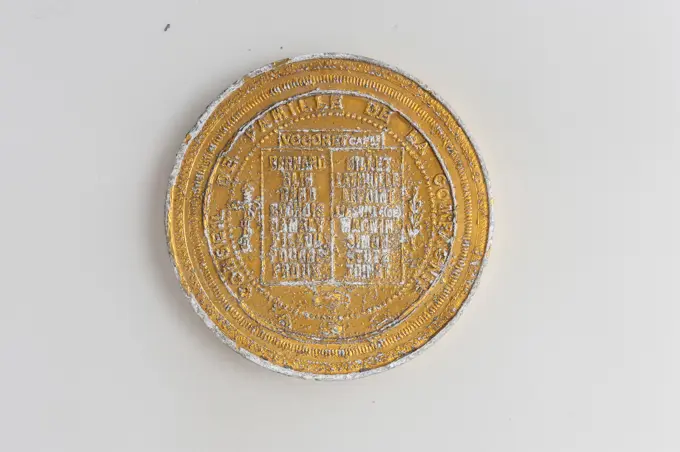
Carnavalet museum, tokens collection
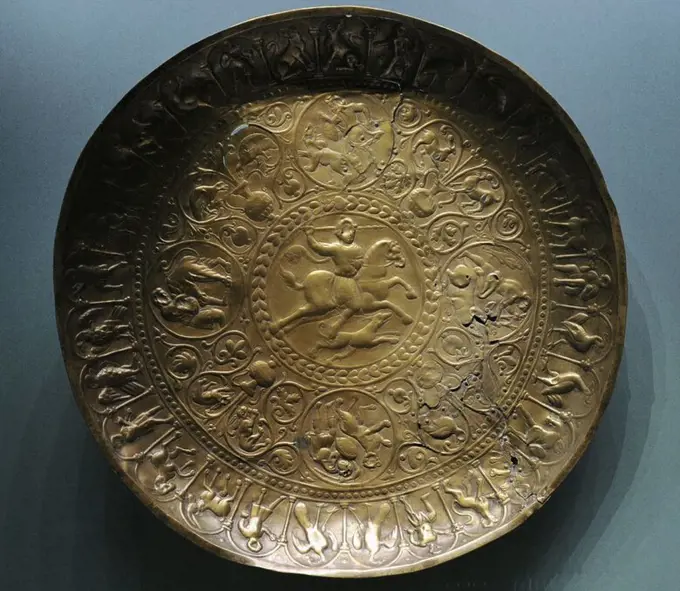
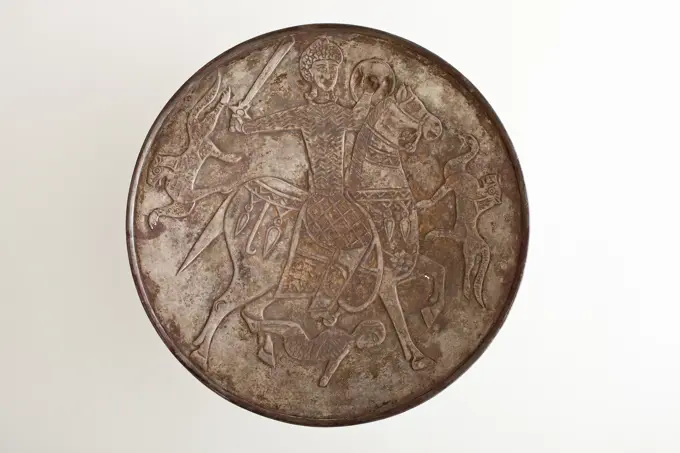
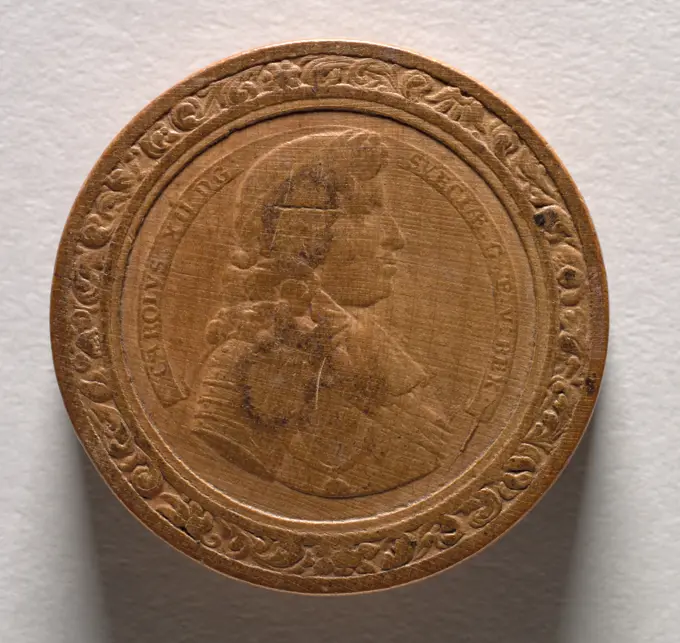
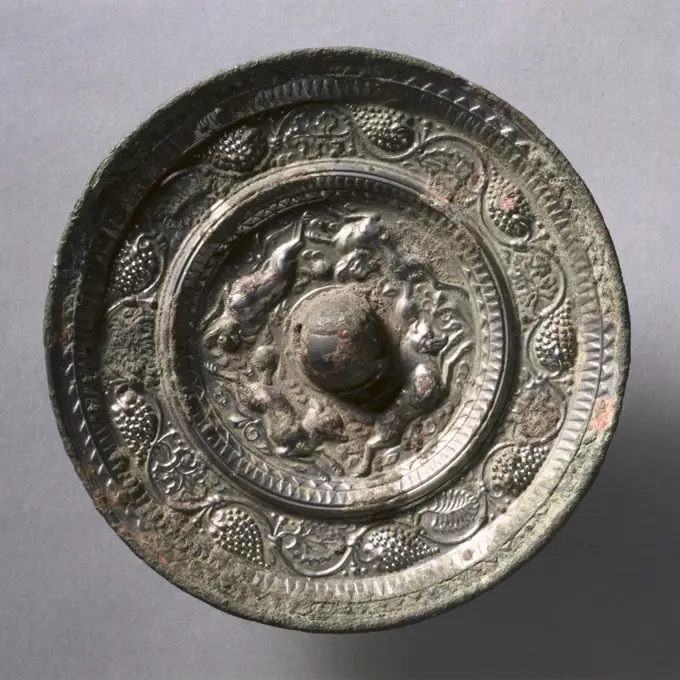
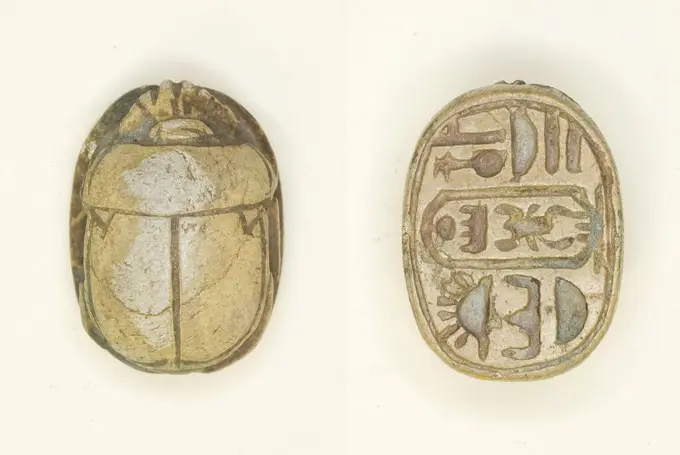
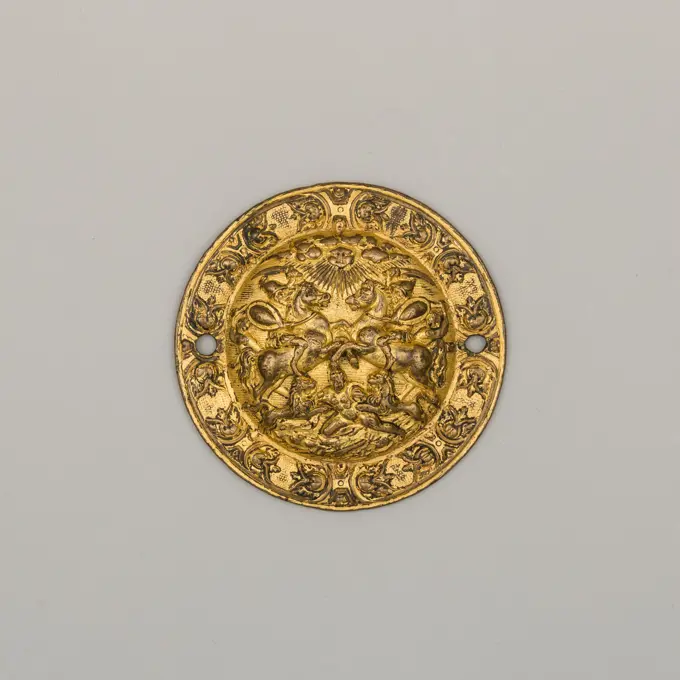
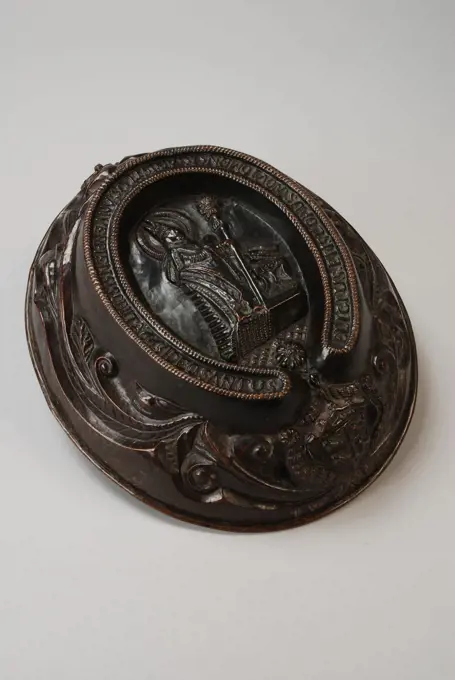
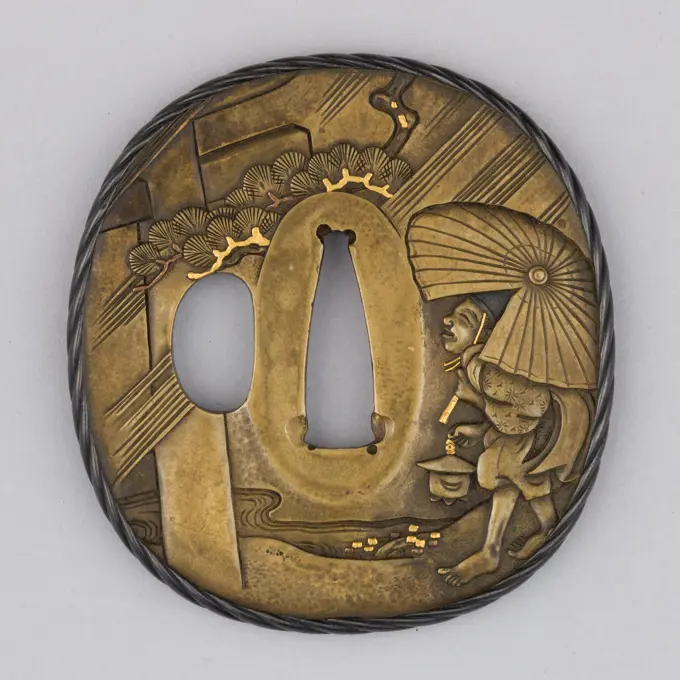
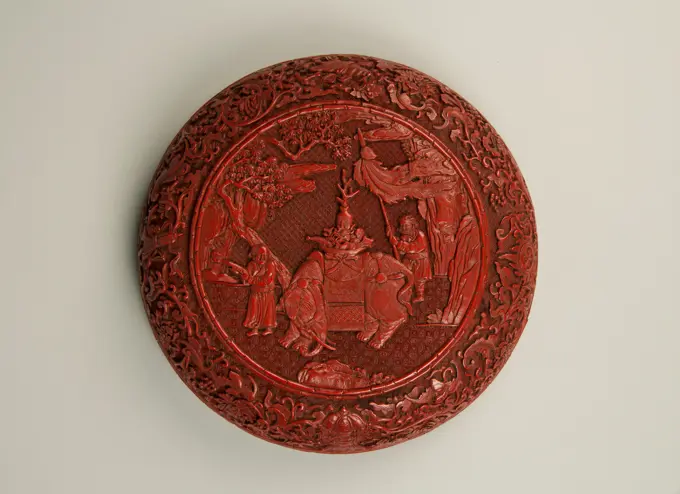
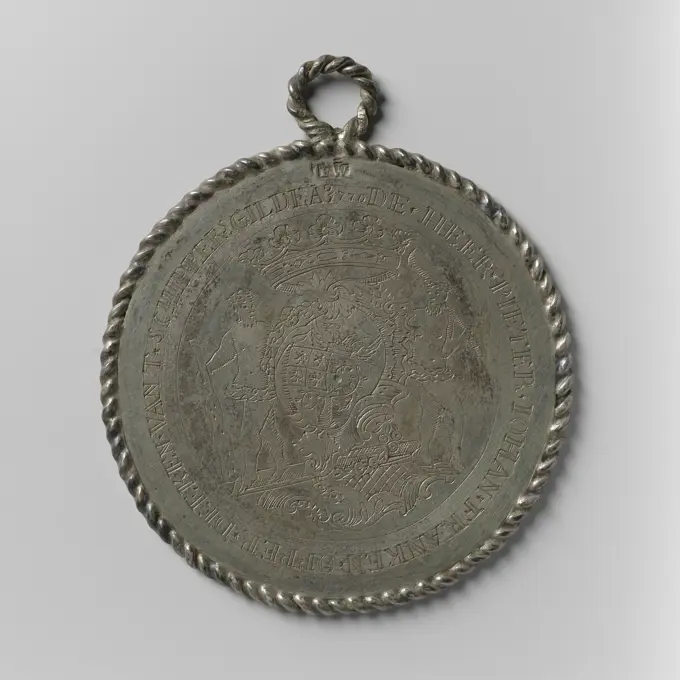
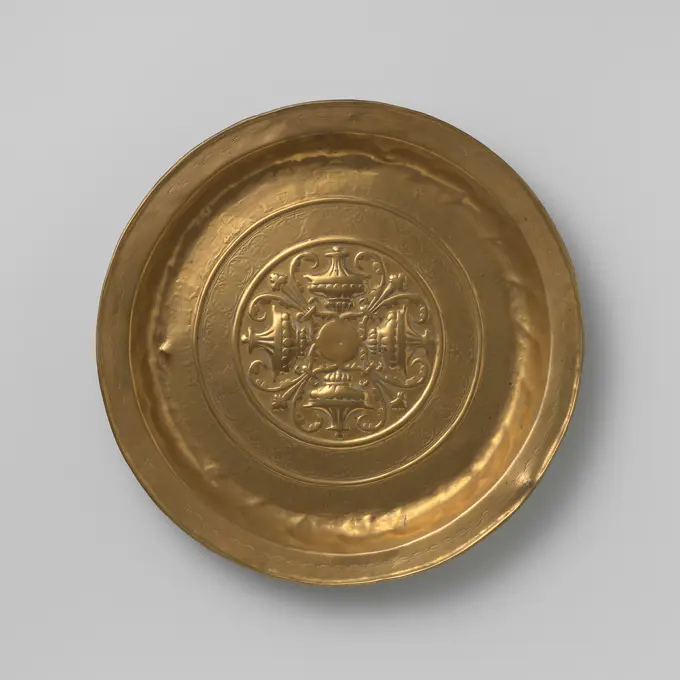
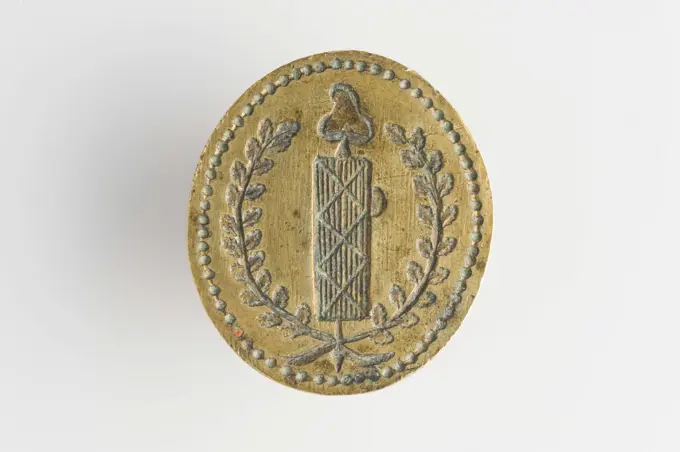
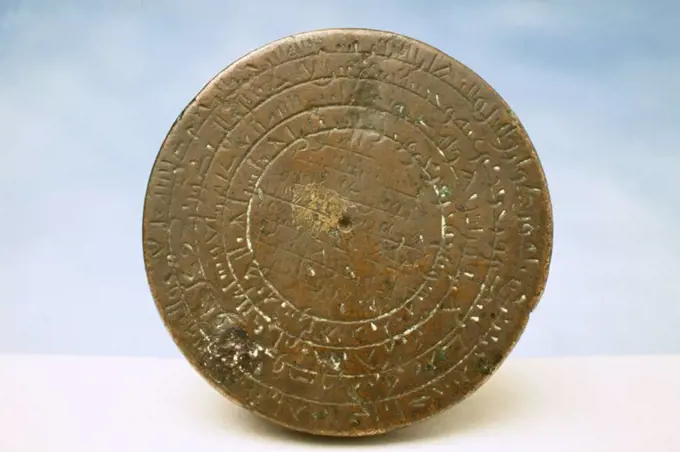
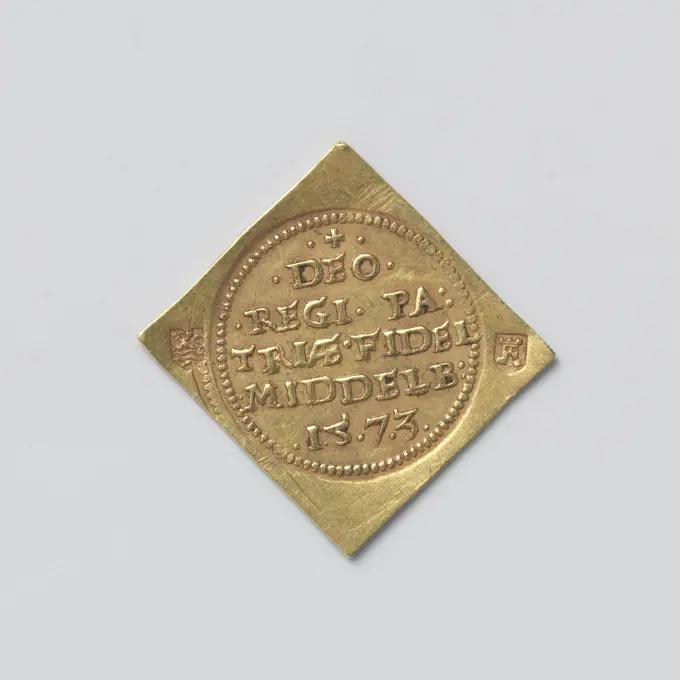
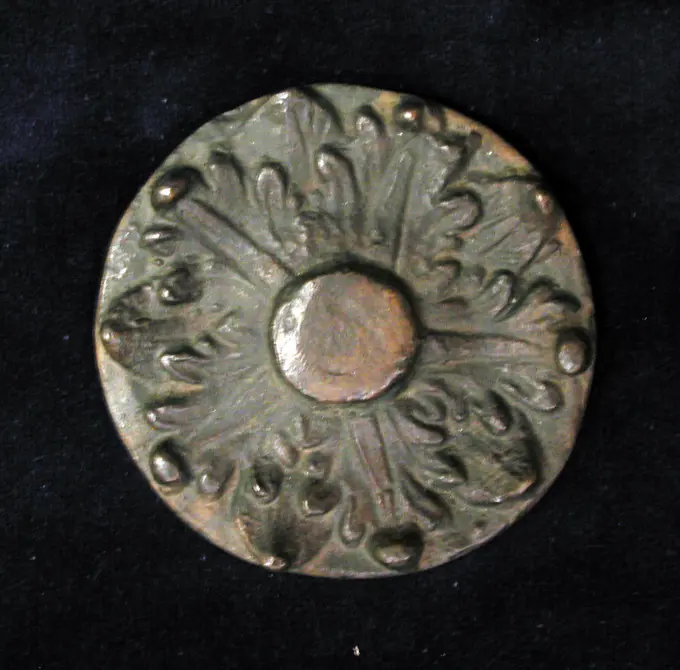
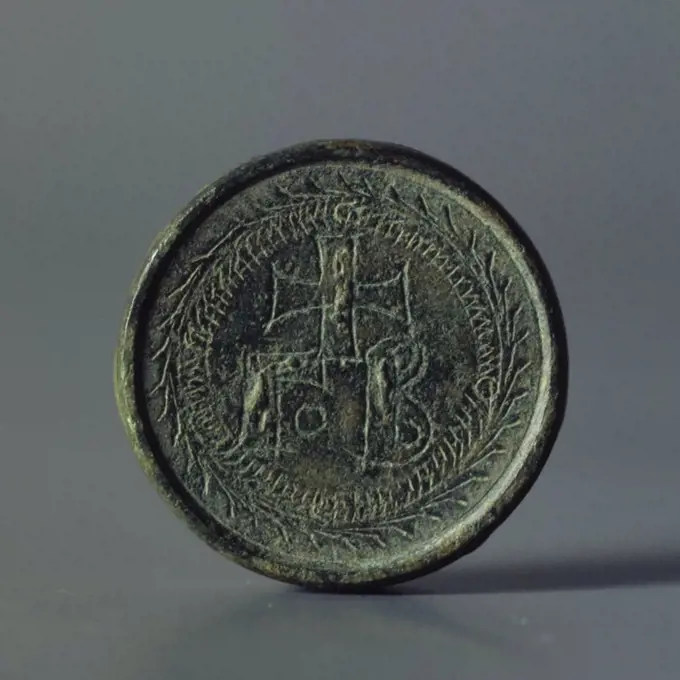
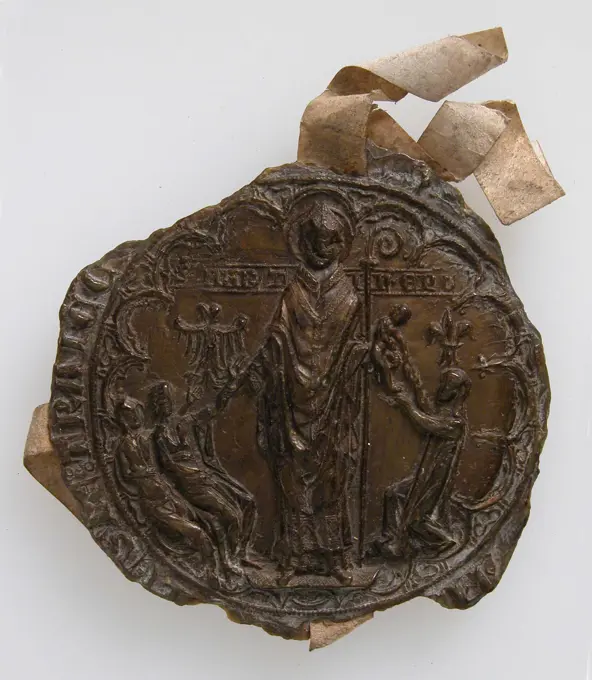
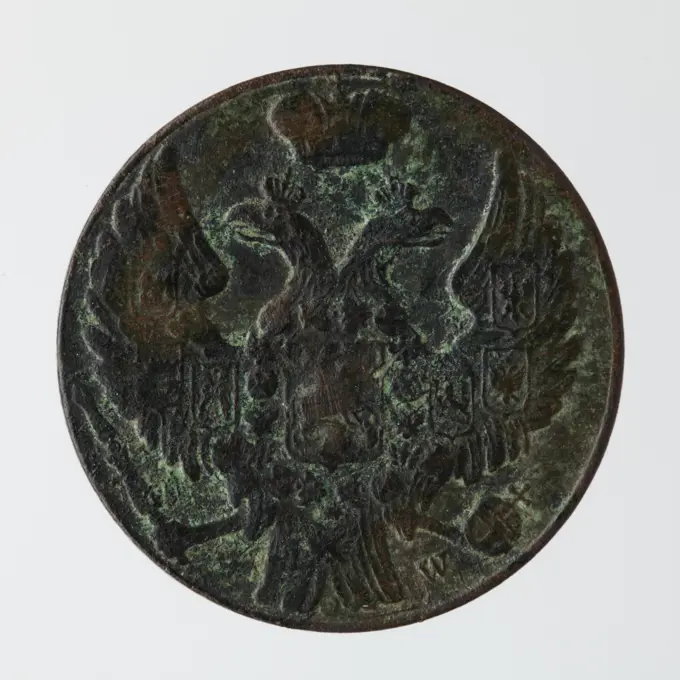
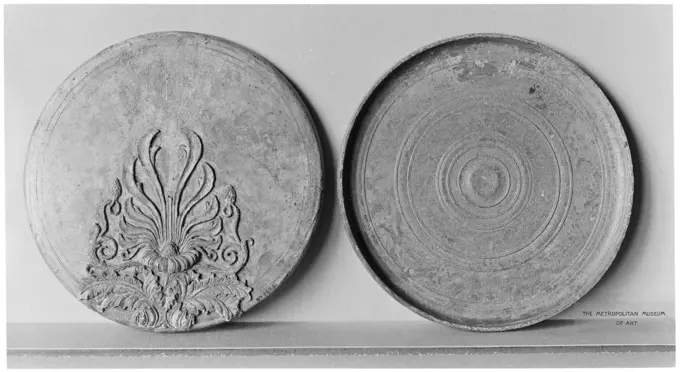
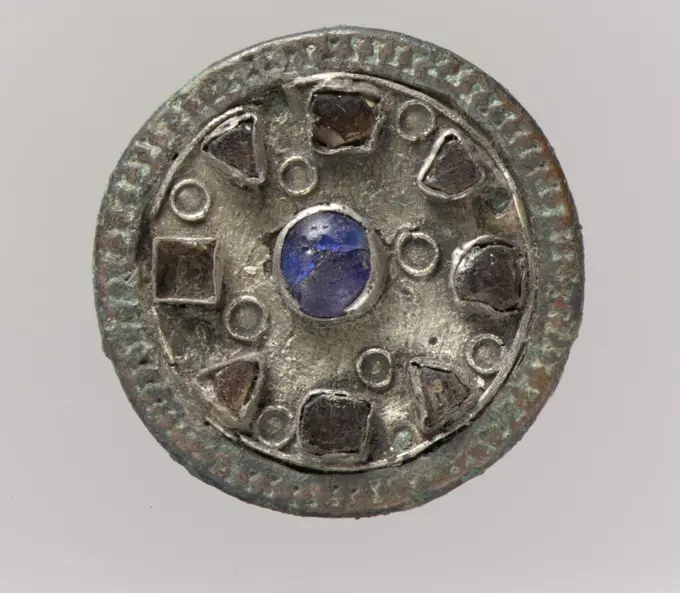
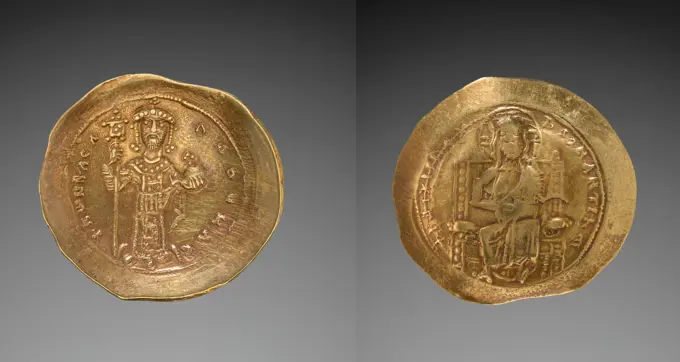
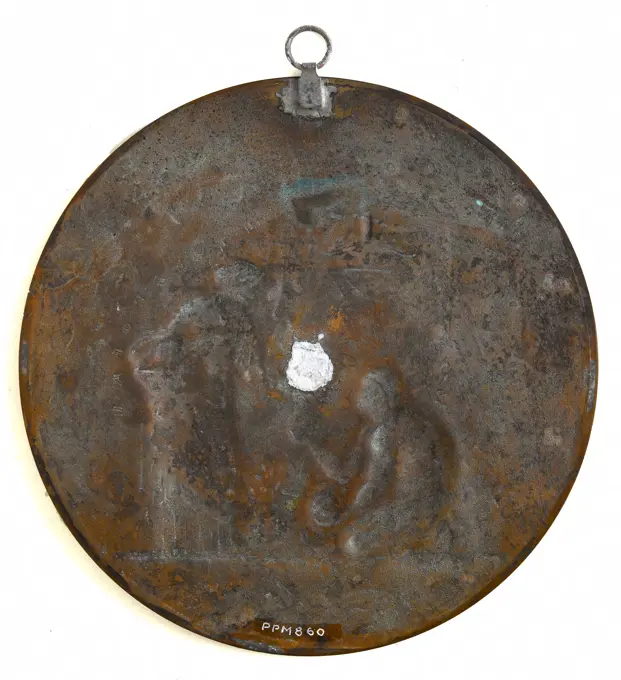
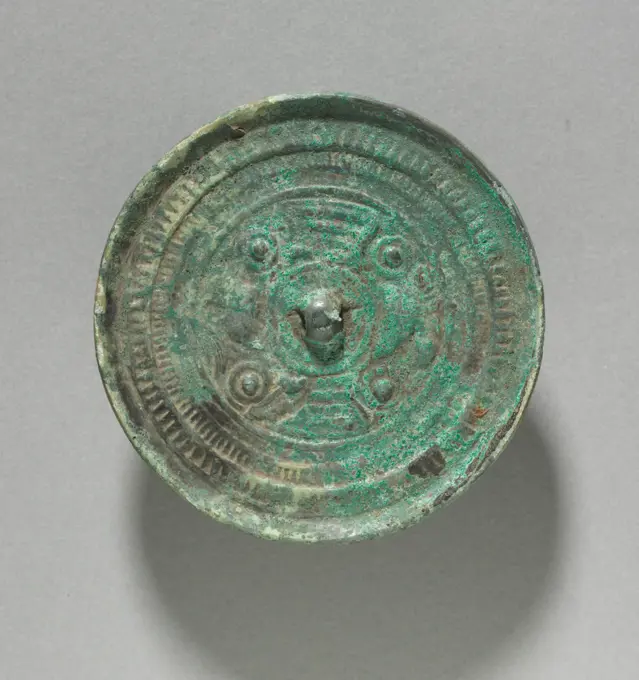
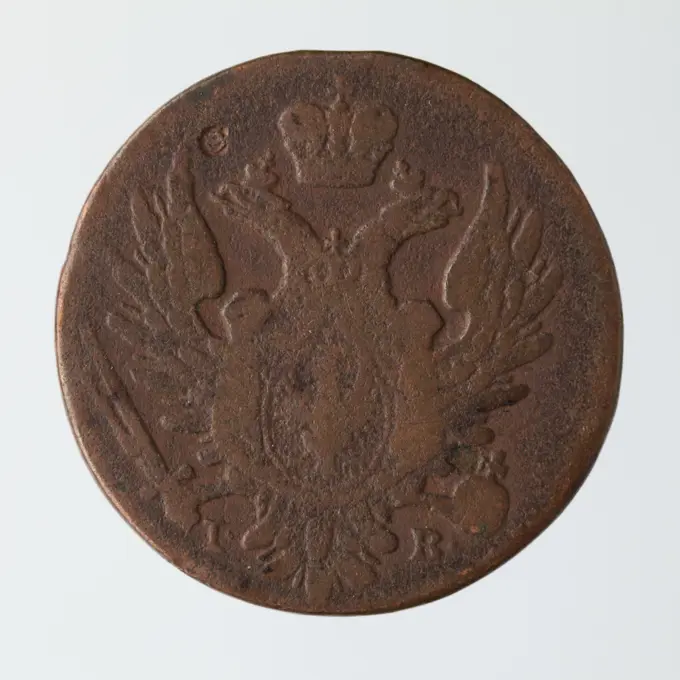
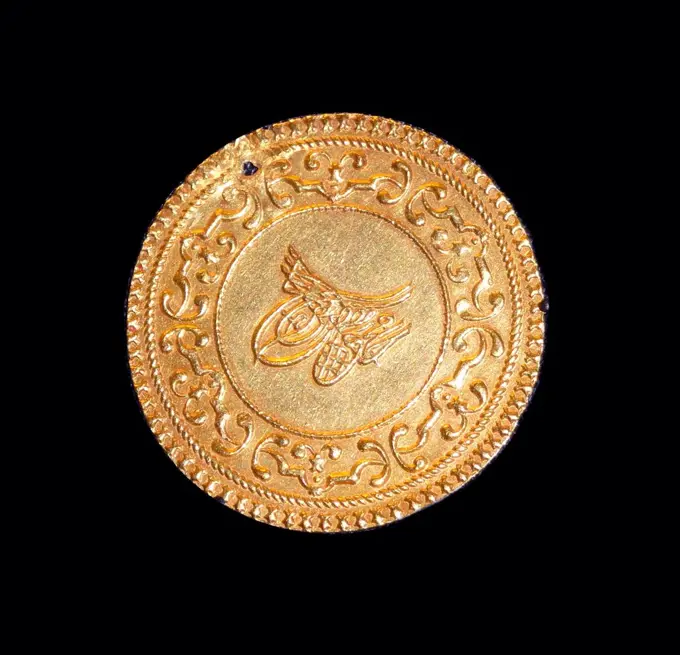
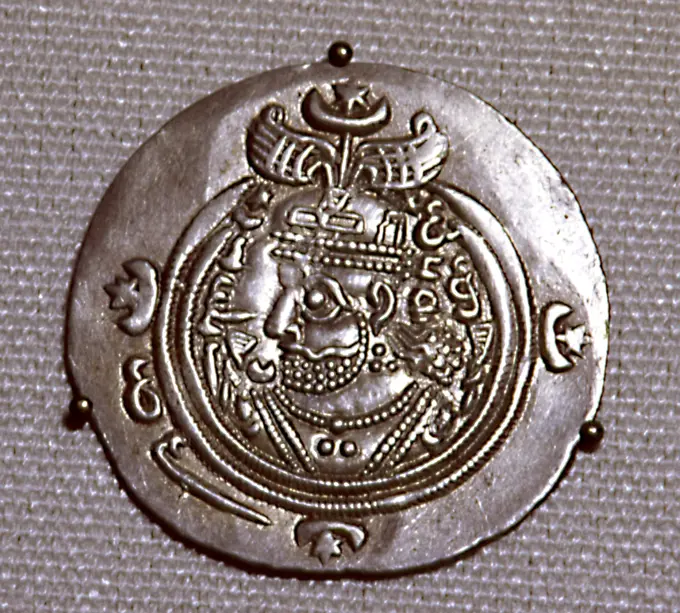
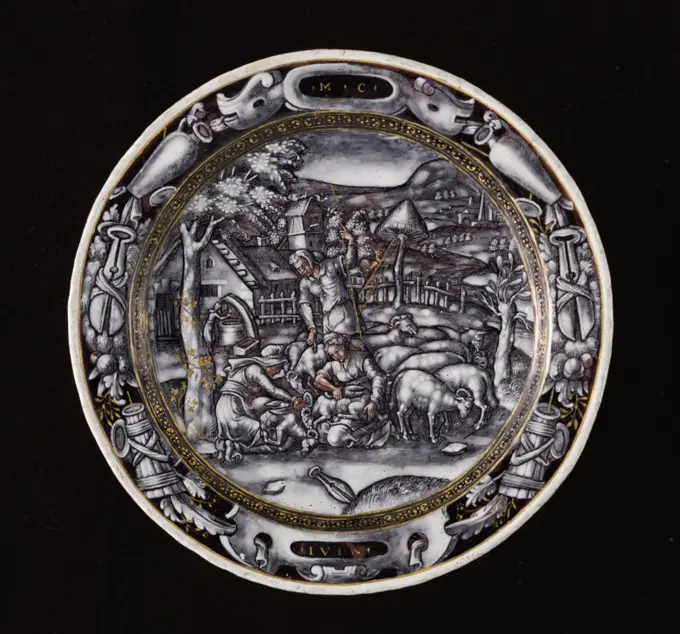
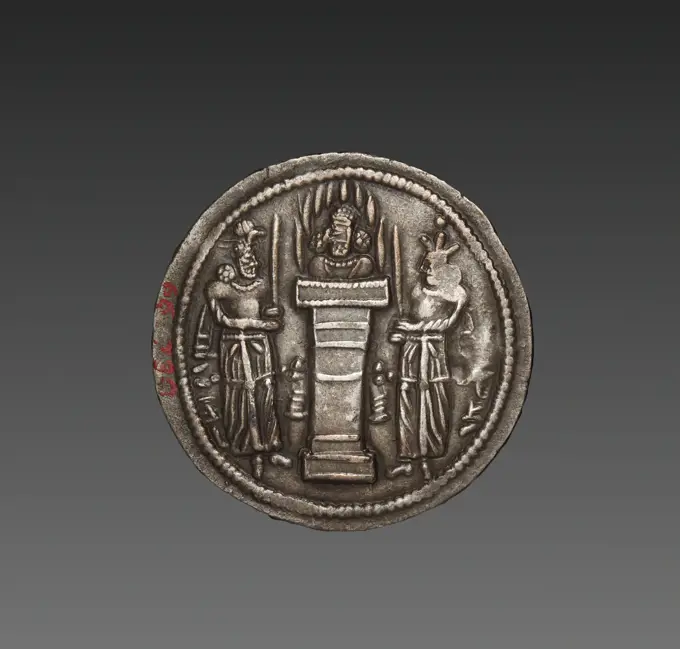
Wielkopolska, Bolesław Pobożny (1239 1279), Denar, Gniezno, 1257 1279 Bolesław Pious (1239-1279)Carnavalet Museum, Medals CollectionCarnavalet Museum, Medals CollectionCarnavalet museum, medal collection Droit flag adorned with the Cross of Geneva; Reverse inscription on nine lines framed by a snake biting its tail.Diana and actaeon. Round, lead plaque, surrounded by a braid. Right Diana with two groups in a square basin with a water-spingy mask. From left, Actaeon approaches, a spear in his right hand and two dogs at his feet. The goddess sprays him with spring water, so he changes in a deer. Landscape with palm trees and trees and buildings on a mountain slope.Mieszko II Lambert (1025 1034) As the Successor of the Throne, Denar; Wielkopolska, Kujawy or North Mazowsze; AROUND 1010-1020 Mieszko II Lambert (1025 1034)False Coin, Crown Six Groschen, John II Casimir (1649 1668)Carnavalet museum, tokens collectionCarnavalet Museum, Medals CollectionTray. Bronze (brass): forged and engraved. Alexandria or Antioch, Eastern Mediterranean. 7th century. The State Hermitage Museum. Saint Petersburg. Russia.Carnavalet museum, medal collection Bust law of Mgr Denis Affre on the right; Reverse inscription on three lines under sixteen stars arranged in almond, all in a pearl medallion.Eight-foiled Mirror with Twin Dragons. Korea, Goryeo dynasty, 918-1392. Furnishings; Accessories. Cast bronzePlate with Mounted Warrior Motif. Iran, 8th century. Metal. Silver-alloyed bronze, raised and incisedGrahal-Manzara. Carnavalet 2013-2016 collection sites. Numismatics.Gaming Piece (obverse), c.1700. Martin Brunner (German, 1659-1725). Wood; diameter: 6.1 cm (2 3/8 in.); overall: 1.3 cm (1/2 in.).Animal-and-Grape Mirror, early to mid 600s. China, Tang dynasty (618-907). Bronze; diameter: 11.7 cm (4 5/8 in.); overall: 1.3 cm (1/2 in.); rim: 1.2 cm (1/2 in.).Le Pere Duchene, 1789 Anonymous. Father Duch�ne. Etain, 1789.Distributing Schimpschrifts on the Convention (Twelve Years' File), Anonymous, 1608 history medal Silver square medal. Front: ostrich with spread wings. Reverse: Central Arms shield (Gelderland) with Kovernating (Gelre and Zutphen). Gelderland silver (metal) striking (metalworking)  Guilders. ZutphenPlanets-manager. Cornalet Collection Sites 2013-2016. Numismatic.Carnavalet museum, medal collection Right registration on seven lines; Reverse names in the center, with a caduceus on the left, on the right an olive branch; below, a faith; The circular inscription is closed by a level, a faith and a Phrygian cap.Collegium Medicum in Amsterdam, Access for the Hortus Medicus for student G.J.B., Anonymous, 1700 - 1800 medal Brass medal. Front: crowned coat of arms between two stuffed horns of abundance above ointment spatula, why snake is wriggling, lying on pedestal. Reverse: Monogram G.J.B. Under skull with bones above decorative motif Amsterdam brass (alloy) casting / engraving  Garden doctorEighth Daalder, emergency coin from Groningen, beaten during the siege, Anonymous, 1672 coin. siege coin Eighth Daalder in Groningen. Unilateral, diamond -shaped emergency coin with rounded corners, torn up on the left. Front: Crowned coat of arms between value indication within the change. Reverse: Blanco Groningen silver (metal) striking (metalworking)  GroningenCarnavalet Museum, Medals CollectionCorner Plates of the Tombstone of Gijsbert Willemsz Raet, with the Four Evangelists, anonymous, c. 1511 One of the four brass corner plates from a gravestone by Gijsbert Willemsz. Raet in Gouda. The plate has a circumference, which is made up of four accolade arches, with leaf ornaments on four corners. The field is taken by one of the four evangelist symbols: a winged bull with on the banderol in Gothic writing: "Lucas." This plate was originally at the top right of the center plate. Low Countries brass (alloy) casting / cutting / engraving / gilding One of the four brass corner plates from a gravestone by Gijsbert Willemsz. Raet in Gouda. The plate has a circumference, which is made up of four accolade arches, with leaf ornaments on four corners. The field is taken by one of the four evangelist symbols: a winged bull with on the banderol in Gothic writing: "Lucas." This plate was originally at the top right of the center plate. Low Countries brass (alloy) casting / cutting / engravinScarab: Menkheperura (Thutmose IV). Egyptian. Date: 1400 BC-1390 BC. Dimensions: 1.6 × 1.3 × 0.6 cm (5/8 × 1/2 × 1/4 in). Steatite. Origin: Egypt. Museum: The Chicago Art Institute, USA. Author: Ancient Egyptian.Bit Boss late 16th century German, probably Augsburg The central part of this bit boss is adorned with a Roman battle among horsemen and foot soldiers, as well as a nude man wrestling with two lions. Above them, a sun in splendor appears among the clouds. It has been cast in bronze and gilded, some details having being added by chasing, like the hairs on the horses' coats or the stippled backgrounds.The composition is probably based on a bronze plaquette, The Lion Hunt, made by Moderno (Galeazzo Mondella), ca. 1500 (see 18.70.5). German bronze founders would regularly use Italian medals or plaquettes as models for their works, including bosses, like this one, which decorated the sides of horse bits. They also produced similar decorative elements for powder flasks, staff weapons or even pistols. This Lion Hunt type was among the most popular designs, and could be combined with different types of rims (see also 42.50.180 and 42.50.178).. Bit Boss. German, probably Augsburg. late 16th cenJ.W. van den Berg, Driven oval pudding with image St. Eligius, pudding mold shape kitchenware copper, Driven copper shape (pudding mold) with in the middle picture of Saint Eloy (Saint Eligius) the patron of the metalworkers' guild with miter and staff standing near an anvil on which the year 1809 is written. Around this is: ELIGIUS EPISCOPUS NOVIOMENSIS APOSTLUS ANVERPIENSIS OBIIT 665 IDEO SANTUS. Under the arms of Rotterdam. ELIGIUS EPISCOPUS NOVIOMENSIS APOSTLUS ANVERPIENSIS OBIIT 665 IDEO SANTUS 1809 heraldry coat of arms religion Rotterdam City Triangle Blaak Nieuwensteeg Made in 1809 by J.W van den Berg, servant in the koperslagerswinkel of Düpken in Rotterdam, then in the Soetensteeg; in 1813 that case was located at the Noord Blaak near the Nieuwensteeg which house in 1813 for f 3000 was purchased by Düpken. Now the Lunchroom.False Coin, Penny, 1013 1025, Mieszko II (1025 1031)Sword Guard (Tsuba) late 18th century Japanese A tsuba is a sword guard and part of a sword mounting. It is mounted between the swords blade and grip to protect the users hands.. Sword Guard (Tsuba) 643323Medal of the 40th anniversary of the reign of Emperor Francis Józef I 1888.Carnavalet Museum, Medals CollectionOne of a pair of boxes with elephants China Marks on the inside and bottom of these boxes indicate that they were produced in the imperial workshop and titled Peaceful Boxes of Treasure” (shengping baohe). Each cover is decorated with two attendants and a caparisoned elephant bearing a basin of treasures. The facial features of the attendants indicate that they are non-Chinese people. This scene envisions the traditional Chinese fantasy of foreign countries bringing treasures to pay tribute in times of peace. As an exotic and auspicious animal, the elephant is always featured in this visual pun.. One of a pair of boxes with elephants. China. Carved red lacquer. Qing dynasty (1644-1911), Qianlong period (1736-95). LacquerCarnavalet Museum, Medals CollectionCarnavalet museum, medal collection Law bust of Louis-Napoléon Bonaparte de Trois-Quarts Face; Reverse registration on three lines in a pearl medallion.penny of the cross; Albrecht Hohenzollern (Ksi  in Prussia; Grand Master; 1490-1568); 1517 (1517-00-00-1517-00-00);Schippers Guild in 's-Hertogenbosch, Gildepenning by the Gilde donated to Opperdeken Pieter Johan Franken, Joan F. van Wolfsbergen, 1770 medal Silver medal to wearing eye in the cable edge. Front: Driemaster sailing to the right in Kerschrift. Reverse: slanted, crowned coat of arms, resting on a console, flanked by two half -naked men with club over shoulder; Including decorative motif within the change; Under Sea Eyes: Stamp with Monogram F.W. the Bosch silver (metal) casting / engraving  the BoschDish with renaissansances. In the flat of the dish, where the center point is visible in the middle, stamp forms are punched: a recruited Renaissance dediment with a lid interspersed with a stylized vegetative ornament (both repeated four times), a border of shadow on shaded background , in which two leaves and a flower are included (repeated more than eight times), as well as the almost unreadable inscription GOTT SEI MIT UNS (a few times repeated). Fishblowing are driven into the wall of the dish. The beaten edge has been shortened in a later time, such that he is now decorated with one and not with two driving leaf ornament. The hanging ring on the back and the hole in the edge are arranged later.Carnavalet museum, tokens collectionMirror (common name), 0618. Money. Cernuschi Museum, Asia Museum of Asia in the city of Paris. Lotus leaves edges. Decor of alterated birds and flowers.Korendragers and Storters Guild of Amsterdam, Gildepenning by Jan Arens Adel Van Hier, Anonymous, 1677 medal Copper medal with hole in it; V.Z: to the right man with a burden on head. Reverse: Inscription Amsterdam copper (metal) engraving  AmsterdamStamp Seal with Man, Snakes, and Bird. Northern Afghanistan, 2000-1500 B.C.. Tools and Equipment; seals. SilverHalf Daalder, emergency coin from Groningen, beaten during the siege (with the portrait of Karl Rabenhaupt), Anonymous, 1672 coin. siege coin diamond -shaped emergency coin with rounded corners. Front: Crowned coat of arms between value indication within the change. Reverse: breastpiece rabenhaupt to the left; in corner points, with clock: inscription; banners; drum between two canons; helmet banner and rifle Groningen silver (metal) striking (metalworking) / engraving  GroningenPlanets-manager. Cornalet Collection Sites 2013-2016. Numismatic.Fars that coin is coin, 103, 193333, Resract of AsialandsAMULETO NO. 502. (EXPOSICION EL LEGADO CIENTIFICO DE AL-ANDALUS)(DEPOSITO: MUSEO ARQUEOLOGICO DE GRANADA).Carnavalet Museum, Medals CollectionFalse coin, August III Saski (1733 1763), crown ort; 1755Badge or Harness Pendant 14th century Spanish Heraldry, or coat-of-arms, were vitally important in Europe throughout the Middle Ages and the Renaissance. Heraldic emblems were used to identify noble families, cities, regions, and even countries. In addition to being displayed on shields and flags, heraldry was incorporated into architectural decoration on the interior and the exterior of buildings, on furniture, works of art, clothing, and horse equipment. Harness pendants, like this example, would have been attached to a headstall, bridle, or other straps making up the tack of a horse ridden by a nobleman or noblewoman, or a member of their household. Many harness pendants also have decoration that is simply ornamental, or have symbols that are not specifically heraldic in nature.. Badge or Harness Pendant. Spanish. 14th century. Copper, gold, enamel. Miscellaneous-BadgesPlanets-manager. Cornalet Collection Sites 2013-2016. Numismatic.Kroon, emergency coin from Middelburg, beaten during the siege, Anonymous, 1574 coin. siege coin Unilateral, diamond -shaped emergency coin. Front: three stamps side by side: in center: inscription in round pearl edge; On the left state weapon, right: city coat of arms. Reverse: Blanco Middelburg gold (metal) striking (metalworking)  MiddelburgAnvil 19th century, after 16th century original British, after Italian, Venice original This electrotype is after a sixteenth-century original in the Botkine collection, St. Petersburg, at the time of reproduction. See also 83.18.216a, the knocker belonging to this anvil.. Anvil 186643Stamp Seal, Disk-Shaped with Rounded Sides. Western Iran, circa 4th millennium B.C.. Tools and Equipment; seals. Black serpentineth Century Token: BirminghamBronze coin from the Visigoth citadel Puig Rom. 7th century.Planets-manager. Cornalet Collection Sites 2013-2016. Numismatic.Seal Impression, Bishop 14th century Netherlandish. Seal Impression, Bishop. Netherlandish. 14th century. Brown wax. Miscellaneous-Wax1 Dinar from uncertain,India, 301-99, Gold, 7.22 g, 12:00, 19.5mm, Made in uncertain, India, Indian, 4thcentury, NumismaticsSouth African Coin defaced by Anglo-Boer War POW'sOne Penny Mikołaj i Mint Warsaw, Mikołaj I (1825 55)Bronze box mirror 2nd quarter of the 4th century B.C. Greek In relief, floral ornamentGeometric and floral elements played an important role in the decoration of all types of Greek art. Here lush acanthus leaves give rise to outward curling tendrils with fruit and to a flowerlike central element from which springs a palmette with inturned fronds.. Bronze box mirror. Greek. 2nd quarter of the 4th century B.C.. Bronze. Late Classical. BronzesSweden, penny to Gustaaf Adolf, penny coin money swap soil find copper, Crowned coat of arms of Gustaaf Adolf Omschrift partly readable regulation: GVST: ADOLP: DG: SVE: GOT: FROM .. M: P: I: pay archeologyCharliere ascent Anonymous. "Charli�re ascent". Medal, 1784.False Coin, 1/2 Crown Groschen, Ladislaus Jagiello (1386 1434)Disk Brooch 6th century Frankish. Disk Brooch 464836 Frankish, Disk Brooch, 6th century, Silver, wire, copper alloy rim, paste cabochons or stone, remnant of iron pin, Overall: 1 1/8 x 3/8 in. (2.9 x 1 cm). The Metropolitan Museum of Art, New York. Gift of J. Pierpont Morgan, 1917 (17.191.144)Art and science -promoting society under the meaning "Progress through science", Hendrik de Heus, 1806 - 1814 award medal Silver medal to wear and carrying ring. Front: letters V and W in circle. Reverse: Blanco Amsterdam silver (metal) engraving  AmsterdamScyphate , 1059-1067. Byzantium, 11th century. Gold; diameter: 2.5 cm (1 in.).Indie, ğunagadh, Rasul muḥmmad Khān (AH 1309 1329 / VS 1948 1968 / 1891 1911 AD), DOKDO, 1908 (VS 1965)False Coin, Patagon, 1646, Phiiip IV (1621 1665)Fars that coin Con, 20 ,Carnavalet museum, medal collection Right Fleur de Lys surmounted by two Mirror Phrygian Bonnets; On the left, a Latin cross; on the right, a sword; Reverse registration on four lines.Plaque with Kroon Maria. Plaque of lead, printed oval, with the show of the coronation of Mary.Carnavalet museum, medal collection Right registration on six lines; Reverse Republic in the foot carrying in the left hand the shad of the Oriflamme which it drapes, and in the right hand a level of equality; On the left is a column base and on the right a small tree.Ferdinand Levillain (1837-1905). "The fruit merchant medal". Metal, bronze. Museum of Fine Arts of the City of Paris, Petit Palais. 57551-14 Bronze, merchant, medal, metal, numismatics, fruitCrete, Phaistos clay disc covered with hieroglyphic characters arranged in spiral, side ACoronation from Ferdinand II to German emperor in Frankfurt. Bronze medal. Front: breastpiece man with laurel wreath inside laurel wreath above stack of gun rig inscription. Reverse: Radiant, crowned sun between three crowns inside.Carnavalet Museum, Medals CollectionMirror, 918-1392. Korea, Goryeo period (918-1392). Bronze; diameter: 9.6 cm (3 3/4 in.).Pair of donkeyshoesPolish kingdom, Aleksander (1815-1825), penny of Poland, Warsaw; 1822 Mint of Warsaw, Aleksander andBadge or Harness Pendant 14th century Spanish Heraldry, or coat-of-arms, were vitally important in Europe throughout the Middle Ages and the Renaissance. Heraldic emblems were used to identify noble families, cities, regions, and even countries. In addition to being displayed on shields and flags, heraldry was incorporated into architectural decoration on the interior and the exterior of buildings, on furniture, works of art, clothing, and horse equipment. Harness pendants, like this example, would have been attached to a headstall, bridle, or other straps making up the tack of a horse ridden by a nobleman or noblewoman, or a member of their household. Many harness pendants also have decoration that is simply ornamental, or have symbols that are not specifically heraldic in nature.. Badge or Harness Pendant. Spanish. 14th century. Copper, gold, enamel. Miscellaneous-BadgesProchownicaFalse coin, crown shilIIng, John II Casimir (1649 1668)Madrid, M.A.N. 109001. Arte Edad Media. Medalla de la ciudad de Nuremberg a Carlos V. Diseñada por Alberto Durero y ejecutada por Hans Krafft. Plata (71mm, 211gr). 1521. Otras adquisiciones 1868-1895. Adquirida en 1871 por el conocido numismático Alois Heiss.Object van Brons, 1600 - 1699 Object of bronze in the form of a roset with a (French) lily in the middle. Partially opened.  bronze (metal) Object of bronze in the form of a roset with a (French) lily in the middle. Partially opened.  bronze (metal)Commemoration of the February 1848 Revolution (Title) Anonymous. Commemoration of the Revolution of February 1848.Gold Ottoman coin, Constantinople (Istanbul, Turkey), 1757. Ottoman Sultans used an elaborate signature, called the Tugra, to represent themselves on their coins. The Tugra was used as the imperial signature of the SultanShallowDishSword Guard (Tsuba), c. 1615-1868. Japan, possibly Edo period (1615-1868). Iron; diameter: 8.1 cm (3 3/16 in.).Shield 1727 Persian. Shield 31788sesterce; Antoninus Pius (86-161; Roman emperor 138-161); 145-161 (145-00-00-161-00-00);Silver drachm of Khusru II. 590-628. Iran.Calendar Plate for June (Sheepshearing). Martial Courteys (France, Limoges, circa 1544-1592). France, Limoges, circa 1565-1575. Furnishings; Serviceware. Grisaille enamel, flesh tones, touches of color, and gold on copperOne of a pair of boxes with elephants. Culture: China. Dimensions: H. 4 1/8 in. (10.5 cm); Diam. 8 1/8 in. (20.6 cm).Marks on the inside and bottom of these boxes indicate that they were produced in the imperial workshop and titled "Peaceful Boxes of Treasure" (shengping baohe). Each cover is decorated with two attendants and a caparisoned elephant bearing a basin of treasures. The facial features of the attendants indicate that they are non-Chinese people. This scene envisions the traditional Chinese fantasy of foreign countries bringing treasures to pay tribute in times of peace. As an exotic and auspicious animal, the elephant is always featured in this visual pun. Museum: Metropolitan Museum of Art, New York, USA.Carnavalet museum, medal collection Right bundle surmounted by a Phrygian cap; a flag on each side; At the top, an eye on a glory.Emperor and St George, 1118-43. Byzantine. TURKEY.Hyperpyron Nomisma of Manuel I, emperor of Byzantium fromConstantinople. Ruler: Manuel I, Emperor of Byzantium, A.D. 1118-1180, ruled 1143-80 Mint: Constantinople Artist: UnknownTriptych: deesis that they are and Sawwatij Sąkiecki; Unknown Pomeranian Old -Coked Workshop; 1. PO. 19th century (1801-00-00-1850-00-00);Drachm: Fire altar with bust of Hormizd II, Zoroastrian priest holding sword left, King as priest holding sword right (reverse), AD 303-9. Sasanian, Iran, reign of Hormizd II, 4th century. Silver; diameter: 2.6 x 0.1 cm (1 x 1/16 in.).Plate with the Arming of David. Culture: Byzantine. Dimensions: Overall: 10 1/2 x 1 9/16 in., 49.3oz. (26.6 x 4 cm, 1397g)foot: 4 9/16 x 9/16 in. (11.6 x 1.4 cm). Date: 629-630.In 628-29 the Byzantine emperor Herakleios (r. 610-41) successfully ended a long, costly war with Persia and regained Jerusalem, Egypt, and other Byzantine territory. Silver stamps dating to 613-29/30 on the reverse of these masterpieces place their manufacture in Herakleios's reign. The biblical figures on the plates wear the costume of the early Byzantine court, suggesting to the viewer that, like Saul and David, the Byzantine emperor was a ruler chosen by God. Elaborate dishes used for display at banquets were common in the late Roman and early Byzantine world; generally decorated with classical themes, these objects conveyed wealth, social status, and learning. This set of silver plates may be the earliest surviving example of the use of biblical scenes for such displays. Their intended arrangement may havMedal on the peace proposals and the battle at Nieuwpoort, jeton utility medal medal exchange buyer, Flemish lion bound to column where FLAND refuses to offer him freedom hat omschrift: TVTVM. AVDENDI. PRECIVM. OBLATA. LIBERTAS (the offered freedom is safe reward to take the plunge) Oldenbarnevelt