Ancient Coins Collection

A selection of historical Roman coins featuring emperors and inscriptions, showcasing intricate designs from different eras.

denarius; Julia Domna (Ca 160-217; Roman Empress 193-211); 196-211 (177-00-00-177-00-00);
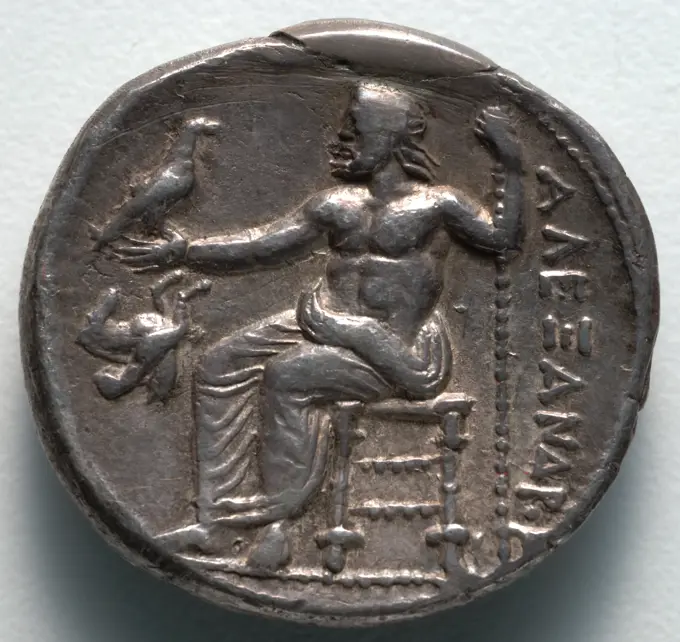
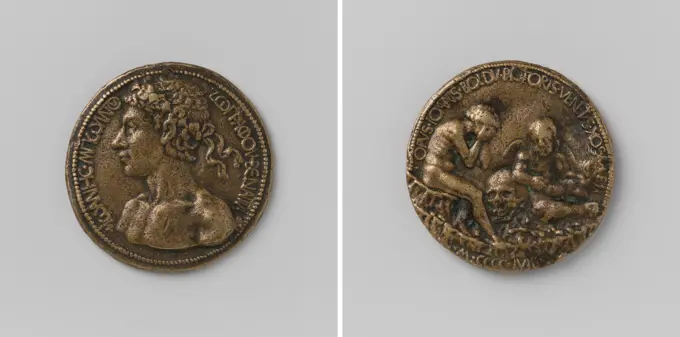
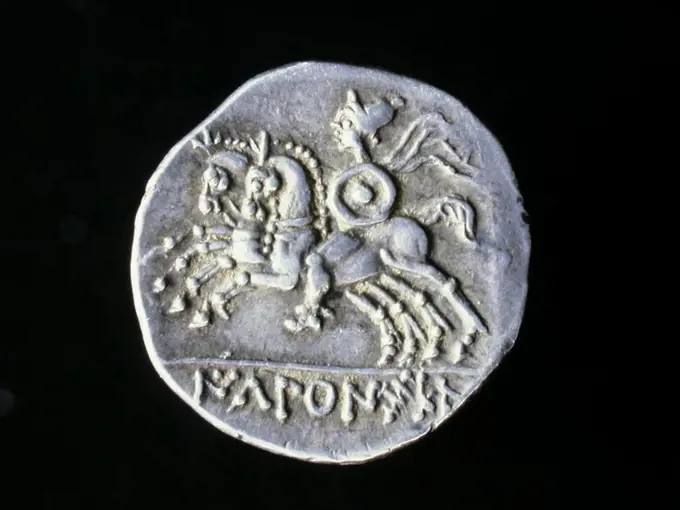
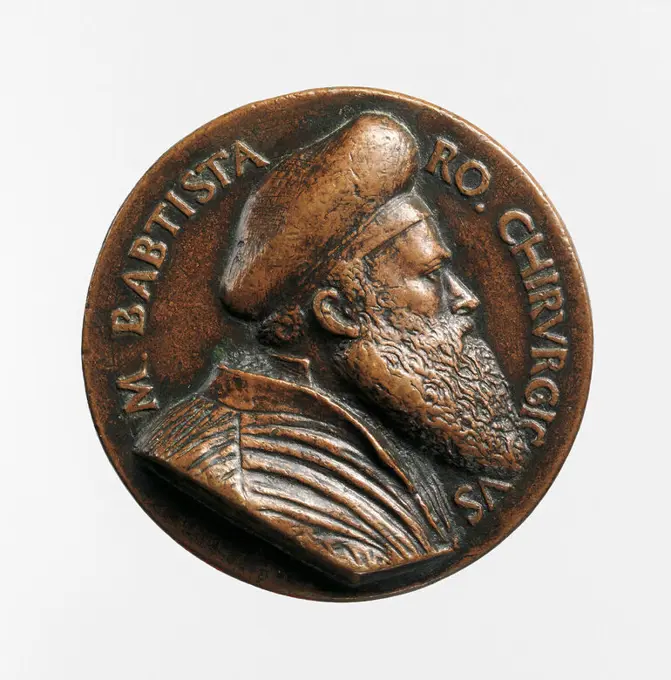
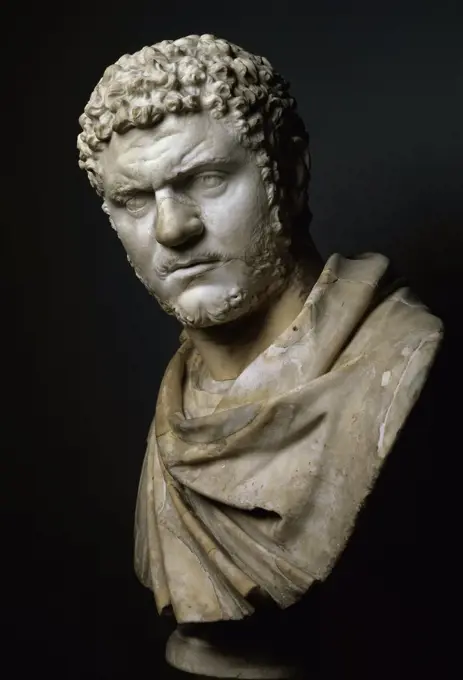
Silver leaf disc dedicated to the sun-god Sol. Roman, 3rd century AD From Pessinus (Bala-Hissar, Asia Minor)Tetradrachm: Zeus, seated, with scepter, eagle, Pegasos forepart, ΑΛΕΞΑΝΔΡΟΥ (Reverse), 336-323 BC. Greece, Macedonia, reign of Alexander III The Great. Silver; diameter: 2.6 cm (1 in.).Giovanni Boldu, John Bolsus, 1458 Bronze medal with hole in it. Front: Breastpiece man with wreath in her to the left in -turn in Greek language. Reverse: two angels sitting in the head in Koverschrift. Venice bronze (metal) casting  Venice Bronze medal with hole in it. Front: Breastpiece man with wreath in her to the left in -turn in Greek language. Reverse: two angels sitting in the head in Koverschrift. Venice bronze (metal) casting  VeniceRoman 16th Century, Saint Paul (obverse), c 1500 Saint Paul obverseNUMISMATICA. MONEDA IBERICA. DENARIO DE PLATA. REVERSO. JINETE CON RODELA Y DOS CABALLOS A LA IZQUIERDA. 100 A.C. (DEPOSITO: MUSEO ARQUEOLOGICO NACIONAL).Portrait medal of Battista Vigo da Rapallo or Baptista Romanus (obverse); a Hand Holding a Branch and a Surgical Instrument. Culture: Italian, Venice or Padua (). Dimensions: Diam. 6.4 cm, wt. 119.59 g. Date: model ca. 1510 (later aftercast).Little can be said of this medal's place of fabrication or of the sitter, although the inscription on the obverse (M. BABTISTA RO. CHIRVRGICVS) indicates that he was a surgeon (Chirurgicus). Gaetano Avignone, who possessed this medal and published it in1872, identified the sitter as Baptista Vigo da Rapallo, assuming that the RO in the inscription was a mistakefor RA. However, the RO may indicate a Roman origin for the sitter, and could be read as "Baptista Romanus." The image on the reverse seems to show a hand holding an oak branch and possibly a surgical instrument or a bridle. Museum: Metropolitan Museum of Art, New York, USA.money, coins, ancient world, Roman Empire, Sestertius of Empero Vespasian, back side, ""Iudaea capta"", spring 71, wood engraving, 19th century,Set of antique statue head of greek sculpture sketch engraving style vector illustration pack.Bust of Caracalla Roman Art  Musee du Louvre, Paris