Ancient Coins Collection

A selection of ancient coins featuring various designs, including emperors and deities, reflecting historical Roman aesthetics and materials.
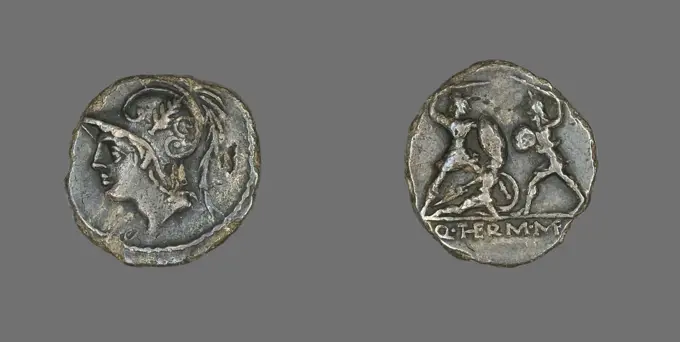
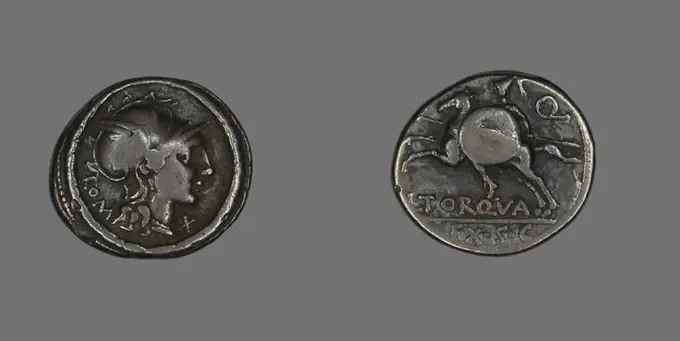
Denarius (Coin) Depicting the God Mars 103 BCE Italy. The front (obverse) of this coin depicts the head of the god Mars facing to the left and wearing a helmet ornamented by horsehair and plumes. The back (reverse) depicts two warriors fighting; a Roman legionary and barbarian with headress with horns and shield; between them, a Roman warrior has fallen. The name of the moneyer is recorded in the reverse inscription Q. Minucius Thermus M. f.. Silver . Ancient Roman
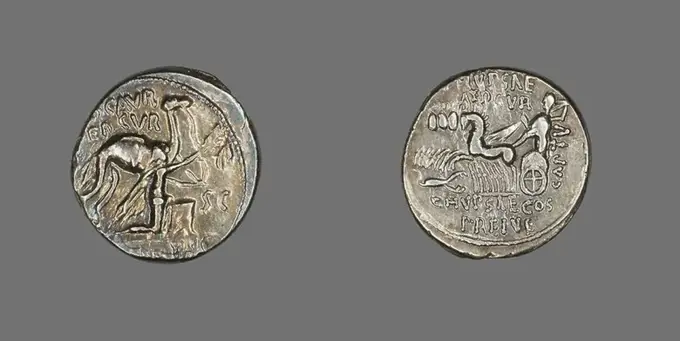
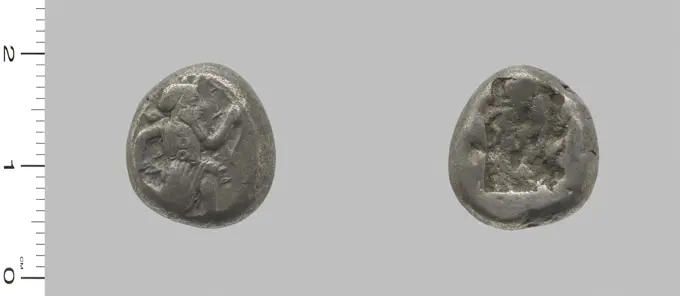
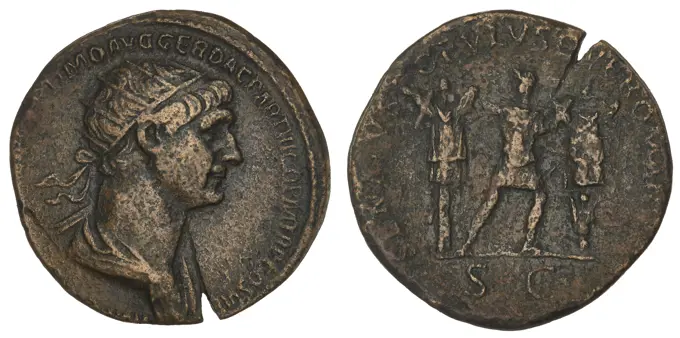
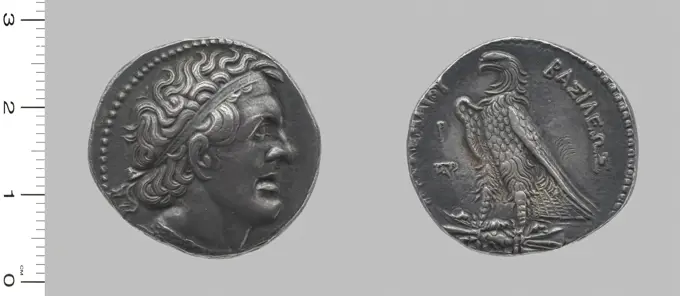
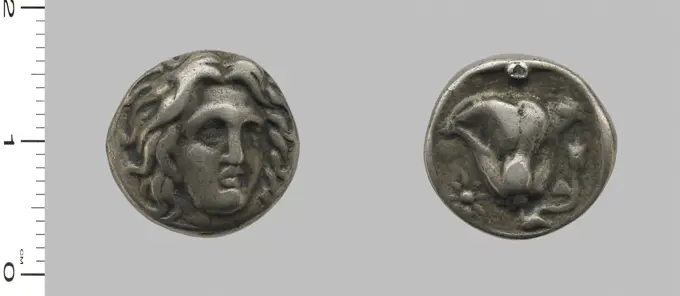
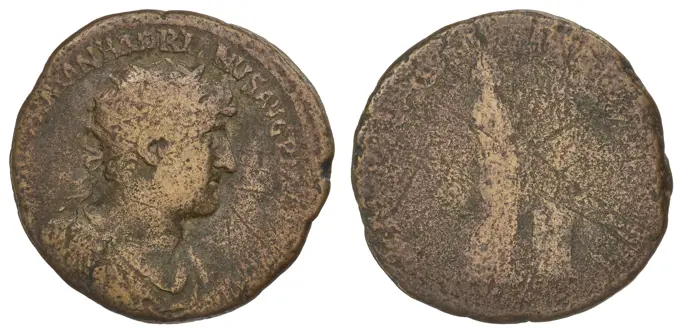
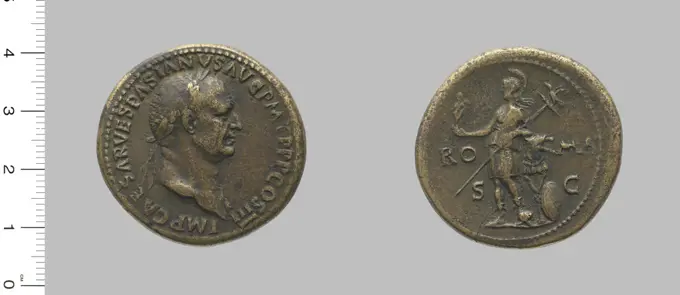
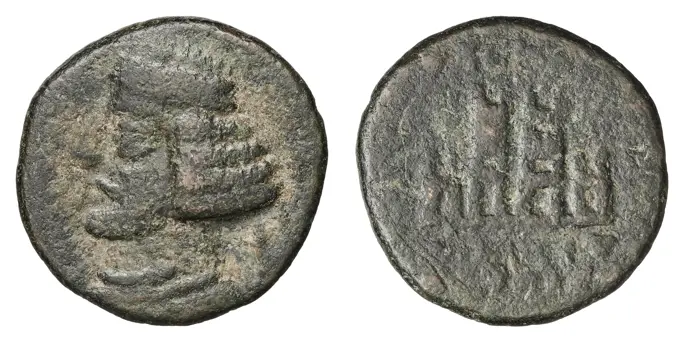
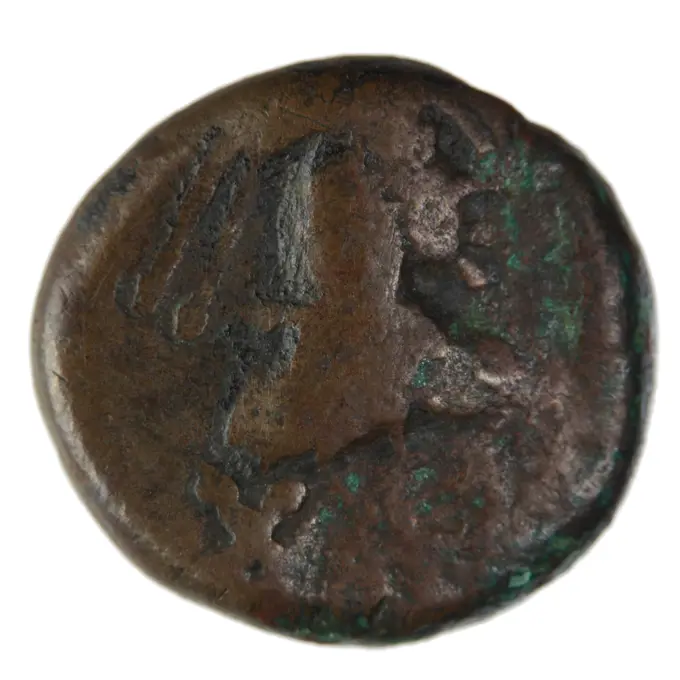
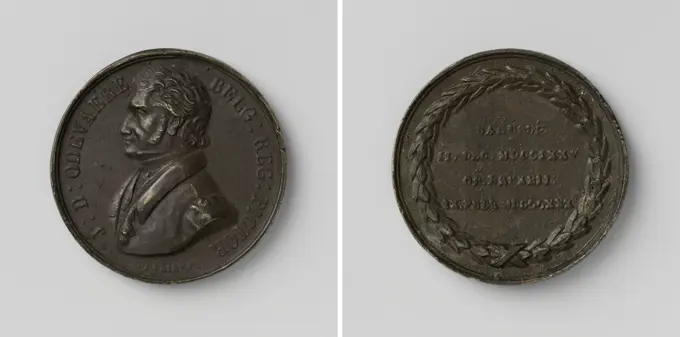
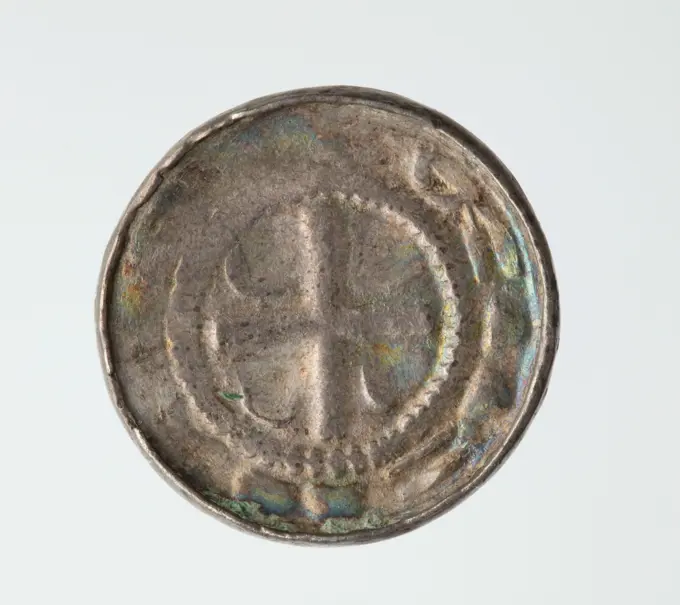
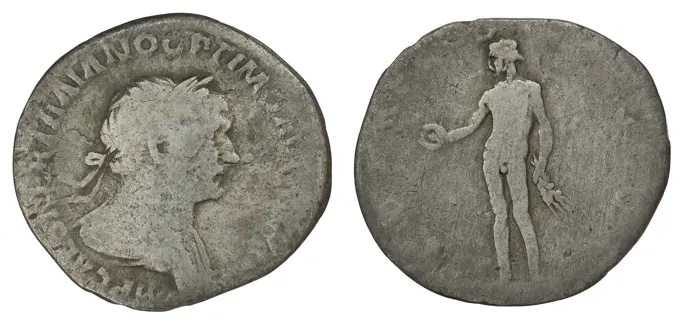
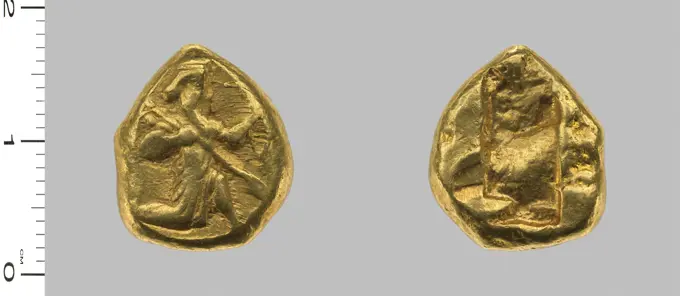
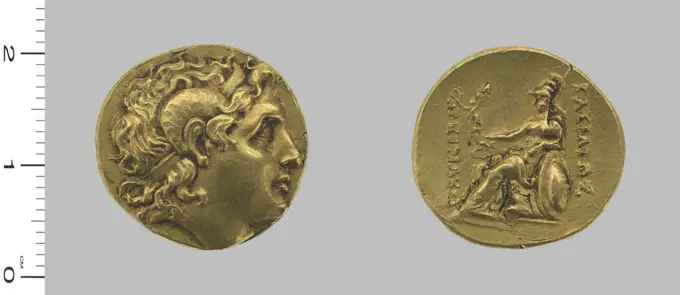
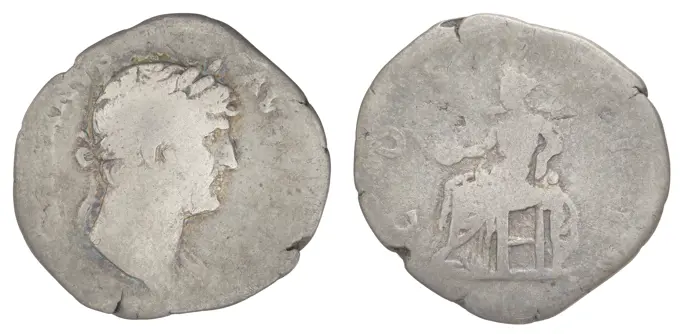
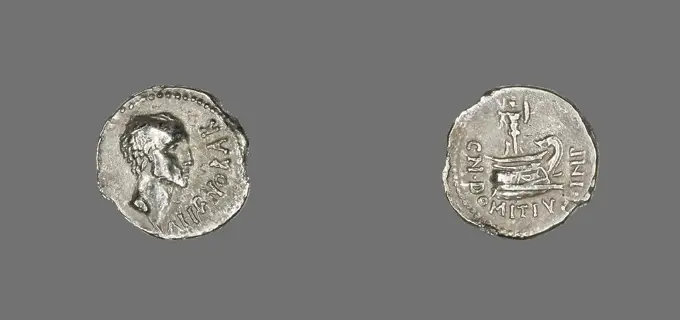
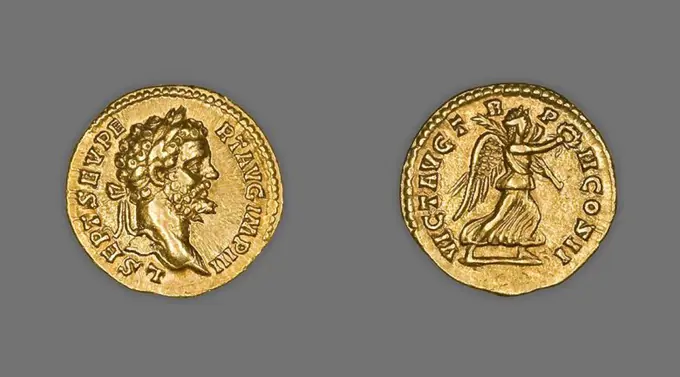
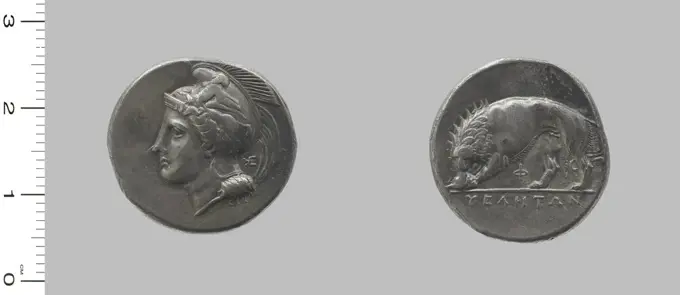
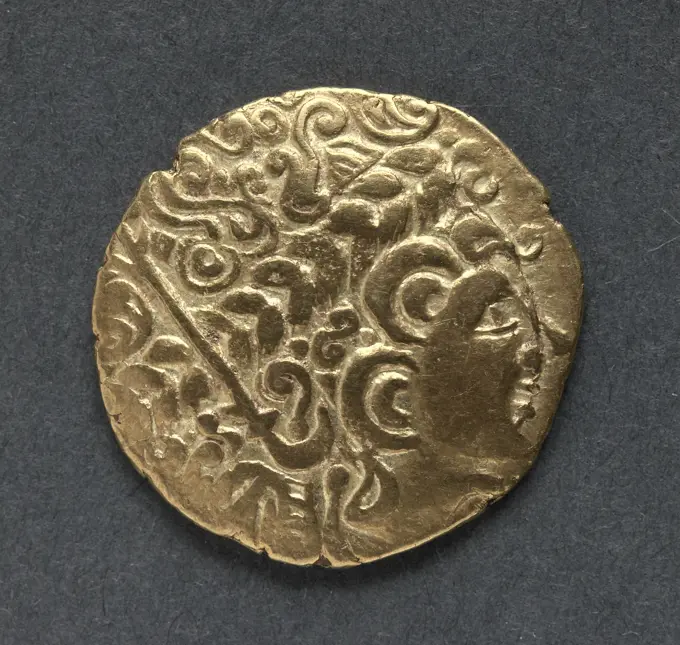
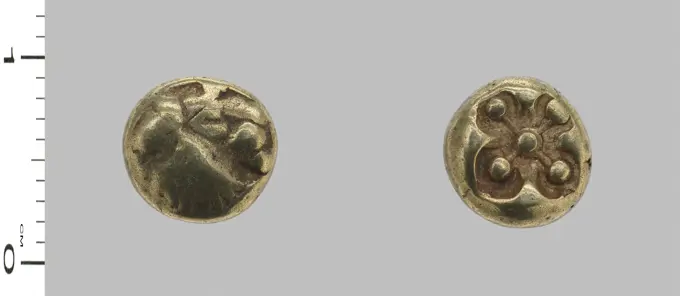
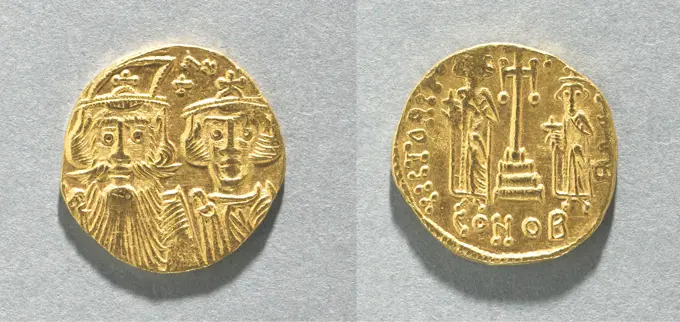
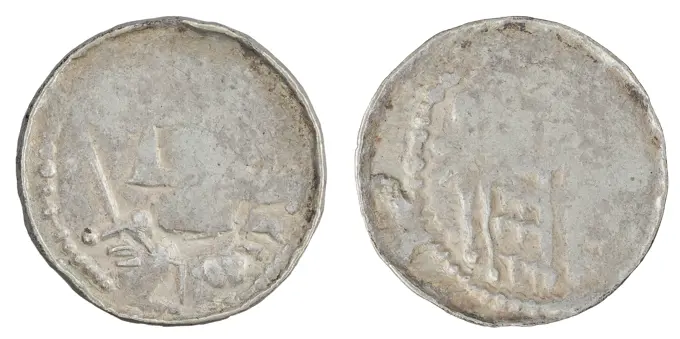
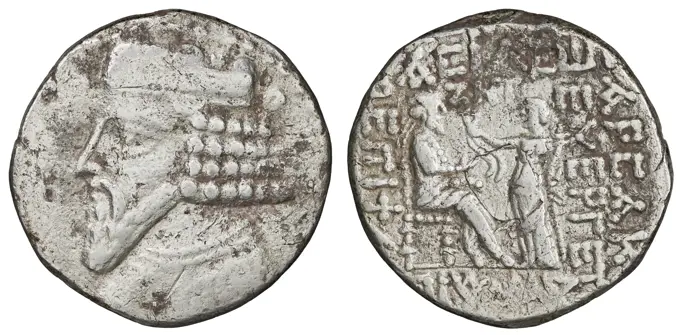
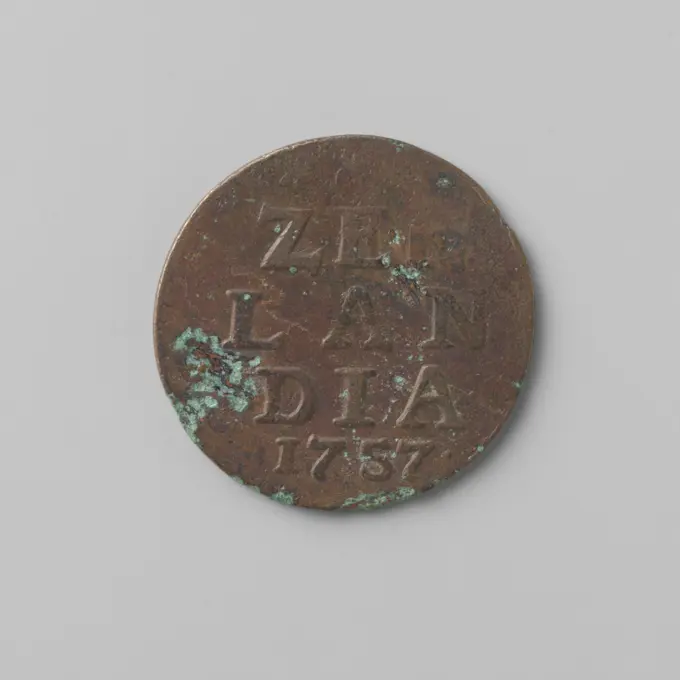
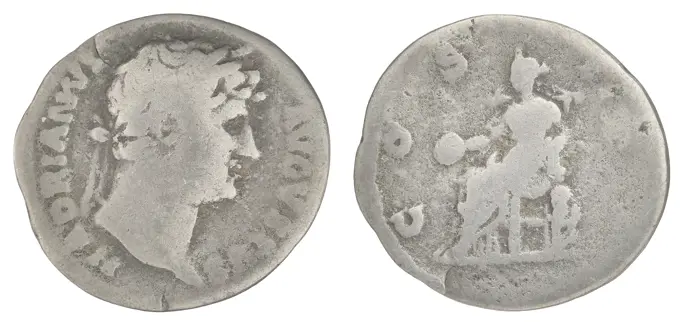
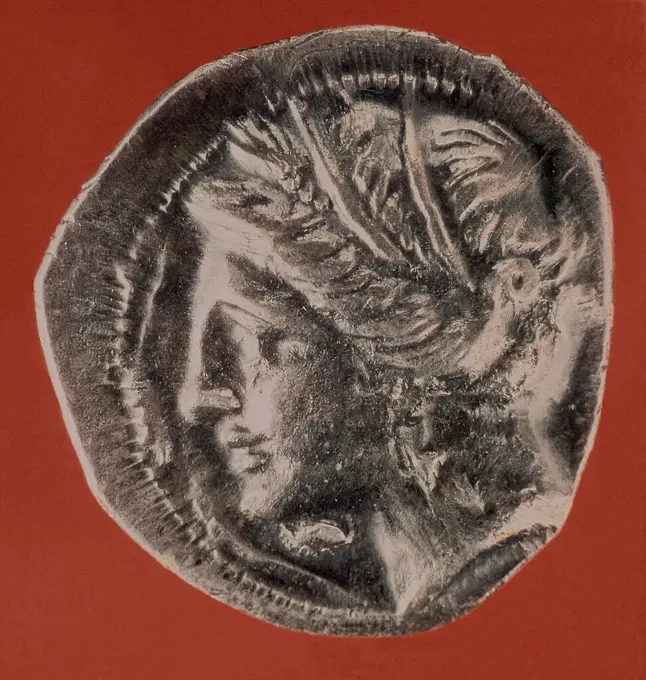
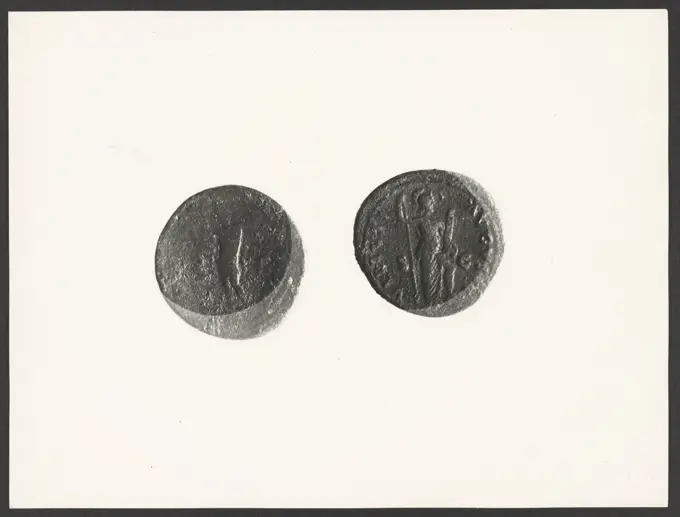
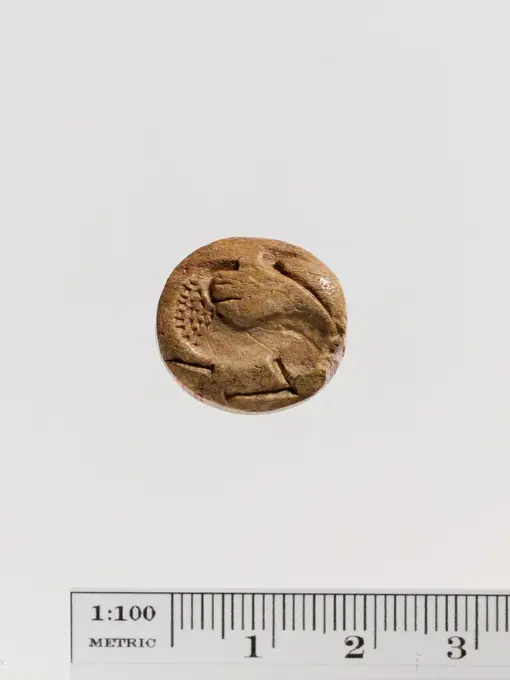
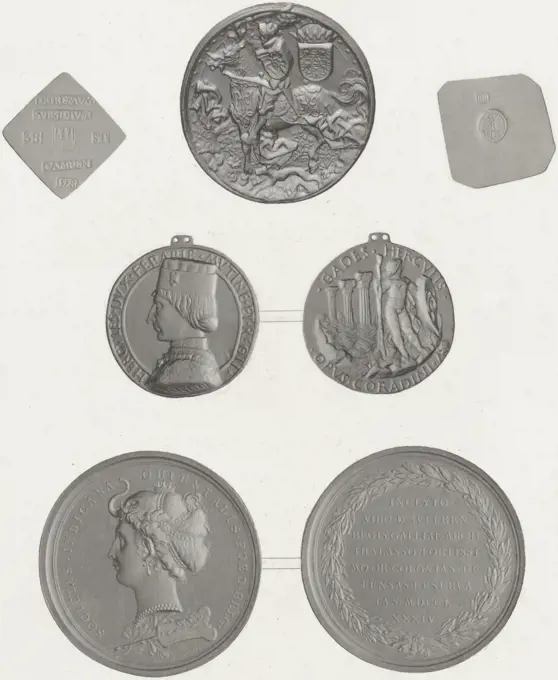
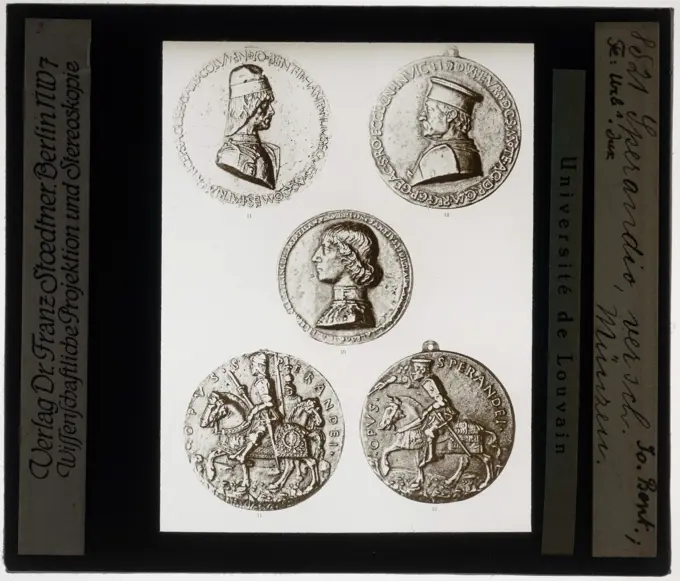
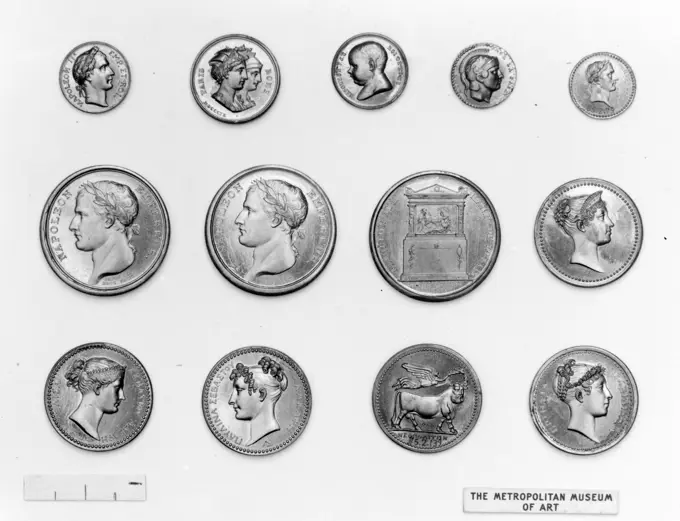
Dutch medal in the name of Philips II, 1573, Province of Holland, 1573 coin. penny Copper mint. Front: between the year letter P, above which Krooon. In the name of Philips II. Reverse: Standing lion to the left fence. Dordrecht copper (metal) striking (metalworking)1/2 Stater fromTarentum. Mint: TarentumCoin Portraying Emperor Galerius Maximianus 305 CE-311 CE Roman Empire. On the front (obverse) of this coin, the emperor Galerius Maximianus is shown facing right and wearing a crown of laurels.On the back (reverse), the standing figure of a genius holds a cornucopia in one hand while the other pours liquid from a type of shallow dish called a patera.. Bronze . Ancient RomanCoin fromIstrus. Mint: Istrus Artist: Unknownas. Hadrian (Roman emperor; 117-138), emperorDenarius (Coin) Portraying King Aretas. Roman, minted in Rome. Date: 58 BC. Dimensions: Diam. 1.9 cm; 3.84 g. Silver. Origin: Roman Empire. Museum: The Chicago Art Institute, Chicago, USA. Author: ANCIENT ROMAN.Dupondius of Augustus, Emperor of Rome fromLugdunum. Ruler: Augustus, Emperor of Rome, 63 B.C.-A.D. 14, ruled 27 B.C.-A.D. 14 Mint: Lugdunum Artist: UnknownFuneral disorder of the Sint Joseph or Steenhouwersgilde in The Hague 1710 ,, 1710 history medal. medal Cast brass medal, on the front Sint Joseph with Steenhouwershamer between S and I and the year, on the reverse a corpse above which the year and incusion number 1, with carrier hole, with carrier hole  brass (alloy) castingtetradrachm. Wologezes IV (król Partów ; 147-191), rulerdenarius (royal type). Bolesław II Śmiały (król Polski ; 1058-1079), rulerMint: Corinth, Stater fromCorinth, ca. 350 B.C., Silver, 8.63 g, 10:00, 21mm, Made in Corinth, Peloponnese, Greek, 4th century B.C., NumismaticsCoin Portraying Emperor Constantine I 319 CE-320 CE Roman Empire. Bronze . Ancient RomanDenarius of Augustus, Emperor of Rome, fromEmerita. Ruler: Augustus, Emperor of Rome, 63 B.C.-A.D. 14, ruled 27 B.C.-A.D. 14 Mint: Emerita Artist: UnknownLodewijk II, king of Hungary and Bohemia, fallen in the battle on Mohacs, in honor of his wife Maria van Hungary, Anonymous, 1526 copy. history medal Silver medal. Front: breastpiece woman under arc between two coats of arms; Cut: Inscription. Reverse: battle; Cut: Inscription.  silver (metal). gilding (material) striking (metalworking) / gilding  MohácsMint: Sardis, Stater fromSardis, 560-525 B.C., Silver, 10.535 g, 21mm, Made in Sardis, Lydia, Greek, 6th century B.C., NumismaticsSiglos fromSardis.  Mint, possibly by: Sardisdupondius. Trajan (cesarz rzymski ; 98-117), emperorTetradrachm of Ptolemy I, Satrap, then King of Egypt, fromAlexandria. Ruler: Ptolemy I, Satrap, King of Egypt, 367-283 B.C., ruled 305-283 B.C. Mint: Alexandria1 Drachm fromRhodes. Mint: Rhodes Artist: UnknownAureus (Coin) Portraying Emperor Lucius Verus Struck 163 CE-164 CE Rome. Obverse Head of Lucius Verus right, bareInscribed . L . VERVS AVG ARMENIACVSReverse Victory stands right, half draped, placing a shield atop a palm treeInscribed TRP IIII IMP II COS II. Gold . Ancient RomanAureus of Augustus, Emperor of Rome fromLugdunum. Ruler: Augustus, Emperor of Rome, 63 B.C.-A.D. 14, ruled 27 B.C.-A.D. 14 Mint: Lugdunum Artist: UnknownAE. Fraates IV (37-2 p.n.e.), rulerHemidrachm. Unknowndupondius. Hadrian (Roman emperor; 117-138), emperorRuler: Vespasian, Emperor of Rome, A.D. 9-79, ruled  69-79, Mint: Rome, Sestertius of Vespasian, Emperor of Rome fromRome, 71, Orichalcum, 28.29 g, 6:00, 36mm, Made in Rome, Italy, Roman, 1stcentury, NumismaticsAE. Orodes II (król Partii ; 57-37 p.n.e.), rulerSt. Lucasgilde van Middelburg, Gildepenning with No. 48, Adriaen Pietersz van de Venne, 1653 medal Brass medal. Front: Winged Os holds Lucasschild in his legs; To the right of Schild: Number 48 within Covering. Reverse: Painting, depicted as a sitting woman with a painting stick in the right and palette in the left hand between architecture, depicted as a sitting woman with a hook in the lifted left hand and sculpture with winged statue in the left and stonemason hammer in right hand under the inscription; Below that: coat of arms Middelburg brass (alloy) casting / engraving  MiddelburgStater fromSybaris.  Mint: SybarisTetradrachm fromSyracuse.  Mint: SyracuseGreece, Bosporan Kingdom, Rhadamsades (308/9-322/3), 312 AD; stater, bronze (AE) Radamed (308/9 322/3)Death of J.D. Odevaere, Belgian painter, D. Vries, 1830 copy. history medal Silver medal. Front: breastpiece man inside change. Reverse: inscription Inside Lauwerkrans  silver (metal) striking (metalworking)BLIŻEJ KULTURY unknownObol from uncertain,Ionia, 540-530 B.C., Silver, 0.765g, Made in uncertain, Ionia, Greek, 6th century B.C., Numismaticsdenarius. Trajan (cesarz rzymski ; 98-117), emperorSestertius (Coin) Portraying Emperor Severus Alexander. Roman, minted in Rome. Date: 223 AD. Dimensions: Diam. 2.9 cm; 22.49 g. Bronze. Origin: Roman Empire. Museum: The Chicago Art Institute, Chicago, USA. Author: ANCIENT ROMAN.1 Florin fromFlorence.  Mint: Florence Artist: UnknownKiterian Bospor, Panticajon, 2nd Half of the 3rd Century BC; AEE Panticapaeum mintStater from uncertain,Lycia.  Artist: Unknown1 Daric from Sardis (), Lydia. Mint, possibly by: SardisWinkamesgilde van Amsterdam, DARD Dornville Funtern Collection, Albert Frijlinck, 1621 medal Silver medal. Front: skilled above two crossed bones and cartouche with inscription inner leaf wreath. Reverse: grape voucher hanging above winekelk; cut: year; on a wide edge: inscription Amsterdam silver (metal) casting / engraving  AmsterdamRuler: Lysimachus, King of Thrace, ca. 360-281 B.C., ruled 306-281 B.C., Stater of Lysimachus, King ofThrace, 300-281 B.C., Gold, 8.41 g, 11:00, 18.80mm, Made in Greece, Greek, 4th-3rd century B.C., Numismaticsdenarius. Hadrian (Roman emperor; 117-138), emperorBronze coin of Cyzicus. Culture: Roman, Asia Minor. Dimensions: 0.4oz. (11.4g). Date: A.D. 222-235.M AVP CEVH ALEXANDROC AV, bust of Alexander Severus/KVZIKHNWN DIC NEWKOPWN, table with imperial busts and sacrificial implementsCyzicus (modern Erdek, Turkey). Museum: Metropolitan Museum of Art, New York, USA.Solidus of Justin I, Emperor of Byzantium; Justinian I, Emperor of Byzantium fromConstantinople. Ruler: Justin I, Emperor of Byzantium, A.D. 450-527, ruled 518-27Ruler: Justinian I, Emperor of Byzantium, ca. 482-565, ruled 527-65 Mint: Constantinople Artist: Unknowndrachm. Orodes II (król Partii ; 57-37 p.n.e.), rulerDenarius (Coin) Portraying Ahenobarbus. Roman. Date: 41 BC. Dimensions: Diam. 1.9 cm; 4.53 g. Silver. Origin: Roman Empire. Museum: The Chicago Art Institute, USA. Author: ANCIENT ROMAN.denarius. Calpurnius Piso Frugi, L. (fl. 90 a.C.; 74 a.C.), monetary officer, Republika Rzymska, issuerAureus (Coin) Portraying Emperor Septimus Severus. Roman, minted in Rome. Date: 194 AD-195 AD. Dimensions: Diam. 2 cm; 7.20 g. Gold. Origin: Rome. Museum: The Chicago Art Institute, Chicago, USA. Author: ANCIENT ROMAN.Mint: Thebes, Stater fromThebes, 371-338 B.C., Silver, 12 g, 21mm, Made in Thebes, Boeotia, Greek, 4th century B.C., NumismaticsMint: Velia, Didrachm fromVelia, 334-300 B.C., Silver, 7.59 g, 9:00, 21.4mm, Made in Velia, Campania, Greek, 4th century B.C., NumismaticsBellovaci Stater: Degenerate Head in Imitation of Apollo (obverse), c. 125-100 B.C.. England (Ancient Britain), 2nd century B.C.. Gold; diameter: 2.3 cm (7/8 in.).Silver eight-reales coin, of the reign of King Philip IV of Spain, minted at (left) Mexico City, 1654 and (right) Potosi (Bolivia), 1651Lazio Frosinone Casamari Museo Archeologico0. Hutzel, Max 1960-1990 Post-medieval: paintings on canvas, paintings on wood, wooden church furnishings Governing Body: Abbazia di Casamari General Notes: This record is for the pinacoteca which is part of the Museo Archeologico, housed within the Abbey of Casamari. Hutzel assigned it a separate numbering sequence. German-born photographer and scholar Max Hutzel (1911-1988) photographed in Italy from the early 1960s until his death. The result of this project, referred to by Hutzel as Foto Arte Minore, is thorough documentation of art historical development in Italy up to the 18th century, including objects of the Etruscans and the Romans, as well as early Medieval, Romanesque, Gothic, Renaissance and Baroque monuments. Images are organized by geographic region in Italy, then by province, city, site complex and monument.1/12 Stater fromMiletus. Mint: Miletus Artist: UnknownSolidus of Constans II and Constantine IV, 659-661. Byzantium, 7th century. Gold; diameter: 1.9 cm (3/4 in.). The vast number of surviving Byzantine coins attests to the level of trade across the empire. Controlled and supervised by the emperor, the producers of coins took care to represent his authority and reflect his stature. Talented artists were recruited to engrave the dies (molds) used for the striking of coins. Emperors increasingly came to include their heirs and co-emperors on their coinage, as well as other family members or even earlier rulers. Coins were recognized, then as now, as small, portable works of art. With their inscriptions and images, Byzantine coins provide valuable documentation of historical events and a record of the physical appearance of the emperors. The coin shown here is the solidus, the basic gold coin of 24 karats.NUMISMATICA. MONEDA MONEDAS BIZANTINAS DE ORO Y BRONCE. REAL ACADEMIA DE LA HISTORIA.As (Coin) Portraying Agrippa 27 BCE-12 BCE Rome. The front (obverse) of this coin portrays the head of Agrippa, facing left. The back (reverse) depicts the god Neptune (Greek Poseidon).. Bronze . Ancient Romandenarius (royal type). Bolesław II Śmiały (król Polski ; 1058-1079), rulerDenarius (Coin) Depicting the Goddess Juno 87 BCE Roman Empire. The front (obverse) of this coin depicts the goddess Juno, facing right. She is shown veiled and wearing a diadem as well as a drop style earring. A sceptre is visible to her lower left.On the back (reverse) a type of chariot called a quadriga is driven by the goddess of victory, who holds a wreath in her right hand.. Silver . Ancient Romantetradrachm. Gotarzes II (król Partów ; 40-51), rulerZeeuwse Dang, 1757, Province of Zeeland, 1757 coin Copper mint. Front: crowned, sideways dented coat of arms of Zeeland. Reverse: Inscription in three lines, above which Mint sign between two stars and including the year. Middelburg copper (metal) striking (metalworking)Denarius (Coin) Depicting the Goddess Roma. Roman. Date: 113 BC-112 BC. Dimensions: Diam. 1.9 cm; 3.85 g. Silver. Origin: Roman Empire. Museum: The Chicago Art Institute, Chicago, USA. Author: ANCIENT ROMAN.Stater: Head of Nymph (Terina), r. (Obverse), after 400 BC. Greece, Terina, after 5th century BC. Silver; diameter: 2 cm (13/16 in.). Coins from the South Italian colony of Terina are notable for their sophisticated reworkings of other cities’ designs. On the obverse of this tetradrachm is a female head with short, wavy hair, possibly modeled on the Syracusan nymph Arethousa. The reverse captures an intimate moment as Nike sits, tenderly holding a bird, much like young women in Athenian funerary sculptures.AE. GorgippiaCarnavalet museum, tokens collectionRetro look Coin isolated Vintage looking coin isolated over a white background Copyright: xZoonar.com/ClaudioxDiviziax 5787608Hemidrachm (Coin) Depicting Bucranium. Greek. Date: 355 BC-346 BC. Dimensions: Diam. 1.5 cm; 2.63 g. Silver. Origin: Greece. Museum: The Chicago Art Institute, Chicago, USA. Author: ANCIENT GREEK.FluTschuitersgildengilde van Amsterdam, Gildepenning by Gerbrandt Andriez de Fris, Anonymous, 1642 medal Silver medal. Front: barge where man is in. Reverse: inscription above monogram of letters H and p; In between Amsterdam silver (metal) engraving  AmsterdamDenarius of Augustus, Emperor of Rome from Italy (uncertainmints). Ruler: Augustus, Emperor of Rome, 63 B.C.-A.D. 14, ruled 27 B.C.-A.D. 14 Mint: Italy (uncertain mints) Artist: Unknowndenarius. Hadrian (Roman emperor; 117-138), emperorPlaquette with allegorical representation about mercy, anonymous, c. 1590 - c. 1596 locket Plaquette with allegorical representation about mercy. Sitting woman surrounded by three bare children and on the right in the background houses.  tin (metal) casting  Nova Zembla. Saving HuysMONEDA-ANVERSO DRACMA DE EMPORITON-MEDIADOS S III AC-PROC AMPURIAS. Location: MUSEO ARQUEOLOGICO Ver Monasterio S Pedro Galligan. GERONA. SPAIN.Lazio Roma Subiaco Monastery of S. Scolastica Archaeological Museum32. Hutzel, Max 1960-1990 Antiquities: Views of antiquities in museum, including sarcophagi, plates, vases, coins. General Notes: Hutzel guide says we have negatives, but we cannot find them. German-born photographer and scholar Max Hutzel (1911-1988) photographed in Italy from the early 1960s until his death. The result of this project, referred to by Hutzel as Foto Arte Minore, is thorough documentation of art historical development in Italy up to the 18th century, including objects of the Etruscans and the Romans, as well as early Medieval, Romanesque, Gothic, Renaissance and Baroque monuments. Images are organized by geographic region in Italy, then by province, city, site complex and monument.Steatite lentoid seal. Culture: Greek, Melian. Dimensions: L. 1.8 cm. Date: ca. early 7th century B.C..Lion with head turned back and mouth open. Museum: Metropolitan Museum of Art, New York, USA.Eagle and Machiavelli Shield reverse. Dated: c. 1480/1485. Medium: bronze. Museum: National Gallery of Art, Washington DC. Author: Style of Niccolò Fiorentino.Various coins and tokens. Top center coin with a rider on horseback. Below that a coin with Hercules on one of the sides. Below that a token with the head of the Queen of the East, with hair raised, ending in an elephant's head, with a small crown on her head, below that an (antique) helm with fish and emblem VOC, around which is swung a laurel branch. This medal was issued in 1784 in honor of the French vice-admiral De Suffren. At the bottom a coin from 1671. On the obverse a knight with a raised sword seated on a horse galloping to the right, in the foreground the provincial coat of arms. On the reverse a crowned general coat of arms, held by two crowned climbing lions, Various coins and medals, print maker: Jan Dam Steuerwald, (mentioned on object), Netherlands, 1822 - 1863, paper, h 356 mm × w 251 mmCorinthian Stater, c. 380 BC. Greece, 4th century BC. Silver; diameter: 2.1 cm (13/16 in.).Sperandio Savelli. Three medalsDistribution of Eagles to Army by the Emperor. 1804. 19th century Medalist (obverse): Jean-Pierre Droz This medal was struck for the Metropolitan Museum of Art at the Paris Mint at the request of the donor, Hon. Levi P. Morton, formerly U.S. Minister to France.. Distribution of Eagles to Army by the Emperor. 1804.. Medalist (obverse): Jean-Pierre Droz (French, La Chaux-de-Fonds, Neuchtel 1746-1823 Paris). Swiss and French. 19th century. Gilt bronze, struck. Medals and PlaquettesPRICE CAUTION OMMERSCHANS, house coin beaten at the burden of the society of beneficiality worth five cents. Unilateral coin. Front: value indication within pearl edge; Left: Brand. Reverse: Blank.Tetradrachm, Alexander the Great, 336 B.C., from the Ancient Coins series (N180) issued by Wm. S. Kimball & Co. 1888 Issued by William S. Kimball & Company Trade cards from the "Ancient Coins" series (N180), issued in 1888 by W.S. Kimball & Co.. Tetradrachm, Alexander the Great, 336 B.C., from the Ancient Coins series (N180) issued by Wm. S. Kimball & Co.. 1888. Commercial color lithograph. Issued by William S. Kimball & Company