Ancient Coins Collection

A series of antique coins featuring historical figures and inscriptions, providing a glimpse into ancient numismatics with distinct designs.

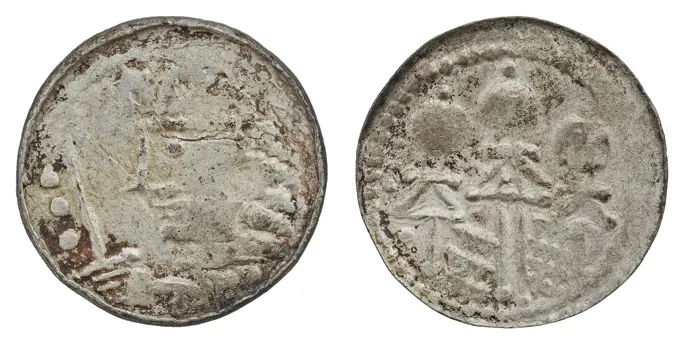
denarius (royal type). Bolesław II Śmiały (król Polski ; 1058-1079), ruler
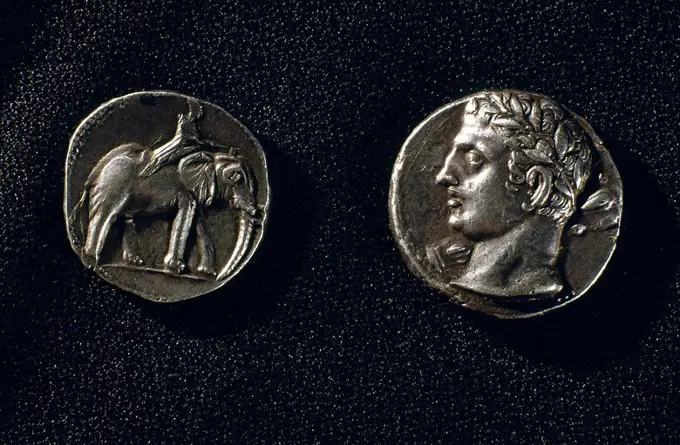
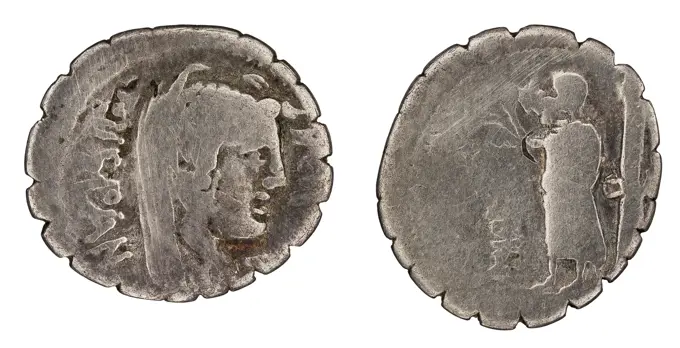
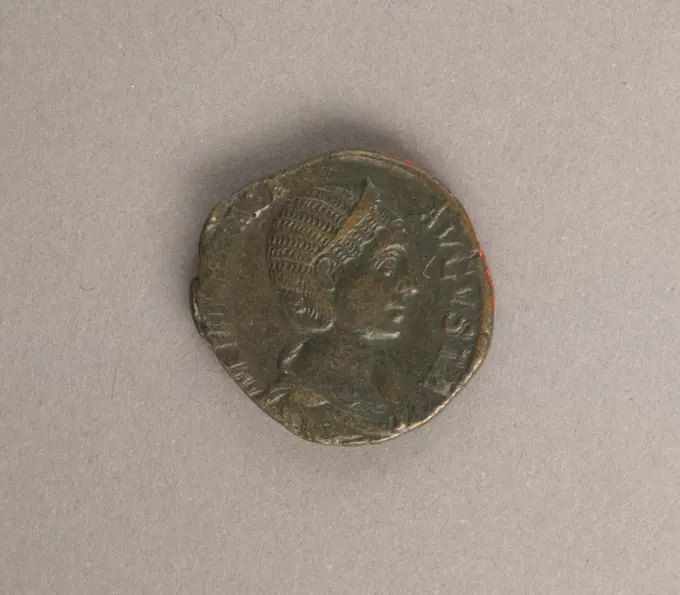
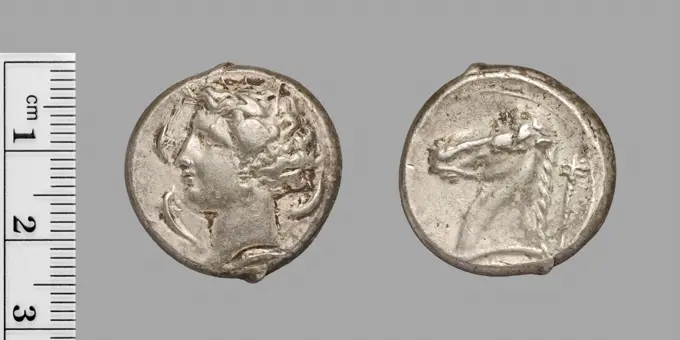
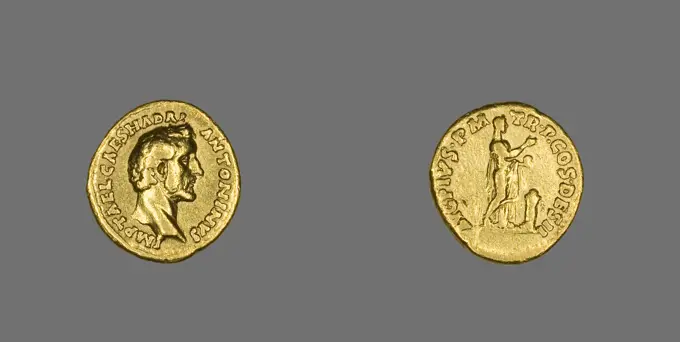
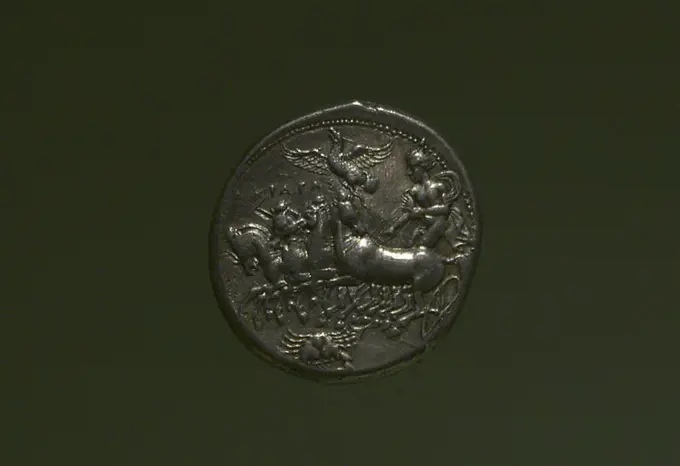
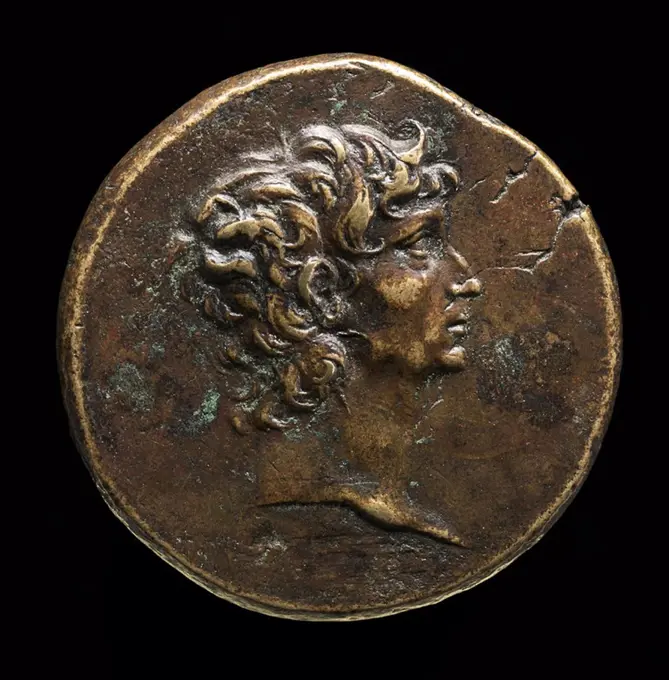
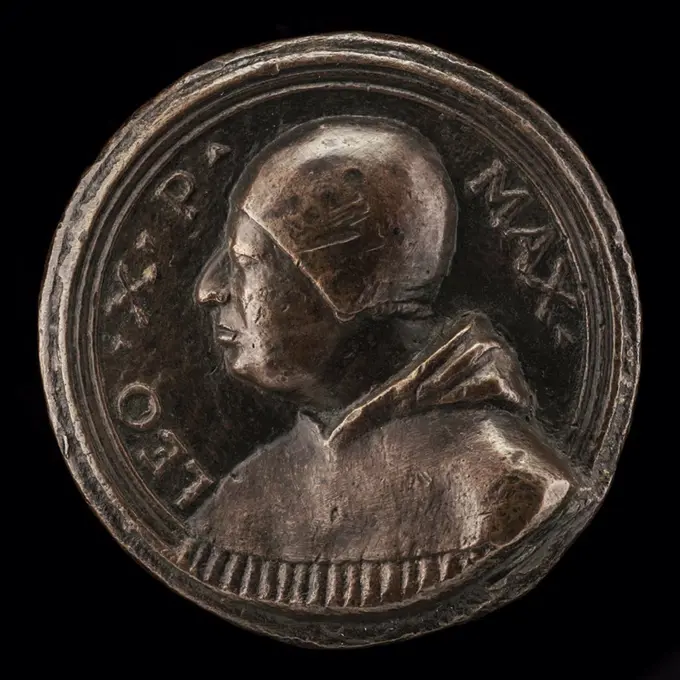
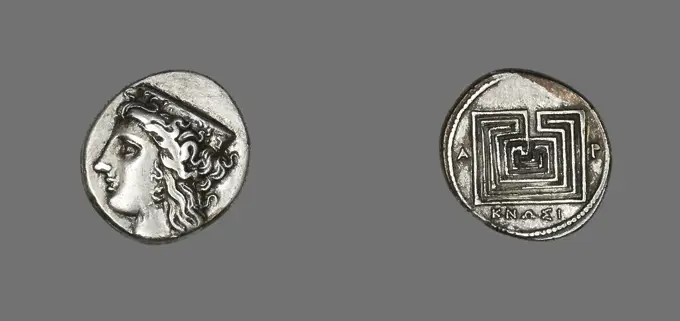
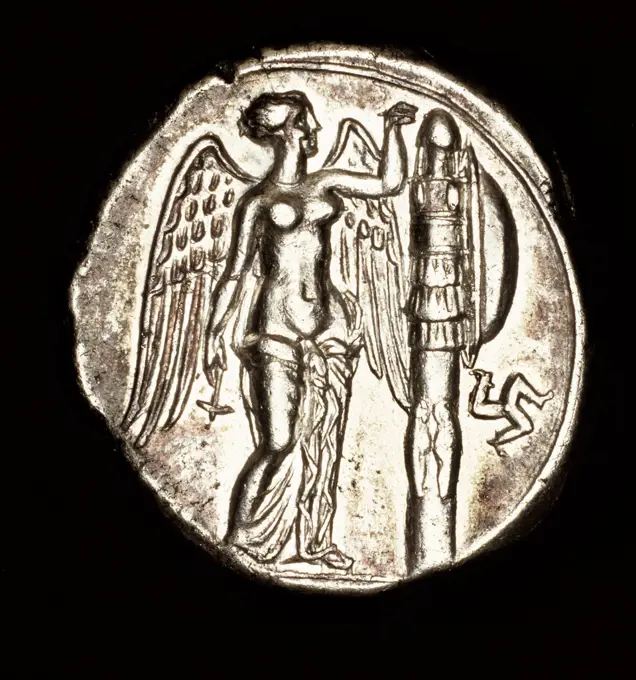
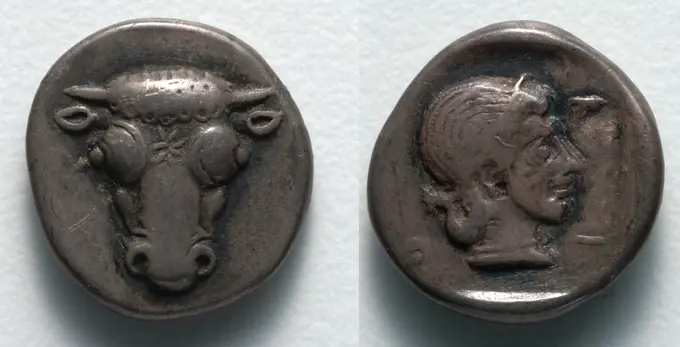
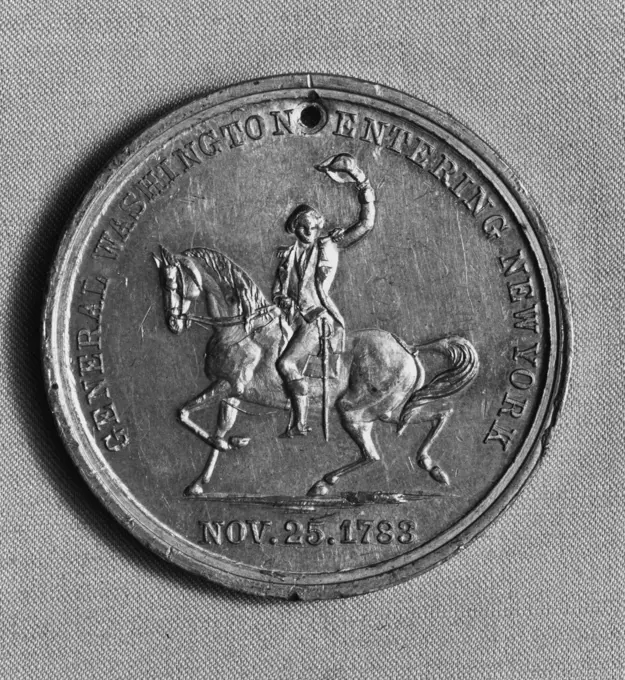
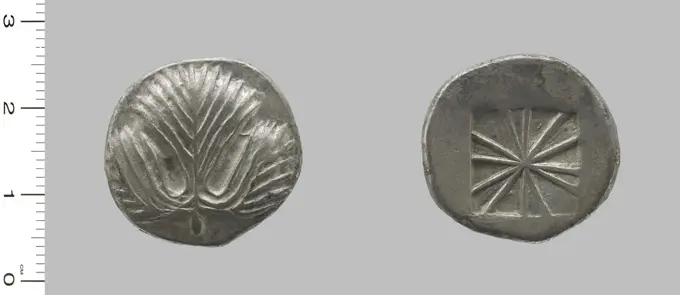
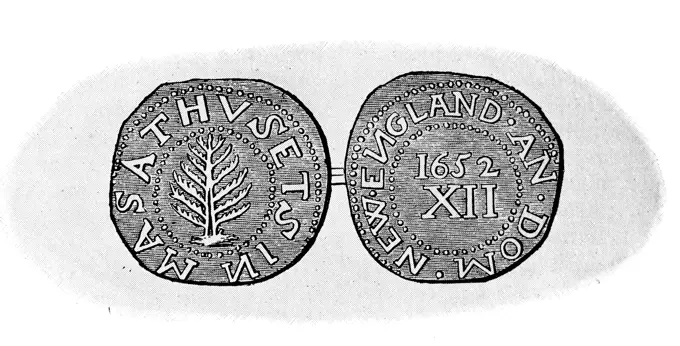
Coin of Trajan, Emperor of Rome fromRome. Ruler: Trajan, Emperor of Rome, A.D. 53-117, ruled 98-117 Mint: Rome Artist: UnknownSt. Jans, Goedeluyden or Workers' Guild Van Veere, Gildepenning with No. 42, Anonymous, c. 1600 - c. 1700 medal Brass medal. Front: to the right man with a pocket on the neck. Reverse: Number No. 42 Veere brass (alloy) casting / engraving  VeereMONEDAS DE LOS BARCIDAS - SIGLO III AC - PLATA - ANVERSO:RETRATO DE ANIBAL Y REVERSO:ELEFANTE. Location: MUSEO ARQUEOLOGICO NACIONAL-COLECCION. MADRID. SPAIN. ANIBAL. ANIBAL BARCA.denarius (serratus). Postumius Albinus, A. (fl. 81 a.C.), monetary officer, Republika Rzymska, issuersesterce; Hadrian (76-138; Roman emperor 117-138); 119-138 (119-00-00-122-00-00);Diana (mitol.), Busters, arrow (attribute), laurel wreathsdenarius. Trajan (cesarz rzymski ; 98-117), emperordenarius (royal type). Bolesław II Śmiały (król Polski ; 1058-1079), rulerOrichalcum sestertius of Alexander Severus A.D. 222-235 Roman IVLIA MAMAEA AVGVSTA, draped bust of Iulia Mammaea (the emperor's mother) / VENVS FELIX S C, Venus seated, holding statuette and sceptreRome. Orichalcum sestertius of Alexander Severus. Roman. A.D. 222-235. Bronze. Late Imperial, Severan. CoinsTetradrachm fromSicily.  Mint: SicilyMONEDAS VISIGODAS EN ORO. Location: MUSEO ARQUEOLOGICO NACIONAL-COLECCION, MADRID, SPAIN.German religious medal at Christmas, 1600 - 1700 history medal Silver medal, on the front the birth in Bethlehem, seven lines of text on the reverse side.  silver (metal) castingRuler: Alexander I, King of Macedon, ruled 495-454 B.C., Tetradrachm of Alexander I, King ofMacedon, 495-454 B.C., Silver, 13.17 g, 12:00, 25.5mm, Made in Uncertain mint, Macedonia, Greek, 5th century B.C., NumismaticsCoin Depicting Bust of Dionysos 300 CE-400 CE Ancient Greece. The front (obverse) of this coin depicts a bust of young Dionysos facing right, and wearing an ivy-wreath. On the back (reverse) is a lyre, a stringed instrument like a small harp.6mm, Autonomous issue; 3rd Cent. AD. no legend, head of youthful Dionysos right, wreathed with ivy or vine leaves / (from top right) EININ, lyre with four strings. BMC 7.. Bronze . Ancient GreekRoman coin. Pompey the Great ITALY.Aureus of Hadrian, Emperor of Rome fromRome. Ruler: Hadrian, Emperor of Rome, A.D. 76-138, ruled 117-38 Mint: Rome Artist: UnknownAureus (Coin) Portraying Emperor Antoninus Pius 138 CE Roman Empire. Starting in 96 with the reign of Emperor Nerva, Rome was ruled by five wise leaders who came to be known as the ìGood Emperors.î Nerva (reigned 96ñ98) was an honest and respected senator who enacted compassionate social programs. His rule ushered in a period of peace and prosperity, which is suggested by the sheer abundance of coins produced during this era as well as by the skill and artistry of the images created. Coins of this period, especially gold aurei like this one, were often perfectly round, well struck, and centered.Antoninus Pius (reigned 138ñ61), continued the wise and caring example of Nerva which is reflected in his nickname, Pius, meaning ìpious.î Able to maintain peace through the strength of the Army, Rome was strong and prosperous under Antoninusís firm rule.. Gold . Ancient RomanBronze sestertius of Hadrian. Culture: Roman. Dimensions: 21.3g (21.3g). Date: A.D. 134-138.HADRIANVS AVG COS III P P, draped bust of emperor/ADVENTVS AVG S C, Rome personified in military dress clasping hands with Hadrian wearing togaRome. Museum: Metropolitan Museum of Art, New York, USA.sesterce; Hadrian (76-138; Roman emperor 117-138); 134-138 (119-00-00-138-00-00);Spes (personification), flowers, busts, laurel wreathsCoin with depiction of a quadriga driven by a charioteer. Dated ca. 425-400 BC. Agrigentum. Calouste Gulbenkian Museum. Lisbon, Portugal.Coin Depicting an Eagle. Greek; Agrigentum, Sicily. Date: 472 BC-406 BC. Dimensions: Diam. 2.2 cm; 9.76 g. Bronze. Origin: Agrigentum. Museum: The Chicago Art Institute, Chicago, USA. Author: ANCIENT GREEK.Mint: Sardis, Hemihekte fromSardis, ca. 600 B.C., Electrum, 1.17 g, 7.2mm, Made in Sardis, Lydia, Greek, 7th-6th century B.C., NumismaticsCoins of the Zengids, Artuqids and Ayyubis from Syria and Jazira. Dated 12th Century"Augustus" (Self-Portrait) obverse. Dated: probably c. 1510/1530. Dimensions: overall (diameter): 2.95 cm (1 3/16 in.) gross weight: 18.52 gr (0.041 lb.) axis: 7:00. Medium: bronze//Struck. Museum: National Gallery of Art, Washington DC. Author: Vittore Gambello.Leo X (Giovanni de' Medici, 1475-1521), Pope 1513 obverse. Dated: c. 1513/1515. Dimensions: overall (diameter): 7.8 cm (3 1/16 in.). Medium: bronze. Museum: National Gallery of Art, Washington DC. Author: Roman 16th Century.Medallion of Gordian III, Emperor of Rome, fromRome. Ruler: Gordian III, Emperor of Rome, 225-244, ruled 238-44 Mint: Rome Artist: UnknownDrachm (Coin) Depicting the Goddess Hera. Greek; minted in Knossos, Crete. Date: 350 BC-220 BC. Dimensions: Diam. 1.9 cm; 5.30 g. Silver. Origin: Knossos. Museum: The Chicago Art Institute, USA. Author: ANCIENT GREEK.Rare Ancient Greek Coin, Silver Tetradrachm, Nike with Armour, Kora 317 BCArchebois, Coin from Pakistan, 80 BC.Half Drachm, 550-421 BC. Greece, Phocis, 6th-5th century BC. Silver; diameter: 1.4 cm (9/16 in.). The head of a bull, its characteristic star-like fur and bulbous eyes particularly noticeable, dominates the obverse of this coin. On the reverse is Artemis, whose hair is curled back in the krobylos style using a hairnet. The unusual lines above Artemiss nose and below her chin suggest that the reverse may have been struck with the same design twice.Hemidrachm: Head of Artemis, r. (Reverse), 550-421 BC. Greece, Phocis, 6th-5th century BC. Silver; diameter: 1.4 cm (9/16 in.).Denarius (Coin) Depicting the Goddess Roma Struck 109 BCE-108 BCE Roman Empire. The denarius, introduced in 211 BCE, was the principal silver coin of Rome for five hundred years. The profilehead of the goddess Romaóthe personification of Romeówas the most popular image depicted on silver denarii in the second and first centuries BCE.. Silver . Ancient RomanMedal 1883. Medal 5003Mint: Selinus, Didrachm fromSelinus, 520-490 B.C., Silver, 8.7 g, 23mm, Made in Selinus, Sicily, Greek, 6th-5th century B.C., NumismaticsIllustration of a pine tree shilling which was a type of coin minted and circulated in the thirteen colonies of America, 1652