Ancient Coins Collection

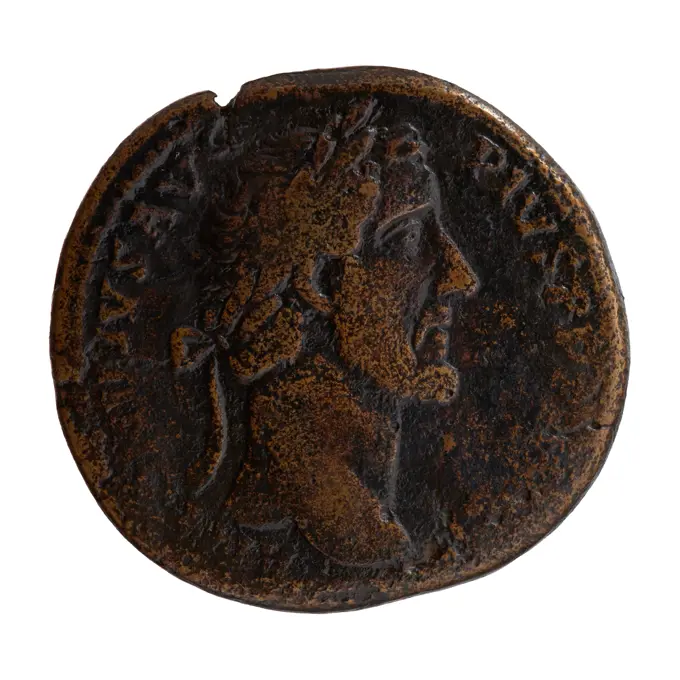
Close-up images of ancient Roman coins, showcasing emperors and designs, highlighting historical currency.

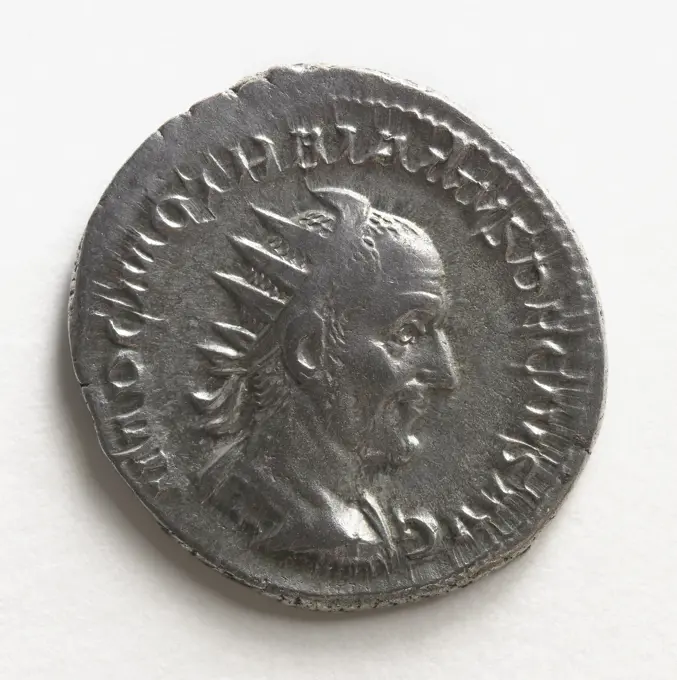
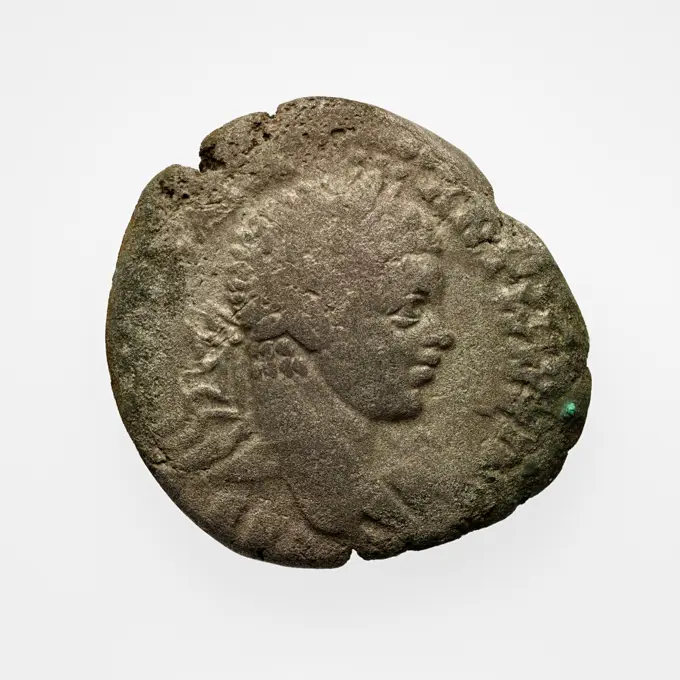
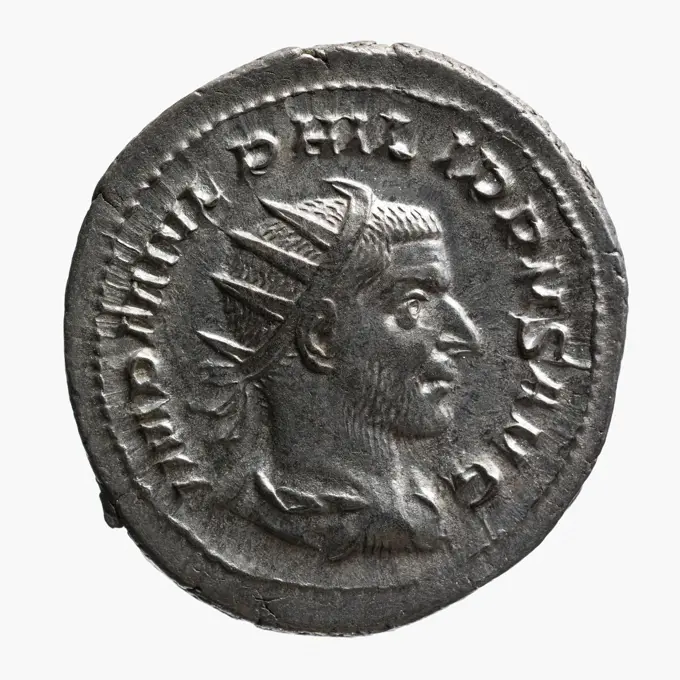
Antoninien de Trajan D�ce, 250 Roman currency. Antoninian de Trajan Dece (201-251), Roman Emperor from 249 to 251. Silver (Apers). 250.
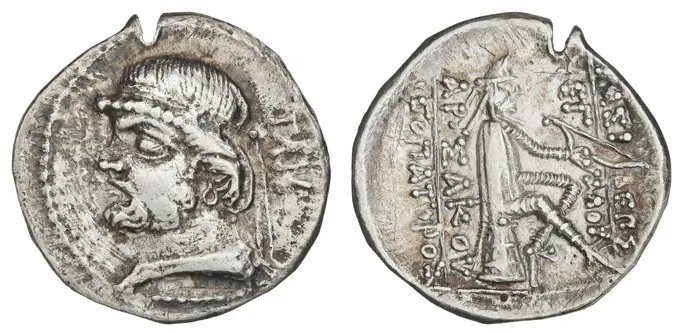
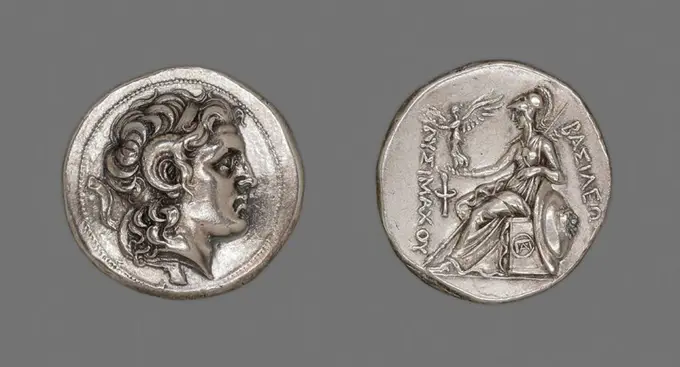
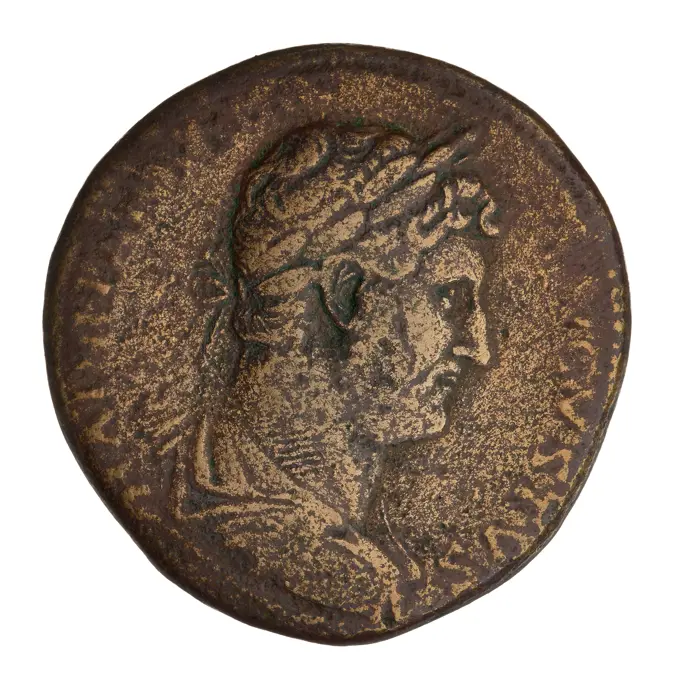
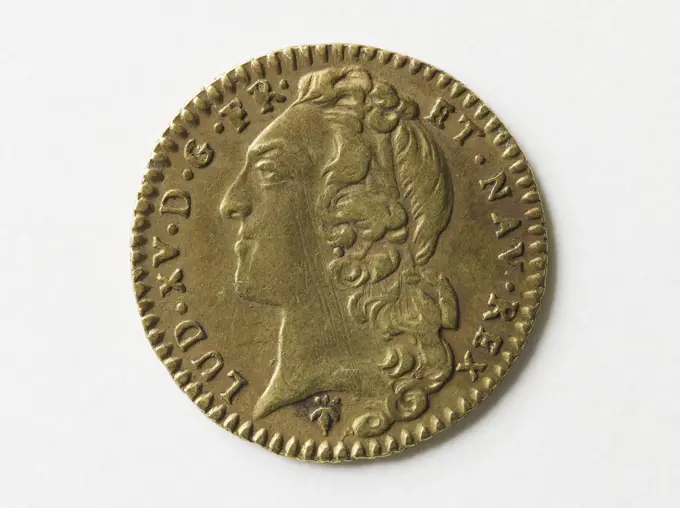
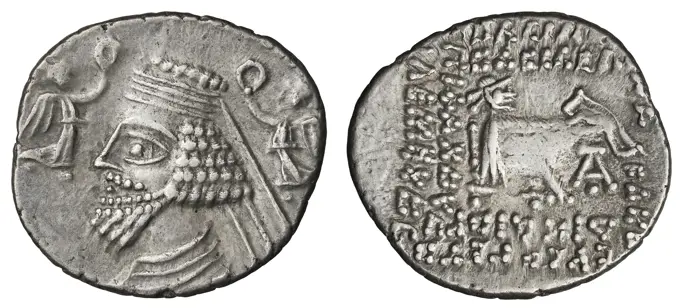
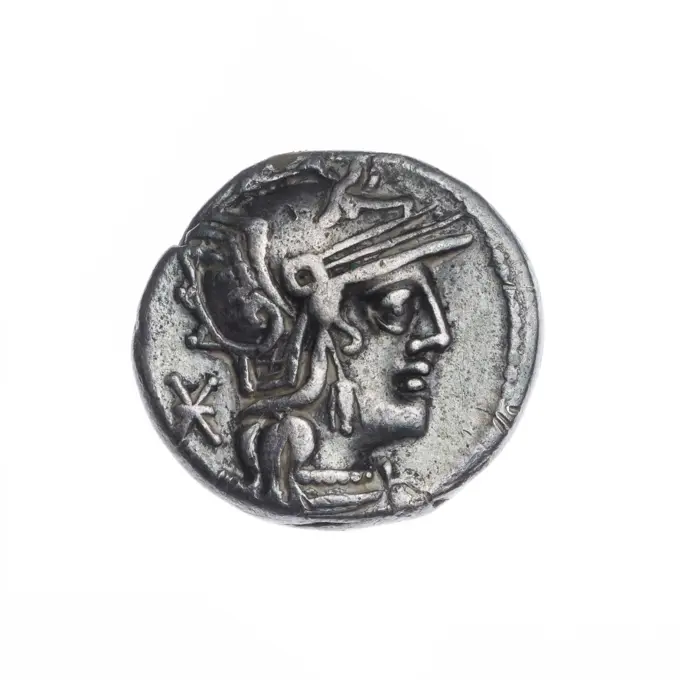
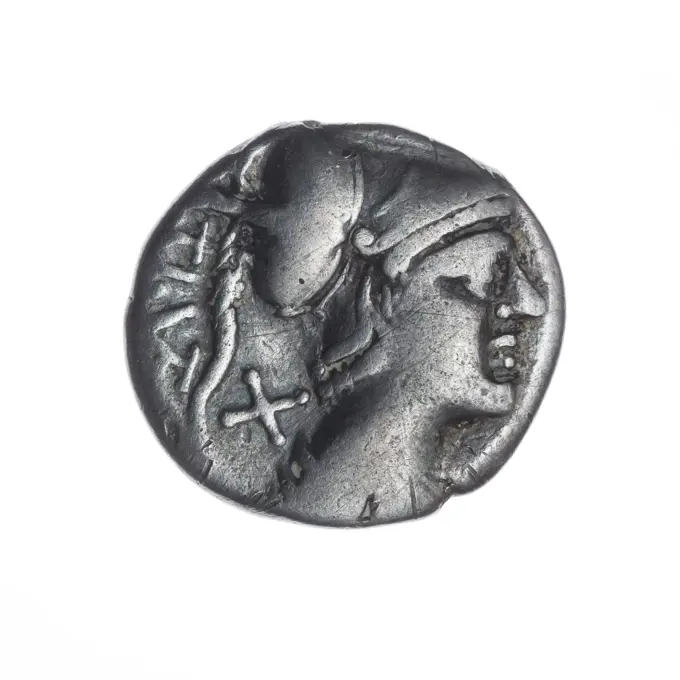
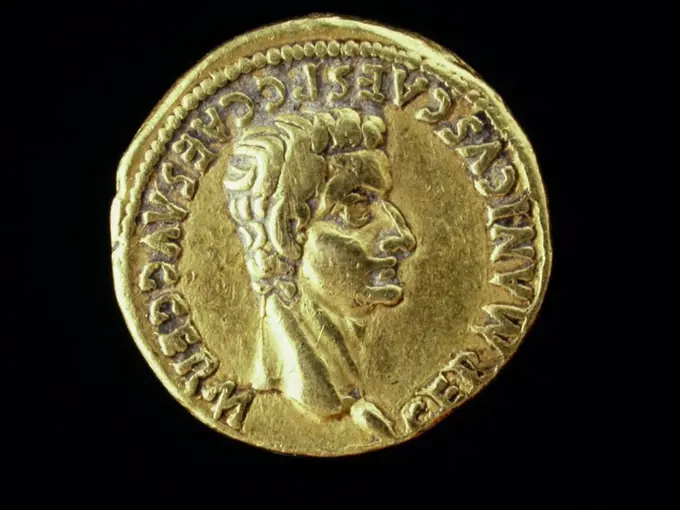
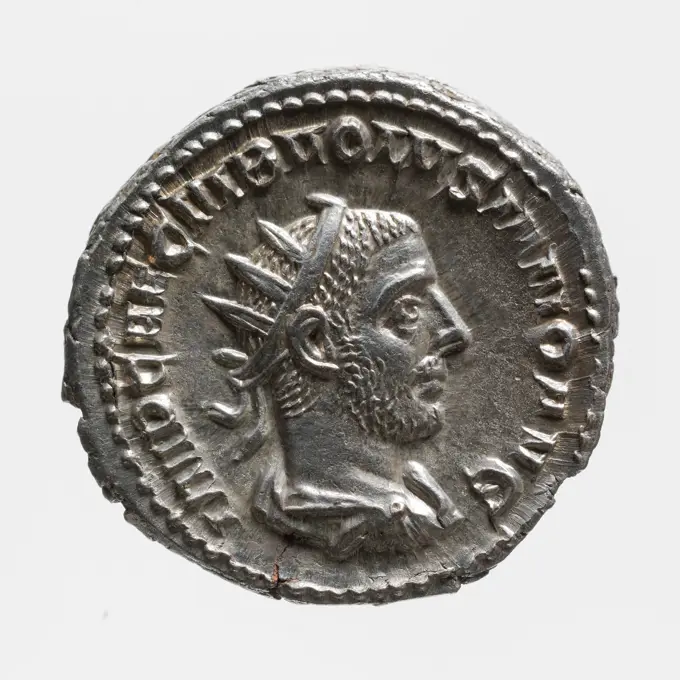
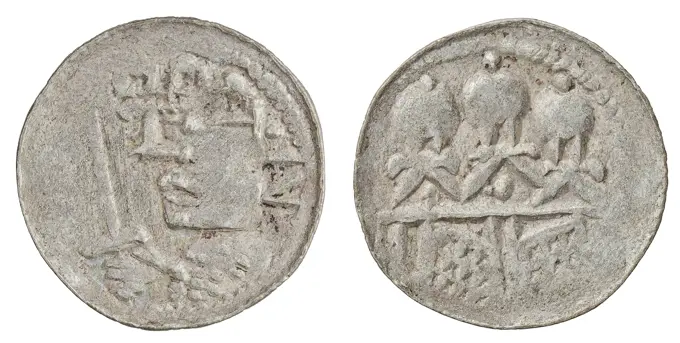
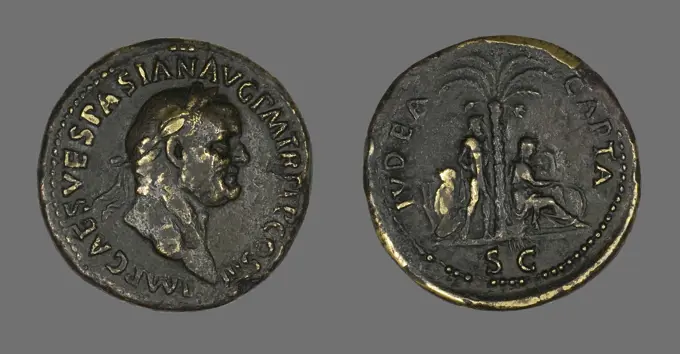
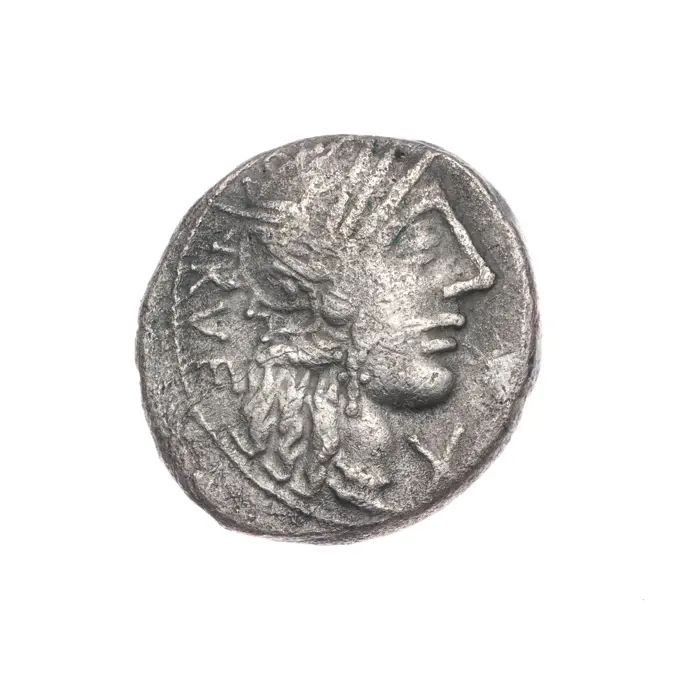
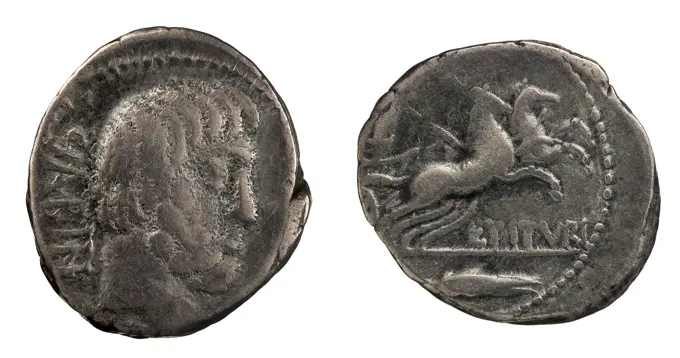
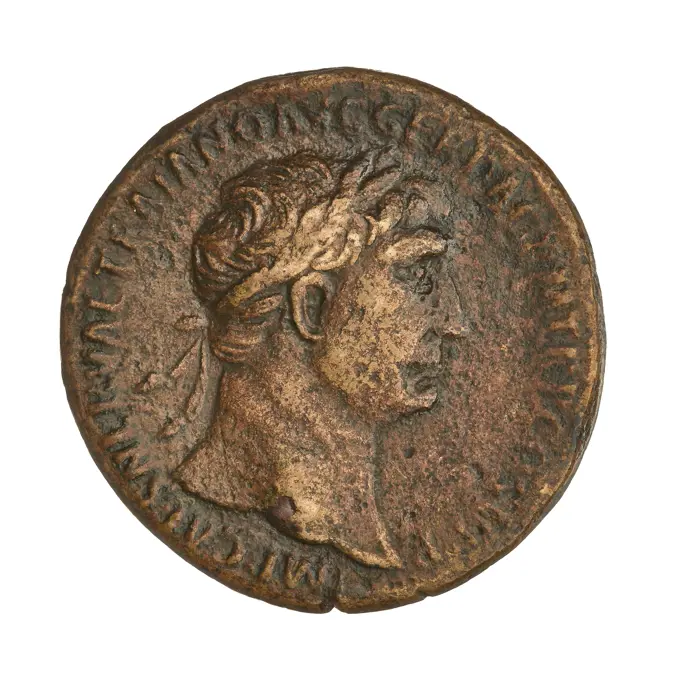
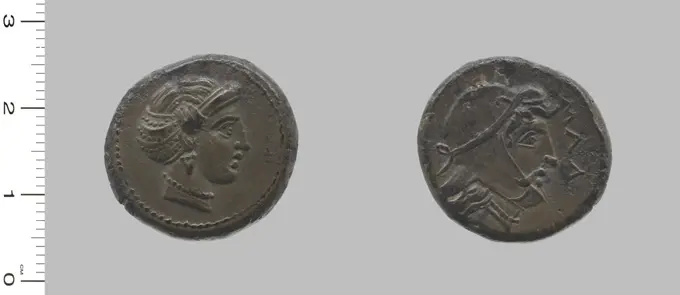
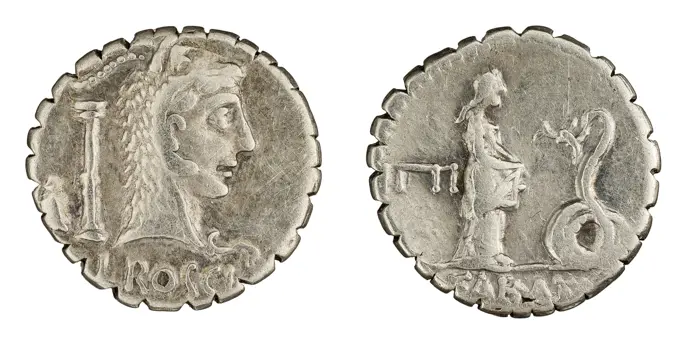
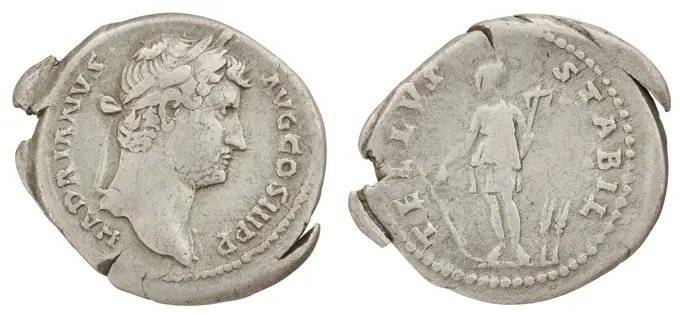
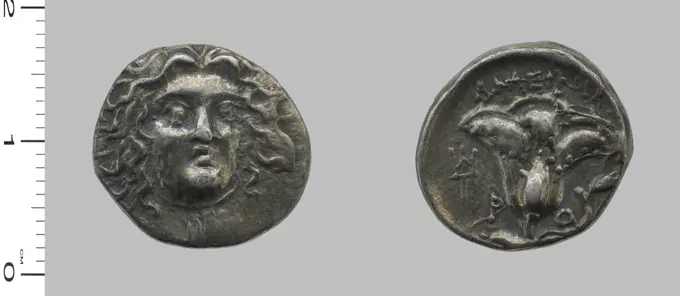
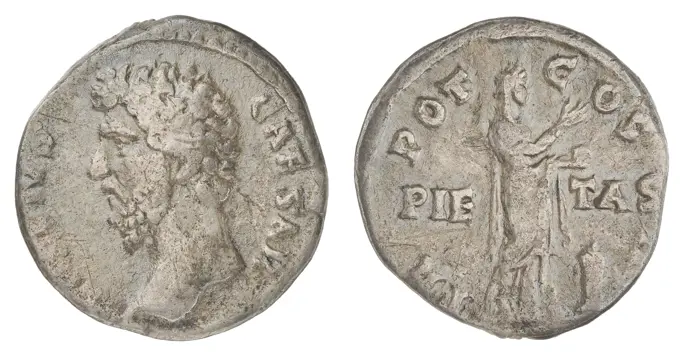
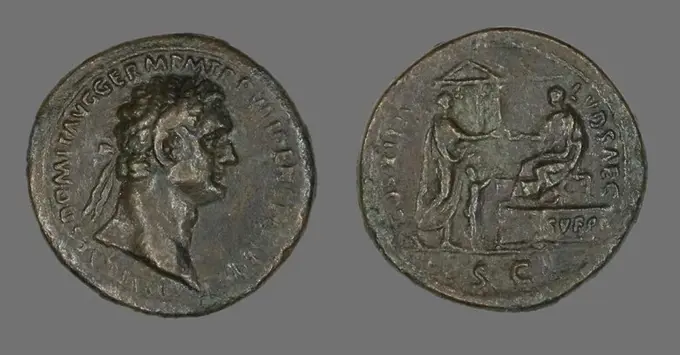
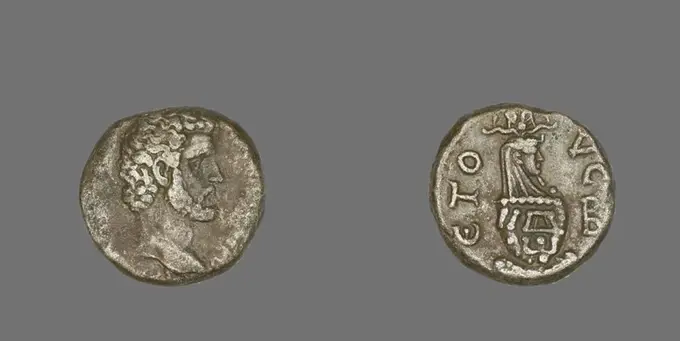
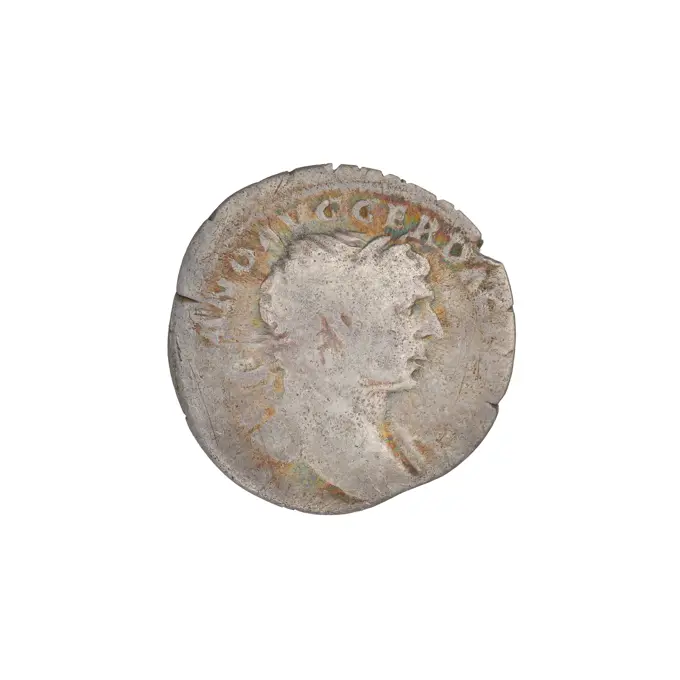
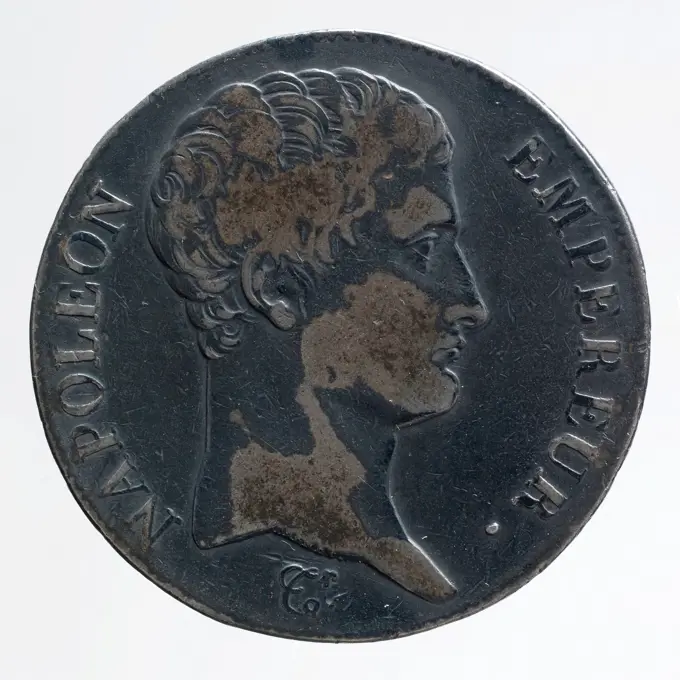
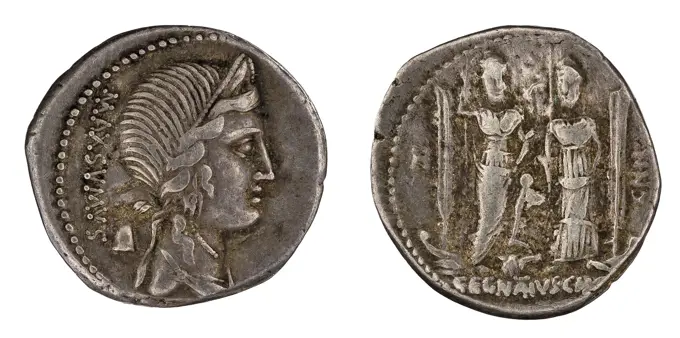
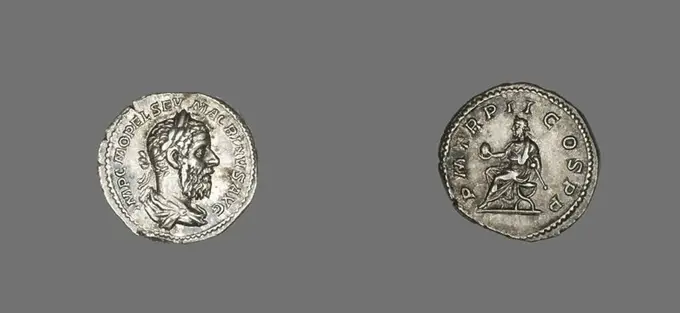
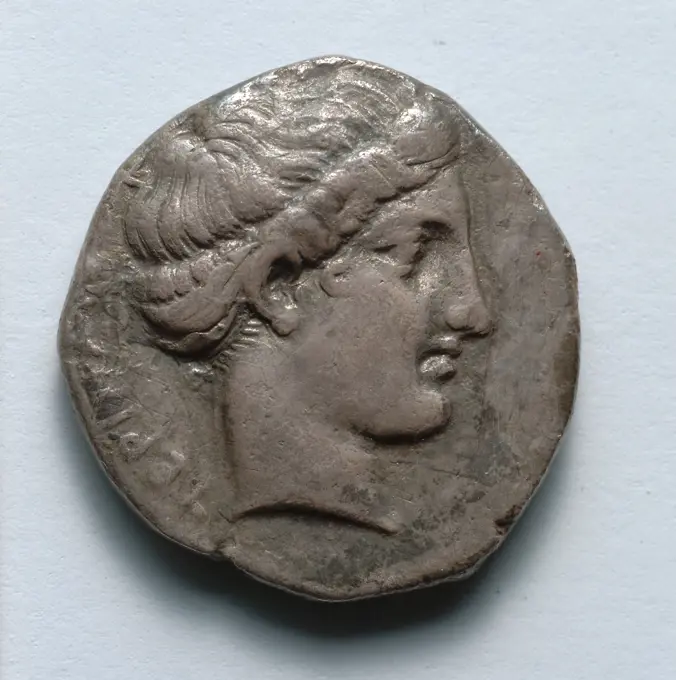
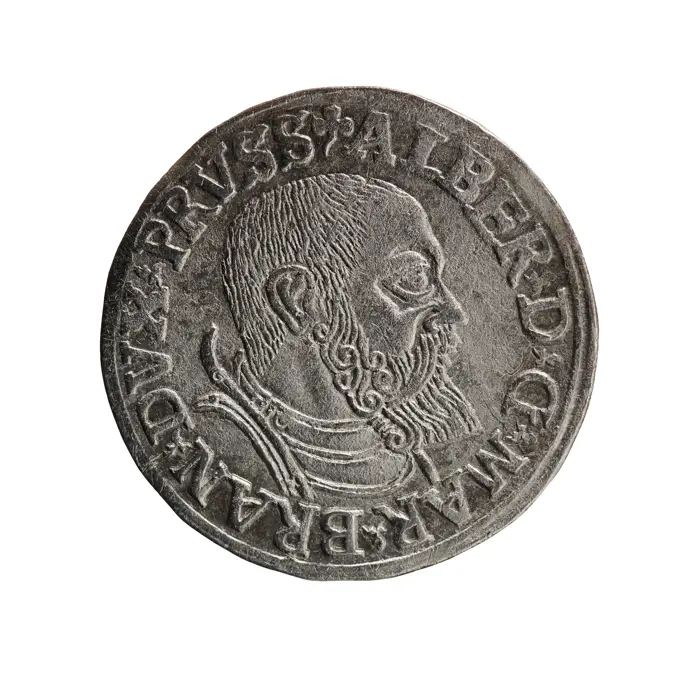
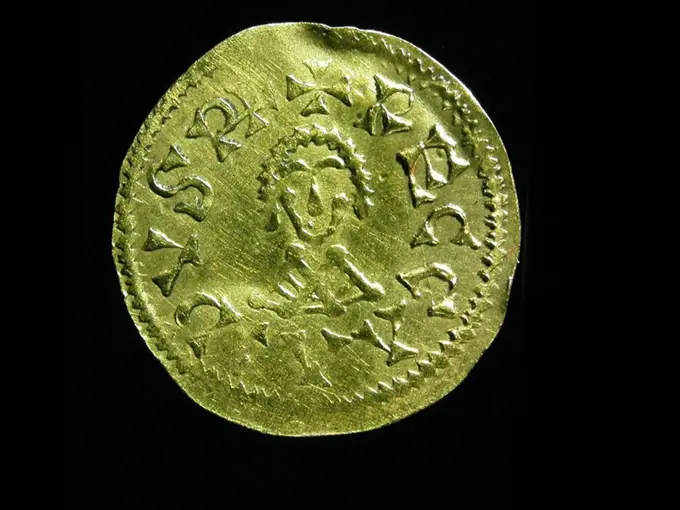
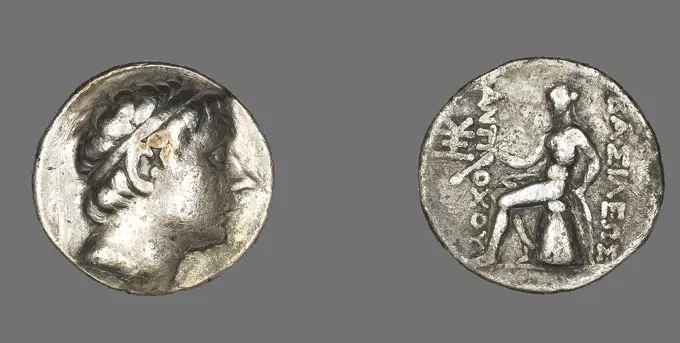
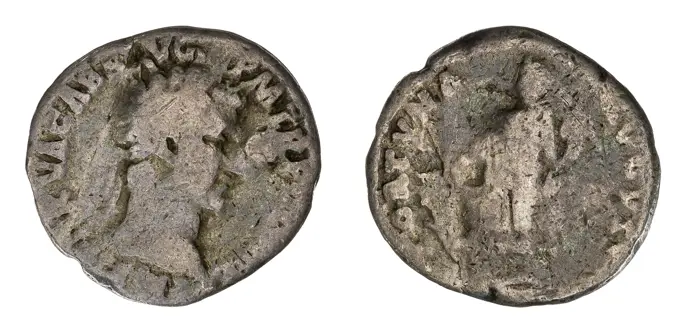
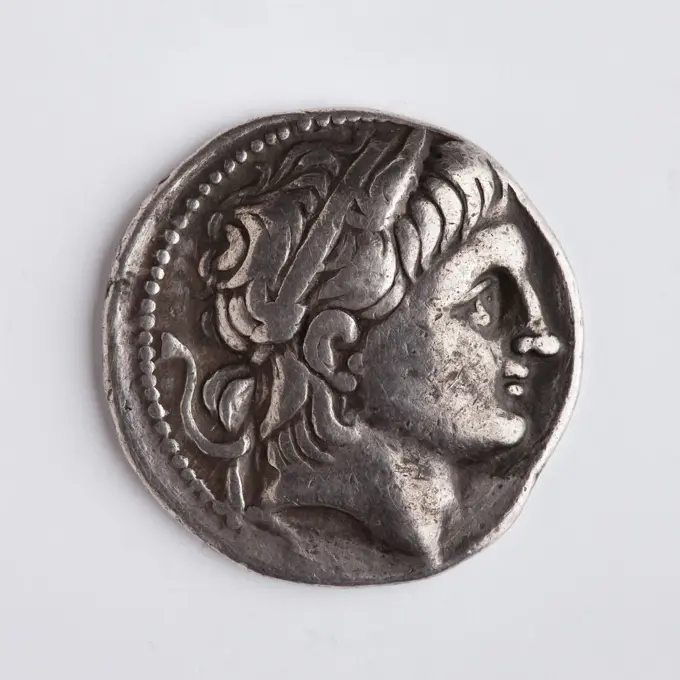
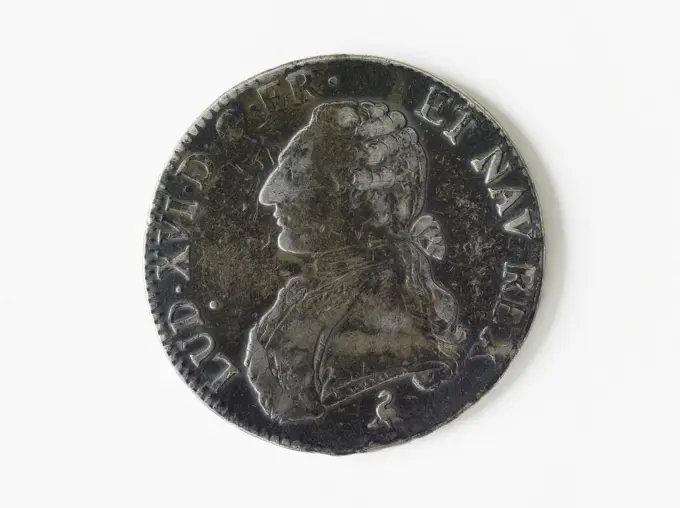
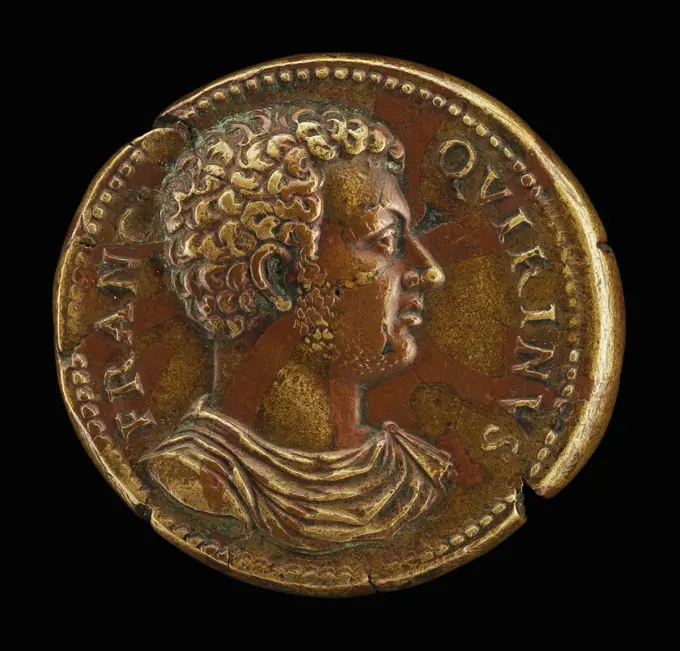
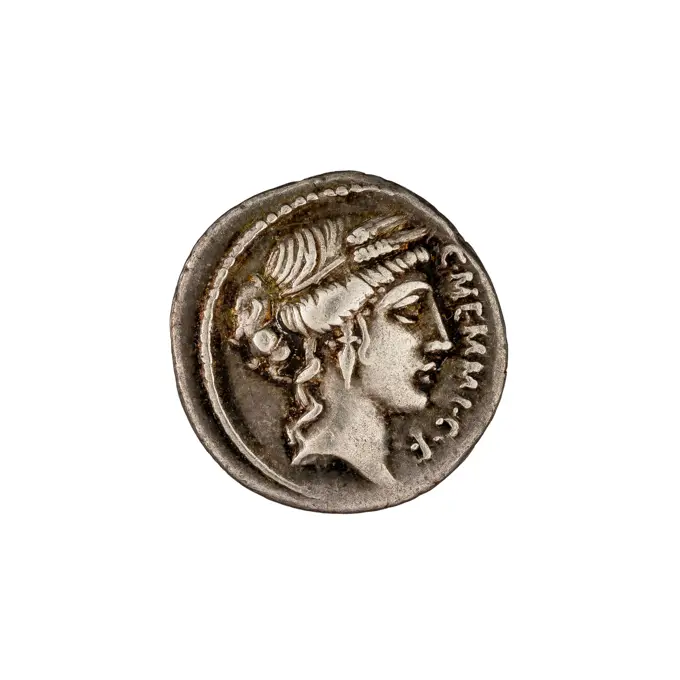
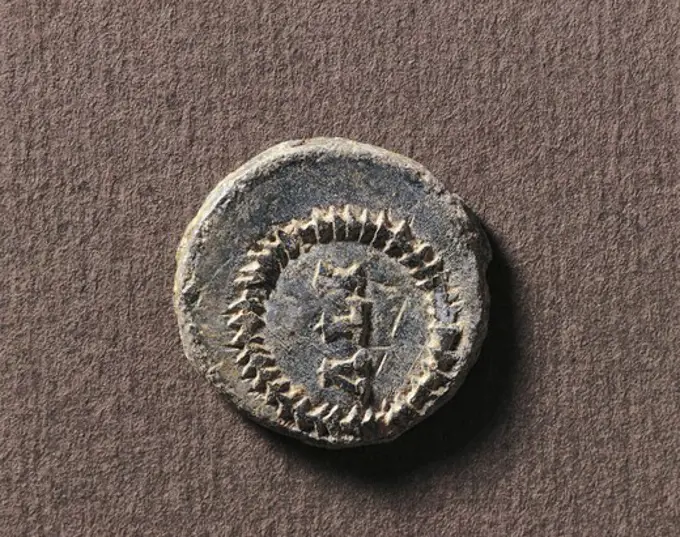
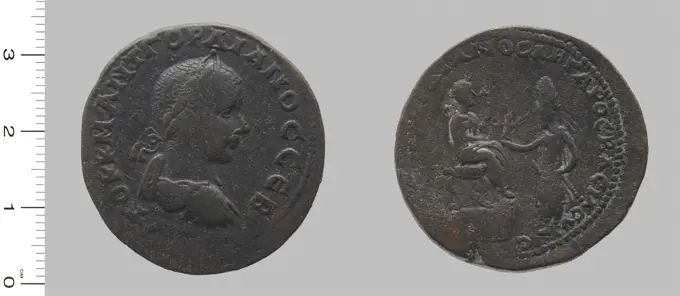
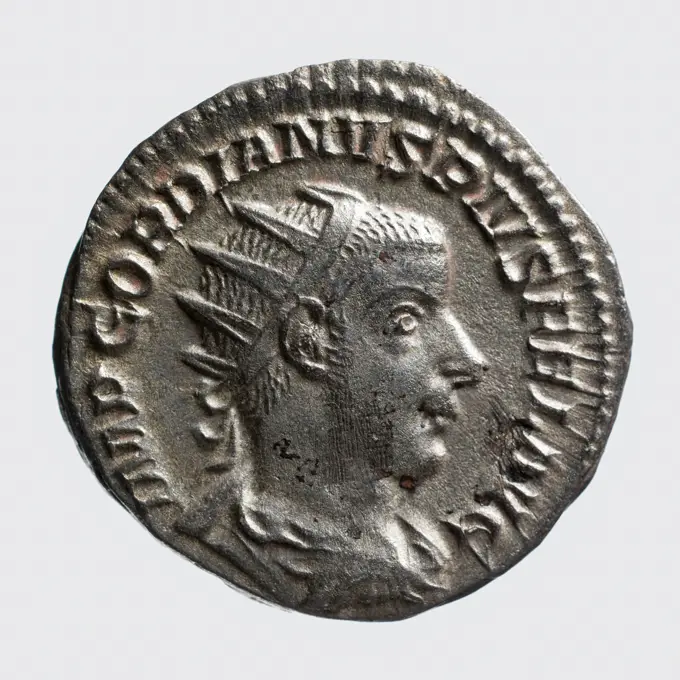
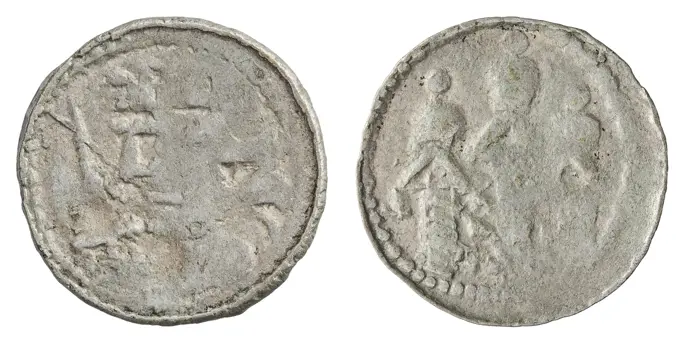
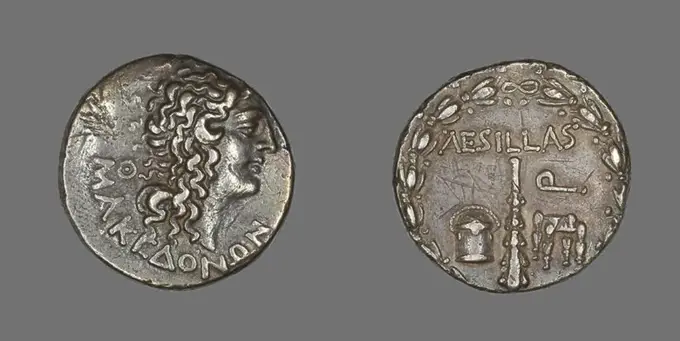
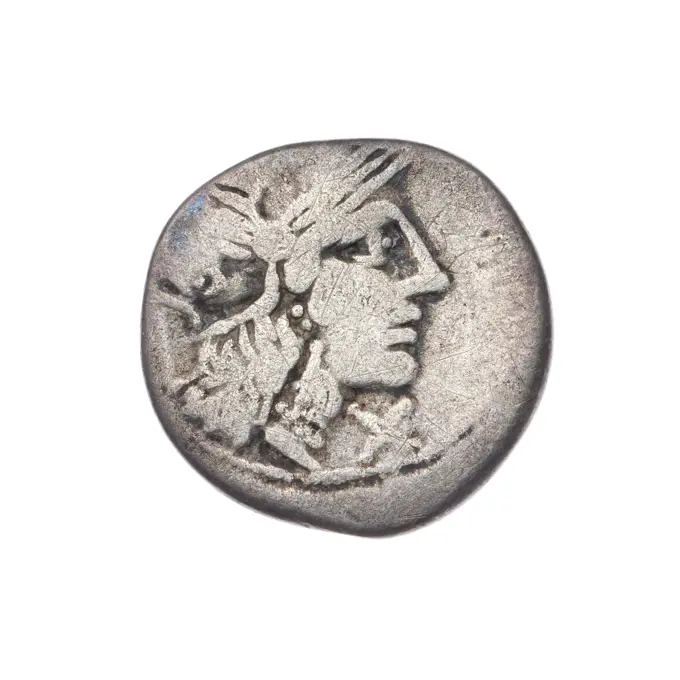
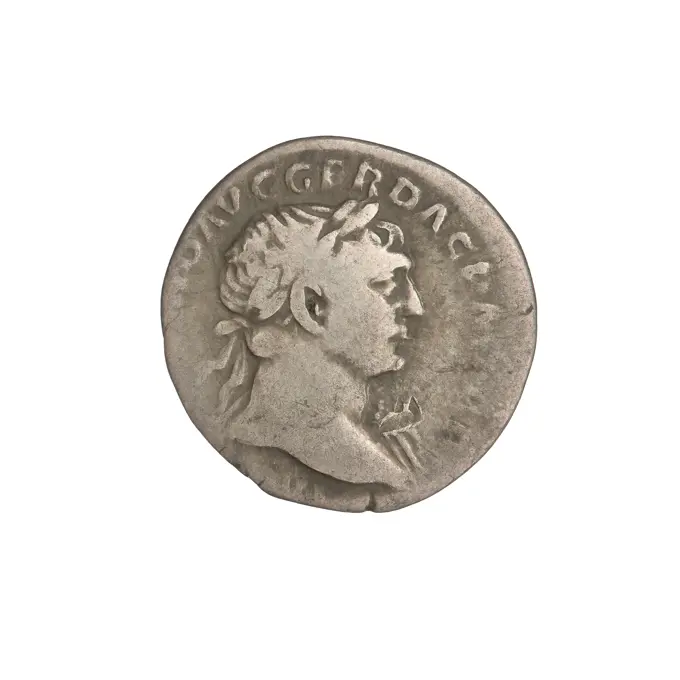
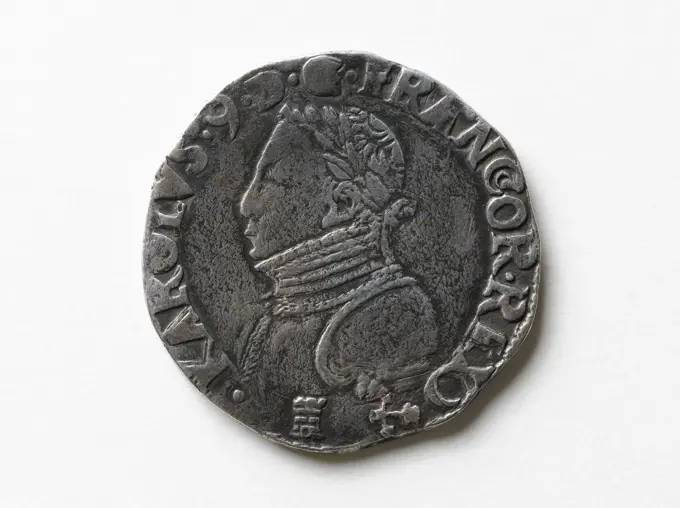
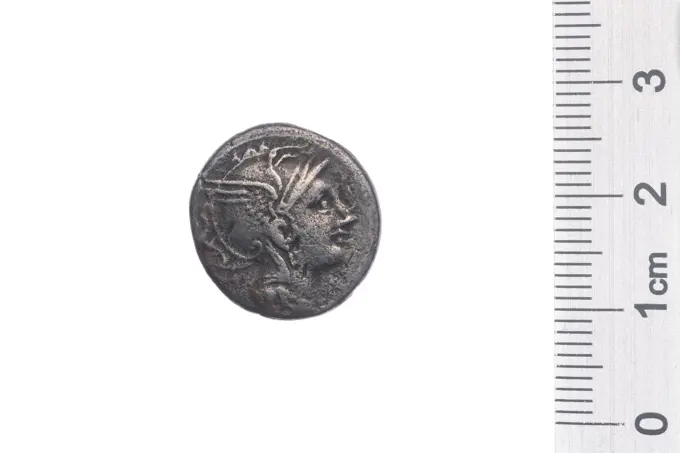
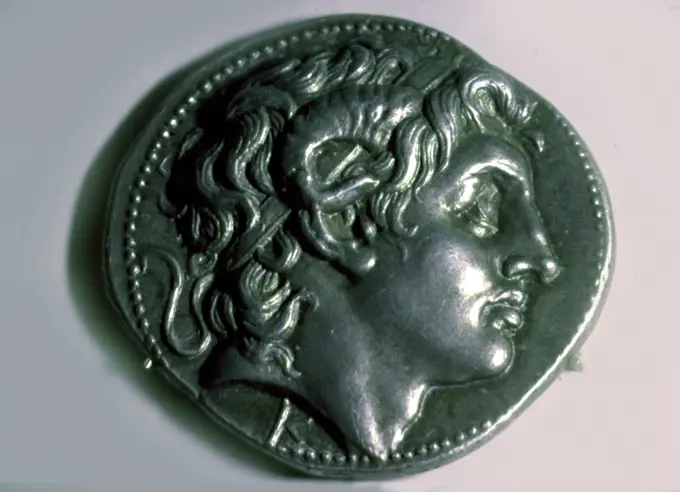
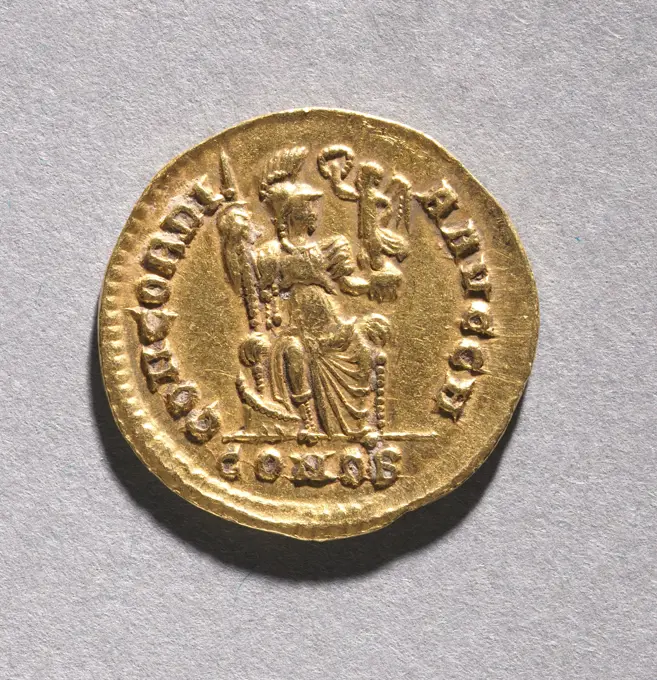
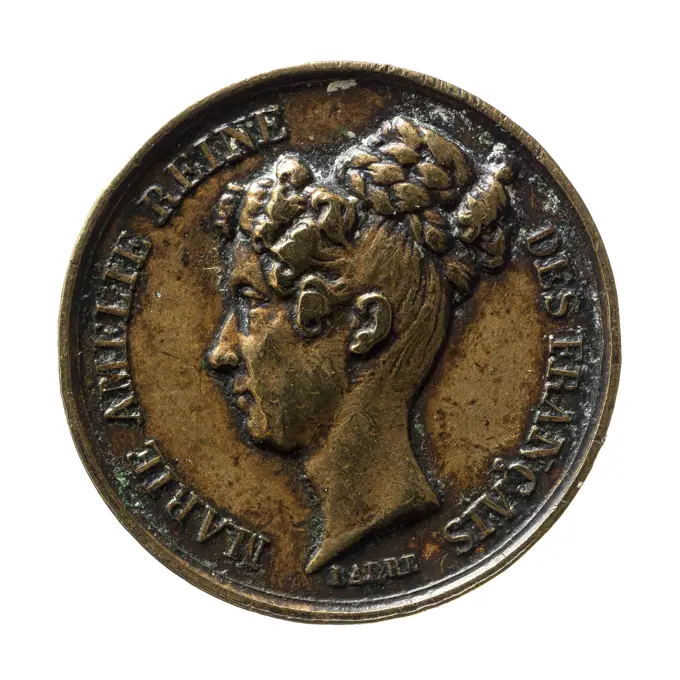
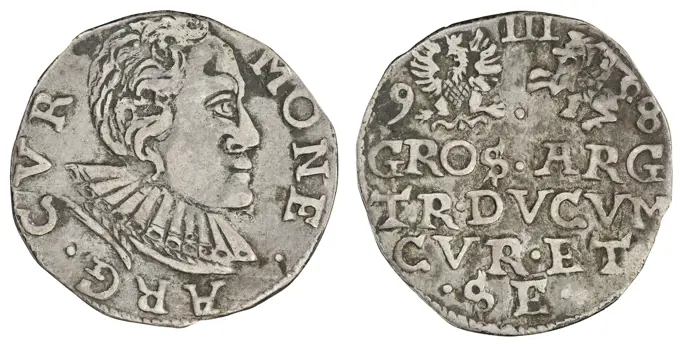
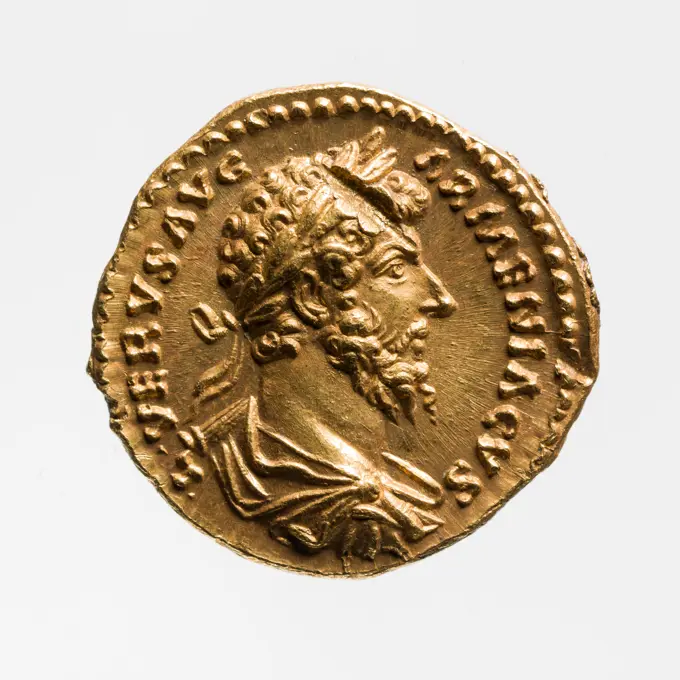
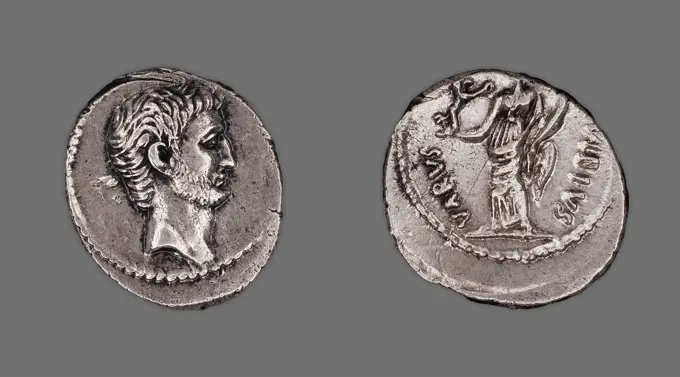
denarius. Trajan (cesarz rzymski ; 98-117), issuerAntoninien d'Etruscille, 250-251 Anonymous. Antonine of Etruscille, 250 of. J.-C.-251 of. J.-C .. Silver. Paris, the Carnavalet Museum.drachm. Fraates II (138-128 p.n.e.), rulerTetradrachm (Coin) Portraying Alexander the Great. Greek, minted in Ephesus, Asia Minor. Date: 306 BC-281 BC. Dimensions: Diam. 3.1 cm; 16.78 g. Silver. Origin: Ephesus. Museum: The Chicago Art Institute, Chicago, USA. Author: ANCIENT GREEK.sesterce; Hadrian (76-138; Roman emperor 117-138); 119-138 (119-00-00-122-00-00);Felicitas (Personification), Busters, Bay Wreaths, OdlesHalf-louis of gold at the headband of Louis XV, 1753. Anonymous. Half louis of gold at the headband of Louis XV, 1753. Gold, 1753-1753. Carnavalet Museum, History of Paris.NUMISMATICA. MONEDA BERICA. DENARIO IBERICO DE BASCUNES. ANVERSO. PERFIL DE HOMBRE CON MELENA RIZADA Y BARBA. INSCRIPCION AL LADO IZQUIERDO DEL PERFIL. (DEPOSITO: MUSEO ARQUEOLOGICO NACIONAL).drachm. Fraataces I (2 p.n.e.-4 n.e.), rulerdenarius; Marcius Philippus, Q. (Fl. 129 A.C.); 129 BC (-129-00-00--129-00-00);State Art collections (Warsaw - 1922-1939) - collections, Roma (mitol.), Roma head in a helmet (iconogr.), Helmets, horse rider (iconogr.), Horses, message (provenance), speardenarius; Veturius, Ti. (fl. 137 A.C.); 137 BC (-137-00-00--137-00-00);Mars (mitol.), Dar (provenance), swords, bust of Mars (iconogr.), Oath scene (iconogr.), Warriors, spears, pigsNUMISMATICA. MONEDA IMPERIO ROMANO. AUREO DE ORO, DE CALIGULA. REVERSO. CABEZA DE GERMANICO A LA DERECHA. 37-41 D.C. (DEPOSITO: MUSEO ARQUEOLOGICO NACIONAL).Antoninien de Volusien, 251-252 Roman currency. Antoninian of Volusien, Roman Emperor from 251 to 253. Silver, between 251 and 252 BC.denarius (royal type). Bolesław II Śmiały (król Polski ; 1058-1079), rulerCoin Portraying Emperor Vespasian 71 CE Roman Empire. The front of this coin portrays the emperor Vespasian, facing right.On the back, three figures are shown beneath a palm tree.. Bronze . Ancient RomanMoneda romana, Tiberio. Museum: MUSEO DE MATARÓ.denarius; Minucius Rufus, Q. (Fl. 122 A.C.); 122 BC (-122-00-00--122-00-00);Dioskurów (mitol.), Dioskurów on horses (iconogr.), State Art collections (Warsaw - 1922-1939) - collections, roma (mitol.), Roma head in a helmet (iconogr.), Helmets, horses, message (provenance)denarius; 100 (98-00-00-99-00-00);Concordia (personification), heads, abundance horns, laurel wreathssesterce; 223 (217-00-00-217-00-00);Antonine of Gordien III, 243-244 Roman currency. Antoninian (or Anoninianus) of Gordien III. Silver, between 243-244.denarius; Lucius Werus (130-169; Roman emperor 161-169); 161 (151-00-00-151-00-00);denarius. Titurius Sabinus, L. (fl. 89 a.C. ; 75 a.C.), monetary officer, Republika Rzymska, issuerAntoninian of Val�rien, 253-256 Roman currency. Valerian Antoninian, Roman Emperor from 253 to 260. Silver, between 253 and 256.sesterce; Trajan (53-117; Roman emperor 98-117); 103-111 (103-00-00-111-00-00);Circus Maximus (iconogr.), Heads, obeliski, laurel wreathsRuler: Autophradates, Satrap of Cilicia, ruled 365-61 B.C.Mint: Mallos, Stater of Autophradates, Satrap of Cilicia fromMallos, 365-361 B.C., Silver, 9.88 g, 12:00, 22.5mm, Made in Mallos, Cilicia, Greek, 4th century B.C., Numismaticsdenarius (serratus). Roscius Fabatus, L. (fl. 64 a.C. ; 49 a.C.), monetary officer, Republika Rzymska, issuerdenarius. Hadrian (Roman emperor; 117-138), emperor1 Drachm fromRhodes. Mint: Rhodes Artist: Unknowndenarius; Trajan (53-117; Roman emperor 98-117); 103-111 (103-00-00-111-00-00);Spes (personification), heads, flowers, laurel wreathsdenarius. Eliusz (następca Hadriana ; 137), heir to the throneBliżej Kultury Nerwa (96 98), Mint of RomeCoin Portraying Emperor Domitian. Roman. Date: 88 AD. Dimensions: Diam. 3.6 cm; 21.39 g. Bronze. Origin: Roman Empire. Museum: The Chicago Art Institute, Chicago, USA. Author: ANCIENT ROMAN.NERON. LUCIUS DOMITIUS NERO CLAUDIUS. EMPERADOR ROMANO . 37 - 68 AC. MONEDA CON SU EFIGIE. GABINETE NUMISMATICO DE CATALUÑA . BARCELONA.Stefan Batory (1576-1586), Crown Szeląg, Olkusz; 1582 Mint Olkusz, Stefan Batorydrachm. Wardanes II (55-58), rulerAntoninian of Philip Arabic, 248 Antonine of Philip Arabic. Silver, 248.Coin Portraying Emperor Antoninus Pius. Roman, minted in Alexandria, Egypt. Date: 138 AD-161 AD. Dimensions: Diam. 2.3 cm; 12.86 g. Billon. Origin: Egypt. Museum: The Chicago Art Institute, Chicago, USA. Author: Ancient Egyptian.denarius; Trajan (53-117; Roman emperor 98-117); 112-117 (112-00-00-117-00-00);PAX (personification), heads, abundance horns, laurel wreathscistophorus. Trajan (cesarz rzymski ; 98-117), emperorTetradrachm (Coin) Portraying Alexander the Great 297 BCE-281 BCE Roman Empire. Following the premature death of Alexander the Great in 323 BCE, his generals, friends, and heirs engaged in forty years of wars over his empire. Lysimachus (reigned 323ñ281 BCE), one of Alexanderís companions and bodyguards, used the kingís image on his own coins in order to cast himself in the role of successor and legitimize his claim to the kingdom of Thrace. Alexander, responsible for establishing the conventions of royal portraiture, is depicted in his preferred manner youthful and clean-shaven, with long locks of hair rising above his forehead and eyes cast upward. Additionally, he is shown with horns curling around his ears. These ìhorns of Ammonî symbolize Alexanderís claim that he was the son of the Egyptian god Ammonóa claim reportedly confirmed by the oracle at the sanctuary of Zeus-Ammon at Siwa, Egypt.On the reverse of the coin, Lysimachus exerts his own royal autonomy by naming himself ìking.Stater fromAspendos.  Mint: AspendosFive Francs Napoleon, An XIII (1805) Nicolas Brenet (1728-1892) -Guy. Five Francs Napoleon, An XIII (1805). Silver, very damaged type, 1805.Sestertius of Titus, Emperor ofRome. Ruler: Titus, Emperor of Rome, A.D. 39-81, ruled 79-81Honorand: Galba, Emperor of Rome, 3 B.C.-A.D. 69, ruled A.D. 68-69denarius. Egnatius Maximus, C. (fl. 75 a.C.), monetary officer, Republika Rzymska, issuerSestertius (Coin) Portraying Julia Mamaea 230 CE Roman Empire. The front (obverse) of this coin portrays the bust of Julia Mamaea, the mother of Roman Emperor Alexander Severus, facing to the right, draped, and diademed. On the back (reverse), the goddess Felicity is seated to the left with a caduceus and horn of plenty.Coins recorded the ever-changing hairdos of the royal ladies in Rome and carried the new fashions to the far corners of the empire.. Bronze . Ancient RomanDenarius (Coin) Portraying Macrinus. Roman. Date: 217 AD. Dimensions: Diam. 1.9 cm; 3.40 g. Silver. Origin: Rome. Museum: The Chicago Art Institute, Chicago, USA. Author: ANCIENT ROMAN.Stater: Head of Nymph (obverse), after 400 BC. Greece, Terina, after 5th century BC. Silver; diameter: 2 cm (13/16 in.).Roman Republic, C. Fonteius, As, Rome, 114 or 113 BC Menna Italy Po Udniowa  RhegiumCarnavalet museum, medal collection Ledru's right to the left followed by a star; Lamartine head back to the right.Trojak; Decjusz, Jost Ludwik (Fl. 1528-1535), Schilling, Maciej; 1541 (1541-00-00-1541-00-00);Tetradrachm. UnknownNUMISMATICA. MONEDA VISIGODA. MONEDA VISIGODA RECADERO TIRASONA (586-601) ANVERSO. MONEDA FALSA.denarius (royal type). Bolesław II Śmiały (król Polski ; 1058-1079), rulerSestertius of Commodus, Emperor of Rome fromRome. Ruler: Commodus, Emperor of Rome, A.D. 161-192, ruled 180-92 Mint: Rome Artist: UnknownTetradrachm (Coin) Portraying King Antiochus III The Great. Greek, probably minted in Antioch, Syria. Date: 223 BC-187 BC. Dimensions: Diam. 2.9 cm; 16.43 g. Silver. Origin: Ancient Near East. Museum: The Chicago Art Institute, USA.denarius. Nerwa (cesarz ; 96-98), emperorLitra. UnknownAntonine of Philip Arabic, 245 Anonymous. Antonine of Philip Arabic, 245. money.sesterce; Antoninus Pius (86-161; Roman emperor 138-161); 148-149 (148-00-00-149-00-00);Nomos fromMetapontum.  Mint: MetapontumSestertius (Coin) Portraying Emperor Vespasian 71 CE Roman Empire. The front (obverse) of this coin portrays the head of Emperor Vespasian, facing to the right. The back (reverse) shows the god Mars advancing to the right.. Bronze . Ancient RomanMacedonia, Demetrius poliorcetes (305 281), Tetradrachin, Amphipolis; 289 288 BC Mennica Amphipolis, Demetrius polirketesAntonine of Gordien III, 239 Antonine of Gordien III. Silver, 239.Antonine of Gordien III, 243-244 Roman currency. Antoninian (or Anoninianus) of Gordien III. Silver, between 243 and 244.ECU at Lauriers de Louis XVI, 1783 Benjamin Duvivier (1730-1819). ECU at Lauriers of Louis XVI, 1783. Silver, 1783. Carnavalet Museum, History of Paris.Coin Portraying Emperor Maximianus Struck 288 CE-289 CE Alexandria. The front (obverse) of this coin portrays a bust of emperor Maximianus, cuirassed, laureate, and facing right. The back (reverse) depicts Homonoia walking to the left, right hand outstretched, left hand cradling a double cornucopia. The date this coin was struck is indicated in the obverse inscription î L  ì, which means the third year of Maximianusís reign, or 288-289 CE. Maximianus reigned as emperor from 286-305 CE.. Billon . Ancient Roman1/6 states  hookGiovanni da Cavino, Francesco Querini, died 1563, Venetian Patrician, Poet and Soldier (obverse) Francesco Querini, died 1563, Venetian Patrician, Poet and Soldier obversedenarius; Memmius, C. (fl. 56 BC); 56 BC (-56-00-00--56-00-00);Ceres (mitol.), Ceres head (iconogr.), Prisoners, trophies, purchase (provenance)France, Alesia, Lead tessera (tablet)Tetradrachm (Coin) Portraying King Antiochus VII Euergetes Sidetes 138 BCE-129 BCE Ancient Near East. The Hellenistic period spans the nearly three hundred years between the death of Alexander the Great of Macedonia (323 BC) and that of Cleopatra VII of Egypt (30 BC), a descendant of one of Alexanderís generals. The term Hellenistic is derived from Hellas, an ancient Greek word for Greece. It is used to describe both chronologically and culturally the era following Alexanderís conquest of Egypt and Asia, which resulted in the spread of Greek culture across a vast area. The melding of local and Greek artistic styles with the luxurious materials captured in the conquered lands resulted in magnificent artwork, including elegant coinage.Following Alexanderís death, his empire was divided among his generals, who established independent kingdoms in Egypt; Persia; the eastern coast of the Aegean Sea, including Syria and Palestine; Greece and Macedonia; and Thrace. Almost immediately the generGold Ducat of Pope John XXIII, 1410-14. Struck at Rome.Coin of Gordian III, Emperor of Rome; Abgar X, King of Edessa fromEdessa. Ruler: Gordian III, Emperor of Rome, 225-244, ruled 238-44Ruler: Abgar X, King of Edessa, ruled A.D. 242-44 Mint: Edessa, Mesopotamia Artist: UnknownSestertius (Coin) Portraying Emperor Gordianus. Roman. Date: 238 AD-244 AD. Dimensions: Diam. 3 cm; 22.01 g. Bronze. Origin: Roman Empire. Museum: The Chicago Art Institute, Chicago, USA. Author: ANCIENT ROMAN.Antoninian of Gordien III, 240-243 Roman currency. Antoninian (or Anoninianus) of Gordien III. Money, between 240-243.denarius; Julia Domna (Ca 160-217; Roman Empress 193-211); 193-211 (193-00-00-211-00-00);Presence medal of the Sint Crispijn or Schoenmakersgilde in Delft 1663 ,, 1663 history medal. medal Cast brass medal, on the front Sint Crispijn on horseback, with a shoemaker's knife and palm branch, on the reverse a crowned sacrificial box with a change, on the box the number 71  brass (alloy) castingAntoninian of Philip Arabic, 248 Antonine of Philip Arabic. Silver, 248.denarius. Trajan (cesarz rzymski ; 98-117), emperorAntonine of Philip Arabic, 244-246 Anonymous. Antoninian of Philip Arabic, 244-246. Money.denarius (royal type). Bolesław II Śmiały (król Polski ; 1058-1079), rulerStater fromAspendos.  Mint: Aspendos Artist: UnknownTetradrachm (Coin) Portraying Alexander the Great. Greek. Date: 93 BC-92 BC. Dimensions: Diam. 2.8 cm; 14.70 g. Silver. Origin: Macedonia. Museum: The Chicago Art Institute, Chicago, USA. Author: ANCIENT GREEK.drachm. Szapur II (szachinszach Persji ; 309-379), rulerdenarius; Papirius Carbo, M. (fl. 122 A.C.); 122 BC (-122-00-00--122-00-00);Jupiter (mitol.), Jupiter on a square (iconogr.), Roma (Mitol.), Scripture (attribute), gift (provenance), Roma head in a helmet (iconogr.), Helmets, horses, squares, lightning (attribute)sesterce; Antoninus Pius (86-161; Roman emperor 138-161); 154-155 (154-00-00-155-00-00);denarius; Trajan (53-117; Roman emperor 98-117); 103-111 (103-00-00-111-00-00);Roma (mitol.), Heads, laurel wreaths, spearsTeston in Silver of Charles IX, 1569 Anonymous. Teston in silver of Charles IX (1550-1574), King of France. Silver, 1569.Denarius of Titus, Emperor of Rome fromRome. Ruler: Titus, Emperor of Rome, A.D. 39-81, ruled 79-81 Mint: Rome Artist: Unknowndenarius; Antoninus Pius (86-161; Roman emperor 138-161); 145-161 (140-00-00-144-00-00);denarius. Claudius Pulcher, Ap. (fl. 111-110 a.C.), monetary officer, Urbinius, Q. (fl. 111-110 a.C.), monetary officer, Manlius Mancinus, T. (fl. 111-110 a.C.), monetary officer, Republika Rzymska, issuerAlexander the Great coin. Greece. Coin of Lysimachus. Thrace. 305-281 BC.Stefan Batory (1576-1586), Grosz Gdański, Gdańsk; 1579 Mint Gdańsk, Stefan BatoryTremissis of Honorius (reverse), AD 395-423. Byzantium, Ravenna, Byzantine period, late 4th-early 5th century. Gold; diameter: 1.5 cm (9/16 in.).Tribute to the Queen of the French, August 15, 1830 (dummy title) Jacques-Jean Bar (1793-1855). Tribute to the Queen of the French, August 1830. Copper, 1831.denarius. Nerwa (cesarz ; 96-98), emperor3 groschen (with bust of Friedrich Kettler). Wilhelm Kettler (książę Kurlandii i Semigalii ; 1587-1616), ruler, Fryderyk Kettler (książę Kurlandii i Semigalii ; 1587-1642), rulerAureus de Lucius Verus, 163-164 Aureus de Lucius Verus. Or, 163-164. Paris, Musee Carnavalet.Coin Portraying King Vabalathus. Roman. Date: 270 AD-275 AD. Dimensions: Diam. 1.8 cm; 2.60 g. Bronze. Origin: Roman Empire. Museum: The Chicago Art Institute, Chicago, USA. Author: ANCIENT ROMAN.Denarius (Coin) Portraying Mark Antony 42 BCE Rome. The front (obverse) of this coin portrays the head of Mark Antony facing right. On the back (reverse) Fortuna stands to the left, holding a Victory who crowns her in her right hand, and a cornucopia in left.Portraits of important people appear on local currency all around the world. The same was true in ancient Rome, which began producing its first coinage in the late 4th century BCE. Early coins depicted the heads of gods and goddesses on the front side, often in profile, while the back depicted animals, natural resources, symbols, and references to historical events. It was not until 44 BC that the portrait of a living personóJulius Caesar appeared on coins. Thereafter, profile portraits of rulers or other members of the imperial family became the standard subject on coins throughout the Roman Empire.Inscriptions on coins help identify the ruler. While the front side depicted the sovereignís portrait, the back was often used to commProfile to the left of a theologian (), 19th century Profile on the left of a theologian (), 19th century ". Copper.