Ancient Coins Collection

Close-up images of ancient Roman coins, showcasing emperors and designs, highlighting historical currency.

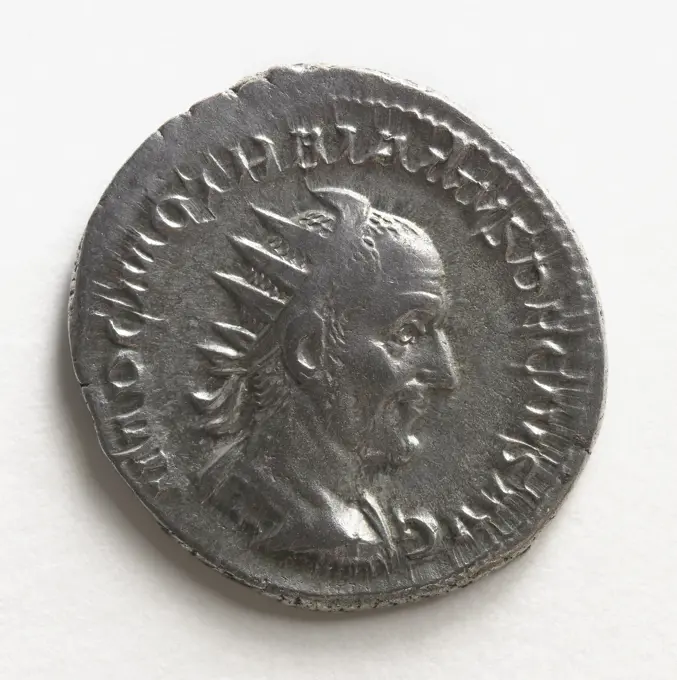
Antoninien de Trajan D�ce, 250 Roman currency. Antoninian de Trajan Dece (201-251), Roman Emperor from 249 to 251. Silver (Apers). 250.
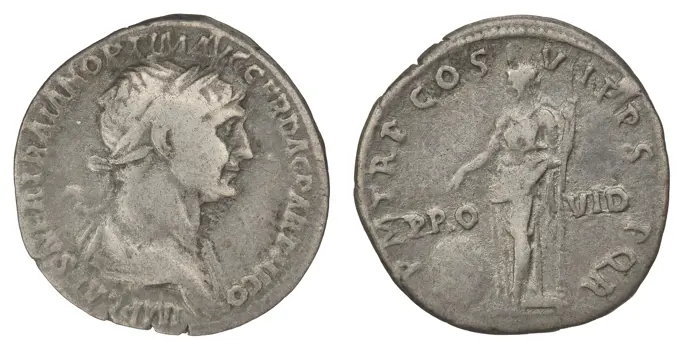
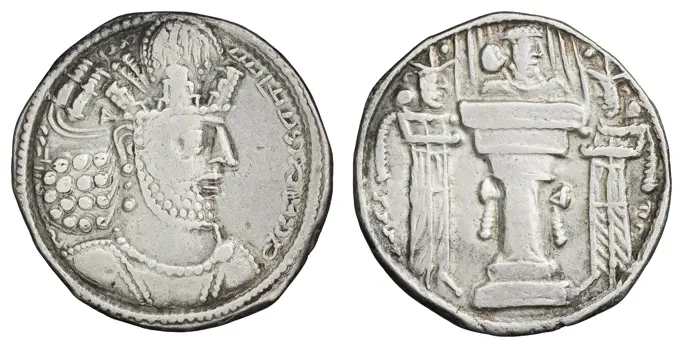
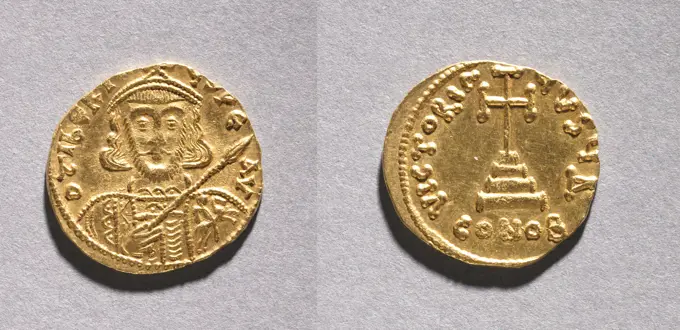
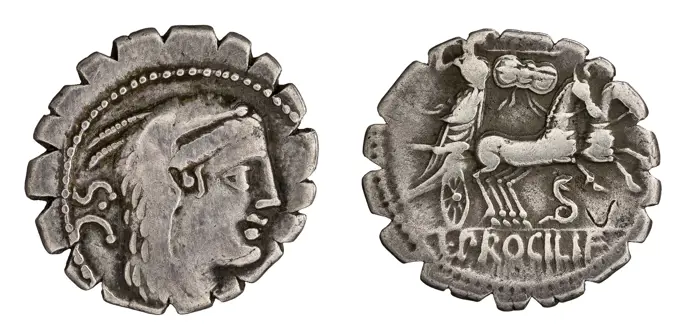
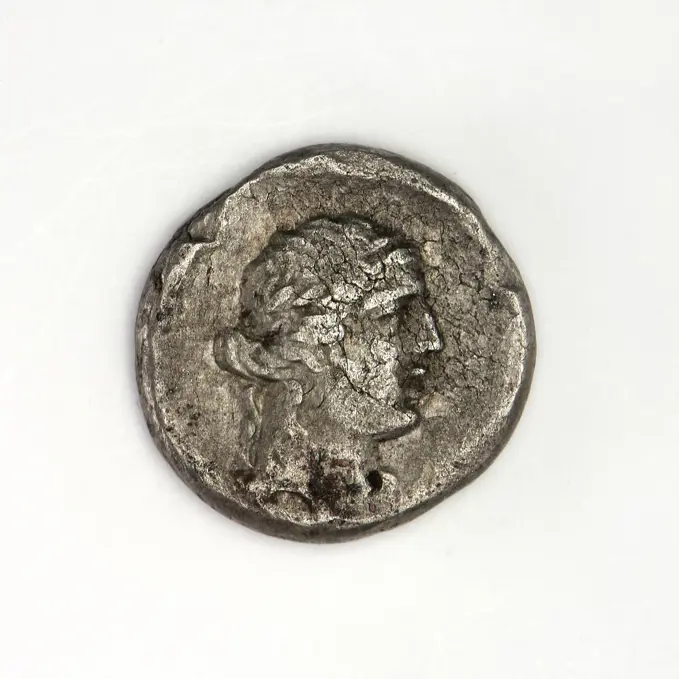
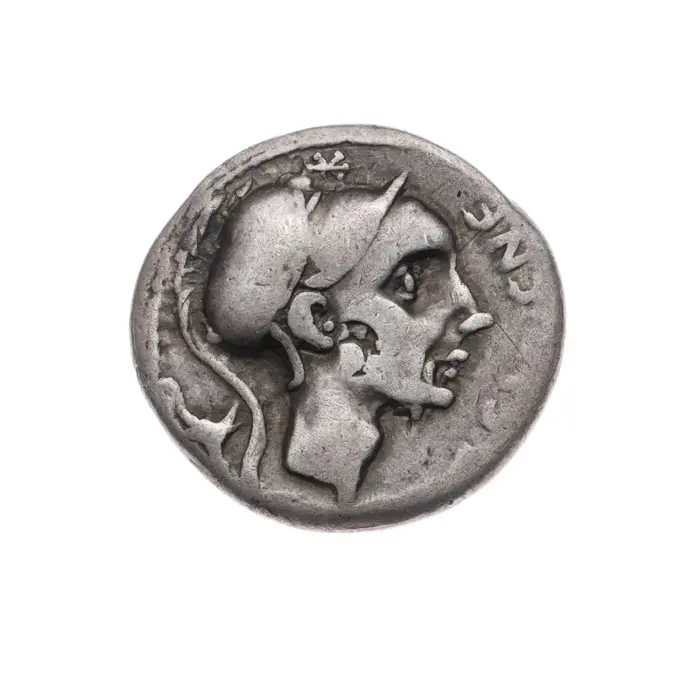
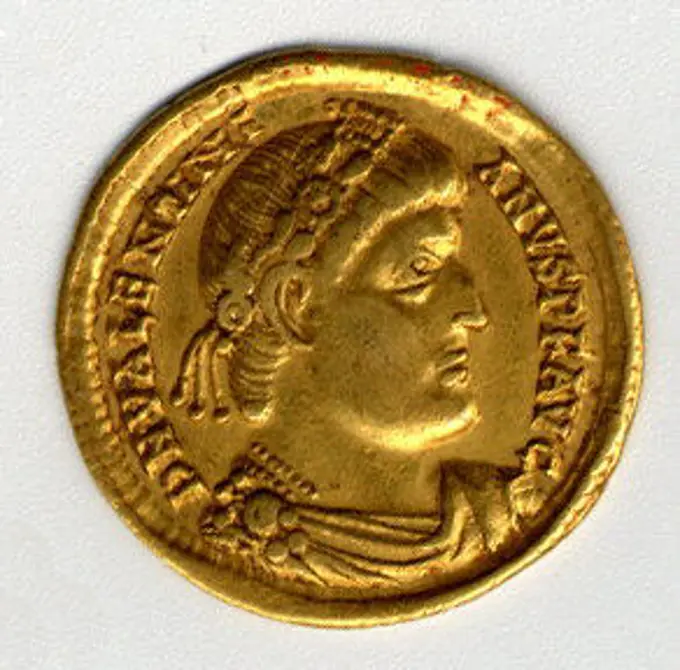
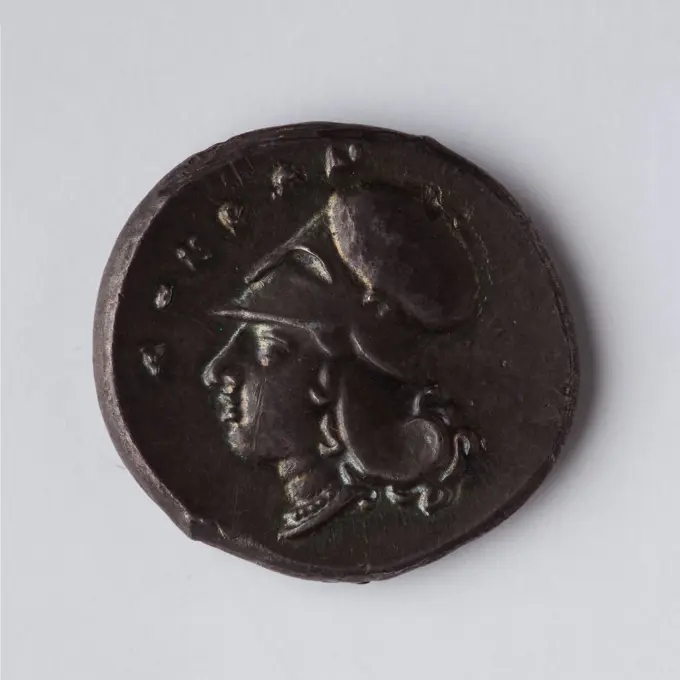
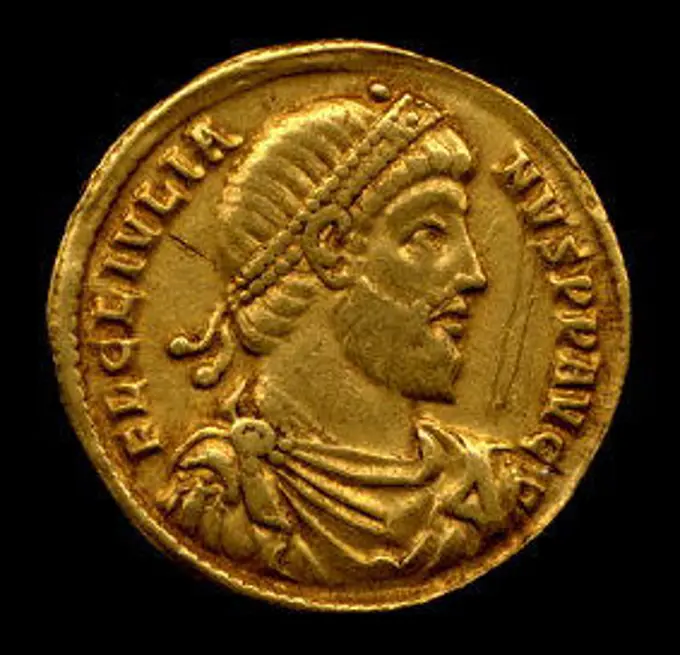
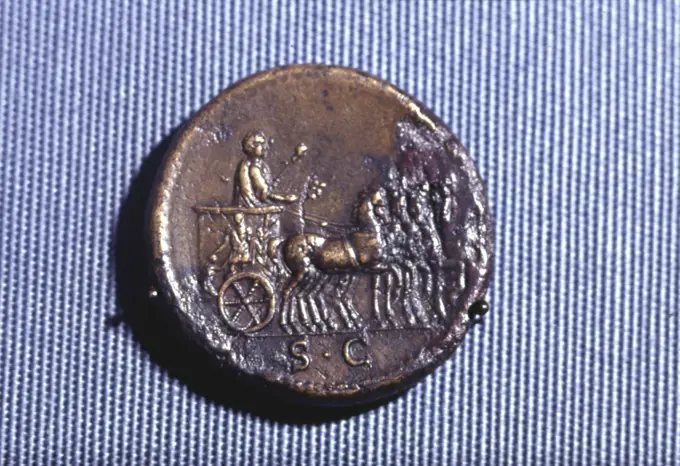
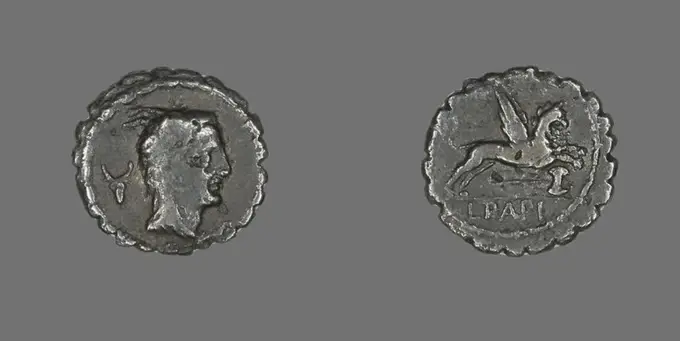
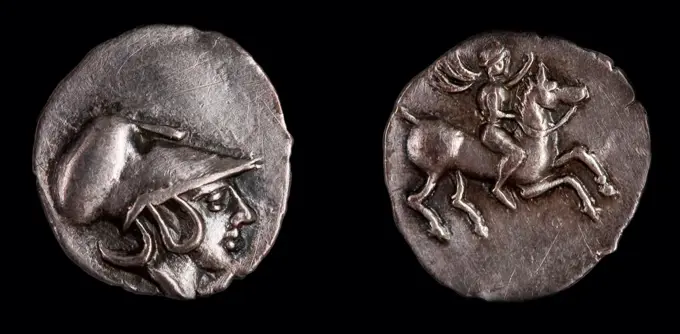
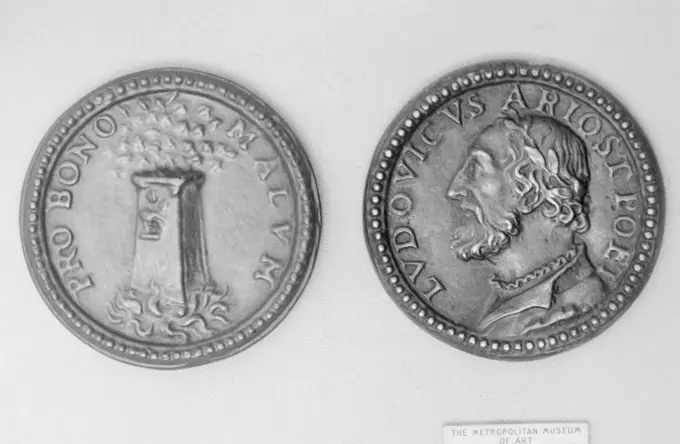
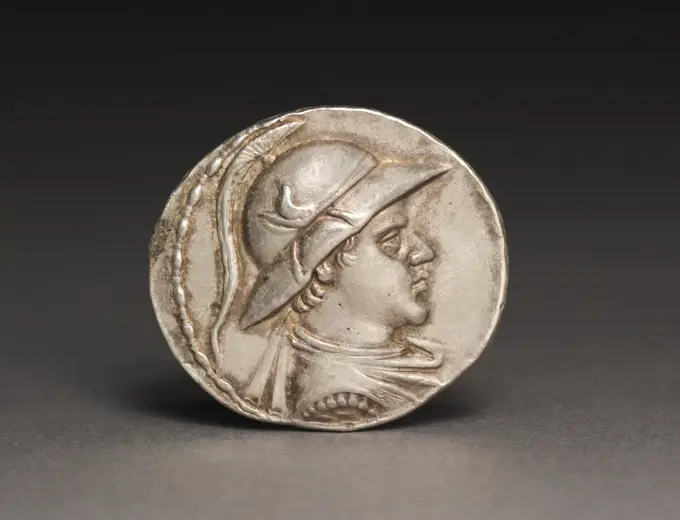
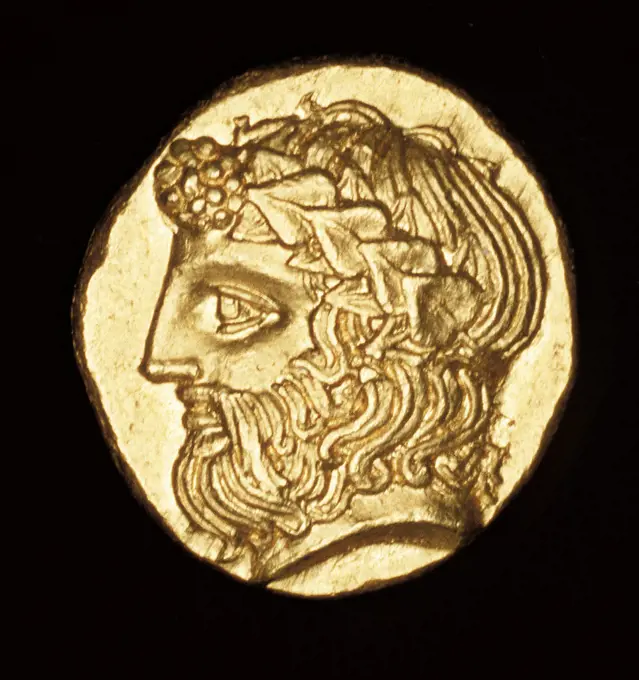
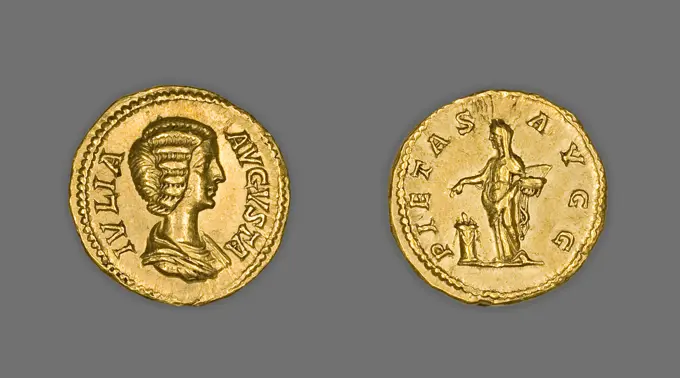
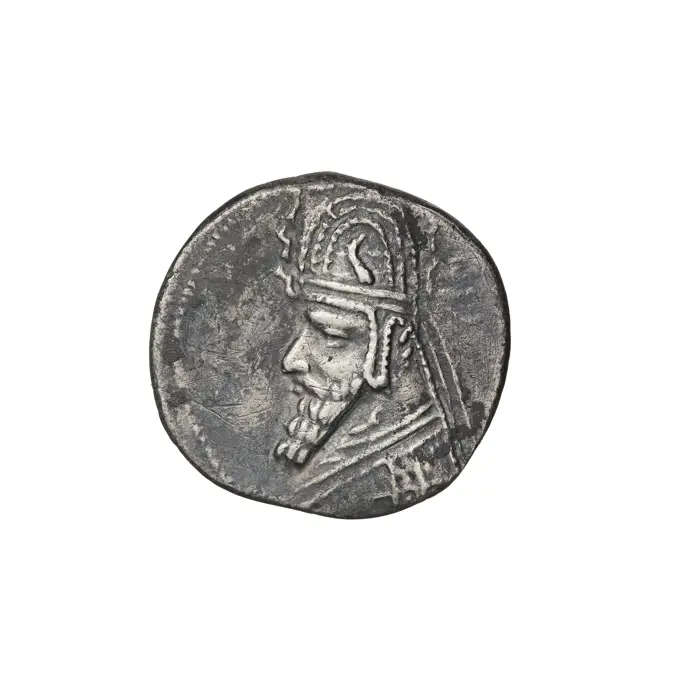
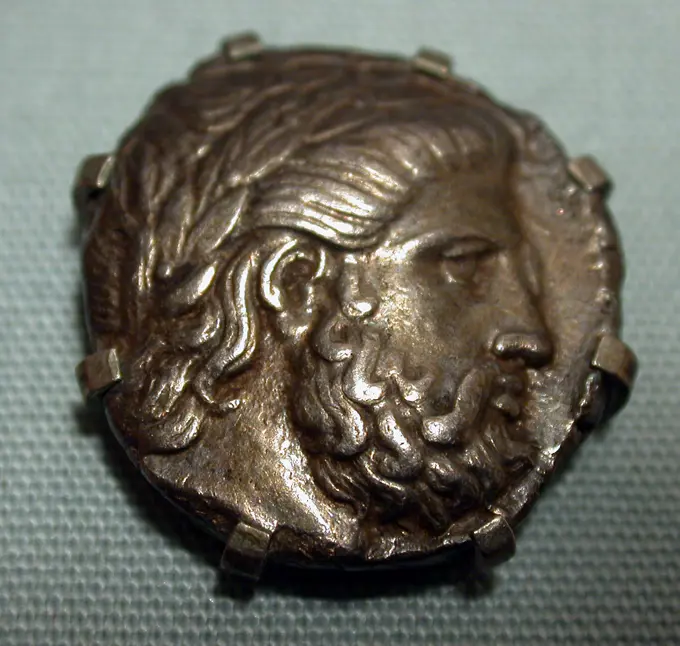
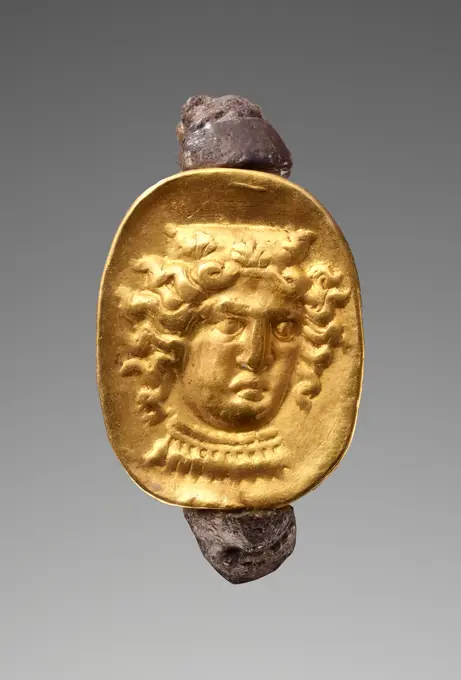
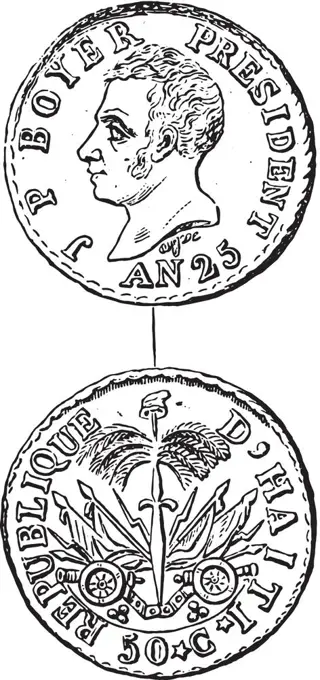
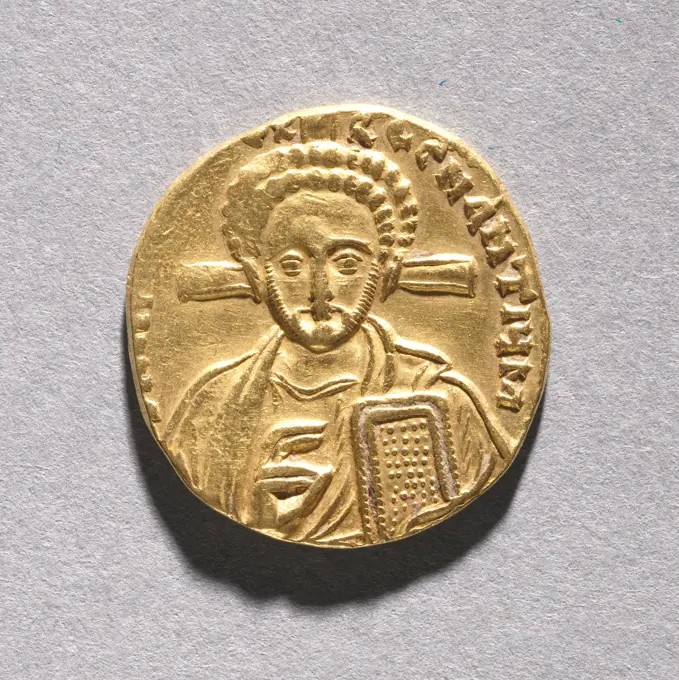
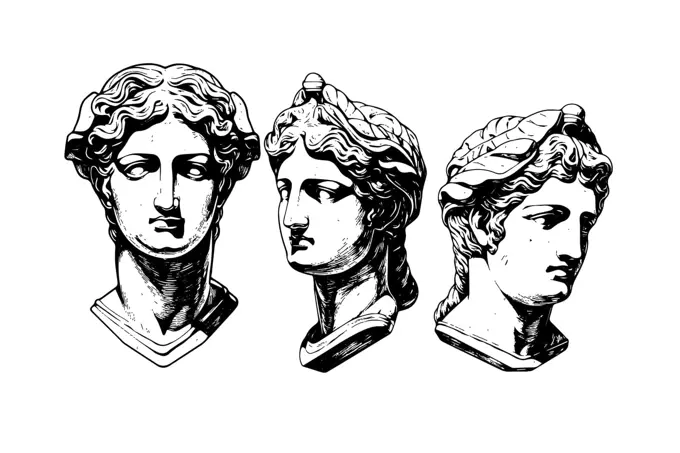
Stanisław August Poniatowski (1764-1795), Crown Trojak, Warsaw; 1772 Mint Warsaw, Stanisław August Poniatowski (1732 1798)Drachma  Mithridates 2 Mitridates IIJacques Necker (1732-1804), Director General of the Royal Treasury (1776-1777), Director General of Finance (1777-1781, 1788-1789), Prime Minister of Finance (1789-1790) Jacques Necker (1732-1804), Director General of the Royal Treasury (1776-1777), Director General of Finance (1777-1781, 1788-1789), Prime Minister of Finance (1789-1790). Silver plated.Tetradrachm. Unknowndenarius; Marek Aureliusz (121-180; Roman emperor 161-180), Faustina M Osza (Ca 130-176; Roman Empress 161-176); 161-176 (161-00-00-176-00-00);denarius. Trajan (cesarz rzymski ; 98-117), emperordrachm. Szapur II (szachinszach Persji ; 309-379), rulerMONEDA-TETRADRACMA R(502) ALEJANDRO MAGNO-ANVERSO 24 MM. Location: FABRICA NACIONAL DE MONEDA Y TIMBRE-COLECCION. MADRID. SPAIN.Solidus with Tiberius III Apsimarus , 698-705. Byzantium, Constantinople, late 7th-early 8th century. Gold; diameter: 2 cm (13/16 in.). The vast number of surviving Byzantine coins attests to the level of trade across the empire. Controlled and supervised by the emperor, the producers of coins took care to represent his authority and reflect his stature. Talented artists were recruited to engrave the dies (molds) used for the striking of coins. Emperors increasingly came to include their heirs and co-emperors on their coinage, as well as other family members or even earlier rulers. Coins were recognized, then as now, as small, portable works of art. With their inscriptions and images, Byzantine coins provide valuable documentation of historical events and a record of the physical appearance of the emperors. The coins shown here include the solidus, the basic gold coin of 24 karats; the tremissis, a gold coin of one-third the weight and value of the solidus; and the nomisma, which in tdenarius (serratus). Procilius, L. (fl. 80 a.C.), monetary officer, Republika Rzymska, issuerSiglos from Sardis,Lydia.  Mint, possibly by: Sardissestertius. Trajan (cesarz rzymski ; 98-117), emperorEgypt, Ptolemeusz II Philadelphs (285 246), Sydon, Tetradrachma, Srebro (AR) Mint of Sidon, Ptolemy II Philadelfos (309 246 BC)Aureus (Coin) Portraying Emperor Gordian III 239 CE Rome. The front (obverse) of this coin portrays the profile head of Emperor Gordian III facing right, laureate, wearing a cuirass (body armor) and paludamentum (military cloak). On the back (reverse), Victory walks left, a wreath in her right hand, and a palm branch over left shoulder.. Gold . Ancient RomanDrachma; Fanagoria; 1. part  1st century BC (-100-00-00--71-00-00);Apollo (mitol.denarius; Cornelius Blasio, cn. (fl. 112-111 A.C.); 112-111 BC (112-00-00-111-00-00);Jupiter (Mitol.), Junona (Mitol.), Mars (Mitol.), Minerva (Mitol.), Scepter (attribute), Bukranion (iconogr.), Mars's head in the Corinth Helm (iconogr.), Helmets, Helmets, lightning (attribute ), purchase (provenance)denarius. Postumius Albinus, A. (fl. 96 a.C. ), monetary officer, Republika Rzymska, issuerGold Solidus of Valentinian I (364-75) 364-375 Byzantine Valentinian restored Christian symbols, including the Chi-Rho emblem atop the emperor's standard.Coins connected an emperor to his subjects. He paid the army in coins, received taxes in coins, and was responsible for maintaining their weight and purity. These coins of early Byzantine emperors conveyed imperial ideals through inscriptions and images.. Gold Solidus of Valentinian I (364-75). Byzantine. 364-375. Gold. Made in Nicomedia (now Izmit, Turkey). CoinsDenarius (Coin) Portraying Emperor Geta. Roman. Date: 199 AD-204 AD. Dimensions: Diam. 1.9 cm; 3.44 g. Silver. Origin: Rome. Museum: The Chicago Art Institute, Chicago, USA. Author: ANCIENT ROMAN.Bruttium, Locri Epizephyrii, stater; CA 350 275 BC Locri mint epizephyriiLorenzino de' Medici, 1514-1547, Son of Pierfrancesco II obverse. Dimensions: overall (diameter): 3.69 cm (1 7/16 in.) gross weight: 26.47 gr (0.058 lb.) axis: 6:00. Medium: bronze//Struck. Museum: National Gallery of Art, Washington DC. Author: Giovanni da Cavino.Gold Solidus of Julian (361-63) 361-363 Byzantine Julian "the Apostate" tried to revive paganism and reused earlier Roman images. Coins connected an emperor to his subjects. He paid the army in coins, received taxes in coins, and was responsible for maintaining their weight and purity. These coins of early Byzantine emperors conveyed imperial ideals through inscriptions and images.. Gold Solidus of Julian (361-63) 469163Coin, Leo I. Constantinople, Byzantine, circa 457-474 A.D.. Tools and Equipment; coins. GoldMONEDA - TETRADRACMA R(24.586) SIRACUSA - ANVERSO 26,28 MM - RETRATO DE DAMA. Location: FABRICA NACIONAL DE MONEDA Y TIMBRE-COLECCION. MADRID. SPAIN.Alexander Coin from Pakistan , 325 BC. Tetradrachm. Archer.Roman coin. Emperor Vespasian in chariot of Roman Triumph. 69-79 AD ITALY.Denarius Serratus (Coin) Depicting the Goddess Juno Sospita. Roman. Date: 79 BC. Dimensions: Diam. 1.9 cm; 3.25 g. Silver. Origin: Roman Empire. Museum: The Chicago Art Institute, Chicago, USA. Author: ANCIENT ROMAN.Emporiae coin. Obverse: Head of Athena with Corinthian helmet by Numismatic, Ancient Coins  / State Hermitage, St. Petersburg/ 4th century BC/ Silver/ Numismatics/ D 1,1/ ObjectsBliżej Kultury Constantine 2, Menna ticinumAlbert-Désiré Barre (1818-1878). Medallion. Prince Jérôme Napoleon. Metal, 1860. Museum of Fine Arts of the city of Paris, Petit Palais. 58755-10 Avers, Marechal France, Medallion, Metal, Numismatics, French Prince, Profile, Portrait, King WestphaliaTrojak Elbl Zygmunt I Stary (King of Poland; 1506-1548); 1537 (1536-00-00-1536-00-00);Dumarest, Rambert (n.1750-09-17-D.1806-04-04), Peace of Amiens (main title), 1802. Bronze copper alloy. Red brown patina. Petit Palais, Museum of Fine Arts of the City of Paris.NUMISMATICA. MONEDA VISIGODA. RECAREDO TOLETO (CARTHAGINESIS)586-601 ANVERSO. HALLAZGO DE GARROVILLAS.Lodovico Ariosto of Ferrara (1474-1533) ca. 1555 Medalist: Pastorino di Giovan Michele de' Pastorini. Lodovico Ariosto of Ferrara (1474-1533) 192328Coin of Eukratides I, 170-145 BC. Afghanistan, Bactria, Bactrian period (3rd-2nd Century BC), Eukratides I. Silver; diameter: 3.4 cm (1 5/16 in.).Rare Ancient Greek Coin, gold, thasos hemidrachm, Dionysus God of Wine c 380 BCAureus (Coin) Portraying Empress Julia Domna 196 CE-211 CE Rome. The front (obverse) of this coin portrays a bust of Empress Julia Domna facing right and draped. The back (reverse) depicts the deity Pietas standing left, with her right hand over a lit and garlanded altar, cradling an incense box in her left arm.Julia Domna was the wife of the Emperor Septimius Severus and the mother of Caracalla and Geta. This coin was issued during the joint reign of Severus and his elder son. As the self-assured portrait on this coin suggests, Juliaís influence was openly recognized by contemporaries. Intellectual, ambitious, and steel-willed, the Syrian-born Julia was called ìthe philosopherî. The figure of Piety on the reverse is a standard type, invoking the traditional Roman attitude of respect and duty toward oneís family, country, and gods.. Gold . Ancient RomanAurei of the Emperor Vespasian (Titus Flavius Vespasianus, 9-79 A.D.) and the Emperor Trajan (Marcus Ulpius Nerva Traianus, 53-117 A.D.), imperal ageLithuanian penny on stop Poland; Zygmunt II August (Polish king; 1544-1572); 1548 (1546-00-00-1546-00-00);Drachma; Fraates III (70-57 A.C.); 70 BC-57 BC (123-00-00-87-00-00);Souvenir Medal AbrahamLincoln. Artist: UnknownMONEDA-TETRADRACMA R(24.345) ACANTO-ANVERSO 26,04 MM. Location: FABRICA NACIONAL DE MONEDA Y TIMBRE-COLECCION. MADRID. SPAIN.Degothence and loyalty of Alsace-Lorraine to France, 1870-1871 (dummy title) Degothence and loyalty of Alsace-Lorraine to France, 1870-1871. Silver plated, 1871.Didrachm. UnknownSilver Tetradrachm of Philip II ca. 359-355 BC Greek, Macedon Philip II of Macedon, best known as the father of Alexander the Great, was an accomplished king and military commander in his own right. His coinage was issued to finance soldiers and recruit mercenaries, and as a result spread far beyond Greece. The silver tetradrachms with Zeus on the obverse and a horseman on the reverse were copied by Celtic tribes all along the Danube River.. Silver Tetradrachm of Philip II 33016560 asowa coin;  211 B.C.E. (-211-00-00--211-00-00);Mars (Mitol.), State Art Collections (Warsaw - 1922-1939) - collections, Mars's head in the Corinth Helm (iconogr.), Eagle in Lightning (iconogr.), Eagles, message (provenance), birdsHollow scarab in swivel ring. UnknownCabinet of medals (Imperial Library). Boyer, President of the Republic of Haiti. Money, vintage engraved illustration. Magasin Pittoresque 1867.Solidus with Justinian II Rhinometus and His Son Tiberius (obverse), 705-711. Byzantium, 8th century. Gold; diameter: 2 cm (13/16 in.).Fragmentary Ring; Egypt; 3rd - 2nd century B.C; Bronze; 3.2 × 2.4 × 0.4 cm (1 1,4 × 15,16 × 3,16 in.)Set of antique statue head of greek sculpture sketch engraving style vector illustration pack.Marble head of a bearded man from a grave marker ca. 325 B.C. Greek, Attic Head of a bearded man from a grave relief.. Marble head of a bearded man from a grave marker 251524 Greek, Attic, Marble head of a bearded man from a grave marker, ca. 325 B.C., Marble, Pentelic, H. 16 1/16 in. (40.8 cm). The Metropolitan Museum of Art, New York. Fletcher Fund, 1924 (24.97.97a)