Ancient Coins Collection

Detailed imagery of ancient coins featuring rulers and symbols, highlighting historical and numismatic significance from various epochs.
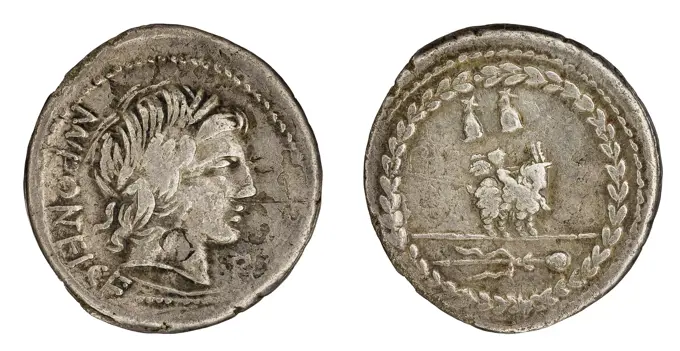
denarius. Fonteius, Mn. (fl. 85 a.C.), monetary officer, Republika Rzymska, issuer
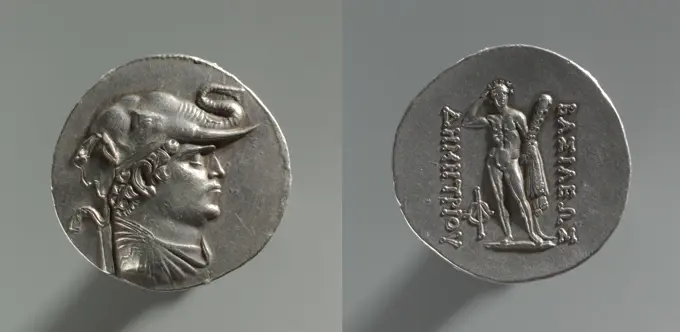
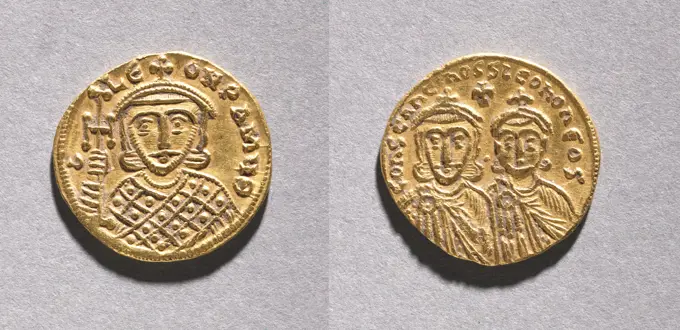
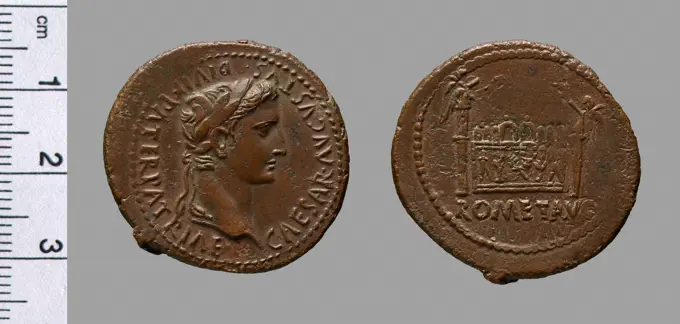
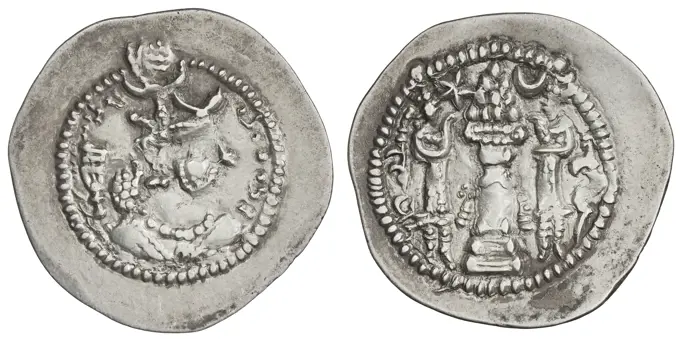
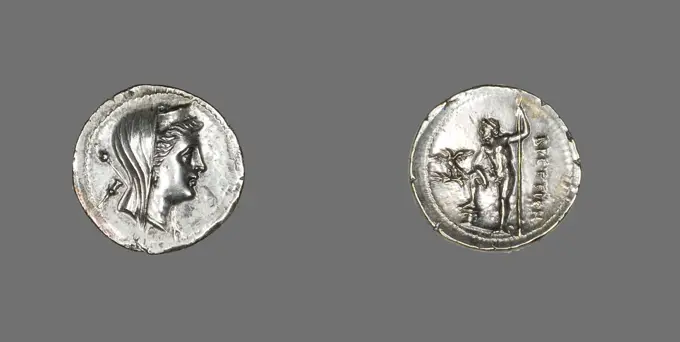
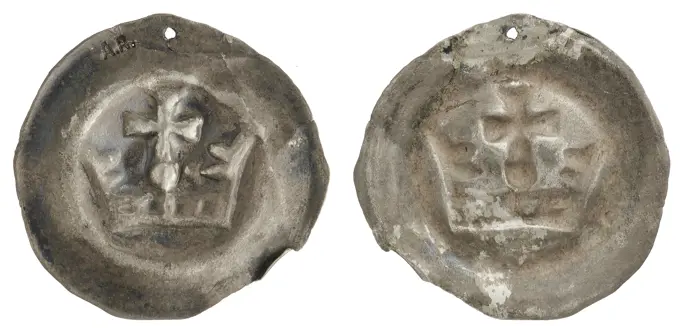
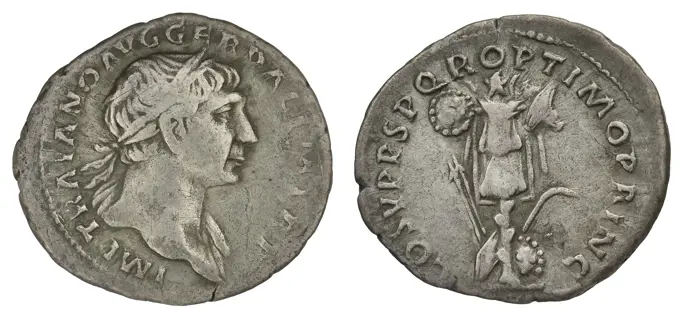
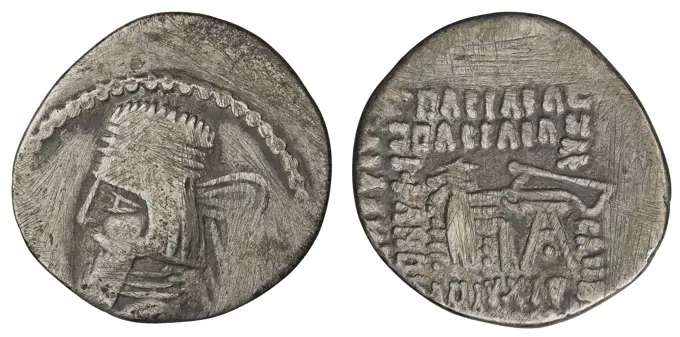
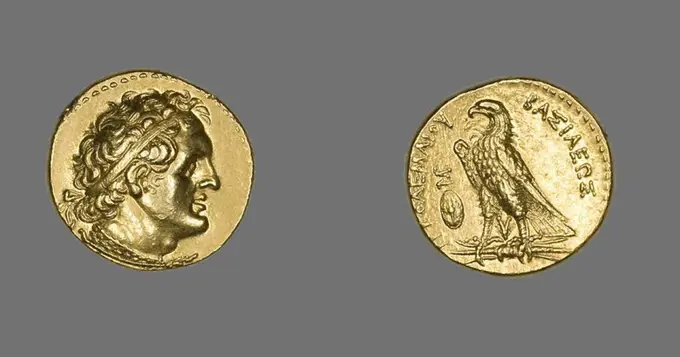
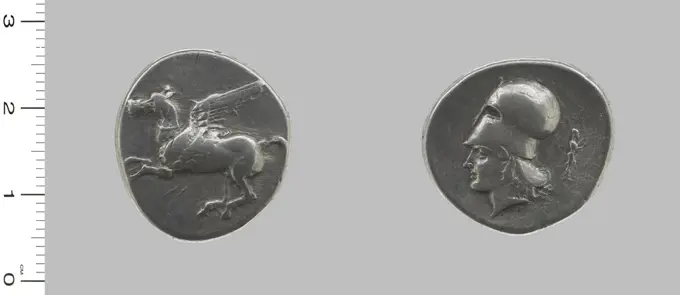
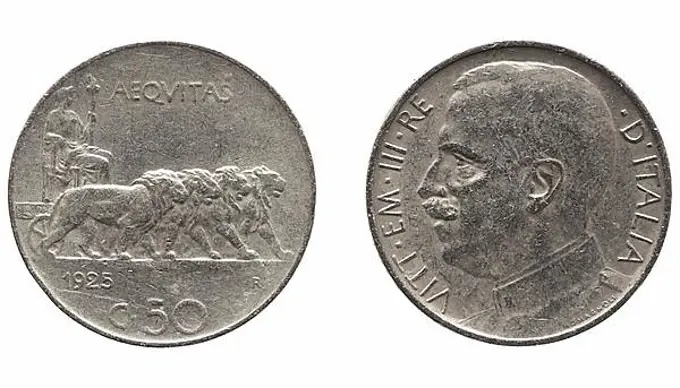
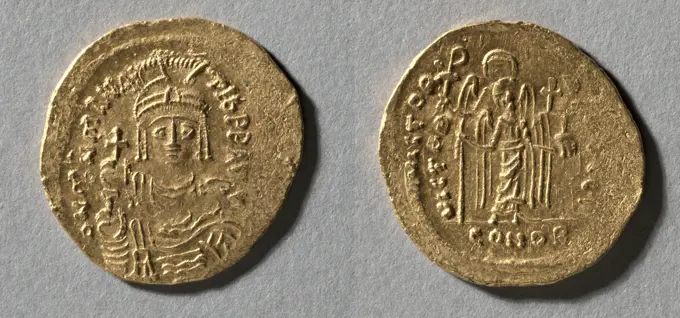
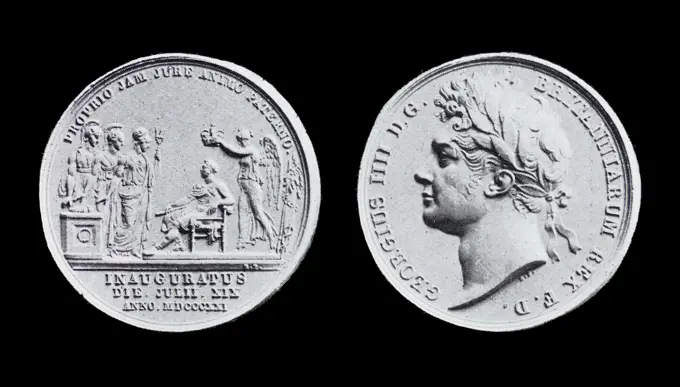
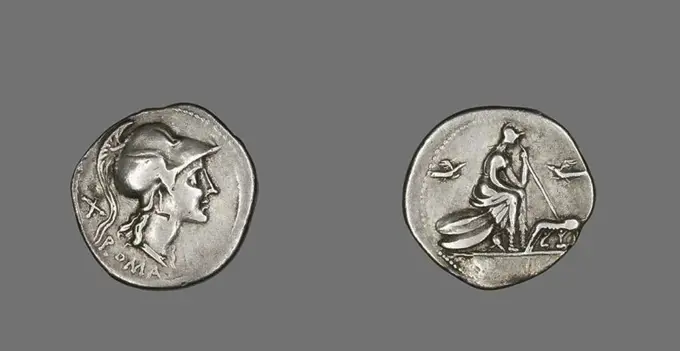
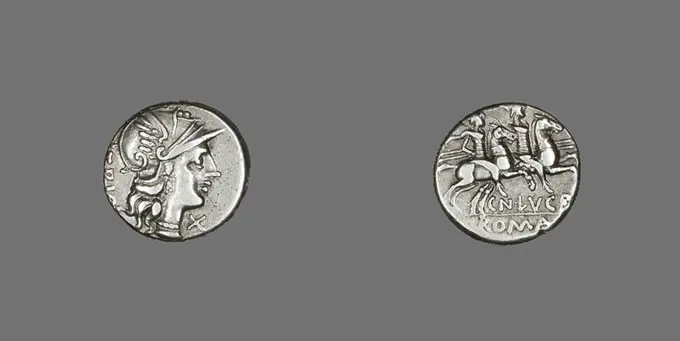
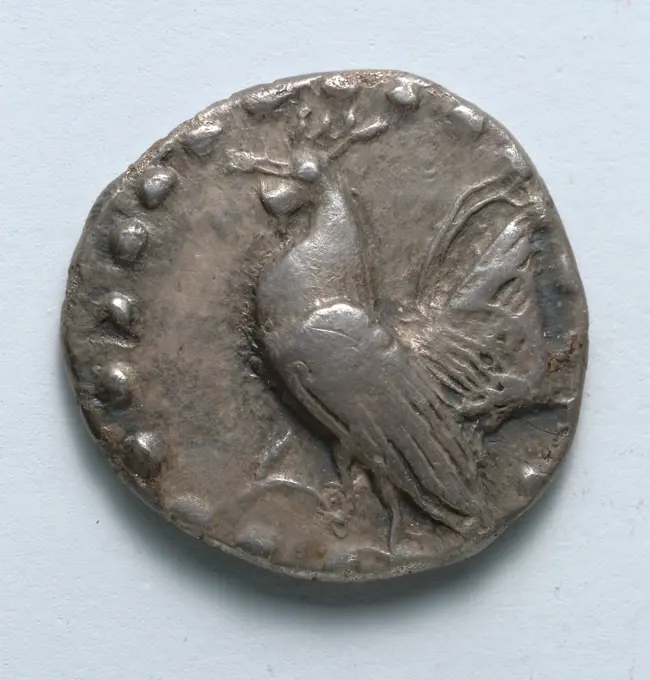
Tetradrachm of Alexander I, King ofMacedon. Ruler: Alexander I, King of Macedon, ruled 495-454 B.C.denarius. Hadrian (Roman emperor; 117-138), emperordrachm. nieokreślony władca, rulerTetradrachm of Seleucus I ca. 298-281 BC Greek, Seleucid Early Seleucid coinage carried visual messages intended to support the primacy and power of the Seleucid dynasty and the specific mythology of the reigning king. On this silver tetradrachm, the head of Zeus stands in for a portrait of Seleucus I, the image of Nike symbolizes his victories, and elephants represent his military might. The anchor in the upper right field was also used by Seleucus I and his successors, but its meaning is unclear.. Tetradrachm of Seleucus I 330169Coin Depicting the Goddess Athena. Greek. Date: 300 BC-268 BC. Dimensions: Diam. 2 cm; 7.44 g. Bronze. Origin: Greece. Museum: The Chicago Art Institute, Chicago, USA. Author: ANCIENT GREEK.Sestertius of Augustus, Emperor of Rome fromLugdunum. Ruler: Augustus, Emperor of Rome, 63 B.C.-A.D. 14, ruled 27 B.C.-A.D. 14 Mint: Lugdunum Artist: UnknownAureus of Antoninus Pius, Emperor of Rome fromRome. Ruler: Antoninus Pius, Emperor of Rome, A.D. 86-161, ruled A.D. 138-161 Mint: Rome Artist: Unknowndrachm. Firuz (459-484), rulerDenarius (Coin) Portraying Emperor Trajan 103 CE-111 CE Roman Empire. The front (obverse) of this coin portrays the head of Emperor Trajan, facing to the right. On the back (reverse), Victory strides left holding a wreath and palm.. Silver . Ancient RomanRuler: Geta Lucius Septimius, Emperor of Rome, A.D. 189-211, Mint: Augusta Traiana, Coin of Geta Lucius Septimius, Emperor of Rome from AugustaTraiana, 198-211, Copper, 15.8 g, 6:00, 31.6mm, Made in Augusta Trajana, Thrace, Roman, 2nd-3rdcentury, Numismaticsdrachma. Fraataces I (2 p.n.e.-4 n.e.), rulerBacon and pork breaks' guild of Amsterdam, Paul's Gild Pepper. Brass plaque. Front: crowned coat of arms, flanked by two lions; Cross-section: inscription next to flower. Reverse: man with triangular hat on head to slaughter to slaughter on the ground.Stater fromTeos.  Mint: Teos Artist: UnknownMint: Sardis, Trite fromSardis, 561-546 B.C., Silver, 3.54 g, 14mm, Made in Sardis, Lydia, Greek, 6th century B.C., NumismaticsDrachm (Coin) Depicting the Nymph Amphitrite 216 BCE-203 BCE Italy. Obverse Head of Amphitrite ( ) right, in stephane and veil; behind, lotus-tipped sceptre and kraterReverse Poseidon standing left, nude, resting on raised knee, right foot on Ionic column, bird on fulmen beside him. Silver . Ancient GreekDenarius (Coin) Depicting the Goddess Roma. Roman. Date: 110 BC-108 BC. Dimensions: Diam. 1.8 cm; 3.82 g. Silver. Origin: Roman Empire. Museum: The Chicago Art Institute, Chicago, USA. Author: ANCIENT ROMAN.bracteate denarius. Zakon krzyżacki (1190-), issuerMedal designed in Honor of M. Jules-Eugène Lenepveu 1881 Medalist: Louis-Oscar Roty French. Medal designed in Honor of M. Jules-Eugène Lenepveu. Medalist: Louis-Oscar Roty (French, Paris 1846-1911 Paris). French. 1881. Bronze, cast. Medals and PlaquettesMendes Nome Coin. Ancient Egypt History. Old 19th century engraved illustration from El Mundo Ilustrado 1879denarius. Trajan (cesarz rzymski ; 98-117), emperordrachm. Gotarzes II (król Partów ; 40-51), rulerRoman coin with the effigy of Faustina II, 4th century, from the Roman city of Iluro. Museum: MUSEO DE MATARÓ.Coin Depicting the God Serapis 193 CE-211 CE Izmir. The front (obverse) of this coin depicts a draped bust of the god Serapis facing to the right. On the back (reverse) is a prow of a ship to the right, with a shrimp (crawfish) below.. Bronze . Ancient RomanPentadrachm (Coin) Portraying King Ptolemy I Soter. Greco-Egyptian, minted in Cyprus. Date: 285 BC-247 BC. Dimensions: Diam. 2.4 cm; 17.82 g. Gold. Origin: Cyprus. Museum: The Chicago Art Institute, Chicago, USA. Author: ANCIENT GREEK.Mint: Corinth, Stater fromCorinth, 345-307 B.C., Silver, 8.62 g, 3:00, 22.5mm, Made in Corinth, Peloponnese, Greek, 4th century B.C., NumismaticsOld Italian Lira with Vittorio Emanuele III King isolated over whiteCoronation medal of Charles II of England 1661. Simon's Masterpiece. Black and White Illustration from the Connoisseur, an Illustrated Magazine for Collectors Voll 3 (May-Aug 1902) published in London.Solidus of Maurice Tiberius, 583-602. Byzantine, 6th-7th century. Gold; diameter: 2.2 cm (7/8 in.).denarius. Trajan (cesarz rzymski ; 98-117), emperorCoronation medal of George IV. 1821. Black and White Illustration from the Connoisseur, an Illustrated Magazine for Collectors Voll 3 (May-Aug 1902) published in London.Denarius (Coin) Depicting the Goddess Roma. Roman, minted in Rome. Date: 115 BC-114 BC. Dimensions: Diam. 2.2 cm; 3.75 g. Silver. Origin: Roman Empire. Museum: The Chicago Art Institute, Chicago, USA. Author: ANCIENT ROMAN.Denarius (Coin) Depicting the Goddess Roma. Roman, minted in Rome. Date: 136 BC. Dimensions: Diam. 1.8 cm; 3.84 g. Silver. Origin: Italy. Museum: The Chicago Art Institute, Chicago, USA. Author: ANCIENT ROMAN.Aegineatan Drachm: Rooster (obverse), c. 482 BC. Greece, 5th century BC. Silver; diameter: 2.1 cm (13/16 in.).Tetradrachm: Head of Philetauros with Laureate Diadem (reverse), 262-241 BC. Asia Minor, Kingdom of Pergamum, (3rd-2nd century BC), Eumenes I. Silver; diameter: 2.8 cm (1 1/8 in.). The depictions of rulers found on this coin represents a realistic type of portraiture, similar to that found on coins in the West.Didrachm fromVelia.  Mint: VeliaIaca. Money of the Iacetanos people, from the Jaca area. Galloping Rider with a Rider. Barcelona, Numimastic agency. Location: GABINETE NUMISMATICO. Barcelona. SPAIN.Tetradrachm Coin of Demetrios I, 200-190 BC. Afghanistan, Bactria, Indo-Greek Period. Silver; diameter: 3.3 cm (1 5/16 in.). Demetrios I (222-180 BC) ruled the Indo-Greek kingdom of Bactria from 200 to 180 BC and minted this coin to commemorate his conquests over territories to the south, in present-day Pakistan. He linked his image on his coin to Alexander of Macedon (356-323 BC), who depicted himself with a lion scalp after his conquest of India; Demetrios substituted an elephant for the lion. On the reverse is Hercules, also identified with Alexander.Solidus with Leo IV the Khazar and His Father Constantine V Copronymus , c. 751-775. Byzantium, 8th century. Gold; diameter: 2 cm (13/16 in.). The vast number of surviving Byzantine coins attests to the level of trade across the empire. Controlled and supervised by the emperor, the producers of coins took care to represent his authority and reflect his stature. Talented artists were recruited to engrave the dies (molds) used for the striking of coins. Emperors increasingly came to include their heirs and co-emperors on their coinage, as well as other family members or even earlier rulers. Coins were recognized, then as now, as small, portable works of art. With their inscriptions and images, Byzantine coins provide valuable documentation of historical events and a record of the physical appearance of the emperors. The coins shown here include the solidus, the basic gold coin of 24 karats; the tremissis, a gold coin of one-third the weight and value of the solidus; and the nomisma, whiConcz Welcz, Diana (reverse), c 1500 1599 Diana reverseAnonymous. Lille banquet, November 7, 1848 (obverse). Paris, Carnavalet museum. Medal, numismaticsAbruzzo L'Aquila S. Giuliano (L'Aquila environs) Museo7. Hutzel, Max 1960-1990 Views of the four collections housed in museum: Roman coins; Pre-Columbian art brought from Central America in 17th century; Greek and Roman sculpture; Egyptian sculpture and minor arts. Museum Roman coins; Greek and Roman sculpture; Egyptian sculpture and minor arts; Pre-Columbian sculpture. German-born photographer and scholar Max Hutzel (1911-1988) photographed in Italy from the early 1960s until his death. The result of this project, referred to by Hutzel as Foto Arte Minore, is thorough documentation of art historical development in Italy up to the 18th century, including objects of the Etruscans and the Romans, as well as early Medieval, Romanesque, Gothic, Renaissance and Baroque monuments. Images are organized by geographic region in Italy, then by province, city, site complex and monument.Stater: Prowling Lion, ΥΕΛΗΤΟΝ (Reverse), 300s BC. Greece, Velia (Lucania). Silver; diameter: 1.9 cm (3/4 in.).