Ancient Coins Collection

A range of ancient coins from various Greek cities featuring detailed designs; each coin reflects a piece of history from different eras.
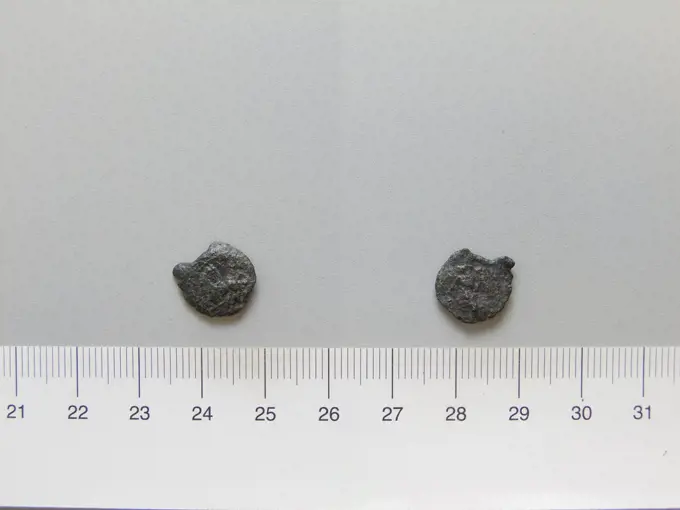
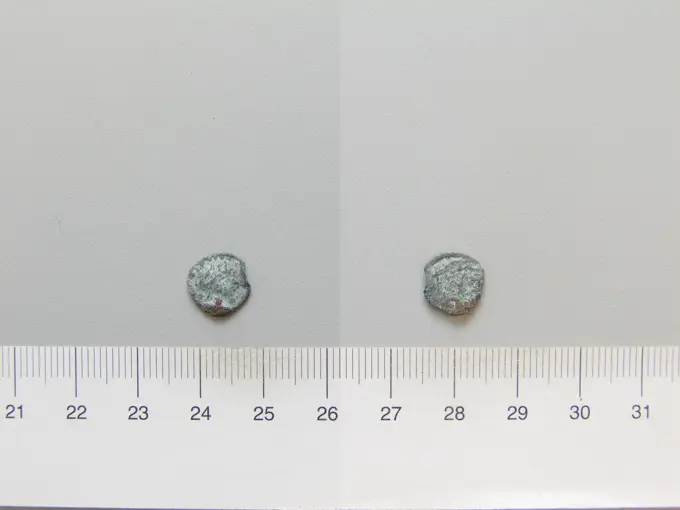
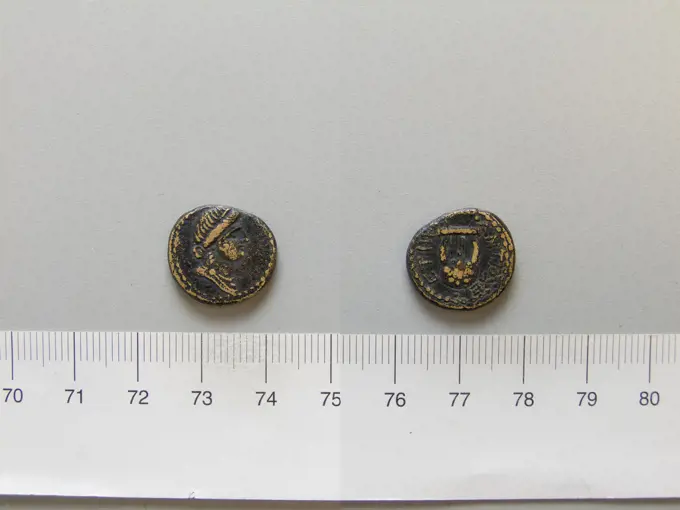
Ruler: Vologases II, 77-147 A.D.Mint: Seleucia ad Tigrim, Coin of Vologases II from Seleucia adTigrim, A.D.77-147, Copper, 0.84 g, 13.2mm, Made in Seleucia ad Tigrim, Mesopotamia, Parthian, 1st-2nd century A.D., Numismatics
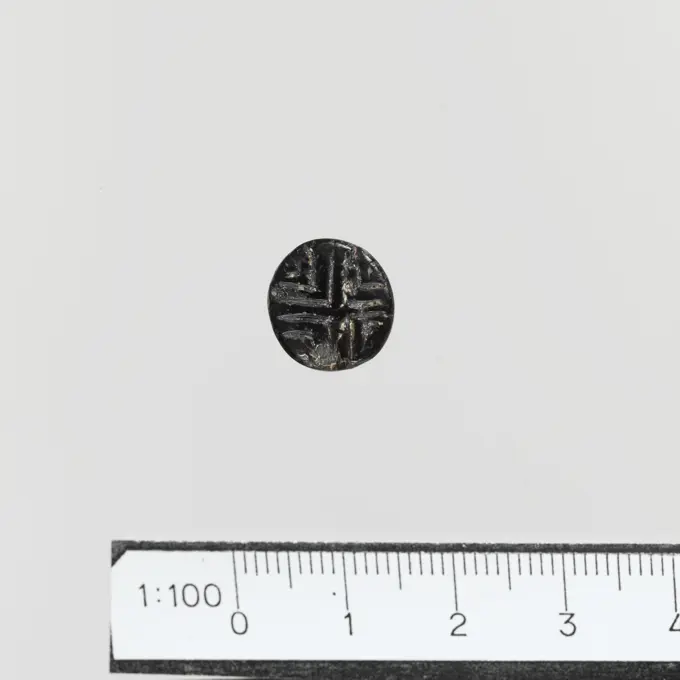
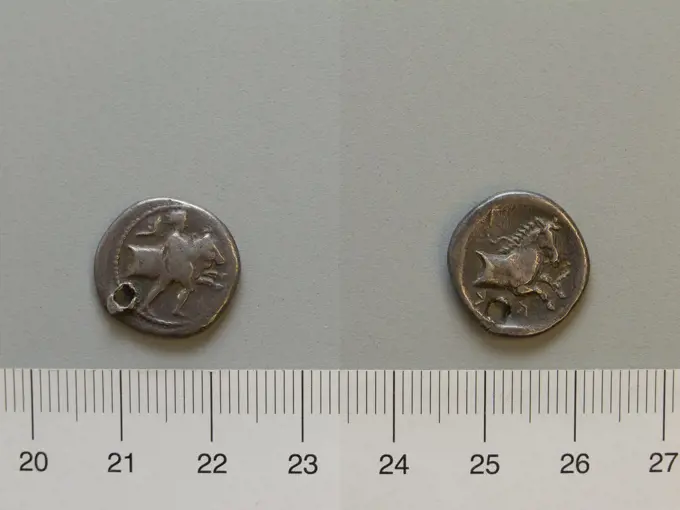
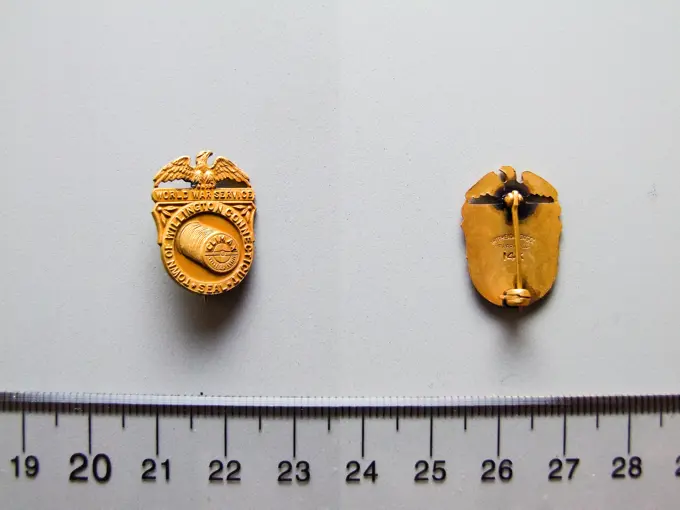
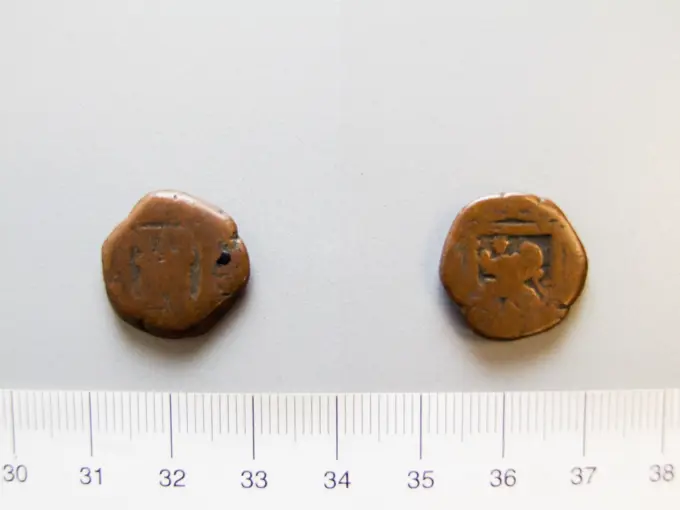
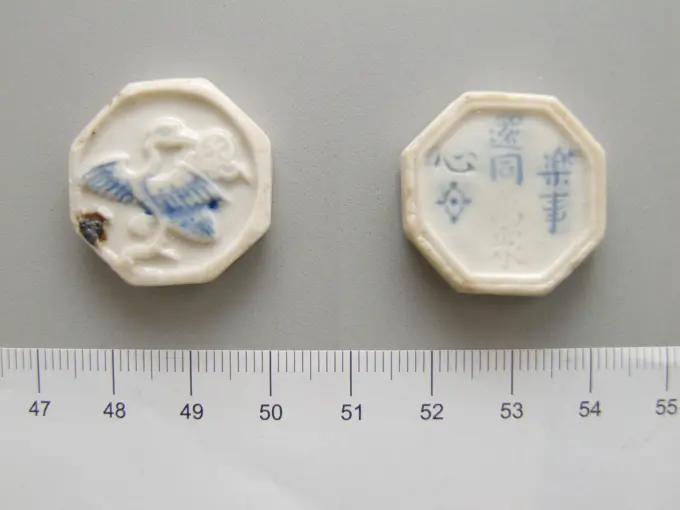
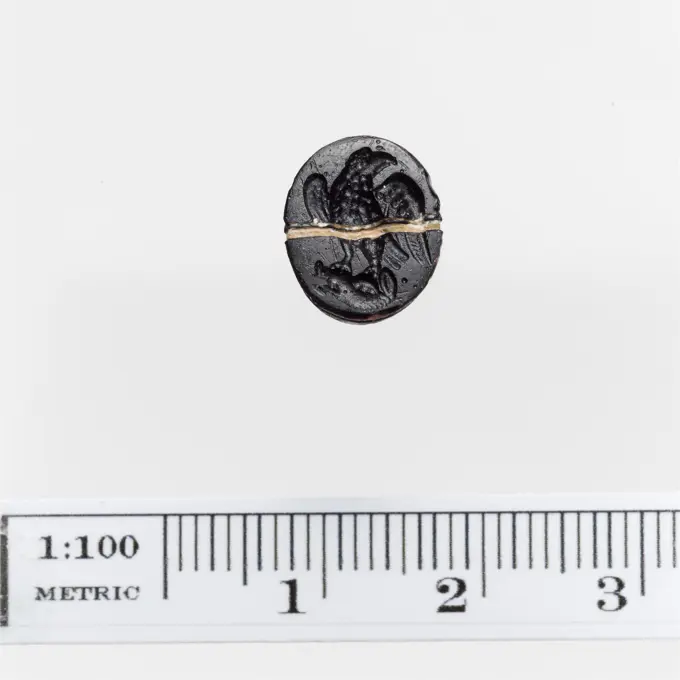
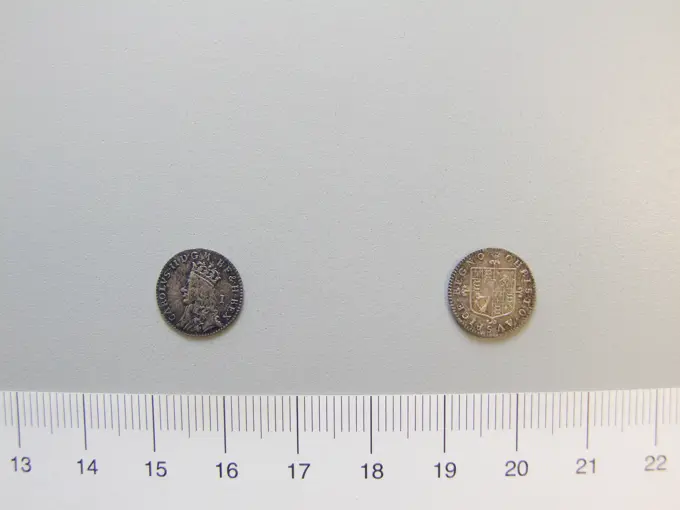
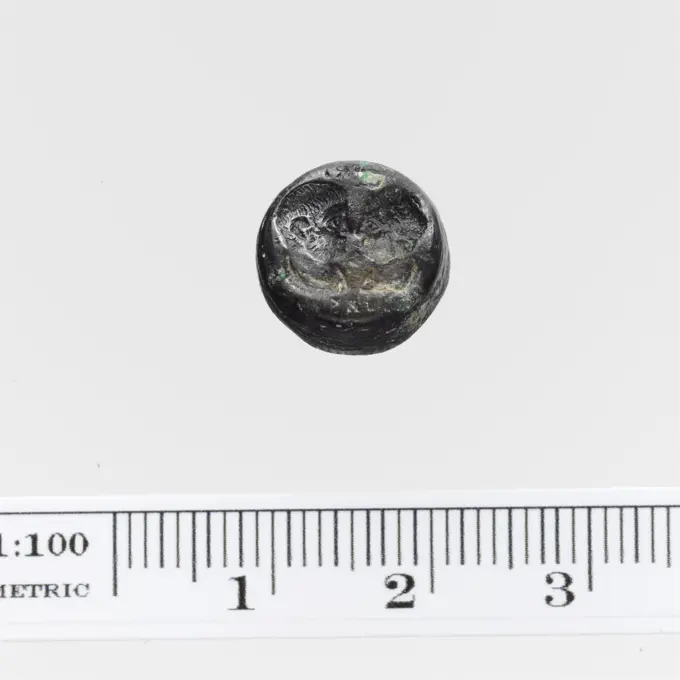
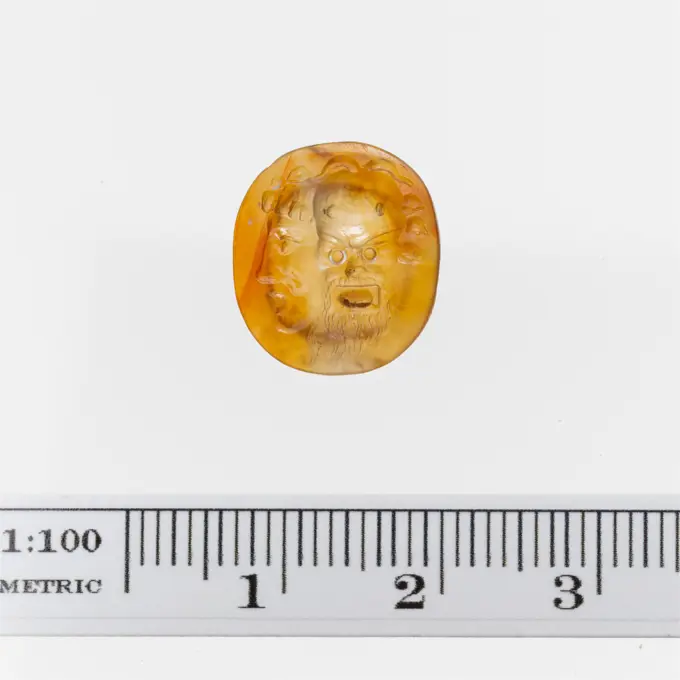
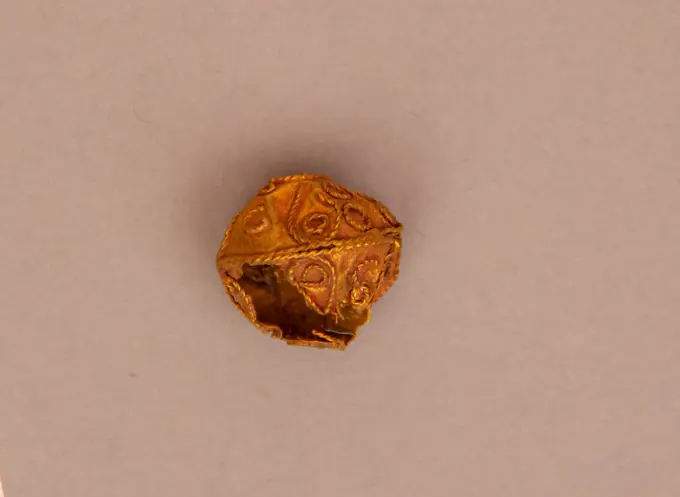
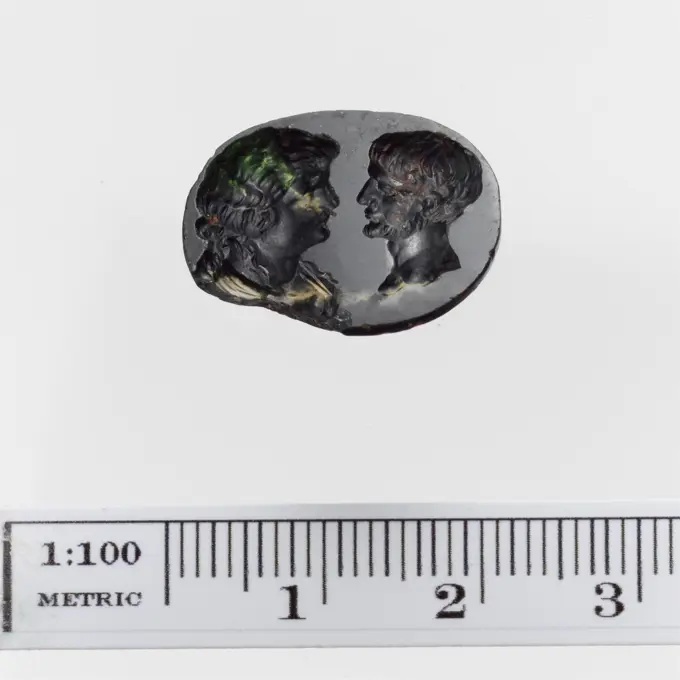
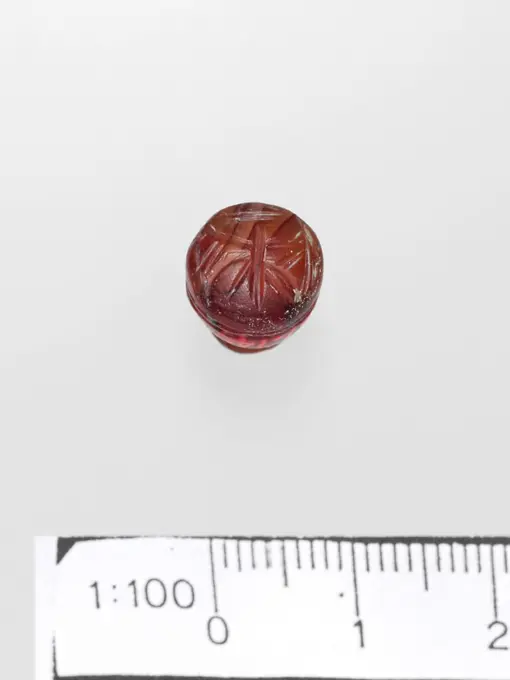
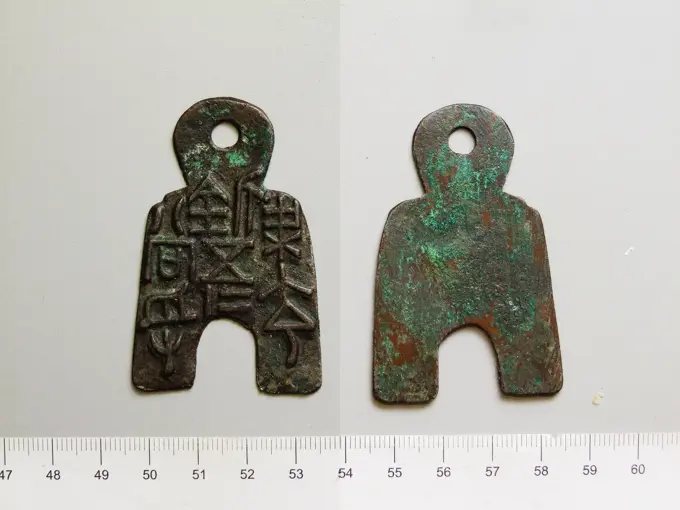
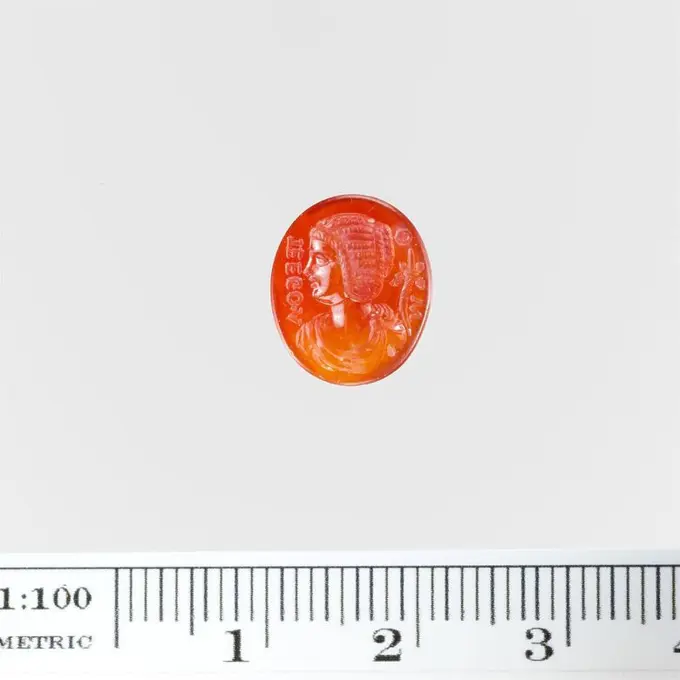
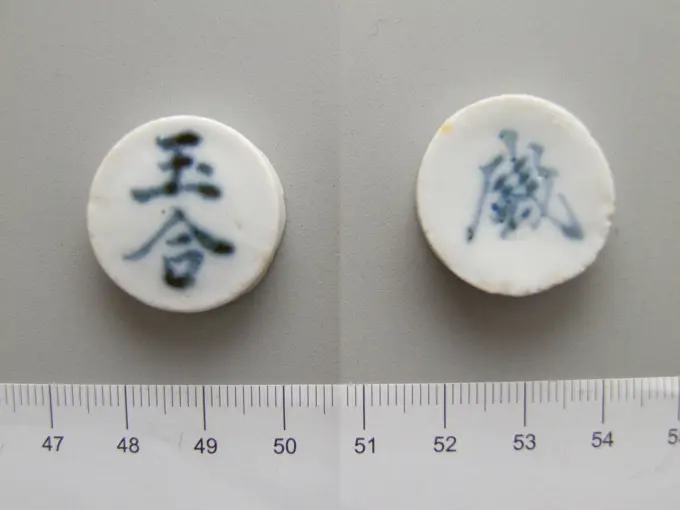
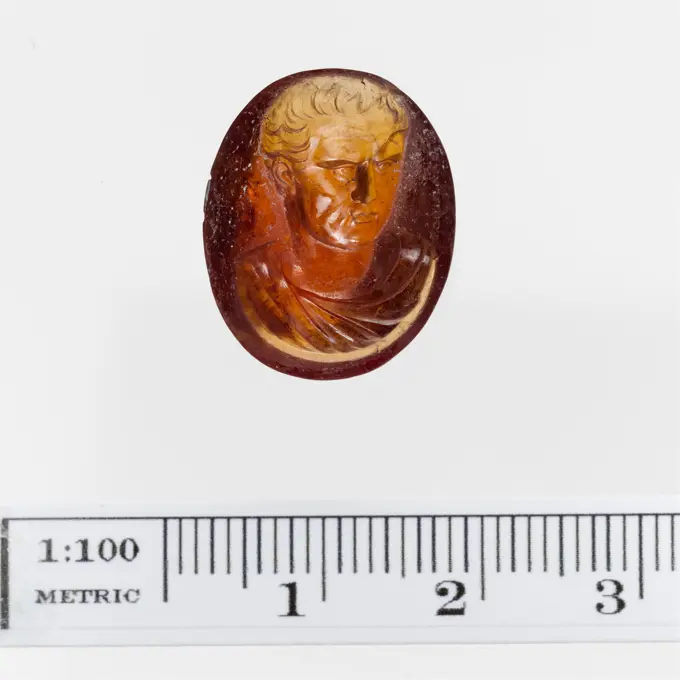
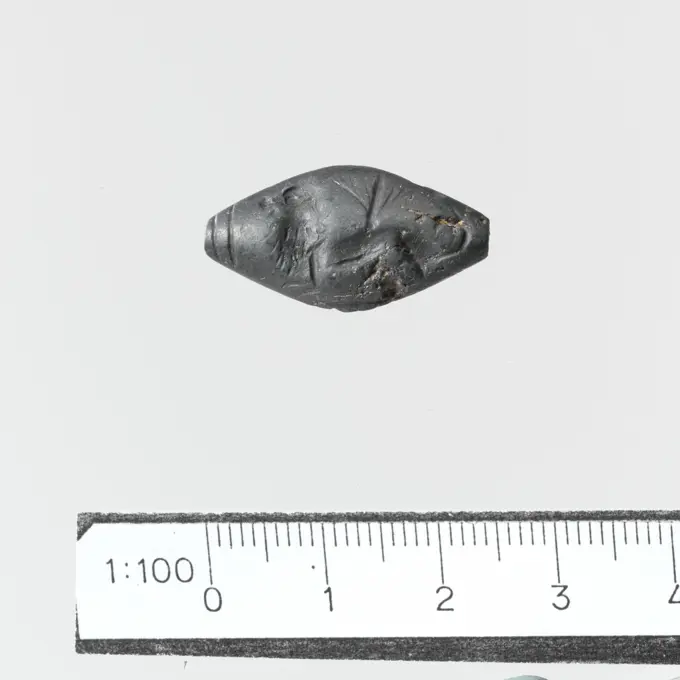
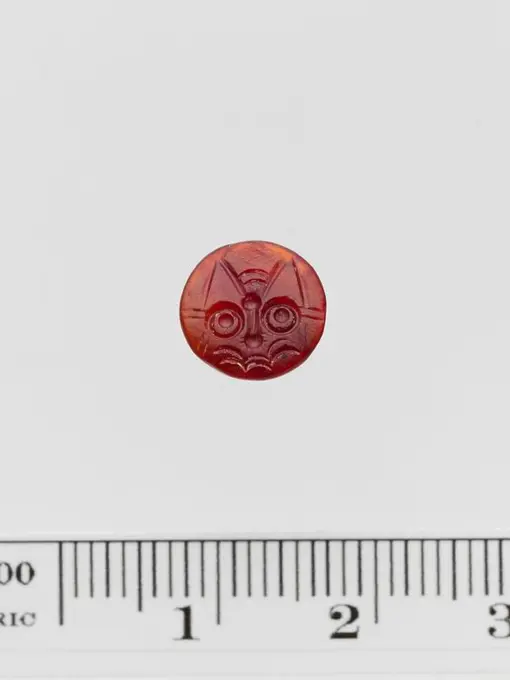
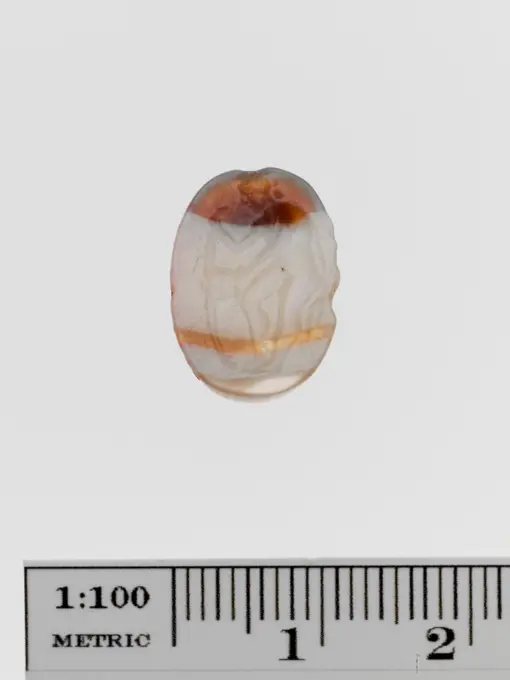
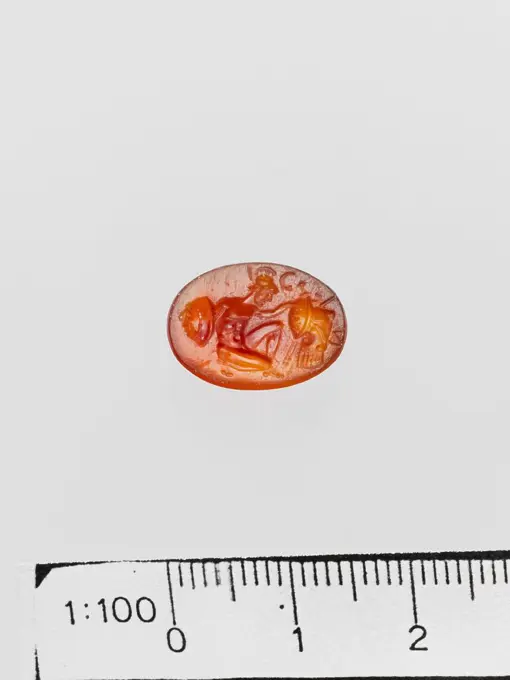
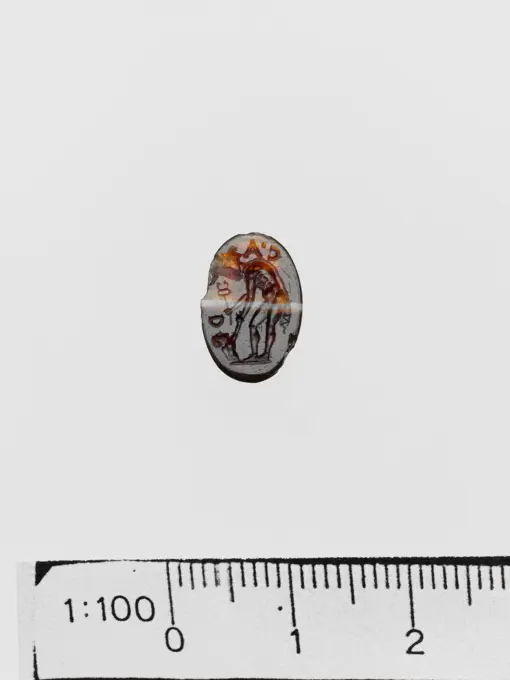
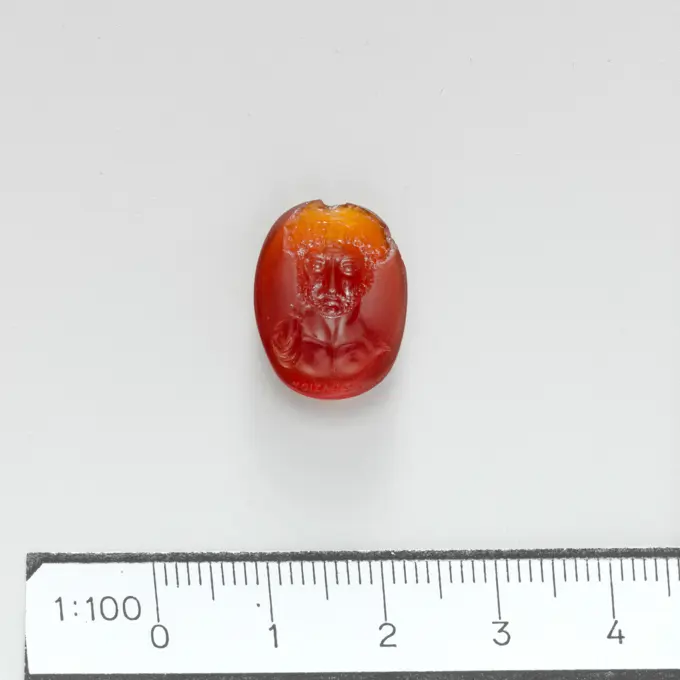
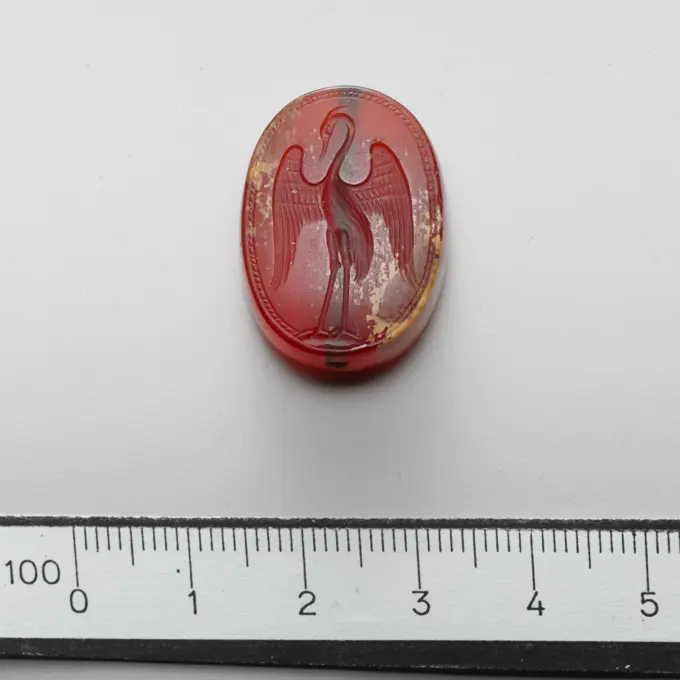
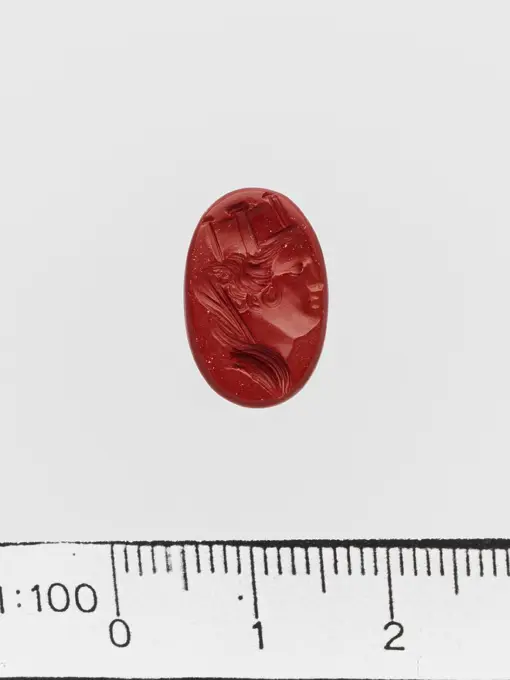
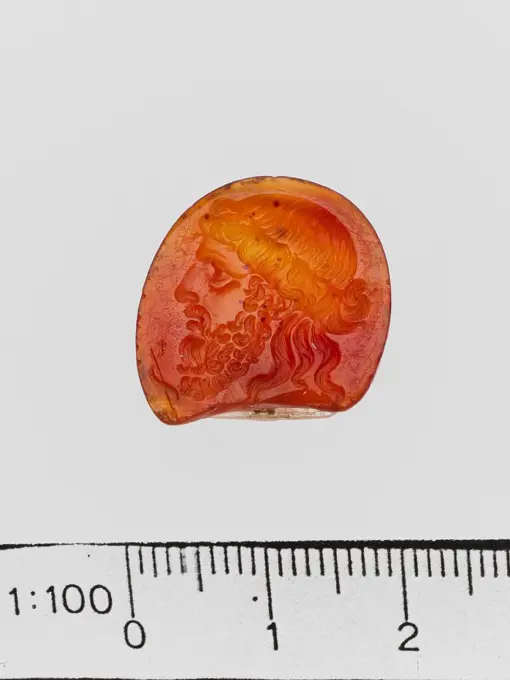
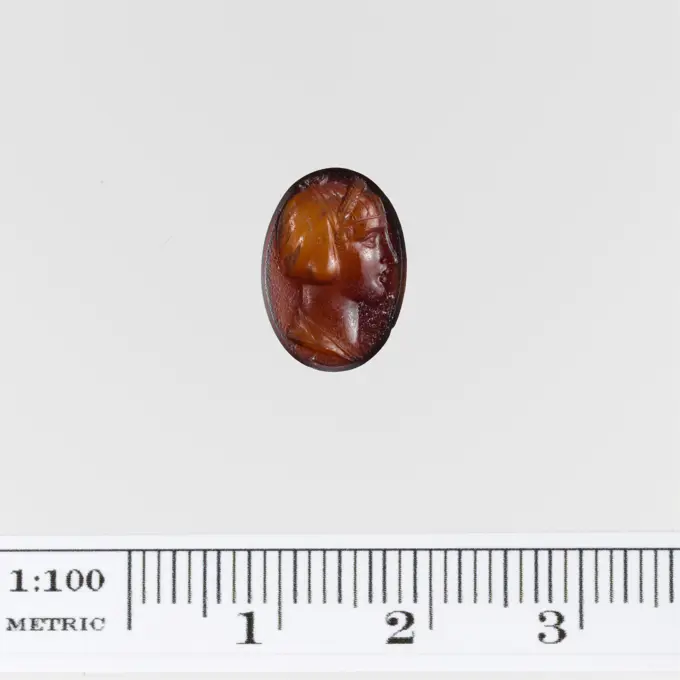
Seal Minoan. Seal. Minoan. Steatite. Early Minoan III. GemsSteatite cylindrical seal ca. 2400-2200 B.C. Minoan Right-angled lines radiate from center.. Steatite cylindrical seal. Minoan. ca. 2400-2200 B.C.. Steatite. Early Minoan III. GemsCoin fromUnknown . Artist: UnknownCoin of Vardanes II, fromParthia. Ruler: Vardanes II, 55-58 A.D. Mint: ParthiaMint: Acanthus, Coin from Acanthus,Macedon, 424-380 B.C., Copper, 2.22 g, 12:00, 14.5mm, Made in Acanthus, Macedon, Greek, 5th-4th century B.C., NumismaticsCoin of Antonius Pius, Emperor of Rom fromBactria. Ruler: Apollodotus I, ca. 180-160 B.C. Mint: Bactria Artist: UnknownMint: Tricca, Coin fromTricca, 5th century B.C., Silver, 2.54 g, 9:00, 17mm, Made in Tricca, Thessaly, Greek, 5th century B.C., NumismaticsStater fromCorinth. Mint: Corinth Artist: UnknownWar Medal for World War Service from Willington,Connecticut.  Artist: Unknown1 Cash (wen) of SongHuizong. Ruler: Song Huizong, Emperor of China, Chinese, 1082-1135, ruled 1100-1126Ruler: Nero, Emperor of Rome, Roman, A.D. 37-68, ruled A.D. 54-68, Mint: Antioch, 1 As of Nero, Emperor of Rome fromAntioch, 59, Copper, 4.0 g, 12:00, 16.9mm, Made in Antioch, Seleucis and Pieria, Roman, 1stcentury, Numismatics4 Maravedis of Philip IV, King ofSpain. Ruler: Philip IV, King of Spain, Spanish, 1605-1665, ruled 1621-65 Artist: UnknownSeal. Culture: Minoan. Dimensions: Other: 5/8 x 11/16 in. (1.6 x 1.8 cm). Museum: Metropolitan Museum of Art, New York, USA.1/2 Tetarteron of Manuel I, emperor ofByzantium. Ruler: Manuel I, Emperor of Byzantium, A.D. 1118-1180, ruled 1143-80 Artist: UnknownSeal Minoan, Crete. Seal 252200 Minoan, Crete, Seal, Jasper, Bronze, Other: 1/2 x 1/8 in. (1.3 x 0.4 cm). The Metropolitan Museum of Art, New York. Bequest of Richard B. Seager, 1926 (26.31.250)Siamese Porcelain Gamblingtoken.  Mint: Board of RevenueOnkion fromAkragas.  Mint: AkragasSiamese Porcelain Gamblingtoken.  Mint: Board of RevenueDupondius of Claudius, Emperor of Rome fromAntioch. Ruler: Claudius, Emperor of Rome, 10 B.C.-A.D. 54, ruled A.D. 41-54 Mint: Antioch Artist: UnknownSteatite triangular prism. Culture: Minoan. Dimensions: L. 1.2 cm; W. of each side 1.1 cm. Date: ca. 2400-1900 B.C..Star with curved rays; five birds' heads conjoined; long-horned goat. Museum: Metropolitan Museum of Art, New York, USA.Siamese Porcelain Gamblingtoken.  Mint: Board of RevenueOpaque black glass ring stone with a white band ca. 1st-3rd century A.D. Roman Eagle on the head of a boar.. Opaque black glass ring stone with a white band 249301Onyx ring stone. Culture: Roman. Dimensions: Length: 1/2 in. (1.2 cm). Date: ca. 1st century B.C.-3rd century A.D..Eros with torch, looking into a large vase out of which falls a skeletonSkeletons were popular representations in the Roman period. They bear out the Epicurean belief that life is short and must be enjoyed while it lasts, for death ends all. Museum: Metropolitan Museum of Art, New York, USA.1 Cash from Board ofRevenue.  Mint: Board of RevenueAgate scarab. Culture: Greek. Dimensions: Length: 11/16 in. (1.8 cm). Date: ca. 7th-6th century B.C..Cow suckling her calf. Museum: Metropolitan Museum of Art, New York, USA.Banded agate ring stone. Culture: Roman. Dimensions: Length: 3/8 in. (0.9 cm). Date: ca. 1st century B.C.-3rd century A.D..Eros with a lion. Museum: Metropolitan Museum of Art, New York, USA.Siamese Porcelain Gamblingtoken.  Mint: Board of RevenueMaundy Set of Charles II, King of England and Scotland fromLondon. Ruler: Charles II, King of England and Scotland, British, 1630-1685, ruled 1660-85 Mint: London Artist: UnknownSiamese Porcelain Gamblingtoken.  Mint: Board of RevenueSilver ring stone ca. first half of the 4th century A.D. Roman Portrait busts of bearded man and woman facing each other.. Silver ring stone 245071Sard ring stone ca. 1st century A.D.-3rd century A.D. Roman Mask of Silenos conjoined with female tragic mask.. Sard ring stone 245021Bead 11th century. Bead. 11th century. Gold; filigree and granulation. Attributed to Egypt or Syria. JewelryMoss agate ring stone ca. 2nd century A.D. Roman portrait bust of a bearded man facing a larger portrait bust of a womanThe coiffure of the woman points to the time of the Younger Faustina (died A.D. 175), wife of the emperor Marcus Aurelius (r. A.D. 161-180).. Moss agate ring stone 253711 Roman, Moss agate ring stone, ca. 2nd century A.D., Agate, moss, Length: 3/4 in. (1.9 cm). The Metropolitan Museum of Art, New York. Bequest of W. Gedney Beatty, 1941 (41.160.483)Sard ring stone. Culture: Roman. Dimensions: Length: 1/2 in. (1.2 cm). Date: ca. 1st century B.C.-3rd century A.D..Partially draped woman seated on chair, tuning her lyre. Museum: Metropolitan Museum of Art, New York, USA.Coin fromHangzhou.  Mint: Hangzhou Artist: UnknownCarnelian bell-shaped stamp seal. Culture: Minoan. Dimensions: Diameter 0.95 cm; H. 1.05 cm. Date: ca. 1750-1600 B.C..Double ax. Museum: Metropolitan Museum of Art, New York, USA.Bead Minoan, Crete. Bead 252149 Minoan, Crete, Bead, Rock crystal, Diameter: 1/2 x 1/4 in. (1.3 x 0.7 cm). The Metropolitan Museum of Art, New York. Bequest of Richard B. Seager, 1926 (26.31.198)Spade from Board ofRevenue.  Mint: Board of Revenue Artist: UnknownCarnelian ring stone. Culture: Roman. Dimensions: Length: 1/2 in. (1.3 cm). Date: ca. early 3rd century A.D..Portrait bust of a young woman.Inscribed "TE EGO AMO". Museum: Metropolitan Museum of Art, New York, USA.Siamese Porcelain Gamblingtoken.  Mint: Board of RevenueSiamese Porcelain Gamblingtoken.  Mint: Board of RevenueSiamese Porcelain Gamblingtoken.  Mint: Board of RevenueGarnet ring stone ca. 1st century B.C. Signed by Apollonios Bust of a middle-aged beardless manSigned by ApolloniosThe man portrayed in this gem is sometimes identified as Maecenas, an early supporter of Octavian.. Garnet ring stone 251220 : Signed by Apollonios, Garnet ring stone, ca. 1st century B.C., Garnet, Length: 13/16 in. (2 cm). The Metropolitan Museum of Art, New York. Purchase, 1922 (22.139.42)Haematite amygdaloid seal ca. 1600-1450 B.C. Minoan Lion seated by a tree.. Haematite amygdaloid seal. Minoan. ca. 1600-1450 B.C.. Haemaetite. Late Minoan I. GemsCarnelian stamp seal. Culture: Minoan. Dimensions: Diameter 0.9 cm; H. 0.75 cm. Date: ca. 1900-1600 B.C..Cat's head. Museum: Metropolitan Museum of Art, New York, USA.Banded agate ring stone 4th century B.C. Etruscan A nude man stands holding the severed torso and arms of another male figure.. Banded agate ring stone. Etruscan. 4th century B.C.. Agate. Late Classical. GemsSiamese Porcelain Gamblingtoken.  Mint: Board of RevenueCarnelian ring stone. Culture: Italic. Dimensions: Length: 9/16 in. (1.5 cm). Date: 3rd-2nd century B.C..The wounded Spartan hero Othryades writing on a shield. Museum: Metropolitan Museum of Art, New York, USA.Banded agate ring stone 3rd-2nd century B.C. Italic This banded agate ring stone represents Hermes wearing a chlamys, a winged cap and holding the kerykeion. The god is pulling a bearded figure from the ground, presumably a soul emerging from the shades. The image has been interpreted as a representation of Hermes in his role of Psychopompos (guide of the souls), escorting the souls of the dead to the banks of the River Styx.. Banded agate ring stone. Italic. 3rd-2nd century B.C.. Agate, banded. Hellenistic. GemsCarnelian ring stone ca. 2nd half of the 2nd century A.D. Signed by Aspasios portrait bust of beared middle-aged mansigned "Aspasios"The rendering of the beard and locks place the head in the later part of the Antonine dynasty (A.D. 138-193).. Carnelian ring stone 254656 : Signed by Aspasios, Carnelian ring stone, ca. 2nd half of the 2nd century A.D., Carnelian, L. 1.9 cm. The Metropolitan Museum of Art, New York. Gift of Rupert L. Joseph, 1950 (50.43)Carnelian scaraboid ca. 450-430 B.C. Greek woman at laver; heron. Carnelian scaraboid 248574Siamese Porcelain Gamblingtoken.  Mint: Board of RevenueCarnelian ring stone 3rd-2nd century B.C. Italic Warrior kneeling on one knee.. Carnelian ring stone. Italic. 3rd-2nd century B.C.. Carnelian. Hellenistic. GemsSiamese Porcelain Gamblingtoken.  Mint: Board of RevenueRed jasper ring stone. Culture: Roman. Dimensions: Length: 5/8 in. (1.6 cm). Date: ca. 1st century B.C.-3rd century A.D..Head of Cybele wearing a mural crown and veil. Museum: Metropolitan Museum of Art, New York, USA.Carnelian ring stone. Culture: Roman. Dimensions: Length: 11/16 in. (1.8 cm). Date: ca. 1st century B.C.-3rd century A.D..Head of Asklepios. Museum: Metropolitan Museum of Art, New York, USA.Beads 8th-13th century This object was excavated at Nishapur.Nishapur was a vital city in the early and middle Islamic periods, located along one of the main trajectories that connected Iran and West Asia Islamic lands with Central Asia and China. These itineraries are often referred to by the term Silk routes but were in fact crucial to the movement of constellations of materials and objects, as well as people and ideas. The diverse population of Nishapur and its surroundings, from the better-researched elite groups of merchants, land-owning aristocracy, and literates, to the less-known artisans, farmers, miners, and servants, were instrumental in adapting global cultural trends to create their own distinctive visual languages. This is seen in the material remains of everyday life in medieval Nishapur - from pots and pans to lighting devices, inkwells, textiles and trimmings, jewelry, games and toys, talismanic devices, weapons, coins, and architectural fragments.Nishapur lost its polCarnelian scaraboid seal Greek ca. 450-430 BCE Herakles with bow and club. View more. Carnelian scaraboid seal. Greek. ca. 450-430 BCE. Carnelian. Classical. GemsCarnelian ring stone 1st century B.C.-3rd century A.D. Roman Portrait head of a young womanThe woman wears a net, with a fillet and kerchief over it. This gem is likely a Roman copy of an early Hellenistic type.. Carnelian ring stone 245017