Ancient Coins Collection

A selection of ancient coins, including denarii and diobols, depicting rulers and mythological figures, showcasing intricate details.

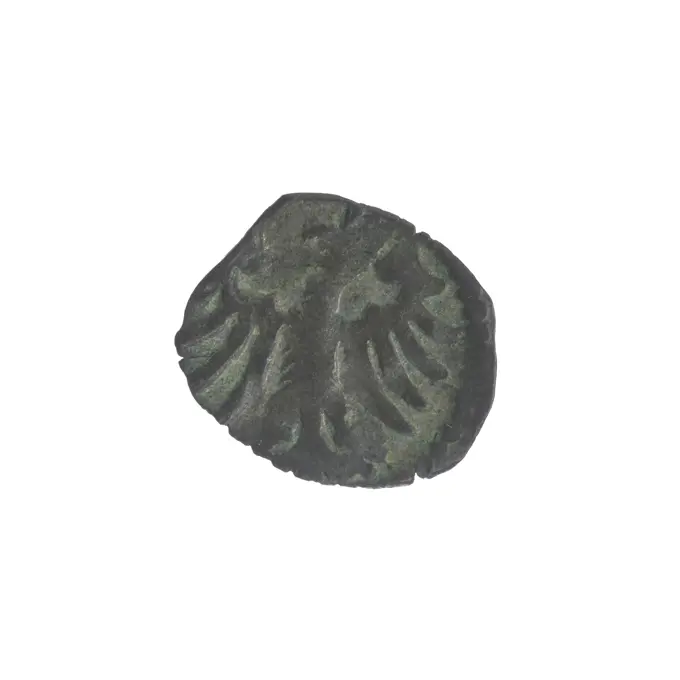
denarius; W ADSAW II JAGIEC (King of Poland; 1386-1434); 1386-1434 (1386-00-00-1434-00-00);
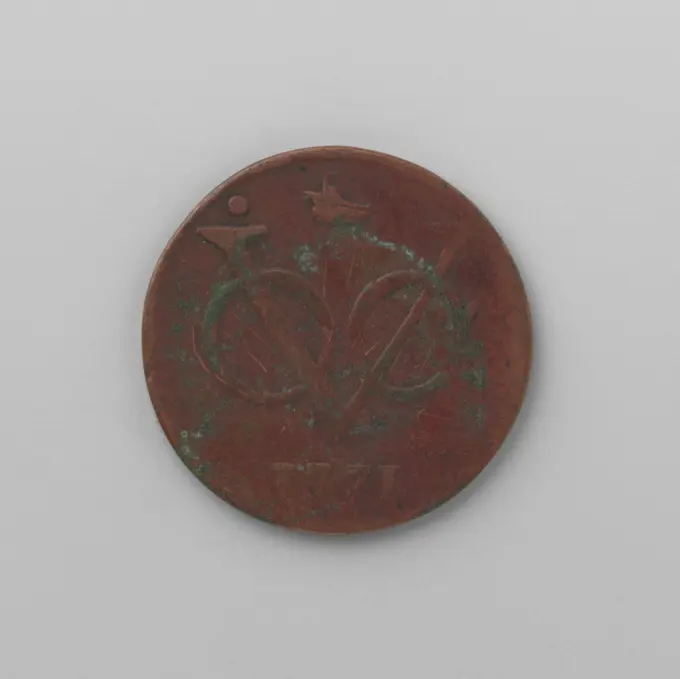
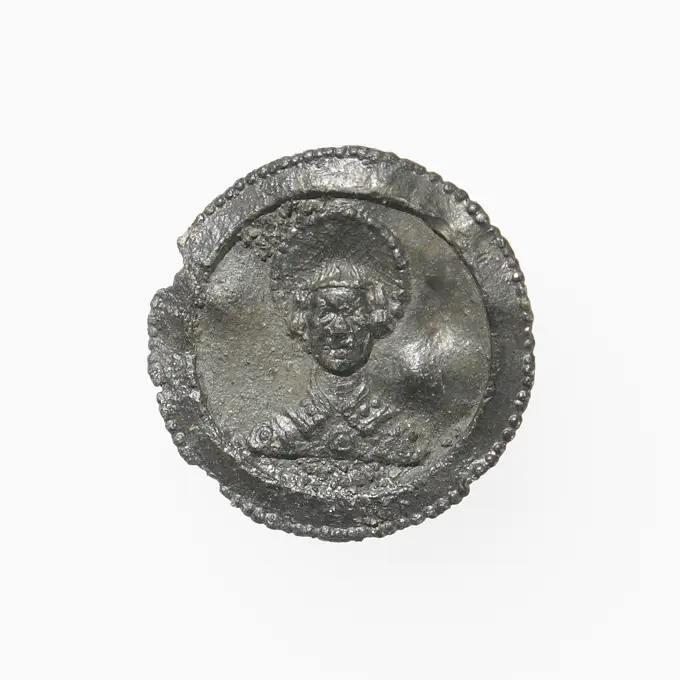
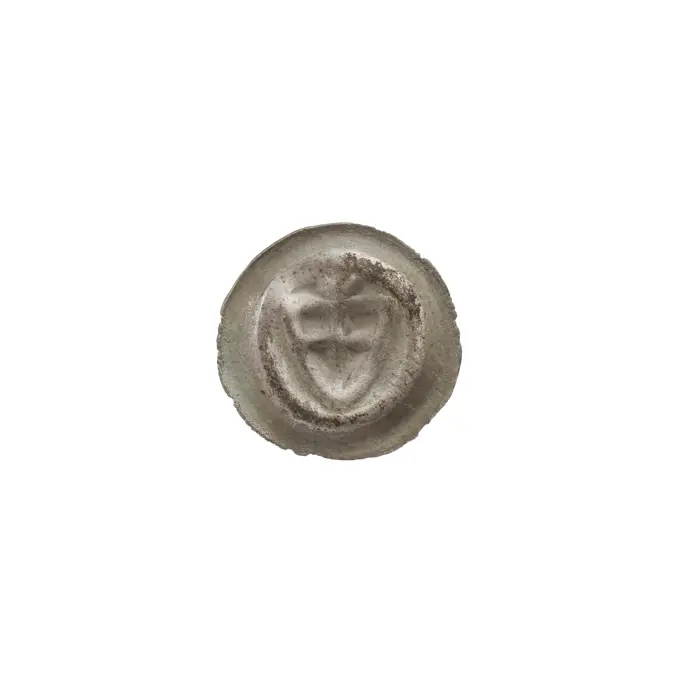
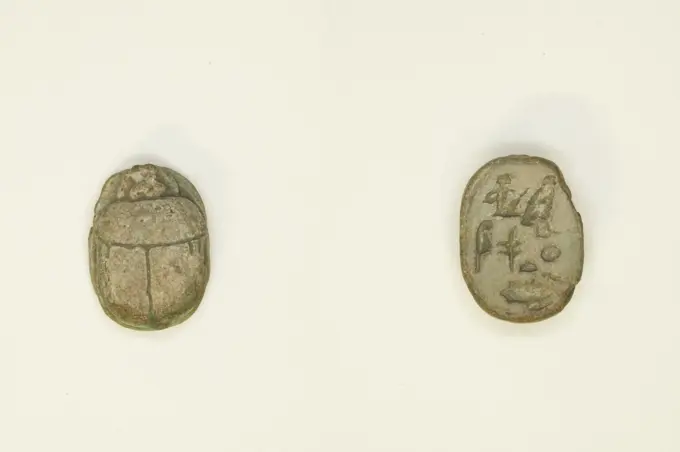
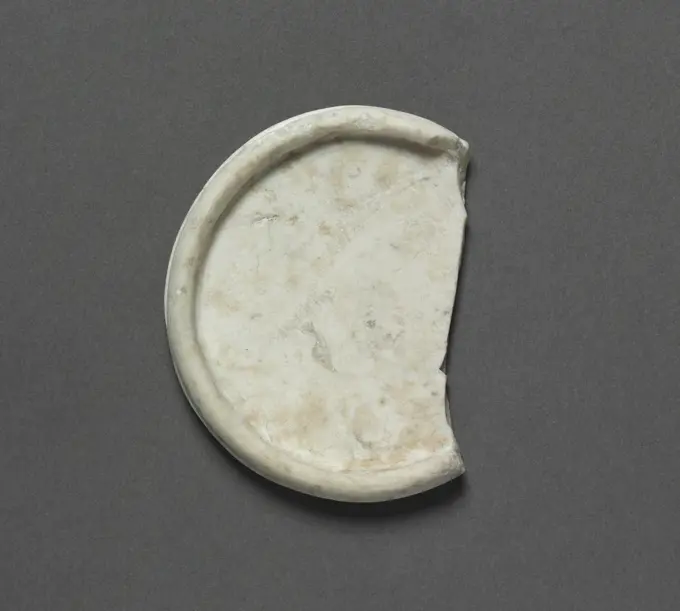
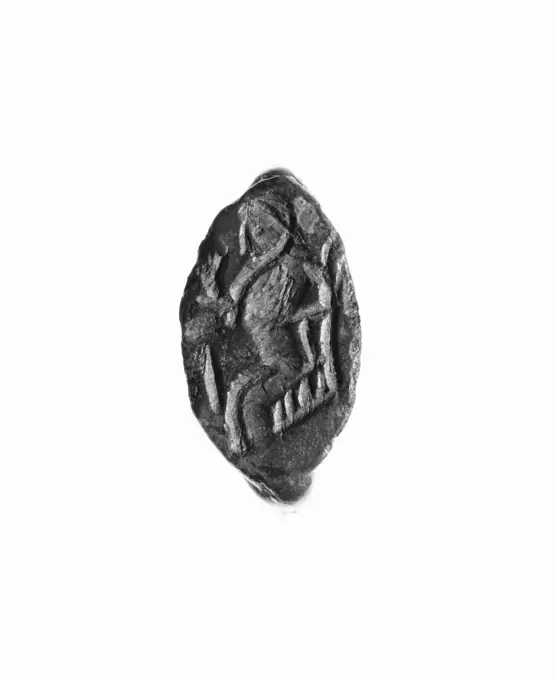
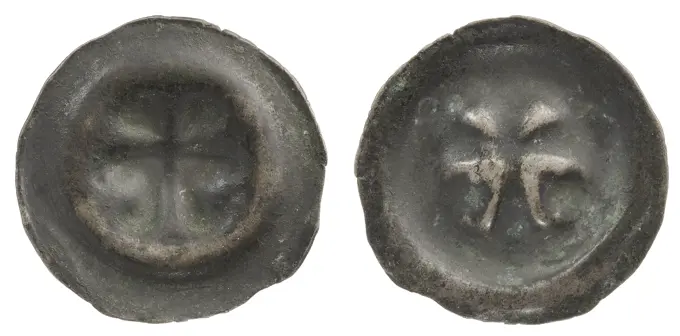
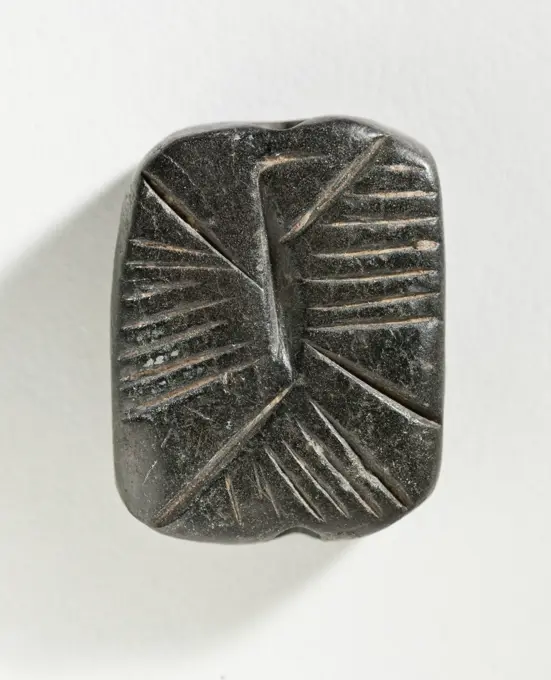
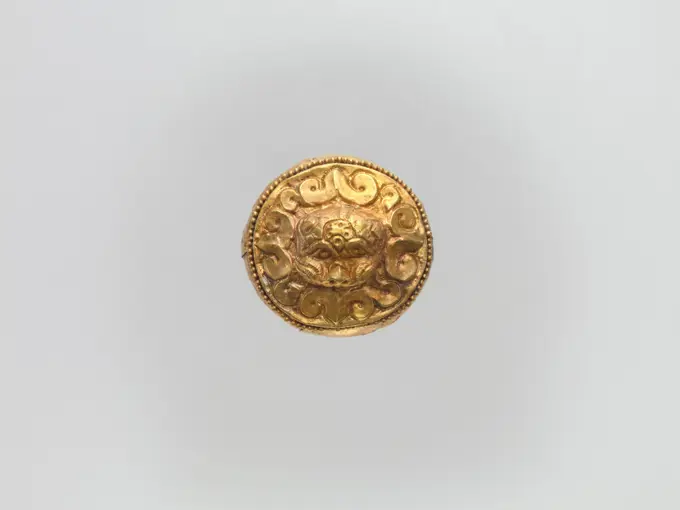
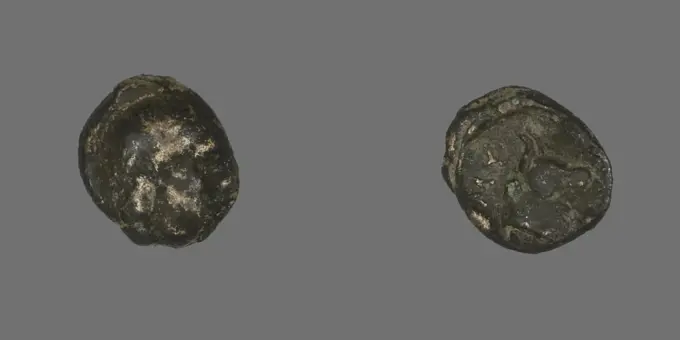
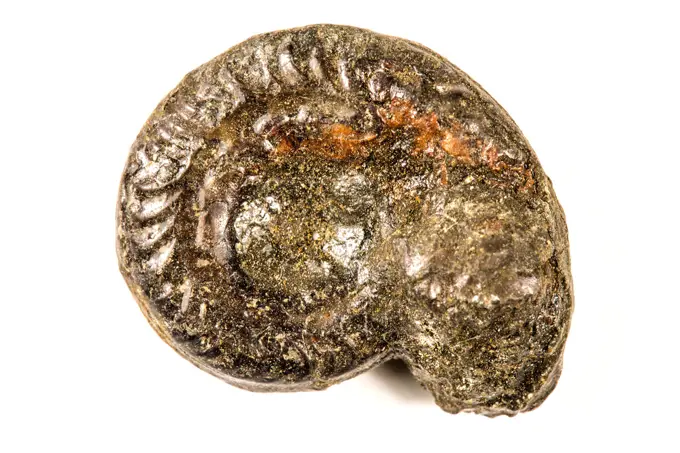
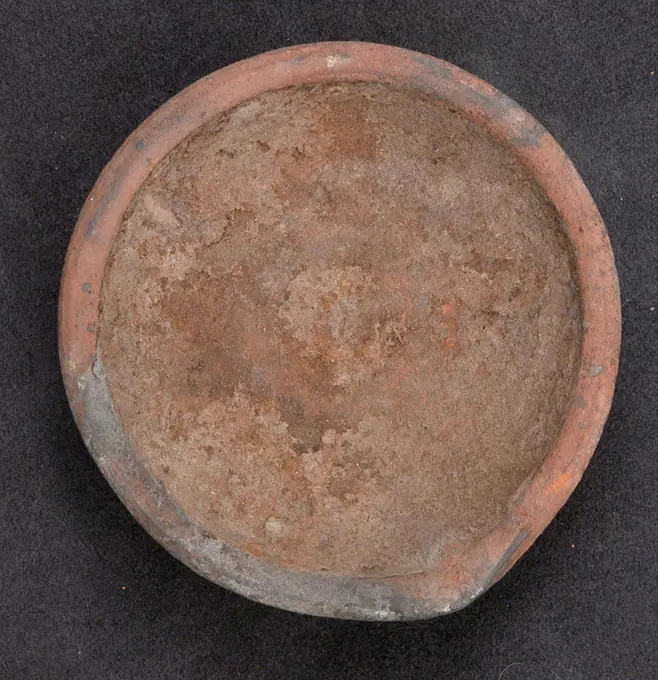
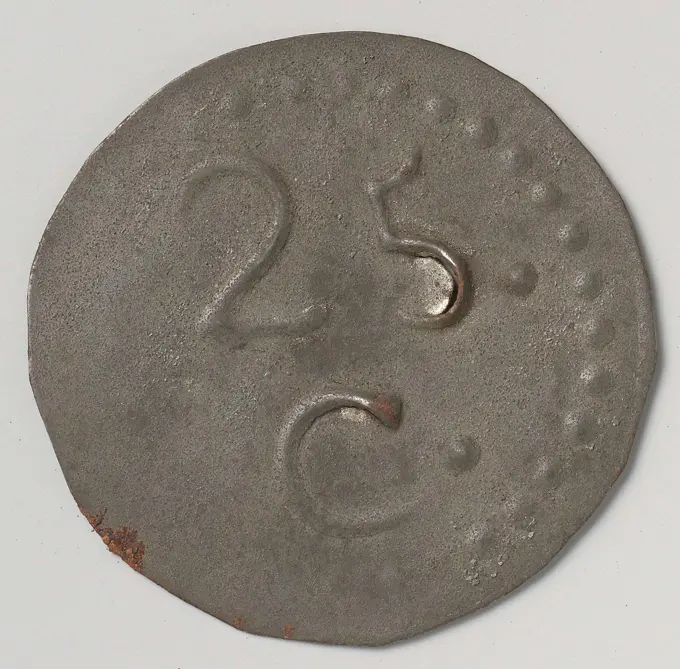
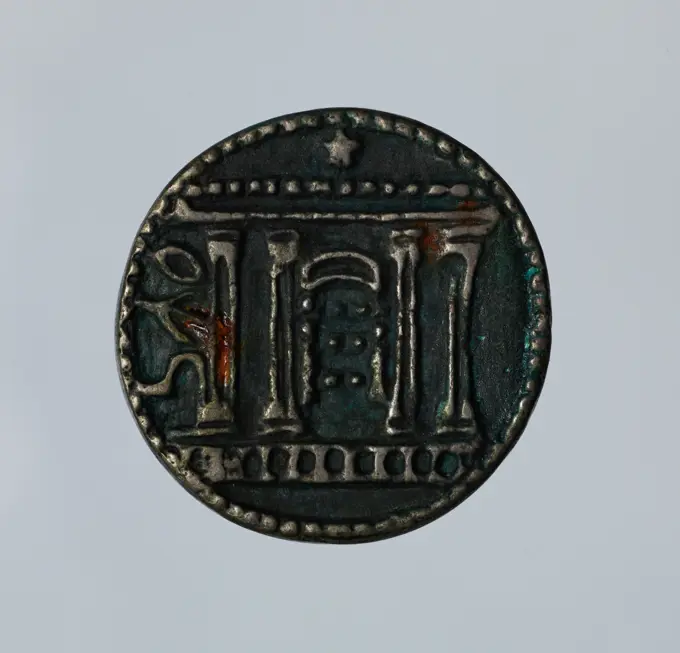
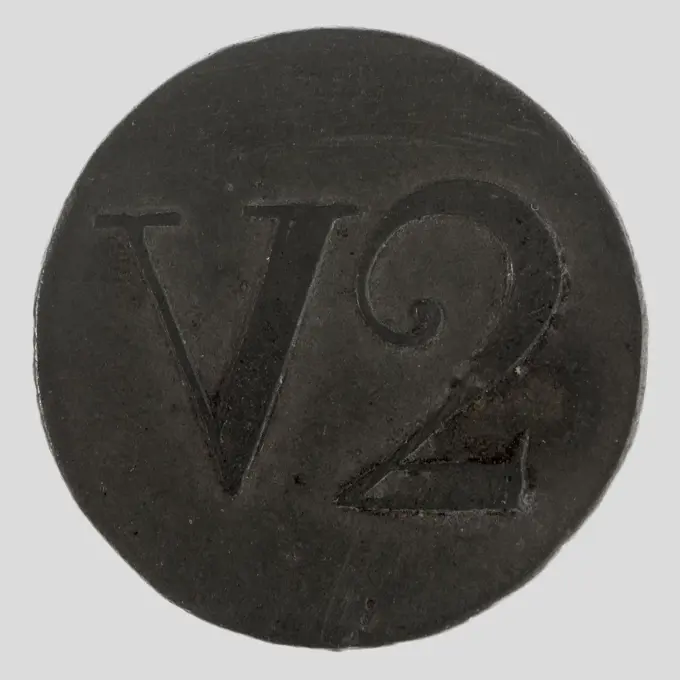
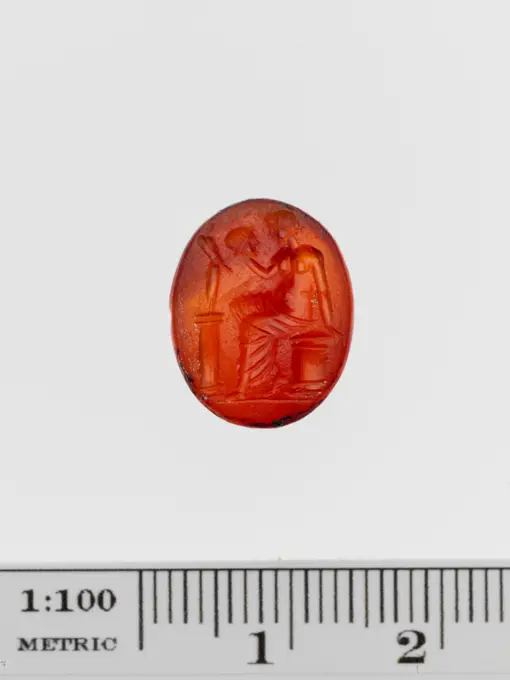
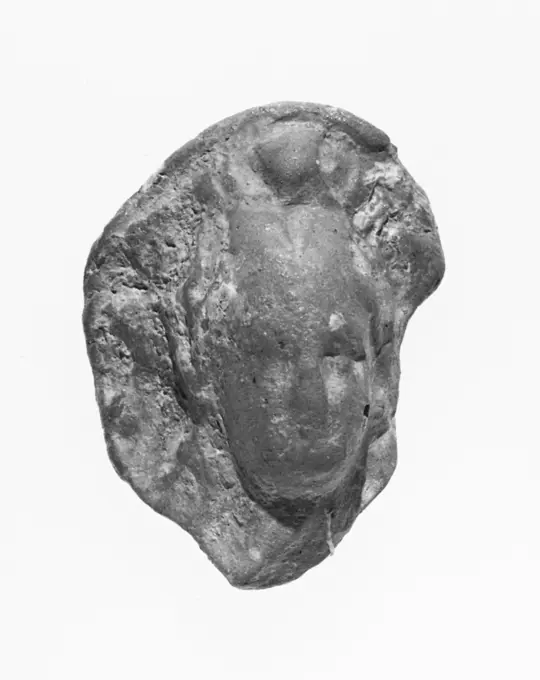
Female Head. UnknownFels of the OMMAADS of Caliph Abd El-Melik, 65-86 AH = 685-705 ,, 685-705 coin Copper mint. Front: In three lines in Arabic chart. Reverside: Inside Circle in three lines Inscription in Arabic characters.  copper (metal) striking (metalworking)Dang of the VOC from Westfriesland, 1771, United Oostindische Compagnie, 1771 coin Copper mint. Front: Crowned coat of arms of Westfriesland. Reverse: monogram of the VOC, above which mint masters and including year. Smooth edge. Enkhuizen copper (metal) striking (metalworking)1/24 Stater fromEphesus. Mint: Ephesus Artist: UnknownDenier de Philip II Augustus, 1180-1223 (dummy title) Anonymous. Denier of Philip II Augustus, 1180-1223. Money.Mieszko II Lambert (1025 1034) As the Successor of the Throne, Denar; Wielkopolska, Kujawy or North Mazowsze; AROUND 1010-1020 Mieszko II Lambert (1025 1034)dupondius; Antoninus Pius (86-161; Roman emperor 138-161); 157-159 (157-00-00-159-00-00);Pilgrim's Badge 14th-16th century French. Pilgrim's Badge. French. 14th-16th century. Lead. Metalwork-LeadJeton. UnknownSaksonia , Denar of the Cross, between 1080 and 1105 unknownPitji of Keteng Van Djokjakarta, Java,, 1700 - 1800 coin Lead coin. Front: Dischanging in Javanese characters. Reverse: smooth. In the middle around hole. Soerakarta lead (metal) castingdenarius; W ADSY AW III WARNE Czyk (Polish king; 1434-1444); 1434-1444 (1434-00-00-1444-00-00);denarius; W ADSY AW III WARNE Czyk (Polish king; 1434-1444); 1434-1444 (1434-00-00-1444-00-00);False coin, IIthuanian shilIIng, John II Casimir (1649 1668)Denar - Brakteat; approx. 1307/1308- 1317/1318 (1307-00-00-1318-00-00);1/96 Stater fromCyzicus. Mint: Cyzicus Artist: UnknownScarab Wish Formula 1550 BCE-525 BCE Egypt. Steatite . Ancient EgyptianCese coin, Museum of Romanization, Calahorra, La Rioja, Spain, Europe.Bliżej Kultury Valentinianus 1 / Valenshemiobol. FanagoriaSilver roundel from 1st century AD. Found in the Punjab, Pakistan.Greece, Elymais, ORODES II (approx. Until the mid second century AD), Drachma, AE Orodes 2Cosmetic Vessel, 2770-2573 BC. Egypt, Saqqara, north of the Step Pyramid, tomb 2331, excavations of J. E. Quibell, 1910-1911, Predynastic, Dynasty 2-3, 2770-2573 BC. Limestone; diameter: 5.3 cm (2 1/16 in.); overall: 1 cm (3/8 in.).Ring. Unknowndenarius; W ADSAW II JAGIEC (King of Poland; 1386-1434); 1386-1434 (1386-00-00-1434-00-00);bracteate denarius. Zakon krzyżacki (1190-), issuerKeertje To Plomberen, Anonymous, 1813  Two round plates of printed against each other. Front: Crowned coat of arms Inside Cover. Reverse: Roman numeral XX  lead (metal) striking (metalworking)Ring. Unknownbracteate denarius. Zakon krzyżacki (1190-), issuerStamp Seal, Tabloid. Eastern Iran, circa 4th millennium B.C.. Tools and Equipment; seals. Black serpentinesesterce; Antoninus Pius (86-161; Roman emperor 138-161); 140-144 (140-00-00-144-00-00);Cap-Shaped Plaque with Lion 7th-9th century China (Xinjiang Autonomous Region, Central Asia) The nomadic communities of Central Asia used such plaques to embellish clothing and horse trappings. As these nomadic cultures herded animals and were constantly moving, their artistic production was expressed in portable objects that marked the wearers status and wealth. The outstanding preservation of these fragile ornaments suggests they were used in conjunction with burials, where the body was aggrandized with valuable textiles and augmented with gold. Although it is difficult to date and place these objects geographically, their presence in Central Asia and has a long, established history.. Cap-Shaped Plaque with Lion 65185Metal knot, semi-circular and undecorated, knot clothing accessory clothing soil find copper brass tin metal, cast Knot Smooth and undecorated. Hemisphere. Fixed loop at the back as eye archeology dress adorn closeBead 8th-13th century. Bead. 8th-13th century. Ceramic; glazed. Excavated in Iran, Nishapur. CeramicsEngraved Disk. Unknownbracteate denarius. Zakon krzyżacki (1190-), issuerAncient rusted coin Unrecognisable ancient rusted coin over red background Copyright: xZoonar.com/ClaudioxDiviziax 8890630Coin Depicting Laureate Head 400 BCE-350 BCE Ancient Greece. Bronze . Ancient GreekDenar - Brakteat; approx. 1317/1318-OK. 1327/1328 (1317-00-00-1328-00-00);False Coin, 1/2 Crown Groschen, Casimir IV Jagiellon (1447 1492)Spindle Whorl 10th-early 16th century Mexican. Spindle Whorl. Mexican. 10th-early 16th century. Ceramic. Mexico, Mesoamerica. Ceramics-ImplementsSeal Minoan. Seal. Minoan. Steatite. Early Minoan III. Gemsbracteate denarius. Zakon krzyżacki (1190-), issuerAmmonite, with pyrite closeupLamp 1st-7th century. Lamp 446622bracteate denarius. Zakon krzyżacki (1190-), issuerCoin Weight 9th-10th century. Coin Weight 454680Cap-Shaped Plaque with Lion. Culture: China (Xinjiang Autonomous Region, Central Asia). Dimensions: H. 3/4 in. (1.9 cm); Diam. 1 1/8 in. (2.9 cm). Date: 7th-9th century.The nomadic communities of Central Asia used such plaques to embellish clothing and horse trappings. As these nomadic cultures herded animals and were constantly moving, their artistic production was expressed in portable objects that marked the wearer's status and wealth. The outstanding preservation of these fragile ornaments suggests they were used in conjunction with burials, where the body was aggrandized with valuable textiles and augmented with gold. Although it is difficult to date and place these objects geographically, their presence in Central Asia and has a long, established history. Museum: Metropolitan Museum of Art, New York, USA.Cap-Shaped Plaque with Lion. Culture: China (Xinjiang Autonomous Region, Central Asia). Dimensions: H. 3/4 in. (1.9 cm); Diam. 1 1/8 in. (2.9 cm). Date: 7th-9th century.The nomadic communities of Central Asia used such plaques to embellish clothing and horse trappings. As these nomadic cultures herded animals and were constantly moving, their artistic production was expressed in portable objects that marked the wearer's status and wealth. The outstanding preservation of these fragile ornaments suggests they were used in conjunction with burials, where the body was aggrandized with valuable textiles and augmented with gold. Although it is difficult to date and place these objects geographically, their presence in Central Asia and has a long, established history. Museum: Metropolitan Museum of Art, New York, USA.Coin Weight 11th century. Coin Weight. 11th century. Glass. Attributed to Egypt. GlassFalse coin, crown shilIIng, 1661, John II Casimir (1649 1668)Lentoid engraved seal. UnknownPending Ommerschans, house coin beaten at the burden of the society of beneficiality worth 25 cents. Collapses. Front: value indication within pearl edge. Downside: blankBolesław Krzywousty (1102-1138), Denar, Kraków, After 1113 Boles And Krzywousty (1102 1138)Denar - Brakteat; approx. 1317/1318-OK. 1327/1328 (1317-00-00-1328-00-00);False coin, shekel, Bar Kokhba revolt (132 135), JudeaScarab ca. 1479-1458 B.C. New Kingdom. Scarab. ca. 1479-1458 B.C.. Faience. New Kingdom. From Egypt, Upper Egypt, Thebes, Deir el-Bahri, Hatshepsut Hole, Hathor Shrine, MMA excavations, 1922-23. Dynasty 18False coin, crown shilIIng, John II Casimir (1649 1668)Ancient rusted coin isolated over white Very ancient rusted weathered coin, completely illegible isolated over white background Copyright: xZoonar.com/adminx 11569965False coin, crown shilIIng, John II Casimir (1649 1668)NUMISMATICA. MONEDA MONEDAS BIZANTINAS DE ORO Y BRONCE. REAL ACADEMIA DE LA HISTORIA.AS; Lucius Werus (130-169; Roman emperor 161-169); 161-162 (161-00-00-162-00-00);Fa. G. van Maanen, 1 Cent Society of Benevolence, cent house currency coin money swap copper, M.V.W. 1. Pay CT Veenhuizen Founded MintCoin Weight probably 10th-12th century. Coin Weight 453513Magic gemma with the performance of Jupiter SeapisCarnelian ring stone 1st century B.C.-3rd century A.D. Roman Muse seated on a cippus (tomb marker) holding a mask.. Carnelian ring stone. Roman. 1st century B.C.-3rd century A.D.. Carnelian. Late Republican or Imperial. Gems