Ancient Coins Collection

A collection of ancient coins including victoriatus, quinarius, and denarius, showcasing historical currency designs from Roman and Polish eras.
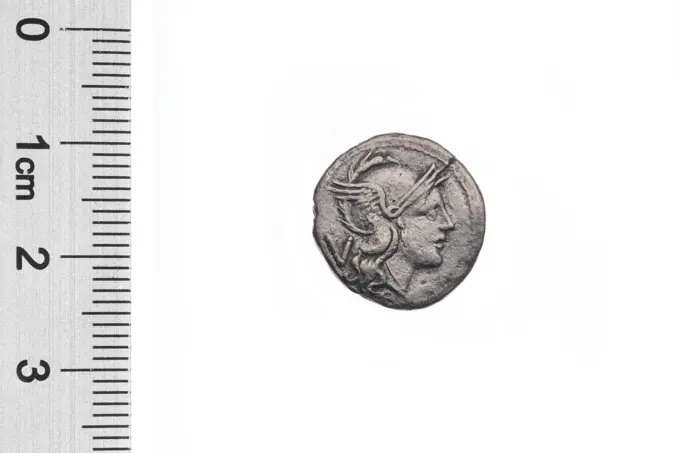
quinarius. Anonimowy, monetary officer, Republika Rzymska, issuer
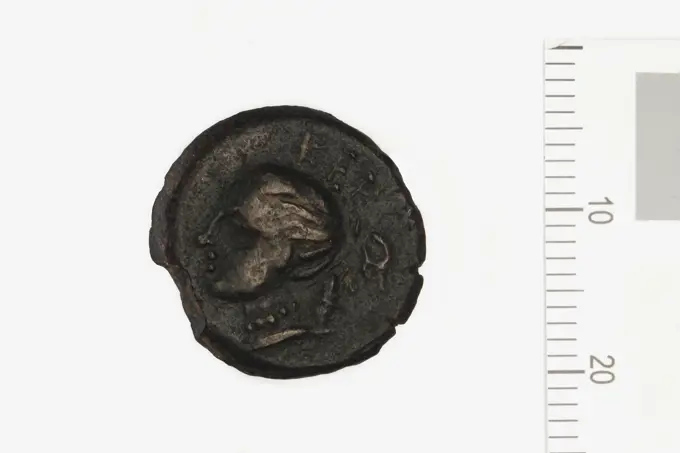
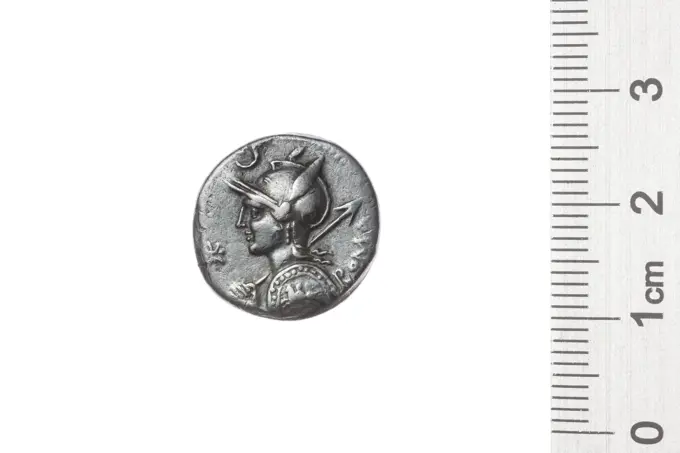
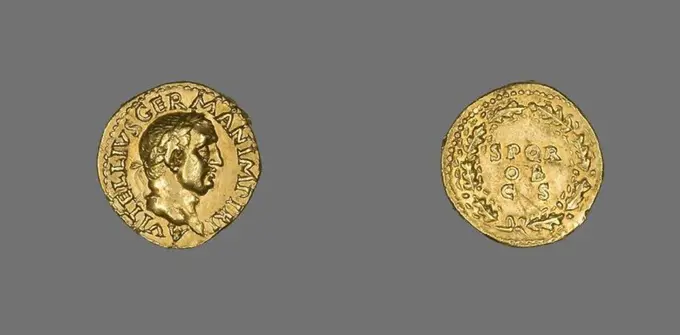
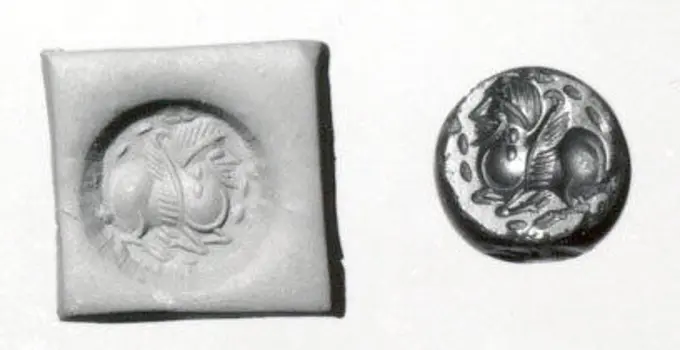
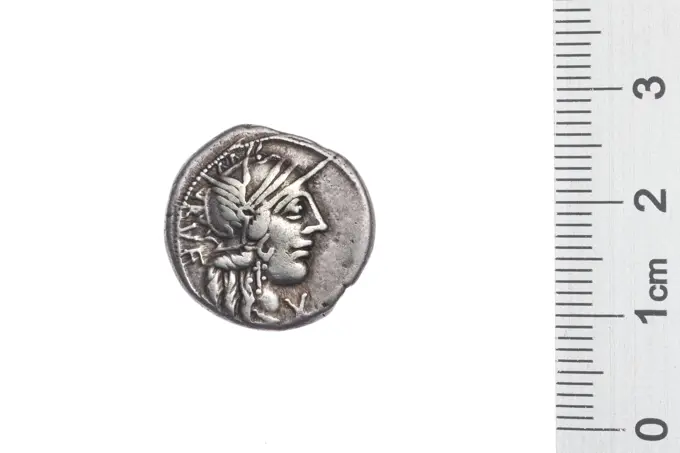
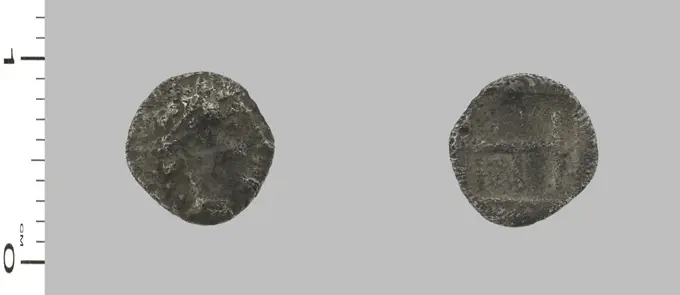
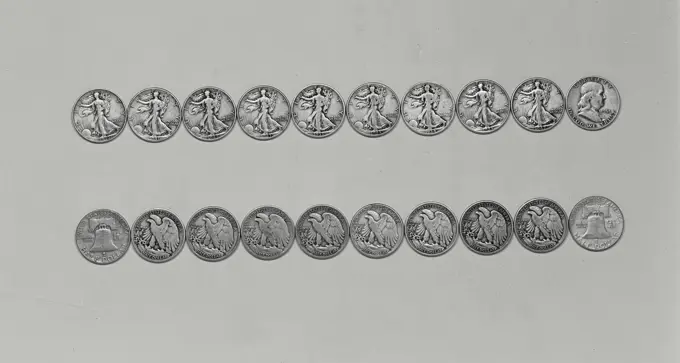
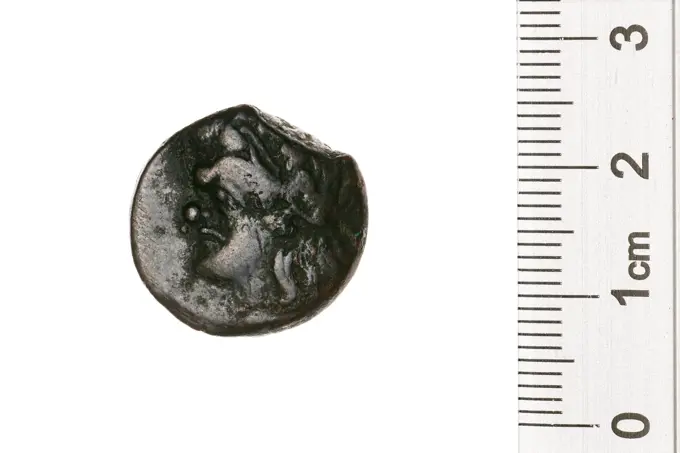
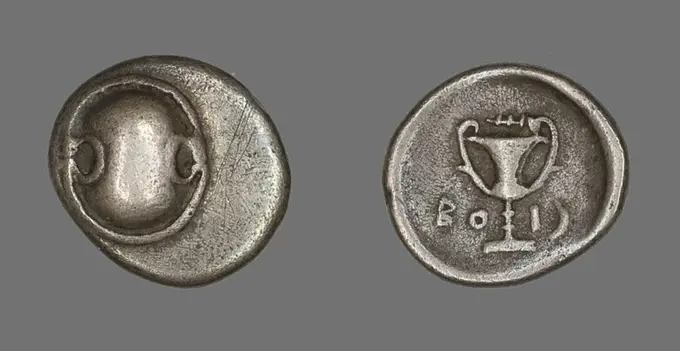
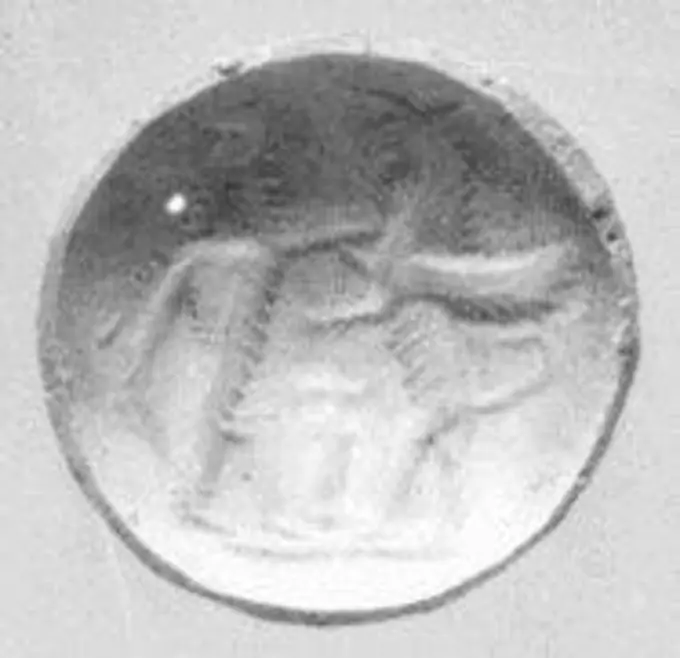
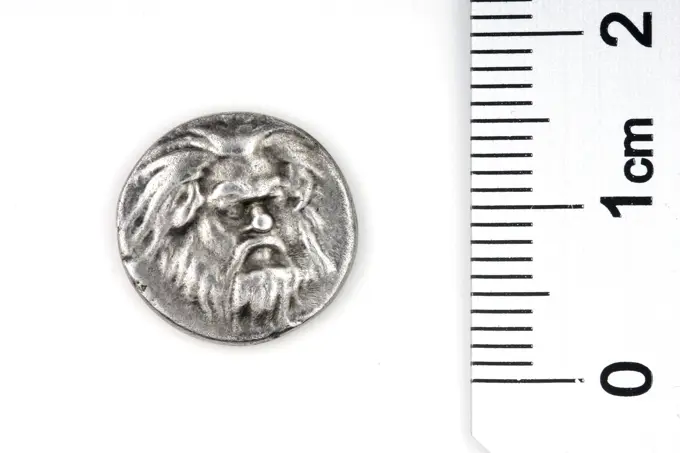
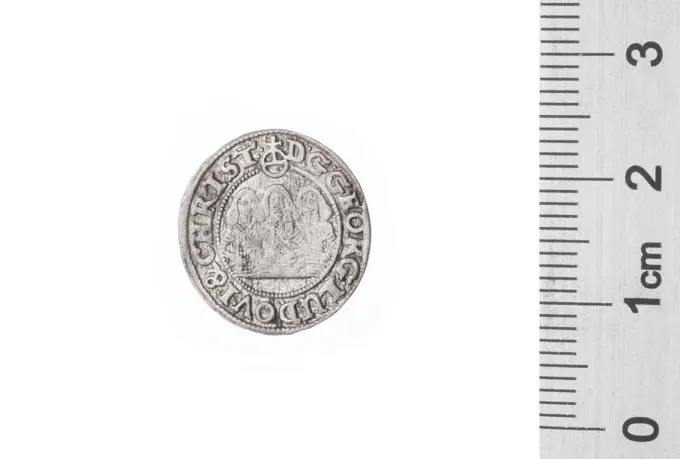
kreutzer. Chrystian (książę brzesko-legnicko-wołowski ; 1618-1672), ruler, Ludwik IV (książę brzesko-legnicko-wołowski ; 1616-1663), ruler, Jerzy III (książę brzesko-legnicko-wołowski ; 1611-1664), rulerAE. ChersonezStater fromCyzicus.  Mint: Cyzicus Artist: UnknownDrohiczyn seal. unknown, managerheller. Krosno, issuergroschen. Fryderyk II (książę brzesko-legnicki ; 1480-1547), ruler, Stoltz, Michael (fl. ca 1540-1555), moneyerAE. Kerkinitydadenarius. Licinius Nerva, P. (fl. 113-112 a.C.), monetary officer, Republika Rzymska, issuer3 kreutzers. Jan Chrystian (książę legnicko-brzeski ; 1591-1639), ruler, Jerzy Rudolf (książę legnicko-brzeski ; 1595-1653), ruler, Tuchmann, Christoph (fl. 1607-1610), moneyerDiobol fromMetapontum. Mint: MetapontumAureus (Coin) Portraying Emperor Vitellius. Roman. Date: 69 AD. Dimensions: Diam. 2 cm; 7.26 g. Gold. Origin: Rome. Museum: The Chicago Art Institute, Chicago, USA. Author: ANCIENT ROMAN.DER DER VOC, United Oostindische Compagnie, 1760  Silver penny from the VOC. Front: the weapon of Holland, covered by a fluera crown,. Reverse: the initials VOC (in one), above which a five -leaf flower between two points and including the year 1760. Pearl edge on both sides. Potpap. Netherlands silver (metal) striking (metalworking)  NetherlandsStamp seal ca. 3rd-7th century A.D. Sasanian. Stamp seal. Sasanian. ca. 3rd-7th century A.D.. Jasper. Sasanian. IranArtist: Sardis, Stater from Sardis,Lydia, 560-525 B.C., Gold, 8.065 g, 14mm, Made in Sardis, Lydia, Greek, 6th century B.C., Numismaticsdenarius. Minucius Rufus, Q. (fl. 122 a.C.), monetary officer, Republika Rzymska, issuer3 kreutzers. Jan Chrystian (książę legnicko-brzeski ; 1591-1639), ruler, Jerzy Rudolf (książę legnicko-brzeski ; 1595-1653), ruler, Tuchmann, Christoph (fl. 1607-1610), moneyerLazio Frosinone Casamari Museo Archeologico3. Hutzel, Max 1960-1990 Post-medieval: paintings on canvas, paintings on wood, wooden church furnishings Governing Body: Abbazia di Casamari General Notes: This record is for the pinacoteca which is part of the Museo Archeologico, housed within the Abbey of Casamari. Hutzel assigned it a separate numbering sequence. German-born photographer and scholar Max Hutzel (1911-1988) photographed in Italy from the early 1960s until his death. The result of this project, referred to by Hutzel as Foto Arte Minore, is thorough documentation of art historical development in Italy up to the 18th century, including objects of the Etruscans and the Romans, as well as early Medieval, Romanesque, Gothic, Renaissance and Baroque monuments. Images are organized by geographic region in Italy, then by province, city, site complex and monument.Mint: Colophon, Tetartemorion fromColophon, 525-490 B.C., Silver, 0.285 g, 7.5mm, Made in Colophon, Ionia, Greek, 6th-5th century B.C., NumismaticsTetradrachm fromClarentza.  Mint: Clarentza Artist: UnknownDenarius (Coin) Depicting the Goddess Roma 109 BCE-108 BCE Roman Empire. The denarius, introduced in 211 BCE, was the principal silver coin of Rome for five hundred years. The profilehead of the goddess Romaóthe personification of Romeówas the most popular image depicted on silver denarii in the second and first centuries BCE.. Silver . Ancient RomanMint: Sardis, Trite fromSardis, 600-550 B.C., Electrum, 4.71 g, 12mm, Made in Sardis, Lydia, Greek, early 6th century B.C., NumismaticsVintage Photograph. A arrangement of half dollars in two lines.AE. PantikapaionCoin Depicting a Bust 301 CE-400 CE Roman Empire. The front (obverse) of this coin shows an unidentified bust, facing right.The back (reverse) depicts the goddess Victory.. Bronze . Ancient RomanAE. PantikapaionAE. PantikapaionMedals. Louis XII and Anne de Bretagne Medals. Louis XII and Anne de Bretagne. Black and white projection plate. 1900-1930. Photograph of Jacques-Ernest Bulloz (1858-1942).ducat. Chrystian (książę brzesko-legnicko-wołowski ; 1618-1672), ruler, Ludwik IV (książę brzesko-legnicko-wołowski ; 1616-1663), ruler, Jerzy III (książę brzesko-legnicko-wołowski ; 1611-1664), rulerAE. PantikapaionAgate ring stone intaglio: fisherman 3rd-2nd century B.C. or 1st century A.D. Italic or Roman Fisherman crouching on a rock about to lower line.. Agate ring stone intaglio: fisherman. Italic or Roman. 3rd-2nd century B.C. or 1st century A.D.. Agate. Hellenistic or Early Imperial. GemsHemidrachm (Coin) Depicting a Boeotian Shield. Greek. Date: 338 BC-315 BC. Dimensions: Diam. 1.6 cm; 2.53 g. Silver. Origin: Thebes. Museum: The Chicago Art Institute, Chicago, USA. Author: ANCIENT GREEK.Siege of Gulik by Albrecht, Archduke of Austria, emergency coin of four penny, made from an Ortstaler by Georg Gustav, Palatinategraaf van Veldenz, labeled with the monogram of Frederik Pithaen, Anonymous, 1621 - 1622 coin. siege coin Triangular emergency coin of four penny from Gulik, with a round top edge. Front: a stamp: monogram of letters F and P, that year and value indication interrupts; Below that, along round top edge: part of the Oude Munt change. Reverse: along round top edge: part of the Old Mint change; In field: part of sculpture. Gulik silver (metal) striking (metalworking)  GulikStamp seal ca. 6th-4th century B.C. Achaemenid. Stamp seal. Achaemenid. ca. 6th-4th century B.C.. Chalcedony, milky. Achaemenid. Irantriobol. PantikapaionSchuttersnenning van Leiden, Anonymous, 1669  Silver militia of Leiden. Front: A crowned climbing lion with a sword in his right and a shield with the city coat of arms in his left claw, placed between the weapons of the four mayors of Leiden. Dischanging: Pvgno Pro Patria (I am fighting for the homeland). Reverse: trophies with the year at the bottom. Dischanging: schvtters medal. Different weapons may be depicted on the same year, because the government's composition changed every year in November. Leiden silver (metal)Abruzzo L'Aquila S. Giuliano (L'Aquila environs) Museo3. Hutzel, Max 1960-1990 Views of the four collections housed in museum: Roman coins; Pre-Columbian art brought from Central America in 17th century; Greek and Roman sculpture; Egyptian sculpture and minor arts. Museum Roman coins; Greek and Roman sculpture; Egyptian sculpture and minor arts; Pre-Columbian sculpture. German-born photographer and scholar Max Hutzel (1911-1988) photographed in Italy from the early 1960s until his death. The result of this project, referred to by Hutzel as Foto Arte Minore, is thorough documentation of art historical development in Italy up to the 18th century, including objects of the Etruscans and the Romans, as well as early Medieval, Romanesque, Gothic, Renaissance and Baroque monuments. Images are organized by geographic region in Italy, then by province, city, site complex and monument.