Ancient Coins from Greece

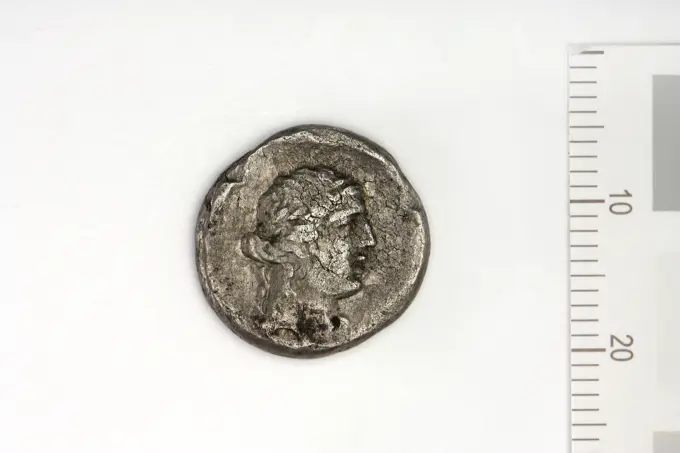
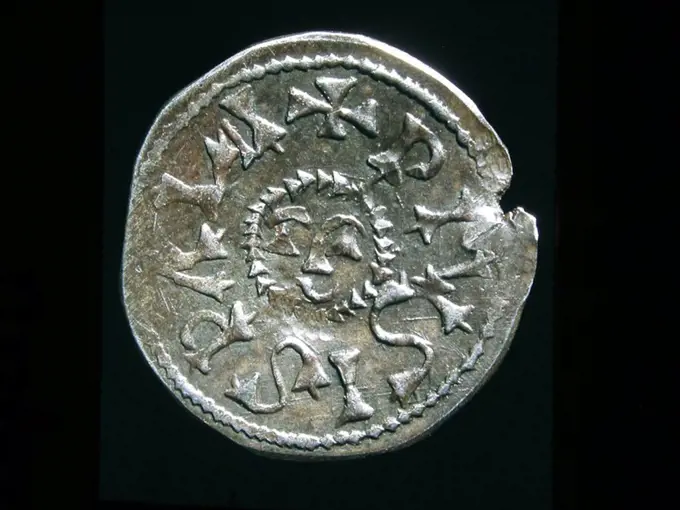
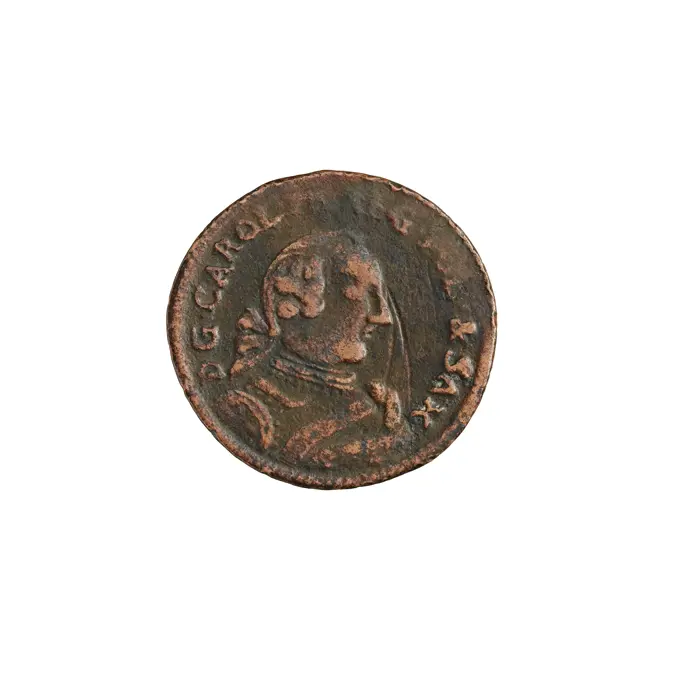
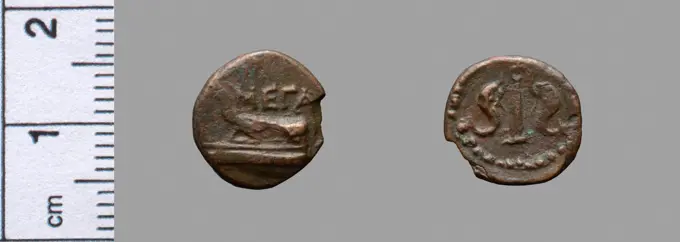
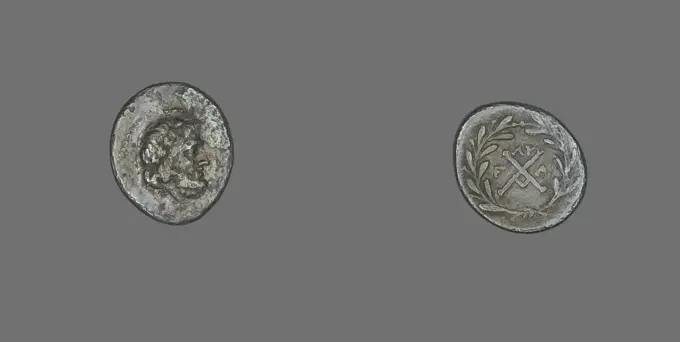
Collection of bronze and silver coins from ancient Greek and Roman periods, showcasing historical figures and inscriptions.
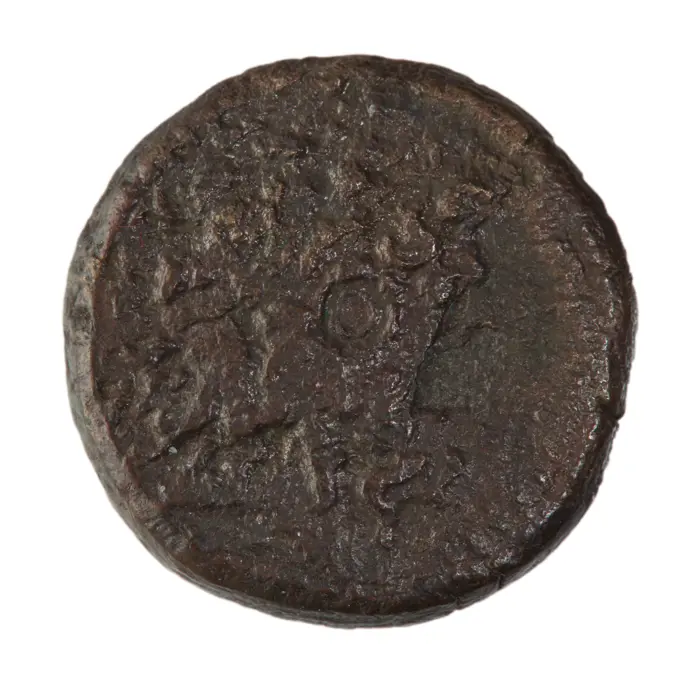
Greece, Egypt, Ptolemy III (246 221), Alexandria, Bronze (AE) Mennica Aleksandria, Ptolemeusz 3 Euergetes (246 221)
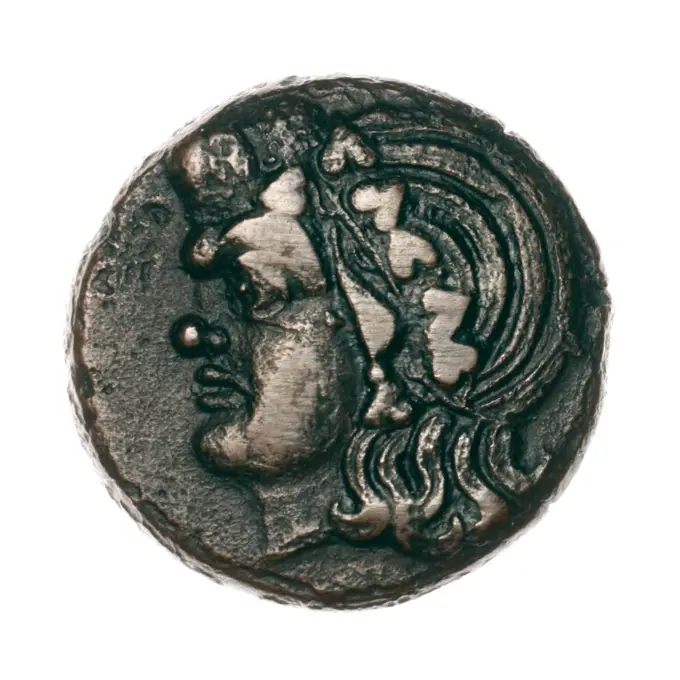
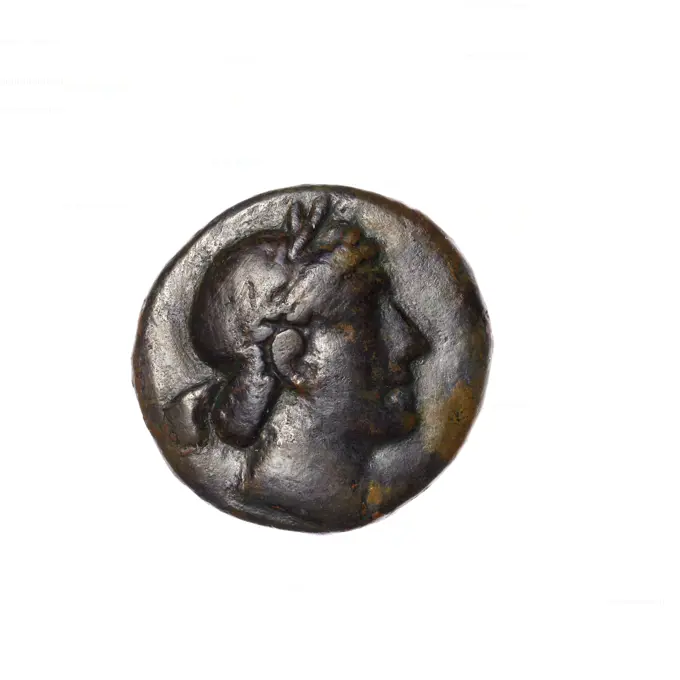
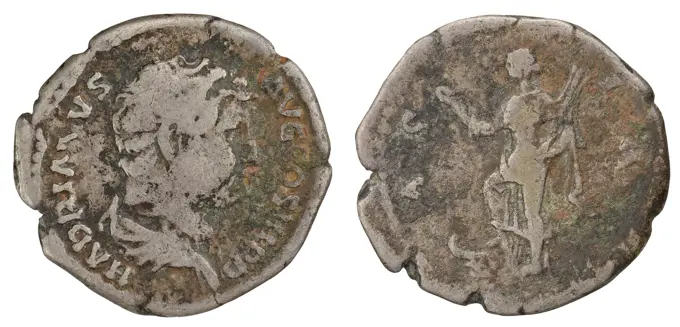
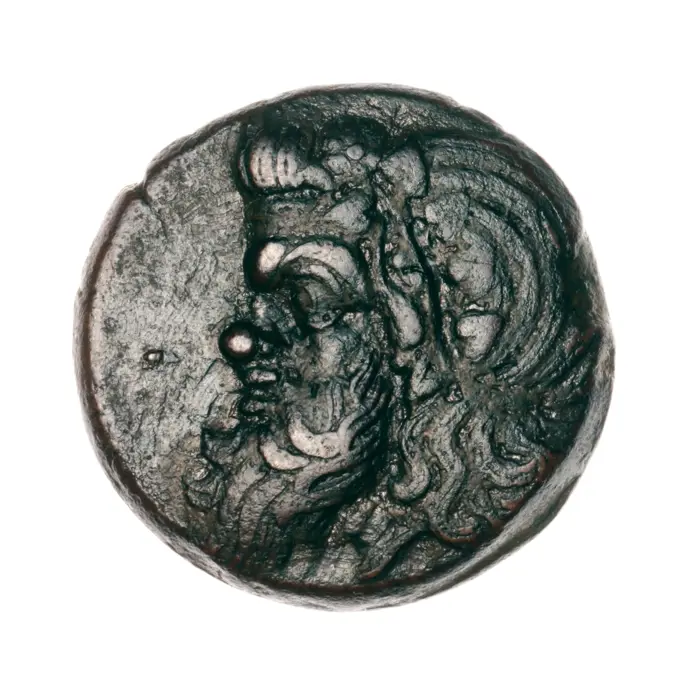
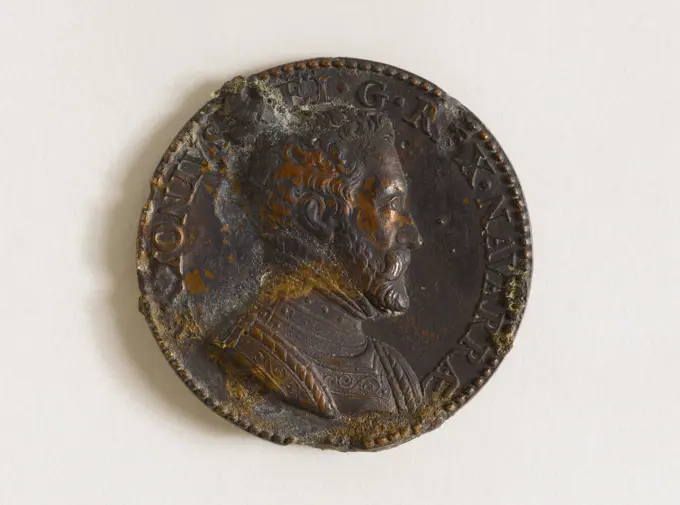
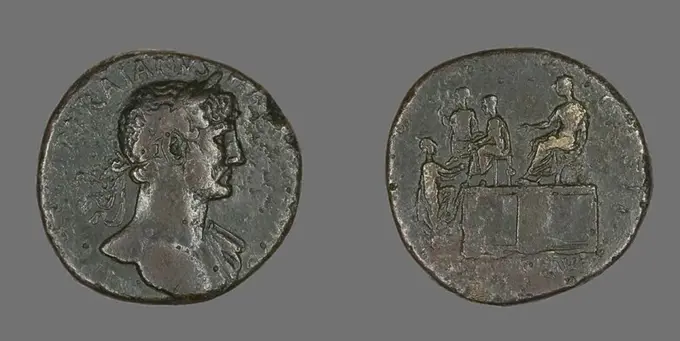
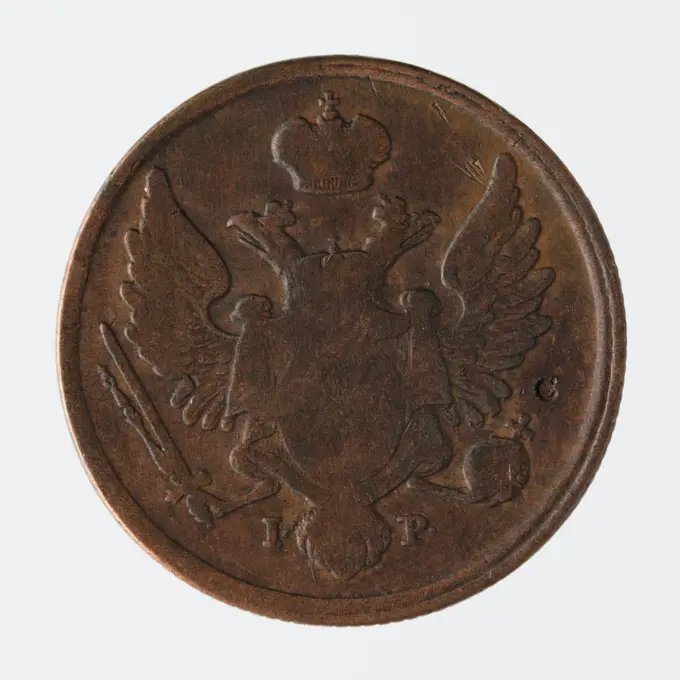
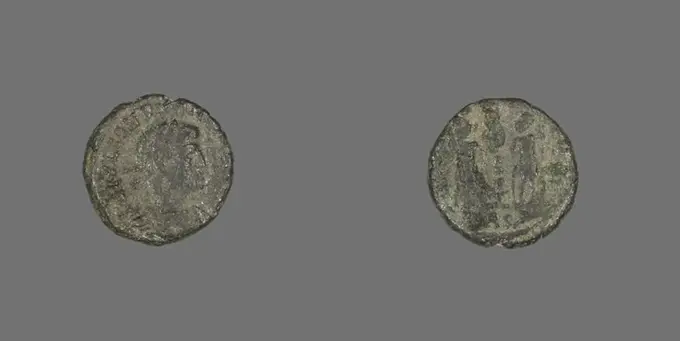
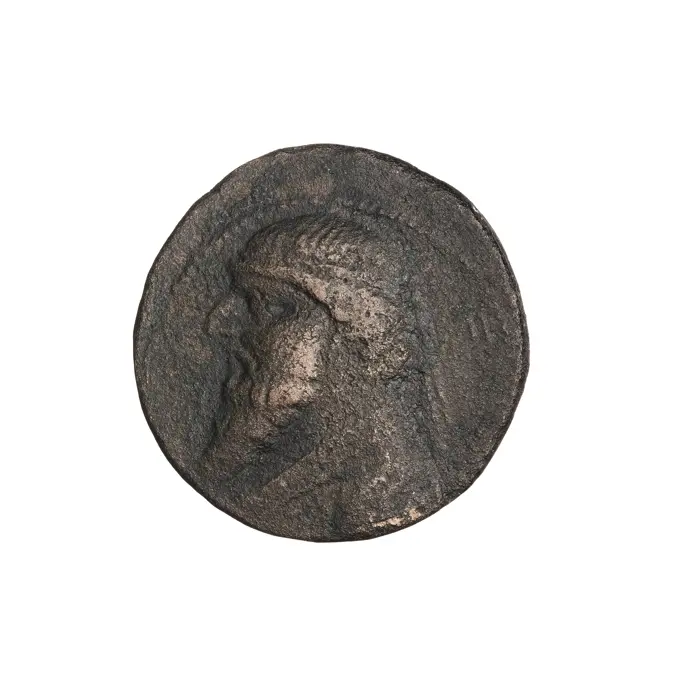
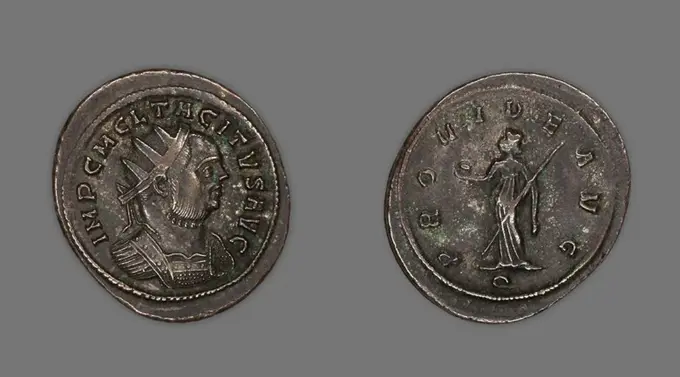
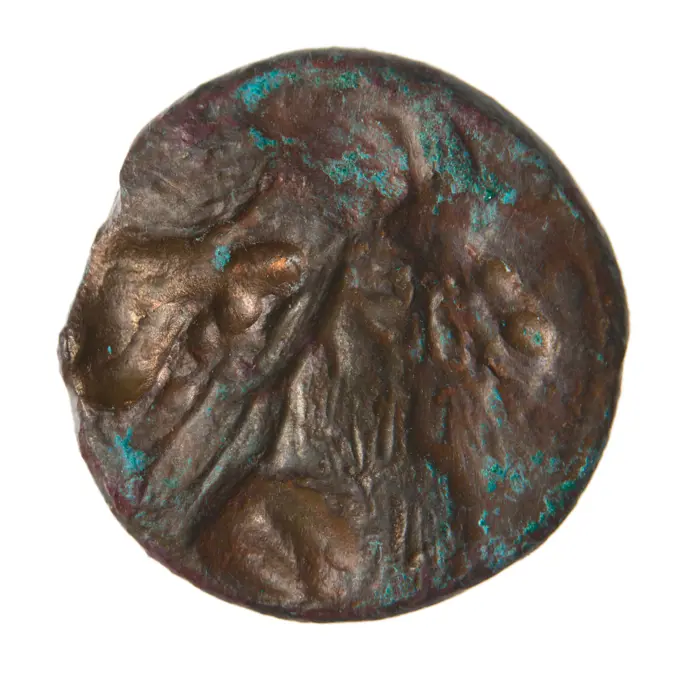
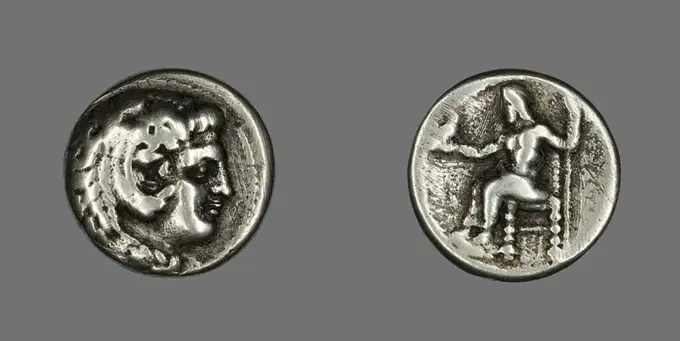
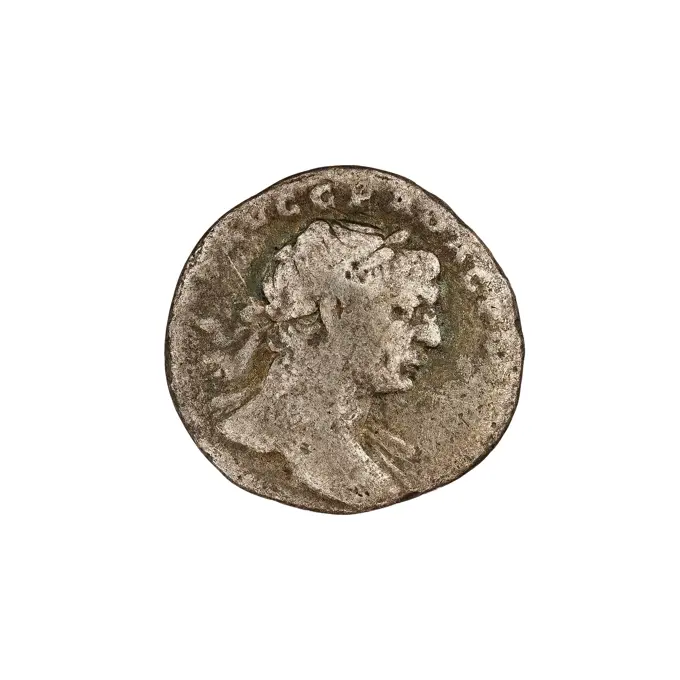
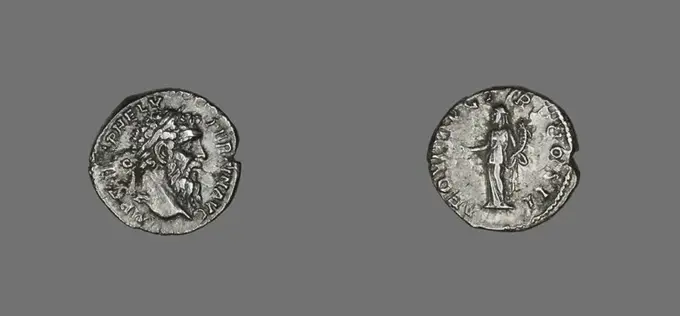
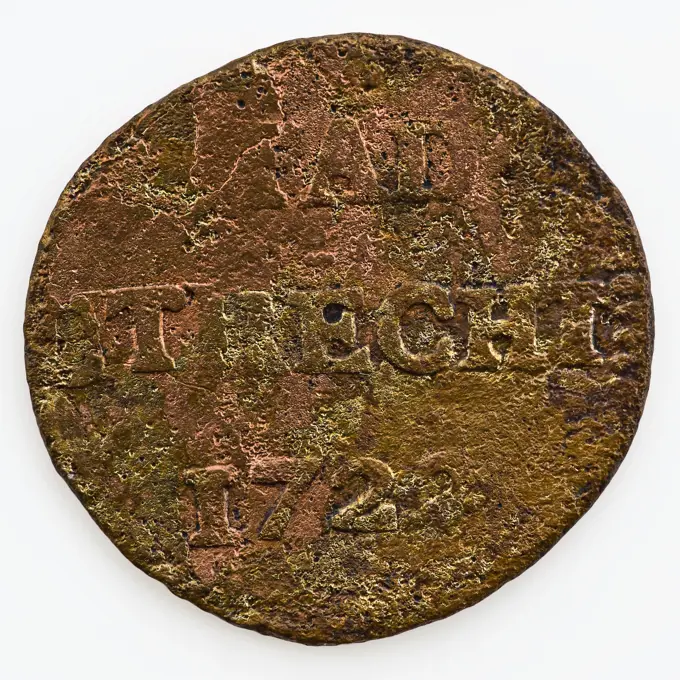
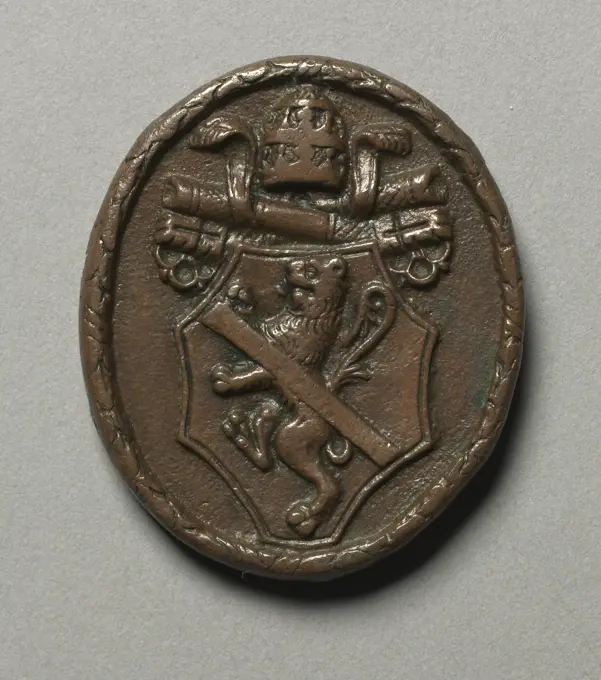
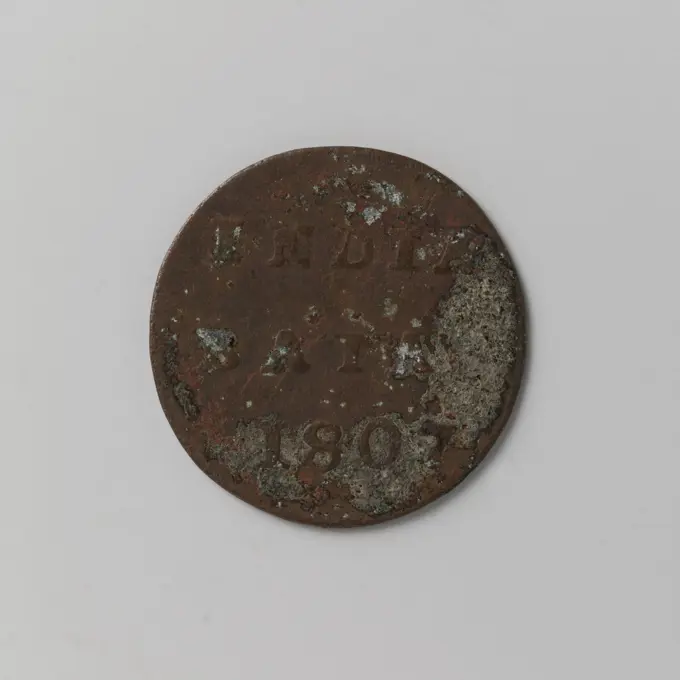
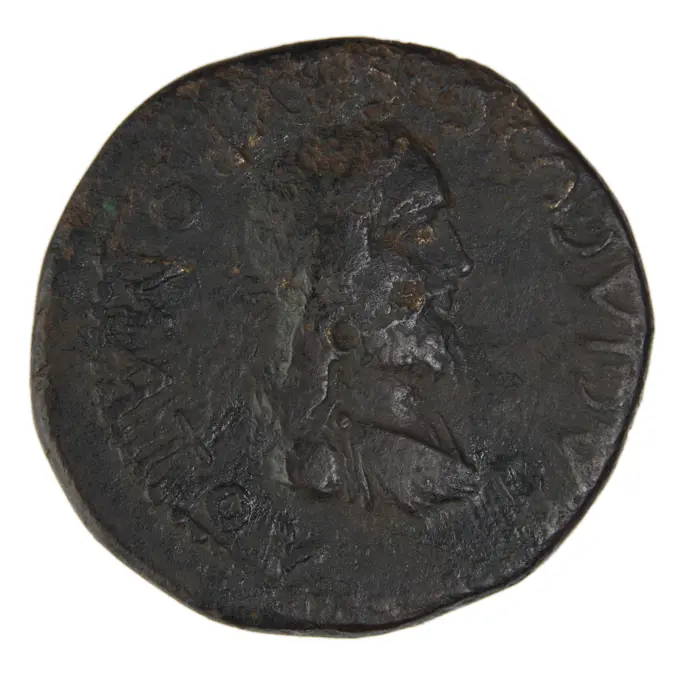
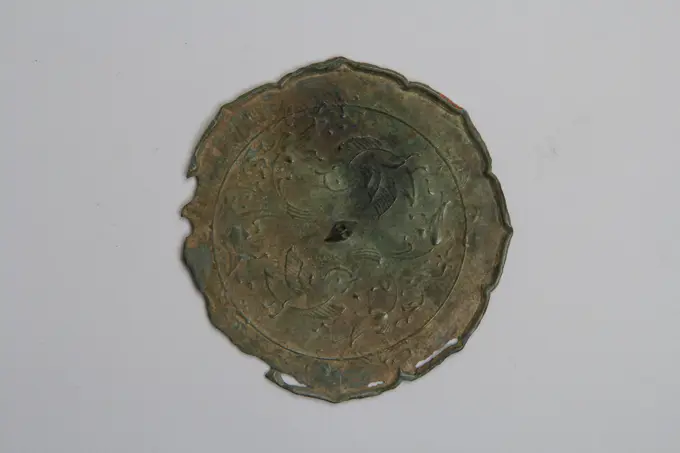
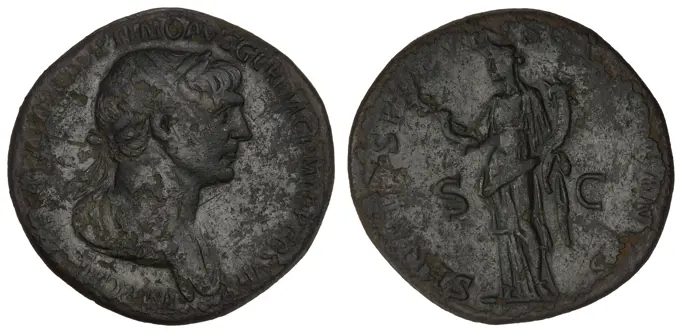
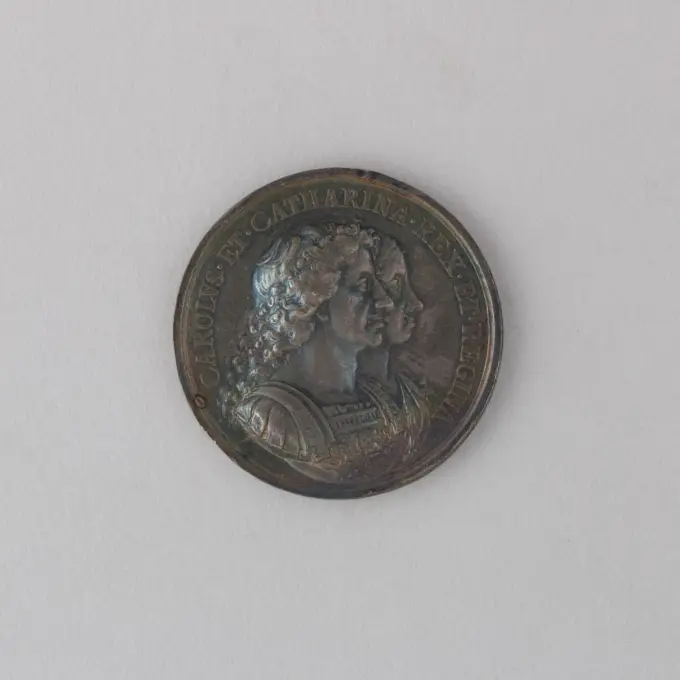
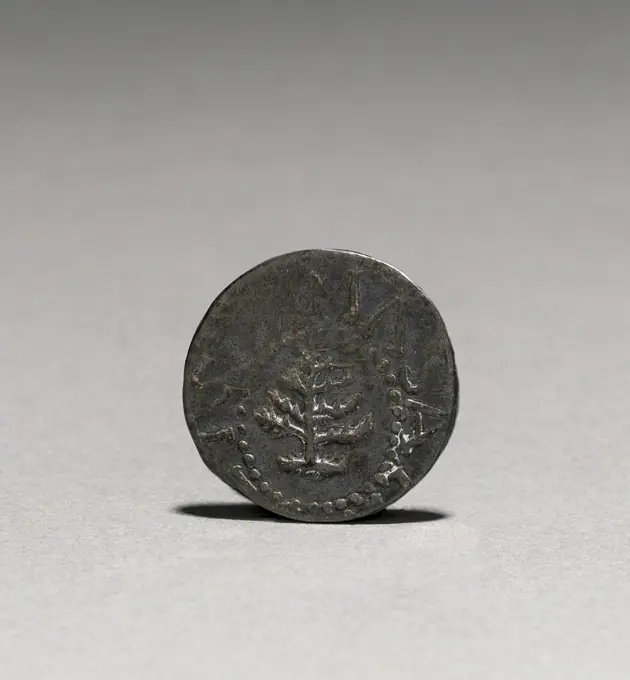
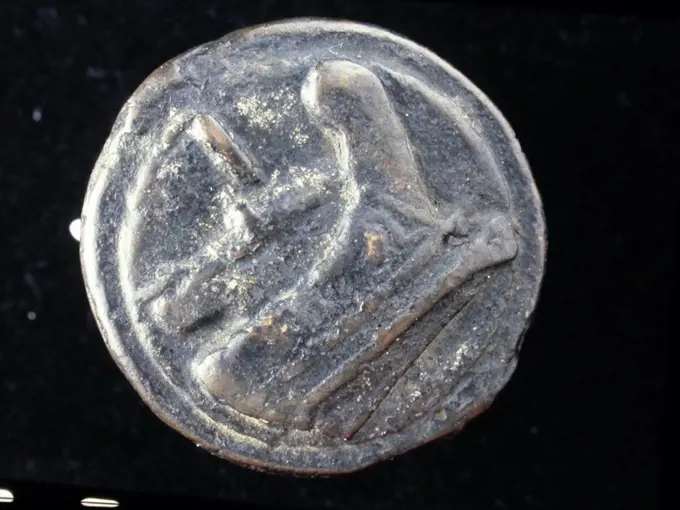
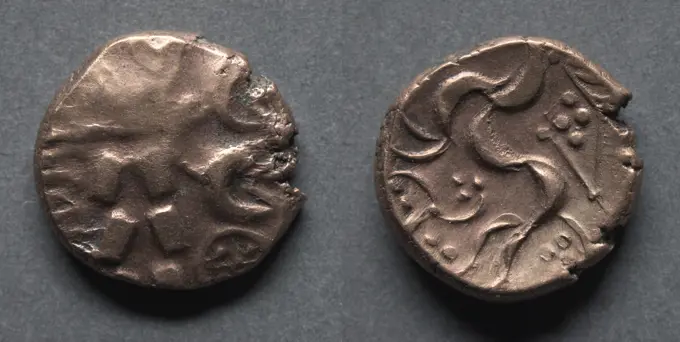
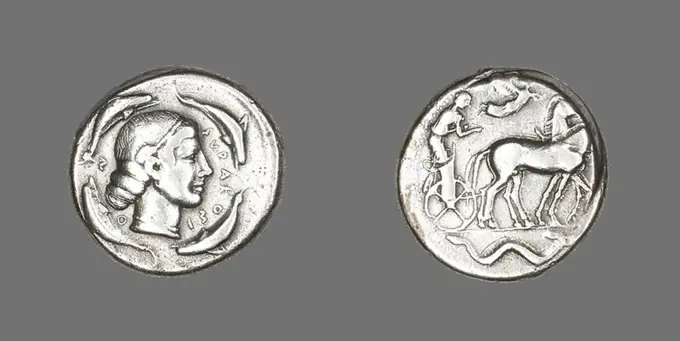
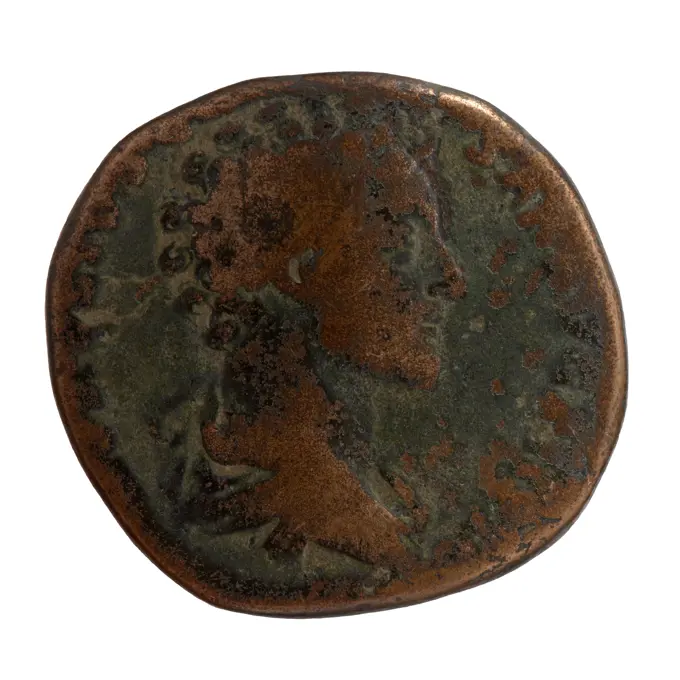
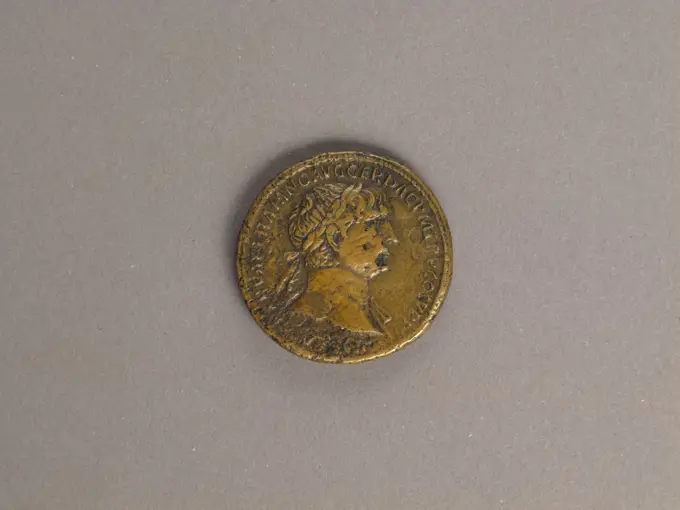
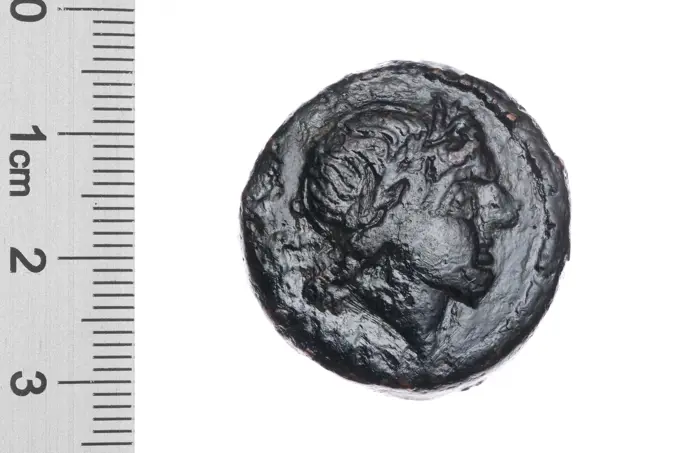
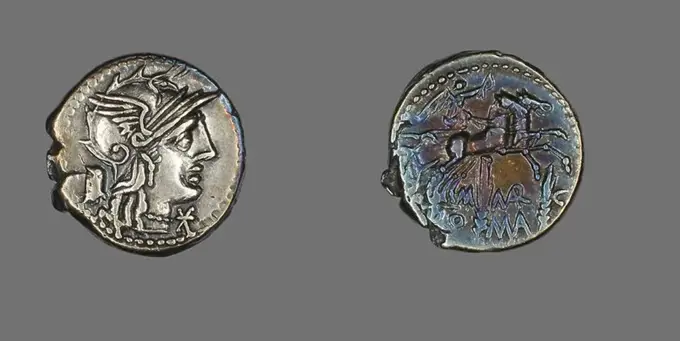
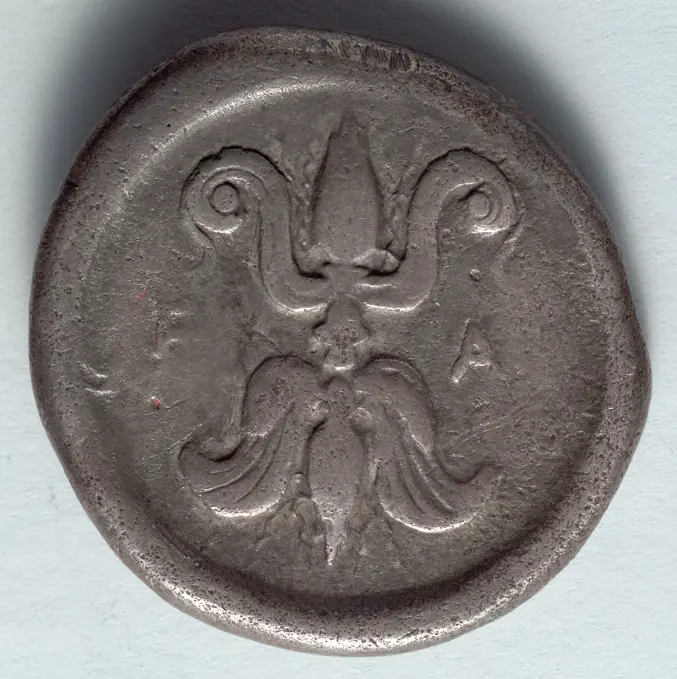
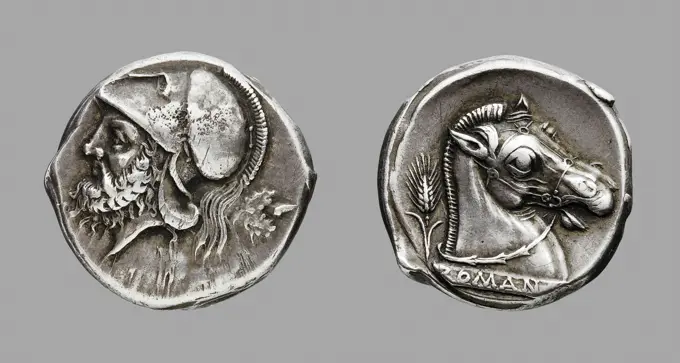
Coin Portraying Emperor Philip I 244 CE-249 CE Roman Empire. The front (obverse) of this coin portrays the emperor Philip I, facing right and wearing a crown of laurels.On the back (reverse) an eagle is depicted with its wings spread.. Billon . Ancient RomanBrown coin; Pantikapaion; 315-300 BC (315-00-00-300-00-00);Nadczarzyorze, satir (mitol.), Terlecki, Ignacy (1860-1916), Terlecki, Ignacy (1860-1916)-collection, bulls, bull's head (iconogr.), Purchase (provenance), animalsdenarius. Hadrian (Roman emperor; 117-138), emperorAttendance token at the Historical Institute, 19th century Attendance Token at the Historical Institute, 19th century . Copper.Bronze currency. Hadrian Bronze currency. Hadrian. Bronze. Gallo-Roman period.Brown coin; Pantikapaion; 2. PO. 1st century BC (-50-00-00--1-00-00);Apollo (mitol.Coin Depicting the Goddess Athena 387 BCE-301 BCE Ancient Greece. Bronze . Ancient Greekdenarius. Hadrian (Roman emperor; 117-138)Municipal series, 1673 (dummy title) Medal of a municipal series, 1673 (verso). Golden copper (gilding).Brown coin; Pantikapaion; 330-315 BC (330-00-00-315-00-00);Nadczarzyorze, satir (mitol.), Terlecki, Ignacy (1860-1916), Terlecki, Ignacy (1860-1916)-collection, weapons (iconogr.), Arrows (weapons), armament (iconogr.), Purchase (provenance) , bow and arrow (iconogr.), Łuki (army)Denarius (Coin) Portraying Julia Maesa 223 CE Roman Empire. The front (obverse) of this coin portrays the head of Julia Maesa, sister-in-law of the Roman emperor Septimius Severus, facing to the right. On the back (reverse), Pudicitia (Modesty), is seated and holding a sceptre.. Silver . Ancient RomanBrown coin; Pantikapaion; End of the first century BC (-10-00-00--1-00-00);Aphrodite (Mitol.), Aphrodite Urania (iconogr.), Nadczarzyorze, Terlecki, Ignacy (1860-1916), Terlecki, Ignacy (1860-1916)-collection, scepter, head of Aphrodite (iconogr.), Head of Aphrodite Urania (iconogr. ), woman's head (iconogr.), Women's head in Kalathos and Vela (iconogr.), Balls, purchase (provenance)denarius. Hadrian (Roman emperor; 117-138), emperorCoin Depicting the Goddess Athena. Greek. Date: 200 BC-133 BC. Dimensions: Diam. 1.7 cm; 6.07 g. Bronze. Origin: Ancient Greece. Museum: The Chicago Art Institute, Chicago, USA.Coin Portraying Emperor Gallienus 253 CE-268 CE Roman Empire. Bronze . Ancient RomanAntoine de Bourbon, King of Navarre Anonymous. Antoine de Bourbon, King of Navarre. MEDAL, 1560.Coin Portraying Emperor Gallienus 253 CE-268 CE Roman Empire. Bronze . Ancient RomanGreece, Sarmacja, Olbia, around 330 240 BCE, AE MintCoin Portraying Emperor Hadrian. Roman. Date: 118 AD. Dimensions: Diam. 3.1 cm; 22.42 g. Bronze. Origin: Roman Empire. Museum: The Chicago Art Institute, Chicago, USA. Author: ANCIENT ROMAN.Kiterian Bospor, Panticajon, End of the Second Century BC; AEE Panticapaeum mint1/3 Siglos from Sardis,Lydia. Mint, possibly by: SardisCarnavalet museum, medal collection Right registration on four lines; Reverse head of the Republic with the Phrygian hat between a sword and an ax placed in PAL.denarius. Hadrian (Roman emperor; 117-138), emperorSaksonia , Poland , The Cross Denar, between 1070 and 1107 unknownTrojak Nicholas I Mint Warsaw, Mikołaj I (1825 55)Coin Portraying Emperor Constans or Emperor Constantius II. Roman. Date: 324 AD-350 AD. Dimensions: Diam. 1.5 cm; 1.54 g. Bronze. Origin: Roman Empire. Museum: The Chicago Art Institute, Chicago, USA. Author: ANCIENT ROMAN.sesterce; Antoninus Pius (86-161; Roman emperor 138-161), Faustina older (98-141; Roman Empress 138-141); after 141 (141-00-00-166-00-00);Brown coin; Mitrydates II (king of parties; 123-87 A.C.); 123 BC-87 BC (123-00-00-87-00-00);AS - counted; Trajan (53-117; Roman emperor 98-117); 114-117 (112-00-00-117-00-00);heads, radial crowns, oak wreathsCoin Portraying Emperor Vespasian. Roman. Date: 71 AD. Dimensions: Diam. 3.4 cm; 23.40 g. Bronze. Origin: Roman Empire. Museum: The Chicago Art Institute, Chicago, USA. Author: ANCIENT ROMAN.Half slice of the three cities, 1561, three cities, 1561 coin Copper-silver coin. Front: decorated long cross. A star in the center. Reverse: coats of arms of the three cities, in the center of Letter D. Year in Omnipia. Deventer silver (metal) striking (metalworking)Bliżej Kultury unknownStater (Coin) Depicting the Nymph Terrina 375 BCE-356 BCE Terina. Obverse Head of a nymph to rightReverse Nike seated on small column, holding a bird in hand. Silver . Ancient Greekdenarius; 197-198 (197-00-00-198-00-00);PAX (personification), Pax sitting with a branch and a scepter (iconogr.), Septimiusz Sewer (Roman emperor - 146-211), Septymius Sewer (Roman Emperor - 146-211) - iconography, bust, bust of the rulerAurelianus (Coin) Portraying Emperor Tacitus. Roman, minted in Ticinum. Date: 276 AD. Dimensions: Diam. 2.4 cm; 3.12 g. Billon. Origin: Roman Empire. Museum: The Chicago Art Institute, Chicago, USA. Author: ANCIENT ROMAN.Kiterian Bospor, Panticbajon, Last Quarter of the 4th Century BC; AEE Panticapaeum mintTetradrachm (Coin) Depicting the Hero Herakles. Greek. Date: 336 BC-323 BC. Dimensions: Diam. 2.5 cm; 11.15 g. Silver. Origin: Macedonia. Museum: The Chicago Art Institute, Chicago, USA. Author: ANCIENT GREEK.denarius; 103-111 (101-00-00-102-00-00);Aequitas (personification), heads, horns of abundance, weight, laurel wreathsFalse Coin, Władysław Jagiełło (1386 1434), Kwartalnik Mały (Ternar); 1399/1400 unknowndenarius. Eliusz (następca Hadriana ; 137), emperorHouse Munt Goten by order of the Society of Benevolence worth ½ cent, for the ordinary colonies, Anonymous, 1818 - 1859 coin Sink mint. Front: Inscription top value indication. Tours side: inscription G and K Netherlands zinc striking (metalworking)Denarius (Coin) Portraying Emperor Pertinax. Roman. Date: 193 AD. Dimensions: Diam. 1.8 cm; 3.14 g. Silver. Origin: Rome. Museum: The Chicago Art Institute, Chicago, USA. Author: ANCIENT ROMAN.Stanisław August Poniatowski (1764-1795), Half Groszy, Kraków; 1767 Stanisław August Poniatowski (1732 1798), Mint of KrakówHemidrachm (Coin) Depicting the God Zeus Amarios 227 BCE-222 BCE Mantíneia. The front (obverse) of this coin depicts the head of Zeus Amarios, facing to the right. On the back (reverse) is a monogram symbol of the Achaean League within a laurel wreath.Zeus Amarios, along with Demeter Panachaia, were the protecting deities of the Achaean League, which was first formed in the fifth century BCE as a confederation of Greek city-states in the Peloponnese of Greece. Temples to both deities were situated side by side at Aegium, in the northwestern Peloponnese, where the main assemly of the League held its meeting. A second Achaean League was established in 280 BCE but was later conquered and dissolved by the Romans in 146 BCE.. Silver . Ancient Greekdrachm. FanagoriaBliżej Kultury Mennica Helsinki, Sundell, Isak Gustaf (1878 1964)Dang of the VOC from the city of Utrecht, 1784, United Oostindische Compagnie, 1784 coin Copper mint. Front: on beam, including garland, placed, crowned coat of arms of the city of Utrecht. Reverse: monogram of the VOC, above which mint sign and including the year. Smooth edge. Utrecht copper (metal) striking (metalworking)Coin Portraying Emperor Arcadius 383 CE-408 CE Roman Empire. On the front (obverse) of this coin the emperor Arcadius is portrayed, facing right.On the back (reverse), the goddess Victory is shown crowning the emperor.. Bronze . Ancient RomanMONEDAS DE ORO PROCEDENTES DE EXTREMADURA. Location: BANCO EXTERIOR-COLECCION. MADRID. SPAIN.tetradrachma; Artabanus II (10-40); 10-40 (37-00-00-32-00-00);Duit, copper Dutch coin worth 2 penning, CITY UTRECHT 1722, money coin swaps soil find copper metal, minted German beaten by city Utrecht 1722 Reverse side crowned weapon of Utrecht archeology Rotterdam City center Stadsdriehoek Mariniersweg pay money exchange buy Utrecht archaeological find in the soil Mariniersweg Rotterdam.Mint: Croton, Stater fromCroton, 480-430 B.C., Silver, 7.91 g, 12:00, 21mm, Made in Croton, Bruttium, Greek, 5th century B.C., Numismatics, NumismaticsCoin Portraying Empress Lucilla. Roman. Date: 164 AD-169 AD. Dimensions: Diam. 3.2 cm; 21.22 g. Bronze. Origin: Roman Empire. Museum: The Chicago Art Institute, Chicago, USA. Author: ANCIENT ROMAN.Carnavalet museum, tokens collectionPortrait of Pope Paul II Barbo (reverse), c. 1468. Cristoforo di Geremia (Italian, active 1456-76). Bronze; overall: 4.2 x 3.7 cm (1 5/8 x 1 7/16 in.). Rediscovered with fervor in the Renaissance, profiles on ancient coins provided dignified models for Renaissance elites.Egypt, Ptolemy II (285-246), Alexandria, after 265 BC, bronze (AE) Ptolemy II Philadelfos (285 246), Alexandria MintNUMISMATICA. MONEDA VISIGODA. LIUVA II ISPALI (BAETICA) (601-603) REVERSO. MONEDA FALSA.½ Gang for Dutch East Indies from Holland, 1807, Louis Napoleon (King of Holland), 1807 coin Copper mint. Front: Tweeregelig inscription, above which mint sign star and including year. Reverse: between value designation 5 1/32 g crowned generality weapon shield. Smooth edge. Hoorn (North Holland) copper (metal) striking (metalworking)Greece, Bosporan Kingdom, Sauromates II (174 / 5-210 / 11), CA. 180-196 ad, bronze (ae) Sauromates II (174/5 210/11)Casimir the Great (1333-1370), penny, Poznań; n.d. Kazimierz Wielki (1333-1370), Mint of KaliszMarriage of Maximilian of Austria and Maria van Burgundy 1477 ,, 1477 history medal Tinen medal, on the front the portrait of Maximilian to the right with a change, the portrait of Maria to the left on the downside.  tin (metal) castingdenarius. Furius Purpurio (fl. 169-158 a.C.), monetary officer, Republika Rzymska, issuerMirror Japan. Mirror. Japan. Bronze. Heian period (794-1185). MirrorsAS; Antoninus Pius (86-161; Roman emperor 138-161); 151-152 (150-00-00-151-00-00);sestertius. Trajan (cesarz rzymski ; 98-117), emperorszel g; Karol Christian Saski (Ksi  Kurland and Semigalia; 1758-1763), Schwerdtner, Konrad Henryk (Fl. 1759-1762); 1762 (1762-00-00-1762-00-00);Coin fromMegara. Mint: Megara Artist: UnknownHemidrachm (Coin) Depicting the God Zeus Amarios 191 BCE-146 BCE . The use of coins as a form of money was invented in western Asia Minor in the early 7th century BCE. Early on, Greece was made up of separate city-states that issued their own currency. Made of gold, silver, bronze, and electrum (a gold-silver alloy), coins were literally worth their weight, but their value varied according to the percentage of their precious metal content. Occasionally a city needed more money than it had in reserves. By reducing the amount of precious metal and substituting a base metal, a coin could be produced of the same weight but no longer of the same value. Some currency was only honored within its own city walls, but trustworthy money encouraged trade. Athens had the biggest economy, and its coin became the standard in the Greek world.The population was largely illiterate, but it could identify the place of origin of a coin by its imagery. Many of these images referred to myths that were associGreece, Macedonia, Aleksander III Wielki (336 323), Bronze (AE) Aleksander III Wielki (356 323 BC)sesterce; Marek Aureliusz (121-180; Roman emperor 161-180); 163-164 (163-00-00-164-00-00);Medal of British Colonization Showing Charles II and Catherine 1670 British. Medal of British Colonization Showing Charles II and Catherine 32981Pine Tree Three Pence (obverse), 1652. John Hull (American, 1624-1683), Robert Sanderson (American, 1609-1693). Silver; diameter: 1.5 cm (9/16 in.).Saksonia , Poland , The Cross Denar, between 1070 and 1107 unknownMoneda Griega; Dracma de plata de Ampurias; Reverso.Greece, Kimerian Bospor, Pantikapajon, around the first half of the second century BC, bronze (AE) PanticapaeumNUMISMATICA. MONEDA REPUBLICA ROMANA. AS DE BRONCE. REVERSO. PROA DE NAVE A LA DERECHA. 225 A.C. (DEPOSITO: MUSEO ARQUEOLOGICO NACIONAL).Coin Depicting the Goddess Athena. Greek. Date: 300 BC-200 BC. Dimensions: Diam. 1.2 cm; 1.60 g. Bronze. Origin: Ancient Greece. Museum: The Chicago Art Institute, Chicago, USA.DETER FROM THE CITY Utrecht, 1670, City of Utrecht, 1670 coin Copper mint. Front: Crowned urban, horizontally marished coat of arms, held by two lions. Reverse: within a decorated four -pass inscription in two lines, including the year. Utrecht copper (metal) striking (metalworking)Stater: Wreath, Crescents, and Wheel (obverse); Horse and Diamond (reverse), 10 BC-AD 30. England (Ancient Britain), Corieltauvi. Gold; diameter: 1.8 cm (11/16 in.). The Coritani were a Belgic tribe which occupied parts of middle-eastern England now known as the counties of Leicestershire, Rutland, Lincolnshire, Nottinghamshire, and probably parts of Derbyshire and the southern part of the West Riding of Yorkshire. At one time this type, together with others of the Ancient British series, were ascribed to the Brigantes, a tribe occupying parts of Yorkshire and territory north thereof.Tetradrachm (Coin) Depicting Arethusa. Greek, minted in Syracuse, Sicily. Date: 474 BC-450 BC. Dimensions: Diam. 2.6 cm; 16.95 g. Silver. Origin: Ancient Greece. Museum: The Chicago Art Institute, Chicago, USA.sesterce; Antoninus Pius (86-161; Roman emperor 138-161), Marek Aureliusz (121-180; Roman emperor 161-180); 154-155 (154-00-00-155-00-00);Bronze sestertius of Trajan A.D. 103-111 Roman IMP CAES NERVAE TRAIANO AVG GER DAC P M TR P COS VI P P, bust of Trajan/S P Q R OPTIMO PRINCIPIS C, view of Trajan's column Rome. Bronze sestertius of Trajan. Roman. A.D. 103-111. Bronze. Mid Imperial, Trajanic. Coinssemis. Anonimowy, monetary officer, Republika Rzymska, issuerAE. ChersonezAE. PantikapaionA copy of the Athens drachma. unknownDenarius (Coin) Depicting the Goddess Roma. Roman. Date: 134 BC. Dimensions: Diam. 1.9 cm; 3.87 g. Silver. Origin: Roman Empire. Museum: The Chicago Art Institute, Chicago, USA. Author: ANCIENT ROMAN.Mint: Cyzicus, 1/48 Stater fromCyzicus, ca. 600 B.C.?, Electrum, 0.31 g, 6mm, Made in Cyzicus, Mysia, Greek, 6th century B.C., Numismaticssestertius. Hadrian (Roman emperor; 117-138), emperorsestertius. Hadrian (Roman emperor; 117-138), emperoras/dupondius; Antoninus Pius (86-161; Roman emperor 138-161), Marek Aureliusz (121-180; Roman emperor 161-180); 140-144 (151-00-00-151-00-00);denarius. Postumius, C. (fl. 74 a.C.), monetary officer, Republika Rzymska, issuerBliżej Kultury Reinemer & Spiegel Vienna VIIPrison Ommerschans, Huismunt Goten by order of the Society of Benevolence worth two and a half cents, Anonymous, 1818 - 1859 coin oval mint. Front: Letters O and S. Rail side: number 2½ Netherlands iron (metal) casting  OmmerschansVintage Coin isolated Vintage looking coin isolated over a white background Copyright: xZoonar.com/ClaudioxDiviziax 9723422Stater: Thunderbolt, with wings and volutes, within incuse circle (Reverse), 471-421 BC. Greece, Elis for Olympic Festivals, 5th century BC. Silver; diameter: 2.5 cm (1 in.).Didrachm fromRome.  Mint: Rome Artist: UnknownMedal Commemorating English King Charles II Embarking fromScheveling. Ruler: Charles II, King of England and Scotland, British, 1630-1685, ruled 1660-85 Mint: UnknownStater. UnknownPlaque with allegorical performance about mercy. Plaque with allegorical performance about mercy. Sitting woman surrounded by three bare children and right in the background houses.