Ancient Coins from Greece

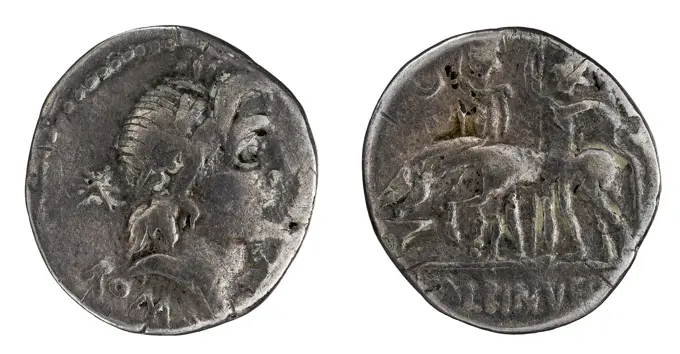
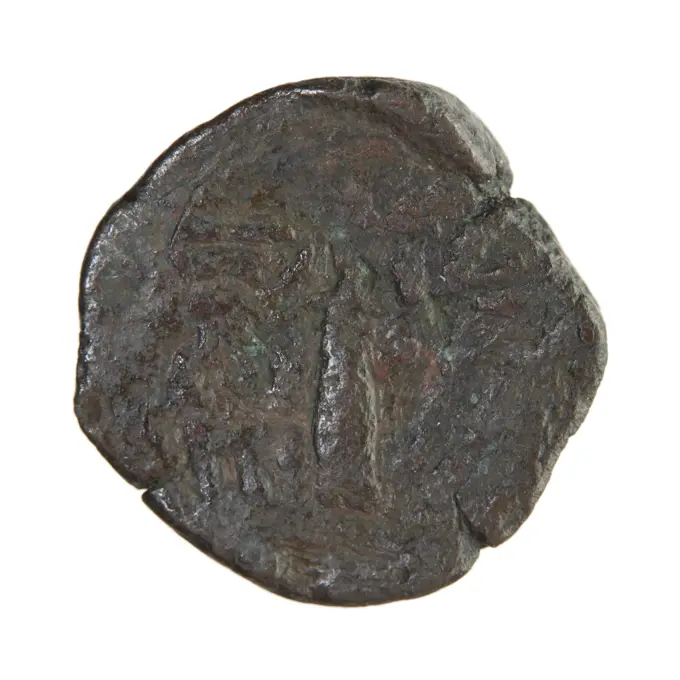
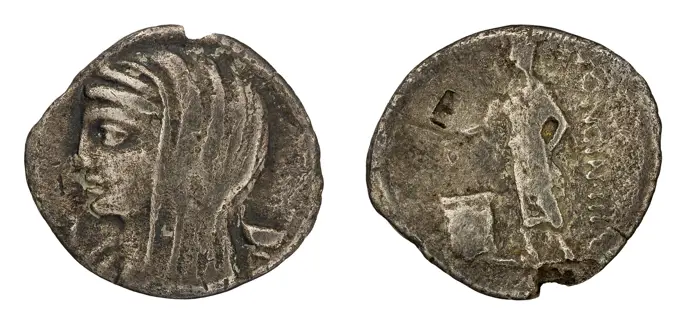
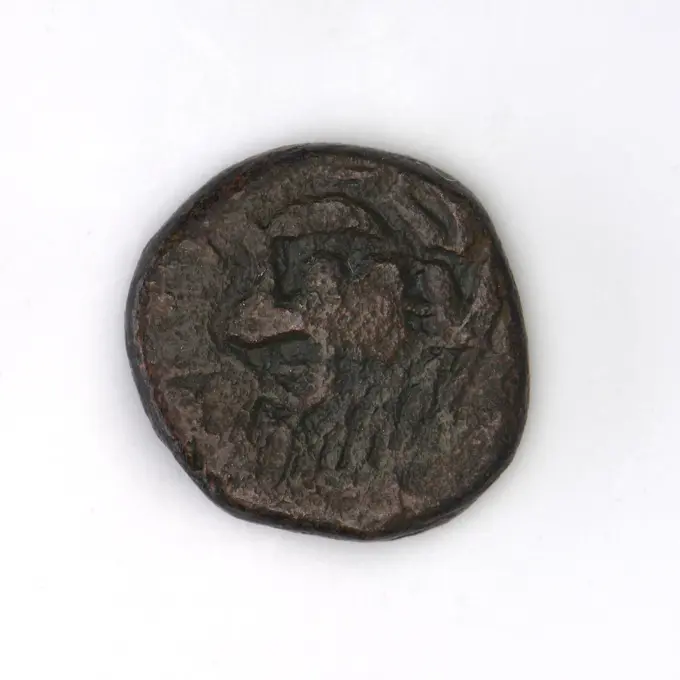
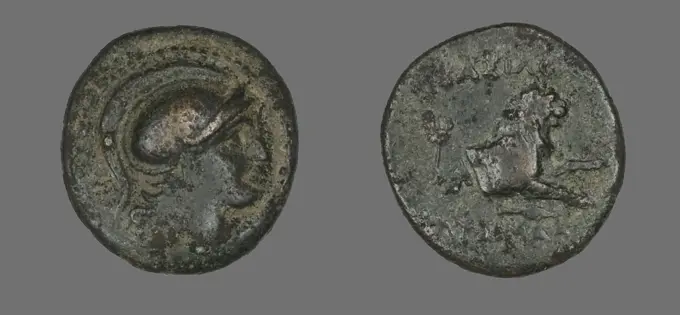
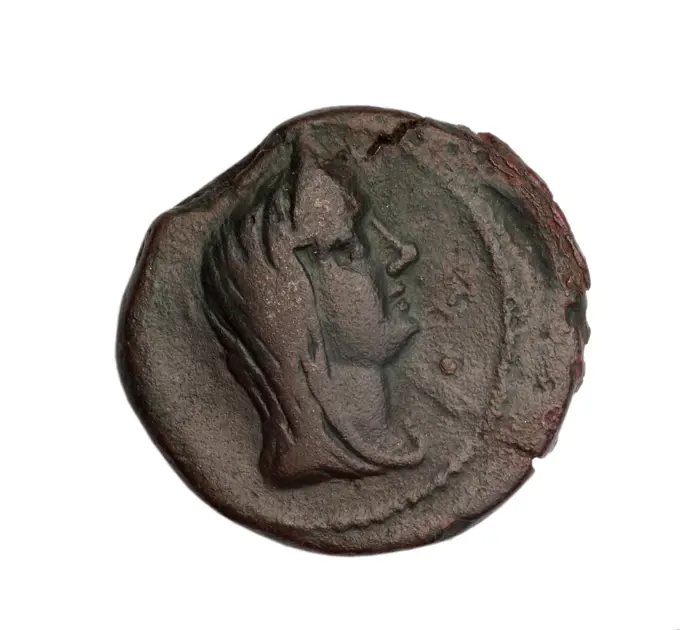
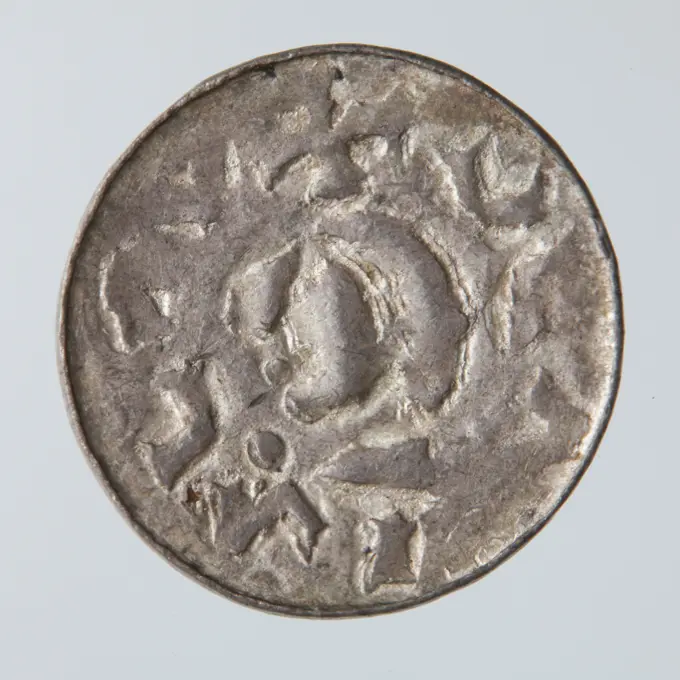
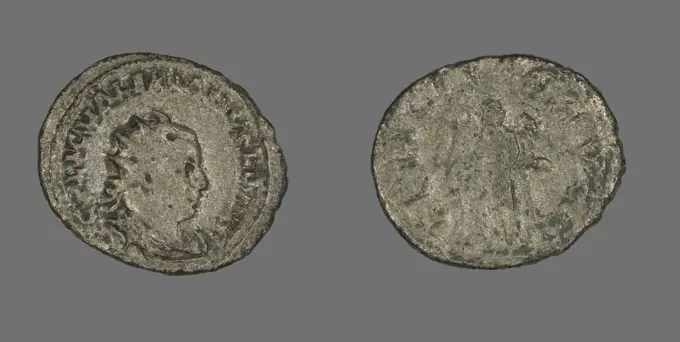
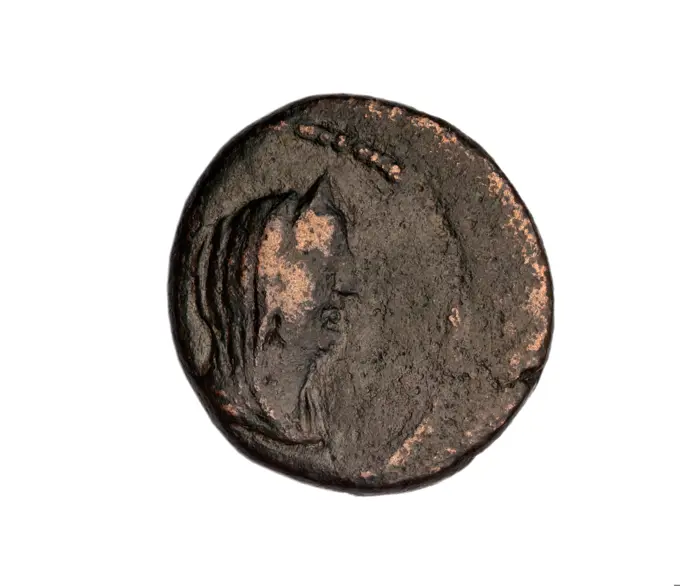
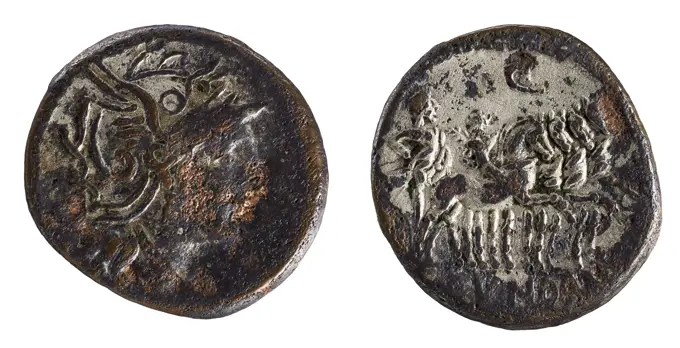
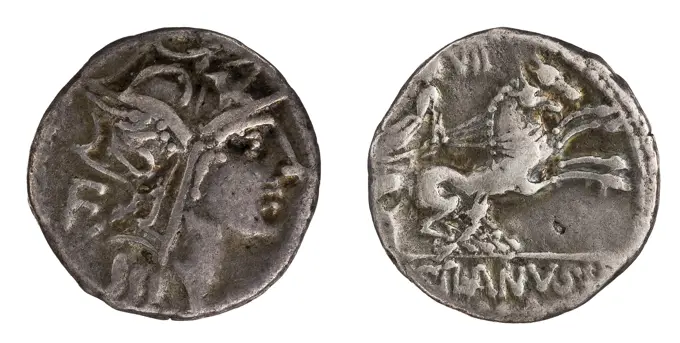
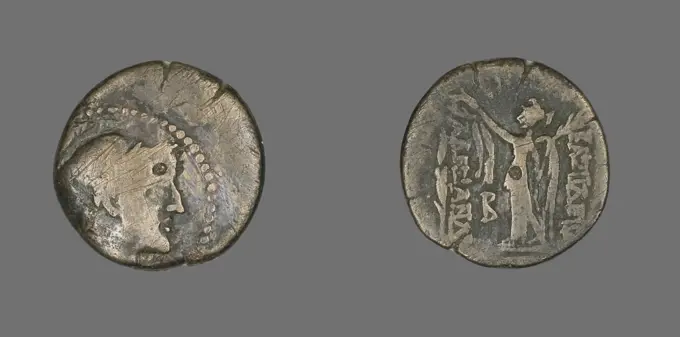
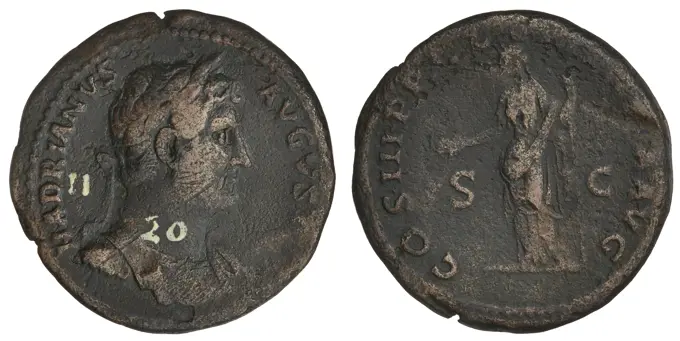
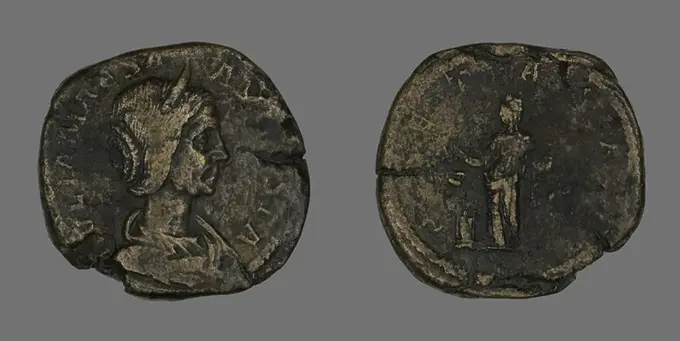
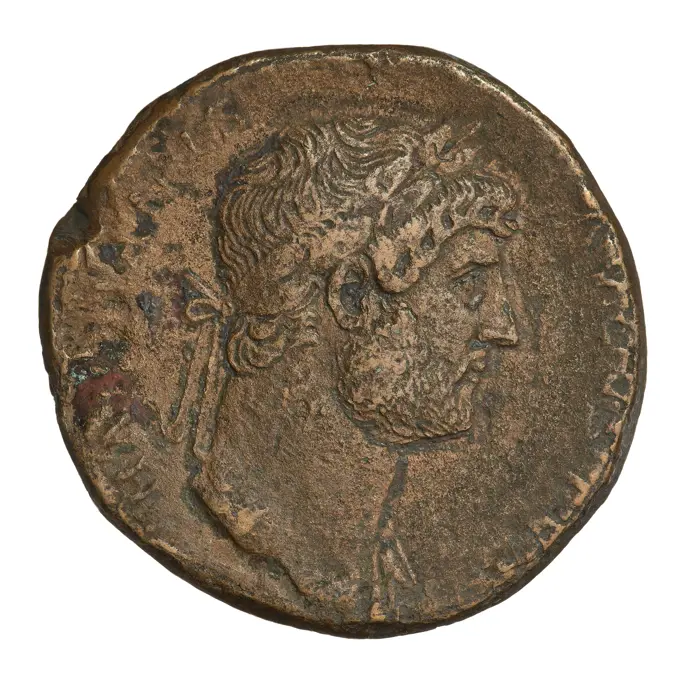
Collection of bronze and silver coins from ancient Greek and Roman periods, showcasing historical figures and inscriptions.
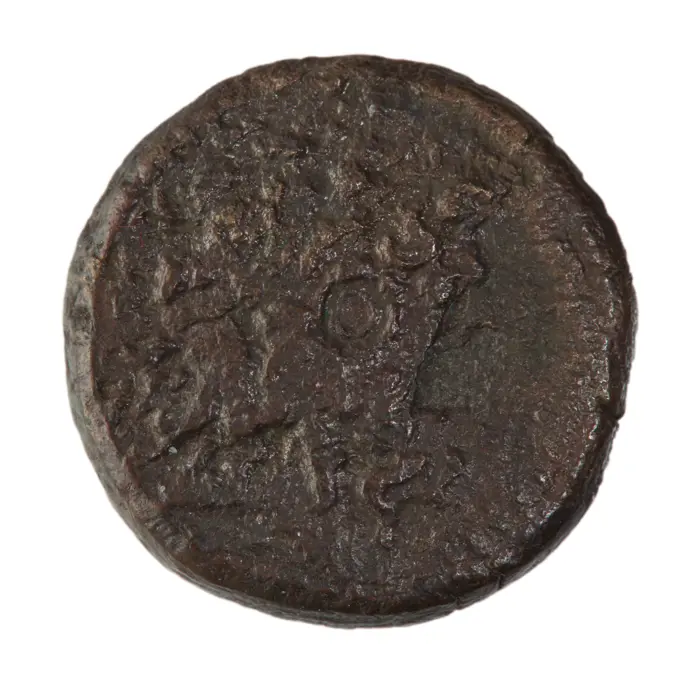
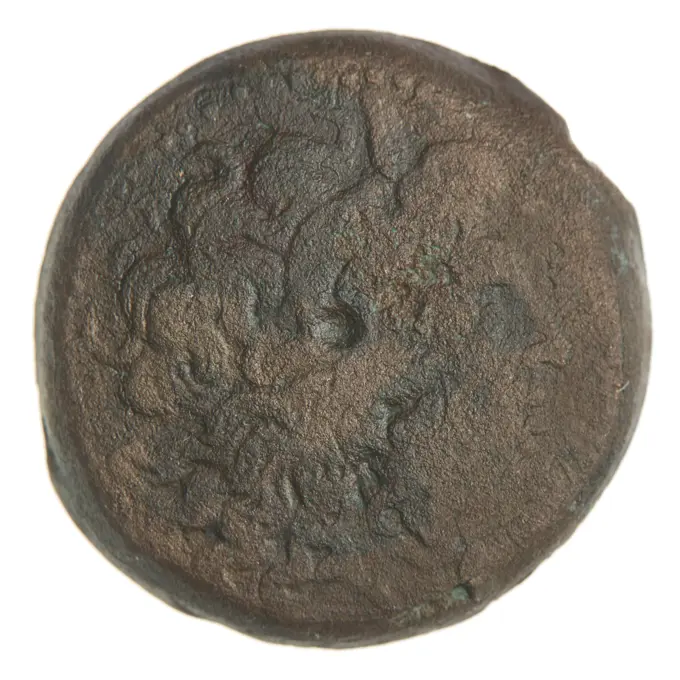
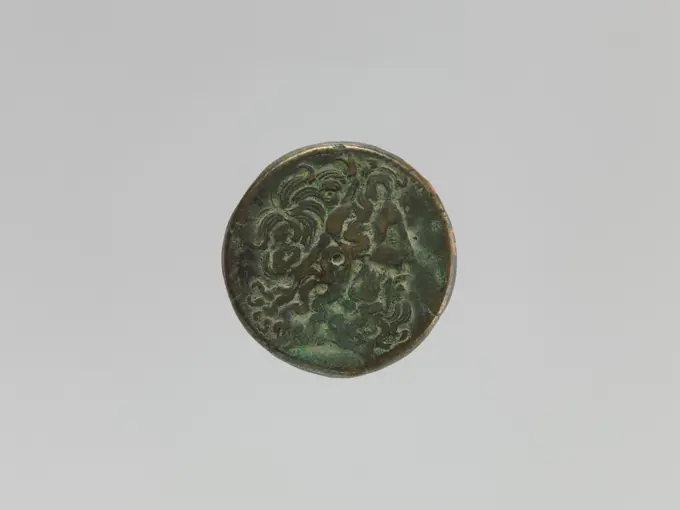
Greece, Egypt, Ptolemy III (246 221), Alexandria, Bronze (AE) Mennica Aleksandria, Ptolemeusz 3 Euergetes (246 221)
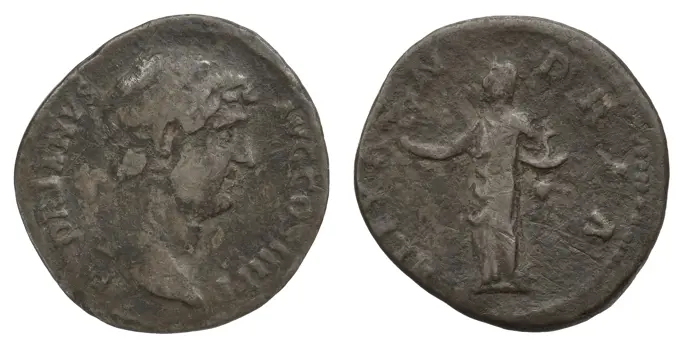
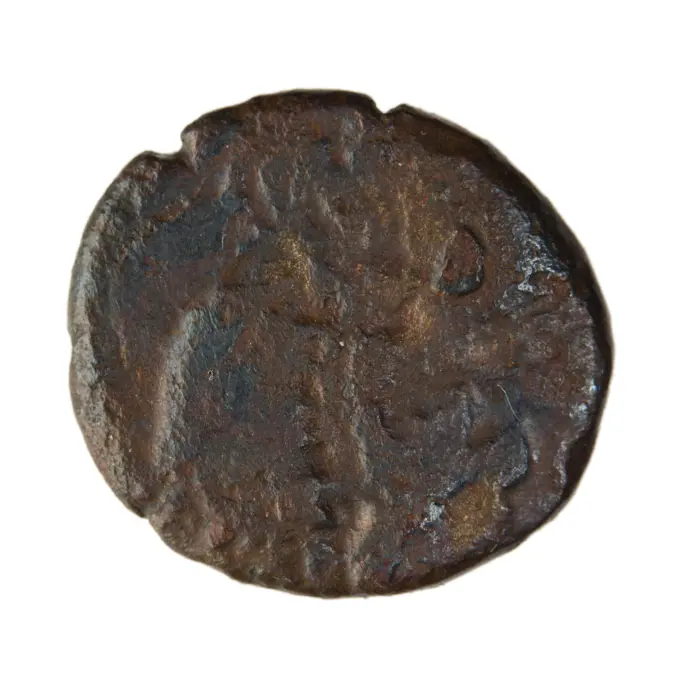
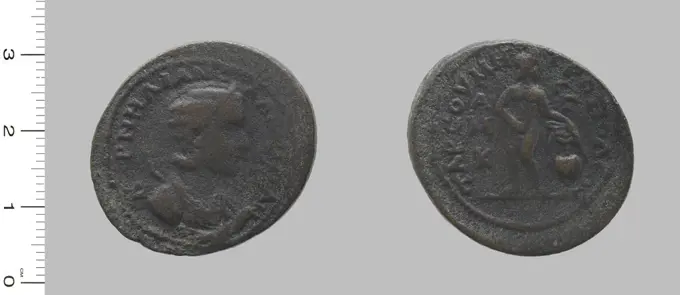
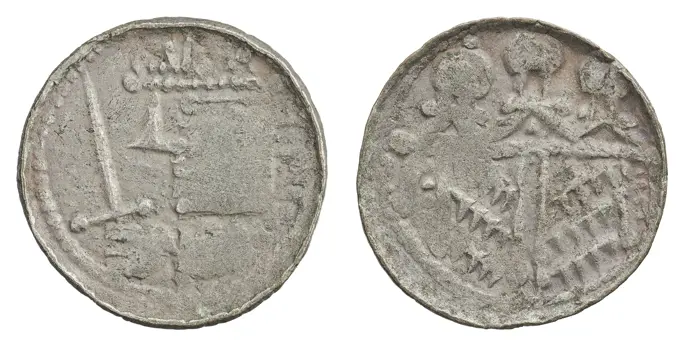
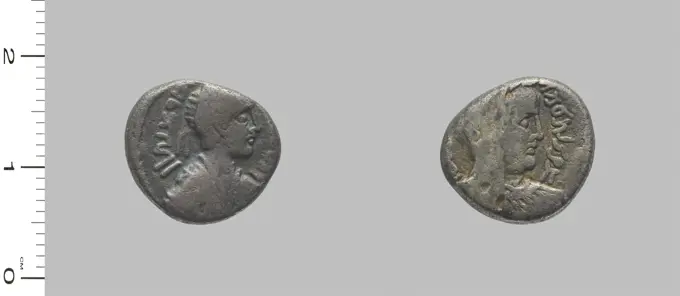
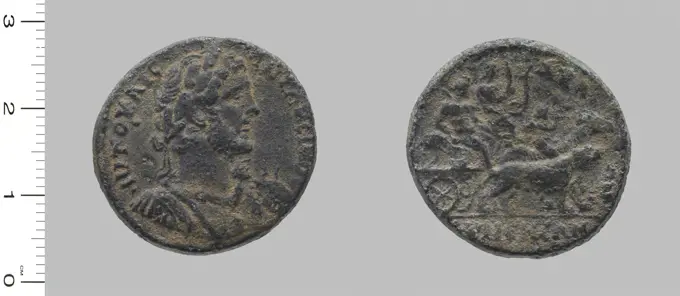
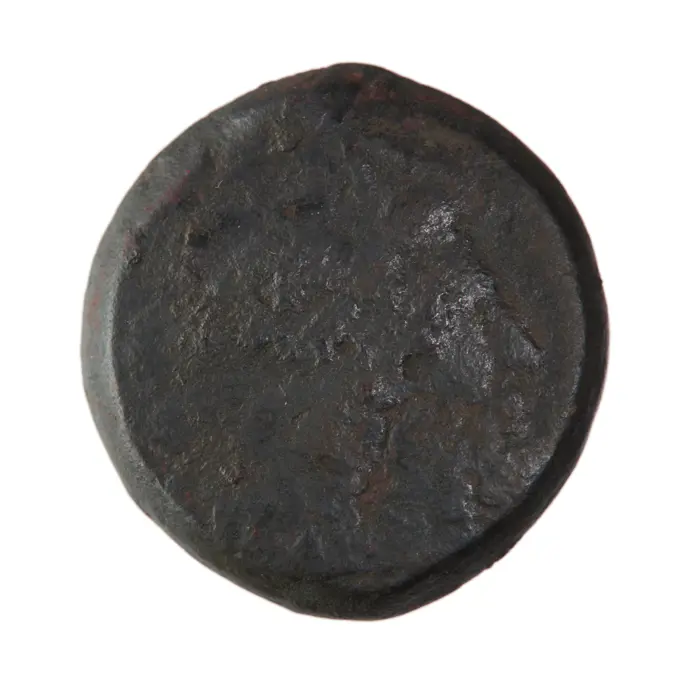
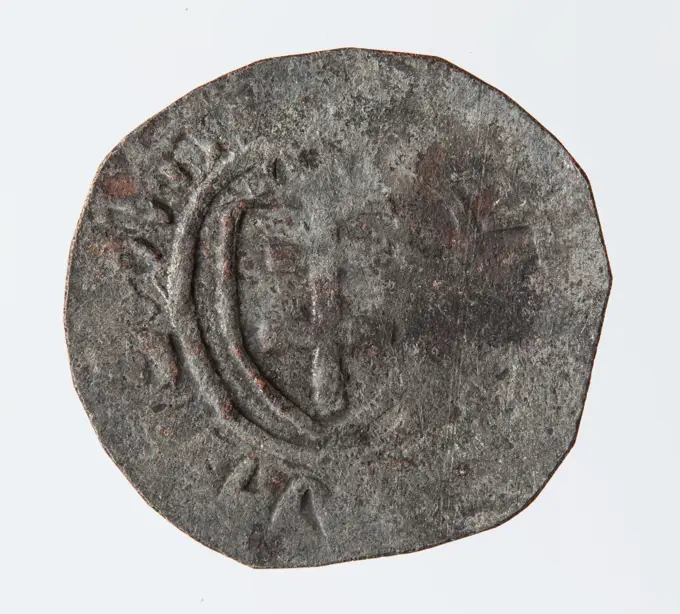
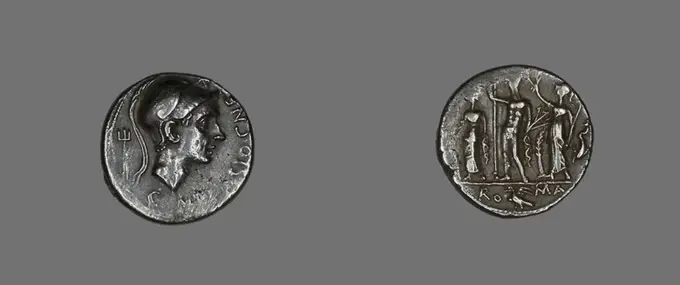
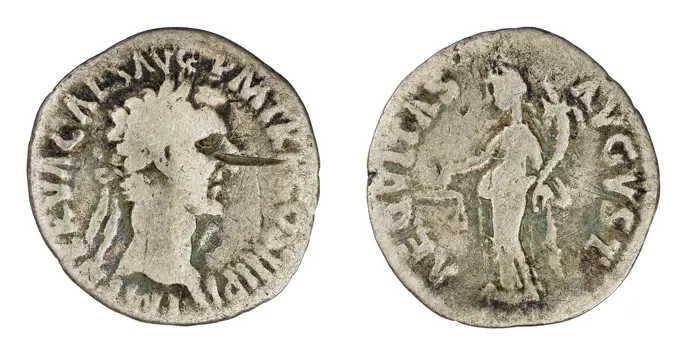
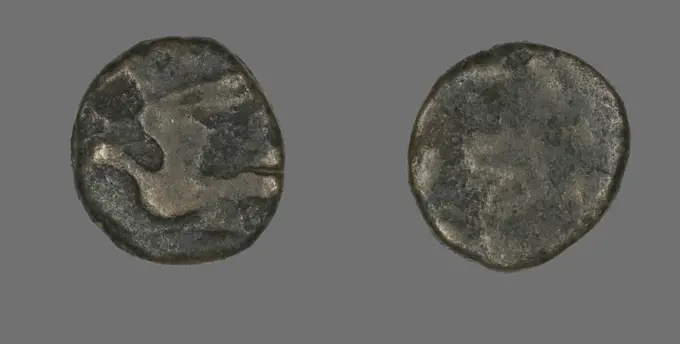
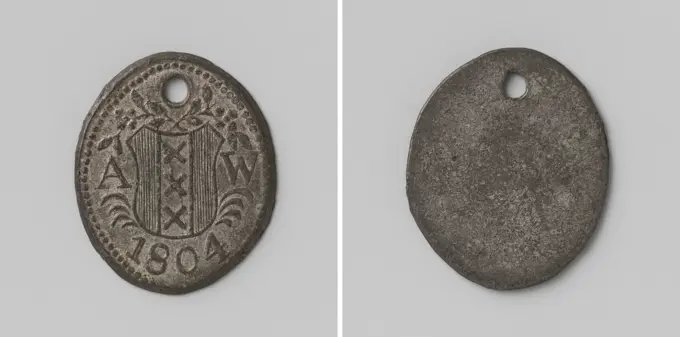
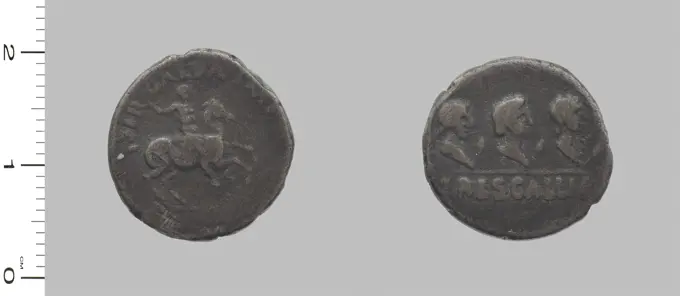
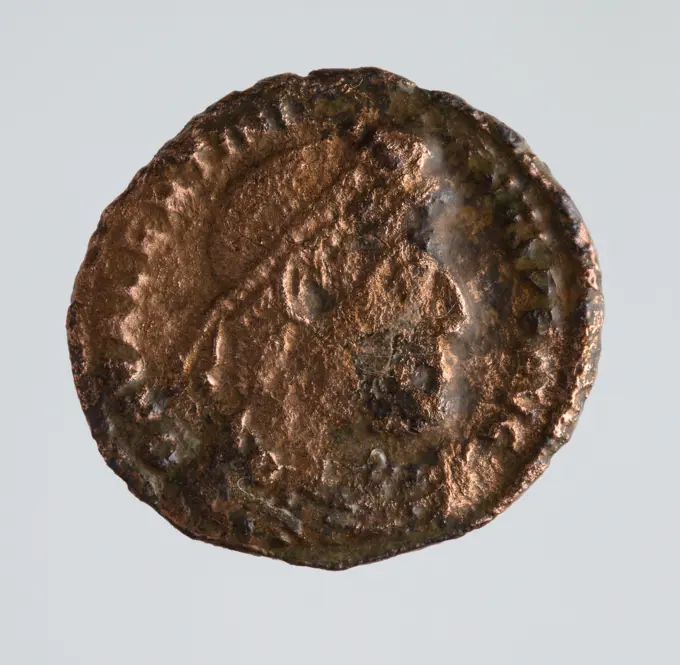
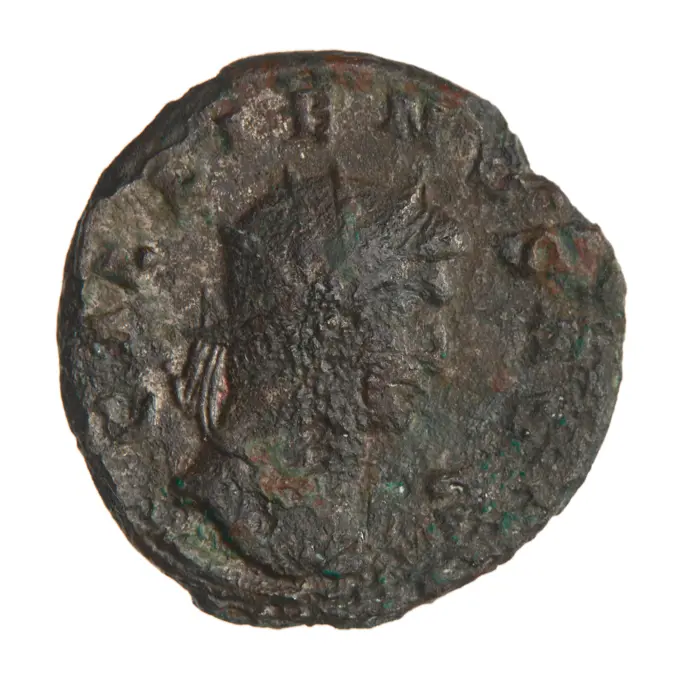
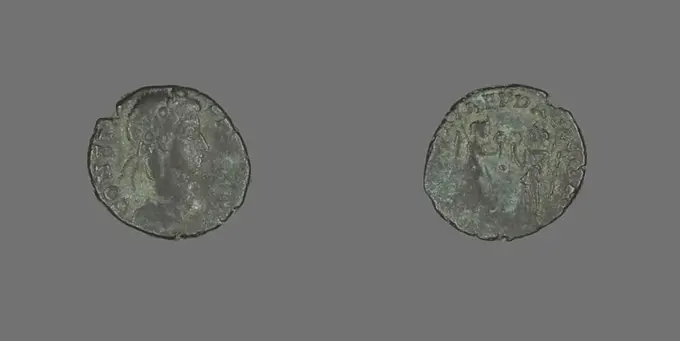
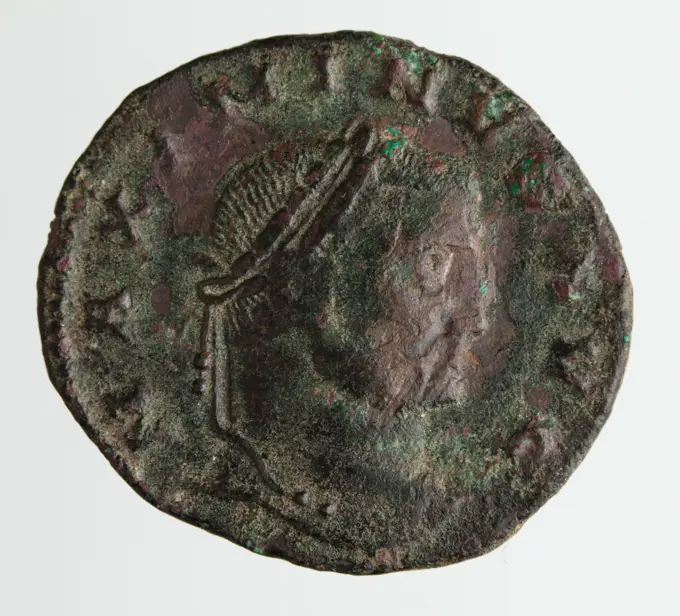
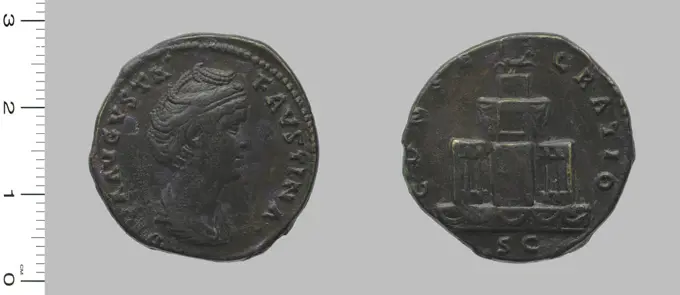
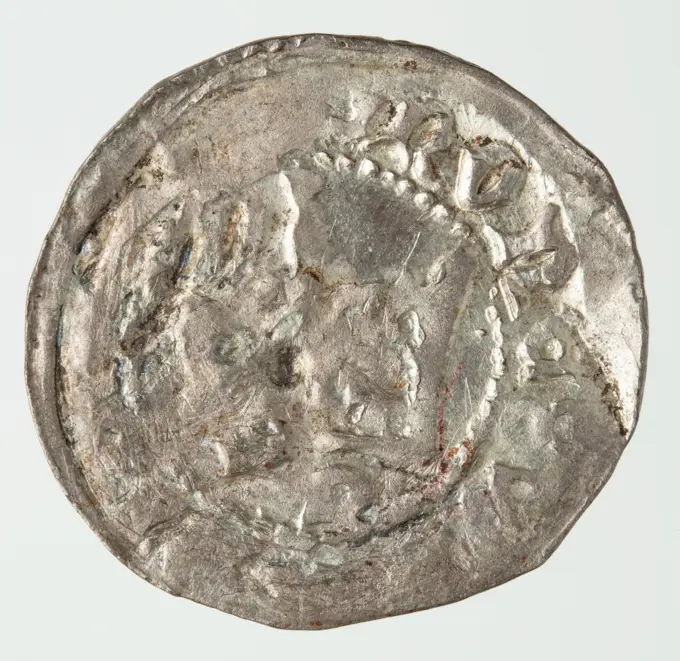
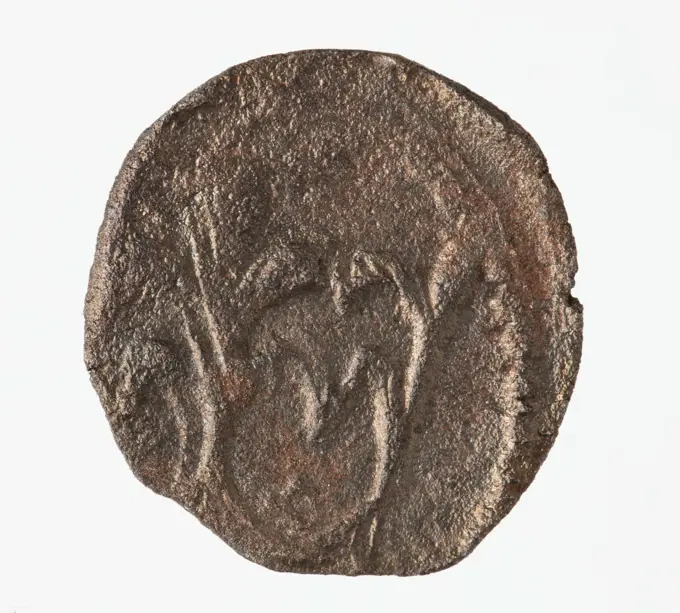
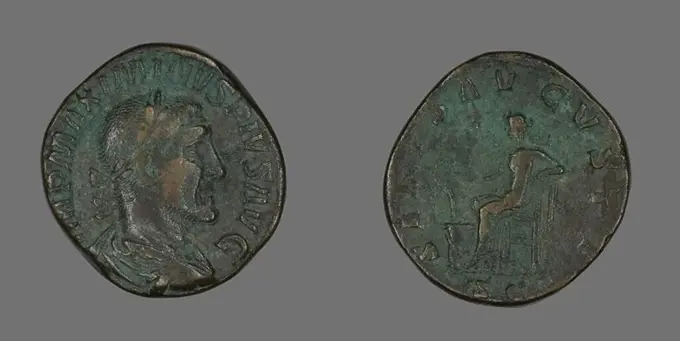
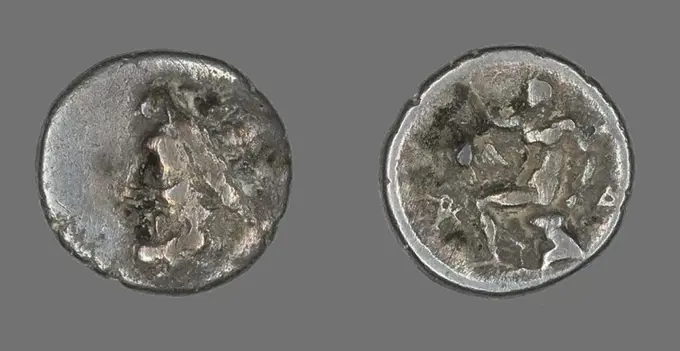
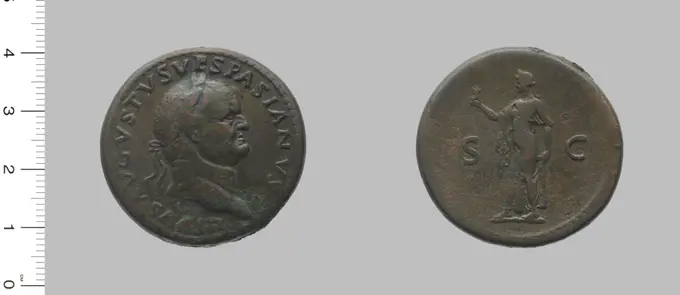
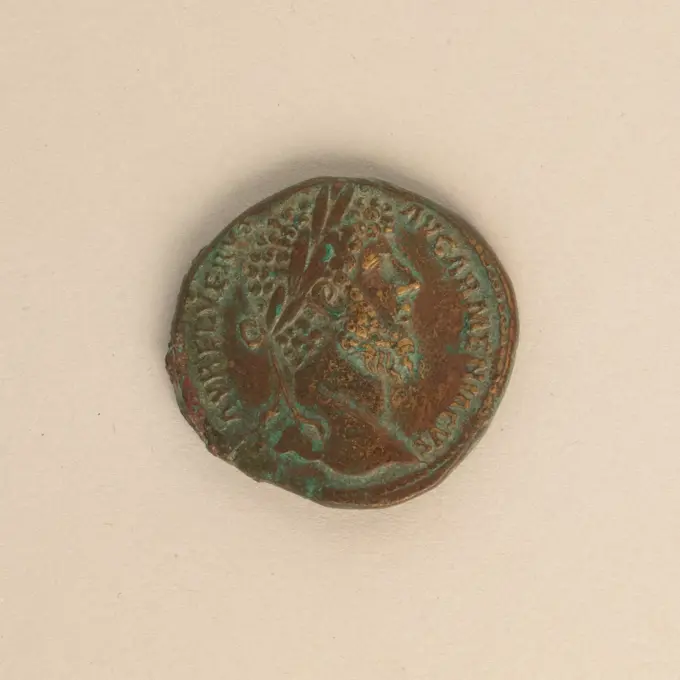
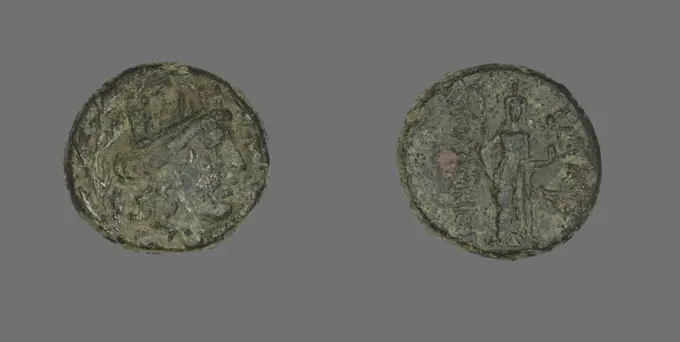
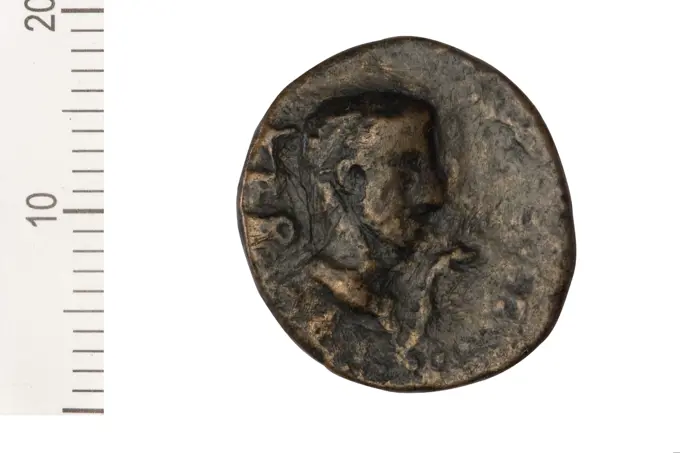
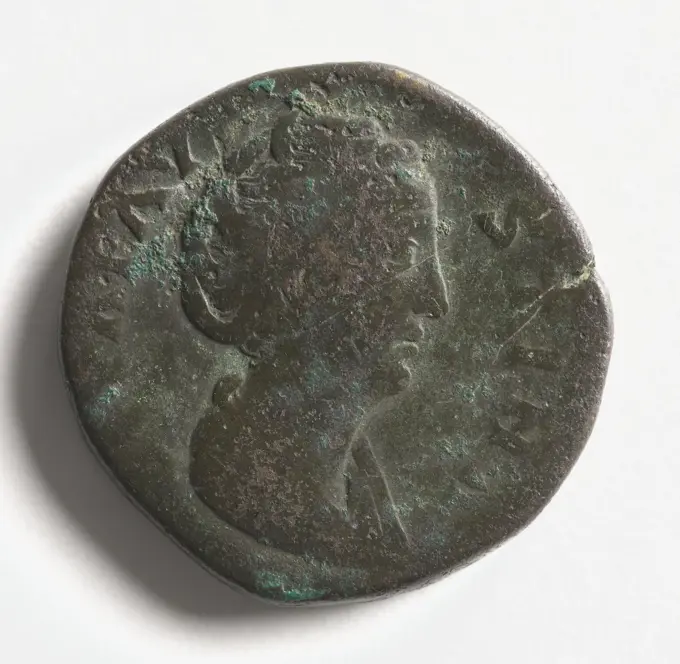
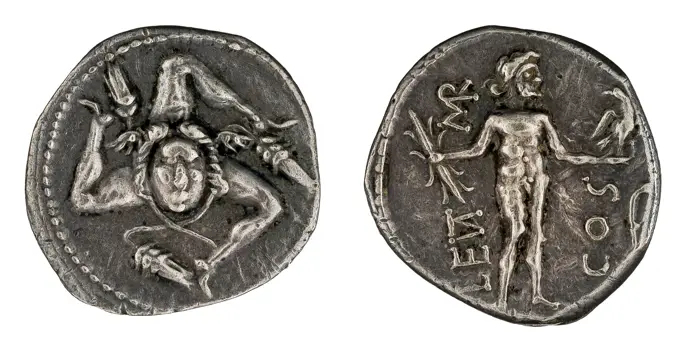
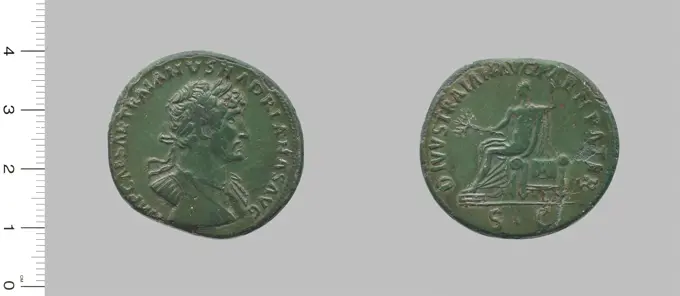
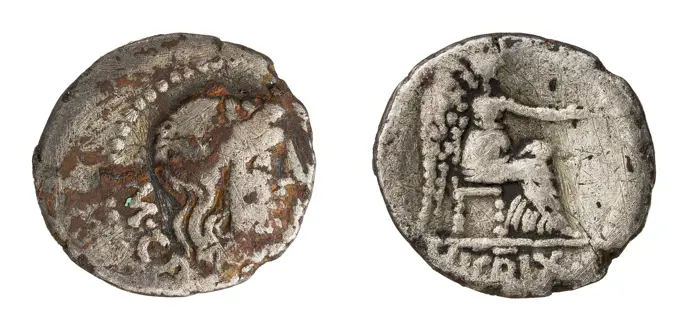
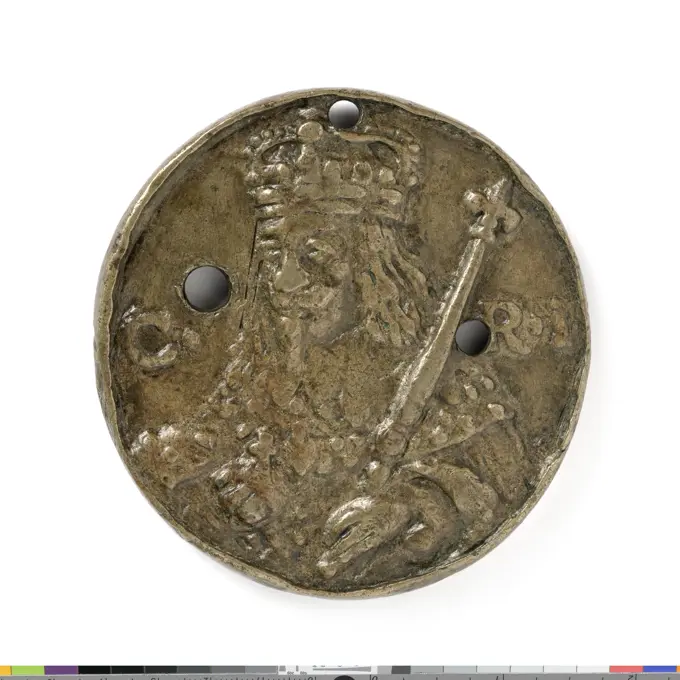
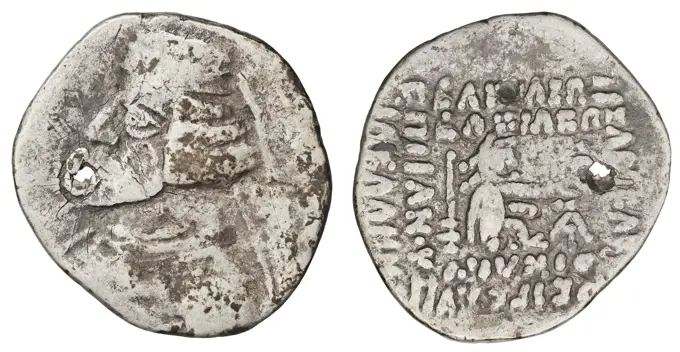
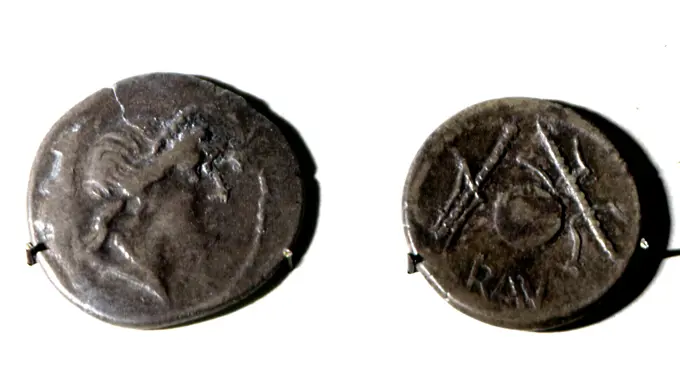
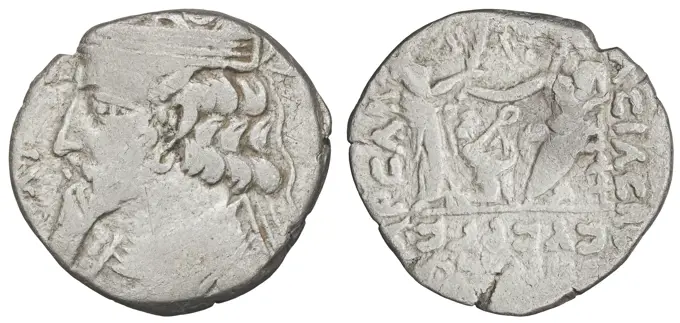
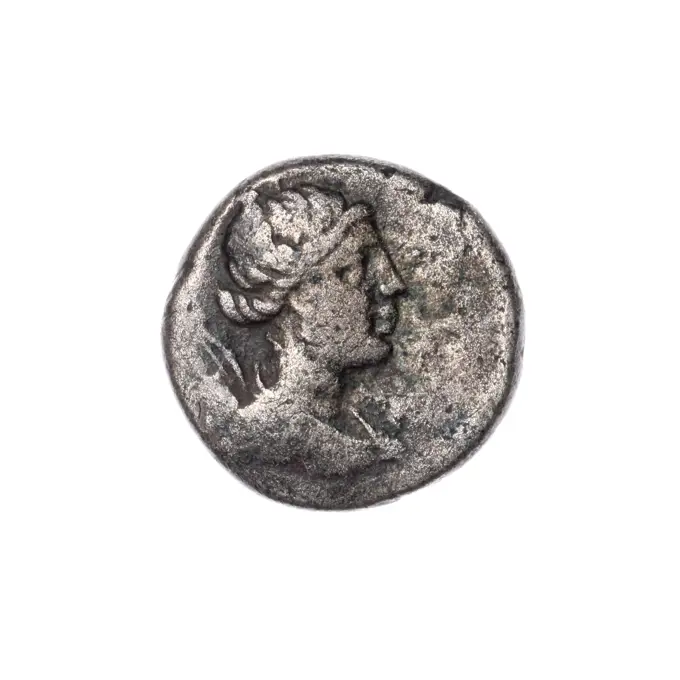
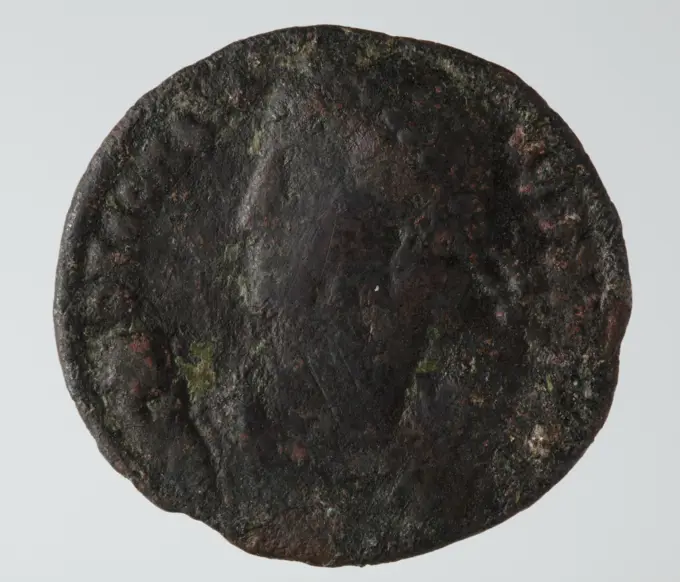
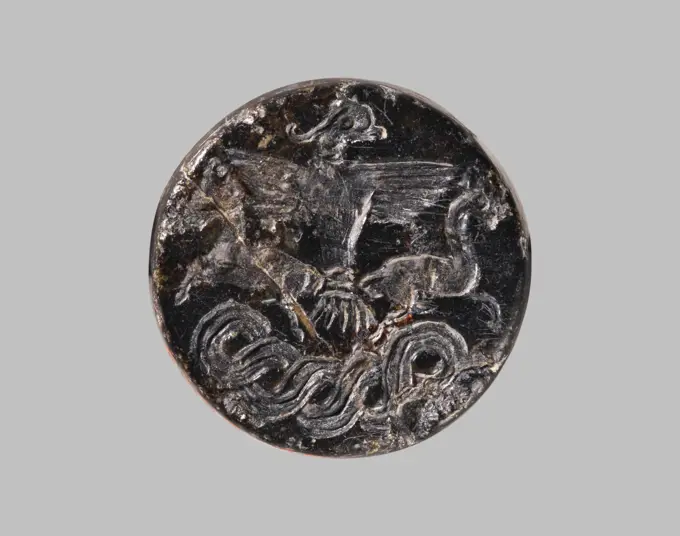
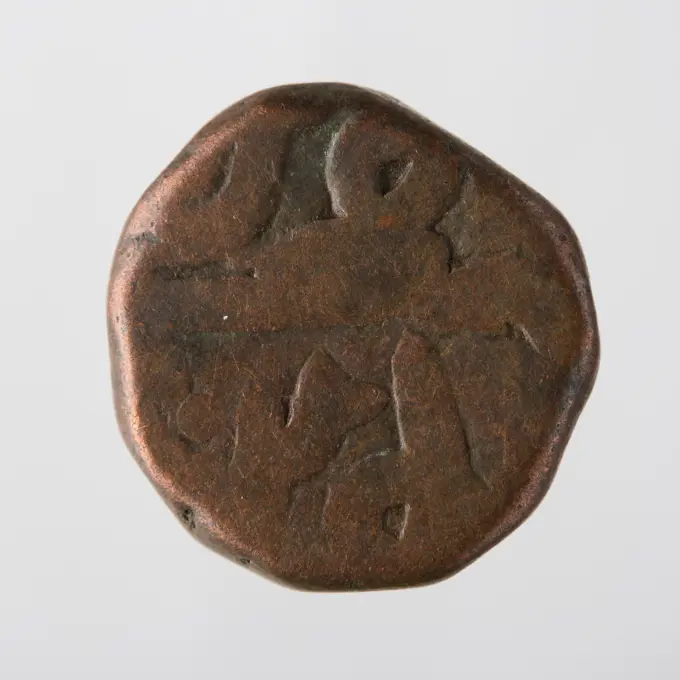
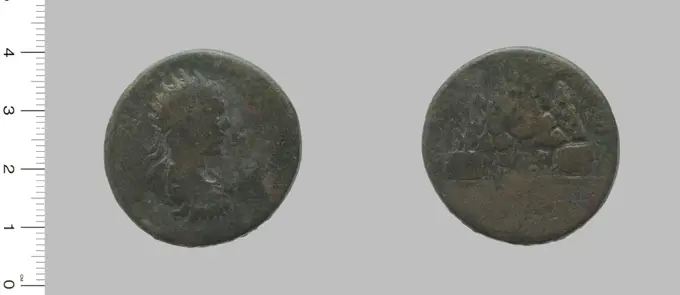
Greece, Kimerian Bospor, PantiKapajon, last quarter of the 4th century, Bronze, bronze (AE) PanticapaeumGreece, Egypt, Ptolemy III (246 221), Alexandria, Bronze (AE) Mennica Aleksandria, Ptolemeusz 3 Euergetes (246 221)denarius. Postumius Albinus, A. (fl. 96 a.C. ), monetary officer, Republika Rzymska, issuerGreece, Sarmacja, Olmia, around the first half of the second century BC, AE Mintdenarius. Cassius Longinus, L. (fl. 63 a.C. ; 48 a.C.), monetary officer, Republika Rzymska, issuerBliżej Kultury Mint Rome, Marcus Aurelius (161 180)Brown coin; Fanagoria; II century BC (-200-00-00--101-00-00);Nadczarzyorze, satir (mitol.), Terlecki, Ignacy (1860-1916), Terlecki, Ignacy (1860-1916)-collection, weapons (iconogr.), Arrows (weapons), armament (iconogr.), Purchase (provenance) , bow and arrow (iconogr.), Łuki (army)denarius. Hadrian (Roman emperor; 117-138)Greece, Kimerian Bospor, Pantikapajon, last quarter of the second century BC, bronze (AE) PanticapaeumRuler: Gallienus, Emperor of Rome, ca. A.D. 218-268, ruled 253-68, Mint: Tarsus, Honorand: Cornelia Salonina Augusta, wife of the emperor Gallienus, died 268, Coin of Gallienus, Emperor of Rome fromTarsus, ca.254-68, Bronze, 11.64 g, 6:00, 30.6mm, Made in Tarsus, Cilicia, Roman, 3rdcentury, Numismaticsdenarius (royal type). Bolesław II Śmiały (król Polski ; 1058-1079), rulerCoin Depicting the God Dionysos. Greek. Date: 133 BC. Dimensions: Diam. 2.6 cm; 11.39 g. Bronze. Origin: Ancient Greece. Museum: The Chicago Art Institute, Chicago, USA.Dupondius (Coin) Portraying Emperor Hadrian 117 CE-138 CE Roman Empire. Bronze . Ancient RomanDrachm of Rabbell II, King of Nabathaea fromPetra. Ruler: Rabbell II, King of Nabathaea, A.D. 71-106 Mint: Petra Artist: UnknownBolesław Krzywousty (1102-1138), Denar, Kraków; After 1113 Boles And Krzywousty (1102 1138)Coin of Antoninus Pius, Emperor of Rome fromTralles. Ruler: Antoninus Pius, Emperor of Rome, A.D. 86-161, ruled A.D. 138-161 Mint: Tralles Artist: UnknownCoin Depicting the God Apollo 200 BCE-1 BCE Ancient Greece. Bronze . Ancient GreekGreece, Egypt, Ptolemeusz II (285 246), Alexandria, after 265 B.C., bronze (AE) Alexandria mintCoin Portraying the Radiate Bust of an Emperor 201 CE-300 CE Roman Empire. Bronze . Ancient RomanFalse Coin, Władysław Jagiełło (1386 1434), Kwartalnik Mały (Ternar); 1399/1400 unknownGreece, Sarmacja, Olmia, I II century AD, AE MintCoin Depicting the God Ares 306 BCE-281 BCE Ancient Greece. Bronze . Ancient GreekTetradrachm (Coin) Portraying Empress Salonina 267 CE-268 CE Roman Empire. The front (obverse) of this coin portrays the empress Salonina, facing right.On the back (reverse) Elpis, the personification of hope, is depicted holding a flower.. Billon . Ancient RomanAE. FanagoriaCoin Depicting the God Apollo. Greek. Date: 200 BC-1 BC. Dimensions: Diam. 2.2 cm; 7.80 g. Bronze. Origin: Ancient Greece. Museum: The Chicago Art Institute, Chicago, USA.quinarius. Fundanius, C. (fl. 101 a.C.), monetary officer, Republika Rzymska, issuerWładysław Herman (1079-1102), Denar, Kraków; 1080 1102 W Adys Aw Herman (1079-1102), Mint of KrakówAntoninianus (Coin) Portraying Emperor Valerian 255 CE-257 CE Roman Empire. The front (obverse) of this coin portrays the head of Emperor Valerian, facing to the right. On the back (reverse), Felicity is depicted with a caduceus and cornucopia.. Billon . Ancient RomanDenarius (Coin) Depicting Scipio Africanus. Roman. Date: 112 BC-111 BC. Dimensions: Diam. 1.9 cm; 3.70 g. Silver. Origin: Roman Empire. Museum: The Chicago Art Institute, Chicago, USA. Author: ANCIENT ROMAN.denarius. Nerwa (cesarz ; 96-98), emperorcrown penny; Zygmunt I Stary (King of Poland; 1506-1548); 1546 (1546-00-00-1546-00-00);Bliżej Kultury unknownGreece, Sarmacja, Olmia, around the second half of the 3rd century BC, AE MintCistophorus of Hadrian, Emperor of Rome from  MintE. Ruler: Hadrian, Emperor of Rome, A.D. 76-138, ruled 117-38 Mint:  Mint E Artist: UnknownCoin Depicting a Dove 250 BCE-150 BCE Roman Empire. Bronze . Ancient RomanAE. FanagoriaSaksonia , Poland , The Cross Denar, between 1070 and 1107 unknownGreece, Kimerian Bospor, Panticbajon as Cezarea, end of the first century BC, bronze (AE) Panticapaeum mintdenarius (subaeratus). Fundanius, C. (fl. 101 a.C.), monetary officer, Republika Rzymska, issuerRoman Empire, Konstans (337 350), Tessalonica, 347 348 N.E; AE3 Consisting of, Menna TessalonikiCoin Depicting the God Asklepios ( ) 200 BCE-133 BCE Ancient Greece. Bronze . Ancient GreekAalmoezeniersweeshuis in Amsterdam, 1804  One -sided, oval pewter with hole in it. Front: coat of arms, surrounded by leaf branches between inscription AW above the year. Reverse: Blanco. Amsterdam tin (metal) striking (metalworking)  Amsterdam. Almsian orphanagedenarius. Iunius Silanus, D. (fl. 91 a.C), monetary officer, Republika Rzymska, issuerDenarius of Galba, Emperor of Rome fromAllobroges. Ruler: Galba, Emperor of Rome, 3 B.C.-A.D. 69, ruled A.D. 68-69 Mint: AllobrogesBliżej Kultury Valentinianus 1 (321 375), Menna TrierCoin Depicting the God Apollo 200 BCE-101 BCE Ancient Greece. Bronze . Ancient GreekGreece, Egypt, Ptolemy VI (180-145), Alexandria, bronze (AE) Mint Alexandria, Ptolemeus VI Philometor (CA 180 145 BC)False Coin, Władysław Jagiełło (1386 1434), Kwartalnik Mały (Ternar); 1399/1400 unknownRoman Empire, Galien (253 268), Antoninate, silver (AR) GalianCoin Portraying Emperor Constans. Roman. Date: 335 AD-350 AD. Dimensions: Diam. 1.6 cm; 1.86 g. Bronze. Origin: Roman Empire. Museum: The Chicago Art Institute, Chicago, USA. Author: ANCIENT ROMAN.Bliżej Kultury Julian 2 Daja (305 313), ThessalonicaRuler: Antoninus Pius, Emperor of Rome, A.D. 86-161, ruled A.D. 138-161, Mint: Rome, Honorand: Faustina II, Empress consort of Marcus Aurelius, Roman, ca. 125-176, Dupondius of Antoninus Pius, Emperor of Rome fromRome, 141, Orichalcum, 11.94 g, 10:00, 27mm, Made in Rome, Italy, Roman, 2ndcentury, NumismaticsSaksonia , Poland , The Cross Denar, between 1070 and 1107 unknownBliżej Kultury Mennica Kraków, Władysław Jagiełło (CA 1351 1434), Borek Piotr (Mincierz Kraków, Fl. 1350 1399)Bliżej Kultury Mint of Kraków, Władysław Warneńczyk (King of Poland, 1434 1444)Sestertius (Coin) Portraying Emperor Maximinus. Roman, minted in Rome. Date: 235 AD-236 AD. Dimensions: Diam. 3.1 cm; 20.11 g. Bronze. Origin: Roman Empire. Museum: The Chicago Art Institute, Chicago, USA. Author: ANCIENT ROMAN.Denarius (Coin) Depicting the Satyr Silenus 90 BCE Roman Empire. The front (obverse) of this coin depicts the bearded satyr Silenus, facing right and crowned with a laurel wreath.On the back (reverse) a bearded figure faces left.. Silver . Ancient RomanHemidrachm (Coin) Depicting the God Zeus. Greek, minted in Megalopolis. Date: 371 BC. Dimensions: Diam. 1.6 cm; 2.27 g. Silver. Origin: Megalópolis. Museum: The Chicago Art Institute, Chicago, USA. Author: ANCIENT GREEK.Carnavalet museum, medal collection Louis-Napoléon Bonaparte's right to the left; Reverse registration on seven lines.Coin Depicting the Head of a Man 27 BCE-14 CE Ancient Greece. The front (obverse) of this coin depicts the head of a man wearing a Phrygian cap, facing to the right. On the back, an eagle stands with wings open.. Bronze . Ancient RomanGreece, Macedonia, Aleksander III Wielki (336 323), Bronze (AE) Aleksander III Wielki (356 323 BC)Bliżej Kultury Anastasus I (491 518), Mint of ConstantinopleRuler: Vespasian, Emperor of Rome, A.D. 9-79, ruled  69-79, Mint: Rome, Sestertius of Vespasian, Emperor of Rome fromRome, 80, Orichalcum, 26.48 g, 6:00, 35.2mm, Made in Rome, Italy, Roman, 1stcentury, NumismaticsCoin Depicting the Goddess Athena 336 BCE-323 BCE Ancient Greece. Bronze . Ancient Greekas. Hadrian (Roman emperor; 117-138), emperorSestertius (Coin) Portraying Julia Maesa. Roman, minted in Rome. Date: 223 AD. Dimensions: Diam. 3.2 cm; 24.53 g. Bronze. Origin: Roman Empire. Museum: The Chicago Art Institute, Chicago, USA. Author: ANCIENT ROMAN.sesterce; Hadrian (76-138; Roman emperor 117-138); 121-122 (119-00-00-138-00-00);Virtus (personification), busts, laurel wreaths, spearsBronze sestertius of Lucius Verus A.D. 163-164 Roman L AVREL VERVS AVG ARMENIACUS/head of emperor/TR P IIII IMP II COS II S C, Mars carrying spear and trophyRome. Bronze sestertius of Lucius Verus. Roman. A.D. 163-164. Bronze. Mid Imperial, Antonine. CoinsCoin Depicting the Goddess Tyche 200 BCE-1 BCE Izmir. The front (obverse) of this coin depicts a turreted head of the goddess Tyche, facing right. On the back (reverse) is a statue of Aphrodite Stratonikis standing, facing forward and holding Nike in her extended left arm that on a column. She holds a sceptre in her right hand.. Bronze . Ancient GreekAleksander Jagiellończyk (1501-1506), Half Grosz, 1502-1506, Krakow Aleksander Jagiello Czyk (King of Poland; 1501 1506), Mint of KrakówAE. ChersonezSESTERce de Faustine Mother, 141-161 Anonymous. Sesterce de Faustin Mother, 141-161. Bronze.False coin, IIthuanian shilIIng, 1666, John II Casimir (1649 1668)denarius. Claudius Marcellus, C. (fl. 49 a.C.), monetary officer, Cornelius Lentulus, L. (fl. 49 a.C.), monetary officer, Republika Rzymska, issuerSestertius of Hadrian, Emperor of Rome fromUnknown . Ruler: Hadrian, Emperor of Rome, A.D. 76-138, ruled 117-38 Artist: UnknownDresser Sesterce, 180-193 Anonymous. Dresser Sesterce, 180-193. Bronze.Bosphorne Kingdom, Reciporis V (242/3 276/7); AE Rescuporis V (242/3 276/7)denarius. Trajan (cesarz rzymski ; 98-117), emperorFalse Coin, Władysław Jagiełło (1386 1434), Kwartalnik Mały (Ternar); 1399/1400 unknownWładysław Herman (1079-1102), Denar, Kraków; 1080 1102 W Adys Aw Herman (1079-1102), Mint of KrakówCoin of Ptolemy III from a Ptolemaic hoard 246-222 B.C. Ptolemaic Period A hoard of 162 Ptolemaic coins that contained issue of Ptolemy II, III, and IV, but apparently no later king, was discovered in a jar buried in a pit in front of a large Ptolemaic tomb in Thebes. Accumulations of coins were not usually burial offering; these coins were likely buried in order to be hidden by someone who failed to return to recover them. The dates of the coins suggest they may have been hidden at the time of a major native uprisings in the north and in the south at the end of Ptolemy IV's reign and into the reign of Ptolemy V. The uprising lasted in the south of the country for 20 years from 206-186 B.C., and saw the establishment of nativer rulers Herwennefer and Ankhwennefer. It is reasoned that the uprising was a response to excessive taxation and manpower demands for Ptolemaic wars in Syria.. Coin of Ptolemy III from a Ptolemaic hoard 551798quinarius. Porcius Cato, M. (fl. 89 a.C.), monetary officer, Republika Rzymska, issuerCharles I and Charles II. England, 17th century. 1660. Jewelry and Adornments; medals. Cast and chased bronzedrachm. Orodes II (król Partii ; 57-37 p.n.e.), ruler1 As of Nerva, Emperor of Rome fromRome. Ruler: Nerva, Emperor of Rome, A.D. 30-98, ruled 96-98 Mint: Rome Artist: UnknownNOTE: This image avail. up to 100MB. Call for details.denarius. Trajan (cesarz rzymski ; 98-117), issuerStater from uncertain,Caria?.  Artist: Unknowntetradrachm. Artabanus II (10 - 40 po Chr.), rulerCoin Depicting the Goddess Kybele 200 BCE-101 BCE Izmir. The front (obverse) of this coin depicts the head of the goddess Kybele, facing right. On the back (reverse), the goddess Aphrodite Stratonikis is depicted standing and facing right, holding a small figure of the goddess Nike.. Bronze . Ancient GreekGreece, Sarmacja, Olbia, approx. 400 350 BCE, AE MintDrachma; Pantikapaion; 1. W. 1st century BC (-100-00-00--76-00-00);Artemida (mitol.AE. ChersonezBliżej Kultury Consisting of, Menna TessalonikiStamp seal with a knob handle: bird of prey with two horned animals caught in its talons ca. 18th century B.C. Old Assyrian Trading Colony Stamp seals first appeared in northern Mesopotamia during the 6th millennium and were exclusively used throughout the ancient Near East until the innovation of the cylinder seal in the second half of the 4th millennium BC. Cylinder seals were the preferred administrative tool in Mesopotamia during the 3rd and 2nd millennia B.C. and in the 1st millennium B.C., stamp seals were once again adopted by the administrative classes. In Anatolia, stamp seals predominated and it was only during the Old Assyrian Period (ca. 2000-1700 B.C.) that Anatolians used cylinder seals in their administrative practices. Like cylinder seals, stamp seals could be made from a variety of local and exotic stones as well as metal and even clay. They were impressed directly upon tablets, vessels, and clay bullae used to seal storage containers and doors. Stamp seals exhibit eitIndia, Marats Confederation, Bhonsla Family (1753 1853), Hinganghat, 2 Paisa, B.D.Greece, Asian Bospor, Giftaria, Late III ii Century BC, Bronze (AE) FanagoriaQuinarius of Gallienus, Emperor of Rome fromRome. Ruler: Gallienus, Emperor of Rome, ca. A.D. 218-268, ruled 253-68 Mint: Rome Artist: Unknown Honorand: Cornelia Salonina Augusta, wife of the emperor Gallienus, died 268Bliżej Kultury Steady 2, Menna TrierRuler: Elagabalus, Emperor of Rome, ca. 203-222, ruled 218-22, Mint: Caesareia, Cappadocia, Coin of Elagabalus, Emperor of Rome fromCaesarea, 219, bronze, 22.46 g, 11:00, 34.3mm, Made in Caesareia, Cappadocia, Roman, 3rd century A.D., Numismatics