Ancient Coins from Historical Figures

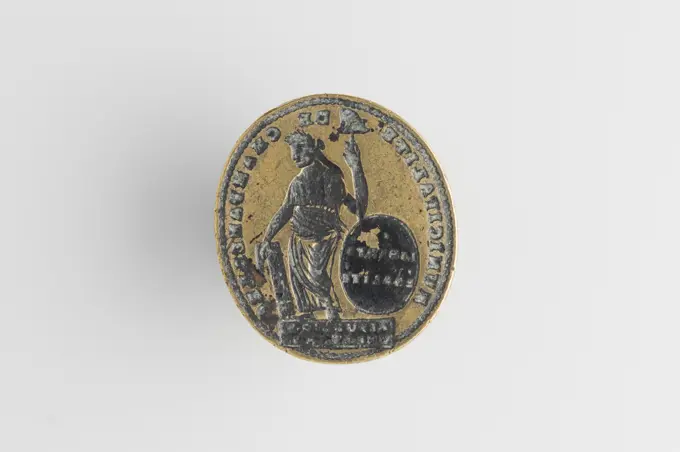
Several ancient coins with intricate designs, featuring notable historical symbols and figures from the medieval era.

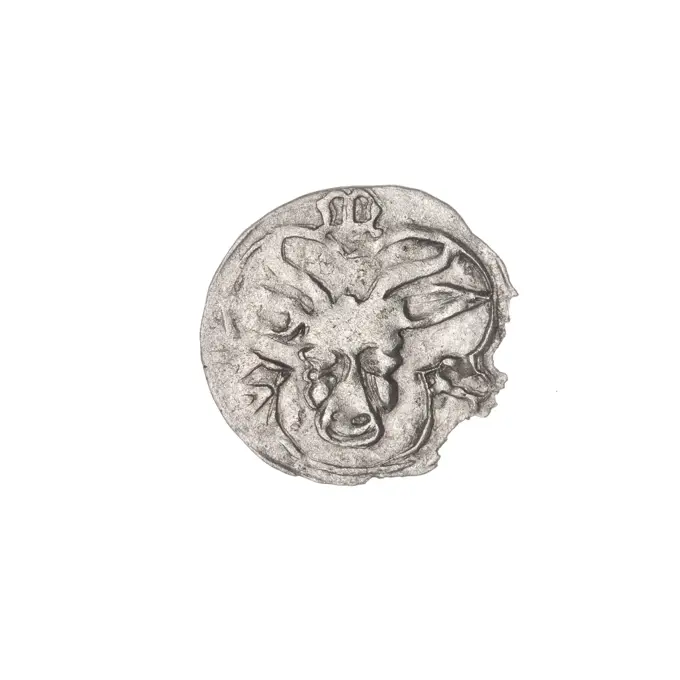
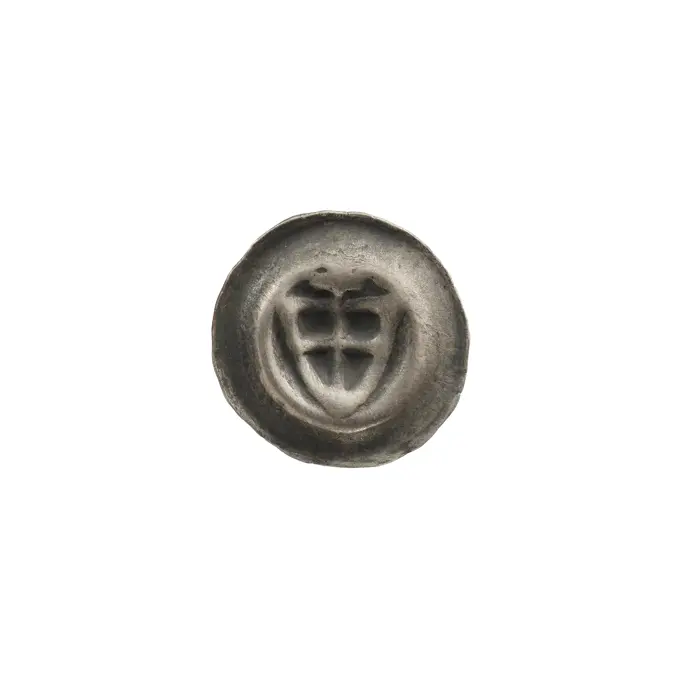
Lithuanian Denar; Zygmunt II August (Polish king; 1544-1572); 1556 (1546-00-00-1546-00-00);
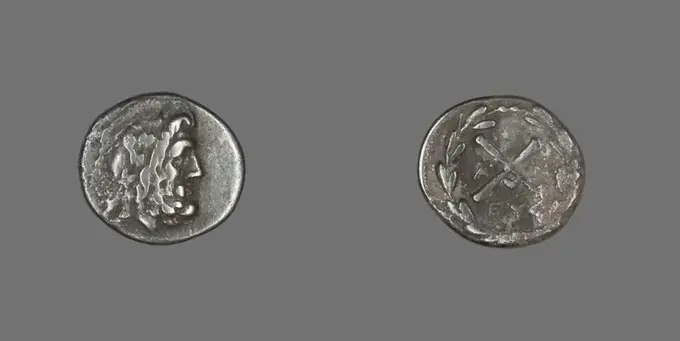
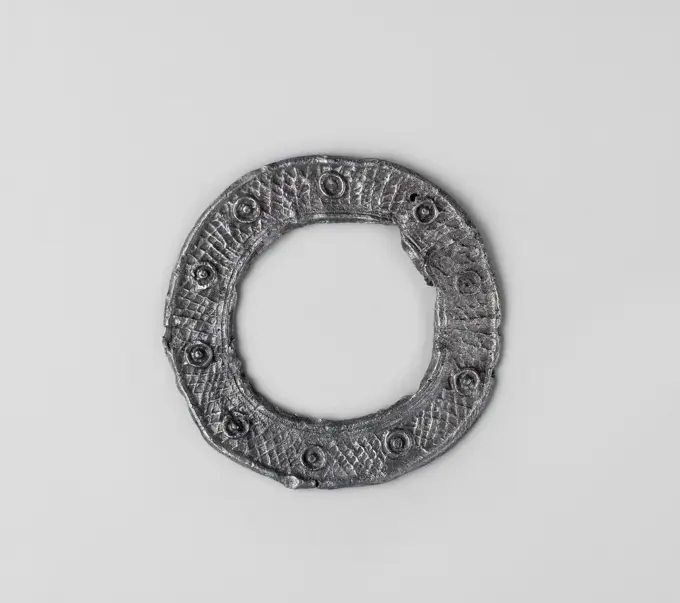
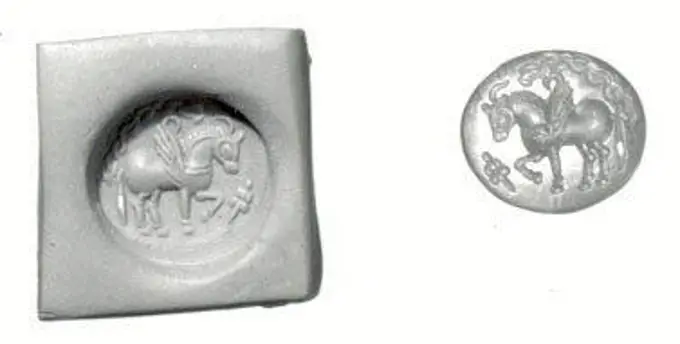
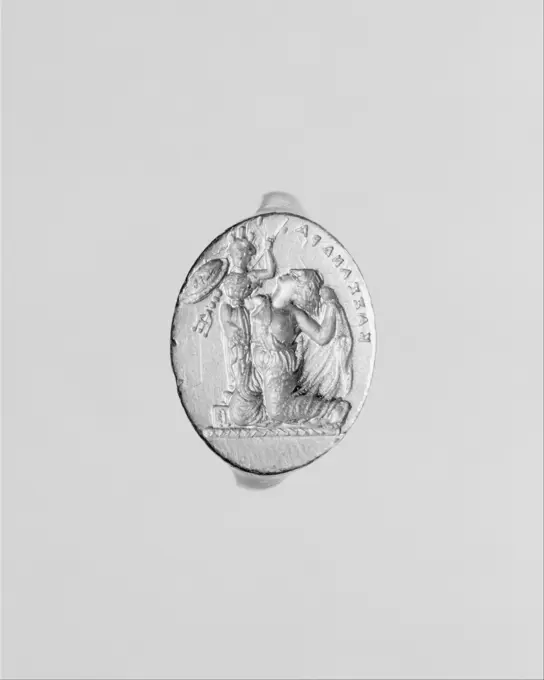
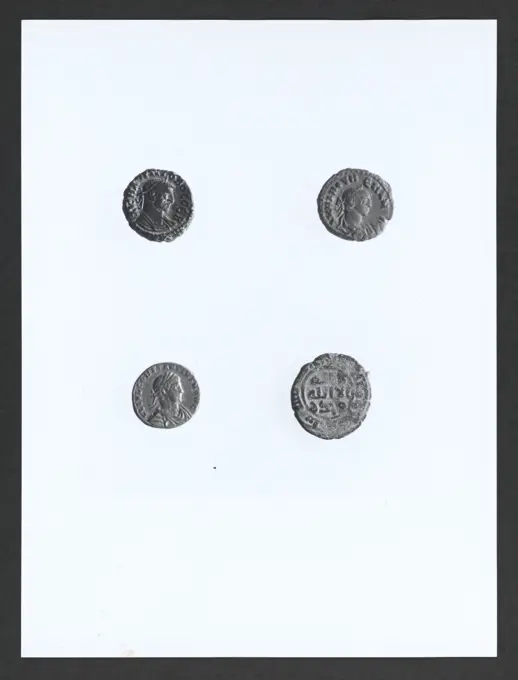
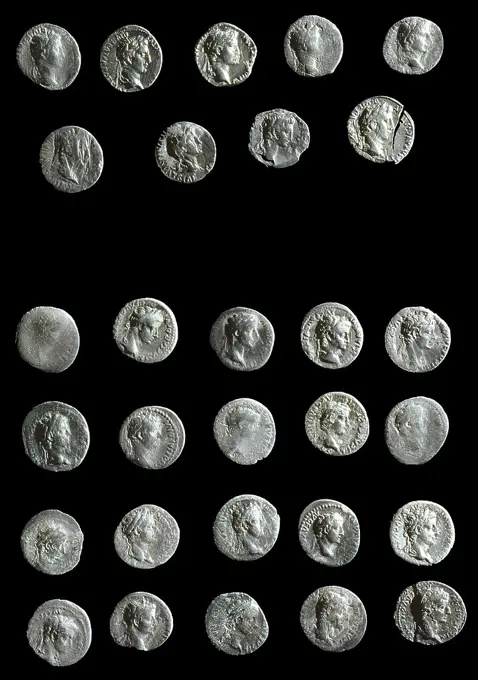
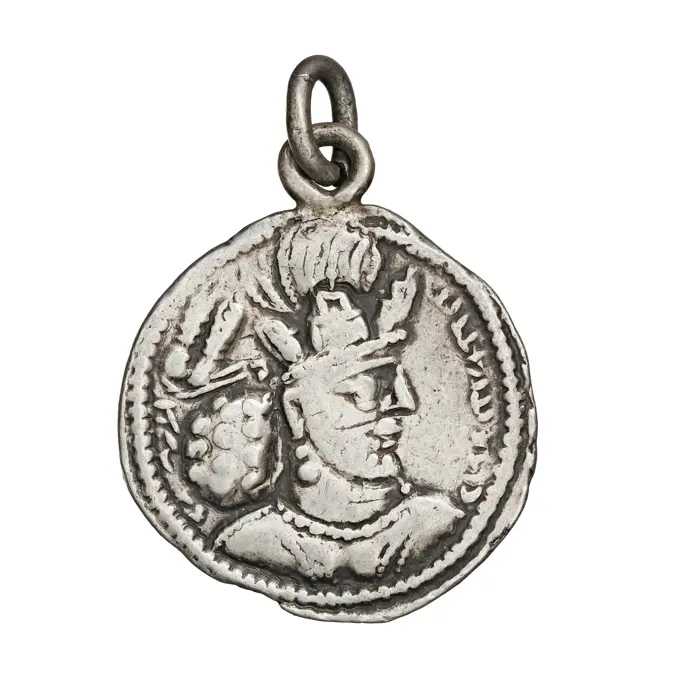
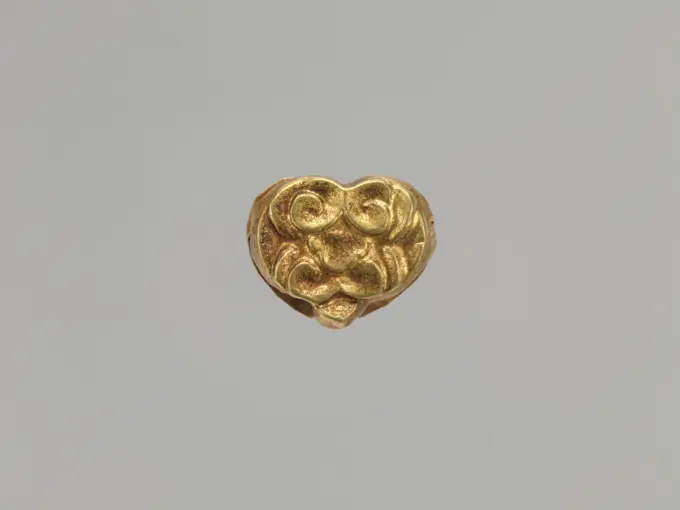
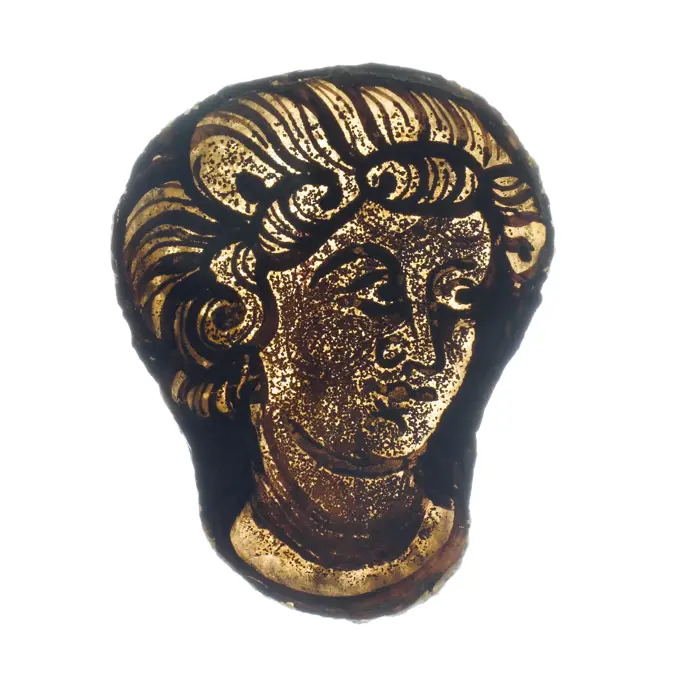
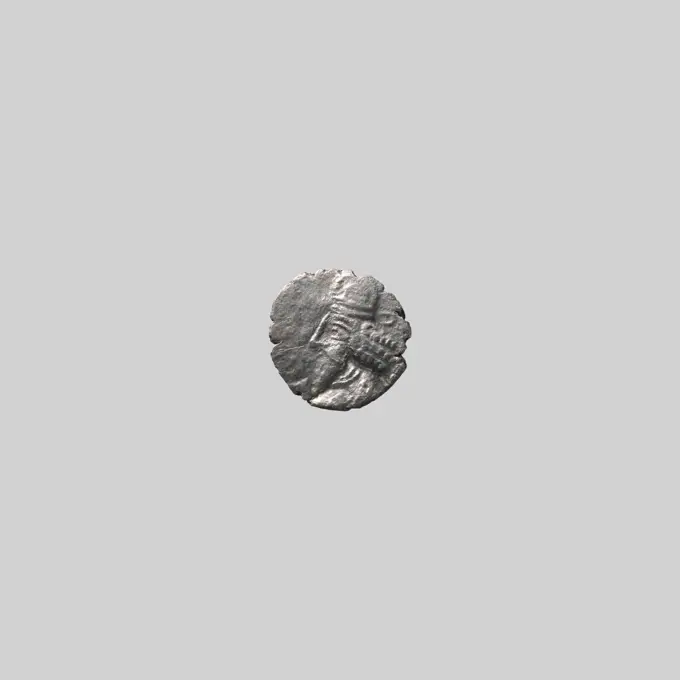
Coin ca. A.D. 50-100 Parthian Numismatists - the scholars who study coins - refer to the front’ side of the coin, which usually features the head of a person or god, as the obverse,’ and the back’ side as the reverse.’On the obverse of this small silver coin, a bust of the king faces to the left. He has a long beard, long hair and a large nose, and wears a domed hat (called a tiara’) with a diadem (the headband worn by victorious athletes in ancient Greece) tied over it. The reverse type is all but impossible to discern.This coin was minted by King Kapat (also called Napad) of Persis, in the second half of the first century A.D. Persis refers to a region in southwestern Iran which was the heartland of the Achaemenid Empire. Under the Seleucids and Parthians, Persis was ruled by client kings like Ardashir, who combined elements of Achaemenid, Seleucid and Parthian iconography on their coins.This coin was excavated at Qasr-i Abu Nasr, near Shiraz. Much of the material from the site Coin weight. unknown, craftsmanheller; 15th century (1401-00-00-1500-00-00);Potocki, Andrzej (1861-1908), Wołów (coat of arms), head of the ox (iconogr.), City coins, Silesian Orzeł (iconogr.), Eagles, shield, coat of arms, shield with eagle (iconogr.), Silesian Herb shield (Herb shield ( iconogr.)Hemidrachm (Coin) Depicting the God Zeus Amarios. Greek. Date: 222 BC-146 BC. Dimensions: Diam. 1.6 cm; 2.30 g. Silver. Origin: Ancient Greece. Museum: The Chicago Art Institute, Chicago, USA.Miniaturowa zapinka (). unknown, authorHalf Koningsdaalder, emergency coin from Groningen, beaten during the siege, for payment of overdue soldy to the garrison, Balthasar Wijntgens, 1577 coin. siege coin Unilateral, rectangular emergency coin with somewhat convex edges. Front: two -headed eagle with coat of arms for chest under letter g inside in the change and pearl edge. Reverse: Blanco Groningen silver (metal) striking (metalworking)  GroningenDiobol (Coin) Depicting a Lion. Greek. Date: 395 BC-377 BC. Dimensions: Diam. 1 cm; 0.84 g. Silver. Origin: Ancient Greece. Museum: The Chicago Art Institute, USA.Denar - Brakteat; approx. 1307/1308- 1317/1318 (1307-00-00-1318-00-00);Dutch ½ cents, 1916, Wilhelmina (Queen of the Netherlands), 1916 coin Bronze mint. Front: in a field of government weapons. Year at the bottom of the change. Reverse: within two tied orange branches value designation ½ cents. Cartel edge. Utrecht bronze (metal) striking (metalworking)False coin, crown shilIIng, 1661, John II Casimir (1649 1668)Stamp seal ca. 3rd-7th century A.D. Sasanian. Stamp seal. Sasanian. ca. 3rd-7th century A.D.. Carnelian. Sasanian. IranDenar - Brakteat; approx. 1307/1308- 1317/1318 (1307-00-00-1318-00-00);Grahal-Manzara. Carnavalet 2013-2016 collection sites. Numismatics.Project Graly-Manzag 2013-2016 Carnavalet Museum, Medals CollectionDrohiczyn seal. unknown, managerDenar - Brakteat; approx. 1307/1308- 1317/1318 (1307-00-00-1318-00-00);Gold ring with intaglio of Kassandra ca. 400-380 B.C. Greek This heavy gold ring is decorated with a depiction of Kassandra, King Priam's most beautiful daughter, before the Palladion, the cult statue of Athena in Troy. The reversed lettering of Kassandra's name indicates that the ring was intended to be used as a seal.. Gold ring with intaglio of Kassandra. Greek. ca. 400-380 B.C.. Gold. Classical. GemsFalse coin, crown shilIIng, John II Casimir (1649 1668)Abruzzo L'Aquila S. Giuliano (L'Aquila environs) Museo. Hutzel, Max 1960-1990 Views of the four collections housed in museum: Roman coins; Pre-Columbian art brought from Central America in 17th century; Greek and Roman sculpture; Egyptian sculpture and minor arts. Museum Roman coins; Greek and Roman sculpture; Egyptian sculpture and minor arts; Pre-Columbian sculpture. German-born photographer and scholar Max Hutzel (1911-1988) photographed in Italy from the early 1960s until his death. The result of this project, referred to by Hutzel as Foto Arte Minore, is thorough documentation of art historical development in Italy up to the 18th century, including objects of the Etruscans and the Romans, as well as early Medieval, Romanesque, Gothic, Renaissance and Baroque monuments. Images are organized by geographic region in Italy, then by province, city, site complex and monument.Stater fromCyzicus.  Mint: Cyzicus Artist: UnknownAbruzzo L'Aquila S. Giuliano (L'Aquila environs) Museo. Hutzel, Max 1960-1990 Views of the four collections housed in museum: Roman coins; Pre-Columbian art brought from Central America in 17th century; Greek and Roman sculpture; Egyptian sculpture and minor arts. Museum Roman coins; Greek and Roman sculpture; Egyptian sculpture and minor arts; Pre-Columbian sculpture. German-born photographer and scholar Max Hutzel (1911-1988) photographed in Italy from the early 1960s until his death. The result of this project, referred to by Hutzel as Foto Arte Minore, is thorough documentation of art historical development in Italy up to the 18th century, including objects of the Etruscans and the Romans, as well as early Medieval, Romanesque, Gothic, Renaissance and Baroque monuments. Images are organized by geographic region in Italy, then by province, city, site complex and monument.Gold scarab 4th century B.C. Greek Aphrodite holds out a bird to Eros.. Gold scarab. Greek. 4th century B.C.. Gold. Late Classical. GemsFalse coin, IIthuanian shilIIng, 1664, John II Casimir (1649 1668)MONEDAS ROMANAS:DENARIOS-PROCEDENTE DE ARANCEDO DE AUGUSTO S II AC Y DE TIBERIO S IV DC. Location: MUSEO ARQUEOLOGICO-COLECCION. Oviedo. ASTURIAS. SPAIN.Drachma; Szapur II (Szachinszach Persia; 309-379); 309-379 (309-00-00-379-00-00);Heart-Shaped Plaque 7th-9th century China (Xinjiang Autonomous Region, Central Asia) The nomadic communities of Central Asia used such plaques to embellish clothing and horse trappings. As these nomadic cultures herded animals and were constantly moving, their artistic production was expressed in portable objects that marked the wearers status and wealth. The outstanding preservation of these fragile ornaments suggests they were used in conjunction with burials, where the body was aggrandized with valuable textiles and augmented with gold. Although it is difficult to date and place these objects geographically, their presence in Central Asia and has a long, established history.. Heart-Shaped Plaque. China (Xinjiang Autonomous Region, Central Asia). 7th-9th century. Gold. Period of Tibetan Empire. MetalworkAbruzzo L'Aquila S. Giuliano (L'Aquila environs) Museo5. Hutzel, Max 1960-1990 Views of the four collections housed in museum: Roman coins; Pre-Columbian art brought from Central America in 17th century; Greek and Roman sculpture; Egyptian sculpture and minor arts. Museum Roman coins; Greek and Roman sculpture; Egyptian sculpture and minor arts; Pre-Columbian sculpture. German-born photographer and scholar Max Hutzel (1911-1988) photographed in Italy from the early 1960s until his death. The result of this project, referred to by Hutzel as Foto Arte Minore, is thorough documentation of art historical development in Italy up to the 18th century, including objects of the Etruscans and the Romans, as well as early Medieval, Romanesque, Gothic, Renaissance and Baroque monuments. Images are organized by geographic region in Italy, then by province, city, site complex and monument.Glass Fragment 12th-14th century French. Glass Fragment. French. 12th-14th century. Pot-metal glass, vitreous paint. Glass-StainedStamp seal ca. 5th-7th century A.D. Sasanian. Stamp seal. Sasanian. ca. 5th-7th century A.D.. Stone. Sasanian. IranVintage Dollar coins 1 cent wheat penny cent Vintage looking Dollar coins 1 cent wheat penny cent currency of the United States isolated over white background Copyright: xZoonar.com/ClaudioxDiviziax 9667946