Ancient Coins from Rome

A series of ancient Roman coins featuring notable emperors and deities, each showcasing unique designs and inscriptions reflective of their time.
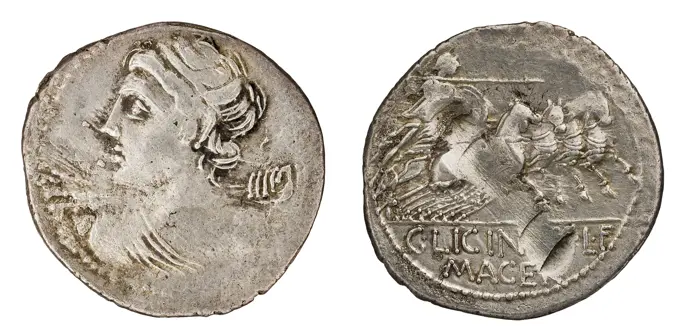
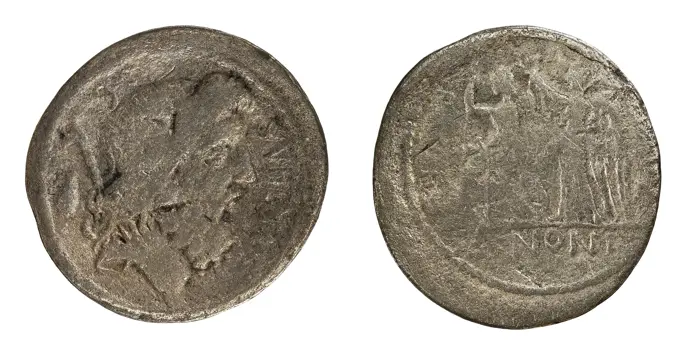
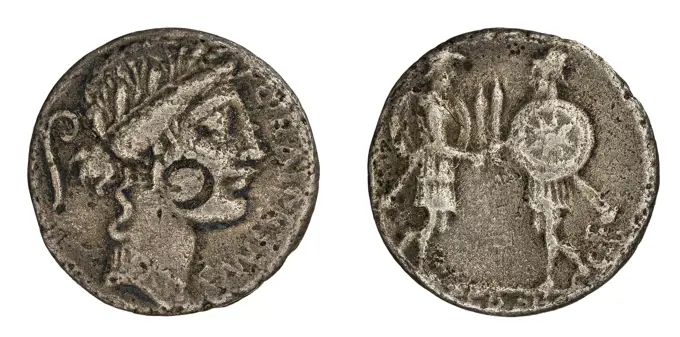
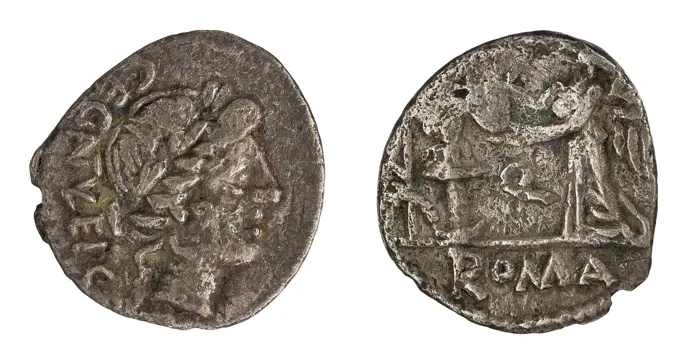
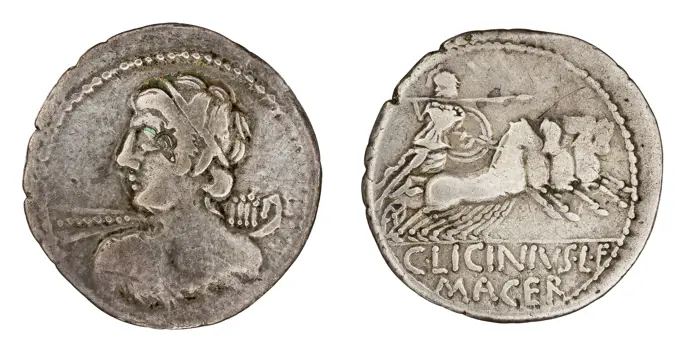
denarius. Licinius Macer, C. (fl. 84 a.C.), monetary officer, Republika Rzymska, issuer
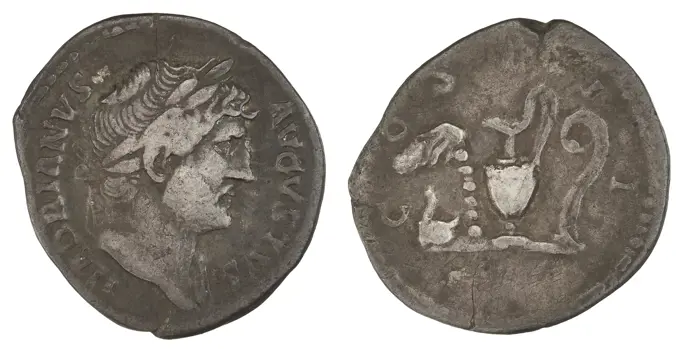
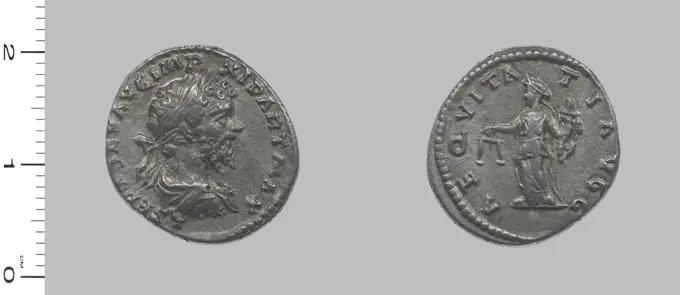
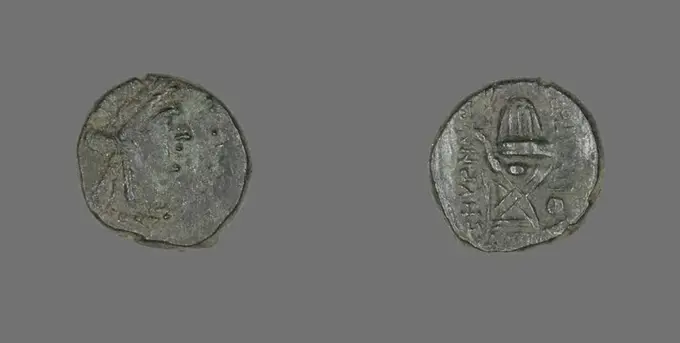
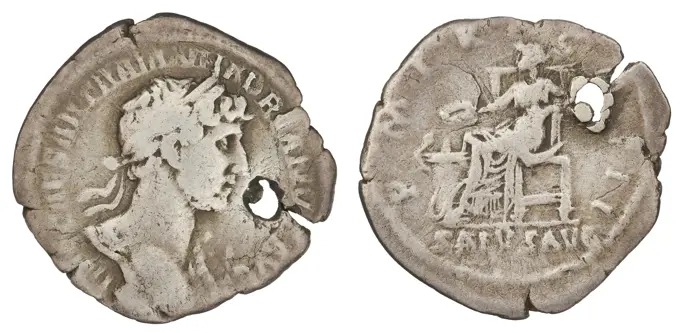
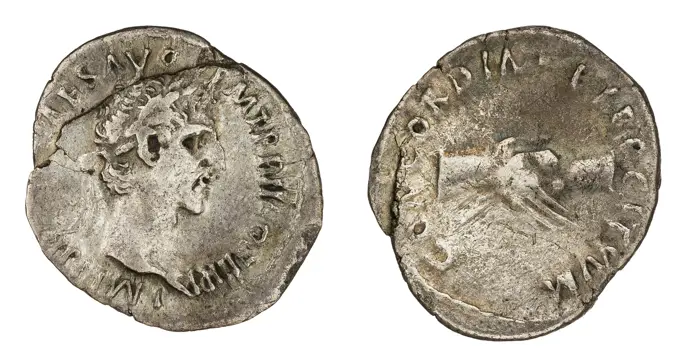
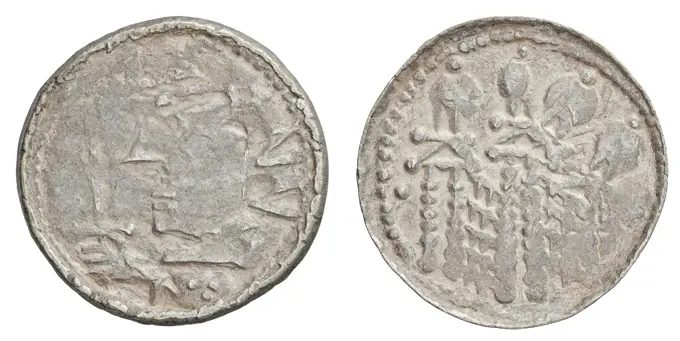
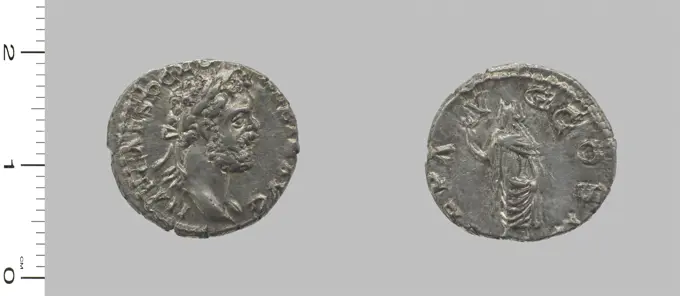
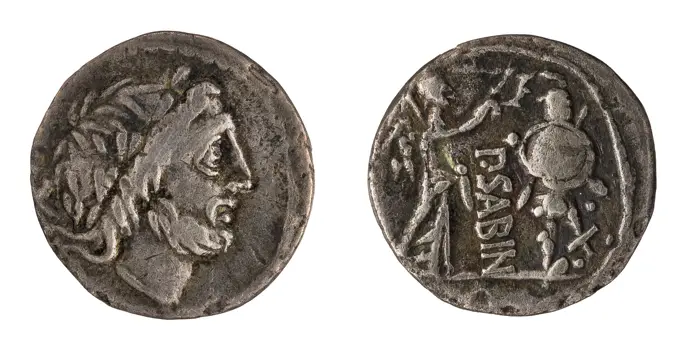
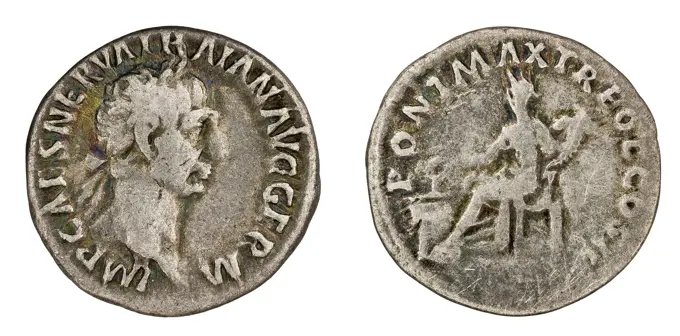
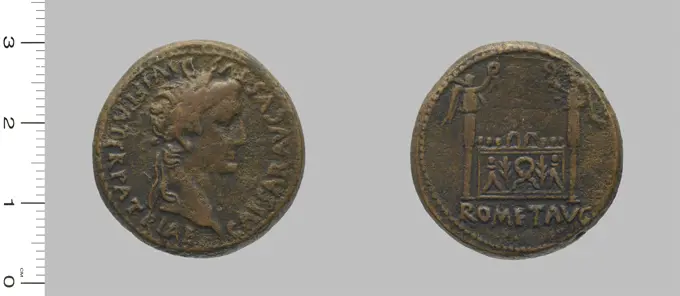
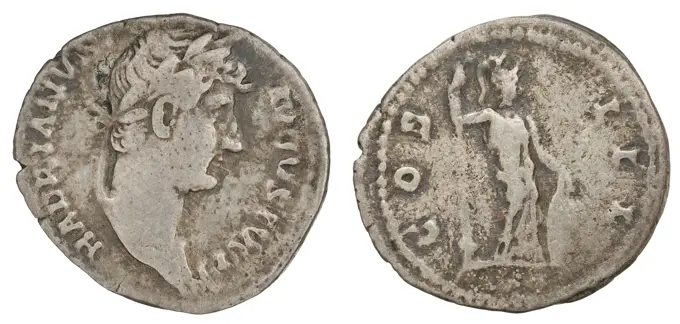
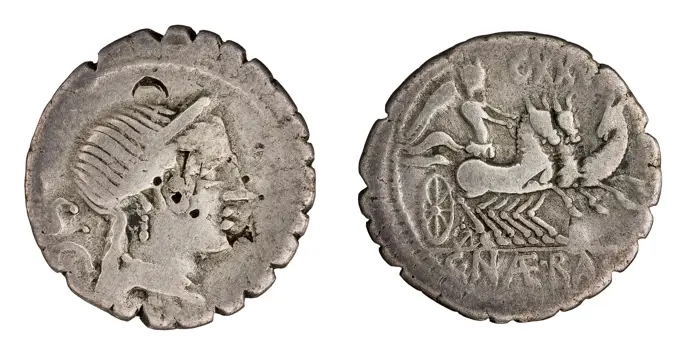
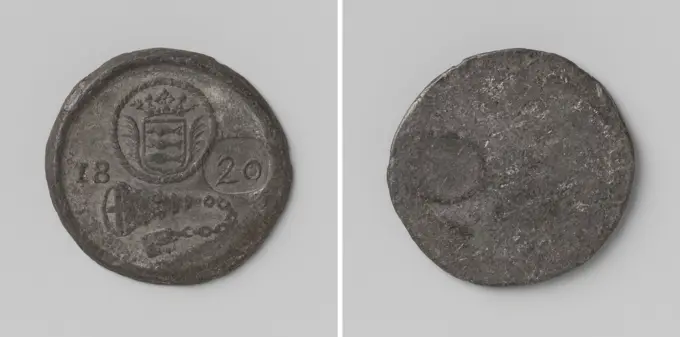
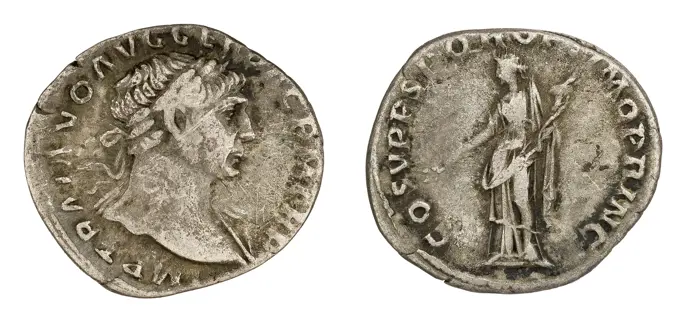
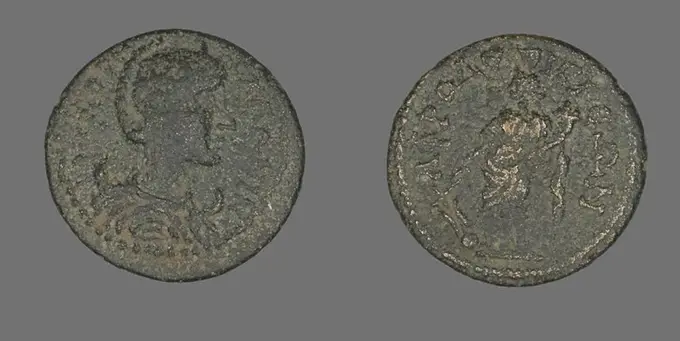
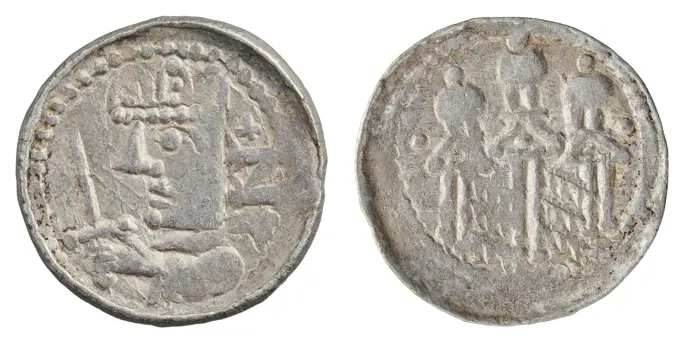
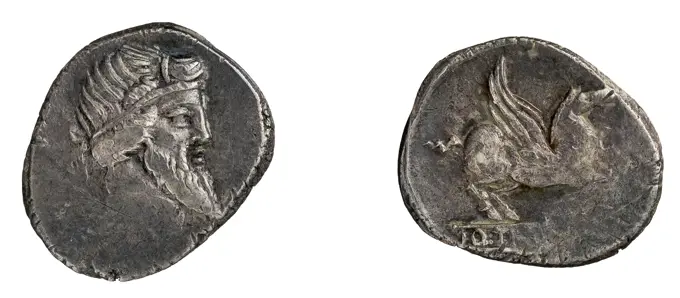
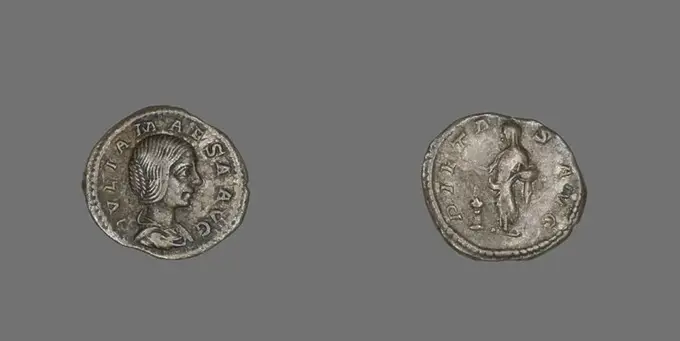
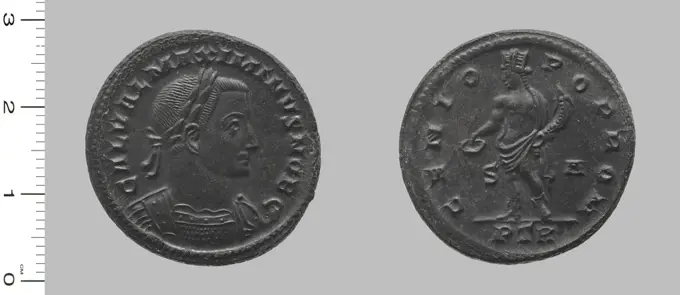
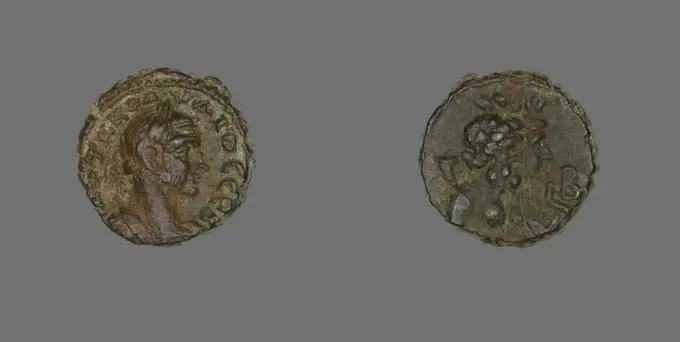
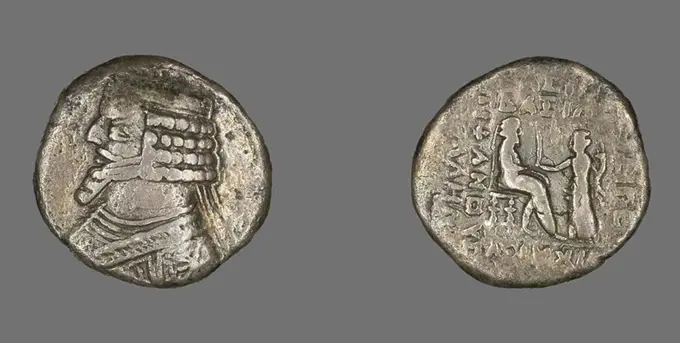
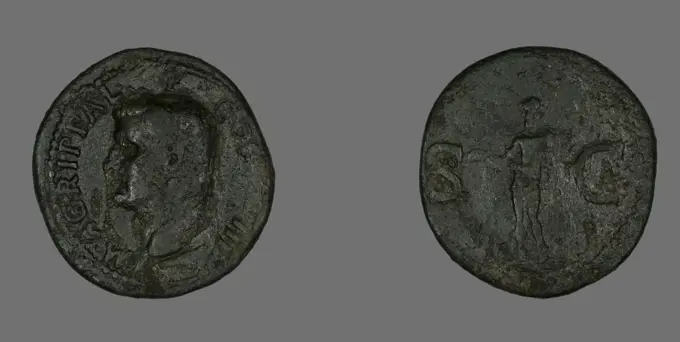
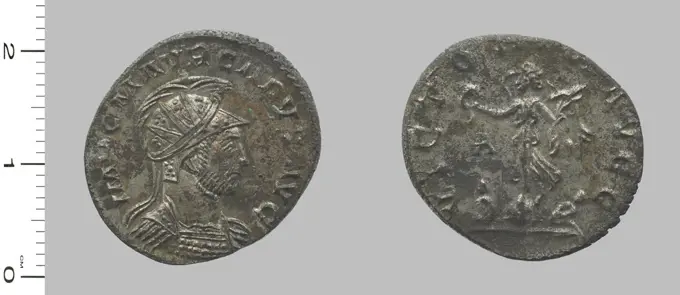
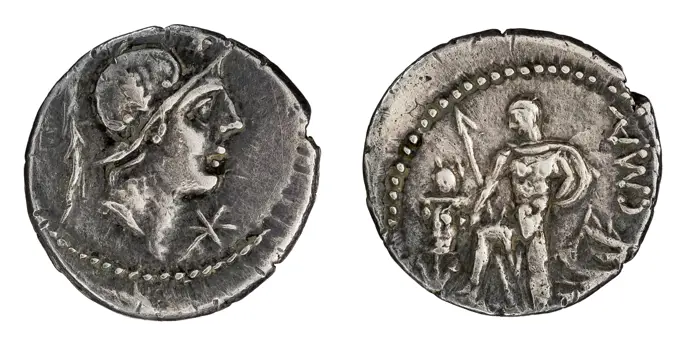
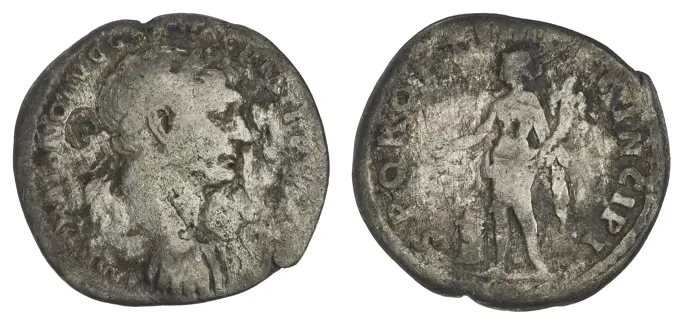
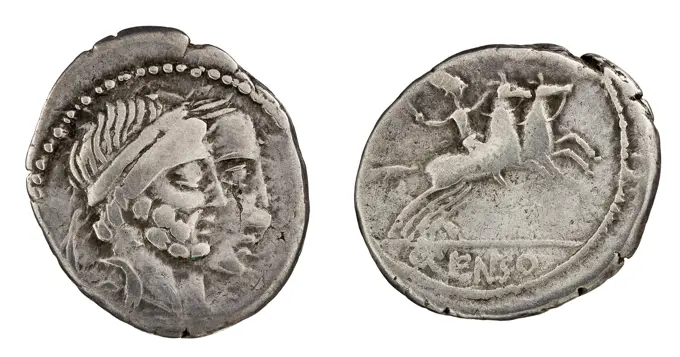
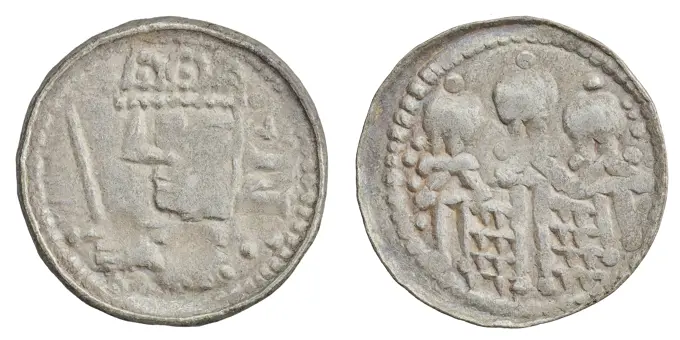
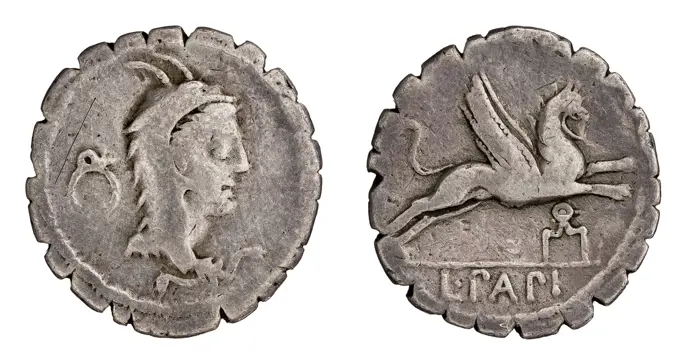
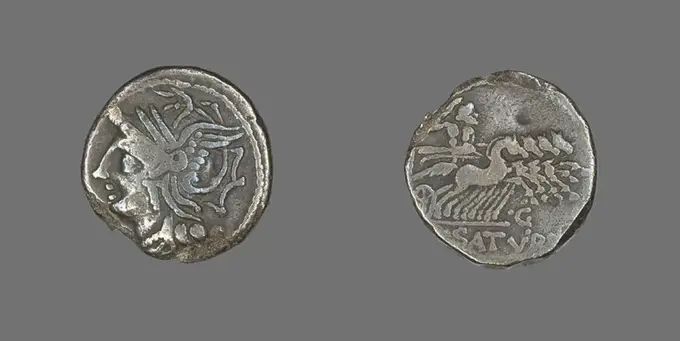
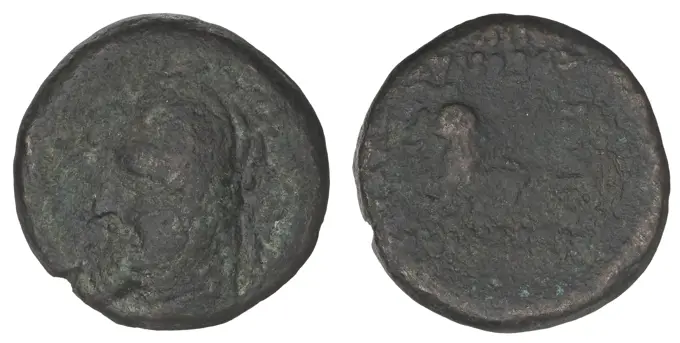
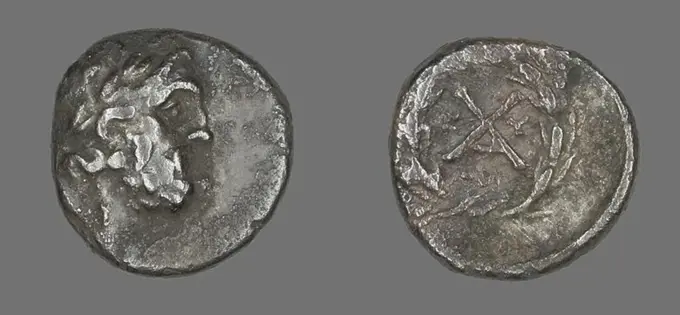
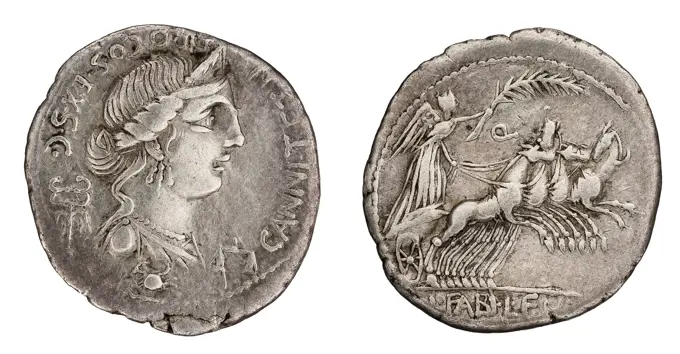
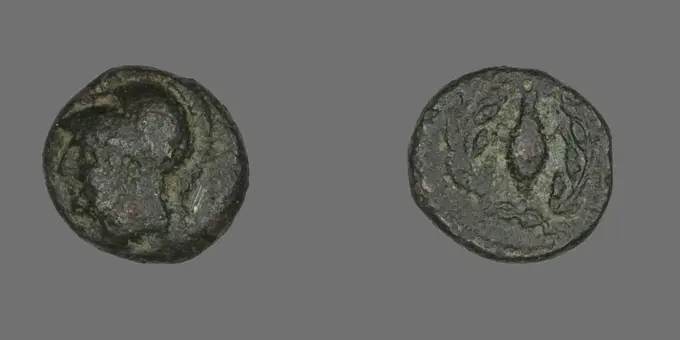
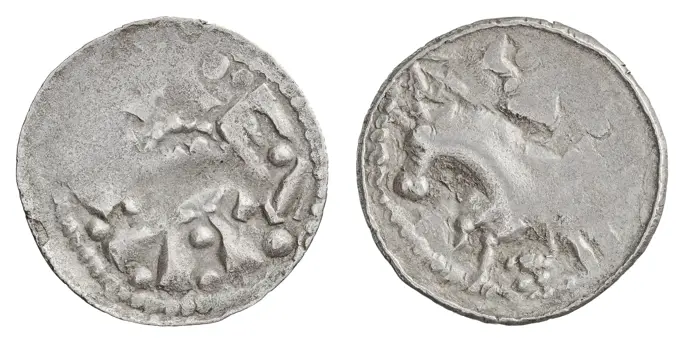
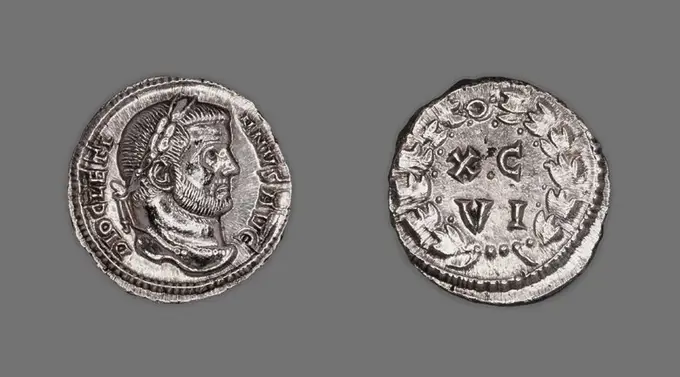
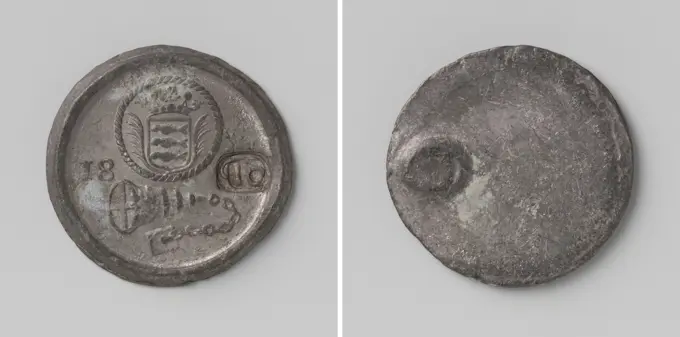
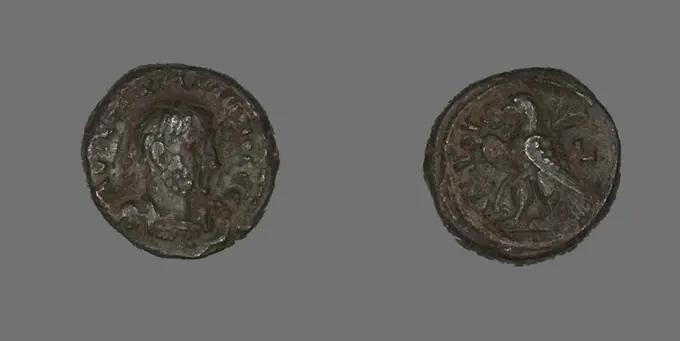
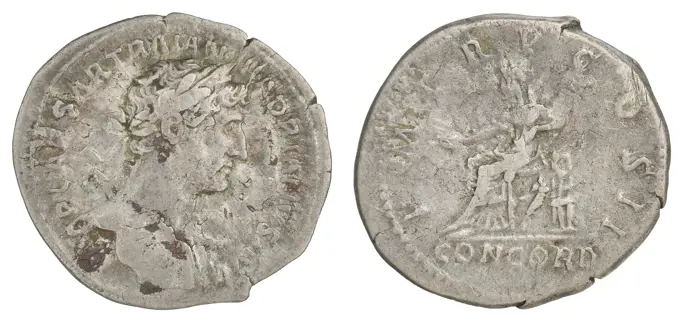
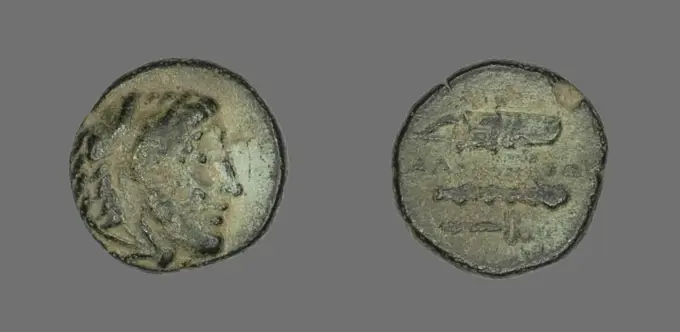
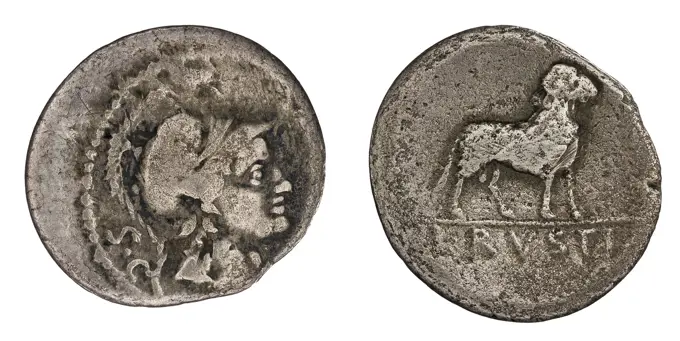
denarius. Rustius, L. (fl. 76 a.C.), monetary officer, Republika Rzymska, issuer1 As of Geta Lucius Septimius, Emperor of Rome fromRome. Ruler: Geta Lucius Septimius, Emperor of Rome, A.D. 189-211 Mint: Rome Artist: Unknowndenarius. Nonius Sufenas, M. (fl. 59 a.C.; 55 a.C.), monetary officer, Republika Rzymska, issuerCoin Portraying Emperor Antoninus Pius 145 CE Egypt. The front (obverse) of this coin portrays the emperor Antoninus Pius, facing right and wearing a crown of laurels.On the back (reverse), the god Serapis is depicted wearing a type of headdress called a modiuswhich is ornamented with laurels.. Billon . Ancient Egyptiandenarius (royal type). Bolesław II Śmiały (król Polski ; 1058-1079), rulerdenarius. Licinius Macer, C. (fl. 84 a.C.), monetary officer, Republika Rzymska, issuerdenarius. Hadrian (Roman emperor; 117-138), emperorSestertius (Coin) Portraying Emperor Severus Alexander 234 CE Roman Empire. Bronze . Ancient Romandenarius. Hadrian (Roman emperor; 117-138), emperorRuler: Septimius Severus, Emperor of Rome, A.D. 146-211, ruled 193-211, Mint: Laodicea ad Mare, Denarius of Septimius Severus, Emperor of Rome from Laodicea adMare, 198, silver, 2.93 g, 12:00, 18.3mm, Made in Laodicea ad Mare, Syria, Roman, 2ndcentury, Numismaticsdenarius (royal type). Bolesław II Śmiały (król Polski ; 1058-1079), rulerCoin Depicting the God Apollo. Greek, minted in Smyrna, Ionia. Date: 75 BC-50 BC. Dimensions: Diam. 1.5 cm; 3.34 g. Bronze. Origin: Ancient Greece. Museum: The Chicago Art Institute, Chicago, USA.Tetradrachm (Coin) Portraying King Ptolemy Struck 367 BCE-284 BCE Ancient Greece. The front (obverse) of this coin portrays the head of Ptolemy facing right. The back (reverse) depicts an eagle, wings folded.. Silver . Ancient Greekdenarius. Hadrian (Roman emperor; 117-138), emperordenarius. Nerwa (cesarz ; 96-98), emperorDenarius (Coin) Portraying Emperor Septimius Severus 200 CE-201 CE Roman Empire. The front (obverse) of this coin portrays the head of Emperor Septimius Severus, facing to the right. On the back (reverse), the emperor is shown sacrificing on a lighted tripod.. Silver . Ancient Romandenarius. Titius, Q. (fl. 90 a.C.), monetary officer, Republika Rzymska, issuerCoin of Philip I, Emperior of Rome fromBizya. Ruler: Philip, the Arabian, Emperor of Rome, A.D. 204-249, ruled 244-49 Mint: Bizya Artist: Unknowndenarius (royal type). Bolesław II Śmiały (król Polski ; 1058-1079), rulerMint: Syracuse, 1 Drachm fromSyracuse, 380-360 B.C., Bronze, 28.70 g, 11:00, 30mm, Made in Syracuse, Sicily, Greek, 4th century B.C., Numismaticsdenarius. Servilius, C. (fl. 57 a.C.), monetary officer, Republika Rzymska, issuerquinarius. Egnatuleius, C. (fl. 97 a.C.), monetary officer, Republika Rzymska, issuerDenarius of D. Clodius Albinus, Caesar fromLugdunum. Ruler: Clodius Albinus, Emperor of Rome, 150-197, ruled 193-97 Mint: Lugdunum Artist: Unknownquinarius. Sabinus, P. (fl. 99 a.C.), monetary officer, Republika Rzymska, issuerDenarius of Trajan, Emperor of Rome fromRome. Ruler: Trajan, Emperor of Rome, A.D. 53-117, ruled 98-117 Mint: Rome Artist: Unknowndenarius. Trajan (cesarz rzymski ; 98-117), issuerCoin Portraying Salonina 253 CE-268 CE Roman Empire. Bronze . Ancient Romandenarius. Trajan (cesarz rzymski ; 98-117), issuerDupondius of Augustus, Emperor of Rome fromLugdunum. Ruler: Augustus, Emperor of Rome, 63 B.C.-A.D. 14, ruled 27 B.C.-A.D. 14 Mint: Lugdunum Artist: Unknowndenarius. Hadrian (Roman emperor; 117-138), emperordenarius. Trajan (cesarz rzymski ; 98-117), emperorSestertius (Coin) Portraying Julia Mamaea. Roman, minted in Rome. Date: 235 AD. Dimensions: Diam. 3.1 cm; 17.81 g. Bronze. Origin: Roman Empire. Museum: The Chicago Art Institute, Chicago, USA. Author: ANCIENT ROMAN.Bliżej Kultury unknowndenarius (serratus). Naevius Balbus, C. (fl. 79 a.C.), monetary officer, Republika Rzymska, issuerCoin of Gordian III, Emperor of Rome; Abgar X, King of Edessa fromEdessa. Ruler: Gordian III, Emperor of Rome, 225-244, ruled 238-44Ruler: Abgar X, King of Edessa, ruled A.D. 242-44 Mint: Edessa, Mesopotamia Artist: UnknownCoin Depicting a Goddess. Greek. Date: 261 BC-246 BC. Dimensions: Diam. 2.1 cm; 8.43 g. Bronze. Origin: Ancient Greece. Museum: The Chicago Art Institute, Chicago, USA.Denarius (Coin) Depicting the Goddess Roma 114 BCE-113 BCE Roman Empire. The denarius, introduced in 211 BCE, was the principal silver coin of Rome for five hundred years. The profilehead of the goddess Romaóthe personification of Romeówas the most popular image depicted on silver denarii in the second and first centuries BCE.. Silver . Ancient Romandenarius. Vibius Pansa, C. (fl. 90 a.C.), monetary officer, Republika Rzymska, issuerCity of Enkhuizen, Anonymous, 1820  One -sided, not entirely round. Front: Crowned coat of arms on two crossed branches inside round cable edge; Below that: stamp between the year. Reverse: Blanco Enkhuizen lead (metal) striking (metalworking)  Enkhuizendenarius. Hadrian (Roman emperor; 117-138), emperordenarius. Trajan (cesarz rzymski ; 98-117), emperordenarius. Volteius, M. (fl. 78 a.C.), monetary officer, Republika Rzymska, issuerCoin Portraying Salonina. Roman. Date: 253 AD-268 AD. Dimensions: Diam. 2.4 cm; 6.41 g. Bronze. Origin: Roman Empire. Museum: The Chicago Art Institute, Chicago, USA. Author: ANCIENT ROMAN.Hexas (Coin) Depicting the God Apollo. Greek. Date: 300 BC-200 BC. Dimensions: Diam. 1.7 cm; 2.96 g. Bronze. Origin: Greece. Museum: The Chicago Art Institute, Chicago, USA. Author: ANCIENT GREEK.denarius (ducal type). Bolesław II Śmiały (król Polski ; 1058-1079), rulerdenarius (royal type). Bolesław II Śmiały (król Polski ; 1058-1079), rulerdenarius. Titius, Q. (fl. 90 a.C.), monetary officer, Republika Rzymska, issuerdenarius. Hadrian (Roman emperor; 117-138), emperorHemidrachm (Coin) Depicting the God Zeus Amarios 222 BCE-146 BCE Ancient Greece. The front (obverse) of this coin depicts the head of Zeus Amarios, facing to the right. On the back (reverse) is a monogram symbol of the Achaean League within a laurel wreath.Zeus Amarios, along with Demeter Panachaia, were the protecting deities of the Achaean League, which was first formed in the fifth century BCE as a confederation of Greek city-states in the Peloponnese of Greece. Temples to both deities were situated side by side at Aegium, in the northwestern Peloponnese, where the main assemly of the League held its meeting. A second Achaean League was established in 280 BCE but was later conquered and dissolved by the Romans in 146 BCE.. Silver . Ancient Greekschilling. Wilhelm Kettler (książę Kurlandii i Semigalii ; 1587-1616), ruler, Fryderyk Kettler (książę Kurlandii i Semigalii ; 1587-1642), ruler, Stippel, Hans (fl. 1612-1618), moneyerDenarius (Coin) Portraying Empress Julia Maesa. Roman, minted in Antioch. Date: 218 AD. Dimensions: Diam. 2 cm; 2.55 g. Silver. Origin: Roman Empire. Museum: The Chicago Art Institute, Chicago, USA. Author: ANCIENT ROMAN.denarius. Licinius Macer, C. (fl. 84 a.C.), monetary officer, Republika Rzymska, issuerRuler: Maximinus II, A.D. 270-313, Mint: Treveri,  Nummus of Maximinus II fromTreveri, 307, Argentiferous copper, Made in Treveri, Gaul, Roman, 4thcentury, Numismaticsdenarius (royal type). Bolesław II Śmiały (król Polski ; 1058-1079), rulerDupondius of Augustus, Emperor of Rome fromLugdunum. Ruler: Augustus, Emperor of Rome, 63 B.C.-A.D. 14, ruled 27 B.C.-A.D. 14 Mint: LugdunumHonorand: Tiberius, Emperor of Rome, 42 B.C.-A.D. 37Bliżej Kultury unknownTetradrachm (Coin) Portraying Emperor Claudius II Gothicus 268 CE-269 CE Egypt. The front (obverse) of this coin portrays the bust of emperor Claudius II Gothicus. The back (reverse) depicts a bust of the god Hermanubis facing right, wearing a modius (headdress), with a winged caduceus, palm atop. The date this coin was struck is indicated in the reverse inscription î LBî, which means the second year of Claudiusís reign, or 268-269 CE. Claudius II Gothicus reigned from 268-270.One interesting feature of this particular coin is that the back side appears to have been struck more than once, a manufacturing error that is also referred to as a double exposure. This occurs when the coin has duplicate images from being struck again, off center.. Billon . Ancient Egyptiandenarius. Trajan (cesarz rzymski ; 98-117), emperordenarius. Calpurnius Piso Frugi, L. (fl. 90 a.C.; 74 a.C.), monetary officer, Republika Rzymska, issuerDenarius of Caracalla, Roman Emperor fromUnknown . Ruler: Caracalla, Roman Emperor, A.D. 188-217, ruled A.D. 198-217 Artist: UnknownAE. Ardaszir I (Szachinszach Persji ; 224-242), rulerquadrans. Hadrian (Roman emperor; 117-138), emperordenarius (royal type). Bolesław II Śmiały (król Polski ; 1058-1079), rulerCoin Depicting a Boar. Greek. Date: 190 BC. Dimensions: Diam. 1.8 cm; 5.15 g. Bronze. Origin: Ancient Greece. Museum: The Chicago Art Institute, Chicago, USA.Stater (Coin) Depicting the Goddess Athena. Greek. Date: 400 BC-317 BC. Dimensions: Diam. 2.2 cm; 7.32 g. Silver. Origin: Velia. Museum: The Chicago Art Institute, Chicago, USA. Author: ANCIENT GREEK.Ruler: Marcus Aurelius, Emperor of Rome, A.D. 121-180, ruled  A.D. 161-80, Mint: Edessa, Mesopotamia, Honorand: Faustina II, Empress consort of Marcus Aurelius, Roman, ca. 125-176, 1 Drachm of Marcus Aurelius, Emperor of Rome from Edessa,Mesopotamia, 175-80, Silver, 2.7 g, 12:00, 17.mm, Made in Edessa, Mesopotamia, Roman, 2ndcentury, NumismaticsAntoninianus (Coin) Portraying Empress Salonina 260 CE-268 CE Roman Empire. The front (obverse) of this coin portrays a bust of empress Salonina, diademed, facing right on a crescent. The back (reverse) despicts the goddess Vesta, seated to the left, holding a patera (dish) and transverse sceptre. In the field below is a mintmark in the form of a retrograde Q.Salonina was married to the Roman emperor Gallienus, who reigned jointly with his father, Valerian, from 253-260, then as sole emperor to 268.. Billon . Ancient RomanTetradrachm (Coin) Portraying King Phraate IV. Parthian. Date: 38 BC-2 BC. Dimensions: Diam. 2.8 cm; 12.88 g. Silver. Origin: Iran. Museum: The Chicago Art Institute, Chicago, USA.As (Coin) Portraying Agrippa 27 BCE-12 BCE Roman Empire. The front (obverse) of this coin portrays the head of Agrippa, facing left. The back (reverse) depicts the god Neptune (Greek Poseidon).. Bronze . Ancient RomanRuler: Carus, Emperor of Rome, ca. 222-283, ruled 282-83, Mint: Lugdunum, Radiate of Carus, Emperor of Rome 282 283 fromLugdunum, 282-83, Base silver, 3.75 g, 6:00, 22mm, Made in Lugdunum, Gaul, Roman, 3rd century A.D., Numismaticsdenarius. Marcius Censorinus, C. (fl. 88 a.C.), monetary officer, Republika Rzymska, issuerdenarius. Publicius Malleolus, C. (fl. 96 a.C. ; 80 a.C.), monetary officer, Republika Rzymska, issuerdenarius. Trajan (cesarz rzymski ; 98-117), emperorCoin Depicting Tyche. Roman. Date: 211 AD-268 AD. Dimensions: Diam. 2.1 cm; 5.10 g. Bronze. Origin: Roman Empire. Museum: The Chicago Art Institute, Chicago, USA. Author: ANCIENT ROMAN.denarius. Marcius Censorinus, C. (fl. 88 a.C.), monetary officer, Republika Rzymska, issuerdenarius (royal type). Bolesław II Śmiały (król Polski ; 1058-1079), rulerdenarius (serratus). Papius, L. (fl. 79 a.C.), monetary officer, Republika Rzymska, issuerCoin fromMallos. Mint: Mallos Artist: UnknownMint: Syracuse, Stater fromSyracuse, 345-335 B.C., Silver, 8.35 g, 6:00, 22.68mm, Made in Syracuse, Sicily, Greek, 4th century B.C., NumismaticsDenarius (Coin) Depicting the Goddess Roma. Roman. Date: 104 BC. Dimensions: Diam. 1.9 cm; 3.48 g. Silver. Origin: Roman Empire. Museum: The Chicago Art Institute, Chicago, USA. Author: ANCIENT ROMAN.denarius. Hadrian (Roman emperor; 117-138), emperorAE. Sinatroces (76-69 przed Chr.), rulerdenarius. Plaetorius Cestianus, M. (fl. 69-67 a.C.; c. 64 a.C.), monetary officer, Republika Rzymska, issuerRuler: Marcus Aurelius, Emperor of Rome, A.D. 121-180, ruled  A.D. 161-80, Mint: Cyzicus, Coin of Marcus Aurelius, Emperor of Rome fromCyzicus, 161-80, Bronze, 23.31 g, 7:00, 34.4mm, Made in Cyzicus, Mysia, Roman, 2nd century A.D., Numismaticsdenarius (royal type). Bolesław II Śmiały (król Polski ; 1058-1079), rulerSestertius of Vespasian, Emperor of Rome fromRome. Ruler: Vespasian, Emperor of Rome, A.D. 9-79, ruled 69-79 Mint: RomeHonorand: Domitian, Emperor of Rome, A.D. 51-96, ruled 81-96denarius. Hadrian (Roman emperor; 117-138), emperorHemidrachm (Coin) Depicting the God Zeus Amarios. Greek. Date: 222 BC-146 BC. Dimensions: Diam. 1.5 cm; 2.39 g. Silver. Origin: Ancient Greece. Museum: The Chicago Art Institute, Chicago, USA.denarius. Annius, C. (fl. 82-81 a.C.), monetary officer, Fabius Hispaniensis, L. (fl. 82-81 a.C.), monetary officer, Republika Rzymska, issuerdenarius. Vibius Pansa, C. (fl. 90 a.C.), monetary officer, Republika Rzymska, issuerCoin Depicting the Goddess Athena 340 BCE Ancient Greece. Bronze . Ancient Greekdenarius (ducal type). Bolesław II Śmiały (król Polski ; 1058-1079), rulerArgenteus (Coin) Portraying Emperor Diocletian. Roman, minted in Carthage (possibly). Date: 300 AD. Dimensions: Diam. 1.7 cm; 3.58 g. Silver. Origin: Roman Empire. Museum: The Chicago Art Institute, Chicago, USA. Author: ANCIENT ROMAN.City of Enkhuizen, Anonymous, 1810  one -sided lead. Front: Crowned coat of arms on two crossed branches inside round cable edge; Below that: stamp between the year. Reverse: Blanco Enkhuizen lead (metal) striking (metalworking)  EnkhuizenTetradrachm (Coin) Portraying Emperor Gallienus. Roman. Date: 253 AD-268 AD. Dimensions: Diam. 2.4 cm; 11.92 g. Billon. Origin: Roman Empire. Museum: The Chicago Art Institute, Chicago, USA. Author: ANCIENT ROMAN.denarius. Rubrius Dossenus, L. (fl. 87 a.C.), monetary officer, Republika Rzymska, issuerdenarius. Hadrian (Roman emperor; 117-138), emperordupondius. Trajan (cesarz rzymski ; 98-117), emperorBolesław Krzywousty (1102-1138), Denar, Kraków, After 1113 Boles And Krzywousty (1102 1138)Coin Depicting the Hero Herakles 336 BCE-323 BCE Ancient Greece. The front (obverse) of this coin depicts the hero Hercules, facing right, wearing his signature lion skin cloak tied around his neck. The back (reverse) shows a bow case, club, and caduceus.Herakles was the consummate hero. Temples across Greece and South Italy were dedicated to him, the son of Zeus, and Romans, who knew him as Hercules, celebrated him as a role model. With brute force, determination, and just enough cleverness, Herakles completed his famous Twelve Labors to become immortal. Herakles is readily identifiable by his knobby club and lionís skin. The latter refers to his First Labor, in which he killed a magical beast who was ravaging the town of Nemea. The lionís invincible hide made him immune to weapons, so Herakles strangled him and took his pelt.. Bronze . Ancient Greek