Ancient Coins of Apollo

A variety of ancient bronze and silver coins depicting the god Apollo, showcasing intricate designs from Greek and Roman civilizations.

Maria, Queen of Bohemen, Leone Leoni (Copy After), 1550 copy. history medal One -sided lead medal. Front: breastpiece woman inside Cover. Reverse: Blanco Malib lead (metal) casting
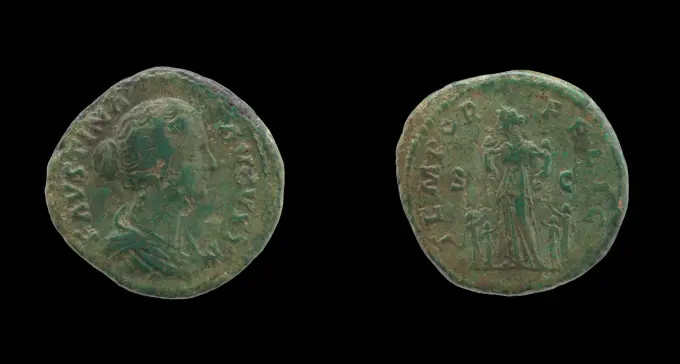
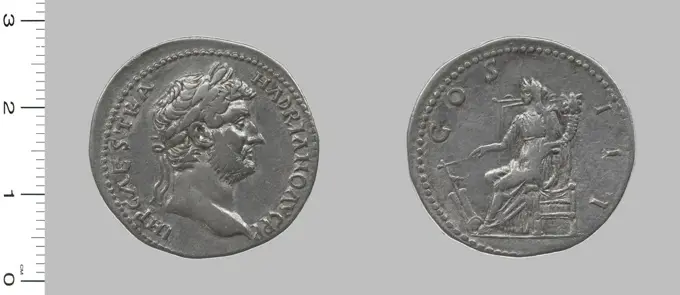
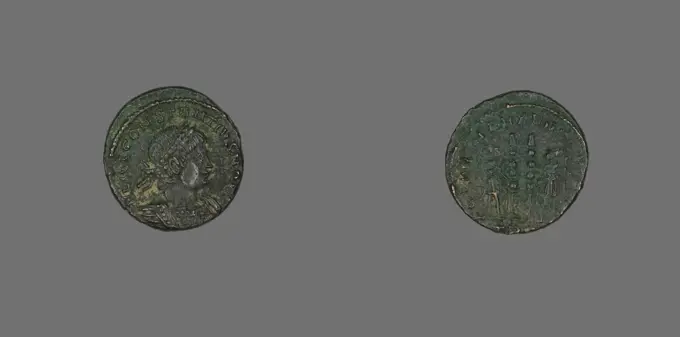
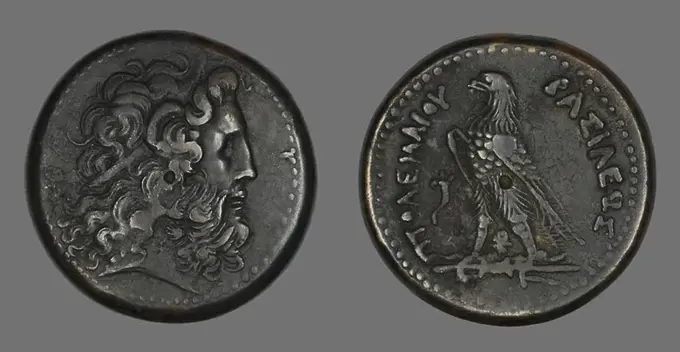
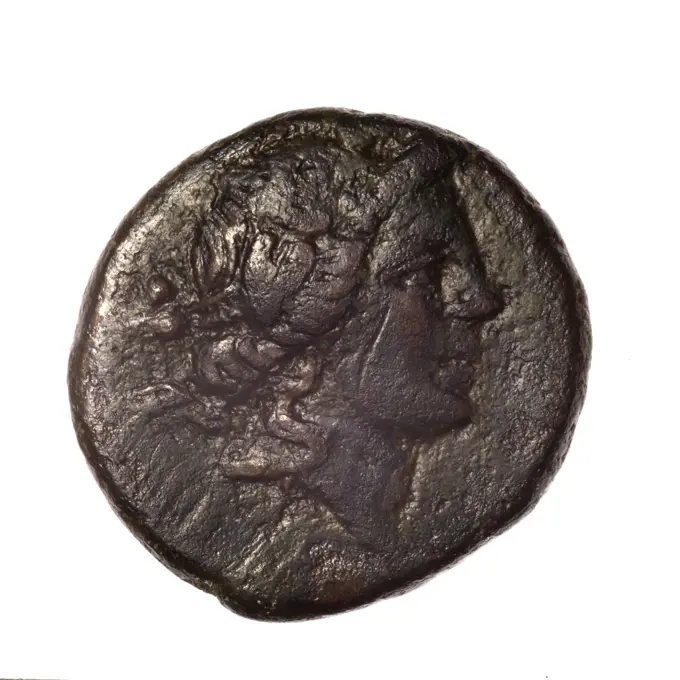
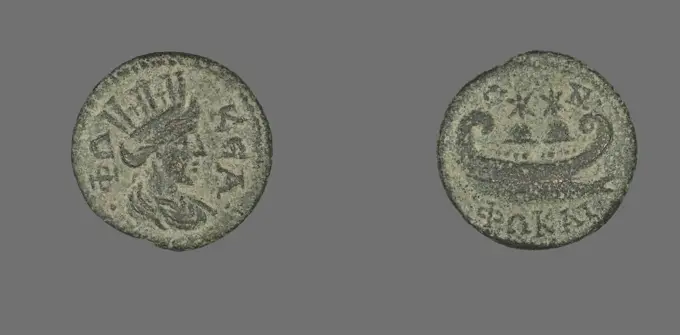
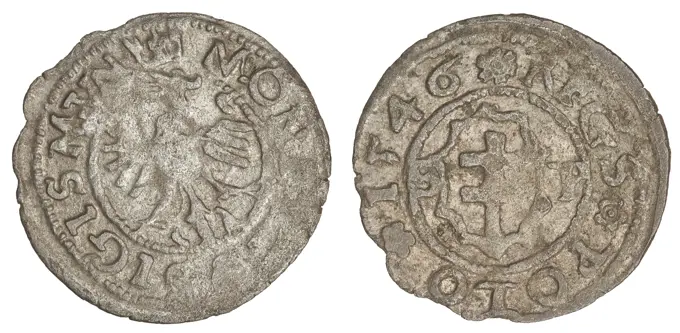
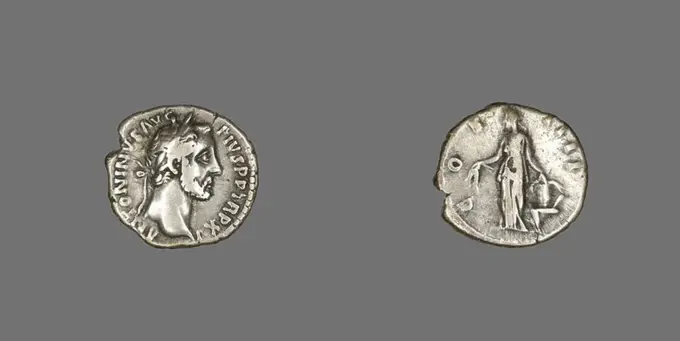
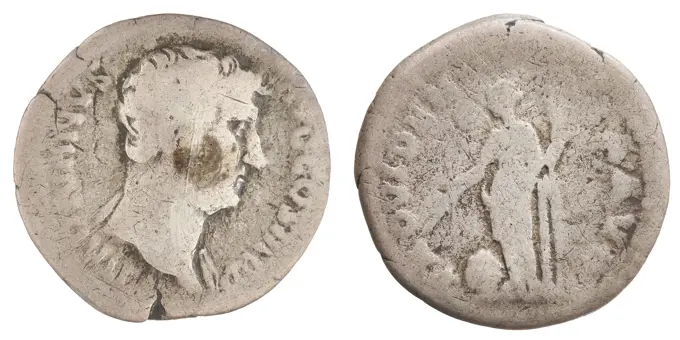
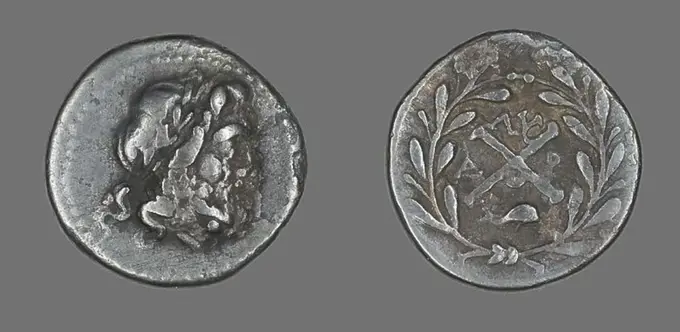
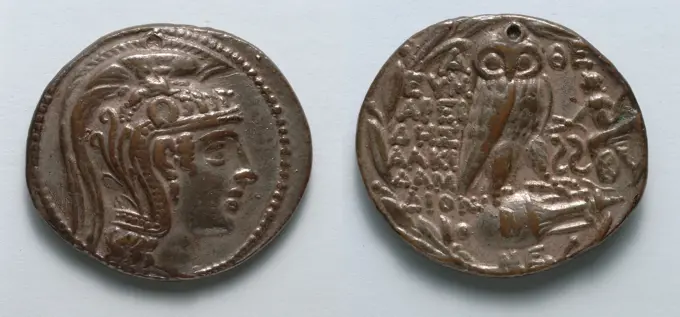
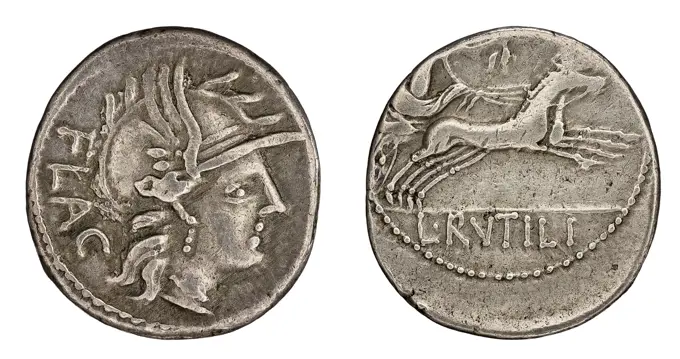
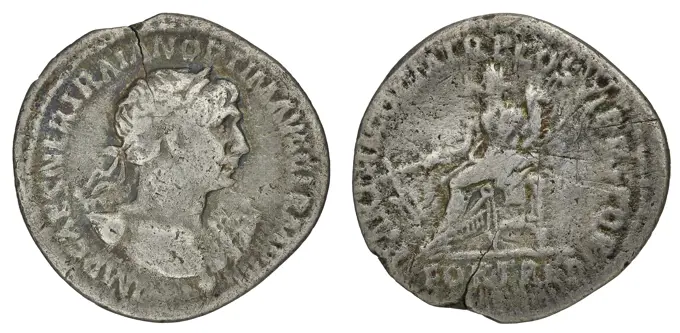
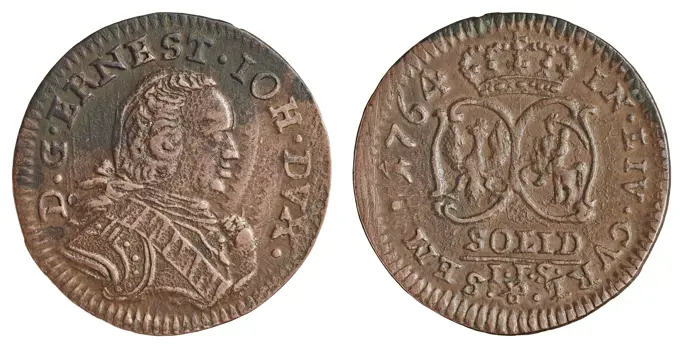
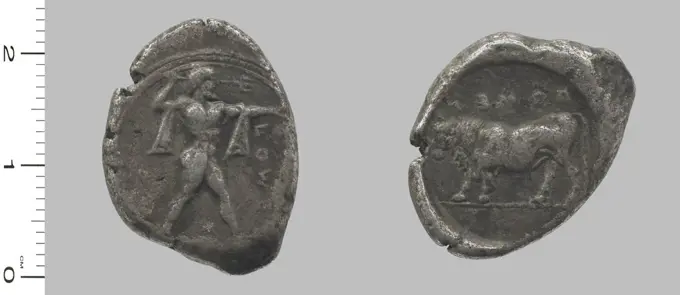
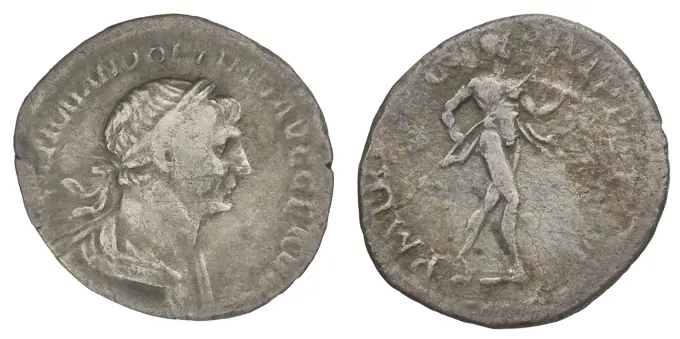
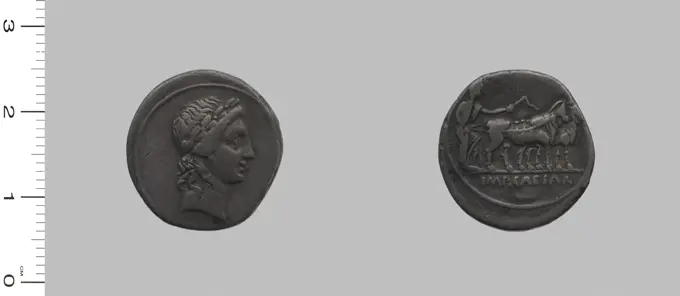
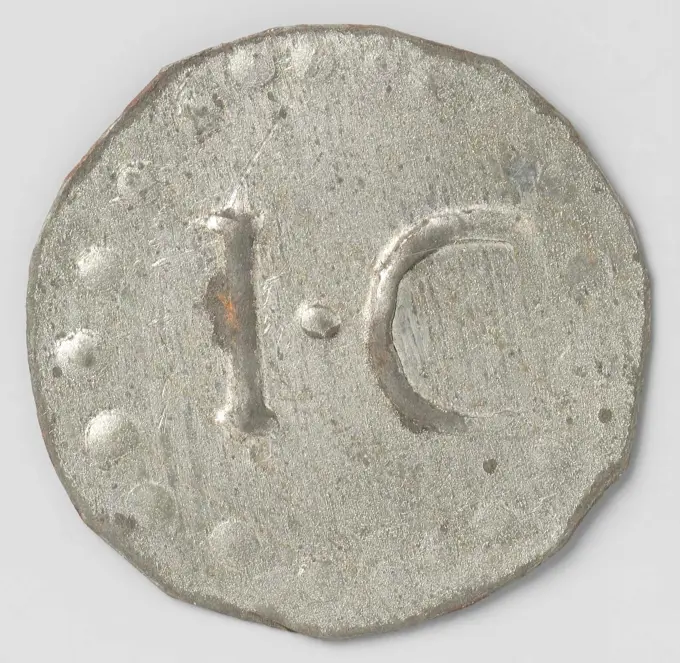
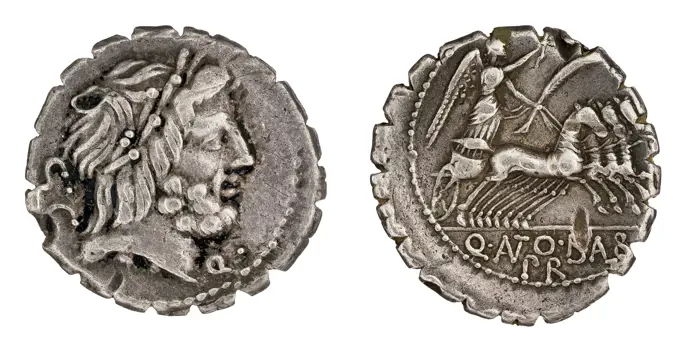
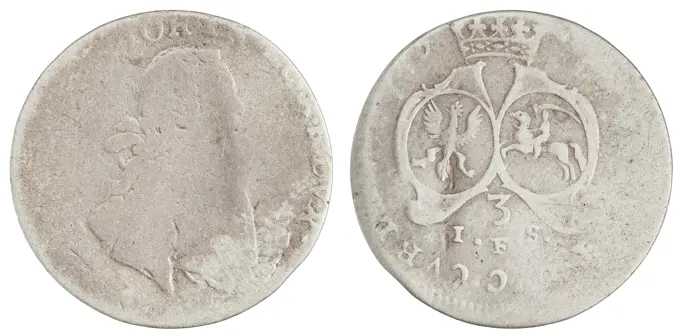
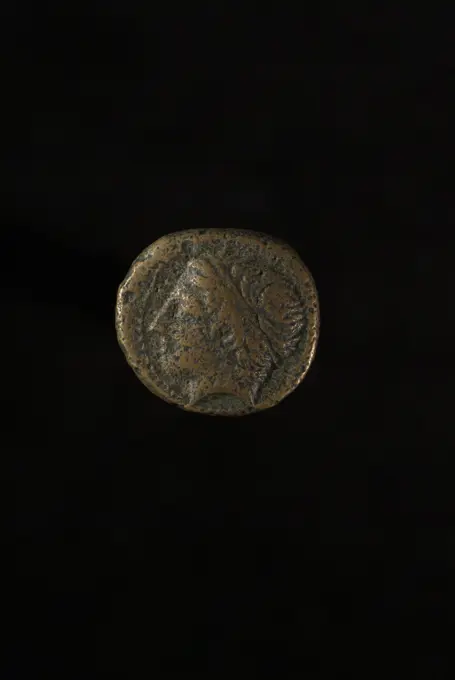
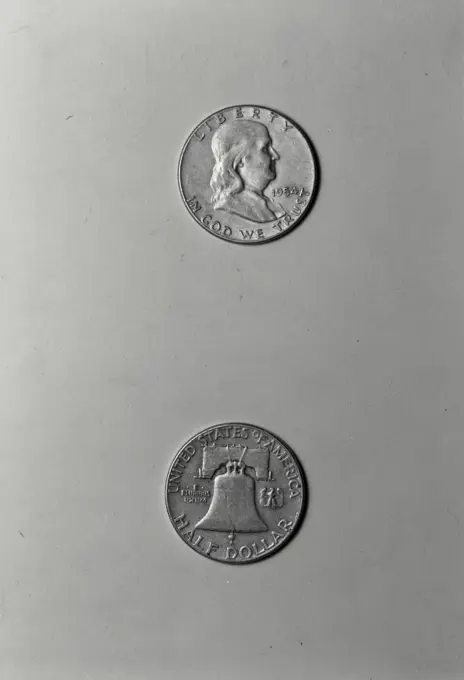
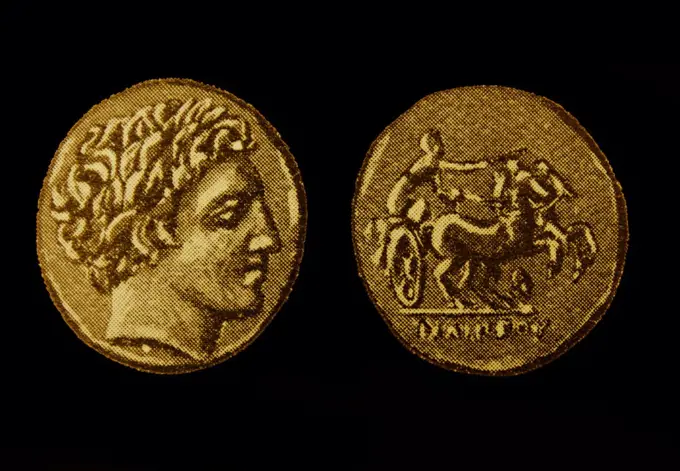
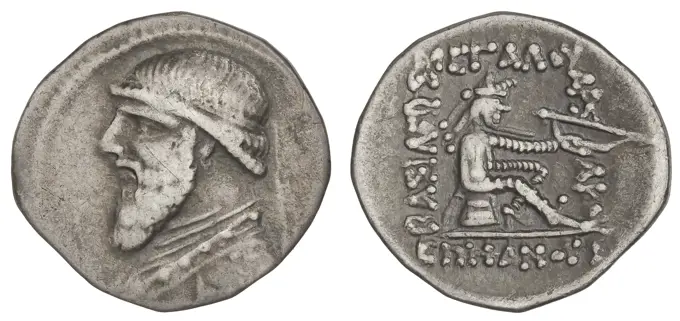
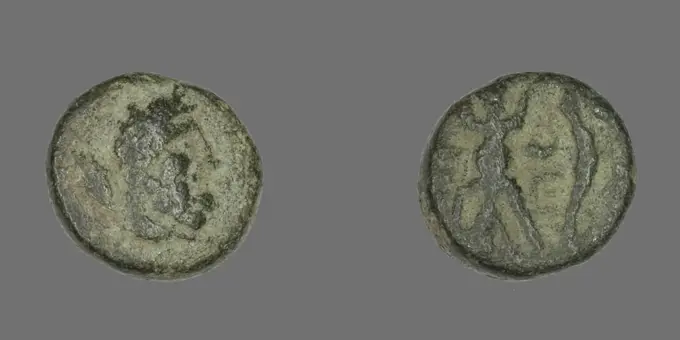
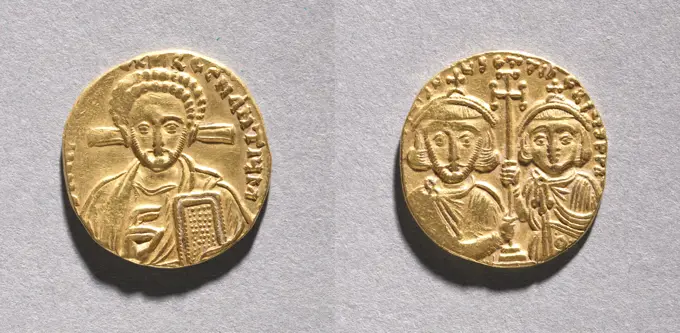
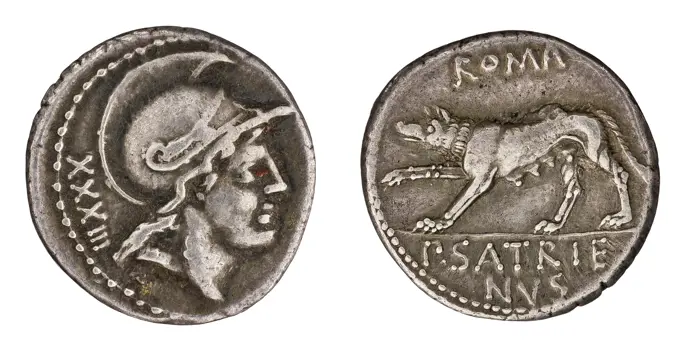
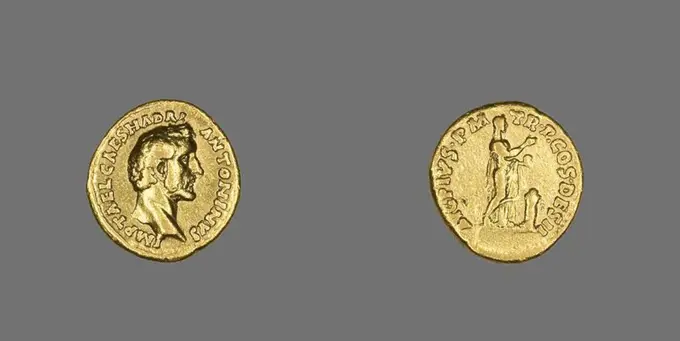
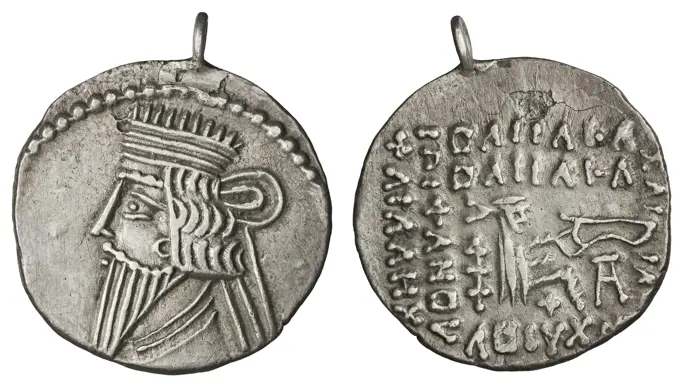
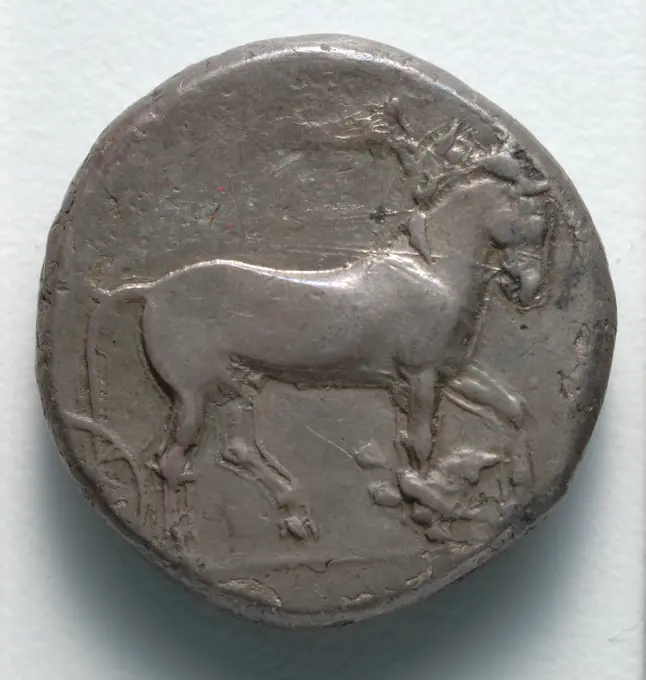
Nomos fromTarentum.  Mint: TarentumDupondius of Antoninus Pius, Emperor of Rome fromRome. Ruler: Antoninus Pius, Emperor of Rome, A.D. 86-161, ruled A.D. 138-161 Mint: Rome Artist: Unknown Honorand: Faustina II, Empress consort of Marcus Aurelius, Roman, ca. 125-176quartense. Zakon krzyżacki (1190-), issuer, Winrych von Kniprode (wielki mistrz ; 1351-1382), grand masterdenarius. Hadrian (Roman emperor; 117-138)Sestertius (Coin) Portraying Emperor Severus Alexander. Roman, minted in Rome. Date: 232 AD. Dimensions: Diam. 2.9 cm; 21.18 g. Bronze. Origin: Roman Empire. Museum: The Chicago Art Institute, Chicago, USA. Author: ANCIENT ROMAN.Mint, possibly by: Sardis, 1/3 Siglos from Sardis,Lydia, 512-485 B.C., Silver, 1.705g, Made in Sardis, Lydia, Greek, 5th-6th century B.C., Numismaticsas. Trajan (cesarz rzymski ; 98-117), emperoras. Hadrian (Roman emperor; 117-138), emperor1 groschen. Zygmunt I Stary (król polski ; 1506-1548), rulerRuler: Hadrian, Emperor of Rome, A.D. 76-138, ruled 117-38, Mint: Nicomedia, Cistophorus of Hadrian, Emperor of Rome fromNicomedia, 128, silver, 10.57 g, 6:00, 26.5mm, Made in Nicomedia, Bithynia, Roman, 2nd century A.D., NumismaticsSestertius (Coin) Portraying Emperor Severus Alexander 266 CE Roman Empire. The front (obverse) of this coin portrays the emperor Severus Alexander, facing right and wearing a crown of laurels.On the back (reverse), a warrior is shown in the nude.. Bronze . Ancient RomanCoin Portraying Emperor Constantine II 324 CE-337 CE Roman Empire. The front (obverse) of this coin portrays the emperor Constantine II in the guise of Caesar, facing right and wearing a crown of laurels.On the back (reverse), two soldiers are depicted.. Bronze . Ancient RomanCoin Depicting the God Zeus. Greek, minted in Alexandria. Date: 247 BC-222 BC. Dimensions: Diam. 4.3 cm; 74.29 g. Bronze. Origin: Ancient Greece. Museum: The Chicago Art Institute, Chicago, USA.Brown coin; Pantikapaion; End of II-PO. 1st century BC (-110-00-00--46-00-00);Dionysos (mitol.), Nadczarzyorze, Terlecki, Ignacy (1860-1916), Terlecki, Ignacy (1860-1916)-collection, weapons (iconogr.), Goritos (weapons), Dionysus head (iconogr.), Monograms, Sajdak (army), armament (iconogr.), Purchase (provenance), Arch in Sajdak (iconogr.), Łuki (army)denarius (ducal type). Bolesław II Śmiały (król Polski ; 1058-1079), rulerDenarius (Coin) Portraying Empress Faustina the Elder 141 CE Milan. The front of this coin portrays the empress Faustina, facing right.On the back, the goddess Ceres is depicted veiled and holding an ear of corn.. Silver . Ancient RomanCoin Depicting the Goddess Tyche 253 CE-268 CE Rome. The front (obverse) of this coin depicts a crowned head of the goddess Tyche, facing right. On the back (reverse) is a galley (warship) with the two star-topped pilei (caps) of the Dioscuri above.. Bronze . Ancient Romanternar. Zygmunt I Stary (król polski ; 1506-1548), rulerDenarius (Coin) Portraying Emperor Antoninus Pius. Roman, minted in Rome. Date: 152 AD. Dimensions: Diam. 1.9 cm; 3.17 g. Silver. Origin: Roman Empire. Museum: The Chicago Art Institute, Chicago, USA. Author: ANCIENT ROMAN.1 groschen. Zygmunt I Stary (król polski ; 1506-1548), rulerdenarius. Hadrian (Roman emperor; 117-138), emperorsesterce; Eliusz (101-138; successor to Hadriana 136-138); 137 (137-00-00-137-00-00);Pannonia (Mitologia), Głowy, flagSestertius (Coin) Portraying Philip the Arab 244 CE-249 CE Roman Empire. The front (obverse) of this coin portrays emperor Philip I, better known as Philip the Arab thanks to his birthplace of Aurantis, Arabia (modern day Syria), facing right and wearing a crown of laurels.On the back (reverse), the goddess of gaeity Laetitia is depicted standing, facing left and holding a wreath.. Bronze . Ancient RomanHemidrachm (Coin) Depicting the God Zeus Amarios. Greek, minted in Lycoa. Date: 280 BC-146 BC. Dimensions: Diam. 1.6 cm; 2.16 g. Silver. Origin: Ancient Greece. Museum: The Chicago Art Institute, Chicago, USA.Electrotype Replica of Tetradrachm: Athena (Obverse); Owl (Reverse), Before 1916. Greece (). Silver-plated copper alloy (); diameter: 3 cm (1 3/16 in.). With a green tint betraying its copper content, this coin is an electrotype replica created more than a century ago. It precisely replicates the form of a 2nd-century BC original. Retaining the basic scheme of Athena and owl from earlier Athenian coinage, these “New Style” tetradrachms—as scholars call them—give the goddess a more naturalistic appearance and add an amphora, olive wreath, and magistrate names to the reverse.denarius. Rutilius Flaccus, L. (fl. 77 a.C.), monetary officer, Republika Rzymska, issuerdenarius. Hadrian (Roman emperor; 117-138), emperordenarius. Trajan (cesarz rzymski ; 98-117), emperorschilling. Schmickert, Jan Fryderyk (fl. 1764-1765), creator, Ernest Jan Biron (książę Kurlandii i Semigalii ; 1763-1769), rulertetradrachm. Fraates IV (37-2 p.n.e.), rulerShekel of Azbaal, King of Phoenicia fromTyre. Ruler: Azbaal, King of Phoenicia, ruled 350-333 B.C. Mint: Tyre Artist: UnknownStater, 500-450 BC. Greece, Lycia, 5th century BC. Silver; diameter: 2 cm (13/16 in.).denarius (royal type). Bolesław II Śmiały (król Polski ; 1058-1079), rulerdupondius. Trajan (cesarz rzymski ; 98-117), emperorMint: Poseidonia, Stater fromPoseidonia, 445-420 B.C., Silver, 7.85 g, 4:00, 22mm, Made in Poseidonia, Lucania, Greek, 5th century B.C., Numismaticsdenarius. Trajan (cesarz rzymski ; 98-117), emperorTetradrachm fromSicily.  Mint: SicilyGreece, Sarmacja, Olmia, approx. 400 350 B.C., bronze (AE) Mintdenarius. Hadrian (Roman emperor; 117-138), emperordenarius. Trajan (cesarz rzymski ; 98-117), emperorDenarius of Augustus, Emperor ofRome. Ruler: Augustus, Emperor of Rome, 63 B.C.-A.D. 14, ruled 27 B.C.-A.D. 14 Artist: UnknownSestertius (Coin) Portraying Emperor Gordianus. Roman. Date: 238 AD-244 AD. Dimensions: Diam. 3.1 cm; 18.33 g. Bronze. Origin: Roman Empire. Museum: The Chicago Art Institute, Chicago, USA. Author: ANCIENT ROMAN.Pending Ommerschans, house coin beaten at the burden of the society of beneficiality worth 1 cent. Collared currency. Front: value indication within pearl edge. Downside: blankDenarius (Coin) Portraying Emperor Vespasian 80 CE-81 CE Roman Empire. The front of this coin portrays the emperor Vespasian, wearing a crown of laurels and facing right.On the back, two capricorns are depicted holding an inscribed shield.. Silver . Ancient RomanBolesław Krzywousty (1102-1138), Denar, Kraków, After 1113 Boles And Krzywousty (1102 1138)Rome, Republic, AR, Didrachma (Kwadrigat), Rome, 225 212 BC Rome mintdenarius (serratus). Antonius Balbus, Q. (fl. 83-82 a.C.), monetary officer, Republika Rzymska, issuerSestertius (Coin) Portraying Emperor Severus Alexander 230 CE Roman Empire. Bronze . Ancient Romangroschen. Zygmunt I Stary (król polski ; 1506-1548), rulerSestertius (Coin) Portraying Emperor Maximinus. Roman, minted in Rome. Date: 235 AD-238 AD. Dimensions: Diam. 3.2 cm; 20.85 g. Bronze. Origin: Roman Empire. Museum: The Chicago Art Institute, Chicago, USA. Author: ANCIENT ROMAN.Retro look Greek coin Vintage looking Ancient Greek coin on a clear background Copyright: xZoonar.com/ClaudioxDiviziax 5827741Hoender, Rabbit and Bird Seller Guild of Amsterdam, Anonymous, 1622 medal One -sided brass medal. Front: Three hares -placed hares in a triangle inside. Reverse: Blanco Amsterdam brass (alloy) casting  AmsterdamHekte (1/6 Stater) fromIonia, ca. 560 B.C., Electrum, 2.33 g, 9.1mm, Made in Ionia, Greek, 6th century B.C., Numismaticssestertius. Trajan (cesarz rzymski ; 98-117), emperor3 groschen. Schmickert, Jan Fryderyk (fl. 1764-1765), creator, Ernest Jan Biron (książę Kurlandii i Semigalii ; 1763-1769), rulerObverse view. Greek Coin of Philip II, MacedonBliżej Kultury Aleksander Jagiellończyk (King of Poland; 1501 1506), Mint of Vilniusgroschen. Zygmunt I Stary (król polski ; 1506-1548)1 As of Augustus, Emperor of Rome fromLugdunum. Ruler: Augustus, Emperor of Rome, 63 B.C.-A.D. 14, ruled 27 B.C.-A.D. 14 Mint: Lugdunum Artist: UnknownVintage Photograph. Two half dollars front and back.Stater fromSardis. Mint: Sardis Artist: UnknownPrussian schilling. Zygmunt I Stary (król polski ; 1506-1548)Stater. UnknownGold coin of Philip II. Of Macedon (382-336 B.C.) King of the Ancient Greek kingdom of Macedon.drachm. Mitrydates II (123-87 p.n.e.), rulerCoin Depicting the Hero Herakles 200 BCE-1 BCE Ancient Greece. Bronze . Ancient GreekSolidus with Justinian II Rhinometus and His Son Tiberius , 705-711. Byzantium, 8th century. Gold; diameter: 2 cm (13/16 in.). The vast number of surviving Byzantine coins attests to the level of trade across the empire. Controlled and supervised by the emperor, the producers of coins took care to represent his authority and reflect his stature. Talented artists were recruited to engrave the dies (molds) used for the striking of coins. Emperors increasingly came to include their heirs and co-emperors on their coinage, as well as other family members or even earlier rulers. Coins were recognized, then as now, as small, portable works of art. With their inscriptions and images, Byzantine coins provide valuable documentation of historical events and a record of the physical appearance of the emperors. The coins shown here include the solidus, the basic gold coin of 24 karats; the tremissis, a gold coin of one-third the weight and value of the solidus; and the nomisma, which in the 10th c3 groschen (with bust of Friedrich Kettler). Pipenstock, Krzysztof (fl. 1569-1600), treasurer, Wilhelm Kettler (książę Kurlandii i Semigalii ; 1587-1616), ruler, Fryderyk Kettler (książę Kurlandii i Semigalii ; 1587-1642), rulerdenarius. Satrienus, P. (fl. 77 a.C.), monetary officer, Republika Rzymska, issuerAureus (Coin) Portraying Emperor Antoninus Pius. Roman, minted in Rome. Date: 138 AD. Dimensions: Diam. 1.9 cm; 7.05 g. Gold. Origin: Roman Empire. Museum: The Chicago Art Institute, Chicago, USA. Author: ANCIENT ROMAN.Stater (Coin) Depicting Pegasus Flying. Greek. Date: 400 BC-201 BC. Dimensions: Diam. 2.4 cm; 8.40 g. Silver. Origin: Corinth. Museum: The Chicago Art Institute, Chicago, USA. Author: ANCIENT GREEK.Medal of Woodrow Wilsom Commemorating America Joining theAllies.  Subject: Woodrow Wilson Artist: René Grégoiredrachm. Wologezes I (51-79 po Chr.), rulerSilver coin of Eucratides I, a King of Bactria. Artist: UnknownPersian gold daric. Dated 5th Century B.C.Didrachm fromAkragas.  Mint: Akragas Artist: UnknownDenarius (Coin) Portraying King Tatius 89 BCE Roman Empire. The front (obverse) of this coin depicts the mythical king Titus Tatius, bearded and facing right above a palm branch.On the back (reverse), two warriors are shown carrying women in their arms.. Silver . Ancient RomanNUMISMATICA. MONEDA HISPANO-CARTAGINESA. SHEKEL DE ORO. REVERSO. CABALLO PARADO A LA DERECHA, ENCIMA DISCO SOLAR RADIADO FLANQUEADO DE UREUS. GRAFILA DE PUNTOS. 238 A.C. (DEPOSITO: MUSEO ARQUEOLOGICO NACIONAL).Tetradrachm: Athena (Obverse); Owl (Reverse), 480-407 BC. Greece, Athens. Silver; overall: 2.4 cm (15/16 in.). Incorporating the first three letters of the city name???with then-iconic images of the patron goddess Athena and her owl, the Athenian tetradrachm was among the most widely traded and most recognizable coins of the ancient world. The olive leaves on Athena’s helmet and the small crescent moon behind the owl date this coin after the Persian Wars.sestertius. Trajan (cesarz rzymski ; 98-117), emperorDenarius (Coin) Depicting the Goddess Roma ( ) 117 BCE-116 BCE Roman Empire. The denarius, introduced in 211 BCE, was the principal silver coin of Rome for five hundred years. The profilehead of the goddess Romaóthe personification of Romeówas the most popular image depicted on silver denarii in the second and first centuries BCE.. Silver . Ancient RomanTetradrachm: Quadriga, r., Nike above (Obverse), 466-413 BC. Greece, Syracuse, 5th century BC. Silver; diameter: 2.4 cm (15/16 in.).Ancient roman coin isolated over white Ancient roman coin with chariot and horses isolated over white background Copyright: xZoonar.com/adminx 11575789Stater, 330-300 BC. Greece, 4th century BC. Silver; diameter: 2.1 cm (13/16 in.).