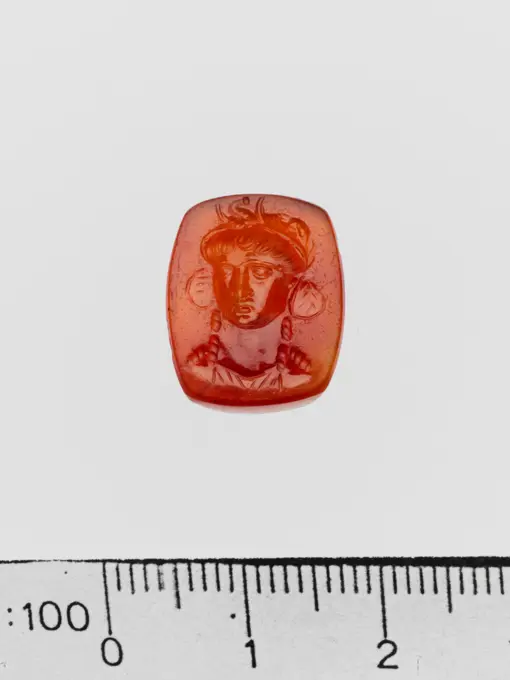
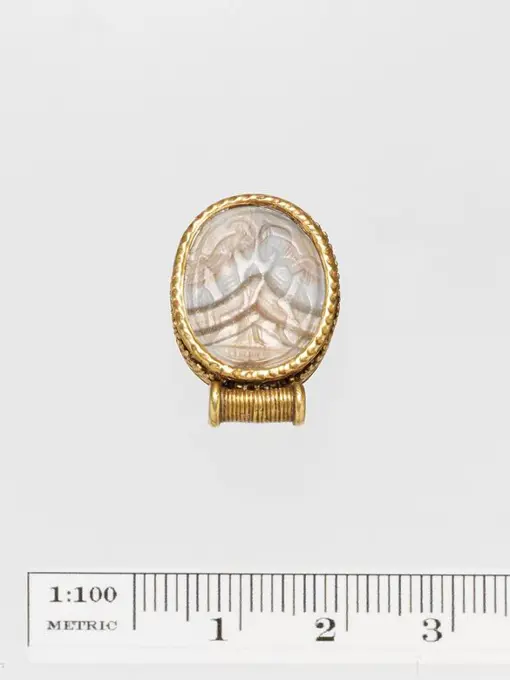
Ancient Coins

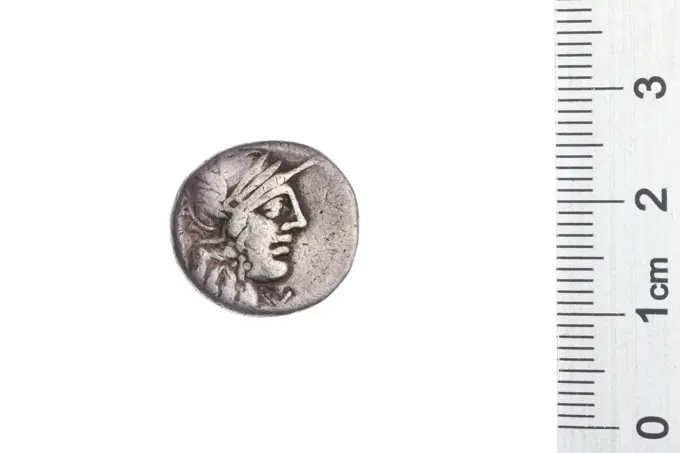
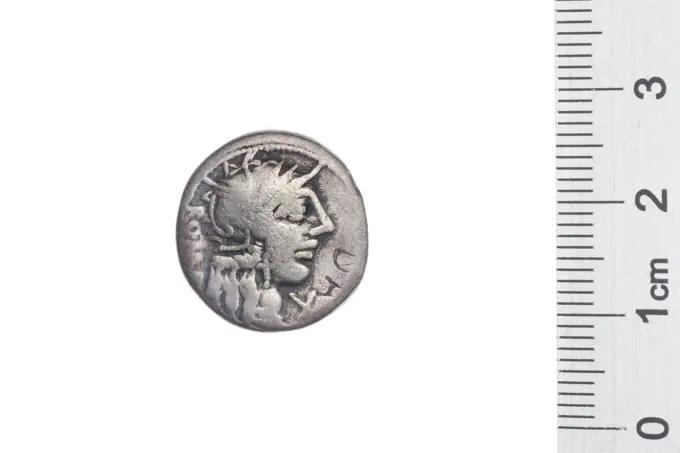
Close-up images of ancient denarius coins, depicting rulers and historical details, placed alongside measuring tools for scale.
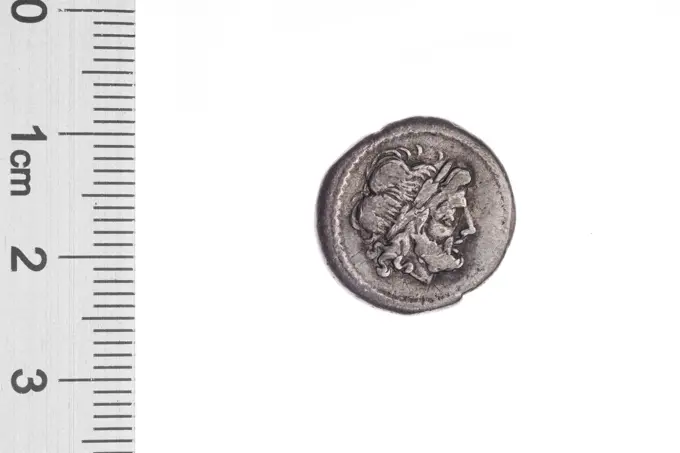
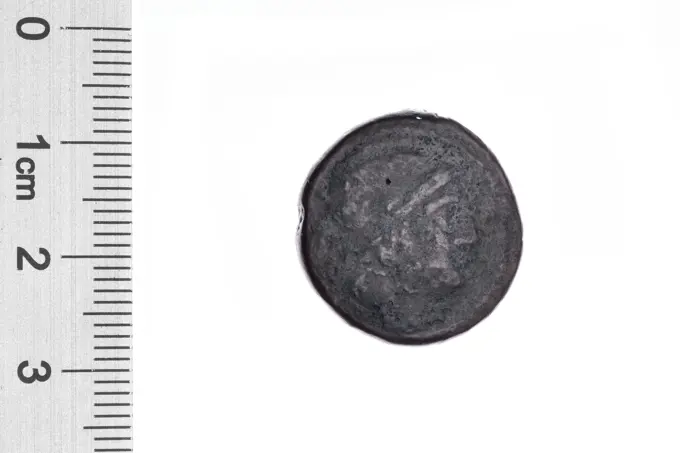
victoriatus. Anonimowy, monetary officer, Republika Rzymska, issuer
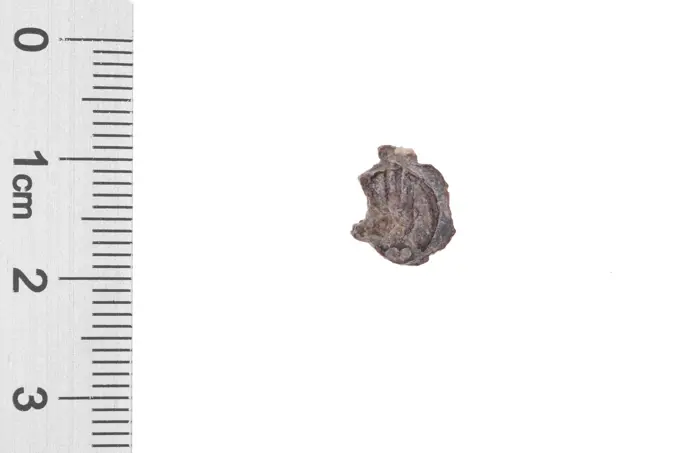
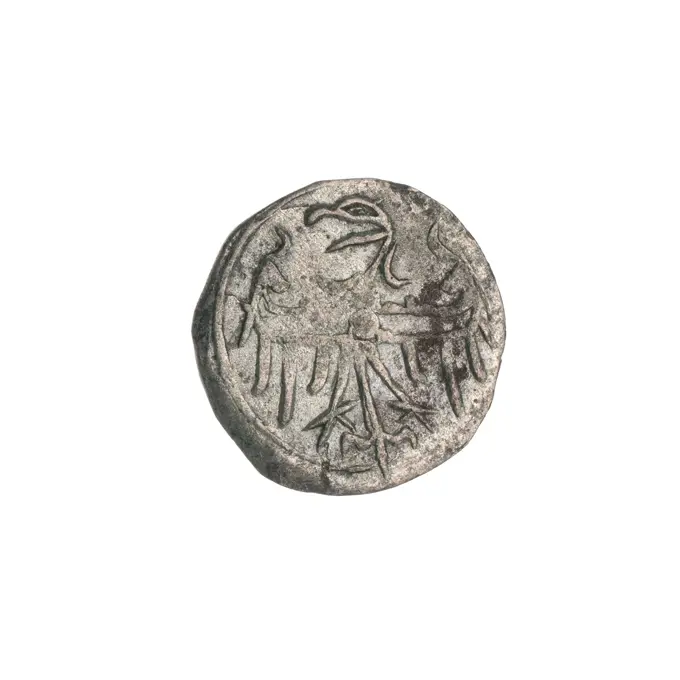
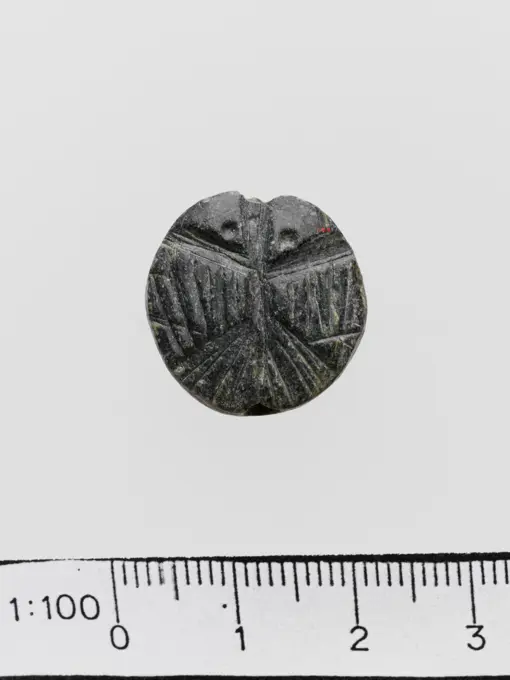
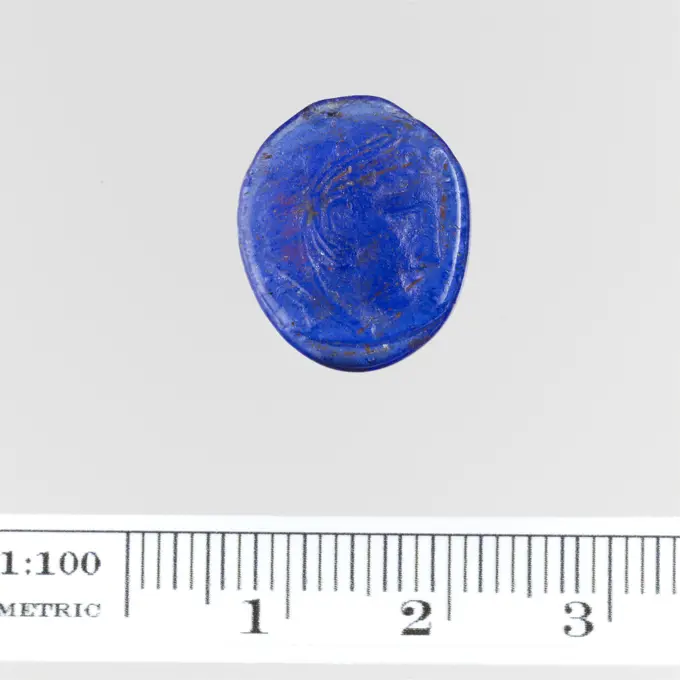
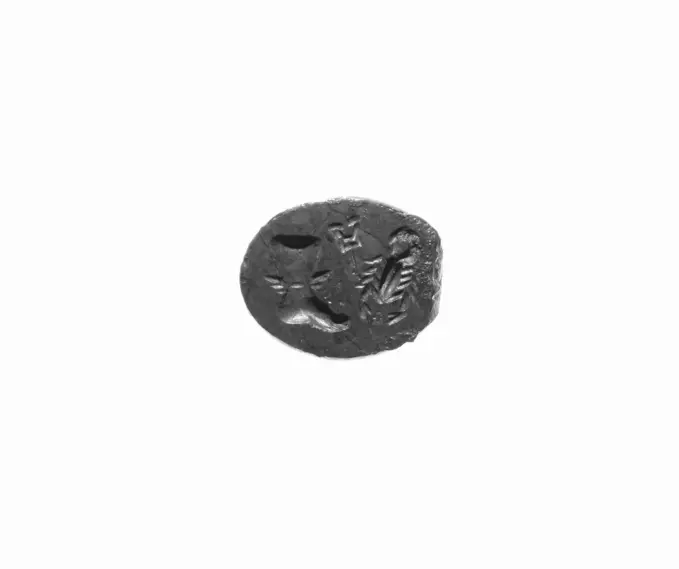
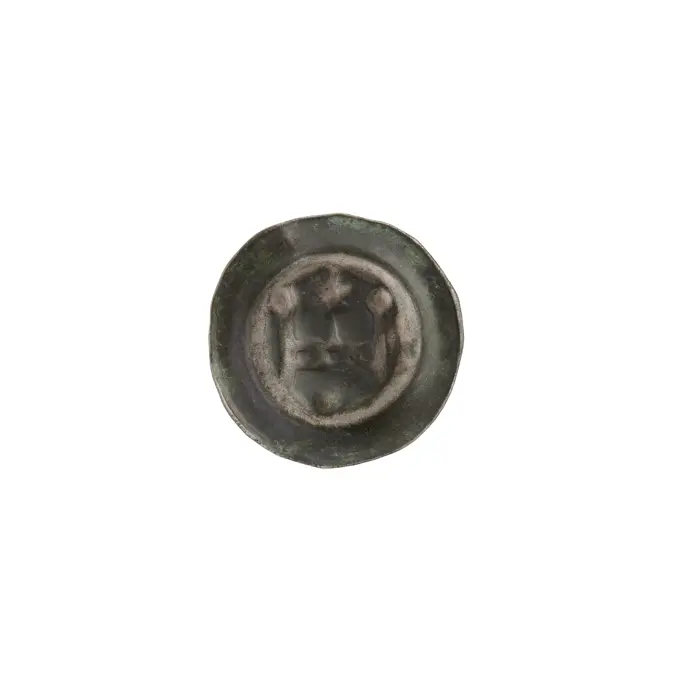
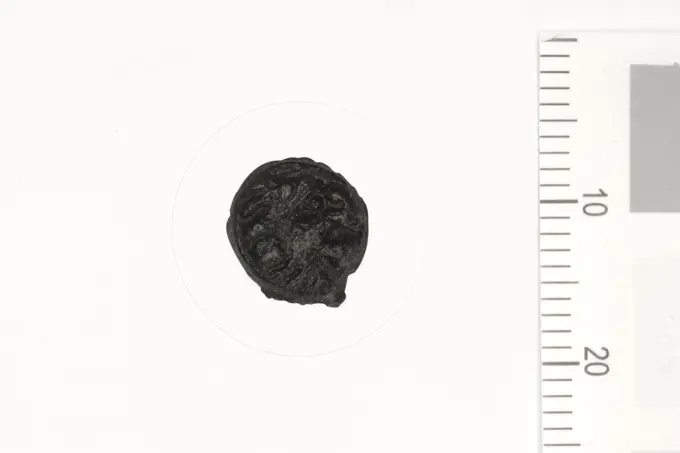
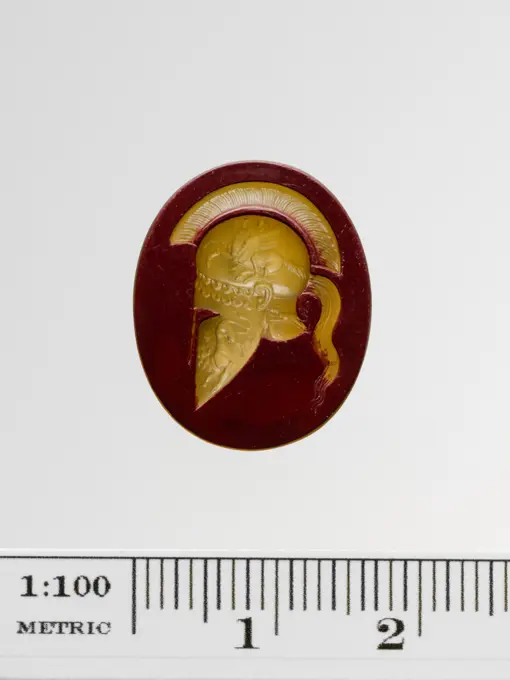
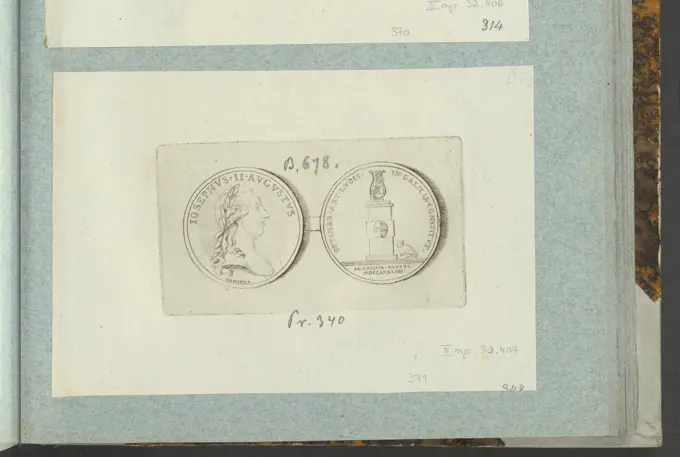
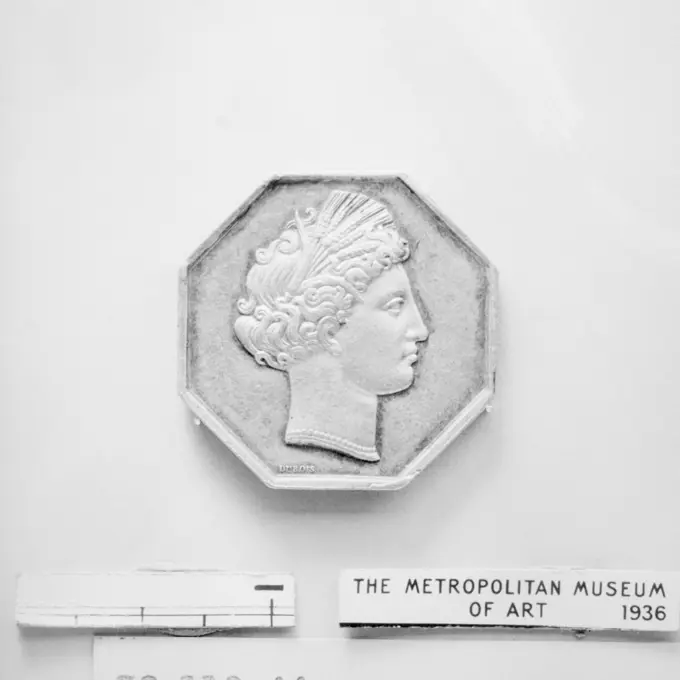
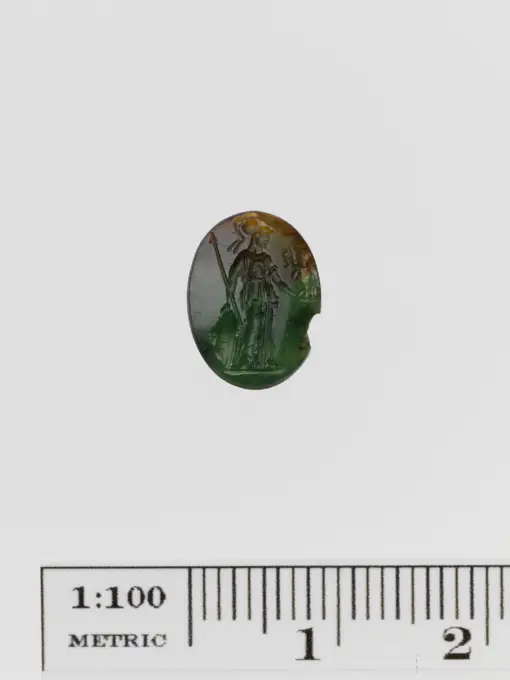
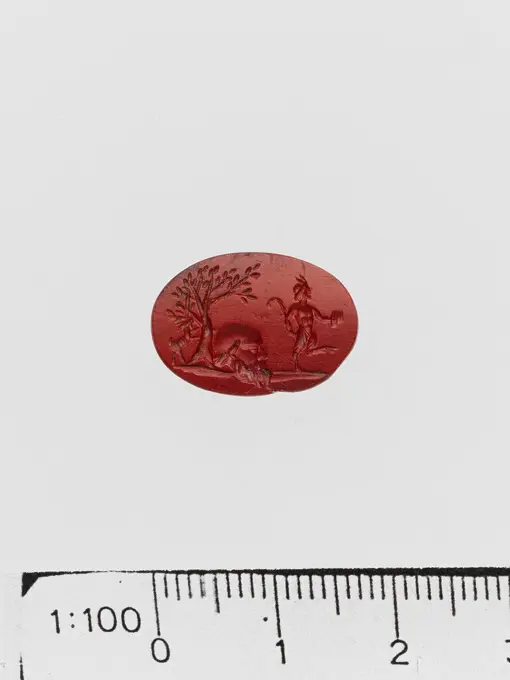
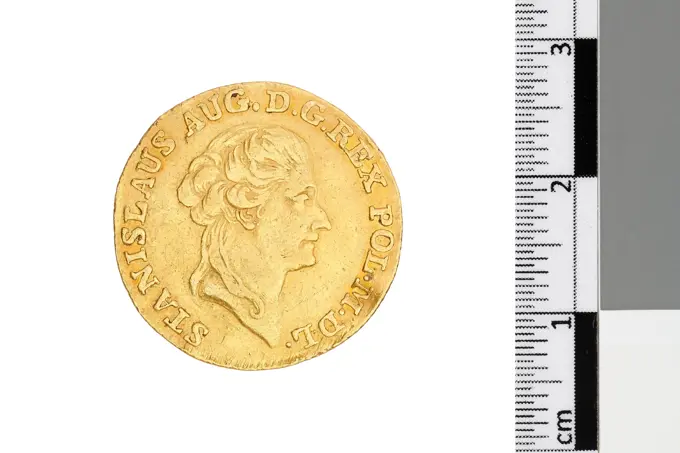
Andrea Doria of Genoa (1468-1560) ca. 1541 Medalist: Leone Leoni Italian. Andrea Doria of Genoa (1468-1560) 195397Coin Depicting a Double Cornucopia. Palestinian or Judean. Date: 135 BC-76 BC. Dimensions: Diam. 1.6 cm; 2.24 g. Bronze. Origin: Israel. Museum: The Chicago Art Institute, Chicago, USA.Coin dated A.H. 452/ A.D. 1060-61. Coin. dated A.H. 452/ A.D. 1060-61. Gold. Made in Iran, Nishapur. Coinsuncia. Anonimowy, monetary officer, Republika Rzymska, issuer2 ducats. Jerzy Wilhelm (książę brzesko-legnicko-wołowski ; 1660-1675), ruler, Brettschneider, Christoph (fl. 1637-1714), moneyerheller. Oleśnica, issuerDrohiczyn seal. unknown, managerheller; 15th century (1401-00-00-1500-00-00);Piotr (Saint), Klucze, city coins, Silesian Eagle (iconogr.), Eagles, Saint. Piotr with keysSteatite lentoid seal ca. 1300-1200 B.C. Minoan Goddess as bird ().. Steatite lentoid seal. Minoan. ca. 1300-1200 B.C.. Steatite. Late Minoan IIIB. Gemsdenarius. Fannius, M. (fl. 123 a.C.), monetary officer, Republika Rzymska, issuer3 kreutzers. Jan Chrystian (książę legnicko-brzeski ; 1591-1639), ruler, Jerzy Rudolf (książę legnicko-brzeski ; 1595-1653), ruler, Cantor, Christoph (fl. 1611-1622), moneyerdenarius. Fannius, M. (fl. 123 a.C.), monetary officer, Republika Rzymska, issuerAE. FanagoriaAE. PantikapaionGlass cameo with portrait head of Alexander the Great 1st century B.C.-3rd century A.D. Roman Portrait head of Alexander the Great wearing a lion skin.. Glass cameo with portrait head of Alexander the Great 248229Engraved Gem. UnknownTetradrachm (Coin) Depicting the Goddess Athena. Greek, minted in Athens. Date: 490 BC. Dimensions: Diam. 2.2 cm; 16.97 g. Silver. Origin: Greater Athens. Museum: The Chicago Art Institute, Chicago, USA. Author: ANCIENT GREEK.Lazio Roma Subiaco Monastery of S. Scolastica Archaeological Museum33. Hutzel, Max 1960-1990 Antiquities: Views of antiquities in museum, including sarcophagi, plates, vases, coins. General Notes: Hutzel guide says we have negatives, but we cannot find them. German-born photographer and scholar Max Hutzel (1911-1988) photographed in Italy from the early 1960s until his death. The result of this project, referred to by Hutzel as Foto Arte Minore, is thorough documentation of art historical development in Italy up to the 18th century, including objects of the Etruscans and the Romans, as well as early Medieval, Romanesque, Gothic, Renaissance and Baroque monuments. Images are organized by geographic region in Italy, then by province, city, site complex and monument.Tremissis (Coin) of Justinian II Struck 685 CE-695 CE Byzantine Empire. Coins were an ideal way for Byzantine emperors to circulate their images throughout the empire and beyond, since they were used to pay for imported merchandise and to pay foreign mercenaries. They could also be employed as powerful vehicles for propaganda, promoting dynastic succession and emphasizing the earthly emperorís god-given right to rule. Justinian II (reigned 685-695 and 705-711) chose to have an image of himself holding a globe surmounted by a cross on the front (obverse) of this coin. On the back (reverse), a Greek cross is shown.From the fourth century on, the solidus was the preferred gold coin issued by Byzantine emperors. The solidus remained essentially unaltered in weight and purity until the tenth century. This coin here the depicts Justinian II is a tremissis, worth one-third of 1 solidus.. Gold . Byzantineheller. Zygmunt Luksemburski (cesarz rzymsko-niemiecki ; 1419-1437), ruler, Wrocław, issuerDenar - Brakteat; approx. 1327/1328-OK. 1337/1338 (1327-00-00-1338-00-00);AE. ChersonezSilver ring. Culture: Greek. Dimensions: Length: 7/8 in. (2.2 cm). Date: ca. late 5th century B.C..Ecstatic maenad. Museum: Metropolitan Museum of Art, New York, USA.Drohiczyn seal. unknown, managerRed jasper ring stone ca. 1st century B.C.-3rd century A.D. Roman Helmet decorated with Bellerophon on Pegasos; chimaera and dog.. Red jasper ring stone. Roman. ca. 1st century B.C.-3rd century A.D.. Jasper. Late Republican or Imperial. Gemsuncia (aes grave). Anonimowy, monetary officer, Republika Rzymska, issuer3 roubles - 20 zlotys. Mikołaj I Pawłowicz (car Rosji ; 1825-1855), rulerDenar of Gdańsk; Zygmunt II August (Polish king; 1544-1572); 1558 (1550-00-00-1550-00-00);Gdańsk ducat. Stefan I Batory (król polski ; 1575-1586), rulerducat. Stanisław August Poniatowski, ruler, Schröder Justus Karol (fl. 1763-1771), minterSilver denarius serratus of Mamilius Limetanus 82 B.C. Roman M Bust of Mercury /C.MAMIL and LIMETAN, Ulysses (Odysseus) with the dog ArgusRome. Silver denarius serratus of Mamilius Limetanus. Roman. 82 B.C.. Silver. Late Republican. CoinsThe image of the medal of Józef II Habsburg from 1784, to establish the University of Lviv, in: Collector's album: Figures of Polish medals to the work of X.B. Albertrande: Polish history with medals certified. prepared by Prince Henryk Lubomirski 1822 1830 arranged in order according to the List of Polish Medals by Feliks Bentkowski 1832 (item 371) unknown, Geiger, Andreas (1765 1856), Oexlein, Johann Leonhard (1715 1787)Commemorating the Agricultural Assembly of Amiens 1860-79 Medalist: René Dubois. Commemorating the Agricultural Assembly of Amiens 197797Plasma ring stone ca. 1st century B.C.-3rd century A.D. Roman Copy of the 5th century B.C. chryselephantine statue of Athena Parthenos by Pheidias.. Plasma ring stone. Roman. ca. 1st century B.C.-3rd century A.D.. Plasma. Late Republican or Imperial. GemsMint: Cyzicus, Hemihekte fromCyzicus, 550-500 B.C.(?), Electrum, 1.35 g, 8.6mm, Made in Cyzicus, Mysia, Greek, 6th-5th century B.C., NumismaticsRed jasper ring stone. Culture: Roman. Dimensions: Length: 11/16 in. (1.7 cm). Date: ca. 1st century B.C.-3rd century A.D..Pan with syrinx and staff dancing before mask and tree. Museum: Metropolitan Museum of Art, New York, USA.heller. Głogów, issuerducat. Stanisław August Poniatowski, ruler, Brenn Efraim (1741-1792 ; mincmistrz), moneyerStamp with a portrait of Ahmad Shah Qajar, 1910 print. postage stamp   paper engraving historical personsCarnelian ring stone ca. 1st century B.C.-3rd century A.D. Roman Bust of the personification of Libya wearing an elephant-skin headdress.. Carnelian ring stone. Roman. ca. 1st century B.C.-3rd century A.D.. Carnelian. Late Republican or Imperial. GemsBanded agate ring stone. Culture: Italic. Dimensions: Other: 5/16 x 1/16 x 1/2 in. (0.8 x 0.2 x 1.3 cm). Date: 3rd-2nd century B.C..This banded agate ring stone represents Hermes wearing a chlamys, a winged cap and holding the kerykeion. The god is pulling a bearded figure from the ground, presumably a soul emerging from the shades. The image has been interpreted as a representation of Hermes in his role of Psychopompos (guide of the souls), escorting the souls of the dead to the banks of the River Styx. Museum: Metropolitan Museum of Art, New York, USA.Agate oval seal. Culture: Greek. Dimensions: Length: 3/4 in. (1.9 cm). Date: 6th century B.C..Two prancing ibexes. Museum: Metropolitan Museum of Art, New York, USA.