Ancient Cultural Artifacts

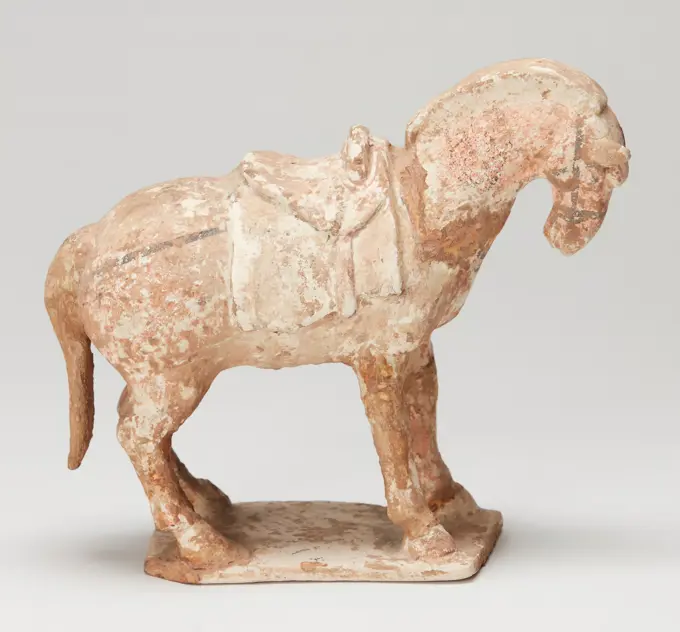
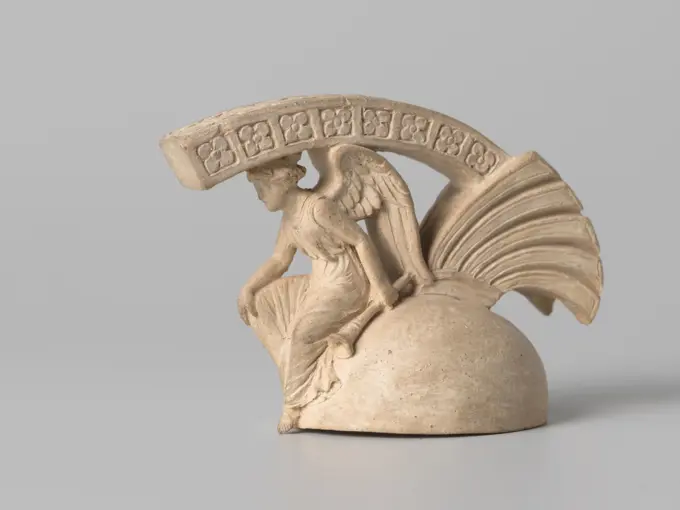
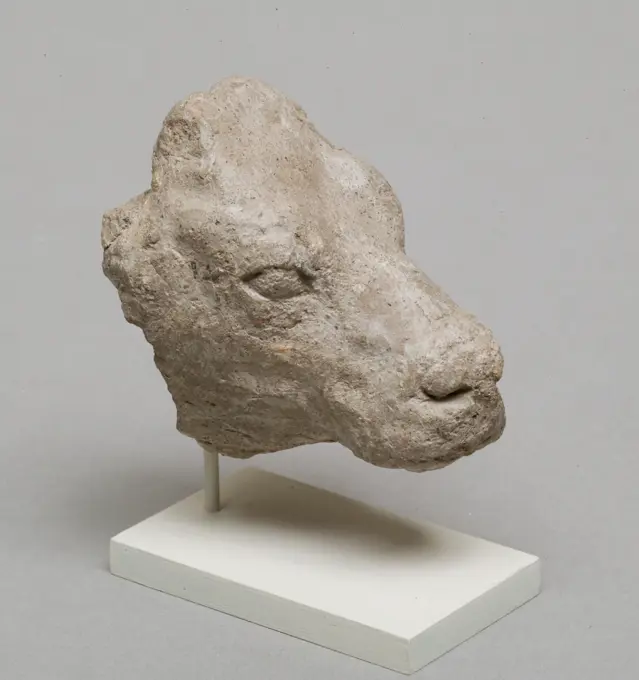
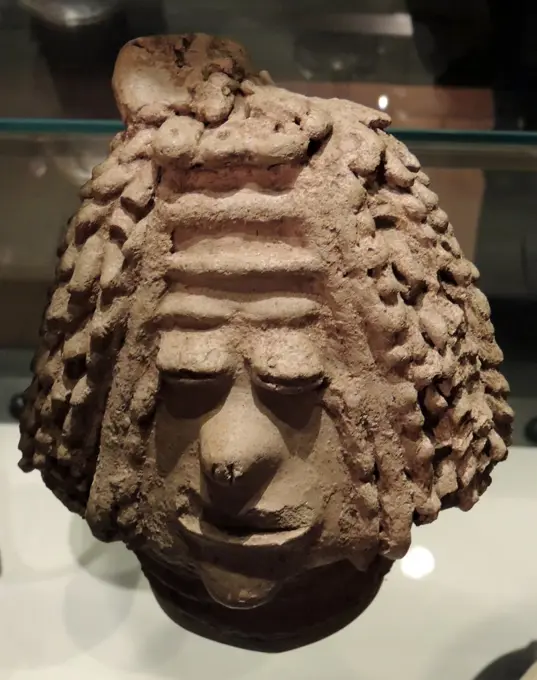
A range of historical sculptures and amulets from different cultures, showcasing unique designs and materials used in ancient artistry.
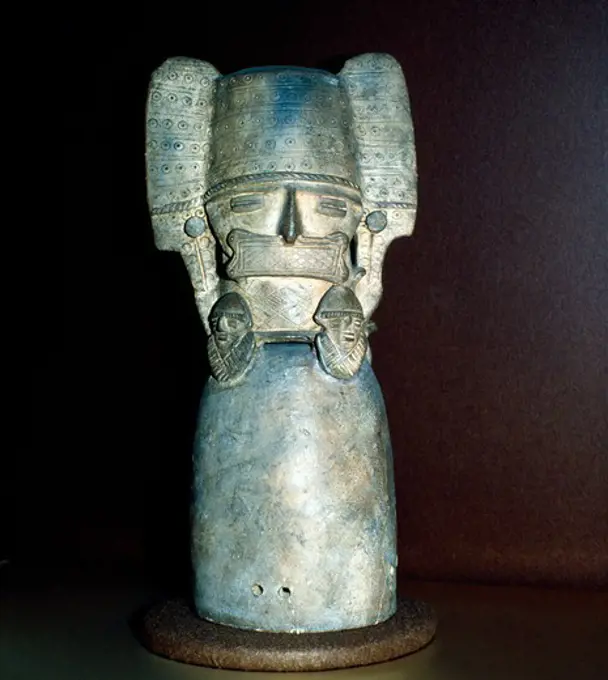
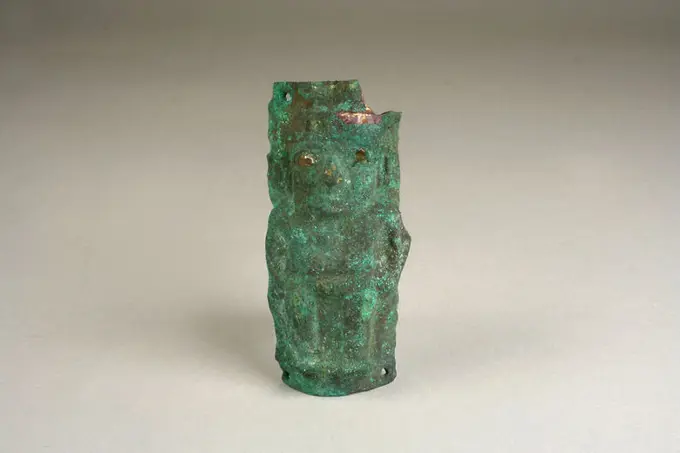
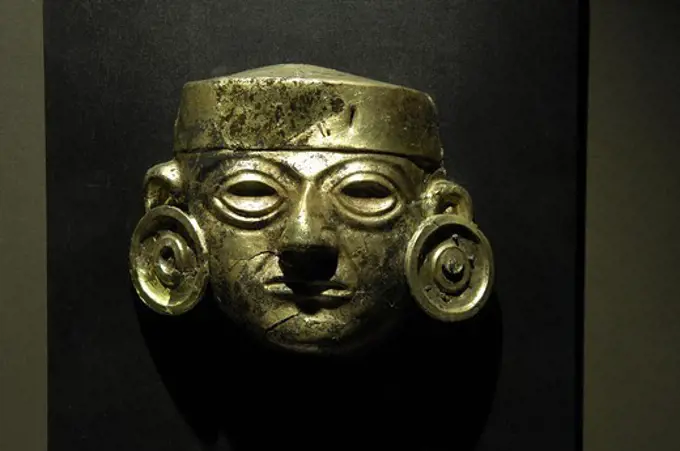
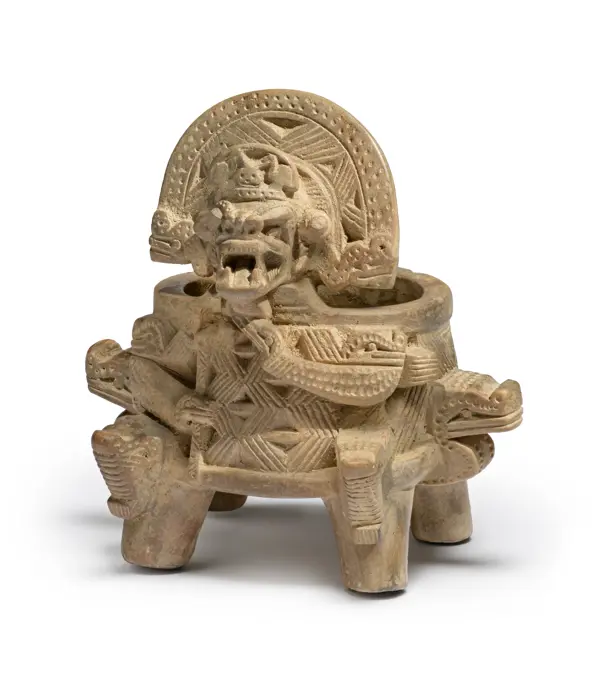
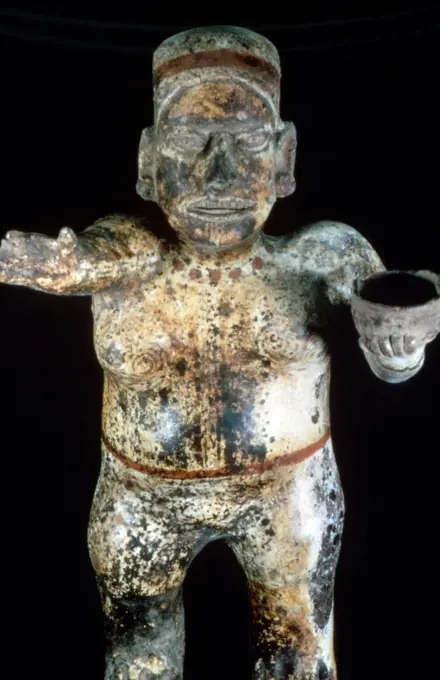
Artifact from Muisca Culture, Colombia, Bogota, Museo del Oro, Pre-Columbian Art
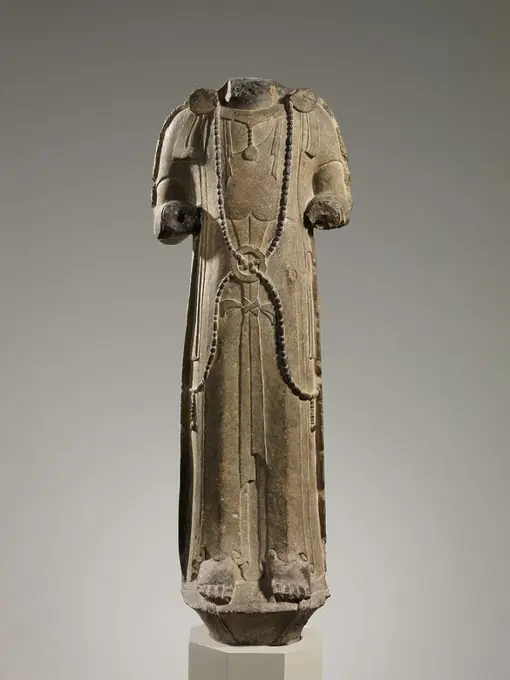
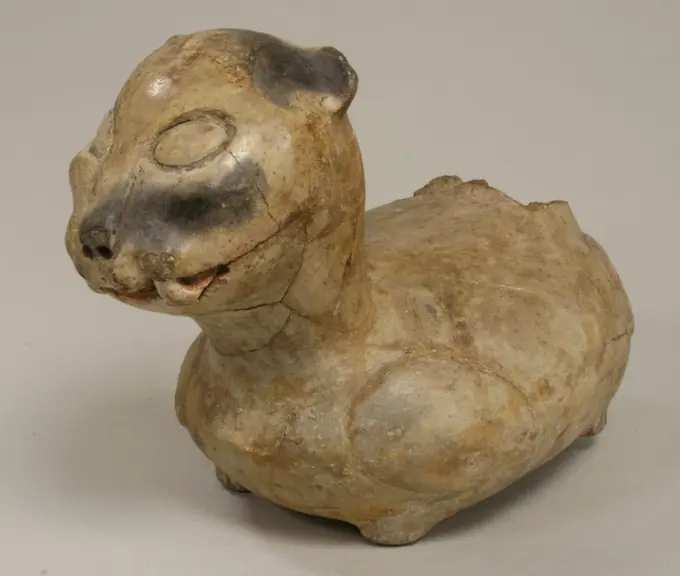
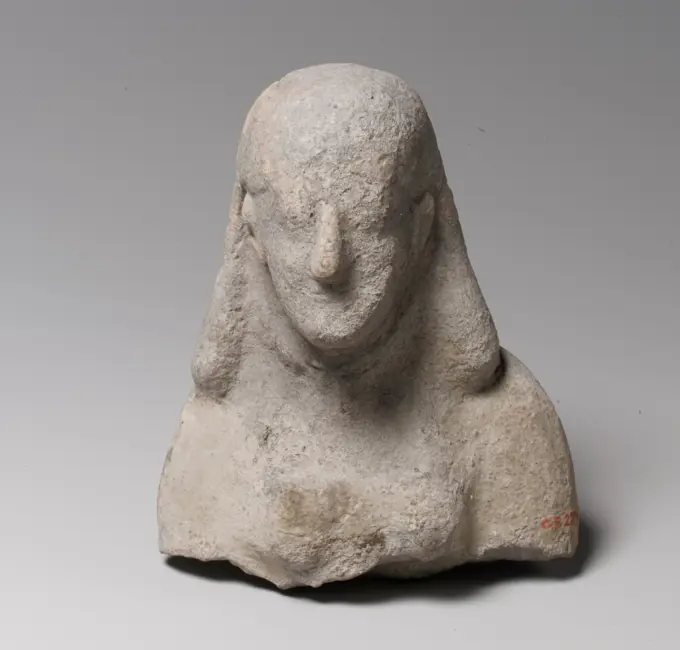
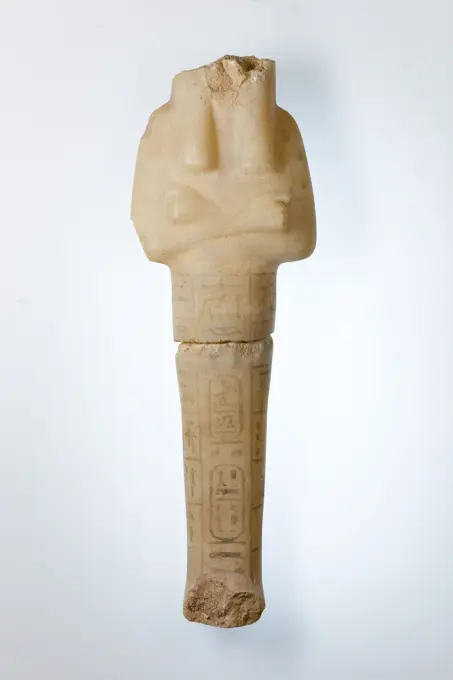
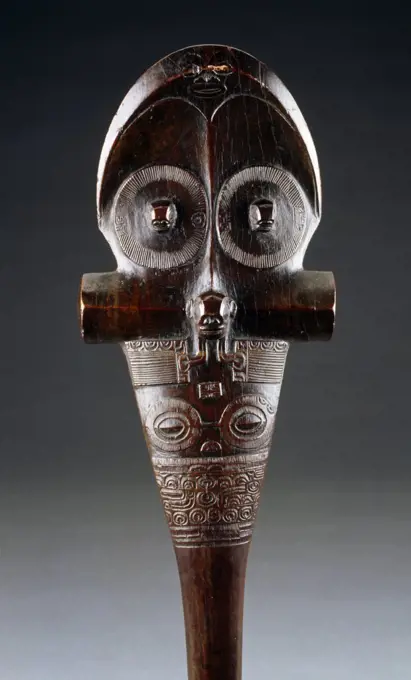
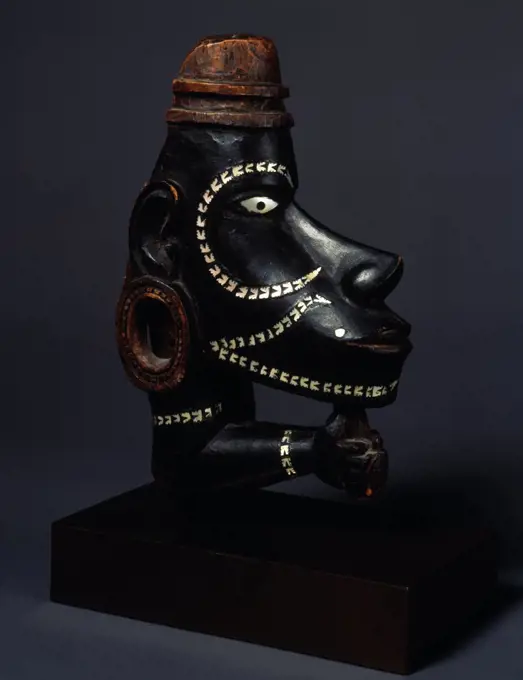
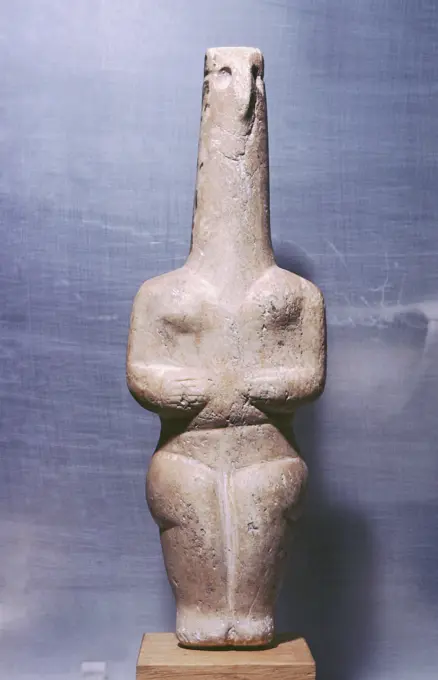
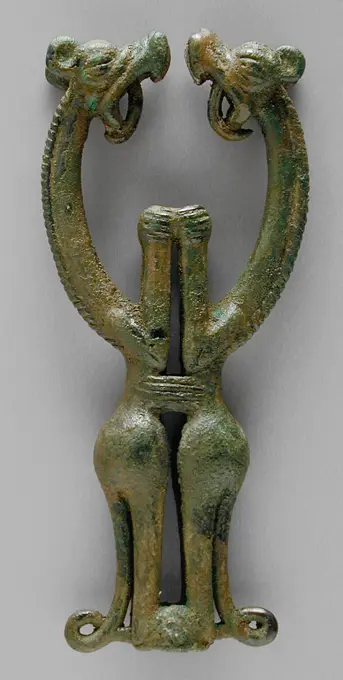
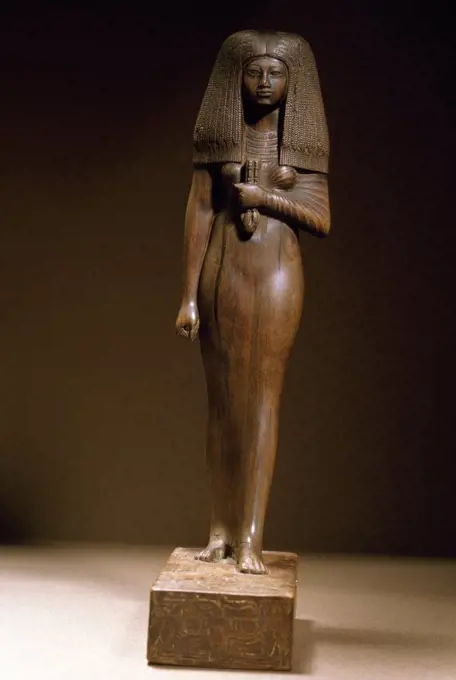
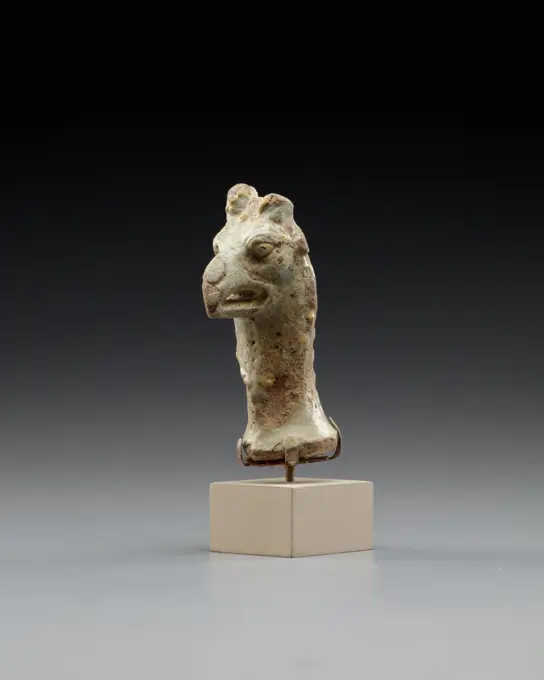
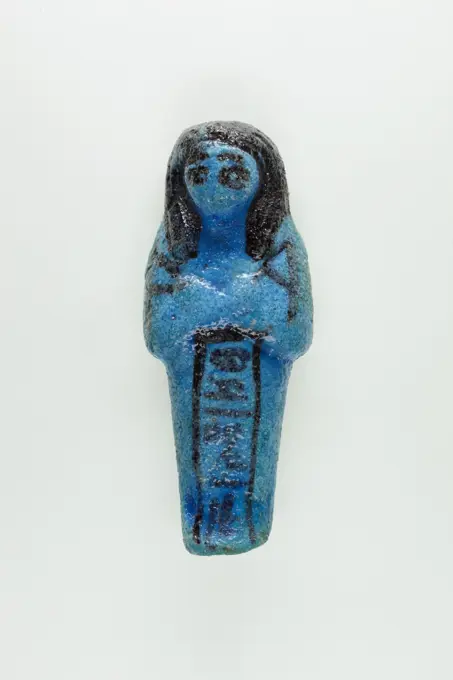
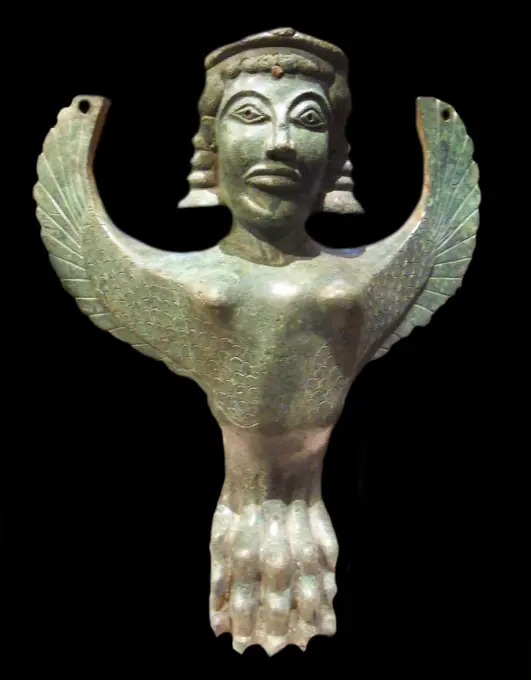
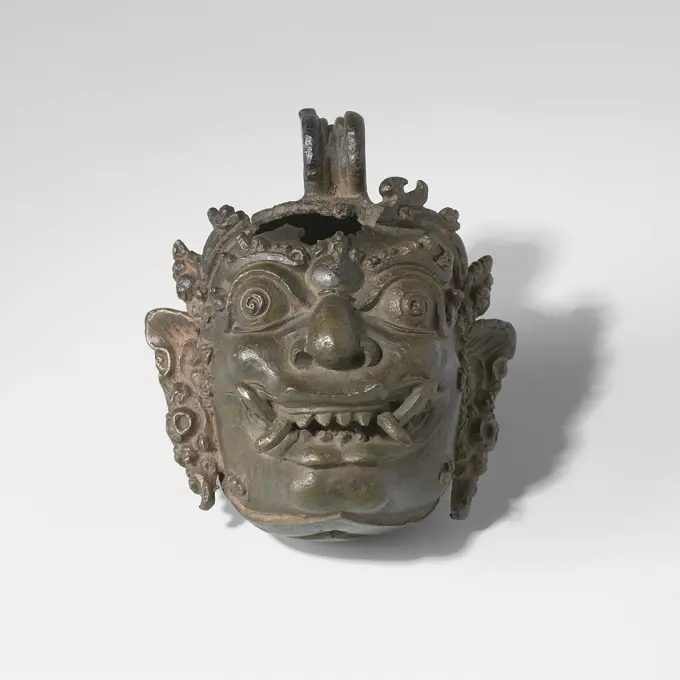
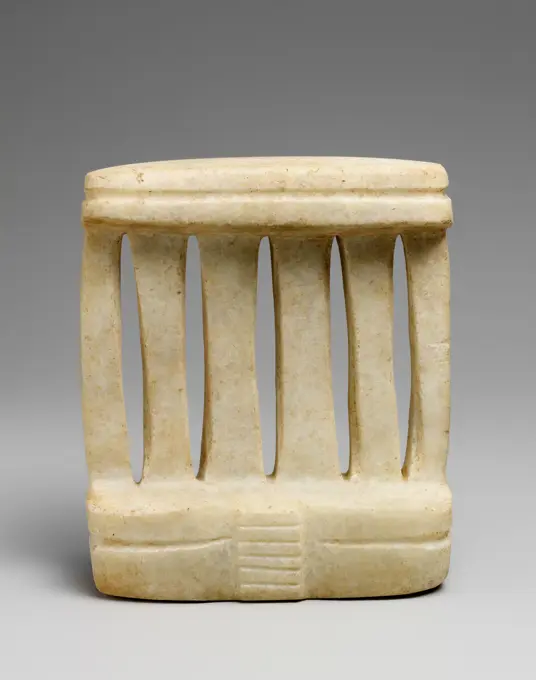
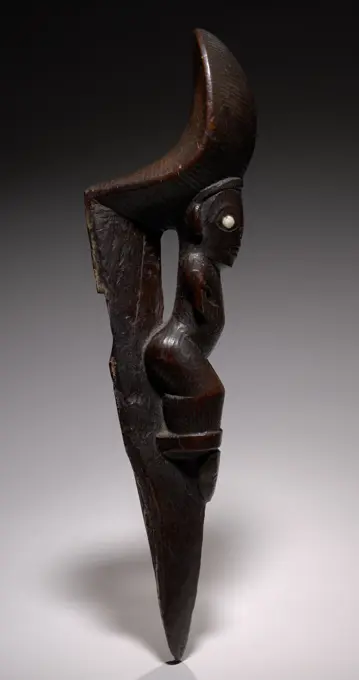
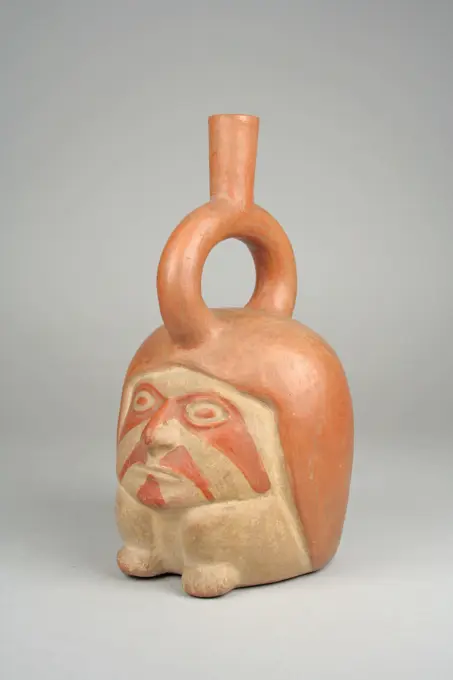
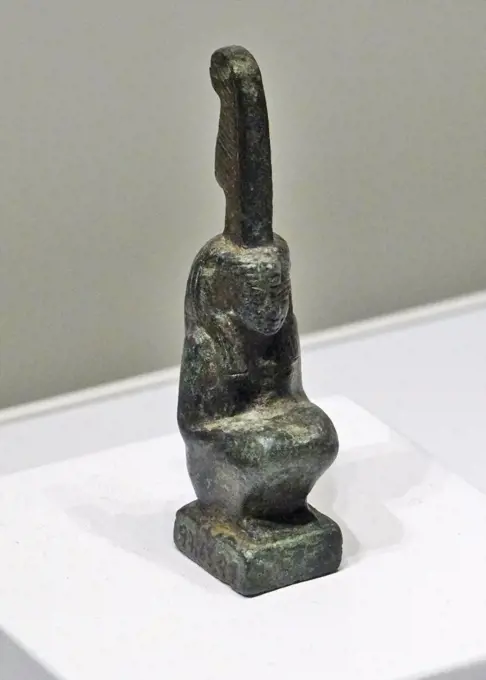
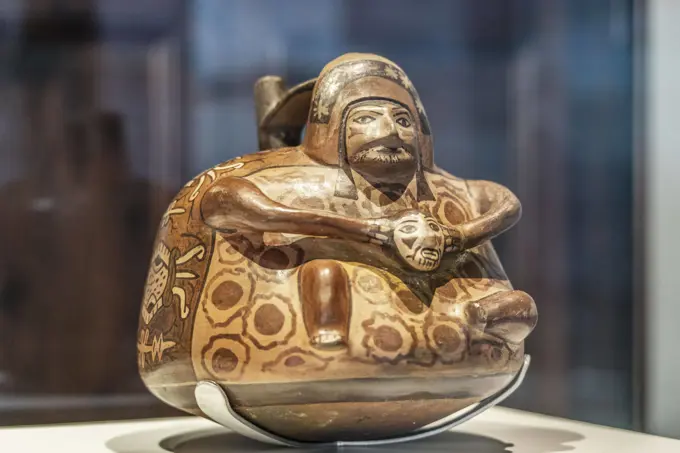
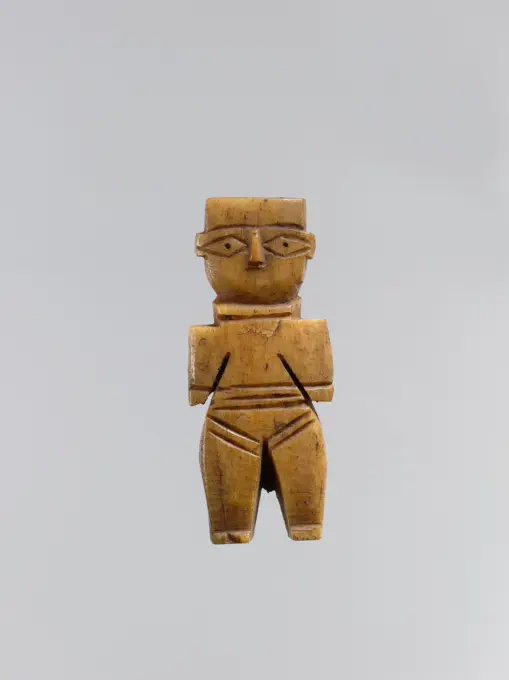
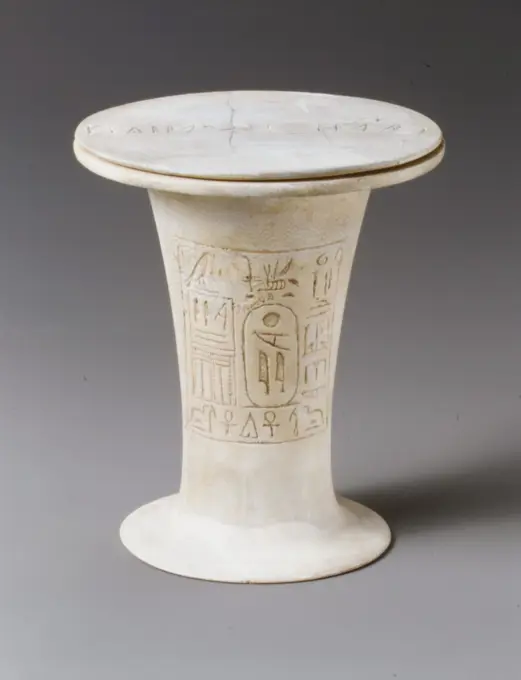
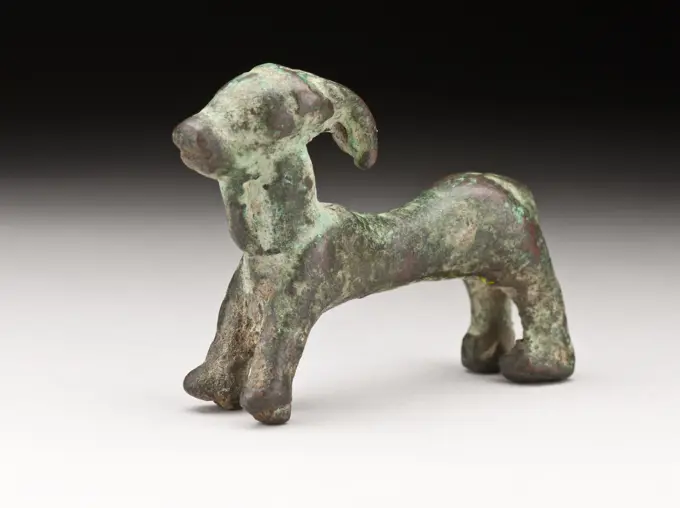
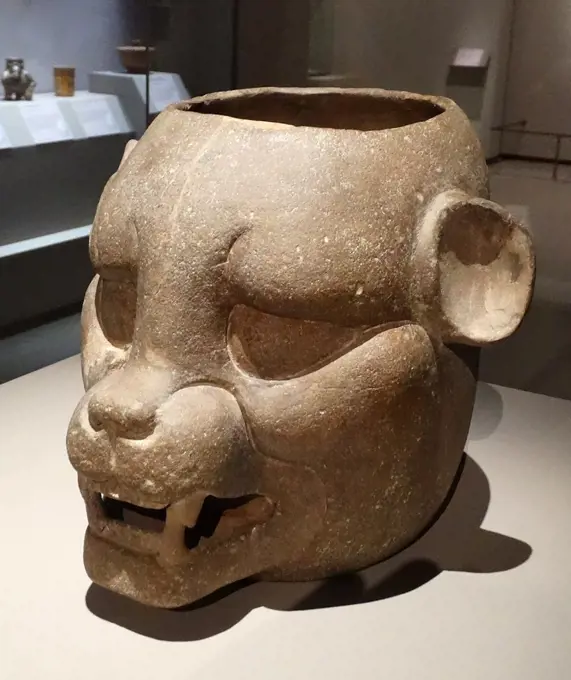
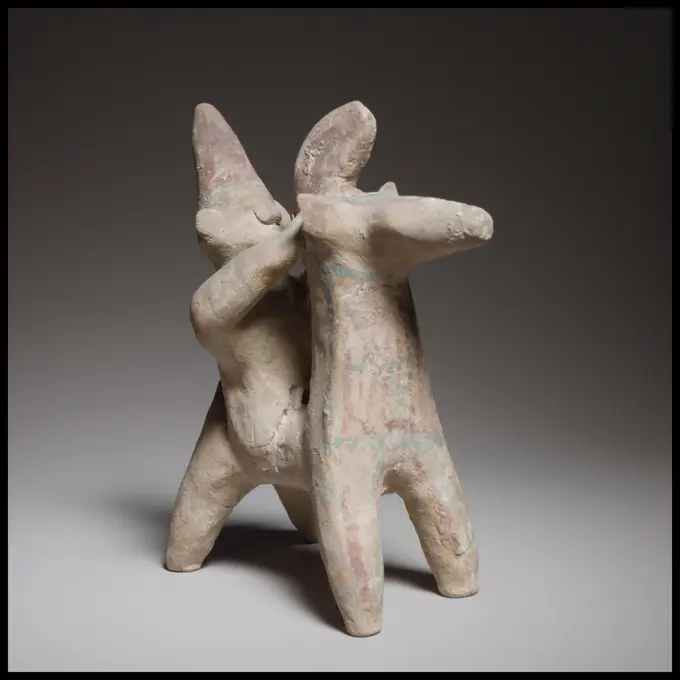
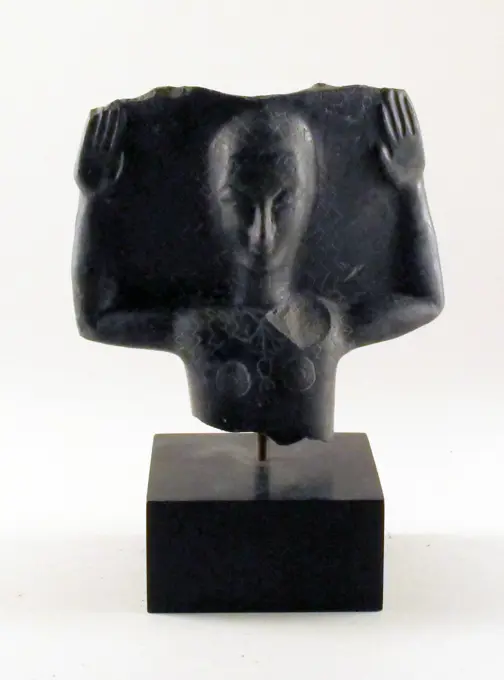
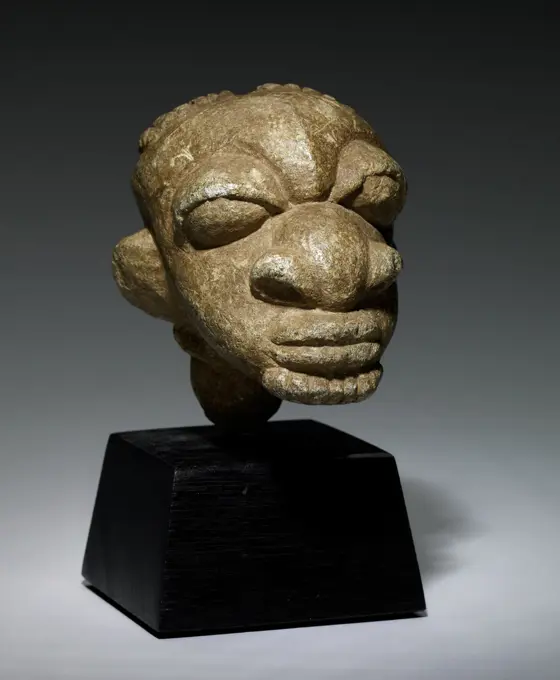
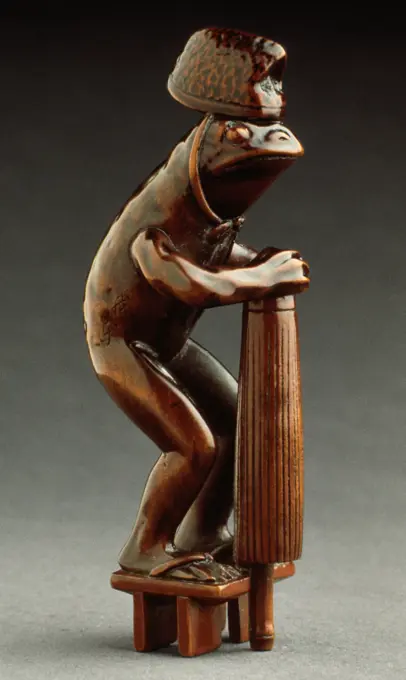
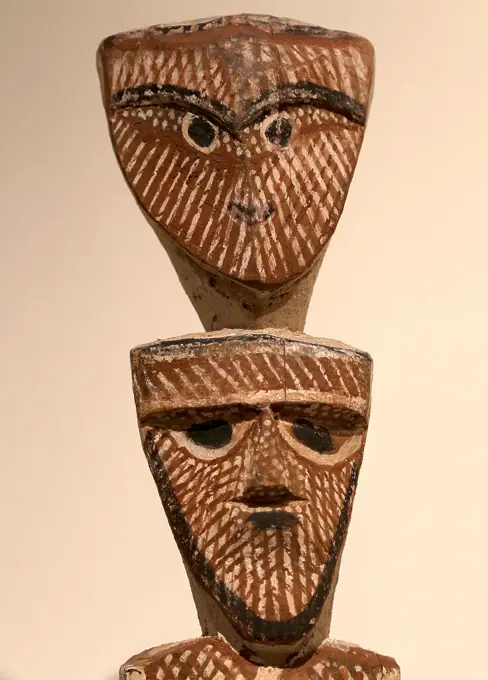
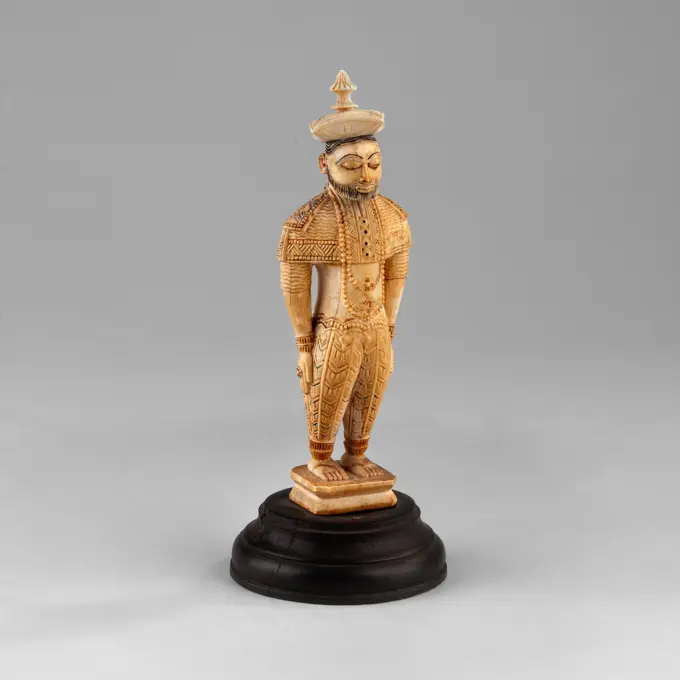
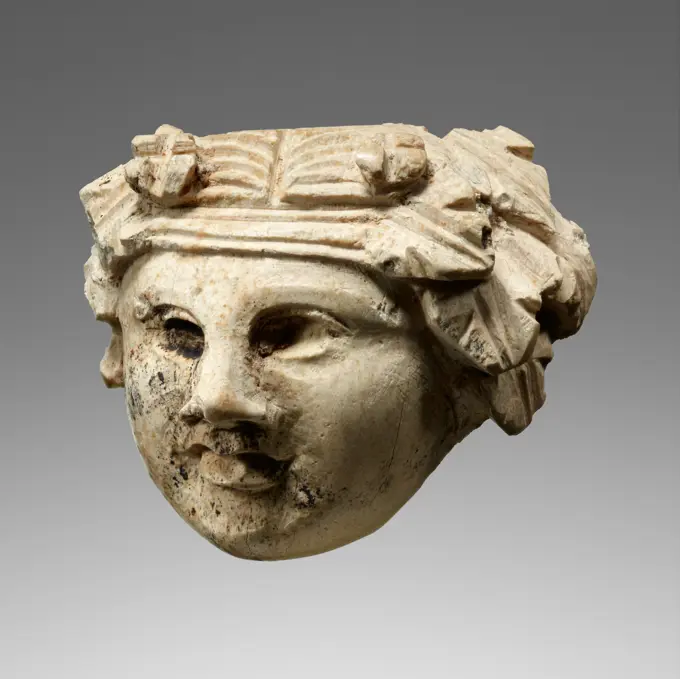
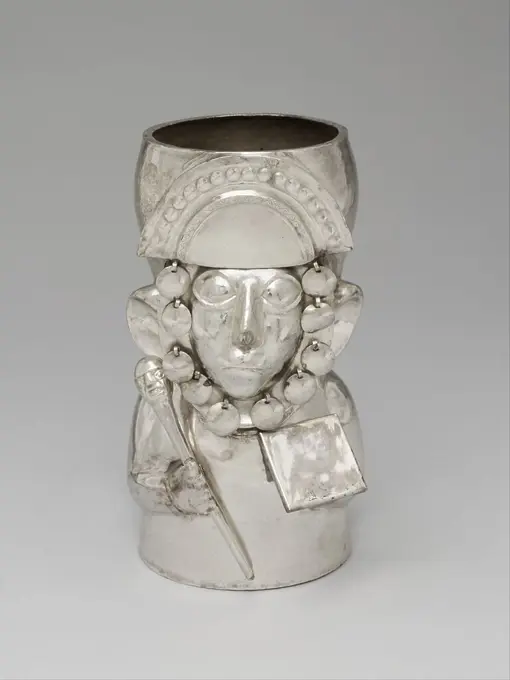
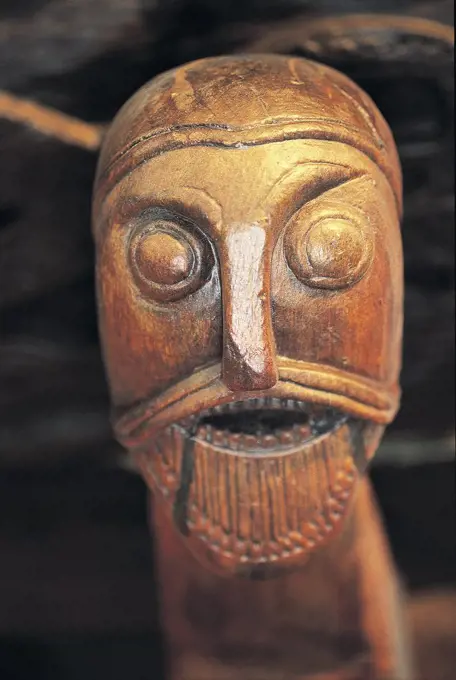
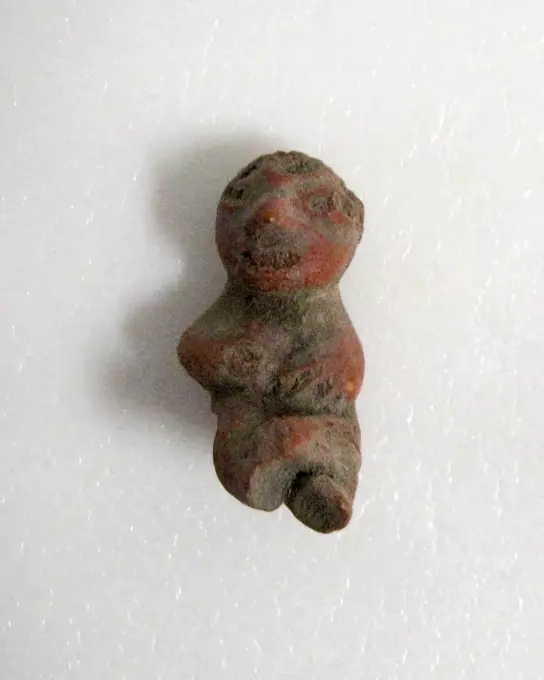
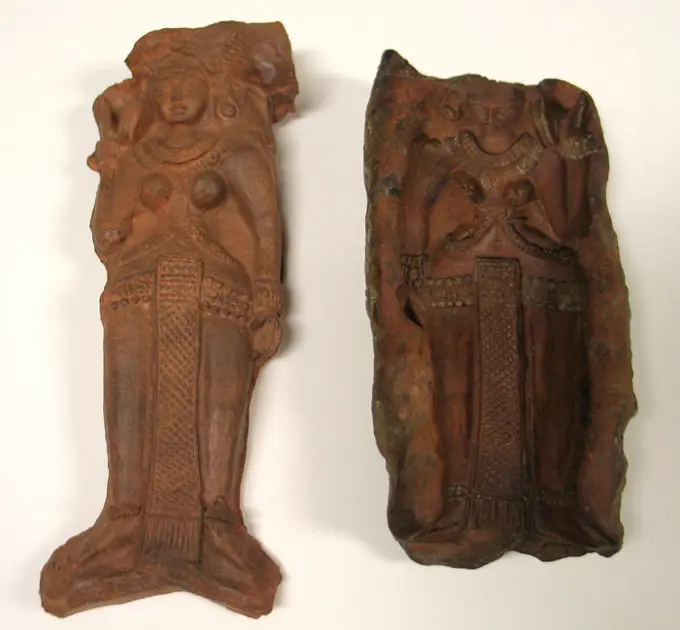
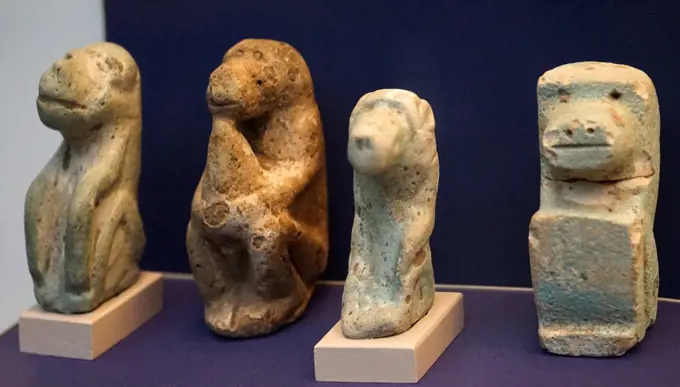
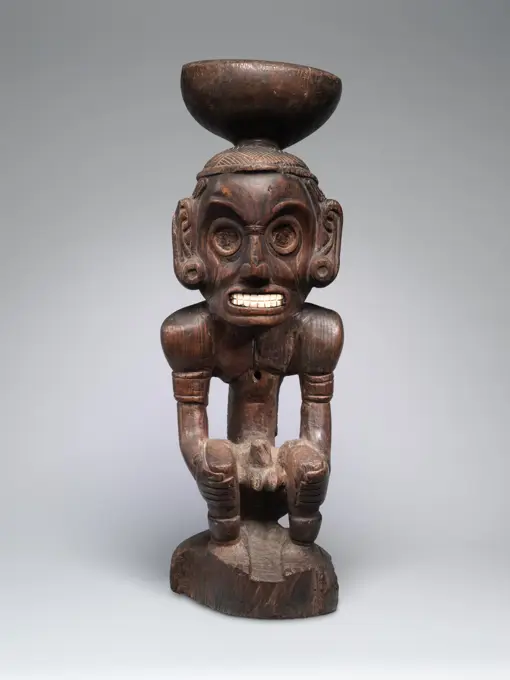
Zemí Cohoba Stand A.D. 974-1020 Taíno Creative sculptural expression for the Taíno peoples was intertwined with spirituality, ceremony, and political power. Spanish accounts describe how zemí figures were used as stands, reliquaries, or personal adornment. This particular zemí was likely used in ceremonies performed at prescribed times throughout the year involving a vegetal entheogen known as cohoba. A ground up hallucinogenic powder or paste would be placed on the top of the stand, and ceremonial participants would inhale the cohoba through snuff tubes. The effects of such ritual acts are visible in the zemí itself: the emaciated look of the figure may represent someone who had been fasting, and watering eyes would have accompanied the inhalation of such substances. The exceptional preservation of this zemí suggests that it was carefully housed and revered, perhaps passed down for centuries. Without evidence of burial, it is likely that the caretakers of this zemí eventually depositeTerracotta mask in the form of a bull ca. 600-480 B.C. Cypriot The mask is handmade. It has prominent horns, ears, and muzzle.. Terracotta mask in the form of a bull 241358Bodhisattva. Culture: China. Dimensions: H. 40 1/2 in. (102.9 cm); W. 14 1/2 in. (36.8 cm); D. 8 3/4 in. (22.2 cm). Date: mid- to late 6th century. Museum: Metropolitan Museum of Art, New York, USA.Shabti fragment of Petamenophis Late Period, Kushite-Saite ca. 710-640 B.C. View more. Shabti fragment of Petamenophis. ca. 710-640 B.C.. Serpentinite. Late Period, Kushite-Saite. From Egypt. Dynasty 25-early Dynasty 26Northern Ch'i Dynasty, Head of a Monk, c. 580, stone (possibly limestone) with wood base.Cat Vessel 10th century B.C. Olmec (). Cat Vessel 310541Figure Bottle. Culture: Moche. Dimensions: H. 6 7/8 x W. 6 3/8 in. (17.5 x 16.2 cm). Date: 3rd-6th century (). Museum: Metropolitan Museum of Art, New York, USA.Boat;  around 1069 715 BC ; 3rd transition period, 21-23 dynasty (-1069-00-00--715-00-00);Ceramic Monkey Vessel 6th-11th century Manteño. Ceramic Monkey Vessel 314173Head and upper body of a female figurine 6th century B.C. Cypriot The figurine was made in a worn mold. The head, shoulders, and upper chest are preserved. The hair is indicated by ridges on top of the head and long locks falling to the shoulders.. Head and upper body of a female figurine 241258Terracotta Figureines of a woman Late Neolithic, 5300-4500 Bc Probably from Greece. Terracotta figurines were widely produced in the eastern Mediterranean region during the Neolithic period. The rounded forms of this figure evoke the concept of female fertility, though male figures, groups and animals are also known. the use of clay died out in the Cyclades in the Early Bronze ageBottle in the Form of a Lute Player. Dimensions: H. 12 in. (30.5 cm)Max. W. 8 1/4 in. (21 cm). Date: early 20th century.Some details of this lute player, such as the position of his hands, suggest modern manufacture; thermoluminescence analysis recently confirmed its twentieth-century date.In 1907 the Frenchman L.-O. Olmer, a professor of physics and chemistry in Tehran, wrote of a visit to a ceramics workshop that produced imitations of ancient pieces, sometimes with excellent results, and sold them to foreigners. Museum: Metropolitan Museum of Art, New York, USA.Shabti of Siptah ca. 1194-1188 B.C. New Kingdom, Ramesside. Shabti of Siptah 555478Staff Head. Culture: Moche (Loma Negra). Dimensions: H. 2 7/8 x W. 1 3/8 x D. 3/4 in. (7.3 x 3.5 x 1.9 cm). Date: 390-450. Museum: Metropolitan Museum of Art, New York, USA.Bottle, Head on Neck. Culture: Moche. Dimensions: H x W: 8 1/2 x 6 1/4in. (21.6 x 15.9cm). Date: 3rd-6th century. Museum: Metropolitan Museum of Art, New York, USA.Fragment of Statesbti;  332-30 BC ; Ptolemean period (-332-00-00--30-00-00);Bottle, Head on Neck 3rd-6th century Moche. Bottle, Head on Neck. Moche. 3rd-6th century. Ceramic, pigment. Peru. Ceramics-ContainersDragon-Snake Figure(Sandung)Marquesas Islands war club, made from Toa Wood, England, London, Christie's Images, Primitive ArtWooden guardian figure, eyema Byeri; Fang tribe; Ntumu group; Equatorial Guinea, West Africa.Inca silver figurine 1350-1532 AD, Peru or BoliviaCanoe Prow ornament, Nguzunguzu from Solomon Islands, England, London, Christie's Images, Primitive ArtStatuette of a woman Greek, Laconian. Statuette of a woman. Greek, Laconian. Lead. Miscellaneous-LeadNeolithic Cycladic figurine/ idol, 3rd mill. BC. Greece.Golden copper mask (3rd c. AD), part of a headdress. Moche or Mochica Art. PERU. LAMBAYEQUE. Sipn. Royal Tombs of Sipn Museum.Horse and rider 4th-3rd century B.C. Cypriot The figurine is handmade and solid, with a mold-made face. The horse's right foreleg and most of both hind legs are missing; the ears are chipped. The rider's headdress (a mitra) is only partially preserved, including the ends hanging in front, one end at the back, and a strip around the nape.. Horse and rider 241341Finial. Iran, Luristan, Luristan bronzes, circa 1350-800 B.C.. Architecture; Architectural Elements. Bronze, castLady Touy, sculpture, France, Paris, Musee du LouvreShabti of scribe Tjay ca. 1550-1295 B.C. New Kingdom. Shabti of scribe Tjay 554767Figurine, griffin head, Nemesis 30 B.C.-A.D. 364 Roman Period. Figurine, griffin head, Nemesis. 30 B.C.-A.D. 364. Yellow brown glazed earthenware. Roman Period. From EgyptStone Figure Pendant before 16th century Mexican. Stone Figure Pendant 312898Double vessel, Inca, Peru. Dated 16th CenturyWorker Shabti of Nany ca. 1050 B.C. Third Intermediate Period See 30.3.26.1a, b. Worker Shabti of Nany 625750Bronze foot in the form of a sphinx. Greek, ca. 600 B.C.Face Mask Ornament. Culture: Moche (Loma Negra). Dimensions: H. 2 3/4 x W. 3 15/16 in. (7 x 10 cm). Date: 390-450. Museum: Metropolitan Museum of Art, New York, USA.. Rinkelbel in the form of a demon head, characterized by a V-shaped opening at the bottom and a small loop on top of the head.Temple Model 200 B.C.-A.D. 500 Mezcala Stone models in the Mezcala style come largely from the present-day state of Guerrero, in southwest Mexico. A particularly long-lived tradition, these works may have been produced over some one thousand years, from as early as 500 B.C. Little is known about their archaeological contexts, and there are few points of reference with surviving architecture in the region. It is possible that these models emulate buildings with stone columns, such as those from Cuetlajuchitlán; alternatively they could recall above- or below-ground funerary structures, in which case the columns would represent wood supports of a tomb or a funerary pyre. Mezcala models may have served multiple functions over time, in keeping with the Mesoamerican custom of repurposing or recarving stone objects. Oblong models, for example, may have been recarved from celts, ritual tools of great symbolic importance. Several have holes drilled into the base, which could have been used to Stilt Footrest, early 1800s. Polynesia, Marquesas Islands, 19th century. Wood; overall: 40 x 7.7 x 11.8 cm (15 3/4 x 3 1/16 x 4 5/8 in.). Stilt walking and knockdown stilt contests were favorite forms of amusement and competition on the Marquesas Islands. The decorated footrest was secured to a six-foot stilt pole by wrapping sennit fiber cord through a wide slit at the carved figure's back and around the pointed end. Champion stilt walkers competed with those from other tribes during great festivals. Special artists carved the footrests from hardwood and cured them in the mud of a taro patch.Stirrup Spout Bottle 1st century B.C.-A.D. 7th century Moche. Stirrup Spout Bottle 313304Finial with Wild Ram 7th-6th century B.C. Northeast China. Finial with Wild Ram 65258Statuette of Ma'at, seated, with an ostrich feather on her head. From the 8th-7th century.Vase mit Brückenhenkel, die eine menschliche Figur mit einem Trophäenkopf darstellt Vase with a bridge handle depicting a human figure carrying a trophy head, Nazca, southern coast of Peru, 200 BC to 800 AD, polychrome ceramic, MuEC, Barcelona, Catalonia, Spain LicenseRF Copyright: xZoonar.com/TOLOxBALAGUERx 23171471Figurine 7th-9th century. Figurine. 7th-9th century. Bone; carved and incised. Attributed to Egypt. Ivories and BoneFemale Dancer (Tomb Figurine) 200 BCE-101 BCE China. Gray earthenware with slip coating and polychrome pigments .Terracotta aryballos in the form of a ram early 6th century B.C. Greek, Corinthian From the mid-7th to mid-6th century B.C., Corinth was a leading production center of plastic vasesvessels made in the form of a human, animal, or mythological being. Rams were a favorite shape for Corinthian potters. The narrow opening at the top of this vase, which originally held perfumed oil, was designed to restrict the flow of its precious contents.. Terracotta aryballos in the form of a ram 330051Ointment jar inscribed with the name of Pepi I ca. 2289-2255 B.C. Old Kingdom This ointment jar was probably valued more for its inscription than for the perfumed oil or unguents it contained. With a wide rim and flat foot, the vessel has a disk shaped lid with a circular protuberance on the inside. Such receptacles were common from the Fifth to the Eleventh Dynasty. Many similar jars bear inscriptions that mention the celebration of the royal jubilee (Sed festival) have been found, most of which date to the Sixth Dynasty. This jar bears the name of Pepi I and mentions the first celebration of his Sed festival, which seem to have taken place in the eighteenth year of his reign. Such jars were most likely given as royal gifts, underscoring the kings preeminence, but also distinguishing the person to whom they were presented.. Ointment jar inscribed with the name of Pepi I 543933Fragment of a Head from a Statue of a King Made 380 BCE-343 BCE Egypt. This fragmentary sculpture portrays the head of a king. Only the right side is preserved, leaving evidence that this figure wore the customary pleated headdress with uraeus on his brow. His face is beardless, and softly rounded with high cheekbones.. Greywacke . Ancient EgyptianCat Coffin, 664-30 BC. Egypt, Late Period, Dynasty 26 (664-525 BC) to Ptolemaic Dynasty (305-30 BC). Sycamore fig; overall: 20 x 7.3 x 12.3 cm (7 7/8 x 2 7/8 x 4 13/16 in.).Stirrup spout bottle with figure with llama headdress. Culture: Moche. Dimensions: Overall: 10 1/16 x 4 3/4 in. (25.64 x 11.99 cm)Other: 4 3/4 in. (11.99 cm). Date: 3rd-6th century. Museum: Metropolitan Museum of Art, New York, USA.Zoomorphic Handle. Iran, circa 150 B.C. - A.D.227. Tools and Equipment; handles. Bronze, castHead Hacha, 300-900. Mexico, Veracruz. Gray volcanic stone with red pigment; overall: 19.5 x 17.2 x 15.5 cm (7 11/16 x 6 3/4 x 6 1/8 in.).A zoomorphic pot from Tabasco, Mexico. Feline images are a popular sight in Mayan sculptures as their relationship with the feline family was a close and complex thing. The feline in this sculpture is thought to be a jaguar thanks to its face shape. From around 600-900 A.D.Tomb Figure, c. 750, 6 3/4 x 2 7/8 x 7 3/4in. (17.1 x 7.3 x 19.7cm), Polychromed earthenware, China, 8th centuryMask. Mexico, Guerrero, Mezcala, 500 BCE-1000 CE. Stone. BasaltMask (IndaiGuru’)Huaco pottery, Larco Museum of Pre-Columbian ArtLid in the form of a helmet a Greek warrior, Matthijs Kessels, c. 1830 Under the comb there is a nikè at the front. Rome pipe clay Under the comb there is a nikè at the front. Rome pipe clayCalf's head ca. 1981-1640 B.C. Middle Kingdom. Calf's head. ca. 1981-1640 B.C.. Clay (unfired). Middle Kingdom. From Egypt, Memphite Region, Lisht South, South of the tomb of Imhotep, north of the royal causeway, MMA excavations, 1930-31. Dynasty 12-13Belt Hook. UnknownShabti of PadinisutThe Luzira Head, together with fragments of other figures, was first discovered in 1929 by a gang of prisoners levelling ground within Luzira prison on the northern shores of the Victoria Nyanza near Kampala, Uganda.Figure Bottle. Culture: Moche. Dimensions: Overall: 7 1/2 x 5 3/4 in. (19.05 x 14.61 cm)Other: 5 3/4 in. (14.61 cm). Date: 3rd-5th century.This Moche stirrup spout bottle represents a man wearing a sleeved tunic with vertical bands and carrying funerary items. He is holding a rolled mat in his right hand and a dipper in his left hand. Similar Moche vessels represent mutilated individuals, skeletal beings, and anthropomorphized bats performing the same action. The preparation of the bodies, their shrouds, encasings, and funerary offerings was an elaborate process in Moche society. The body was first wrapped in one or many layers of textiles, then encased in a cane structure, or in a fiber mat, as the one illustrated here. Small copper or stone objects were often placed in the hands and mouth of the deceased. Fine ceramic vessels are the most ubiquitous offerings in Moche burials. The deceased were also frequently buried with personal adornments, gourds filled with food, metal objects,Old toy, drueck figure old toy, a wooden drueck figure with a white background.Horse and rider ca. 600-480 B.C. Cypriot The figurine is handmade and solid. The relatively large rider sits near the horse's rump.. Horse and rider. Cypriot. ca. 600-480 B.C.. Terracotta; hand-made. Cypro-Archaic II. TerracottasVase Fragment 6th century Etruscan Upper part of female figure in relief, hands raised.. Vase Fragment. Etruscan. 6th century. Terracotta. Archaic. VasesPicrolite figure ca. 3900-2500 B.C. Cypriot The form and material are characteristic of figures from the Chalcolithic (literally "copper-stone") period on Cyprus. These works, found mainly in graves, may have been deposited as offerings or worn as pendants.. Picrolite figure 254672 Cypriot, Picrolite figure, ca. 39002500 B.C., Picrolite, H. 2 in. (5.1 cm). The Metropolitan Museum of Art, New York. Rogers Fund, 1951 (51.11.7)Head, 3 7/16 x 3 11/16 x 2 15/16 in. (8.73 x 9.37 x 7.46 cm) (without base), Stone, Sierra LeoneMexico, Mitla, Funerary urn depicting Goddess of Thirteen SnakesStatuette ca. 1850-1640 B.C. Middle Kingdom. Statuette. ca. 1850-1640 B.C.. Wood. Middle Kingdom. From Egypt, Memphite Region, Lisht North, Cemetery, MMA excavations, 1906-07. Dynasty 12, late-13Nicoya ware vessel with a bird's head design from either Costa Rica or Nicaragua. Dated 750 A.D.Ono no Tōfū as a Frog. Japan, 18th-19th century. Costumes; Accessories. Wood with lacquer, double inlaysFemale Head. UnknownTassel 17th century Italian. Tassel 221294Figure of a Man China. Figure of a Man 62853Funerary pole with Purukuparli and his son Jinani (detail). Carved and painted wood. 20th Century, Tiwi, Melville Island, Northen Australia.Sygaleski devices figurine;  19th century (1801-00-00-1910-00-00);Zaleski, Władysław (1852-1925) - collection, South Asian (culture), Ceylon art, purchase (provenance)Appliqué for a funeral couch. UnknownAmulet of the God Khnum 1070 BCE-656 BCE Egypt. Faience . Ancient EgyptianDignitary on Double-Headed Serpent Throne. Colombia, Sierra Nevada de Santa Marta, Tairona, 800-1600 CE. Ceramics. Incised ceramicJalisco figurine of a matrimonial figure 200 BC-500 AD. The earliest settled cultures were centred on the site of Chupicuaro, Guanajuato, Mexico, which has a large zone of influence from Durango east, crossing through modern Jalisco's north.Fertility Figures Chupicuaro, Western Mexico c.800 B.C.-200 A.D. Pre-Columbian Ceramic Collection of The Museum of Contemporary Art, Jacksonville, Florida Beverly Chichester, Wooden Doll, c 1938 Wooden DollWarrior Vessel. Culture: Chimú. Dimensions: H. 6 5/8 x W. 3 1/2 x D. 3 1/2 in. (16.8 x 8.9 x 8.9 cm). Date: 14th-15th century. Museum: Metropolitan Museum of Art, New York, USA.Egypt. Wooden chests with Ushabti placed in the graves together with the dead. Istanbul Archaeological Museum, Turkey.Norway, Oslo, museum of history, wooden Viking headHeart Scarab. Egypt, New Kingdom-Late Period, 1569-333 BCE. Jewelry and Adornments. SerpentineRitual Axe carved in basalt rock; Mayan, Vera Cruz, Mexico. Gulf of Mexico 600-900 AD. StoneMiniature figurine, 1500 BCE, 1 1/8 in. (2.9 cm), Earthenware, Mexico, Pre-ClassicImhotep Figurine, Late Period.. Seated figure of Imhotep with scroll on knee and bronze seat decorated with figures of godsStatuette of a woman 6th century B.C. Etruscan Holding drapery in left hand.. Statuette of a woman 246282Mother and child. Cypriot terracotta plank figure, Red Polished Ware, Early Bronze Age, 2000 BC..Liubo Players andBoardPadlock 18th century. Padlock 446005Mayan ceramic figurines; Classical period in the Teotihuacan style 250-600 AD. Becan, Campeche, MexicoCarved Vessel with Avian Dancers. Guatemala, Escuintla, Maya, 300-600 CE. Ceramics. Slip-painted ceramicMummy Mask; Egypt; 3rd - 4th century; Stucco with inlaid eyes; 24.5 × 15 cm (9 5,8 × 5 7,8 in.)Mold and Impression for a Bejeweled Female 1st century B.C.-1st century A.D. India. Mold and Impression for a Bejeweled Female 38368Pendant with Head of Acheloös. UnknownEgyptian Faience baboon figurines.Weight, Steelyard early 4th century Byzantine. Weight, Steelyard 468572