Ancient Cultural Artifacts

A range of historical sculptures and amulets from different cultures, showcasing unique designs and materials used in ancient artistry.
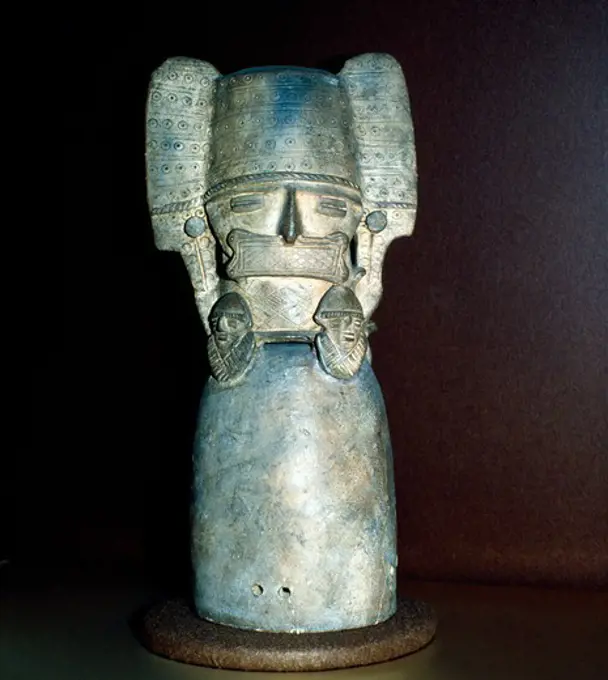
Artifact from Muisca Culture, Colombia, Bogota, Museo del Oro, Pre-Columbian Art
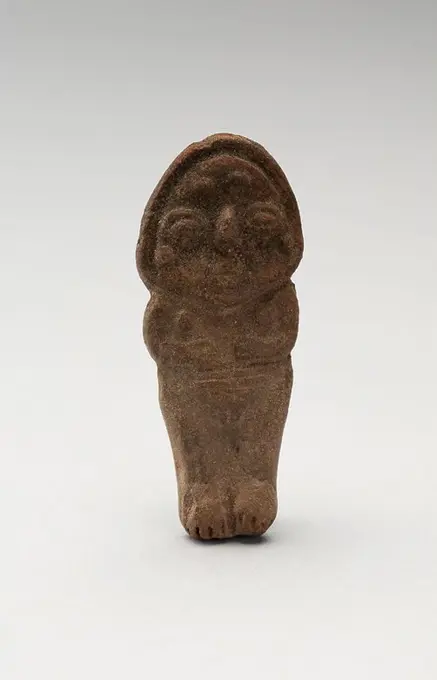
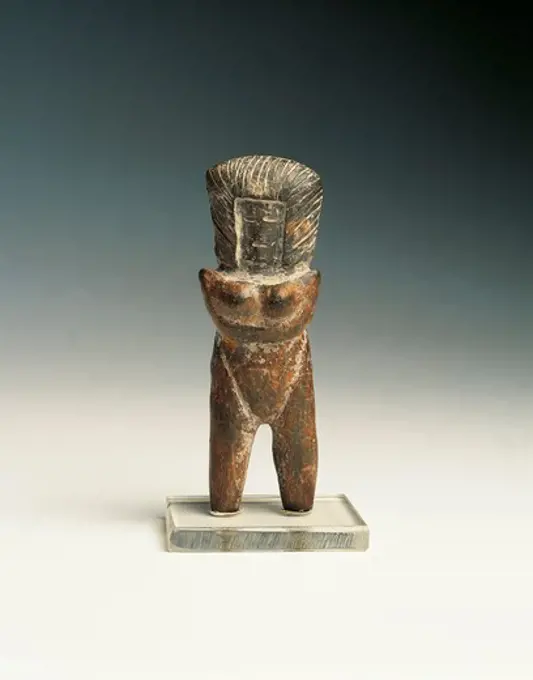
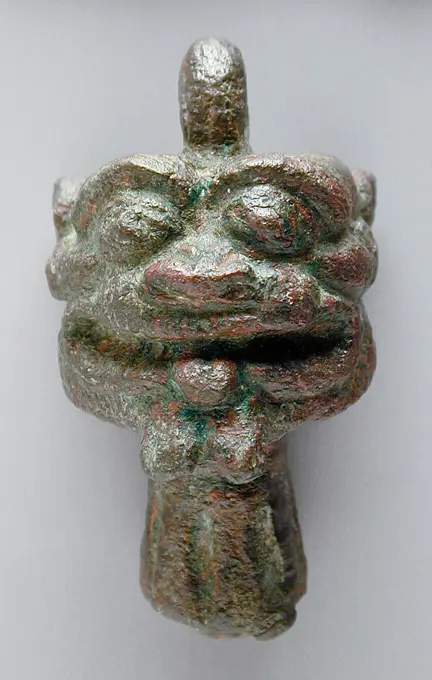
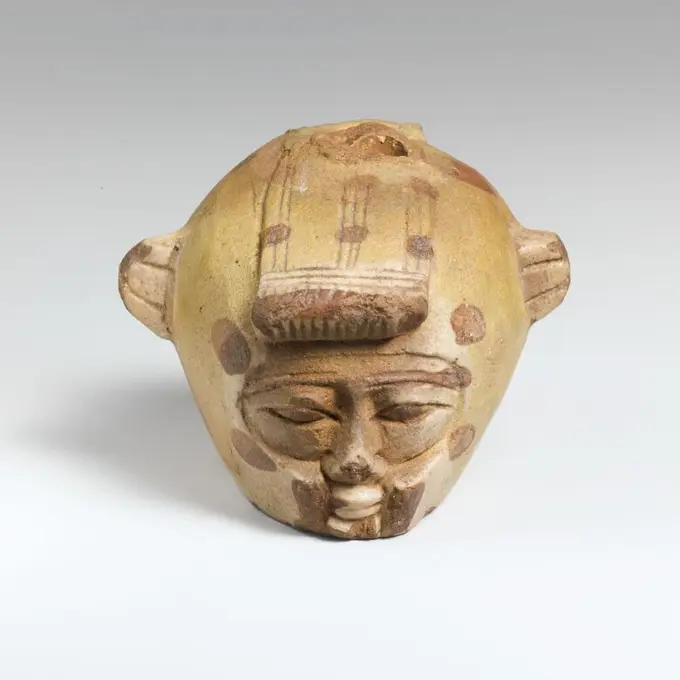
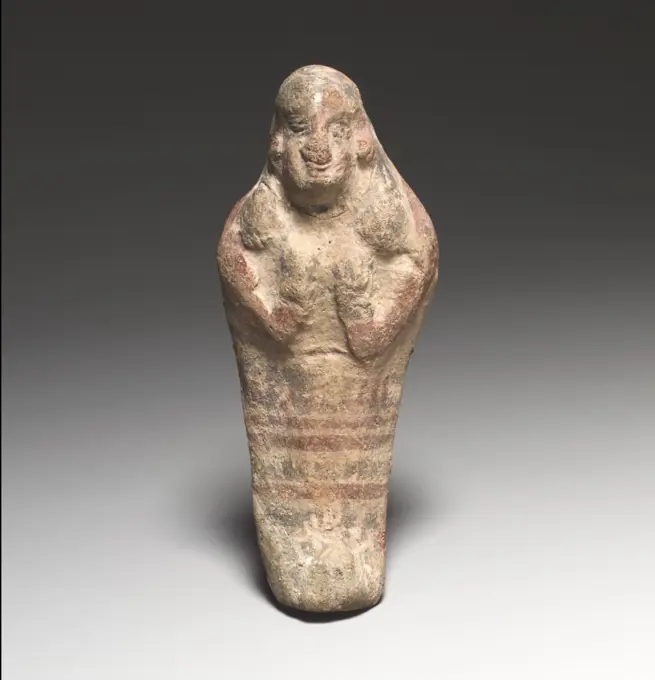
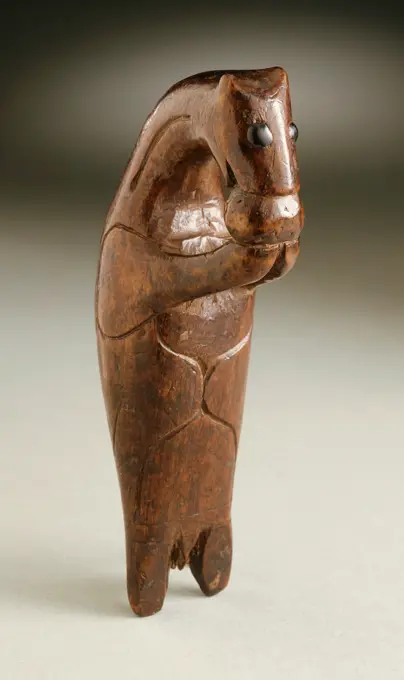
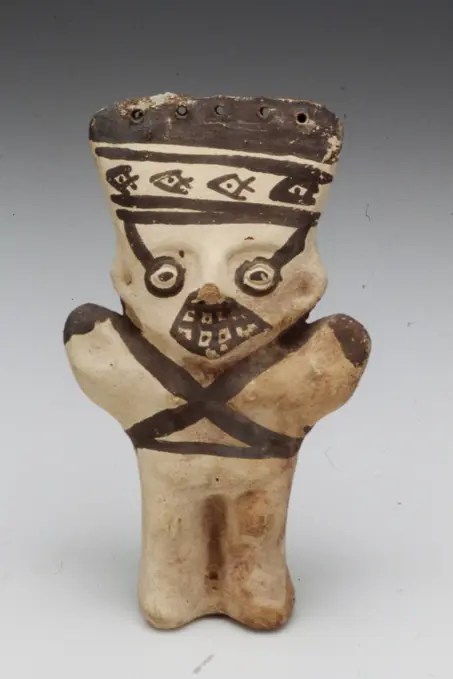
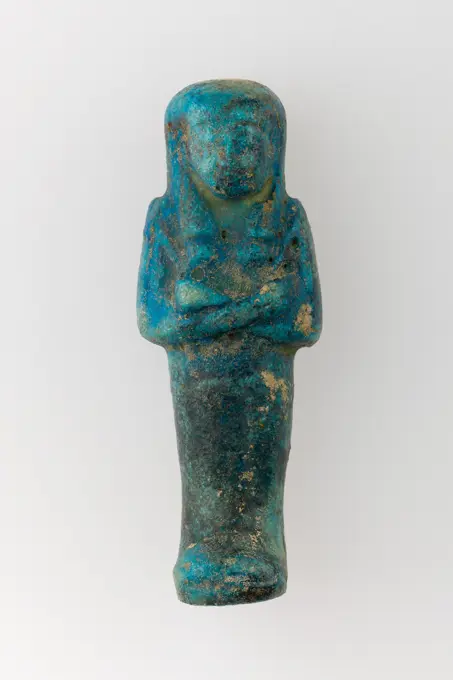
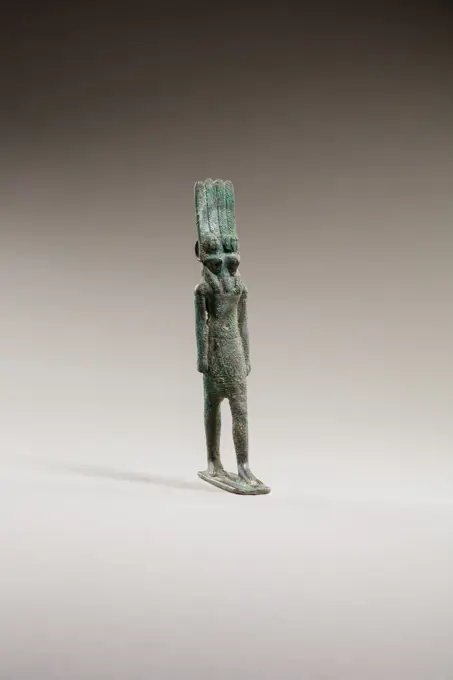
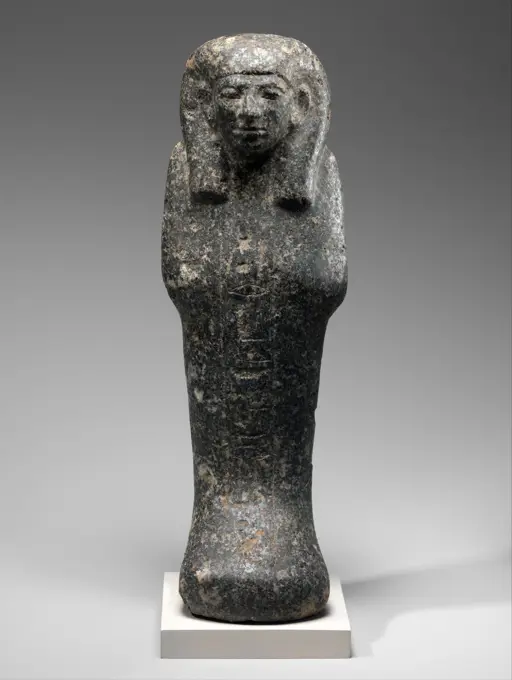
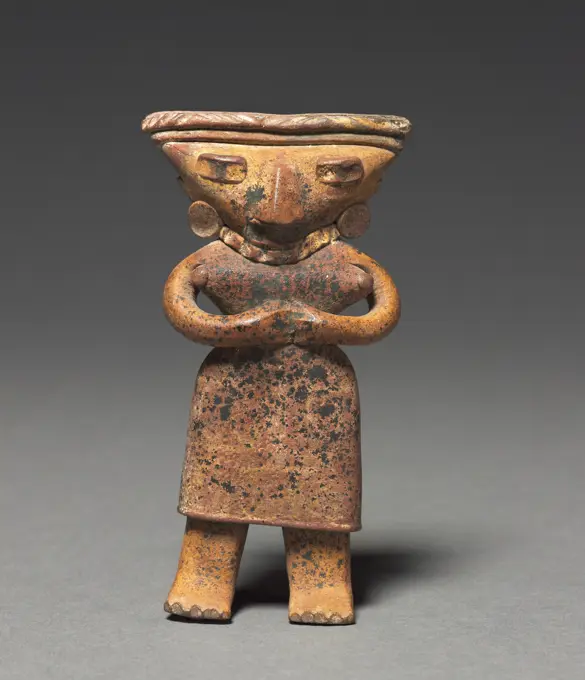
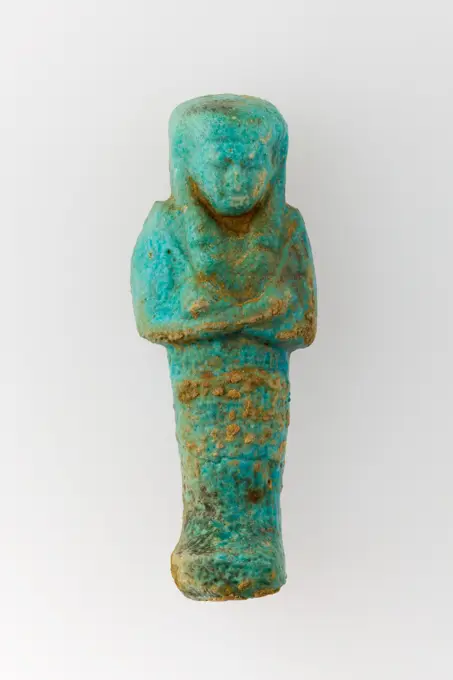
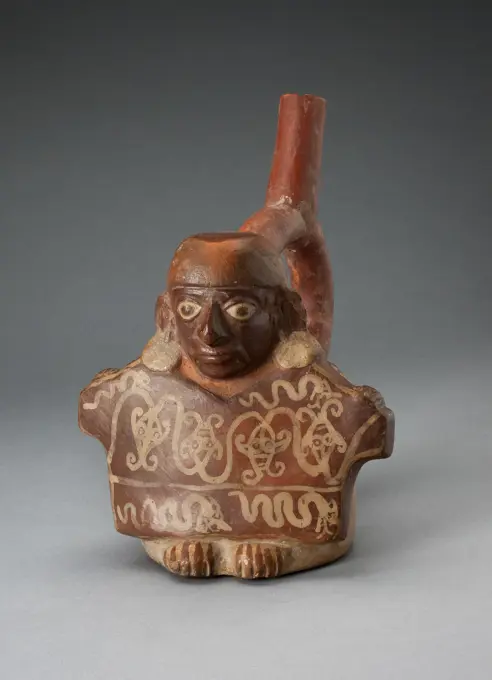
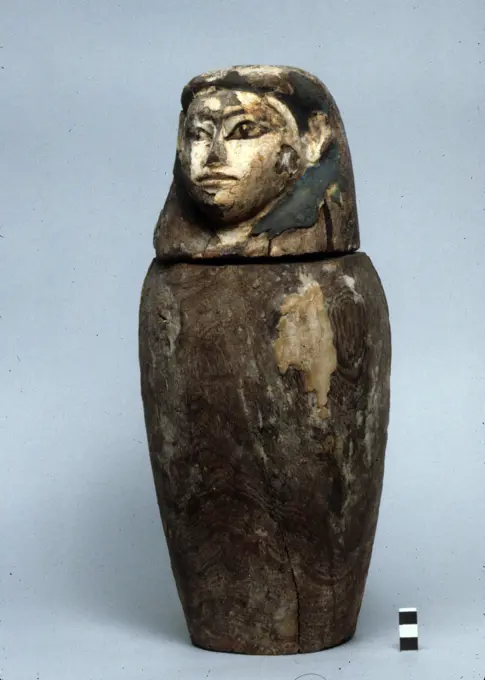
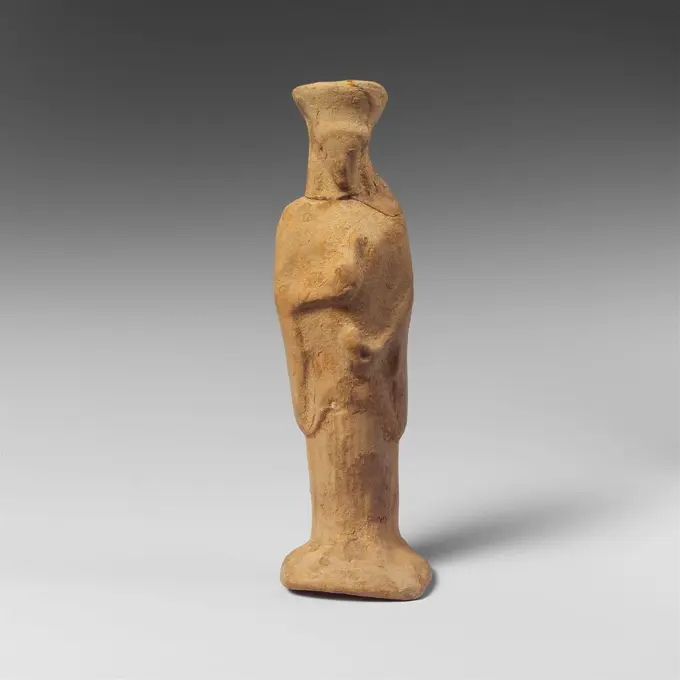
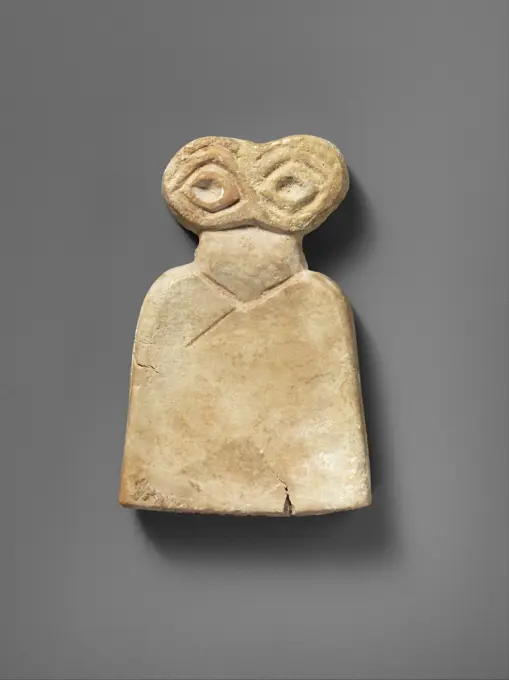
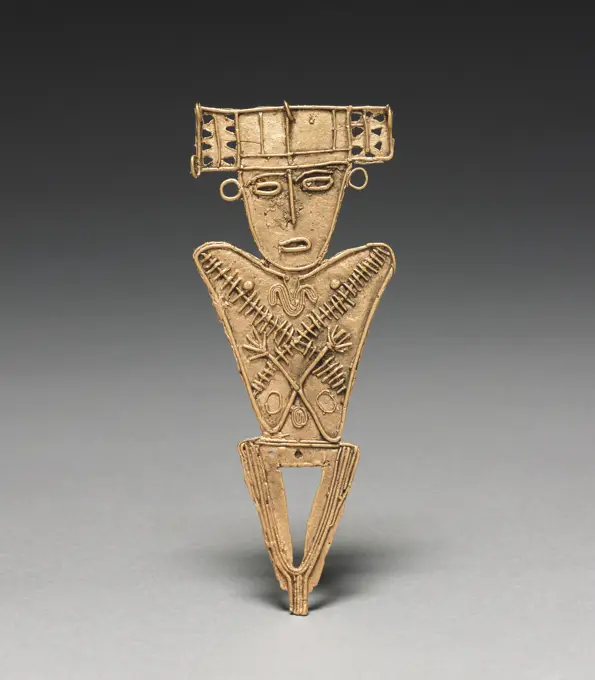
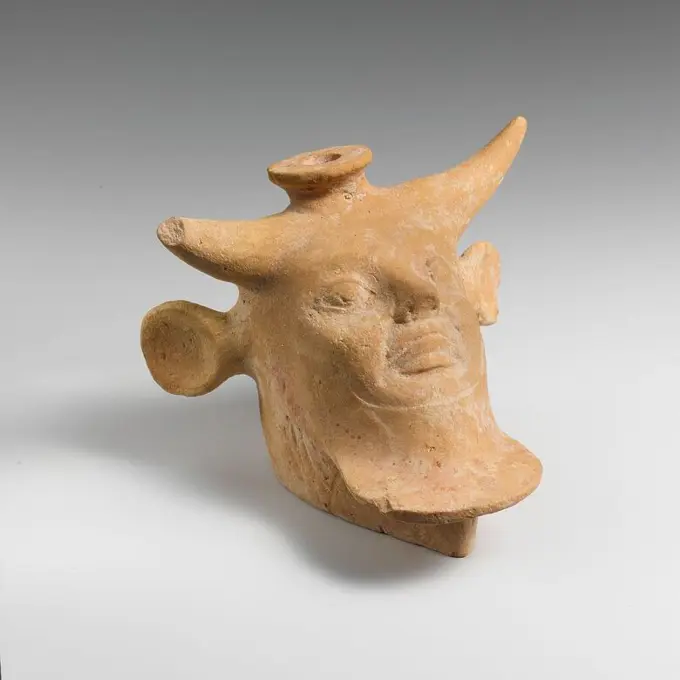
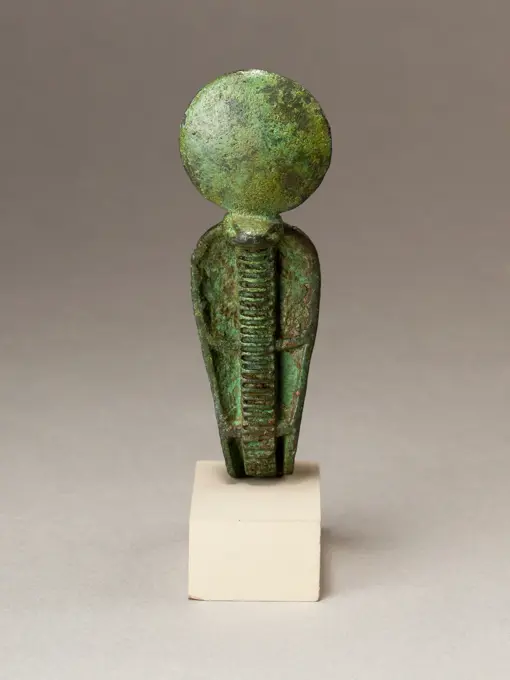
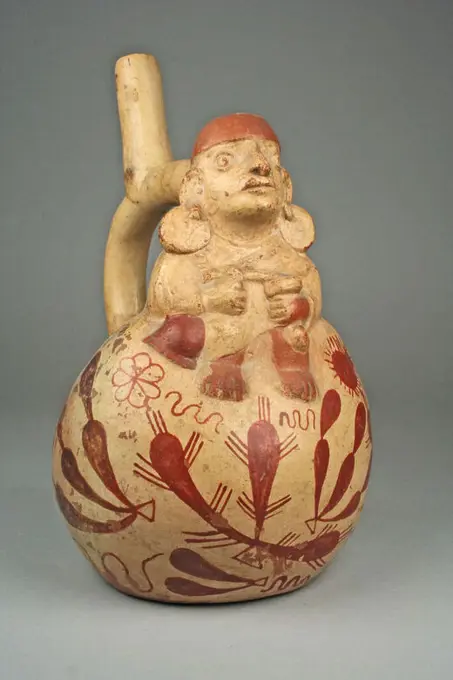
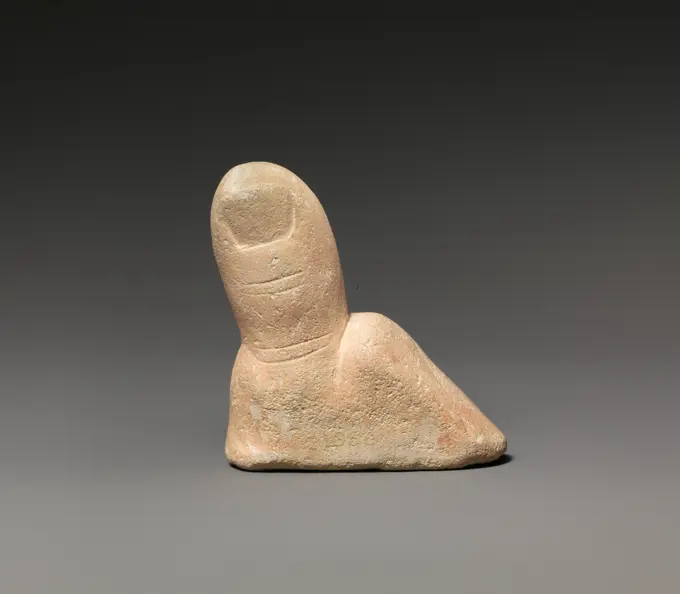
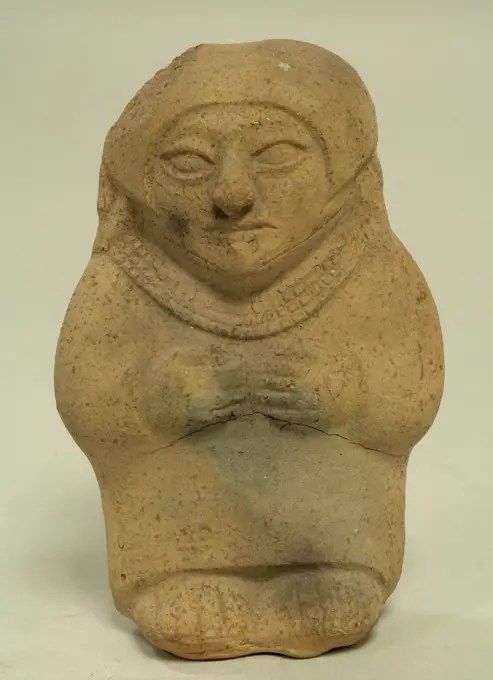
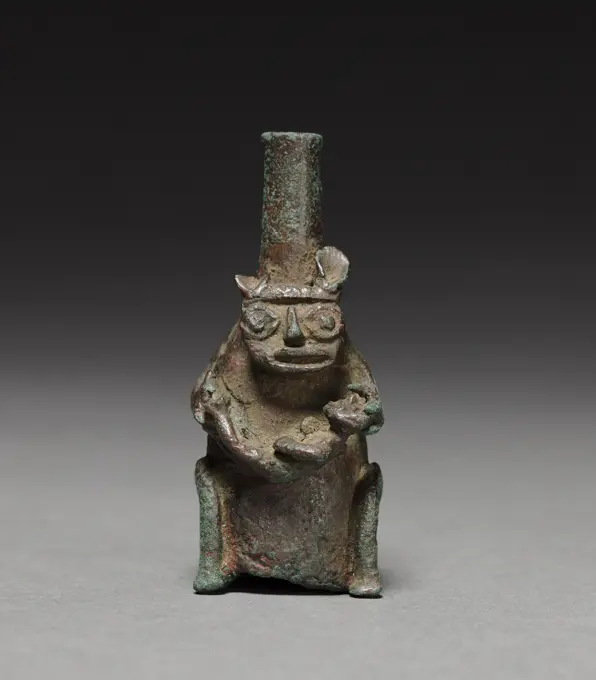
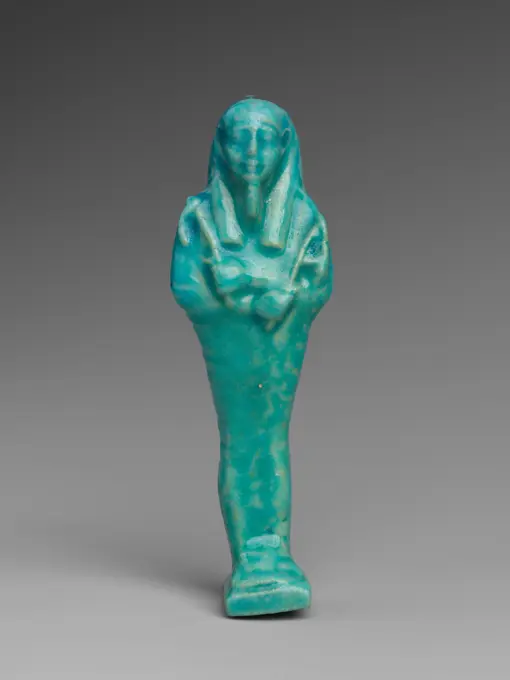
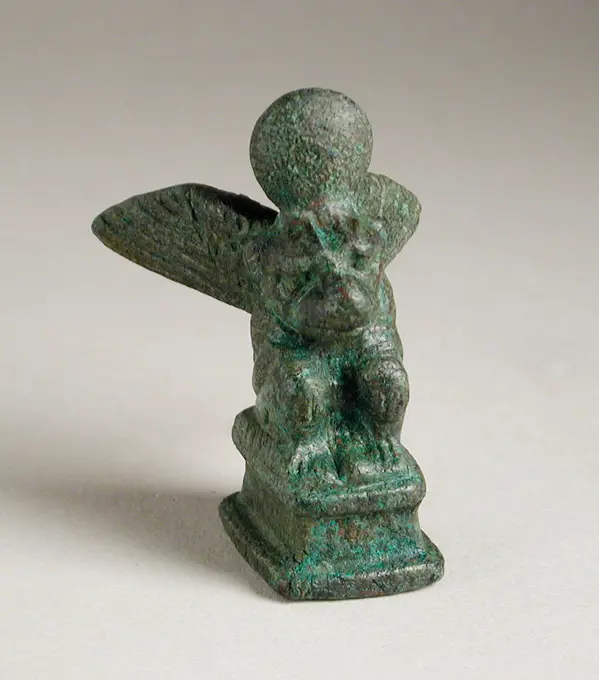
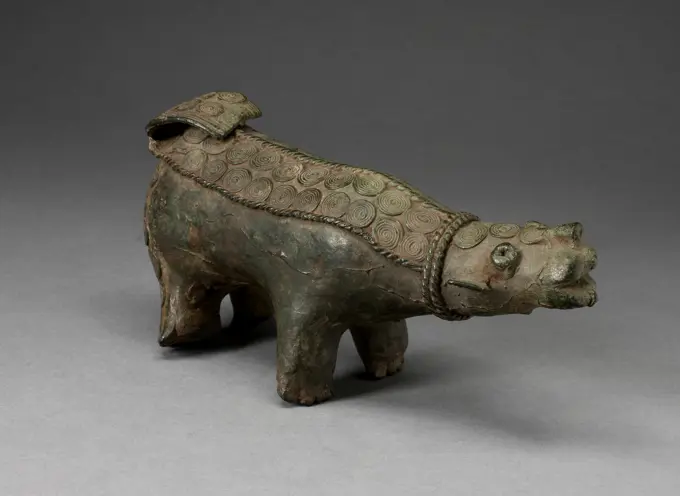
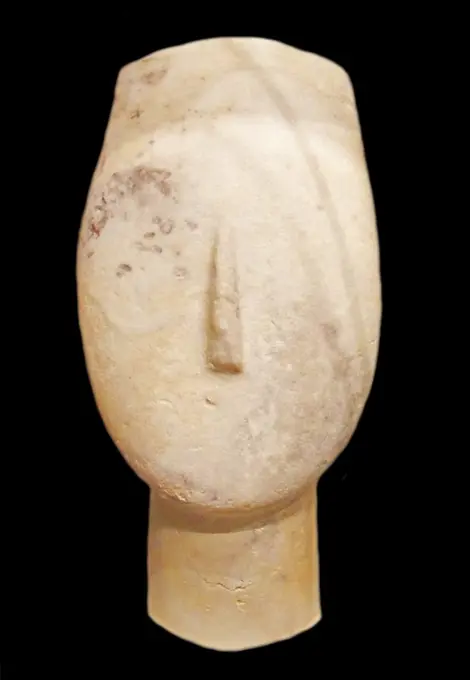
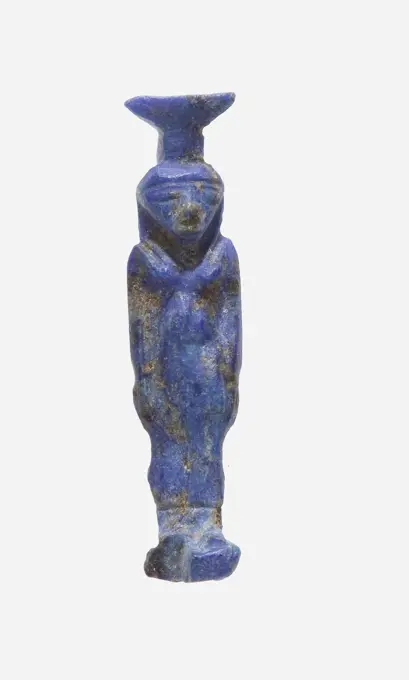
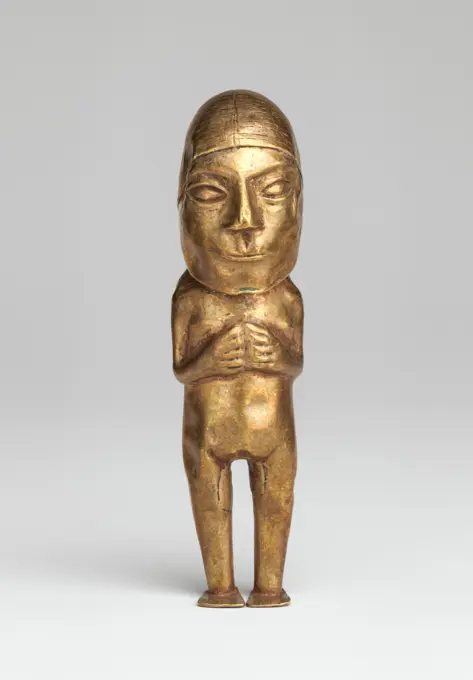
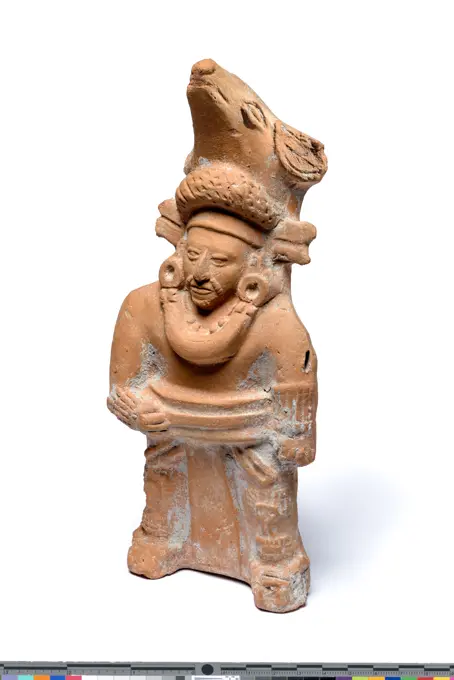
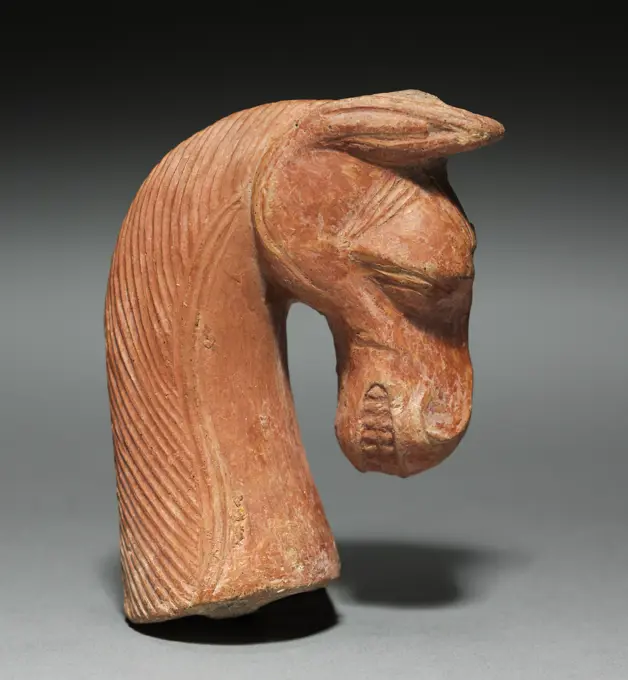
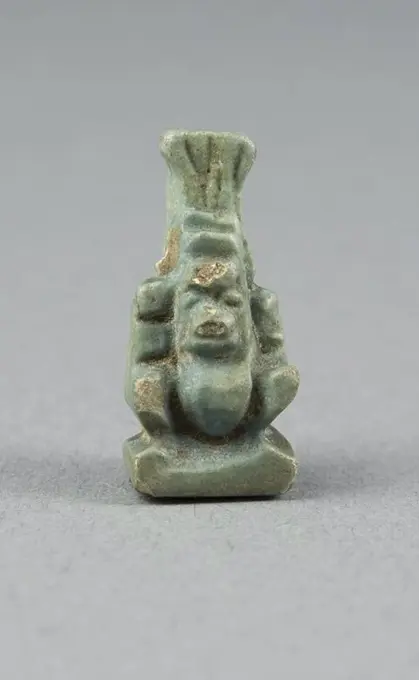
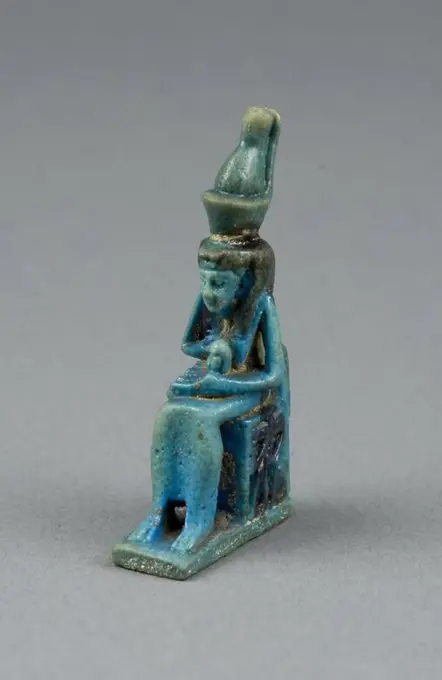
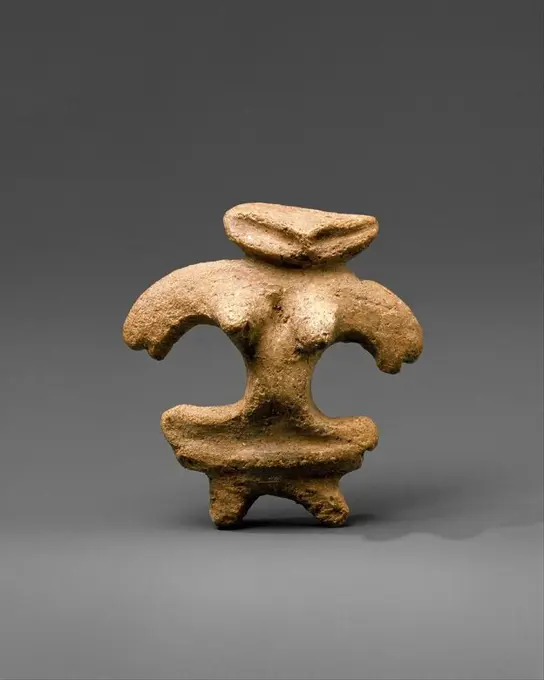
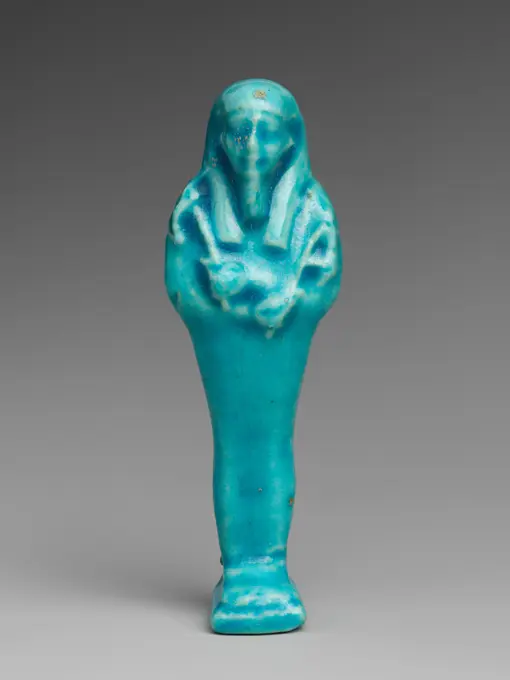
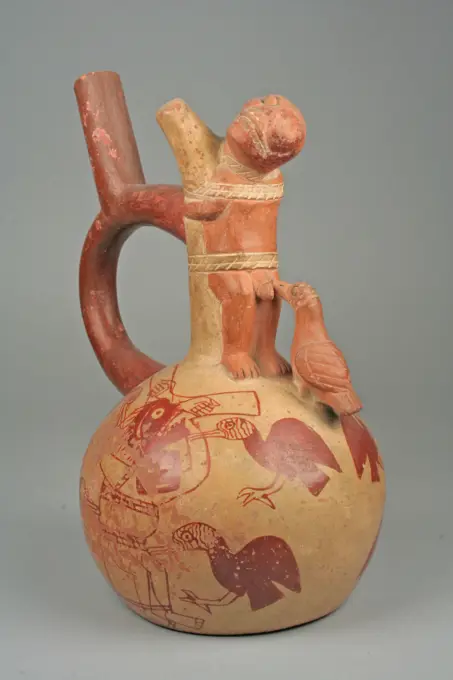
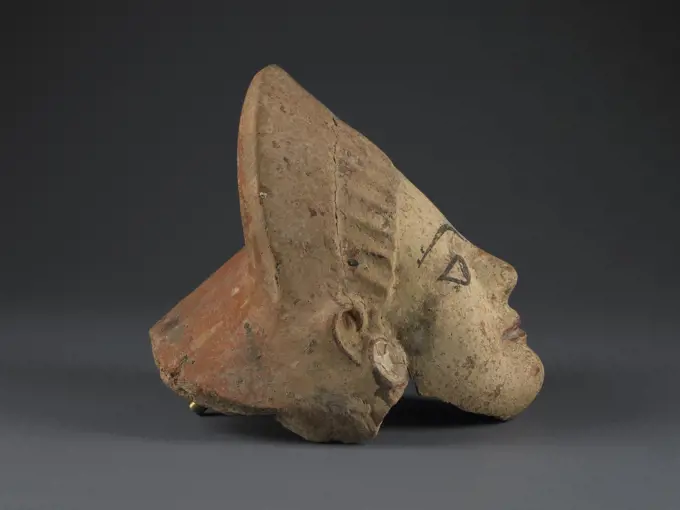
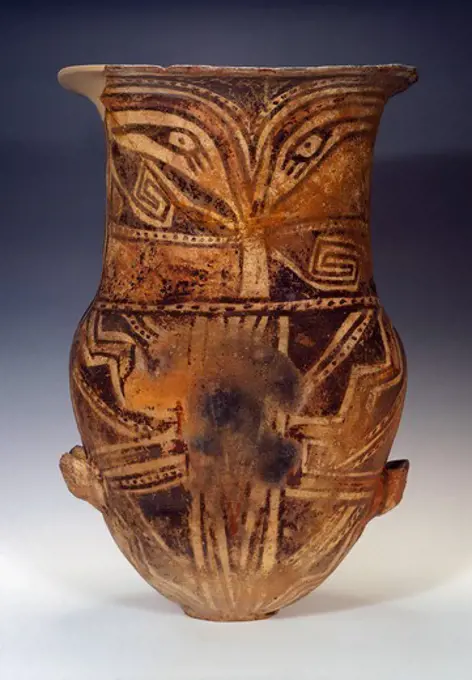
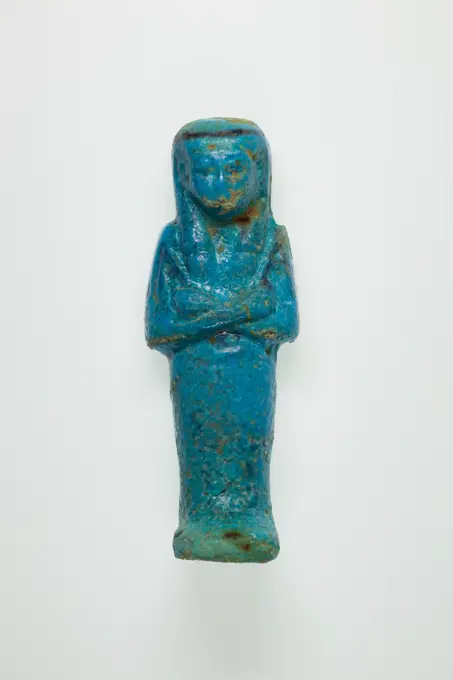
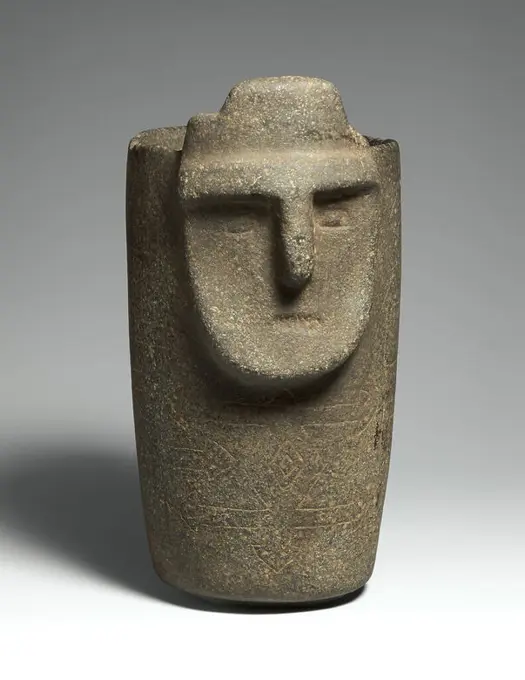
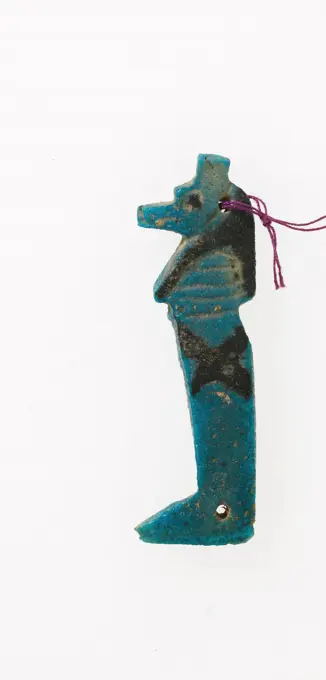
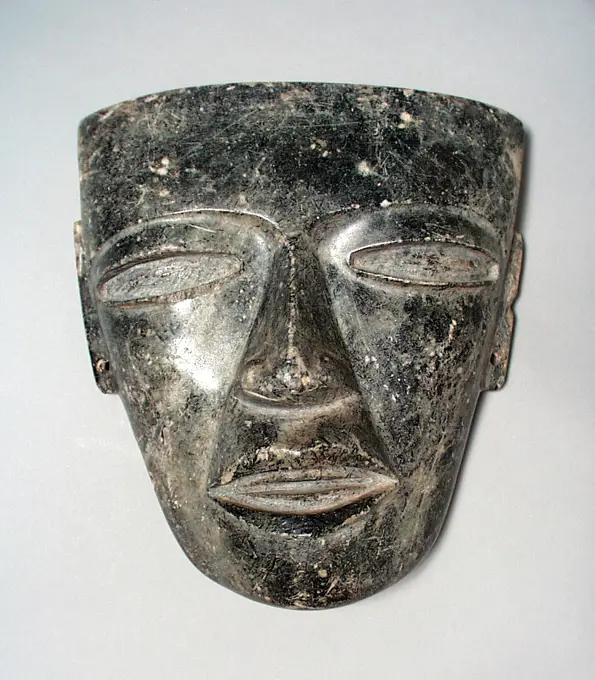
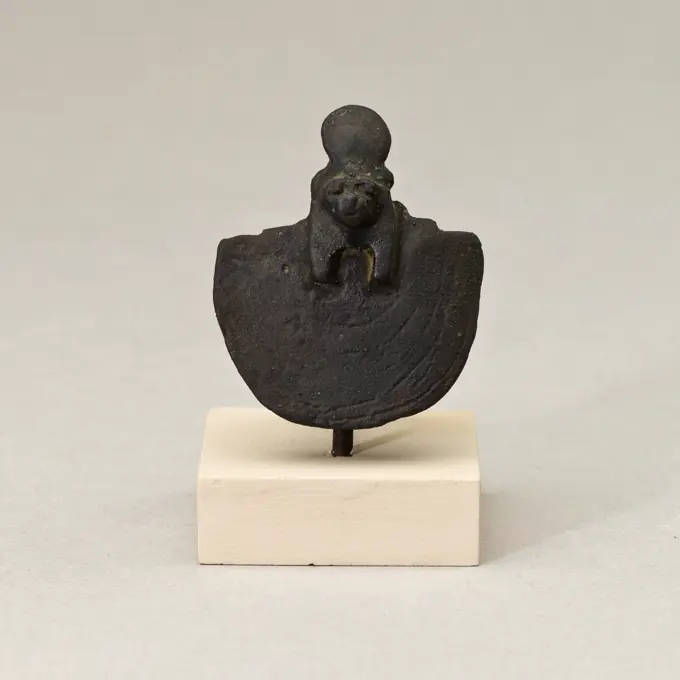
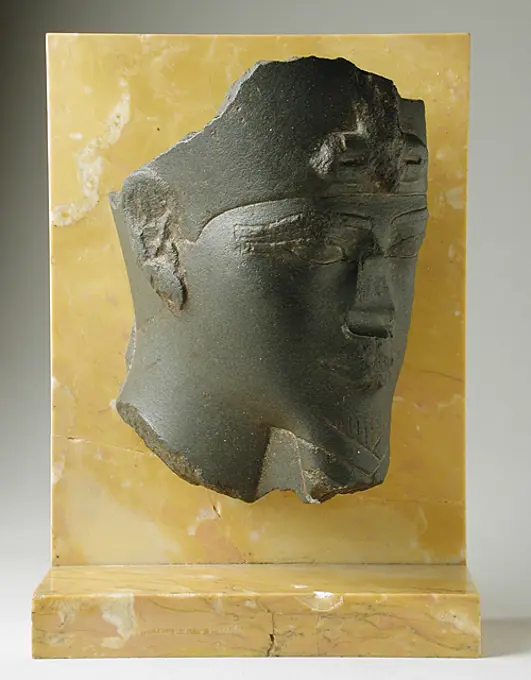
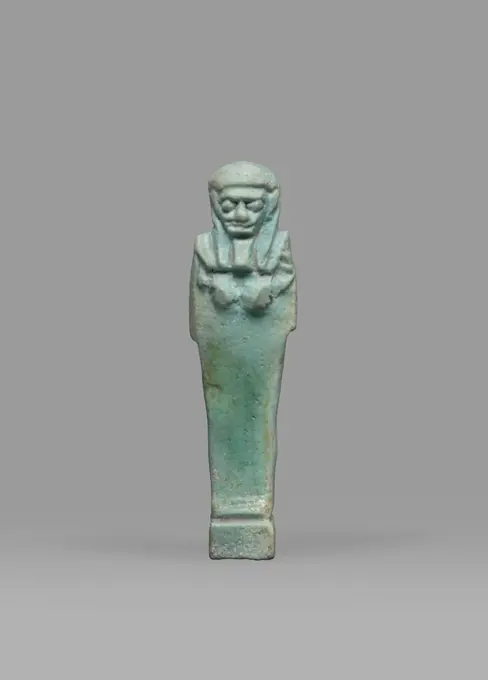
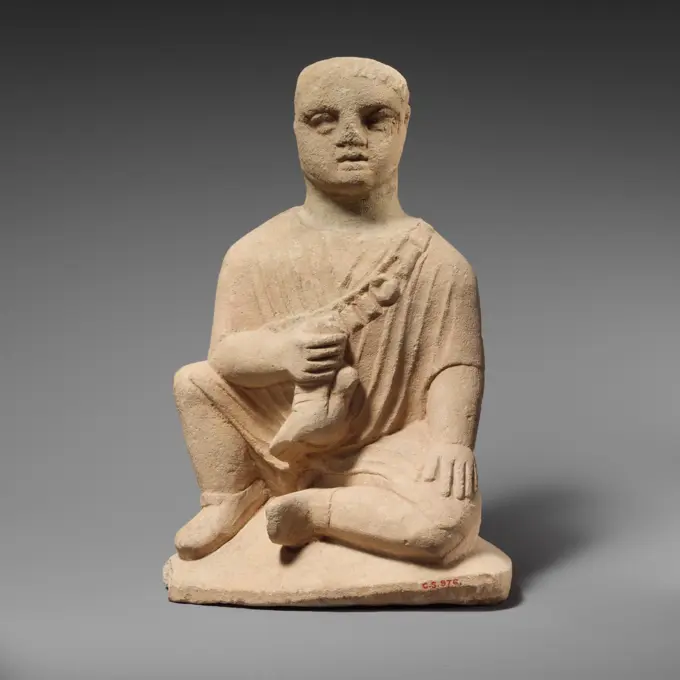
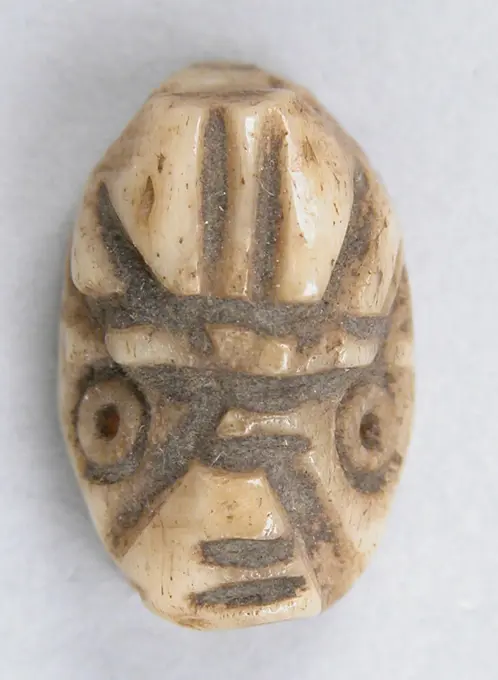
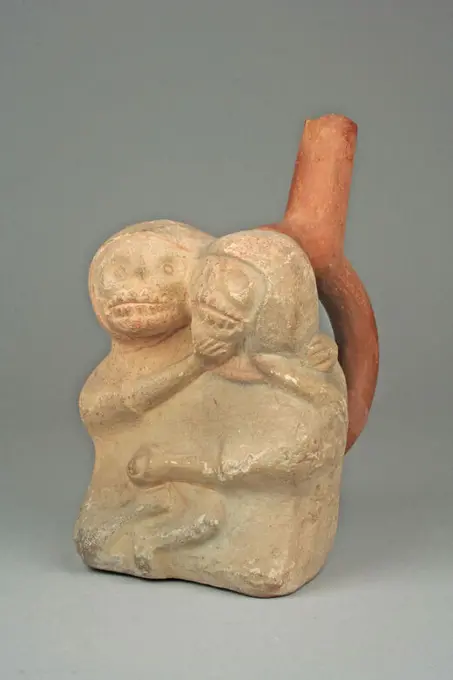
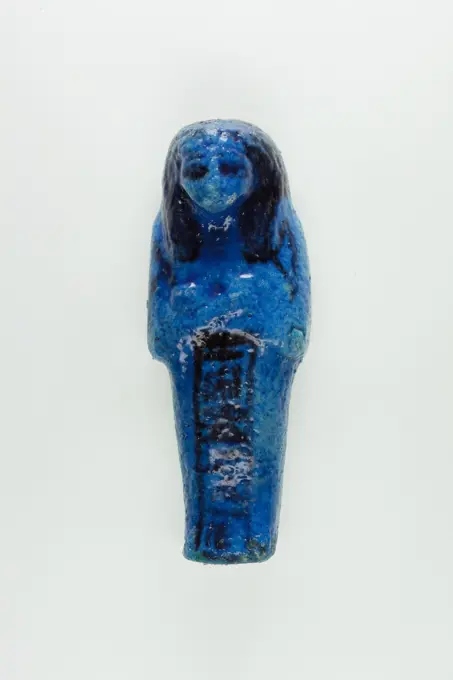
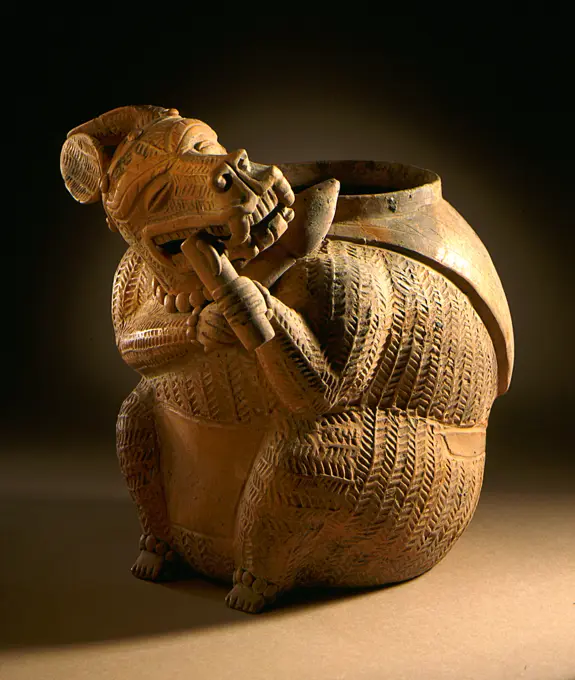
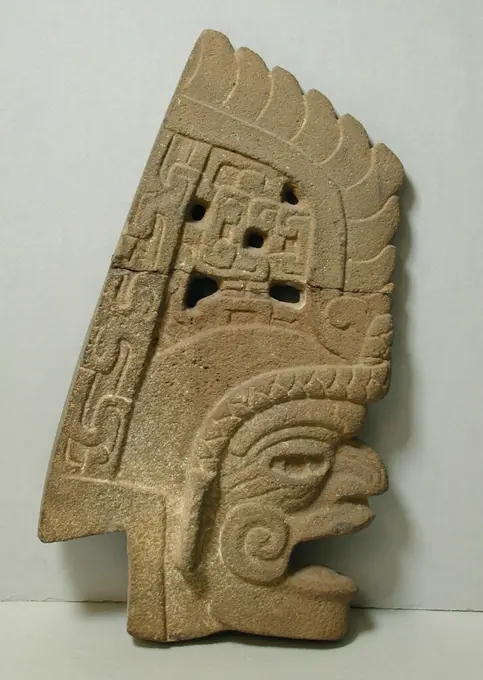
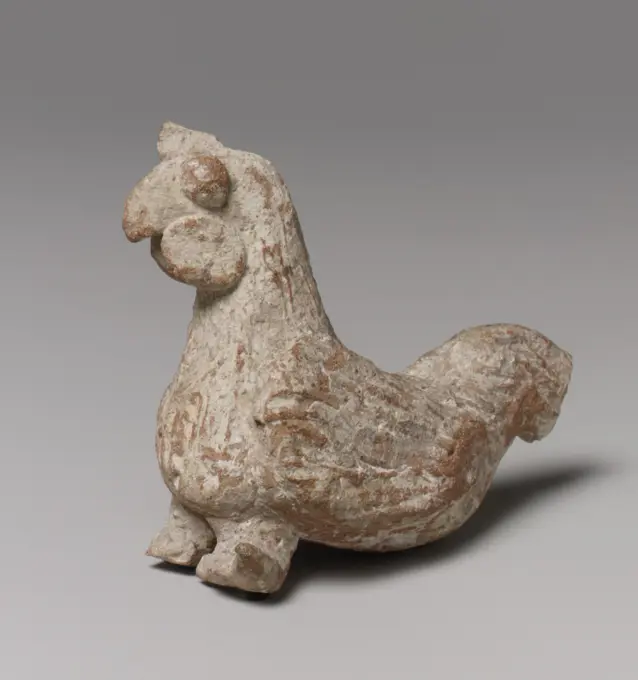
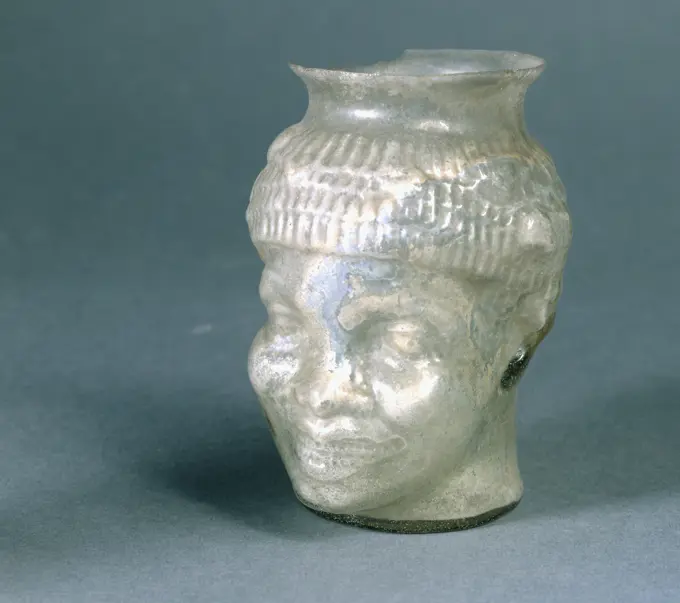
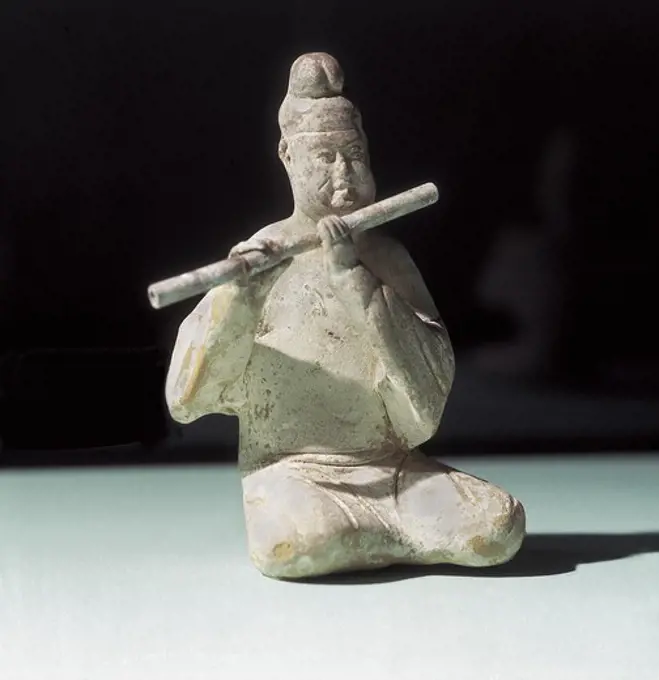
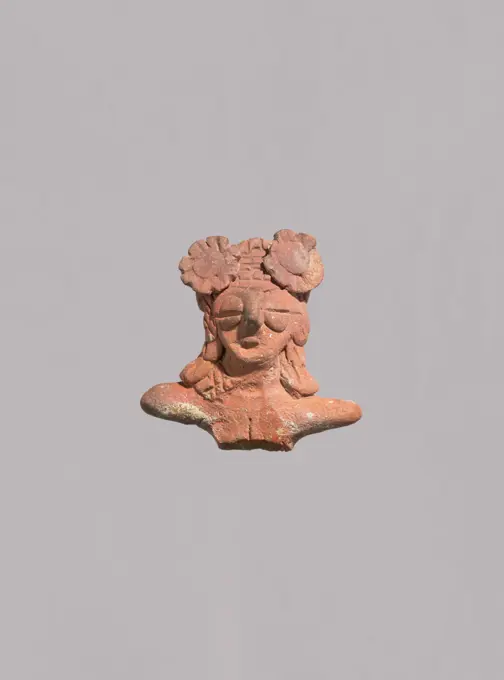
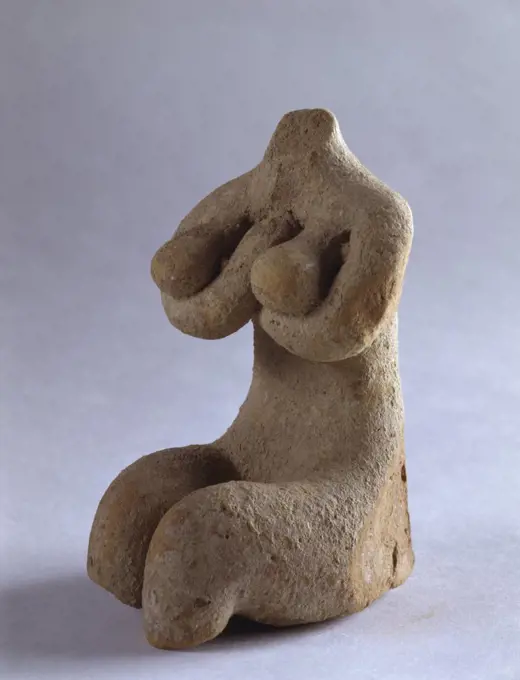
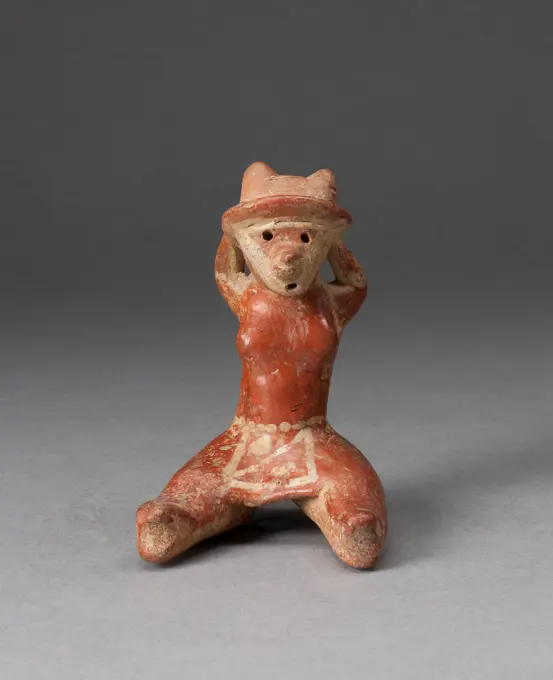
Amulet, Djed. Amulet, Djed. Lapis lazuli. Gold and SilverMold-Made Female Figurine. Possibly Moche; Possibly north coast, Peru. Date: 100 AD-600 AD. Dimensions: 8.1 x 3.5 cm (3 3/16 x 1 3/8 in.). Ceramic and pigment. Origin: Peru. Museum: The Chicago Art Institute, Chicago, USA.Artifact from Muisca Culture, Colombia, Bogota, Museo del Oro, Pre-Columbian ArtFemale statuette from Valdivia culture, terracottaHead Pendant. Assyria. Jewelry and Adornments; pendants. Bronze, castFaience aryballos (oil flask) in the form of a head wearing an animal skin. Culture: East Greek. Dimensions: H.: 1 3/4 in. (4.4 cm). Date: 6th century B.C..This unusual vase shows a human head of which all but the area of the eyes, nose, and mouth is enclosed in the head of an animal. The softness of the pelt is indicated by the way in which it tightly fits the human head. The small ears and spots are further animal attributes. It is difficult to identify the figure. It may possibly be a very Egyptianized interpretation of Herakles wearing the lion skin. Museum: Metropolitan Museum of Art, New York, USA.UshabtiStanding female figurine ca. 600-480 B.C. Cypriot The figurine is mold-made and solid. The back is flat and smooth. Her short coarse arms bend sharply, the hands supporting the breasts.. Standing female figurine 241344Seal. Japan, Ainu People, 18th century. Costumes; Accessories. Wood with inlaysStatuette of Diana of Ephesos. UnknownHuaco, 11th-15th century, 6 3/4 x 4 x 1 3/4 in. (17.1 x 10.16 x 4.45 cm), Earthenware; pigment, Peru, 11th-15th centuryAmulet, Ptah on crocodiles 664-332 B.C. Late Period. Amulet, Ptah on crocodiles. 664-332 B.C.. Faience. Late Period. From Egypt. Dynasty 26-30Head of a EhecatlWorker Shabti of Henettawy (C), Daughter of Isetemkheb ca. 990-970 B.C. Third Intermediate Period See 25.3.19.. Worker Shabti of Henettawy (C), Daughter of Isetemkheb 591010Montu with two heads Late Period-Ptolemaic Period 664-30 B.C. View more. Montu with two heads. 664-30 B.C.. Bronze. Late Period-Ptolemaic Period. From EgyptCeramic Figure Pendant () 10th-3rd century B.C. Chorrera. Ceramic Figure Pendant () 314168Shabti of Ankhu ca. 1900-1802 B.C. Middle Kingdom. Shabti of Ankhu 544341Female Figurine, 100 BC-AD 300. Mexico, Michoacán. Earthenware with pigment; overall: 12.6 x 6.8 x 2.5 cm (4 15/16 x 2 11/16 x 1 in.).Worker Shabti of Henettawy (C), Daughter of Isetemkheb ca. 990-970 B.C. Third Intermediate Period See 25.3.19.. Worker Shabti of Henettawy (C), Daughter of Isetemkheb 591026. Gauge in the form of a Makara with a representation of a grievous sitting woman in his muil and a monkey between the rocks.Figure with Cup and Disk 3rd-5th century Moche. Figure with Cup and Disk 308559Stirrup Spout Vessel Depicting Man Holding Decorated Textile Made 100 BCE-500 CE Peruvian North Coast. Ceramic and pigment . MocheStanding male flute player with a serpent around his shoulders ca. 750-600 B.C. Cypriot The flaring lower part of the cylindrical body is wheel-made and hollow. The upper part and the head are handmade.. Standing male flute player with a serpent around his shoulders 241197Canopic jar ca. 1859-1640 B.C. Middle Kingdom. Canopic jar. ca. 1859-1640 B.C.. Wood, gesso, paint, linen, maybe human remains. Middle Kingdom. From Egypt, Memphite Region, Lisht South, tomb of Imhotep, Tomb 5102, MMA excavations, 1913-14. Dynasty 12-13Terracotta statuette of a woman. Culture: Greek, Corinthian. Dimensions: H.: 4 3/16 in. (10.6 cm). Date: early 5th century B.C..The high polos (headdress) may identify the figure as a goddess. She holds a bird and a piece of fruit, following an established Archaic sculptural type. Museum: Metropolitan Museum of Art, New York, USA.Bone Animal Figure 1st-5th century Moche. Bone Animal Figure 308731Axe Figure, 100 BC - 300. Mexico, Guerrero, Mezcala. Serpentine; overall: 9.5 x 4.5 cm (3 3/4 x 1 3/4 in.).Eye idol ca. 3700-3500 B.C. This type of figurine known as an eye idol, made of stone and having incised eyes, has been excavated at Tell Brak, where thousands were found in a building now called the Eye Temple. They were probably dedicated there as offerings. Many are incised with multiple sets of eyes, others with jewelry, and still others with representations of "children"smaller eyes and body carved on the body of the larger idol. Wide eyes demonstrate attentiveness to the gods in much of Mesopotamian art.. Eye idol 324154Seated female figurine. Culture: Cypriot. Dimensions: H. 3 13/16 in. (9.7 cm). Date: late 6th-early 5th century B.C..The figurine is handmade and solid. She sits on a four-legged throne or chair with a high backrest; her feet rest on a stool. Museum: Metropolitan Museum of Art, New York, USA.Stirrup Spout Bottle with Portrait Head. Culture: Moche. Dimensions: Overall: 9 x 5 1/2 in. (22.86 x 13.97 cm)Other: 5 1/2 in. (13.97 cm). Date: 1st-4th century. Museum: Metropolitan Museum of Art, New York, USA.Vessel with AgedDeity.  Artist: UnknownSage;  19th century (1800-00-00-1900-00-00);Fragment of UshabtiFragment of a Table LegTunjos (Votive Offering Figurine), c. 900-1550. Colombia, Muisca style, 10th-16th century. Cast gold; overall: 12.9 x 5.1 x 0.6 cm (5 1/16 x 2 x 1/4 in.). Unlike the other gold ornaments made in the isthmian region, tunjos were not worn; instead, they served as offerings that were deposited in sacred places such as lagoons and caves. They often depict humans who hold something. Perhaps because they were not meant for display, tunjos were not finished after lost-wax casting. Flaws remain uncorrected, surfaces are unpolished, and gold that backed into the channel used to pour the molten metal into the mold was left in place.Figure, 4 5/16 x 2 x 1 13/16 in. (10.95 x 5.08 x 4.6 cm), Stone, Sierra LeoneTaweret statuette ca. 1950-1900 B.C. Middle Kingdom. Taweret statuette. ca. 1950-1900 B.C.. Faience, paint. Middle Kingdom. From Egypt, Memphite Region, Lisht South, tomb west of the tomb of Senwosretankh, Pit 3, Burial of Hepy, in front of blocking wall, MMA excavations, 1933-34. Dynasty 12, earlyFigure, 20th century, 4 3/8 x 1 3/8 x 1 1/2 in. (11.11 x 3.49 x 3.81 cm), Iron, Burkina Faso, 20th centuryVase in the form of a head of Acheloos. Culture: East Greek. Dimensions: Other: 3 3/4 in. (9.5 cm). Date: ca. 550-525 B.C..Acheloos was a river god who was able to transform himself into different shapes such as a bull or a serpent. This idea probably reflects the capacity of water to assume various forms and produce various sounds. Museum: Metropolitan Museum of Art, New York, USA.Bull-Head Pendant, 1027-775 BCE, 2 1/2 x 2 1/8 x 7/16 in. (6.35 x 5.4 x 1.11 cm), Grey-green jade wth traces of red pigment, China, 11th-8th century BCEUraeus, fitting from shrine 664-30 B.C. Late Period-Ptolemaic Period. Uraeus, fitting from shrine 546127Stirrup Spout Bottle with Coca Chewer. Culture: Moche. Dimensions: Overall: 9 5/8 in. (24.45 cm). Date: 3rd-6th century. Museum: Metropolitan Museum of Art, New York, USA.Limestone votive toe 4th or 3rd century B.C. Cypriot The toe is vertical and there are remains of another digit. The nail is well articulated. Two groups of two incisions indicate the folds of the skin. Traces of pinkish paint remain.. Limestone votive toe 244053Standing female figurine 6th century B.C. Cypriot The fragmentary, hollow figurine was made from a mold in poor condition. The head, shoulders, and left arm are preserved.. Standing female figurine 241112Terracotta jug in the shape of a siren ca. 550-500 B.C. Etruscan The siren, a mythological creature that was part woman and part bird, was a popular motif for bucchero vases.. Terracotta jug in the shape of a siren 250690 Etruscan, Terracotta jug in the shape of a siren, ca. 550500 B.C., Terracotta, H. 11 7/16 in. (29.1 cm). The Metropolitan Museum of Art, New York. Rogers Fund, 1918 (18.145.25)Italy, Rome, Bronze statuette depicting an Augure priest from Roman ForumStanding Ceramic Figure 3rd-5th century Moche. Standing Ceramic Figure 309308Feline Holding Human Figure, c. 100-500. Peru, North Coast, Moche Culture, 2nd-6th Century. Banded travertine; overall: 6.2 x 2.8 cm (2 7/16 x 1 1/8 in.).Shabti of Petosiris, son of Djedhor Late Period-Ptolemaic Period ca. 360-300 BC View more. Shabti of Petosiris, son of Djedhor. ca. 360-300 BC. Faience. Late Period-Ptolemaic Period. From Egypt, Northern Upper Egypt, Abydos, Cemetery G, Petrie Tomb 50 (Djedhor), Egypt Exploration Fund excavations. Dynasty 30 or laterWinged Baboon Figurine. Egypt, probably Ptolemaic Period - Roman Period (323 BCE - 200 CE). Sculpture. BronzeHead of a deity (Melqart) 5th century B.C. Cypriot The solid, bearded head has a mold-made face; the headdress was added by hand. The back is handmade and flat.. Head of a deity (Melqart) 240994Pilgrim's Badge 14th-16th century French. Pilgrim's Badge. French. 14th-16th century. Lead. Metalwork-LeadPendant. Northwestern Iran. Jewelry and Adornments; pendants. Bronze, castHippopotamus 801 CE-1866 Nigeria. Bronze . Cross River RegionShabti of Petosiris, son of Djedhor Late Period-Ptolemaic Period ca/ 360-300 BC View more. Shabti of Petosiris, son of Djedhor. ca/ 360-300 BC. Faience. Late Period-Ptolemaic Period. From Egypt, Northern Upper Egypt, Abydos, Cemetery G, Petrie Tomb 50 (Djedhor), Egypt Exploration Fund excavations. Dynasty 30 or laterMarble head from the figure of a woman. Cycladic, Early Cycladic II, early Spedos type, ca. 2700-2500 B.C.Figurine 250 CE-900 CE Central America. Jadeite . MayaNephthys Amulet 664-332 B.C. Late Period. Nephthys Amulet. 664-332 B.C.. Lapis lazuli. Late Period. From Egypt. Dynasty 26-30Female figurine 1400-1533 Inca This female figurine is made of hammered metal sheet and is analogous to other Inca miniature figurines often ritually deposited and considered sacred entities, or huacas, a Quechua and Aymara term. This figurine shows a woman standing with arms and hands pulled toward the chest. Her eyes are almond-shaped and her mouth is closed. As with other figurines in this corpus, the head appears larger than the expected proportion relative to the rest of the body. Of the three height groups (5-7 cm, 13-15 cm, 22-24 cm) evident among this corpus of Inca human figurines in metal, this figurine is in the smallest height group. This figurine is similar in morphology and fabrication as ones often associated with assemblages from sites of capac hucha, or royal obligation,’ described (Cieza de León 1959, 190-193; Diez de Betanzos 1996, 132) as an Inca state-sanctioned performance. In this practice, offerings were made in Cusco or in the hinterlands to mark the expansionFigurine Whistle of a Ballplayer. Northern Guatemala or Southeastern Mexico, Maya, 600-900 CE. Ceramics. CeramicHorse Head, 700s BC. Italy, Villanova, Etruscan. Terracotta; overall: 8.1 x 6 x 1.9 cm (3 3/16 x 2 3/8 x 3/4 in.).Amulet of the God Bes. Egyptian. Date: 1069 BC-664 BC. Dimensions: 2.5 × 1 × 1 cm (15/16 × 3/8 × 3/8 in.). Faience. Origin: Egypt. Museum: The Chicago Art Institute, Chicago, USA. Author: Ancient Egyptian.Attic Red-Figure Plastic Vase Fragment; Athens, Greece; 5th century B.C; Terracotta; 6.2 cm (2 7,16 in.)Amulet of Mut with Khonsu. Egyptian. Date: 1070 BC-332 BC. Dimensions: 6 × 3.5 × 1.75 cm (2 3/8 × 1 3/8 × 6/8 in.). Faience. Origin: Egypt. Museum: The Chicago Art Institute, Chicago, USA. Author: Ancient Egyptian.Figurine of Abstract Figure with Arms Held Outwards 1000-1476 Central Coast. Ceramic and pigment . ChancayFigurine, 1-750. Mexico, Teotihuacan. Pottery; overall: 5.7 x 8.6 x 1.9 cm (2 1/4 x 3 3/8 x 3/4 in.).Dogu (Clay Figurine). Culture: Japan. Dimensions: H. 2 1/4 in. (5.7 cm); W. 1 7/8 in. (4.8 cm).Clay figurines (dogu) of humans and animals were made throughout the Jomon period, particularly during the latter half, and establish the beginnings of Japan's sculptural tradition. The largest percentage of these figures, including this statuette from northern Honshu, comprises highly stylized females with enlarged breasts, hips, and stomachs presumed to have been fertility symbols.Because some of these figurines appear to have been broken intentionally, it has been hypothesized that they were used in rituals meant to cure physical ailments. It seems that once the affliction was ceremonially transferred to the figure, the clay image was discarded. This speculation would explain why most dogu are found scattered around or in refuse heaps rather than in graves. Museum: Metropolitan Museum of Art, New York, USA.Shabti of Petosiris, son of Djedhor Late Period-Ptolemaic Period ca. 360-300 BC View more. Shabti of Petosiris, son of Djedhor. ca. 360-300 BC. Faience. Late Period-Ptolemaic Period. From Egypt, Northern Upper Egypt, Abydos, Cemetery G, Petrie Tomb 50 (Djedhor), Egypt Exploration Fund excavations. Dynasty 30 or laterStirrup Spout Bottle with Nude Man and Bird 3rd-6th century Moche. Stirrup Spout Bottle with Nude Man and Bird 310523Pendant: female head 5th century B.C. Italic Pendant in the form of a female head in profile, facing right.. Pendant: female head 256070Antefix; Caere, Etruria; late 6th century B.C; Terracotta; 24 × 18 × 9 cm (9 7,16 × 7 1,16 × 3 9,16 in.)Belem type funeral urn originating from Chile. Pre-Colombian Diguita Civilization.Worker Shabti of Henettawy (C), Daughter of Isetemkheb ca. 990-970 B.C. Third Intermediate Period See 25.3.19.. Worker Shabti of Henettawy (C), Daughter of Isetemkheb 591772Shabti 1069 BCE-715 BCE Egypt. Faience . Ancient EgyptianBeaker with anthropomorphic face. Culture: Condorhuasi-Alamito. Dimensions: H. 9 × Diam. 5 in. (22.9 × 12.7 cm). Date: 500 B.C.-A.D. 500.This stone beaker features a carved anthropomorphic face with a stepped headdress on the pper half of one side of the vessel. The abstracted face is indicated by the prominent brow ridge and nose with a carved mouth and circles for eyes. The vessel is covered with incised designs featuring bi-cephalic serpent motifs and geometric forms. The shape of this vessel is similar to a type of beaker (kero) known from the Central Andes.The Condorhuasi-Alamito peoples were llama pastoralists in the area that is now the Catamarca province of Argentina. They were skilled artisans in a variety of media, including ceramic, metal, and stone. Archaeological evidence suggests that the Condorhuasi-Alamito peoples maintained extensive long-distance contacts with other regions, including the important site of Tiwanaku, near Lake Titicaca in what is now Bolivia. Museum:Canopic Deity, 736-341 BCE, 2 1/2 x 3/4 x 1/4 in. (6.4 x 1.9 x 0.6 cm), Faience, Egypt, 8th-4th century BCEStirrup spout bottle with dignitary figure. Culture: Moche. Dimensions: Overall: 9 1/2 x 5 1/8 in. (24.13 x 13 cm)Other: 5 1/8 in. (13 cm). Date: 3rd-5th century. Museum: Metropolitan Museum of Art, New York, USA.Shabti of Petosiris, son of Djedhor Late Period-Ptolemaic Period ca. 360-300 BC View more. Shabti of Petosiris, son of Djedhor. ca. 360-300 BC. Faience. Late Period-Ptolemaic Period. From Egypt, Northern Upper Egypt, Abydos, Cemetery G, Petrie Tomb 50 (Djedhor), Egypt Exploration Fund excavations. Dynasty 30 or laterSpatula, 900-1492. Caribbean, Greater Antilles, Taino, 10th-15th century. Manatee bone; diameter: 1.7 cm (11/16 in.); overall: 19.1 x 3.2 x 11 cm (7 1/2 x 1 1/4 x 4 5/16 in.).MaskAegis of Bastet 664-30 B.C. Late Period-Ptolemaic Period The aegis is an object that comprises the bust of a deity with a broad collar below it. A menat, a counterpoise that hangs at the back of the neck, hangs behind the aegis and balances the weight of the heavy, elaborate collar on the chest. The aegis-menat combination was not only a personal adornment but also played an important role in cult. It was a protective symbol and was used in rituals and festivals; the head allowed the deity to inhabit the ritual instrument and thus take part in the ceremonies. In this case, a lion-headed goddess is represented wearing a sun disk. These types of ritual objects are most closely associated with goddesses, especially Bastet, who may be shown here in her leonine form. This aegis has a large suspension loop at the back, possibly for use as an amulet. It also could have been held by a goddess, such as Bastet, who is frequently shown in copper alloy carrying aegises with anthropomorphic female Nikon 990 Digital CaptureBoat;  664-332 BC ; Half period (-664-00-00--332-00-00);Klinger, Krzysztof (1924-1982), Klinger, Krzysztof (1924-1982)-collection, scenes.gal.eg.Limestone statuette of a temple boy 4th-3rd century B.C. Cypriot Figure with chain of pendants over left shoulder, holding a dove.. Limestone statuette of a temple boy 242306Plaque 4th-7th century Coptic. Plaque 475290Stirrup Spout Bottle with Couple. Culture: Moche. Dimensions: H. 7 1/4 x W. 4 3/4 in. (18.4 x 12.1 cm). Date: 4th-7th century. Museum: Metropolitan Museum of Art, New York, USA.Furniture element ca. 18th century B.C. Old Assyrian Trading Colony. Furniture element 323582Worker Shabti of Nauny ca. 1050 B.C. Third Intermediate Period See 30.3.26.1a, b. Worker Shabti of Nauny 625701A Roman Bronze Figure of Aphrodite 1st-2nd C. AD Roman Art Christie's Images, London, EnglandVessel in the Form of a Composite Animal. Mexico, Basin of Mexico, Teotihuacan, Teotihuacan, 200-600 CE. Ceramics. Thin Orange ceramicHead Hacha 400-800 Veracruz. Head Hacha 319549Lower Legs Fragment 4th-7th century Coptic. Lower Legs Fragment 478942Terracotta statuette of a rooster 2nd-1st century B.C. () Greek, Cypriot The figurine is mold-made in two molds and is hollow. There is a small vent underneath the body. It has short legs, wings in relief, and applied pellets for the eyes and wattles.. Terracotta statuette of a rooster 244799Tryphon. "Cup in the shape of a glass head in glass (view of 3/4 opaque), ancient Rome, 1st century". Glass. Museum of Fine Arts of the City of Paris, Petit Palais. 26982-14 African, Gallo-Romain.bas Empire, goblet, NEGRE head, dishes, glassRodent with Corn, 50-800. Peru. Pottery; overall: 23.6 x 10.9 x 18.7 cm (9 5/16 x 4 5/16 x 7 3/8 in.).Musician Playing the Dizi. 618 - 907. Chinese art. Tang period. Ceramics. CHINA. BEIJING. Beijing. Museum of History of China. Proc: CHINA. SHANSI. Xian.Female figurine - fragment. unknown, craftsmanA Woman and Her Child ca. 3100-2900 B.C. Early Dynastic Period. A Woman and Her Child. ca. 3100-2900 B.C.. Faience. Early Dynastic Period. From Egypt, Northern Upper Egypt, Abydos, Osiris temple, Egypt Exploration Fund excavations, 1902-03. Dynasty 1Fertility Goddess  ca. 8000 BC  Sculpture Miniature Seated Figurine with Arms Held Behind the Head 100 BCE-300 CE Nayarit state. Ceramic and pigment . Nayarit