Ancient Decorative Artifacts

A collection of ancient glass and stone items, including pendants, pinheads, and unique geological samples, highlighting cultural artistry across time.
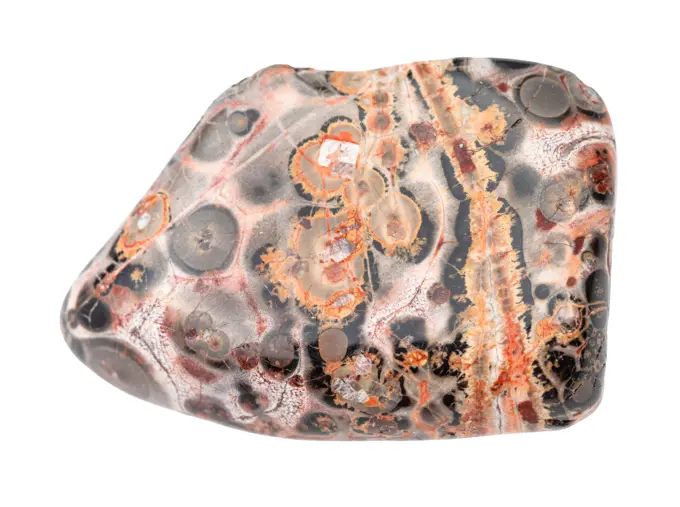
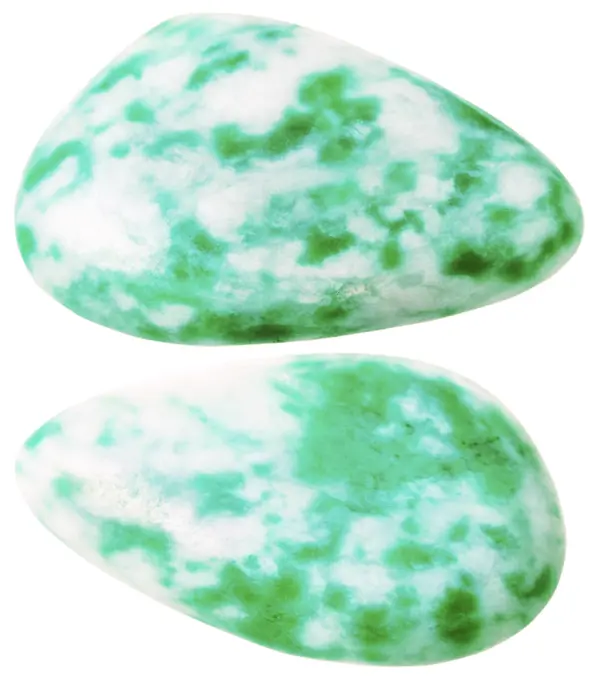
polished Leopard skin jasper gemstone isolated closeup of sample of natural mineral from geological collection - polished Leopard skin jasper Jaguar Stone gemstone isolated on white background Copyright: xZoonar.com/ValeryxVoennyyx 14989997
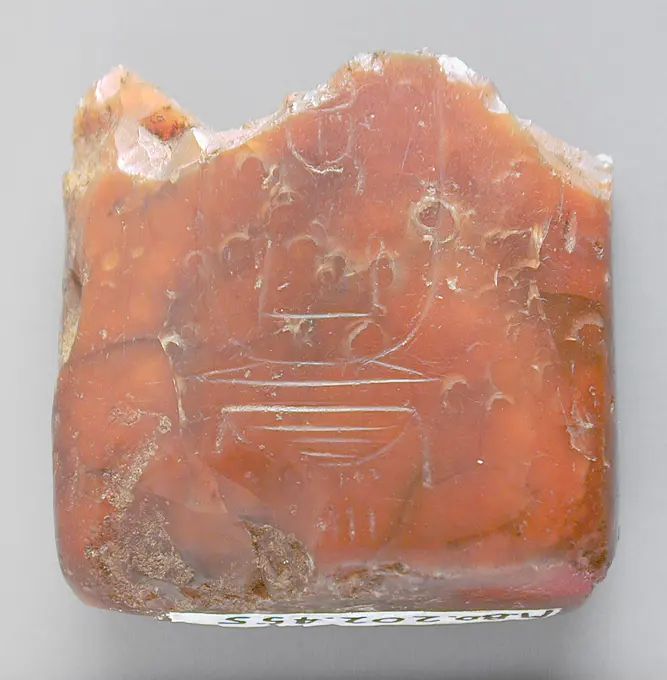
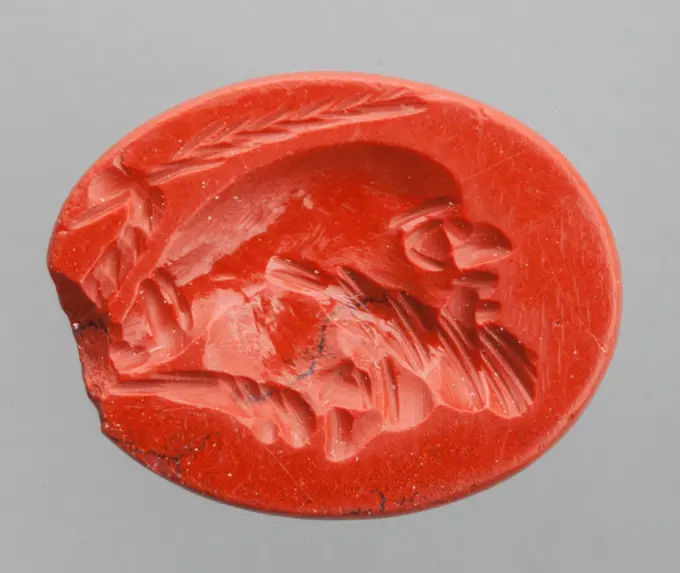
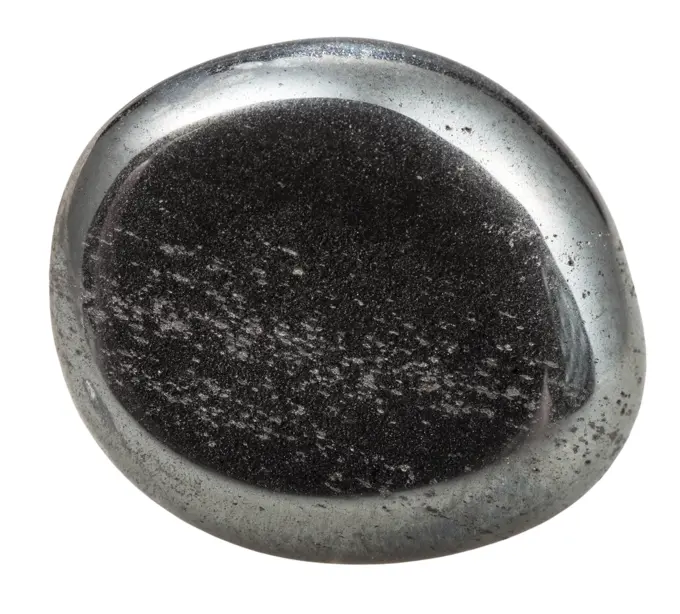
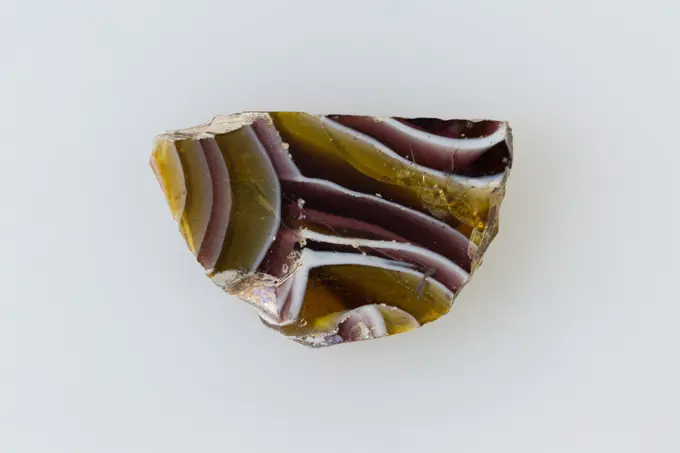
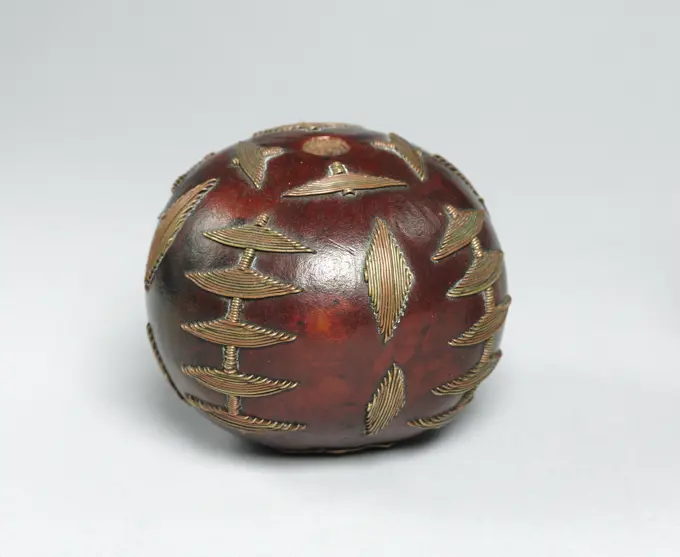
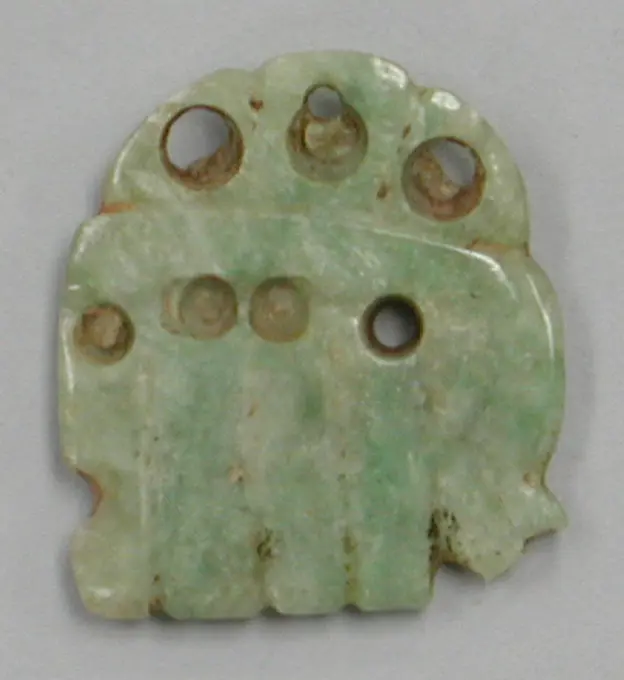
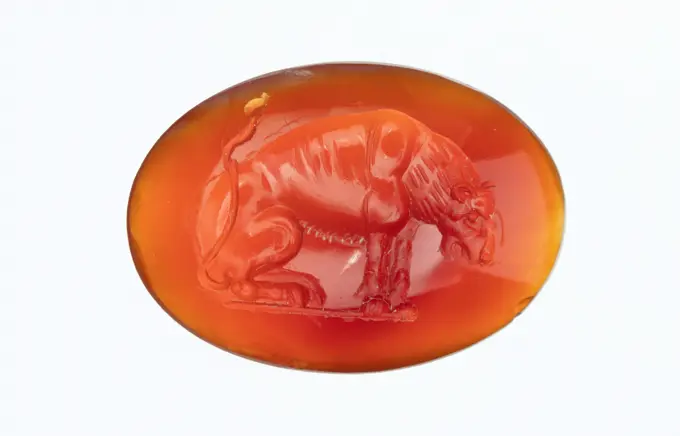
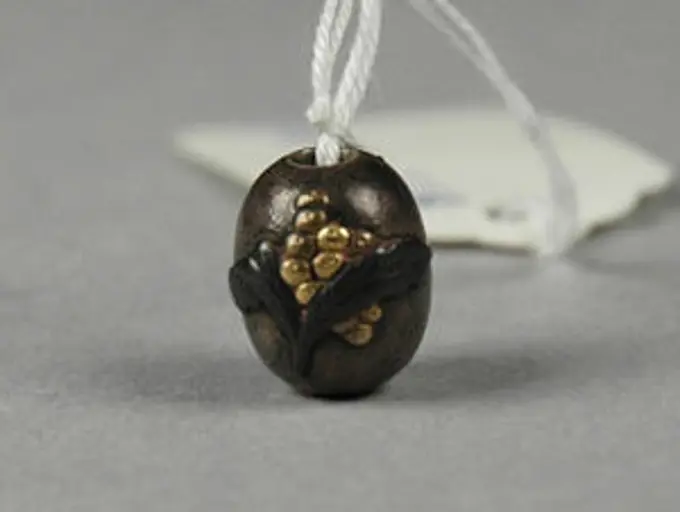
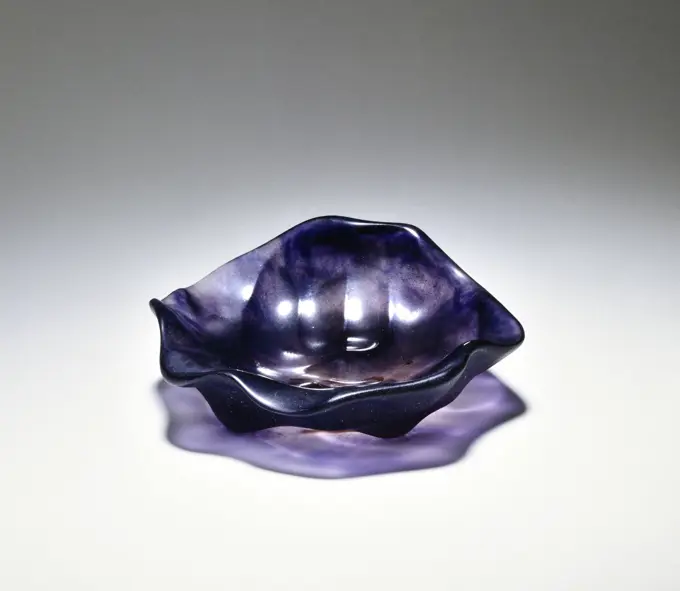
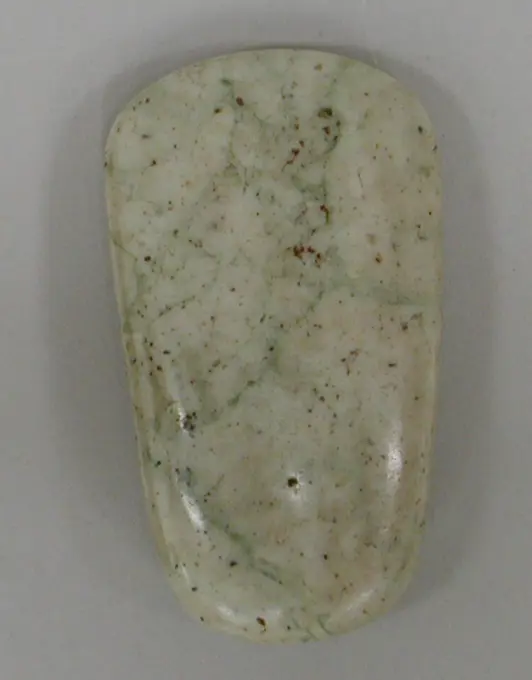
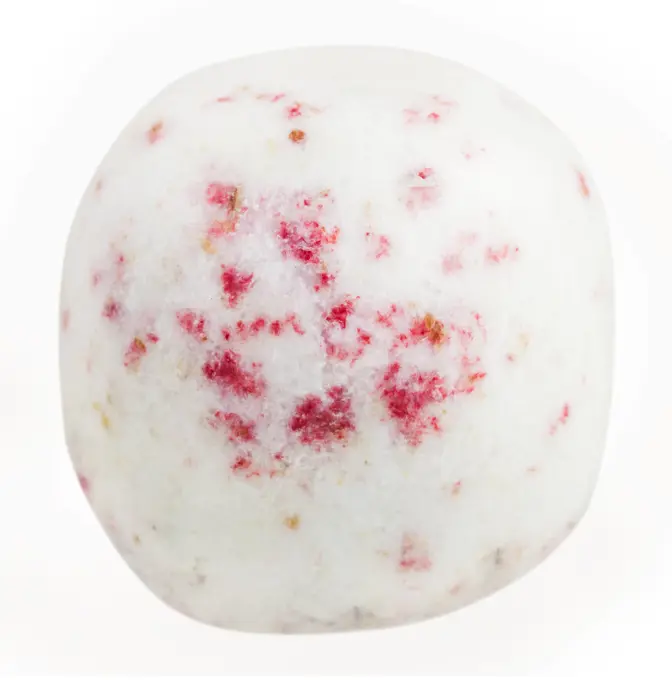
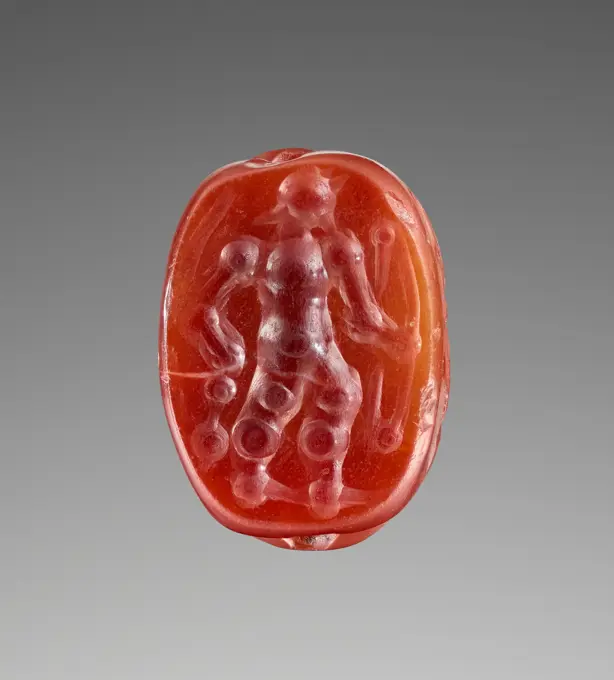
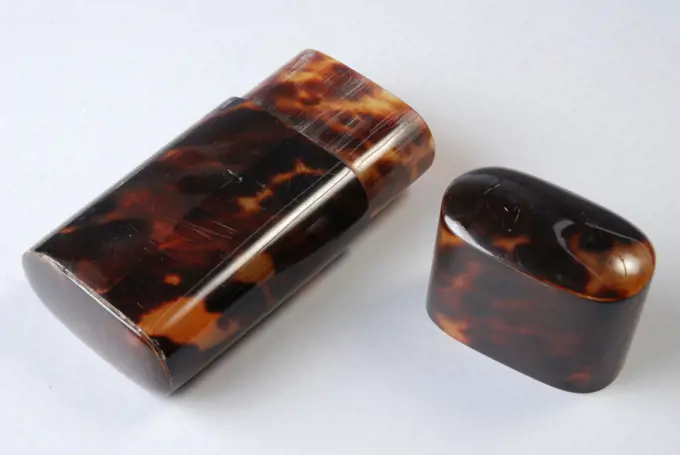
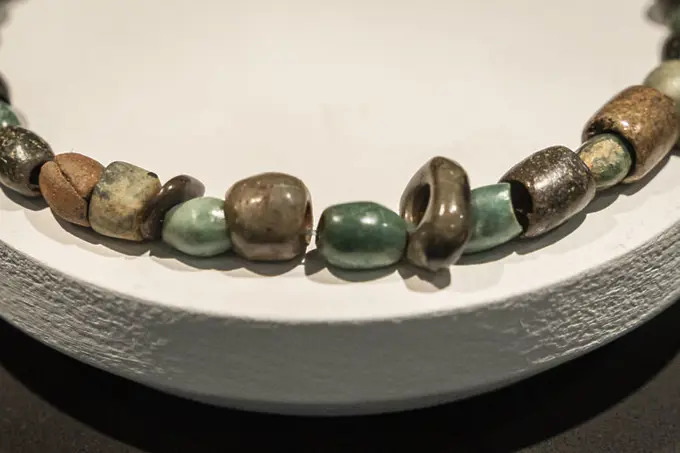
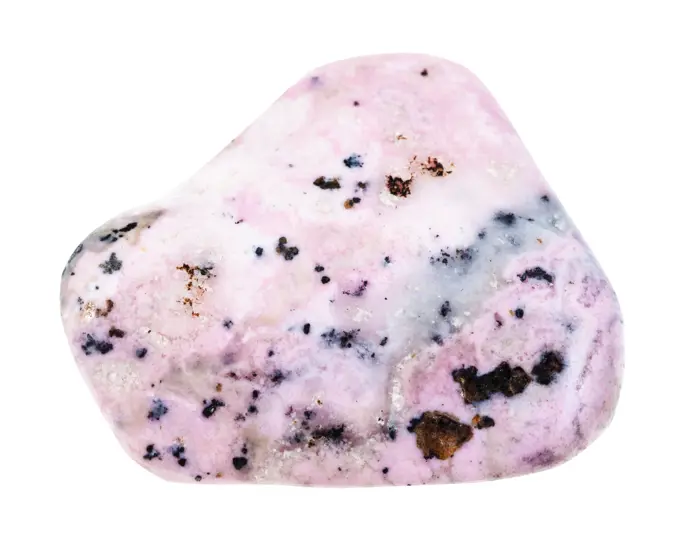
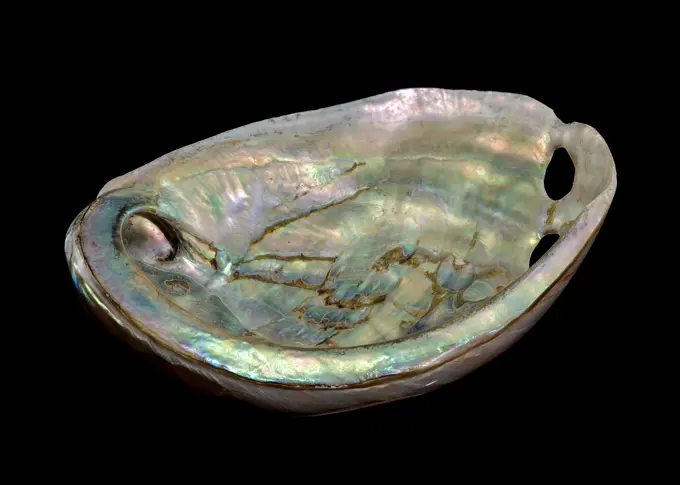
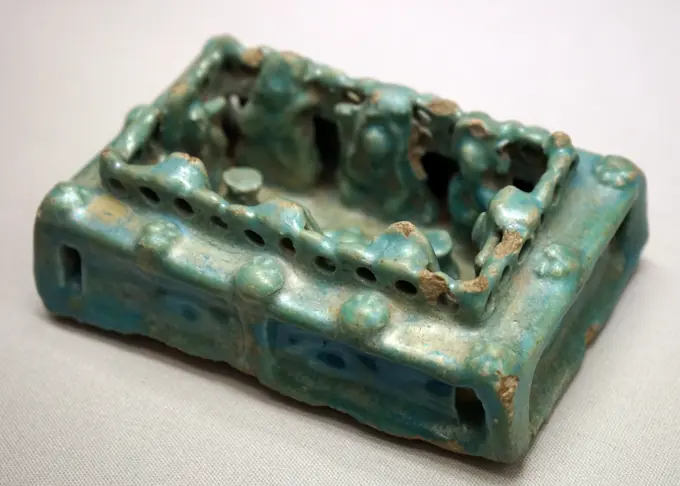
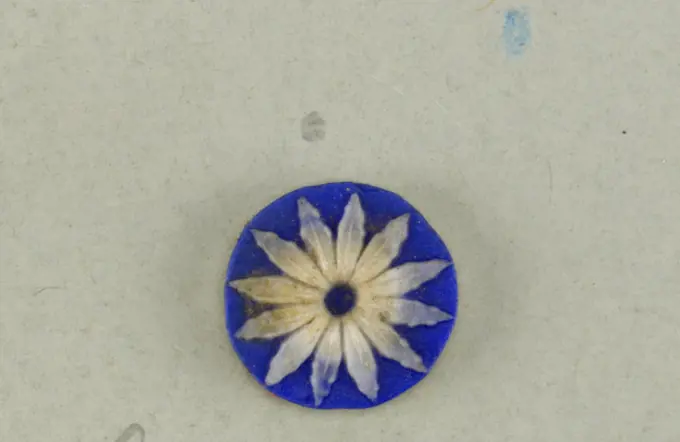
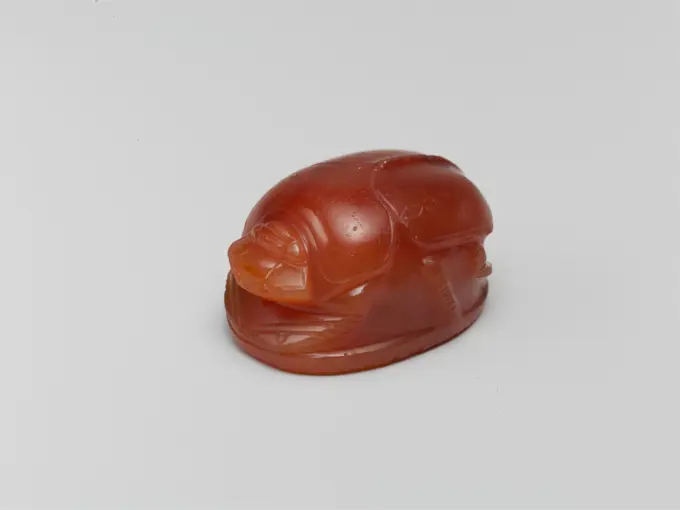
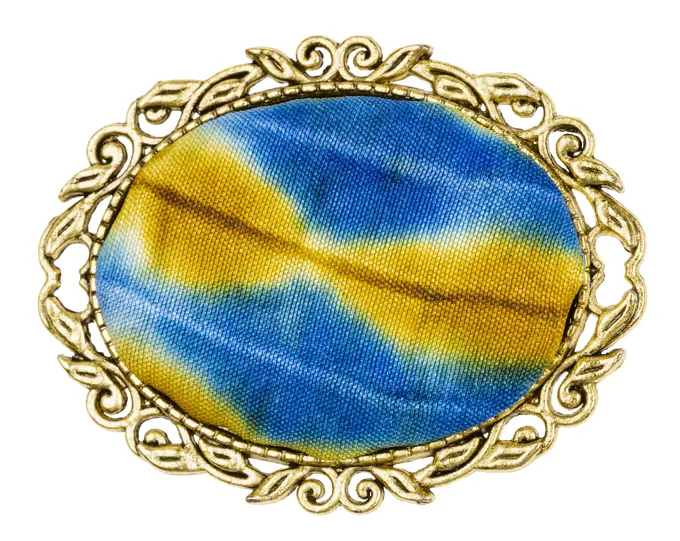
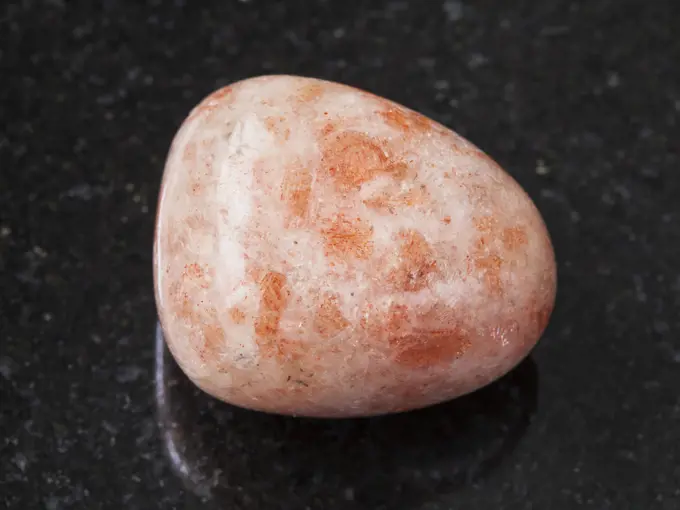
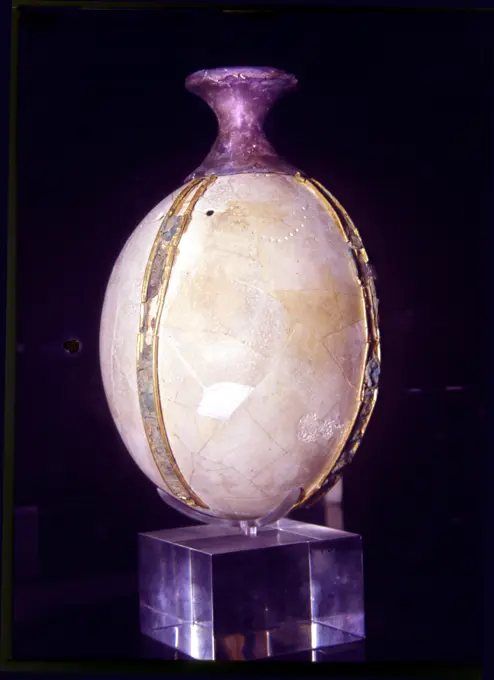
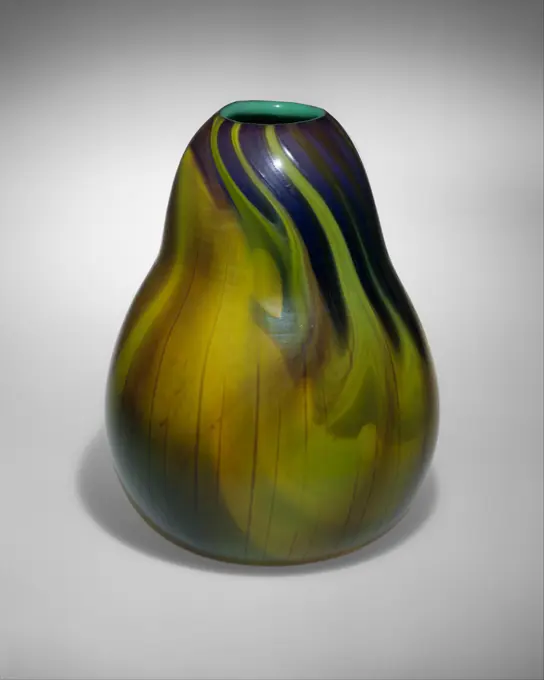
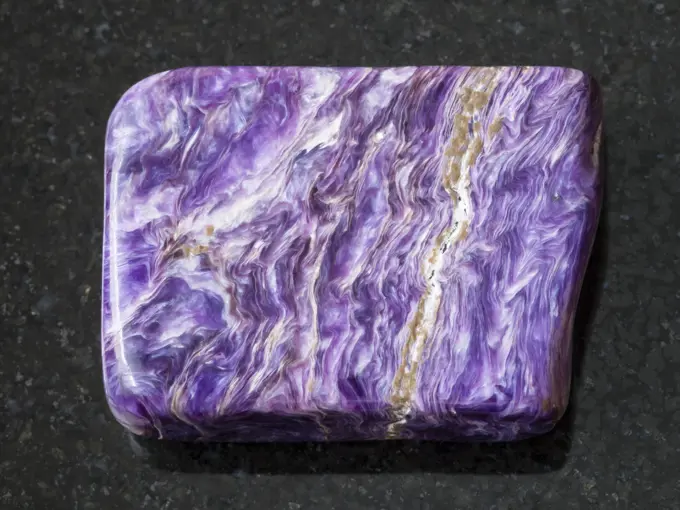
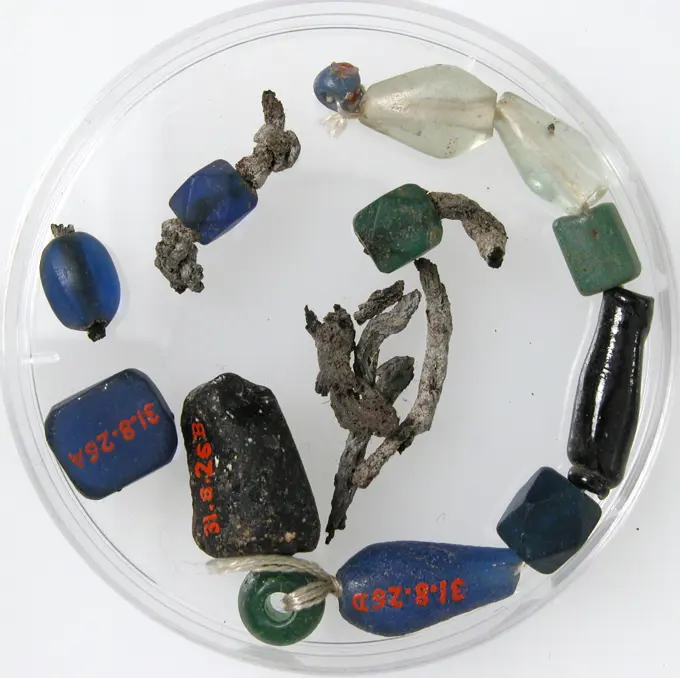
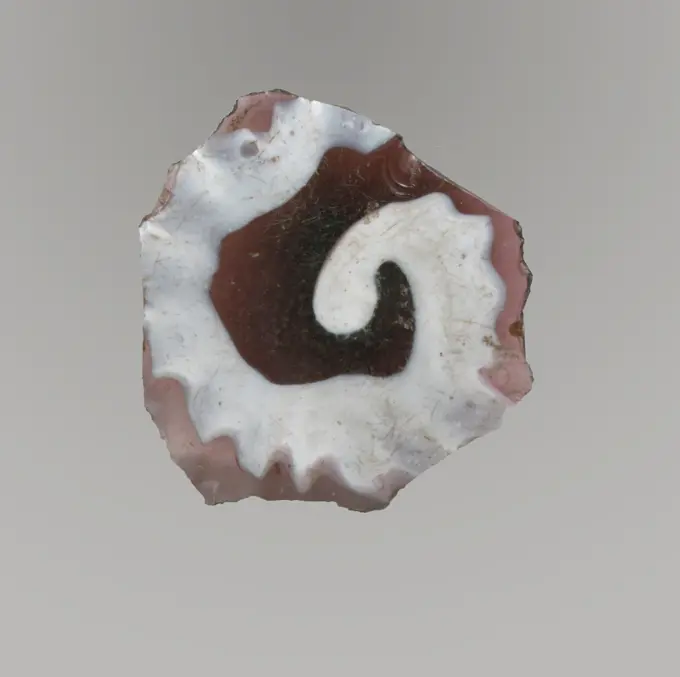
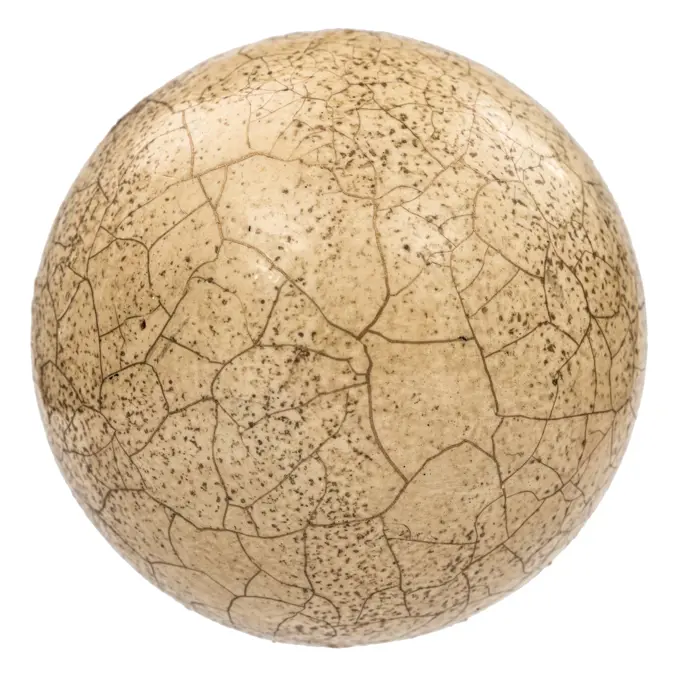
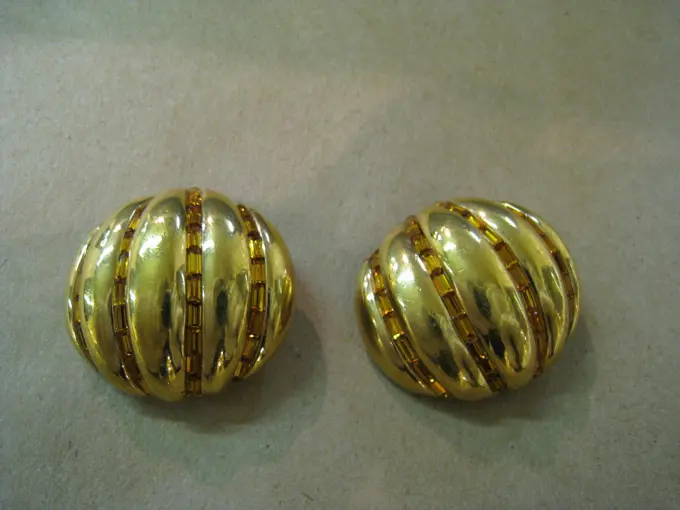
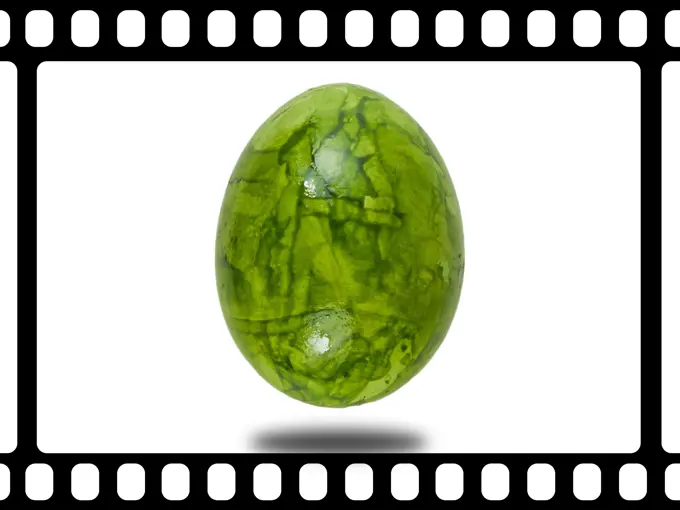
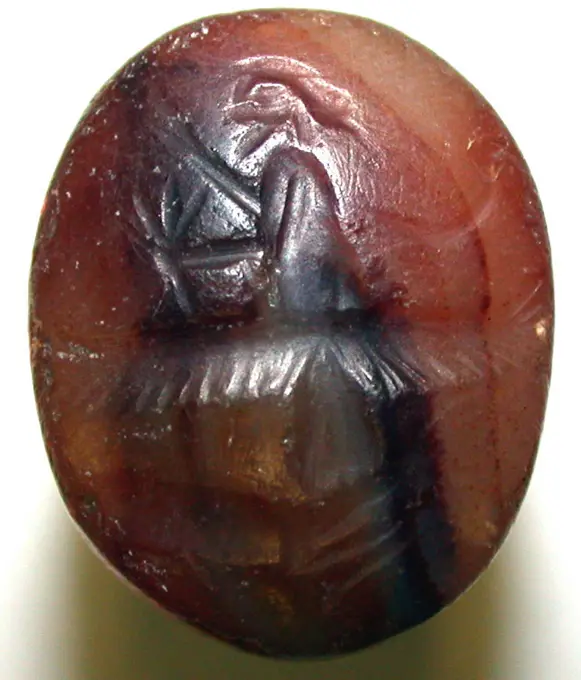
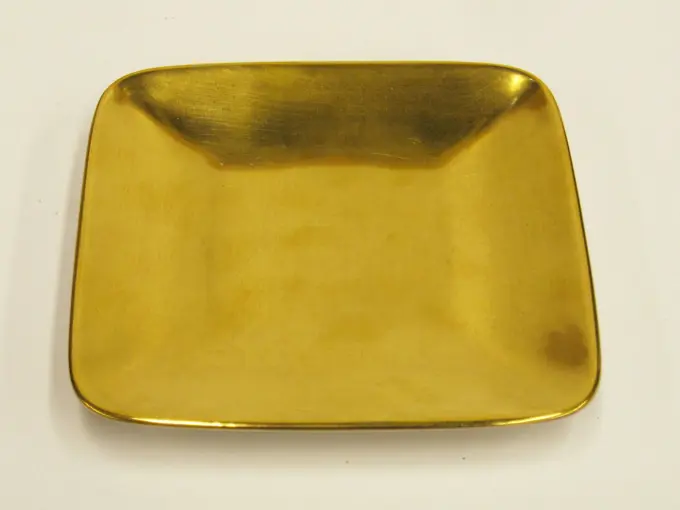
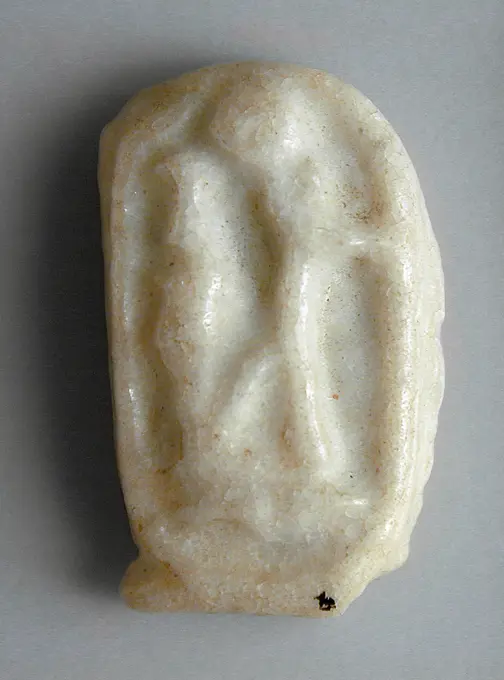
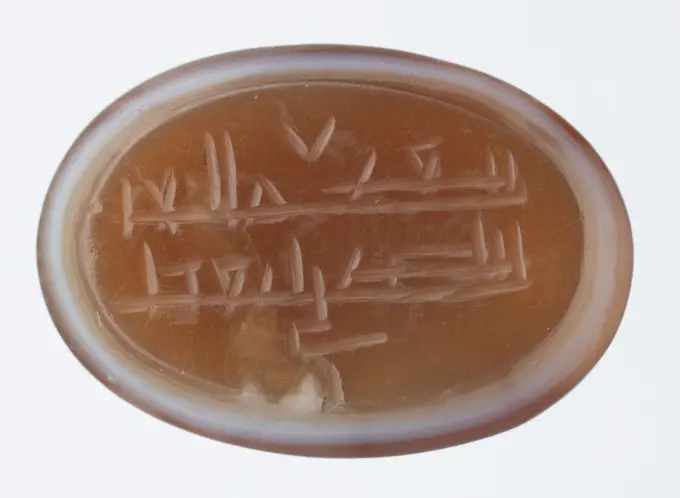
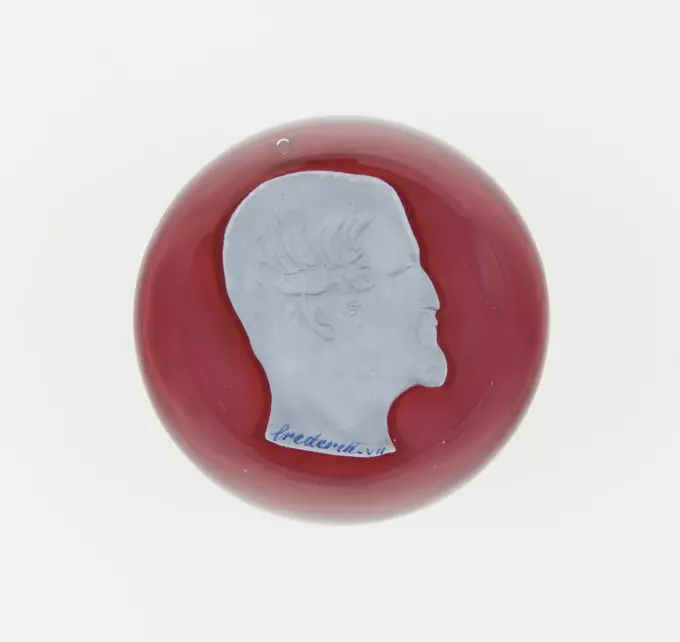
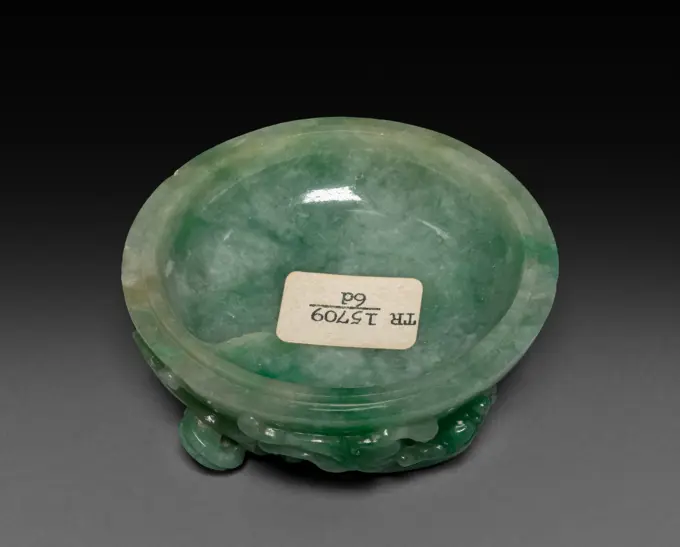
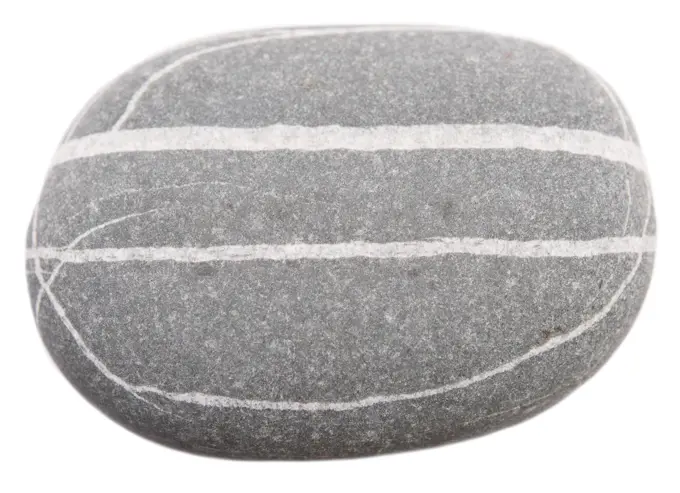
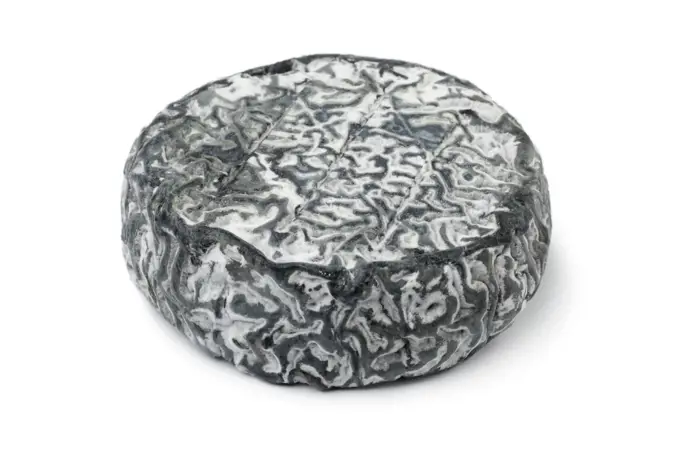
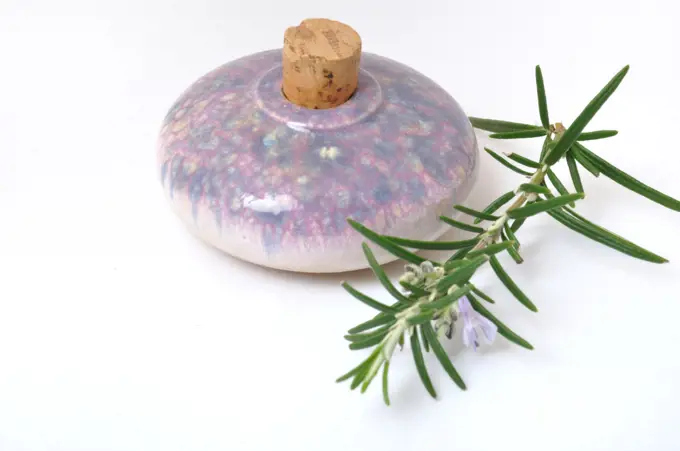
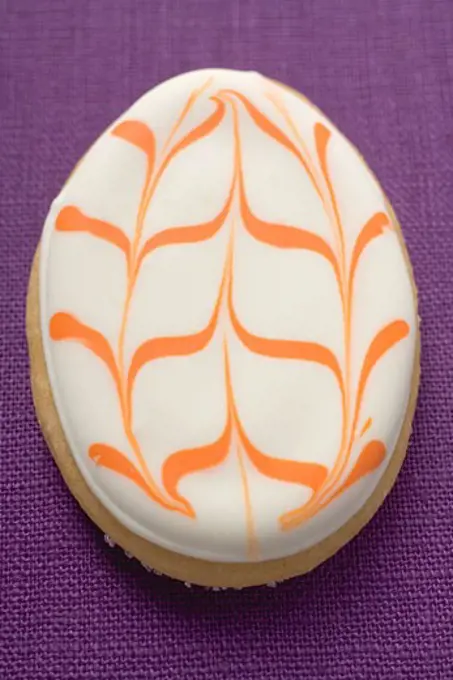
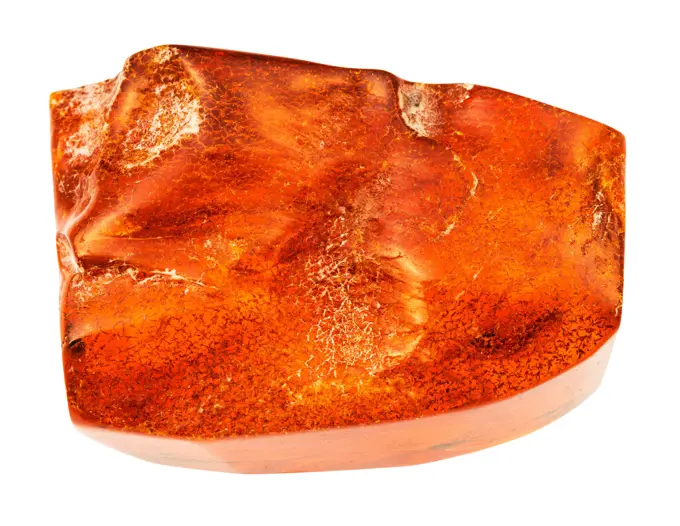
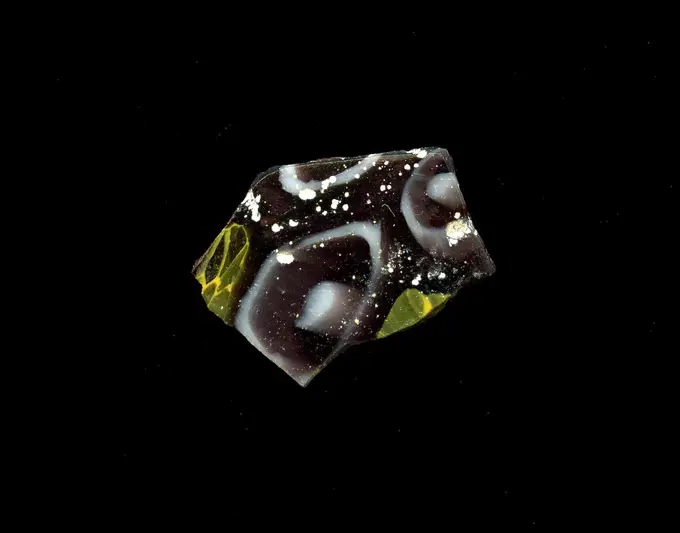
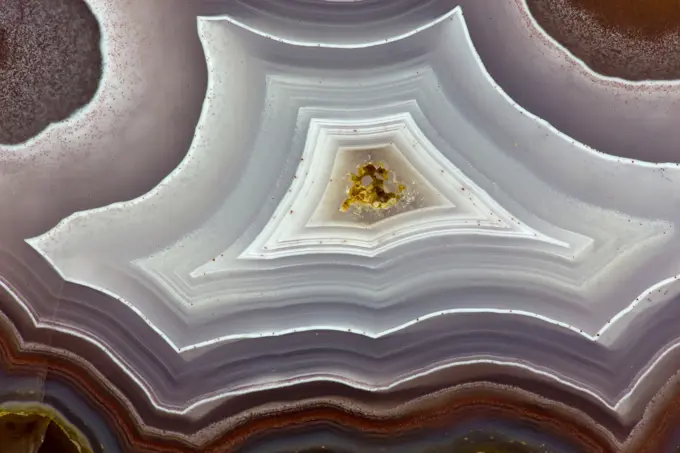
macro shooting of natural mineral rock specimen - tumbled rhyolite gemstone on dark granite background from Madagascartwo Amazonite microcline feldspar gemstones natural mineral gem stone - two Amazonite microcline feldspar gemstones isolated on white background close up Copyright: xZoonar.com/ValeryxVoennyyx 8554776Stone Fragment with Inscribed Cartouche of Kheper-ka-(re). Egypt, 2061 - 333 BCE. Sculpture. Brown QuartzitePendant in the form of a vase. Pendant in the form of a vase 243050Heads of two sylenes and an elephanttumbled hematite natural mineral gem stone tumbled hematite natural mineral gem stone isolated on white background Copyright: xZoonar.com/ValeryxVoennyyx 8635590tumbled hawk-eye gemstone on white macro shooting of natural mineral rock specimen - tumbled hawk-eye gemstone on white marble background from South Africa Copyright: xZoonar.com/ValeryxVoennyyx 11951440Wall revetment, agate pattern 200 BC-100 AD Ptolemaic Period-Roman Period Glass plaques imitating expensive marble or stones were used as wall coverings.. Wall revetment, agate pattern. 200 BC-100 AD. Glass. Ptolemaic Period-Roman Period. From EgyptSnuff Container, 1800s-1900s. Africa, Southern Africa, South Africa, Zimbabwe or Mozambique, Northern Nguni-style or Shona-style maker. Gourd and copper alloy; overall: 7.5 cm (2 15/16 in.).Fragment of a Bowl 14th-15th century. Fragment of a Bowl 455244Jade Inlay before 16th century Mexican. Jade Inlay 317374Bliżej KulturyOjime 19th century Japan. Ojime. Japan. 19th century. Edo period (1615-1868). OjimeGeorges Despret (1862-1952). Cup. Glass, glass paste. XIXth-XXth century. Museum of Fine Arts of the City of Paris, Petit Palais. 19th XIXth XIX 19th 19th 19th century, XXth XXth XX 20th 20th 20th centuryStone Celt before 16th century Mexican. Stone Celt. Mexican. before 16th century. Stone. Mexico, Mesoamerica. Stone-Implementstumbled dolomite mineral stone with of cinnabar macro shooting of natural gemstone - tumbled dolomite mineral stone with red crystals of cinnabar isolated on white background Copyright: xZoonar.com/ValeryxVoennyyx 8877233Scarab. UnknownCase (probably England); shagreenTurtle cigar case, cigar case sleeve holder turtle, Cigar case Oval section. Extendable part as cover personal attribute personal equipment smokers cigar smoking tobacco store carrystone bead necklace, Los Gabrieles dolmen complex, III BC, Valverde del Camino, Huelva Museum, Huelva, Andalusia, Spain.pebble of pink Rhodochrosite gemstone isolated macro shooting of natural mineral stone - pebble of pink Rhodochrosite gemstone from Peru isolated on white background Copyright: xZoonar.com/ValeryxVoennyyx 11248151Haliotis asinina shell on black backgroundCUENCOS PINTADOS Y VIDRIADOS. Location: ALFARERIA. ALBOX. Almería. SPAIN.Ceramic model of a house with figures seated in a courtyard. Dated 13th CenturyButton, Stoneware, Three circular medallions in the style of Wedgwood Jasperware; open flower with twelve crinkled petals; white on blue., On card 4, England, late 18th century, costume & accessories, Decorative Arts, ButtonCarnelian engraved scarab late 7th-early 6th century B.C. Greek The beetle is carinated. A fierce lion attacking a bull.. Carnelian engraved scarab 254458 Greek, Carnelian engraved scarab, late 7thearly 6th century B.C., Carnelian, 1 in. (2.5 cm). The Metropolitan Museum of Art, New York. Purchase, Joseph Pulitzer Bequest, 1942 (42.11.15)UnakiteWeight in the shape of a duck 2nd millennium B.C.. Weight in the shape of a duck. 2nd millennium B.C.. Hematite. Cyprus or Western Asiabrass brooch with batik hand-painted silk insert oval brass brooch with batik hand-painted silk insert isolated on white background Copyright: xZoonar.com/ValeryxVoennyyx 18225675macro shooting of natural mineral rock specimen - polished sunstone (heliolite) gem stone on dark granite background from USAOjime 19th century Japan. Ojime. Japan. 19th century. Edo period (1615-1868). OjimeStudio still-life: stacked pebbles, stonesLuxury soap isolated on white backgroundOstrich egg vase. 14th cent. BC. Mycenaean Bronze Age GREECE.Vase 1893-96 Designed by Louis Comfort Tiffany American This object forms part of a group of over forty given to the Museum in 1896 by Louisine and Henry Osborne Havemeyer (96.17.9-.56). The gift was the first American glass to enter the Museum's collection. Most likely prompted by Louis Comfort Tiffany, the Havemeyers presented their collection of Tiffany Favrile glass to the Museum only three years after Tiffany started making decorative blown-glass vessels. The shapes, colors, and finishes of Tiffany's vases and plaques were inspired by the natural world and ancient glass. Some of Tiffany's earliest glass vases, like this opaque gourd-shaped vase, resemble vegetal forms.. Vase 9399Smiletumbled slab of charoite gemstone on dark macro shooting of natural mineral rock specimen - tumbled slab of charoite gemstone on dark granite background from Murun Massif, Yakutia, Russia Copyright: xZoonar.com/ValeryxVoennyyx 11383822Pendant 14th-15th century or earlier Visayas. Pendant. Visayas. 14th-15th century or earlier. Gold. Philippines, Visayas, Aklan province. Metal-OrnamentsBliżej KulturyBeads and String Fragments 4th century Coptic. Beads and String Fragments 479097Amulet of a Sitting Baboon 1700 BCE Egypt. Carnelian . Ancient EgyptianGlass ribbed bowl fragment 1st-3rd quarter of 1st century A.D. Roman Translucent purple; trail in opaque white.Thick uneven bottom, convex at center on interior.Thick trail applied to bottom and wound spirally around; tips of tooled ribs visible around edge of bottom.Broken on all sides; a few pinprick bubbles and one white gritty inclusion; dulling, slight pitting, and faint iridescent weathering.. Glass ribbed bowl fragment. Roman. 1st-3rd quarter of 1st century A.D.. Glass; blown, trailed, and tooled. Early Imperial. GlassBall with the effect of craquelure, the effect of cracked surface, isolated on white background Ball with the effect of craquelure, the effect of cracked surface, isolated on white background Copyright: xZoonar.com/OleksandrxKostiuchenkox 11583103EarClips.  Designer Valentino Garavani, Italian, born 1932Easter egg green - Free colored Easter egg in green in a white backgroundBLIŻEJ KULTURYStamp seal (oval conoid) with deity second half of 8th - 7th century B.C. or later Assyrian or Achaemenid. Stamp seal (oval conoid) with deity 327691Dessertplate.  Designer Calvin Klein, American, born 1942Retailer: Swid Powell, American, 1982-2001Plaque. Egypt, Amarna, New Kingdom Period (circa 1569 - 1081 BCE). Sculpture. FaienceSealing pistonPaperweight 1825-1850 Clichy. Glass . Clichy GlasshouseThree-Sectional Altar Group: Small Bowl with Carved Dragon, 1644-1911. China, Qing dynasty (1644-1911). Jade; overall: 7 x 6.7 cm (2 3/4 x 2 5/8 in.); with base: 10.8 cm (4 1/4 in.); bowl: 2 x 6.7 cm (13/16 x 2 5/8 in.).one stone one stone isolated on white background Copyright: xZoonar.com/RuslanxNassyrovx 6513411Single French goat cheese with black mold isolated on white backgroundAromatherapy diffuserBliżej KulturyEgg-shaped Easter biscuit on purple linenpiece of polished natural baltic amber gemstone piece of polished natural baltic amber gemstone isolated on white background from Kaliningrad Copyright: xZoonar.com/ValeryxVoennyyx 21467215cracked ice letter Z - Lower-case 3d frozen font - Suitable for Nature, winter or Christmas related subjectskeramischer Tontopf keramischer Tontopf Copyright: xZoonar.com/Dr.xNorbertxLangex 14172594Fragment of a vessel. A low curvature of the glass fragment allows the assignment to a vessel, possibly a shell. At violet reason, two different types of flowers are shown in millefiori technology. The one consist of a white point as a core to which a white circle is beaten, which marks the petals. The others draw the core with yellow contour and the individual petals. For the production, different colored glasses were shaped to tubes and rods. These were compressed and heated, causing a long bar. The glass sliced now had a wide variety of amorphous or floral patterns. Thereafter, several of these platelets were folded together, heated again and pressed into the vascular shape. Burry for the elaborate manufacturing process and its fragility was one of the luxury articles of antiquity.Banded Mexican Agate, Sammamish, Washington State.Przeszo Przyszoci unknown