Ancient Decorative Ceramics

Collection of ancient ceramics including jars, bowls, and lamps from various cultures, showcasing intricate designs and historical significance.
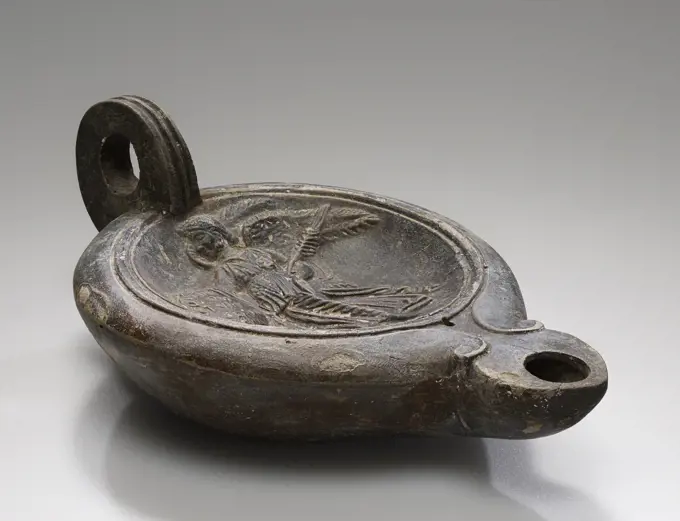
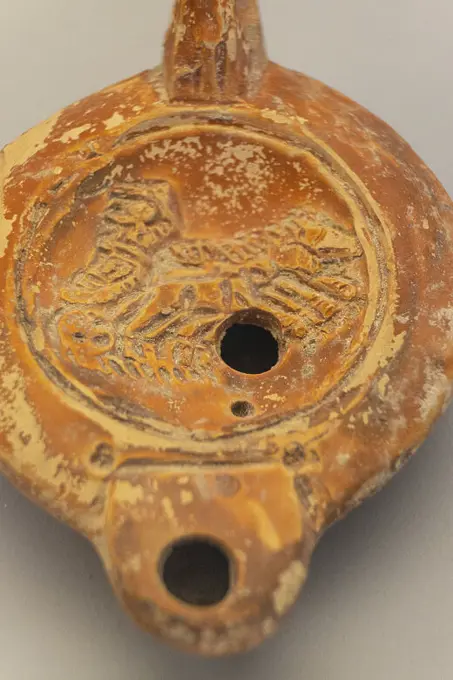
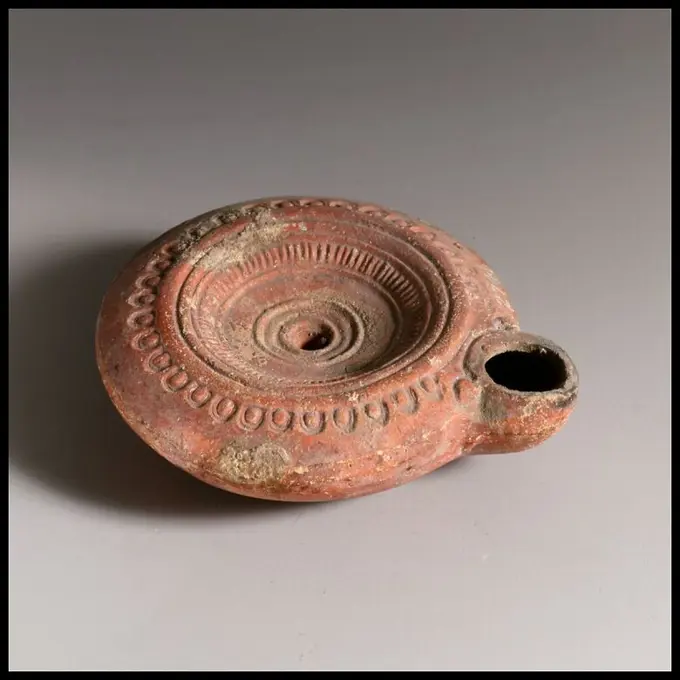
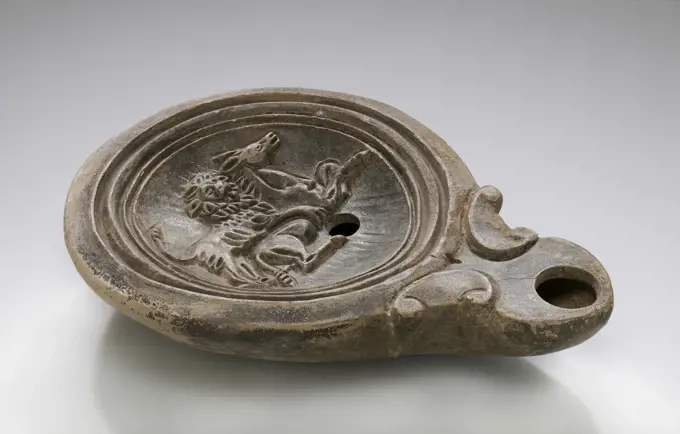
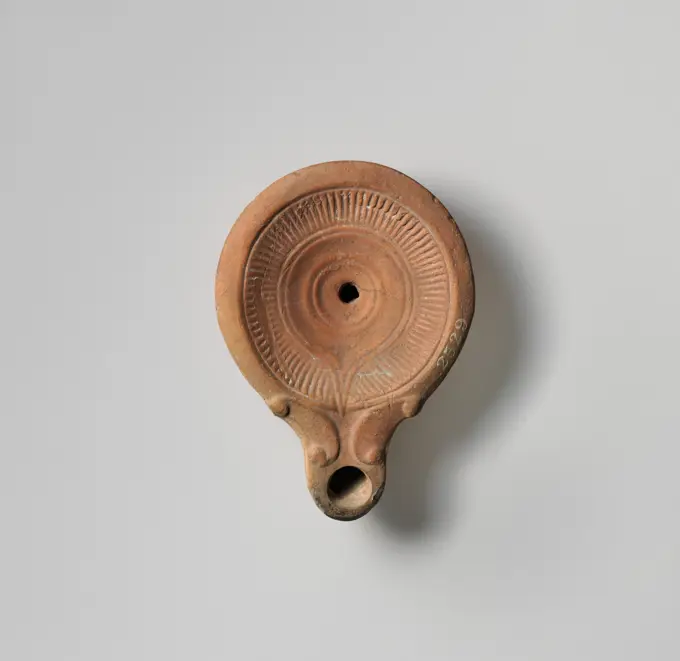
Lamp, Central Anatolia, Anatolia; 1st century B.C. - 4th century A.D; Terracotta; 4.3 × 10.5 × 16 cm (1 11,16 × 4 1,8 × 6 5,16 in.)
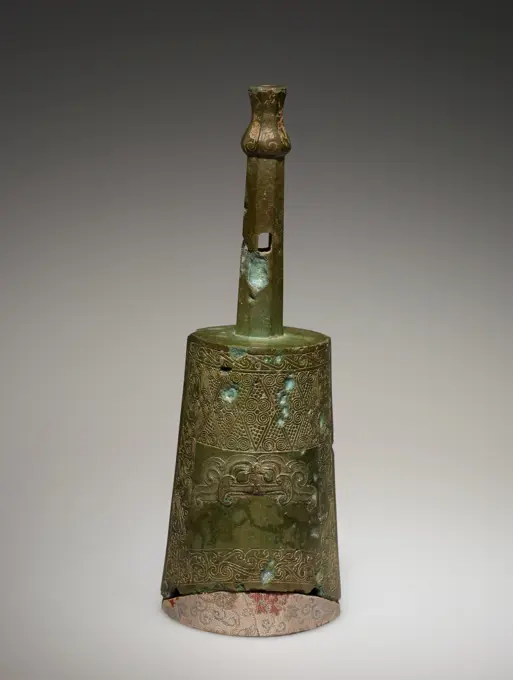
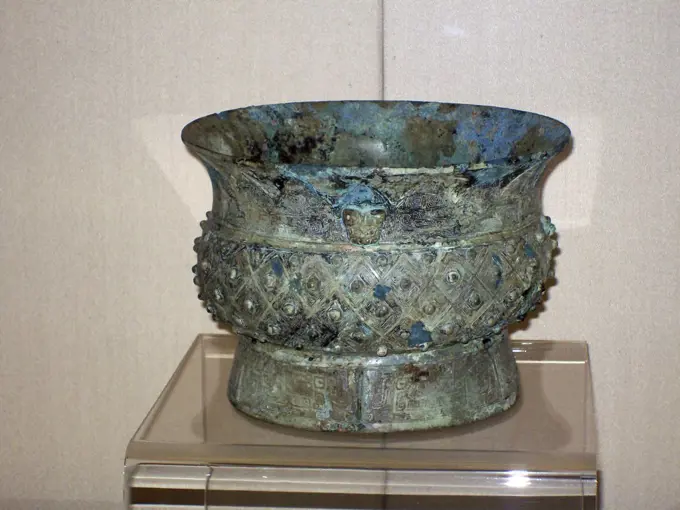
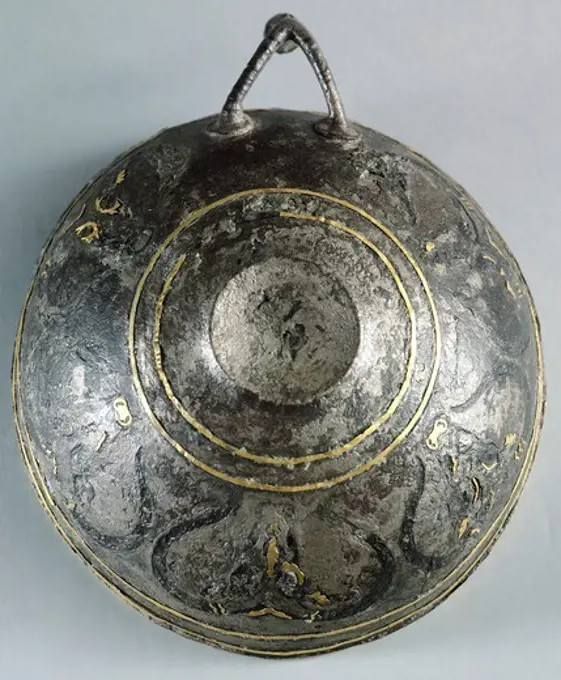
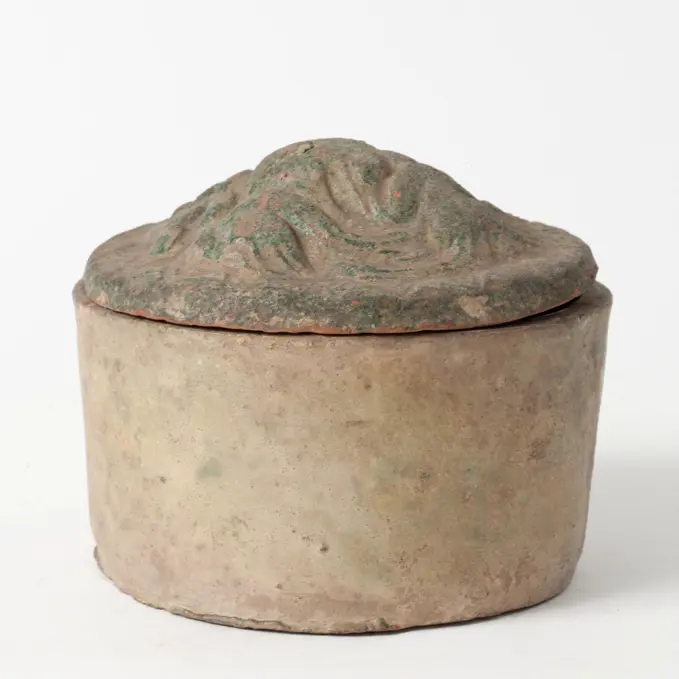
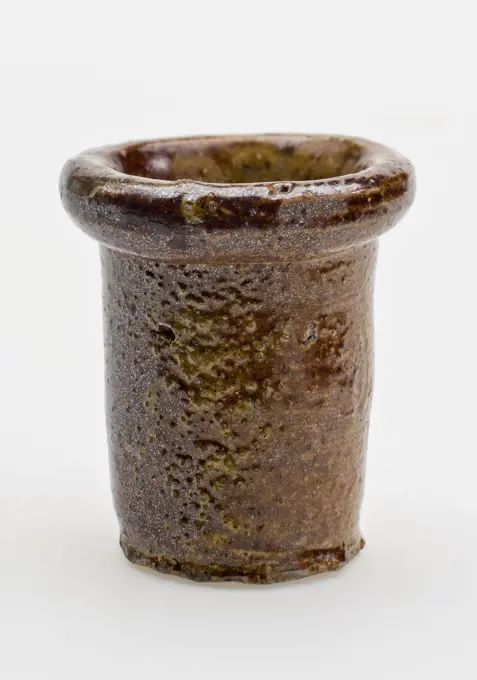
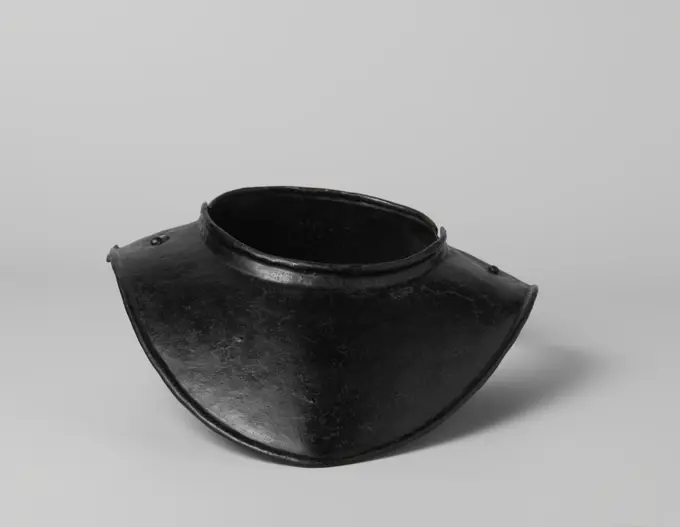
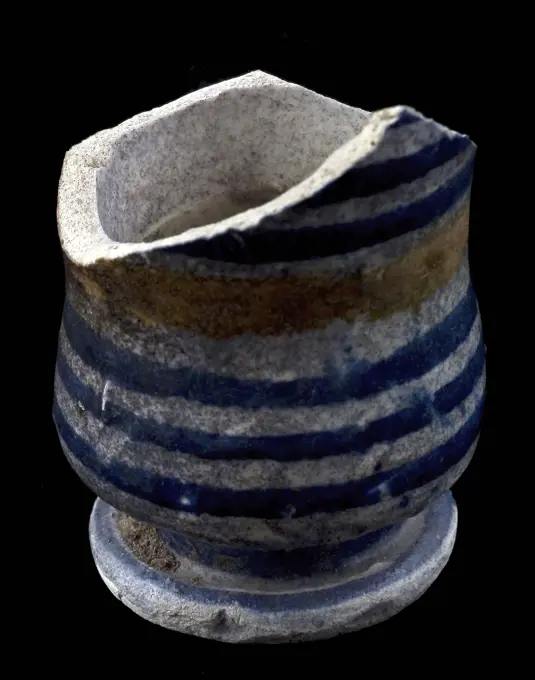
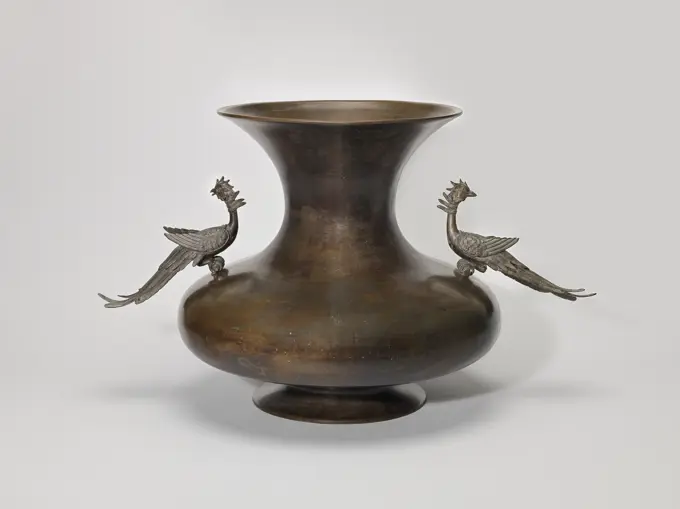
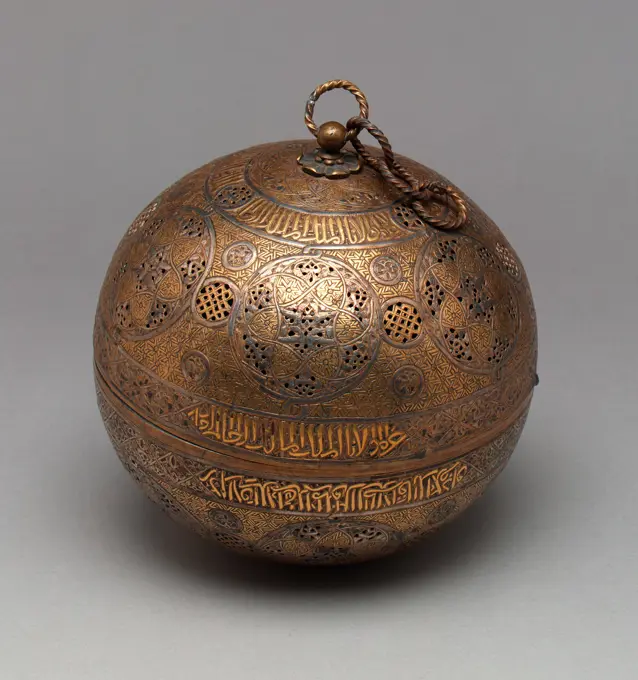
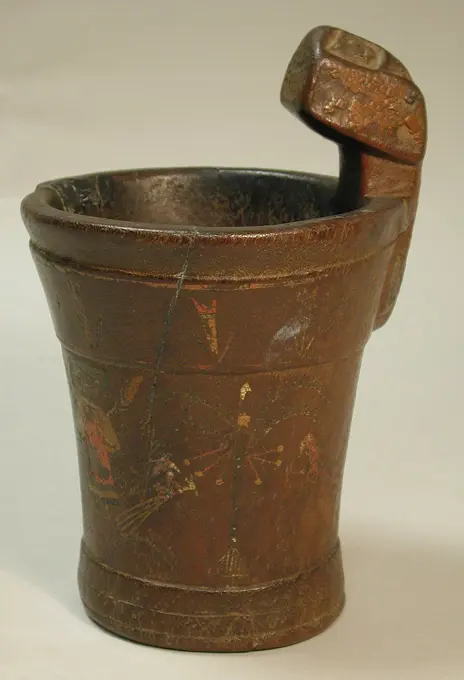
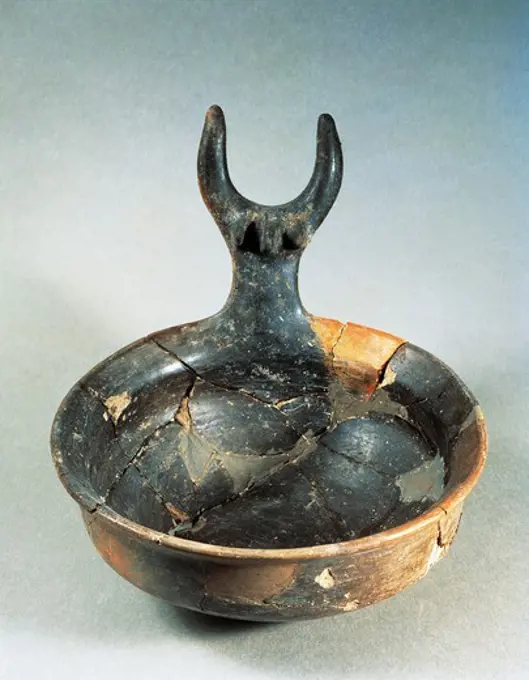
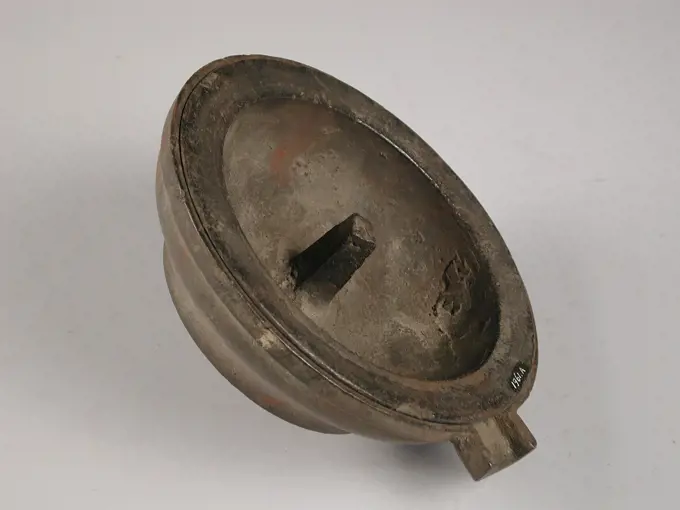
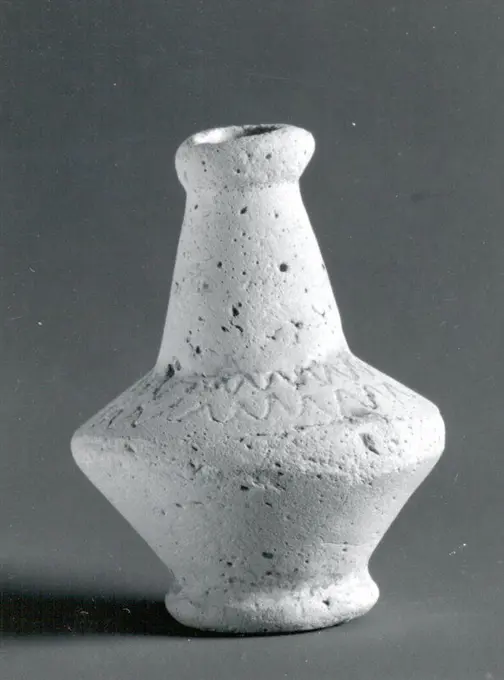
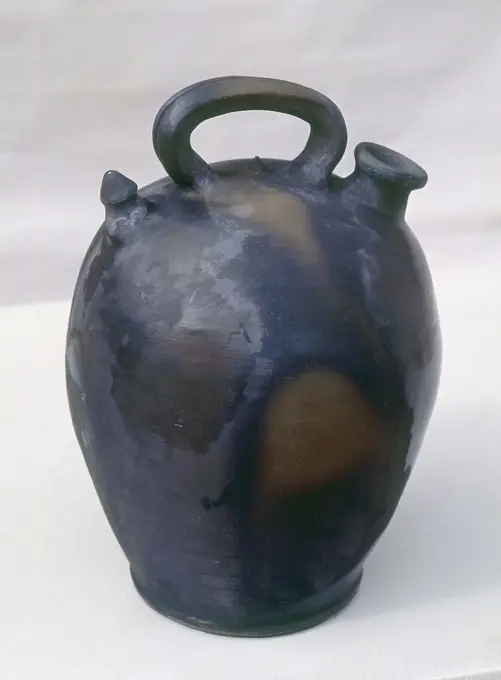
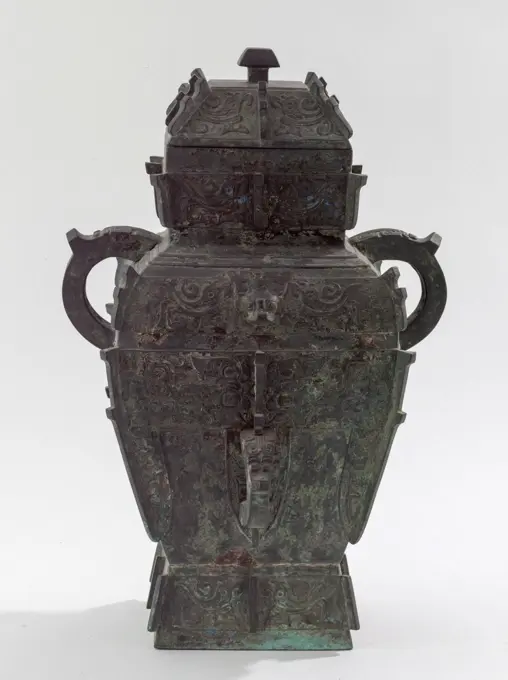
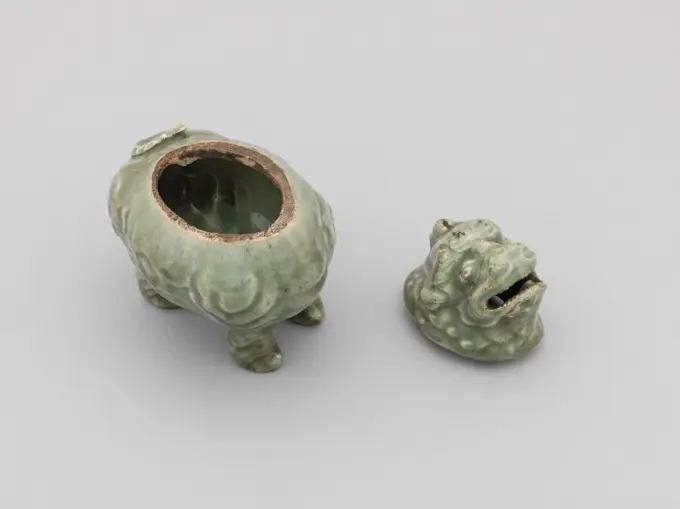
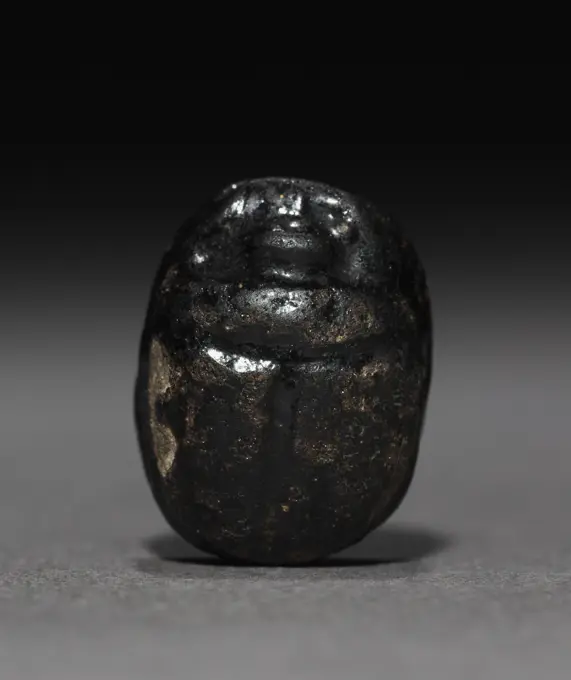
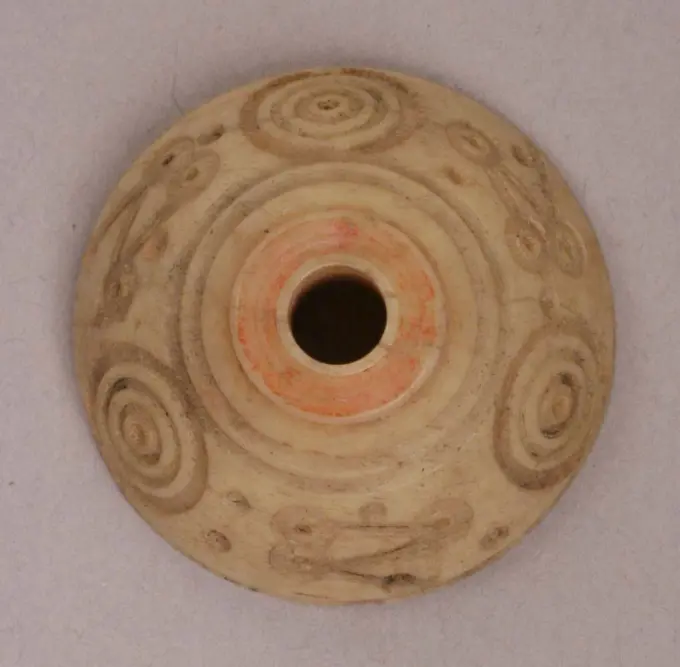
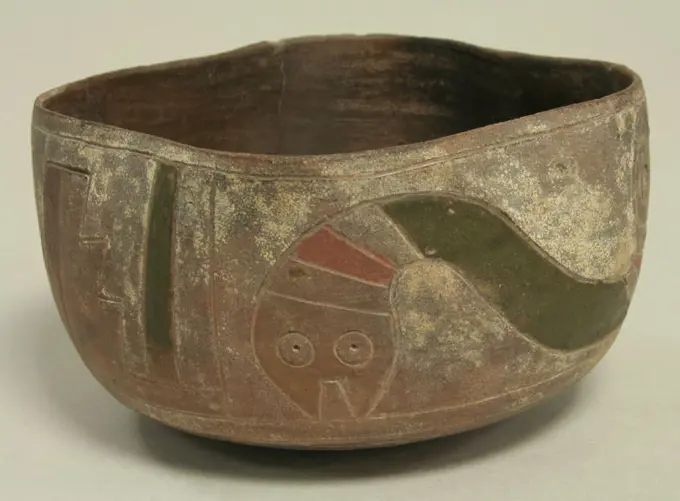
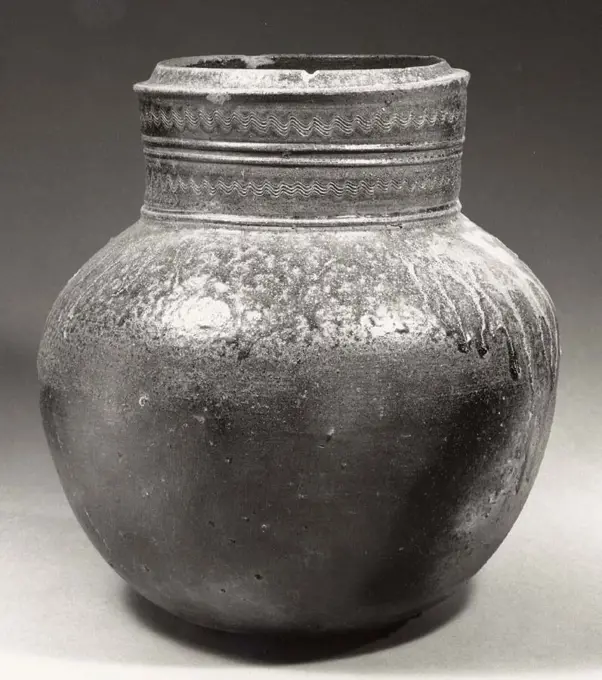
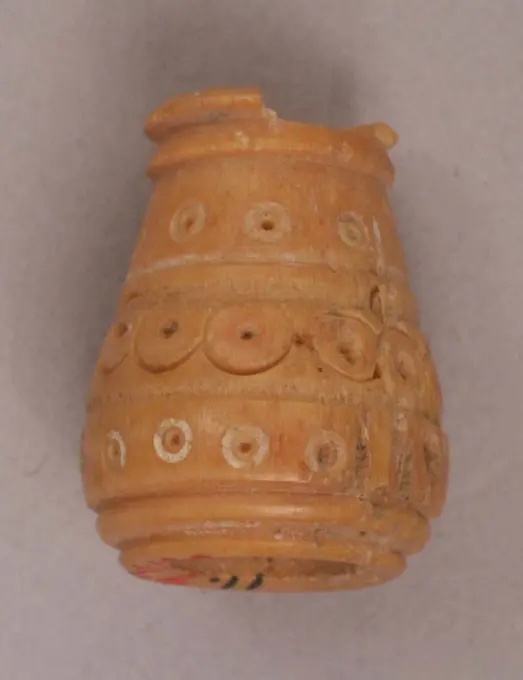
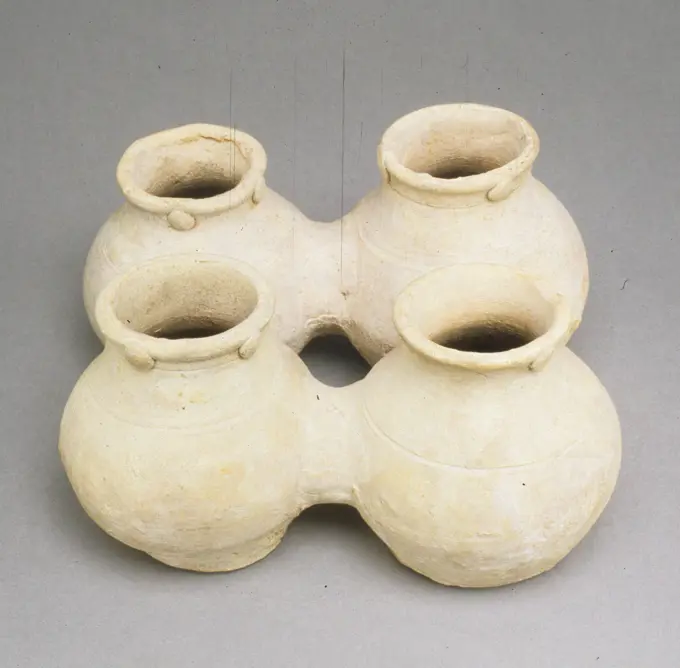
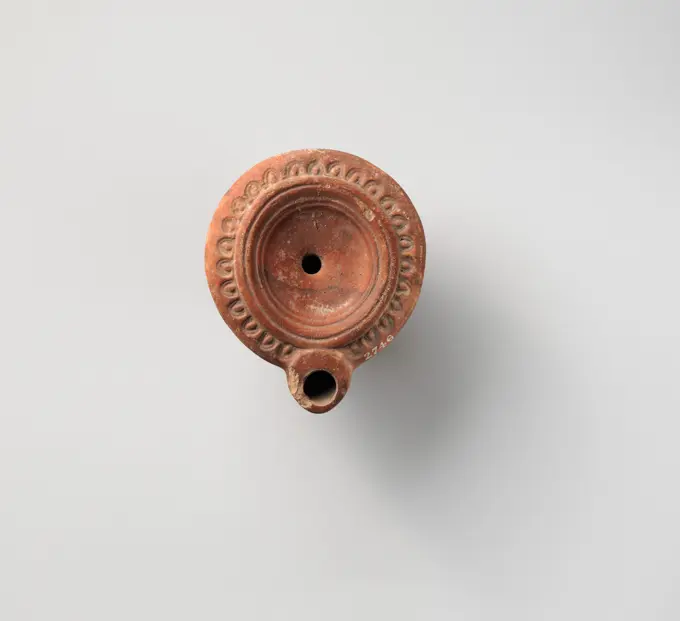
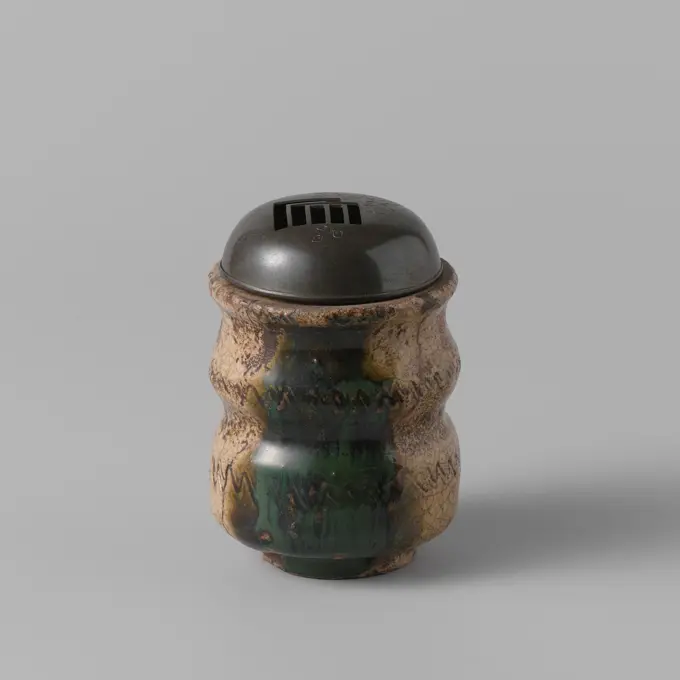
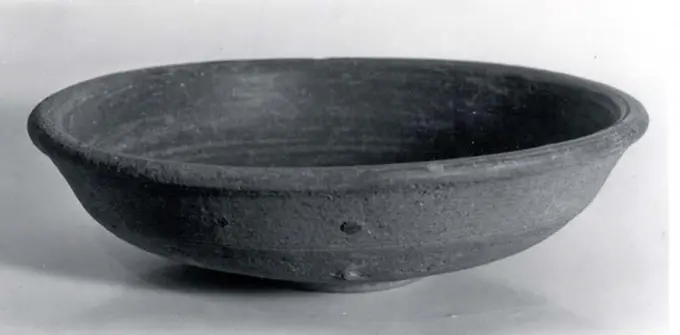
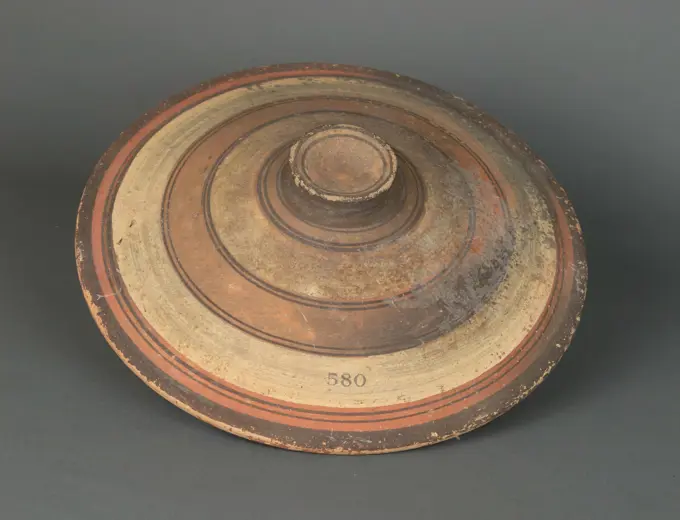
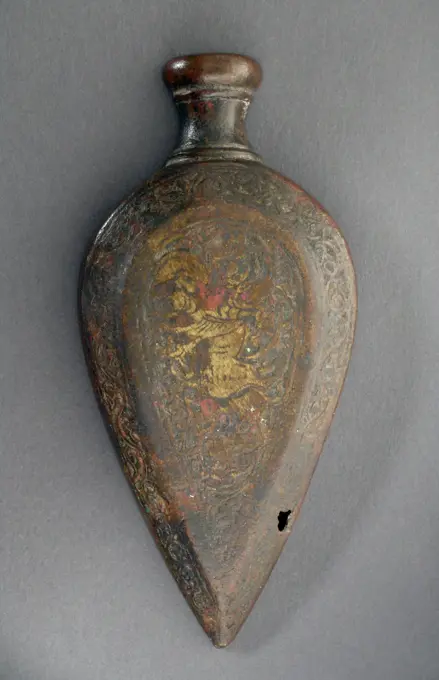
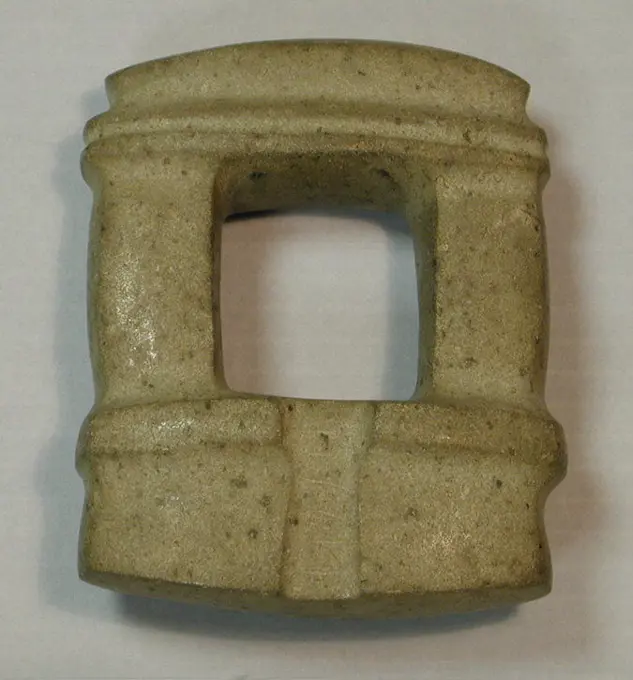
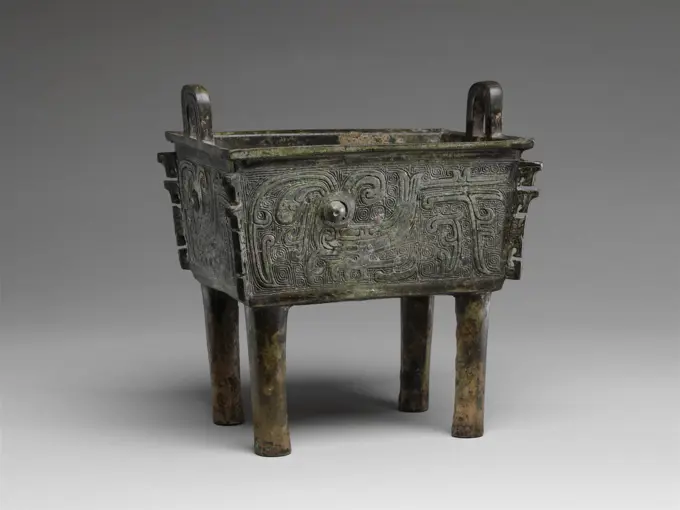
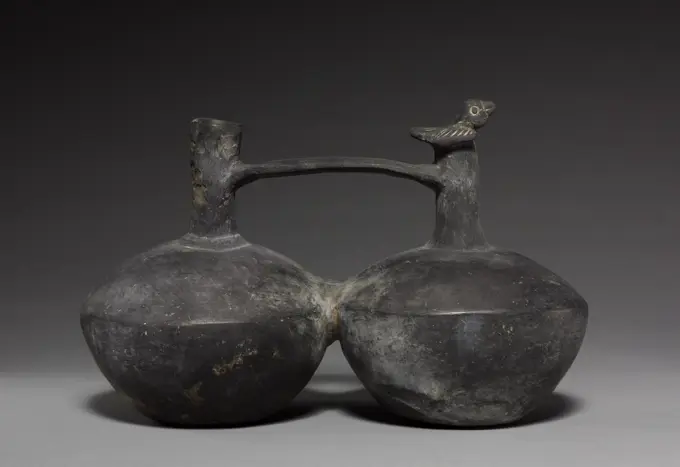
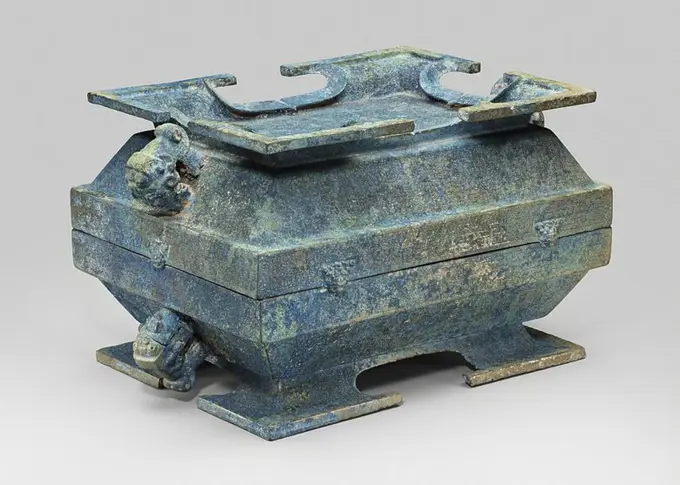
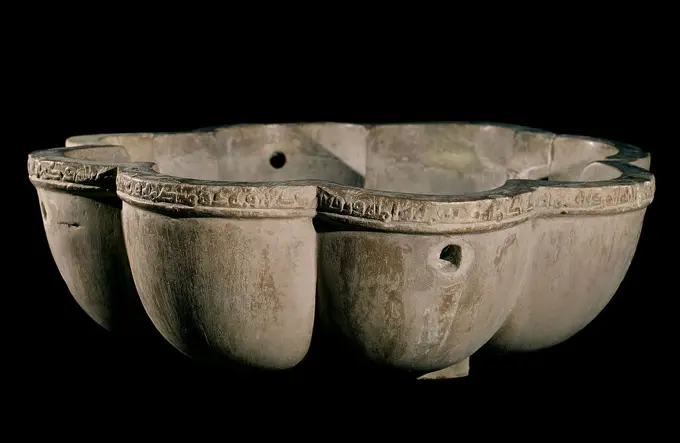
ritual cup, handmade ceramic, first millennium BC, Huesca museum, Aragon community, Spain.lampara de aceite decorada con cuadriga, Museo-Centro de Interpretación del parque arqueológico de Segóbriga, Saelices, Cuenca, Castilla-La Mancha, Spain.Zheng ritual bell, 5th century BCE, 8 11/16 × 3 × 2 1/2 in., 1.3 lb. (22 × 7.6 × 6.4 cm, 0.6 kg), Bronze, China, 5th century BCE, Although it has the general shape of a small yong bell, this instrument lacks the ring suspension device of the yong as well as the 36 bosses found on most late Zhou bells. And if it were suspended, the composite-animal taotie mask on the body would be upside down. Known as zheng, this type of bell was not used in graduated sets but rather individually, and was held in an upright position. The incised bird and volute, triangular, and running spiral patterns are similar to those found on painted lacquers of the same era, and were prevalent in southern China during the Spring and Autumn (c. 770-476 BCE) and Warring States (c. 475-221 BCE) periods.Bronze bowl, Shanghai Museum, China.Anonymous. "Infundibulum (funnel)". Metal, bronze. -550/510 BC .. Museum of Fine Arts in the city of Paris, Petit Palais. 99937-9 Antiquity, bronze, ieme half of the life VI 6th 6th 6 century before av. JC, metal, ancientGold cup decorated with cattle, from Tholos of Dendra, near Midea (Greece). Goldsmith art, Greek Civilization. ca 16th Century BC.Small pitcher with lid. unknown, craftsmanLian ". Terracotta with Green lead glaze. Han. Paris, Cernuschi museum. DynaStie des Han (206 BC-220 AD). Paris, Cernuschi museum. Chinese art, cover, han dynasty, han, lian, terracottaCricket cage 18th-19th century China. Cricket cage 60721Terracotta oil lamp. Culture: Roman. Dimensions: Overall: 1 1/4 x 4 1/2 in. (3.2 x 11.4 cm). Date: 1st century B.C.-1st century A.D..Loeschcke Type 1A. Mold-made. Discus: at center, a plain, shallow disk, surrounded by a frieze of slanting elongated tongues; a small single filling hole at center, with a band of lines and grooves at edge. Volutes flanking angular nozzle, with large wick hole. Raised base ring, and uneven base.Intact; patches of limy encrustation on body. Museum: Metropolitan Museum of Art, New York, USA.CERAMICA DE SEPULTURA NEOLITICA DE ALCANTARA. Location: ARCHAEOLOGICAL MUSEUM, JEREZ DE LA FRONTERA, CADIZ, SPAIN.Oil Lamp with Open Reservoir 8th-9th century This ceramic lamp was excavated in Ctesiphon, the Sasanian metropolis and administrative capital conquered by Arab Muslim armies in 637. The city was known in Arabic as al-Madain, or "the cities", for its extended area. Arab historians indulge in describing al-Madain/Ctesiphons grand monuments, which obsessed Muslim rulers and may have acquired a symbolic meaning related to its imperial past. This was the case of the Taq-i Kisra, an impressively-sized ivan (a vaulted hall with one side open) partially dismantled to reuse its bricks in caliphal buildings in the new capital Baghdad. This lamp belongs to a long-standing tradition of turquoise-glazed ceramics made in Mesopotamia since the Parthian period, of which it represents a late Sasanian or Early Islamic evolution. Lamps with circular open reservoirs and slightly pinched spout were later abandoned in favor of more pinched shapes. Here, traces of fire are visible on the rim where the burBridge and Spout Bottle 7th-4th century B.C. Paracas. Bridge and Spout Bottle 307864Wampanoag clay pots were generally crafted by the women of the tribe and used as containers for food or water.Vase fragment East Greek/Sardis, Lydian. Vase fragment 252834 East Greek/Sardis, Lydian, Vase fragment, Terracotta, Overall: 2 3/8 x 1 1/2in. (6 x 3.8cm). The Metropolitan Museum of Art, New York. Gift of The American Society for the Excavation of Sardis, 1926 (26.199.270)Engraved bronze conical helmet, from Oppeano Veronese (Veneto region, Italy)Stoneware ointment jar, cylindrical with thickened upper edge, ointment jar pot holder soil find ceramic stoneware glaze salt glaze, hand-turned glazed baked Straight body with thick turned rim. Dark brown light brown gray. Partly without salt glaze Light gray shard archeology Rotterdam City center Stadsdriehoek Kralingen-Crooswijk Struisenburg Admiralty quay health care indigenous pottery import packaging ointment care pharmacy medicine drug Soil discovery Rotterdam: Admiraliteitskade 1982-03-16.Bracelet. Western Iran, circa 1000-650 B.C.. Jewelry and Adornments; bracelets. Bronze, castPlato ibérico, hallado en el Turó de la Rovira de Barcelona. Museu d'Arqueologia de Catalunya.Ring collar of black painted rider harness, 1599 - 1699  Ring collar, iron, white, from two halves that are on both sides of the opening together, of which the front and rear ends in a corner. Opening for the head has an over -covered edge. The right side of the opening has a pin whose size of the opening can be changed. The lower edge of the front and back are surrounded. Netherlands (possibly) iron (metal)Fragment turret with battlements (the Roman), ornament building component sandstone stone, sculpted Hemisphere turret with battlements and carved stones. It was part of larger Roman Roman towerFragment majolica albarello, ointment jar, on stand with polychrome ribbon decor, albarello holder soil find ceramic earthenware glaze, hand-turned baked glazed decorated baked Albarello on stand foot. Yellow shard glazed except the bottom of the bottom Polychrome band decor with one orange band and further blue bands Glaze indistinguishable archeology health care pottery packing ointment pharmacy medicine drug craftVase. Bronze. Cernuschi Museum, Asia Museum of Asia in the city of Paris.Lime Container in the Shape of a "Mioko" Drum 500 B.C.-A.D. 300 Indonesia (Java, Lumajang, Pasiran). Lime Container in the Shape of a "Mioko" Drum. Indonesia (Java, Lumajang, Pasiran). 500 B.C.-A.D. 300. Bronze. Bronze and Iron Age period. MetalworkPierced Globe late 13th-early 14th century Designed as an incense burner, this globe once hung from a chain. Inside the hinged body is a small cup, slung on three rings (gimbals) to stabilize the burning coal or incense in the suspended container. The inscription bands do not name the objects owner, but repeat a string of epithets lauding him. Listen to experts illuminate this artwork's story Listen Play or pause #6700. Pierced Globe Supported by Bloomberg Philanthropies We're sorry, the transcript for this audio track is not available at this time. We are working to make it available as soon as possible.. Pierced Globe. late 13th-early 14th century. Brass; spun and turned, pierced, chased, inlaid with gold, silver, and black compound. Attributed to Syria, Damascus. MetalKero 17th-18th century Quechua Only faint traces of pigmented resin remain in the incised designs of this pair of keros. These designs show women in Andean dress holding flowers, alternating with images of a tree flanked by giant parrots.Keros of this type depart from earlier colonial design formats. The feline handles permit the vessel's waist to be exposed during the ceremony of exchange and thus allow the main scenewhich in the conventional format is restricted to a narrower upper registerto occupy a larger portion of the kero.. Kero 316851copa utilizada como urna cineraria, Necrópolis de Carratiermes, siglo III-II a.C. museo del Yacimiento arqueológico de Tiermes, Soria, comunidad autónoma de Castilla y León, Spain, Europe.Large earthenware dish with convex bottom, entirely white glazed, dish plate tableware holder soil find ceramic earthenware glaze tin glaze lead glaze, ring 12.9 hand turned baked 2x Earthenware dish with convex bottom on stand ring Internal white glazed bottom transparent lead glaze Wide dish with wide flag plate edge. prints Internally and externally provided with one shoulder archeology Rotterdam Heliport grounds indigenous pottery serving serve serving table room Soil discovery: Heliport site Rotterdam June 1978.JARRO CALIFAL BIZCOCHEADO Y PINTADO EN BLANCO - S X CALIFAL. Location: MEDINA AZAHARA MADINAT AL-ZAHRA MUSEO CERAMICA. PROVINCIA. CORDOBA. SPAIN.Cup 8th-early 9th century Indonesia (Java). Cup. Indonesia (Java). 8th-early 9th century. Silver and gold. late Central Javanese period. MetalworkSpindle Whorl 9th-10th century Spindle whorls aided in the making of thread by maintaining the momentum of the spindle. This convex spindle whorl with a slightly concave bottom was excavated at Nishapur. Three incised lines encircle the central hole, jutting from the bottom ring are seven triangles, arranged radially, each filled by a dot-in-circle. All incised lines and shapes were once filled with colored or white paste that has since faded. Hundreds of spindle whorls were excavated at Nishapur, providing further evidence that the city possessed a thriving textile industry. Their incised designs exhibit a wide variety of motifs ranging from geometric forms to zoomorphic figures.. Spindle Whorl 450008Blackish clay bowl, Ausones, Italic civilizationChlorite pestle ca. 1600-1050 B.C. Cypriot Grinder.. Chlorite pestle. Cypriot. ca. 1600-1050 B.C.. Chlorite. Late Bronze Age. Miscellaneous-StoneFunnel beaker culture vessels (Rozental, Odry and Gniszewo). Archeological Museum of Gdansk. Poland.Emilia-Romagna Ferrara Ferrara Museo Civico di Schifanoia19. Hutzel, Max 1960-1990 General Notes: INCOMPLETE RECORD--NEGATIVES PROCESSED, PRINTS FILED German-born photographer and scholar Max Hutzel (1911-1988) photographed in Italy from the early 1960s until his death. The result of this project, referred to by Hutzel as Foto Arte Minore, is thorough documentation of art historical development in Italy up to the 18th century, including objects of the Etruscans and the Romans, as well as early Medieval, Romanesque, Gothic, Renaissance and Baroque monuments. Images are organized by geographic region in Italy, then by province, city, site complex and monument.Scherf van Kist bottle from V.O.C. ship De 'Witte Leeuw', Before 1613  Sharf of chest bottle from V.O.C. ship the 'Witte Leeuw', Bottles of green glass with yellow-brown and coral-like attack.  .   Sint-HelenaTerracotta oil lamp. Culture: Roman. Dimensions: Length: 3 5/16 × 1 1/16 in. (8.4 × 2.7 cm). Date: 2nd century A.D..Vessberg Type 13. Mold-made. Museum: Metropolitan Museum of Art, New York, USA.Toilet vase ca. 1850-1700 B.C. Late Middle Kingdom. Toilet vase. ca. 1850-1700 B.C.. Egyptian Blue (). Late Middle Kingdom. From Egypt, Memphite Region, Lisht North, cemetery south of pyramid below House A1:2, Pit 884, MMA excavations, 1920-21. Dynasty 12, late - 13 up to 1700Jar ca. 3rd-7th century A.D. Sasanian. Jar 322433Two-piece bronze mold for bottom pot or jug, mold casting tool tools kit metal_metal bronze, cast turned Two-piece bronze mold for bottom of pot Rotterdam tin foundry tin stain tin Meeuws Druy craft Shapes are from the originally 18th century Rotterdam inkwell J Druy. The large molds that were not signed or dated were the property of the tinker guild and were rented to the small tin caster.Cosmetic container ca. late 3rd-early 2nd millennium B.C. Bactria-Margiana Archaeological Complex. Cosmetic container 326761Lamp, North Africa; 1st - 4th century; Terracotta; 3.6 x 9 x 12.5 cm (1 7,16 x 3 9,16 x 4 15,16 in.)BOTIJO EN CERAMICA NEGRA (BARRAL). Location: ALFARERIA. QUART. GERONA. SPAIN.Ladle. Culture: China. Dimensions: H. 3 1/4 in. (8.3 cm); W. 2 5/8 in. (6.7 cm); D. 3 1/4 in. (8.3 cm). Museum: Metropolitan Museum of Art, New York, USA.URNE. Bronze. Chine. Par musée musée malée. 70004-34 Asian art, Chinese art, bronze, Chinese object, urnLebes, c. 480-460 BC. Greece. Bronze; overall: 25.4 cm (10 in.).Censer, spherical. The components are poured and criminated. Round base placed round cockpit and opened round lid with simple horizontally closed lantern. Kuip and lid with six ornament strips and six faceted bulges. The ornament in relief: two saints (on lid), acanthus leaves (on top of lid and on foot), leaf motifs in medallion (on lid and tub). The ring carrier has been replaced by a handle. The four pairs of eyes are missing because edges of tub and lid have been updated.medieval ceramics, muslim era, Archeological Museum. Úbeda, Jaén province, Andalusia, Spain.Visor, c. 1400. Italy, early 15th Century. Steel; overall: 15.6 x 12.7 cm (6 1/8 x 5 in.).Terracotta oil lamp 1st century B.C.-1st century A.D. Roman Loeschcke Type 4. Mold-made. Discus: a single filling hole at center, surrounded by two raised circles; two more raised lines form the inner edge of a band of close-set radiating lines that extends to a groove around the edge of the discus. The circular lines also form a sharply-pointed 'V' that extends though the band of radiating lines and onto the back of the nozzle. Undecorated, slightly sloping shoulder. Volutes flanking nozzle. Impressed ring base, and an uneven pushed-in base.Intact.. Terracotta oil lamp. Roman. 1st century B.C.-1st century A.D.. Terracotta. Early Imperial. TerracottasAnonymous, Vase Wenjiuzun (common name). Green glaze. Cernuschi Museum, Asia Museum of Asia in the city of Paris.Circular Tweezers 1000-1400 Peru. Gold . ChimúDisk ca. 1000 B.C. Irish. Disk 468280Burnt-Parfum (common name). Sandstone, molding, molded decor, celadon. Cernuschi Museum, Asia Museum of Asia in the city of Paris.Earthenware lid, yellow glazed with horizontally placed ear, lid closure component earth discovery ceramics earthenware glaze lead glaze, hand turned glazed baked Pottery lid white shard with (yellow) lead glaze and green stain with handle Angled inwardly directed lid edge archeology indigenous earthenware food prepare food kitchen store crockeryRECIPIENTE DE CERAMICA DE CUERDA SECA, PRECEDENTE DE LA ALCAZABA DE VASCOS (NAVALMORALEJO, TOLEDO). ARTE MUDEJAR, ANDALUSI. EN EL MUSEO DE SANTA CRUZ.Abruzzo L'Aquila Celano Museum40. Hutzel, Max 1960-1990 Medieval: Manuscripts: Miniature nella Marsica; Trasacco - Antifonario; Tagliacozzo - Messale; Avezzano - L'Ecultet Metalwork--processional crosses Post-medieval: Vestments, metalwork, painting, frescoes, sculpture German-born photographer and scholar Max Hutzel (1911-1988) photographed in Italy from the early 1960s until his death. The result of this project, referred to by Hutzel as Foto Arte Minore, is thorough documentation of art historical development in Italy up to the 18th century, including objects of the Etruscans and the Romans, as well as early Medieval, Romanesque, Gothic, Renaissance and Baroque monuments. Images are organized by geographic region in Italy, then by province, city, site complex and monument.Scarab, 1900-1914. Egypt, Modern forgery. Glazed ceramic (); overall: 1.3 cm (1/2 in.).Button or Spindle Whorl 9th-10th century The dot-in-circle motif recalls designs presumed to be of magical significance, most likely an abstract eye to ward off the evil-eye, which serves an apotropaic function. Easily reproduced with a tool and visible in many cultures and times, this symbol may have lost its meaning, and become simply a decorative pattern, or may have one that we have not yet discovered.. Button or Spindle Whorl 449272Bowl 3rd century B.C. Paracas Thin walls form a deep bowl with a slightly pinched rim, shifting the edge into a soft square frame. Shallowly incised designs of fluid figures and geometric shapes ornament the exterior. A pair of curving, double-headed snakes dominate the pictorial register, separated by geometric stepped motifs and vertical bars creating an encircling repetitive pattern. Dark red and green colors stand out from the original white background and though the bowl originally displayed additional colors, such as tans, grays, and yellow, only faded traces of these colors remain. Symmetrically designed with bold and simplistic imagery, this ceramic bowl is distinctive of the post-fire painting style characteristic of pottery produced by the Paracas culture during the Early Horizon (700 B.C. - A.D. 1) in the south coast of Peru.The Paracas culture was named for the Paracas peninsula along the south coast of Peru, where Paracas material culture was first found in the early twentGlobular Jar 5th-6th century Korea. Globular Jar 39500Bowl, 3rd-7th century, 8 3/4 x 8 3/4 in. (22.2 x 22.2 cm), Polychrome earthenware, Mexico, 3rd-7th centuryButton or Bead 9th-10th century The dot-in-circle motif recalls designs presumed to be of magical significance, most likely an abstract eye to ward off the evil-eye, which serves an apotropaic function. Easily reproduced with a tool and visible in many cultures and times, this symbol may have lost its meaning, and become simply a decorative pattern, or may have one that we have not yet discovered.. Button or Bead 449220Quadruple Offering Vase ca. 2100-2010 BC First Intermediate Period-early Middle Kingdom This dish of Nile clay covered all over with a red pigment has a rim folded inwards in five places. Stone dishes with inward-folded rims appear as early as the First Dynasty and would seem to derive from pottery prototypes, though examples in pottery are very rare before the First Intermediate Period. This vessel was excavated in 1920-21 from a grave at Sedment and was perhaps intended to represent a special dish in the funerary meal.. Quadruple Offering Vase. ca. 2100-2010 BC. Pottery. First Intermediate Period-early Middle Kingdom. From Egypt. Dynasty 9-12Button or Bead 9th-10th century The dot-in-circle motif recalls designs presumed to be of magical significance, most likely an abstract eye to ward off the evil-eye, which serves an apotropaic function. Easily reproduced with a tool and visible in many cultures and times, this symbol may have lost its meaning, and become simply a decorative pattern, or may have one that we have not yet discovered.. Button or Bead 449993Element from a Window Grill or a LampstandCopper molded thimble, thimble sewing kit soil find copper metal, cast Copper molded thimble with pits at the top passing without groove in the shaft with wheel punch and the board with groove archeology Rotterdam rail tunnel seamstress tailor sewing textile edit clothing repair needle and wire Soil discovery Rotterdam tunnel trajectory.Terracotta oil lamp 2nd century A.D. Roman Loeschcke Type 8. Mold-made. Discus: a plain concave disk, surrounded by a band of lines and grooves; a single filling hole at center. Shoulder: impressed, small ovules, facing outward. Large wick hole. Incised base ring, and a uneven base. with a central verrtical groove.Intact, except for a small surface chip on base.. Terracotta oil lamp. Roman. 2nd century A.D.. Terracotta. Mid Imperial. TerracottasBell, anonymous, 1400 - 1600 Rinklebel, about thick run around cleft. Indonesia bronze (metal) Rinklebel, about thick run around cleft. Indonesia bronze (metal)Incense burner with a metal cover, anonymous, c. 1700 - c. 1799 Metal lid of incense burner from Steengoed. The open -worked lid has a broken flower branch. Japan stoneware. glaze. metal vitrification Metal lid of incense burner from Steengoed. The open -worked lid has a broken flower branch. Japan stoneware. glaze. metal vitrificationAnonymous / "Cantimplora", XIV Century.Bell with Diamond-Shaped Insignia, 300s-100s BC. China, along the southern borders, Eastern Zhou dynasty (771-256 BC) - Han dynasty (202 BC-AD 220). Bronze; overall: 24.1 cm (9 1/2 in.).Temple 1st-8th century Mezcala. Temple 317540Bowl ca. late 8th-7th century B.C. Israelite. Bowl 323166Lid of a bowl with knob 750-480 B.C. Cypriot. Lid of a bowl with knob. Cypriot. 750-480 B.C.. Terracotta. Cypro-Archaic. VasesSpindle Whorl 10th-early 16th century Mexican. Spindle Whorl 307566Box: Yue ware, 960-1279. China, Zhejiang province, Song dynasty (960-1279). Glazed stoneware with incised decoration; diameter: 12.5 cm (4 15/16 in.); overall: 5.4 cm (2 1/8 in.).Kohl Bottle. Iran, 11th century. Metal. Bronze, castFragment of a Cup 14th-15th century. Fragment of a Cup. 14th-15th century. Earthenware; glazed. Made in Egypt. CeramicsBell 4th century B.C. Cypriot. Bell 244506Copper pressed thimble, thimble sewing kit soil find copper metal, pressed Copper pressed thimble spirally right round the top cut over without groove in the shaft with fairly wide blank board archeology Rotterdam rail tunnel seamstress tailor sewing textile processing clothing needle and repairing wire Soil discovery: rail tunnel Rotterdam.First World War (1914-1918). Belgian army "Queen Elisabeth", experimental helmet, 1917. Latvian War Museum. Riga.Spindle Whorl A.D.1-500 North coast (). Spindle Whorl 308917. Stoneware lid pot with a spherical body, covered with a green glaze. On the wall of the pot two rows with ingrangled flower leaf motifs. On the lid a band with ingrangled leaf motifs. Celadon (Yue).Cristal Romano. Torre Llauder. Museo de Mataró.Stone Temple Model 1st-8th century Mezcala. Stone Temple Model. Mezcala. 1st-8th century. Stone. Mexico, Mesoamerica, Guerrero, Balsas River region. Stone-SculptureRitual Tetrapod Cauldron (Fangding) early 10th century B.C. China In a departure from the usual symmetrical decor of Shang bronzes, this vessel features a single bird in profile. Six characters are cast on its inner wall: Shu Hui [had this vessel made for Gong Bo.”. Ritual Tetrapod Cauldron (Fangding). China. early 10th century B.C.. Bronze. Western Zhou dynasty (1046-771 B.C.). MetalworkAnonymous / "Tinaja estampillada" Transition Century XV to XVI.Bottle, 1300-1400. Peru, Chimú, 14th century. Pottery; overall: 18.2 x 28.3 x 13.9 cm (7 3/16 x 11 1/8 x 5 1/2 in.).Dou food vessel, 4th century BCE, 19 1/8 × 9 1/8 × 8 1/8 in., 4.9 lb. (48.58 × 23.18 × 20.64 cm, 2.2 kg), Bronze, China, 4th century BCE, The deep bowl of this food-offering vessel is set on a high slender foot with matching cover to form a sphere. The upper half has three faceted projections that serve as tripod legs when the cover is turned over for use as a bowl. All elements are decorated with fine linear scroll motifs, fretwork patterns, and triangular panels that vaguely recall earlier bronze styles and motifs.Iberian ceramics Iberian ceramics, from Castellones de Ceal, Iberian culture, Archeological Museum. Úbeda, Jaén province, Andalusia, Spain Copyright: xZoonar.com/BartomeuxBalaguerxRotgerx 21702721Rectangular Tureen (fu). China. Date: 770 BC-445 BC. Dimensions: 18.6 × 33.3 × 21cm (7 5/16 × 13 1/8 × 8 1/2 in.). Bronze. Origin: China. Museum: The Chicago Art Institute, Chicago, USA.Temple Model 15th-early 16th century Aztec. Temple Model 316874Ritual Wine Vessel from the Zhou Dynasty (1046-256 BC)PILA EN MARMOL DE AL-HAKAM II PROCEDENTE DE MEDINA AZAHARA - SIGLO X. Location: MUSEO ARQUEOLOGICO-ARTE HISPANOMUSULMAN. GRANADA. SPAIN.Celtic civilization, Austria. Bronze flask and helmet, from the Tomb of the Prince.Lamp. UnknownDouble bottle in the form of two potatoes. Chimu, Peru. Dated 15th CenturyFlask second half 13th century. Flask 448383Cylindrical Box with Chain 3rd-4th century Late Roman. Cylindrical Box with Chain 465817 Late Roman, Cylindrical Box with Chain, 3rd4th century, Copper alloy, Overall: 3 9/16 x 1 5/16 x 1 1/8 in. (9 x 3.3 x 2.8 cm). The Metropolitan Museum of Art, New York. Gift of J. Pierpont Morgan, 1917 (17.193.9)