Ancient Decorative Ceramics

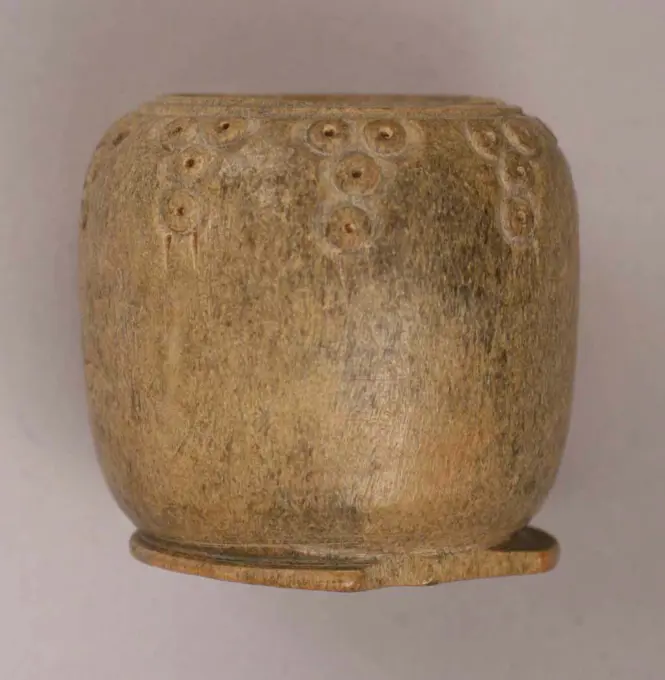
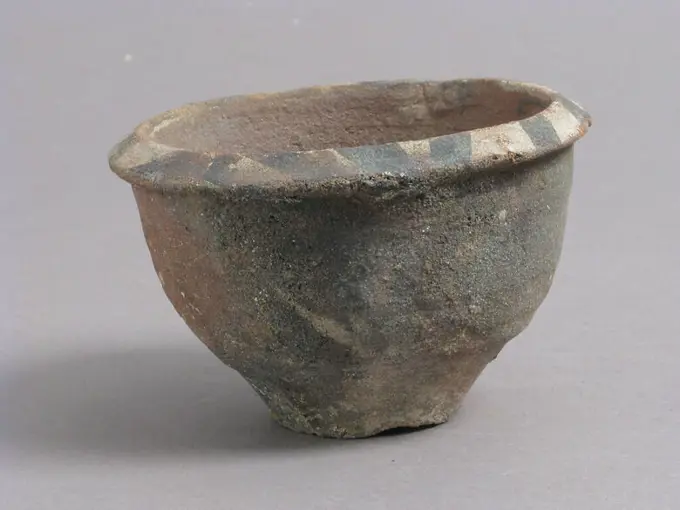
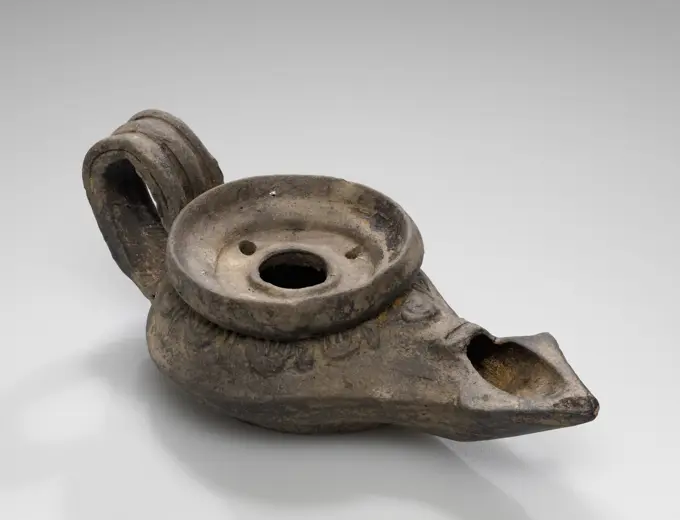
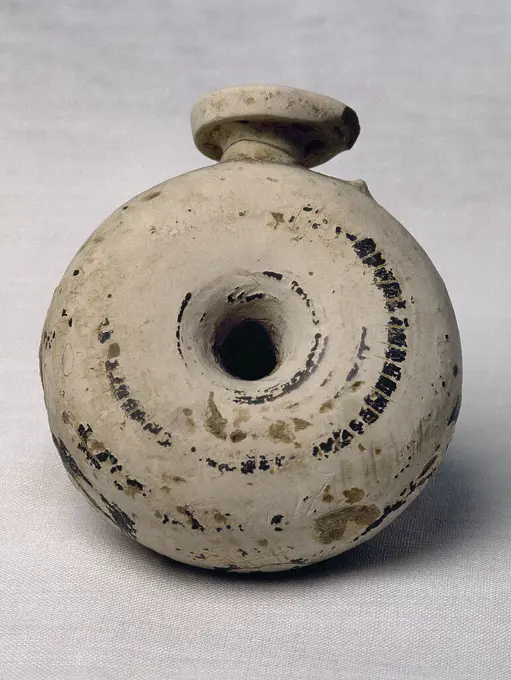
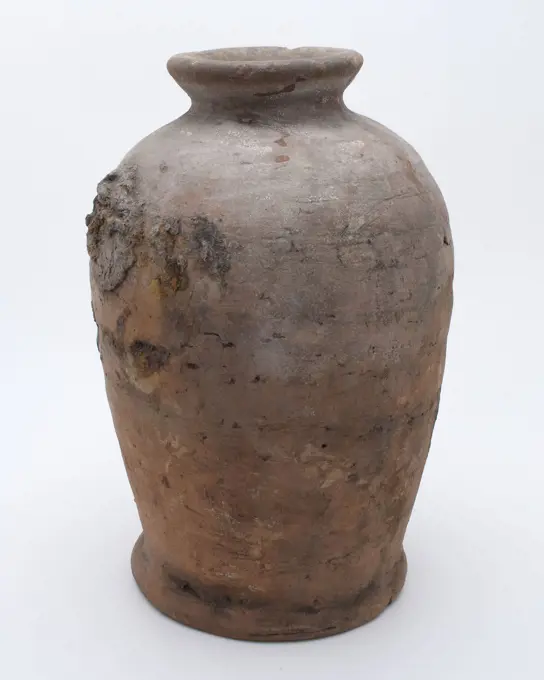
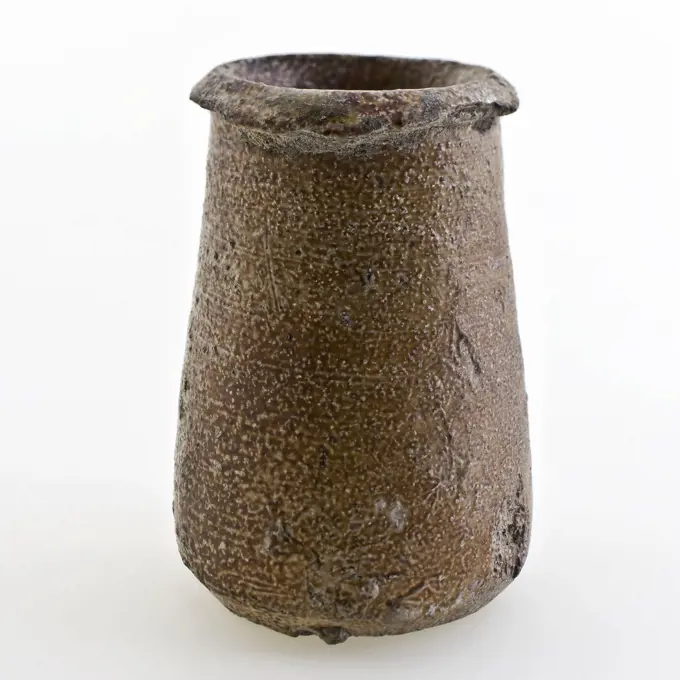
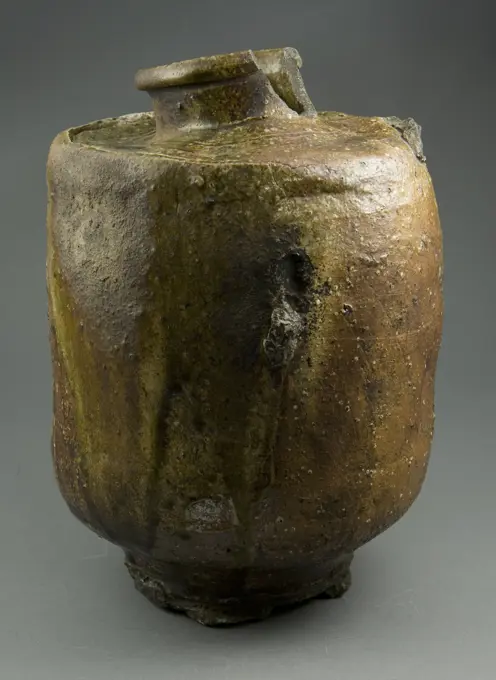
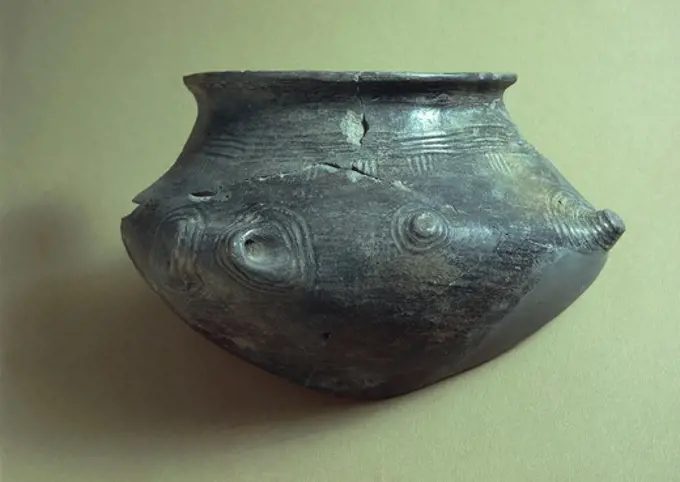
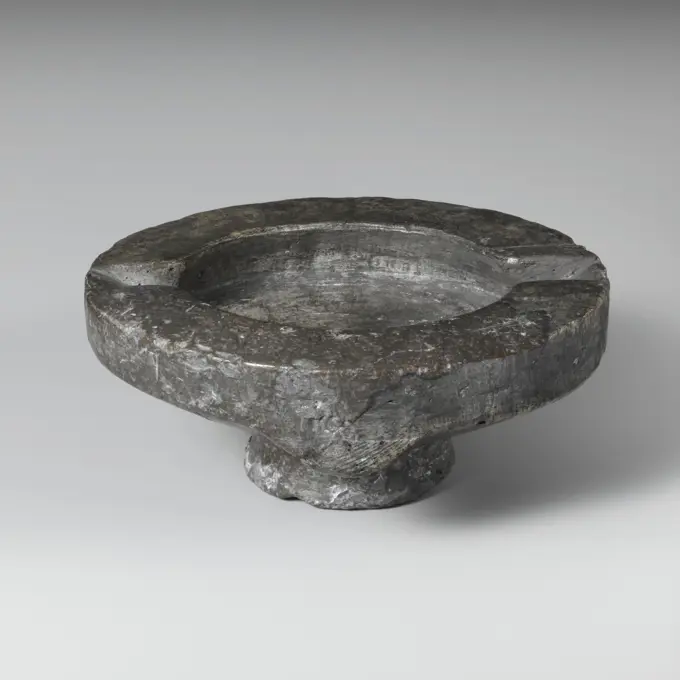
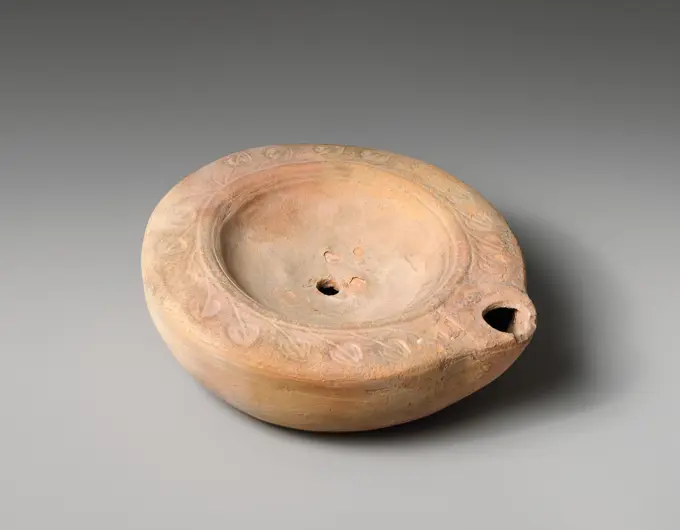
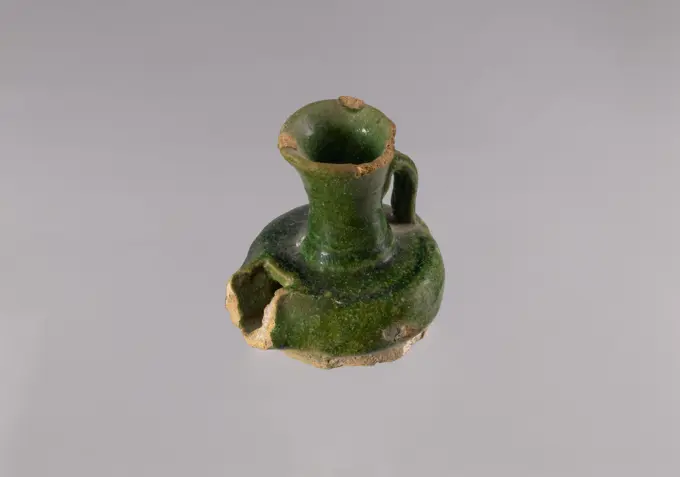
Collection of ancient ceramics including jars, bowls, and lamps from various cultures, showcasing intricate designs and historical significance.
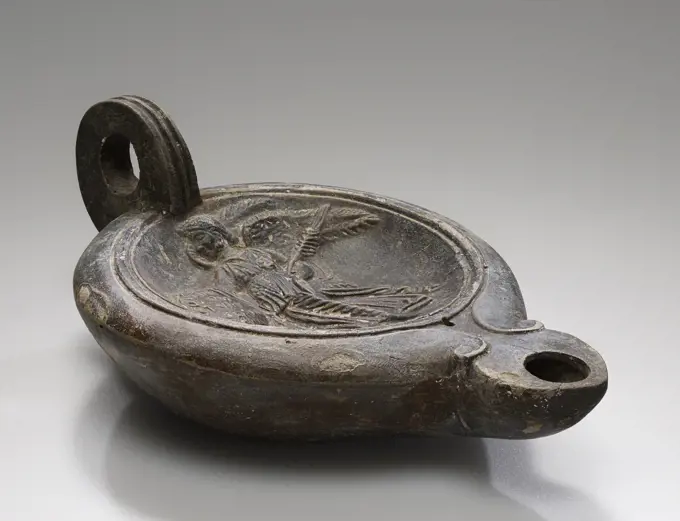
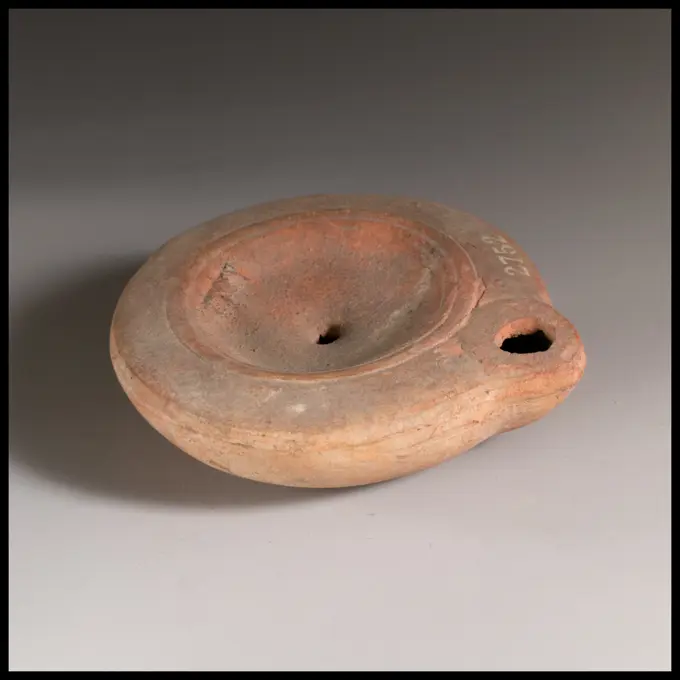
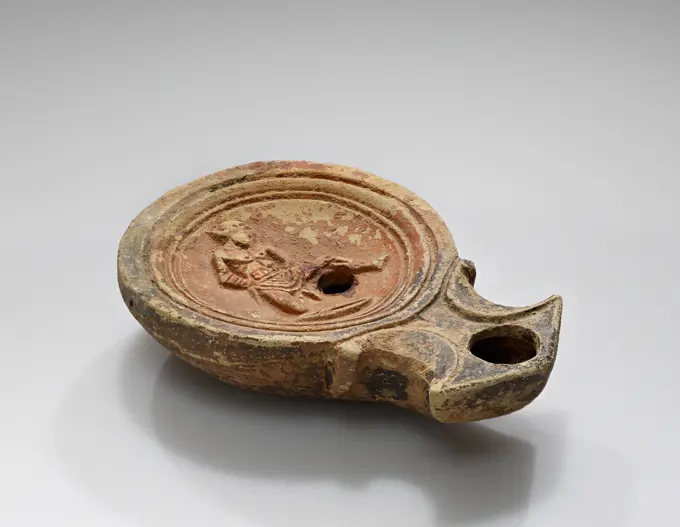
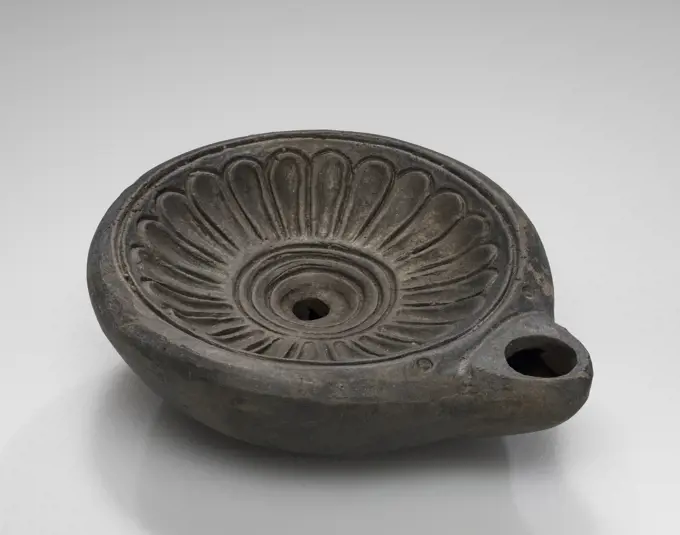
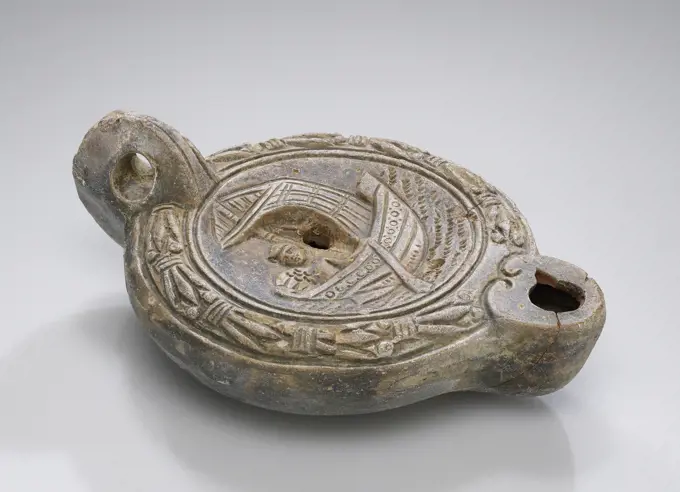
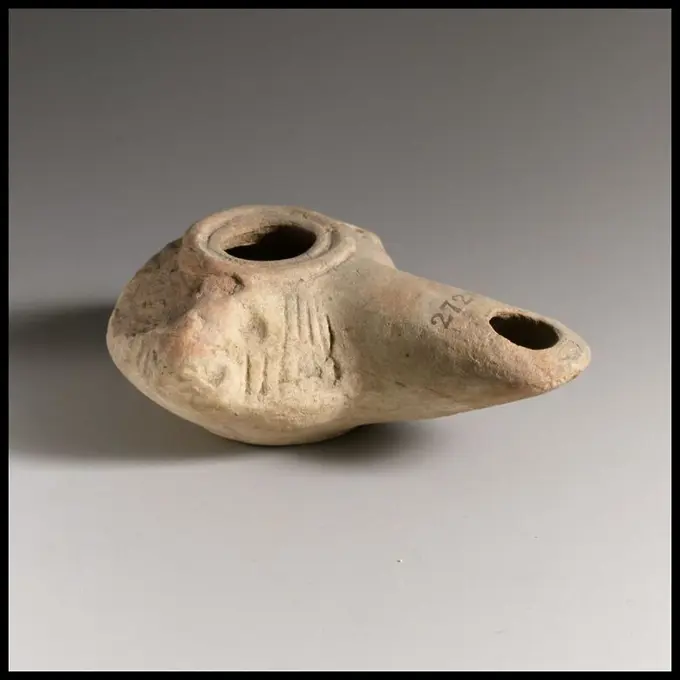
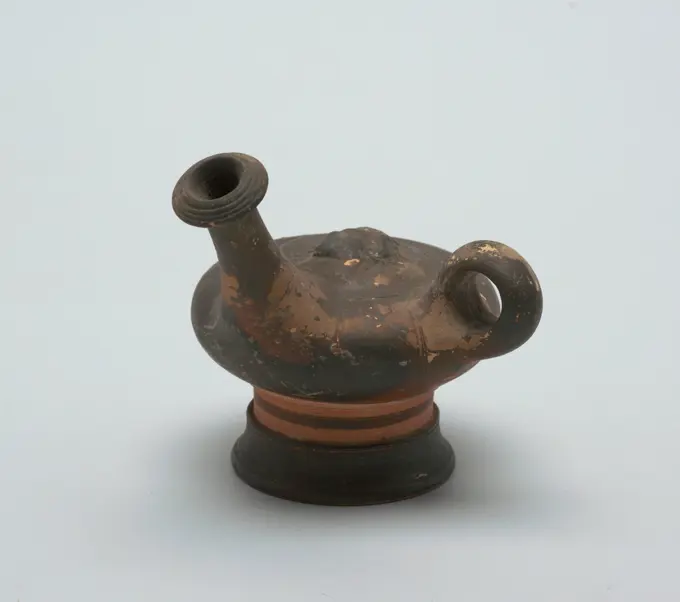
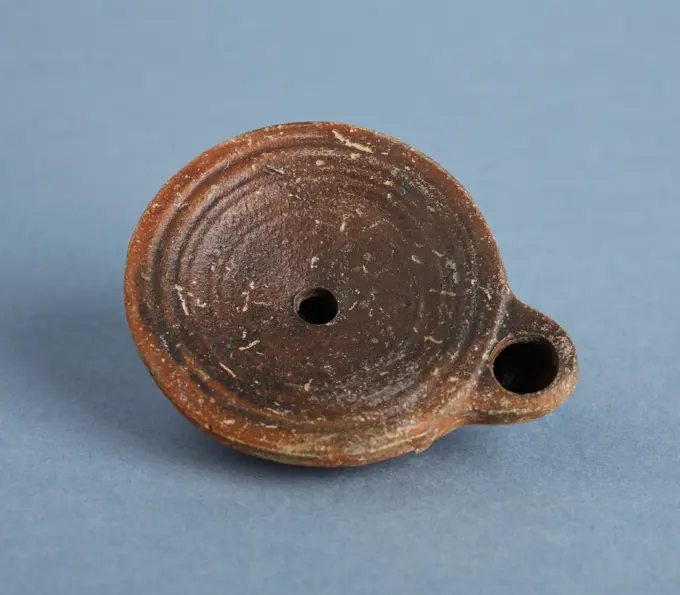
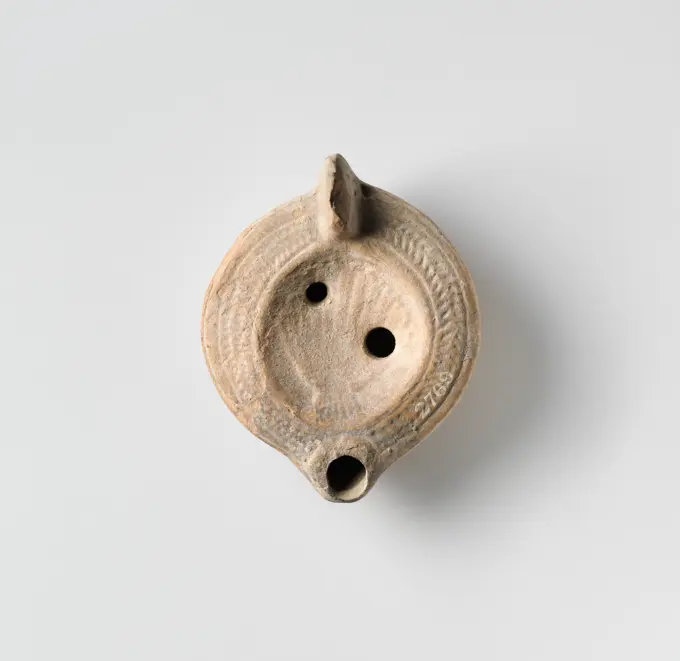
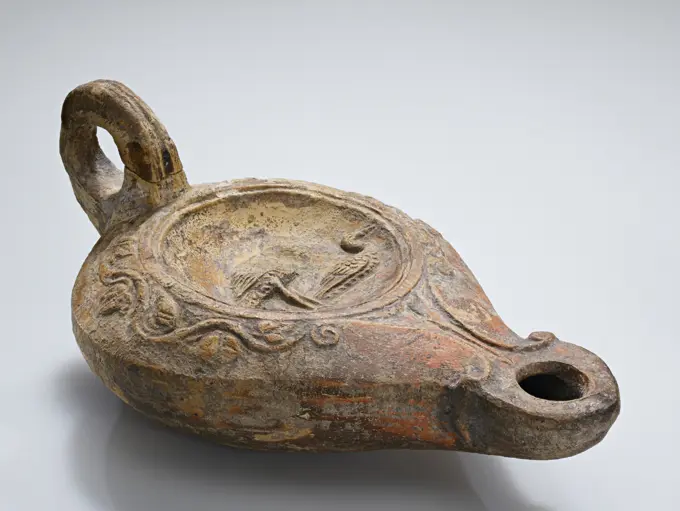
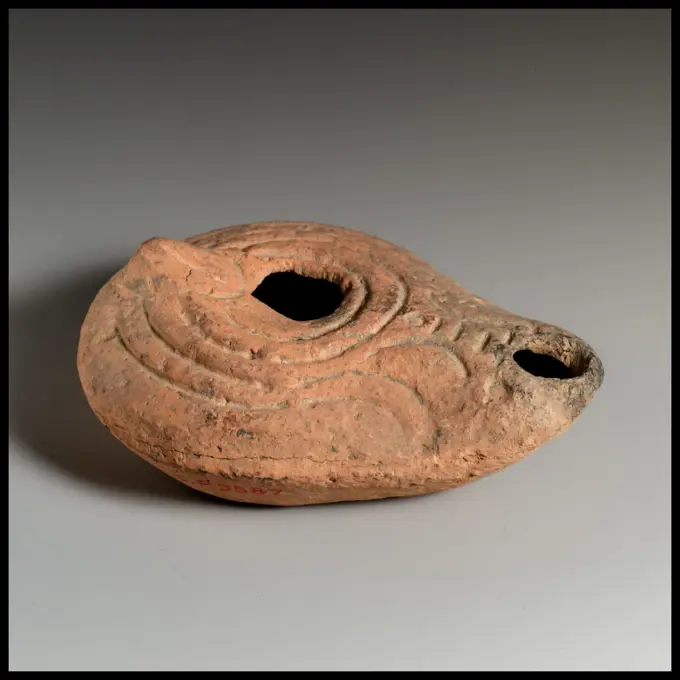
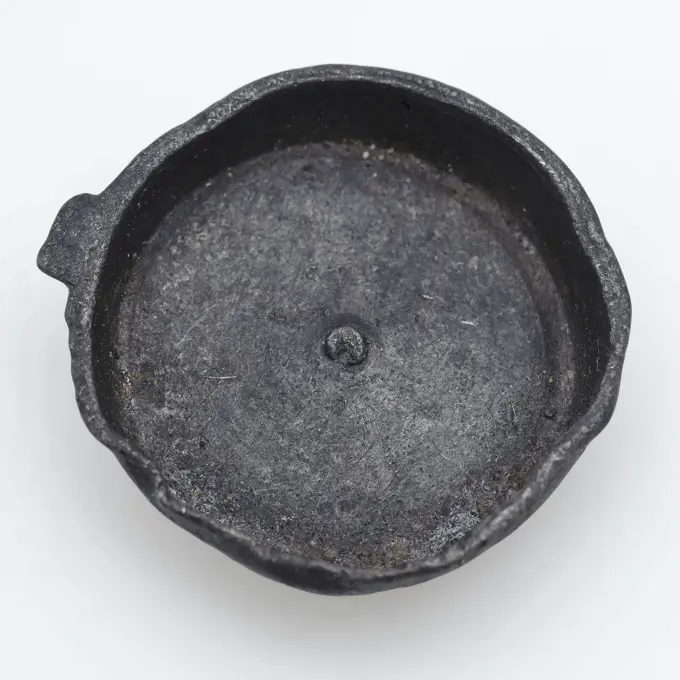
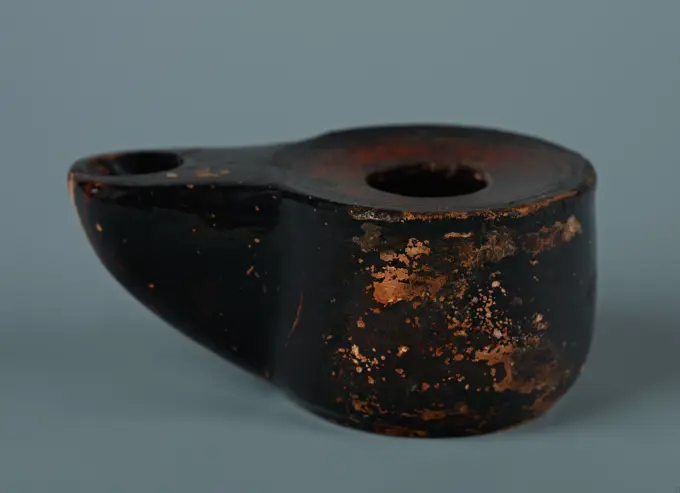
Lamp, Central Anatolia, Anatolia; 1st century B.C. - 4th century A.D; Terracotta; 4.3 × 10.5 × 16 cm (1 11,16 × 4 1,8 × 6 5,16 in.)
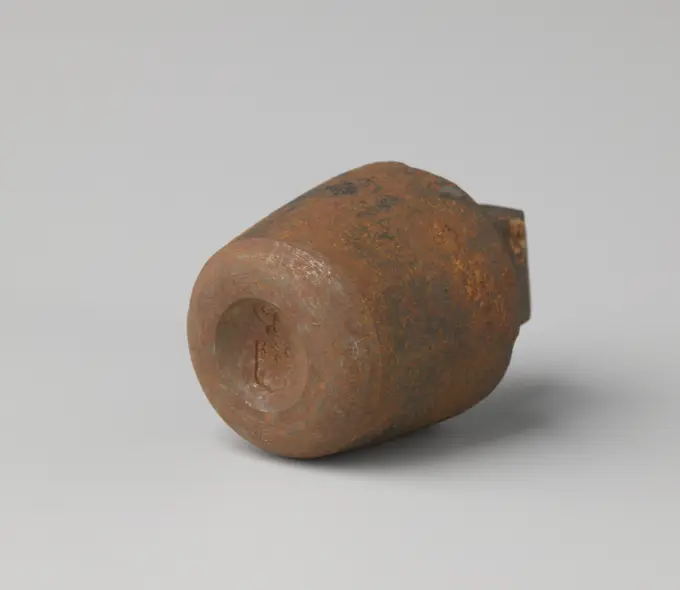
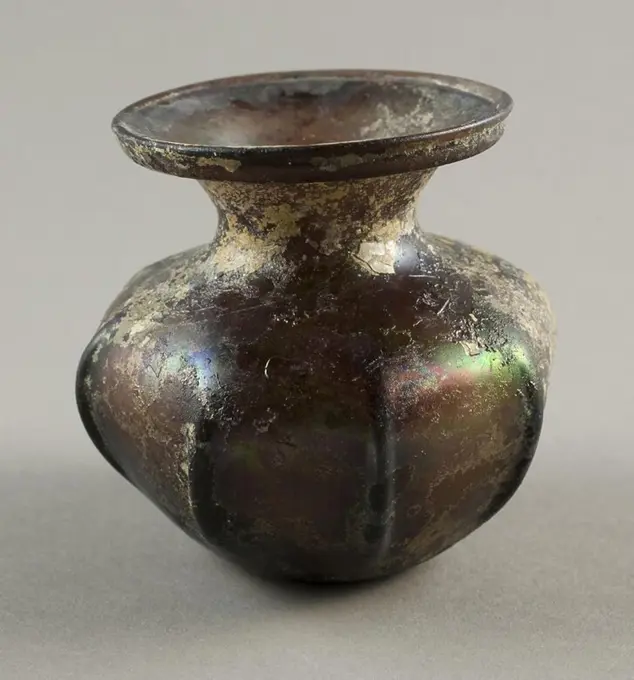
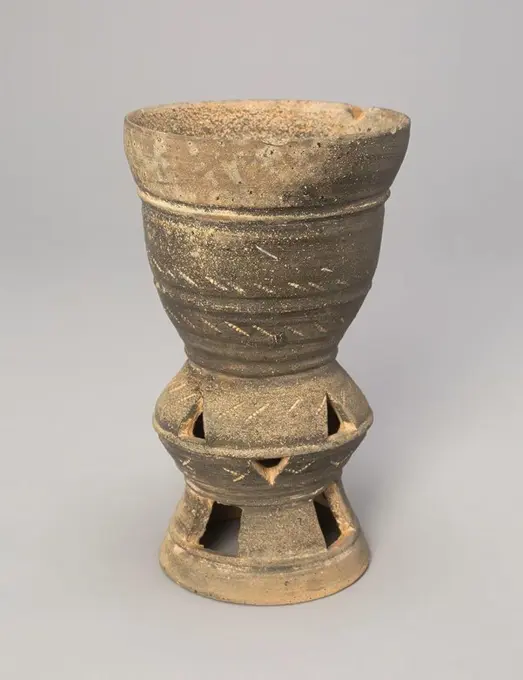
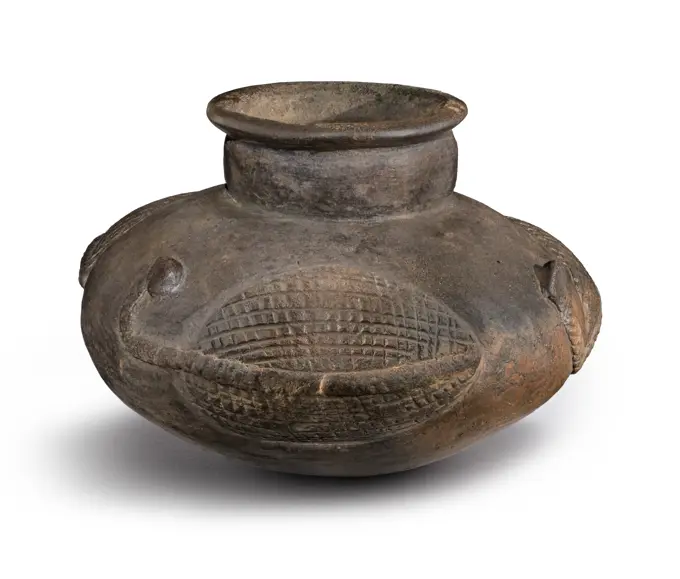
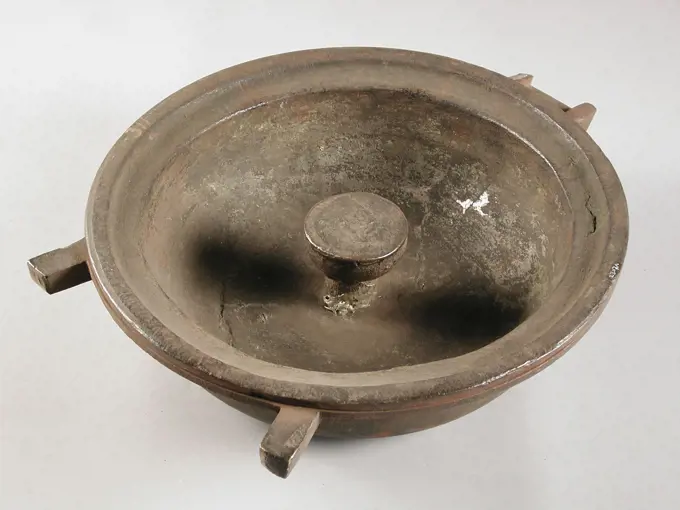
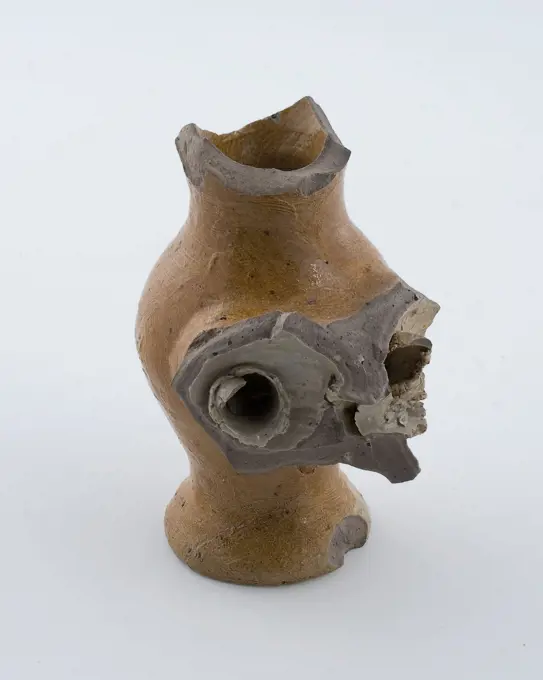
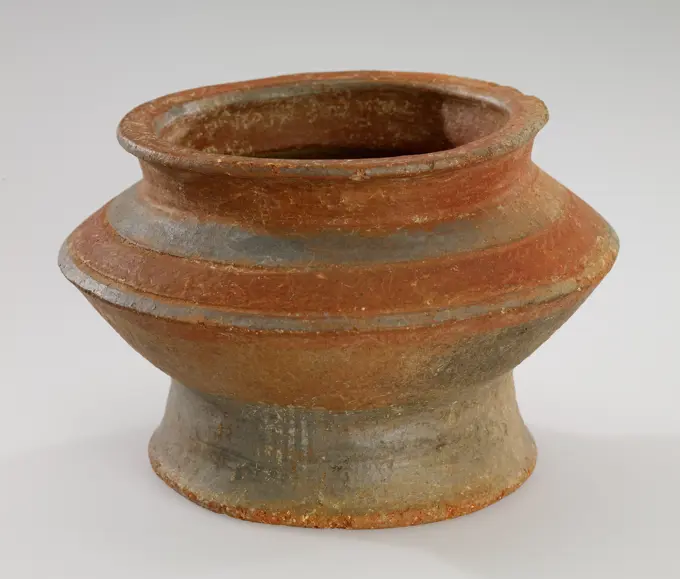
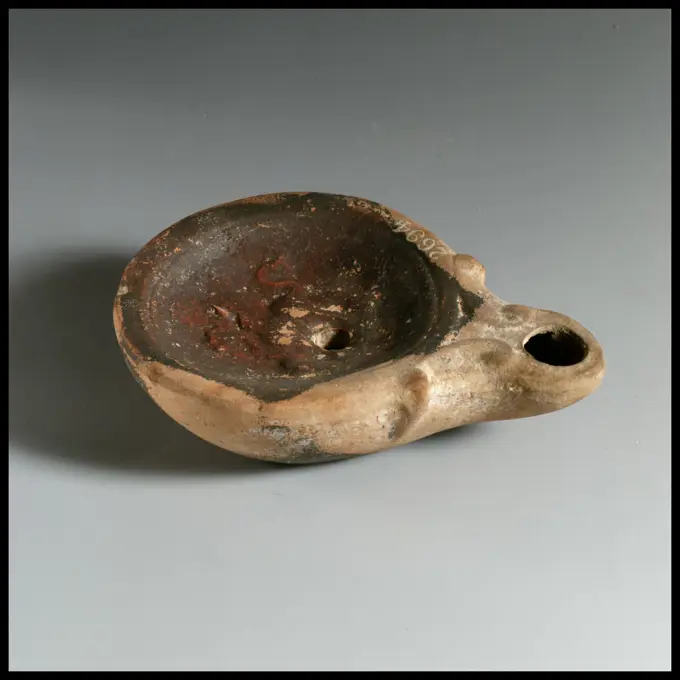
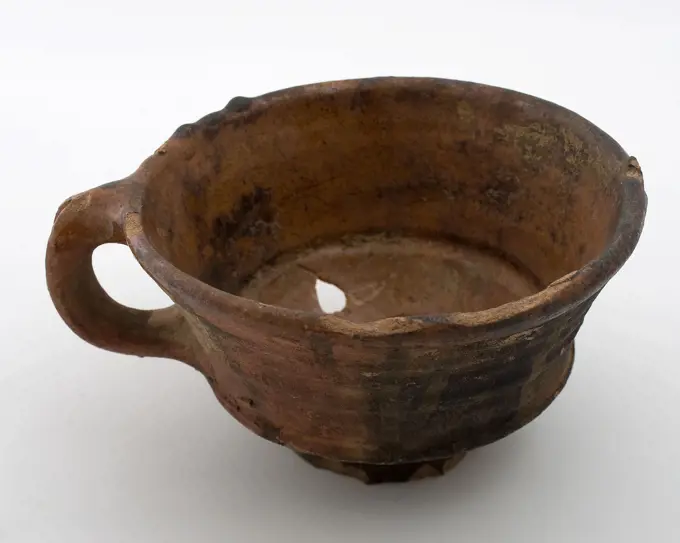
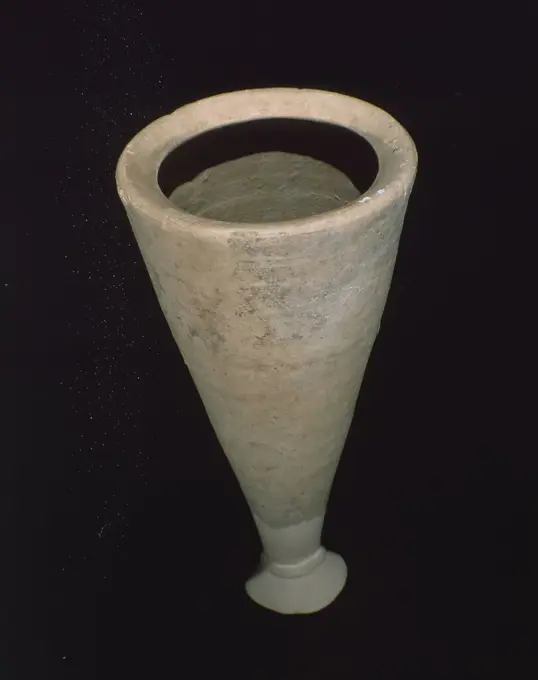
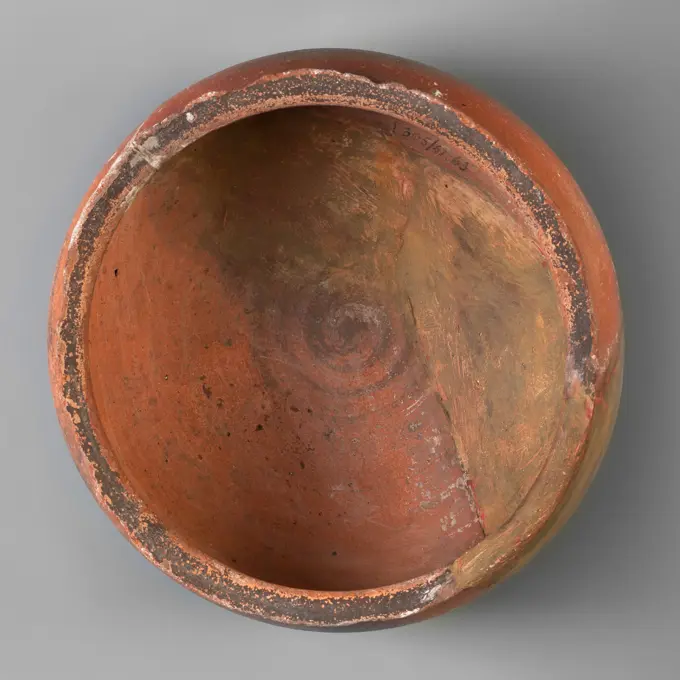
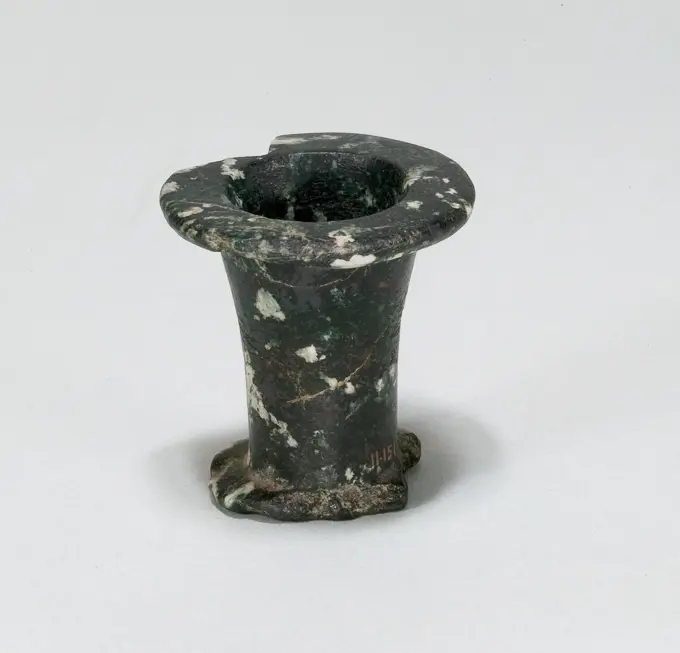
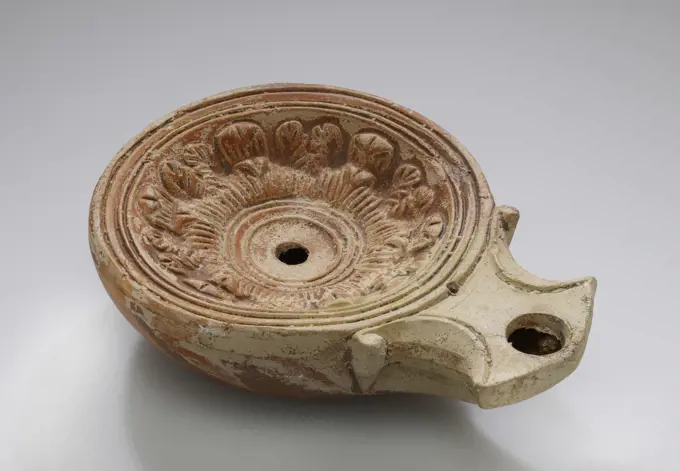
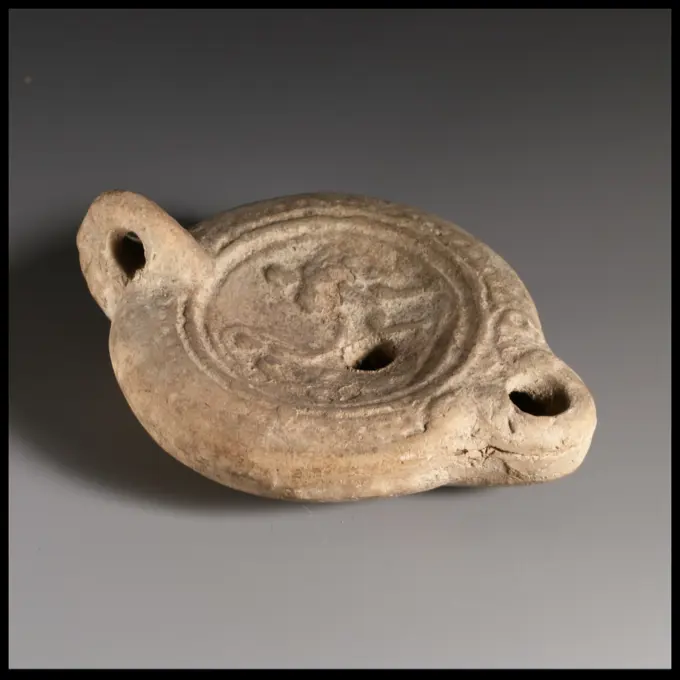
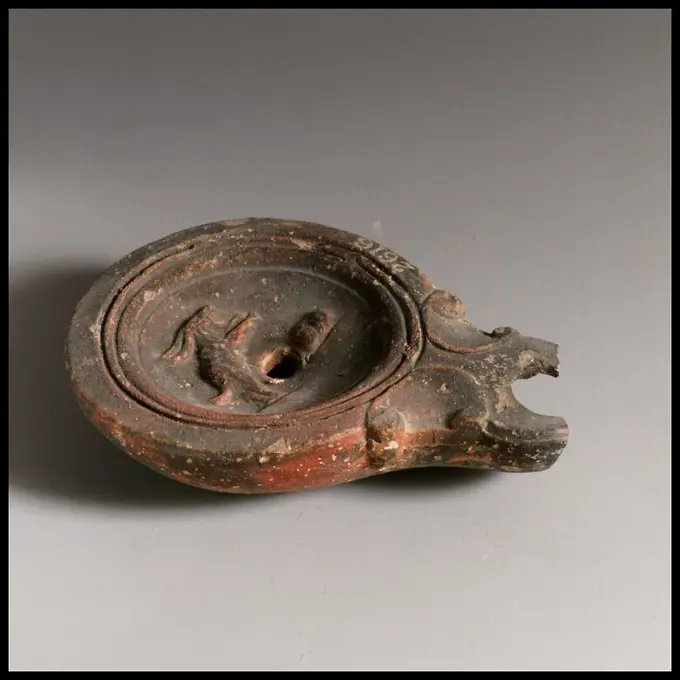
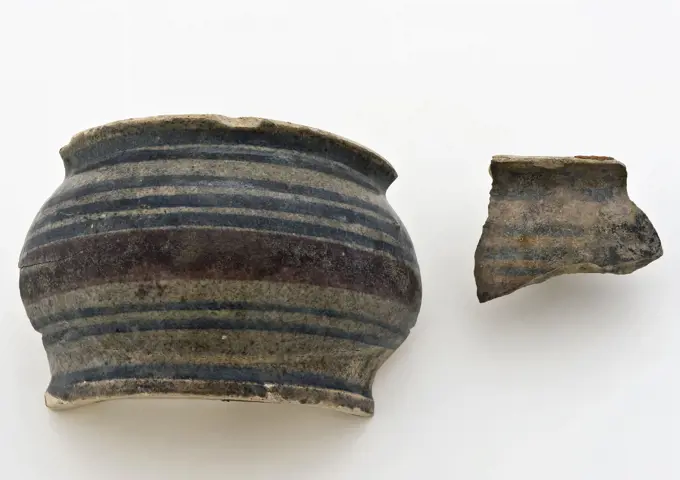
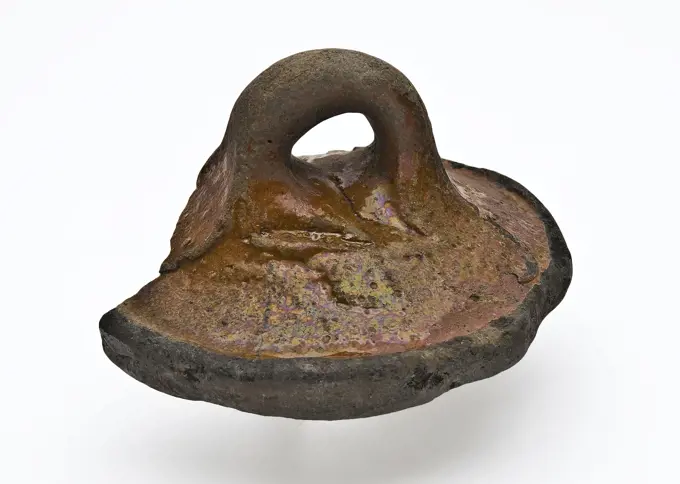
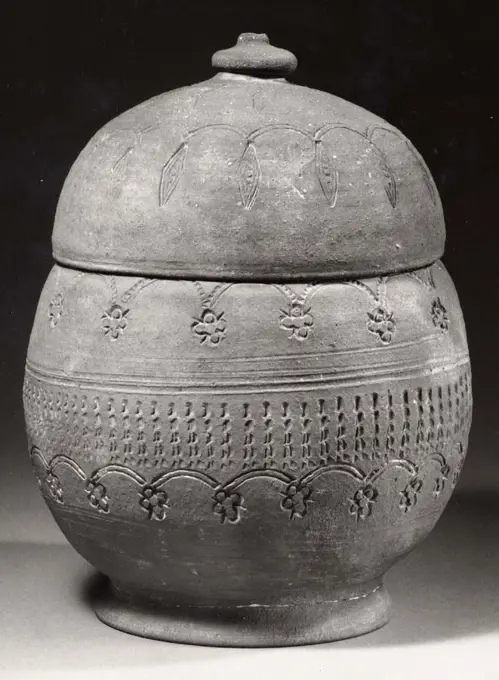
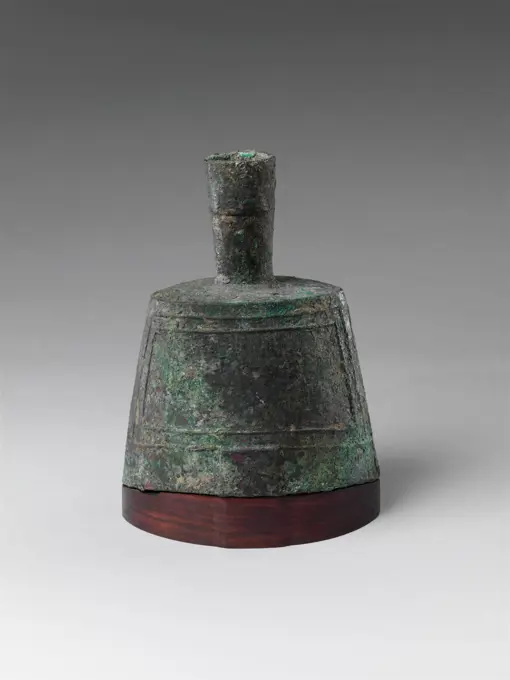
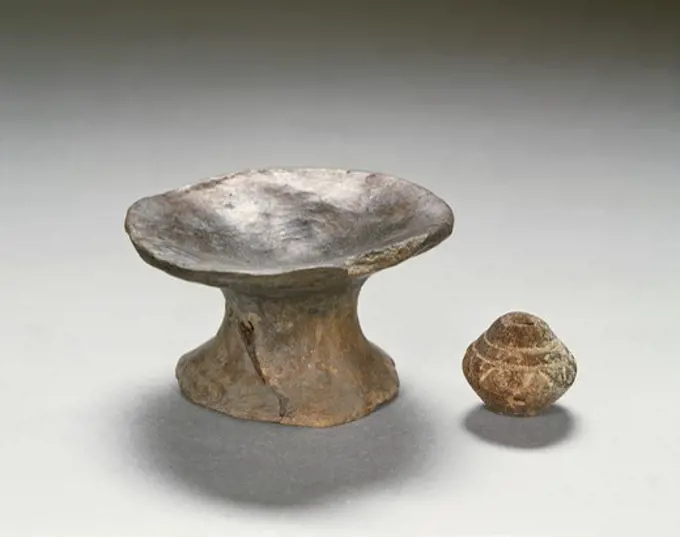
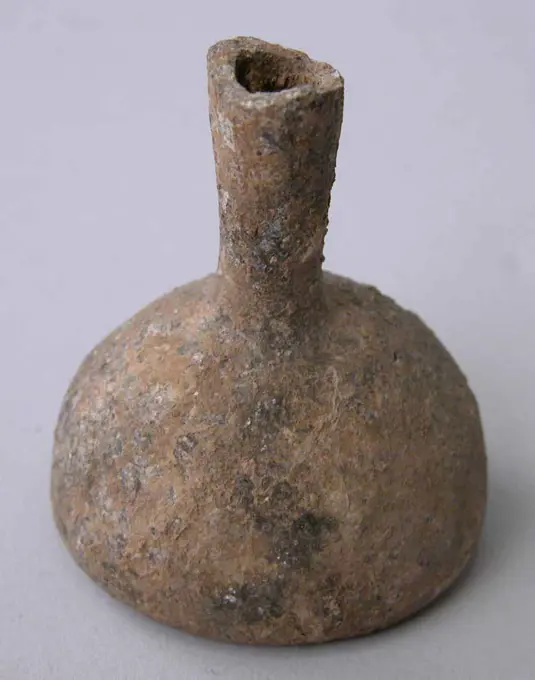
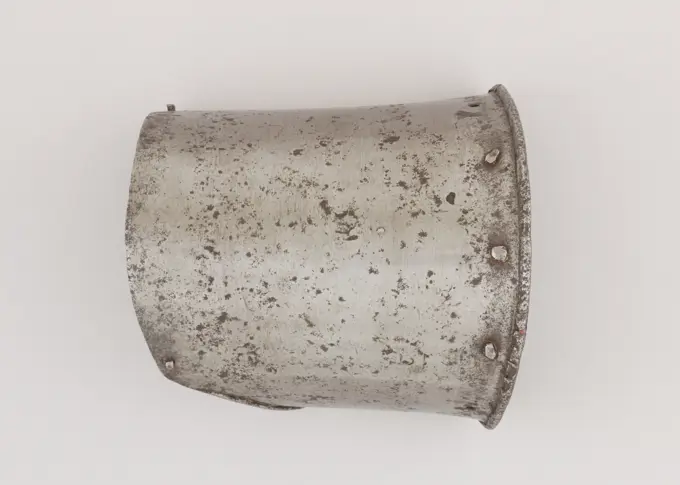
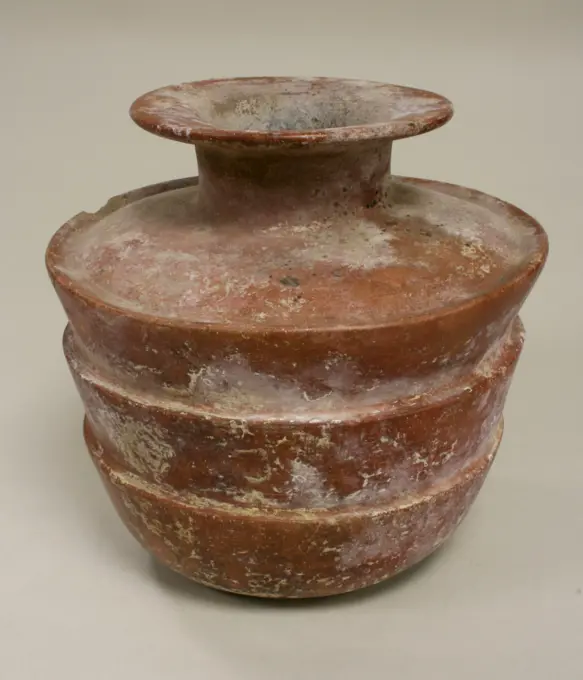
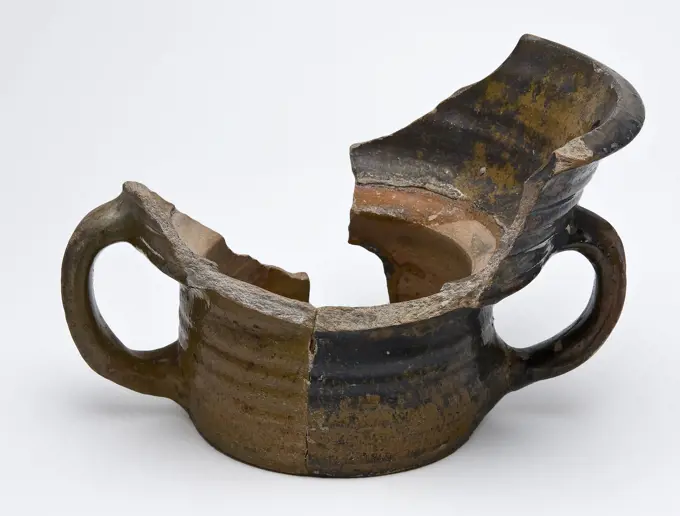
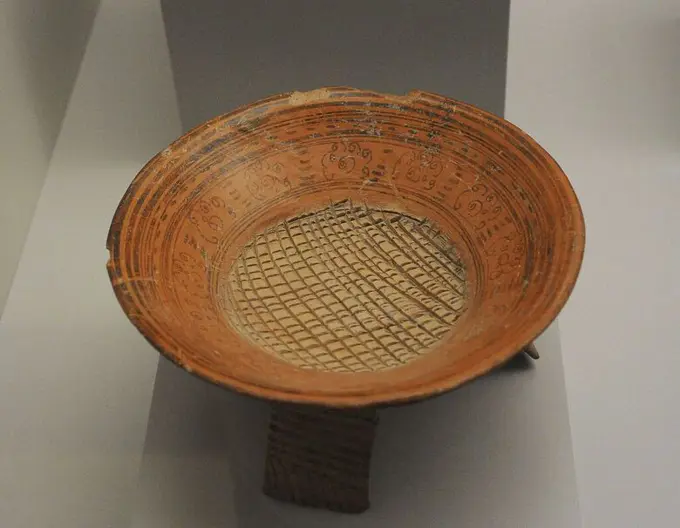
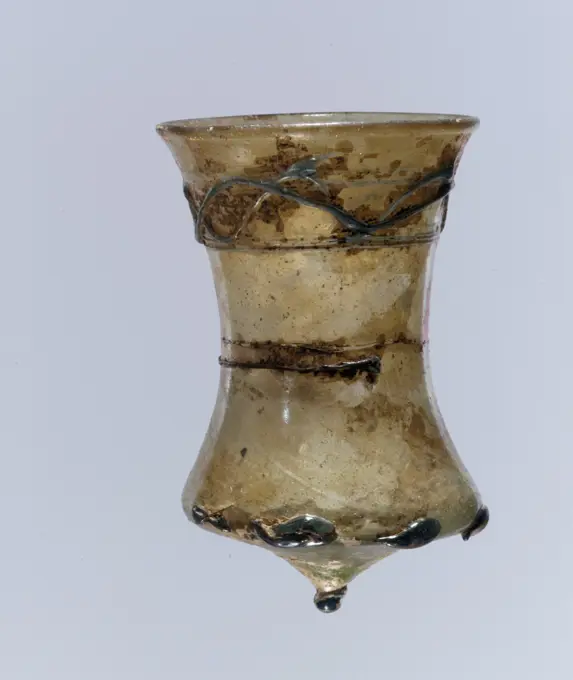
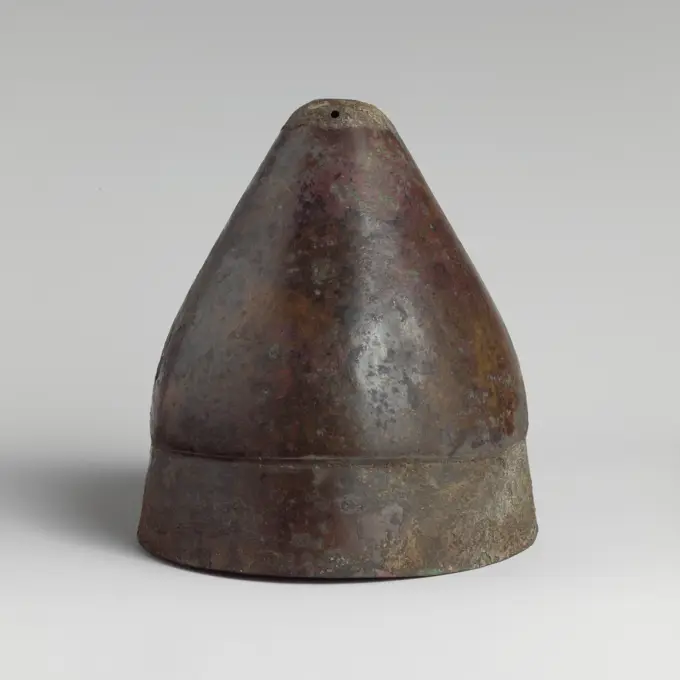
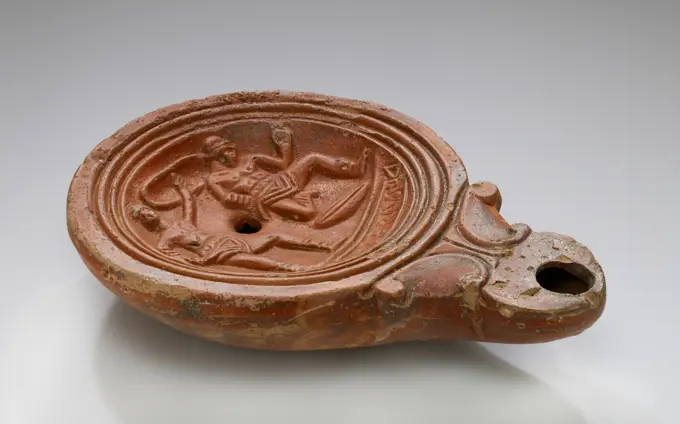
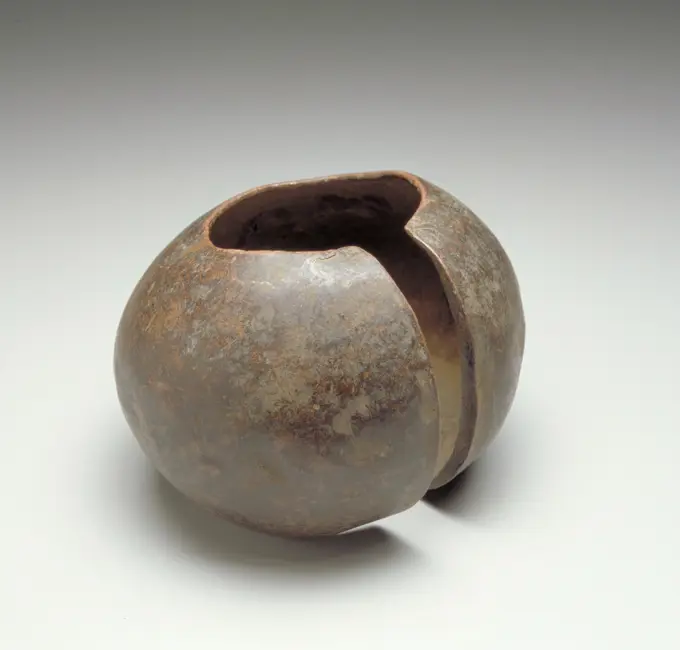
Currency (Kaba), 4 15/16 x 7 3/16 x 6 3/4 in. (12.54 x 18.26 x 17.15 cm), Bronze, copperLamp, Central Anatolia, Anatolia; 1st century B.C. - 4th century A.D; Terracotta; 4.3 × 10.5 × 16 cm (1 11,16 × 4 1,8 × 6 5,16 in.)Jar 3rd-12th century. Jar 442909Bowl. Culture: Coptic. Dimensions: Overall: 2 9/16 x 3 7/8 in. (6.5 x 9.9 cm). Date: 4th-7th century. Museum: Metropolitan Museum of Art, New York, USA.Lamp. UnknownCircular Covered Box 400 CE-599 CE Korea. Stoneware .Vase with lid. Brown coverage sandstone. Cernuschi Museum, Asia Museum of Asia in the city of Paris.Etruscan pottery. 7th-6th century BC. Ring-shaped aryballos. Decorated with concentric circles. Dimensions: 8 cm high, 7 cm in diameter. From Etruria. Museu del Perfum (Perfume Museum). Barcelona. Catalonia. Spain.Blackware Jar in the Form of a Bird Made 1200-1450 North Coast. Ceramic . ChimúBridge and Double Spout Bottle with Guilloche 7th-4th century B.C. Paracas. Bridge and Double Spout Bottle with Guilloche 308441Stamp of iron for the manufacture of Livreikknopen with the coat of arms of the Bijleveld family, Anonymous, c. 1880 Stamp of iron for the manufacture of Livreikknots of copper with the weapon of the Bijleveld family. Marked: Run Pope Run. Europe iron (metal) Stamp of iron for the manufacture of Livreikknots of copper with the weapon of the Bijleveld family. Marked: Run Pope Run. Europe iron (metal)Terracotta oil lamp 2nd century A.D. Roman Loeschcke Type 8. Mold-made. Discus: plain and concave, with small central filling hole, surrounded by narrow band of lines and grooves. Shoulder: undecorated and slightly sloping outward. Incised base ring, and slightly concave base.. Terracotta oil lamp. Roman. 2nd century A.D.. Terracotta. Mid Imperial. TerracottasLamp. UnknownJar. Roman; Syria or Ancient Mediterranean. Date: 101 AD-300 AD. Dimensions: H. 7.9 cm (31/16 in.); diam. 9 cm (3 1/2 in.). Glass, blown technique. Origin: Syria. Museum: The Chicago Art Institute, Chicago, USA.Pottery pot on stand, baluster shape, used in the sugar industry, sugar bowl pot holder soil find ceramic earthenware glaze lead glaze, hand-turned glazed earthenware pot on stand. Baluster shape with round shoulder and narrow neck opening. Thick and round neck edge Blurred spindles on the shoulder. Red shard internal glazed. Here sugar cones were made. Pot is slightly deformed and stands some unsteady archeology indigenous pottery sugar confectionery craft sugar industryVessel. Egypt, 10th or 11th century. Ceramics. Earthenware, glazedCup with Interior Rattle and Incised and Openwork Decoration. Korea. Date: 400 AD-499 AD. Dimensions: H. 14.5 cm (5 11/16 in.); diam. 8.5 cm (3 3/8 in.). Stoneware with natural ash glaze and incised decoration. Origin: Korea. Museum: The Chicago Art Institute, Chicago, USA.Bottle 18th-19th century. Bottle 447092Blackware Jar with Three Snails. Colombia, Nariño Highlands or Ecuador, Carchi, Nariño or Carchi, 750-1600 CE. Ceramics. Blackware ceramicJan van der Pol, Two-piece mold for plate or bowl with initials IVDP and 1753, mold casting tool tools kit metal-bronze bronze, cast Two-piece bronze mold for casting large deep plate or dish with reinforcement edge with decoration signed on top IDVP and year 1753 Rotterdam tin tinker tin tin Meeuws Druy artisan Shapes are from the originally 18th century Rotterdam tin jugger J Druy. The large molds that were not signed or dated were the property of the tinker guild and were rented to the small tin caster.Lamp. UnknownFragment stoneware triplet jug of gray earthenware with salt glaze, jug be found on the bottom of the earthenware stoneware glaze salt glaze, hand-turned molded glazed baked Part of stoneware triplet jar. Stand with soul. Holes in the abdominal wall and remains of two adjacent jugs that belonged to the whole. Light brown glazed Start of funnel-shaped neck still present archeology underground pit Rotterdam City center Stadsdriehoek Groenendaal indigenous pottery import grease oil spinning wool wool edit craft Soil discovery: underground pit Groenendaal 1977.06.16.Lamp, Central Anatolia, Anatolia; 1st - 2nd century; Terracotta; 3 x 8.2 x 9.8 cm (1 3,16 x 3 1,4 x 3 7,8 in.)Lamp. UnknownVASIJA DE LA CIVILIZACION DEL ARGAR - EDAD DEL BRONCE. Location: ARCHAEOLOGICAL MUSEUM. Valladolid. SPAIN.Oil LampTerracotta oil lamp. Culture: Roman. Dimensions: Overall: 7/8 x 3 5/8 in. (2.2 x 9.2 cm). Date: 1st century B.C.-1st century A.D.. Museum: Metropolitan Museum of Art, New York, USA.Lamp; Greece (Corinth); early 2nd century; Terracotta; 4.2 x 7.1 x 9 cm (1 5,8 x 2 13,16 x 3 9,16 in.)Jar, c. 5th-2nd century BCE, 4-11/16 x 7 x 7 in. (11.9 x 17.8 x 17.8 cm), Pottery, pigment, Vietnam, 6th-1st century BCELamp, North Africa; 1st - 4th century; Terracotta; 3 x 8.5 x 12.2 cm (1 3,16 x 3 3,8 x 4 13,16 in.)Terracotta oil lamp ca. A.D. 40-100 Roman, Cypriot Loeschcke Type 4. Mold-made. Discus: winged gryphon, facing left, standing on ground line, with right front leg raised to indistinct object (vase); a single filling hole at center towards bottom; faint band of lines and grooves towards edge. Volutes flanking rounded nozzle. Incised base ring, and slightly concave base.Intact.. Terracotta oil lamp. Roman, Cypriot. ca. A.D. 40-100. Terracotta. Early Imperial. TerracottasEmilia-Romagna Ferrara Ferrara Museo Civico di Schifanoia70. Hutzel, Max 1960-1990 General Notes: INCOMPLETE RECORD--NEGATIVES PROCESSED, PRINTS FILED German-born photographer and scholar Max Hutzel (1911-1988) photographed in Italy from the early 1960s until his death. The result of this project, referred to by Hutzel as Foto Arte Minore, is thorough documentation of art historical development in Italy up to the 18th century, including objects of the Etruscans and the Romans, as well as early Medieval, Romanesque, Gothic, Renaissance and Baroque monuments. Images are organized by geographic region in Italy, then by province, city, site complex and monument.Earthenware pap bowl, red shard, internally glazed, snapped bandoor at the top, on stand, papkom bowl crockery holder earthenware pottery earthenware glaze lead glaze, hand-turned glazed baked earthenware bowl bowl red shard inside covered with lead glaze topped pinched ring ring stand traces on the underside Rotary teeth archeology indigenous pottery food kitchen cooking prepare food drinkPottery pot on stand, baluster shape, used in the sugar industry, sugar bowl pot holder soil find ceramic earthenware glaze lead glaze, hand-turned glazed earthenware pot on stand. Baluster shape with round shoulder and narrow neck opening Red shard internal glazed Blurred spindles. Thirsty thick neckline Herein sugar cones were made archeology indigenous pottery sugar confectionery craft sugar industryStoneware ointment jar, conical model, entirely gray and brown speckled glazed, ointment jar pot holder soil find ceramic stoneware glaze salt glaze, hand turned glazed stoneware ointment conical model entirely gray and brown mottled glazed. Thick obliquely outward directed top edge. Stand surface coarse finished archeology health care indigenous pottery import pharmacy package store medicine drug sell craftLamp. Culture: Greek or Roman. Dimensions: Overall: 1 5/16 x 3 3/4 in. (3.3 x 9.5 cm). Date: 1st century B.C.-1st century A.D.. Museum: Metropolitan Museum of Art, New York, USA.Bottle 7th-8th century. Bottle 448721Oil Lamp 4th-7th century Coptic. Oil Lamp 478690Iga-ware Jar 1575-1599 Japan. Glazed stoneware .Askos; terra-cottaOil LampSmall Drum 500 B.C.-A.D. 300 Vietnam (North). Small Drum. Vietnam (North). 500 B.C.-A.D. 300. Bronze. MetalworkMortar 14th century. Mortar 450410Small stoneware jug with ear, thickened lip, on pinched foot, jug crockery holder soil find ceramic stoneware clay engobe glaze salt glaze, hand turned glazed baked stoneware jug gray shard light brown engobe and salt glaze protruding ring around the neck under the mouth rim rotations around neck and belly pinched foot. Small size with round belly and long slender neck archeology import pottery serve drink serve save containerFinial in the Form of a Vase with Pedestal BaseMUSEO-LAMPARITA DE ACEITE-CALIFAL S X-XI. Location: MEDINA AZAHARA / MADINAT AL-ZAHRA-MUSEO-CERAMICA. PROVINCIA. CORDOBA. SPAIN.Bowl without foot; Unknown Nubian workshop; 2. PO. VII-3. In. 10th century; early Christian period (651-00-00-975-00-00);Nubian ceramics, geometric decorations, bowls, nubian vessels, nubian dishes paintedPrehistory, Italy, Metal Age. Terramare culture. Biconical ceramic cinerary urn decorated with incised decoration.Steatite oil lamp ca. 1750-1450 B.C. Minoan Oil would have been placed in the bowl, and wicks could rest on the two cuttings in the rim. This is a good example of one of the most characteristic types of stone lamps that were made in the Neopalatial period.. Steatite oil lamp. Minoan. ca. 1750-1450 B.C.. Steatite. Middle Minoan III-Late Minoan I. Miscellaneous-Stone VasesTerracotta oil lamp 2nd century A.D. Roman Mold-made. Large, fairly deep body. Large, plain concave discus, with a single central filling hole, and a band of lines and grooves around edge; narrow, horizontal shoulder: impressed wreath of numerous leaves; short, round, nozzle. Faint incised base ring, and broad, concave base.Complete, but large crack on underside of body, and slight surface wear around nozzle.. Terracotta oil lamp. Roman. 2nd century A.D.. Terracotta. Mid Imperial. TerracottasPot ca. 9th century B.C. Iran. Pot 325620Glazed oil lamp. unknown, craftsmanSmall Ointment Vase (model) ca. 2000-1640 B. C. Middle Kingdom  This miniature vessel imitates the shape of an ointment jar of Dynasty 6. It was found with other small vessels (44.4.1-.3) and the figure of a woman (11.151.745) in a basket (called "toilet basket I" by the excavators) west of the pyramid of Amenemhat I at Lisht North where the basket - like another one ("toilet basket II;" see 44.4.4 and 07.228.19) - was deposited by itself and without a body. The majority of the objects in the group are dated to the late Middle Kingdom. The late Old Kingdom shape of this piece (compare 12.182.17) might suggest it was an heirloom.. Small Ointment Vase (model). ca. 2000-1640 B. C.. White speckled black stone. Middle Kingdom . From Egypt, Memphite Region, Lisht North, cemetery west of pyramid of Amenemhat I, so-called "toilet basket I," not with burial, MMA excavations, 1911-12. Dynasty 6 ()Lamp, North Africa; 1st - 4th century; Terracotta; 3 x 8 x 11 cm (1 3,16 x 3 1,8 x 4 5,16 in.)Terracotta oil lamp 2nd century A.D. Roman Loeschcke Type 8; ring handle. Mold-made. Discus: to right, standing male figure and, to left, female standing figure with veil over her head, holding hands. Impressed dot pattern on shoulder. Relief volutes flanking nozzle. On base, in Greek letters: WP/O()/Y. Pseudo-base-ring. Buff clay. Crack running along right side from handle and across front of nozzle.. Terracotta oil lamp. Roman. 2nd century A.D.. Terracotta. Imperial. TerracottasTerracotta oil lamp. Culture: Roman. Dimensions: Length: 3 1/2 in. (8.9 cm)Height: 7/8 in. (2.2 cm). Date: ca. A.D. 40-100.Loeschcke Type 4. Mold-made. Discus: at left, goat standing on its hind legs, facing right; at right, sleeping dog, facing left; both on separate, unaligned ground lines. Raised base ring, with footprint stamp at center. Museum: Metropolitan Museum of Art, New York, USA.Terracotta oil lamp ca. A.D. 200-350 Roman Loeschcke Type 8. Unpierced handle. Mold-made. Discus: scallop shell; two filling holes of different sizes; larger at right, and smaller at top left. Broad, slightly sloping shoulder with impressed wreath, flanked by two circular grooves. Faint, incised base ring, and concave base.Complete, but one chip in top right side of handle.. Terracotta oil lamp. Roman. ca. A.D. 200-350. Terracotta; mold-made. Late Imperial. TerracottasFragments of majolica ointment jar with polychrome decor, low stomach model, ointment jar apothecary jar holder fragment soil find ceramic earthenware glaze tin glaze lead glaze, hand turned baked glazed decorated baked Fragment of ointment jar with polychrome decor. Blue piping and wide manganese purple band across the belly. Low and wide model with belly. Stand with traces of traces Slightly protruding upper edge Internally covered with green lead glaze Dark discolored by staying in the bottom (). Small edge fragment, archeology Rotterdam IJsselmonde health care indigenous pottery ointment care medication medicine pharmacy handicraft packaging Soil discovery: Castle IJsselmonde pit 1 Rotterdam 1972.Jug 4th century B.C.-4th century A.D. Coptic. Jug. Coptic. 4th century B.C.-4th century A.D.. Earthenware. Made in Kharga Oasis, Byzantine Egypt. CeramicsFinial 11th-12th century. Finial. 11th-12th century. Bronze; cast and engraved. Attributed to probably Iran. MetalLamp, Central Anatolia, Anatolia; 1st century B.C; Terracotta; 2.7 × 6 × 10 cm (1 1,16 × 2 3,8 × 3 15,16 in.)Lamp. UnknownEarthenware lid, sausage ear, glazed, lid closure soil found ceramic earthenware glaze lead glaze, hand turned hand shaped glazed baked Round lid with thickened edge. Round handle Top glazed except edge and handle. Bottom: two deep finger impressions at the location of the handle. Red shard. Was part of cooking pot or grape. Recumbent sausage ear archeology Rotterdam rail tunnel cooking kitchen nutrition food preparation close sealing Soil discovery: rail tunnel Rotterdam.Covered Urn 8th-9th century Korea. Covered Urn 39510Miniature jar ca. 9th century B.C. Iran. Miniature jar 325622Bell 5th-3rd century BC China. Bell. China. 5th-3rd century BC. Bronze, wood. Eastern Zhou dynasty (770-256 B.C.), Warring States period (475-221 B.C.). MetalworkPot Fragment 4th-7th century Coptic. Pot Fragment 478740Incense Box: Seto Ware, 1200s-1300s. Japan, Kamakura period (1185-1333). Glazed stoneware; diameter: 6 cm (2 3/8 in.); overall: 3.5 cm (1 3/8 in.). Old Seto, also called Koseto ware, was typically coated with an ash glaze in the mineral feldspar, which produced a yellow or grayish-green glaze. This palette appealed to medieval Buddhist priests and samurai alike. The practice of burning incense in religious, court, and domestic settings dates from the early 700s in Japan.Copper Bush With Vent in Part Of An Iron Gun. Small part of the soul of a cannon, sawn to different sides, to make the small, slightly conical copper bus visible, making the zund hole drilled.Prehistory, Italy, Iron Age. Villanovan culture. Plate and spindle whirl. From the necropolis of Le Rose of Tarquinia, province of Viterbo.Lazio Latina Sezze Antiquarium Comunale71. Hutzel, Max 1960-1990 German-born photographer and scholar Max Hutzel (1911-1988) photographed in Italy from the early 1960s until his death. The result of this project, referred to by Hutzel as Foto Arte Minore, is thorough documentation of art historical development in Italy up to the 18th century, including objects of the Etruscans and the Romans, as well as early Medieval, Romanesque, Gothic, Renaissance and Baroque monuments. Images are organized by geographic region in Italy, then by province, city, site complex and monument.Bottle 7th-8th century. Bottle 448714Terracotta oil lamp 3rd century A.D. Roman Vessberg Type 19. Mold-made, with applied conical handle. Sharply carinated body; central filling hole, surrounded by a raised circle; on shoulder, pattern of parallel, incised grooves around sides and back, and a pattern of impressed dots and short lines behind wick hole with raised rim; channel to wick hole. Flat base with two concentric grooves and a central dot.Intact. The wick hole has been crudely formed in the central, plain discus.. Terracotta oil lamp. Roman. 3rd century A.D.. Terracotta. Late Imperial. TerracottasPot 10th-12th century A simple utilitarian object, but of admirable proportions.. Pot. 10th-12th century. Stone; carved. Excavated in Iran, Nishapur. StoneJar ca. 2000 B.C. Elamite. Jar 324305Pottery ointment jar, conical model, red shard, unglazed, ointment jar pot holder soil find ceramic pottery, hand-turned baked Pottery cream jar red shard unglazed. Conical model Narrowing over the foot. Outstanding sloping top edge Stand area archeology health care indigenous pottery store pharmacy sell craftTerracotta oil lamp ca. A.D. 40-100 Roman, Cypriot Loeschcke Type 4. Mold-made. Discus: winged Eros, with top knot on hair, walking to right, facing front, with proper left arm raised and right down by side; a single filling hole at center bottom; broad band of lines and grooves around edge. Volutes flanking rounded nozzle. Incised base ring, and slightly raised, flat base.Intact.. Terracotta oil lamp. Roman, Cypriot. ca. A.D. 40-100. Terracotta. Early Imperial. TerracottasToys, tin frying pan, short rim and stem, pan holder miniature toy relaxant soil find tin metal, molded Toy frying pan. Flat mirror and almost straight raised edge Remainder of stem along the edge archeology Rotterdam rail tunnel indigenous tin child play child's play Soil discovery: trajectory rail tunnel Rotterdam.Pendant. UnknownBellBowl ca. 9th century B.C. Iran. Bowl. Iran. ca. 9th century B.C.. Ceramic. Iron Age II, Hasanlu Period IV. Iran, HasanluCollapsed fused bottle, bottle holder ceramic stoneware, fire brigade fire P.H. Tromp sugar factory industry sugar Rotterdam City center Stadsdriehoek Leuvehaven Fire in Leuvehaven at the steam sugar refinery of P.H. Tromp in 1849.Prehistoric art. Bronze age. Copper Cauldron. Mine from Cabarceno. Reginal Museum of Prehistory and Archaeology. Santander. Cantabria.Lazio Viterbo Viterbo Museo Civico41. Hutzel, Max 1960-1990 Views of paintings (Middle Ages through 18th c.), frescoes, a tabernacle, coffin, sculpture reliefs, portal fragments, busts, sculpture, tapestry found in the Pinacoteca, Second floor gallery and Second floor cloister sequences. Antiquities: Many views of Etruscan and Roman fragments, sculpture, sarcophagi, pottery, masks, jewelry and other objects found in the Storeroom sequence (inventory numbers on back of prints), and the Cloister, Second floor Cloister, Valle Giulia, Sala Romana and Sala Etrusca sequences. General Notes: There are eight separate numerical sequences for this location. The cloister as an architectural structure, rather than museum site, is documented in the record and file for S. Maria della Verita, Cloister, all views of which are stored in Medieval core collection. Five views from the Museo Civico Second floor cloister sequence are stored in Medieval. German-born photographer and scholar Max Hutzel (1911-Linga 11th-12th century() Nepal (Kathmandu Valley). Linga 37446Upper Arm Defense (Rerebrace) ca. 1430-40 Italian This is part of a large find of medieval armor discovered in 1840 in the ruins of the fortress of Chalcis, on the Greek island of Euboea (then a Venetian colony called Negroponte). The fortress had been captured and destroyed by the Turks in 1470. Now divided largely between the Ethnological Museum, Athens, and The Metropolitan Museum of Art, the Chalcis hoard contains many rare and unusual elements of fourteenth- and fifteenth-century armor. Of particular importance are the variety of headpieces and the many fragments of brigandines (armor for the torso constructed of small plates riveted to layers of fabric), some of which retain portions of their original velvet covering. The Chalcis armor provides a unique picture of the armament used in the Aegean, one of the easternmost military outposts of the Venetian empire.. Upper Arm Defense (Rerebrace) 23133Jar 2nd century B.C.-A.D. 3rd century Colima. Jar 312570Fragment of earthenware stove or stain of red earthenware, mortar model, chafing heater fragment earthenware ceramics earthenware glaze lead glaze, hand turned set pierced glazed baked Red earthenware yellow brown glaze inside partially with black spots two ears hole in the wall rotations. Stove or brazier in the form of mortar archeology Valckensteyn Poortugaal Albrandswaard indigenous pottery kitchen cooking stoves heating popping fuel fire Soil discovery: canal at kitchen castle Valckensteyn at Poortugaal now Albrandswaard 1961Vial. unknown, craftsmanPewter cup, cup holder soil found tin metal, poured Pewter cup Conical shape stand. Remnants of narrow standing ear. Decorated with double circumferential grooves above the foot and under the edge of archeology serving drinkTripod plate. Painted ceramics. Aztec culture. Tlatelolco Phase. Late Postclassic Perid (1250-1520 AD). Central Mexico. Museum of the Americas. Madrid, Spain.Oil LampStoneware field bottle on oval base, with carrying strap and four ears on the sides, flask holder soil find ceramic stoneware glaze salt glaze leather, stand 8.8 hand-turned glazed baked Stoneware field bottle gray shard brown salt glaze four round bandors or row drills placed on the side. On one side number of profile rings Learning new carrying strap Flat and round in shape on fixed standing foot archeology Rotterdam import pottery drink water transport archaeological find in the soil Rotterdam.Pod-Shaped Whistle A.D. 300-1000 Peru; north or central coast (). Pod-Shaped Whistle 308943Bell Beaker 5th century Frankish. Bell Beaker 468979Bronze pilos (helmet of conical shape) 5th century B.C. or later Greek The type of helmet known as a pilos is derived from a felt cap of similar shape, often included in depictions of herdsmen and others who worked outdoors.. Bronze pilos (helmet of conical shape) 248012Terracotta oil lamp. Culture: Roman. Dimensions: Overall: 1 7/8 x 4 1/2 in. (4.8 x 11.4 cm). Date: 1st century B.C.-1st century A.D..Loeschcke Type 4. Mold-made, with ring handle. Plain, concave discus; a single filling hole at center and with a raised circle at edge of discus. On sloping shoulder, a pattern of impressed leaves. Volutes flanking nozzle, with an obscure decorative element between volutes at back. Impressed ring base, and a slightly concave base.Intact. Museum: Metropolitan Museum of Art, New York, USA.Tea jar with cover ca. 1745 Japan. Tea jar with cover. Japan. ca. 1745. Shigaraki ware. Edo period (1615-1868). CeramicsBowl. Bowl. Silver. Gold and SilverLamp. Unknown