Ancient Decorative Fittings

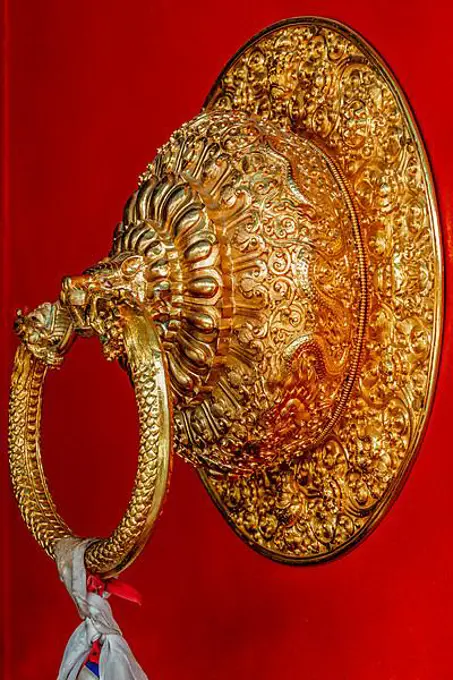
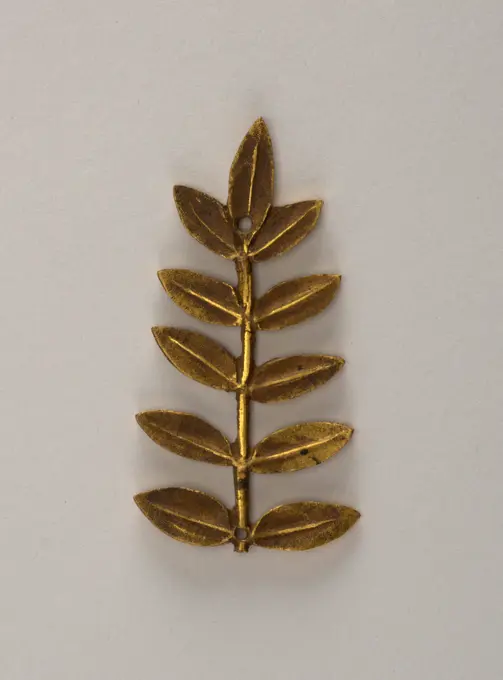
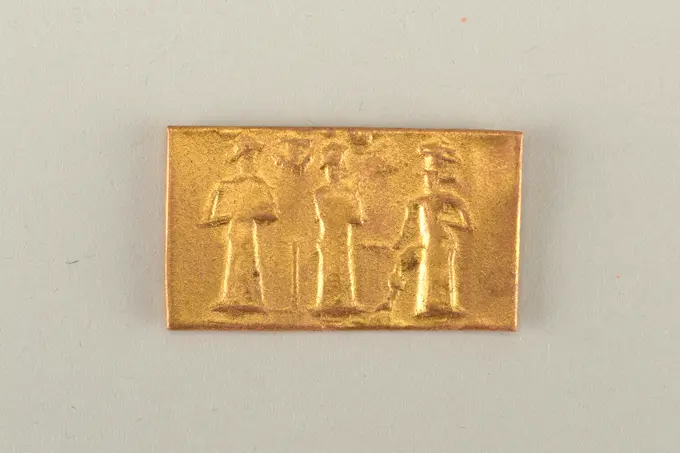
Gold clasps and fittings from Central Asia, showcasing intricate designs used for clothing and horse trappings, symbolizing status and wealth.

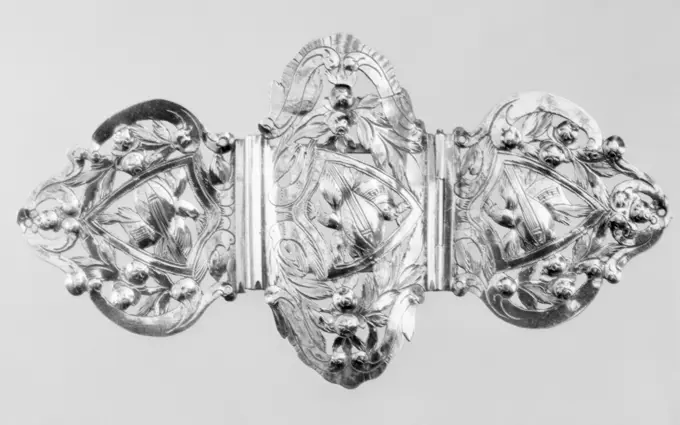
Silver, Bartholomeus Smits, 1791 Silver sprinkle with an oval container. The container is open with a symmetrical pattern. The powerfully curved stem is at right angles to one of the long sides and is crowned with a bird. Schoonhoven silver (metal) Silver sprinkle with an oval container. The container is open with a symmetrical pattern. The powerfully curved stem is at right angles to one of the long sides and is crowned with a bird. Schoonhoven silver (metal)
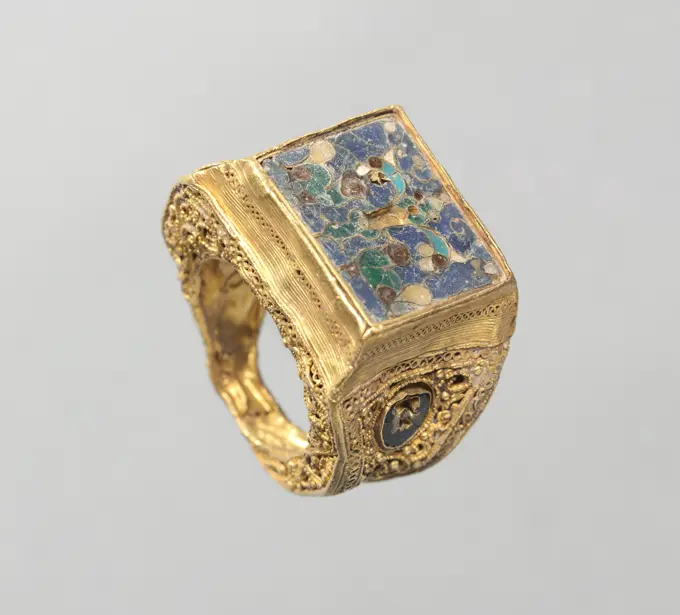
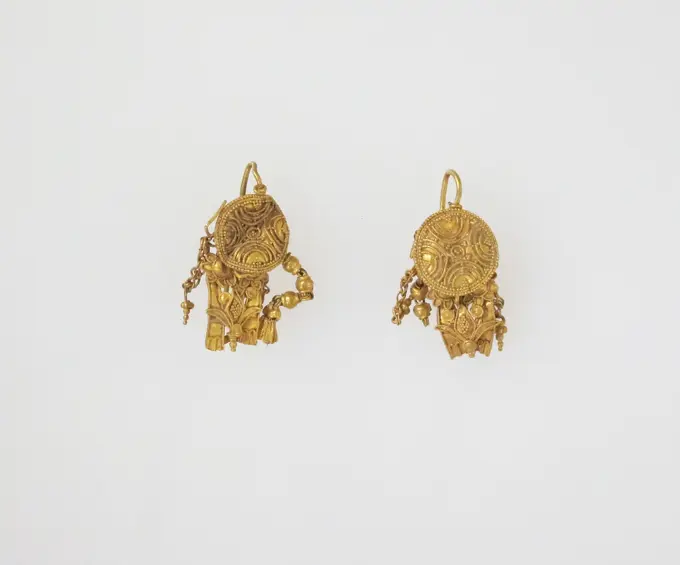
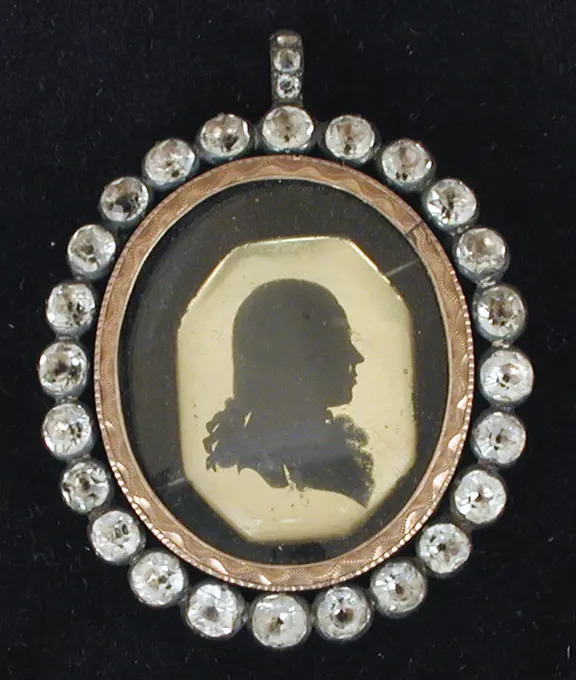
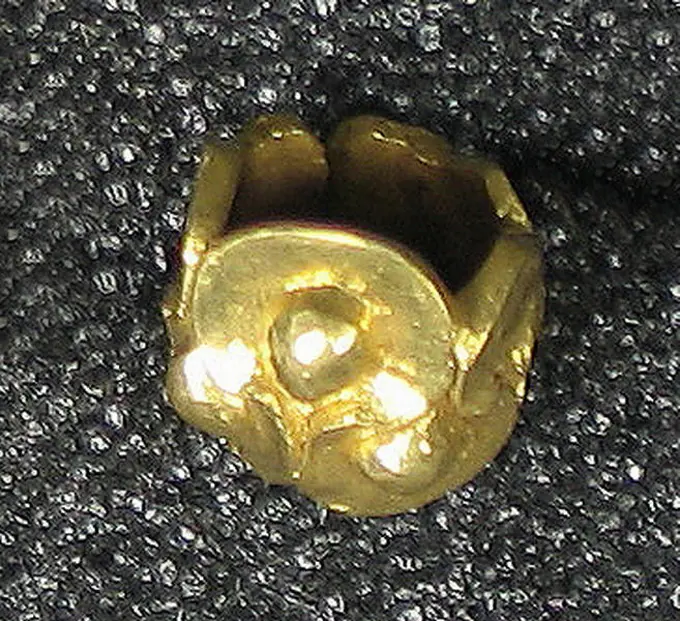
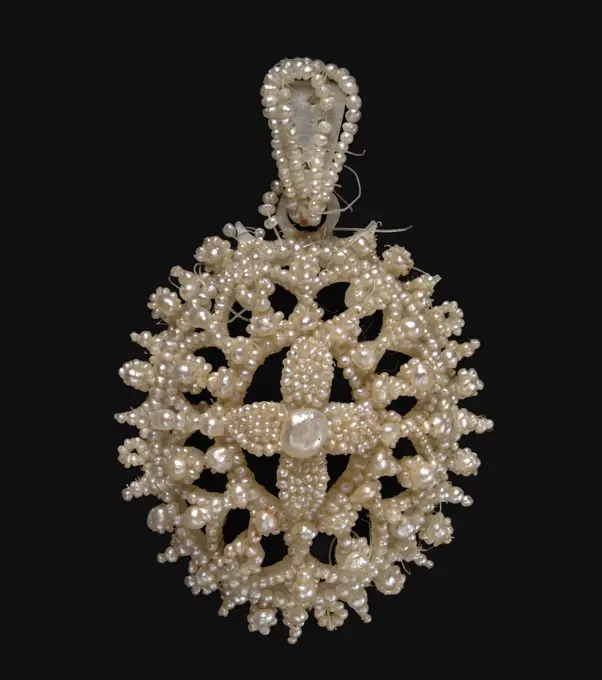
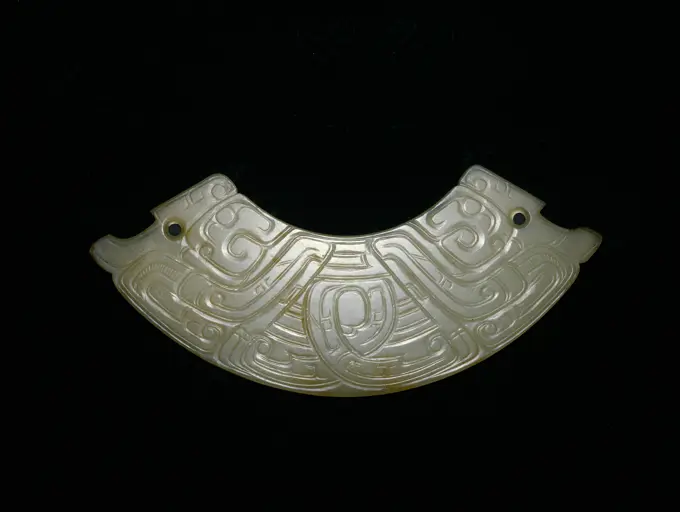
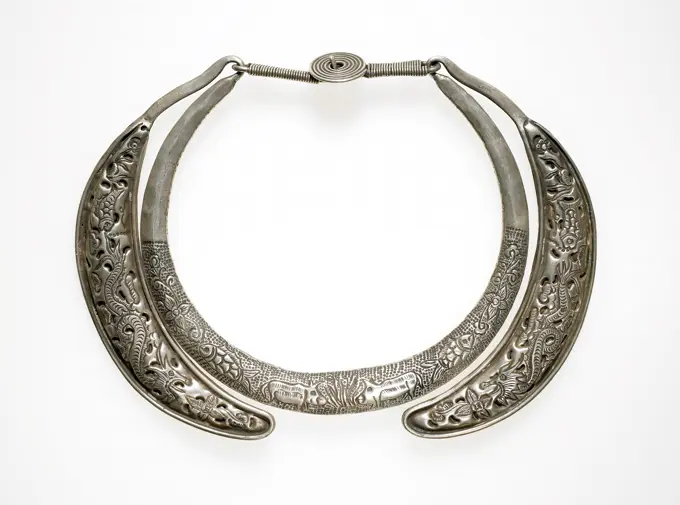
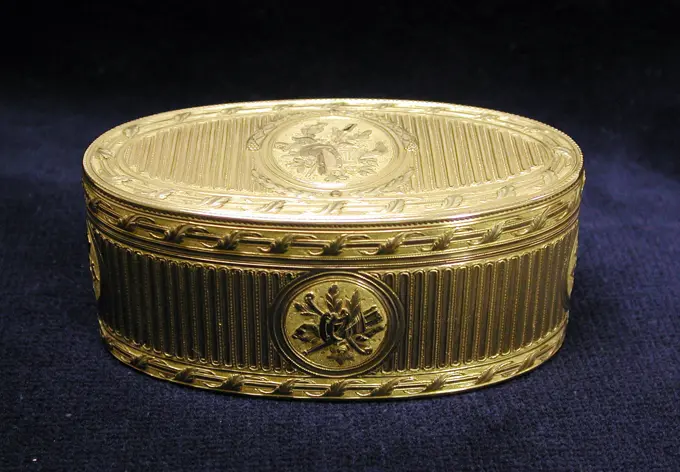
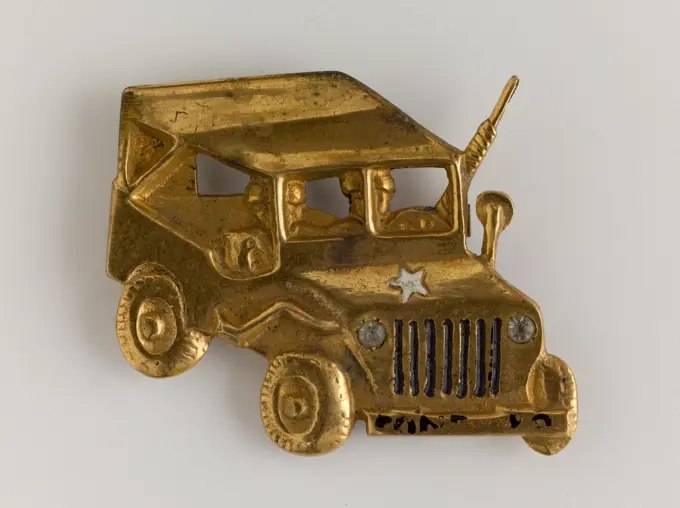
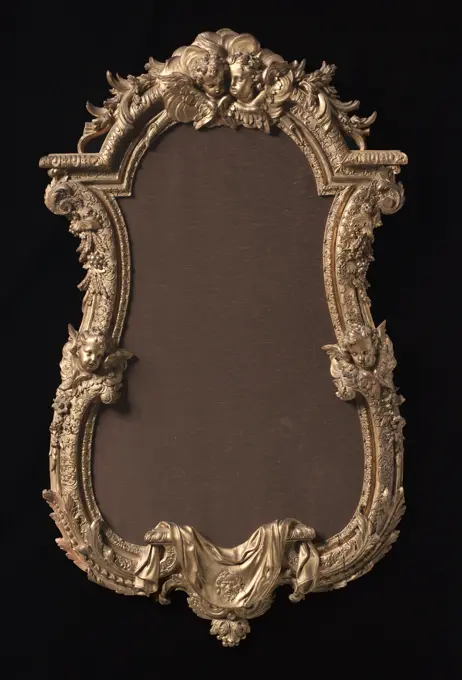
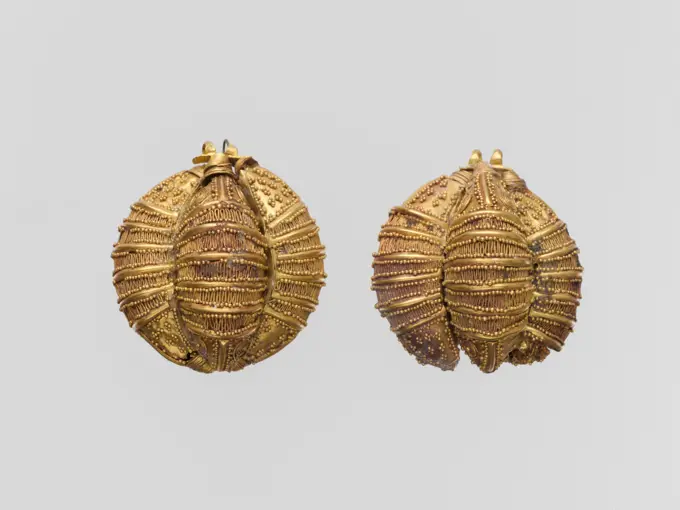
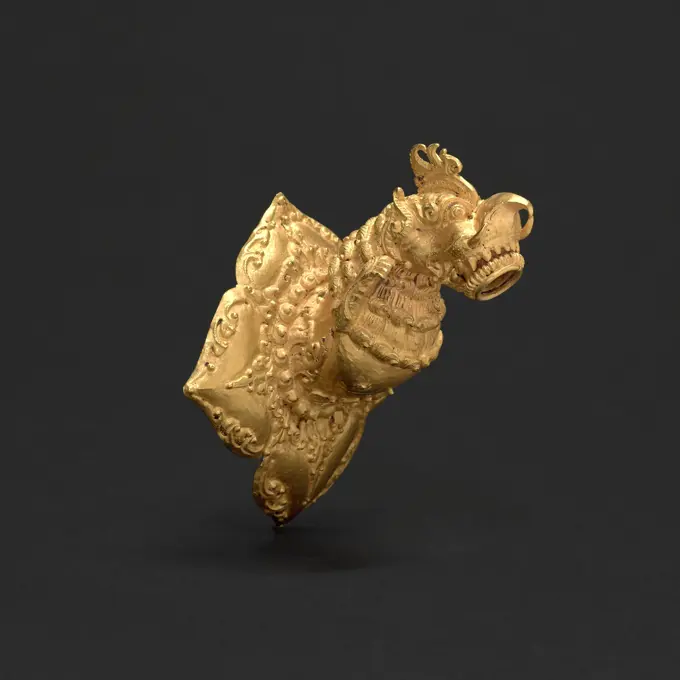
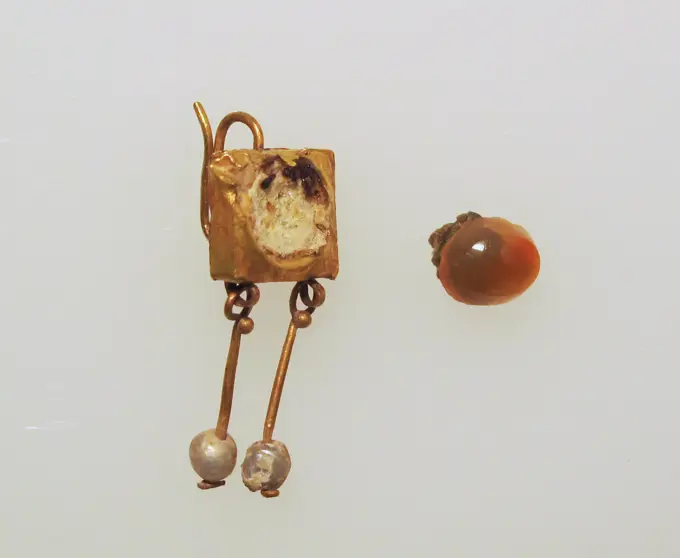
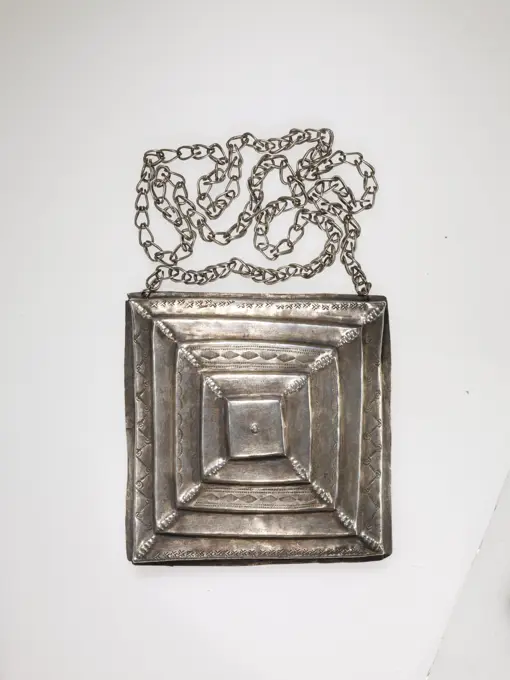
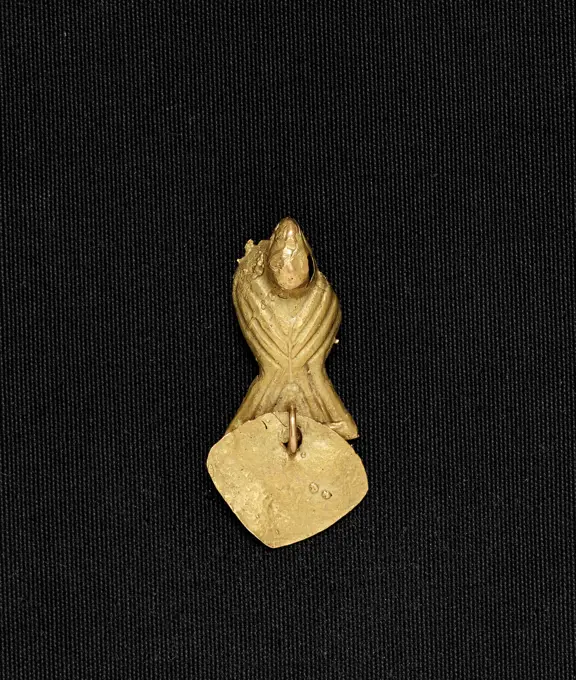
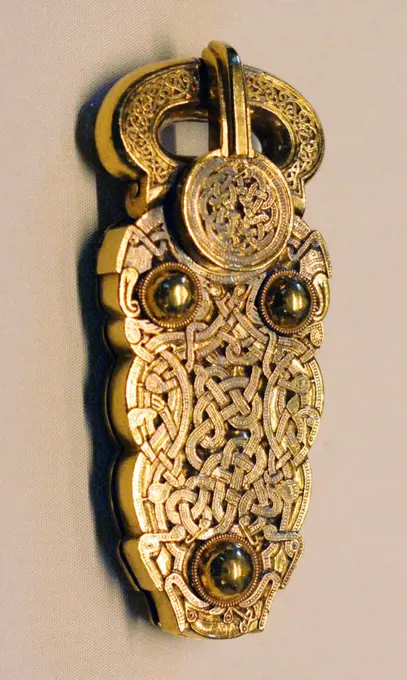
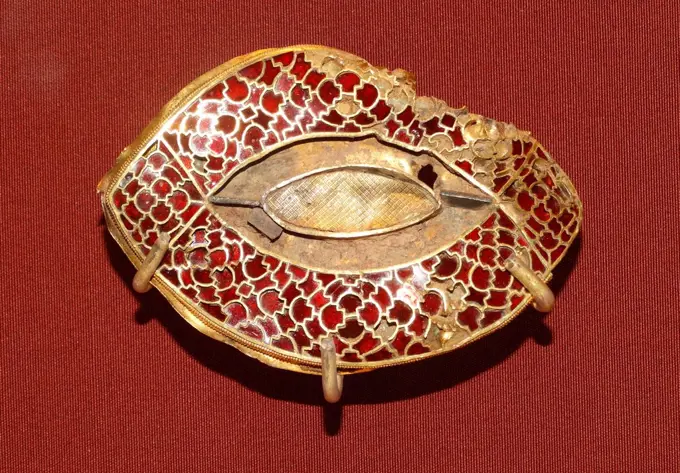
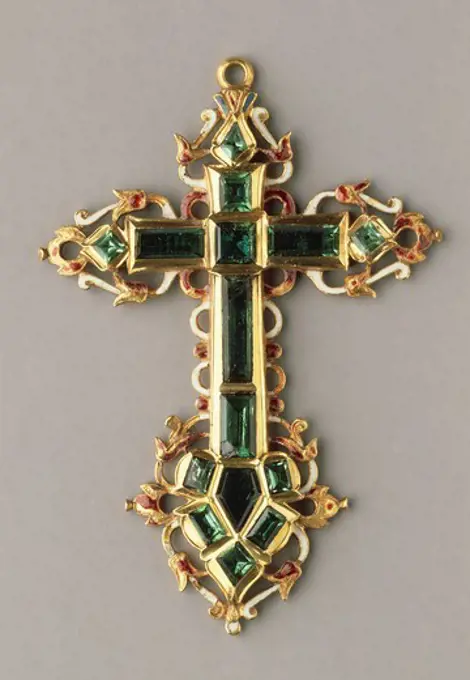
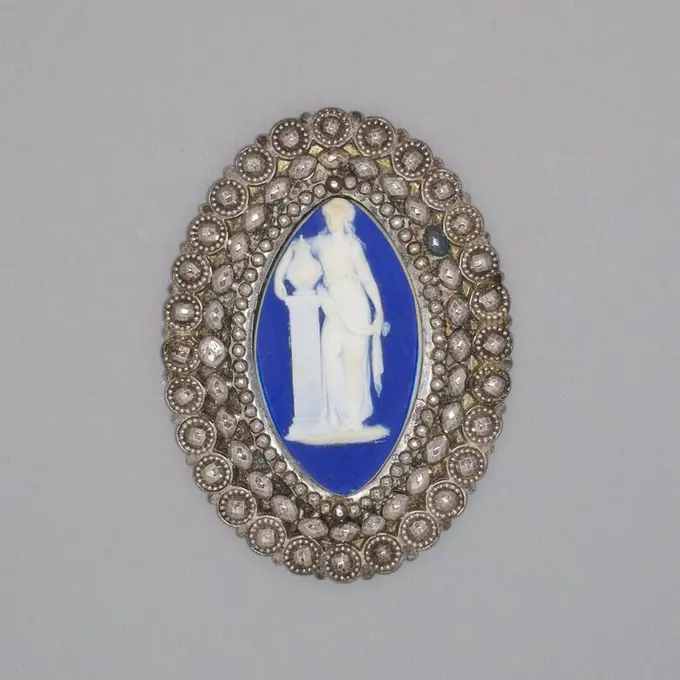
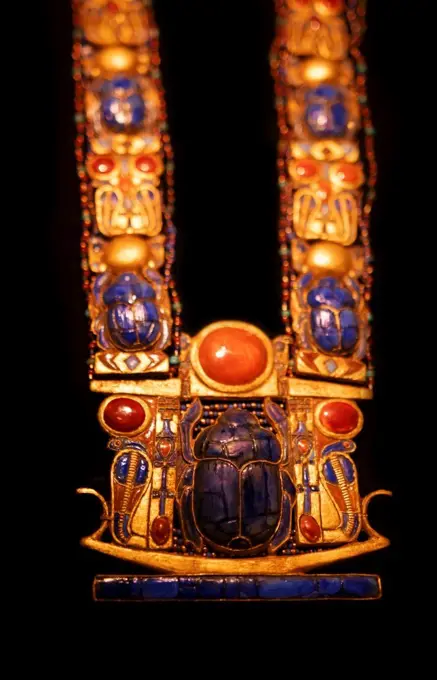
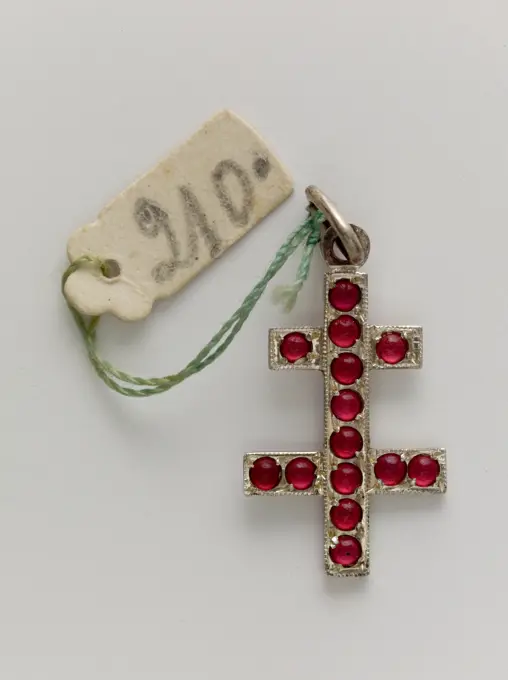
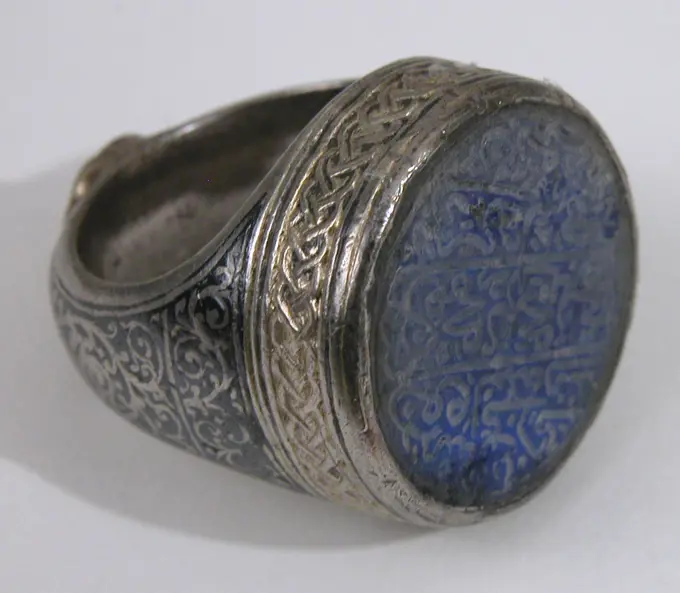
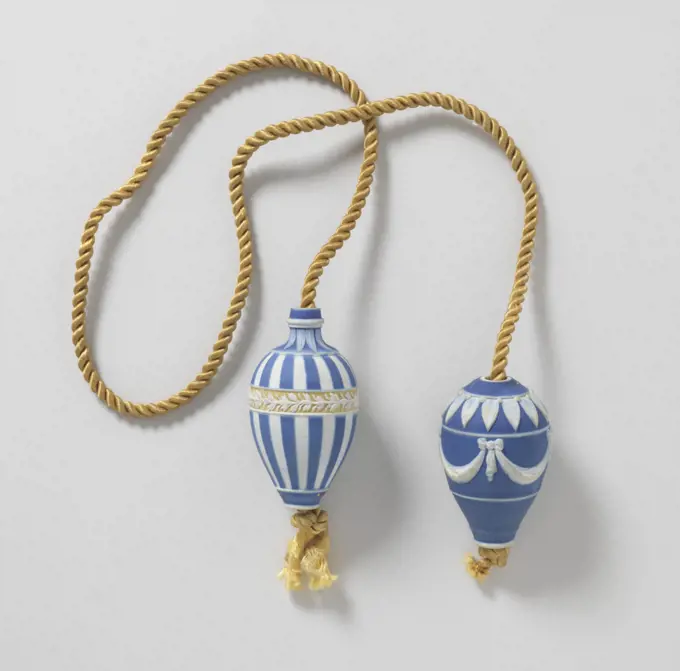
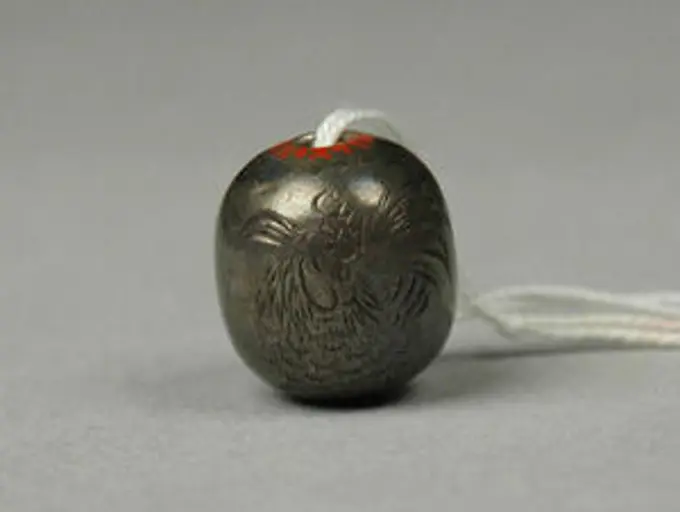
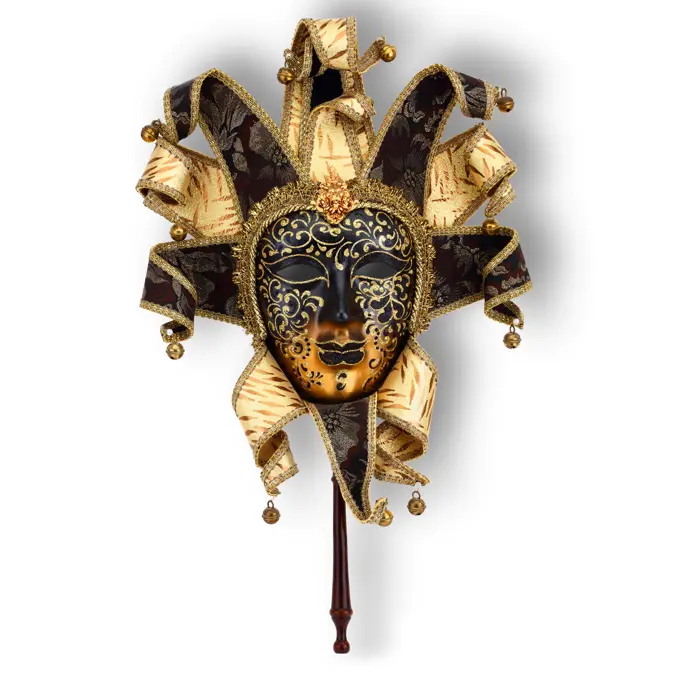
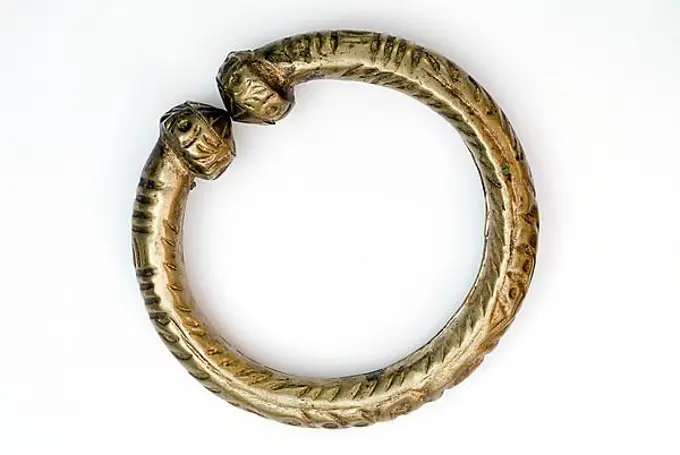
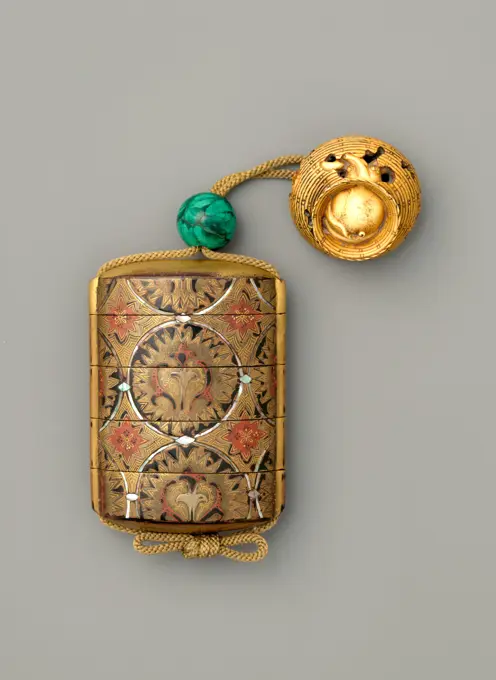
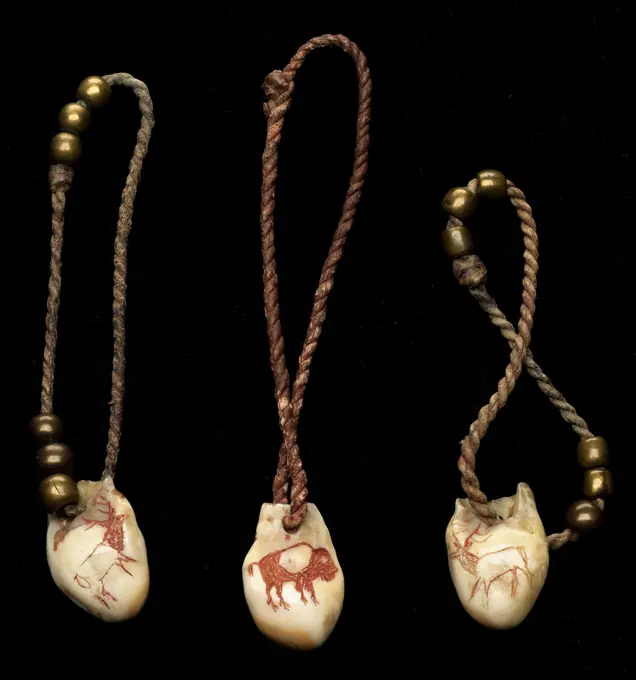
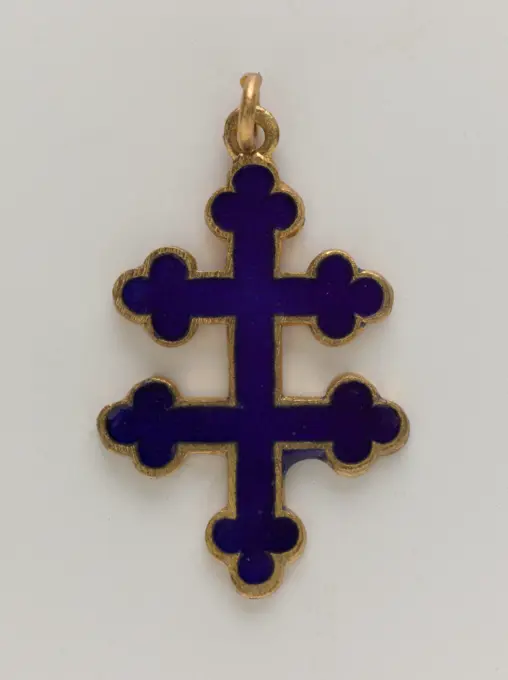
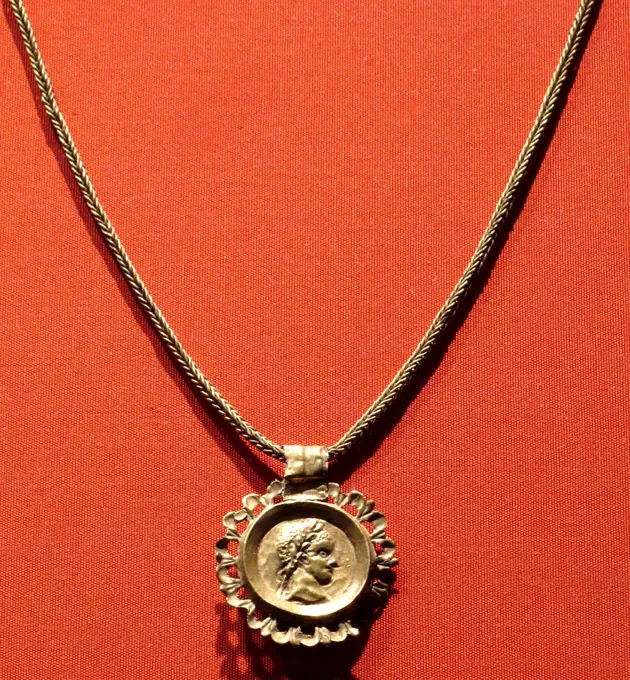
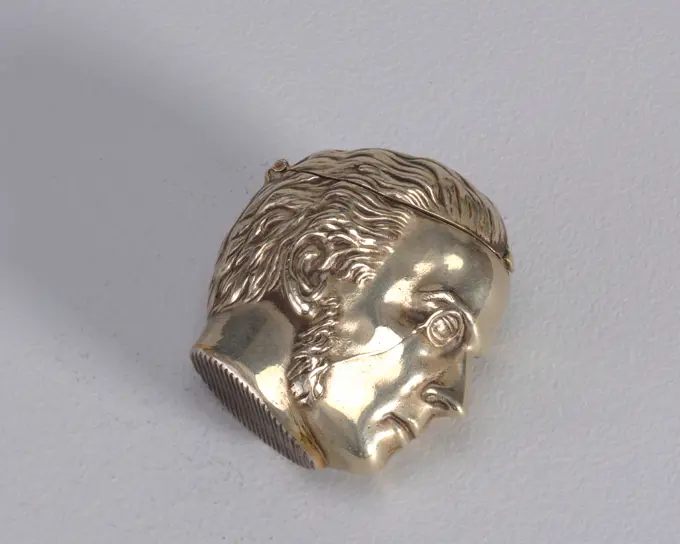
British Cabinet Minister Joseph Chamberlain Matchsafe; England; plated metal; 4.8 x 5 x 2.3 cm (1 7/8 x 1 15/16 x 7/8 in. )Ring, 800s. Byzantium, 9th century. Gold, filigree and cloisonné enamel; overall: 4.5 x 2.7 x 3.1 cm (1 3/4 x 1 1/16 x 1 1/4 in.).Bowlers, F.S. Gilbert, Silver, Oblong, curved lid and sides, raised c-scroll motifs at slightly protruding and rounded corners, featuring raised decoration of bowler in mid stride, 2 players behind him, swags and flowers above, background of swirl motifs, lid features smaller reserve of 5 bowling pins in a row. Reverse features empty reserve, c-scrolls, swags, flowers and beading on lid. Lid hinged on side. Striker incorporated into decorative c-scroll on bottom., ca. 1910, containers, Decorative Arts, Matchsafe, MatchsafeEarring with pendant 4th-3rd century B.C.. Earring with pendant. 4th-3rd century B.C.. Gold. Late Classical or Hellenistic. Gold and SilverPendant 18th century possibly British. Pendant. possibly British. 18th century. Glass, silk, copper, rhinestone. Glass-PaintedPin of the Nederlandsche Unie, Nederlandsche Unie, c. 1940  Copper pin in the form of a coat of arms, on which the image of the crowned Dutch lion with sword and bundle on a blue field with cubes. Netherlands copper (metal) striking (metalworking) / soldering / painting  NetherlandsCast Earring with Granulation 8th-12th century Indonesia (Central Java). Cast Earring with Granulation 64433Pendant (Parure), c. 1850. England, 19th century. Seed pearl on Mother-of-Pearl; overall: 6 cm (2 3/8 in.).Gold pendant with Mistress of Animals. Culture: Greek. Dimensions: 1 1/2 x 5/8 x 1/8 in. (3.8 x 1.6 x 0.3 cm). Date: 7th century B.C..Greek gold pendant with a Potnia Theron. Museum: Metropolitan Museum of Art, New York, USA.Door knocker. A door knocker with plate. (Gothic).Arc-shaped pendant (huang) 900 BCE-700 BCE China. Jade .Bird-Form Earring 8th-12th century Indonesia (Central Java). Bird-Form Earring 64348Torque, 10 1/4 x 8 x 1 1/8 in. (26.04 x 20.32 x 2.86 cm), Silver, ChinaBuckle, Silver, turquoise, Buckle in two parts; each part, hexagonal in shape. Design of eight cherub heads with small pieces of turquoise set as a cross and in the border., Italy, ca. 1890, jewelry, Decorative Arts, BuckleSnuffbox 1770-71 Pierre-François-Mathis de Beaulieu In eighteenth-century Europe, Paris led the production of high-quality luxury goods. Parisian goldsmiths made a wide range of small, personal articles such as snuffboxes; étuis to hold sealing wax, tweezers, or utensils for sewing; souvenirs, which contained thin ivory tablets for note taking; and shuttles for knotting lace. Gold snuffboxes and boxes decorated with portrait miniatures were prized and frequently given as royal gifts, often to ambassadors or members of the court in lieu of cash payments for their services. Coveted and admired, these boxes were produced from a variety of materials. The best were skillfully made of gold and embellished with diamonds, enameled decoration, lacquer, and other luxurious materials. By the middle of the century, the taking of snuff had become an entrenched social ritual, and the snuffbox, too, had become an important social prop. Snuffboxes were considered highly fashionable accessories, with sGold earrings with disk and boat-shaped pendant ca. 300 B.C. East Greek A tiny figure of Nike (the personification of victory) driving two horses is set amid the floral design above the boat-shaped forms on these extraordinarily elaborate earrings.. Gold earrings with disk and boat-shaped pendant. East Greek. ca. 300 B.C.. Gold. Hellenistic. Gold and SilverDish. Snails crawl among the vines on the well of the dish. Interest in all manner of ordinary animals and insects ran high in Prague, where this dish was probably made.Lady Layard's Jewellery: Earrings, Mesopotamian. Belonged to Lady Enid Layard.War 1939-1945. American jeep -shaped pin. Painted metal (star, bumper, radiator), synthetic stones imitation diamonds. 1944-1945. General Leclerc Museum of Hauteclocque and the Liberation of Paris, Jean Moulin Museum. Pin, war 1939-1945, war 39-45, Second World WarThe Carambolo treasure, 8th century BC, Pectoral major, Archaeological museum, Sevilla, Region of Andalusia, Spain, Europe.Frame, c. 1710. France, early 18th Century. Carved and gilt wood; overall: 124.5 x 72.4 cm (49 x 28 1/2 in.).Scarab. UnknownTwo Sets of Necklace Beads in the Form of Stylized Insects. Culture: Indonesia (Java). Dimensions: Right section: L. 3 1/2 in. (8.9 cm)Left section: L. 4 1/2 in. (11.4 cm). Date: 8th-early 10th century. Museum: Metropolitan Museum of Art, New York, USA.Fibula Fragment. UnknownCape, c. 1850, 33 x 79 in. (83.82 x 200.66 cm) (flat, approx.), Feathers, cotton, United States, 19th century, This cape is an example of the frequent and enduring exchange with other cultures, both Native and non-Native, that in part shapes Native art. At the start of the 1800s, Native peoples experienced countless changes to their way of life. This feathered cape combines European-style clothing with Native needs and aesthetics. It resembles a pelerine, a type of shoulder cape worn by women in Europe and the United States, yet feathered capes were used as regalia in Native American communities before European settlement.Book clasp 18th century possibly British. Book clasp 197443Cameo ring with three profile heads 19th century probably Italian. Cameo ring with three profile heads. probably Italian. 19th century. Onyx, gold.Gold earring with two bulls' heads and glass bead 3rd2nd century B.C. Greek One of the glass beads is lost.. Gold earring with two bulls' heads and glass bead. Greek. 3rd2nd century B.C.. Gold. Hellenistic. Gold and SilverPair of gold ornaments comprised of three leech-shaped elements 2nd-1st century B.C. Greek These objects may have served as earrings or hair ornaments.. Pair of gold ornaments comprised of three leech-shaped elements. Greek. 2nd-1st century B.C.. Gold. Hellenistic. Gold and SilverBliżej Kultury unknownInkwell (part of a set) Purveyor Asprey British 1851 The set (1982.88.1-.8) was shown at the Crystal Palace exhibition in 1851. Except for the paper knife, each piece is engraved underneath with Asprey's name and address and the words Exhibition 1851. View more Listen to experts illuminate this artwork's story #417. The Great Exhibition 0:00 RWSkip backwards ten seconds. FWSkip forwards ten seconds. 0:00 Your browser doesn't support HTML5 audio. Here is a link to download the audio instead. View Transcript. Inkwell (part of a set). British, London. 1851. Gilt bronze, malachite. Metalwork-Gilt BronzeItaly, Lazio, Tarquinia, Etruscan-Corinthian globular aryballos by the Painter of Pescia Romana, 590-580 B.C.Diadem 11th-mid-16th century Costa Rica or Panama. Diadem 318974Kendi Spout in the Shape of MakaraHeadBadge for the school cap of the 4th Male Junior High School Tadeusz Rejtan in WarsawPair of Sword-Grip Ornaments (Menuki) 18th century Japanese Menuki are a pair of ornamental sword fittings attached to either side of a sword hilt.. Pair of Sword-Grip Ornaments (Menuki). Japanese. 18th century. Gold, silver. Sword Furniture-MenukiPull; 1904-21-75Brooch in the form of an owl head. Culture: Italian, Rome. Dimensions: Overall (confirmed): 1 5/8 x 1 3/8 x 7/16 in. (4.1 x 3.5 x 1.1 cm)F4. Maker: Firm of Castellani. Date: ca. 1860.This object and the group to which it belongs (see also 2014.713.1-.10) reflect the keen interest in historical styles in nineteenth-century Europe. Artists and designers looked to various artistic periods for forms and motifs. There was also an interest in reproducing works of art from earlier epochs with historical accuracy--an approach that is particularly evident in the taste for so-called archaeological jewelry (jewelry based on excavated examples from antiquity), which reached its zenith in the middle of the century.The jewelry made during this period encompassed Etruscan, ancient Roman, early Christian, Byzantine, and medieval styles. The firm of Castellani in Rome both pioneered and dominated the production of archaeological jewelry. Founded by Fortunato Pio Castellani in 1814, the company was ruPendant for Horse Trappings. Culture: Spanish. Dimensions: H. 2 in. (5.1 cm); W. 2 in. (5.1 cm); Wt. 0.5 oz. (14.2 g). Date: 15th century.The decoration of this and similar pendants in the Metropolitan Museum's collection (04.3.305, .326, .365, .371, .429, .437) includes heraldic arms, mottoes, and religious expressions. Originally, they were attached to the straps of a horse's bridle, reins, crupper, or saddle. Museum: Metropolitan Museum of Art, New York, USA.Earring-hook type with pendants of pearls 2nd century A.D. Roman. Earring-hook type with pendants of pearls 243380Rectangular silver pendant with chain, 4 x 4 x 1 in. (10.16 x 10.16 x 2.54 cm), Silver, Sierra Leone, This large pendant from the West African Mende peoples characterized by the stepped design of concentric rectangles, closely resembles Islamic amulets found in Northern Africa. In fact, people in Sierra Leone have worn such amulets for centuries. This pendant was made about a hundred years ago from silver obtained by melting coins, and it was worn as a status symbol by a high-ranking official of the female Sande Society. This association oversees the initiation of girls into adulthood, instilling notions of morality and proper conduct; it remains invested in the well-being of its members throughout their lives, promoting womens social and political interests.Bird Bead, c. 900-1550. Colombia, Muisca style, 10th-16th century. Cast gold; Muisca metalwork divides into two categories: ornaments to be worn, such as these, and offering figurines, in the case to the right. The elaborate bird pendant features delicate herringbone moldings, openwork patterns, and wing details-all part of the wax model from which the pendant was cast (see nearby computer animation). The dangles were attached after casting.Earring, End Projections and Gem 8th-12th century Indonesia (Central Java). Earring, End Projections and Gem 64330Lion shaped door handle in Buddhist temple. Kaza Monastery, Kaza, Spiti Valley, Himachal Pradesh, India, AsiaPendant in the form of an amphora Phrygian The body is a pear shaped garnet set in a beaded rim.. Pendant in the form of an amphora. Phrygian. Gold, garnet. Gold and SilverThe great gold buckle. Almost a pound of gold was used to make this buckle. The plate is a hollow box. The back opens up and can be locked with the help of three movable sliders similar mechanisms are known from Frankish and Burundian contexts on the Continent. There, it appears Christian relics were kept inside the buckles.Gold chain with Chettinad Mangalya, thali worn on neck on white background Studio shot, Tamil Nadu, South India, India, AsiaFifty -year celebration of the independence of the Netherlands, in honor of William III, King of the Netherlands, Anonymous, 1863  One-sided silver carrying sign within Eikkrans on Sea Eye and Ribbon, consisting of yellow bow and red-white-blue-yellow striped ribbon. Front:. Front: breastpiece man inside cable edge below and above the year. Reverse: Blanco Utrecht silver (metal). textile materials striking (metalworking)  UtrechtArtefact from the Staffordshire Hoard of Anglo-Saxon gold and silver metalwork. Discovered in a field near the village of Hammerwich, near Lichfield, in Staffordshire, England, on 5 July 2009, it consists of over 3,500 items from the Anglo-Saxon kingdom of Mercia.Han Dynasty cat figure, scabbard slide, 2nd cent. BC. CHINA.Gold Roman bracelet. Artist: UnknownGoldsmith's art, Italy, 17th century. Gold, enamels and emeralds cross.Apple and Pear. Apple and pear of faience, painted multi-colored.Medallion with Women and Urn. Wedgwood Manufactory; England, founded 1759. Date: 1775-1799. Dimensions: 7.6 × 5.7 × 0.6 cm (3 × 2 1/4 × 1/4 in.). Stoneware (jasperware). Origin: Burslem. Museum: The Chicago Art Institute, Chicago, USA.Accurate replica treasure from Cairo national museum in CAiro , Egypt. necklace with scarabeuBird Matchsafe; Japan; brass; 3 x 5 x 1.2 cm (1 3/16 x 1 15/16 x 1/2 in. )Silver buckles depicting man's heads, from Coada Malului, Romania. Jewellery. Geto-Dacian Civilization, 1st Century BC.War 1939-1945. Lorraine cross pendant with red "stones". Silver, metal, synthetic materials (glass), Paper. 1944-1945. General Leclerc Museum of Hauteclocque and the Liberation of Paris, Jean Moulin Museum. War 1939-1945, War 39-45, pendant, Second World Warawards of the USSR badge of the medal of the Badge of HonorTile in the shape of a cross with a hare among floral scrolls, anonymous, c. 1250 - c. 1299 Tile of quartz fritry with a hare between flower ranks on Turquoise. Iran earthenware. glaze. gold (metal) painting / gilding / vitrification Tile of quartz fritry with a hare between flower ranks on Turquoise. Iran earthenware. glaze. gold (metal) painting / gilding / vitrificationSeal Ring with the name of Hajji Muhammad ibn Mahmud probably 16th century Signet rings engraved with the names of their owners or with short sayings or prayers appear on the fourth fingers of men in fifteenth and early sixteenth century Iranian miniature paintings. The lapus-lazuli setting of this seal ring is carved with the name of Hajji Muhammad ibn Mahmud written in reverse. Although the original purpose of these rings was to stamp ones name into a seal, they may also have functioned as talismans used to protect their owners from harm.. Seal Ring with the name of Hajji Muhammad ibn Mahmud 450413Pastoral ring, gold with amethyst and pearls, twentieth century, Huesca Diocesan Museum, Aragon community, Spain.Earrings 1760-75 European. Earrings 124277MountFinger Ring with Engraved Gemstone 1 CE-100 CE Roman Empire. Engraved or carved gems were often incorporated into signet rings, which could be pressed into hot wax as a seal. Here, a horse is depicted with its head down as though grazing, the mane and tail carved in delicate detail.. Gemstone sardonyxRing gold . Ancient RomanImpression Of Seal Cylinder; 1902-20-18Tassel, Medium: linen Technique: braided and knotted, Tiny linen tassel, braided and knotted. Double loops are attached to circular center ball from which hang five small knotted elements, including one in the middle., Italy, Europe, 17th century, trimmings, TasselBell pull, Tinted and molded stoneware (Jasperware), Blue and white jasperware baluster shapes, pierced longitudinally for passage of cord. Dipped jasperware, decorated with row of lancette leaves and four bows connected with swags. Yellow silk cord., England, ca. 1780, ceramics, Decorative Arts, Bell pullOjime 19th century Japan. Ojime. Japan. 19th century. Edo period (1615-1868). OjimeEar Clip Composed of Fused Discs Second half of the 8th-second half of the 10th century Indonesia (Java). Ear Clip Composed of Fused Discs 49766. Shoe buckle of astras with edge of gold-plated copper. For the curved, rectangular shape are two rows of grounded strass, between which a rectangular conveyed gilded copper edge is located.Venedig Karneval Maske schwarz und gold A Venice carnival mask black and gold on a white with shadow LicenseRF Copyright: xZoonar.com/NigelxStripex 20800407Khew Burmese late 19th century View more. Khew. Burmese. late 19th century. Metal. Myanmar (formerly Burma). IdiophoneBliżej Kultury Reinemer & Spiegel Vienna VIIPrehistory, Serbia, Bronze Age. Gold necklace. From a tomb at Velika Vrbica.BroochBliżej Kultury Bukowski, Jan (1873 1943)Trishula(Trident)Pair of Stirrups (yob) possibly 12th-14th century Tibetan or Mongolian This pair of stirrups is without equal in style, form, and construction. In particular, the combination of high relief, pierced work, and deep chiseling of the iron, highlighted by the lavish use of gold and silver, is unmatched on any other known pair of stirrups from Tibet, China, or Mongolia.. Pair of Stirrups (yob) 26627Ornament Italian, Venice 19th centuryPendant Cross 1550-1600 Spain. This pendant cross is an elaborate assemblage of cast and fused segments ornamented with emeralds in tall, pyramidal mounts. Enameled gold and pin-fastened pearls add vigorous effects of color, texture, and light. The three-dimensional quality of this piece would have been particularly distinctive when worn upon the rich garments of the Renaissance.. Gold, enamel, emeralds, and pearls .Square vest node or on -board node of copper and black plastic; For the Mourning, 1900 - 1925 Square vest button or on -board node of copper and black plastic. For the mourning. West-Europa Copper (Metal). knob: Square vest button or on -board node of copper and black plastic. For the mourning. West-Europa Copper (Metal). knob:Miniature box with cover 1690-1710 German, probably Augsburg. Miniature box with cover. German, probably Augsburg. 1690-1710. Silver. Metalwork-Silver-MiniatureBliżej Kultury Walenta, Józef (1881  1941)Torque with detachable chain, 17 x 10 3/4 x 3/8 in. (43.18 x 27.31 x 0.95 cm), Silver, China19th Century anklet, Tamil Nadu, India, AsiaRingBracelet. Culture: American. Dimensions: 2 1/2 x 2 15/16 in. (6.4 x 7.5 cm). Maker: Probably Charles F. Mason. Date: 1881. Museum: Metropolitan Museum of Art, New York, USA.Cruciform watch Watch; Made by Saloman Coster; possibly Netherlands; gilt-bronze, rock crystal, brass, silver, steel, leather and silk caseSnuff Box 1825-1835 Austria. Gold and enamel on copper .TESORO DE GUARRAZAR - SIGLO VII - CRUZ PECTORAL -VISIGODA. Location: MUSEO ARQUEOLOGICO NACIONAL-COLECCION. MADRID. SPAIN.TORQUE DE GARLIQUI TESALIA. DETALLE. CABEZA DE LINCE. CELTA. (DEPOSITO: MUSEO ARQUEOLOGICO NACIONAL).Case (Inr) with Design of Circles and Stars 18th century Japan. Case (Inr) with Design of Circles and Stars. Japan. 18th century. Lacquer, fundame, gold, silver, black and red hiramakie, raden inlay; Interior: nashiji and fundame. Edo period (1615-1868). InrInsignia of the Order of Knighthood the Star of India, 1861. '...her Majesty, being desirous of affording princes, chiefs, and people of her Indian empire a public testimony of her regard by the institution of an order of knighthood whereby her resolution to take on herself the government of the territories of India may be commemorated, and by which she may be enabled to reward conspicuous merit and loyalty, had instituted and constituted this order of the most exalted order of the Star of India...the insignia...has been designed and made by Messrs. Garrard, of the Haymarket...the collar is coPair of earrings Iberian 18th centuryElk's Tooth Pendant (with deer/elk carving), c. 1850-1900, Elk's tooth, cord, metal beads, United States, 19th centuryLotus (Pripih) Second half of the 8th-second half of the 10th century Indonesia (Java). Lotus (Pripih). Indonesia (Java). Second half of the 8th-second half of the 10th century. Gold. Central Javanese period. MetalworkWar 1939-1945. Treflated Lorraine -shaped pendant. Enamelled metal. 1944-1945. General Leclerc Museum of Hauteclocque and the Liberation of Paris, Jean Moulin Museum. War 1939-1945, War 39-45, pendant, Second World WarChain with a pendant bearing an emperor's profile in an openwork frame A.D. 3rd century Roman Period The medallion here imitates a coin portrait of an emperor, and probably dates to roughly the mid third century when the latter began sometimes to be incorporated in jewelry. It has been noted that the sheet gold pendant is so flimsy that it might not have originally hung on this particular chain, which is, by contrast, rathe sturdy.. Chain with a pendant bearing an emperor's profile in an openwork frame 547921Finger Ring 3rd century East Germanic. Finger Ring 465276