Ancient Decorative Fittings

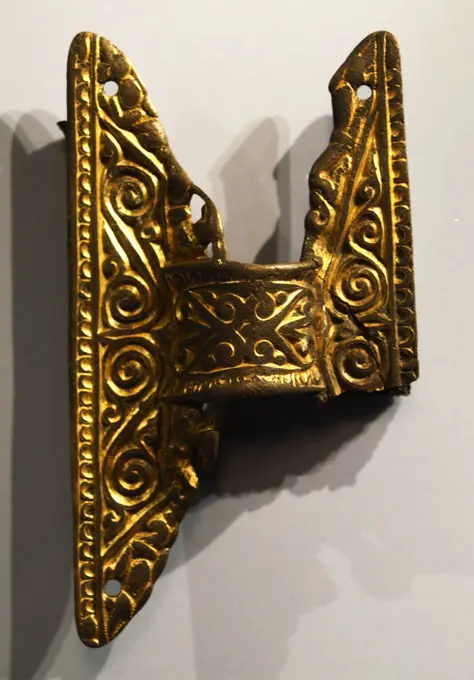
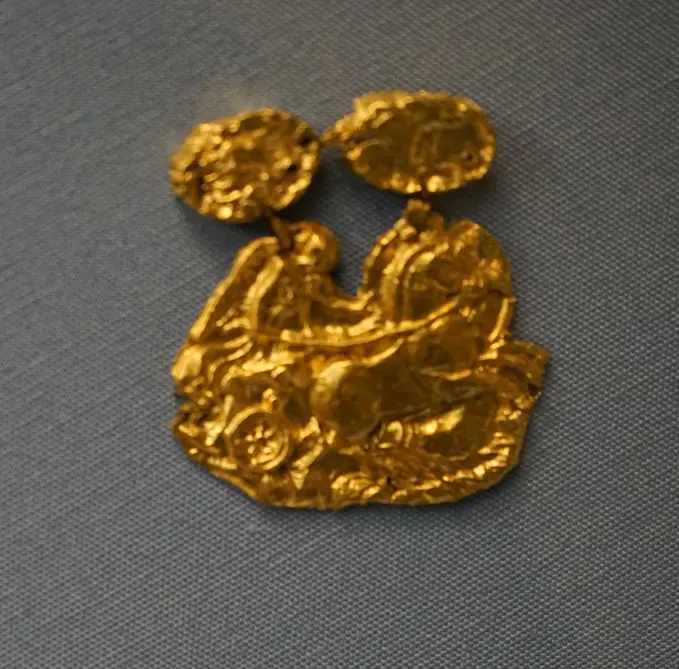
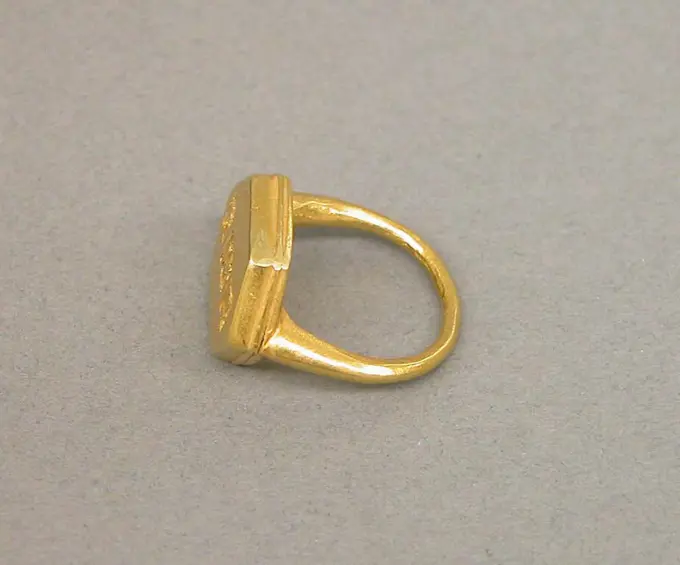
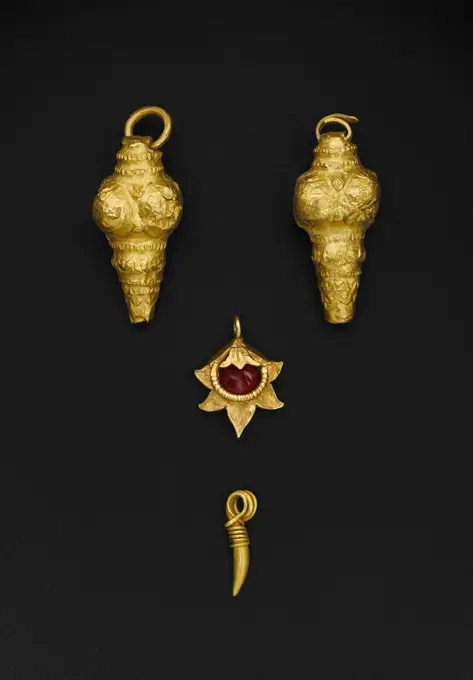
Gold clasps and fittings from Central Asia, showcasing intricate designs used for clothing and horse trappings, symbolizing status and wealth.

Silver, Bartholomeus Smits, 1791 Silver sprinkle with an oval container. The container is open with a symmetrical pattern. The powerfully curved stem is at right angles to one of the long sides and is crowned with a bird. Schoonhoven silver (metal) Silver sprinkle with an oval container. The container is open with a symmetrical pattern. The powerfully curved stem is at right angles to one of the long sides and is crowned with a bird. Schoonhoven silver (metal)
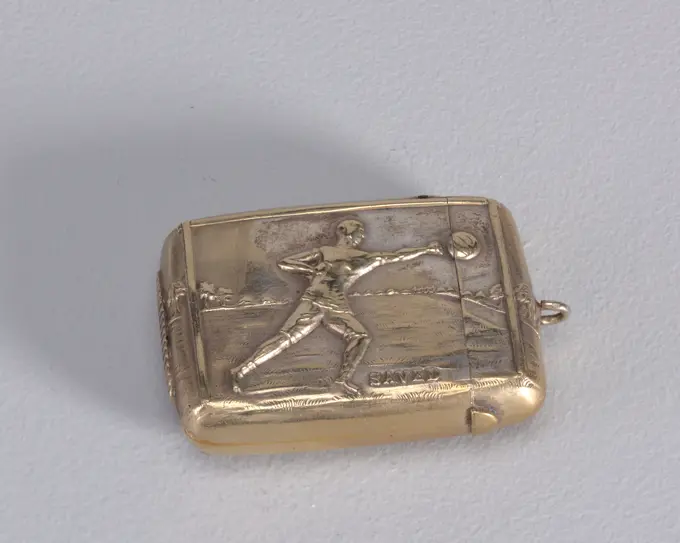
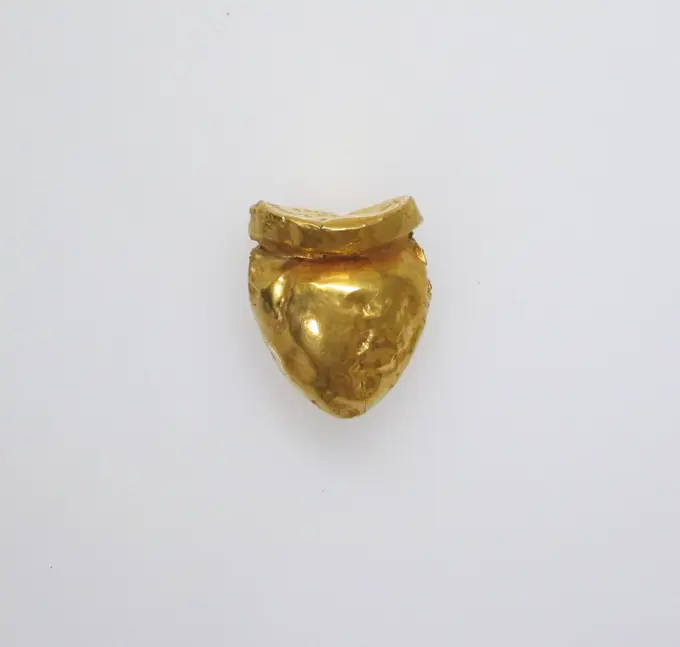
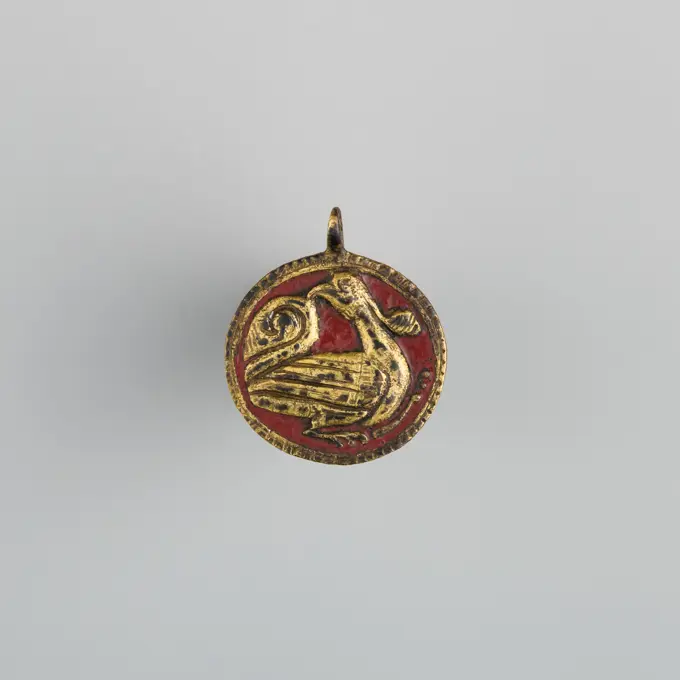
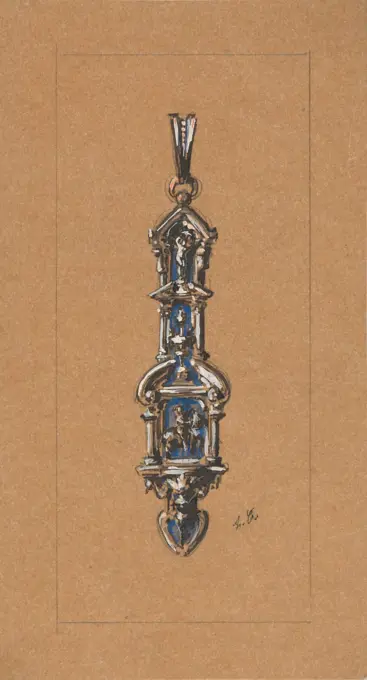
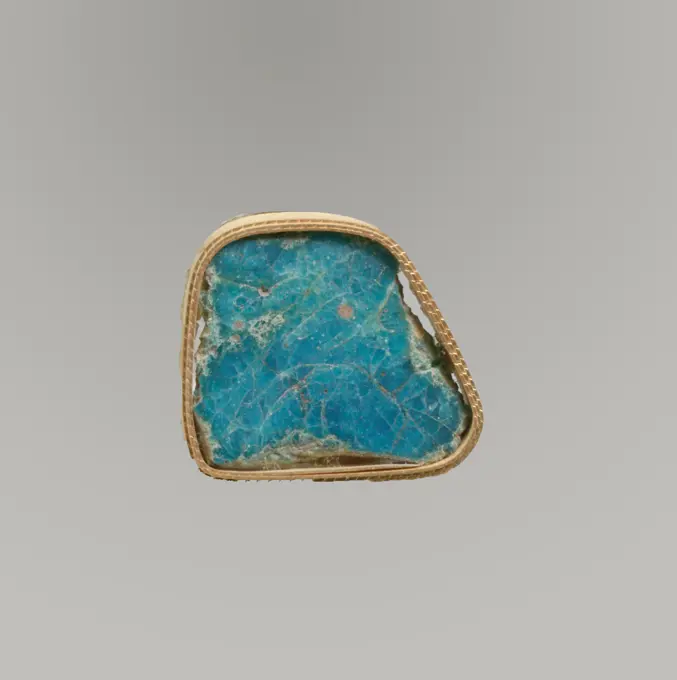
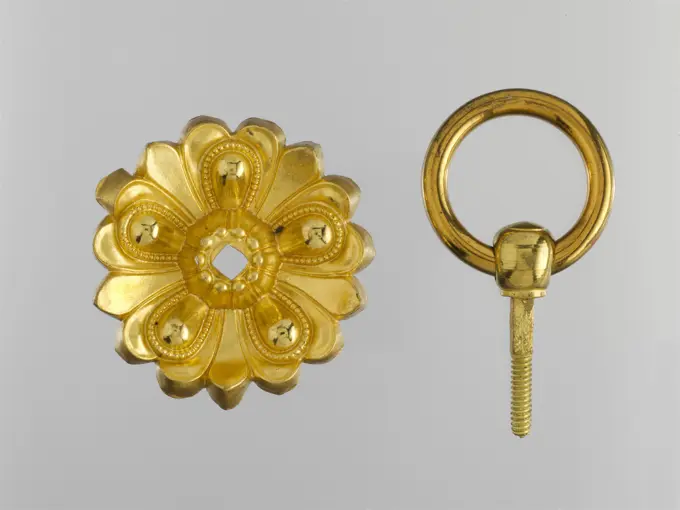
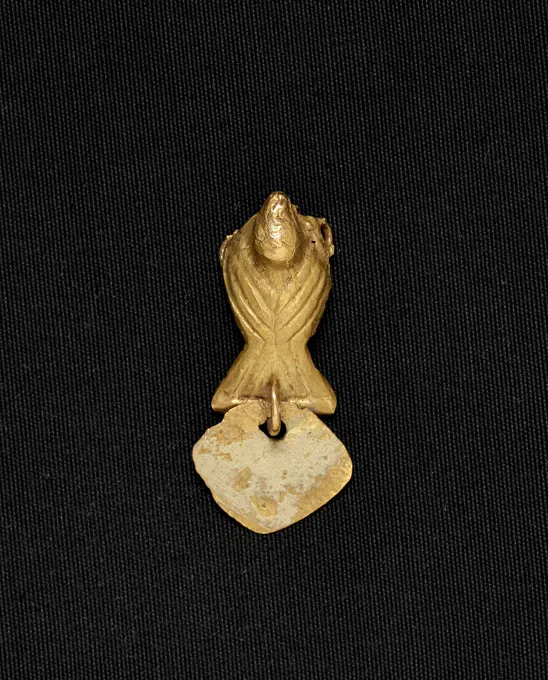
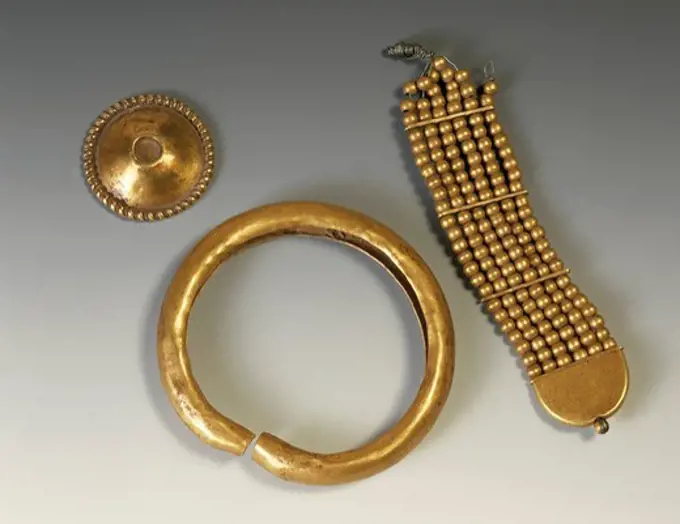
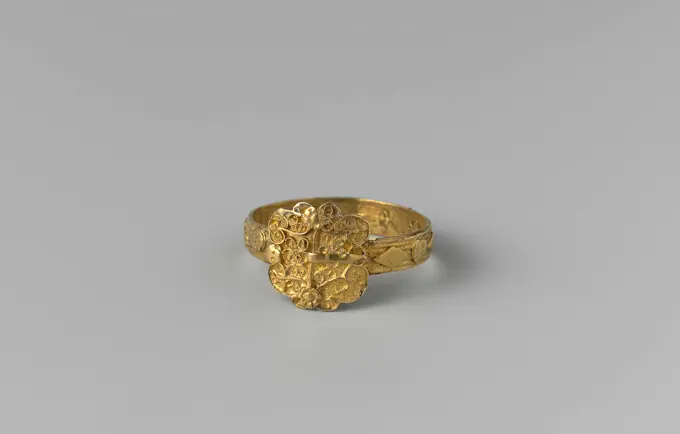
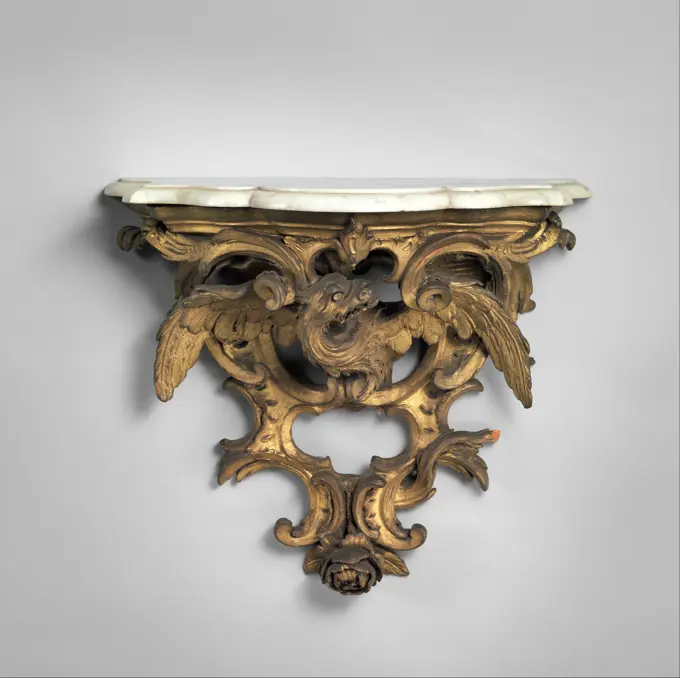
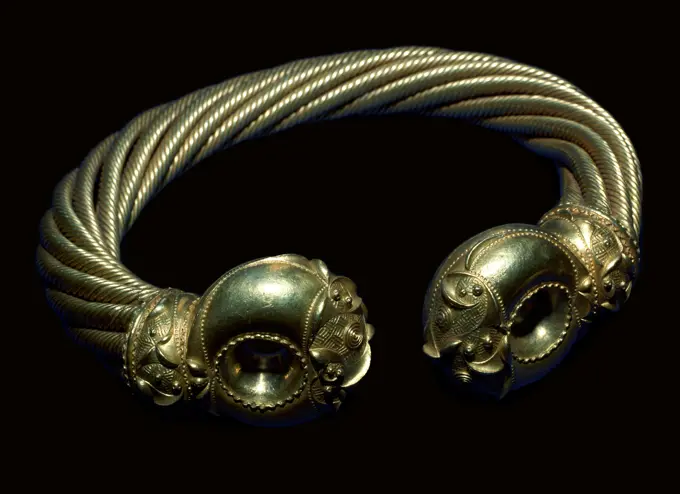
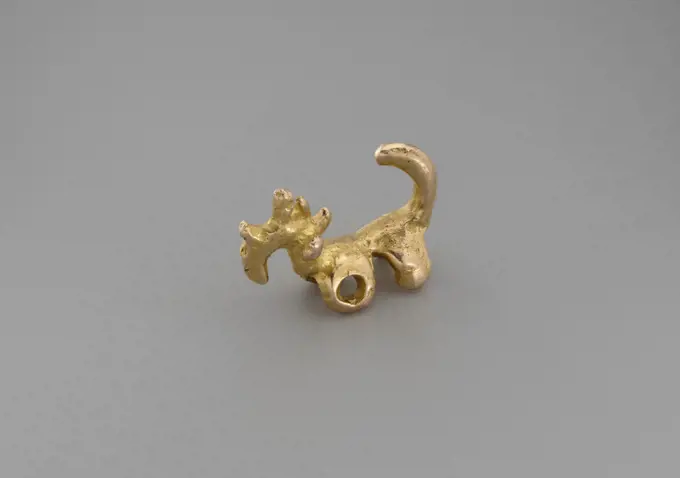
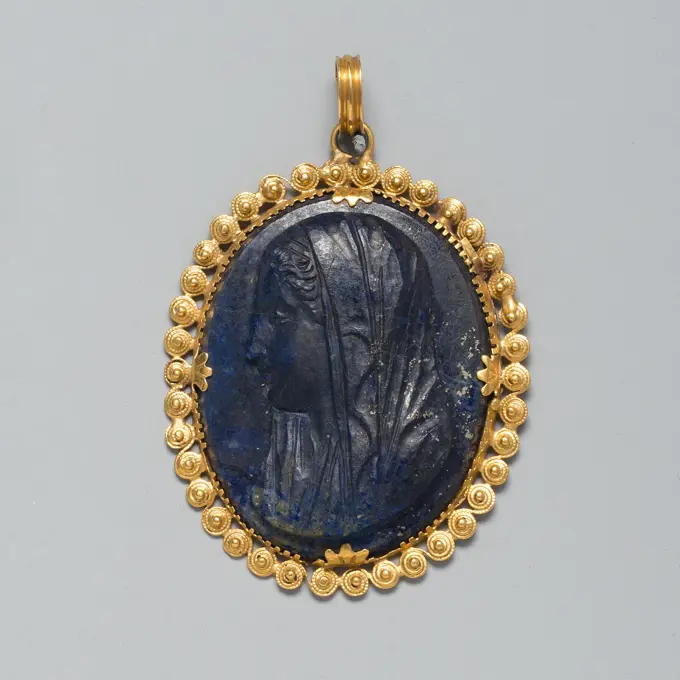
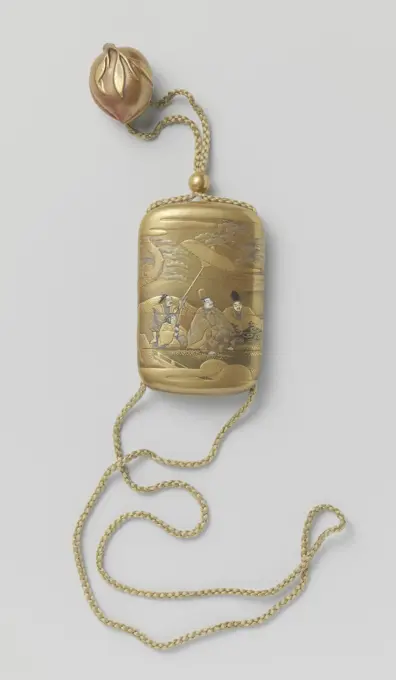
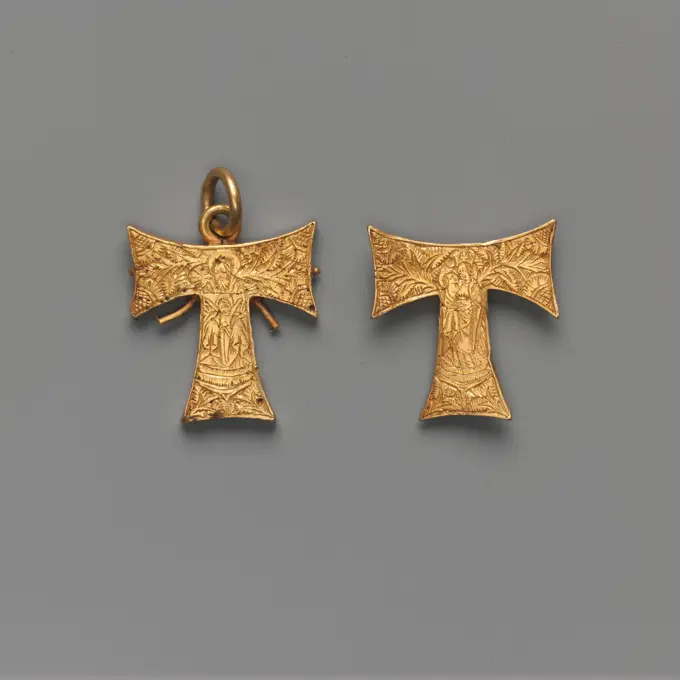
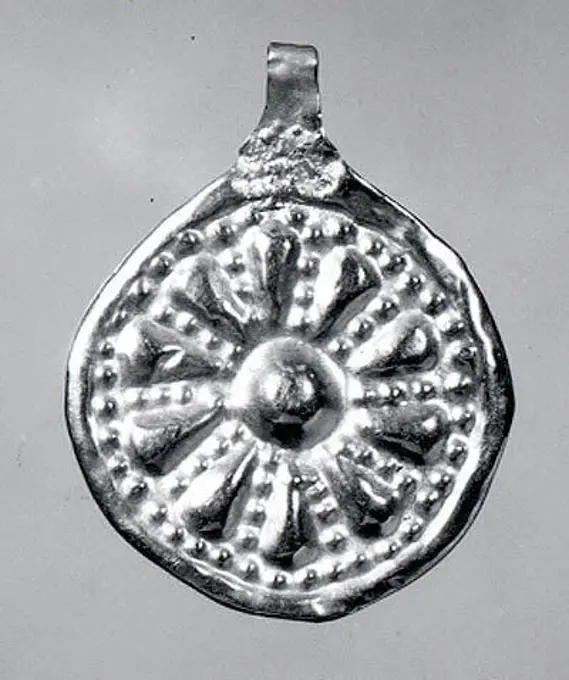
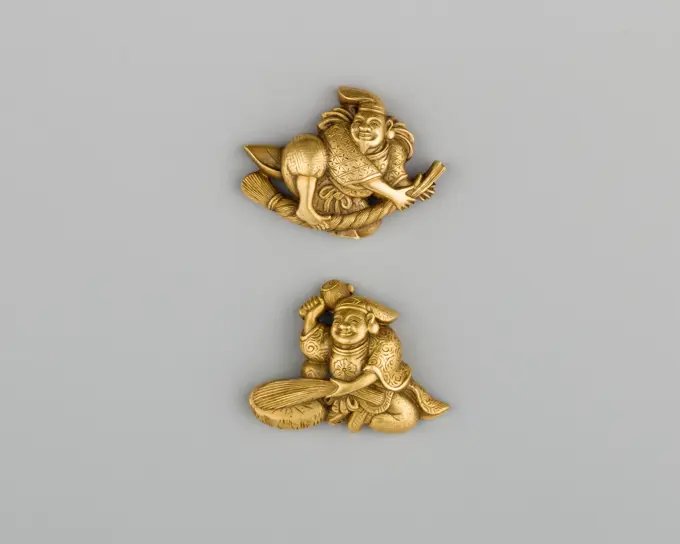
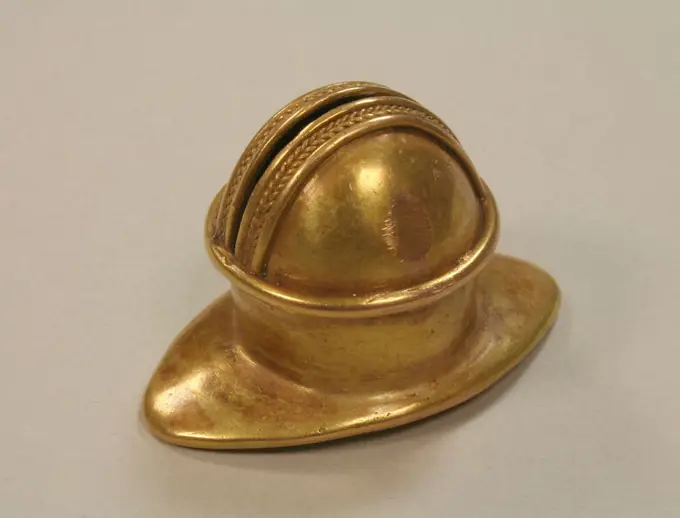
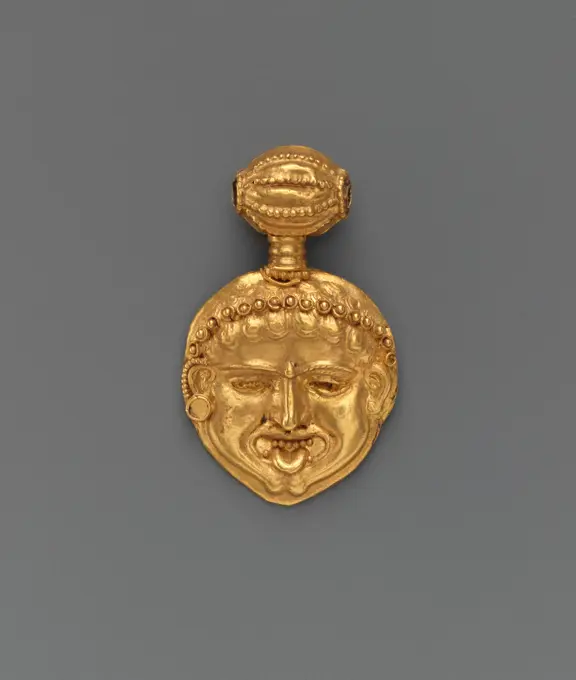
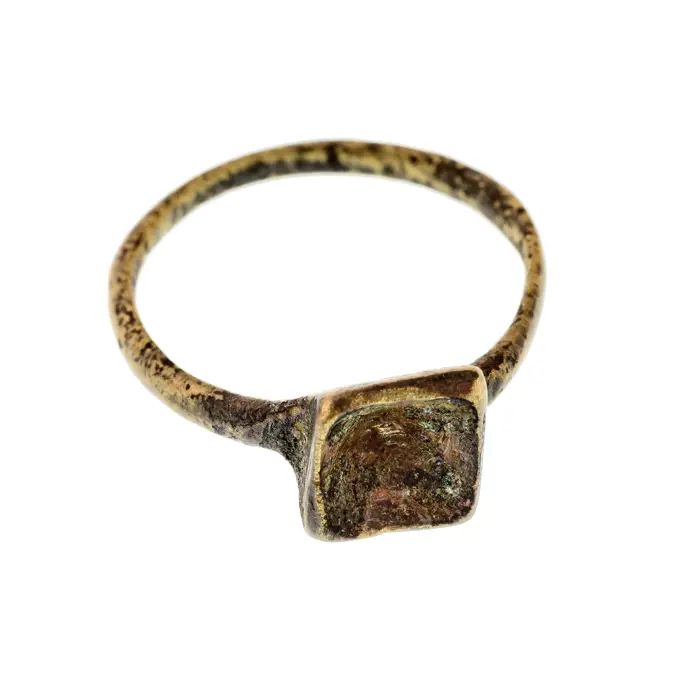
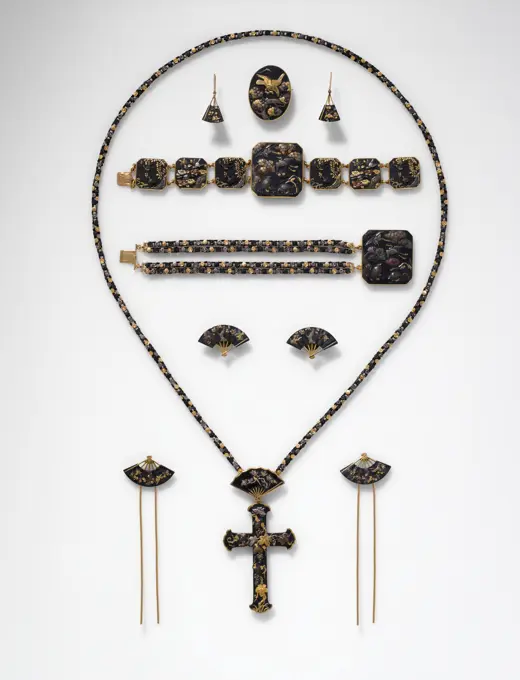
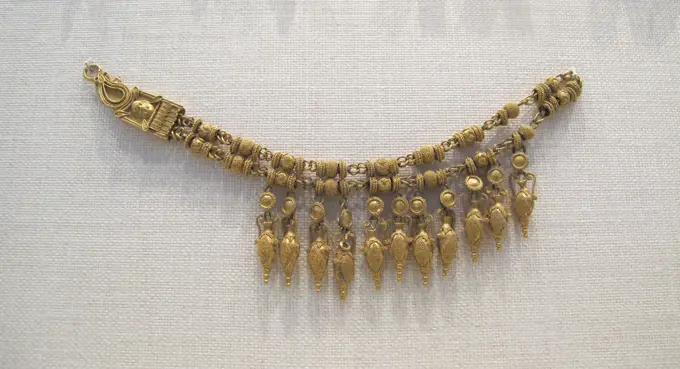
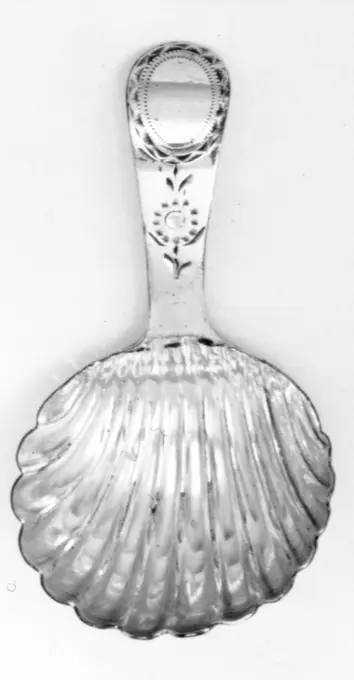
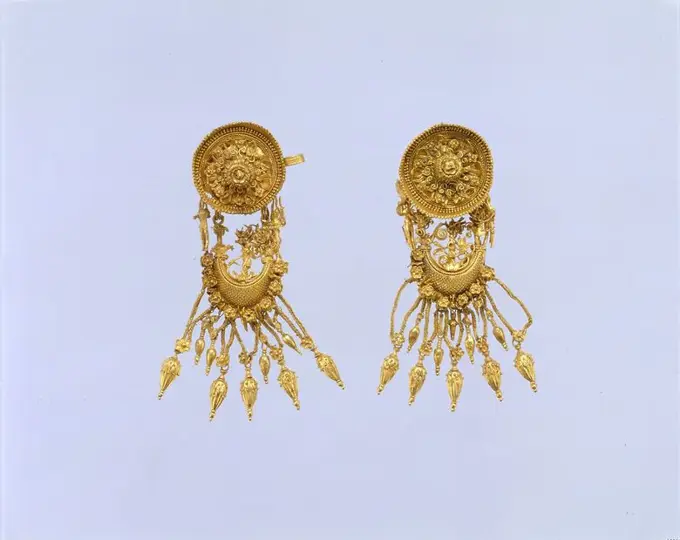
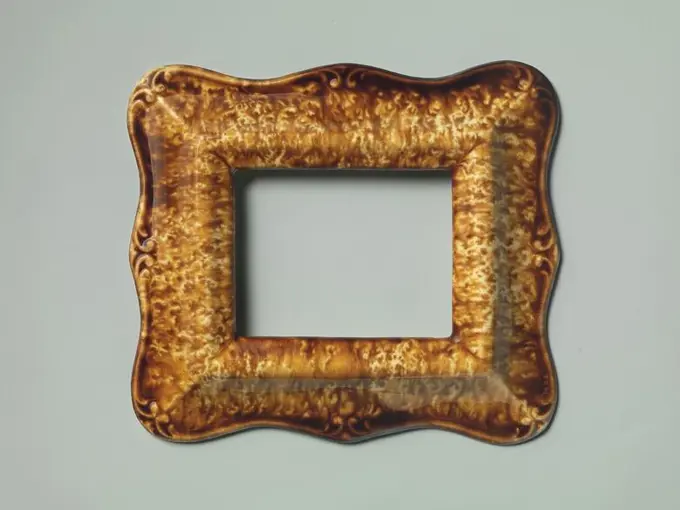
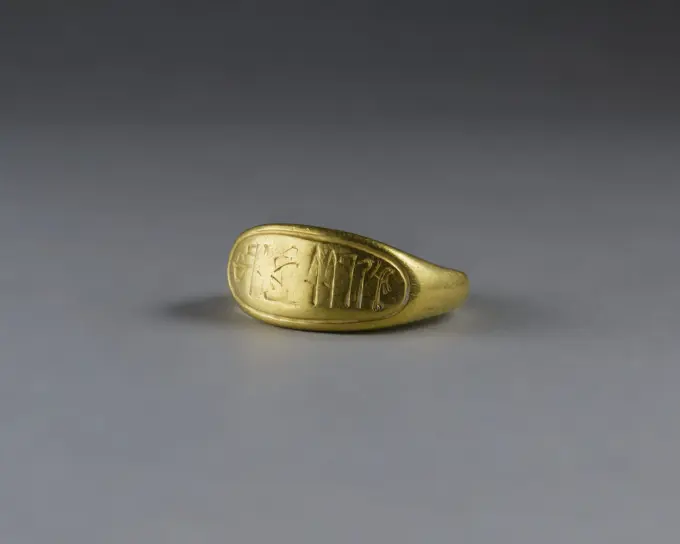
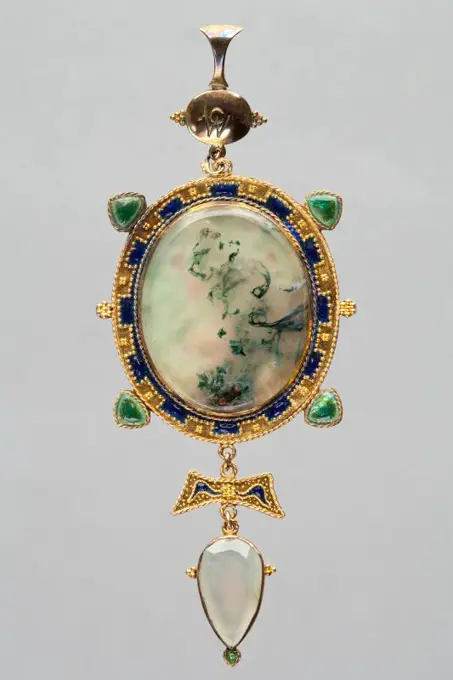
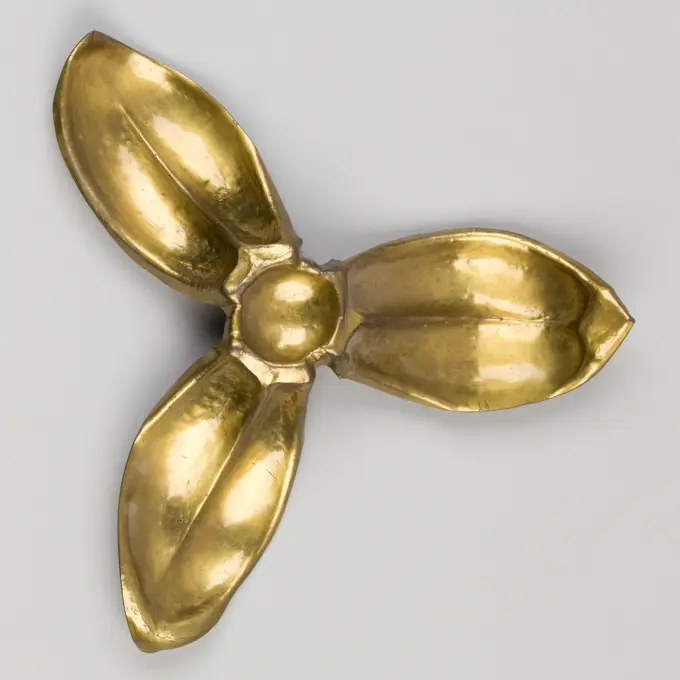
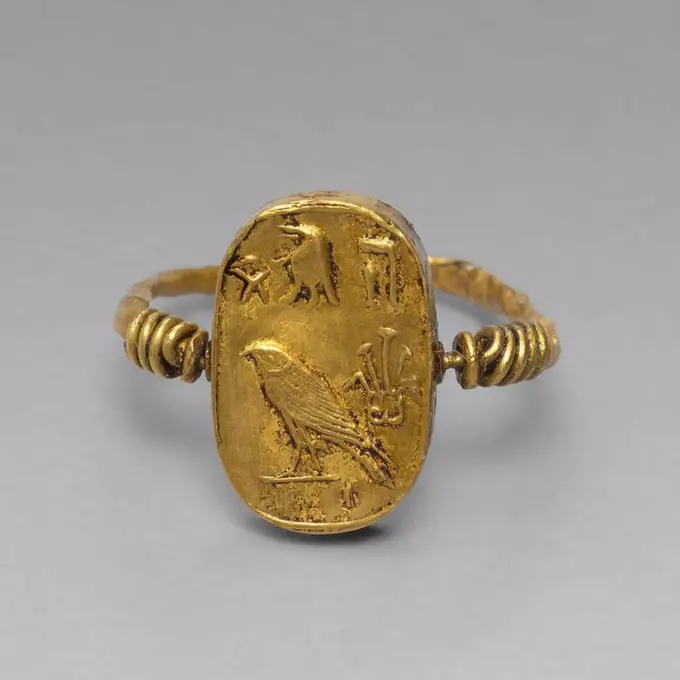
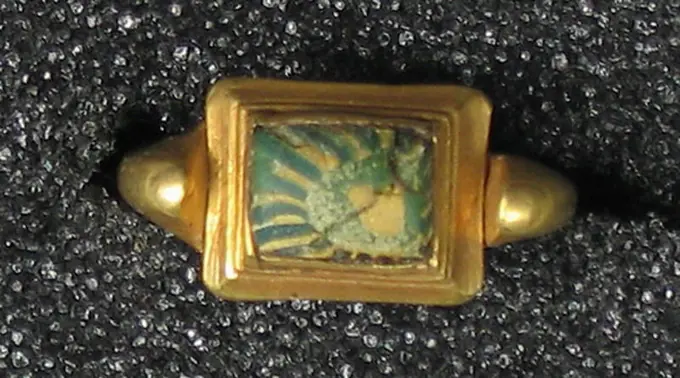
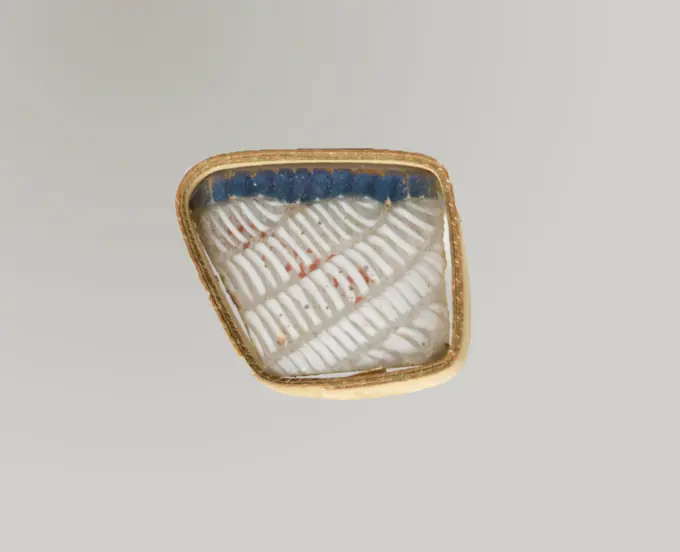
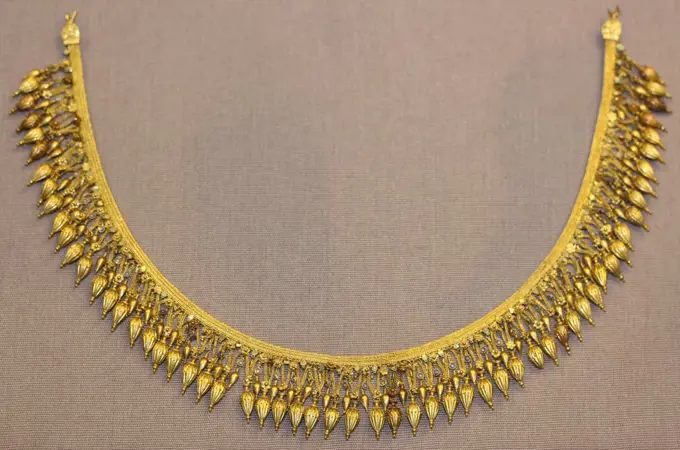
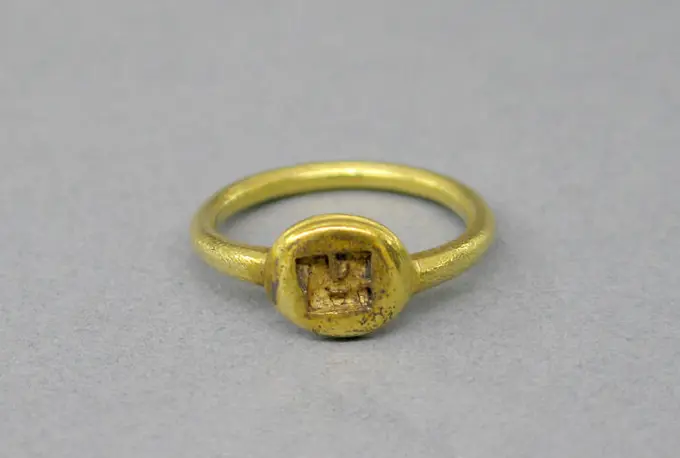
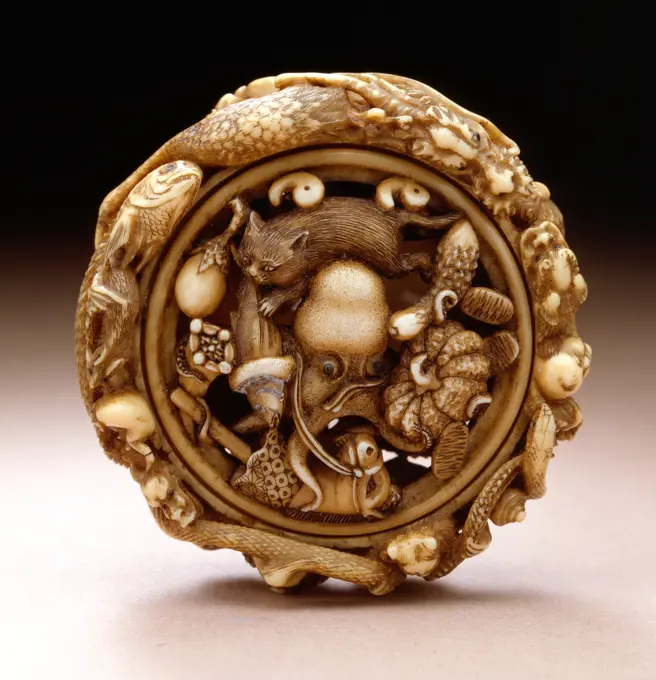
Cluster of Felicitous Symbols. Chin Jukan XII (Japan, 1835-1906). Japan, late 19th century. Costumes; Accessories. Ivory with staining, sumi, metal and other inlays; ryūsa typeGoldsmith's art, Italy, 20th century. Mario Buccellati, lined yellow gold lipstick case with white gold applique', 1950s.British Footbal Player, inscribed "Saved" Matchsafe; England; plated metal; 3.8 x 5 x 1.2 cm (1 1/2 x 1 15/16 x 1/2 in. )Rattle in the form of a heart 6th century B.C. Greek. Rattle in the form of a heart. Greek. 6th century B.C.. Gold foil. Archaic. Gold and SilverWillem V, Prince of Oranje -Nassau, Anonymous, 1787 - 1795  Willem V, Prince of Oranje-Nassau, one-sided silver oval open work. Front: breastpiece man inside pearl edge, ribbed edge and jet wreath. Reverse: Blanco Netherlands silver (metal) striking (metalworking)Gold bangles, women wear on the arm or wrist called bangle on white background Studio shot, India, AsiaPair of Sword-Grip Ornaments (Menuki) 18th century Japanese Menuki are a pair of ornamental sword fittings attached to either side of a sword hilt.. Pair of Sword-Grip Ornaments (Menuki). Japanese. 18th century. Gold. Sword Furniture-MenukiBadge or Harness Pendant 14th century Spanish Heraldry, or coat-of-arms, were vitally important in Europe throughout the Middle Ages and the Renaissance. Heraldic emblems were used to identify noble families, cities, regions, and even countries. In addition to being displayed on shields and flags, heraldry was incorporated into architectural decoration on the interior and the exterior of buildings, on furniture, works of art, clothing, and horse equipment. Harness pendants, like this example, would have been attached to a headstall, bridle, or other straps making up the tack of a horse ridden by a nobleman or noblewoman, or a member of their household. Many harness pendants also have decoration that is simply ornamental, or have symbols that are not specifically heraldic in nature.. Badge or Harness Pendant. Spanish. 14th century. Copper, gold, enamel. Miscellaneous-BadgesDesign for a Pendant.This small pendant in neo-style consist of symmetrical architectural elements. In the design at the left are three temples fronts one on top of the other, with the goddess Fortuna and a man on horseback. Executed in lighter colours, they stand out distinctly against the blue background. The pencil drawing of the basic design is still clearly visible.Mount; bronze, giltFabric pin in Drenthe style of gilded silver -filigrein, c. 1906 - c. 1914 Cloth pin in Drenthe style of gilded silver -filigrein with spiders and a hook closure. The pin has the shape of a four pass. Netherlands silver (metal). gilding (material) gilding / filigree Cloth pin in Drenthe style of gilded silver -filigrein with spiders and a hook closure. The pin has the shape of a four pass. Netherlands silver (metal). gilding (material) gilding / filigreeGlass monochrome fragment late 1st century B.C.-early 1st century A.D. Roman Opaque turquoise blue.Flat inlay fragment.Broken and chipped around edges; polished upper surface; many surface cracks on upper surface; limy weathering on underside.. Glass monochrome fragment. Roman. late 1st century B.C.-early 1st century A.D.. Glass; cast. Early Imperial. GlassRing Composed of 13 Beads Second half of the 8th-second half of the 10th century Indonesia (Java). Ring Composed of 13 Beads. Indonesia (Java). Second half of the 8th-second half of the 10th century. Gold. Central Javanese period. JewelryPendant 1600-1699 Spain. Enameled gold and rock crystal (missing interior image) .Bracelet. UnknownBadge or Harness Pendant ca. 1400 Spanish Heraldry, or coat-of-arms, were vitally important in Europe throughout the Middle Ages and the Renaissance. Heraldic emblems were used to identify noble families, cities, regions, and even countries. In addition to being displayed on shields and flags, heraldry was incorporated into architectural decoration on the interior and the exterior of buildings, on furniture, works of art, clothing, and horse equipment. Harness pendants, like this example, would have been attached to a headstall, bridle, or other straps making up the tack of a horse ridden by a nobleman or noblewoman, or a member of their household. Many harness pendants also have decoration that is simply ornamental, or have symbols that are not specifically heraldic in nature.. Badge or Harness Pendant. Spanish. ca. 1400. Copper, gold, enamel. Miscellaneous-BadgesTop Half of a Shaffron (Horse's Head Defense) ca. 1550-60 German. Top Half of a Shaffron (Horse's Head Defense). German. ca. 1550-60. Steel, brass. Equestrian Equipment-ShaffronsBead ornaments, triangular, 57 1st half of the 5th century A.D. East Germanic or nomadic () Gold diadems, worn on the head like a crown, were decorated with geometric patterns to match gold foil appliqués that were sewn onto the sleeves and neckline of festive clothing.. Bead ornaments, triangular, 57 246826Furniture Hardware 1820-30 Henry Kellam Hancock. Furniture Hardware 297Bird Bead, c. 900-1550. Colombia, Muisca style, 10th-16th century. Cast gold; Muisca metalwork divides into two categories: ornaments to be worn, such as these, and offering figurines, in the case to the right. The elaborate bird pendant features delicate herringbone moldings, openwork patterns, and wing details-all part of the wax model from which the pendant was cast (see nearby computer animation). The dangles were attached after casting.Cauliculi frame style early 18th century, made in 19th century () Italian, Bologna. Cauliculi frame 460771Watch of gold with a ciseled dial, Leach, c. 1750 - c. 1800 Gold watch with a quoted dial. The cupboard is driven with a representation of a kneeling man for a woman. Hangs on chatelaine bk-nm-12830-b. London gold (metal) Gold watch with a quoted dial. The cupboard is driven with a representation of a kneeling man for a woman. Hangs on chatelaine bk-nm-12830-b. London gold (metal)Bird Bead, c. 900-1550. Colombia, Muisca style, 10th-16th century. Cast gold; Muisca metalwork divides into two categories: ornaments to be worn, such as these, and offering figurines, in the case to the right. The elaborate bird pendant features delicate herringbone moldings, openwork patterns, and wing details-all part of the wax model from which the pendant was cast (see nearby computer animation). The dangles were attached after casting.Star shaped EarOrnamentSix strand gold bead bracelet, ring bracelet gilded in gold leaf and gold button or earring, late Mohenjo-daro periodEqual-armed brooch, silver. Current thinking dates this brooch to around 450. Sutton Courtenay, Oxfordshire.Ring.Gold ring. The fluted band is decorated with alternating windows and cups. At the top of the ring a fantasy play processed with a filigree is confirmed.Netsuke of Boat with the Seven Gods of Good Fortune. Artist: Masahiro. Culture: Japan. Dimensions: H. 1 7/8 in. (4.8 cm); W. 2 in. (5.1 cm); D. 1 1/4 in. (3.2 cm). Date: late 18th century. Museum: Metropolitan Museum of Art, New York, USA.Wall-bracket (console d'applique) ca. 1715-20 French Small wall-mounted brackets (consoles dapplique) which held porcelain vases, clocks, or candelabra, usually harmonized with the interior decoration of a room. This particular bracket is made of terracotta and may have been a model for a woodcarver or a bronze caster that was later gilded and mounted for hanging. A dragon with outstretched wings is carved underneath the top, its long tail entwined around openwork C and inverted C-scrolls. This bracket was part of the model collection of woodwork, paneling and seat furniture of Maison Leys, a successful decorating business, located at the Place de la Madeleine in Paris. Since 1885 the business was directed by Georges Hoentschel who installed the collection in 1903 in a museum-like display at Boulevard Flandrin, Paris. Three years later, Hoentschel sold the collection to J. Pierpont Morgan who gave the panels with the rest of the decorators seventeenth and eighteenth century objects tSnettisham Great Torc, Iron Age, c75 BC. Artist: UnknownOrnament. Dimensions: H: 1 in (2.5 cm)W: 5/8 in (1.6 cm)D: 3/4 in. (1.9 cm). Date: 17th-19th century. Museum: Metropolitan Museum of Art, New York, USA.Ring 18th century European. Ring 124530Loop Strip of stones bordered by an openwork garland outside.Zoomorphicfigure, A.D.700-1550, Gold, 2 × 1.6 cm (13/16 × 5/8in.), Made in Costa Rica, Costa Rica,Diquis, 8th-16thcentury, JewelryPendant with Cameo of a Roman Woman 1800-1850 Europe. Gold filigree and lapis lazuli .INRO, SHOKASAI SHIBAYAMA, C. 1800 --c. 1825 Box of gold varnish, consisting of five parts, with a representation in inlaid ivory and leaf gold (Kirikane), Nashiji, and different colors of gold Hira and Taka-Makie, of figures and cranes in a landscape with a pine on the coast. Minamoto No Yoritomo lets cranes fly on the coast near Kamakura, accompanied by a servant who holds a parasol above his head, to another servant with his sword in his hand and a companion; On the other side a man with a cage who looks at five cranes flying away over the water. Netsuke in the form of a peach with leaves in gold lacquer with Nashiji and a spherical ojime from gold lacquer. Japan mother of pearl. wood (plant material). lacquer (coating). gilding (material) gilding Box of gold varnish, consisting of five parts, with a representation in inlaid ivory and leaf gold (Kirikane), Nashiji, and different colors of gold Hira and Taka-Makie, of figures and cranes in a landscape with a pine on the coast. MinamotGold pendants from a necklace; Dated 350 BCCord Fastener or EarornamentCandle snuffers, 16th century, (1881). Etching of a pair of snuffers, possibly made in Italy. The shafts of the handles are in the form of human figures, and the box is decorated with a head wearing a winged helmet. From "The South Kensington Museum", a book of engraved illustrations, with descriptions, of the works of art in the collection of the Victoria & Albert Museum in London (formerly known as the South Kensington Museum). Sampson Low, Marston, Searle and Rivington, London, 1881RingEar Clip ca. 12th century Cambodia. Ear Clip. Cambodia. ca. 12th century. Bronze with gilding. MetalworkPendant Capsule in the Form of a Tau Cross, with the Trinity and the Virgin and Child ca. 1485 British The Tau cross was associated with Saint Anthony and with protection from "Saint Anthonys fire," or ergotism, caused by consumption of spoiled rye. This beautifully engraved capsule, with an interior cavity for an allopathic herbal compound, may have belonged to a member of a confraternity of Antonines, established in England in the mid-fifteenth century and dedicated to the care of those suffering from Saint Anthonys fire. Under the angle of each arm is a rivet stem that originally held a pearl. At the bottom edge of the cross is a hole for suspending a tiny bell.. Pendant Capsule in the Form of a Tau Cross, with the Trinity and the Virgin and Child. British. ca. 1485. Cast and engraved gold. Made in England. Metalwork-Goldfine arts, nordic arts, sculpture, belt buckle, Dyrnes, Egersund, Rogaland 1030, silver, antiquities collection of university, Oslo, Norway, historic, historical, Europe, middle ages, 11th century, vikings,Gold pendant in the form of a vase. Culture: Greek. Dimensions: Other: 1 1/2 in. (3.8 cm). Date: 2nd century B.C..Pendant in the form of a perfume bottle. Museum: Metropolitan Museum of Art, New York, USA.Ring with Plain Hexagonal Bezel and "Java Kuno" Second half of the 9th-first quarter of the 10th century Indonesia. Ring with Plain Hexagonal Bezel and "Java Kuno". Indonesia. Second half of the 9th-first quarter of the 10th century. Gold. late Central Javanese period. JewelryPendant in the form of an oval medal with portrait emperor Matthias. Silver pendant, formed from a mounted oval medal with the portrait of Emperor Matthias.Old bottle Old bottle for a drugstore or perfumery Copyright: xZoonar.com/ValeryxxSibrikovx 2525117Gold leaf ca. 2300-2100 B.C. Minoan Pendant in the form of a leaf.. Gold leaf 252430 Minoan, Gold bead, ca. 23002100 B.C., Gold, Diam.: 9/16 x 1/2 in. (1.4 x 1.3 cm). The Metropolitan Museum of Art, New York. Bequest of Richard B. Seager, 1926 (26.31.510)Applique in the Shape of an Ivy Leaf Calyx. UnknownWall clock (cartel). Culture: French, Paris. Dimensions: 45 1/2 × 21 1/2 in. (115.6 × 54.6 cm). Maker: Clockmaker: Ferdinand Berthoud (French, 1727-1807); Case maker: Jacques Caffieri (French, 1678-1755). Date: ca. 1745-49.This complicated and highly asymmetrical cartel clock incorporates imagery of Diana, goddess of the hunt. A master of rococo style, Jacques Caffieri was among the most important bronze casters during the reign of Louis XV. By royal privilege, Caffieri was allowed to cast and gild bronze objects in his workshop. According to strict guild regulations, these two processes were normally done under separate premises. The clock's original movement has been lost. Museum: Metropolitan Museum of Art, New York, USA.Ear Ornament 14th-15th century or earlier Cuyo Island. Ear Ornament 317652Rosette pendant ca. 9th century B.C. Iran This circular shaped pendant is decorated with a repoussé design of a rosette with ten petals and small circles. There is a loop for attachment at the top. It is one of the thousands of artifacts of terracotta, bronze, iron, gold, silver, and ivory which were recovered from monumental buildings at the site of Hasanlu in northwestern Iran. Hasanlu is best known for its early first-millennium B.C. occupation. At that time, it was a major local center of commerce and artistic production with close ties to other political and creative centers of the Near East. In 1957, the University Museum of the University of Pennsylvania initiated large-scale excavations at the site with the Iranian Archaeological Service. The Metropolitan Museum of Art co-sponsored the excavations from 1959 to 1977 and received a share of the finds. Many of these objects are now on display in the Museum. Hasanlu was settled from the sixth millennium B.C. through the Achaemenid Pair of Sword-Grip Ornaments (Menuki) 18th century Japanese Menuki are a pair of ornamental sword fittings attached to either side of a sword hilt.. Pair of Sword-Grip Ornaments (Menuki). Japanese. 18th century. Gold. Sword Furniture-MenukiFragment goudgalon, 1800 - 1900 Fragment golden galon, decorated with garlands with flowers and a branch with leaves and flowers.  . Fragment golden galon, decorated with garlands with flowers and a branch with leaves and flowers.  .Sword-Hilt Collar and Pommel (Fuchigashira). Culture: Japanese. Dimensions: Kashira (a); H. 1 3/8 in. (3.5 cm); Wt. 0.7 oz. (19.8 g); fuchi (b); H. 1 1/2 in. (3.8 cm); Wt. 1.1 oz. (31.2 g). Date: 19th century. Museum: Metropolitan Museum of Art, New York, USA.Labret. Culture: Tairona. Dimensions: W. 2 in. (5.1 cm). Date: 10th-16th century. Museum: Metropolitan Museum of Art, New York, USA.Knot of gold and light green email, with a ruby, Louis Willem van Kooten (II), c. 1908 - c. 1911 Button of gold and light green email, with a ruby. Amsterdam gold (metal). ruby (mineral). Button of gold and light green email, with a ruby. Amsterdam gold (metal). ruby (mineral).Gold pendant in the form of a gorgoneion (Gorgon's face) ca. 450 B.C. Greek, Cypriot The pendant, which represents the face of a Gorgon, originally was elaborately embellished. Both earringsof which only one is preservedas well as the eyes would have contained enamel. Additional granulation articulated the hair, particularly around the proper left ear, and the teeth.. Gold pendant in the form of a gorgoneion (Gorgon's face). Greek, Cypriot. ca. 450 B.C.. Gold. Classical. Gold and SilverWinged scarab, Spatzeit 746-332Small copper ring with empty, square setting, ring ornament clothing accessory children's clothing clothes soil find copper brass metal d 0,1 h 0.6, cast Small copper ring. Children's ring Yellow copper or brass. Thin band with cast block with the setting for stone Square setting. Rough processing tracks on the inside archeology Rotterdam rail tunnel child girl boy wear adorn prosperity status Soil discovery: railway tunnel 1988-1993.Plejerko with a cover;  18th century (1701-00-00-1800-00-00);Pair of Cone and SpheresPendantsBracelet; ivory, silk thread; a, b: 5.5 x 4.4 cm (2 3/16 x 1 3/4 in.)Eleven piece parure ca. 1875 Hunt & Roskell The opening of Japanese ports to Western trade in the late 1850s fostered a taste for all things Japanese. By the 1870s, Japonisme had become as de rigeur in jewelry as it was in ceramics, silver, furnishings, fashion, and gardens. Especially admired was shakudo, a technique in which colored metals such as gold, silver, and copper are inlaid into a dark patinated ground to resemble black lacquer. The present parure of matched jewelry appears to have been constructed in England from imported pieces of shakudo. This extensive and very fashionable suite is housed in a specially-fitted leather case stamped by the elite London firm Hunt & Roskell, silversmiths and jewelers to Queen Victoria.. Eleven piece parure. British. ca. 1875. Shakudo, goldLoop . Band of 28 round stones.RingGold necklace with pendants of amphora and beads ca. 1840-70 Italian or British Classical jewelry enjoyed great popularity in modern times and inspired the production of pieces that ranged from the obviously derivative to the frankly deceptive. Goldsmiths from the Castellanis in Italy to Tiffany in America created "archaeological jewelry" for a receptive clientel. The execution was often of fine quality, as this example illustrates. The urn-shaped pendants and granulation recalls early work by Carlo Giuliano (ca. 1831-1895).. Gold necklace with pendants of amphora and beads. Italian or British. ca. 1840-70. Gold. Gold and SilverWilliam Ellerby, Caddy Spoon, 1806/7, silver.ancient antique belt on black background. Middle-Asian vintage jewelry. old Oriental ornamentsPair of gold earrings with disk and boat-shaped pendant. Culture: Greek. Dimensions: Overall: 3 in., 0.2lb. (7.6 cm, 0.1kg)Diam.: 3/4 in. (1.9 cm). Date: ca. 330-300 B.C..Pair of gold earrings with elaborate disc and boat-shaped pendant, part of the Madytos Jewelry.This group of jewelry is said to have come from a tomb at Madytos on the European side of the Hellespont. The gold diadem is richly worked in repousse with an elaborate floral pattern. Dionysos, the god of wine, and his wife, Ariadne, sit in the center; muses playing musical instruments perch among the vines and along the sides. The tiny figure of a must playing a lyre also appears just above the crescent form on each of the boat-shaped earrings. The seedlike pendants of the earrings are identical to those on the elaborate necklace. Museum: Metropolitan Museum of Art, New York, USA.Frame. Culture: American. Dimensions: 6 5/8 x 7 1/2 in. (16.8 x 19.1 cm). Maker: Probably United States Pottery Company (1852-58). Date: 1853-58. Museum: Metropolitan Museum of Art, New York, USA.Brooch in the form of a fool's head, René Lalique, c. 1897 - c. 1899 Brooch van Gold, Lithosteen, Baroque pearl and enamel, in the form of a fool's head. Paris gold (metal). pearl. Brooch van Gold, Lithosteen, Baroque pearl and enamel, in the form of a fool's head. Paris gold (metal). pearl.Signet ring ca. 1353-1323 B.C. New Kingdom, Amarna Period The horizontal cartouche on this ring encloses the insignia of Tutankhamun's successor, "The God's Father, Aye, Ruler of Thebes." Aye was a military officer who became the king's advisor, or "god's father," and this title was incorporated into his nomenclature when he ascended the throne.. Signet ring. ca. 1353-1323 B.C.. Gold. New Kingdom, Amarna Period. From Egypt. Dynasty 18Ring with Ogee Centre 8th-12th century Indonesia (Central Java). Ring with Ogee Centre 64297Pendant with Agate and Drop, James Cromar Watt (Aberdeen, Scotland, 1862 - 1940)Badge of the Sokół Gymnastic SocietySilver loop.MountCloakPinChristmas decorationVenus and Cupids, Gold, enamel, A: the brooch, with an enamel painting showing a woman with a putto in a gold frame with nine pendants of five lengths at the bottom. The frame of the blocks is covered with blocks, balls, arches and three-lobed forms on the pendants of hearts and flowers. B: is a sheath with ring which slips on the pin of the brooch, transforming it into a locket. Forms a set with 1946-50-24ab., France or Italy, ca. 1880, jewelry, Decorative Arts, Brooch and pendant, Brooch and pendantGold of Troy, Priams Treasure by anonymous artist, gold, 2400-2300 BC, Russia, Moscow, State A. Pushkin Museum of Fine ArtsDecorative theme Mehoffer, Józef (1869 1946)Brochette of silver and agate, c. 1930 Brochette made of hammered silver with a cabochon cut white agate with a hook closure.  silver (metal). agate (chalcedony) grinding / hammering Brochette made of hammered silver with a cabochon cut white agate with a hook closure.  silver (metal). agate (chalcedony) grinding / hammeringSleevebutton.  Maker: Zachariah Brigden, 1734-1787Ring Depicting Isis and Horus. Egyptian. Date: 305 BC-30 BC. Dimensions: 1.6 x 2.2 x 2 cm (5/8 x 7/8 x 13/16 in.). Gold. Origin: Egypt. Museum: The Chicago Art Institute, Chicago, USA. Author: Ancient Egyptian.Ring with lady with the unicorn, anonymous, c. 1550 - c. 1600 Ring of gold, Émail and Diamant. In the middle a heart -crowned heart between a white unicorn and a woman dressed in blue. Southern Germany gold (metal). diamond (mineral) Ring of gold, Émail and Diamant. In the middle a heart -crowned heart between a white unicorn and a woman dressed in blue. Southern Germany gold (metal). diamond (mineral)Pair of Sword-Grip Ornaments (Menuki) 18th century Japanese Menuki are a pair of ornamental sword fittings attached to either side of a sword hilt.. Pair of Sword-Grip Ornaments (Menuki). Japanese. 18th century. Copper-gold alloy (shakud), gold, copper. Sword Furniture-MenukiRing, Rectanglular Bezel with Glass 8th-12th century Indonesia (Central Java). Ring, Rectanglular Bezel with Glass 64314Earrings 18th century-19th century European, Eastern. Earrings 90367Glass network mosaic fragment late 1st century B.C.-early 1st century A.D. Roman Rim fragment.Translucent blue, opaque white, and colorless.Applied coil rim with vertical, rounded lip; almost vertical side. Rim in blue with white spiral thread; body decorated with six colorless canes, slanting from top right to bottom left, decorated with a single spirally twisted white thread.Pinprick bubbles; exterior polished, with pitting of surface bubbles; dulling and faint creamy iridescence weathering on interior; jagged, weathered edges.. Glass network mosaic fragment. Roman. late 1st century B.C.-early 1st century A.D.. Glass; cast. Early Imperial. GlassOrnament, one of a pair, 4 1/16 x 3 1/2 x 1 in. (10.32 x 8.89 x 2.54 cm) (including ring), Silver, ChinaModel for a chatelaine decoration element. The plate-driven model for a mold is equipped with a rococo ornament and flowers surrounded with a putto with corn sheaf and a sickle. At the bottom of the edges three-eye attachment of links.Broekgesp met parelrand, c. 1800 - c. 1900 Pants with pearl edge. Europe (possibly) metal Pants with pearl edge. Europe (possibly) metalBelt Fittings 9th-10th century. Belt Fittings. 9th-10th century. Bronze; cast, gilded. Excavated in Iran, Nishapur. MetalWatch. Culture: British, London. Dimensions: Diameter: 2 in. (5.1 cm). Maker: Watchmaker: Richard Colston (British, 1652-1739). Date: ca. 1690-1700. Museum: Metropolitan Museum of Art, New York, USA.Balustrade; L x W x D: 29 x 6 x 4 cm (11 7/16 x 2 3/8 x 1 9/16 in.)Ornament with Shankha Second half of the 8th-second half of the 10th century Indonesia (Java). Ornament with Shankha 49976Gold strap necklace with seed-like pendants 330-300 BC Said to be from Melos. This necklace with its festoon of pendants enhanced with blue and green enamel, was repaired by Alessandro Castellani in about 1870: his restorations can be identified by the techniques used and by the way in which his elements have discoloured.Ring with Oval Bezel and "Sri" Inscription Second half of the 9th-first quarter of the 10th century Indonesia (Java). Ring with Oval Bezel and "Sri" Inscription 50387