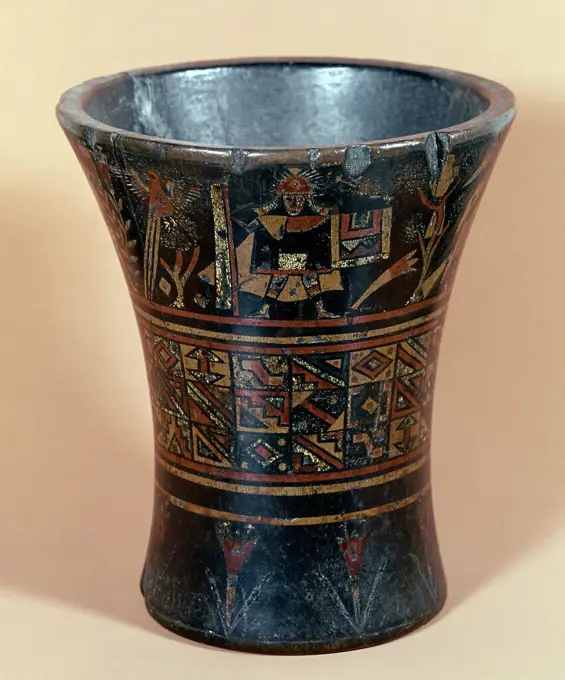
Ancient Decorative Vessels

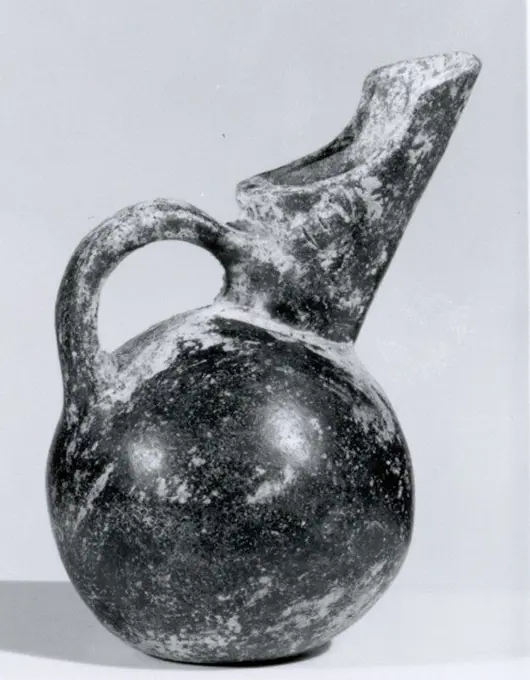
Features historical glass and terracotta jars with intricate designs, showcasing craftsmanship from Greek and Roman cultures.

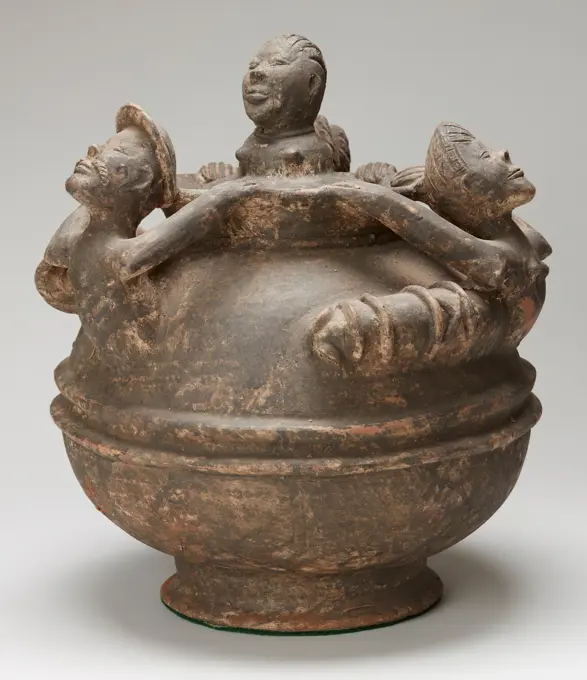
Pot with Figures and Horses, 19th century, 18 x 17 7/8 x 17 7/8 in. (45.72 x 45.4 x 45.4 cm), Ceramic, Burkina Faso, 19th century
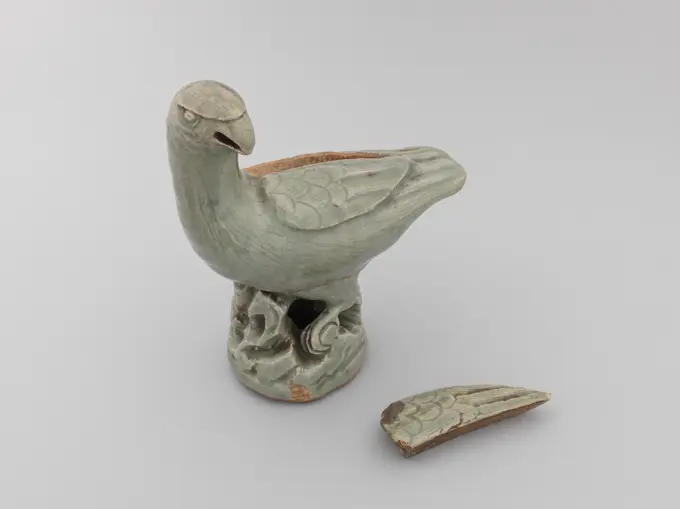
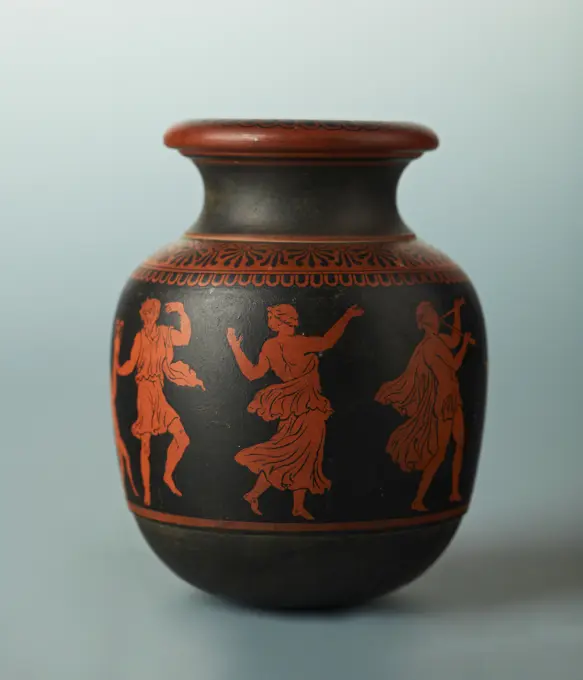
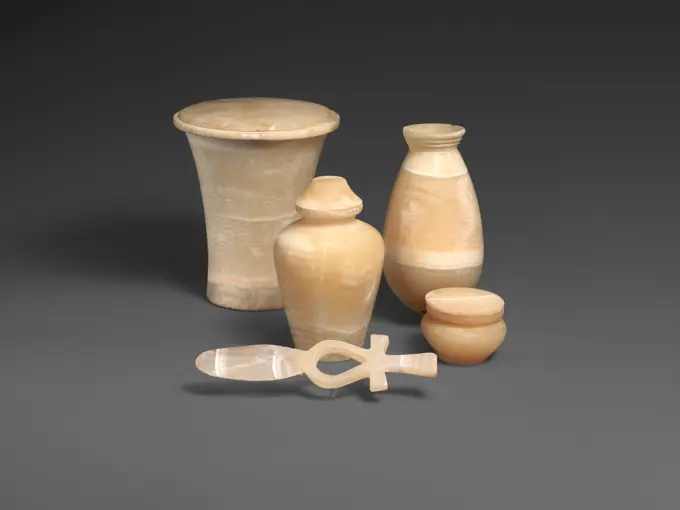
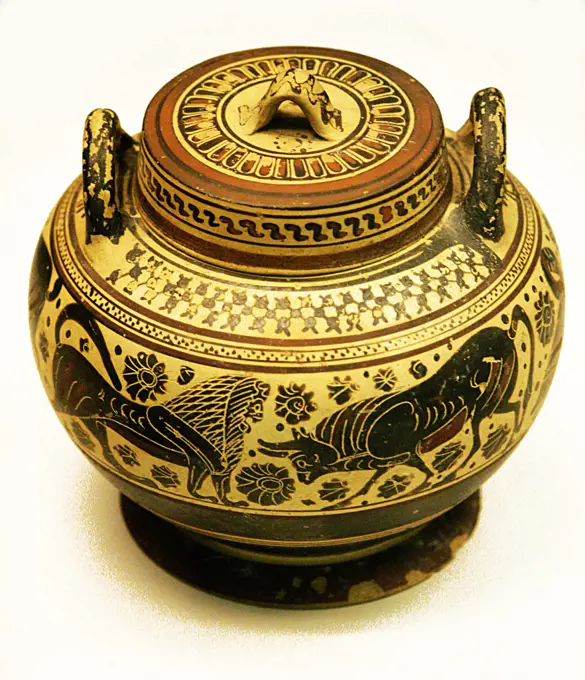
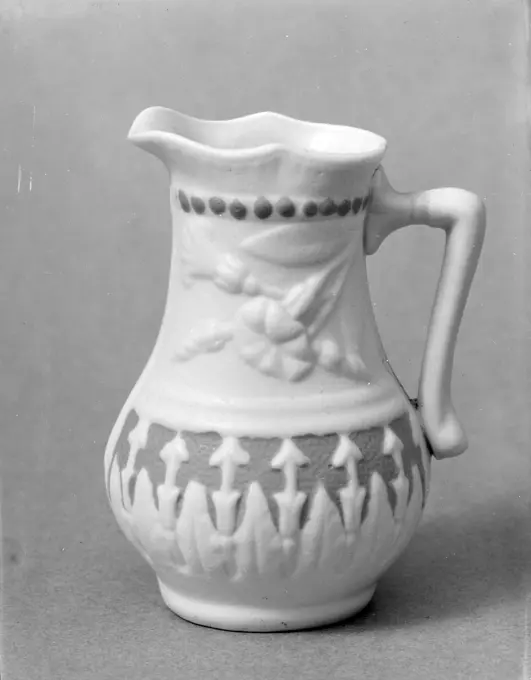
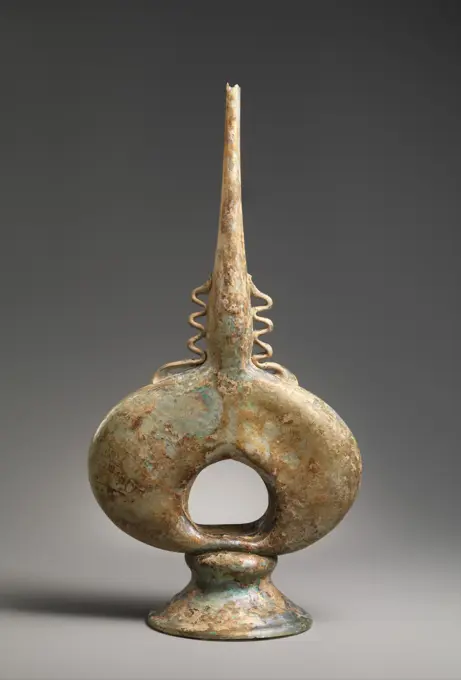
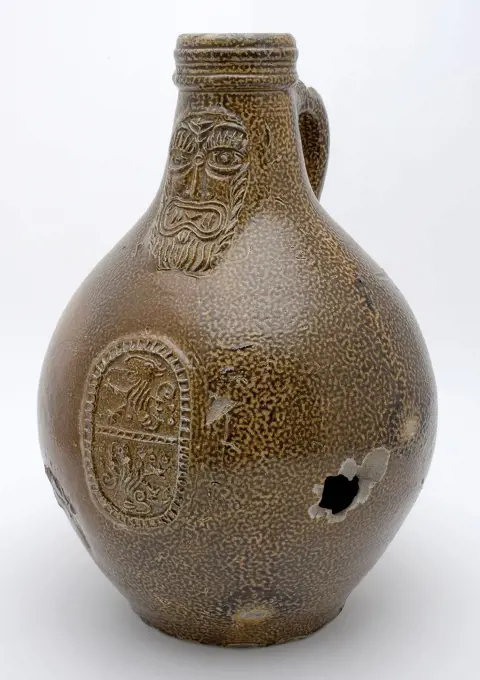
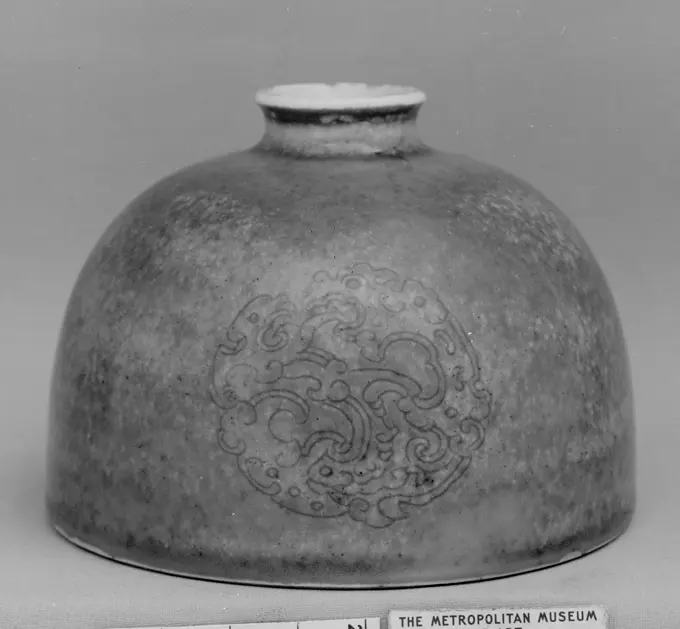
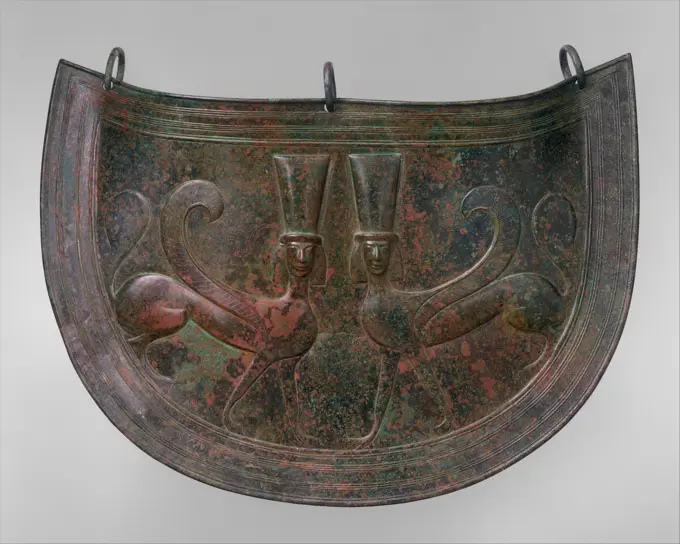
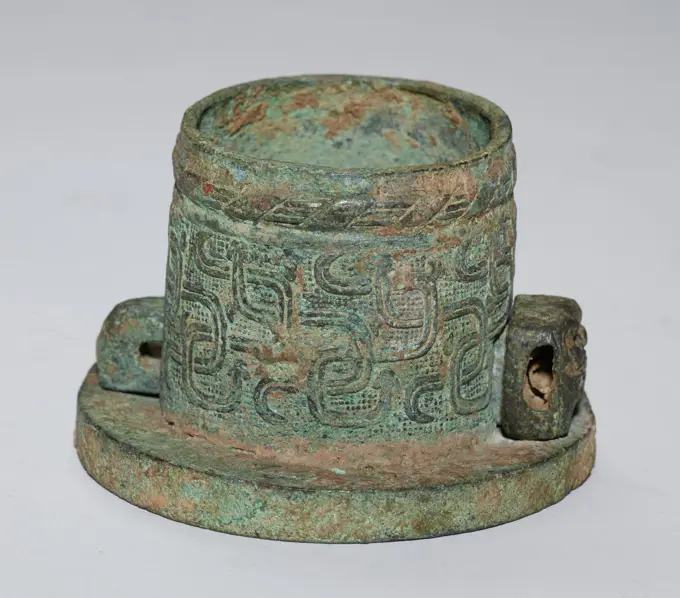
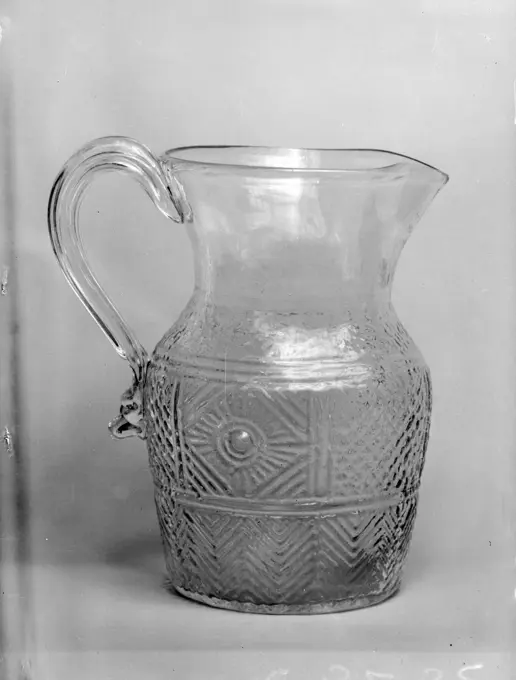
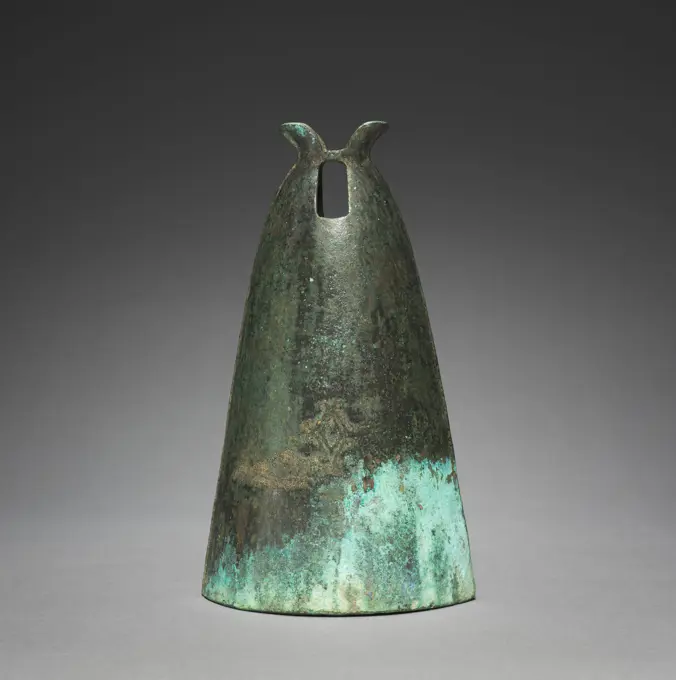
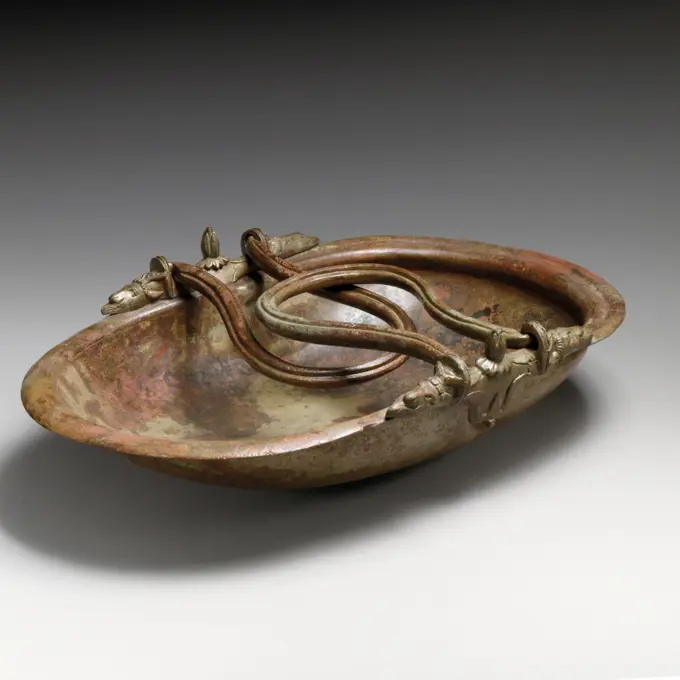
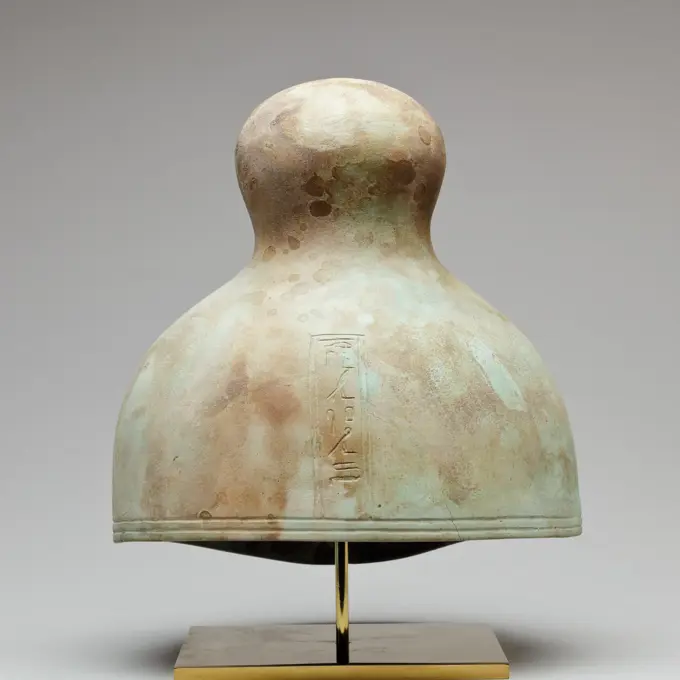
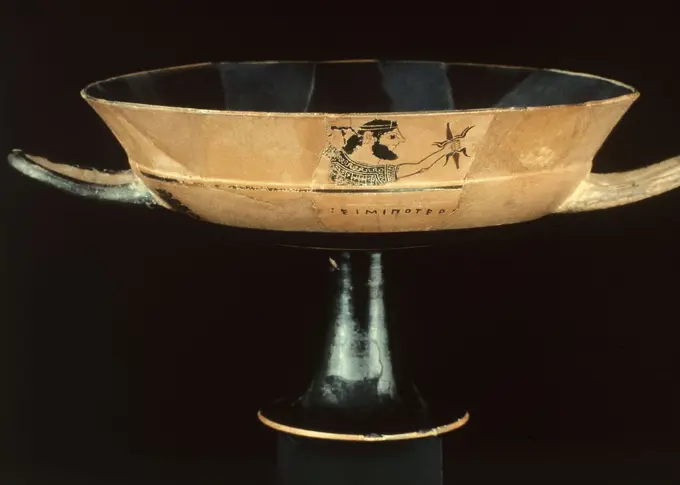
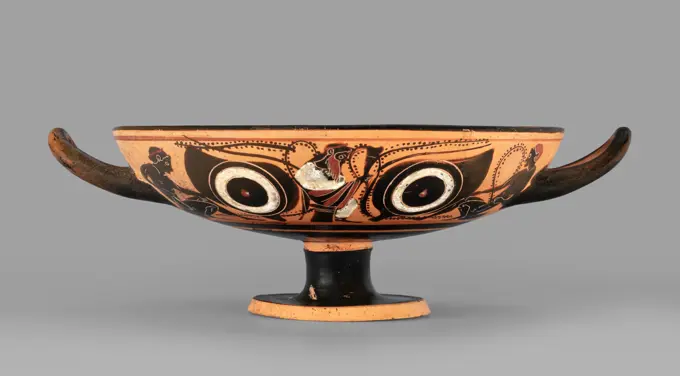
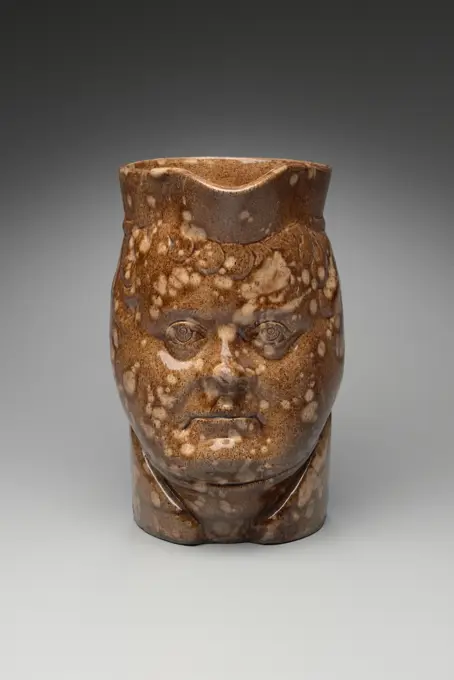
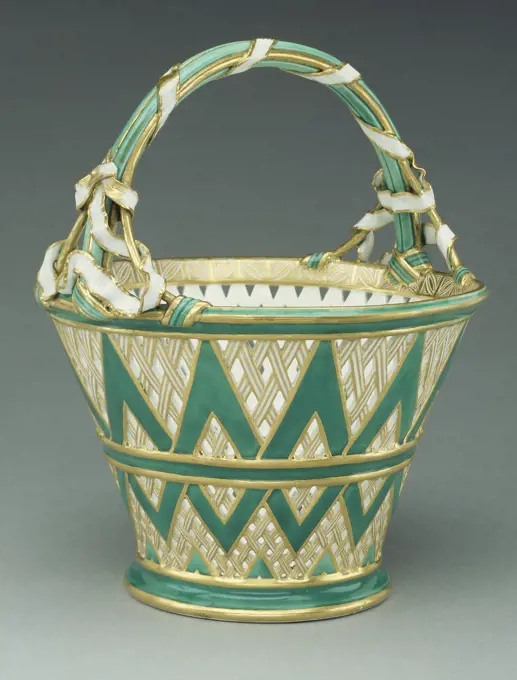
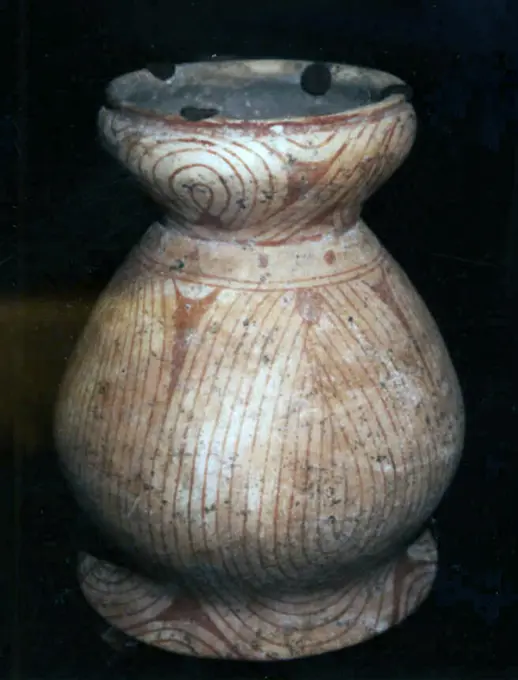
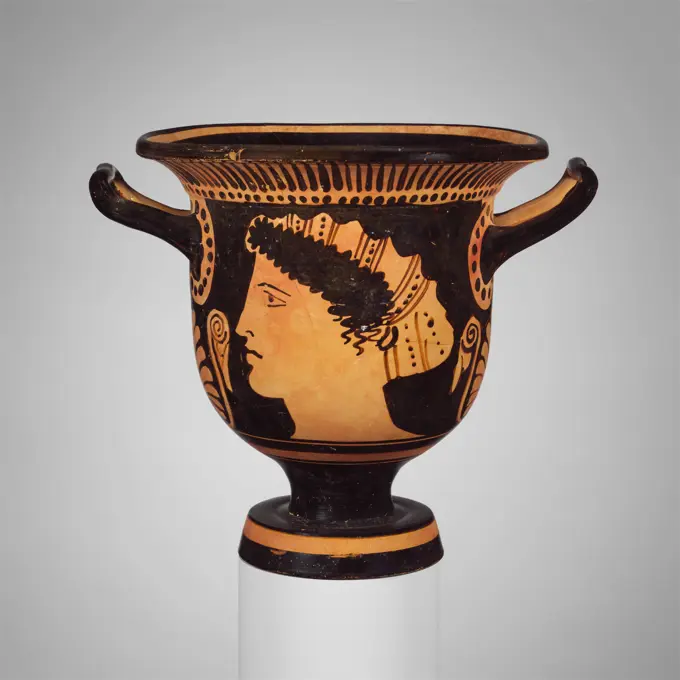
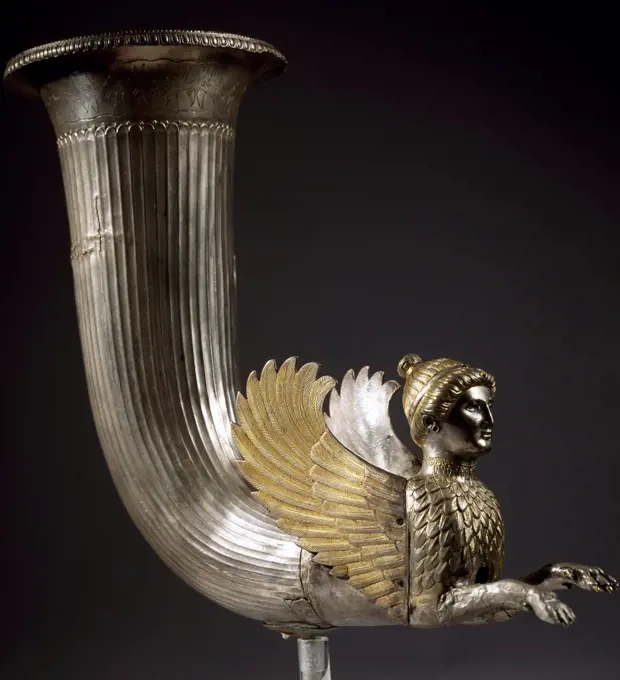
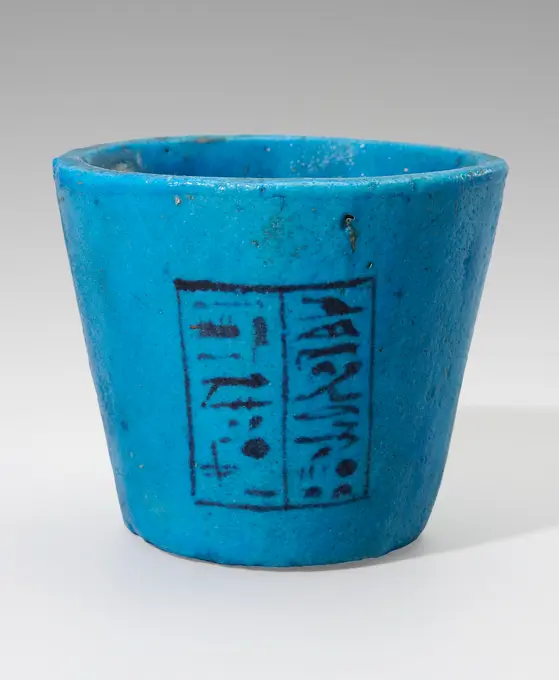
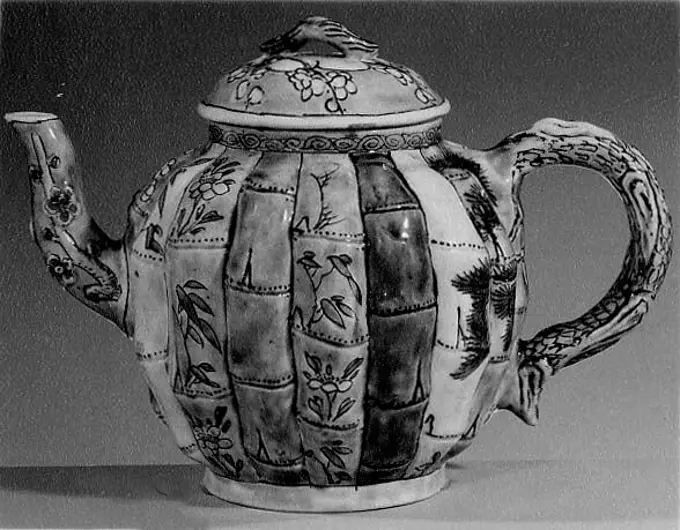
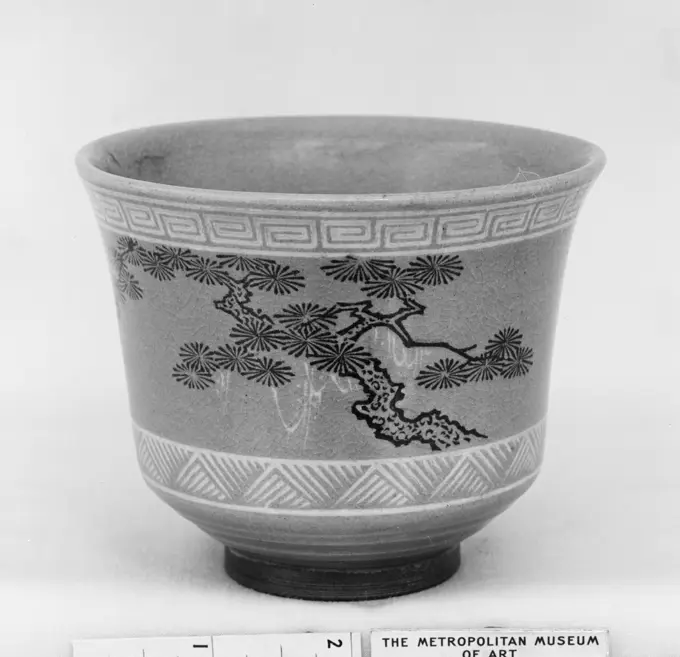
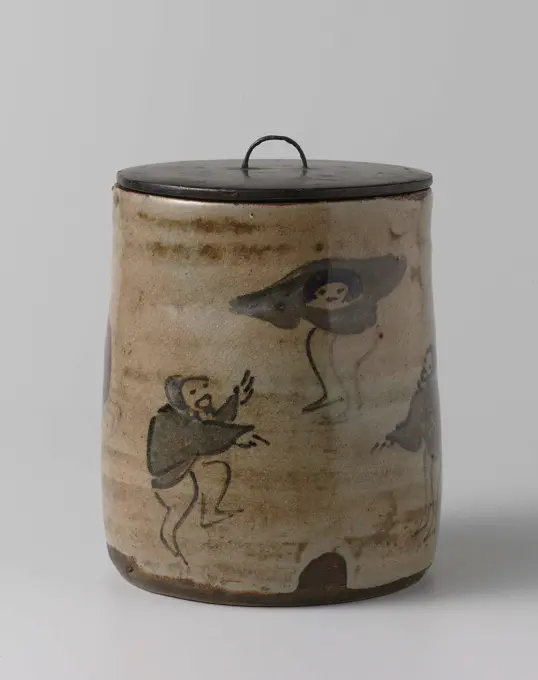
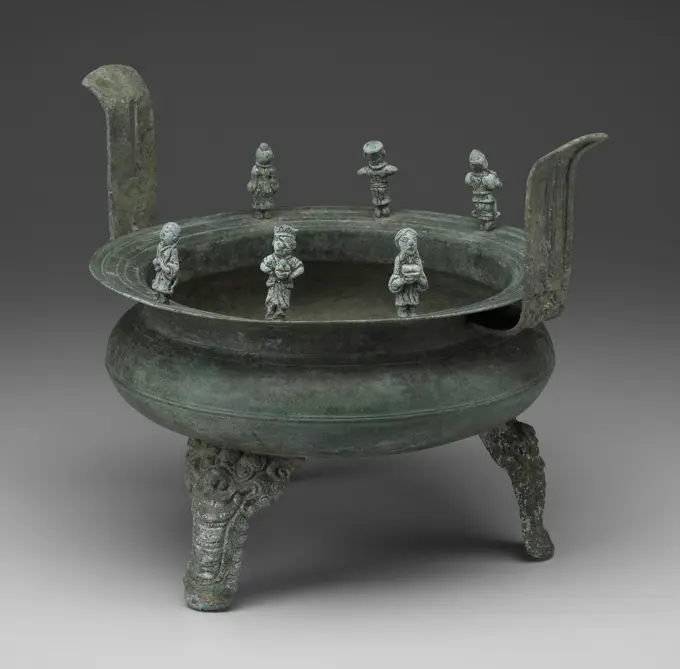
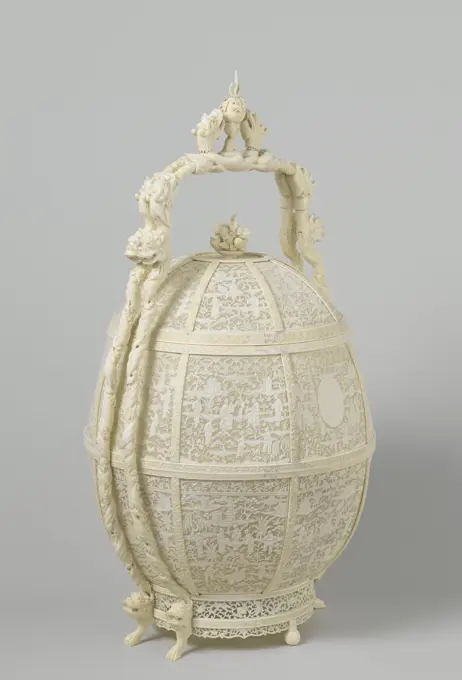
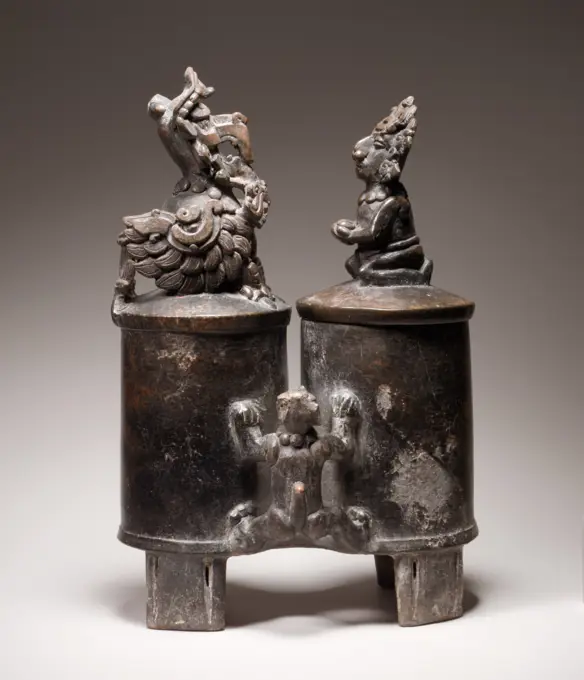
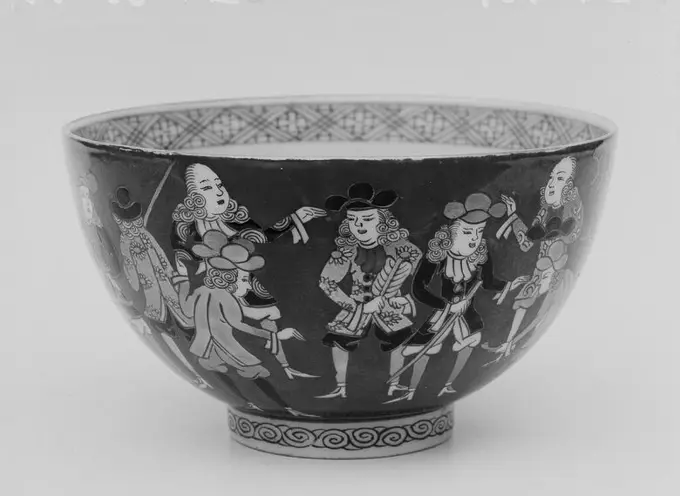
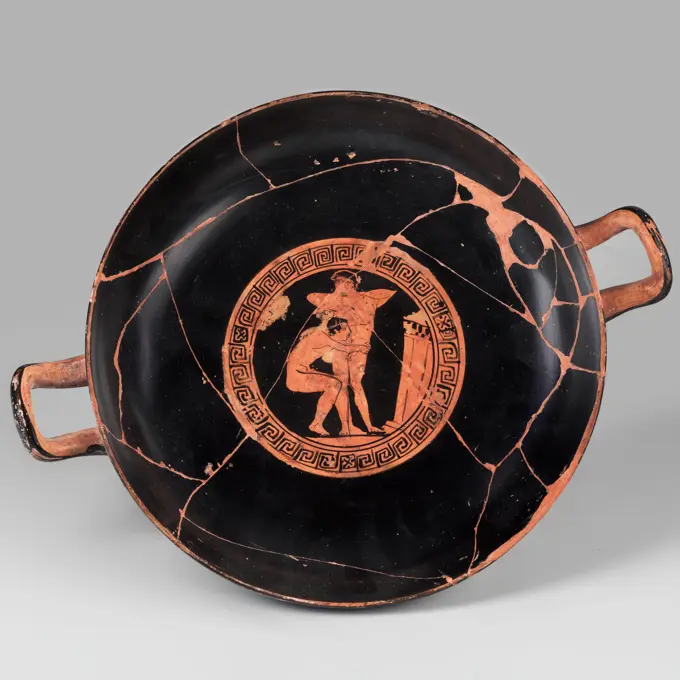
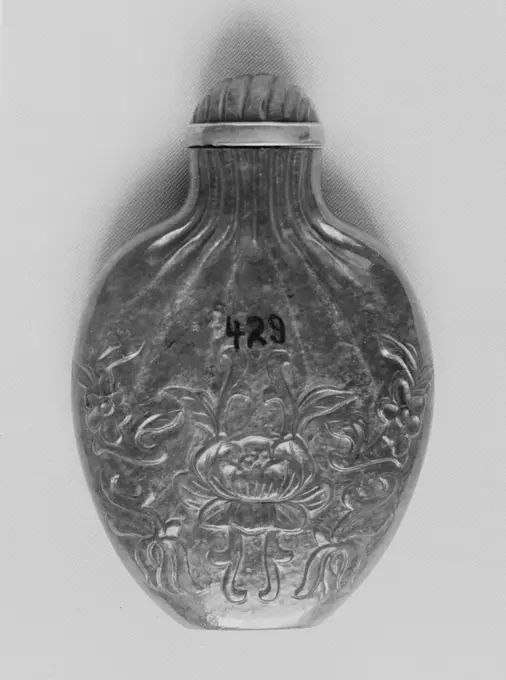
Snuff bottle with stopper China. Snuff bottle with stopper. China. Dark opaque emerald-green jadeite. Qing dynasty (1644-1911), Kangxi period (1662-1722). Snuff BottlesCampania Caserta Capua Museo Campano08. Hutzel, Max 1960-1990 Medieval: Byzantine architectural fragments; parchment fragments with miniatures (12th century) from Montecassino; painted wooden crucifix (13th century); Carolingian crucifixes; Bishop's miter (11th century) of gold and silver damask; fresco (13th century). Post-medieval: Architecture (15th century). Formerly the Palazzo Antignano. Unusual Catalan/Moorish-style portal; Paintings on panel and canvas (15th-18th centuries); marble intarsia (16th century); marble sculpture: busts of Christ and Mary (17th century); sculpture of saints in marble and in wood (15th century); painted and gilded sculpture in wood; marble grave sculpture (16th century); sarcophagus with allegorical carvings; gold reliquary "Rosa d'Oro"; crucifix made of elephant tusk Specific Location: Pianterreno Antiquities: Italic sculpture (seated women holding babies); inscription. Photo campaign #1: 533 photos. Roman relief and sculpture; cinerary urns; Greek anBurnt-Parfum (common name). Sandstone, molding, celadon. Cernuschi Museum, Asia Museum of Asia in the city of Paris.Small VesselA group of stone vessels from a tomb at Haraga ca. 1887-1750 BC Middle Kingdom A group of cosmetic vessels from a tomb containing the remains of a woman and a man. Link to a blog postJewelry from the Haraga Treasure, United at the Met. A group of stone vessels from a tomb at Haraga. ca. 1887-1750 BC. Travertine (Egyptian alabaster). Middle Kingdom. From Egypt, Fayum Entrance Area, Haraga, Cemetery A, Tomb 124Pitcher. Culture: American. Dimensions: H. 7 3/16 in. (18.3 cm); Diam. 6 1/2 in. (16.5 cm). Date: ca. 1850. Museum: Metropolitan Museum of Art, New York, USA.Burner (Ran Lu) 2nd-1st century B.C. China. Burner (Ran Lu) 61192Pyxis (Cosmetic box) with lions, a goat, a bull and a swan. Middle Corinthian, about 600-575 BCGallinaceous. Terracotta with straw yellow glaze. Paris, Cernuschi museum. 78845-3Wijwaterbak van steengoed.Woodwater bin from stoneware. With ribs, on which a angel head. And Christ on the cross.Bottle. Culture: China. Dimensions: H.10 5/8 in. (27 cm). Date: 16th century. Museum: Metropolitan Museum of Art, New York, USA.Miniature Votive Stupa, AD 435. China, Gansu province, Northern Wei dynasty (386-534). Steatite; overall: 16.9 cm (6 5/8 in.).Decorated bottle, West Africa, 1900-1950, gourd bark and pigment, Anthropology National Museum, Madrid, Spain.OLYMPUS DIGITAL CAMERATerracotta lamp. Culture: Roman, Cypriot. Dimensions: Overall: 1 3/16 x 3 5/8 in. (3 x 9.2 cm). Date: 1st century B.C.-1st century A.D.. Museum: Metropolitan Museum of Art, New York, USA.Prehistory, Bronze Age, decorated situla, from Emilia Romagna Region, ItalyPitcher British 19th centuryFibula, boat-shaped type 8th century B.C. Italic The bow is hollow and open on the underside. Its outer surface is decorated with incised lines.. Fibula, boat-shaped type. Italic. 8th century B.C.. Bronze. Early Iron Age. BronzesJacaubaan with a strong ribbed cylindrical belly, separated by a keen profile from the high, fairly wide neck .. Jacobakan of Stoneware. The foot edge is waved by finger pressure. The high, round, almost cylindrical belly is sharp ribbed and separated by a keen profile from the high and free wide neck. The can be unglazed.Alfred Parys, Flower Pot, c 1939 Flower PotItaly, Apulia, Fasano, Gnazia, Red-figure lekythos (vase used to store oil)Wine bottle 1800 Japan. Wine bottle 47331Pitcher 1830-70 American. Pitcher. American. 1830-70. Parian porcelain. Probably made in Bennington, Vermont, United StatesWhistling Jar 200 B.C.-1000 A.D. Peruvian. Whistling Jar. Peruvian. 200 B.C.-1000 A.D.. Clay. Pre-Columbian. North Coast, Peru. Aerophone-Blow Hole-vessel flutePerfume Sprinkler (Qumqum) 11th-mid-13th century This long-necked glass bottle with a ring-shaped body would have been used for disseminating rosewater or another aromatic substance mixed with water. Rosewater was used for cooking and as a perfume to be sprinkled on guests at the end of a meal. The production of such sprinklers in Syria from the late eleventh to the mid-thirteenth century reflects another aspect of courtly manners in which attractiveness in all its forms was prized.. Perfume Sprinkler (Qumqum). 11th-mid-13th century. Greenish glass; blown, applied blown foot, applied decoration. Attributed to probably Syria. GlassKantharos in the form of two heads late 5th century B.C. Greek, South Italian, Campanian. Kantharos in the form of two heads. Greek, South Italian, Campanian. late 5th century B.C.. Terracotta. Classical. VasesJARRA DE CERAMICA VERDE DE PATERNA - SIGLO XIV. Location: MUSEO DE CERAMICA GONZALEZ MARTI. Valencia. SPAIN.KERO PERUANO PRECOLOMBINO. Location: MUSEO DE AMERICA-COLECCION. MADRID. SPAIN.Brown speckled Bartmann jug, also called Bellarmine jug, under beard mask in oval two mythical animals, Bartmann juggejug tableware holder soil find ceramic stoneware clay engobe glaze salt glaze, surface 10.7 hand turned stamped glazed glazed baked stoneware jug gray shard brownish-brown tigered salt-glaze sausage ear with short tail two excellent rings under the foot rim archeology import pottery drink pour carry packageTerracotta oil lamp. Culture: Roman, Cypriot. Dimensions: Overall: 1 x 3 1/2 in. (2.5 x 8.9 cm). Date: late 3rd century A.D..Discus: rosette with many, wavy petals around a central filling hole. Narrow, continuous shoulder decorated with ovules. Volutes flanking nozzle. Raised base ring; concave base inscribed: P·C·F. Museum: Metropolitan Museum of Art, New York, USA.Writer's Water Bottle China. Writer's Water Bottle. China. Porcelain. Qing dynasty (1644-1911), Kangxi period (1662-1722). CeramicsCovered bowl with Thai celestial beings 19th century China. Covered bowl with Thai celestial beings 46246LAMPARA DE MEZQUITA MAMELUCA-EGIPTO O SIRIA-SIGLO XIV. Location: VICTORIA AND ALBERT MUSEUM. LONDON. ENGLAND.Bronze mitra (belly guard) late 7th century B.C. Greek, Cretan These three mitrai were found on Crete with the two helmets exhibited above. They were suspended from belts to protect the lower abdomen. One, with a depiction of the foreparts of horses, is inscribed "Synenitos, the son of Euklotas, took this." Another, with the foreparts of winged horses, is inscribed "Aisonidas, the son of Kloridios, took this." The third mitra is decorated with two sphinxes. Such heraldic representations of fantastic animals were derived from Near Eastern prototypes.. Bronze mitra (belly guard) 255930Jug with Adam and Eve. Attributed to Paul Preuning, (German, active c.1540-50); Nuremberg. Date: 1545-1555. Dimensions: Height: 21.6 cm (8 1/2 in.). Earthenware, polychrome glaze. Origin: Nuremberg. Museum: The Chicago Art Institute, Chicago, USA.Corinthian Kotyle. UnknownBowl. Culture: Maya. Dimensions: H. 4 1/4 x Diam. 7 in. (10.8 x 17.8 cm). Date: 9th-10th century. Museum: Metropolitan Museum of Art, New York, USA.Fragmentary goblet ca. mid-3rd millennium B.C.. Fragmentary goblet 327371Teapot. Culture: Japan. Dimensions: Diam. 6 in. (15.2 cm). Date: ca. 1790. Museum: Metropolitan Museum of Art, New York, USA.Bottle mid-18th century British, probably Liverpool. Bottle 197829Very old style clay ewer water jar in viewAxle cap from chariot wheel, one of a pair, late 5th-early 4th century BCE, 3 1/8 × 2 1/16 in., 0.9 lb. (7.94 × 5.24 cm, 0.4 kg), Bronze, China, 5th-4th century BCEVase with cover China. Vase with cover. China. Nephrite, white with light greenish tint. Qing dynasty (1644-1911), Qianlong period (1736-95). JadeAnthropomorphic Tripod VesselPitcher 1820-40 American. Pitcher. American. 1820-40. Blown molded lead glass. Made in United StatesBell with Diamond-Shaped Insignia, 300s-100s BC. China, along the southern borders, Eastern Zhou dynasty (771-256 BC) - Han dynasty (202 BC-AD 220). Bronze; overall: 24.1 cm (9 1/2 in.).Lotus cup 18th century China. Lotus cup. China. 18th century. Stoneware with crackled glaze (Yixing ware). Qing dynasty (1644-1911). CeramicsScherf Majolica with decoration in blue and yellow, anonymous, 1500 - 1699  Majolic screen. Northern Netherlands earthenware. glazeBronze basket vase with swinging handles 1st century B.C. Roman The majority of bronze basket vases come from Campania, particularly around the Bay of Naples where there may have been a workshop specializing in these kinds of vessels. The swinging handles shaped like the Greek letter "omega", are especially characteristic of the type. An unusual motif is the goat-head on the ends of the handle attachments. More common are attachments decorated with the heads of birds-including ducks, as seen on handle 1972.118.89 in this case- dogs, serpents, dolphins, and even satyrs.. Bronze basket vase with swinging handles 255964Vessel with Female Faces, 100 BC-700. Peru, South Coast, Nasca style (100 BC-AD 700). Earthenware with colored slips; overall: 13.8 x 9.6 cm (5 7/16 x 3 3/4 in.).Ceremonial helmet / funerary crown inscribed for the Osiris Hor-Psamtik 664-525 B.C. Late Period Generally described as a helmet because of a very general resemblance to Assyrian helmets of this time, this piece was created in relatively fragile faience and is unlikely to be intended for actual battle. Another possibility is that it is a squat approximation of an Egyptian white crown, typically worn by Osiris along with the kings. The purpose must be ceremonial and / or funerary, although nothing similar is known, nor is the practice of supplying life-size faience funerary accessories documented. However, the helmet / crown was represented to its collector in the late 1800s as having been found on a mummy, and conservation and technical examination supports this representation. This determination reveals an unknown practice.The headgear bears an unusual name - Hor-Psamtik, or Psamtik is Horus - that points to the owner having lived during or near the reign of one of the three PsamtikCovered Vessel (Fangyi) China. Covered Vessel (Fangyi). China. Bronze. Shang dynasty (ca. 1600-1046 B.C.). MetalworkVase in the Shape of a Pomegranate. Egyptian. Date: 1250 BC-1200 BC. Dimensions: 7.6 × 6 × 6 cm (3 × 2 3/8 × 2 3/8 in.). Glass, core-formed technique. Origin: Egypt. Museum: The Chicago Art Institute, Chicago, USA. Author: Ancient Egyptian.KYLIX ATICA PROCEDENTE DE LA NECROPOLIS DE MEDELLIN (BADAJOZ) FECHADA ENTRE EL 560 Y EL 550 AC. Location: MUSEO ARQUEOLOGICO NACIONAL-COLECCION. MADRID. SPAIN.Neck-Amphora. Attributed to the Lotus Bud GroupChina, Shanghai, Shanghai Museum, Bronze Chinese Wine VesselFigure Vessel 1st-3rd century Vicús. Figure Vessel. Vicús. 1st-3rd century. Ceramic, pigment. Peru. Ceramics-ContainersEffigy Vessel, 20th century, 18 x 15 1/2 x 15 1/2 in. (45.7 x 39.4 x 39.4 cm), Terra cotta, Mali or Nigeria, 20th centuryTassel (Spain); silk, wooden core, linenA bottle with Eros's performance, Aryballs in the Gnathia style, Gnathia style mug; Unknown Apulian workshop,  End of the 4th century BC (-310-00-00--301-00-00), early W.A.C. (0-00-00-0-00-00), IV-III century BC (-400-00-00--201-00-00);Działyńska, Izabela (1830-1899), Działyńska, Izabela Elżbieta née Czartoryski (1830-1899)-collection, Działyński, Jan (1829-1880), Eros (mitol.), Italia, classic periodKylix shaft with the representation of Dionysus;  The end of the 6th century BC (-510-00-00--501-00-00);Terracotta rhyton (vase for libations or drinking). Culture: Greek, South Italian, Apulian. Dimensions: H. 6 5/8 in. (16.8 cm). Date: late 4th-early 3rd century B.C..The rhyton is in the form of a horse's head. The original polychrome decoration is lost. Museum: Metropolitan Museum of Art, New York, USA.POT O BOTE NAZARI DE MALAGA - SIGLO XV - ATAURIQUES. Location: INSTITUTO VALENCIA DE DON JUAN-COLECCION. MADRID. SPAIN.Spouted jar ca. 2700-2400 B.C. Yortan. Spouted jar 325583Glass alabastron (perfume bottle) late 6th-5th century B.C. Greek, Eastern Mediterranean Opaque white, with handles in same color; trails in translucent purple.Broad, flat rim-disk with tooling marks on upper surface; short cylindrical neck; narrow rounded shoulder; straight-sided body with slight upward taper; convex bottom; below shoulder, two vertical ring handles with knobbed tails applied over trail decoration.One trail attached at edge of rim-disk; another applied on neck and wound down in spiral on upper body, then tooled into a zigzag pattern around middle of body; below this, a third fine trail wound twice horizontally around body.Intact, but internal cracks around lower body; pitting of surface bubbles, patches of limy encrustation, and faint iridescent weathering.. Glass alabastron (perfume bottle) 245465Paris (7th arr.), France The exhibition of decorative arts, national manufacture of Sèvres, a vase , 1925 - International Exhibition of Modern Decorative and Industrial Arts Paris (French - Paris ( VIIe arr. ) , France L' Exposition des arts décoratifs , Manufacture Nationale de Sèvres , un vase). Engraving, interior view, painted decor, vase, painting, decorative arts, ceramics, exhibition, exhibition of decorative arts, ephemeral architecture, Art , Habitat , Architecture, France, Paris, Exhibition of decorative arts, Manufre Natle de Sèvres. A vasePitcher (Head of Daniel OConnell).  Maker: Ralph Bagnell Beach, AmericanVessel ca. 5600-5400 B.C. Hacilar In western Asia, people discovered how to make pottery during the period known as the "Pottery Neolithic," beginning about 6900 B.C. For several millennia, pottery was made by hand, since the potter's wheel was invented only in the fourth millennium B.C. The colors, shapes, and decorations of pottery vary from culture to culture and often small pieces of distinctive broken pottery (sherds) help archaeologists identify the dates and cultural affiliations of archaeological sites.The site from which this ceramic vessel comes has not been identified. However, the geometric decorative pattern in red paint on cream slip (a thin coating of special clay) is characteristic of the site of Hacilar in Turkey in the Chalcolithic period. In the previous Neolithic period, the pottery at Hacilar was brown- or red-slipped and then polished with a piece of stone or bone before being placed in the kiln; in the Chalcolithic, lively painted decoration was introduced.The poBasket; Sèvres Manufactory (French, 1756 - present); Sèvres, France; 1756; Soft paste porcelain, green ground color; gilding; 21.9 x 20 x 18.1 cm (8 5,8 x 7 7,8 x 7 1,8 in.)Wedding Cup, before 1949. Russia, 20th century. Lacquer;Pair of Beakers Depicting Birds in a Cornfield 1100-1438 Ica Valley. Gold . IncaPedestalled Vessel ca. 300 B.C.-A.D. 300 Thailand (Ban Chiang). Pedestalled Vessel. Thailand (Ban Chiang). ca. 300 B.C.-A.D. 300. Earthenware with buff slip and red oxide decoration. Late period. CeramicsFive vases from Chinese porcelain in a row; Asian art, July 1957..Terracotta bell-krater (bowl for mixing wine and water) late 5th century B.C. Greek, Boeotian Obverse, head of a womanReverse, palmetteAlthough the significance of these representations is not known, and would have varied from region to region, the motif of a woman's head was extraordinarily widespread in the Greek world during the fifth and fourth centuries B.C. It is noteworthy also that there was no male counterpart.. Terracotta bell-krater (bowl for mixing wine and water) 244823Set of old ceramic kitchen tools - retro equipment of cooking isolated on white background. Panoramic collage. Wide photo .Silver rhython protome in the shape of a winged sphinx and with decoration on the neck, from the Borovo Treasure, Ruse Region, Bulgaria. Goldsmith art. Thracian Civilization, 4th Century BC.Jug ca. 1590 Bohemian. Jug. Bohemian. ca. 1590. Enameled glass. GlassTerracotta Nolan neck-amphora (jar). Culture: Greek, Attic. Dimensions: H. 12 3/4 in. (32.4 cm)diameter of mouth 5 3/4 in. (14.6 cm). Date: ca. 490-480 B.C..Obverse, satyr with drinking horn and wine skin Reverse, satyr with drinking horn. Museum: Metropolitan Museum of Art, New York, USA.A mug with the name of Nesi-Chonsu;  approx. 990-OK. 969 BC ; 3rd passage period, 21 dynasty (-995-00-00--964-00-00);Hoffmann, Henri (1865-1917), Hoffmann, Henri (1865-1917)-collection, Nesichonsu (Ca 990-969 A.C.), Pinodżu II (Amon Archduly , faience dishesWinepot with Cover late 17th-early 18th century China. Winepot with Cover 42291Deep Cup 19th century Japan. Deep Cup. Japan. 19th century. Clay with incised and inlaid design, covered with a transparent crackled glaze. Edo (1615-1868) or Meiji period (1868-1912). CeramicsStoneware jug with appliqué, in which GR, blue floral design and chessplate pattern, jug crockery holder soil find ceramic stoneware glaze salt glaze h 13.9 belly 14.3 hand twisted stamped carved carved glazed baked Stoneware jug gray shard with salt glaze neck profiled ear profiled foot In medallion the letters GR (George Rex) archeology heraldry import pottery serve serve drink serve wine beer elector Hannover king BritainClay pots from Cyprus prehistoric times found by Luigi Palma di Cesnola. Ancient Greece, Europe. Old 19th century engraved illustration from El Mundo Ilustrado 1880Part of a large ivory stacking box with openwork panels, anonymous, c. 1800 - c. 1815 Part of a large ivory stile box with openwork panels. Canton ivory cutting Part of a large ivory stile box with openwork panels. Canton ivory cutting. Waterpot (mizusashi) of stoneware with a flat, wooden lid, partly covered with a cream-colored glaze and painted in blue and black. On the wall a fifth dancing ? People and a inscription. A second inscription on the inner wall of the pot. Marked on the underside with an unidentified, reduce brand. Old label on the inside with 'W756'.Tripod Incense Burner, 14th century, 9 15/16 x 12 1/8 x 10 1/16 in. (25.24 x 30.8 x 25.56 cm), Bronze, Vietnam, 14th century, Contact with China during the Han dynasty (206 b.c.-220 a.d.) greatly influenced Vietnamese art and culture for centuries to come. As the Vietnamese adopted Confucianism and Chinese style ancestor worship, their ritual bronze tripods, vases, and even coins took on Chinese characteristics. While this rare fourteenth century Vietnamese tripod has a Chinese form, the small figural images attached to the rim are entirely a Vietnamese invention. The figures, clad in native dress, each carry an offering perhaps to an altar table where a censer such as this would have been used in ritual ceremonies.Turkish tea pot made in a traditional styleBrush Holder, 1800s. China, Qing dynasty (1644-1911). Spinach jade; diameter: 8.4 cm (3 5/16 in.); overall: 12.5 cm (4 15/16 in.).Stacking Boxes, anonymous, c. 1800 - c. 1815 Stack box, consisting of two stacked trays, a lid and a handle. The walls of the bins and the lid always consist of eight openwork panels with representations of Chinese in many different out -of -home activities, contained in ribs decorated with simpler motifs; The handle is decorated with dragons in relief. On the foot a beautiful strap of flower branches with bats. The lid button consists of different fruits and flowers. Canton ivory cutting Stack box, consisting of two stacked trays, a lid and a handle. The walls of the bins and the lid always consist of eight openwork panels with representations of Chinese in many different out -of -home activities, contained in ribs decorated with simpler motifs; The handle is decorated with dragons in relief. On the foot a beautiful strap of flower branches with bats. The lid button consists of different fruits and flowers. Canton ivory cuttingDouble-Chambered Vessel 5th century Maya A master Maya potter modeled a vignette with three characters onto the body and lids of this ritual drinking cup. The main form of the vessel is composed of two identical cylindrical chambers, connected by a central hollow bridge, each of which rests on two squarish slab feet. This style of ceramic, recognizable by a very fine reddish or gray paste fired with a reddish-black clay slip is known from the area of what is now northern Guatemala and Southern Campeche, Mexico. Artists who specialized in this blackware style in the 5th-6th centuries achieved great feats in gouged and incised designs, often on very thin walls or lids. Such a fine vessel would have been used on very special feasting occasion, perhaps later buried in the tomb of its owner by his or her descendants. In this scene, a large supernatural bird known as the Principal Bird Deity (PBD) perches on one lid (which is actually a false lid, fused with the chamber), and faces a kneelinTobi. Kimura Ryūmin (Japan, active mid- to late 19th century). Japan, mid- to late 19th century. Costumes; Accessories. WoodBowl. Culture: Japan. Dimensions: H. 3 in. (7.6 cm); Diam. 5 1/8 in. (13 cm). Date: late 18th-late 19th century. Museum: Metropolitan Museum of Art, New York, USA.bamboo snuff box, tagalog culture, Pampanga, Luzon, 19th century, brown bamboo, Anthropology National Museum, Madrid, Spain.Seal paste box with eight horses 18th century China. Seal paste box with eight horses. China. 18th century. Porcelain painted in underglaze cobalt blue (Jingdezhen ware). Qing dynasty (1644-1911). CeramicsA cup with a saucer Korzec, Vienna (Pałowowa Manufaktura)Red -and -red Kylix with two athletes;  around 420 BC (-425-00-00--415-00-00);Działyńska, Izabela (1830-1899), Działyńska, Izabela Elżbieta née Czartoryski (1830-1899)-collection, Działyński, Jan (1829-1880), Greece, table vessels, classic periodCERAMICA DE ARAGON - JARRA TRAMPA. Location: MUSEO DEL PUEBLO ESPAÑOL, MADRID, SPAIN.Ancient vase icon. Outline ancient vase vector icon for web design isolated on white background. Ancient vase icon, outline style. Waterpot (Mizusashi) of stoneware, partly covered with a cream-colored glaze and painted in blue and black. On the wall a fifth dancing ? People and a inscription. A second inscription on the inner wall of the pot. Marked on the underside with an unidentified, reduce brand. Old label on the inside with 'W756'.The caption accompanying this 1903 illustration in Gaston Masperos book on  History of Egypt reads: Examples of Phoenician Glass.