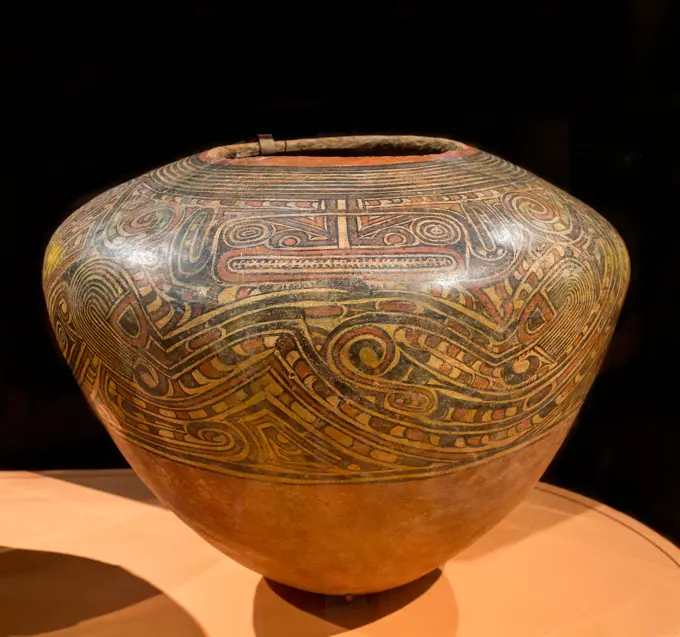
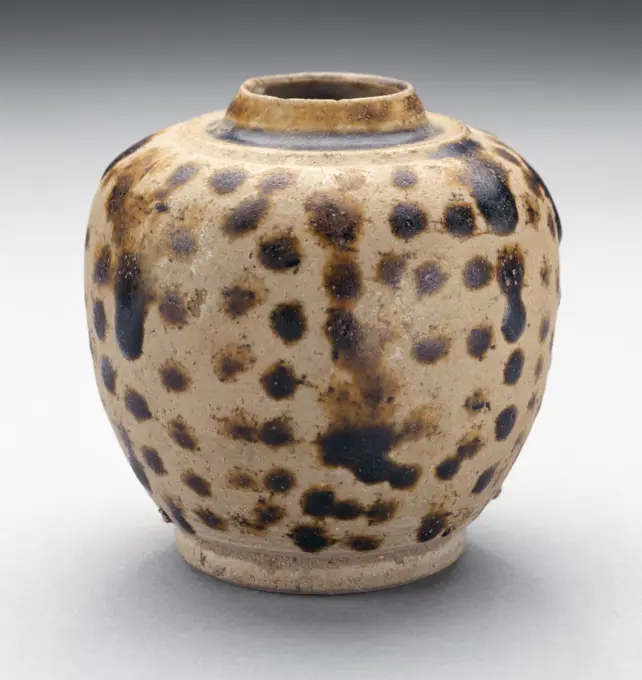
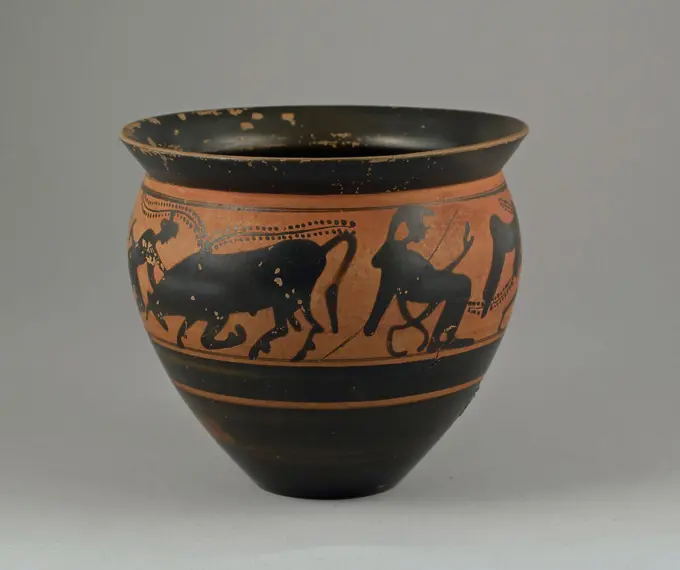
Ancient Decorative Vessels

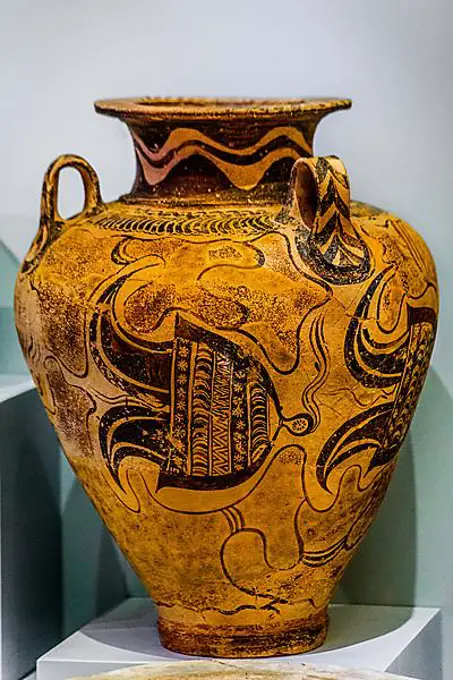
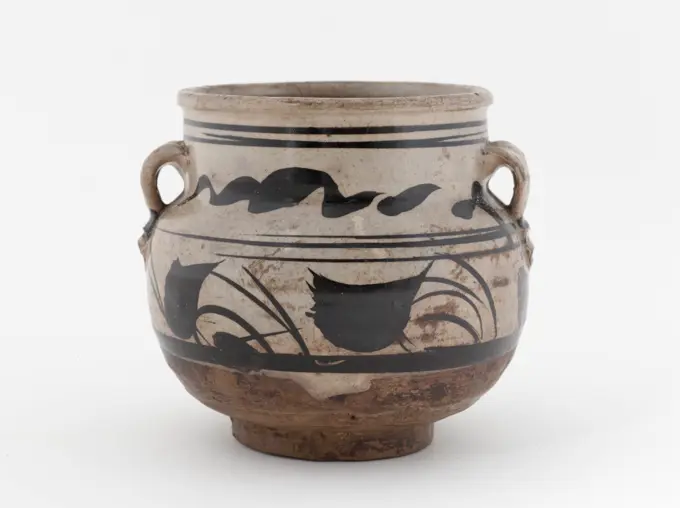
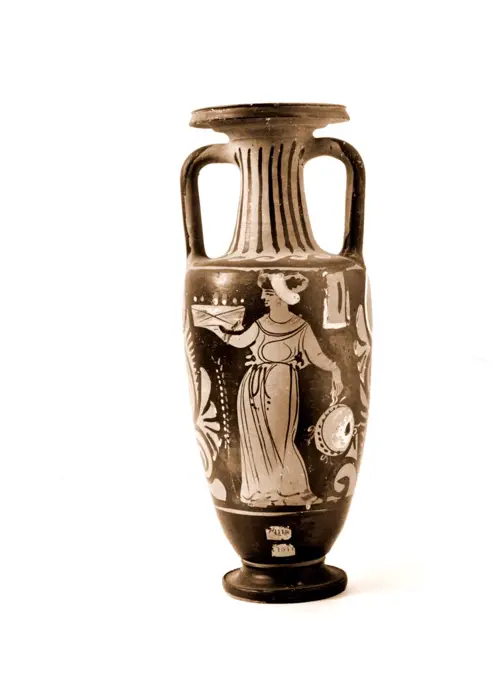
Features historical glass and terracotta jars with intricate designs, showcasing craftsmanship from Greek and Roman cultures.

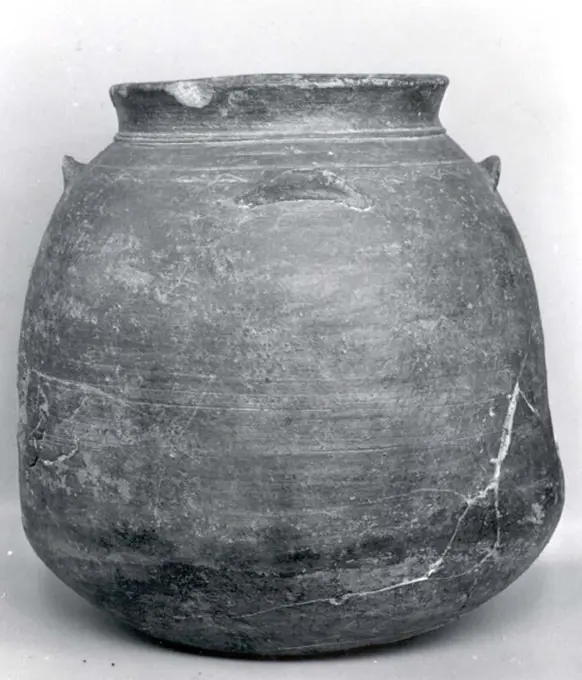
Pot with Figures and Horses, 19th century, 18 x 17 7/8 x 17 7/8 in. (45.72 x 45.4 x 45.4 cm), Ceramic, Burkina Faso, 19th century
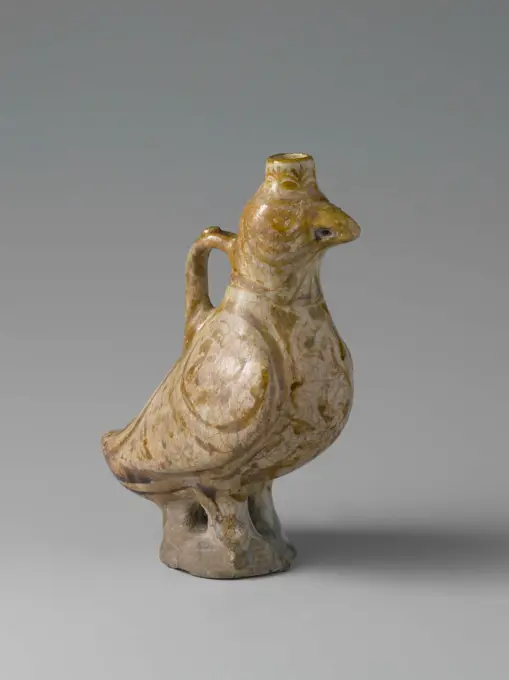
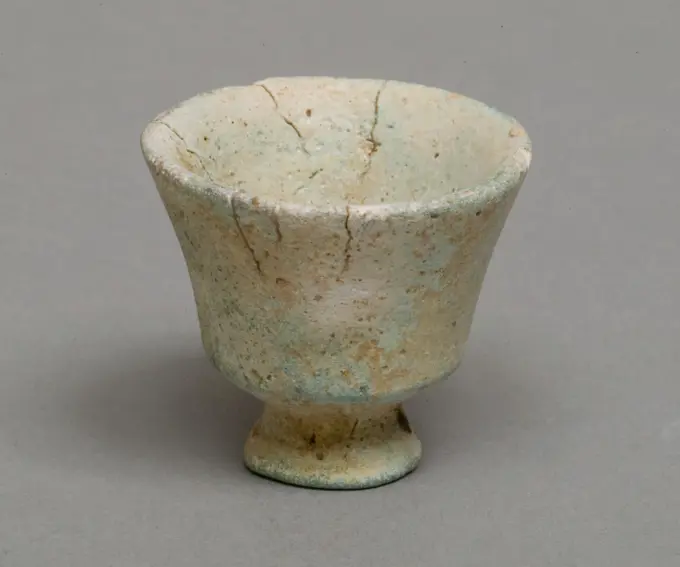
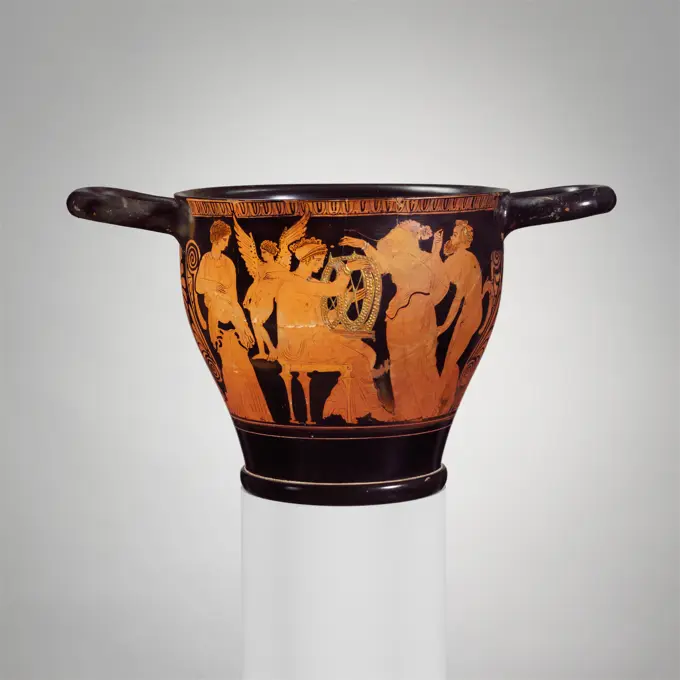
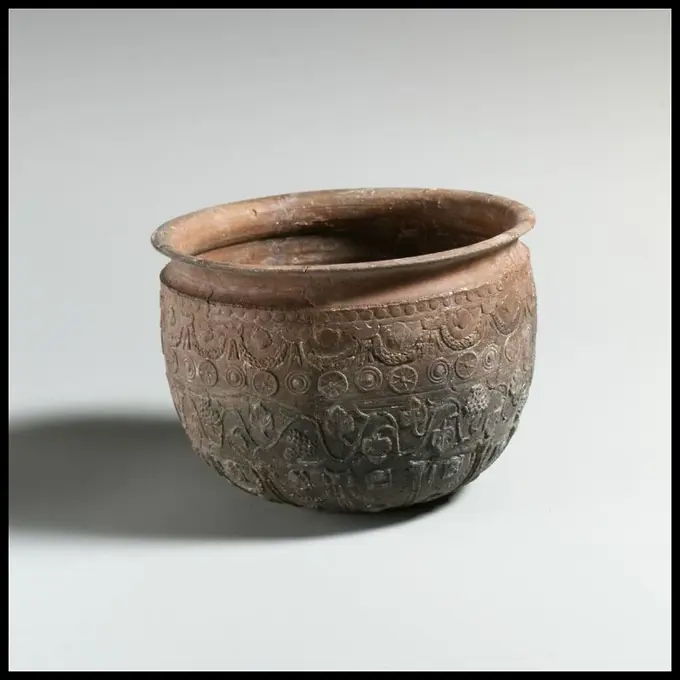
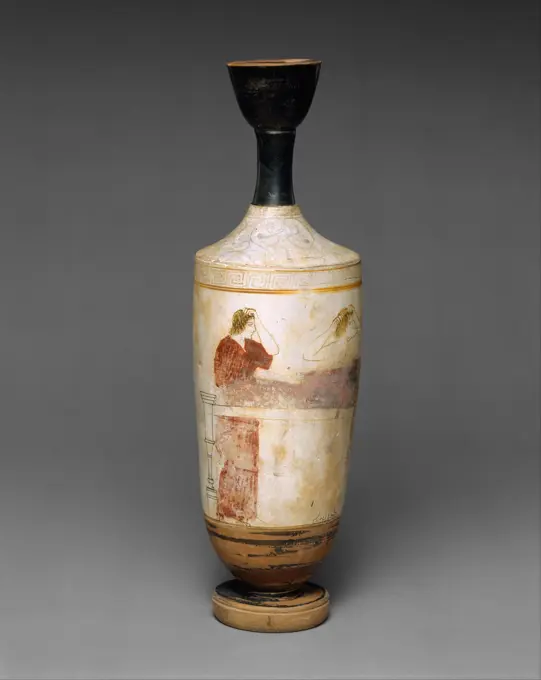
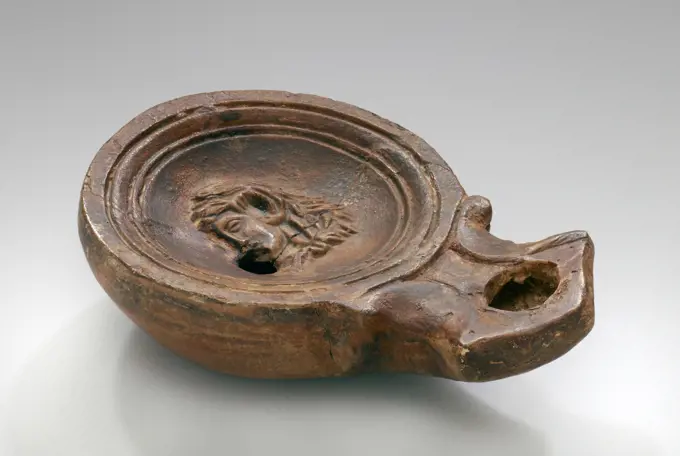
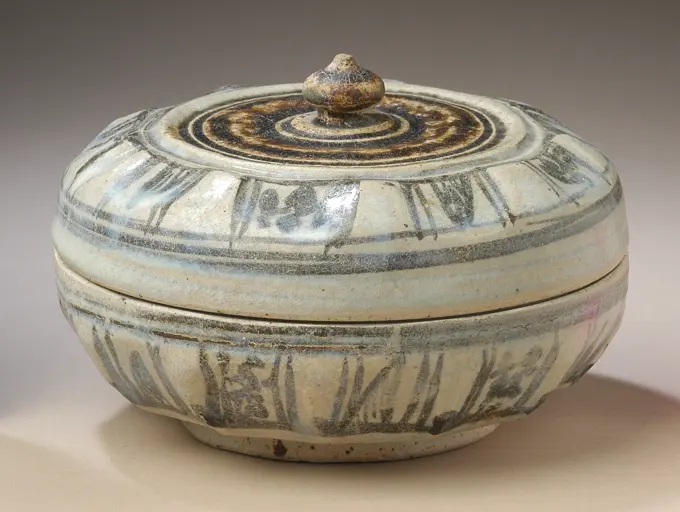
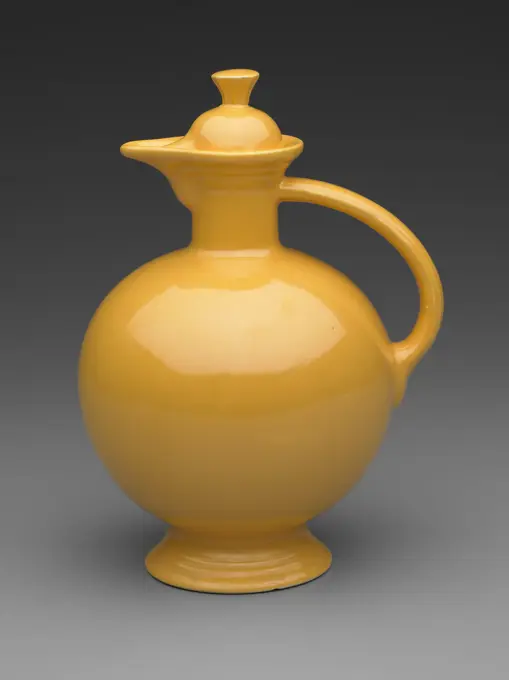
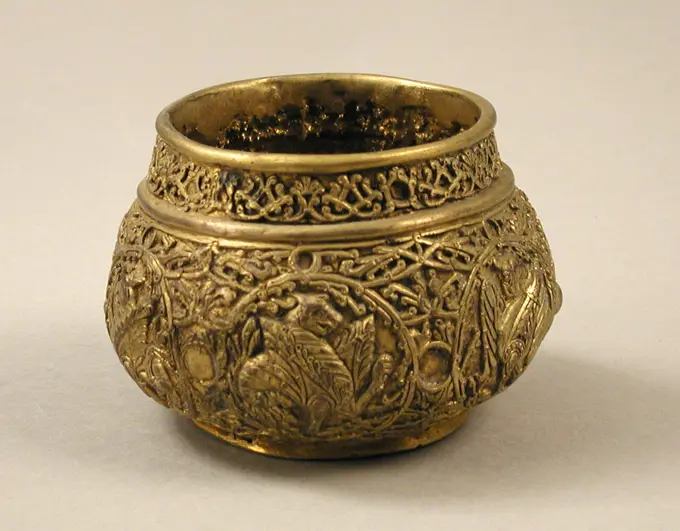
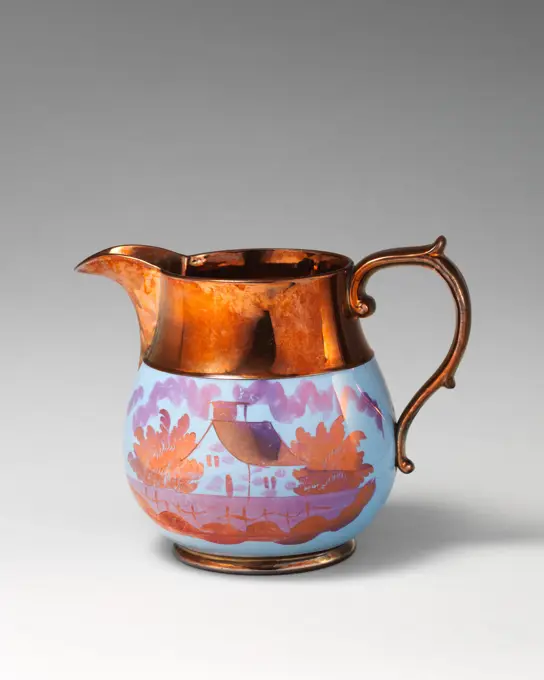
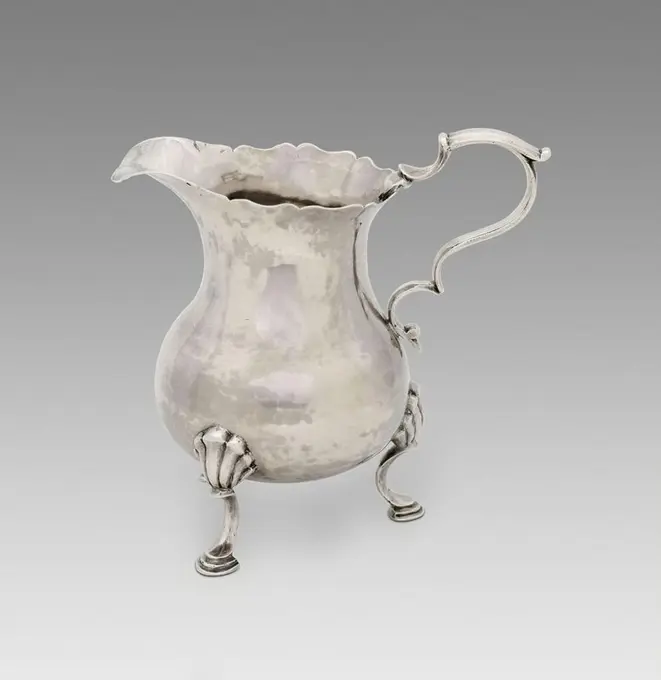
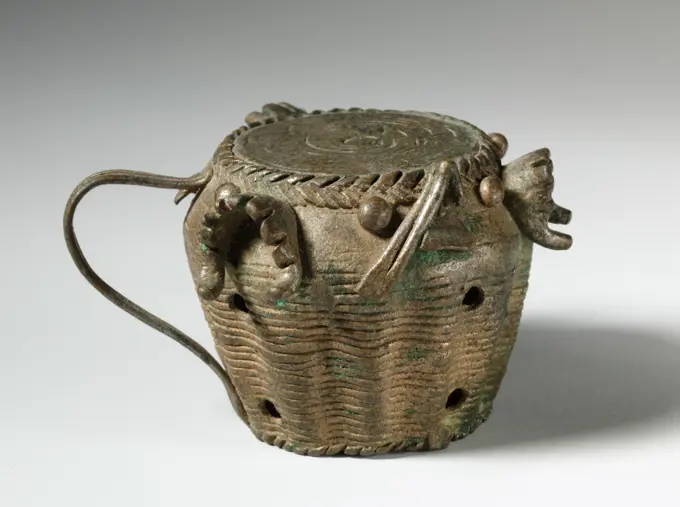
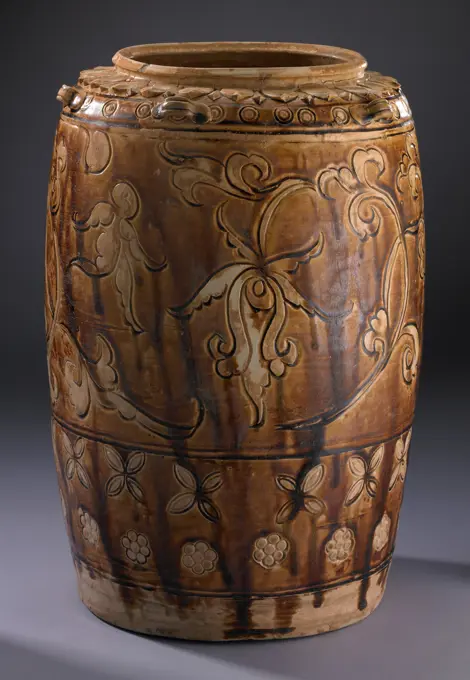
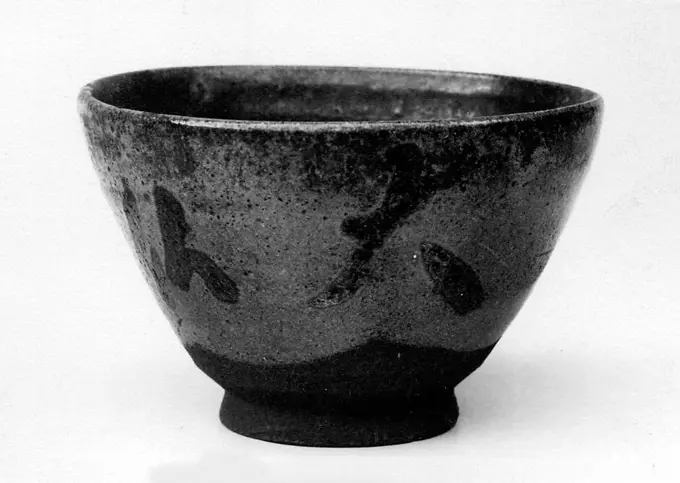
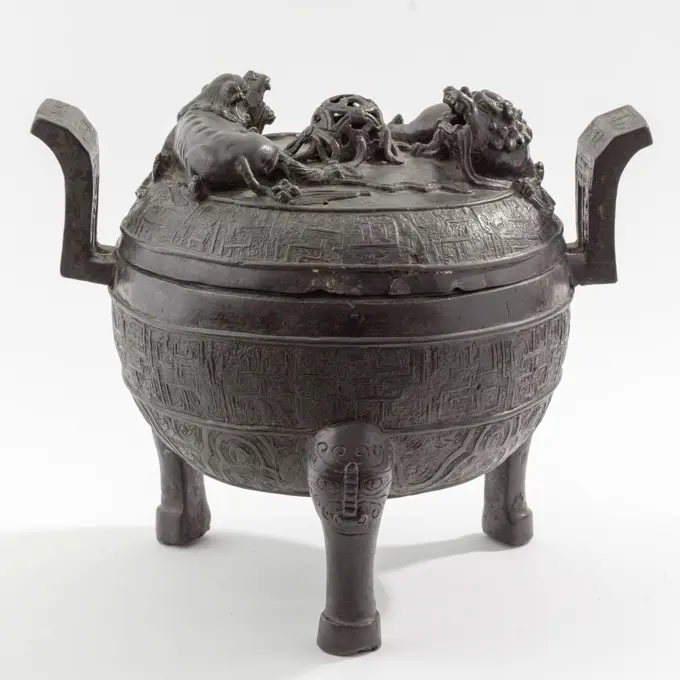
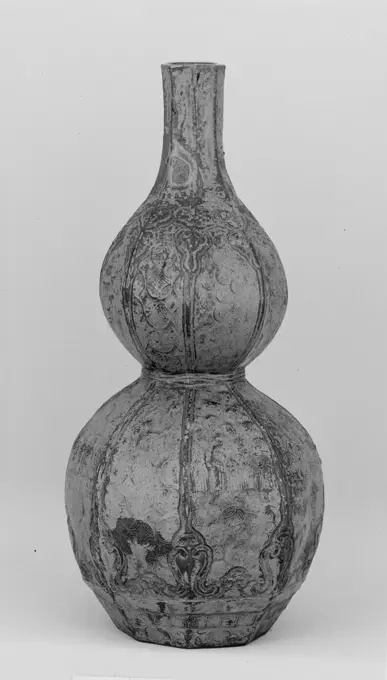
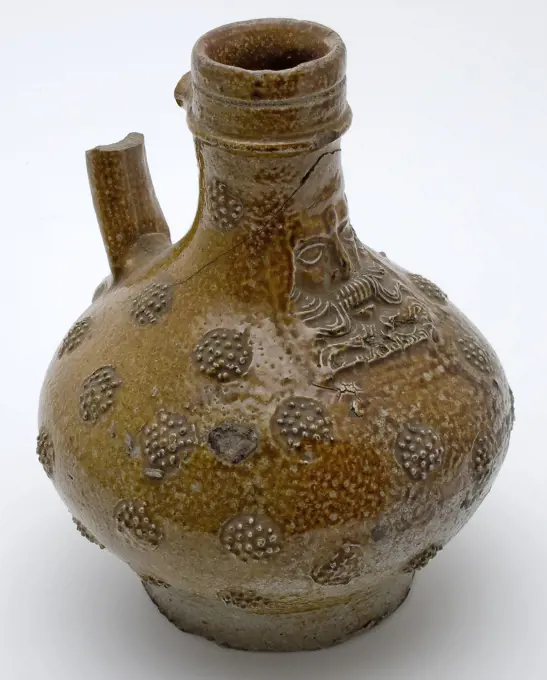
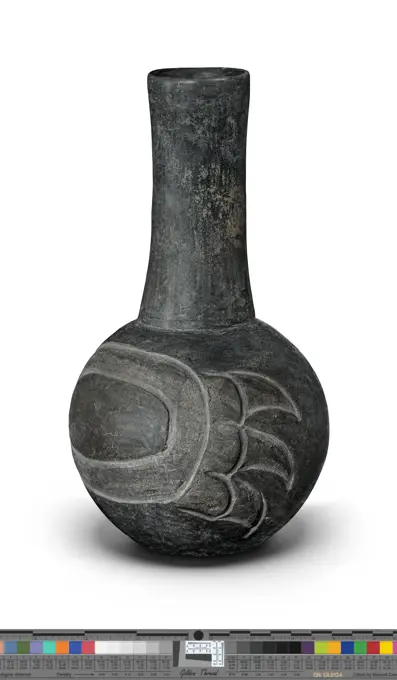
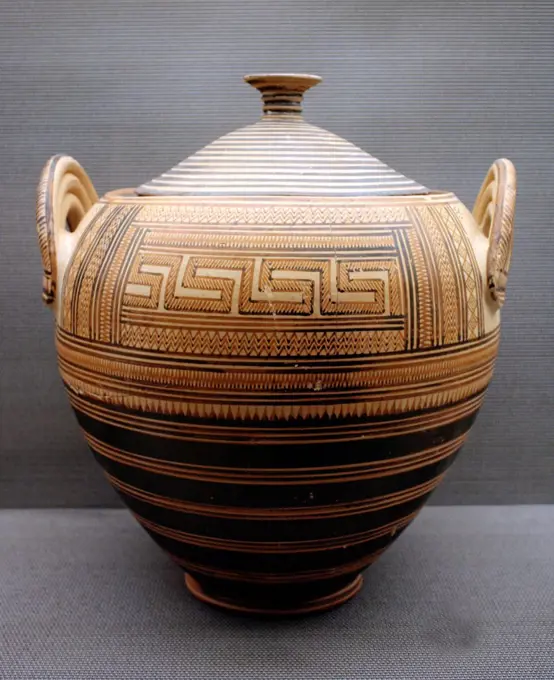
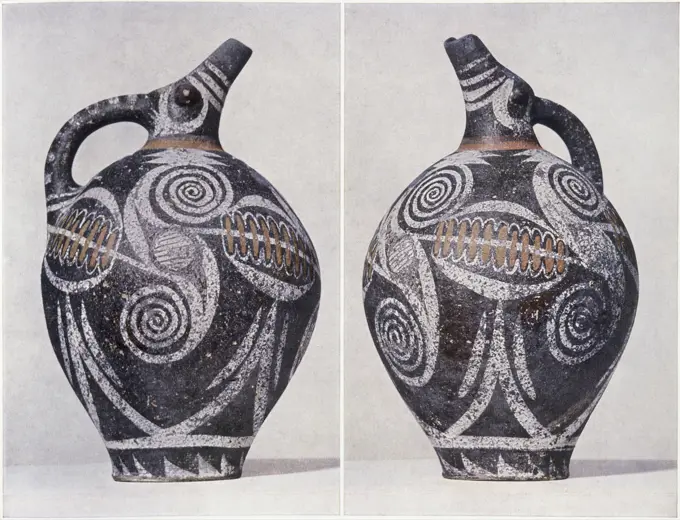
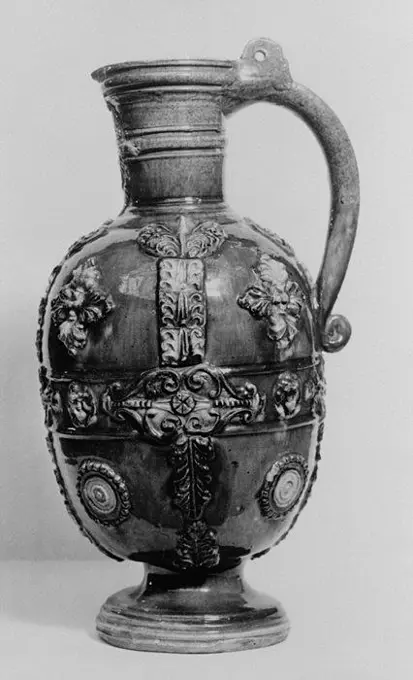
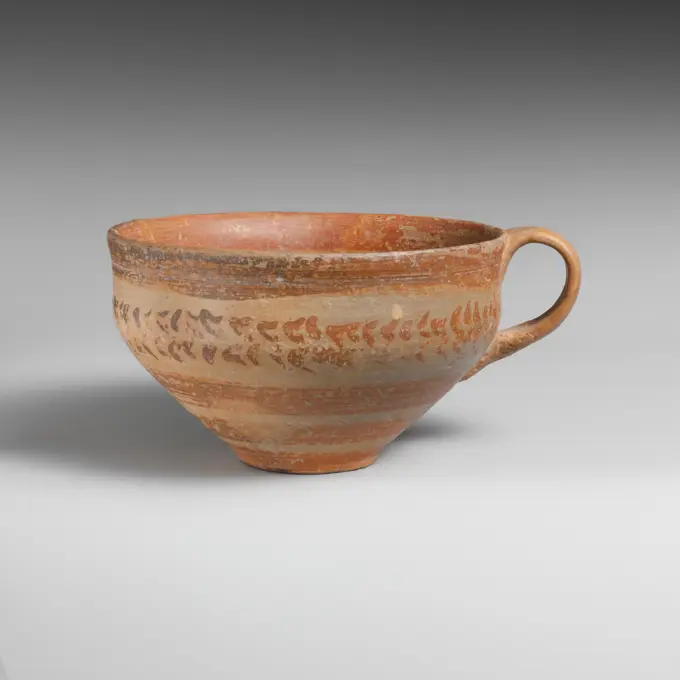
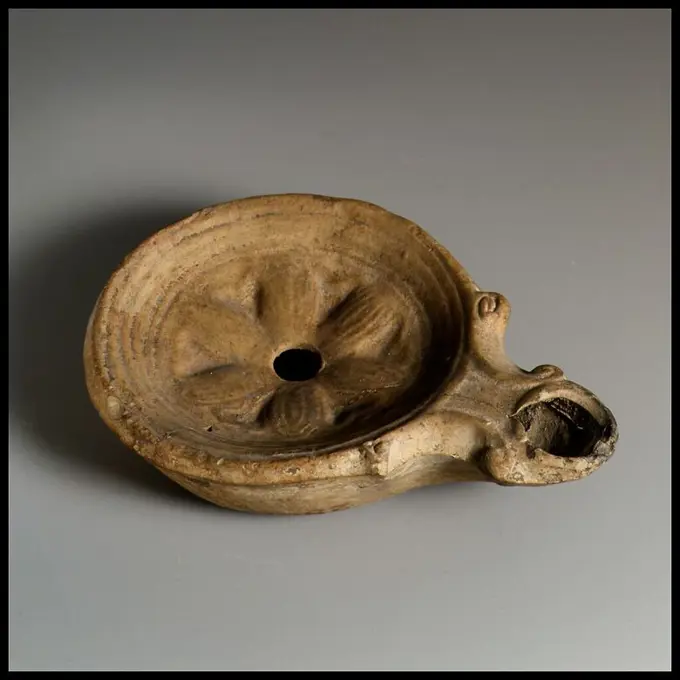
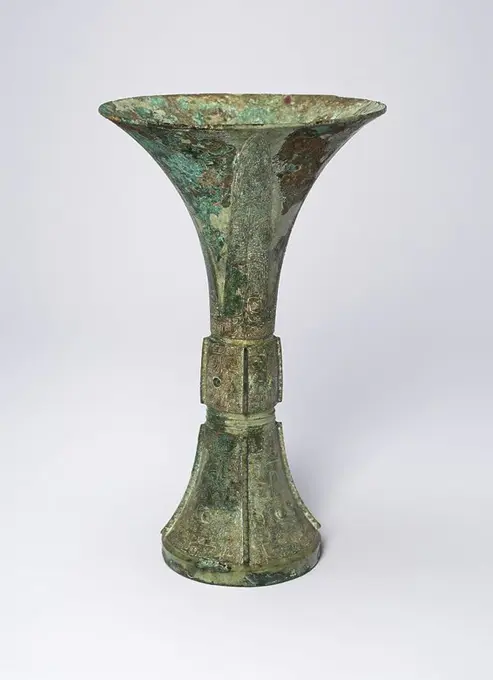
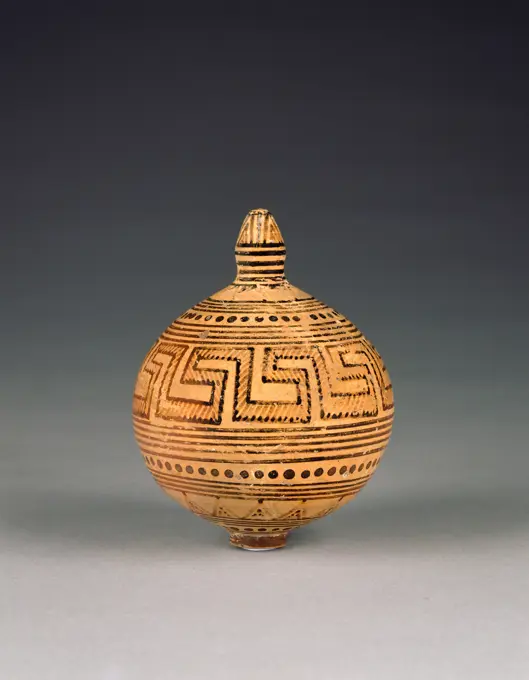
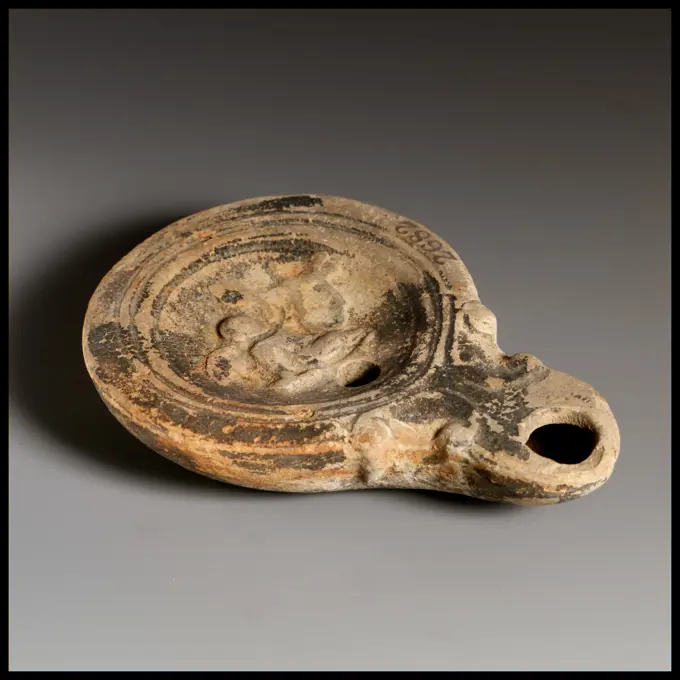
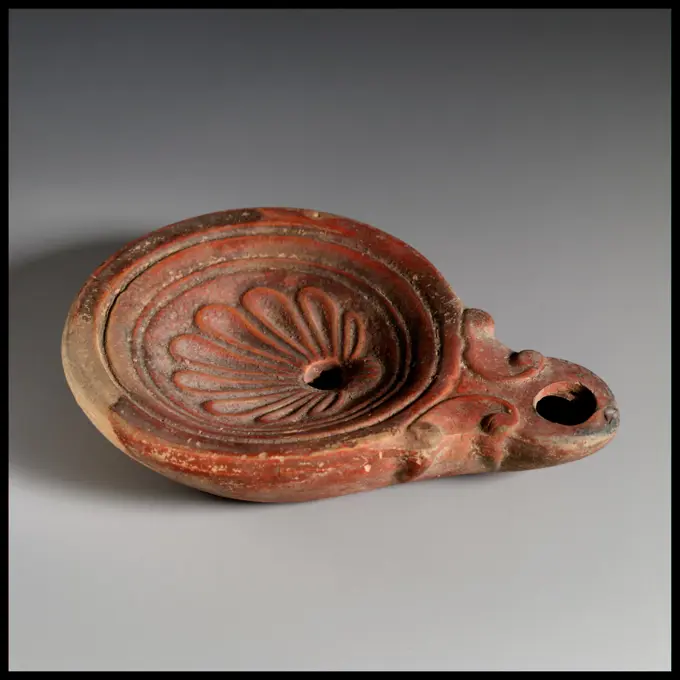
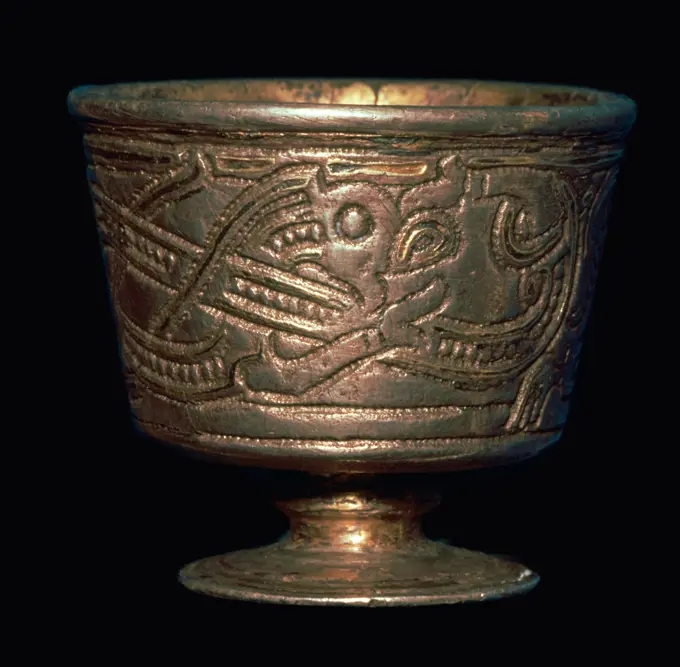
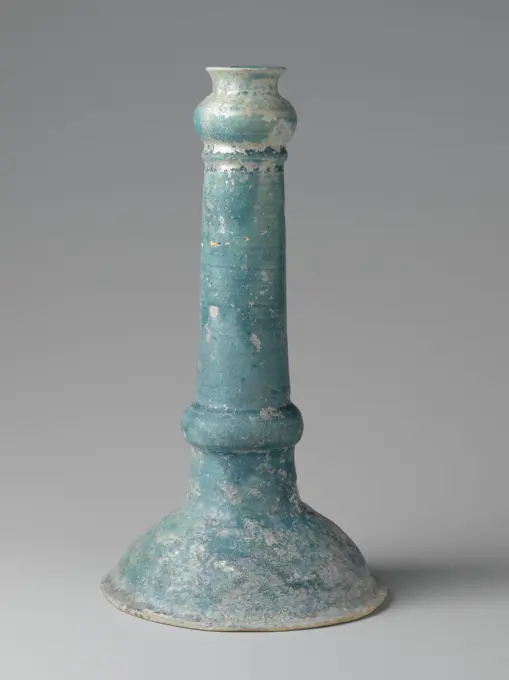
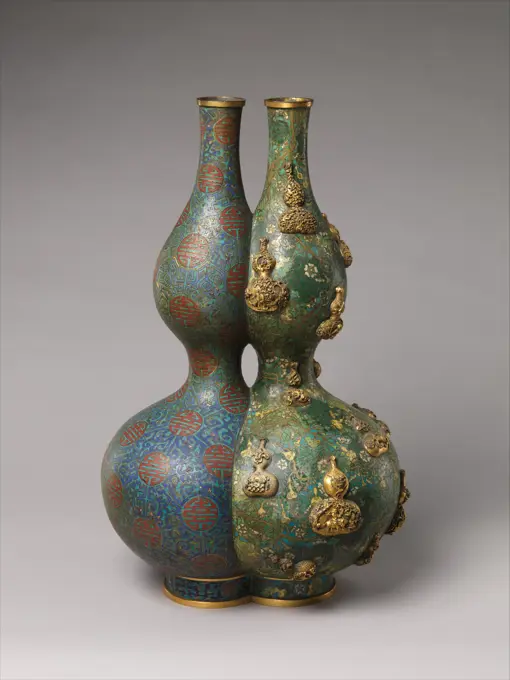
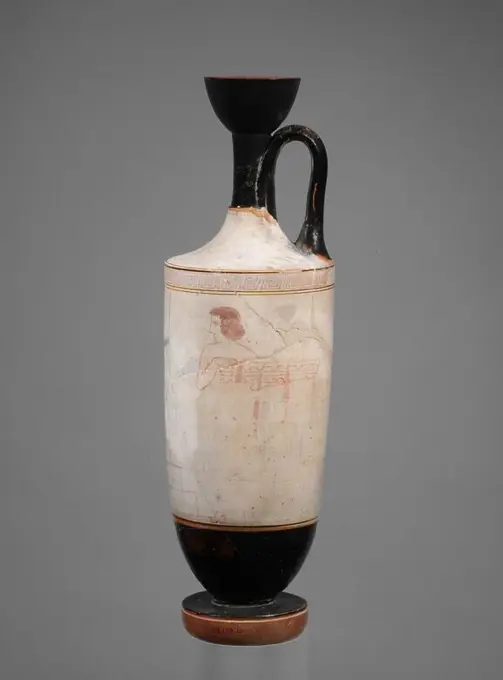
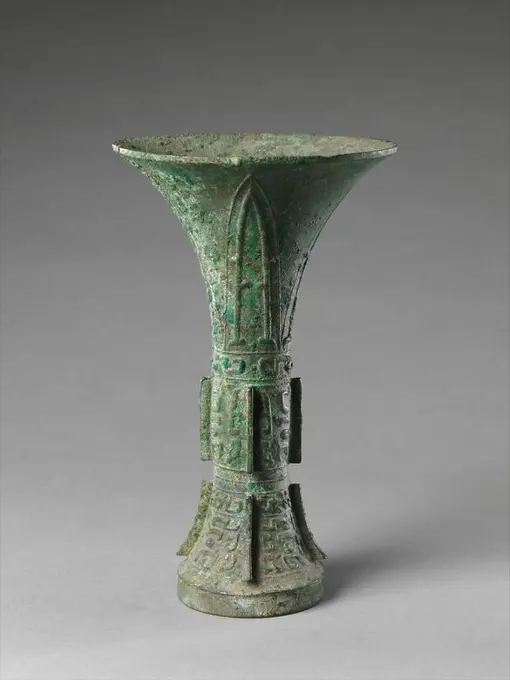
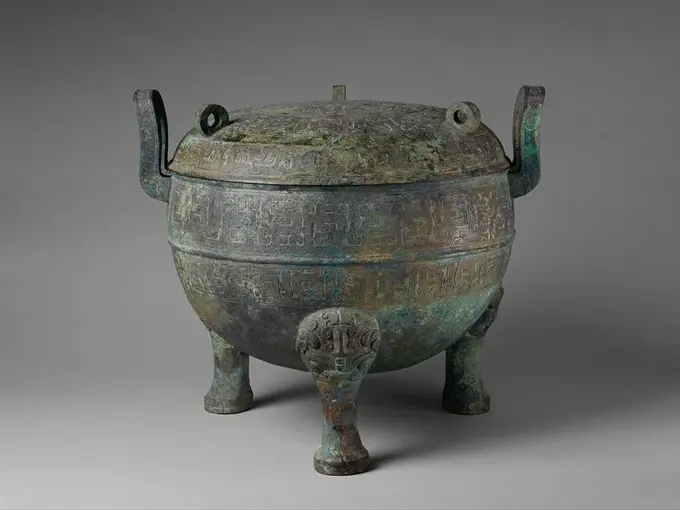
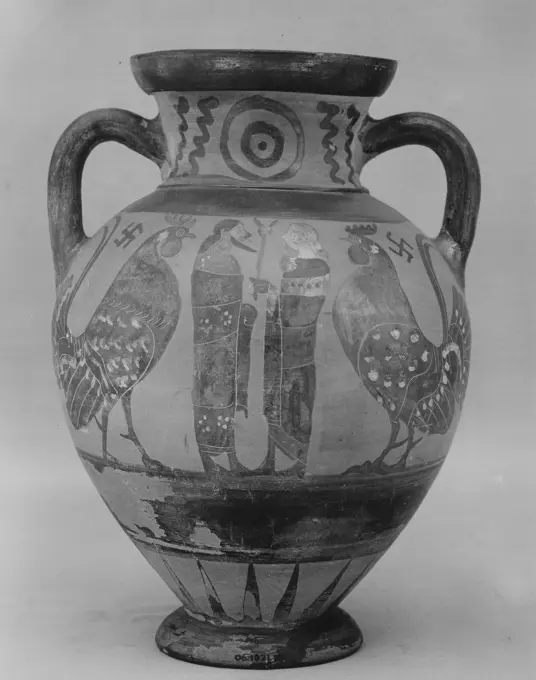
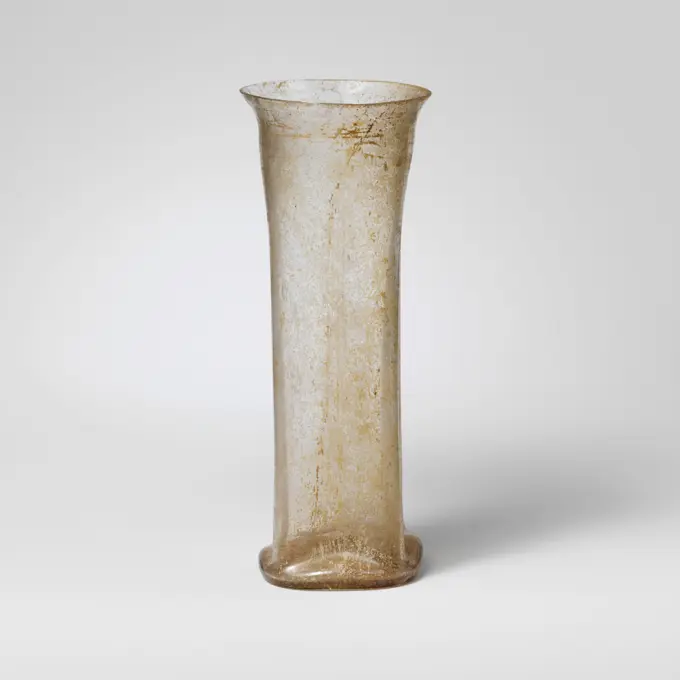
Glass beaker 2nd-3rd century A.D. Roman Tall, slender beakerColorlessKnocked-off, uneven, flaring rim; four-sided body; sides tapering slightly downward, with rounded corners and bulging pad at base; uneven, pushed-in bottom with tolling marks.Four vertical indents in sides.One faint wheel-abraded horizontal line below rim at top of body.Intact; many pinprick and a few larger bubbles; dulling, pitting, and faint iridescent weathering.. Glass beaker. Roman. 2nd-3rd century A.D.. Glass; blown and cut. Mid Imperial. Glass. Can be decorated from quartz fritgoed in shape of bird with polychrome luster on substrate of transparent alkalilation.Model cup ca. 1850-1700 B.C. Middle Kingdom. Model cup. ca. 1850-1700 B.C.. Blue faience. Middle Kingdom. From Egypt, Memphite Region, Lisht North, south of Tomb of Nakht (493), south cemetery, Pit 453, MMA excavations, 1913-14. Dynasty 12, late-13 to 1700 B.C.Can or pulse pulse. Can or pul from stoneware with pewter lid. Decorated with three medallions.Cup. unknown, craftsmanVase. Artist: Clifton Art Pottery (1905-11). Culture: American. Dimensions: 12 x 9 7/8 in. (30.5 x 25.1 cm). Date: ca. 1906-11. Museum: Metropolitan Museum of Art, New York, USA.Miniature DishTerracotta skyphos (deep drinking cup) ca. 350 B.C. Greek, Attic Obverse, seated woman, holding openwork processional basket and accompanied by two other women, Eros, and satyrReverse, seated woman with standing servant, Eros, and satyrOpenwork baskets of this type holding implements of sacrifice were carried by women in religious processions. The presence of a satyr and Eros on both sides of this vase suggests that the festival being celebrated is the Anthesteria. On the second day of this important Attic celebration devoted to Dionysos, the god of wine, he was united in marriage in a secret ritual to the wife of a high honorary official of Athens. It was apparently also a popular time for weddings in the city, and the seated woman on the back of this vase may be a bride being prepared for marriage. The basket and details of jewelry are in slight relief and gilded.. Terracotta skyphos (deep drinking cup) 247344Terracotta Megarian bowl. Culture: Roman. Dimensions: h. 2 7/8 in. (7.3 cm);d. 3 15/16 in. (10 cm). Date: ca. 150-75 B.C..The decorative motifs on this unglazed, hemispherical bowl are hallmarks of the workshop of C. Popilius: a row of beads below which are zones of garlands and shields; grape clusters and leaves; garlands suspended from bucrania interspersed with theatrical masks; and finally, a frieze of small satyr heads. A bowl signed by Popilius in the Museum of Fine Arts, Boston with similar decoration, contains an inscription indicating that it was made in central Italy, suggesting perhaps the bowl in this case was also manufactured in the same region. Museum: Metropolitan Museum of Art, New York, USA.Terracotta lekythos (oil flask) ca. 450 B.C. Attributed to the Sabouroff Painter Prothesis (laying out of the dead)The prothesis, a central part of funerary ritual, is represented in the Metropolitan Museum's collection as early as the mid-eighth century B.C. The essential elementsthe deceased laid out on a bier, surrounded by members of the household and mournersremained unchanged over centuries. In this depiction, there is obvious interest in differentiating the mourners and exploiting the contrast between the light background and the surfaces of opaque color.. Terracotta lekythos (oil flask) 247920Polychrome Bowl Depicting Eight Abstract Motifs on Exterior Made 1200-1521 Puebla state. Ceramic and pigment . CholulaWater Jar mid-19th century Japan. Water Jar 57722Tea jar 18th century Japan. Tea jar 63069Emilia-Romagna Ferrara Ferrara Museo Civico di Schifanoia87. Hutzel, Max 1960-1990 General Notes: INCOMPLETE RECORD--NEGATIVES PROCESSED, PRINTS FILED German-born photographer and scholar Max Hutzel (1911-1988) photographed in Italy from the early 1960s until his death. The result of this project, referred to by Hutzel as Foto Arte Minore, is thorough documentation of art historical development in Italy up to the 18th century, including objects of the Etruscans and the Romans, as well as early Medieval, Romanesque, Gothic, Renaissance and Baroque monuments. Images are organized by geographic region in Italy, then by province, city, site complex and monument.Royal Flemish Vase c 1889-1895 New Bedford. Royal Flemish was, like most art glass, intended for cabinet display. Modeled after Near Eastern or Moorish forms, this vase is embellished with matte color planes outlined in gold and punctuated with dazzling decorative schemes.. Partially gilded and painted blown mold glass . Mount Washington Glass Works (Maker)Lamp, Anatolia; 1st - 4th century; Terracotta; 2.6 x 6.1 x 9 cm (1 x 2 3,8 x 3 9,16 in.)Covered Box. Thailand, Sawankhalok, 16th century. Furnishings; Accessories. Stoneware with underglaze brown painted decorationCoffeepot with Lid, Fiesta” Pattern. Designer Frederick Hurten Rhead, American, born England, 1880-1942 Manufacturer: Homer Laughlin China Company, American, established 1871Cup 19th century Scythian. Cup 468779Pitcher British 19th century View more. Pitcher. British. 19th century. Lustreware. Ceramics-PotteryCream Pot. Myer Myers; American, 1723-1795; New York, New York. Date: 1755-1776. Dimensions: 10.1 × 10.8 × 6.7 cm (4 × 4 1/4 × 2 5/8 in.). Silver. Origin: New York City. Museum: The Chicago Art Institute, Chicago, USA.Dish;  around 2345 2181 BC ; Old state, 6 dynasty (-2686-00-00--2181-00-00);Gold Weight: Drum with Jaws of Defeated Enemies, 1800s. Guinea Coast, Ghana, Asante, 19th century. Brass; overall: 3.6 x 5.3 cm (1 7/16 x 2 1/16 in.). The wealth and power of the Asante kingdom was derived primarily from its massive gold resources. Since at least 1600, small weights in brass and bronze were used to weight gold dust and nuggets. The royal court had the most elaborate store of weights, while commoners often had about a dozen. Their imagery falls into two broad cateogries: geometric and representational. The latter often refers to proverbs, which used judiciously, marked a wise person.Pitcher. English for the American market; Staffordshire. Date: 1830-1850. Dimensions: H. 17.8 cm (7 in.). Earthenware. Origin: Staffordshire. Museum: The Chicago Art Institute, Chicago, USA.Vase, c. 1890. Pierre Adrien Dalpayrat (French, 1844-1910). Stoneware; overall: 33.9 x 16.4 cm (13 3/8 x 6 7/16 in.).Storage Jar, Ly dynasty, 11th-13th century, 14 1/2 x 10 3/16 x 10 3/16 in. (36.83 x 25.88 x 25.88 cm), Stoneware, Vietnam, Ly dynasty, 11th-13th century, After more than 1,000 years of varying degrees of Chinese occupation, the people of northern Vietnam gained their independence and established a capital at present-day Hanoi. This period of freedom saw a flourishing of Vietnamese culture. The selective adoption of neighboring Chinese developments in ceramics created distinctly Vietnamese forms. The spontaneity of line, color, and pattern are hallmarks of Vietnamese ceramics, with each vessel bearing an interpretation by an individual artist.Ewer with Grotesque Decoration and Figures of Faith, Hope and Charity. François Briot (after) (France, circa 1550-1612). France, circa 1600-1610. Furnishings; Serviceware. Lead-glazed earthenware, Palissy wareRitual sacrifice scale. Ritual barrel for food. Rich decoration in three zones; Stopping vertical lists. This GUI has no ears.Teabowl ca. 1840 Seizan Japanese. Teabowl 63146Beaker with Frontal Figures, 900-1100. Central Andes (Peru), Lambayeque (Sicán) people, 10th century-12th century. Gold, hammered; overall: 12.5 x 9.1 cm (4 15/16 x 3 9/16 in.). This beaker was created by an artist of the Lambayeque culture of Peru's north coast. It features a figure with comma-shaped eyes holding staffs, symbols of authority. If such beakers were used in lifethat is, not created exclusively for the lavish tombs in which they have been found in quantitiesthey may have figured in feasting events that were central to late pre-Hispanic political, social, and religious life.Tripode vase. Bronze. Chine. Par musée musée malée. Anse, Chinese art, bronze, lid, lion, three feet, tripod vase, animalAnthropomorphic Lime Container. Culture: Indonesia (Java, Lumajang, Pasiran). Dimensions: H. 6 1/2 in. (16.5 cm). Date: ca. 500 B.C.-A.D. 300.The function of these amusingly anthropomorphic vessels is made clear by traces of quicklime in their interiors. Along with spoons and other paraphernalia associated with the preparation of betel (areca) nuts, containers like these were part of an extensive surface find on the beach at Lamajang in northwestern Java. Throughout South and Southeast Asia the leaves of the betel plant, a type of pepper, are wrapped around a mixture of lime and the seed kernel of the betel palm and chewed. Quicklime is a natural antacid, and the concoction provides both a stimulant and a tonic.It is not known precisely when the practice of chewing betel began. An intriguing early reference, however, is found in the Chinese Shiji (Historical Records) written by Sima Qian during the first century B.C. Chapter 116 of this monumental work describes the appearance and acJar ca. 6th-8th century A.D. Sasanian or Islamic. Jar. Sasanian or Islamic. ca. 6th-8th century A.D.. Ceramic. late Sasanian-early Islamic. Iran, Qasr-i Abu NasrBottle 1700-1750 Japan. Bottle. Japan. 1700-1750. Pottery decorated in the paste and covered with a thin glaze (Bizen ware, Imbe style). Edo period (1615-1868). CeramicsBartmann jug, also called Bellarmine jug, with brambles and Bartmann jug, also called Bellarmine jug, mask, beard masonry vessel holder soil find ceramic stoneware clay engobe glaze salt glaze, hand turned stamped glazed glazed baked stoneware jug gray shard brown salt glaze partially brindled bandoor with short spiked tail groove and ridge under mouth rim on neck and belly burr buds traces on the bottom archeology import pottery drink pour keep oil wine beerTerracotta jug. Culture: Cypriot. Dimensions: H. 7 15/16 in. (20.2 cm). Date: 750-600 B.C..Standing bird. Museum: Metropolitan Museum of Art, New York, USA.Vase, diabolov -shaped with spherical nodus, painted with plant motifs, N.V. Haagsche Plateel Factory Rozenburg, 1896 Vase of earthenware, diabolov -shaped with spherical nodus in the middle. Painted with stylized plant motifs in yellow, green and brown on dark blue stock. The Hague earthenware Vase of earthenware, diabolov -shaped with spherical nodus in the middle. Painted with stylized plant motifs in yellow, green and brown on dark blue stock. The Hague earthenwareBottle with Stylized Jaguar Paw. Mexico, Valley of Mexico, Olmec, 1200-800 BCE. Ceramics. CeramicCinerary Pyxis or jar with lid. Greek burial jar circa 8th Century BC Athens, Greece.Pitcher with Spout-Minoan Pottery, Kamares Style 1850/1700 B.C. Greek Art Archeological Museum, Heraklion, Greece Galvanoplastic reproduction of a jug with the presentation of a traditional battle scene, FA. Elkington & Co., after 1857 - Before 1878 Galvanoplastic reproduction of a can with driven representation of a traditional battle scene. London copper (metal). silver (metal) gilding Galvanoplastic reproduction of a can with driven representation of a traditional battle scene. London copper (metal). silver (metal) gildingEwer 17th century French, Avignon. Ewer 195273Terracotta hemispherical cup ca. 1525-1450 B.C. Minoan Leaf decoration and bands.. Terracotta hemispherical cup. Minoan. ca. 1525-1450 B.C.. Terracotta; Fine painted ware. Late Minoan IB. VasesLotiform Cup. Dimensions: H. 15 (5 7/8 in); diam. 9. 1 cm (3 9/16 in). Dynasty: Dynasty 19. Date: ca. 1295-1185 B.C..The symbolism of this lotus-shaped chalice may reflect either an association with the water lily's analgesic properties, or with the plant's aquatic habitat. Museum: Metropolitan Museum of Art, New York, USA.Glass jug 5th century A.D. Roman, Syrian Translucent blue green, with same color handle and trail.Thick folded rim, flattened into broad flaring mouth; cylindrical neck expanding downwards; horizontal shoulder with overhanging rounded bulge below; cylindrical body with slightly concave vertical side; pushed-in bottom with central pontil scar; thick rod handle applied to shoulder, drawn out and up, then turned in, and trailed on to edge and underside of rim.On neck, single uneven trail wound round one and a half times horizontally. On body, close-set spiral ribs descending from left to right and narrow vertical ribs, creating a slanting notched pattern.Intact; blowing striations, pinprick and some larger bubbles, and black impurities in rim; slight dulling and pitting, with patches of weathering and iridescence on exterior, patches of encrustation, creamy brown weathering, and brilliant iridescence on interior.The patterning on the body is clearly intended to imitate basketry.. Glass juCampania Caserta Capua Museo Campano057. Hutzel, Max 1960-1990 Medieval: Byzantine architectural fragments; parchment fragments with miniatures (12th century) from Montecassino; painted wooden crucifix (13th century); Carolingian crucifixes; Bishop's miter (11th century) of gold and silver damask; fresco (13th century). Post-medieval: Architecture (15th century). Formerly the Palazzo Antignano. Unusual Catalan/Moorish-style portal; Paintings on panel and canvas (15th-18th centuries); marble intarsia (16th century); marble sculpture: busts of Christ and Mary (17th century); sculpture of saints in marble and in wood (15th century); painted and gilded sculpture in wood; marble grave sculpture (16th century); sarcophagus with allegorical carvings; gold reliquary "Rosa d'Oro"; crucifix made of elephant tusk Specific Location: Pianterreno Antiquities: Italic sculpture (seated women holding babies); inscription. Photo campaign #1: 533 photos. Roman relief and sculpture; cinerary urns; Greek aWine Bottle 19th century Japan. Wine Bottle 47950Wine bottle from the wreck of the East Indies Hollandia, Anonymous, 1700 - in or before 1743  Glued wine bottle. Wine Bottle, Continental Production, with Vertical Side, complete; (7) Fragm (1) (17h, Belly 13.5-12D, Base 10.5d), R-String Rim, TCS-Kick-Up, Cork With Traces of Red (WA). Netherlands .   SecondTerracotta oil lamp. Culture: Roman, Cypriot. Dimensions: Overall: 1 x 3 1/2 in. (2.5 x 8.9 cm).Loeschcke Type 1A. Mold-made. Discus: six large flower buds (or petals) in relief, radiating from a central filling hole, with a broad band of lines and grooves at edge. Volutes flanking nozzle. Within narrow, incised base ring, flat base, with impressed letters across center: FAVSTI, and below: Y.Intact.Fingerprints visible on base. Museum: Metropolitan Museum of Art, New York, USA.Beaker. China. Date: 1600 BC-1050 BC. Dimensions: H. 24.1 cm (9 1/2 in.); diam. 14.3 cm (5 5/8 in.). Bronze. Origin: China. Museum: The Chicago Art Institute, Chicago, USA.Lazio Viterbo Viterbo Museo Civico84. Hutzel, Max 1960-1990 Views of paintings (Middle Ages through 18th c.), frescoes, a tabernacle, coffin, sculpture reliefs, portal fragments, busts, sculpture, tapestry found in the Pinacoteca, Second floor gallery and Second floor cloister sequences. Antiquities: Many views of Etruscan and Roman fragments, sculpture, sarcophagi, pottery, masks, jewelry and other objects found in the Storeroom sequence (inventory numbers on back of prints), and the Cloister, Second floor Cloister, Valle Giulia, Sala Romana and Sala Etrusca sequences. General Notes: There are eight separate numerical sequences for this location. The cloister as an architectural structure, rather than museum site, is documented in the record and file for S. Maria della Verita, Cloister, all views of which are stored in Medieval core collection. Five views from the Museo Civico Second floor cloister sequence are stored in Medieval. German-born photographer and scholar Max Hutzel (1911-Lamp. Culture: Roman. Dimensions: Length: 4 5/8 in. (11.8 cm)Height: 1 9/16 in. (4 cm). Date: 2nd century A.D.. Museum: Metropolitan Museum of Art, New York, USA.Vase 18th century China. Vase. China. 18th century. Porcelain with turqoise-blue glaze (Jingdezhen ware). Qing dynasty (1644-1911), Qianlong period (1736-95). CeramicsEwer with figures and animals, anonymous, c. 1170 - c. 1200 Can be covered from quartz fritry with an alarm laze on which a decoration is painted in Luster of people, animals and decorative elements. is the earthenware. glaze. luster (textile) painting / vitrification Can be covered from quartz fritry with an alarm laze on which a decoration is painted in Luster of people, animals and decorative elements. is the earthenware. glaze. luster (textile) painting / vitrificationJug 19th century, after 1615-16 original Elkington & Co. British This electrotype is after a seventeenth-century original (1615-16), in the treasury of the Kremlin, Moscow. Derived from the English monarchy Jewel House and formerly part of the "Great Guilt Cubberd of Estate'" in 1626. Brought by Fabian Smith of the Muscovy Company for the treasury of Tsar Mikhail Fyodorovich in 1629.. Jug 186490Vase; Bielino (Manufaktura Fajansu; 1779-1800), Wolff, Karol (fl. Ca 1800); End of the 18th century (1795-00-00-1800-00-00);Hot milk jug (part of a service) 1750-70 Chinese, for European market. Hot milk jug (part of a service) 201321Bronze crested helmet. Culture: Villanovan. Dimensions: Overall: 12 5/8 x 12 1/2in. (32.1 x 31.8cm). Date: 9th century B.C..Pointed cap and a triangular crest decorated with two rows of small repouseé bosses that follow the crest's contours. Museum: Metropolitan Museum of Art, New York, USA.Flask. Egyptian. Date: 1292 BC-1202 BC. Dimensions: 5.7 × 2 × 2 cm (2 1/4 × 3/4 × 3/4 in.). Glass, core-formed technique. Origin: Egypt. Museum: The Chicago Art Institute, Chicago, USA. Author: Ancient Egyptian.Amphoraism; Egyptian workshop; II-I century BC (-200-00-00-1-00-00);Bowl ca. 11th-10th century B.C. China. Bowl 49140FOREIGN OLDPomegranate vase. UnknownSnuff Bottle China. Snuff Bottle. China. Porcelain. Qing dynasty (1644-1911), Yongzheng period (1723-35). Snuff BottlesUrn last quarter 18th century British. Urn. British. last quarter 18th century. Derbyshire spar, marble. Lapidary WorkTerracotta oil lamp 1st century B.C.-1st century A.D. Roman Loeschcke Type 4. Mold-made. Discus: seated Eros, facing right, with right arm and wing extended behind him and left wing above his head to right and a lyre held before him. Single filling hole at bottom near nozzle, with a band of lines and grooves towards edge. Volutes flanking nozzle. Shallow base ring, and flat base.Complete, except for one small hole at base of right side of nozzle.. Terracotta oil lamp. Roman. 1st century B.C.-1st century A.D.. Terracotta. Early Imperial. TerracottasOil for oils, New Year's manner, bowl;  around 1550 1295 BC ; New PA ; Half period, 26 dynasty (-664-00-00--525-00-00);Hoffmann, Henri (1865-1917), Hoffmann, Henri (1865-1917)-collection, scenes.gal.Terracotta oil lamp ca. A.D. 40-100 Roman, Cypriot Loeschcke Type 4. Mold-made. Discus: shell pattern of nine relief fans radiating from a filling hole towards nozzle, with a band of lines and grooves towards edge. Volutes flanking nozzle. Within incised base ring, slightly concave base, with large letters in relief across center: M A, with dot between.. Terracotta oil lamp. Roman, Cypriot. ca. A.D. 40-100. Terracotta. Early Imperial. Terracottas. The molded round auger widens upwards and has a cut-out profiled edge. The wall is vertically distributed by nine excellent, with three studs, decorated. These are connected to each other through a pearl edge. Under this and above are reliefs; A heart shape with Maria with a child () With a shell as a background in the bottom row, and, among other things, James the multiple, Barbara, and the head of John the Baptist at the top. The curing part is decorated with a border with nine three passes, a pearl edge with nine beads, and a border with six-leaf roses.Amphora decorated with elaborate floral patterns (1800-1700 BC), Archaeological Museum with most important finds of the Minoan culture, Heraklion, Crete, Heraklion, Crete, Greece, EuropeGeometric style pottery, Campania, Italy. Daunia Civilization, 6th and 5th Centuries BC.Jar ". Cream cover sandstone, decor painted in brown. Paris, Cernuschi museum. Anse, Chinese art, Chinese Ceramic, Covered Creme, Decor painted, Gres, JarreBrush Holder with Fisherman and Traveler 19th century China. Brush Holder with Fisherman and Traveler 76443Stirrup Spout Bottle with Three Sections 5th-7th century Moche. Stirrup Spout Bottle with Three Sections 308516Pilgrim Bottle, 1889. Tin-glazed earthenwareCampania Caserta Capua Museo Campano, Italy, 20th century, photo, photography, EuropeViking silver cup from Jelling, 10th century Artist: UnknownAmforka na stopce. unknown, authorIncense Burner China. Incense Burner. China. Cloisonné enamel on gilt copper. Ming dynasty (1368-1644). CloisonnéCandlestick with a turquoise glaze, anonymous, c. 1100 - c. 1299 Candlestick of earthenware with half a spherical base and two ring -shaped thickening in the voice, covered with monochrome turquoise glaze. Iran earthenware. glaze vitrification Candlestick of earthenware with half a spherical base and two ring -shaped thickening in the voice, covered with monochrome turquoise glaze. Iran earthenware. glaze vitrificationDouble Vase China. Double Vase. China. Cloisonné enamel on copper. Qing dynasty (1644-1911), Kangxi period (1662-1722). CloisonnéSnuff Bottle, 1644-1911. China, Qing dynasty (1644-1911). Glass; overall: 8.6 cm (3 3/8 in.).Teapot 19th century Japan. Teapot. Japan. 19th century. Pottery with thin glaze (Kyoto ware). Edo period (1615-1868). CeramicsTerracotta lekythos (oil flask). Culture: Greek, Attic. Dimensions: H. 11 15/16 in. (30.3 cm); diameter 3 11/16 in. (9.3 cm). Date: ca. 440-430 B.C..Two women at a tombThe woman at the left kneels and gesticulates in mourning. The economy and sureness of the drawing are as noteworthy as the fact that her sentiment is expressed by her pose, not by any facial expression. The figure on the right holds a basket with fillets. Museum: Metropolitan Museum of Art, New York, USA.T'ing, 900-600 BCE, 10 × 10 7/16 × 10 11/16 in., 9.7 lb. (25.4 × 26.5 × 27.2 cm, 4.4 kg), Bronze, China, 9th-6th century BCECricket cage 18th-19th century China. Cricket cage 60725Part of small one-handledvaseRitual Wine Beaker (Gu). Culture: China. Dimensions: H. 8 1/4 in. (21 cm); Diam. of rim: 5 in. (12.7 cm); Diam. of foot: 2 13/16 in. (7.1 cm); Wt. 1 lb. (0.5 kg). Date: late 11th century B.C..This elaborate set of wine vessels provides an idea of the splendor of Shang and early Zhou ritual ceremonies. The set is said to have come from a tomb uncovered in 1901; shortly thereafter, it entered the collection of Duan Fang, a senior Manchu official and one of the preeminent antiquarians of the late Qing period. The pieces vary in style and execution. Although eleven of the vessels are inscribed, only one grouping shares identical inscriptions: the two wine containers, or you (nos. 2, 3) and the tall wine container, or zun (no. 4). A second grouping has largely comparable inscriptions: the spouted water vessel, or he (no. 5) and one cup, or zhi (no. 11).A partial reconstruction of the set's arrangement in the tomb may be established from corrosion outlines on the three principal vessels--ESENCIERO DE ALBARRACIN. Nº INV. MT 629. ALTURA 16 CM. ANCHO MAXIMO 7,5 CM. MUSULMAN. (EXPOSICION :ARTE ISLAMICO ESPAÑOL)(DEPOSITO: MUSEO DE TERUEL).Ritual Tripod Cauldron with Cover (Ding). Culture: China. Dimensions: H. (at handles) 16 7/8 in. (42.9 cm); W. (at handles) 19 3/4 in. (50.2 cm); Diam. 16 5/8 in. (42.2 cm). Date: 5th-4th century B.C.. Museum: Metropolitan Museum of Art, New York, USA.Terracotta neck-amphora (storage jar) ca. 560 B.C. Greek, Euboean On one side, two men stand between roosters; one holds a kerykeion, a staff terminating in a caduceus, which identifies him as an official herald or envoy sent from one Greek city to another. On the other side, a herald stands between sirens.. Terracotta neck-amphora (storage jar) 247208Burial Urn with Composite Saurian-Human. Panama, Herrera Province, Macaracas style, 800-1000 CE. Ceramics. Slip-painted ceramicBowl with Trophy Heads, c. 100-650. Peru, Nasca, Early Intermediate Period. Ceramic, slip; overall: 10.2 x 10.2 cm (4 x 4 in.).Tea and coffee set (teapot, coffeepot, milk jug, sugar bowl) early 19th century Belgian, Namur Similar in shape to black-glazed English wares of the eighteenth century, this Namur tea and coffee set is distinguished from them by its somewhat coarser potting. The ultimate inspiration for European black wares was Chinese "famille noire" porcelainfirst imitated in Delft in the late seventeenth century.. Tea and coffee set (teapot, coffeepot, milk jug, sugar bowl) 205386Kyliks gnathia. unknown, authorJarlet. Thailand, Sawankhalok, 16th century. Furnishings; Serviceware. Stoneware with brown and white glazeTerracotta oil lamp. Culture: Roman, Cypriot. Dimensions: Overall: 1 x 3 5/8 in. (2.5 x 9.2 cm). Date: ca. A.D. 40-100.Loeschcke Type 4. Mold-made. Discus: two, confronted dolphins in relief to either side of a vertical, inverted anchor with a band of concentric lines and grooves towards edge. Single filling hole towards nozzle. Volutes flanking nozzle. Within raised base ring, flat base, with a small raised letter N or Z in retrograde ) twoards the edge.Intact, except for chip on shoulder at back.. Museum: Metropolitan Museum of Art, New York, USA.Mastoid. Culture: Greek, Attic. Dimensions: Diameter: 3 9/16 × 3 3/4 × 1 7/16 in. (9.1 × 9.5 × 3.7 cm)Height: 3 3/8 in. (8.6 cm). Date: ca. 500-490 B.C.. Museum: Metropolitan Museum of Art, New York, USA.Jar. Culture: China. Dimensions: H. 10 3/4 in. (27.3 cm). Museum: Metropolitan Museum of Art, New York, USA.Terracotta guttus (flask with handle and vertical spout). Culture: Greek, South Italian, Apulian. Dimensions: H. 8.92 cm.L. 11.47 cm.Diameter 9.66 cm.. Date: 3rd century B.C..On vase, frontal sirenThe guttus was typically filled with oil and used in sacrifices or occasionally for bathing. Museum: Metropolitan Museum of Art, New York, USA.